DegreeGate PathPilot
AI API that maps optimal degree paths using university data, reducing graduation delays and credit waste with real-time academic planning insights.
The future of academic planning: why AI-powered degree mapping is becoming essential
Higher education is facing a quiet but costly crisis: students are taking longer to graduate, accumulating unnecessary credits, and incurring avoidable debt. Despite digital transformation in many industries, academic planning remains surprisingly outdated—often relying on static PDFs, fragmented advising systems, and human interpretation of complex degree requirements.
This is where an AI-powered academic planning solution like DegreeGate PathPilot enters the conversation. Positioned as an intelligent degree path optimization API, it promises to transform how institutions, edtech platforms, and students navigate degree completion.
In this deep dive, we’ll explore the market opportunity, target audience, technical architecture, monetization strategy, and how to build a scalable SaaS around this concept.
Understanding the problem: inefficiencies in degree planning
Before evaluating the solution, it's critical to understand the scope of the problem.
Key pain points in higher education planning
- Credit waste: Students often take courses that don’t count toward their degree due to poor planning or unclear requirements.
- Delayed graduation: Misaligned course sequencing or unavailable prerequisites can push graduation timelines.
- Advising bottlenecks: Academic advisors are overwhelmed, leading to inconsistent or delayed guidance.
- Transfer complexity: Students transferring between institutions frequently lose credits due to incompatible curricula.
- Lack of real-time data: Course availability, prerequisites, and program requirements are dynamic but rarely reflected in planning tools.
Industry context
According to publicly available data from education research organizations (e.g., National Student Clearinghouse), a significant percentage of students take longer than four years to complete a bachelor’s degree, often increasing their total cost of education.
What DegreeGate PathPilot does differently
At its core, DegreeGate PathPilot is an AI API that dynamically maps optimal degree paths using real-time university data.
Instead of static planning, it enables:
- Intelligent course sequencing
- Real-time prerequisite validation
- Graduation timeline optimization
- Credit transfer evaluation
- Scenario simulation (e.g., switching majors)
Core value proposition
- Reduce time-to-degree
- Minimize unnecessary credits
- Automate academic advising insights
- Improve institutional efficiency
Target audience: who needs this the most?
Primary users
Universities & Colleges
Improve student outcomes, reduce advising workload, and boost graduation rates.
EdTech Platforms
Integrate AI-powered planning into student success platforms or LMS systems.
Academic Advisors
Use AI insights to enhance advising accuracy and efficiency.
Students
Gain clarity on optimal degree paths and avoid costly mistakes.
Secondary stakeholders
- Government education departments
- Workforce development programs
- Online degree providers
- Bootcamps and alternative credential platforms
User intent breakdown
Different users will approach this solution with different goals:
- Students: “What’s the fastest way to graduate?”
- Universities: “How do we improve retention and completion rates?”
- Developers: “How can I integrate degree planning into my platform?”
- Investors: “Is this a scalable SaaS opportunity?”
This article addresses all four.
Market opportunity and timing
Why now?
Several trends converge to make this idea particularly strong:
- Rise of AI-driven personalization
- Growth in student success platforms
- Increasing scrutiny on student debt and ROI of degrees
- Expansion of online and hybrid education models
- Demand for data-driven institutional decision-making
Market size indicators
- Global EdTech market projected to exceed hundreds of billions (source: industry reports like HolonIQ)
- Student success and retention software is a rapidly growing subcategory
- API-first SaaS models are increasingly preferred by developers
Gap in the market
Most existing tools fall into one of these categories:
| Feature | Traditional Advising | Static Planning Tools | Generic AI Tools | DegreeGate PathPilot |
|---|---|---|---|---|
| Real-time data | ❌ | ❌ | ❌ | ✅ |
| AI optimization | ❌ | ❌ | ✅ | ✅ |
| API-first architecture | ❌ | ❌ | ✅ | ✅ |
| Degree-specific logic | ✅ | ✅ | ❌ | ✅ |
Core features that define the product
1. Intelligent degree path optimization
- Automatically generates the most efficient course sequence
- Accounts for prerequisites, co-requisites, and availability
- Optimizes for time, cost, or workload balance
2. Real-time data integration
- Syncs with university course catalogs and scheduling systems
- Updates dynamically as requirements change
3. Transfer credit evaluation
- Maps external credits to degree requirements
- Reduces ambiguity for transfer students
4. Scenario simulation engine
- “What if I switch majors?”
- “What if I take a semester off?”
- “What if I overload courses?”
5. API-first architecture
Developers can integrate PathPilot into:
- Student portals
- LMS platforms
- Advising dashboards
- Mobile apps
Example API usage:
fetch("https://api.degreegatepathpilot.ai/optimize-path", {
  method: "POST",
  headers: {
    "Content-Type": "application/json",
    "Authorization": "Bearer API_KEY"
  },
  body: JSON.stringify({
    studentProfile: {
      major: "Computer Science",
      completedCredits: 45,
      transferCredits: 12
    },
    preferences: {
      maxCreditsPerSemester: 15,
      targetGraduation: "2027"
    }
  })
})
.then(res => res.json())
.then(data => console.log(data));
Recommended tech stack (with trade-offs)
Frontend
- React for dynamic UI
- TailwindCSS for rapid styling
Trade-off: React offers flexibility but may require performance optimization for large datasets.
Backend
- Node.js (fast, scalable API handling)
- Python (for AI/ML components)
Trade-off: Dual-stack increases complexity but allows better AI model integration.
AI layer
- Graph-based optimization algorithms
- Constraint solvers
- LLMs for natural language explanations
Data layer
- PostgreSQL (structured academic data)
- Neo4j (graph relationships between courses)
Why graph matters: Degree requirements are inherently relational.
Infrastructure
- AWS or GCP for scalability
- Serverless functions for API endpoints
Building the MVP: what to prioritize
MVP scope
Focus on:
- One university
- One or two degree programs
- Basic optimization (not perfect AI)
Avoid:
- Overengineering AI too early
- Supporting too many institutions initially
Monetization strategies
1. API usage pricing
- Tiered pricing based on requests
- Ideal for developers and platforms
2. SaaS licensing for universities
- Annual contracts
- Per-student pricing model
3. Freemium student tools
- Free basic planner
- Premium insights (faster graduation paths, simulations)
4. White-label solutions
- Universities can brand the tool as their own
Competitive advantage: why this idea stands out
Unique differentiators
- Real-time adaptability (not static planning)
- Deep academic logic (not generic AI)
- API-first approach (developer-friendly)
- Optimization focus (not just visualization)
Defensibility
- Data partnerships with universities
- Proprietary optimization algorithms
- Integration ecosystem
Risks and mitigation strategies
Data access challenges
- Universities may have siloed or restricted data
Mitigation:
- Start with public course catalogs
- Build partnerships gradually
Complexity of degree requirements
- Programs vary widely across institutions
Mitigation:
- Use modular rule engines
- Start with standardized programs
Resistance to change
- Institutions may be slow to adopt
Mitigation:
- Focus on ROI (graduation rates, retention)
- Offer pilot programs
Future expansion opportunities
Beyond degree planning
- Career path alignment
- Internship recommendations
- Skill gap analysis
AI copilots for students
- Chat-based advising assistants
- Personalized academic coaching
Integration with workforce data
- Align degree paths with job market demand
Implementation roadmap for founders
Phase 1: validation
- Interview students and advisors
- Build landing page
- Test demand
Phase 2: MVP
- Build core API
- Pilot with one institution
Phase 3: growth
- Expand to multiple universities
- Add advanced AI features
Phase 4: scale
- Enterprise contracts
- Global expansion
Developer acceleration with modern tooling
Building something this complex from scratch can be slow. Using a production-ready starter kit like TurboStarter can significantly reduce development time by providing:
- Authentication
- API scaffolding
- Billing integration
- SaaS architecture patterns
This allows founders to focus on the core differentiation: degree optimization algorithms and data models.
Common questions about AI degree planning
Accuracy depends on data quality and rule modeling. With structured university data and well-defined constraints, AI can outperform manual planning in consistency and optimization.
No. It augments advisors by providing data-driven insights, allowing them to focus on mentorship and complex cases.
A hybrid system combining rule-based logic and AI is ideal for handling exceptions and unique program rules.
Actionable next steps to build DegreeGate PathPilot
If you’re serious about launching this SaaS:
-
Validate demand
- Talk to 20+ students and advisors
- Identify biggest inefficiencies
-
Secure data access
- Start with public catalogs
- Normalize data structure
-
Build a prototype
- Focus on one degree program
- Deliver clear optimization results
-
Test with real users
- Gather feedback
- Iterate quickly
-
Launch API + dashboard
- Enable developer access
- Provide documentation
-
Scale strategically
- Expand institution coverage
- Add monetization layers
Final thoughts: why this SaaS idea has real potential
DegreeGate PathPilot sits at the intersection of AI, education, and optimization, three powerful forces shaping the future of learning.
The problem it solves is:
- Expensive
- Widespread
- Urgent
And most importantly, still underserved by modern technology.
With the right execution—especially around data partnerships and algorithm design—this idea has the potential to become a foundational layer in the education ecosystem.
If built well, it won’t just be another SaaS product. It could redefine how millions of students navigate their academic journeys.
More 🤖 AI Startup SaaS ideas
Discover more innovative ai startup SaaS ideas that are trending in 2026. Each idea is AI-generated with market validation and growth potential to help you find your next profitable venture faster than competitors.
Your competitors are building with TurboStarter
Below are some of the SaaS ideas that have been generated and built with our starter kit.
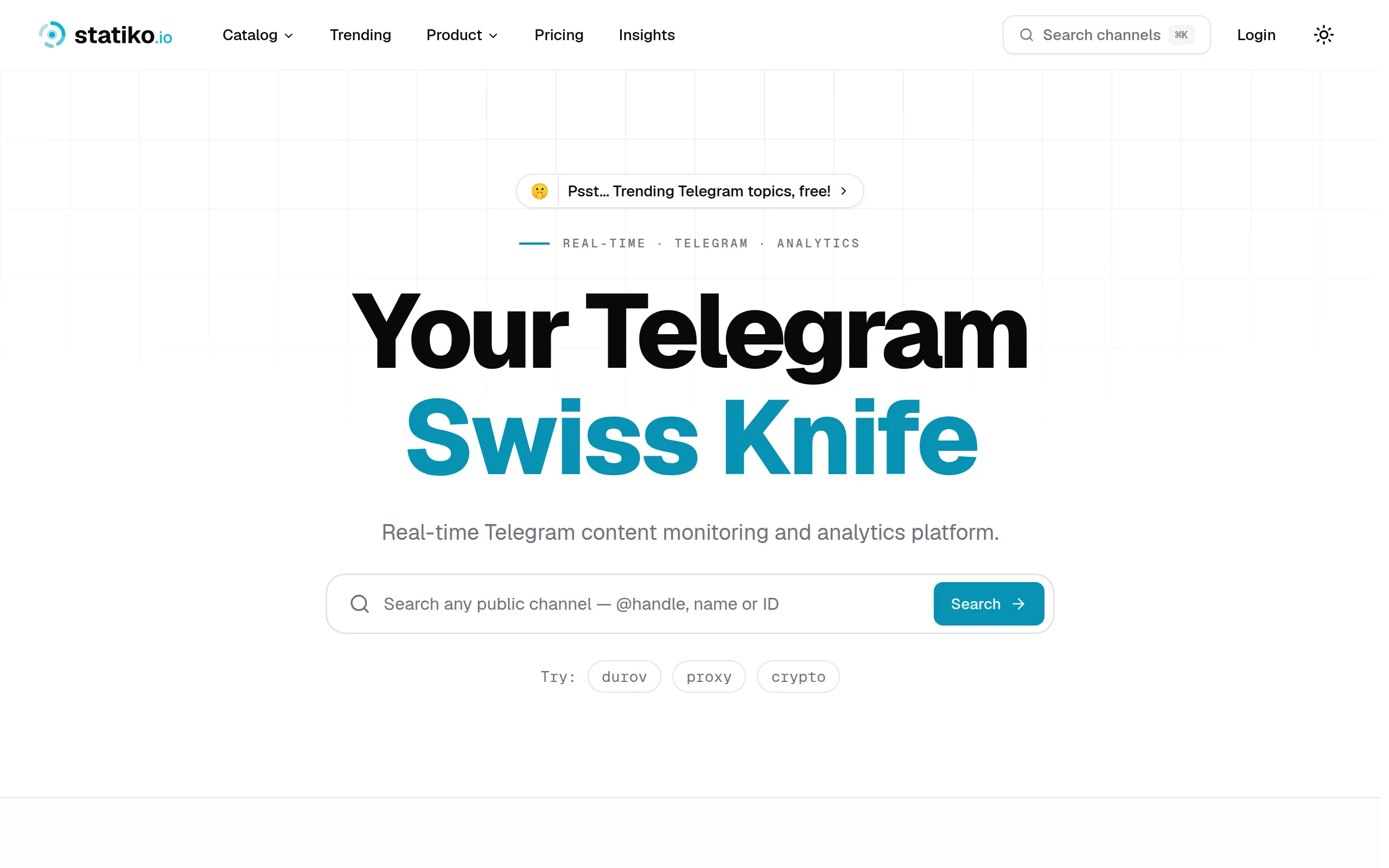
Statiko
Monitor any Telegram channel in real time - track posts, edits, deletions, and growth with AI recaps 📡

Shibui
AI website builder - describe your business, pick a niche template, edit by chatting, and publish instantly ✨

Pro Service
Find verified home service professionals, compare quotes, and pay securely through escrow - built for Brazilians across the US 🏠
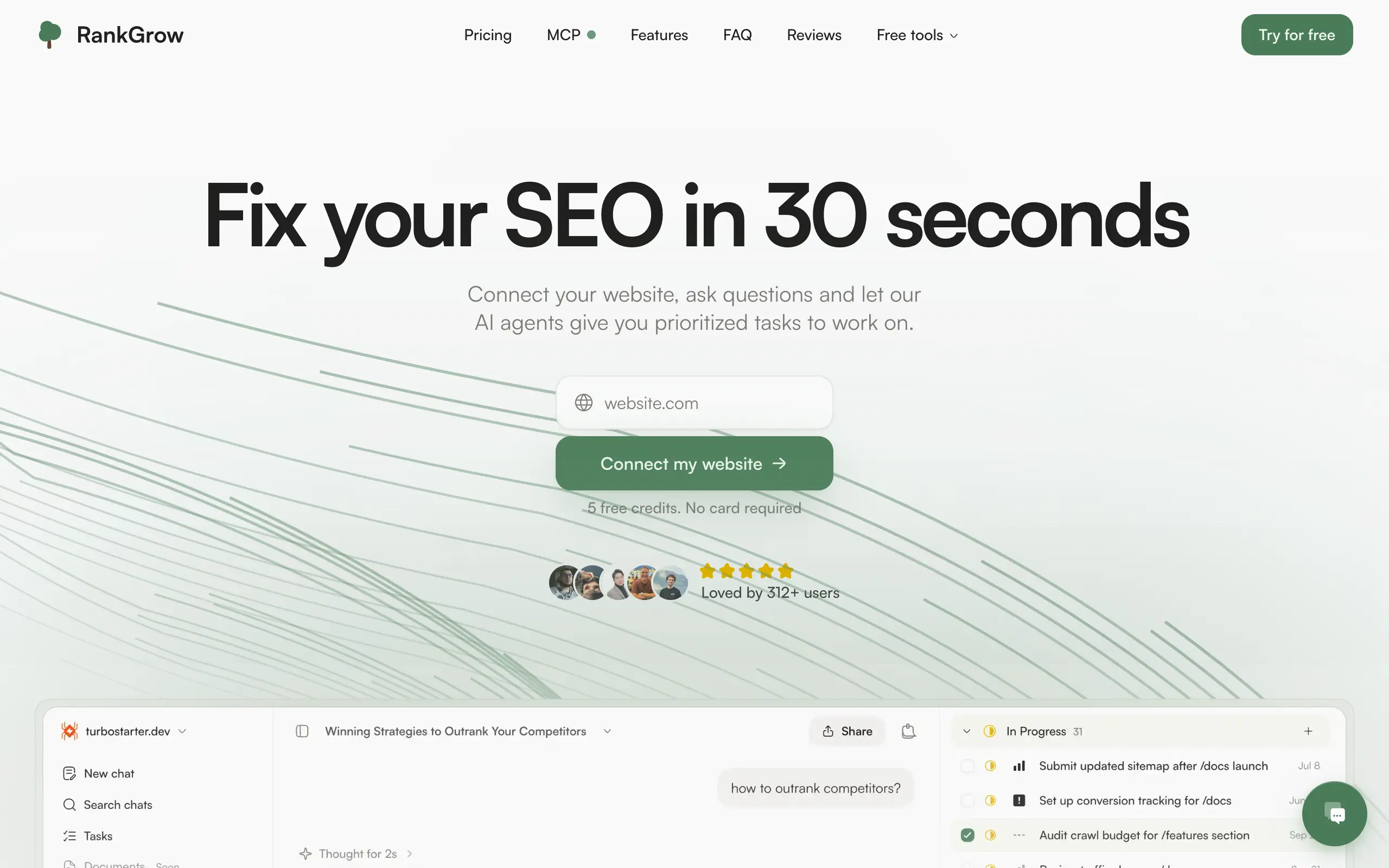
RankGrow
Fix your SEO with AI agents - connect Search Console, get prioritized tasks, and grow organic traffic 📈
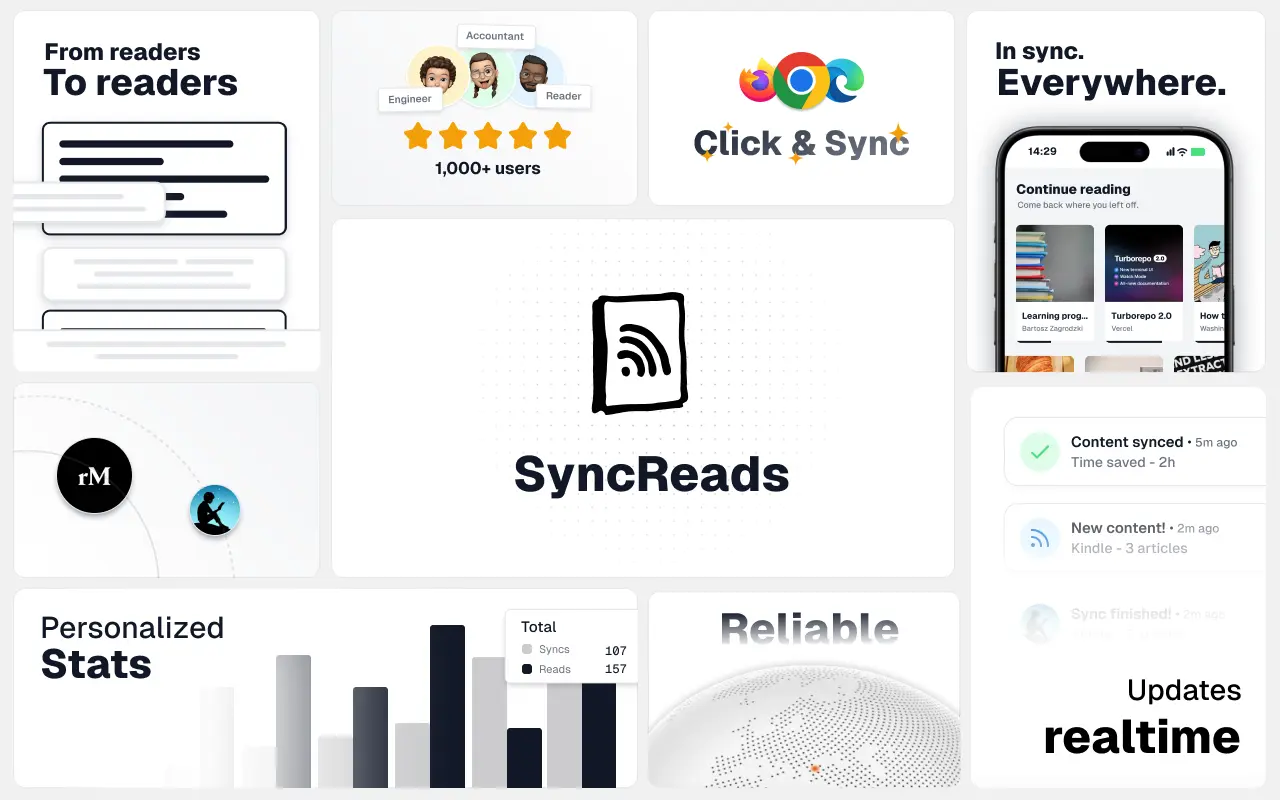
SyncReads
Sync your favorite content for distraction-free reading, save time and replace multiple apps. Anytime, anywhere 🔄
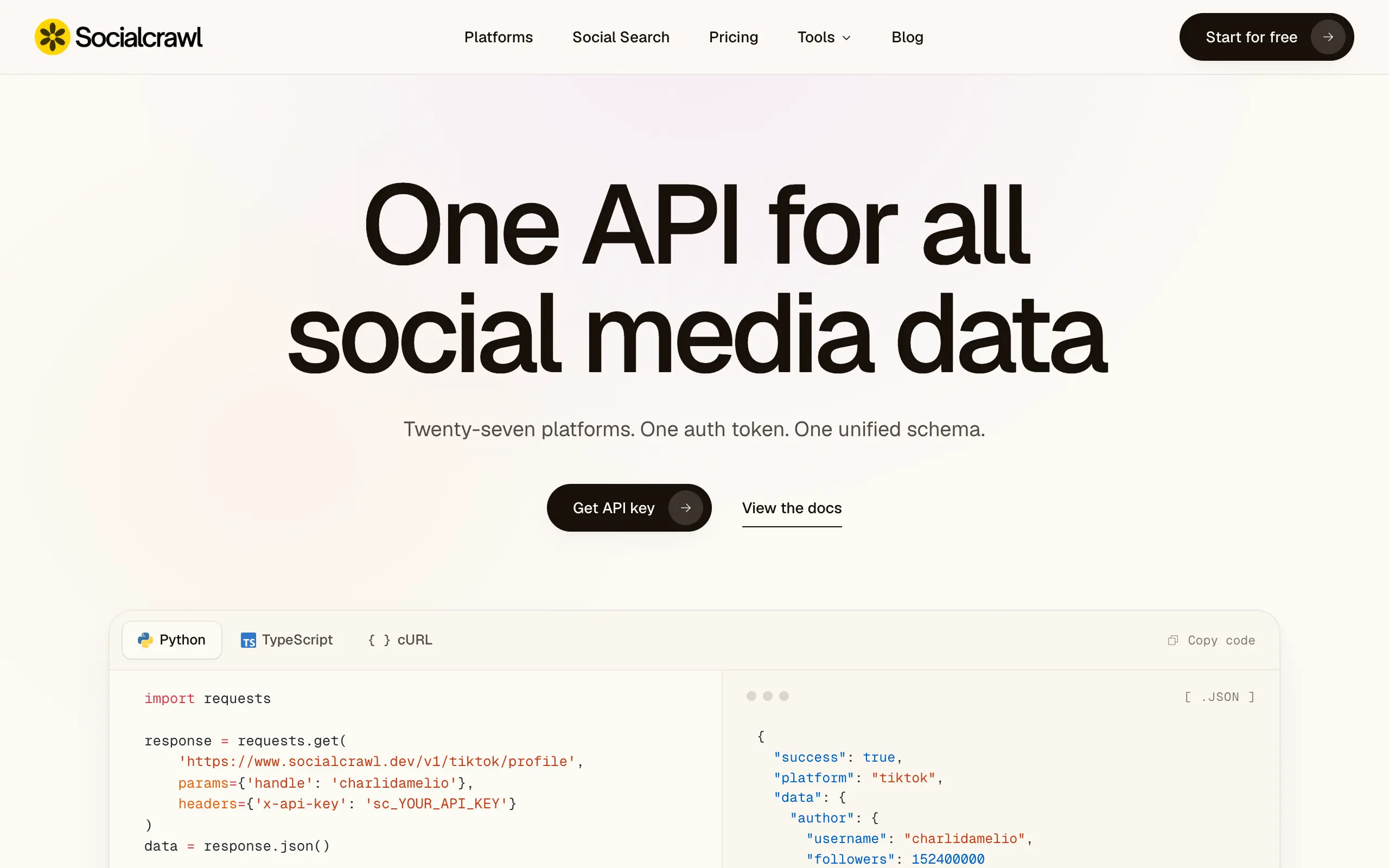
Socialcrawl
Get clean, structured data from 21 platforms like TikTok, Instagram, and YouTube with a single request 📊
Statiko
Monitor any Telegram channel in real time - track posts, edits, deletions, and growth with AI recaps 📡
Shibui
AI website builder - describe your business, pick a niche template, edit by chatting, and publish instantly ✨
Pro Service
Find verified home service professionals, compare quotes, and pay securely through escrow - built for Brazilians across the US 🏠
RankGrow
Fix your SEO with AI agents - connect Search Console, get prioritized tasks, and grow organic traffic 📈
SyncReads
Sync your favorite content for distraction-free reading, save time and replace multiple apps. Anytime, anywhere 🔄
Socialcrawl
Get clean, structured data from 21 platforms like TikTok, Instagram, and YouTube with a single request 📊
Statiko
Monitor any Telegram channel in real time - track posts, edits, deletions, and growth with AI recaps 📡
Shibui
AI website builder - describe your business, pick a niche template, edit by chatting, and publish instantly ✨
Pro Service
Find verified home service professionals, compare quotes, and pay securely through escrow - built for Brazilians across the US 🏠
RankGrow
Fix your SEO with AI agents - connect Search Console, get prioritized tasks, and grow organic traffic 📈
SyncReads
Sync your favorite content for distraction-free reading, save time and replace multiple apps. Anytime, anywhere 🔄
Socialcrawl
Get clean, structured data from 21 platforms like TikTok, Instagram, and YouTube with a single request 📊
Statiko
Monitor any Telegram channel in real time - track posts, edits, deletions, and growth with AI recaps 📡
Shibui
AI website builder - describe your business, pick a niche template, edit by chatting, and publish instantly ✨
Pro Service
Find verified home service professionals, compare quotes, and pay securely through escrow - built for Brazilians across the US 🏠
RankGrow
Fix your SEO with AI agents - connect Search Console, get prioritized tasks, and grow organic traffic 📈
SyncReads
Sync your favorite content for distraction-free reading, save time and replace multiple apps. Anytime, anywhere 🔄
Socialcrawl
Get clean, structured data from 21 platforms like TikTok, Instagram, and YouTube with a single request 📊
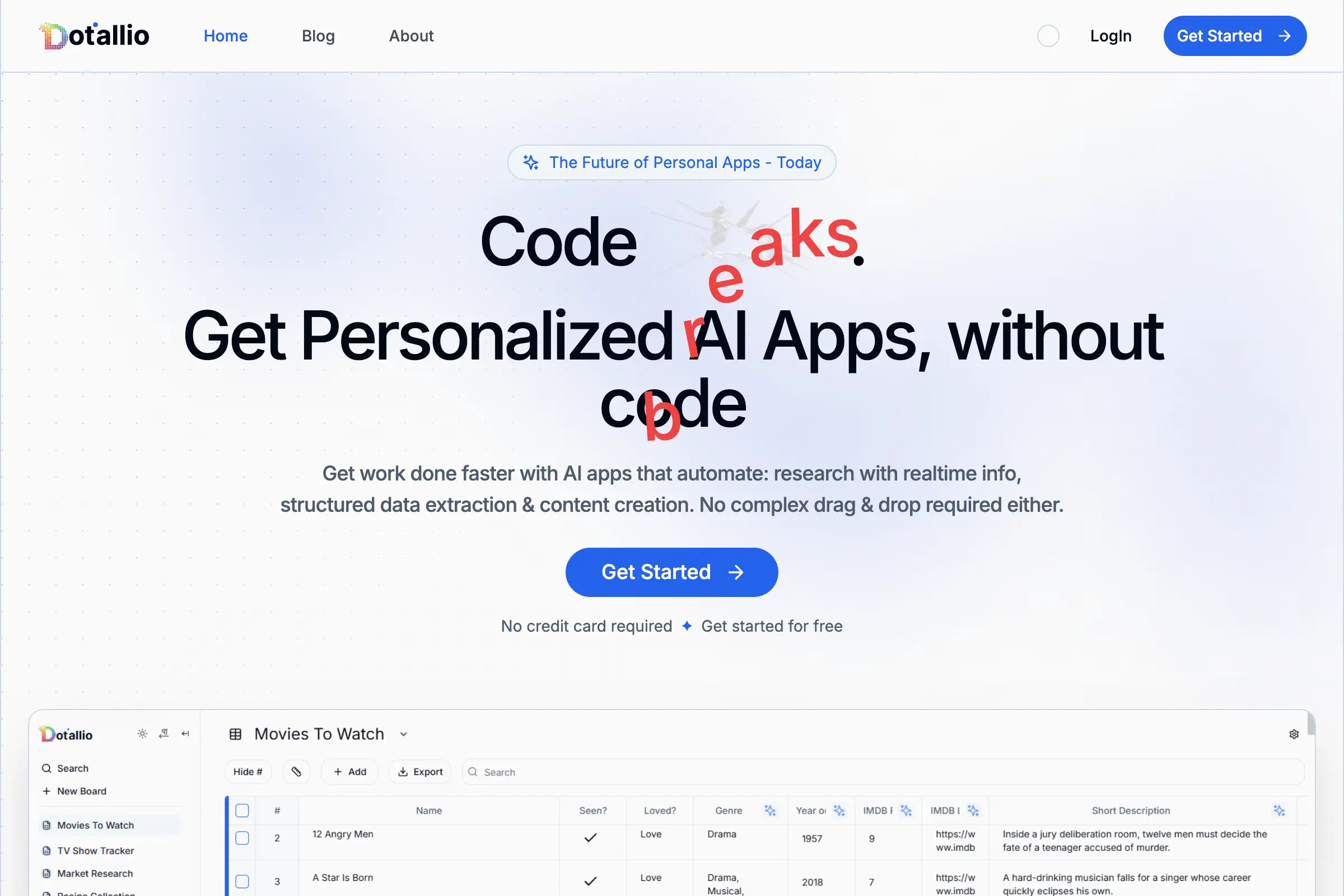
Dotallio
Personalized AI apps that automate research, data extraction, and content creation without code 🤖

Talk to Santa
Enjoy a magical live video chat or receive a unique AI-generated video greeting from Santa Claus 🎅

pozywka.pl
Scalable blog for food journalist, focused on performance and user experience 🌭
zagrodzki.me
Personal blog and portfolio of Bart Zagrodzki, where he shares his knowledge and work 💼
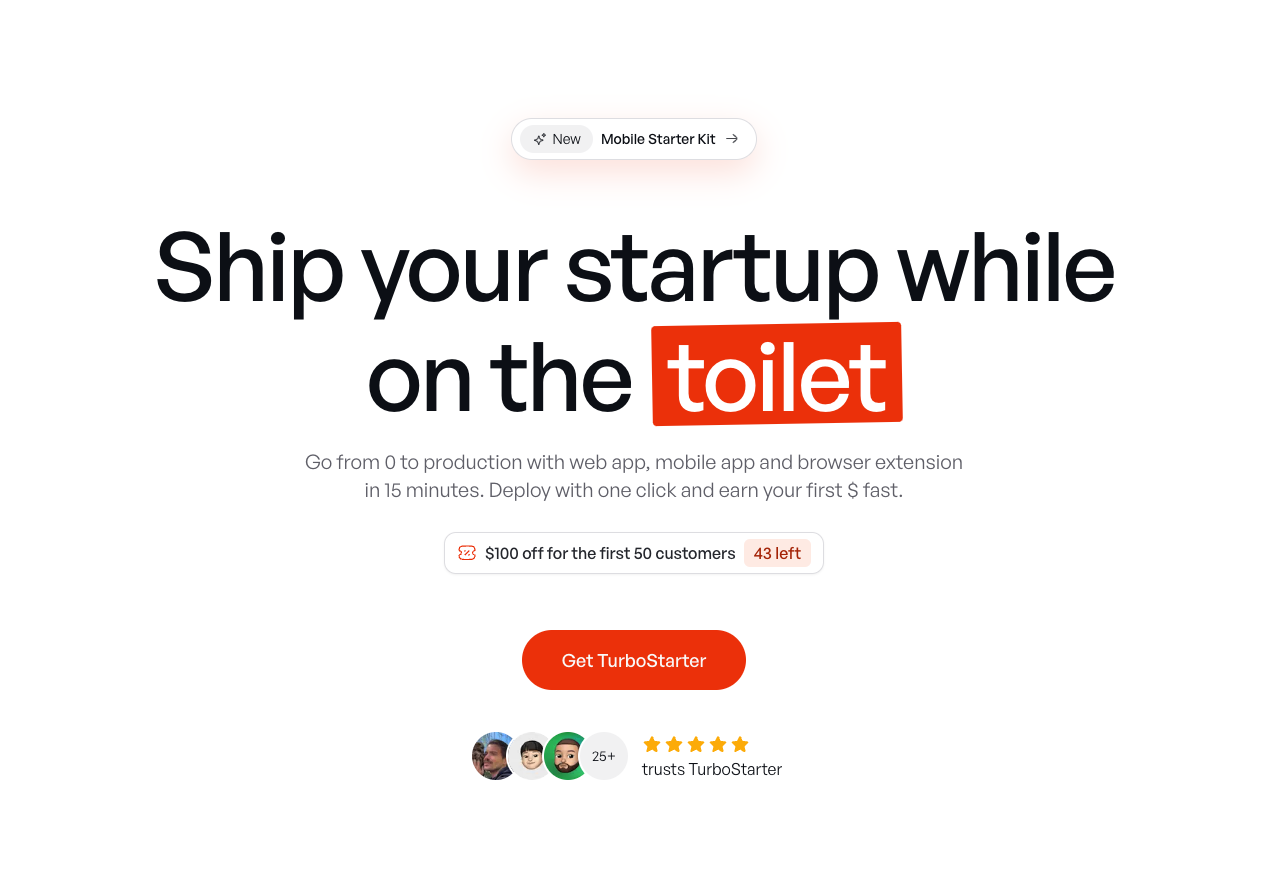
TurboStarter
Ship your startup everywhere. In minutes.
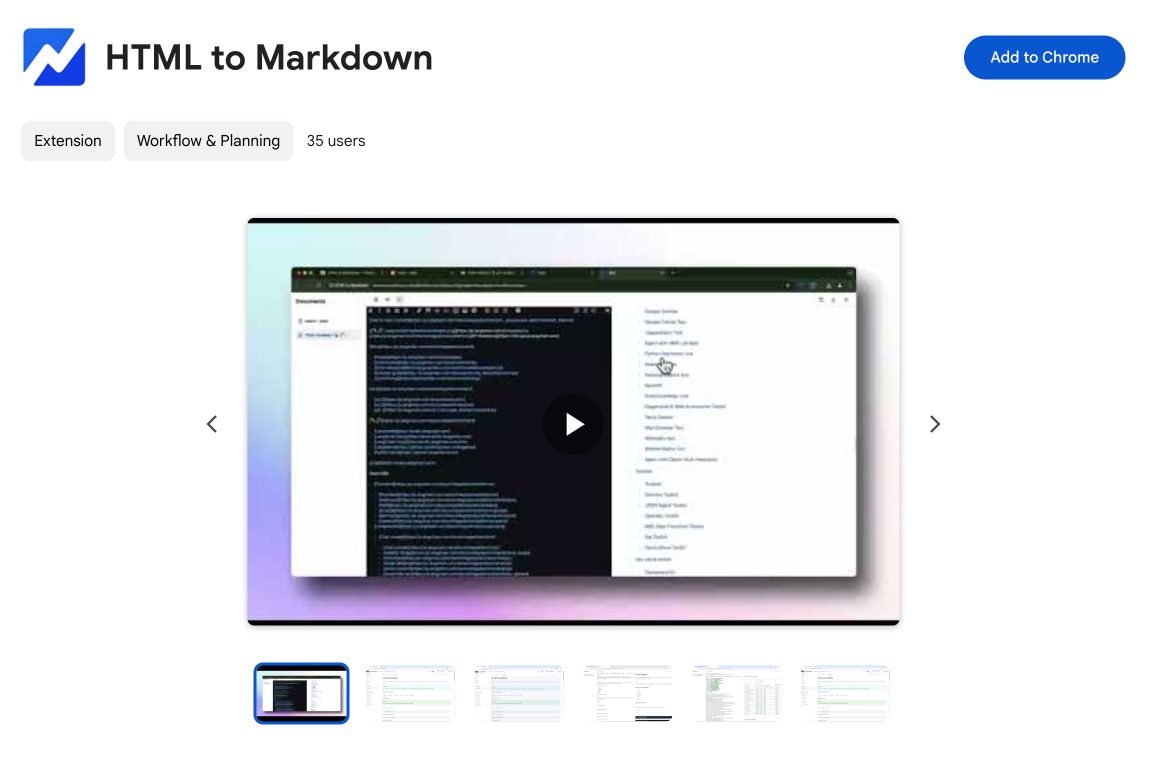
HTML to Markdown
Convert HTML to Markdown with ease, directly in your browser 📄
Dotallio
Personalized AI apps that automate research, data extraction, and content creation without code 🤖
Talk to Santa
Enjoy a magical live video chat or receive a unique AI-generated video greeting from Santa Claus 🎅
pozywka.pl
Scalable blog for food journalist, focused on performance and user experience 🌭
zagrodzki.me
Personal blog and portfolio of Bart Zagrodzki, where he shares his knowledge and work 💼
TurboStarter
Ship your startup everywhere. In minutes.
HTML to Markdown
Convert HTML to Markdown with ease, directly in your browser 📄
Dotallio
Personalized AI apps that automate research, data extraction, and content creation without code 🤖
Talk to Santa
Enjoy a magical live video chat or receive a unique AI-generated video greeting from Santa Claus 🎅
pozywka.pl
Scalable blog for food journalist, focused on performance and user experience 🌭
zagrodzki.me
Personal blog and portfolio of Bart Zagrodzki, where he shares his knowledge and work 💼
TurboStarter
Ship your startup everywhere. In minutes.
HTML to Markdown
Convert HTML to Markdown with ease, directly in your browser 📄
Dotallio
Personalized AI apps that automate research, data extraction, and content creation without code 🤖
Talk to Santa
Enjoy a magical live video chat or receive a unique AI-generated video greeting from Santa Claus 🎅
pozywka.pl
Scalable blog for food journalist, focused on performance and user experience 🌭
zagrodzki.me
Personal blog and portfolio of Bart Zagrodzki, where he shares his knowledge and work 💼
TurboStarter
Ship your startup everywhere. In minutes.
HTML to Markdown
Convert HTML to Markdown with ease, directly in your browser 📄
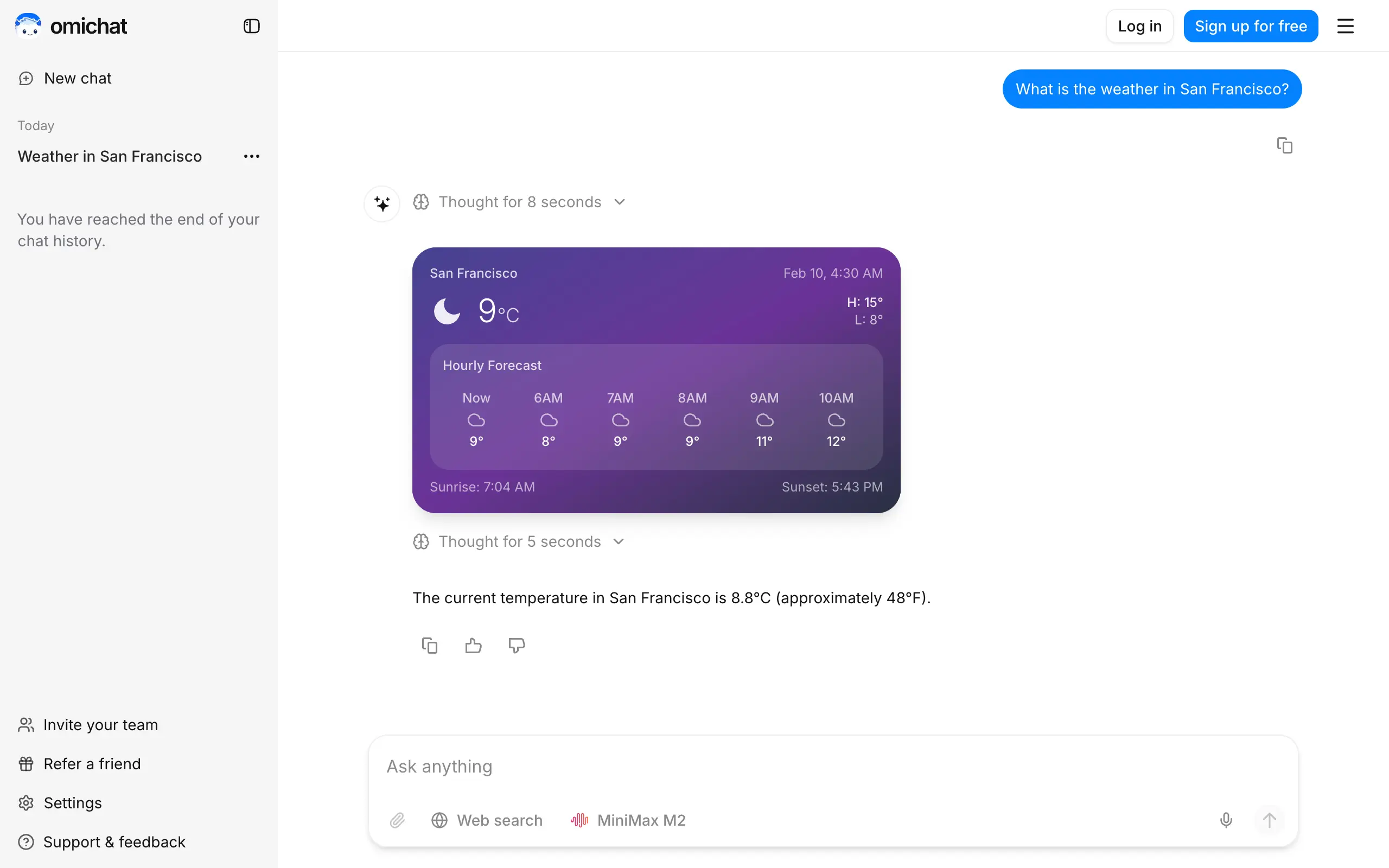
Omichat
Chat with 50+ AI models, including ChatGPT and Claude, in one place - switch models anytime without losing context 🤖
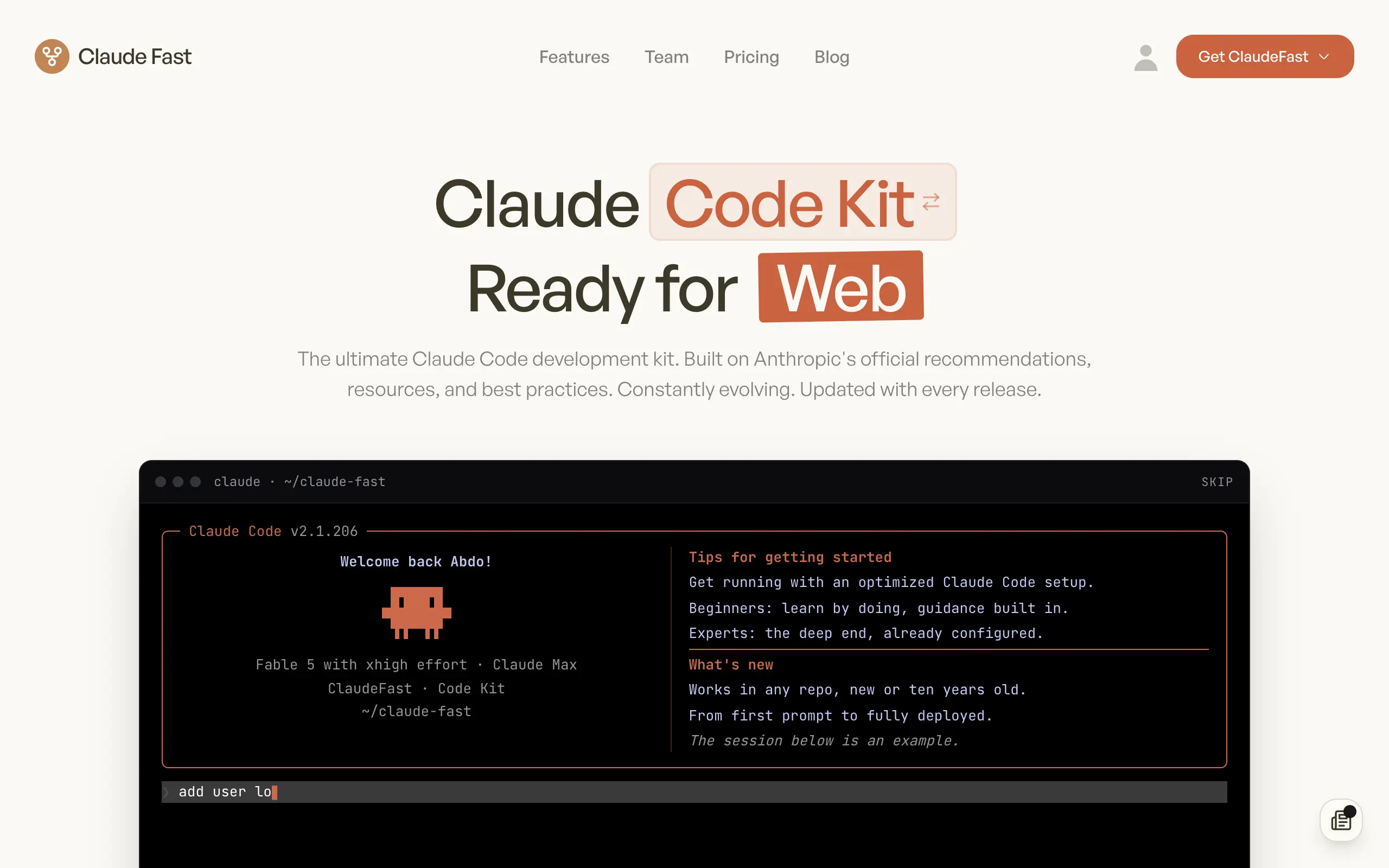
Claude Fast
Supercharge your Claude Code with 6x effective context window and specialized AI agents 🤖
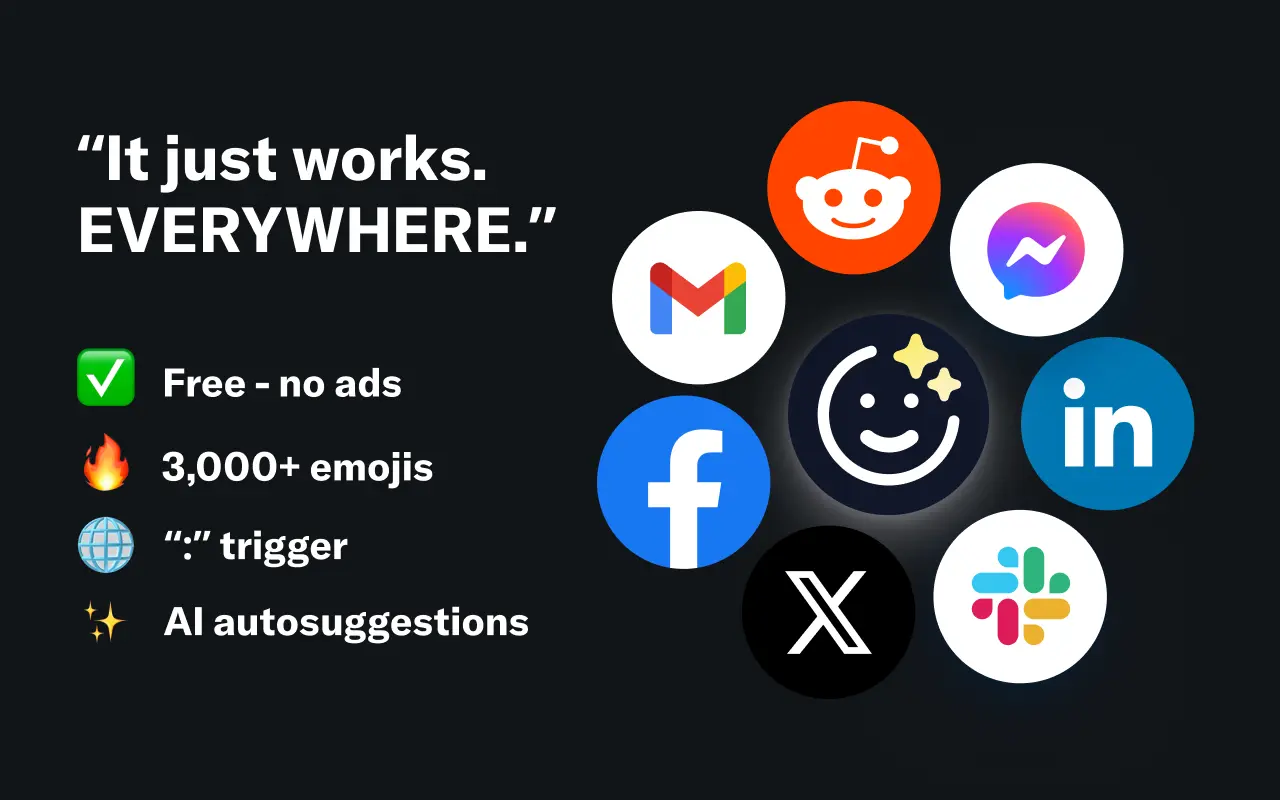
EmojAI
AI-powered emoji picker with smart, context-aware suggestions 🤖
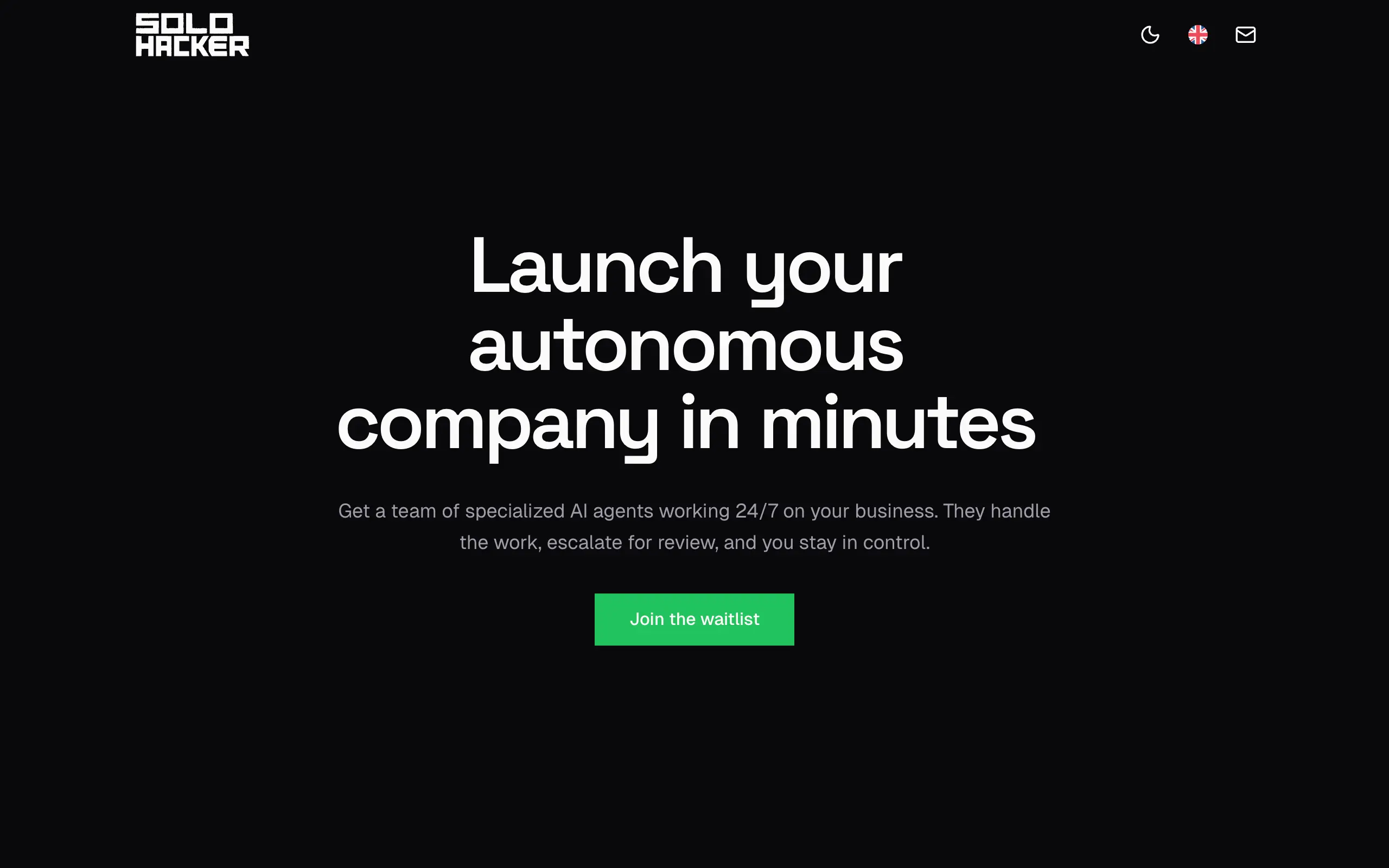
Solohacker
Autonomous company launcher - AI agents work 24/7, escalate what matters, and you stay in control 🤖
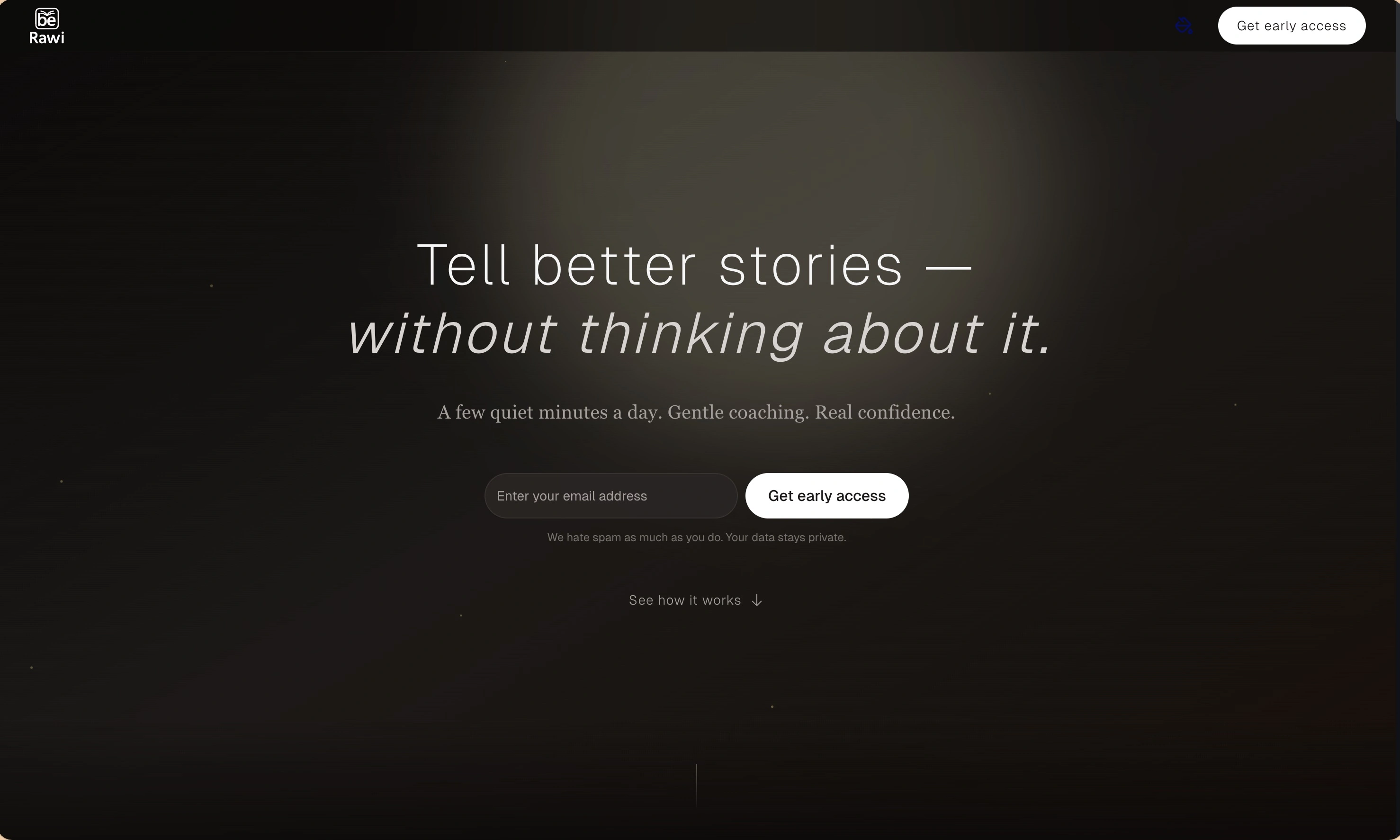
BeRawi: Storytelling Coach
Practice storytelling daily with instant feedback to sound clearer, more engaging, and confident 🎤
Omichat
Chat with 50+ AI models, including ChatGPT and Claude, in one place - switch models anytime without losing context 🤖
Claude Fast
Supercharge your Claude Code with 6x effective context window and specialized AI agents 🤖
EmojAI
AI-powered emoji picker with smart, context-aware suggestions 🤖
Solohacker
Autonomous company launcher - AI agents work 24/7, escalate what matters, and you stay in control 🤖
BeRawi: Storytelling Coach
Practice storytelling daily with instant feedback to sound clearer, more engaging, and confident 🎤
Omichat
Chat with 50+ AI models, including ChatGPT and Claude, in one place - switch models anytime without losing context 🤖
Claude Fast
Supercharge your Claude Code with 6x effective context window and specialized AI agents 🤖
EmojAI
AI-powered emoji picker with smart, context-aware suggestions 🤖
Solohacker
Autonomous company launcher - AI agents work 24/7, escalate what matters, and you stay in control 🤖
BeRawi: Storytelling Coach
Practice storytelling daily with instant feedback to sound clearer, more engaging, and confident 🎤
Omichat
Chat with 50+ AI models, including ChatGPT and Claude, in one place - switch models anytime without losing context 🤖
Claude Fast
Supercharge your Claude Code with 6x effective context window and specialized AI agents 🤖
EmojAI
AI-powered emoji picker with smart, context-aware suggestions 🤖
Solohacker
Autonomous company launcher - AI agents work 24/7, escalate what matters, and you stay in control 🤖
BeRawi: Storytelling Coach
Practice storytelling daily with instant feedback to sound clearer, more engaging, and confident 🎤

Connect with like-minded people
Join our community to get feedback, support, and grow together with 1,000+ builders on board, let's ship it!
Join usShip your startup everywhere. In minutes.
Don't burn tokens on setup and start building features on day one.