DegreeGate Research CoPilot
AI research assistant that helps students find credible sources, summarize papers, generate citations, and organize literature reviews in seconds.
The rise of AI research assistants in academia
The way students conduct academic research is undergoing a fundamental shift. Traditional workflows—manually searching databases, reading dozens of PDFs, extracting key insights, and formatting citations—are increasingly being augmented (and in some cases replaced) by AI-powered tools. This shift isn’t just about convenience; it’s about speed, accuracy, and cognitive load reduction.
An AI research assistant like DegreeGate Research CoPilot directly addresses a critical pain point in academia: the fragmentation and inefficiency of research workflows. Students often juggle multiple tools—Google Scholar, Zotero, citation generators, note-taking apps—without a unified system that intelligently connects them.
This creates a clear opportunity for a centralized, AI-driven research copilot that streamlines the entire process from discovery to final literature review.
Understanding the target audience
A successful AI SaaS product begins with a precise understanding of its users. DegreeGate Research CoPilot serves a diverse but clearly defined audience.
Primary users
- Undergraduate students
- Need help finding credible sources quickly
- Often lack experience evaluating research quality
- Graduate students (Master’s & PhD)
- Conduct deep literature reviews
- Require advanced citation and synthesis tools
- Academic researchers
- Need efficiency in scanning and summarizing papers
- International students
- Benefit from simplified summaries and structured insights
Secondary users
- Professors and teaching assistants
- Academic writing coaches
- Research institutions
Core pain points
- Time-consuming literature searches
- Difficulty identifying credible sources
- Overwhelm from dense academic papers
- Manual citation formatting errors
- Fragmented note-taking systems
Key insight
Most students don’t struggle with access to research—they struggle with processing and organizing it efficiently. That’s where AI delivers the highest value.
Market opportunity and gap analysis
The edtech and AI productivity markets are both expanding rapidly. According to widely cited industry reports (e.g., McKinsey AI adoption reports), AI adoption in knowledge work is accelerating across education, research, and professional services.
Existing solutions
Current tools fall into fragmented categories:
- Search engines: Google Scholar, Semantic Scholar
- Reference managers: Zotero, Mendeley
- AI summarizers: ChatGPT, Claude
- Citation tools: EasyBib, Citation Machine
While each solves a piece of the problem, none provide a fully integrated research workflow.
The gap
DegreeGate Research CoPilot fills a critical gap:
- Unified research pipeline
- AI-native summarization and synthesis
- Built-in credibility filtering
- Automated literature review generation
| Feature | Google Scholar | Zotero | ChatGPT | DegreeGate |
|---|---|---|---|---|
| Source discovery | ✅ | ❌ | ❌ | ✅ |
| AI summarization | ❌ | ❌ | ✅ | ✅ |
| Citation generation | ❌ | ✅ | ✅ | ✅ |
| Literature review builder | ❌ | ❌ | ❌ | ✅ |
Market timing advantage
Several trends make this idea especially viable now:
- Increased acceptance of AI in academia
- Growth of open-access research databases
- Improved LLM capabilities for summarization and reasoning
- Demand for productivity tools among students
Core features of DegreeGate Research CoPilot
To stand out in a competitive space, the product must go beyond basic AI capabilities. The focus should be on workflow integration and reliability.
1. intelligent source discovery
- Search across academic databases (e.g., PubMed, arXiv, CrossRef)
- Filter by:
- Publication date
- Citation count
- Journal impact factor
- Highlight peer-reviewed vs non-peer-reviewed content
2. AI-powered paper summarization
- Generate:
- Abstract summaries
- Key findings
- Methodology breakdowns
- Adjustable depth:
- Quick summary
- Detailed analysis
- Bullet-point insights
3. automatic citation generation
- Support formats:
- APA
- MLA
- Chicago
- Harvard
- Export to tools like Zotero or BibTeX
4. literature review builder
This is the standout feature.
- Group papers by theme
- Auto-generate structured sections
- Identify research gaps
- Suggest transitions between sources
5. research organization dashboard
- Tag papers by topic
- Create folders/projects
- Track reading progress
- Add personal notes alongside AI insights
6. credibility scoring system
- Evaluate:
- Journal reputation
- Citation frequency
- Author credibility
- Provide a trust score for each source
Why this matters
Students often rely on low-quality sources unknowingly. A credibility scoring system builds trust and improves academic outcomes.
Differentiation
Most AI tools summarize content—but very few assess the reliability of the source itself.
Recommended tech stack (with trade-offs)
Building an AI research assistant requires careful architectural decisions.
frontend
Why:
- Fast development
- SEO-friendly rendering (important for organic growth)
- Scalable UI components
backend
- Node.js (with NestJS or Express)
- Python microservices for AI tasks
Trade-off:
- Node is great for APIs, but Python excels in AI pipelines
- Hybrid architecture increases complexity but improves performance
AI layer
- OpenAI or similar LLM APIs
- Embedding models for semantic search
- Vector database (e.g., Pinecone or Weaviate)
data sources
- CrossRef API
- Semantic Scholar API
- arXiv API
storage
- PostgreSQL (structured data)
- S3-compatible storage for PDFs
example: summarization API endpoint
import express from "express";
import OpenAI from "openai";

const app = express();
const client = new OpenAI({ apiKey: process.env.OPENAI_API_KEY });

app.post("/summarize", async (req, res) => {
  const { paperText } = req.body;

  const response = await client.chat.completions.create({
    model: "gpt-5",
    messages: [
      { role: "system", content: "Summarize academic papers clearly." },
      { role: "user", content: paperText }
    ]
  });

  res.json({ summary: response.choices[0].message.content });
});

app.listen(3000);
Monetization strategies
A strong monetization model ensures sustainability while keeping the product accessible.
freemium model (recommended)
- Free tier:
- Limited summaries per month
- Basic citation tools
- Paid tier:
- Unlimited summaries
- Literature review generation
- Advanced filtering
subscription pricing tiers
- Student plan: $8–$15/month
- Pro researcher plan: $20–$40/month
- Institutional licensing for universities
additional revenue streams
- API access for edtech platforms
- Integration partnerships with LMS systems
- White-label solutions for universities
Avoid over-restricting the free tier. Students are highly price-sensitive, and adoption depends on immediate perceived value.
Competitive advantage and differentiation
To win in this space, DegreeGate must position itself clearly.
unique selling proposition (USP)
“From source discovery to literature review—fully automated, credible, and structured.”
defensibility factors
- Proprietary research organization workflows
- Credibility scoring algorithm
- Personalized research memory (user-specific context)
comparison with generic AI tools
Generic AI tools:
- Require manual prompting
- Lack structured outputs
- Don’t integrate research databases
DegreeGate:
- Purpose-built for academia
- Structured outputs
- End-to-end workflow
Potential risks and mitigation strategies
1. academic integrity concerns
Risk:
- Students may misuse AI-generated content
Mitigation:
- Provide transparency features
- Include citations for all generated insights
- Position as an assistant, not a replacement
2. data accuracy
Risk:
- AI hallucinations in summaries
Mitigation:
- Ground responses in source material
- Highlight extracted vs generated content
3. competition from big players
Risk:
- Tools like ChatGPT or Google integrating similar features
Mitigation:
- Focus on niche specialization
- Build superior UX for research workflows
4. dependency on APIs
Risk:
- External API changes or pricing shifts
Mitigation:
- Multi-provider AI strategy
- تدريجي move toward proprietary models
SEO strategy for growth
To rank for keywords like “AI research assistant,” “literature review tool,” and “academic summarizer,” content strategy is critical.
target keywords
- AI research assistant for students
- literature review generator
- academic paper summarizer
- citation generator AI
- research organization software
content ideas
- “How to write a literature review using AI”
- “Best AI tools for academic research (2026 guide)”
- “How to find credible sources for essays”
on-page SEO best practices
- Use keyword-rich headings
- Optimize meta descriptions
- Include internal linking
- Add structured FAQ sections
step-by-step implementation roadmap
go-to-market strategy
initial traction channels
- Reddit (r/college, r/gradschool)
- TikTok (study/productivity niche)
- YouTube demos
partnerships
- University student organizations
- Online education platforms
- Academic influencers
viral loops
- Shareable summaries
- Exportable literature reviews
- Collaborative research folders
future expansion opportunities
Once the core product is stable, expansion can unlock new growth.
advanced features
- AI research gap detection
- Hypothesis generation
- Auto-generated research proposals
vertical expansion
- Legal research assistant
- Medical literature analyzer
- Corporate research tools
why this idea is worth building now
DegreeGate Research CoPilot sits at the intersection of:
- AI advancement
- Academic demand
- Productivity tooling
This combination creates a high-leverage opportunity to build a product that is not only profitable but genuinely transformative for students and researchers.
Unlike generic AI tools, this product is deeply embedded in a specific workflow, making it harder to replace and easier to scale through word-of-mouth.
build faster with the right foundation
If you're serious about launching an AI SaaS like this, speed matters. Instead of building everything from scratch, using a proven starter framework can accelerate development significantly.
TurboStarter provides a solid foundation for building modern SaaS products, including authentication, billing, and scalable architecture—so you can focus on what matters: your core AI features.
final thoughts and actionable next steps
Building an AI research assistant like DegreeGate isn’t just about leveraging AI—it’s about designing a system that understands how students actually work.
Start small, but think big:
- Focus on one killer feature (literature review builder)
- Validate with real users early
- Prioritize accuracy and trust over flashy features
- Build a product students rely on—not just try once
If executed well, this idea has the potential to become an essential academic tool—something students use every day, not just during deadlines.
And that’s where real SaaS success lives.
More 🤖 AI Startup SaaS ideas
Discover more innovative ai startup SaaS ideas that are trending in 2026. Each idea is AI-generated with market validation and growth potential to help you find your next profitable venture faster than competitors.
Your competitors are building with TurboStarter
Below are some of the SaaS ideas that have been generated and built with our starter kit.
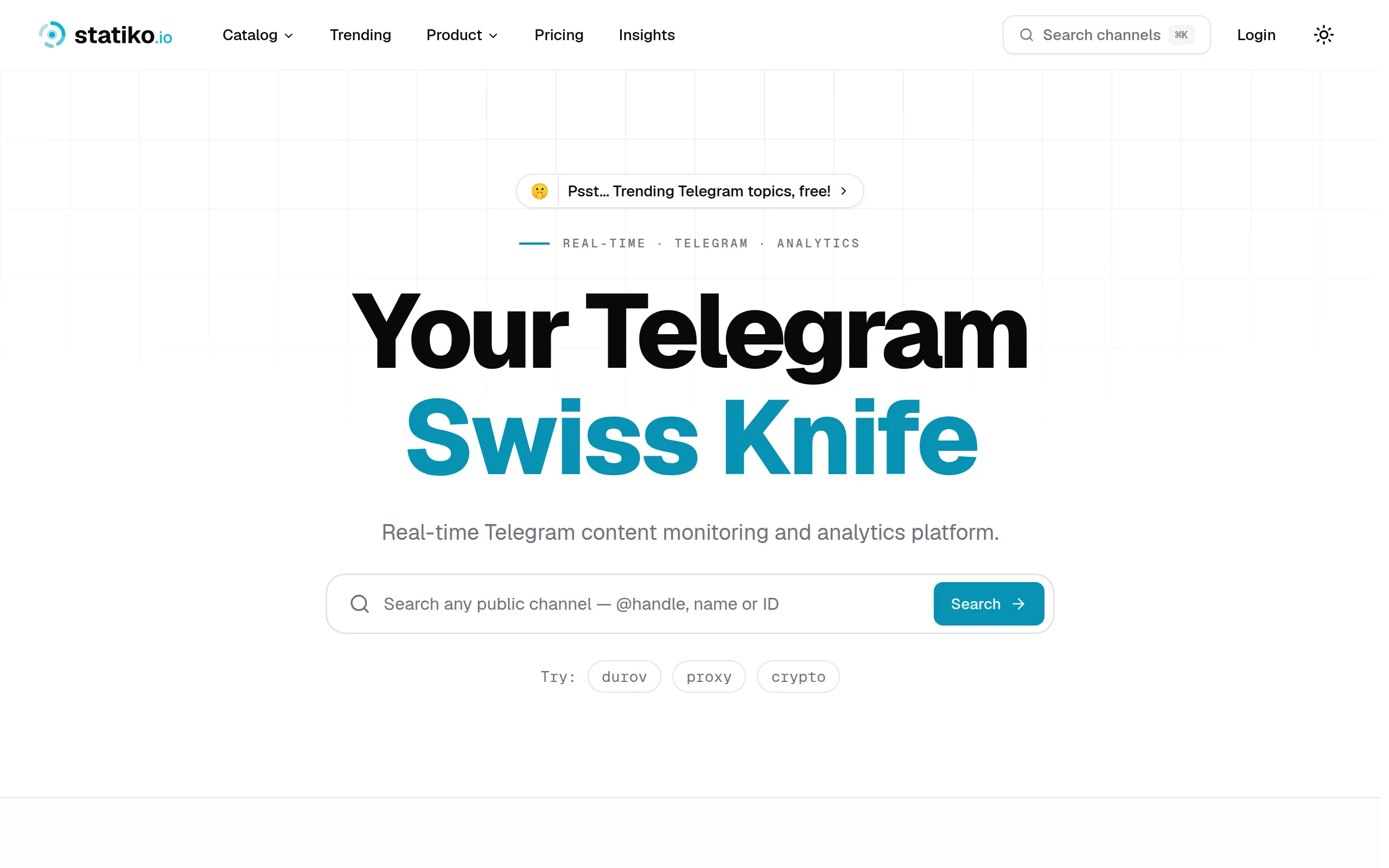
Statiko
Monitor any Telegram channel in real time - track posts, edits, deletions, and growth with AI recaps 📡

Shibui
AI website builder - describe your business, pick a niche template, edit by chatting, and publish instantly ✨

Pro Service
Find verified home service professionals, compare quotes, and pay securely through escrow - built for Brazilians across the US 🏠
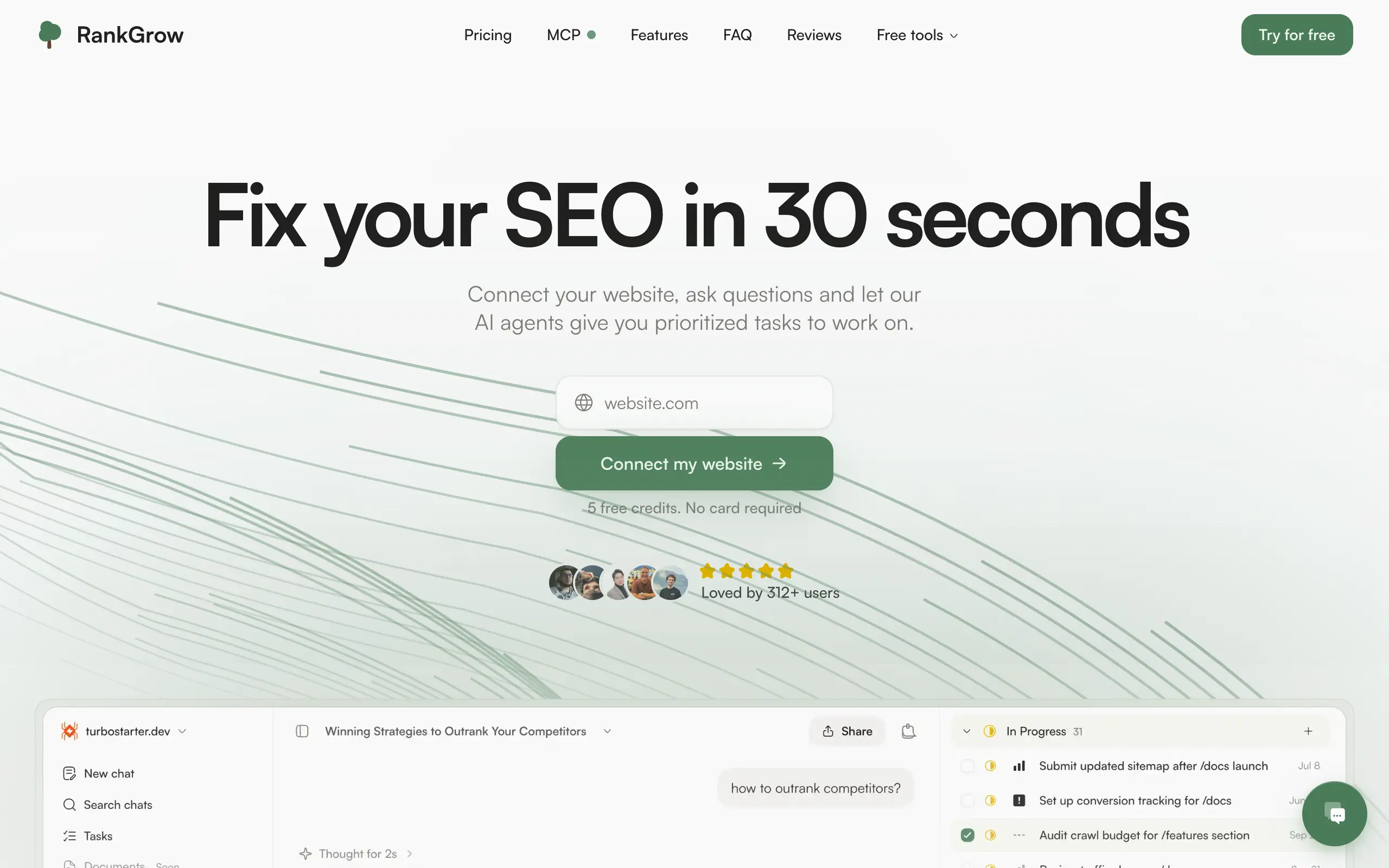
RankGrow
Fix your SEO with AI agents - connect Search Console, get prioritized tasks, and grow organic traffic 📈
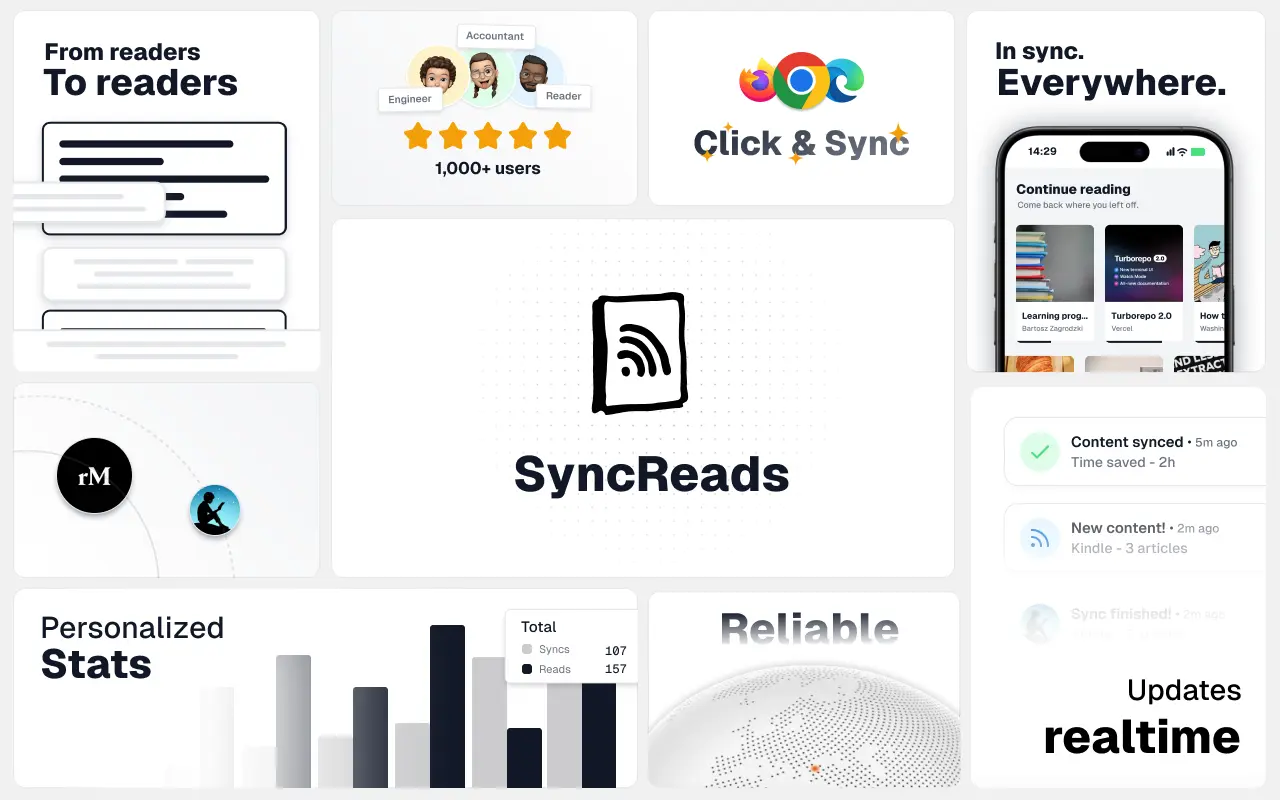
SyncReads
Sync your favorite content for distraction-free reading, save time and replace multiple apps. Anytime, anywhere 🔄
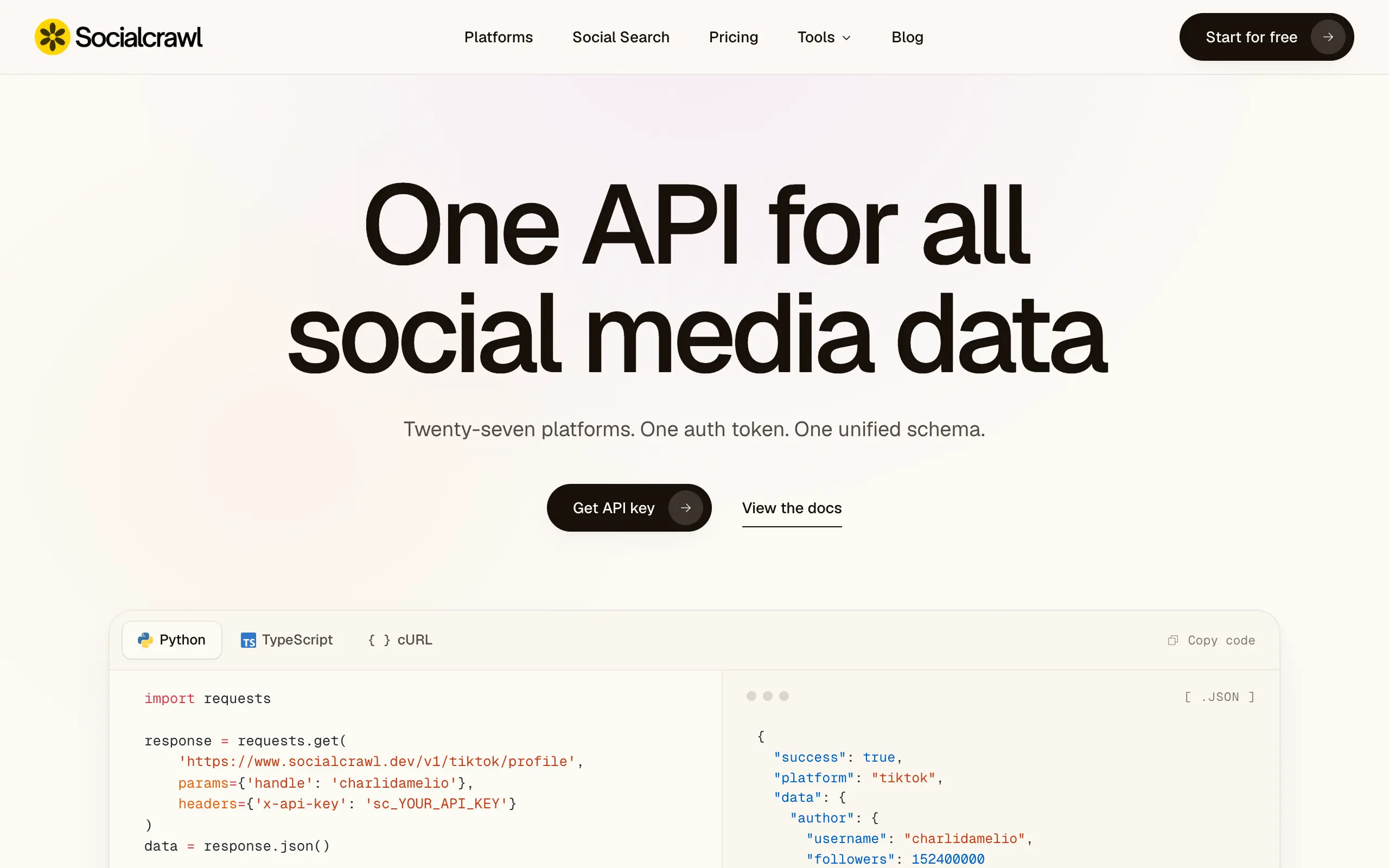
Socialcrawl
Get clean, structured data from 21 platforms like TikTok, Instagram, and YouTube with a single request 📊
Statiko
Monitor any Telegram channel in real time - track posts, edits, deletions, and growth with AI recaps 📡
Shibui
AI website builder - describe your business, pick a niche template, edit by chatting, and publish instantly ✨
Pro Service
Find verified home service professionals, compare quotes, and pay securely through escrow - built for Brazilians across the US 🏠
RankGrow
Fix your SEO with AI agents - connect Search Console, get prioritized tasks, and grow organic traffic 📈
SyncReads
Sync your favorite content for distraction-free reading, save time and replace multiple apps. Anytime, anywhere 🔄
Socialcrawl
Get clean, structured data from 21 platforms like TikTok, Instagram, and YouTube with a single request 📊
Statiko
Monitor any Telegram channel in real time - track posts, edits, deletions, and growth with AI recaps 📡
Shibui
AI website builder - describe your business, pick a niche template, edit by chatting, and publish instantly ✨
Pro Service
Find verified home service professionals, compare quotes, and pay securely through escrow - built for Brazilians across the US 🏠
RankGrow
Fix your SEO with AI agents - connect Search Console, get prioritized tasks, and grow organic traffic 📈
SyncReads
Sync your favorite content for distraction-free reading, save time and replace multiple apps. Anytime, anywhere 🔄
Socialcrawl
Get clean, structured data from 21 platforms like TikTok, Instagram, and YouTube with a single request 📊
Statiko
Monitor any Telegram channel in real time - track posts, edits, deletions, and growth with AI recaps 📡
Shibui
AI website builder - describe your business, pick a niche template, edit by chatting, and publish instantly ✨
Pro Service
Find verified home service professionals, compare quotes, and pay securely through escrow - built for Brazilians across the US 🏠
RankGrow
Fix your SEO with AI agents - connect Search Console, get prioritized tasks, and grow organic traffic 📈
SyncReads
Sync your favorite content for distraction-free reading, save time and replace multiple apps. Anytime, anywhere 🔄
Socialcrawl
Get clean, structured data from 21 platforms like TikTok, Instagram, and YouTube with a single request 📊
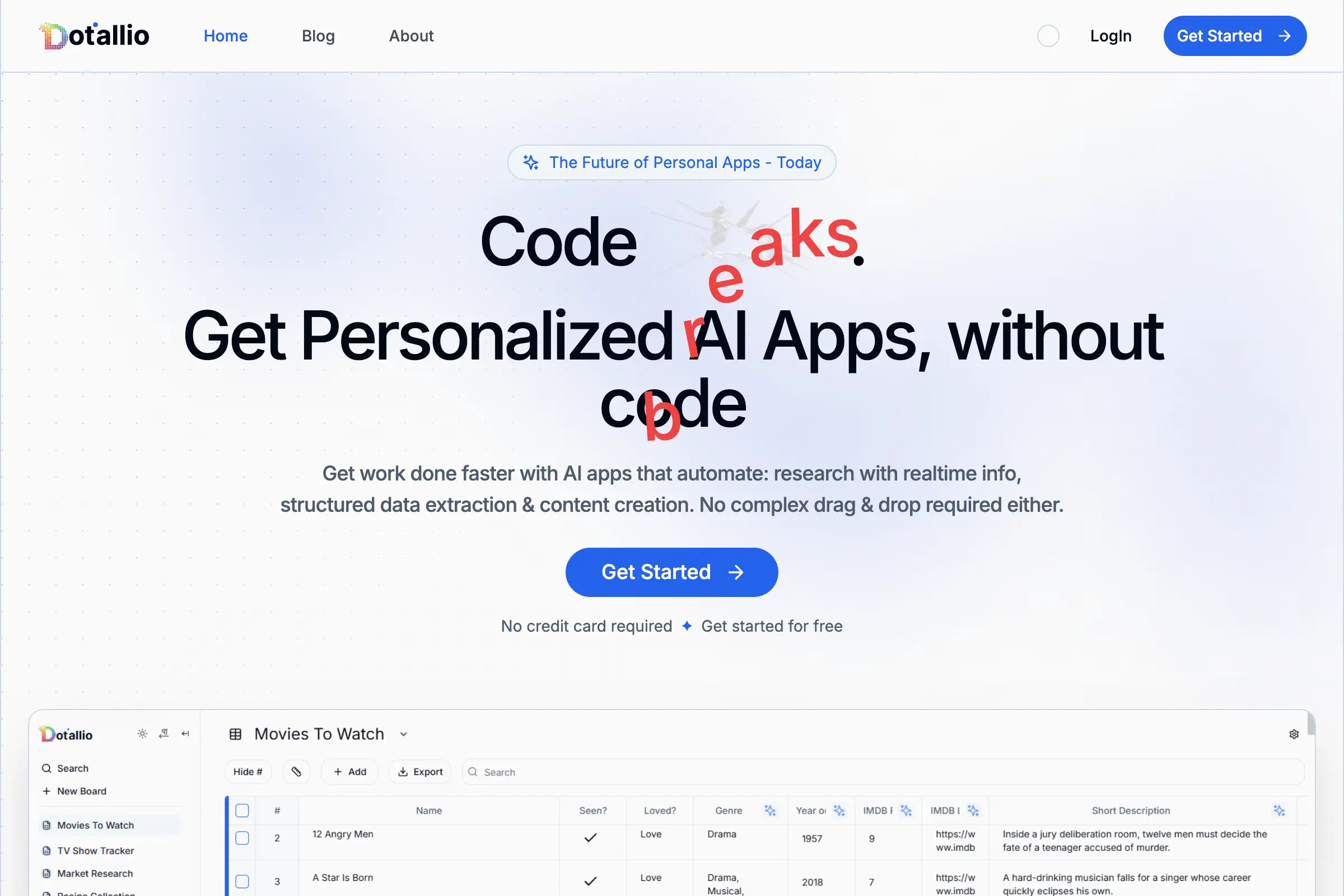
Dotallio
Personalized AI apps that automate research, data extraction, and content creation without code 🤖

Talk to Santa
Enjoy a magical live video chat or receive a unique AI-generated video greeting from Santa Claus 🎅

pozywka.pl
Scalable blog for food journalist, focused on performance and user experience 🌭
zagrodzki.me
Personal blog and portfolio of Bart Zagrodzki, where he shares his knowledge and work 💼
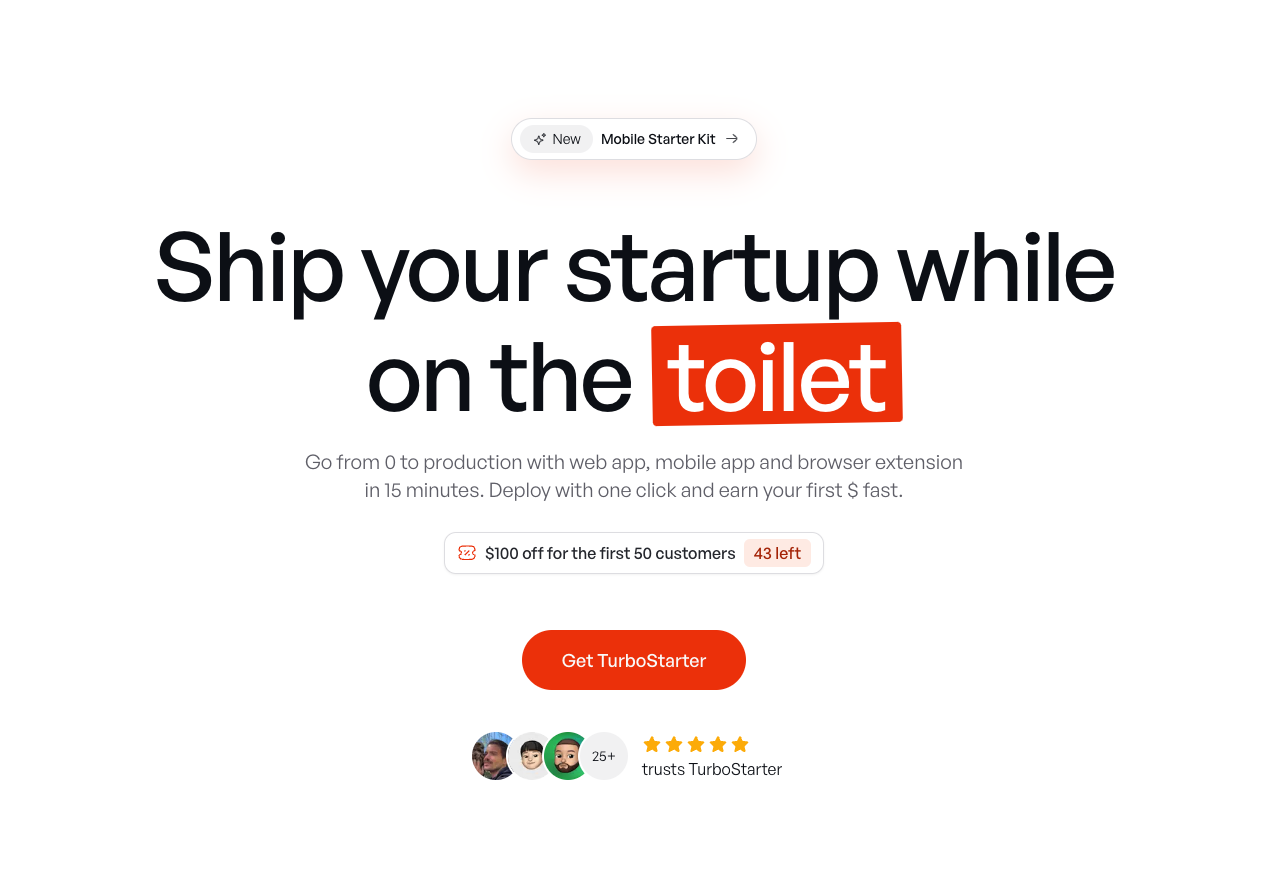
TurboStarter
Ship your startup everywhere. In minutes.
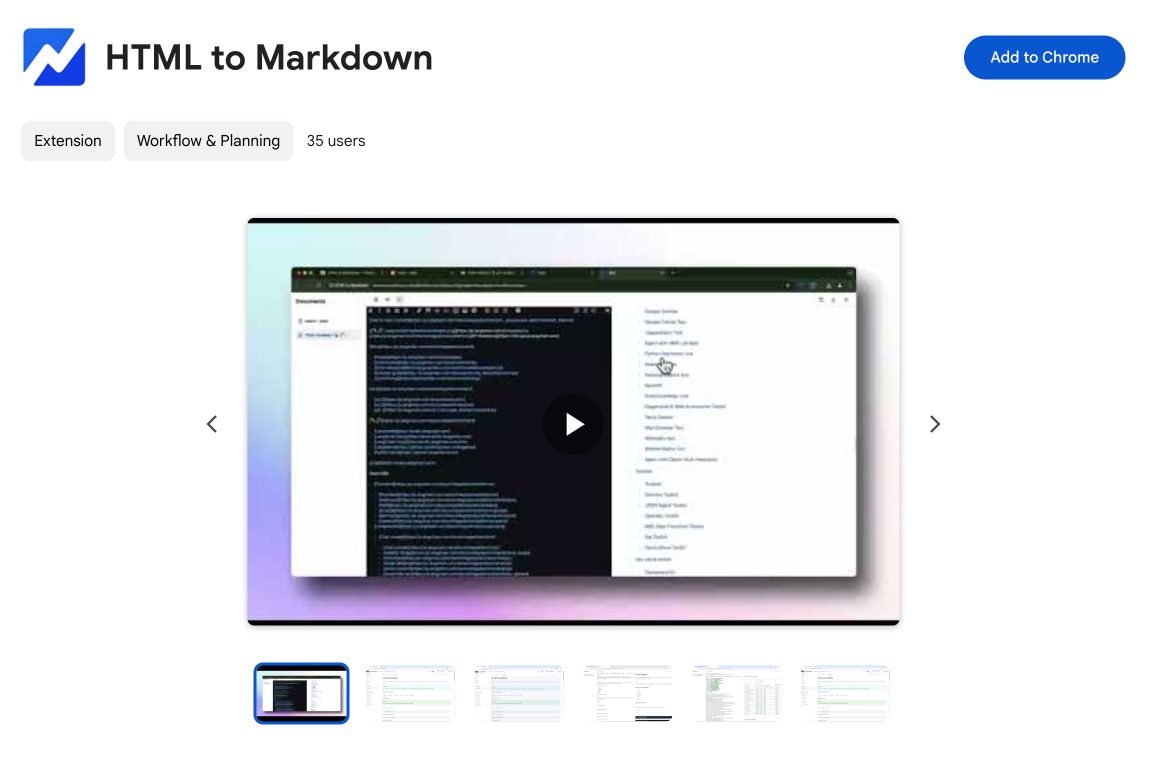
HTML to Markdown
Convert HTML to Markdown with ease, directly in your browser 📄
Dotallio
Personalized AI apps that automate research, data extraction, and content creation without code 🤖
Talk to Santa
Enjoy a magical live video chat or receive a unique AI-generated video greeting from Santa Claus 🎅
pozywka.pl
Scalable blog for food journalist, focused on performance and user experience 🌭
zagrodzki.me
Personal blog and portfolio of Bart Zagrodzki, where he shares his knowledge and work 💼
TurboStarter
Ship your startup everywhere. In minutes.
HTML to Markdown
Convert HTML to Markdown with ease, directly in your browser 📄
Dotallio
Personalized AI apps that automate research, data extraction, and content creation without code 🤖
Talk to Santa
Enjoy a magical live video chat or receive a unique AI-generated video greeting from Santa Claus 🎅
pozywka.pl
Scalable blog for food journalist, focused on performance and user experience 🌭
zagrodzki.me
Personal blog and portfolio of Bart Zagrodzki, where he shares his knowledge and work 💼
TurboStarter
Ship your startup everywhere. In minutes.
HTML to Markdown
Convert HTML to Markdown with ease, directly in your browser 📄
Dotallio
Personalized AI apps that automate research, data extraction, and content creation without code 🤖
Talk to Santa
Enjoy a magical live video chat or receive a unique AI-generated video greeting from Santa Claus 🎅
pozywka.pl
Scalable blog for food journalist, focused on performance and user experience 🌭
zagrodzki.me
Personal blog and portfolio of Bart Zagrodzki, where he shares his knowledge and work 💼
TurboStarter
Ship your startup everywhere. In minutes.
HTML to Markdown
Convert HTML to Markdown with ease, directly in your browser 📄
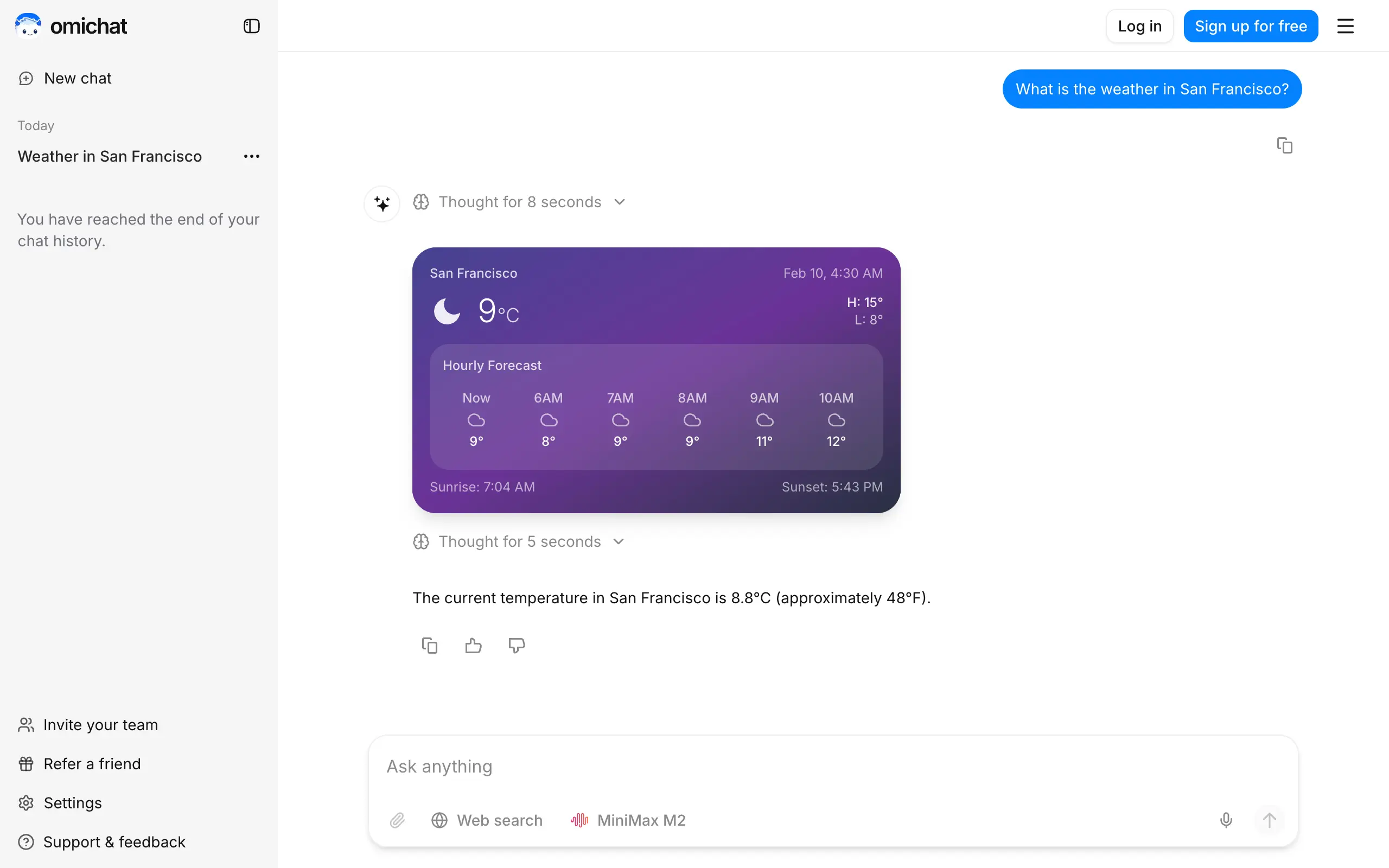
Omichat
Chat with 50+ AI models, including ChatGPT and Claude, in one place - switch models anytime without losing context 🤖
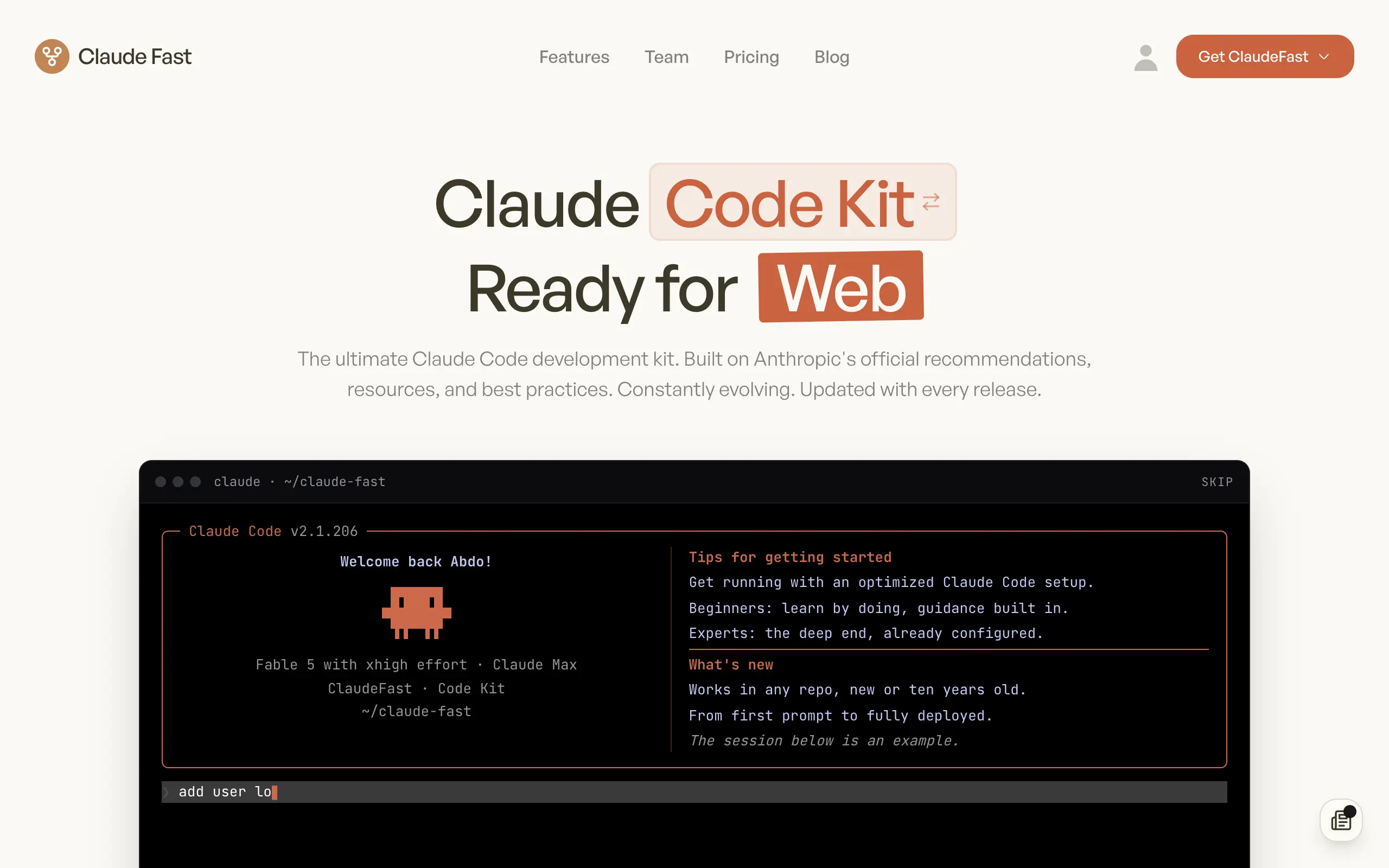
Claude Fast
Supercharge your Claude Code with 6x effective context window and specialized AI agents 🤖
EmojAI
AI-powered emoji picker with smart, context-aware suggestions 🤖
Solohacker
Autonomous company launcher - AI agents work 24/7, escalate what matters, and you stay in control 🤖
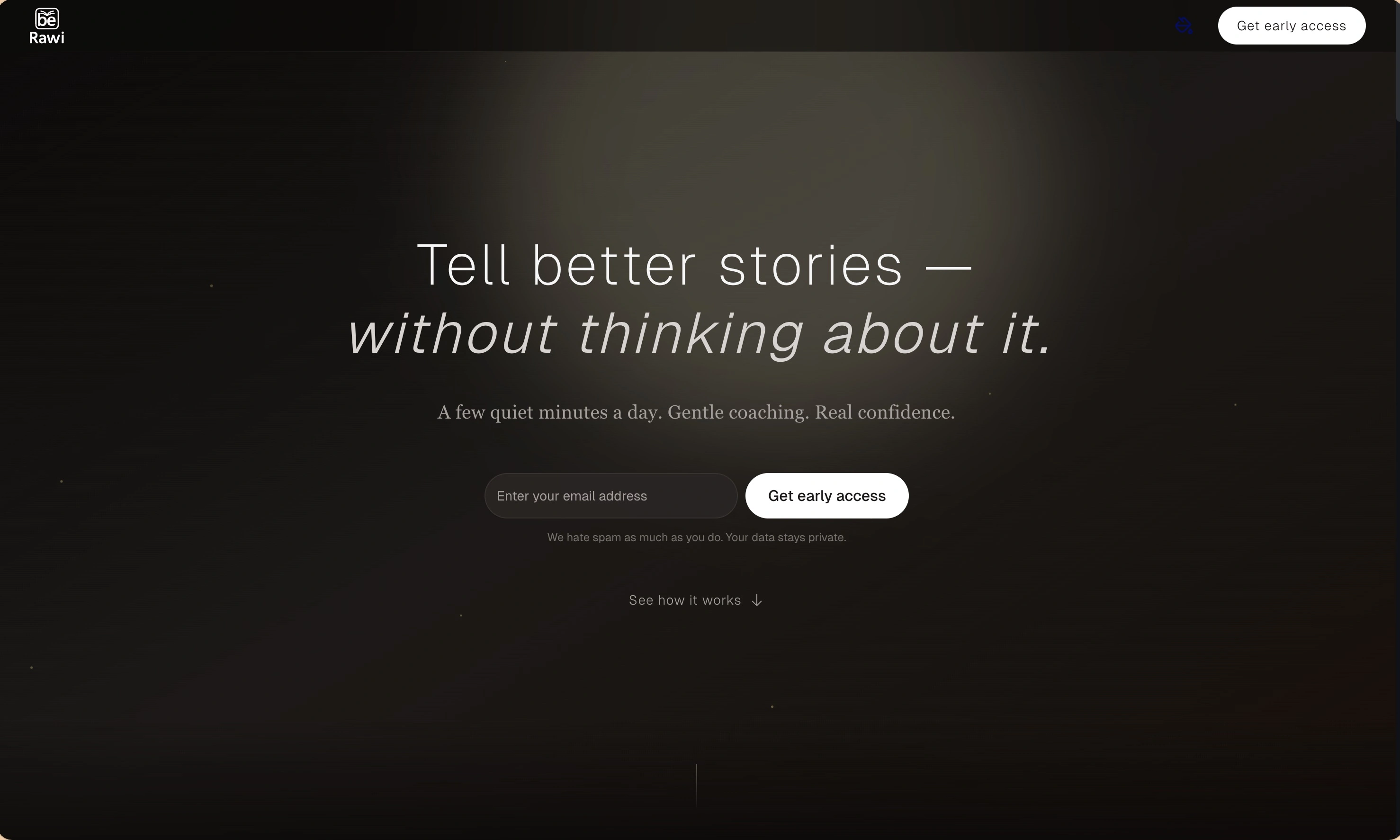
BeRawi: Storytelling Coach
Practice storytelling daily with instant feedback to sound clearer, more engaging, and confident 🎤
Omichat
Chat with 50+ AI models, including ChatGPT and Claude, in one place - switch models anytime without losing context 🤖
Claude Fast
Supercharge your Claude Code with 6x effective context window and specialized AI agents 🤖
EmojAI
AI-powered emoji picker with smart, context-aware suggestions 🤖
Solohacker
Autonomous company launcher - AI agents work 24/7, escalate what matters, and you stay in control 🤖
BeRawi: Storytelling Coach
Practice storytelling daily with instant feedback to sound clearer, more engaging, and confident 🎤
Omichat
Chat with 50+ AI models, including ChatGPT and Claude, in one place - switch models anytime without losing context 🤖
Claude Fast
Supercharge your Claude Code with 6x effective context window and specialized AI agents 🤖
EmojAI
AI-powered emoji picker with smart, context-aware suggestions 🤖
Solohacker
Autonomous company launcher - AI agents work 24/7, escalate what matters, and you stay in control 🤖
BeRawi: Storytelling Coach
Practice storytelling daily with instant feedback to sound clearer, more engaging, and confident 🎤
Omichat
Chat with 50+ AI models, including ChatGPT and Claude, in one place - switch models anytime without losing context 🤖
Claude Fast
Supercharge your Claude Code with 6x effective context window and specialized AI agents 🤖
EmojAI
AI-powered emoji picker with smart, context-aware suggestions 🤖
Solohacker
Autonomous company launcher - AI agents work 24/7, escalate what matters, and you stay in control 🤖
BeRawi: Storytelling Coach
Practice storytelling daily with instant feedback to sound clearer, more engaging, and confident 🎤

Connect with like-minded people
Join our community to get feedback, support, and grow together with 1,000+ builders on board, let's ship it!
Join usShip your startup everywhere. In minutes.
Don't burn tokens on setup and start building features on day one.