DegreeGate Scholar API
AI API that turns lecture notes and PDFs into summaries, quizzes, and flashcards, helping edtech apps boost student retention and engagement.
understanding the degreegate scholar api opportunity
The rise of AI-powered learning tools has fundamentally reshaped how students consume and retain information. Yet, despite massive innovation in edtech, one persistent problem remains: students are overwhelmed by content but under-supported in comprehension and retention.
The DegreeGate Scholar API directly targets this gap by offering a scalable AI layer that transforms lecture notes, PDFs, and academic materials into structured learning assets like summaries, quizzes, and flashcards. Instead of building complex AI pipelines from scratch, edtech platforms can plug into a ready-made solution that enhances engagement and retention instantly.
This article explores the market opportunity, technical architecture, product strategy, and competitive edge behind building a product like DegreeGate Scholar API.
why this problem matters more than ever
Modern students are drowning in content:
- Recorded lectures
- Dense academic PDFs
- Disorganized notes
- LMS platforms with poor UX
The problem isn't access to information—it's processing and retaining it efficiently.
Recent trends in education technology highlight key shifts:
- Microlearning is replacing long-form content
- Active recall (quizzes, flashcards) outperforms passive reading
- AI-assisted learning is becoming the norm
Research from sources like cognitive science literature (e.g., spaced repetition studies) consistently shows that retrieval-based learning methods dramatically improve retention compared to passive review.
Yet most platforms still rely heavily on static content delivery.
Key insight
Students don't need more content—they need smarter transformation of existing content into learning experiences.
target audience analysis
The DegreeGate Scholar API is not a direct-to-consumer product—it is B2B infrastructure for edtech platforms.
primary audience segments
EdTech startups
Early-stage or growth-stage platforms looking to integrate AI-powered study tools without building models from scratch.
Learning management systems (LMS)
Platforms like Moodle or custom LMS tools seeking to improve student engagement and retention.
Online course creators
Creators on platforms like Teachable or Kajabi who want to enhance course value with automated quizzes and summaries.
Corporate training platforms
Companies delivering internal training that need better knowledge retention tools.
secondary audiences
- Universities building internal tools
- Tutoring platforms
- Bootcamps and certification providers
user personas
-
Product Manager at an EdTech startup
- Goal: Increase engagement metrics
- Pain: Limited engineering resources to build AI features
-
CTO of a learning platform
- Goal: Ship AI features quickly and reliably
- Pain: Complexity of NLP pipelines and model tuning
-
Course creator
- Goal: Increase course completion rates
- Pain: Manual creation of quizzes and study aids
market opportunity and gap analysis
The AI-in-education market is booming, projected to reach tens of billions globally (refer to sources like HolonIQ or McKinsey reports for updated stats).
However, most existing tools fall into two categories:
- End-user tools (B2C) like Notion AI or ChatGPT-based study tools
- Generic AI APIs like OpenAI or Anthropic
the gap
There is a clear missing layer:
Purpose-built academic content transformation APIs designed specifically for structured learning outputs
Generic LLM APIs require:
- Prompt engineering
- Output structuring
- QA validation
- Educational alignment
DegreeGate Scholar API abstracts all of that.
competitive landscape
| Feature | Generic LLM APIs | B2C Study Apps | Traditional LMS | DegreeGate Scholar API |
|---|---|---|---|---|
| Structured quizzes | ❌ | ✅ | ❌ | ✅ |
| Flashcard generation | ❌ | ✅ | ❌ | ✅ |
| Plug-and-play API | ✅ | ❌ | ❌ | ✅ |
| Education-specific tuning | ❌ | ✅ | ❌ | ✅ |
core features and product architecture
The strength of DegreeGate Scholar API lies in modular, composable AI capabilities.
core feature set
1. intelligent summarization
- Converts lecture notes and PDFs into:
- Concise summaries
- Bullet-point key takeaways
- Concept breakdowns
2. quiz generation engine
- Multiple choice questions
- True/false questions
- Short answer prompts
- Difficulty scaling (easy → advanced)
3. flashcard creation
- Question-answer pairs
- Spaced repetition-ready formats
- Export compatibility (e.g., Anki-style)
4. semantic content parsing
- Extracts:
- Definitions
- Concepts
- Relationships
- Works with messy or unstructured input
5. adaptive learning hooks (advanced)
- Adjusts difficulty based on user performance
- Enables personalized learning experiences
how the API works (technical overview)
typical workflow
example API response
{
  "summary": "Photosynthesis is the process by which plants convert light energy into chemical energy.",
  "key_points": [
    "Occurs in chloroplasts",
    "Uses sunlight, water, and CO2",
    "Produces glucose and oxygen"
  ],
  "quiz": [
    {
      "question": "Where does photosynthesis occur?",
      "options": ["Mitochondria", "Chloroplast", "Nucleus"],
      "answer": "Chloroplast"
    }
  ],
  "flashcards": [
    {
      "front": "What is photosynthesis?",
      "back": "Conversion of light energy into chemical energy"
    }
  ]
}
recommended tech stack
Building a product like DegreeGate Scholar API requires balancing performance, cost, and scalability.
backend and AI layer
- Node.js / Python (FastAPI) for API orchestration
- LLM providers:
- Vector databases:
- Pinecone or Weaviate
- Document parsing:
- PDF parsers (pdfplumber, PyMuPDF)
frontend (for dashboard)
infrastructure
- AWS / GCP for scalability
- Serverless functions for cost efficiency
- Redis for caching
trade-offs to consider
- Cost vs accuracy: Higher-quality models cost more per request
- Latency vs complexity: Multi-step pipelines increase response time
- Customization vs generalization: Fine-tuning improves output but reduces flexibility
monetization strategy
The DegreeGate Scholar API fits naturally into usage-based SaaS pricing.
pricing models
1. pay-as-you-go (recommended)
- Charge per:
- Document processed
- Tokens used
- Output generated
2. tiered subscription
- Free tier: limited usage
- Pro tier: higher limits + advanced features
- Enterprise: custom SLAs
3. revenue-sharing model
- Partner with platforms
- Take % of revenue from AI-powered features
pricing psychology
- Anchor pricing to value delivered (retention, engagement), not compute cost
- Bundle features instead of charging per output type
competitive advantage and differentiation
The real moat is not just AI—it’s specialization + developer experience.
key differentiators
-
education-first outputs
- Not generic text—structured learning artifacts
-
plug-and-play simplicity
- Minimal prompt engineering required
-
high-quality structured JSON responses
- Easy integration into apps
-
learning science alignment
- Built around proven retention methods (active recall, spaced repetition)
-
developer-friendly API design
potential risks and mitigation strategies
risk 1: commoditization of AI APIs
LLMs are becoming cheaper and more accessible.
mitigation:
- Focus on domain-specific optimization
- Build proprietary datasets and fine-tuning layers
risk 2: output accuracy
Incorrect quizzes or summaries can harm trust.
mitigation:
- Add validation layers
- Human-in-the-loop review options
- Confidence scoring
risk 3: cost scaling
AI inference costs can spiral with usage.
mitigation:
- Implement caching
- Use smaller models for simpler tasks
- Optimize prompt engineering
risk 4: competition from large platforms
Big players may build similar features.
mitigation:
- Move faster
- Focus on niche segments
- Offer superior developer UX
SEO and growth strategy for this SaaS
To rank for terms like:
- "AI education API"
- "generate quizzes from PDF API"
- "AI flashcard generator API"
you need a content moat.
content strategy
-
Publish use-case pages:
- "Convert lecture notes into quizzes"
- "AI-powered LMS features"
-
Build developer docs with SEO in mind
-
Create comparison content:
- vs OpenAI
- vs manual solutions
programmatic SEO opportunities
- Generate landing pages for:
- Subjects (biology, law, medicine)
- Content types (PDF, slides, notes)
implementation roadmap
phase 1: MVP
- PDF upload + summarization
- Basic quiz generation
- REST API
phase 2: product-market fit
- Flashcards
- Improved accuracy
- SDKs (JavaScript, Python)
phase 3: scaling
- Adaptive learning
- Analytics dashboard
- Enterprise features
building faster with the right foundation
If you're building something like DegreeGate Scholar API, speed matters.
Instead of spending months setting up infrastructure, authentication, billing, and frontend scaffolding, you can accelerate development using a production-ready SaaS starter kit.
TurboStarter provides:
- Prebuilt SaaS architecture
- Authentication and billing integration
- Scalable frontend and backend foundation
This allows you to focus on your core differentiator: the AI learning engine.
future trends shaping AI in education
The DegreeGate Scholar API aligns with several major trends:
1. personalized learning at scale
AI will increasingly tailor content to individual students.
2. multimodal learning
- Text + video + audio processing
- Future APIs may generate:
- Visual explanations
- Interactive simulations
3. AI-native LMS platforms
Traditional LMS systems will be replaced by AI-first platforms.
4. continuous assessment
Quizzes and flashcards will become embedded into every learning experience.
final thoughts
The DegreeGate Scholar API sits at a powerful intersection:
- AI infrastructure
- Education technology
- Developer tools
Its strength lies in transforming raw educational content into actionable learning experiences—something generic AI tools are not optimized for.
If executed well, this product can become:
- A foundational layer in edtech stacks
- A retention engine for learning platforms
- A scalable, high-margin API business
The opportunity is not just to build another AI tool—but to redefine how knowledge is processed, structured, and retained in the digital age.
The teams that win in this space will focus less on raw AI capability and more on real learning outcomes.
More 🤖 AI Startup SaaS ideas
Discover more innovative ai startup SaaS ideas that are trending in 2026. Each idea is AI-generated with market validation and growth potential to help you find your next profitable venture faster than competitors.
Your competitors are building with TurboStarter
Below are some of the SaaS ideas that have been generated and built with our starter kit.
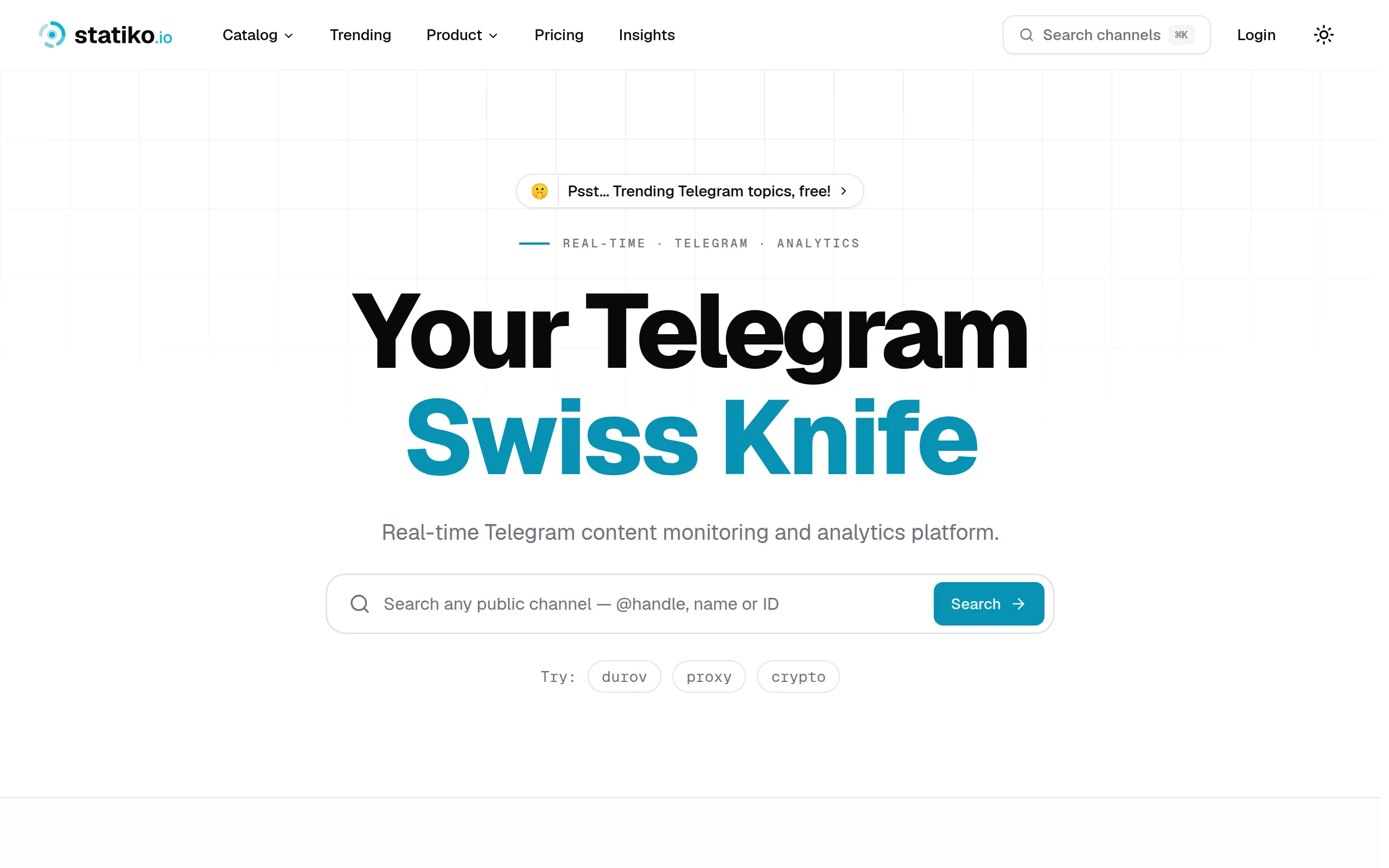
Statiko
Monitor any Telegram channel in real time - track posts, edits, deletions, and growth with AI recaps 📡

Shibui
AI website builder - describe your business, pick a niche template, edit by chatting, and publish instantly ✨

Pro Service
Find verified home service professionals, compare quotes, and pay securely through escrow - built for Brazilians across the US 🏠
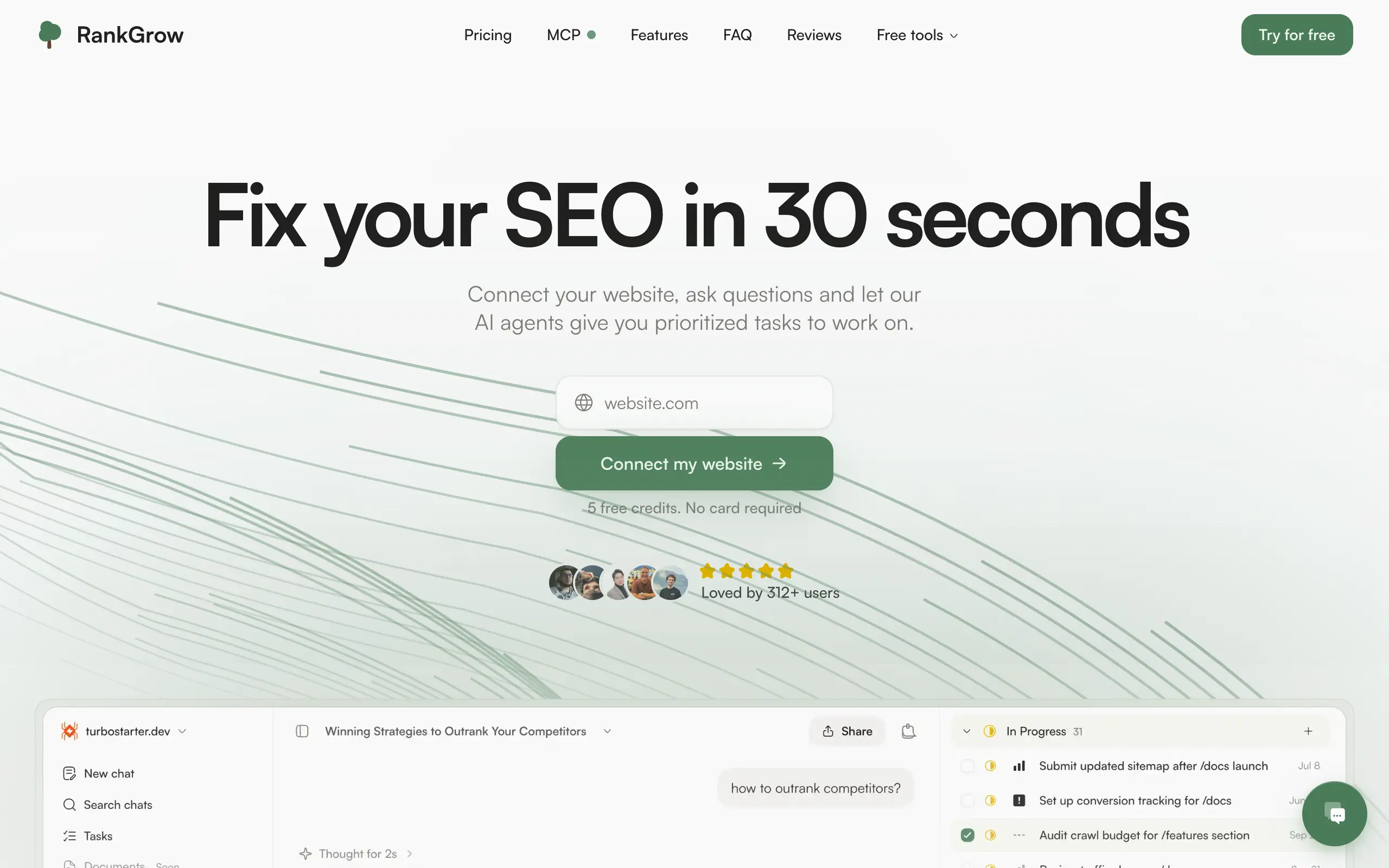
RankGrow
Fix your SEO with AI agents - connect Search Console, get prioritized tasks, and grow organic traffic 📈
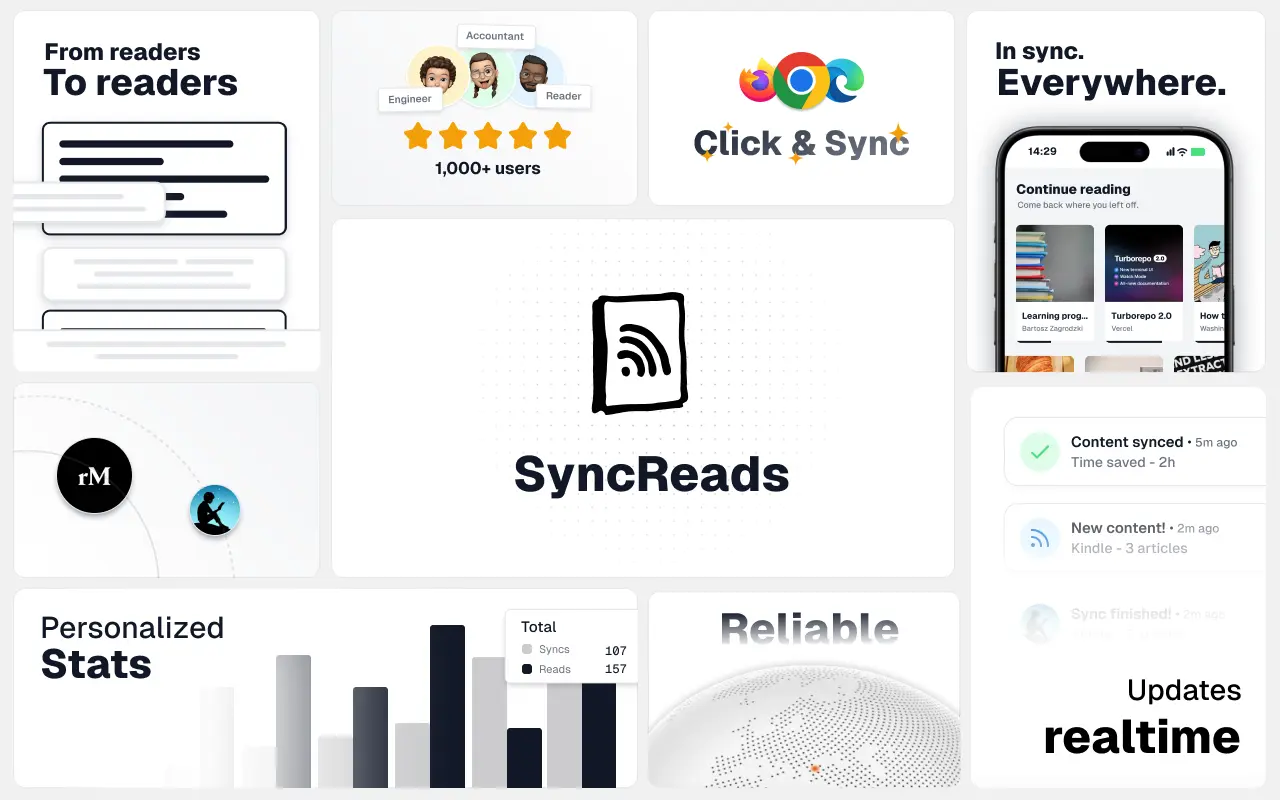
SyncReads
Sync your favorite content for distraction-free reading, save time and replace multiple apps. Anytime, anywhere 🔄
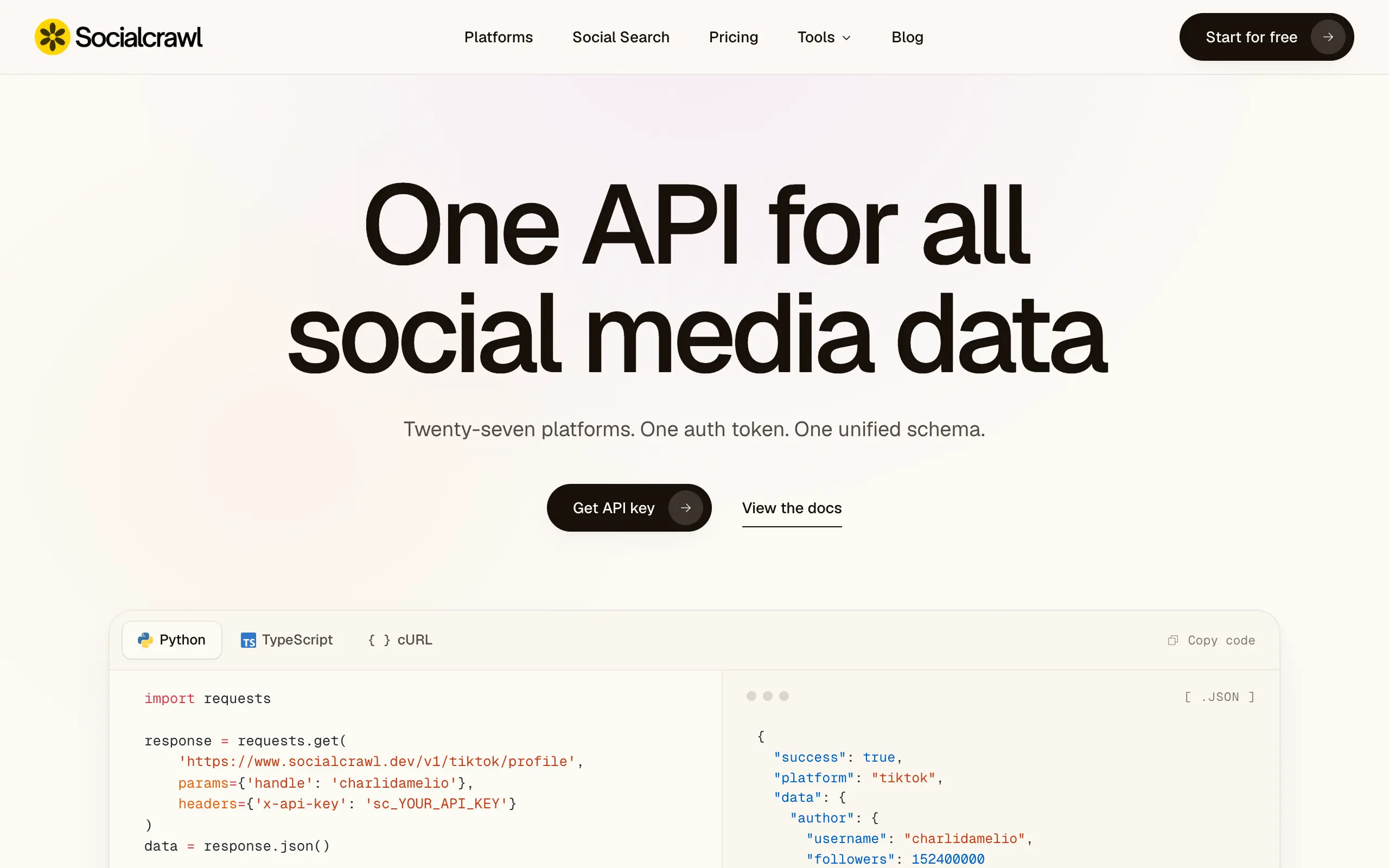
Socialcrawl
Get clean, structured data from 21 platforms like TikTok, Instagram, and YouTube with a single request 📊
Statiko
Monitor any Telegram channel in real time - track posts, edits, deletions, and growth with AI recaps 📡
Shibui
AI website builder - describe your business, pick a niche template, edit by chatting, and publish instantly ✨
Pro Service
Find verified home service professionals, compare quotes, and pay securely through escrow - built for Brazilians across the US 🏠
RankGrow
Fix your SEO with AI agents - connect Search Console, get prioritized tasks, and grow organic traffic 📈
SyncReads
Sync your favorite content for distraction-free reading, save time and replace multiple apps. Anytime, anywhere 🔄
Socialcrawl
Get clean, structured data from 21 platforms like TikTok, Instagram, and YouTube with a single request 📊
Statiko
Monitor any Telegram channel in real time - track posts, edits, deletions, and growth with AI recaps 📡
Shibui
AI website builder - describe your business, pick a niche template, edit by chatting, and publish instantly ✨
Pro Service
Find verified home service professionals, compare quotes, and pay securely through escrow - built for Brazilians across the US 🏠
RankGrow
Fix your SEO with AI agents - connect Search Console, get prioritized tasks, and grow organic traffic 📈
SyncReads
Sync your favorite content for distraction-free reading, save time and replace multiple apps. Anytime, anywhere 🔄
Socialcrawl
Get clean, structured data from 21 platforms like TikTok, Instagram, and YouTube with a single request 📊
Statiko
Monitor any Telegram channel in real time - track posts, edits, deletions, and growth with AI recaps 📡
Shibui
AI website builder - describe your business, pick a niche template, edit by chatting, and publish instantly ✨
Pro Service
Find verified home service professionals, compare quotes, and pay securely through escrow - built for Brazilians across the US 🏠
RankGrow
Fix your SEO with AI agents - connect Search Console, get prioritized tasks, and grow organic traffic 📈
SyncReads
Sync your favorite content for distraction-free reading, save time and replace multiple apps. Anytime, anywhere 🔄
Socialcrawl
Get clean, structured data from 21 platforms like TikTok, Instagram, and YouTube with a single request 📊
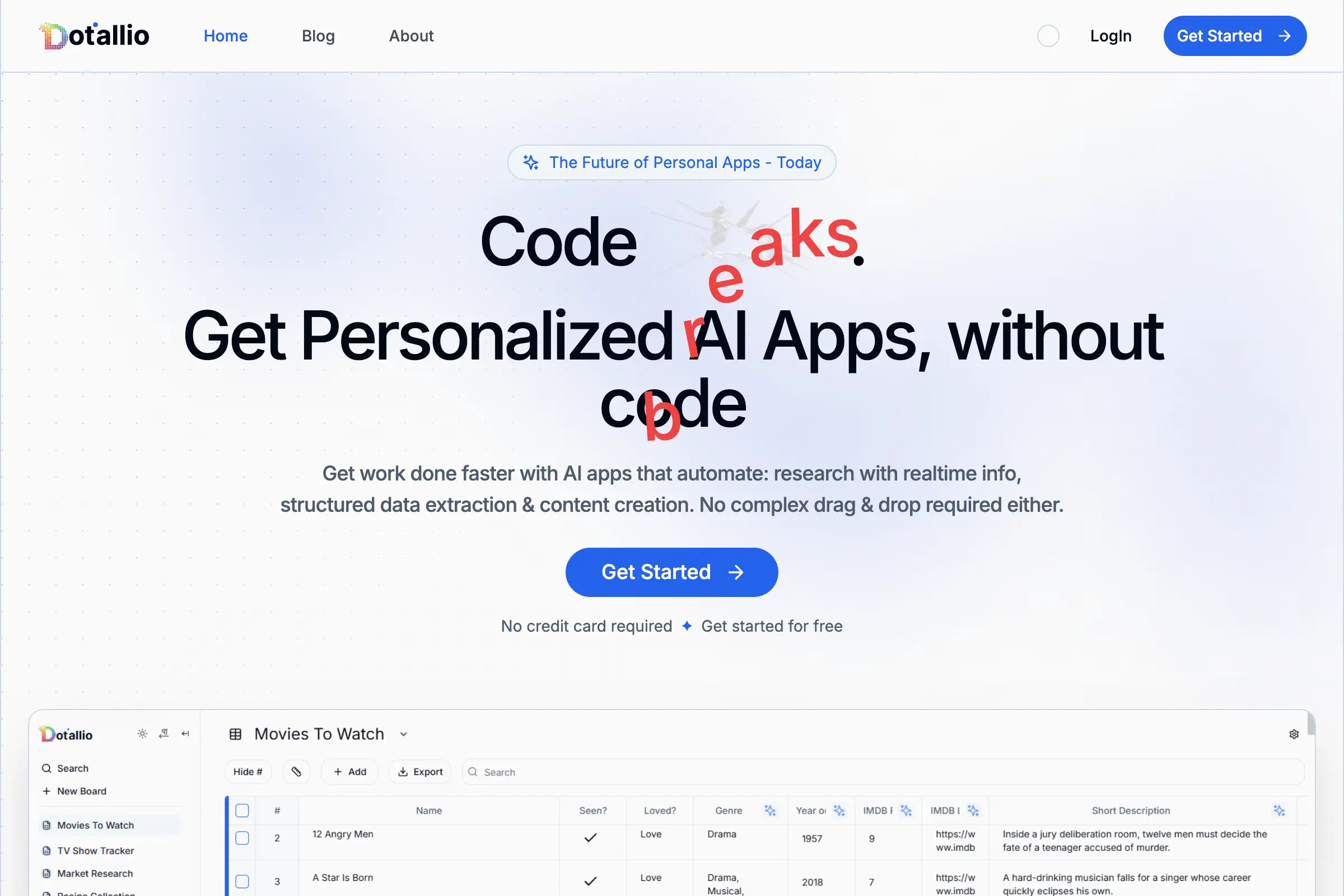
Dotallio
Personalized AI apps that automate research, data extraction, and content creation without code 🤖

Talk to Santa
Enjoy a magical live video chat or receive a unique AI-generated video greeting from Santa Claus 🎅
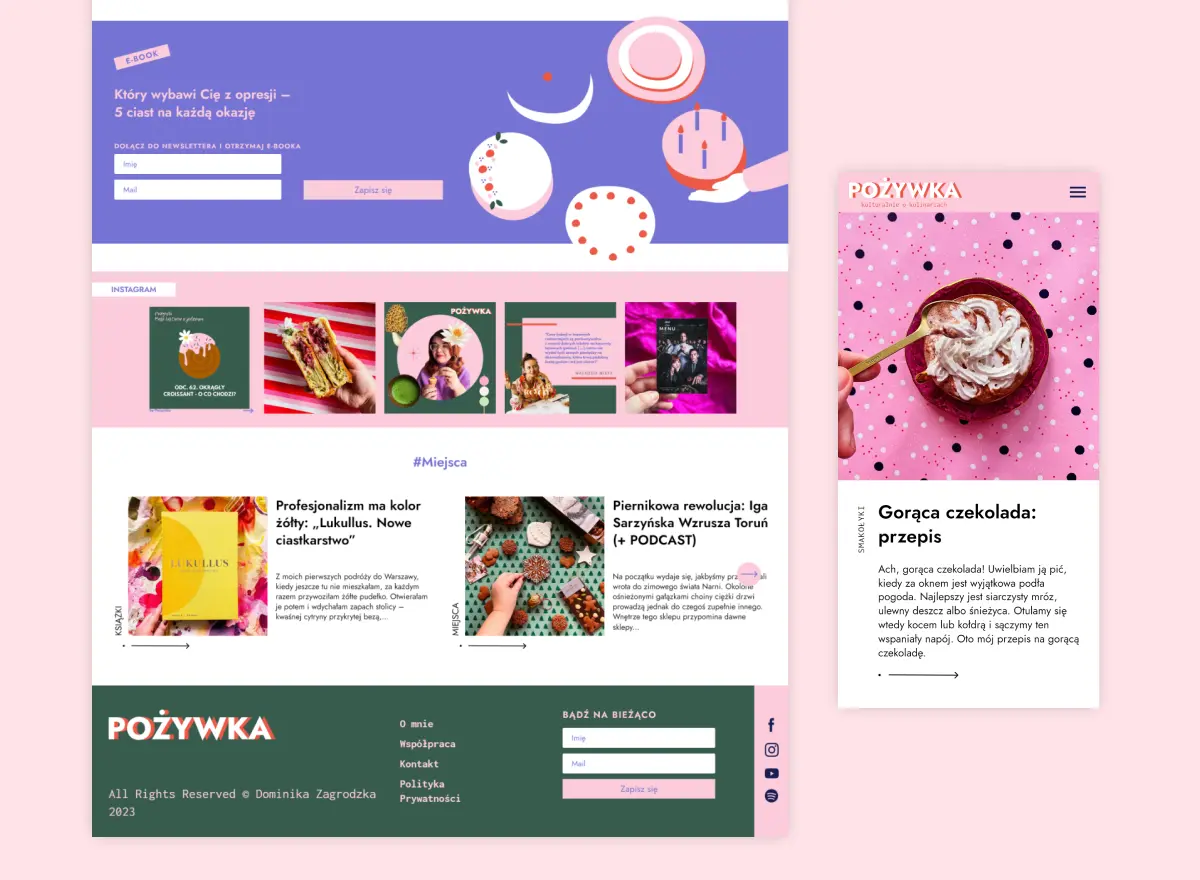
pozywka.pl
Scalable blog for food journalist, focused on performance and user experience 🌭
zagrodzki.me
Personal blog and portfolio of Bart Zagrodzki, where he shares his knowledge and work 💼
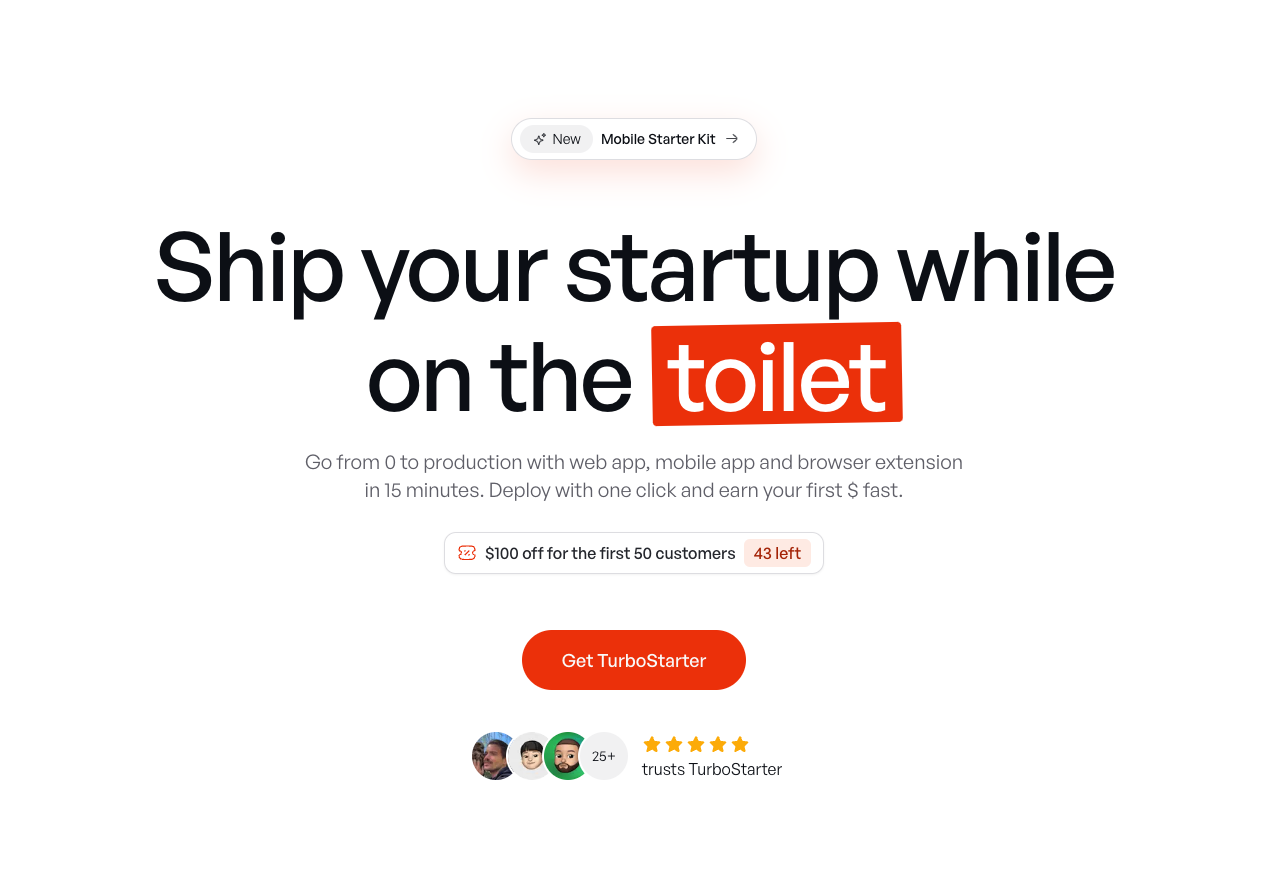
TurboStarter
Ship your startup everywhere. In minutes.
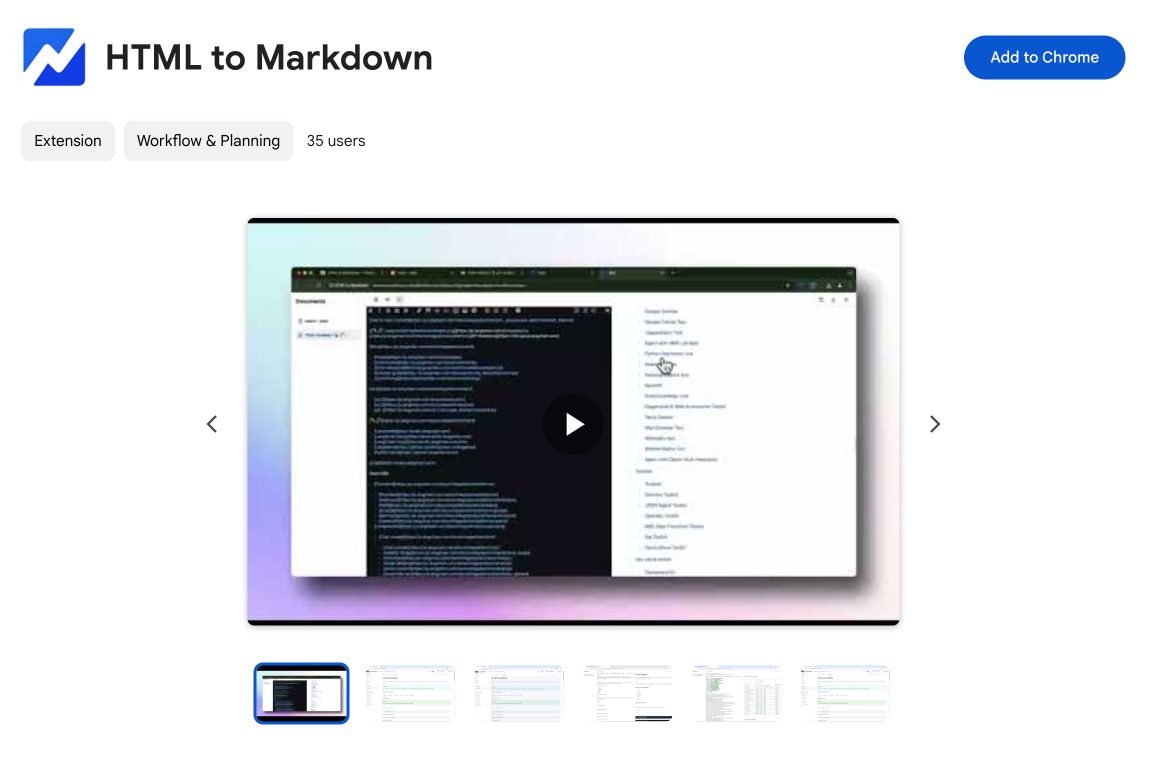
HTML to Markdown
Convert HTML to Markdown with ease, directly in your browser 📄
Dotallio
Personalized AI apps that automate research, data extraction, and content creation without code 🤖
Talk to Santa
Enjoy a magical live video chat or receive a unique AI-generated video greeting from Santa Claus 🎅
pozywka.pl
Scalable blog for food journalist, focused on performance and user experience 🌭
zagrodzki.me
Personal blog and portfolio of Bart Zagrodzki, where he shares his knowledge and work 💼
TurboStarter
Ship your startup everywhere. In minutes.
HTML to Markdown
Convert HTML to Markdown with ease, directly in your browser 📄
Dotallio
Personalized AI apps that automate research, data extraction, and content creation without code 🤖
Talk to Santa
Enjoy a magical live video chat or receive a unique AI-generated video greeting from Santa Claus 🎅
pozywka.pl
Scalable blog for food journalist, focused on performance and user experience 🌭
zagrodzki.me
Personal blog and portfolio of Bart Zagrodzki, where he shares his knowledge and work 💼
TurboStarter
Ship your startup everywhere. In minutes.
HTML to Markdown
Convert HTML to Markdown with ease, directly in your browser 📄
Dotallio
Personalized AI apps that automate research, data extraction, and content creation without code 🤖
Talk to Santa
Enjoy a magical live video chat or receive a unique AI-generated video greeting from Santa Claus 🎅
pozywka.pl
Scalable blog for food journalist, focused on performance and user experience 🌭
zagrodzki.me
Personal blog and portfolio of Bart Zagrodzki, where he shares his knowledge and work 💼
TurboStarter
Ship your startup everywhere. In minutes.
HTML to Markdown
Convert HTML to Markdown with ease, directly in your browser 📄
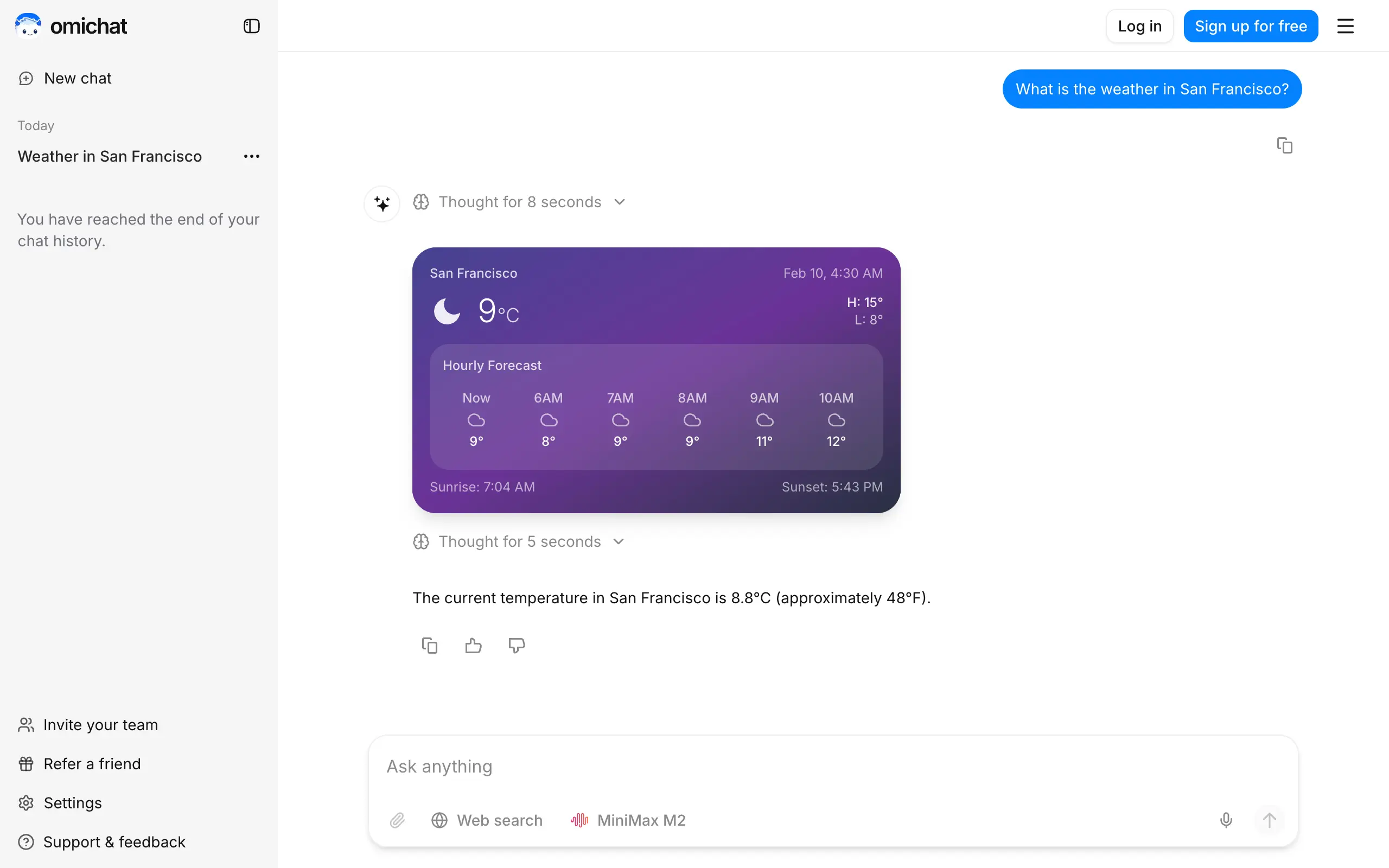
Omichat
Chat with 50+ AI models, including ChatGPT and Claude, in one place - switch models anytime without losing context 🤖
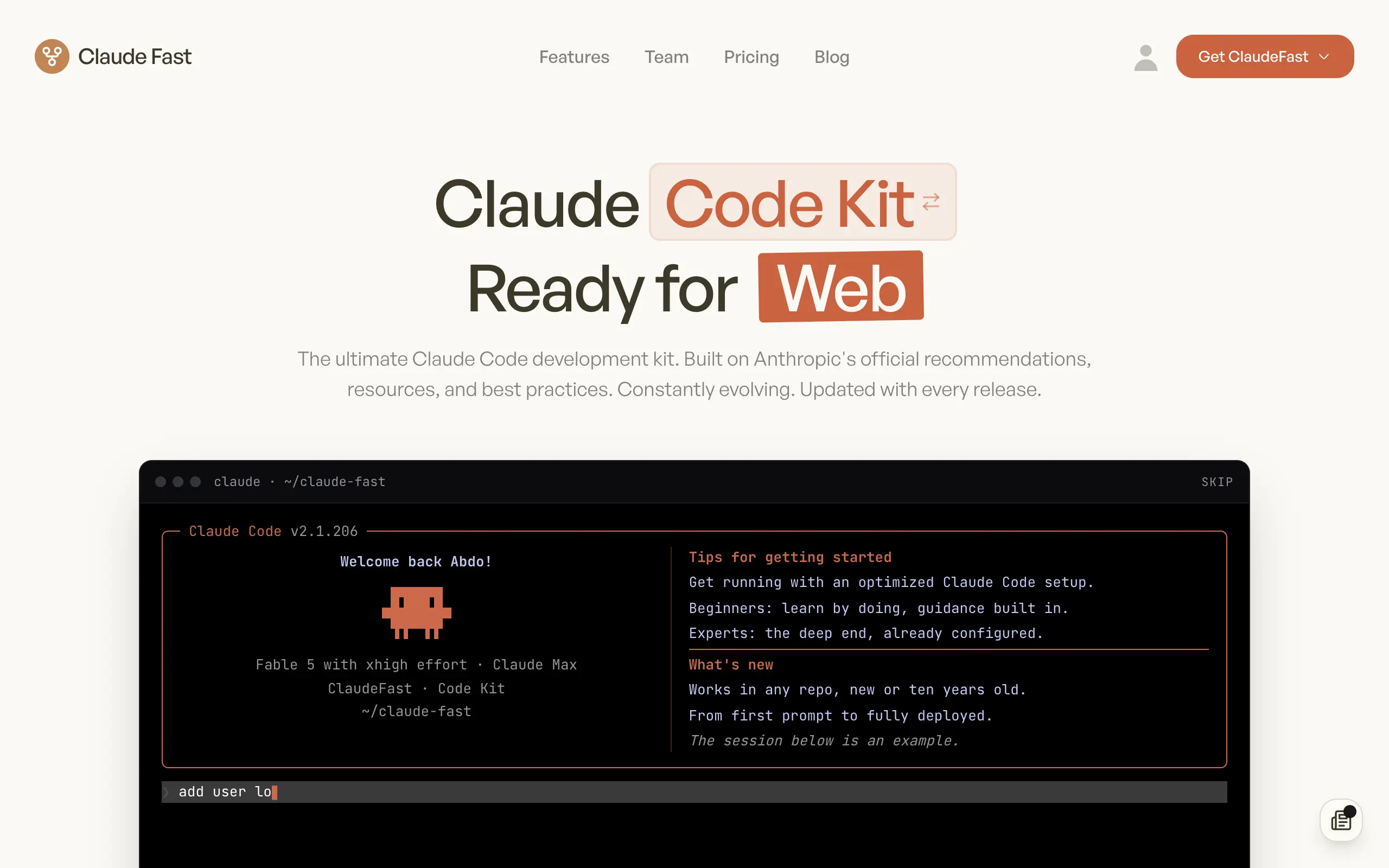
Claude Fast
Supercharge your Claude Code with 6x effective context window and specialized AI agents 🤖
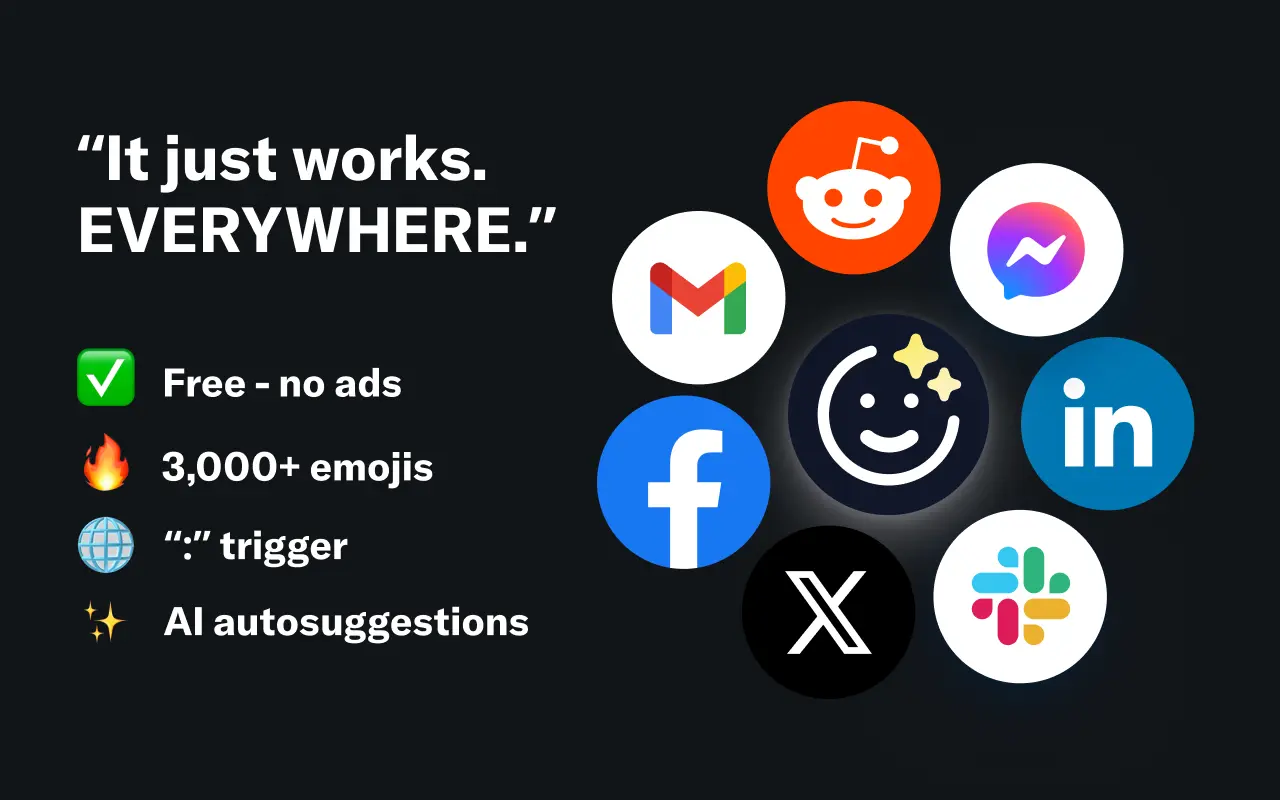
EmojAI
AI-powered emoji picker with smart, context-aware suggestions 🤖
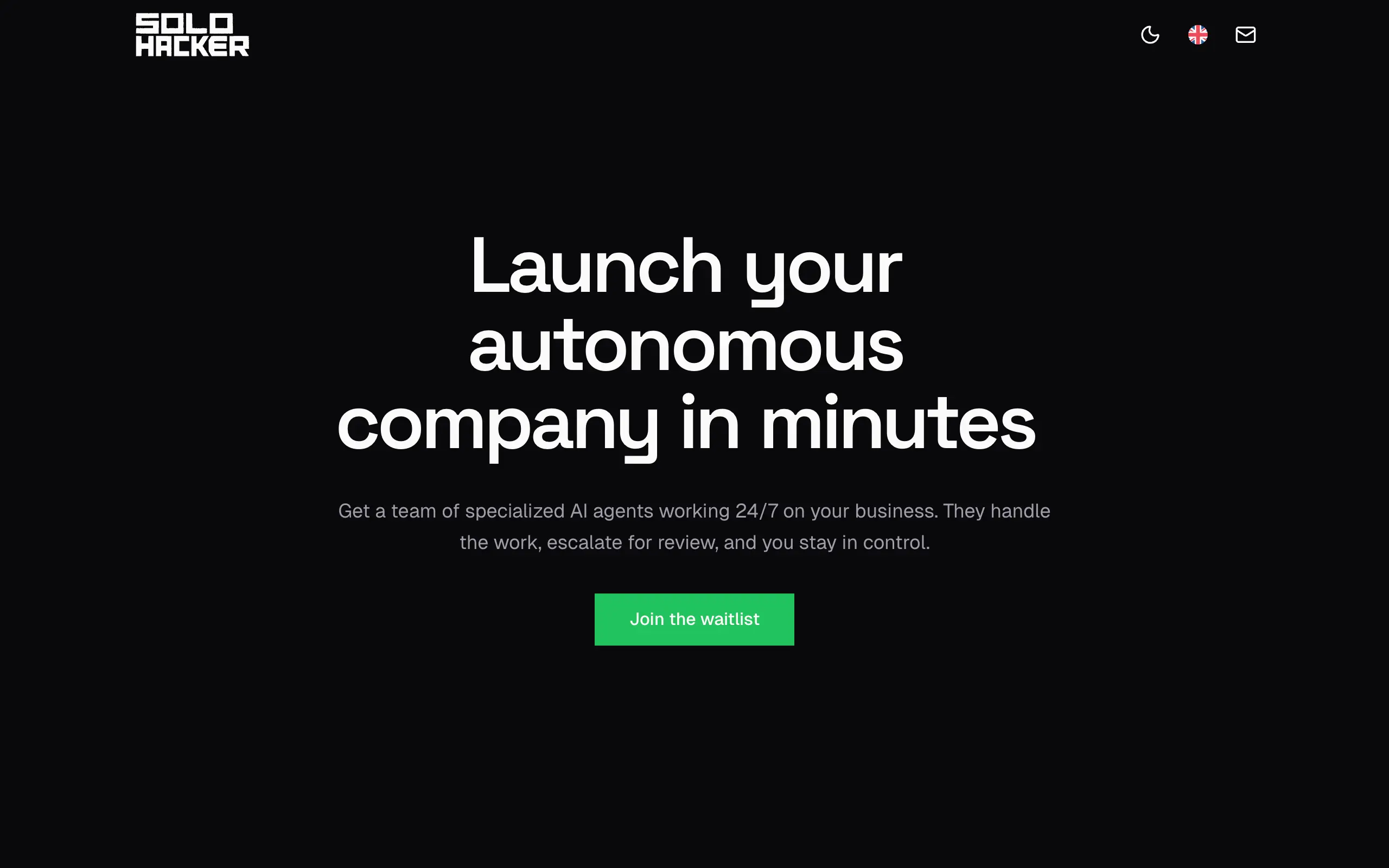
Solohacker
Autonomous company launcher - AI agents work 24/7, escalate what matters, and you stay in control 🤖
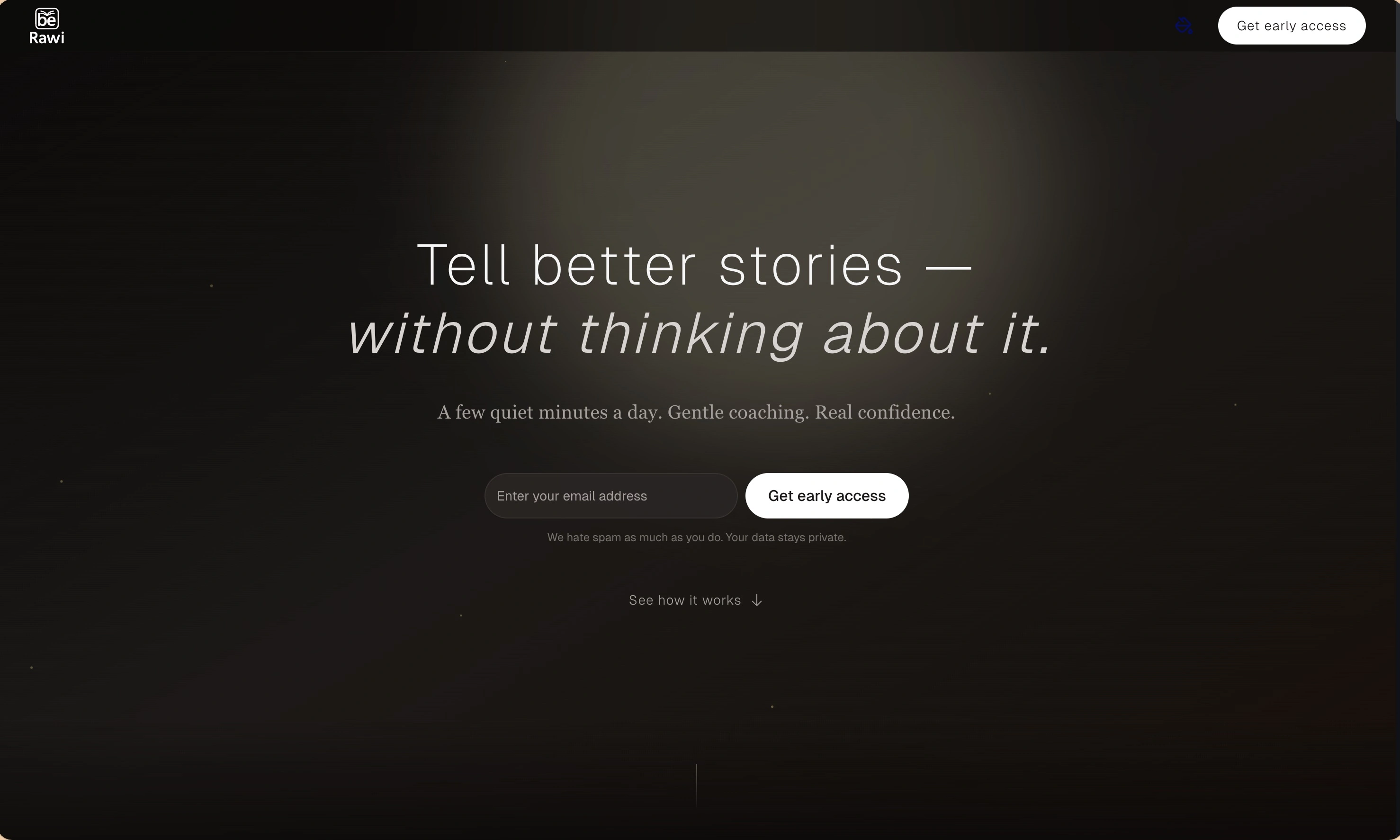
BeRawi: Storytelling Coach
Practice storytelling daily with instant feedback to sound clearer, more engaging, and confident 🎤
Omichat
Chat with 50+ AI models, including ChatGPT and Claude, in one place - switch models anytime without losing context 🤖
Claude Fast
Supercharge your Claude Code with 6x effective context window and specialized AI agents 🤖
EmojAI
AI-powered emoji picker with smart, context-aware suggestions 🤖
Solohacker
Autonomous company launcher - AI agents work 24/7, escalate what matters, and you stay in control 🤖
BeRawi: Storytelling Coach
Practice storytelling daily with instant feedback to sound clearer, more engaging, and confident 🎤
Omichat
Chat with 50+ AI models, including ChatGPT and Claude, in one place - switch models anytime without losing context 🤖
Claude Fast
Supercharge your Claude Code with 6x effective context window and specialized AI agents 🤖
EmojAI
AI-powered emoji picker with smart, context-aware suggestions 🤖
Solohacker
Autonomous company launcher - AI agents work 24/7, escalate what matters, and you stay in control 🤖
BeRawi: Storytelling Coach
Practice storytelling daily with instant feedback to sound clearer, more engaging, and confident 🎤
Omichat
Chat with 50+ AI models, including ChatGPT and Claude, in one place - switch models anytime without losing context 🤖
Claude Fast
Supercharge your Claude Code with 6x effective context window and specialized AI agents 🤖
EmojAI
AI-powered emoji picker with smart, context-aware suggestions 🤖
Solohacker
Autonomous company launcher - AI agents work 24/7, escalate what matters, and you stay in control 🤖
BeRawi: Storytelling Coach
Practice storytelling daily with instant feedback to sound clearer, more engaging, and confident 🎤

Connect with like-minded people
Join our community to get feedback, support, and grow together with 1,000+ builders on board, let's ship it!
Join usShip your startup everywhere. In minutes.
Don't burn tokens on setup and start building features on day one.