DegreeGate ScholarAPI
AI API that helps university apps deliver instant study guides, summaries, and citation-ready answers tailored to course materials.
what is an ai scholar api for universities?
The idea behind an AI Scholar API for universities is simple but powerful: give academic platforms the ability to generate instant, course-aware study guides, summaries, and citation-ready answers directly from their own curriculum materials.
Instead of generic AI outputs, this system is grounded in institution-specific content—lecture slides, PDFs, textbooks, research papers, and LMS data—making it far more accurate, relevant, and trustworthy for students and faculty.
DegreeGate ScholarAPI fits squarely into this emerging category. It acts as a plug-and-play intelligence layer that universities, edtech platforms, and student apps can integrate into their ecosystems.
At a time when students are already using tools like ChatGPT, Notion AI, and Perplexity, institutions face a critical question:
Should they fight AI usage—or provide a better, controlled alternative?
This is exactly the gap ScholarAPI is designed to fill.
why the market is ready for ai-powered academic APIs
The demand for AI in education is no longer speculative—it’s exploding.
Recent trends show:
- Massive adoption of generative AI tools among students (suggest referencing EDUCAUSE or Pew Research reports for updated stats)
- Universities struggling with academic integrity vs. AI usage
- Rising demand for personalized learning experiences
- Increased digitization of course materials through LMS platforms like Canvas and Blackboard
key shift: from generic ai to contextual ai
Generic AI tools:
- Lack syllabus awareness
- Provide inconsistent citations
- Risk hallucination in academic contexts
Contextual AI APIs like DegreeGate ScholarAPI:
- Are trained on course-specific datasets
- Generate citation-backed responses
- Align with faculty-approved materials
This shift is similar to what happened in enterprise AI—companies moved from general-purpose models to domain-specific AI systems.
Key insight
Universities don’t just need AI—they need AI they can trust, audit, and align with their curriculum.
target audience and use cases
Understanding the audience is critical for positioning and product design.
primary users
1. universities and academic institutions
- Integrate ScholarAPI into LMS platforms
- Provide AI-assisted learning tools
- Maintain academic integrity with controlled datasets
2. edtech platforms
- Enhance existing products with contextual AI
- Differentiate from competitors using generic AI APIs
- Improve retention through smarter learning tools
3. student-facing apps
- Build AI-powered study assistants
- Offer premium features like auto-generated notes and summaries
- Reduce reliance on external AI tools
4. faculty and instructional designers
- Generate teaching aids
- Create summaries and quizzes from course materials
- Improve accessibility for diverse learners
core problems this solves
1. unreliable ai outputs in academic settings
Students using generic AI often get:
- Incorrect citations
- Fabricated sources
- Misinterpretations of course-specific concepts
ScholarAPI solves this by grounding responses in:
- Uploaded course materials
- Verified academic sources
- Institutional guidelines
2. lack of personalization in learning
Most LMS platforms are static. They don’t adapt to:
- Student learning pace
- Knowledge gaps
- Contextual questions
ScholarAPI enables:
- Dynamic explanations
- Adaptive summaries
- Personalized study paths
3. academic integrity concerns
Universities fear AI misuse, including:
- Plagiarism
- Unauthorized assistance
- Lack of transparency
ScholarAPI offers:
- Traceable sources
- Citation-ready outputs
- Configurable guardrails
core features of degreegate scholarapi
course-aware ai responses
Answers grounded in specific lectures, readings, and syllabus materials.
instant study guides
Generate structured summaries, flashcards, and key concepts on demand.
citation-ready outputs
Automatically formatted references aligned with academic standards.
multi-format ingestion
Supports PDFs, slides, videos, and structured LMS data.
deeper feature breakdown
contextual retrieval (rag architecture)
At its core, ScholarAPI uses retrieval-augmented generation (RAG):
- Indexes course materials
- Retrieves relevant chunks
- Feeds them into LLM prompts
This ensures:
- Higher accuracy
- Reduced hallucinations
- Explainable outputs
citation engine
Unlike generic AI tools, this API:
- Links answers to source documents
- Formats citations (APA, MLA, Chicago)
- Provides inline references
adaptive learning outputs
Examples include:
- Beginner vs advanced explanations
- Quiz generation
- Concept breakdowns
developer-first api design
A clean API interface allows developers to:
- Query course data
- Generate structured outputs
- Embed AI in apps seamlessly
Example:
const response = await fetch("https://api.degreegate.dev/scholar/query", {
  method: "POST",
  headers: {
    "Authorization": "Bearer API_KEY",
    "Content-Type": "application/json"
  },
  body: JSON.stringify({
    courseId: "BIO101",
    question: "Explain cellular respiration with references",
    format: "study_guide"
  })
});

const data = await response.json();
recommended tech stack and architecture
Building a system like DegreeGate ScholarAPI requires careful trade-offs between performance, scalability, and cost.
backend and ai layer
- LLM providers: OpenAI, Anthropic, or open-source models like Llama
- Vector databases: Pinecone, Weaviate, or Supabase pgvector
- Orchestration: LangChain or custom pipelines
frontend and integration layer
- Framework: React
- UI: TailwindCSS
- API management: GraphQL or REST
infrastructure
- Cloud: AWS, GCP, or Vercel
- Storage: S3-compatible storage for documents
- Authentication: OAuth + JWT
trade-offs to consider
- Faster to launch
- Higher cost at scale
- Less control over data
- Lower long-term cost
- Requires ML expertise
- More control and privacy
monetization strategy
saas pricing model
Typical pricing tiers:
- Starter: limited API calls for small apps
- Growth: higher usage + analytics
- Enterprise: custom integrations, SLAs, compliance
usage-based billing
Charge based on:
- Tokens processed
- Documents indexed
- Queries executed
institutional licensing
Universities may prefer:
- Annual contracts
- Per-student pricing
- Campus-wide deployment
value-added services
- Custom model fine-tuning
- Data onboarding services
- Academic compliance consulting
competitive landscape and positioning
existing players
- Generic AI APIs (OpenAI, Anthropic)
- Edtech tools with AI features (Quizlet, Chegg)
- LMS-integrated AI tools
comparison
| Feature | Generic AI | LMS tools | ScholarAPI | Custom-built |
|---|---|---|---|---|
| Course awareness | ❌ | ✅ | ✅ | ✅ |
| Citations | ⚠️ | ❌ | ✅ | ✅ |
| Ease of integration | ✅ | ❌ | ✅ | ❌ |
| Customization | ❌ | ❌ | ✅ | ✅ |
unique competitive advantage (usp)
DegreeGate ScholarAPI stands out because it combines:
- Domain-specific intelligence (education)
- API-first architecture
- Citation reliability
- Institutional control
Most competitors excel in only one or two of these areas.
risks and mitigation strategies
1. data privacy concerns
Universities are highly sensitive to:
- Student data protection
- Intellectual property
Mitigation:
- On-premise or private cloud options
- Data encryption
- Compliance with FERPA and GDPR
2. hallucination risks
Even with RAG, AI can produce errors.
Mitigation:
- Confidence scoring
- Source attribution
- Human review workflows
3. resistance from faculty
Some educators may resist AI adoption.
Mitigation:
- Provide transparency tools
- Offer opt-in controls
- Demonstrate learning benefits
4. competition from big tech
Large players may enter the space.
Mitigation:
- Focus on niche specialization
- Build deep integrations
- Prioritize UX and developer experience
seo and growth strategy
To scale a product like ScholarAPI, organic growth is key.
content marketing
Create high-value content around:
- “AI in higher education”
- “How to build AI-powered LMS tools”
- “AI study tools with citations”
developer-focused seo
Target keywords like:
- “AI API for education”
- “study guide generator API”
- “RAG API for LMS”
integration partnerships
- LMS platforms (Canvas, Moodle)
- Edtech startups
- University IT departments
implementation roadmap
go-to-market strategy
phase 1: niche focus
Start with:
- STEM courses
- Research-heavy disciplines
These benefit most from:
- Summaries
- Citations
- Concept explanations
phase 2: expand horizontally
Add support for:
- Humanities
- Business schools
- Online learning platforms
phase 3: platform ecosystem
Enable:
- Plugins
- Third-party integrations
- Marketplace for academic tools
future trends shaping this space
ai-native universities
Institutions will:
- Build AI into every workflow
- Offer personalized learning paths
- Replace static content with dynamic systems
multimodal learning
Future ScholarAPI versions could:
- Analyze lecture videos
- Generate diagrams
- Provide voice-based tutoring
real-time collaboration
Students may:
- Co-study with AI
- Generate shared notes
- Collaborate with context-aware assistants
actionable steps to build your own scholar api
If you’re building something like DegreeGate ScholarAPI, here’s a practical path:
- Start with a narrow use case (e.g., PDF-based Q&A)
- Implement RAG using a vector database
- Add citation extraction logic
- Design a clean developer API
- Test with real academic datasets
- Optimize for latency and cost
- Add compliance and security layers
final thoughts
The rise of AI in education is inevitable—but the form it takes is still being shaped.
Generic AI tools are powerful, but they fall short in trust, accuracy, and institutional alignment. That’s where products like DegreeGate ScholarAPI shine.
By focusing on:
- Contextual intelligence
- Developer accessibility
- Academic reliability
…this category has the potential to redefine how students learn and how institutions deliver education.
If executed well, this isn’t just another API—it becomes core infrastructure for the future of learning.
build faster with the right foundation
If you're serious about launching an AI SaaS like this, starting from scratch can slow you down significantly.
Using a production-ready foundation like TurboStarter can help you:
- Skip boilerplate setup
- Focus on core AI features
- Launch faster with scalable architecture
This is especially valuable when building:
- API-first products
- AI-powered SaaS platforms
- Developer tools
frequently asked questions
ScholarAPI is trained on specific course materials and provides citation-backed answers, whereas ChatGPT generates general responses without guaranteed academic accuracy.
Yes, institutions can restrict the AI to approved datasets, ensuring alignment with curriculum and policies.
With the right infrastructure (vector databases, cloud scaling), ScholarAPI can handle thousands of courses and users simultaneously.
Maintaining accuracy and low latency while processing large volumes of academic content is the primary challenge.
More 🤖 AI Startup SaaS ideas
Discover more innovative ai startup SaaS ideas that are trending in 2026. Each idea is AI-generated with market validation and growth potential to help you find your next profitable venture faster than competitors.
Your competitors are building with TurboStarter
Below are some of the SaaS ideas that have been generated and built with our starter kit.
Statiko
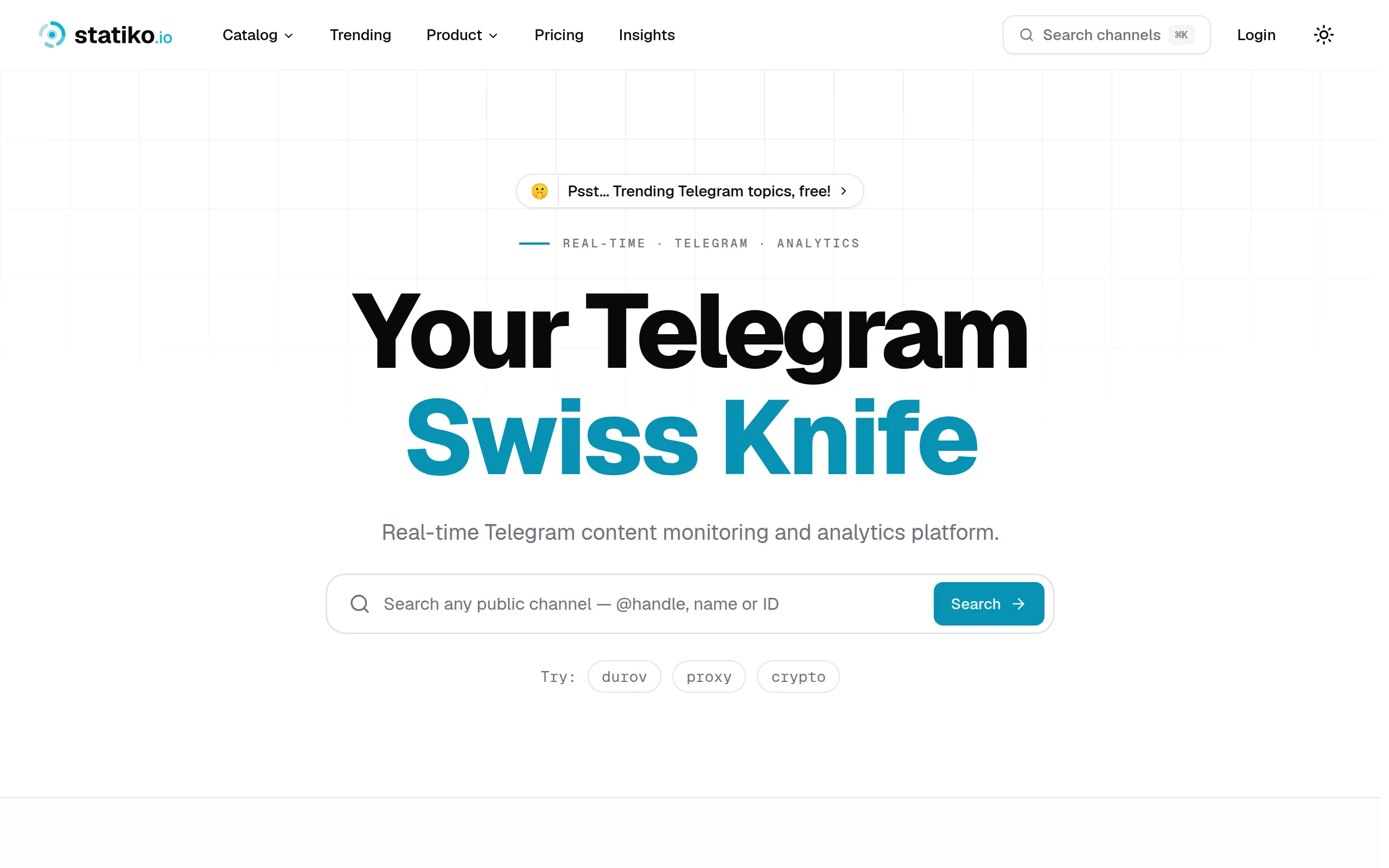
Monitor any Telegram channel in real time - track posts, edits, deletions, and growth with AI recaps 📡

Shibui
AI website builder - describe your business, pick a niche template, edit by chatting, and publish instantly ✨

Pro Service
Find verified home service professionals, compare quotes, and pay securely through escrow - built for Brazilians across the US 🏠
RankGrow
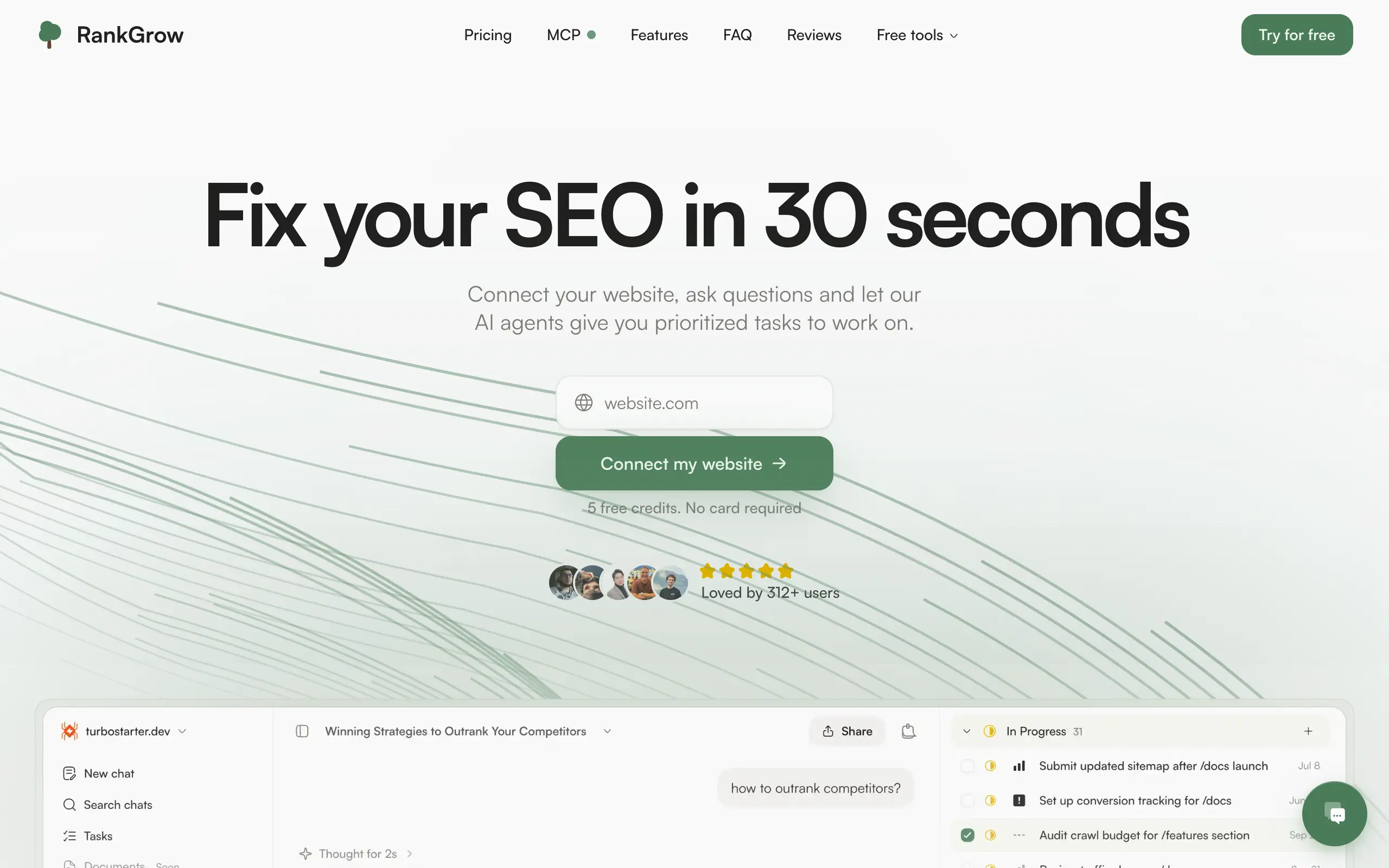
Fix your SEO with AI agents - connect Search Console, get prioritized tasks, and grow organic traffic 📈
SyncReads
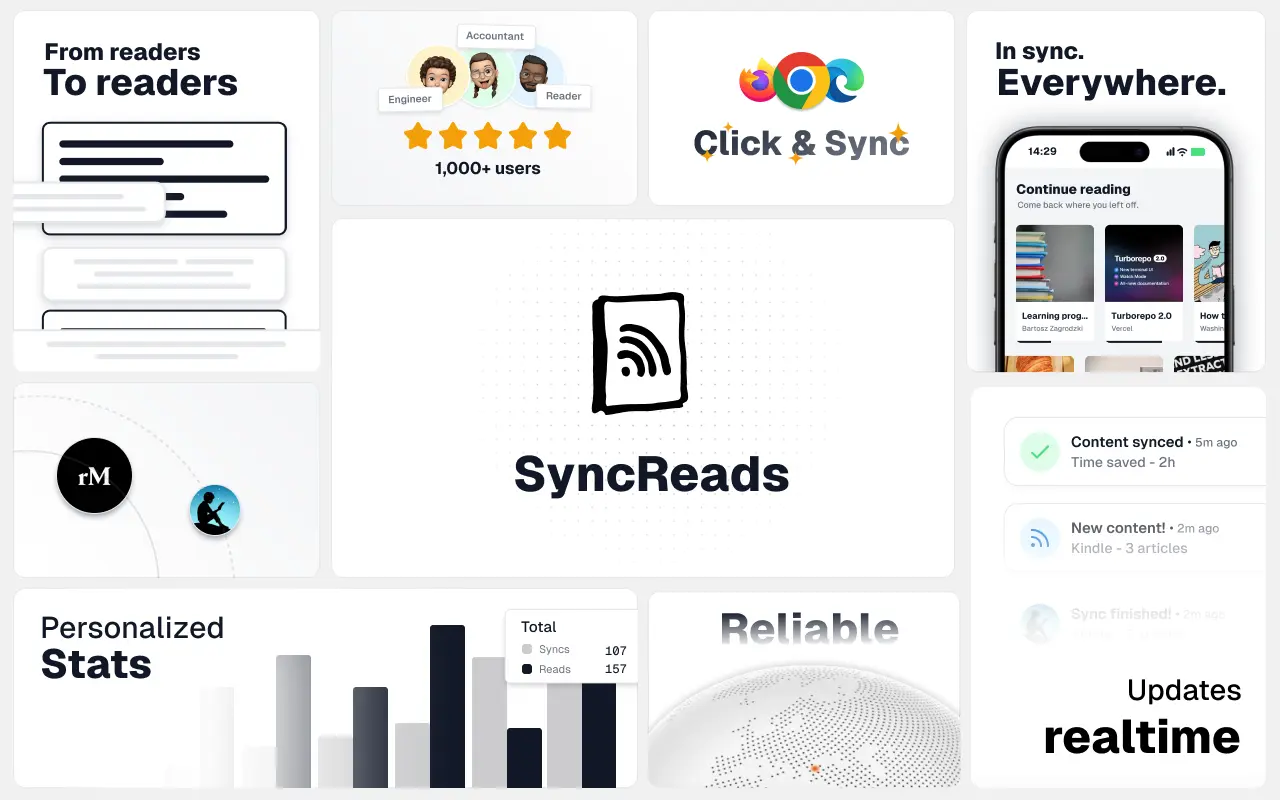
Sync your favorite content for distraction-free reading, save time and replace multiple apps. Anytime, anywhere 🔄
Socialcrawl
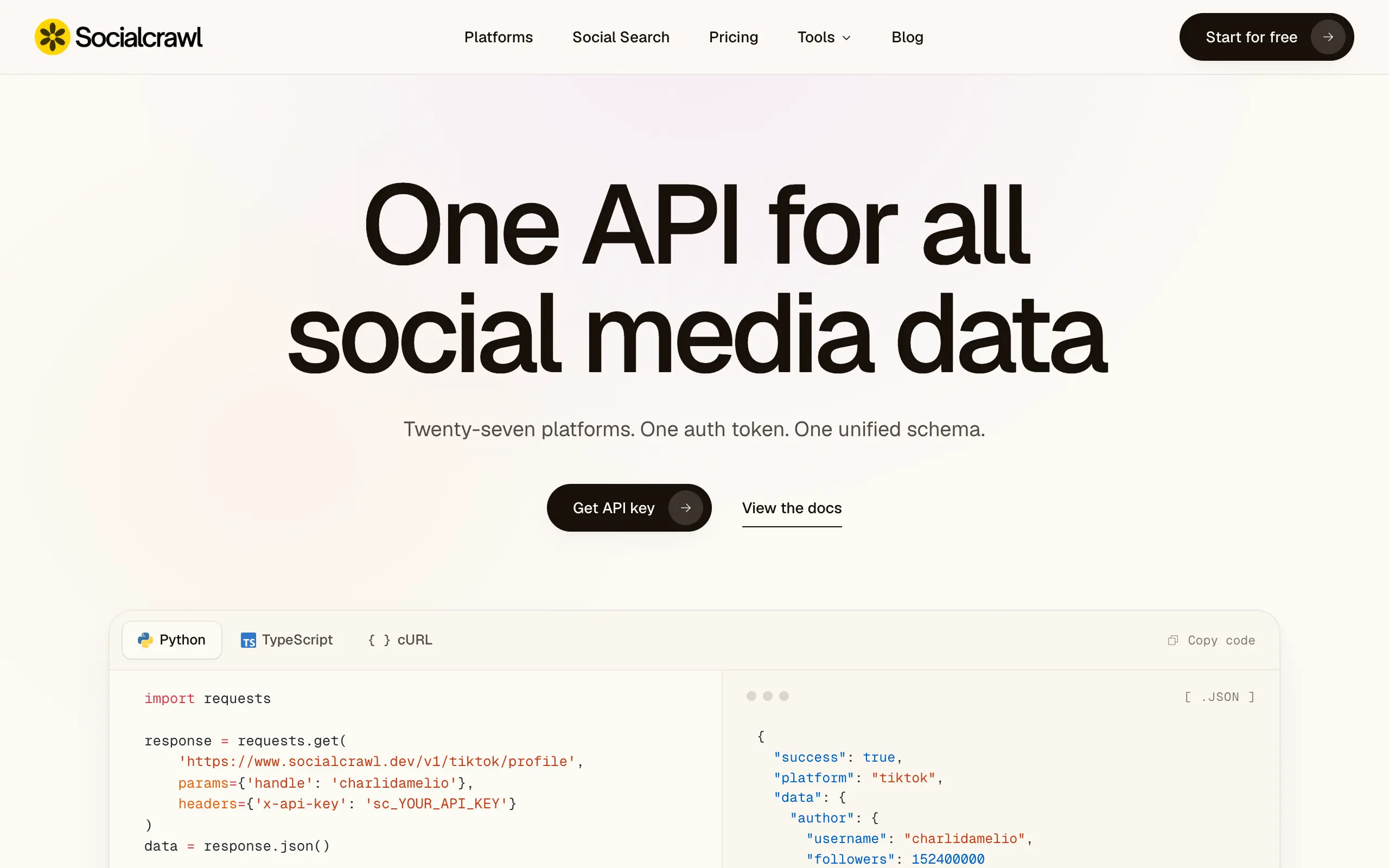
Get clean, structured data from 21 platforms like TikTok, Instagram, and YouTube with a single request 📊
Statiko
Monitor any Telegram channel in real time - track posts, edits, deletions, and growth with AI recaps 📡
Shibui
AI website builder - describe your business, pick a niche template, edit by chatting, and publish instantly ✨
Pro Service
Find verified home service professionals, compare quotes, and pay securely through escrow - built for Brazilians across the US 🏠
RankGrow
Fix your SEO with AI agents - connect Search Console, get prioritized tasks, and grow organic traffic 📈
SyncReads
Sync your favorite content for distraction-free reading, save time and replace multiple apps. Anytime, anywhere 🔄
Socialcrawl
Get clean, structured data from 21 platforms like TikTok, Instagram, and YouTube with a single request 📊
Statiko
Monitor any Telegram channel in real time - track posts, edits, deletions, and growth with AI recaps 📡
Shibui
AI website builder - describe your business, pick a niche template, edit by chatting, and publish instantly ✨
Pro Service
Find verified home service professionals, compare quotes, and pay securely through escrow - built for Brazilians across the US 🏠
RankGrow
Fix your SEO with AI agents - connect Search Console, get prioritized tasks, and grow organic traffic 📈
SyncReads
Sync your favorite content for distraction-free reading, save time and replace multiple apps. Anytime, anywhere 🔄
Socialcrawl
Get clean, structured data from 21 platforms like TikTok, Instagram, and YouTube with a single request 📊
Statiko
Monitor any Telegram channel in real time - track posts, edits, deletions, and growth with AI recaps 📡
Shibui
AI website builder - describe your business, pick a niche template, edit by chatting, and publish instantly ✨
Pro Service
Find verified home service professionals, compare quotes, and pay securely through escrow - built for Brazilians across the US 🏠
RankGrow
Fix your SEO with AI agents - connect Search Console, get prioritized tasks, and grow organic traffic 📈
SyncReads
Sync your favorite content for distraction-free reading, save time and replace multiple apps. Anytime, anywhere 🔄
Socialcrawl
Get clean, structured data from 21 platforms like TikTok, Instagram, and YouTube with a single request 📊
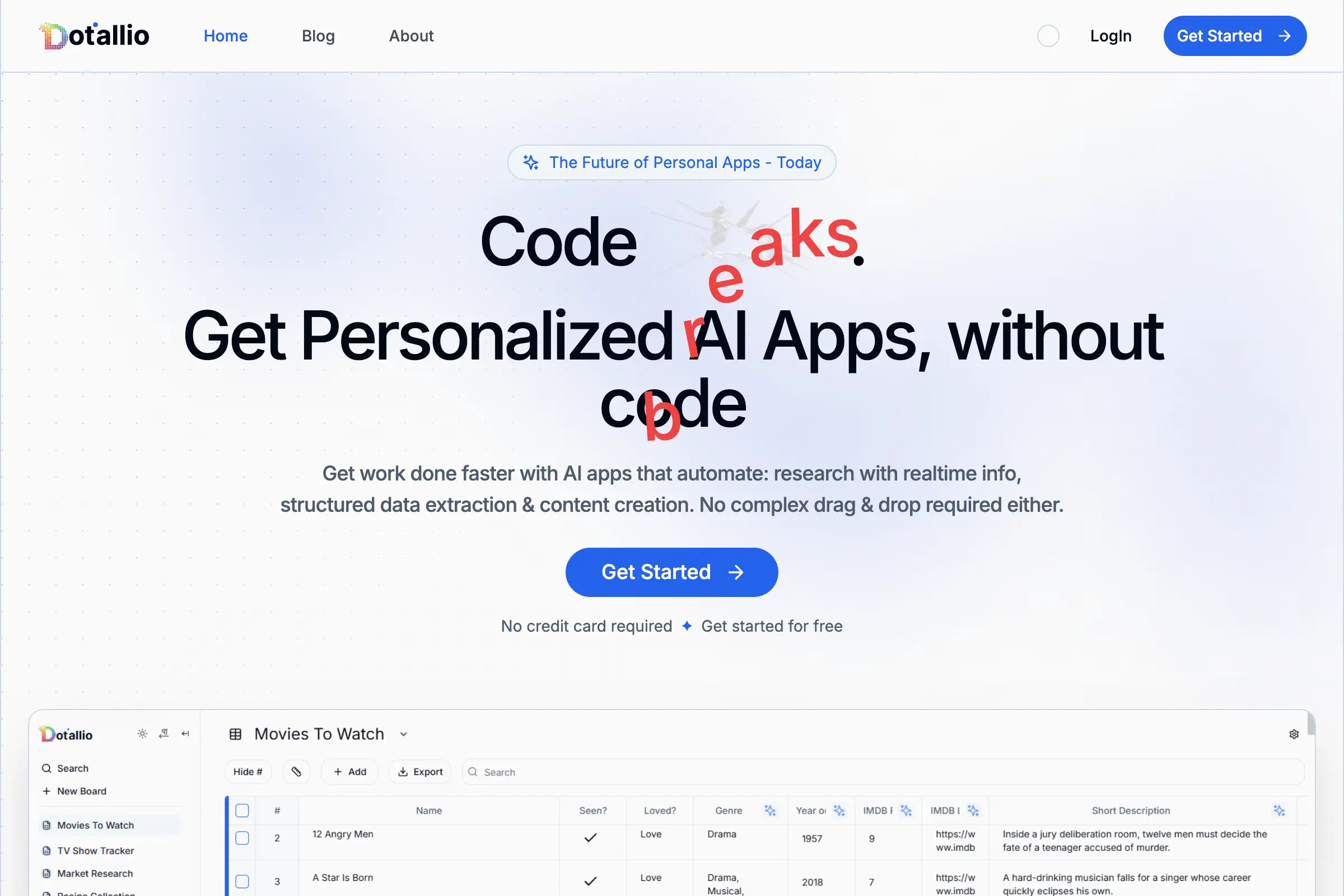
Dotallio
Personalized AI apps that automate research, data extraction, and content creation without code 🤖
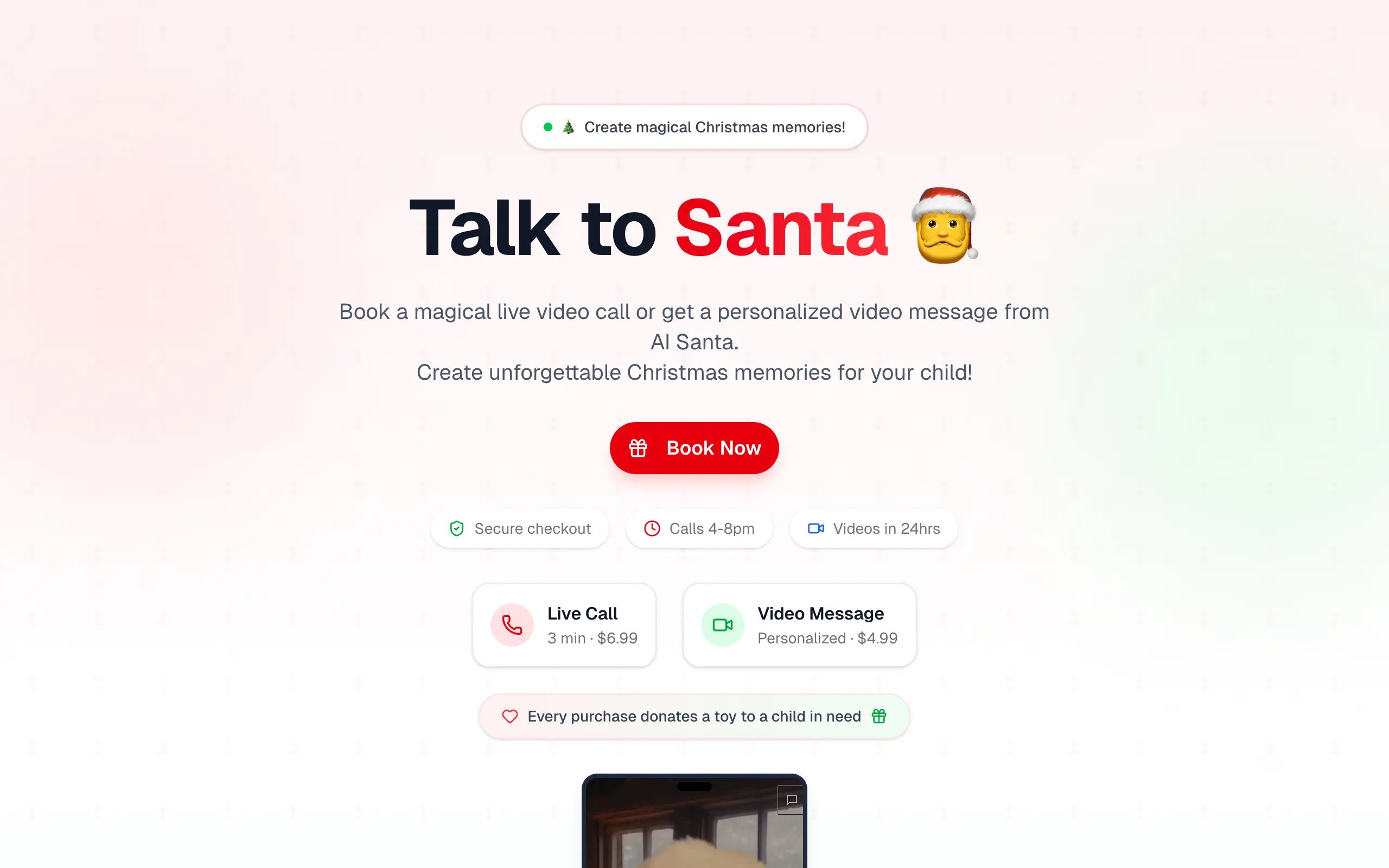
Talk to Santa
Enjoy a magical live video chat or receive a unique AI-generated video greeting from Santa Claus 🎅
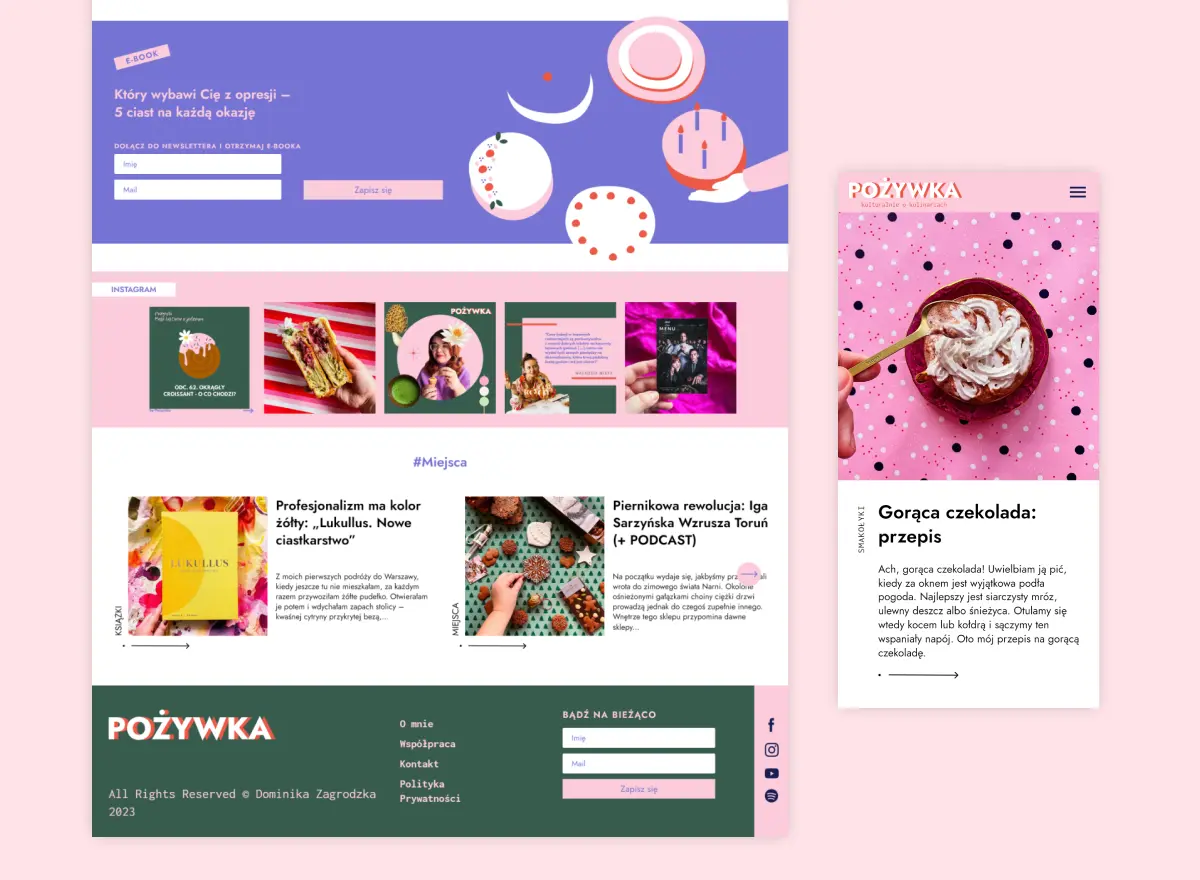
pozywka.pl
Scalable blog for food journalist, focused on performance and user experience 🌭
zagrodzki.me
Personal blog and portfolio of Bart Zagrodzki, where he shares his knowledge and work 💼
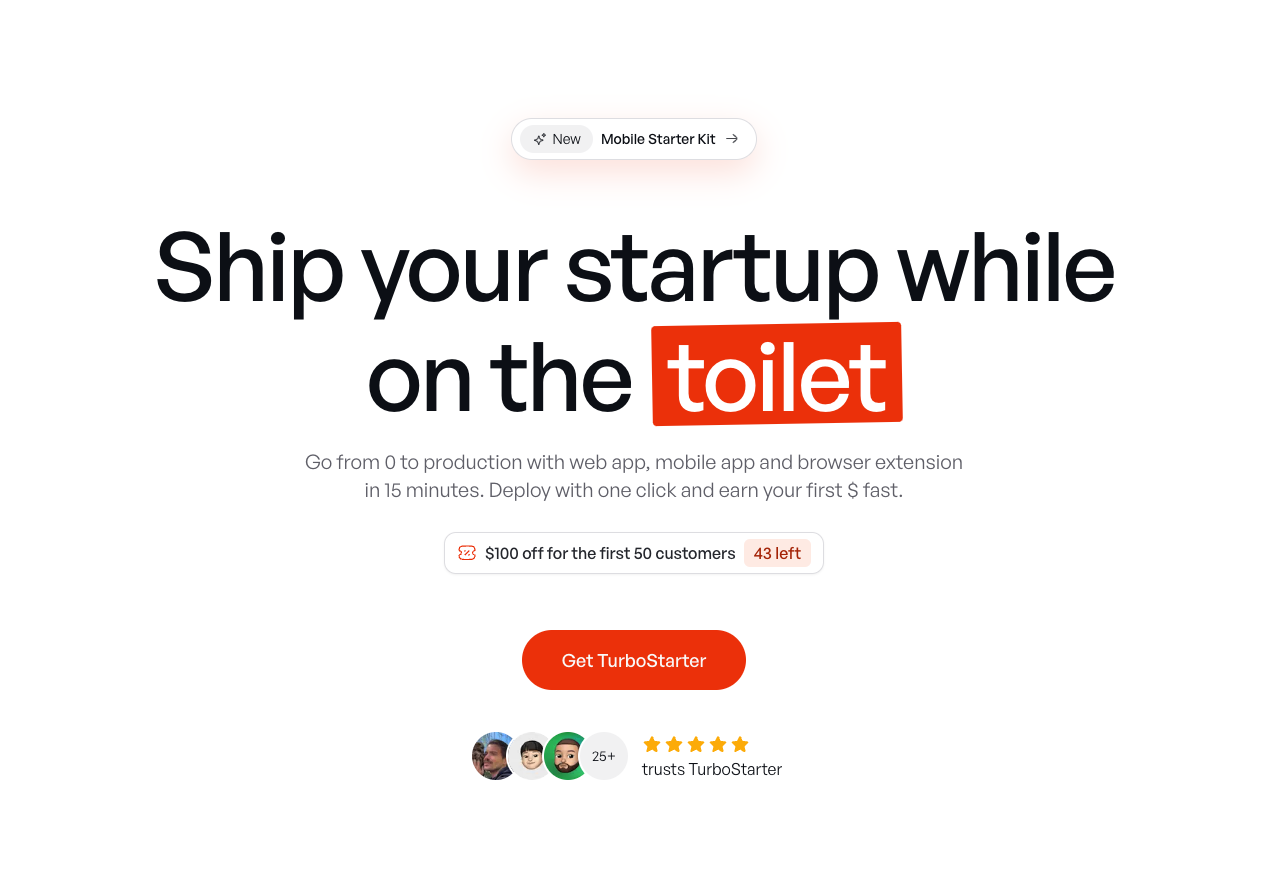
TurboStarter
Ship your startup everywhere. In minutes.
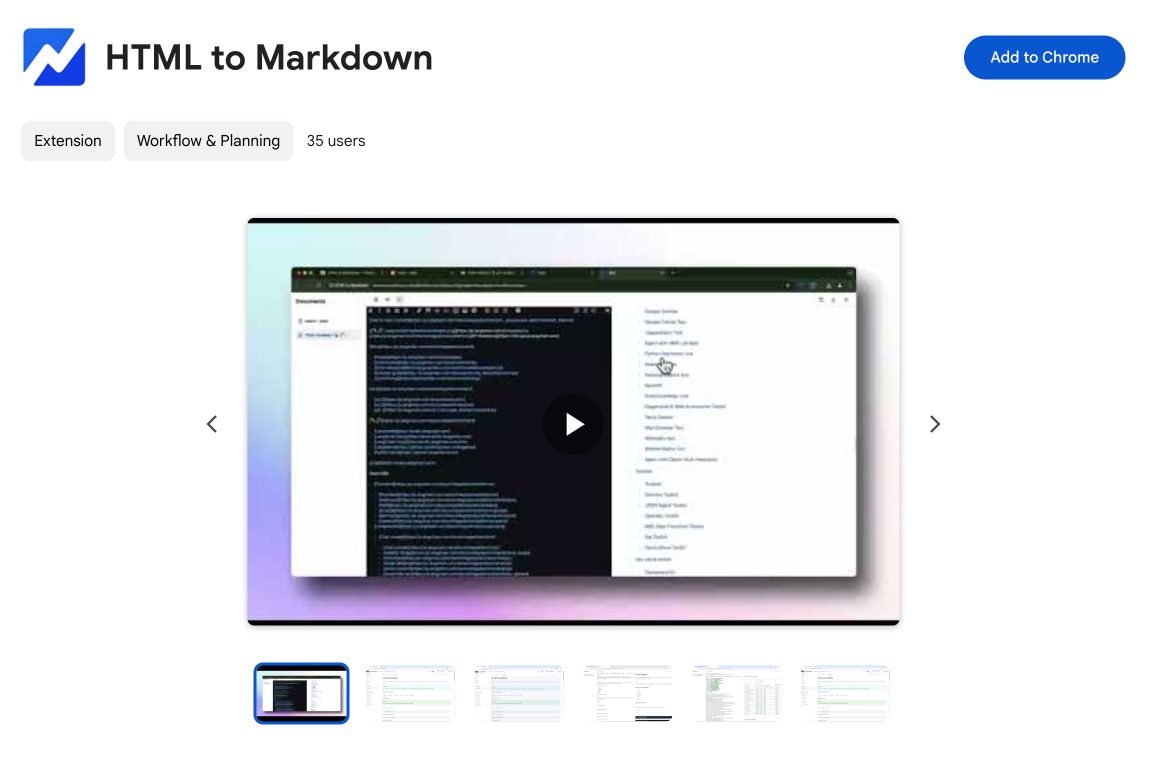
HTML to Markdown
Convert HTML to Markdown with ease, directly in your browser 📄
Dotallio
Personalized AI apps that automate research, data extraction, and content creation without code 🤖
Talk to Santa
Enjoy a magical live video chat or receive a unique AI-generated video greeting from Santa Claus 🎅
pozywka.pl
Scalable blog for food journalist, focused on performance and user experience 🌭
zagrodzki.me
Personal blog and portfolio of Bart Zagrodzki, where he shares his knowledge and work 💼
TurboStarter
Ship your startup everywhere. In minutes.
HTML to Markdown
Convert HTML to Markdown with ease, directly in your browser 📄
Dotallio
Personalized AI apps that automate research, data extraction, and content creation without code 🤖
Talk to Santa
Enjoy a magical live video chat or receive a unique AI-generated video greeting from Santa Claus 🎅
pozywka.pl
Scalable blog for food journalist, focused on performance and user experience 🌭
zagrodzki.me
Personal blog and portfolio of Bart Zagrodzki, where he shares his knowledge and work 💼
TurboStarter
Ship your startup everywhere. In minutes.
HTML to Markdown
Convert HTML to Markdown with ease, directly in your browser 📄
Dotallio
Personalized AI apps that automate research, data extraction, and content creation without code 🤖
Talk to Santa
Enjoy a magical live video chat or receive a unique AI-generated video greeting from Santa Claus 🎅
pozywka.pl
Scalable blog for food journalist, focused on performance and user experience 🌭
zagrodzki.me
Personal blog and portfolio of Bart Zagrodzki, where he shares his knowledge and work 💼
TurboStarter
Ship your startup everywhere. In minutes.
HTML to Markdown
Convert HTML to Markdown with ease, directly in your browser 📄
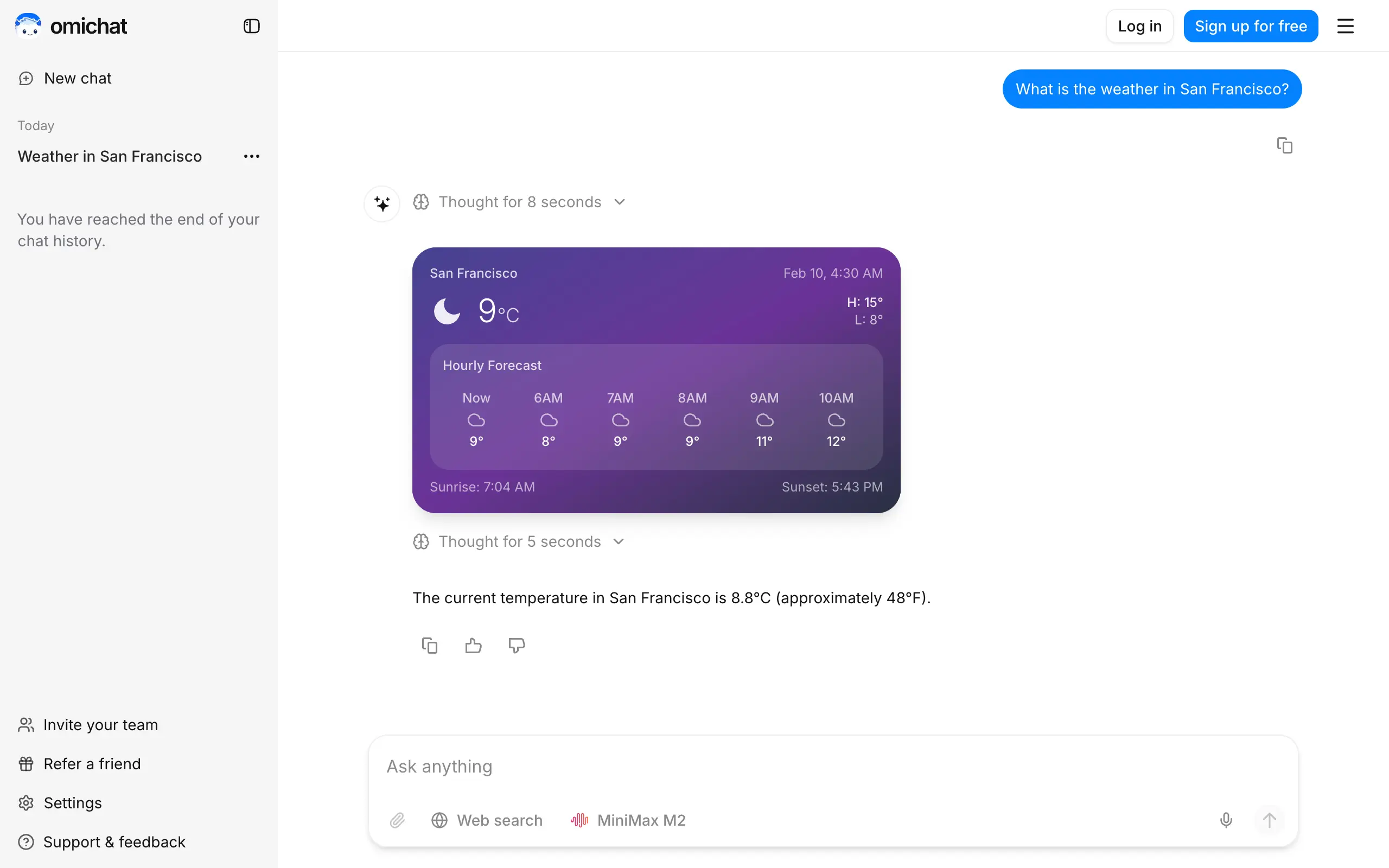
Omichat
Chat with 50+ AI models, including ChatGPT and Claude, in one place - switch models anytime without losing context 🤖
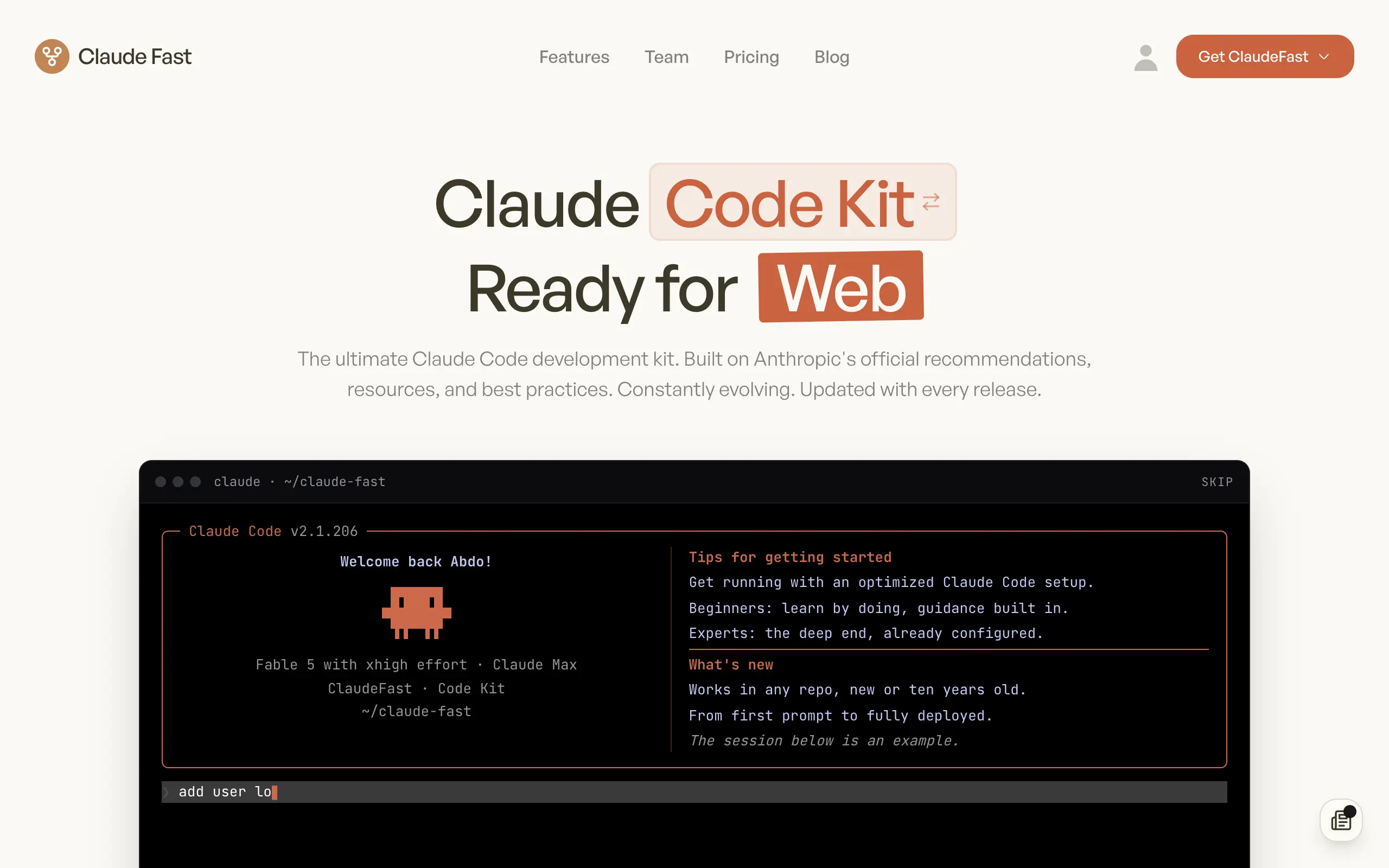
Claude Fast
Supercharge your Claude Code with 6x effective context window and specialized AI agents 🤖
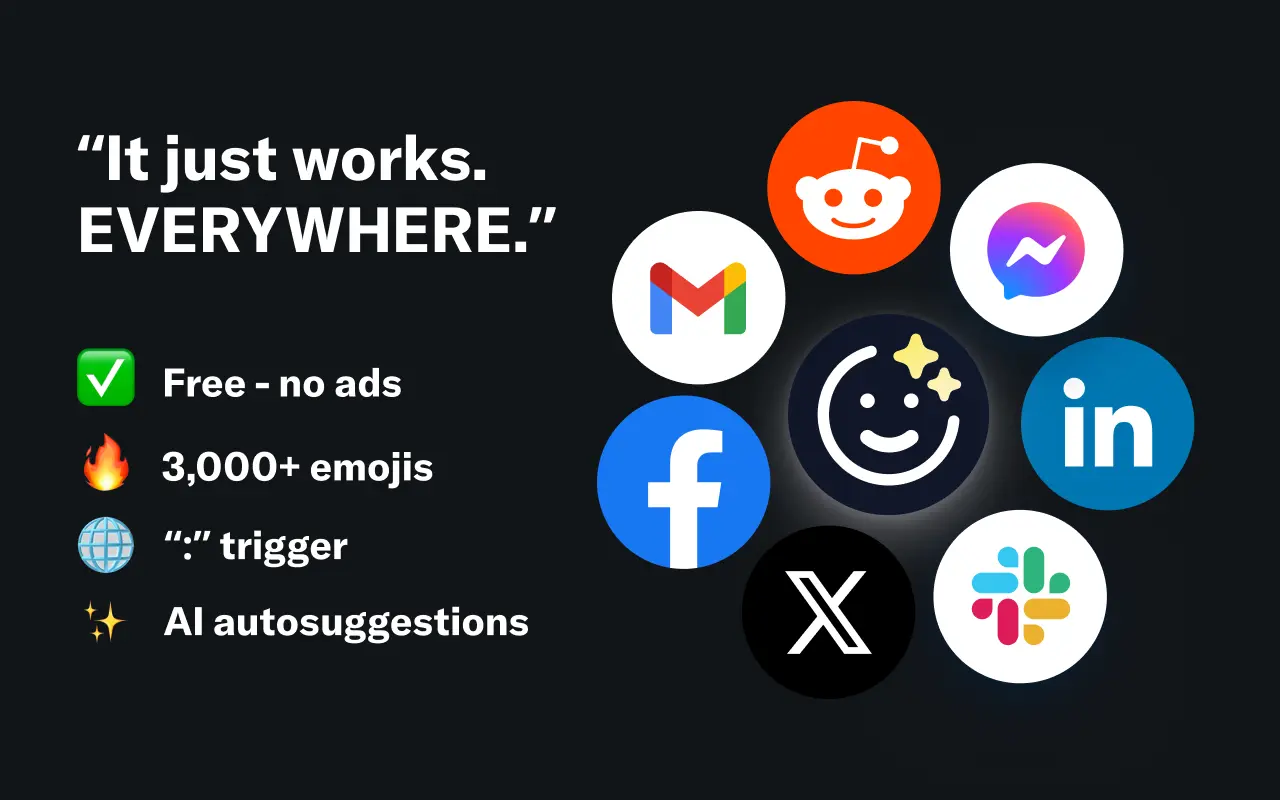
EmojAI
AI-powered emoji picker with smart, context-aware suggestions 🤖
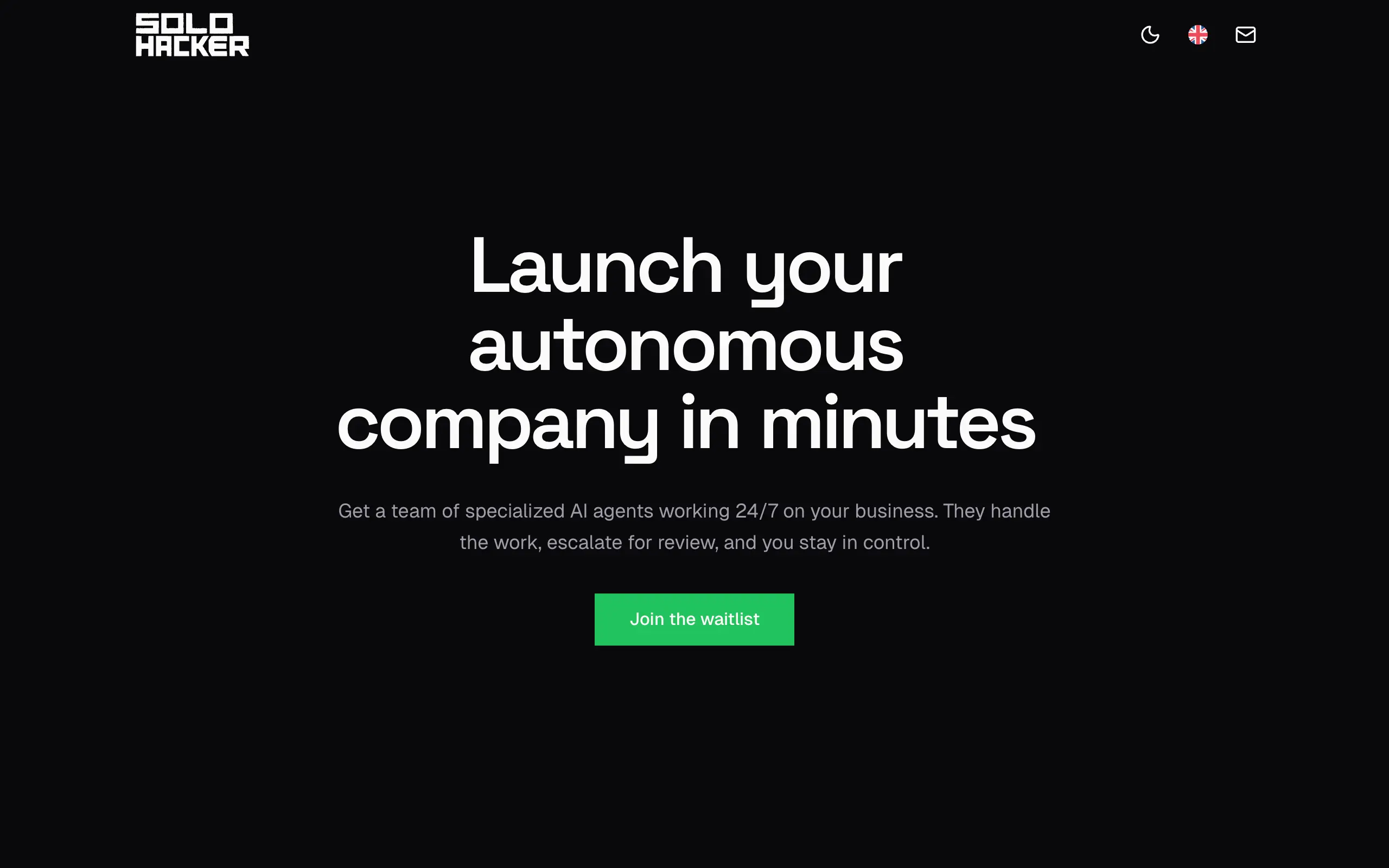
Solohacker
Autonomous company launcher - AI agents work 24/7, escalate what matters, and you stay in control 🤖
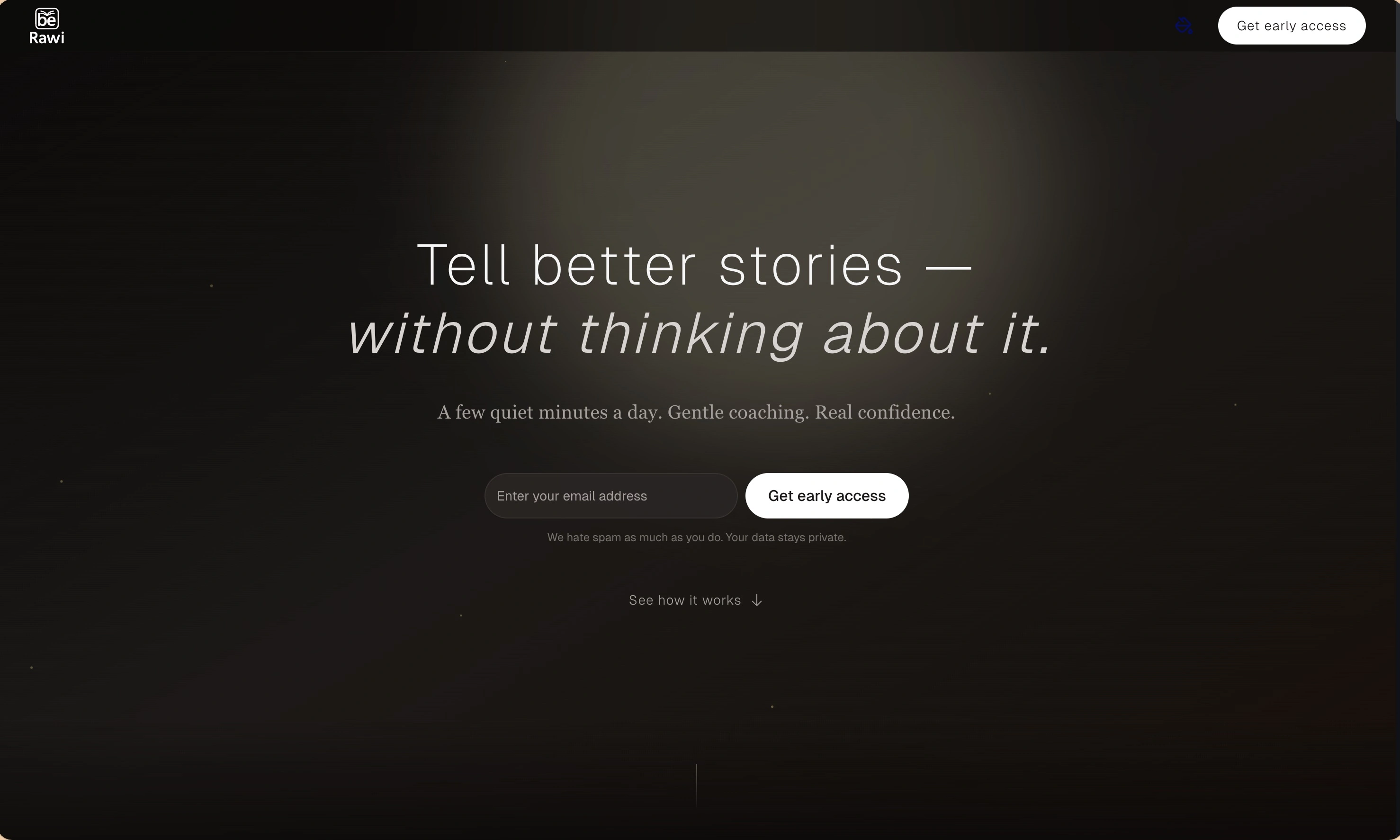
BeRawi: Storytelling Coach
Practice storytelling daily with instant feedback to sound clearer, more engaging, and confident 🎤
Omichat
Chat with 50+ AI models, including ChatGPT and Claude, in one place - switch models anytime without losing context 🤖
Claude Fast
Supercharge your Claude Code with 6x effective context window and specialized AI agents 🤖
EmojAI
AI-powered emoji picker with smart, context-aware suggestions 🤖
Solohacker
Autonomous company launcher - AI agents work 24/7, escalate what matters, and you stay in control 🤖
BeRawi: Storytelling Coach
Practice storytelling daily with instant feedback to sound clearer, more engaging, and confident 🎤
Omichat
Chat with 50+ AI models, including ChatGPT and Claude, in one place - switch models anytime without losing context 🤖
Claude Fast
Supercharge your Claude Code with 6x effective context window and specialized AI agents 🤖
EmojAI
AI-powered emoji picker with smart, context-aware suggestions 🤖
Solohacker
Autonomous company launcher - AI agents work 24/7, escalate what matters, and you stay in control 🤖
BeRawi: Storytelling Coach
Practice storytelling daily with instant feedback to sound clearer, more engaging, and confident 🎤
Omichat
Chat with 50+ AI models, including ChatGPT and Claude, in one place - switch models anytime without losing context 🤖
Claude Fast
Supercharge your Claude Code with 6x effective context window and specialized AI agents 🤖
EmojAI
AI-powered emoji picker with smart, context-aware suggestions 🤖
Solohacker
Autonomous company launcher - AI agents work 24/7, escalate what matters, and you stay in control 🤖
BeRawi: Storytelling Coach
Practice storytelling daily with instant feedback to sound clearer, more engaging, and confident 🎤

Connect with like-minded people
Join our community to get feedback, support, and grow together with 1,000+ builders on board, let's ship it!
Join usShip your startup everywhere. In minutes.
Don't burn tokens on setup and start building features on day one.