DegreeGate ScholarSense
Smart AI API that analyzes syllabi, lectures, and notes to deliver personalized study plans, boosting student performance and retention across courses.
Understanding the rise of AI-powered study planning
The way students learn is undergoing a massive shift. Traditional study methods—static syllabi, generic lecture pacing, and one-size-fits-all revision strategies—are increasingly out of sync with how modern learners consume and retain information. This gap has created a powerful opportunity for intelligent systems that adapt to individual learning patterns.
An AI study plan generator API like DegreeGate ScholarSense sits directly at the intersection of education, personalization, and automation. By analyzing syllabi, lecture materials, and student notes, it delivers tailored study plans that evolve with each learner’s progress.
This isn’t just a productivity tool—it’s an infrastructure layer for the next generation of EdTech platforms.
What is an AI study plan generator API?
At its core, DegreeGate ScholarSense is an AI-powered API for personalized learning optimization. It ingests structured and unstructured academic content and transforms it into actionable study strategies.
Instead of students asking, “What should I study today?”, the system answers that proactively.
Key capabilities
- Syllabus parsing and breakdown into learning units
- Lecture transcription analysis (video/audio/text)
- Smart note interpretation and summarization
- Personalized study schedules based on:
- Cognitive load
- Time availability
- Performance history
- Adaptive revision strategies (spaced repetition, active recall)
Why this matters
Students don’t fail because they lack intelligence—they fail because they lack structure, feedback loops, and personalization. ScholarSense directly addresses all three.
Target audience and user segments
To build a successful SaaS product around this API, understanding your audience is critical. ScholarSense serves multiple layers of users, each with distinct needs.
Primary users
1. Students (end users)
- High school, college, and postgraduate learners
- Struggling with time management and exam preparation
- Need adaptive and personalized study systems
2. EdTech platforms
- Online course providers
- Learning management systems (LMS)
- Bootcamps and certification platforms
3. Educational institutions
- Universities aiming to improve retention rates
- Schools implementing digital learning strategies
4. Tutors and coaching centers
- Want scalable personalization without increasing workload
User intent breakdown
Different users approach this solution with different goals:
Students
Want better grades, less stress, and structured study plans.
Institutions
Aim to improve retention, performance metrics, and engagement.
EdTech founders
Looking to embed AI differentiation into their platforms.
Market opportunity and gap analysis
The global EdTech market is projected to surpass hundreds of billions of dollars this decade (source suggestion: reports from HolonIQ or McKinsey). Yet most platforms still lack true personalization at scale.
Existing gaps
- Static learning systems
- Courses are linear, not adaptive
- Generic study tools
- To-do lists and planners lack intelligence
- Fragmented workflows
- Notes, lectures, and syllabi live in separate tools
- No feedback loop
- Systems don’t learn from student performance
Where ScholarSense fits
ScholarSense bridges these gaps by acting as:
- A central intelligence layer
- A real-time adaptive planner
- A data-driven academic assistant
Core features and product architecture
To deliver meaningful value, the platform must combine AI sophistication with practical usability.
1. syllabus intelligence engine
- Extracts topics, deadlines, and weightages
- Builds a hierarchical learning map
- Identifies critical vs. supplementary content
2. lecture and note analysis
- Converts lecture recordings into structured insights
- Identifies key concepts and recurring themes
- Links notes to syllabus topics automatically
3. personalized study plan generator
- Daily, weekly, and exam-based plans
- Adjusts dynamically based on:
- Missed sessions
- Performance trends
- Available time
4. adaptive learning engine
- Implements spaced repetition algorithms
- Prioritizes weak areas
- Suggests review cycles
5. performance tracking and feedback
- Tracks completion rates
- Predicts exam readiness
- Offers improvement recommendations
Example API workflow
Here’s a simplified example of how developers might interact with the API:
import axios from "axios";

const generateStudyPlan = async () => {
  const response = await axios.post("https://api.scholarsense.io/v1/plan", {
    syllabus: "...",
    lectureNotes: "...",
    studentProfile: {
      availableHoursPerWeek: 20,
      examDate: "2026-06-15",
      weakTopics: ["calculus", "thermodynamics"]
    }
  });

  return response.data;
};
Recommended tech stack and architecture
Building a scalable AI API requires thoughtful trade-offs between performance, cost, and flexibility.
Backend and AI layer
- Node.js / Python (FastAPI)
- AI orchestration using LLMs (OpenAI-compatible or open-source models)
- Vector databases:
NLP and processing
- Transformer-based models for:
- Summarization
- Semantic search
- Embedding pipelines for lecture and notes analysis
Frontend (if building SaaS dashboard)
Infrastructure
- Serverless or containerized:
- AWS Lambda / ECS
- Storage:
- S3 for lecture data
- Queue systems:
- Redis / Kafka for processing pipelines
Trade-offs to consider
LLMs provide flexibility and fast deployment but can be costly at scale. Custom fine-tuned models reduce cost but require more maintenance.
Real-time processing improves UX but increases infrastructure costs. Batch processing is cheaper but less interactive.
API-first enables integrations and scalability. Full SaaS gives more control over user experience and monetization.
Monetization strategies
A strong SaaS strategy should combine multiple revenue streams.
1. API usage pricing
- Pay-per-request model
- Tiered pricing based on:
- Number of students
- Data processed
- AI compute usage
2. SaaS subscription
- Individual student plans
- Premium features:
- Advanced analytics
- AI tutoring assistance
3. B2B licensing
- Universities and schools
- White-labeled solutions
4. Enterprise integrations
- LMS platforms (Canvas, Moodle)
- Corporate training systems
Competitive landscape and differentiation
The EdTech space is crowded, but ScholarSense stands out by focusing on deep personalization through content understanding.
| Feature | Traditional LMS | Study Apps | AI Tutors | ScholarSense |
|---|---|---|---|---|
| Personalized plans | ❌ | ✅ | ✅ | ✅ |
| Syllabus analysis | ❌ | ❌ | ❌ | ✅ |
| Lecture understanding | ❌ | ❌ | ✅ | ✅ |
| API integration | ❌ | ❌ | ❌ | ✅ |
Unique selling proposition (USP)
ScholarSense isn’t just another study tool—it’s:
- A context-aware learning engine
- A developer-friendly API
- A cross-platform intelligence layer
Its biggest differentiator is the ability to understand academic content deeply and act on it, rather than just organizing it.
Potential risks and mitigation strategies
1. data privacy concerns
Handling student data requires strict compliance.
Mitigation:
- GDPR and FERPA compliance
- End-to-end encryption
- Data anonymization
2. AI accuracy and hallucinations
Incorrect study recommendations can harm trust.
Mitigation:
- Retrieval-augmented generation (RAG)
- Human-in-the-loop validation
- Confidence scoring
3. high infrastructure costs
AI processing can become expensive.
Mitigation:
- Hybrid model strategy
- Caching frequent queries
- Usage-based pricing
4. user adoption challenges
Students may resist new workflows.
Mitigation:
- Seamless onboarding
- Integrations with existing tools
- Gamification elements
Implementation roadmap
If you’re building this SaaS or API, here’s a practical path forward:
Go-to-market strategy
Phase 1: developer-first adoption
- Launch on Product Hunt
- Provide free API credits
- Build SDKs and documentation
Phase 2: student acquisition
- TikTok and YouTube content
- Influencer partnerships in education niche
- Campus ambassador programs
Phase 3: institutional sales
- Target universities with:
- High dropout rates
- Online programs
- Offer pilot programs
Future trends and expansion opportunities
The future of AI in education is deeply personalized and predictive.
Emerging opportunities
- AI-driven career path recommendations
- Integration with AR/VR learning environments
- Emotional and cognitive state detection
- Real-time exam readiness scoring
Building faster with the right foundation
Launching a SaaS like ScholarSense from scratch can be time-consuming and resource-intensive. Using a production-ready starter kit can significantly accelerate development.
This is where TurboStarter becomes valuable—it provides a robust foundation for building scalable SaaS applications, including authentication, billing, and modern frontend/backend architecture.
Final thoughts
The opportunity for an AI study plan generator API like DegreeGate ScholarSense is massive—and still largely untapped.
Education is one of the few industries where personalization can create immediate, measurable impact:
- Better grades
- Higher retention rates
- Reduced student stress
- Improved learning outcomes
But success in this space requires more than just AI—it demands thoughtful execution, trust, and real user value.
If built correctly, ScholarSense can become the intelligence layer powering the next generation of education platforms, quietly transforming how millions of students learn—one personalized study plan at a time.
More 🤖 AI Startup SaaS ideas
Discover more innovative ai startup SaaS ideas that are trending in 2026. Each idea is AI-generated with market validation and growth potential to help you find your next profitable venture faster than competitors.
Your competitors are building with TurboStarter
Below are some of the SaaS ideas that have been generated and built with our starter kit.
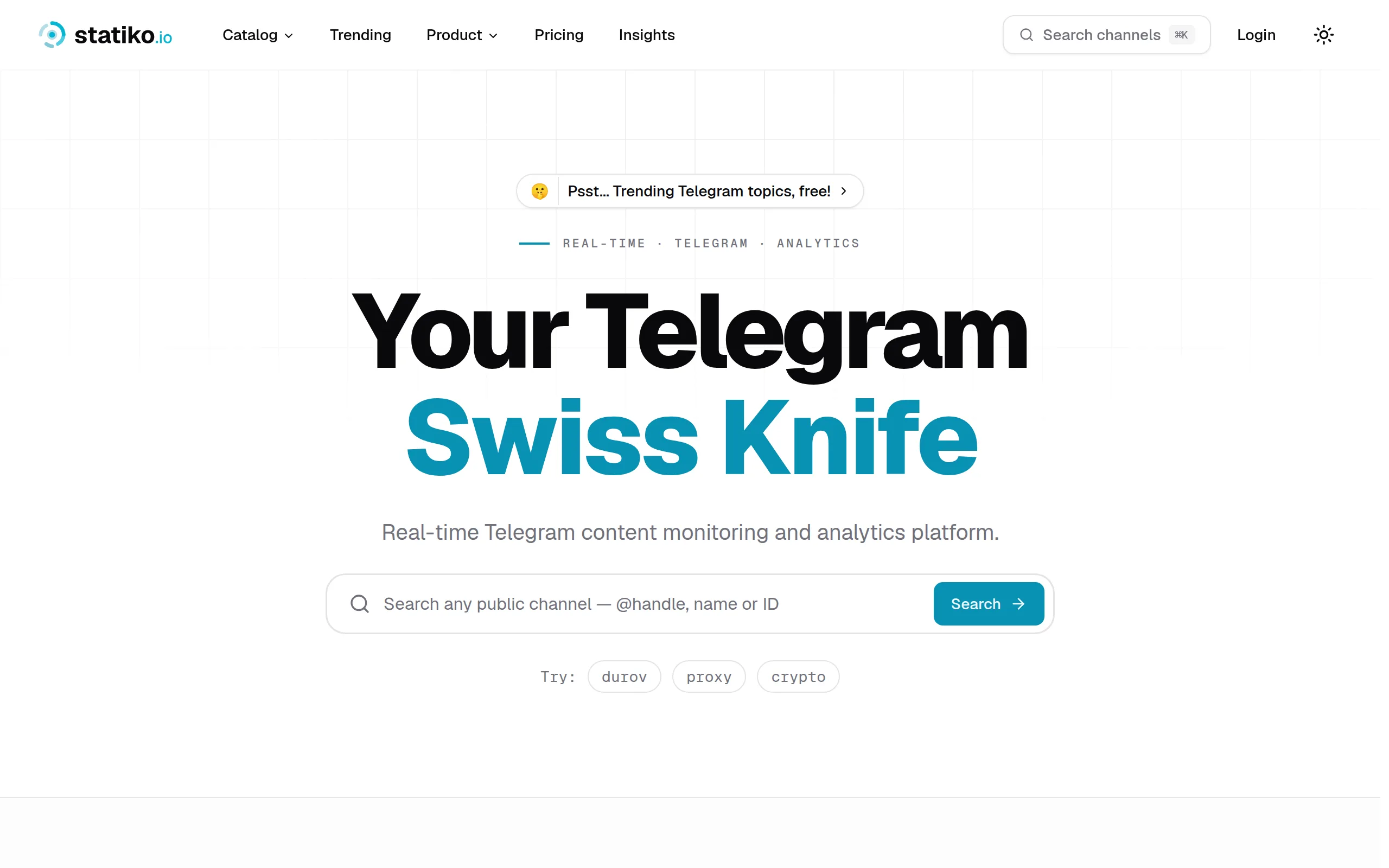
Statiko
Monitor any Telegram channel in real time - track posts, edits, deletions, and growth with AI recaps 📡

Shibui
AI website builder - describe your business, pick a niche template, edit by chatting, and publish instantly ✨

Pro Service
Find verified home service professionals, compare quotes, and pay securely through escrow - built for Brazilians across the US 🏠
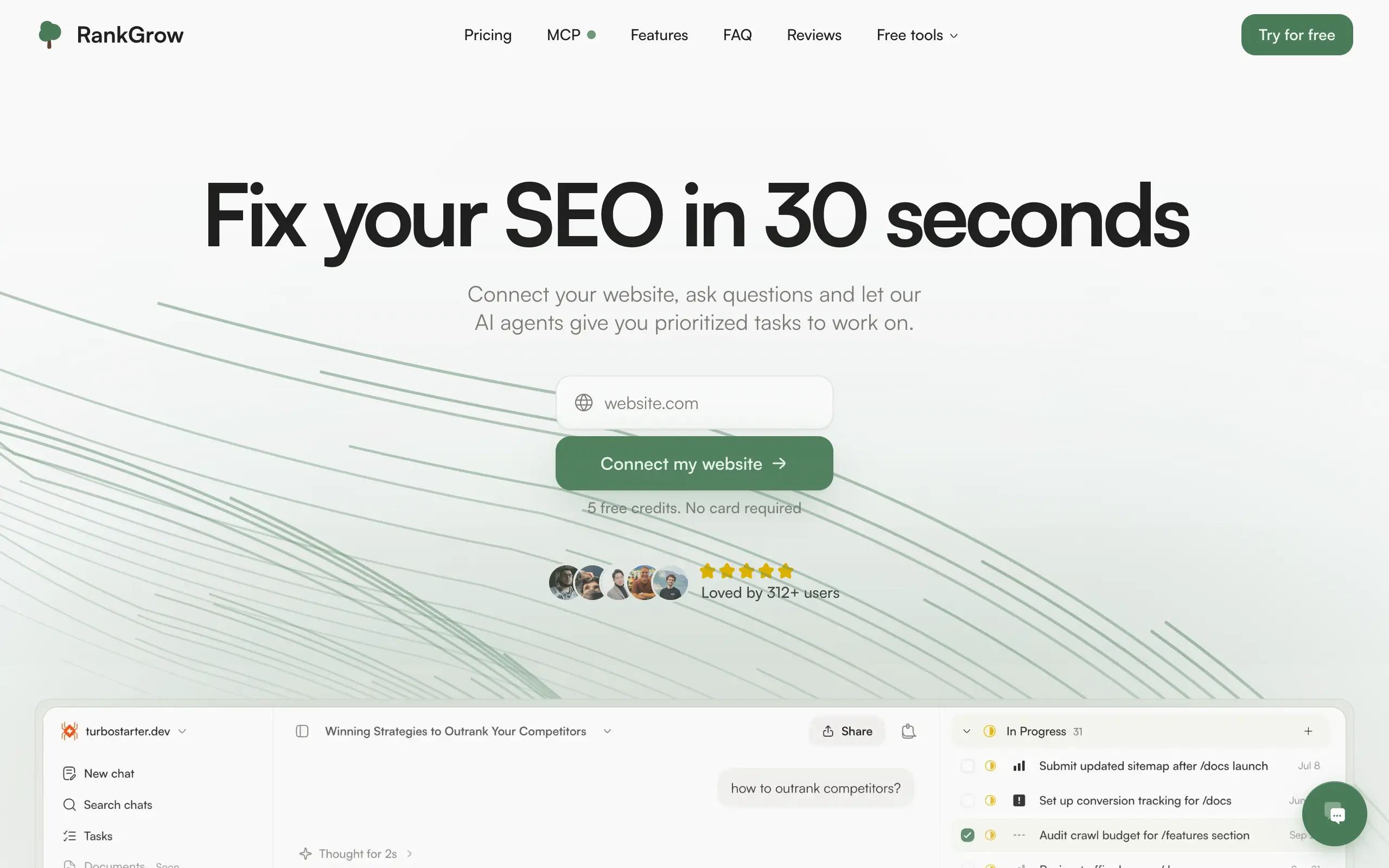
RankGrow
Fix your SEO with AI agents - connect Search Console, get prioritized tasks, and grow organic traffic 📈
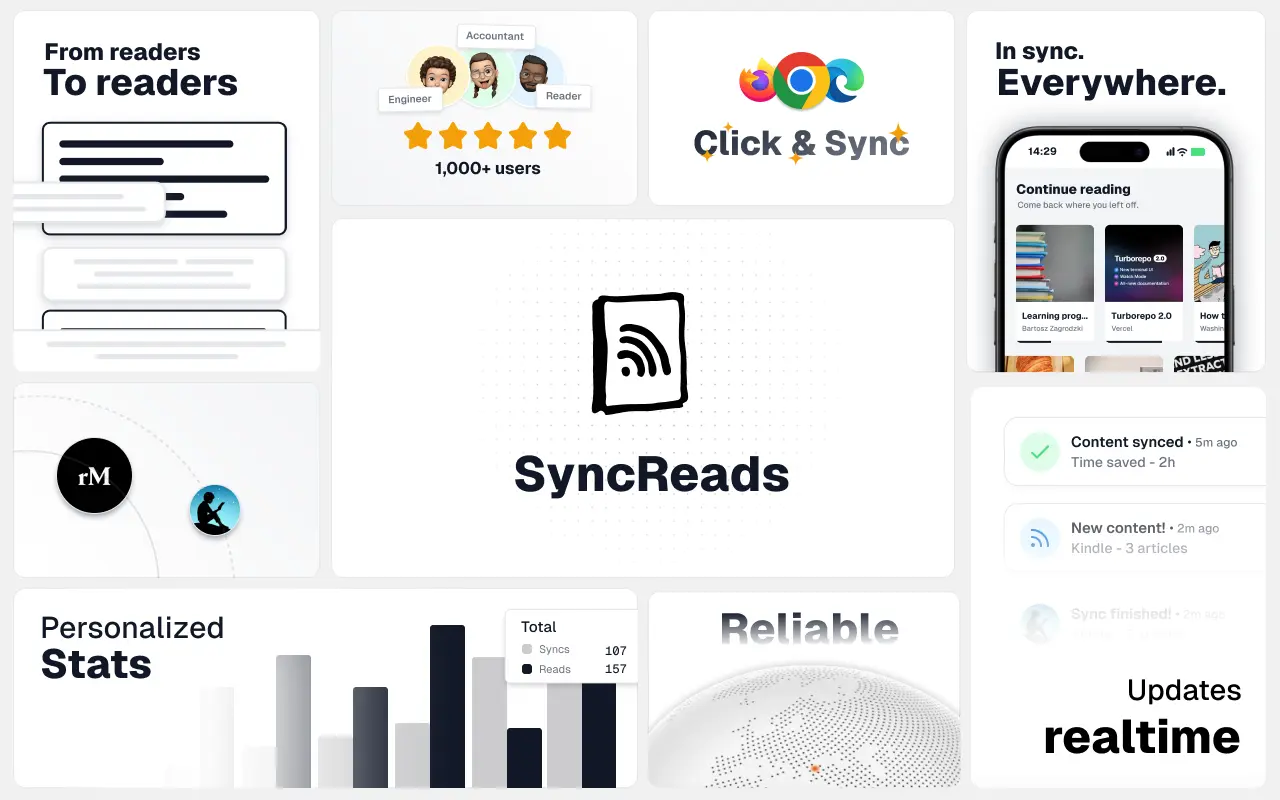
SyncReads
Sync your favorite content for distraction-free reading, save time and replace multiple apps. Anytime, anywhere 🔄
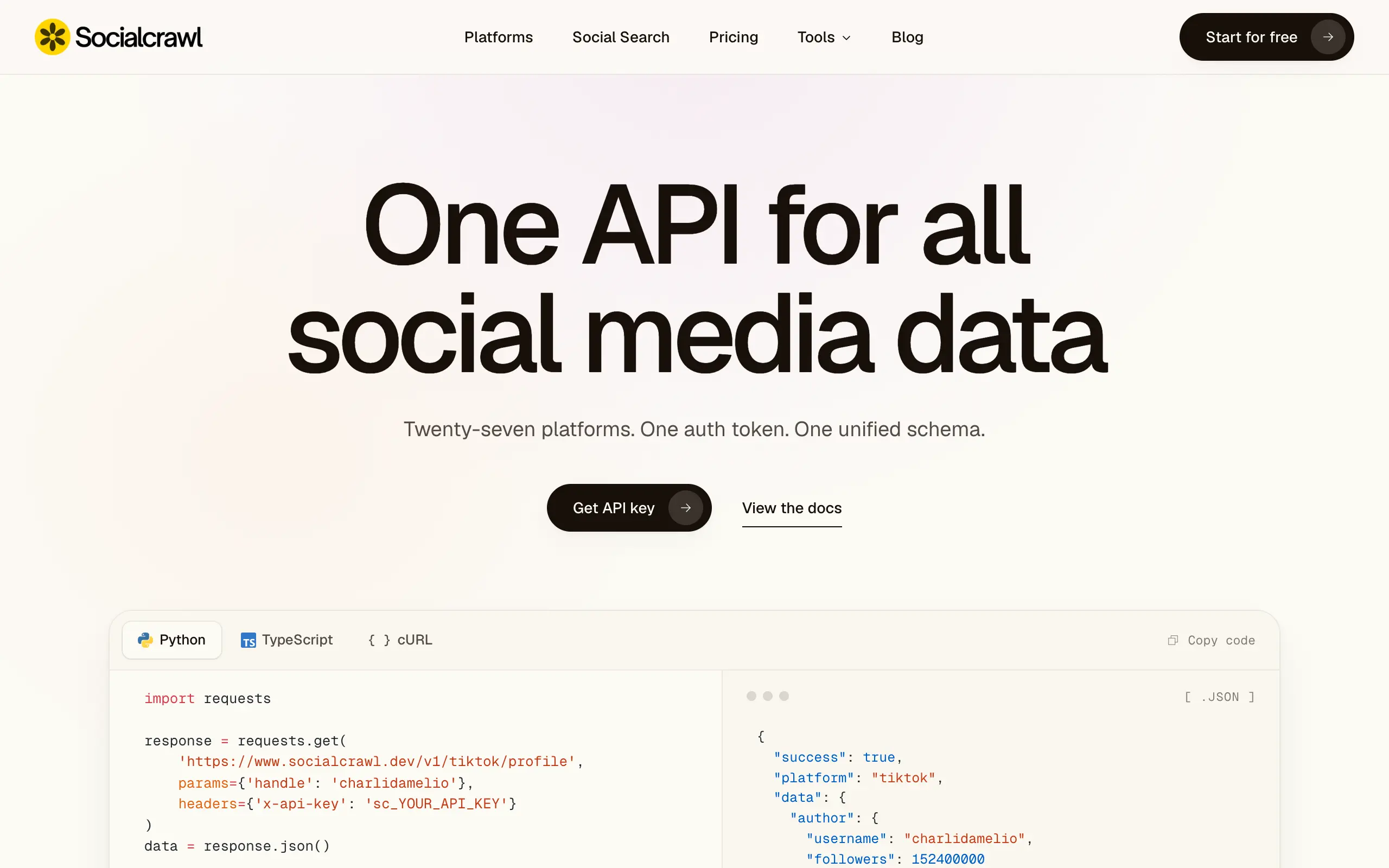
Socialcrawl
Get clean, structured data from 21 platforms like TikTok, Instagram, and YouTube with a single request 📊
Statiko
Monitor any Telegram channel in real time - track posts, edits, deletions, and growth with AI recaps 📡
Shibui
AI website builder - describe your business, pick a niche template, edit by chatting, and publish instantly ✨
Pro Service
Find verified home service professionals, compare quotes, and pay securely through escrow - built for Brazilians across the US 🏠
RankGrow
Fix your SEO with AI agents - connect Search Console, get prioritized tasks, and grow organic traffic 📈
SyncReads
Sync your favorite content for distraction-free reading, save time and replace multiple apps. Anytime, anywhere 🔄
Socialcrawl
Get clean, structured data from 21 platforms like TikTok, Instagram, and YouTube with a single request 📊
Statiko
Monitor any Telegram channel in real time - track posts, edits, deletions, and growth with AI recaps 📡
Shibui
AI website builder - describe your business, pick a niche template, edit by chatting, and publish instantly ✨
Pro Service
Find verified home service professionals, compare quotes, and pay securely through escrow - built for Brazilians across the US 🏠
RankGrow
Fix your SEO with AI agents - connect Search Console, get prioritized tasks, and grow organic traffic 📈
SyncReads
Sync your favorite content for distraction-free reading, save time and replace multiple apps. Anytime, anywhere 🔄
Socialcrawl
Get clean, structured data from 21 platforms like TikTok, Instagram, and YouTube with a single request 📊
Statiko
Monitor any Telegram channel in real time - track posts, edits, deletions, and growth with AI recaps 📡
Shibui
AI website builder - describe your business, pick a niche template, edit by chatting, and publish instantly ✨
Pro Service
Find verified home service professionals, compare quotes, and pay securely through escrow - built for Brazilians across the US 🏠
RankGrow
Fix your SEO with AI agents - connect Search Console, get prioritized tasks, and grow organic traffic 📈
SyncReads
Sync your favorite content for distraction-free reading, save time and replace multiple apps. Anytime, anywhere 🔄
Socialcrawl
Get clean, structured data from 21 platforms like TikTok, Instagram, and YouTube with a single request 📊
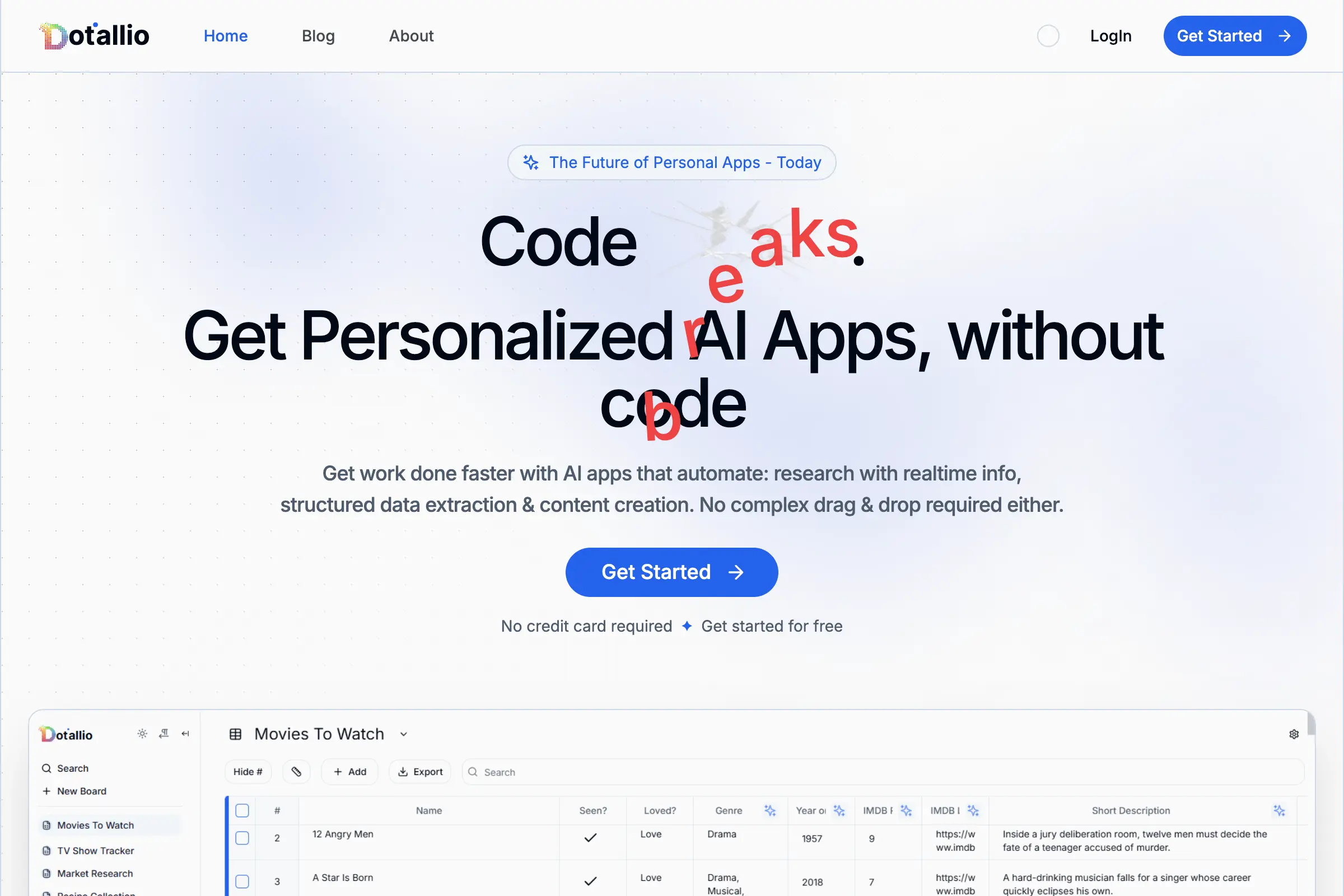
Dotallio
Personalized AI apps that automate research, data extraction, and content creation without code 🤖
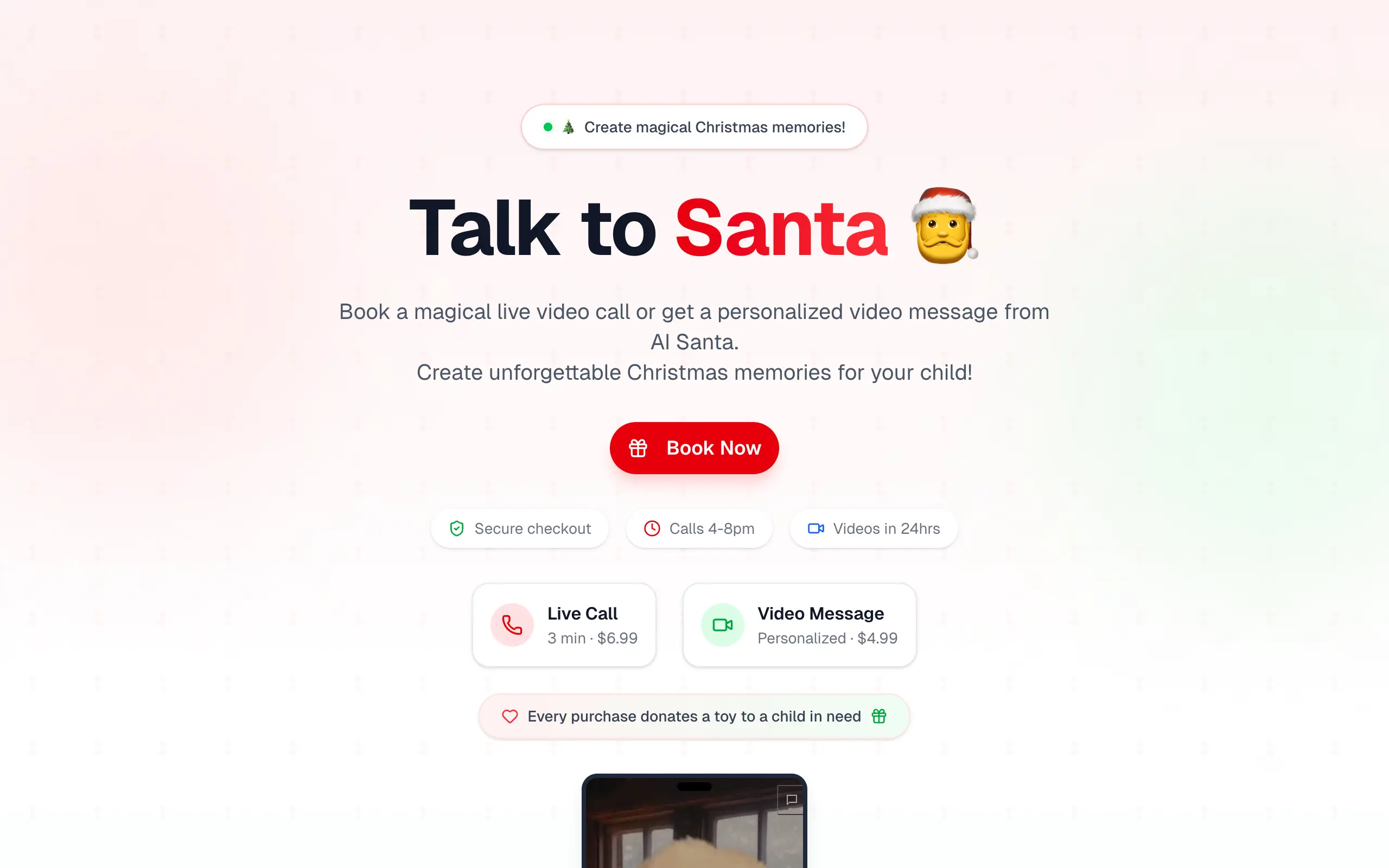
Talk to Santa
Enjoy a magical live video chat or receive a unique AI-generated video greeting from Santa Claus 🎅
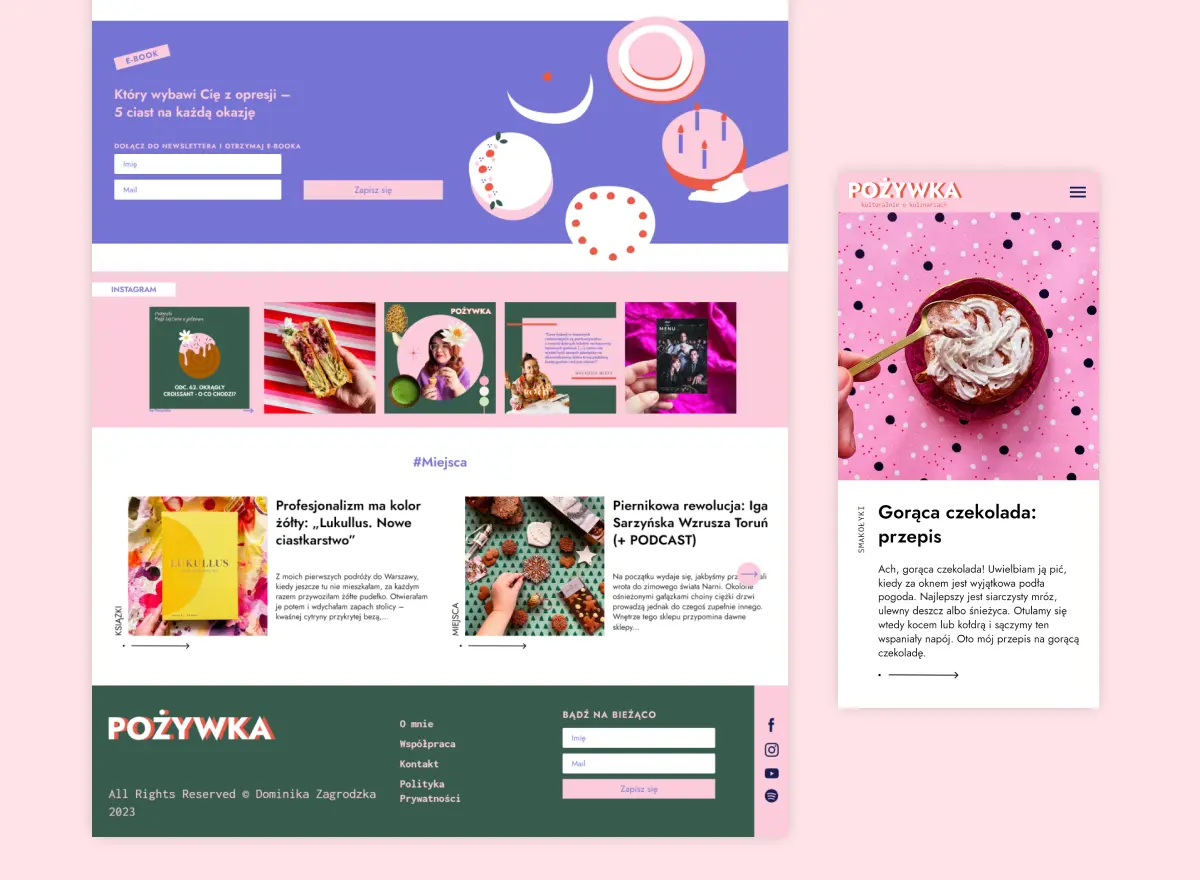
pozywka.pl
Scalable blog for food journalist, focused on performance and user experience 🌭
zagrodzki.me
Personal blog and portfolio of Bart Zagrodzki, where he shares his knowledge and work 💼
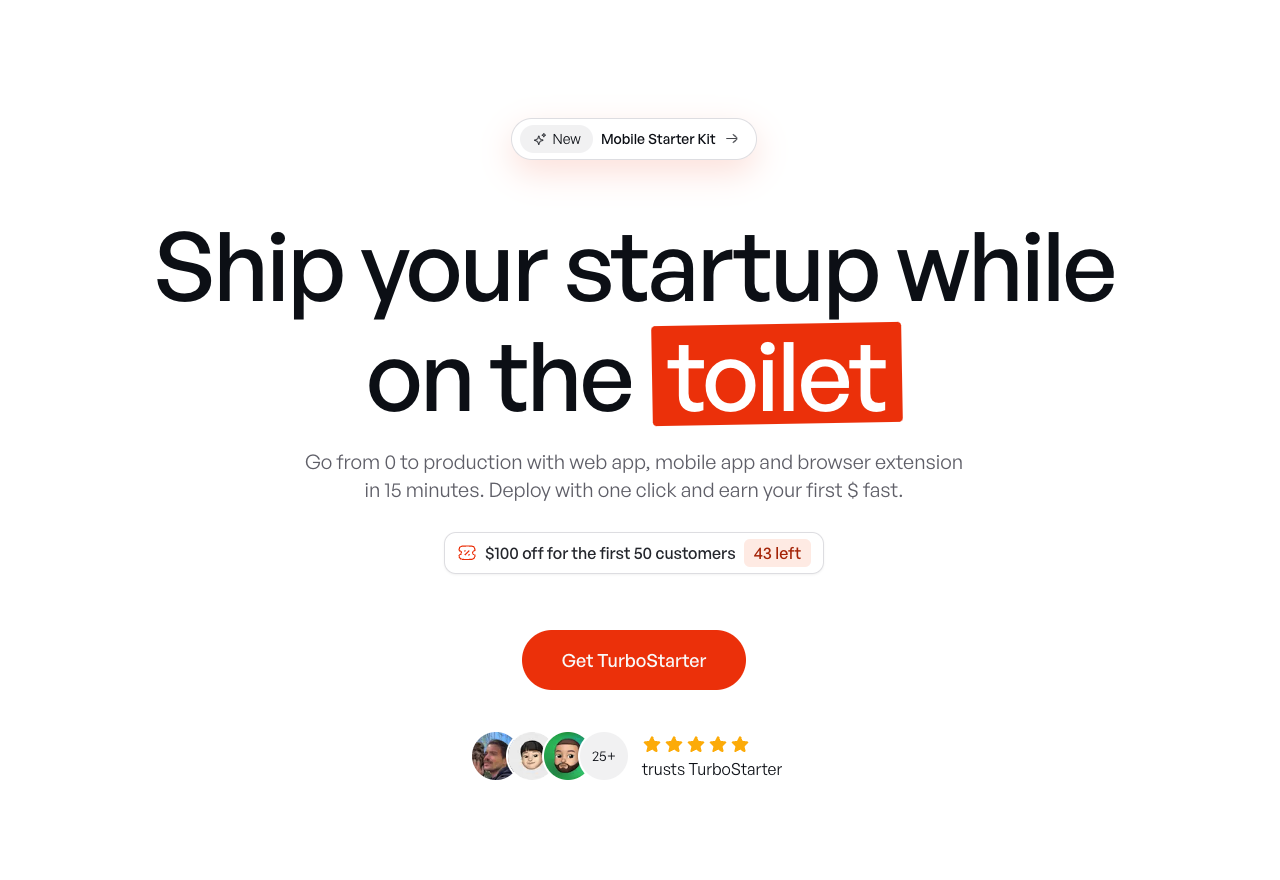
TurboStarter
Ship your startup everywhere. In minutes.
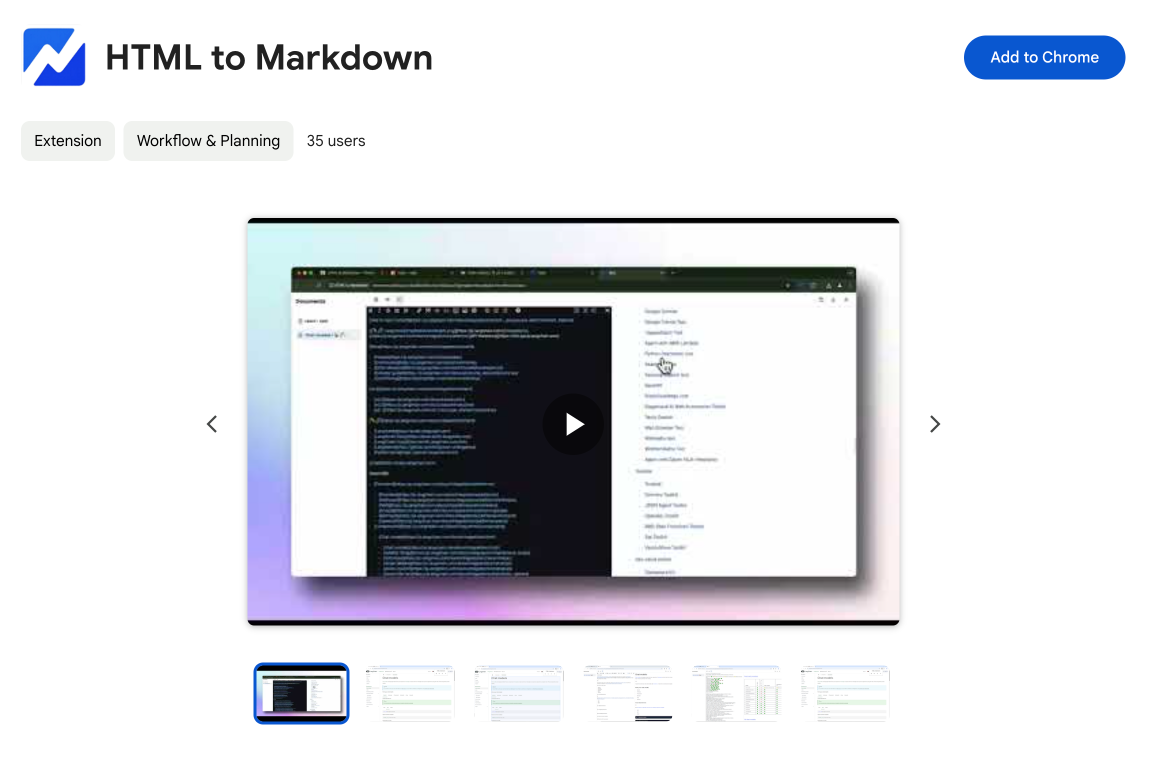
HTML to Markdown
Convert HTML to Markdown with ease, directly in your browser 📄
Dotallio
Personalized AI apps that automate research, data extraction, and content creation without code 🤖
Talk to Santa
Enjoy a magical live video chat or receive a unique AI-generated video greeting from Santa Claus 🎅
pozywka.pl
Scalable blog for food journalist, focused on performance and user experience 🌭
zagrodzki.me
Personal blog and portfolio of Bart Zagrodzki, where he shares his knowledge and work 💼
TurboStarter
Ship your startup everywhere. In minutes.
HTML to Markdown
Convert HTML to Markdown with ease, directly in your browser 📄
Dotallio
Personalized AI apps that automate research, data extraction, and content creation without code 🤖
Talk to Santa
Enjoy a magical live video chat or receive a unique AI-generated video greeting from Santa Claus 🎅
pozywka.pl
Scalable blog for food journalist, focused on performance and user experience 🌭
zagrodzki.me
Personal blog and portfolio of Bart Zagrodzki, where he shares his knowledge and work 💼
TurboStarter
Ship your startup everywhere. In minutes.
HTML to Markdown
Convert HTML to Markdown with ease, directly in your browser 📄
Dotallio
Personalized AI apps that automate research, data extraction, and content creation without code 🤖
Talk to Santa
Enjoy a magical live video chat or receive a unique AI-generated video greeting from Santa Claus 🎅
pozywka.pl
Scalable blog for food journalist, focused on performance and user experience 🌭
zagrodzki.me
Personal blog and portfolio of Bart Zagrodzki, where he shares his knowledge and work 💼
TurboStarter
Ship your startup everywhere. In minutes.
HTML to Markdown
Convert HTML to Markdown with ease, directly in your browser 📄
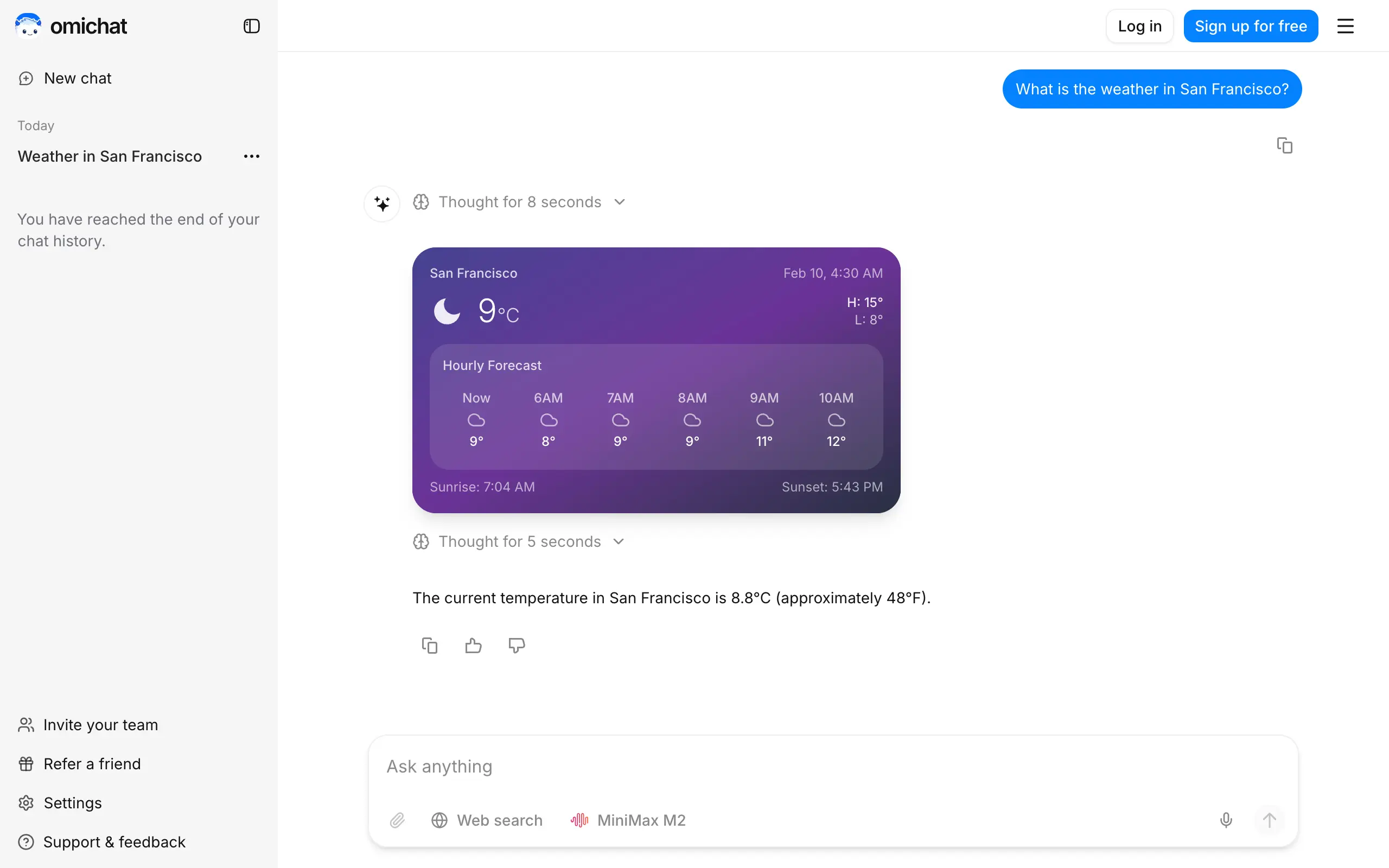
Omichat
Chat with 50+ AI models, including ChatGPT and Claude, in one place - switch models anytime without losing context 🤖
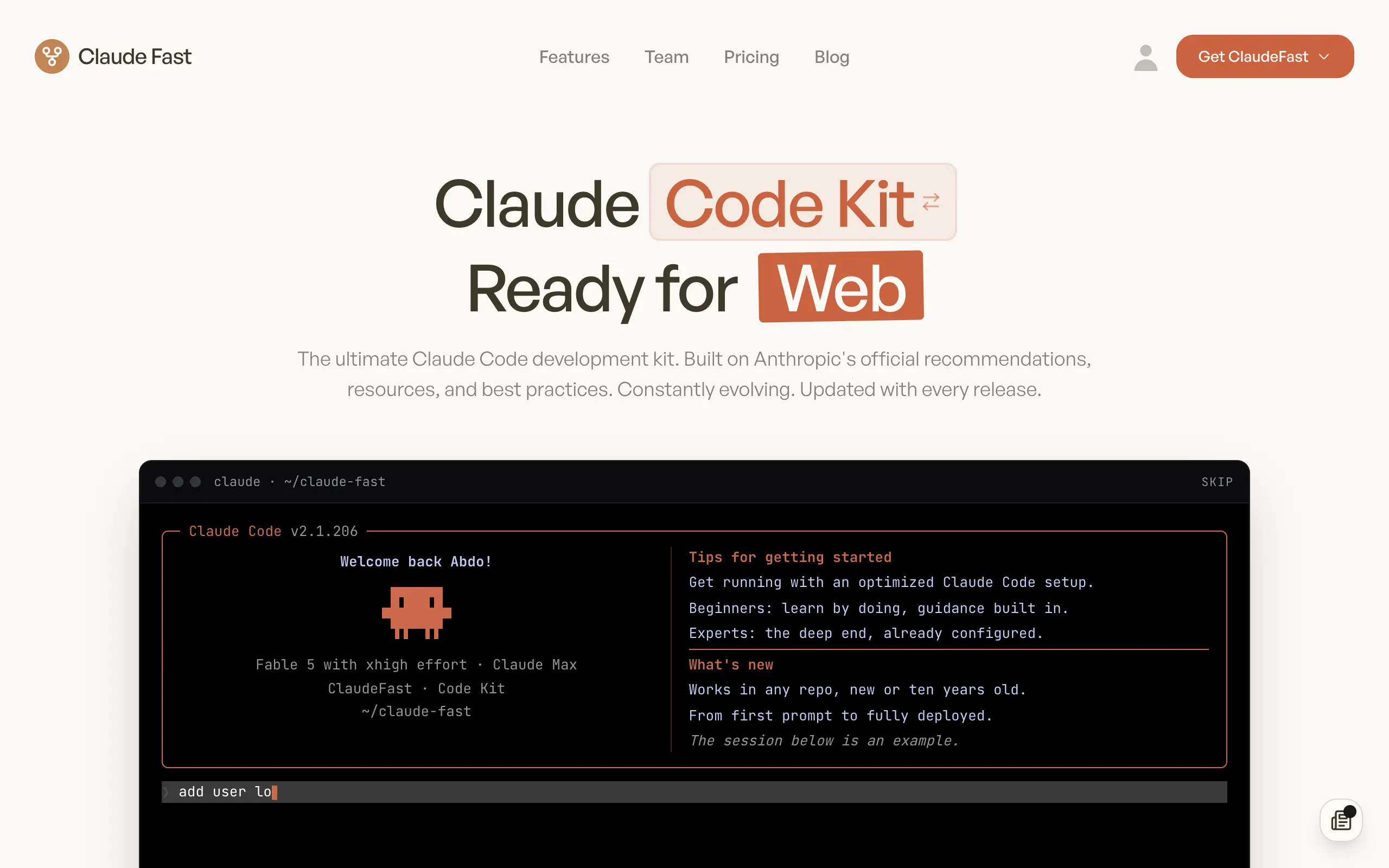
Claude Fast
Supercharge your Claude Code with 6x effective context window and specialized AI agents 🤖
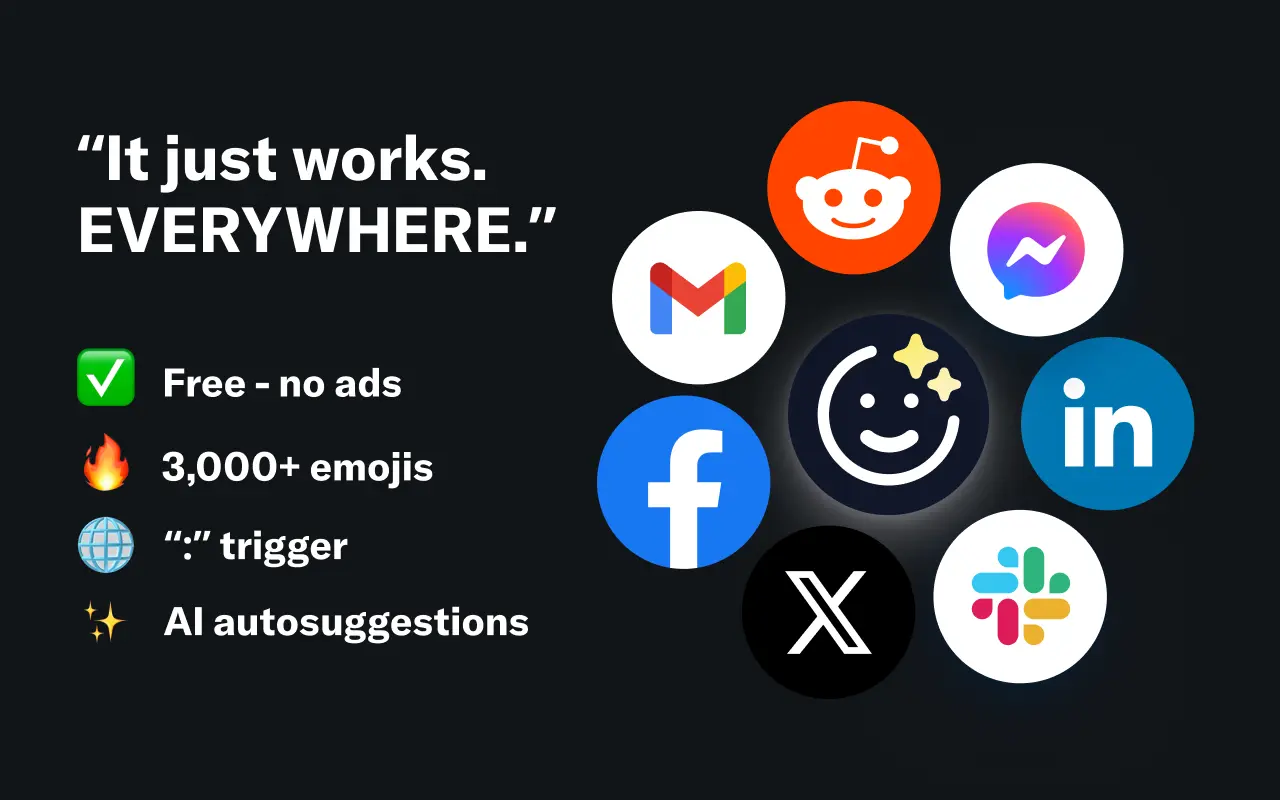
EmojAI
AI-powered emoji picker with smart, context-aware suggestions 🤖
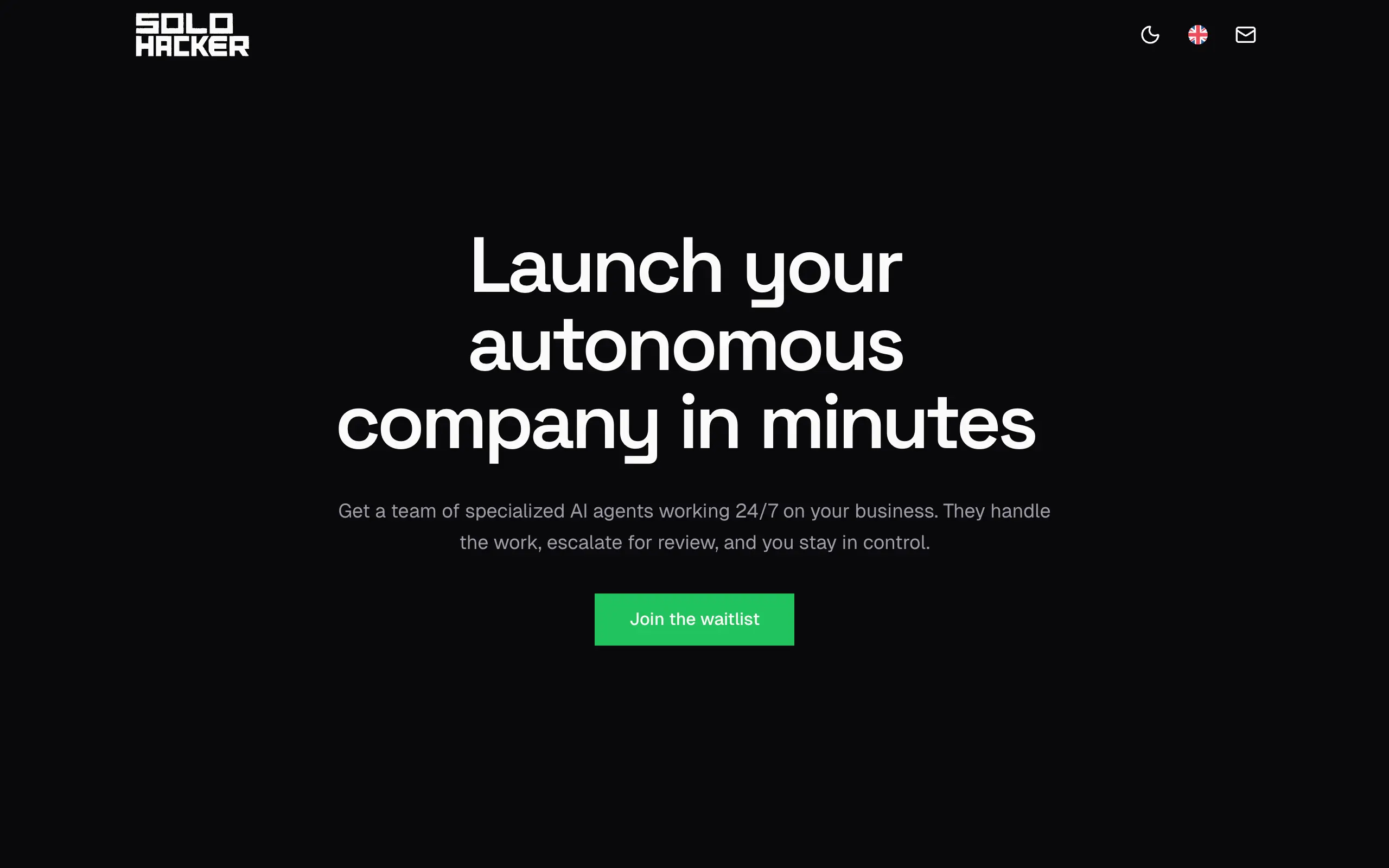
Solohacker
Autonomous company launcher - AI agents work 24/7, escalate what matters, and you stay in control 🤖
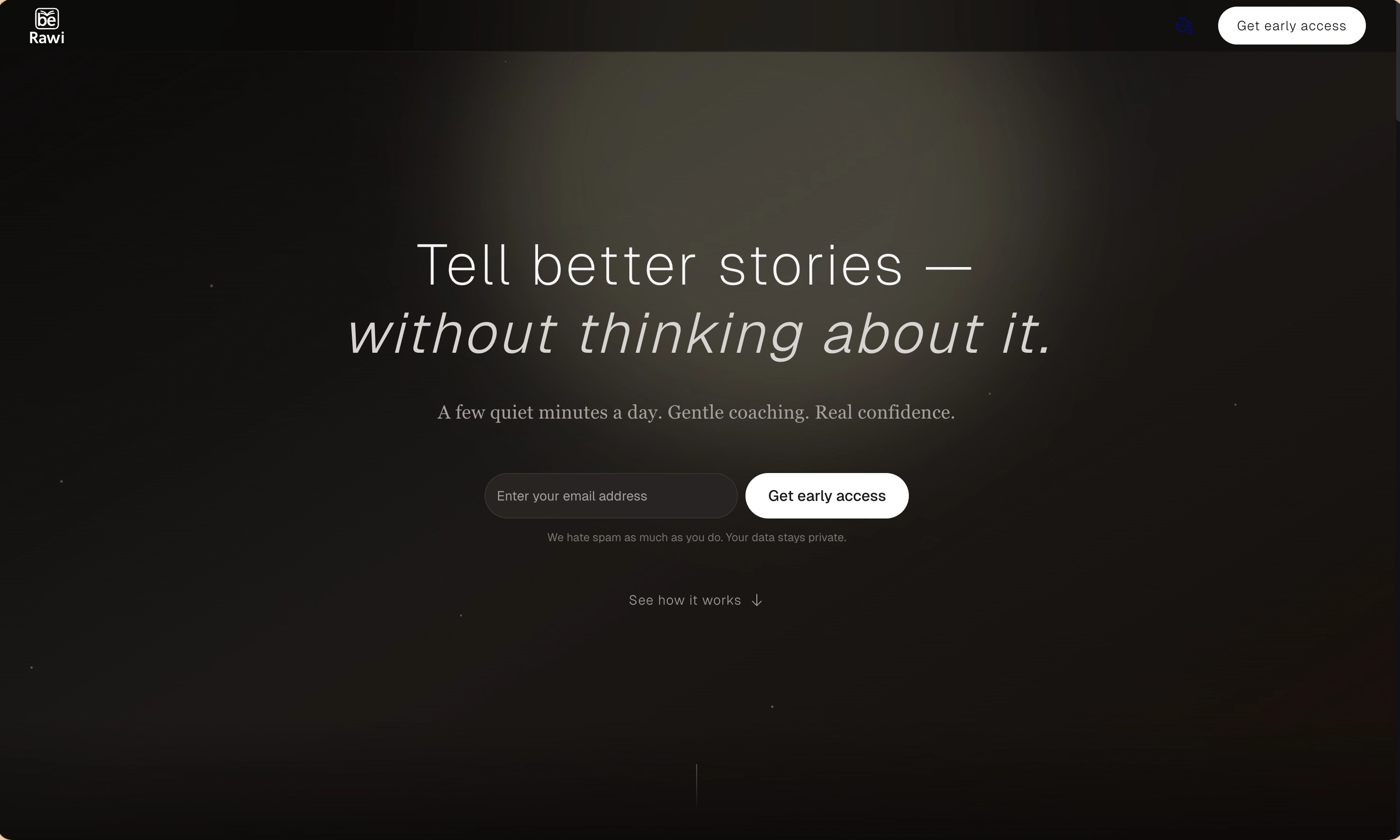
BeRawi: Storytelling Coach
Practice storytelling daily with instant feedback to sound clearer, more engaging, and confident 🎤
Omichat
Chat with 50+ AI models, including ChatGPT and Claude, in one place - switch models anytime without losing context 🤖
Claude Fast
Supercharge your Claude Code with 6x effective context window and specialized AI agents 🤖
EmojAI
AI-powered emoji picker with smart, context-aware suggestions 🤖
Solohacker
Autonomous company launcher - AI agents work 24/7, escalate what matters, and you stay in control 🤖
BeRawi: Storytelling Coach
Practice storytelling daily with instant feedback to sound clearer, more engaging, and confident 🎤
Omichat
Chat with 50+ AI models, including ChatGPT and Claude, in one place - switch models anytime without losing context 🤖
Claude Fast
Supercharge your Claude Code with 6x effective context window and specialized AI agents 🤖
EmojAI
AI-powered emoji picker with smart, context-aware suggestions 🤖
Solohacker
Autonomous company launcher - AI agents work 24/7, escalate what matters, and you stay in control 🤖
BeRawi: Storytelling Coach
Practice storytelling daily with instant feedback to sound clearer, more engaging, and confident 🎤
Omichat
Chat with 50+ AI models, including ChatGPT and Claude, in one place - switch models anytime without losing context 🤖
Claude Fast
Supercharge your Claude Code with 6x effective context window and specialized AI agents 🤖
EmojAI
AI-powered emoji picker with smart, context-aware suggestions 🤖
Solohacker
Autonomous company launcher - AI agents work 24/7, escalate what matters, and you stay in control 🤖
BeRawi: Storytelling Coach
Practice storytelling daily with instant feedback to sound clearer, more engaging, and confident 🎤

Connect with like-minded people
Join our community to get feedback, support, and grow together with 1,000+ builders on board, let's ship it!
Join usShip your startup everywhere. In minutes.
Don't burn tokens on setup and start building features on day one.