DegreeGate StudyMesh API
AI API that maps course materials into connected concept graphs, helping students and edtech apps visualize topics and identify knowledge gaps fast.
what is an AI study mesh API and why it matters
The rise of AI in education has gone far beyond chatbots and automated grading. Today, the real frontier lies in knowledge structuring—helping learners understand not just what to study, but how concepts connect. That’s exactly where an AI-powered study mesh API like DegreeGate StudyMesh comes in.
At its core, a study mesh API transforms raw educational content—lecture notes, textbooks, videos, PDFs—into interconnected concept graphs. These graphs map relationships between ideas, prerequisites, dependencies, and gaps in understanding.
Instead of linear learning, students get a dynamic, visual knowledge network.
This approach aligns with how human cognition actually works: we don’t store information in isolation—we build mental models. A study mesh mirrors that structure digitally.
the growing demand for AI-powered learning intelligence
shifting from content consumption to knowledge mastery
The edtech market is saturated with platforms delivering content. What’s missing is deep comprehension infrastructure.
Modern learners face:
- Information overload from multiple sources
- Difficulty identifying weak areas
- Inefficient revision cycles
- Lack of personalized learning paths
According to research from sources like OECD and World Bank (suggest citing), learning efficiency improves significantly when students understand concept relationships rather than memorizing isolated facts.
This creates a major opportunity for APIs like DegreeGate StudyMesh.
why APIs (not apps) are the winning approach
Rather than building yet another standalone app, exposing this capability as an API allows:
- Edtech platforms to integrate concept mapping directly
- Universities to enhance LMS systems
- Developers to build custom learning tools
- AI tutors to become context-aware
This makes DegreeGate StudyMesh an infrastructure layer for the future of education AI.
target audience and ideal use cases
Understanding the target audience is key to positioning this product effectively.
primary users
EdTech platforms
Enhance learning apps with concept graphs, personalized paths, and gap detection.
Universities & LMS providers
Upgrade traditional course delivery with visual knowledge mapping.
AI tutoring apps
Enable tutors to understand student knowledge structures, not just answers.
Students & self-learners
Use tools powered by the API to optimize study efficiency.
secondary users
- Corporate training platforms
- Bootcamps and online academies
- Content creators building educational tools
- Research institutions analyzing learning patterns
core problem: fragmented learning and invisible knowledge gaps
Most learners struggle not because of lack of effort—but because they lack clarity on what they don’t know.
key challenges
- Concepts are learned in isolation
- Dependencies between topics are unclear
- Weak areas remain hidden until exams
- Study time is spent inefficiently
- No feedback loop for conceptual understanding
example
A student studying calculus may not realize their struggle comes from:
- Weak algebra fundamentals
- Poor understanding of functions
- Missing graph interpretation skills
Traditional systems won’t detect this. A study mesh API will.
the solution: how DegreeGate StudyMesh API works
The DegreeGate StudyMesh API ingests educational content and outputs a graph-based representation of knowledge.
high-level workflow
output structure
The API can return:
- Concept nodes (topics, subtopics)
- Relationships (prerequisite, related, advanced)
- Confidence scores
- Knowledge gap indicators
- Suggested learning paths
example API response
{
  "concepts": [
    { "id": "c1", "name": "Derivatives", "level": "intermediate" },
    { "id": "c2", "name": "Limits", "level": "basic" }
  ],
  "relationships": [
    { "from": "Limits", "to": "Derivatives", "type": "prerequisite" }
  ],
  "knowledge_gaps": [
    { "concept": "Limits", "confidence": 0.42 }
  ]
}
key features that define a powerful study mesh API
1. concept extraction engine
Automatically identifies:
- Core topics
- Subtopics
- Definitions
- Terminology
2. relationship mapping
Builds semantic links such as:
- Prerequisites
- Dependencies
- Related concepts
- Advanced extensions
3. knowledge gap detection
Using user data (quiz results, interactions), the API:
- Identifies weak nodes
- Predicts misunderstandings
- Suggests remediation paths
4. adaptive learning paths
Generates:
- Personalized study sequences
- Smart revision plans
- Focused topic recommendations
5. visualization-ready output
Designed for frontend consumption:
- Graph structures
- Node metadata
- Interactive learning maps
competitive landscape and differentiation
Let’s compare DegreeGate StudyMesh API with existing solutions.
| Feature | Traditional LMS | AI Tutors | Knowledge Graph APIs | StudyMesh API |
|---|---|---|---|---|
| Concept mapping | ❌ | Limited | ✅ | ✅ |
| Knowledge gap detection | ❌ | ✅ | ❌ | ✅ |
| API-first design | ❌ | ❌ | ✅ | ✅ |
| Education-specific intelligence | Limited | Moderate | Generic | ✅ |
unique selling proposition (USP)
DegreeGate StudyMesh stands out because it combines:
- Graph-based knowledge modeling
- AI-driven gap detection
- API-first extensibility
- Education-specific intelligence
Most competitors only solve one of these layers—not all.
recommended tech stack and architecture
Building an AI study mesh API requires careful architectural decisions.
backend stack
- Node.js / Python (FastAPI) for API layer
- Graph databases like Neo4j for concept relationships
- Vector databases like Pinecone for semantic search
- LLMs (OpenAI or open-source) for concept extraction
AI pipeline components
- NLP preprocessing
- Entity recognition (NER)
- Relationship extraction
- Embedding generation
- Graph construction
frontend (for visualization clients)
- React
- D3.js for graph visualization
- TailwindCSS
infrastructure
- Cloud: AWS / GCP
- Containerization: Docker
- Orchestration: Kubernetes (for scale)
trade-offs to consider
Graph vs relational databases
Graph databases are ideal for relationships but can become costly at scale. Hybrid architectures (graph + vector DB) often provide better performance and flexibility.
monetization strategies for a study mesh API
A strong SaaS API business model is essential.
1. usage-based pricing
- Charge per API call
- Scale with customer growth
- Ideal for startups and dev tools
2. tiered subscription plans
- Free tier (limited calls)
- Pro tier (higher limits + analytics)
- Enterprise (custom integrations)
3. enterprise licensing
- Universities and LMS providers
- Custom deployments
- SLA-backed support
4. add-on services
- Advanced analytics dashboards
- Custom model training
- White-label solutions
real-world use cases
edtech platform integration
An online learning platform can:
- Convert courses into concept graphs
- Offer personalized learning journeys
- Increase retention rates
AI tutor enhancement
AI tutors become significantly smarter:
- Understand what a student should know
- Identify conceptual gaps instantly
- Provide targeted explanations
student self-study tools
Apps powered by StudyMesh can:
- Visualize syllabus structure
- Track progress across concepts
- Optimize revision strategies
risks and challenges (and how to mitigate them)
1. inaccurate concept extraction
AI models may misinterpret content.
Mitigation:
- Use human-in-the-loop validation
- Fine-tune models on academic datasets
2. scalability issues
Graph processing can become heavy.
Mitigation:
- Use distributed graph systems
- Cache frequently accessed graphs
3. user adoption barriers
Concept graphs may feel unfamiliar.
Mitigation:
- Provide intuitive UI/UX
- Offer onboarding tutorials
4. data privacy concerns
Handling student data requires compliance.
Mitigation:
- GDPR compliance
- Secure data pipelines
- Anonymization techniques
future trends shaping AI study mesh platforms
multimodal learning graphs
Future systems will integrate:
- Text
- Video
- Audio
- Interactive simulations
real-time adaptive learning
Graphs will update dynamically based on:
- Student behavior
- Assessment results
- Engagement metrics
interoperability with AI agents
Study mesh APIs will power:
- Autonomous tutors
- Learning copilots
- Academic assistants
implementation roadmap for building a study mesh API
If you’re building something like DegreeGate StudyMesh, here’s a practical roadmap.
MVP scope recommendation
Start with:
- Text-based content ingestion
- Basic concept extraction
- Simple prerequisite mapping
- JSON graph output
Then expand into:
- Visualization tools
- Adaptive learning
- Real-time updates
go-to-market strategy
developer-first adoption
- Offer free API tier
- Provide SDKs and examples
- Build strong documentation
partnerships
- EdTech companies
- LMS providers
- Universities
content marketing
- SEO articles (like this one)
- Case studies
- Tutorials
why now is the perfect time to build this
Several trends converge:
- Explosion of AI in education
- Demand for personalized learning
- Growth of API-first products
- Increased focus on learning efficiency
This creates a rare window of opportunity.
final thoughts: turning knowledge into networks
The future of education isn’t just smarter content—it’s smarter connections between ideas.
DegreeGate StudyMesh API represents a shift from:
- Static learning → dynamic understanding
- Linear courses → knowledge networks
- Guesswork → data-driven learning
For builders, this is a chance to create infrastructure that powers the next generation of education.
build and launch faster
If you're serious about building a SaaS like this, speed matters. You need a strong foundation for authentication, billing, API infrastructure, and frontend.
That’s where TurboStarter comes in. It helps you skip boilerplate and focus on your core innovation—like AI-powered knowledge graphs.
frequently asked questions
A study mesh is a network of interconnected concepts that shows how different topics relate to each other, helping learners understand the bigger picture.
A study mesh is a specialized knowledge graph tailored for education, focusing on learning paths, prerequisites, and knowledge gaps.
Yes, as long as the content can be processed (text, transcripts, etc.), the system can generate concept graphs for virtually any domain.
Both. While the API is designed for platforms, it ultimately benefits individual learners through tools built on top of it.
More 🤖 AI Startup SaaS ideas
Discover more innovative ai startup SaaS ideas that are trending in 2026. Each idea is AI-generated with market validation and growth potential to help you find your next profitable venture faster than competitors.
Your competitors are building with TurboStarter
Below are some of the SaaS ideas that have been generated and built with our starter kit.
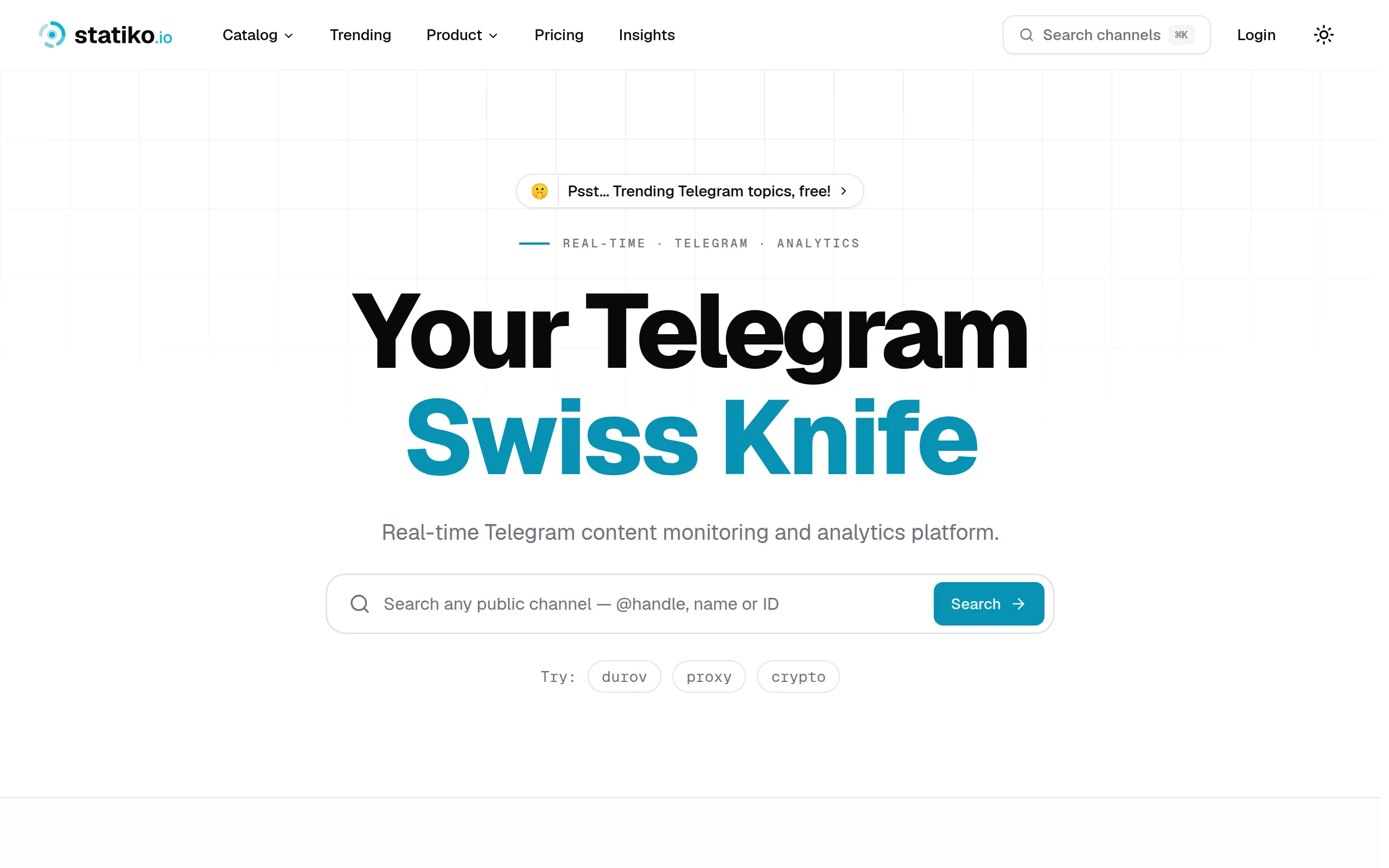
Statiko
Monitor any Telegram channel in real time - track posts, edits, deletions, and growth with AI recaps 📡

Shibui
AI website builder - describe your business, pick a niche template, edit by chatting, and publish instantly ✨

Pro Service
Find verified home service professionals, compare quotes, and pay securely through escrow - built for Brazilians across the US 🏠
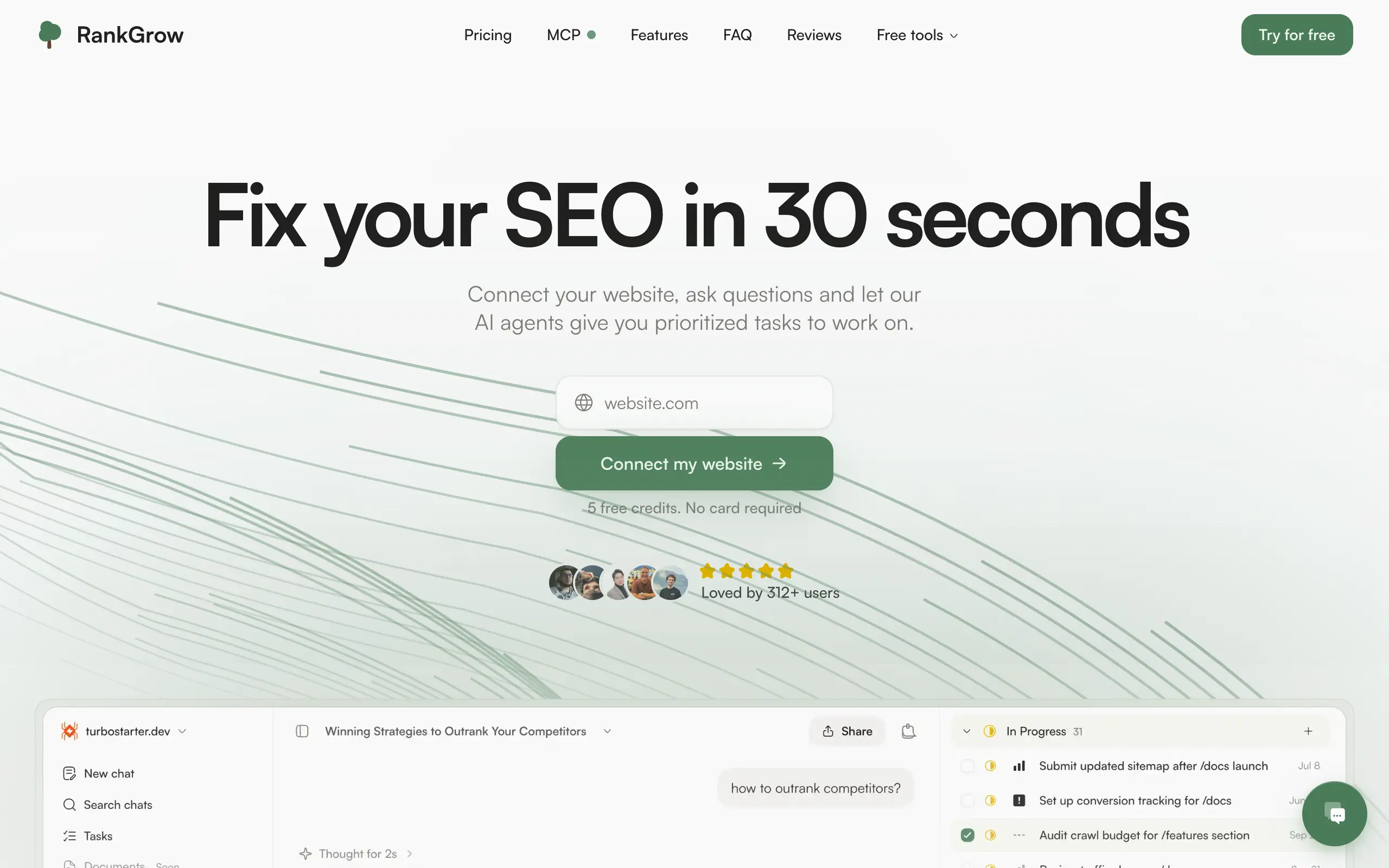
RankGrow
Fix your SEO with AI agents - connect Search Console, get prioritized tasks, and grow organic traffic 📈
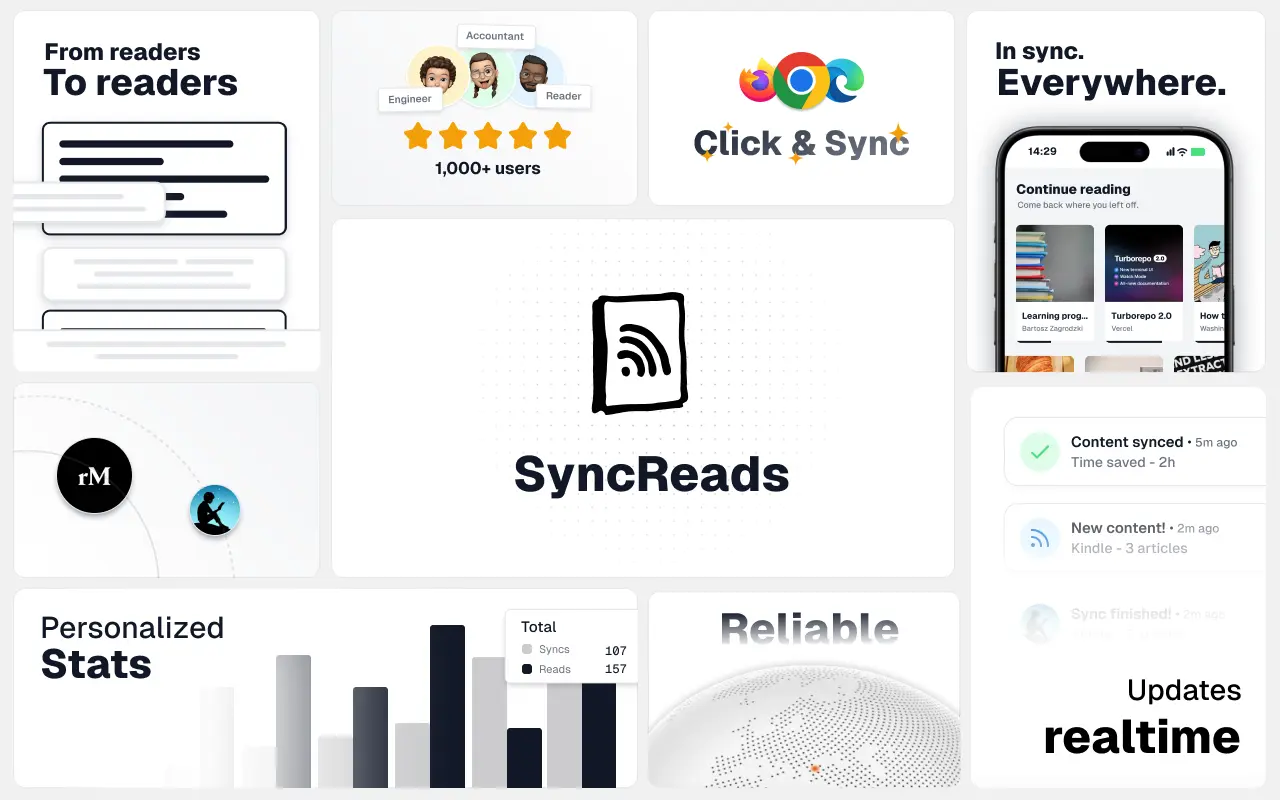
SyncReads
Sync your favorite content for distraction-free reading, save time and replace multiple apps. Anytime, anywhere 🔄
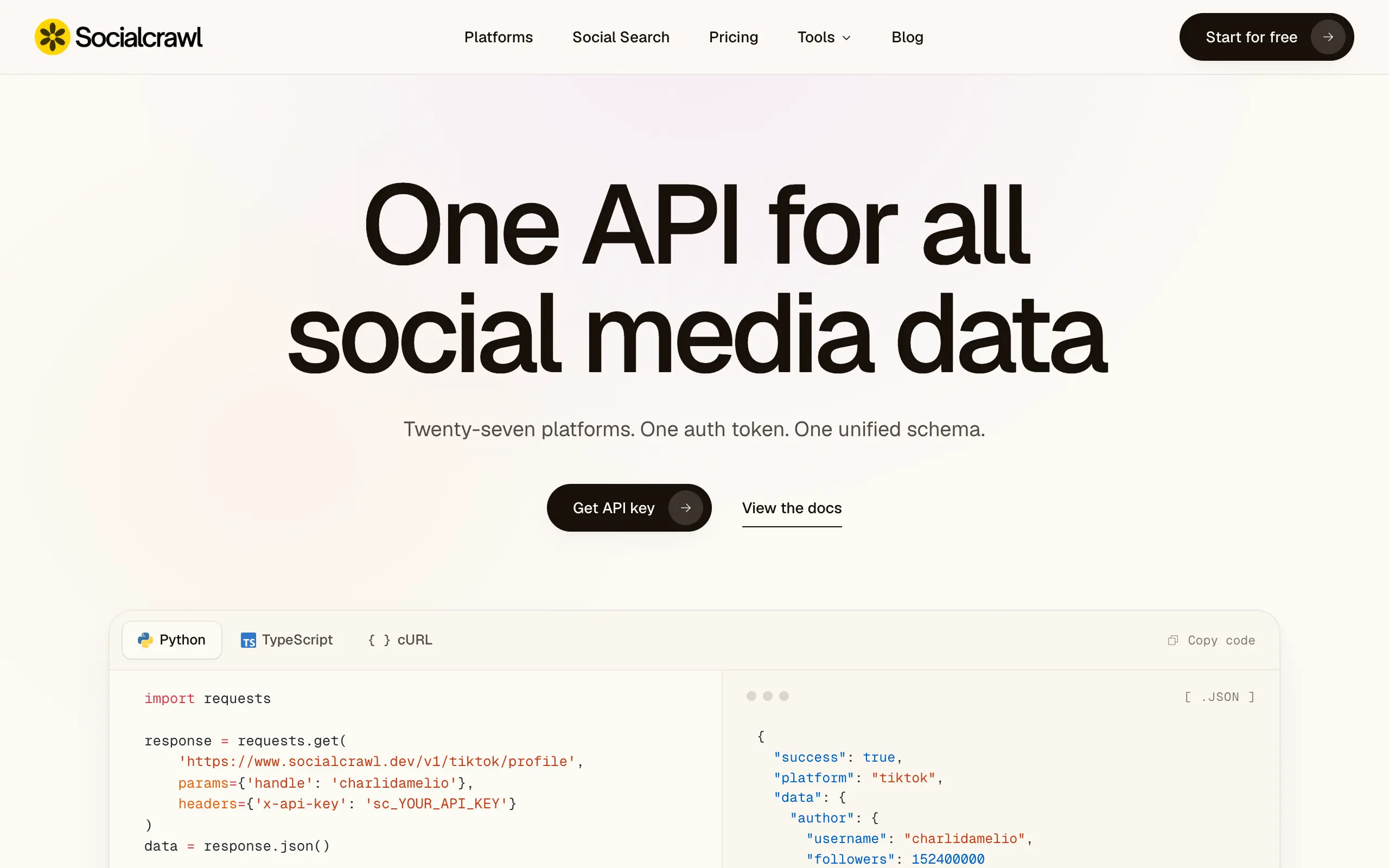
Socialcrawl
Get clean, structured data from 21 platforms like TikTok, Instagram, and YouTube with a single request 📊
Statiko
Monitor any Telegram channel in real time - track posts, edits, deletions, and growth with AI recaps 📡
Shibui
AI website builder - describe your business, pick a niche template, edit by chatting, and publish instantly ✨
Pro Service
Find verified home service professionals, compare quotes, and pay securely through escrow - built for Brazilians across the US 🏠
RankGrow
Fix your SEO with AI agents - connect Search Console, get prioritized tasks, and grow organic traffic 📈
SyncReads
Sync your favorite content for distraction-free reading, save time and replace multiple apps. Anytime, anywhere 🔄
Socialcrawl
Get clean, structured data from 21 platforms like TikTok, Instagram, and YouTube with a single request 📊
Statiko
Monitor any Telegram channel in real time - track posts, edits, deletions, and growth with AI recaps 📡
Shibui
AI website builder - describe your business, pick a niche template, edit by chatting, and publish instantly ✨
Pro Service
Find verified home service professionals, compare quotes, and pay securely through escrow - built for Brazilians across the US 🏠
RankGrow
Fix your SEO with AI agents - connect Search Console, get prioritized tasks, and grow organic traffic 📈
SyncReads
Sync your favorite content for distraction-free reading, save time and replace multiple apps. Anytime, anywhere 🔄
Socialcrawl
Get clean, structured data from 21 platforms like TikTok, Instagram, and YouTube with a single request 📊
Statiko
Monitor any Telegram channel in real time - track posts, edits, deletions, and growth with AI recaps 📡
Shibui
AI website builder - describe your business, pick a niche template, edit by chatting, and publish instantly ✨
Pro Service
Find verified home service professionals, compare quotes, and pay securely through escrow - built for Brazilians across the US 🏠
RankGrow
Fix your SEO with AI agents - connect Search Console, get prioritized tasks, and grow organic traffic 📈
SyncReads
Sync your favorite content for distraction-free reading, save time and replace multiple apps. Anytime, anywhere 🔄
Socialcrawl
Get clean, structured data from 21 platforms like TikTok, Instagram, and YouTube with a single request 📊
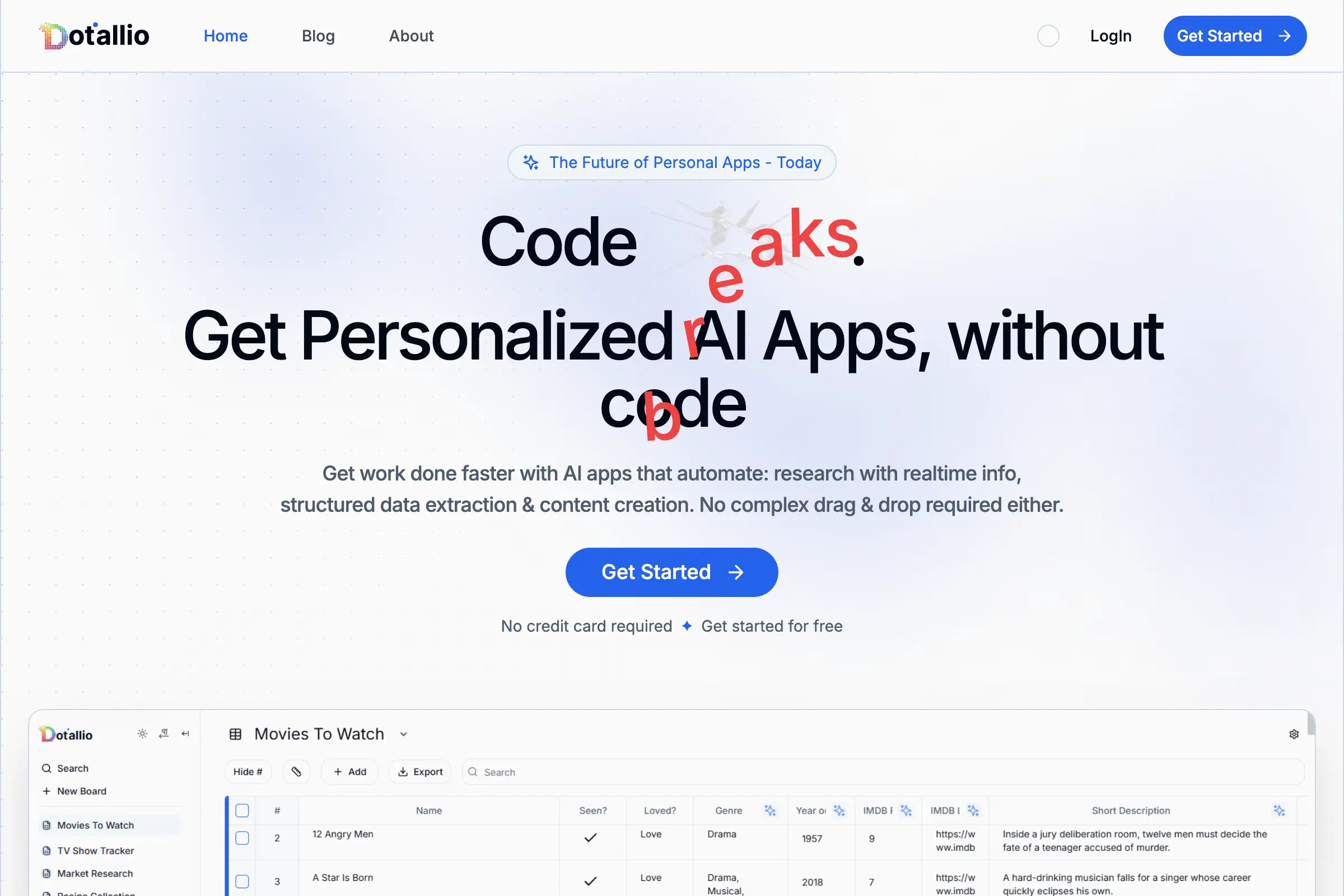
Dotallio
Personalized AI apps that automate research, data extraction, and content creation without code 🤖
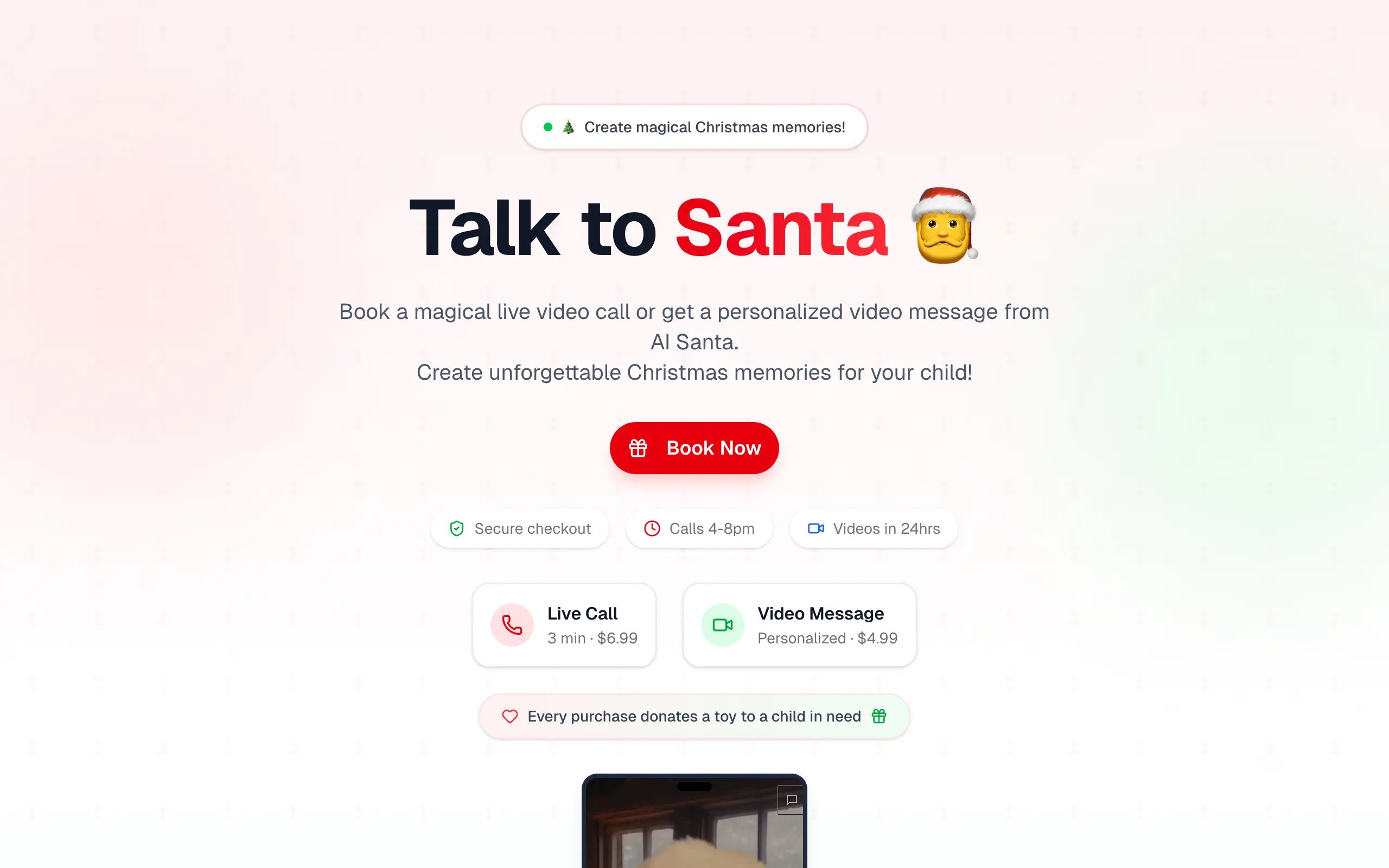
Talk to Santa
Enjoy a magical live video chat or receive a unique AI-generated video greeting from Santa Claus 🎅
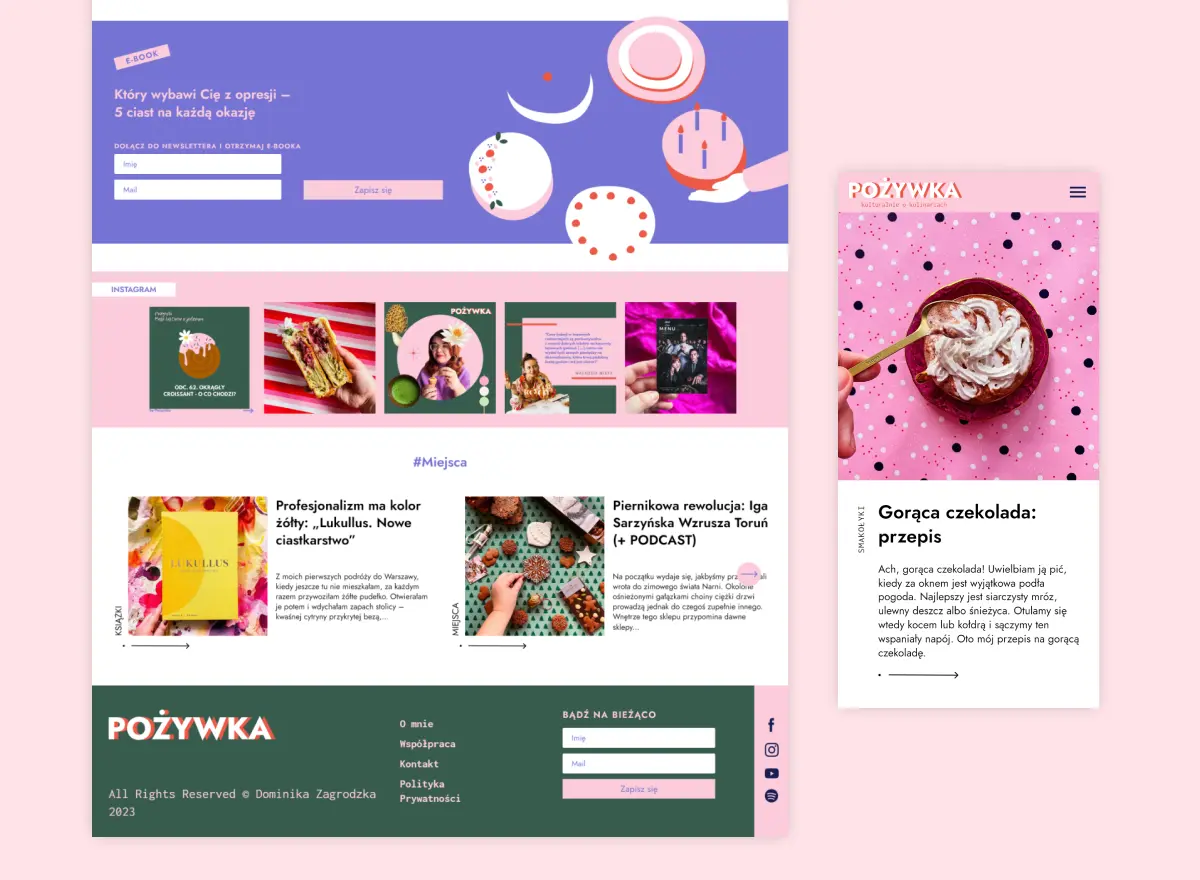
pozywka.pl
Scalable blog for food journalist, focused on performance and user experience 🌭
zagrodzki.me
Personal blog and portfolio of Bart Zagrodzki, where he shares his knowledge and work 💼
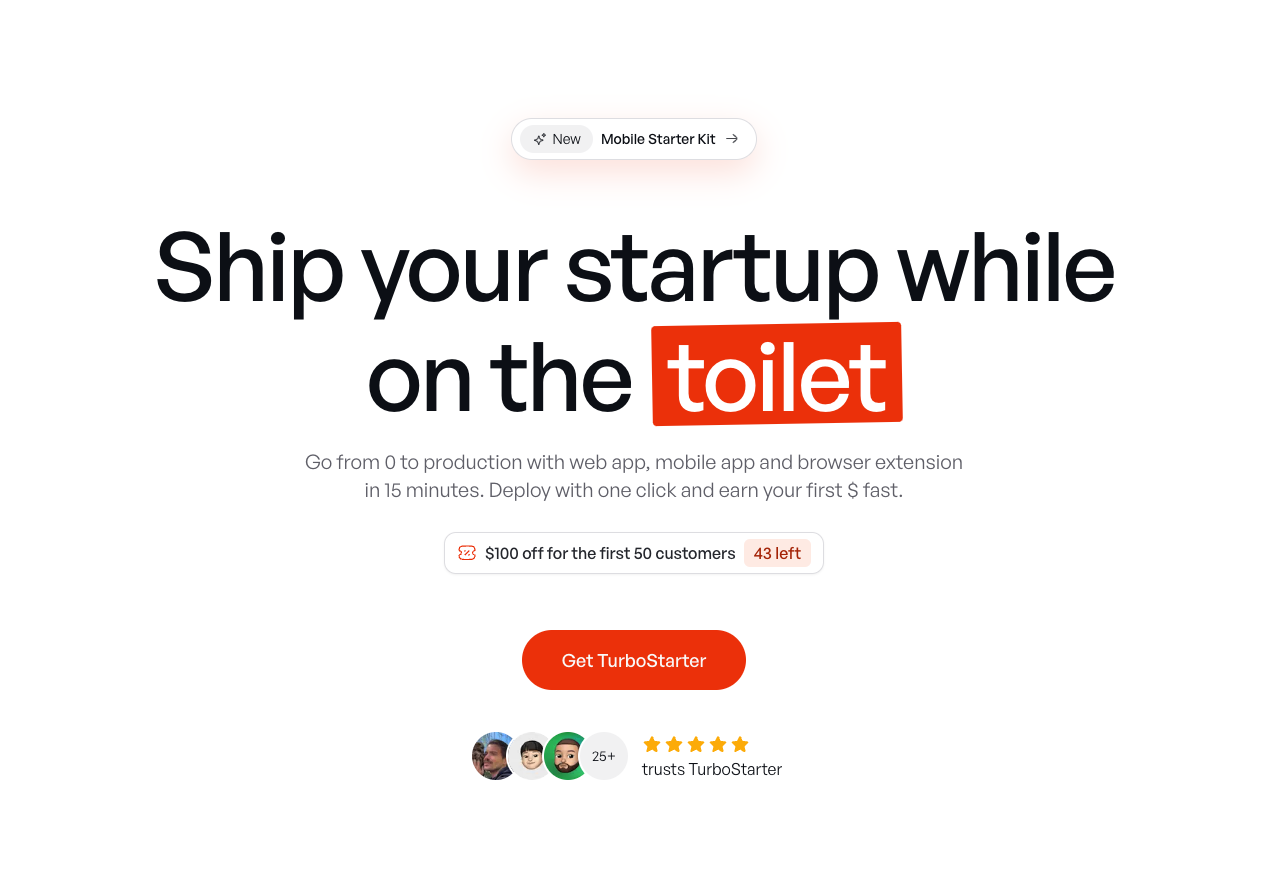
TurboStarter
Ship your startup everywhere. In minutes.
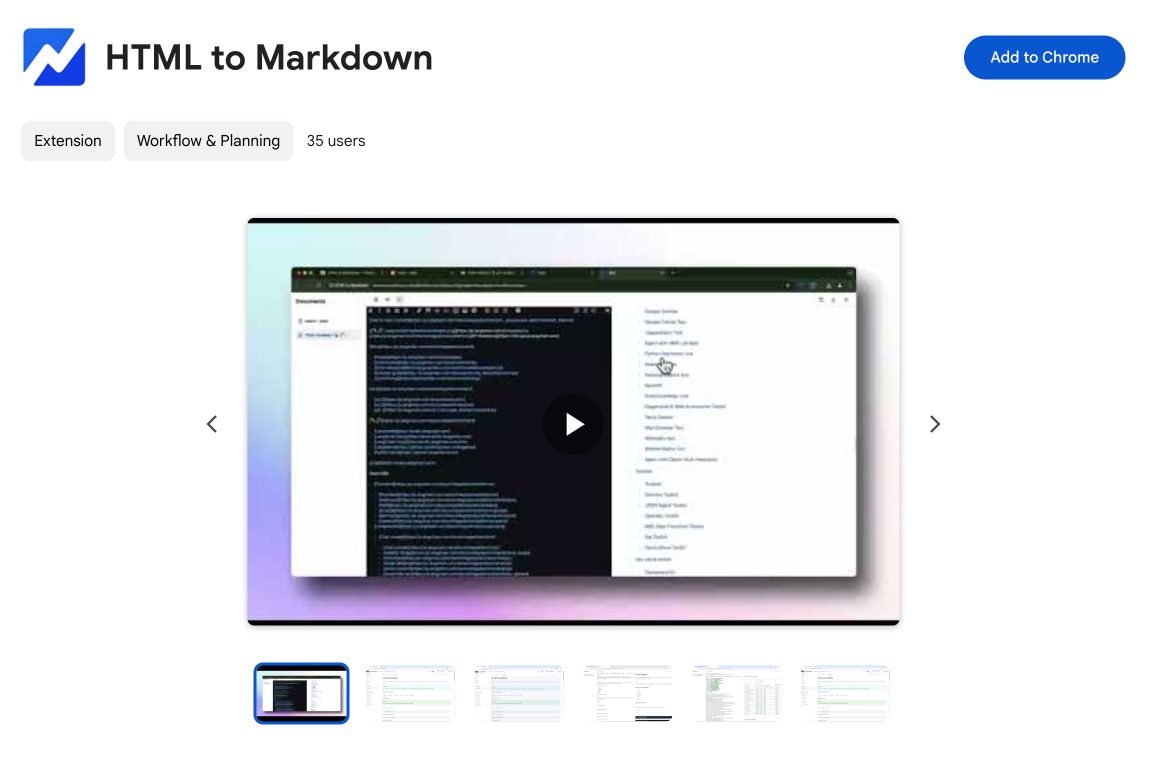
HTML to Markdown
Convert HTML to Markdown with ease, directly in your browser 📄
Dotallio
Personalized AI apps that automate research, data extraction, and content creation without code 🤖
Talk to Santa
Enjoy a magical live video chat or receive a unique AI-generated video greeting from Santa Claus 🎅
pozywka.pl
Scalable blog for food journalist, focused on performance and user experience 🌭
zagrodzki.me
Personal blog and portfolio of Bart Zagrodzki, where he shares his knowledge and work 💼
TurboStarter
Ship your startup everywhere. In minutes.
HTML to Markdown
Convert HTML to Markdown with ease, directly in your browser 📄
Dotallio
Personalized AI apps that automate research, data extraction, and content creation without code 🤖
Talk to Santa
Enjoy a magical live video chat or receive a unique AI-generated video greeting from Santa Claus 🎅
pozywka.pl
Scalable blog for food journalist, focused on performance and user experience 🌭
zagrodzki.me
Personal blog and portfolio of Bart Zagrodzki, where he shares his knowledge and work 💼
TurboStarter
Ship your startup everywhere. In minutes.
HTML to Markdown
Convert HTML to Markdown with ease, directly in your browser 📄
Dotallio
Personalized AI apps that automate research, data extraction, and content creation without code 🤖
Talk to Santa
Enjoy a magical live video chat or receive a unique AI-generated video greeting from Santa Claus 🎅
pozywka.pl
Scalable blog for food journalist, focused on performance and user experience 🌭
zagrodzki.me
Personal blog and portfolio of Bart Zagrodzki, where he shares his knowledge and work 💼
TurboStarter
Ship your startup everywhere. In minutes.
HTML to Markdown
Convert HTML to Markdown with ease, directly in your browser 📄
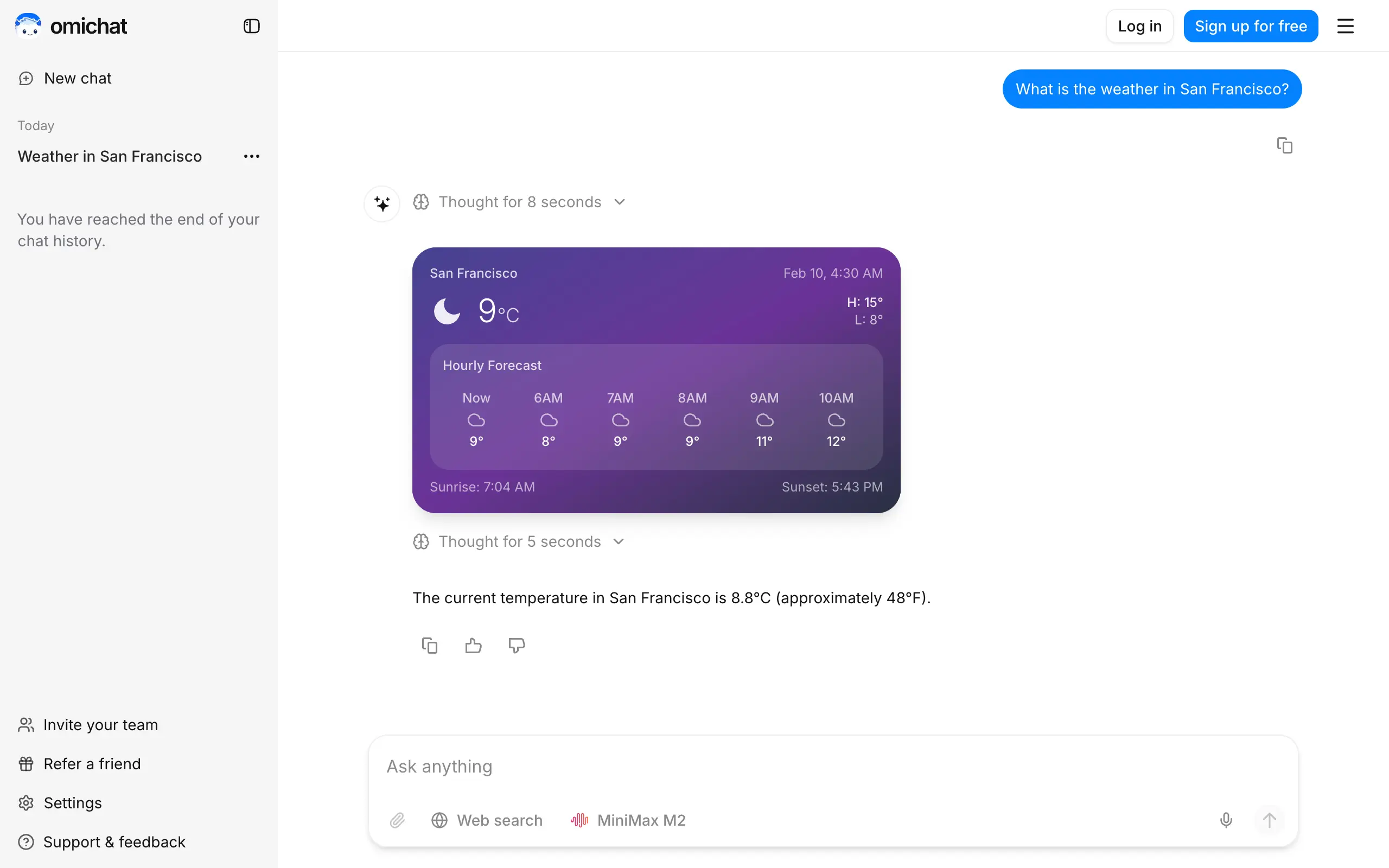
Omichat
Chat with 50+ AI models, including ChatGPT and Claude, in one place - switch models anytime without losing context 🤖
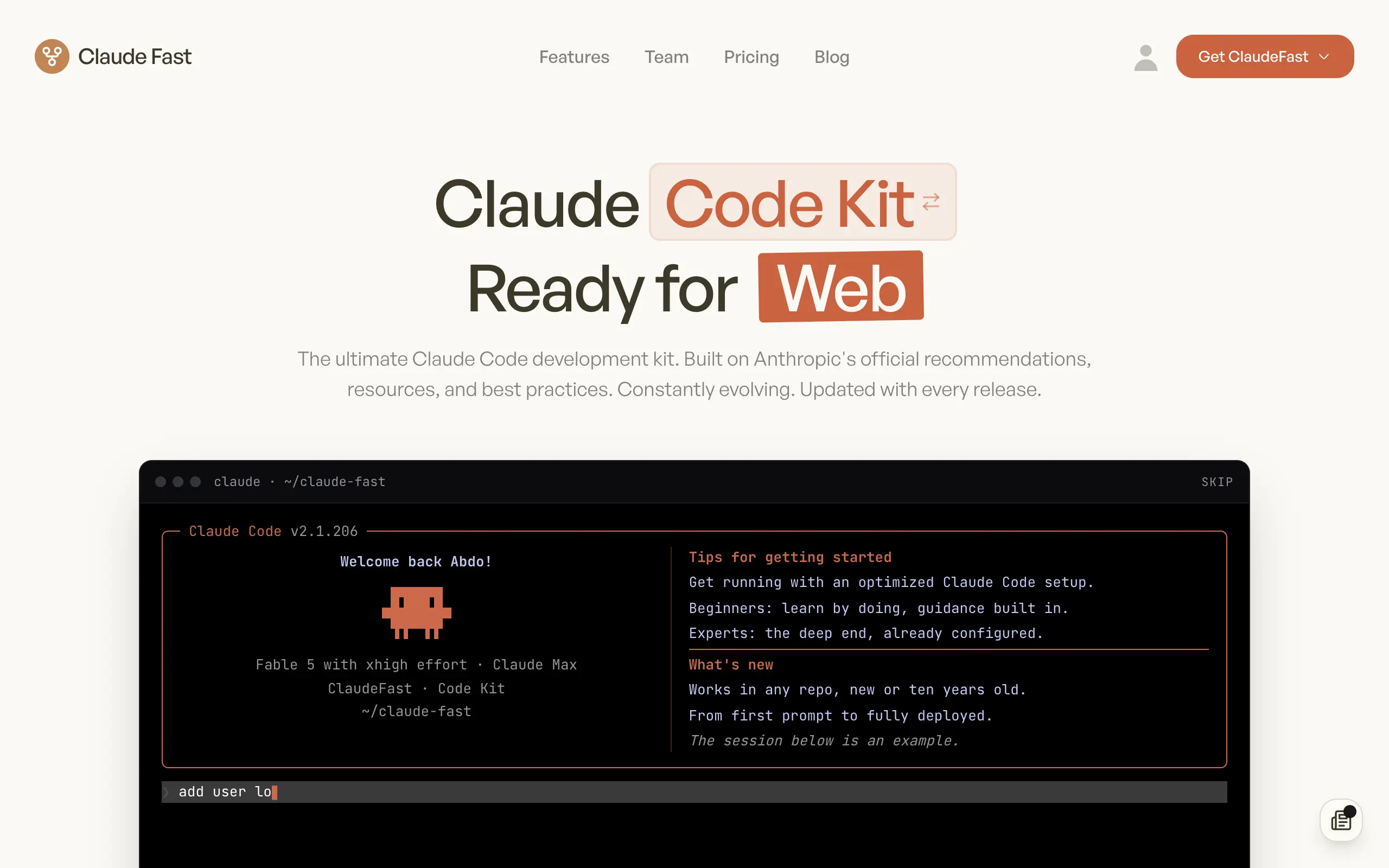
Claude Fast
Supercharge your Claude Code with 6x effective context window and specialized AI agents 🤖
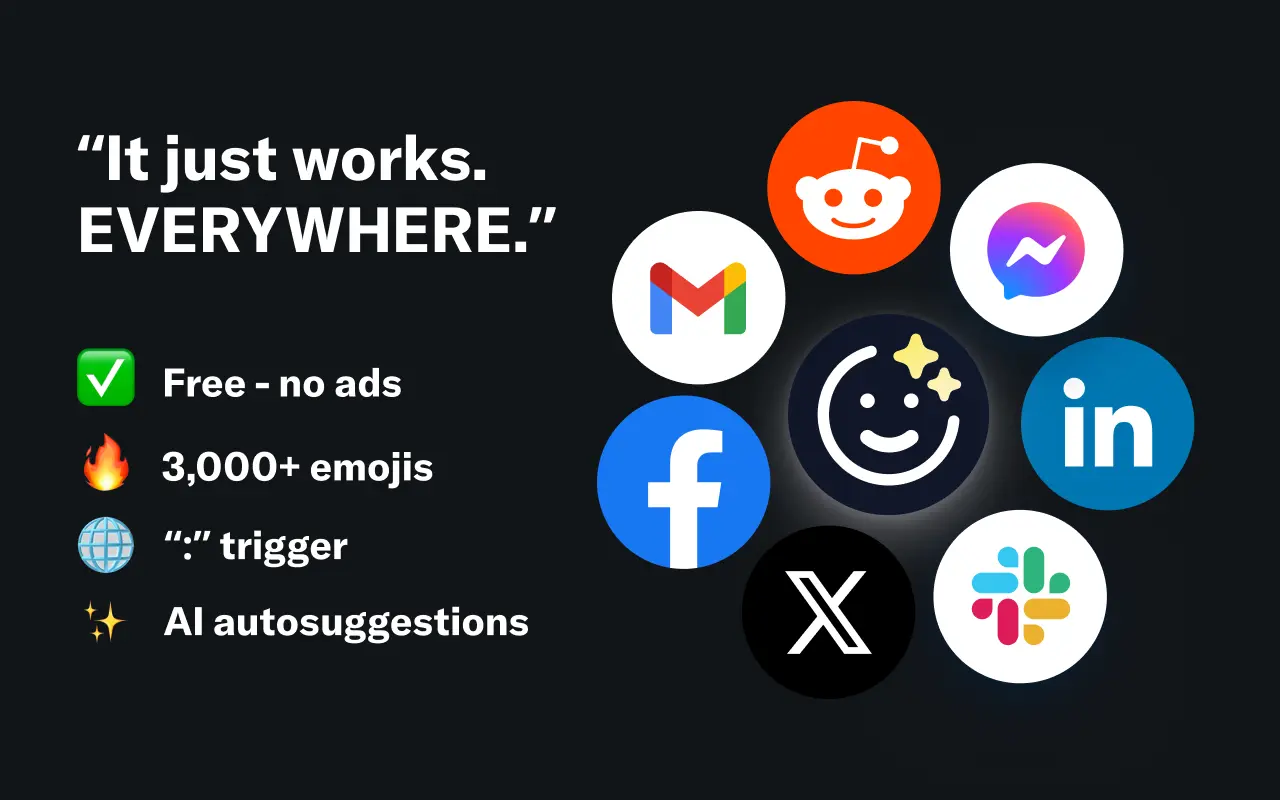
EmojAI
AI-powered emoji picker with smart, context-aware suggestions 🤖
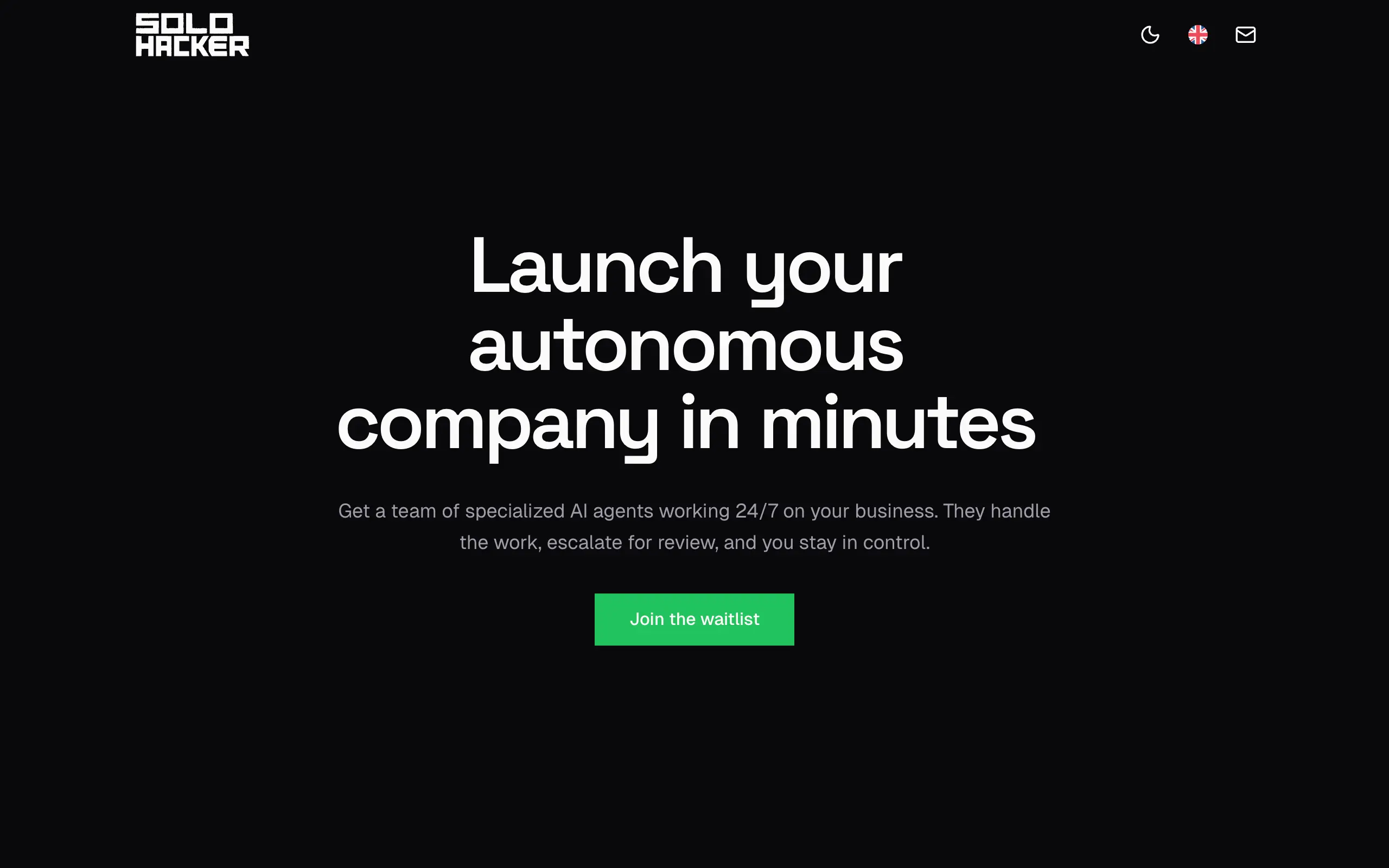
Solohacker
Autonomous company launcher - AI agents work 24/7, escalate what matters, and you stay in control 🤖
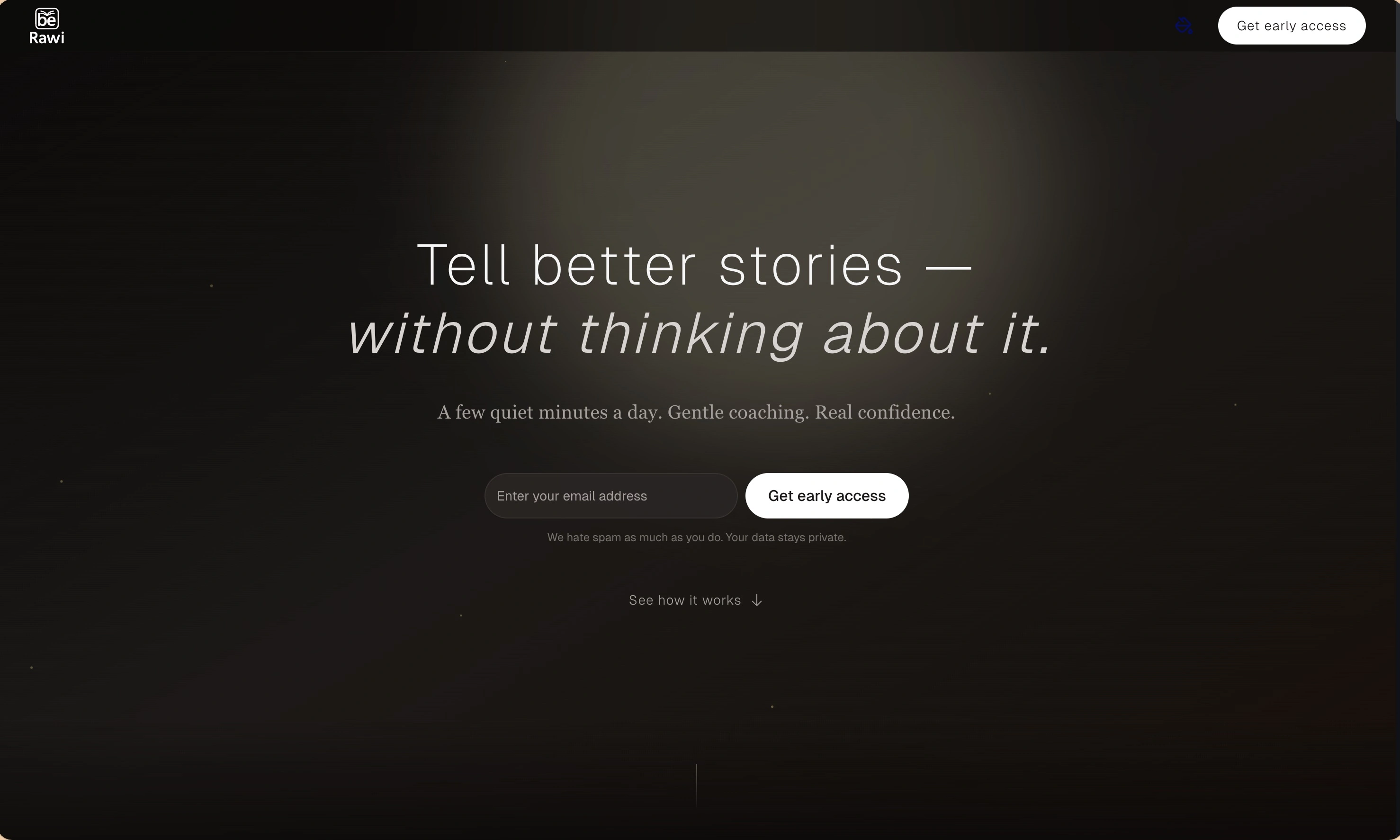
BeRawi: Storytelling Coach
Practice storytelling daily with instant feedback to sound clearer, more engaging, and confident 🎤
Omichat
Chat with 50+ AI models, including ChatGPT and Claude, in one place - switch models anytime without losing context 🤖
Claude Fast
Supercharge your Claude Code with 6x effective context window and specialized AI agents 🤖
EmojAI
AI-powered emoji picker with smart, context-aware suggestions 🤖
Solohacker
Autonomous company launcher - AI agents work 24/7, escalate what matters, and you stay in control 🤖
BeRawi: Storytelling Coach
Practice storytelling daily with instant feedback to sound clearer, more engaging, and confident 🎤
Omichat
Chat with 50+ AI models, including ChatGPT and Claude, in one place - switch models anytime without losing context 🤖
Claude Fast
Supercharge your Claude Code with 6x effective context window and specialized AI agents 🤖
EmojAI
AI-powered emoji picker with smart, context-aware suggestions 🤖
Solohacker
Autonomous company launcher - AI agents work 24/7, escalate what matters, and you stay in control 🤖
BeRawi: Storytelling Coach
Practice storytelling daily with instant feedback to sound clearer, more engaging, and confident 🎤
Omichat
Chat with 50+ AI models, including ChatGPT and Claude, in one place - switch models anytime without losing context 🤖
Claude Fast
Supercharge your Claude Code with 6x effective context window and specialized AI agents 🤖
EmojAI
AI-powered emoji picker with smart, context-aware suggestions 🤖
Solohacker
Autonomous company launcher - AI agents work 24/7, escalate what matters, and you stay in control 🤖
BeRawi: Storytelling Coach
Practice storytelling daily with instant feedback to sound clearer, more engaging, and confident 🎤

Connect with like-minded people
Join our community to get feedback, support, and grow together with 1,000+ builders on board, let's ship it!
Join usShip your startup everywhere. In minutes.
Don't burn tokens on setup and start building features on day one.