DemoForge
AI turns a SaaS product URL and a few notes into tailored demo scripts, prospect-specific landing pages, and sales follow-up briefs.
Why an AI sales demo platform is becoming essential for SaaS growth
Modern SaaS buyers expect every interaction to feel relevant. They do not want a generic product walkthrough built for an imaginary “average customer.” They want to see how a product solves their workflow problem, supports their team, and fits their company’s priorities.
That expectation creates a costly challenge for sales and marketing teams. Creating a polished, prospect-specific demo typically requires research, discovery notes, product knowledge, copywriting, sales enablement, and design resources. For a fast-moving SaaS company, completing that work manually for every qualified opportunity is rarely practical.
DemoForge is an AI sales demo platform that transforms a SaaS product URL and a few contextual notes into tailored demo scripts, prospect-specific landing pages, and actionable sales follow-up briefs. Its value is not simply faster content generation. The deeper opportunity is helping revenue teams turn product knowledge into consistent, personalized buying experiences at scale.
The primary keyword for this opportunity is AI sales demo platform. Related terms include AI demo generator, personalized product demo, sales enablement automation, SaaS demo software, sales follow-up automation, interactive product tours, and account-based marketing personalization.
For founders evaluating this idea, DemoForge sits at the intersection of several durable trends:
- B2B buyers increasingly conduct independent research before speaking with sales.
- Account-based marketing requires relevant content without unlimited creative resources.
- Sales teams need faster follow-up while preserving message quality.
- Generative AI is moving from generic writing assistance toward workflow-specific automation.
- Product-led growth companies need a bridge between self-serve exploration and sales-assisted conversion.
The central opportunity
DemoForge should not position itself as another generic AI copywriter. It should position itself as the revenue intelligence layer that turns product knowledge and buyer context into a cohesive, conversion-ready demo experience.
The SaaS sales personalization problem DemoForge solves
Many B2B SaaS companies know personalization works, but their execution is fragmented. A prospect may receive a customized outbound email, then attend a standard demo, then receive generic follow-up notes with unrelated assets. That disconnect reduces trust and makes the seller appear less prepared.
The problem becomes more visible in mid-market and enterprise sales motions, where each account can involve multiple stakeholders, longer buying cycles, security reviews, implementation concerns, and competing priorities.
A sales representative may need to answer questions such as:
- How does this product help a finance leader control costs?
- Which product features matter most to an operations team?
- What language should a seller use for a technical evaluator?
- Which use case should be shown first during a discovery-led demo?
- What follow-up assets will best address a prospect’s stated objections?
- How can a sales team build a tailored landing page without asking marketing or engineering for help?
Today, this work is often completed in a patchwork of tools. Reps might use a CRM for notes, a conversation intelligence tool for call recordings, a document editor for scripts, a design tool for presentation assets, a page builder for microsites, and a generative AI assistant for copy. Each handoff introduces delay, inconsistency, and the risk of inaccurate messaging.
An AI demo generator can unify that process. DemoForge can analyze product information from a public URL, let users confirm or correct the discovered content, combine it with account research and meeting notes, then produce assets tied to the same buyer narrative.
The result is a more consistent sales motion:
- A rep identifies the prospect’s likely pain points.
- DemoForge recommends a relevant storyline and feature sequence.
- The rep delivers a focused, role-aware demo.
- The prospect receives a landing page that reinforces the exact discussion.
- The sales team receives a follow-up brief with next steps, risks, and objection handling.
That workflow helps solve a real operational issue rather than merely generating more content.
Target audience for an AI sales demo platform
DemoForge should start with teams that have enough deal value to justify personalization but not enough enablement capacity to create custom assets for every opportunity. This is a more focused and defensible market than attempting to serve every business that gives product demos.
Primary audience: B2B SaaS sales teams
The strongest initial audience is B2B SaaS companies with sales-led or hybrid go-to-market models. These businesses typically have a demonstrable product, a repeatable ideal customer profile, and a need to explain complex workflows.
Strong early customers may include:
- Vertical SaaS vendors serving industries such as healthcare, logistics, construction, legal, or finance
- Cybersecurity and compliance software providers
- HR, payroll, and workforce management platforms
- Data infrastructure, analytics, and developer tooling companies
- Fintech and spend management SaaS businesses
- Customer support, marketing, and operations software vendors
The most promising customer profile is likely a SaaS company with roughly 10 to 100 account executives, sales engineers, customer success managers, or solutions consultants. At this stage, the company feels the pain of inconsistent demos but may not have a mature internal revenue enablement team.
Secondary audience: sales engineers and solutions consultants
Sales engineers carry a disproportionate burden in complex demos. They must translate technical capabilities into business outcomes, often while supporting multiple account executives and several active opportunities.
For this group, DemoForge can reduce preparation time and improve consistency. Rather than starting from a blank document, a solutions consultant can generate a first-draft demo flow based on the account’s industry, systems, stated requirements, and audience roles.
The product should never replace expert judgment. Instead, it should remove repetitive research and structuring work so experts can focus on technical validation, storytelling, and trust-building.
Secondary audience: revenue enablement leaders
Revenue enablement teams care about repeatability. They want sales representatives to tell a coherent story, use approved positioning, surface the right proof points, and avoid making unsupported claims.
For enablement leaders, the value proposition is governance plus adaptability. DemoForge can provide reusable messaging frameworks while still allowing individual reps to tailor materials by account.
Useful enablement capabilities include:
- Approved product messaging libraries
- Feature-level claim controls
- Industry-specific demo templates
- Required legal or compliance language
- Brand voice settings
- Content approval workflows
- Version history and asset audit trails
Secondary audience: agencies and fractional sales consultants
B2B growth agencies, sales consultants, and RevOps freelancers may be an effective distribution channel. These operators frequently support several clients and need to create tailored messaging quickly.
A consultant can use DemoForge to produce repeatable deliverables across a portfolio while maintaining each client’s positioning and brand standards. This can make agencies a valuable high-volume customer segment after the core platform is validated.
Market gap: generic AI writing tools do not understand the demo workflow
The generative AI market is crowded, but most tools remain broad. A general-purpose AI assistant can write a demo script when prompted well, but it does not automatically understand a company’s current product positioning, feature taxonomy, buyer context, proof points, and sales process.
This gap is where a specialized AI sales demo platform can differentiate.
| Capability | Generic AI assistant | Traditional demo tool | DemoForge opportunity | Business value |
|---|---|---|---|---|
| Account-specific demo script | Possible with manual prompting | Usually limited | Built into workflow | Faster preparation |
| Product URL understanding | Inconsistent | Rarely available | Structured product ingestion | Less manual setup |
| Prospect landing page | Requires separate tools | Sometimes available | Generated from demo context | Consistent buyer journey |
| Follow-up brief and objections | Manual synthesis | Not a core function | Automatic post-demo output | Better next actions |
| Messaging governance | Prompt dependent | Often basic | Knowledge controls and approvals | Reduced compliance risk |
The key market insight is that prospects do not experience a demo script, landing page, and sales email as separate pieces of content. They experience them as one buying journey. DemoForge can create a shared source of truth for that journey.
This is especially important as SaaS companies face pressure to improve sales efficiency. Leaders are scrutinizing metrics such as demo-to-opportunity conversion, sales cycle length, win rate, rep ramp time, and content production cost. An AI demo platform should connect directly to these commercial outcomes.
For market validation, founders should review research from credible sources such as Gartner, Forrester, McKinsey, Salesforce, HubSpot, and the U.S. Bureau of Labor Statistics where applicable. When publishing claims about conversion uplift or time savings, cite dated first-party customer data or clearly labeled survey methodology rather than making broad unsupported promises.
DemoForge’s unique selling proposition
The unique selling proposition for DemoForge is simple:
Turn one product source and one prospect context into a complete, aligned sales experience.
Most alternatives solve a single piece of the process. Demo platforms may provide product tours. AI writers may generate copy. Conversation intelligence platforms may summarize calls. Landing page tools may help teams publish pages. DemoForge can connect all of these outputs around a specific account and sales narrative.
Its differentiated workflow would look like this:
- The user adds a product URL, product documentation, or approved knowledge base.
- DemoForge extracts and organizes the product’s core value propositions.
- The user adds company details, meeting notes, CRM context, and buyer roles.
- The system creates a tailored demo storyline with recommended discovery questions.
- It generates a branded, prospect-specific landing page that matches the demo.
- It produces a follow-up brief with recap language, objections, stakeholders, risks, and next-step recommendations.
- The team tracks which assets are used and which narratives influence pipeline movement.
This account-aware continuity is more valuable than a standalone script generator.
Core features for DemoForge
A strong MVP should solve the most urgent workflow without attempting to become a full CRM, sales engagement platform, or product tour platform. The initial goal is to produce high-quality, editable sales assets quickly and reliably.
Product intelligence ingestion
The first feature is a structured product understanding layer. Users should be able to provide a product marketing page, help center URL, documentation links, sales decks, feature notes, customer case studies, and approved positioning documents.
The system can extract likely information such as:
- Product category and target users
- Feature names and descriptions
- Common use cases
- Differentiators and proof points
- Integration references
- Security or compliance statements
- Customer logos and case study outcomes
- Pricing language when publicly available
- Restricted claims or approved messaging boundaries
The output should not be treated as truth automatically. Users need a review interface where they can edit, approve, reject, or prioritize extracted information.
Product scraping requires controls
Public website content can be incomplete, outdated, or ambiguous. DemoForge should present extracted facts as editable suggestions, preserve source references, and avoid inventing features, integrations, customer results, or compliance certifications.
Account and stakeholder research workspace
The second feature is a prospect context workspace. A seller should be able to enter a company URL, account name, industry, deal stage, stakeholder titles, pain points, and notes from discovery.
The system can then generate an account brief that includes likely business priorities, suggested value messages, likely objections, and relevant use cases. Any external account research should be clearly distinguished from internal user-provided information.
The product should include fields for:
- Account name and website
- Industry and company size
- Current tools or competing solutions
- Buyer roles and influence levels
- Discovery call notes
- Stated objectives
- Technical requirements
- Procurement concerns
- Next meeting date
- Deal stage
CRM integrations with platforms such as Salesforce and HubSpot can become powerful expansion features, but a lightweight manual entry workflow is better for MVP speed.
Personalized demo script generator
The AI demo script generator is the heart of the product. It should create a structured outline rather than a long, generic monologue.
A useful script should include:
- A concise opening tied to the prospect’s situation
- Suggested discovery questions
- A recommended product walkthrough sequence
- Feature-by-feature talk tracks
- Business outcome framing
- Relevant proof points
- Transition language
- Common objection responses
- A clear call to action
- Guidance on what not to show when time is limited
The system should produce multiple variations based on audience type. A CFO-oriented version should prioritize cost control, forecasting, risk, and return on investment. A technical evaluator version should focus on architecture, integrations, permissions, reliability, and implementation. An end-user manager version should emphasize workflow usability and adoption.
An executive-focused demo should lead with strategic impact, measurable outcomes, risk reduction, and a concise implementation path. Limit feature depth unless it directly supports the business case.
A technical demo should emphasize system compatibility, data handling, authentication, integrations, controls, documentation, and the path from proof of concept to production.
An operational demo should make daily work tangible. Show the current workflow problem, the simpler future state, team adoption considerations, and the visibility gained by managers.
Prospect-specific landing page builder
A personalized demo is more effective when the prospect has a durable asset to review after the meeting. DemoForge should generate a secure, branded landing page that reflects the account’s industry, goals, and discussed product capabilities.
A landing page might include:
- A headline tailored to the prospect’s priority
- A concise problem-to-outcome narrative
- Relevant product capabilities
- A selected case study or proof point
- A custom demo recording or embedded asset
- Implementation overview
- Frequently asked questions
- Mutual action plan or proposed next steps
- A meeting booking link
- Analytics on page engagement
The first version should use structured blocks and controlled templates rather than unrestricted AI-generated layouts. This will improve visual quality, reduce rendering issues, and preserve brand consistency.
Sales follow-up brief generator
Post-demo follow-up is often where momentum is lost. Sellers need to summarize what happened, decide what to send, log CRM notes, coordinate internal resources, and prepare for the next conversation.
DemoForge can generate a concise follow-up brief with sections for:
- Meeting summary
- Confirmed pain points
- Stakeholder map
- Mentioned objections
- Unanswered questions
- Relevant assets to send
- Suggested follow-up email
- Recommended next-step agenda
- Internal deal risks
- CRM-ready notes
This feature becomes especially powerful when integrated with meeting transcripts from approved conversation intelligence tools. However, the product should require user review before any information is sent externally or written back to a CRM.
Team knowledge and governance
Trust is a product feature. Sales teams will not rely on AI-generated material if it regularly introduces inaccurate claims.
DemoForge should include a controlled knowledge system with:
- Approved source documents
- Content freshness dates
- Claim-level citations
- Brand voice rules
- Restricted terminology
- Required disclaimers
- Role-based permissions
- Approval workflows
- Audit logs
- Editable output history
For enterprise customers, this governance layer may become a major buying reason. A sales leader wants speed, but legal, security, and product marketing teams need confidence that personalization does not create compliance exposure.
Recommended technology stack for building DemoForge
The right architecture should support rapid iteration, secure multi-tenant data handling, AI evaluation, and scalable document generation.
A practical web stack can use Next.js with React. Next.js supports server rendering, route handlers, authentication patterns, and a productive full-stack development workflow. Its trade-off is that teams must understand caching behavior, server-client component boundaries, and deployment-specific runtime constraints.
For styling, Tailwind CSS is a strong choice because it enables fast design system implementation and consistent component styling. The trade-off is that utility-heavy markup can become harder to read without component discipline.
For data persistence, PostgreSQL is well suited to multi-tenant SaaS data, relational account records, user permissions, asset versions, and audit trails. Pair it with a type-safe ORM such as Prisma if the development team values schema-driven workflows and fast iteration.
For authentication, Auth.js can support common SaaS authentication needs. Enterprise SSO, SCIM provisioning, and more advanced identity controls can be introduced as the product moves upmarket.
A recommended architecture includes:
Application layer
Next.js and React for the dashboard, asset editor, landing page rendering, and server-side generation workflows.
Data layer
PostgreSQL for tenant data, asset metadata, audit events, approval status, and structured product knowledge.
AI layer
A model abstraction layer with retrieval, prompting, structured outputs, evaluation tests, and human review checkpoints.
Content layer
Object storage for uploads, generated files, source snapshots, and branded landing page assets.
AI architecture and retrieval strategy
A retrieval-augmented generation approach is more appropriate than simply sending a product URL to a model and asking it to write. The system should ingest approved content, split documents intelligently, attach metadata, and retrieve only relevant source material for each generated asset.
Key metadata can include:
- Product area
- Feature name
- Persona relevance
- Industry relevance
- Content owner
- Approval status
- Last reviewed date
- Region or compliance applicability
- Claim sensitivity
The model should be asked to return structured JSON for core workflows before that data is rendered into the user interface. Structured outputs make it easier to validate required fields, run policy checks, and maintain consistent templates.
type DemoBrief = {
  audience: "executive" | "technical" | "operations";
  opening: string;
  discoveryQuestions: string[];
  demoSteps: Array<{
    feature: string;
    businessOutcome: string;
    proofPoint?: string;
    sourceIds: string[];
  }>;
  objections: Array<{
    concern: string;
    recommendedResponse: string;
  }>;
  nextStep: string;
};
This approach also improves evaluation. The team can test whether generated outputs cite approved sources, include unsupported claims, follow the requested persona, and remain useful to real salespeople.
Landing page publishing architecture
Prospect-specific pages need secure access controls. A public, indexable page is usually the wrong default for sales collateral tied to a specific account.
Recommended options include:
- Password-protected links
- Email verification gates
- Expiring access tokens
- Custom subdomains for enterprise accounts
- Domain allowlists for sensitive accounts
- Viewer analytics with privacy controls
- Downloadable PDF versions for procurement workflows
The trade-off is friction. Stronger access control reduces accidental exposure but can lower viewing rates. DemoForge should let customers choose the appropriate level based on deal sensitivity.
Monetization strategy for DemoForge
A hybrid subscription model is likely the best fit. The customer receives recurring value from ongoing demo preparation, account pages, follow-up workflows, content governance, and analytics.
Recommended pricing model
A practical pricing structure could include:
- Starter plan for small teams needing a limited number of monthly generated demo packs
- Growth plan for sales teams with shared templates, CRM connections, analytics, and collaboration
- Business plan for larger revenue organizations needing governance, advanced integrations, custom branding, and approval workflows
- Enterprise plan for SSO, SCIM, security reviews, custom data retention, dedicated support, and negotiated usage limits
Usage can be measured through “demo packs,” where one pack includes a personalized script, landing page, and follow-up brief. This aligns pricing with value better than charging only by individual AI requests.
The product should avoid confusing token-based pricing. Sales leaders want to understand how many accounts their team can support, not how many model tokens they consume.
Expansion revenue opportunities
Once the core workflow proves value, DemoForge can add expansion modules:
- CRM and sales engagement integrations
- Conversation transcript ingestion
- Interactive demo embeds
- Mutual action plan templates
- Advanced account research
- Custom domain hosting
- Team analytics dashboards
- Industry-specific playbooks
- White-label agency workspaces
- AI coaching based on demo outcomes
A high-value enterprise add-on could be messaging governance, giving product marketing and legal teams review controls over generated sales assets.
Competitive advantage and defensibility
The AI sales demo software category will attract competitors because the underlying technology is accessible. DemoForge cannot rely on a generic language model interface as its moat.
Its defensibility should come from workflow depth, proprietary feedback loops, and trusted customer data structures.
Build a proprietary revenue content graph
Over time, DemoForge can learn which product messages, feature sequences, proof points, and objections appear across accounts. This does not mean training on customer data without permission. It means building a secure, tenant-isolated system that helps each customer understand its own sales patterns.
For one SaaS company, the platform might reveal that:
- Operations leaders respond to a specific workflow narrative.
- Technical stakeholders repeatedly ask about a certain integration.
- Demos that show a particular feature earlier have higher next-meeting rates.
- Landing pages featuring a relevant case study receive longer engagement.
- Deals stall when procurement concerns are not addressed in the first follow-up.
These insights become increasingly useful as the customer uses the platform more often.
Make outputs measurable, not merely attractive
Many AI tools create polished content but fail to connect it to outcomes. DemoForge should track meaningful leading indicators such as:
- Time spent preparing a demo
- Asset creation and approval time
- Landing page open rate
- Landing page engagement time
- Follow-up sent time
- Next-meeting conversion rate
- Opportunity progression rate
- Win rate by demo playbook
- Objection frequency by segment
It is important to avoid overstating causality. Pipeline outcomes depend on many variables, including product fit, pricing, seller skill, competition, and buying committee dynamics. Still, directional analytics can help revenue leaders improve their process.
Win through trust and controllability
In B2B sales, one fabricated product claim can damage credibility. DemoForge should make source grounding visible and human editing effortless.
Use approved source libraries, source-level citations, claim validation rules, restricted language lists, freshness checks, and mandatory human review before external sharing. The product should explicitly flag uncertain statements instead of presenting them as facts.
A general tool can draft text, but it does not provide a connected workflow for product ingestion, account context, branded landing pages, approved messaging, collaboration, auditability, and outcome tracking. DemoForge sells a repeatable sales process rather than isolated AI output.
Yes. Product-led teams can use it for high-intent accounts that need a tailored evaluation experience, especially when a free trial alone is insufficient for complex or enterprise use cases.
Risks and mitigation strategies
Every AI SaaS opportunity has risks. Addressing them early improves the product strategy and makes enterprise sales easier.
Risk of inaccurate or outdated product claims
Product websites change frequently. A feature may be renamed, retired, restricted to a plan, or available only in certain regions.
Mitigation includes source timestamps, admin reviews, required content refresh cycles, claim citations, and an “approved facts only” mode for regulated customers.
Risk of weak personalization
A landing page that simply inserts a company name into generic copy can feel artificial. Buyers can recognize shallow personalization immediately.
Mitigation requires grounding outputs in meaningful account context such as industry, operating model, discovery notes, stakeholder role, stated objectives, and relevant use cases. The product should prioritize relevance over superficial personalization.
Risk of data privacy concerns
Prospect notes, call summaries, and account strategy are sensitive commercial data. Enterprise buyers will ask where data is stored, whether it is used for model training, how long it is retained, and who can access it.
Mitigation should include transparent data processing documentation, tenant isolation, configurable retention policies, encryption, access controls, audit logs, and clear AI provider agreements. Pursuing security standards such as SOC 2 should be part of the roadmap once the business serves larger customers.
Risk of crowded category positioning
The market includes AI writers, sales enablement platforms, product demo tools, and CRM vendors adding generative features.
Mitigation is a sharp wedge. Focus initially on the end-to-end “demo pack” for B2B SaaS teams, then build integrations rather than trying to replace adjacent systems. Position DemoForge as the workflow that connects product knowledge to account-specific sales execution.
Risk of low-quality website ingestion
A SaaS URL may contain marketing language but lack the technical and contextual information needed for a great demo.
Mitigation includes guided onboarding that asks customers to upload approved collateral, define audience segments, rank product capabilities, add case studies, and set claims policies. URL ingestion should accelerate setup, not be the only data source.
Go-to-market strategy for an AI demo generator
The best early go-to-market approach is likely founder-led sales combined with content-driven demand generation. The product is easiest to sell when prospective customers can see their own product and account context reflected in a live output.
A compelling acquisition motion could be:
- Offer a free personalized demo script audit or demo pack preview.
- Ask prospects for their product URL and a target account.
- Generate a high-quality example in a guided session.
- Show the time saved and the gap between generic and contextual messaging.
- Convert interested teams into a short pilot with measurable success criteria.
Content should target bottom-funnel and problem-aware searches, including:
- AI sales demo platform
- How to personalize SaaS demos
- Sales demo script template for B2B SaaS
- How to create account-specific landing pages
- Sales follow-up automation for SaaS
- Sales enablement AI tools
- How to reduce demo preparation time
Publish practical content built around real sales workflows. For example, an article comparing executive and technical demo structures can attract experienced practitioners while proving that the company understands complex B2B selling.
Partnerships can also accelerate trust. Potential partners include RevOps consultancies, sales enablement agencies, CRM implementation partners, and product marketing advisors.
Actionable implementation plan
The strongest path is to launch a focused MVP, validate workflow value with design partners, then add integrations and enterprise controls after clear usage signals emerge.
For founders who want to accelerate the initial SaaS build, TurboStarter can provide a practical starting foundation so more development time goes into DemoForge’s differentiated AI workflow, evaluation system, and revenue-team experience.
Final perspective on building DemoForge
DemoForge has a strong opportunity because it addresses a recurring, expensive, and emotionally visible problem in B2B SaaS sales. Reps feel the burden of demo preparation. Sales engineers feel the pressure to customize technical narratives. Enablement leaders struggle with inconsistency. Buyers feel the difference between a vendor that understands their business and one that delivers a generic pitch.
The winning version of this AI sales demo platform will not be the one that generates the most words. It will be the one that creates the most trustworthy and useful sales context.
That means focusing on a few principles:
- Personalization must be based on real account insight.
- Product claims must be grounded in approved sources.
- Generated assets must remain easy for humans to edit.
- The demo, landing page, and follow-up should tell one coherent story.
- Success should be measured through sales workflow outcomes, not content volume alone.
By combining product intelligence, buyer context, governed AI generation, and measurable follow-through, DemoForge can become a valuable operating system for personalized SaaS sales demos.
More 🤖 AI Startup SaaS ideas
Discover more innovative ai startup SaaS ideas that are trending in 2026. Each idea is AI-generated with market validation and growth potential to help you find your next profitable venture faster than competitors.
Your competitors are building with TurboStarter
Below are some of the SaaS ideas that have been generated and built with our starter kit.
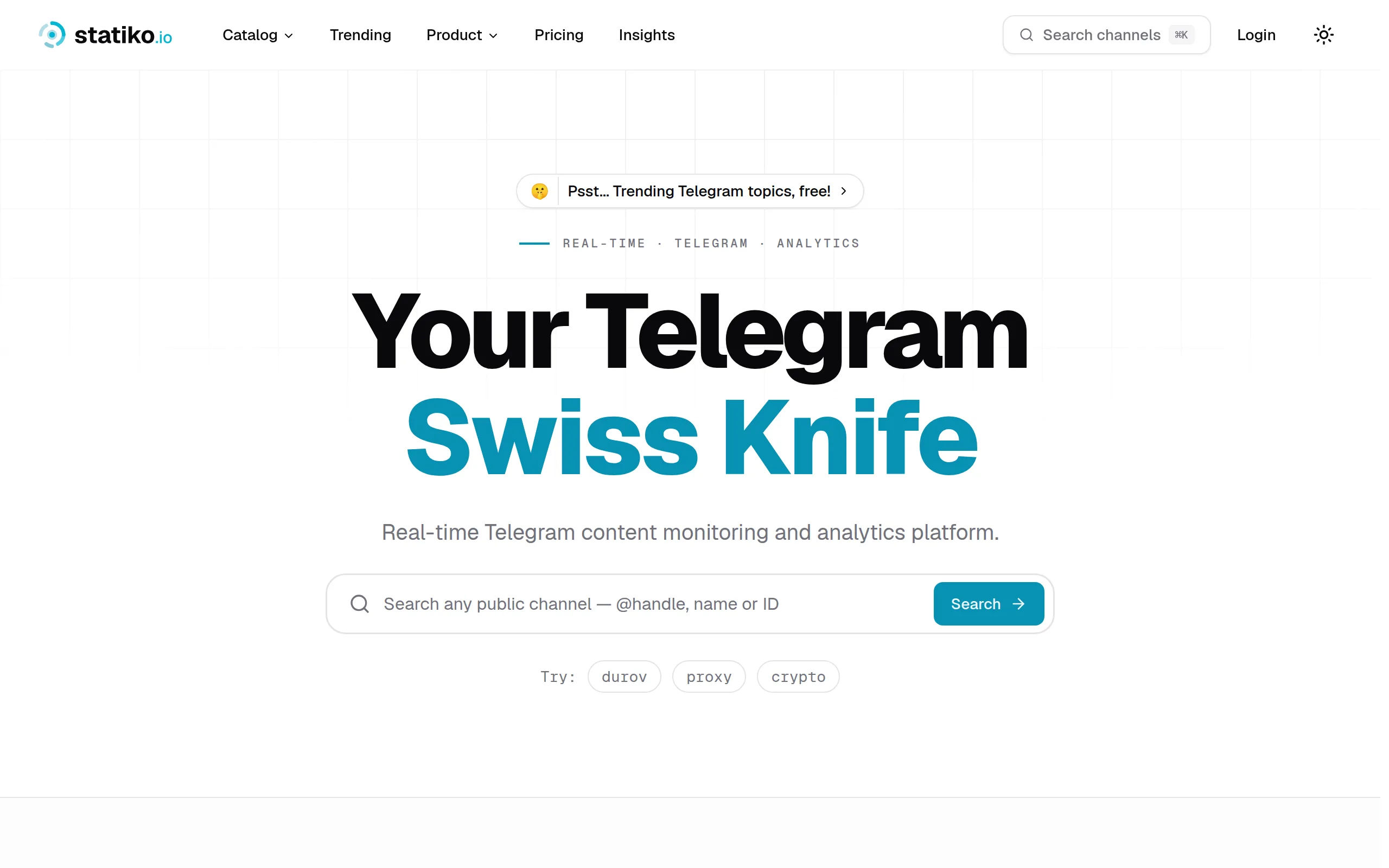
Statiko
Monitor any Telegram channel in real time - track posts, edits, deletions, and growth with AI recaps 📡
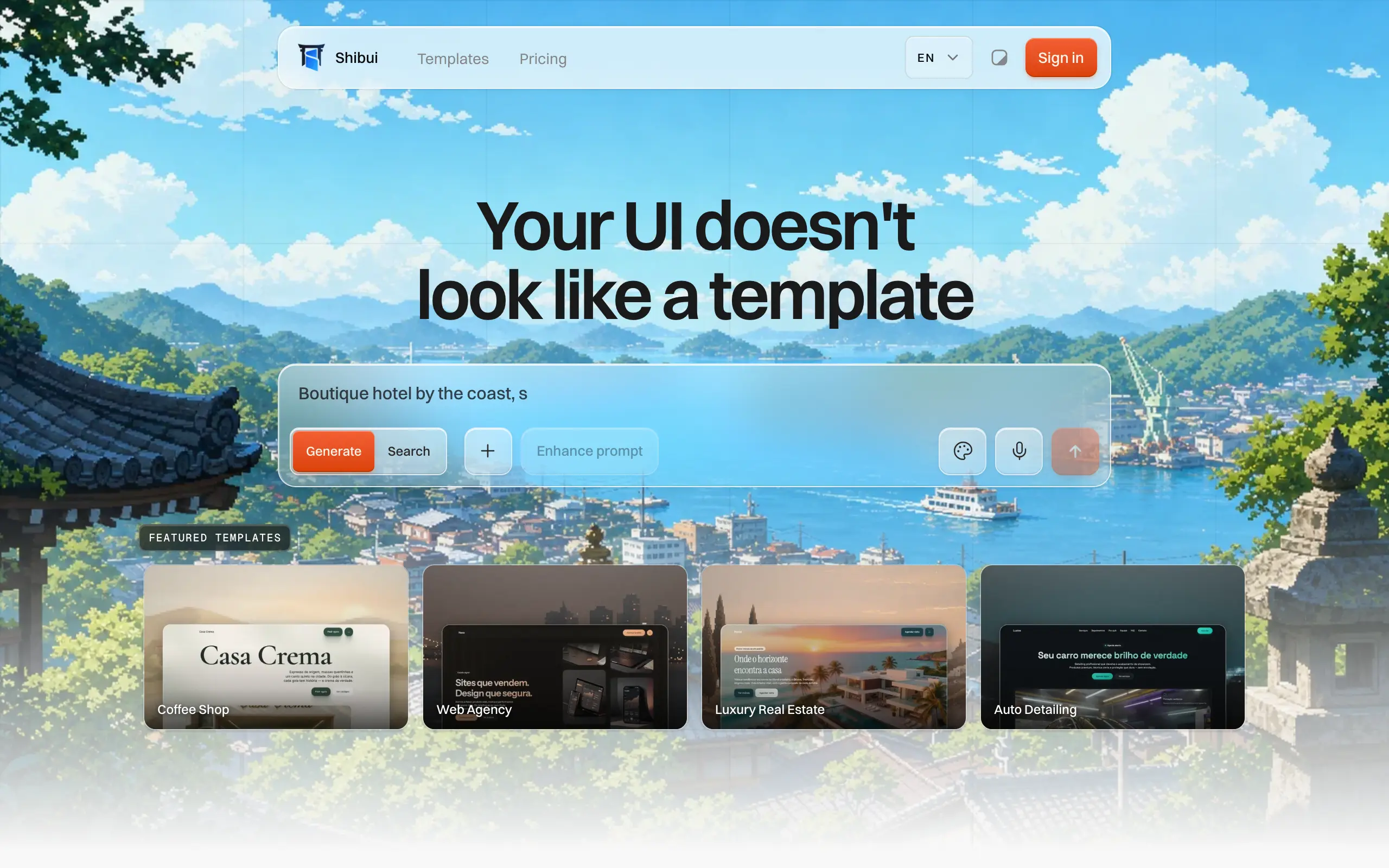
Shibui
AI website builder - describe your business, pick a niche template, edit by chatting, and publish instantly ✨

Pro Service
Find verified home service professionals, compare quotes, and pay securely through escrow - built for Brazilians across the US 🏠
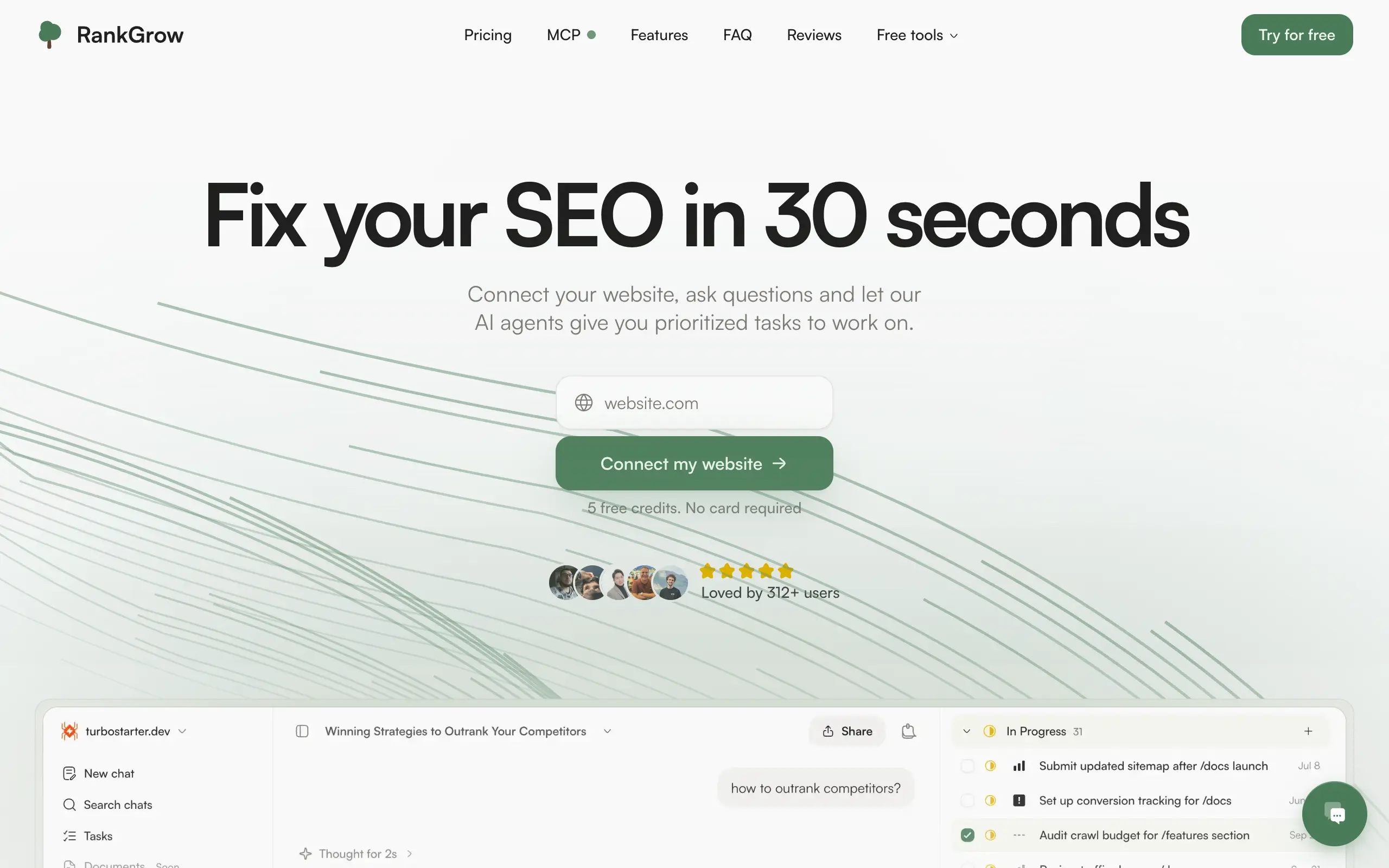
RankGrow
Fix your SEO with AI agents - connect Search Console, get prioritized tasks, and grow organic traffic 📈
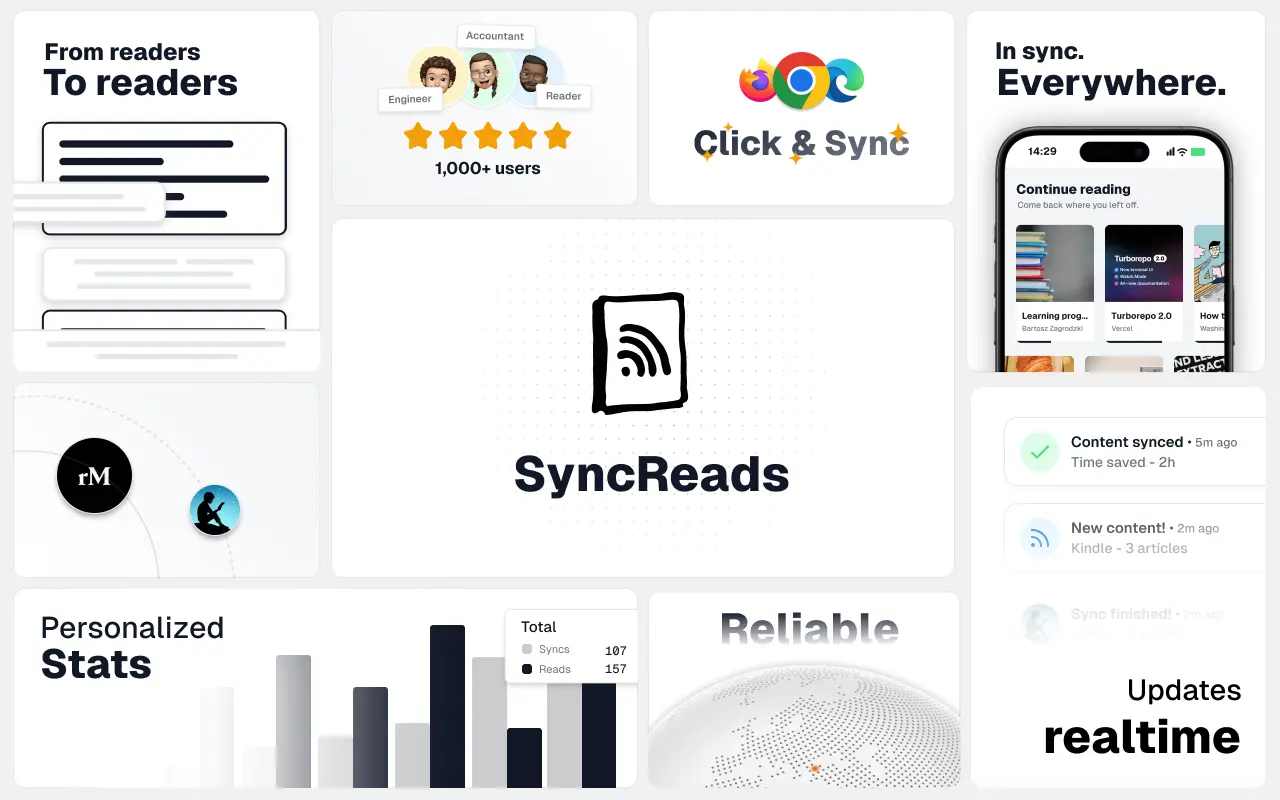
SyncReads
Sync your favorite content for distraction-free reading, save time and replace multiple apps. Anytime, anywhere 🔄
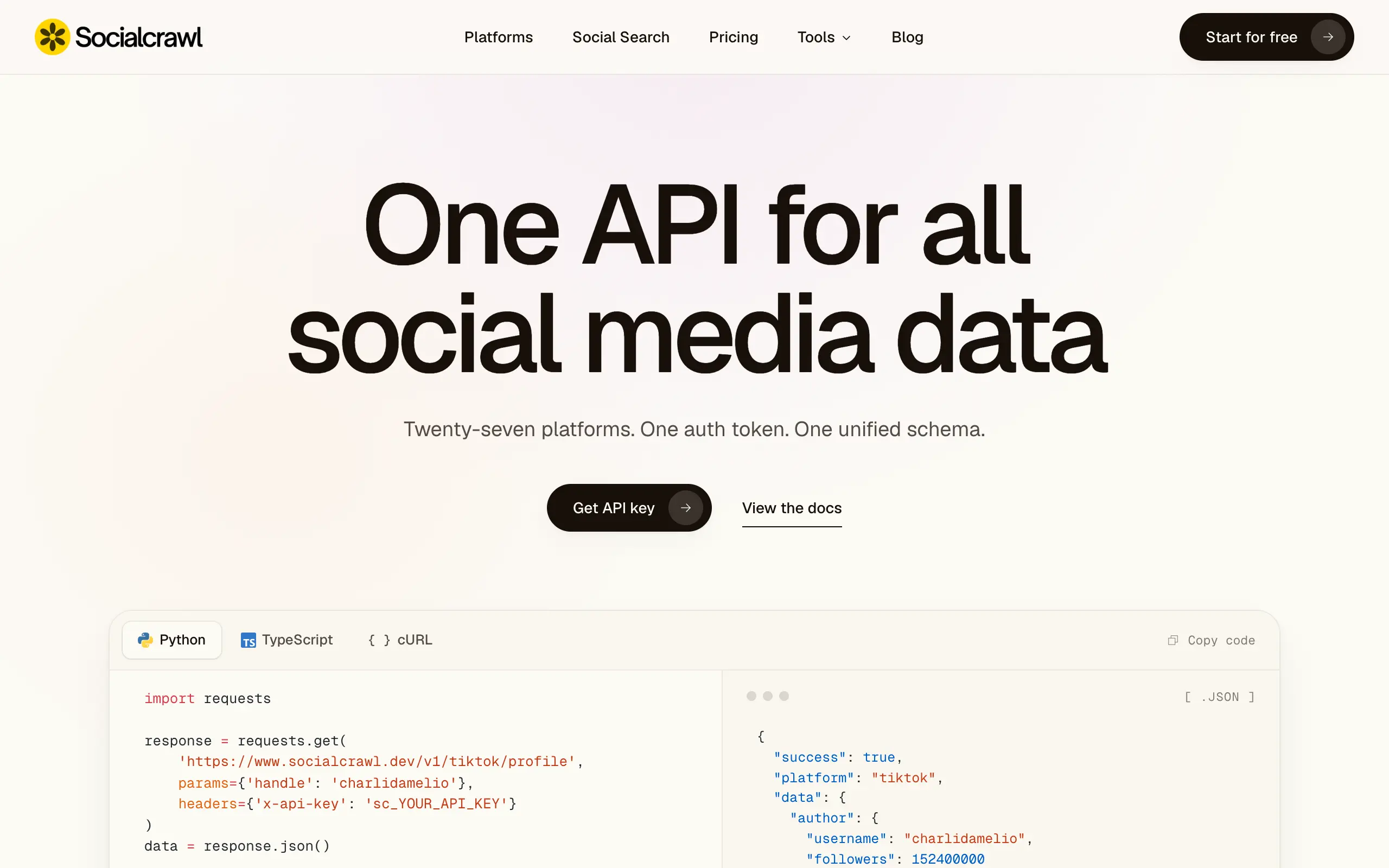
Socialcrawl
Get clean, structured data from 21 platforms like TikTok, Instagram, and YouTube with a single request 📊
Statiko
Monitor any Telegram channel in real time - track posts, edits, deletions, and growth with AI recaps 📡
Shibui
AI website builder - describe your business, pick a niche template, edit by chatting, and publish instantly ✨
Pro Service
Find verified home service professionals, compare quotes, and pay securely through escrow - built for Brazilians across the US 🏠
RankGrow
Fix your SEO with AI agents - connect Search Console, get prioritized tasks, and grow organic traffic 📈
SyncReads
Sync your favorite content for distraction-free reading, save time and replace multiple apps. Anytime, anywhere 🔄
Socialcrawl
Get clean, structured data from 21 platforms like TikTok, Instagram, and YouTube with a single request 📊
Statiko
Monitor any Telegram channel in real time - track posts, edits, deletions, and growth with AI recaps 📡
Shibui
AI website builder - describe your business, pick a niche template, edit by chatting, and publish instantly ✨
Pro Service
Find verified home service professionals, compare quotes, and pay securely through escrow - built for Brazilians across the US 🏠
RankGrow
Fix your SEO with AI agents - connect Search Console, get prioritized tasks, and grow organic traffic 📈
SyncReads
Sync your favorite content for distraction-free reading, save time and replace multiple apps. Anytime, anywhere 🔄
Socialcrawl
Get clean, structured data from 21 platforms like TikTok, Instagram, and YouTube with a single request 📊
Statiko
Monitor any Telegram channel in real time - track posts, edits, deletions, and growth with AI recaps 📡
Shibui
AI website builder - describe your business, pick a niche template, edit by chatting, and publish instantly ✨
Pro Service
Find verified home service professionals, compare quotes, and pay securely through escrow - built for Brazilians across the US 🏠
RankGrow
Fix your SEO with AI agents - connect Search Console, get prioritized tasks, and grow organic traffic 📈
SyncReads
Sync your favorite content for distraction-free reading, save time and replace multiple apps. Anytime, anywhere 🔄
Socialcrawl
Get clean, structured data from 21 platforms like TikTok, Instagram, and YouTube with a single request 📊
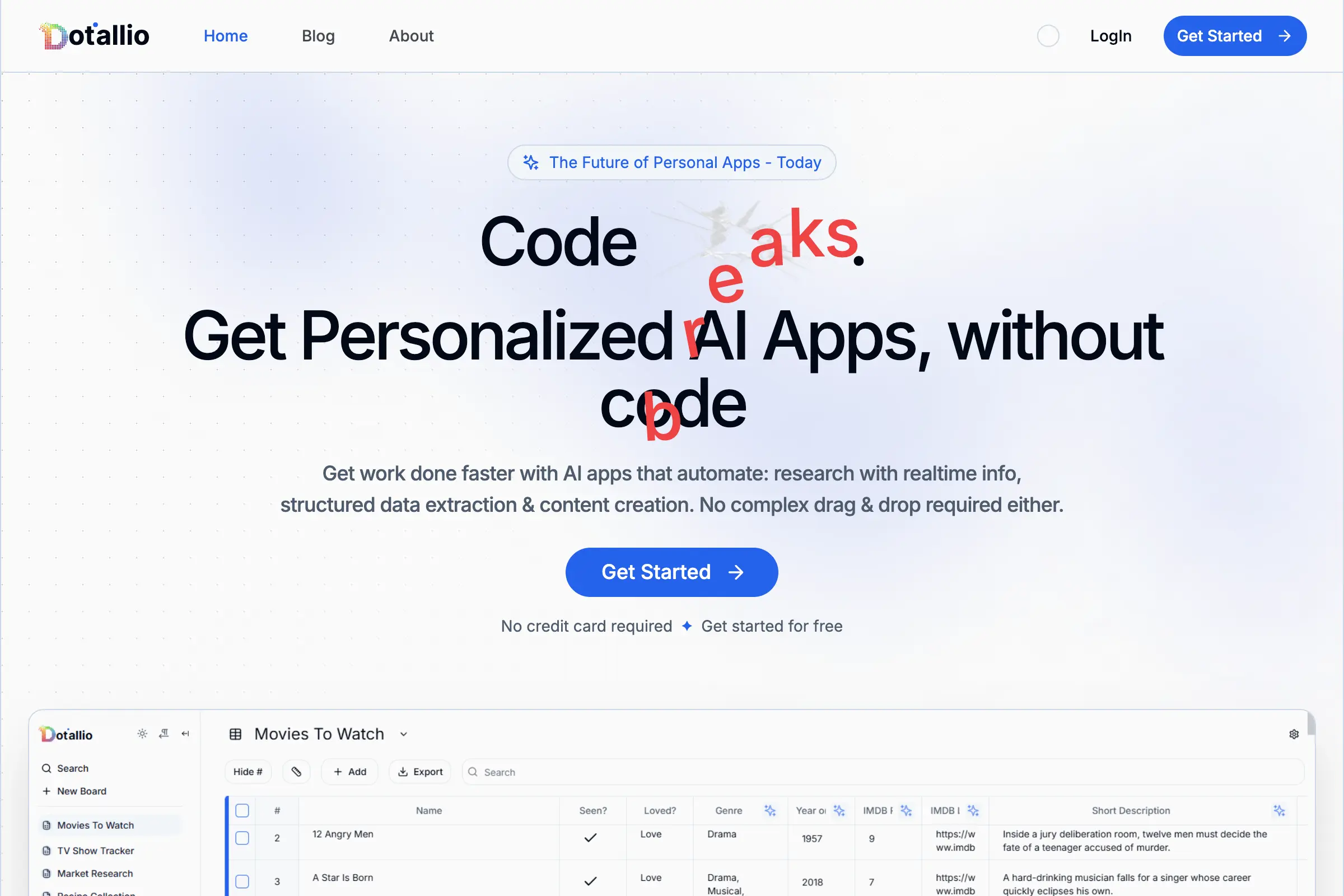
Dotallio
Personalized AI apps that automate research, data extraction, and content creation without code 🤖

Talk to Santa
Enjoy a magical live video chat or receive a unique AI-generated video greeting from Santa Claus 🎅
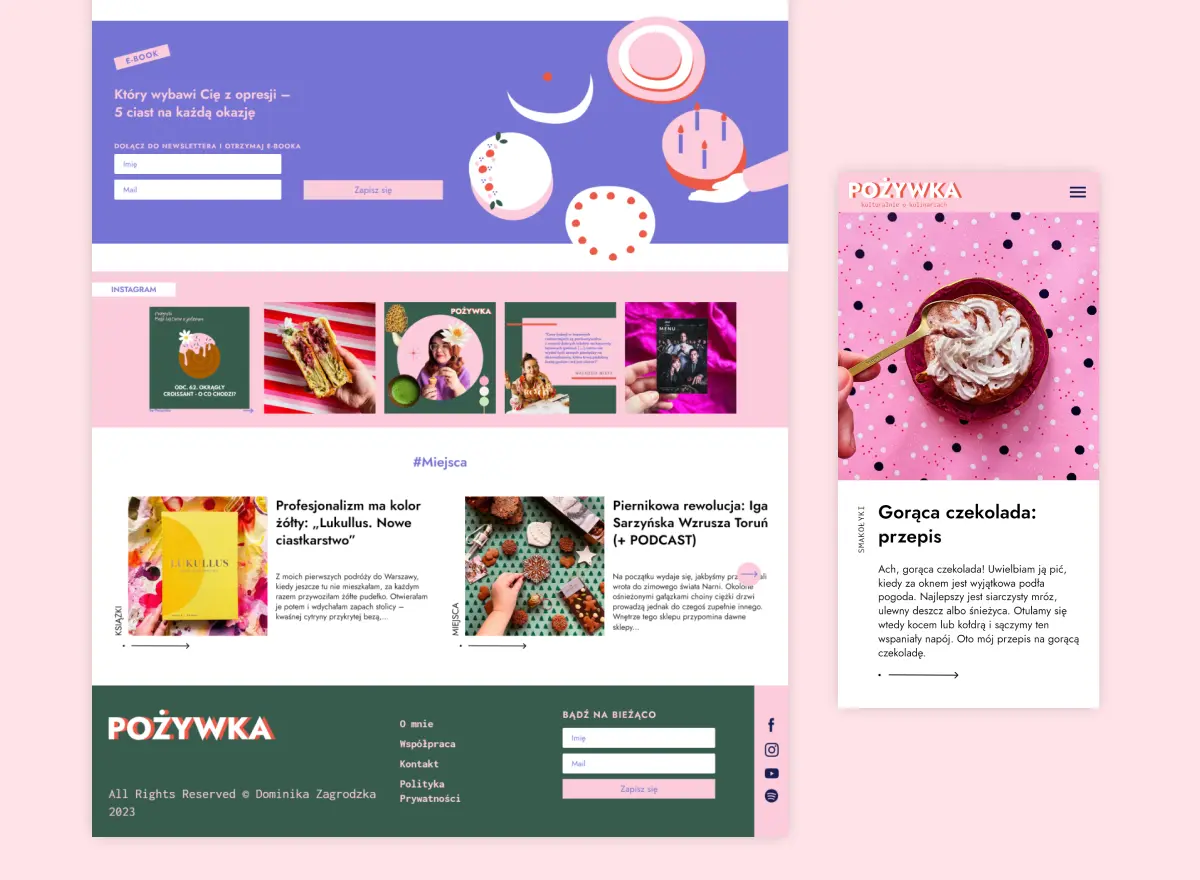
pozywka.pl
Scalable blog for food journalist, focused on performance and user experience 🌭
zagrodzki.me
Personal blog and portfolio of Bart Zagrodzki, where he shares his knowledge and work 💼
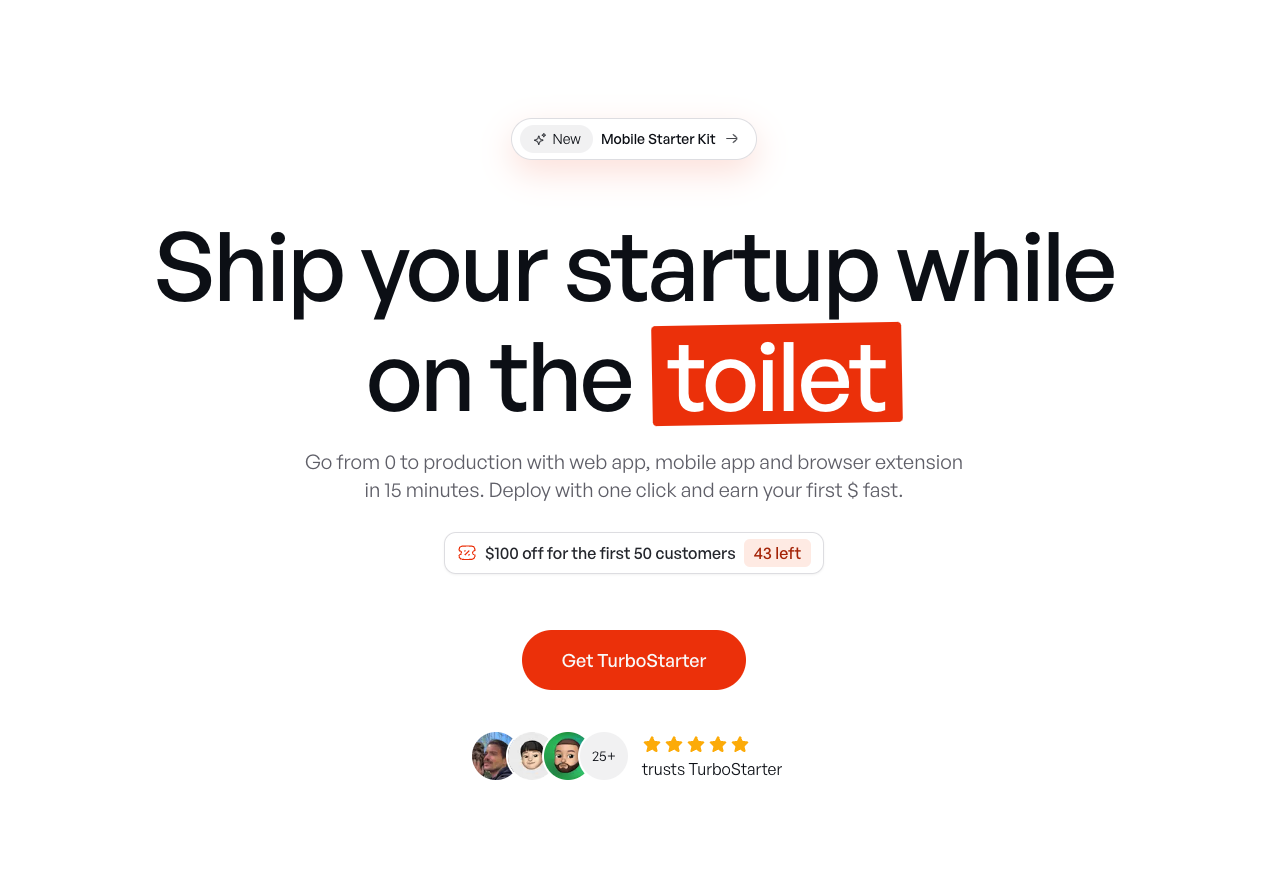
TurboStarter
Ship your startup everywhere. In minutes.
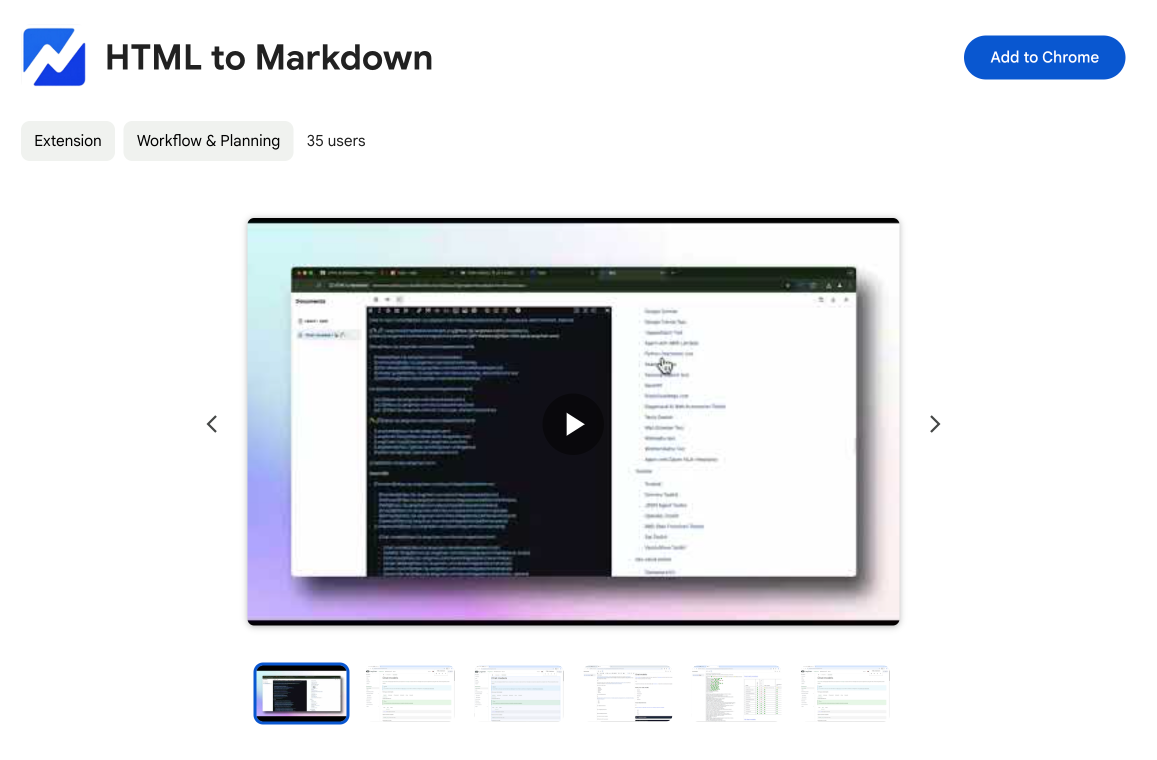
HTML to Markdown
Convert HTML to Markdown with ease, directly in your browser 📄
Dotallio
Personalized AI apps that automate research, data extraction, and content creation without code 🤖
Talk to Santa
Enjoy a magical live video chat or receive a unique AI-generated video greeting from Santa Claus 🎅
pozywka.pl
Scalable blog for food journalist, focused on performance and user experience 🌭
zagrodzki.me
Personal blog and portfolio of Bart Zagrodzki, where he shares his knowledge and work 💼
TurboStarter
Ship your startup everywhere. In minutes.
HTML to Markdown
Convert HTML to Markdown with ease, directly in your browser 📄
Dotallio
Personalized AI apps that automate research, data extraction, and content creation without code 🤖
Talk to Santa
Enjoy a magical live video chat or receive a unique AI-generated video greeting from Santa Claus 🎅
pozywka.pl
Scalable blog for food journalist, focused on performance and user experience 🌭
zagrodzki.me
Personal blog and portfolio of Bart Zagrodzki, where he shares his knowledge and work 💼
TurboStarter
Ship your startup everywhere. In minutes.
HTML to Markdown
Convert HTML to Markdown with ease, directly in your browser 📄
Dotallio
Personalized AI apps that automate research, data extraction, and content creation without code 🤖
Talk to Santa
Enjoy a magical live video chat or receive a unique AI-generated video greeting from Santa Claus 🎅
pozywka.pl
Scalable blog for food journalist, focused on performance and user experience 🌭
zagrodzki.me
Personal blog and portfolio of Bart Zagrodzki, where he shares his knowledge and work 💼
TurboStarter
Ship your startup everywhere. In minutes.
HTML to Markdown
Convert HTML to Markdown with ease, directly in your browser 📄
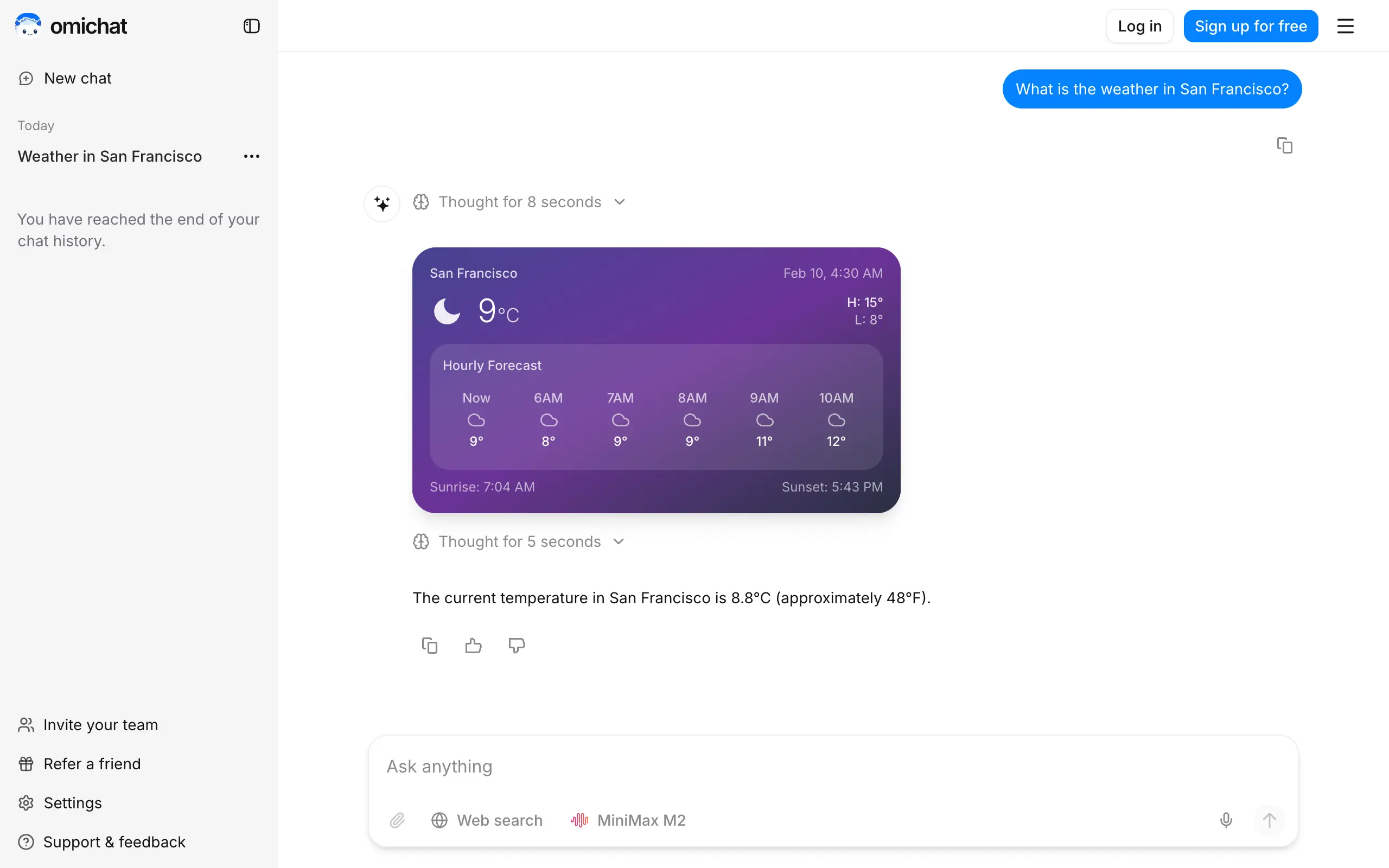
Omichat
Chat with 50+ AI models, including ChatGPT and Claude, in one place - switch models anytime without losing context 🤖
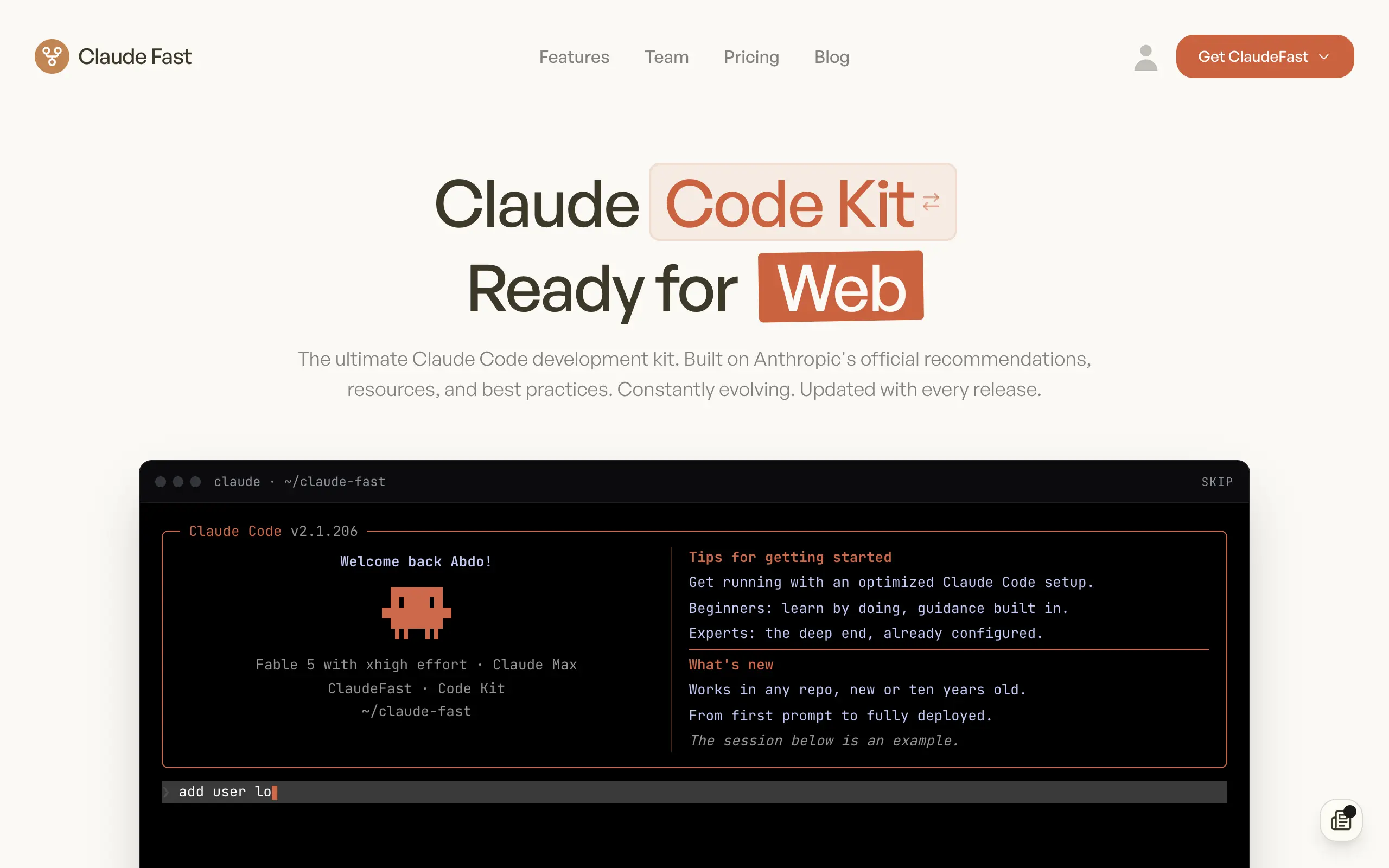
Claude Fast
Supercharge your Claude Code with 6x effective context window and specialized AI agents 🤖
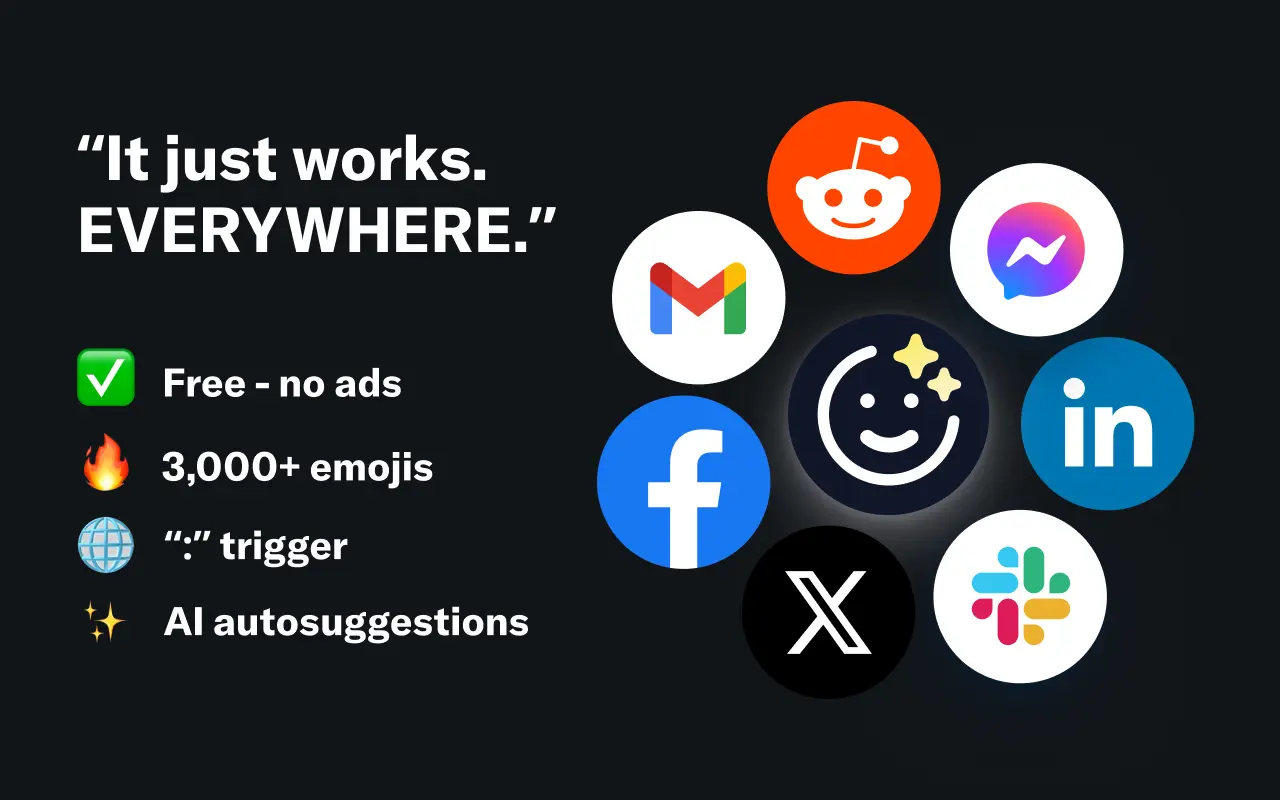
EmojAI
AI-powered emoji picker with smart, context-aware suggestions 🤖
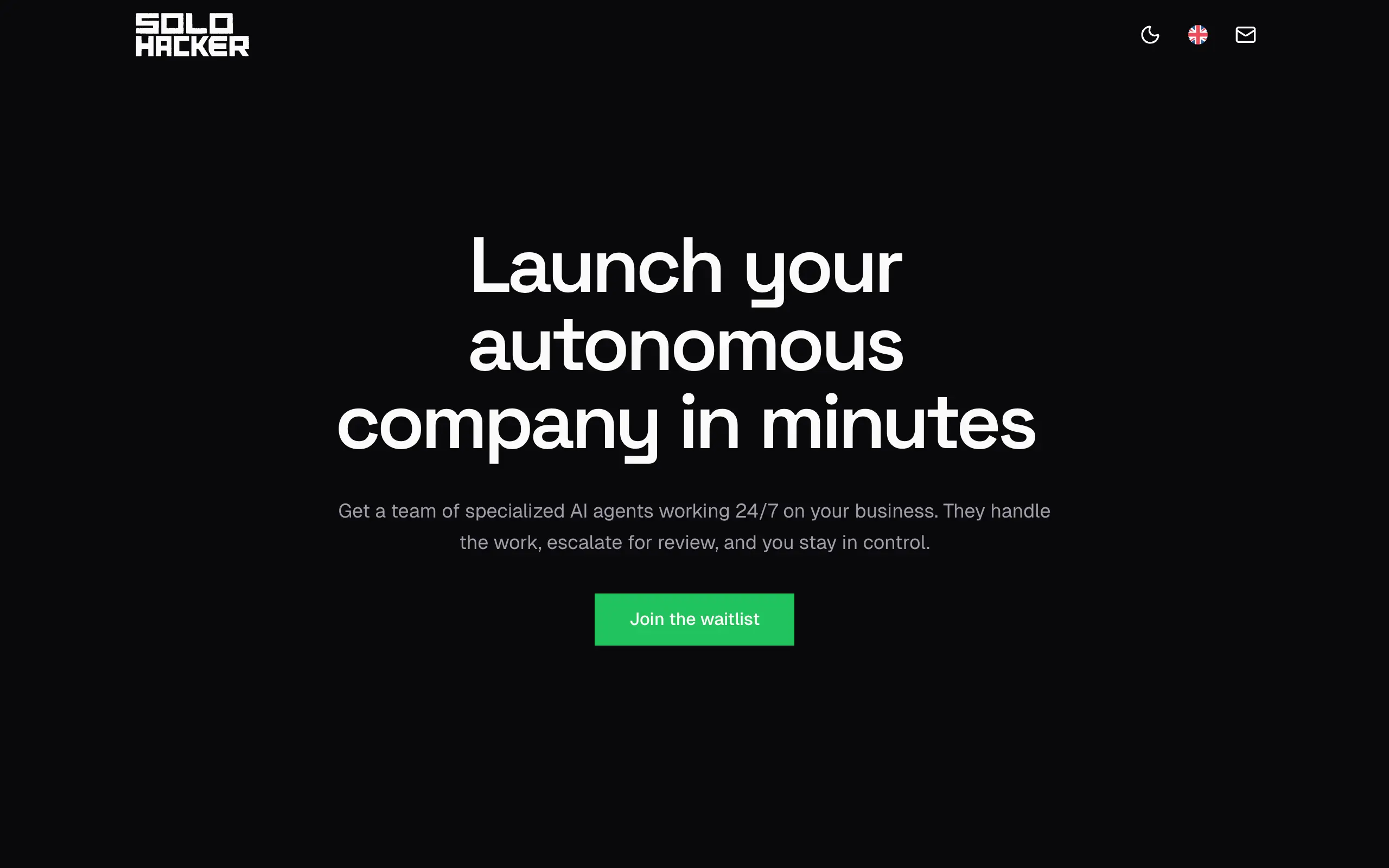
Solohacker
Autonomous company launcher - AI agents work 24/7, escalate what matters, and you stay in control 🤖
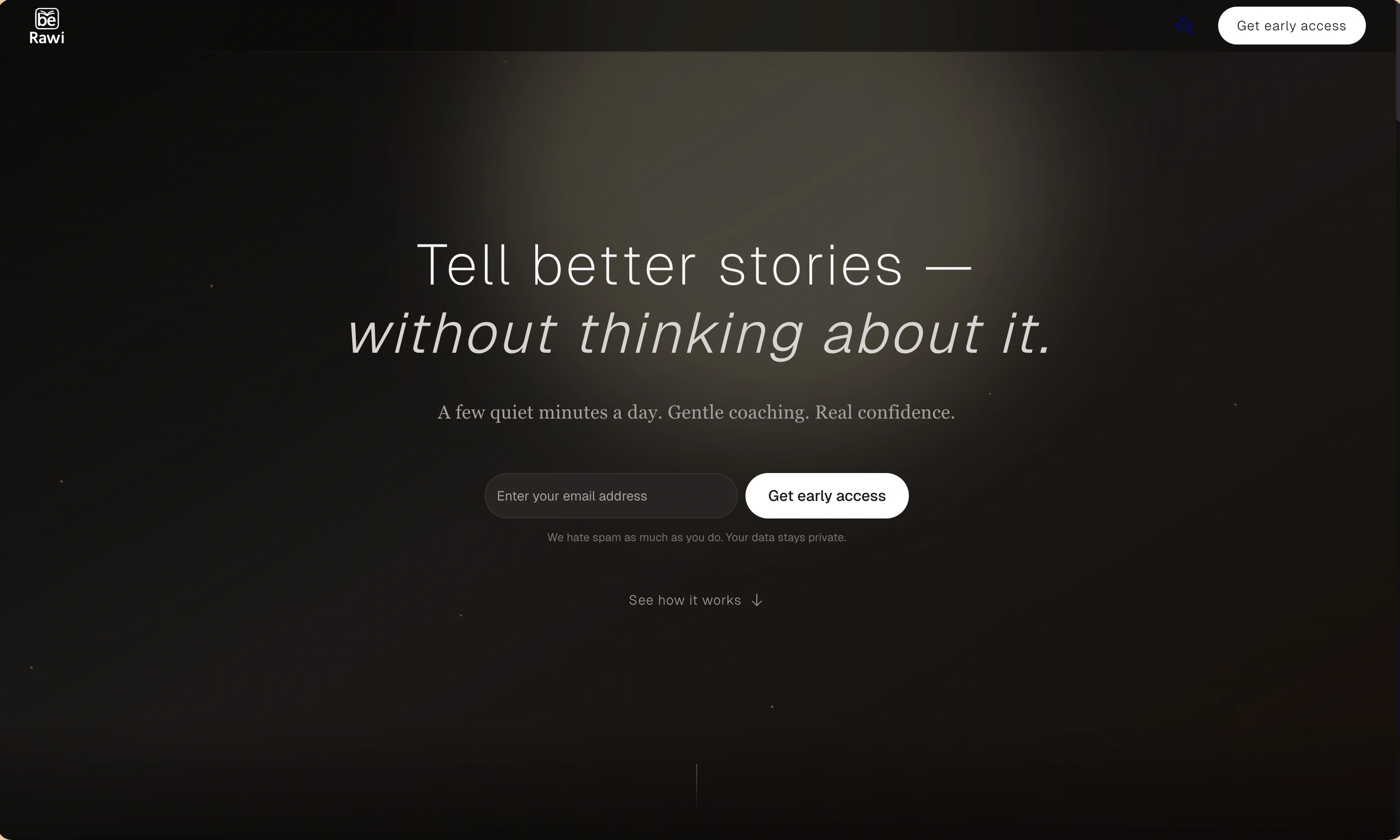
BeRawi: Storytelling Coach
Practice storytelling daily with instant feedback to sound clearer, more engaging, and confident 🎤
Omichat
Chat with 50+ AI models, including ChatGPT and Claude, in one place - switch models anytime without losing context 🤖
Claude Fast
Supercharge your Claude Code with 6x effective context window and specialized AI agents 🤖
EmojAI
AI-powered emoji picker with smart, context-aware suggestions 🤖
Solohacker
Autonomous company launcher - AI agents work 24/7, escalate what matters, and you stay in control 🤖
BeRawi: Storytelling Coach
Practice storytelling daily with instant feedback to sound clearer, more engaging, and confident 🎤
Omichat
Chat with 50+ AI models, including ChatGPT and Claude, in one place - switch models anytime without losing context 🤖
Claude Fast
Supercharge your Claude Code with 6x effective context window and specialized AI agents 🤖
EmojAI
AI-powered emoji picker with smart, context-aware suggestions 🤖
Solohacker
Autonomous company launcher - AI agents work 24/7, escalate what matters, and you stay in control 🤖
BeRawi: Storytelling Coach
Practice storytelling daily with instant feedback to sound clearer, more engaging, and confident 🎤
Omichat
Chat with 50+ AI models, including ChatGPT and Claude, in one place - switch models anytime without losing context 🤖
Claude Fast
Supercharge your Claude Code with 6x effective context window and specialized AI agents 🤖
EmojAI
AI-powered emoji picker with smart, context-aware suggestions 🤖
Solohacker
Autonomous company launcher - AI agents work 24/7, escalate what matters, and you stay in control 🤖
BeRawi: Storytelling Coach
Practice storytelling daily with instant feedback to sound clearer, more engaging, and confident 🎤

Connect with like-minded people
Join our community to get feedback, support, and grow together with 1,000+ builders on board, let's ship it!
Join usShip your startup everywhere. In minutes.
Don't burn tokens on setup and start building features on day one.