DeployGuard AI
AI release co-pilot that predicts production issues before deployment by analyzing diffs, configs, and historical incident data.
The future of safe releases: AI-powered deployment risk prediction
Modern software teams deploy faster than ever. With CI/CD pipelines, trunk-based development, feature flags, and microservices, production releases can happen dozens—or even hundreds—of times per day. But speed introduces risk. A single overlooked config change, database migration, or dependency update can trigger outages, security incidents, or costly rollbacks.
This is where an AI release co-pilot like DeployGuard AI becomes transformative.
DeployGuard AI is designed to predict production issues before deployment by analyzing:
- Code diffs
- Infrastructure and configuration changes
- Historical incident data
- Deployment patterns and rollout strategies
The result? Engineering teams gain a proactive safety layer embedded directly into their CI/CD workflows—reducing outages, protecting revenue, and increasing developer confidence.
In this comprehensive guide, we’ll explore:
- The market opportunity for AI-powered deployment risk analysis
- Target audience and user intent
- Core features and technical architecture
- Competitive differentiation
- Monetization strategies
- Risks and mitigation
- Step-by-step implementation roadmap
Understanding the problem: why production failures still happen
Despite DevOps maturity, deployment-related incidents remain common. Industry reports such as the annual State of DevOps Report (published by Google Cloud’s DevOps Research and Assessment team) consistently highlight that:
- Elite teams deploy frequently—but change failure rates still exist
- Most incidents are caused by misconfigurations, unexpected edge cases, or dependency issues
- Post-incident reviews often reveal warning signals that could have been detected earlier
Common root causes include:
- Unreviewed environment variable changes
- Database schema drift
- Infrastructure-as-code misalignment
- Feature flags enabled without guardrails
- Insufficient test coverage on critical code paths
- Silent performance regressions
- Rollouts bypassing gradual release patterns
Current solutions focus on:
- Observability (after deployment)
- Static code analysis (without operational context)
- Manual code review (limited by human bandwidth)
What’s missing is predictive deployment risk intelligence—an AI that learns from past incidents and flags risky changes before they hit production.
DeployGuard AI fills this gap.
Primary keyword focus: AI release co-pilot
The core SEO and strategic positioning centers on the term:
AI release co-pilot
Related LSI (semantic) keywords integrated throughout this article:
- Deployment risk prediction
- AI deployment monitoring
- CI/CD risk analysis
- Predictive DevOps
- AI code review for production safety
- Release risk scoring
- Incident-aware deployment analysis
- AI-powered DevOps automation
These keywords align with search intent from:
- DevOps engineers
- CTOs evaluating reliability tooling
- Platform engineering teams
- SRE leads
- Founders of high-growth SaaS startups
Target audience analysis
1. High-growth SaaS companies
These teams:
- Deploy multiple times per day
- Operate with small engineering teams
- Cannot afford production downtime
- Need automated guardrails
Pain points:
- Frequent hotfixes
- Rollback fatigue
- Burned-out on-call engineers
- Revenue loss during outages
DeployGuard AI provides:
- Risk scoring before deployment
- Historical context awareness
- Early warnings on risky diffs
2. Enterprise DevOps and platform teams
Enterprises struggle with:
- Complex microservice architectures
- Multi-region deployments
- Change approval processes
- Compliance and audit trails
They need:
- Automated risk reports
- Governance-friendly release insights
- Explainable AI recommendations
DeployGuard AI can generate:
- Change risk summaries
- Traceability to past incidents
- Compliance-ready documentation
3. SRE and reliability-focused teams
SRE teams care about:
- Reducing incident frequency
- Lowering MTTR
- Improving change failure rate metrics
DeployGuard AI helps by:
- Flagging statistically risky changes
- Suggesting staged rollouts
- Identifying anomaly patterns in config changes
4. VC-backed startups
For startups:
- Every outage impacts trust
- On-call stress affects team morale
- Reputation is fragile
An AI release co-pilot becomes a strategic differentiator—allowing rapid shipping without sacrificing reliability.
Market opportunity and gap analysis
The DevOps tooling market is expanding rapidly. Observability, CI/CD, and platform engineering tools dominate—but few focus on predictive release intelligence.
Existing tool categories
| Category | Examples | Limitation |
|---|---|---|
| CI/CD tools | GitHub Actions, GitLab CI | Execute pipelines, no predictive analysis |
| Observability | Datadog, New Relic | Reactive, post-deployment |
| Static code analysis | SonarQube | Code quality, not operational risk |
| Feature flag platforms | LaunchDarkly | Gradual rollout, no AI risk prediction |
DeployGuard AI operates in a new category:
Pre-deployment AI risk intelligence
This creates a strong positioning opportunity: own the “AI release co-pilot” category before it becomes crowded.
Core features of DeployGuard AI
1. Diff-aware risk analysis
Analyzes:
- Code changes
- Infrastructure-as-code changes (Terraform, CloudFormation)
- Kubernetes configs
- Environment variable modifications
- Dependency updates
Outputs:
- Risk score (0–100)
- Categorized risk reasons
- Comparable historical incidents
2. Incident-trained AI model
DeployGuard AI learns from:
- Past incidents
- Rollback events
- Error rate spikes
- Performance regressions
Over time, it builds a company-specific risk model.
Key advantage
Unlike generic static analysis tools, DeployGuard AI improves as your system evolves. It becomes context-aware and organization-specific.
3. CI/CD pipeline integration
Native integrations with:
- GitHub Actions
- GitLab CI
- Bitbucket Pipelines
- Jenkins
Example CI step:
- name: DeployGuard Risk Check
  uses: deployguard-ai/action@v1
  with:
    api_key: ${{ secrets.DEPLOYGUARD_API_KEY }}
    threshold: 70
If risk score exceeds threshold:
- Block deployment
- Require manual override
- Trigger review workflow
4. Config anomaly detection
Detects risky patterns like:
- Increased memory limits
- Disabled authentication flags
- Opened firewall rules
- Reduced timeouts
- Removed rate limiting
5. Explainable AI risk reports
Instead of black-box scoring, DeployGuard provides:
- Why this change is risky
- Which past incidents are similar
- What mitigation steps are recommended
6. Gradual rollout advisor
Suggests:
- Canary deployments
- Percentage-based rollouts
- Feature-flag gating
- Shadow traffic testing
Feature comparison
| Feature | CI/CD tools | Observability tools | Static analysis | DeployGuard AI |
|---|---|---|---|---|
| Pre-deploy risk scoring | ❌ | ❌ | ❌ | ✅ |
| Incident-trained AI | ❌ | ❌ | ❌ | ✅ |
| Diff-aware config analysis | ❌ | ❌ | ✅ | ✅ |
| Deployment blocking by risk | Limited | ❌ | ❌ | ✅ |
Recommended tech stack
Backend
- Node.js or Python (FastAPI) for API layer
- AI inference layer using:
- OpenAI-compatible models
- Fine-tuned models for classification
- Vector database for incident similarity search:
- Pinecone or open-source alternative
Frontend
- React
- TailwindCSS
- Real-time dashboards
- Risk heatmaps
Integrations
- GitHub/GitLab APIs
- Kubernetes API
- Terraform parsing
- CI provider webhooks
Deployment
- Kubernetes-based microservice architecture
- Multi-tenant SaaS isolation
- SOC 2 compliance path
Tech trade-offs
Pros:
- Faster MVP
- Flexible analysis
- Rapid iteration
Cons:
- Higher inference costs
- Less deterministic
Pros:
- More predictable scoring
- Lower inference costs
- Easier compliance validation
Cons:
- Slower model iteration
- Requires ML expertise
Hybrid approach recommended: rules engine + ML classifier + LLM explainability layer.
Monetization strategy
1. Usage-based pricing
Charge based on:
- Number of deployments analyzed
- Lines of code scanned
- Active repositories
Ideal for:
- Startups
- High-frequency deployers
2. Tiered SaaS model
- Free tier (limited risk checks)
- Pro ($49–$199 per repo/month)
- Enterprise (custom pricing)
Enterprise features:
- SOC 2 reports
- Custom risk thresholds
- Dedicated support
- Private model hosting
3. Add-on modules
- Compliance mode
- Security-specific risk model
- Performance regression predictor
- Incident analytics dashboard
Competitive advantage (USP)
DeployGuard AI stands out because it:
- Combines code + config + historical incidents
- Learns from real production failures
- Operates before deployment
- Is explainable and actionable
- Integrates directly into CI workflows
Most tools are reactive. DeployGuard AI is predictive.
Risks and mitigation strategies
1. False positives
Risk: Developers ignore warnings.
Mitigation:
- Adjustable thresholds
- Learning feedback loop
- Risk calibration per team
2. Data sensitivity
Risk: Access to proprietary code.
Mitigation:
- End-to-end encryption
- On-prem or VPC deployment option
- Zero-retention inference mode
3. Model drift
Risk: Predictions degrade over time.
Mitigation:
- Continuous retraining
- Feedback from incident outcomes
- Shadow evaluation mode
Go-to-market strategy
Phase 1: DevOps community adoption
- Publish thought leadership on predictive DevOps
- Share incident case studies
- Launch on Product Hunt
- Engage in SRE Slack communities
Phase 2: Partnerships
- CI/CD marketplace integrations
- Kubernetes ecosystem partnerships
- Observability tool integrations
Phase 3: Enterprise sales
- Focus on regulated industries
- Offer audit-ready risk reporting
- Highlight compliance and governance
Implementation roadmap
Sample architecture overview
// Pseudo-architecture flow
Git Push → Webhook → Diff Analyzer
                     ↓
           Config Parser + Rule Engine
                     ↓
             ML Risk Classifier
                     ↓
          Incident Vector Similarity
                     ↓
              Risk Score + Report
                     ↓
              CI/CD Gate Decision
Why now is the right time
Several trends converge:
- AI maturity in code understanding
- Explosion of microservices complexity
- Increased deployment frequency
- DevOps automation culture
- Growing focus on reliability metrics
Predictive DevOps is the logical next evolution.
Building DeployGuard AI efficiently
If you're building this as a SaaS founder, speed matters. Instead of spending months setting up:
- Authentication
- Billing
- Multi-tenancy
- CI/CD
- Admin dashboards
Use a production-ready SaaS foundation like TurboStarter to accelerate time-to-market and focus on core AI differentiation.
Final thoughts
The software industry has mastered fast deployments—but not safe deployments.
DeployGuard AI introduces a new paradigm:
AI as a deployment safety co-pilot.
By combining:
- Diff intelligence
- Configuration awareness
- Incident learning
- CI integration
It transforms DevOps from reactive firefighting to proactive prevention.
For founders, this is a category-defining opportunity.
For engineering teams, it’s a reliability breakthrough.
For enterprises, it’s a governance accelerator.
The future of DevOps isn’t just automation—it’s prediction.
And the AI release co-pilot category is wide open.
More 🤖 AI Startup SaaS ideas
Discover more innovative ai startup SaaS ideas that are trending in 2026. Each idea is AI-generated with market validation and growth potential to help you find your next profitable venture faster than competitors.
Your competitors are building with TurboStarter
Below are some of the SaaS ideas that have been generated and built with our starter kit.
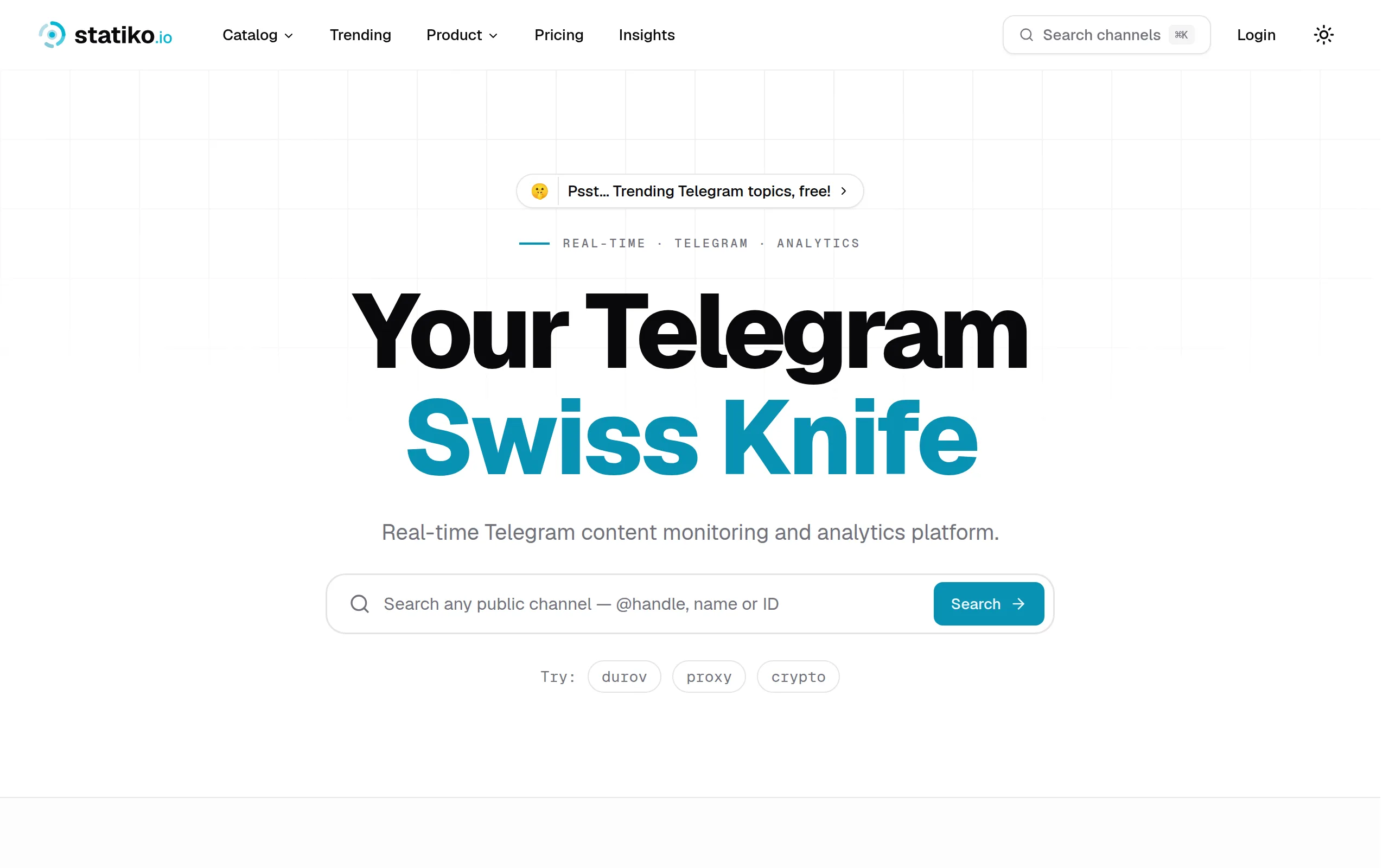
Statiko
Monitor any Telegram channel in real time - track posts, edits, deletions, and growth with AI recaps 📡

Shibui
AI website builder - describe your business, pick a niche template, edit by chatting, and publish instantly ✨

Pro Service
Find verified home service professionals, compare quotes, and pay securely through escrow - built for Brazilians across the US 🏠

RankGrow
Fix your SEO with AI agents - connect Search Console, get prioritized tasks, and grow organic traffic 📈
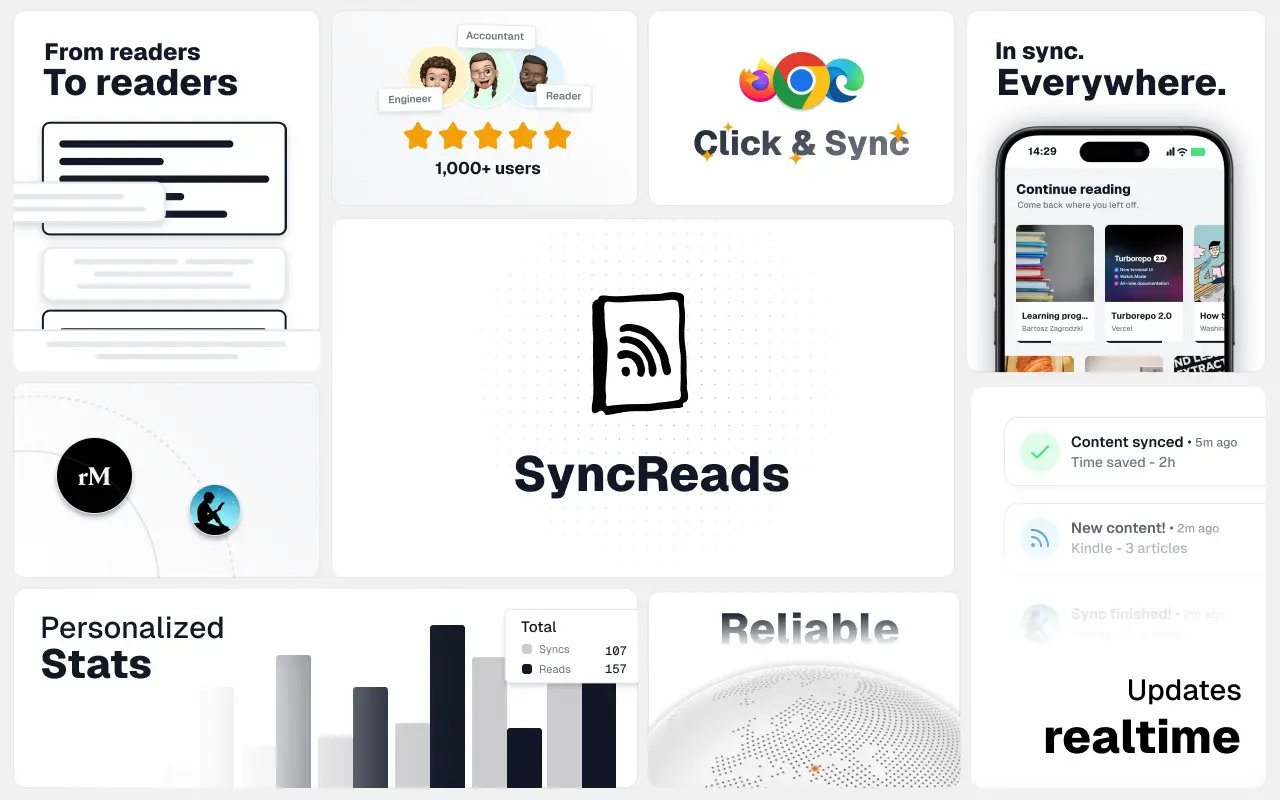
SyncReads
Sync your favorite content for distraction-free reading, save time and replace multiple apps. Anytime, anywhere 🔄
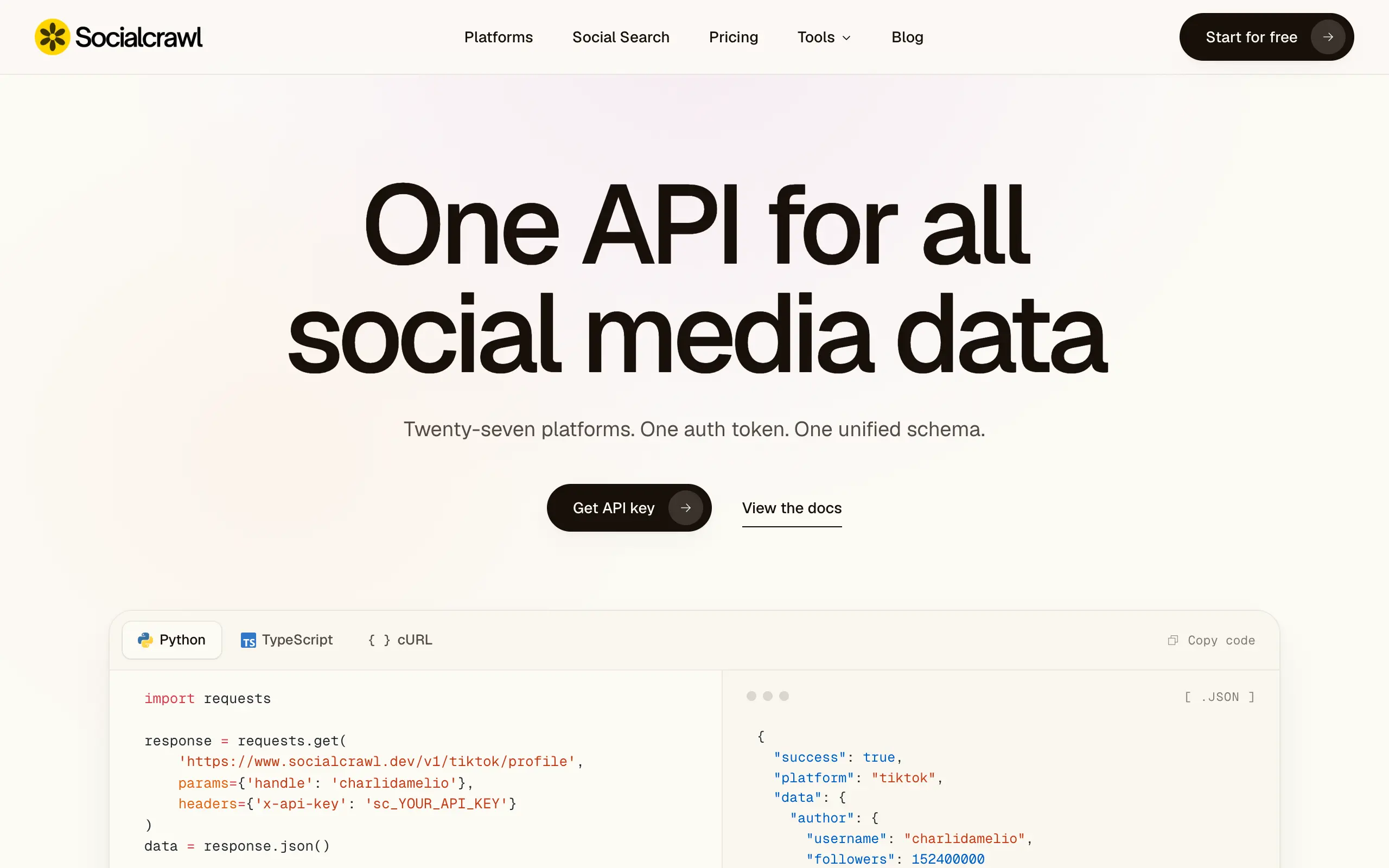
Socialcrawl
Get clean, structured data from 21 platforms like TikTok, Instagram, and YouTube with a single request 📊
Statiko
Monitor any Telegram channel in real time - track posts, edits, deletions, and growth with AI recaps 📡
Shibui
AI website builder - describe your business, pick a niche template, edit by chatting, and publish instantly ✨
Pro Service
Find verified home service professionals, compare quotes, and pay securely through escrow - built for Brazilians across the US 🏠
RankGrow
Fix your SEO with AI agents - connect Search Console, get prioritized tasks, and grow organic traffic 📈
SyncReads
Sync your favorite content for distraction-free reading, save time and replace multiple apps. Anytime, anywhere 🔄
Socialcrawl
Get clean, structured data from 21 platforms like TikTok, Instagram, and YouTube with a single request 📊
Statiko
Monitor any Telegram channel in real time - track posts, edits, deletions, and growth with AI recaps 📡
Shibui
AI website builder - describe your business, pick a niche template, edit by chatting, and publish instantly ✨
Pro Service
Find verified home service professionals, compare quotes, and pay securely through escrow - built for Brazilians across the US 🏠
RankGrow
Fix your SEO with AI agents - connect Search Console, get prioritized tasks, and grow organic traffic 📈
SyncReads
Sync your favorite content for distraction-free reading, save time and replace multiple apps. Anytime, anywhere 🔄
Socialcrawl
Get clean, structured data from 21 platforms like TikTok, Instagram, and YouTube with a single request 📊
Statiko
Monitor any Telegram channel in real time - track posts, edits, deletions, and growth with AI recaps 📡
Shibui
AI website builder - describe your business, pick a niche template, edit by chatting, and publish instantly ✨
Pro Service
Find verified home service professionals, compare quotes, and pay securely through escrow - built for Brazilians across the US 🏠
RankGrow
Fix your SEO with AI agents - connect Search Console, get prioritized tasks, and grow organic traffic 📈
SyncReads
Sync your favorite content for distraction-free reading, save time and replace multiple apps. Anytime, anywhere 🔄
Socialcrawl
Get clean, structured data from 21 platforms like TikTok, Instagram, and YouTube with a single request 📊
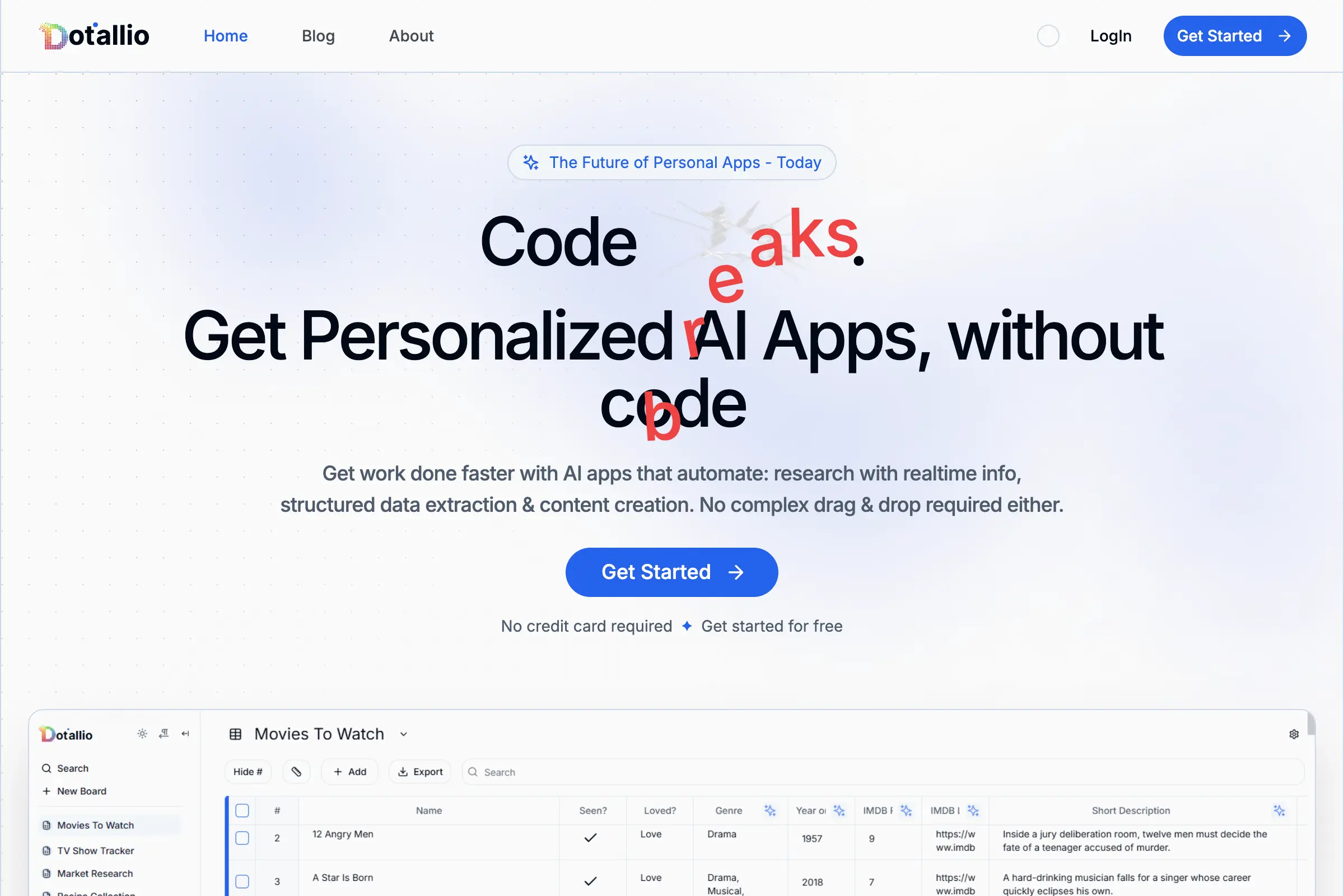
Dotallio
Personalized AI apps that automate research, data extraction, and content creation without code 🤖

Talk to Santa
Enjoy a magical live video chat or receive a unique AI-generated video greeting from Santa Claus 🎅

pozywka.pl
Scalable blog for food journalist, focused on performance and user experience 🌭
zagrodzki.me
Personal blog and portfolio of Bart Zagrodzki, where he shares his knowledge and work 💼
TurboStarter
Ship your startup everywhere. In minutes.
HTML to Markdown
Convert HTML to Markdown with ease, directly in your browser 📄
Dotallio
Personalized AI apps that automate research, data extraction, and content creation without code 🤖
Talk to Santa
Enjoy a magical live video chat or receive a unique AI-generated video greeting from Santa Claus 🎅
pozywka.pl
Scalable blog for food journalist, focused on performance and user experience 🌭
zagrodzki.me
Personal blog and portfolio of Bart Zagrodzki, where he shares his knowledge and work 💼
TurboStarter
Ship your startup everywhere. In minutes.
HTML to Markdown
Convert HTML to Markdown with ease, directly in your browser 📄
Dotallio
Personalized AI apps that automate research, data extraction, and content creation without code 🤖
Talk to Santa
Enjoy a magical live video chat or receive a unique AI-generated video greeting from Santa Claus 🎅
pozywka.pl
Scalable blog for food journalist, focused on performance and user experience 🌭
zagrodzki.me
Personal blog and portfolio of Bart Zagrodzki, where he shares his knowledge and work 💼
TurboStarter
Ship your startup everywhere. In minutes.
HTML to Markdown
Convert HTML to Markdown with ease, directly in your browser 📄
Dotallio
Personalized AI apps that automate research, data extraction, and content creation without code 🤖
Talk to Santa
Enjoy a magical live video chat or receive a unique AI-generated video greeting from Santa Claus 🎅
pozywka.pl
Scalable blog for food journalist, focused on performance and user experience 🌭
zagrodzki.me
Personal blog and portfolio of Bart Zagrodzki, where he shares his knowledge and work 💼
TurboStarter
Ship your startup everywhere. In minutes.
HTML to Markdown
Convert HTML to Markdown with ease, directly in your browser 📄
Omichat
Chat with 50+ AI models, including ChatGPT and Claude, in one place - switch models anytime without losing context 🤖
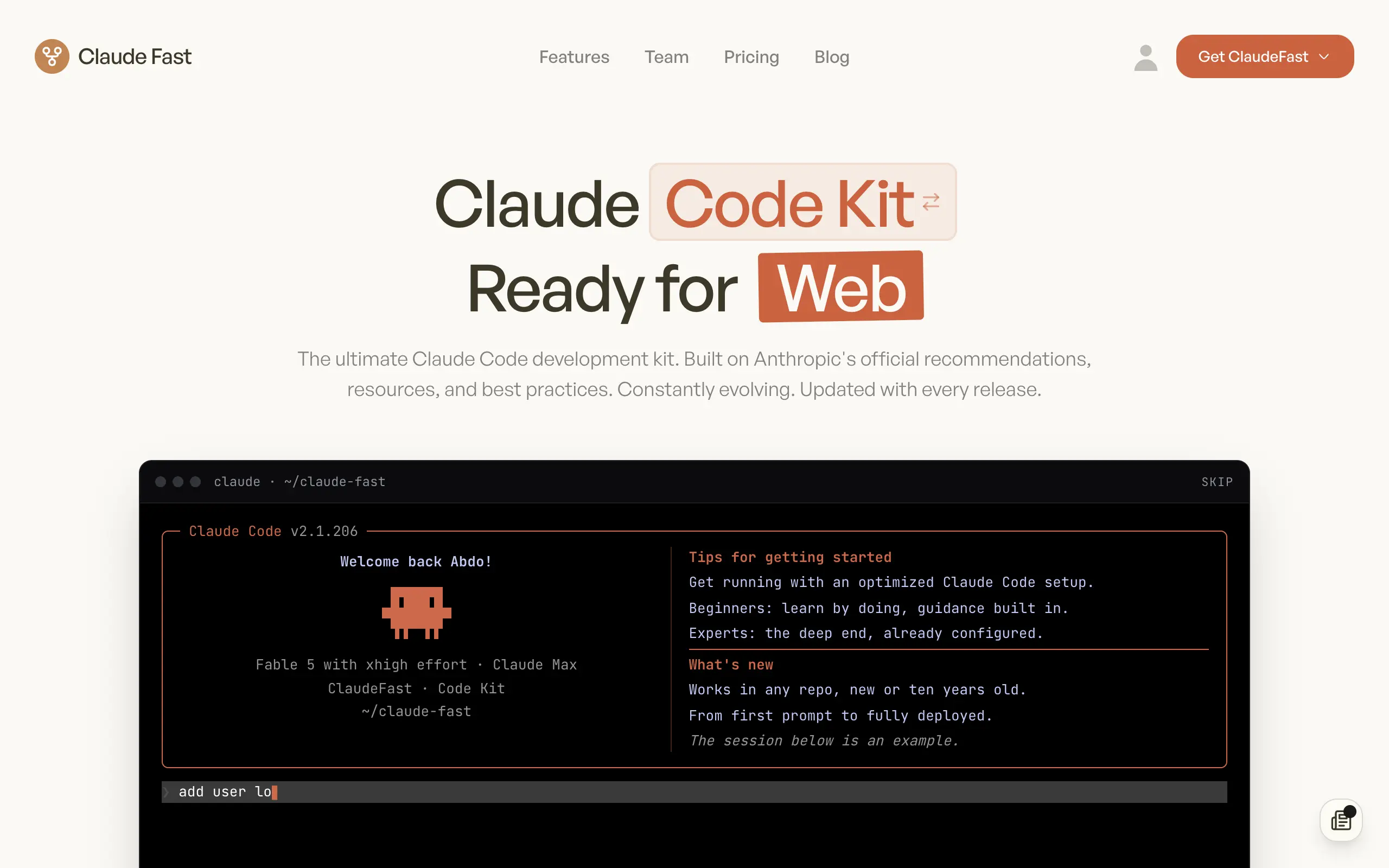
Claude Fast
Supercharge your Claude Code with 6x effective context window and specialized AI agents 🤖
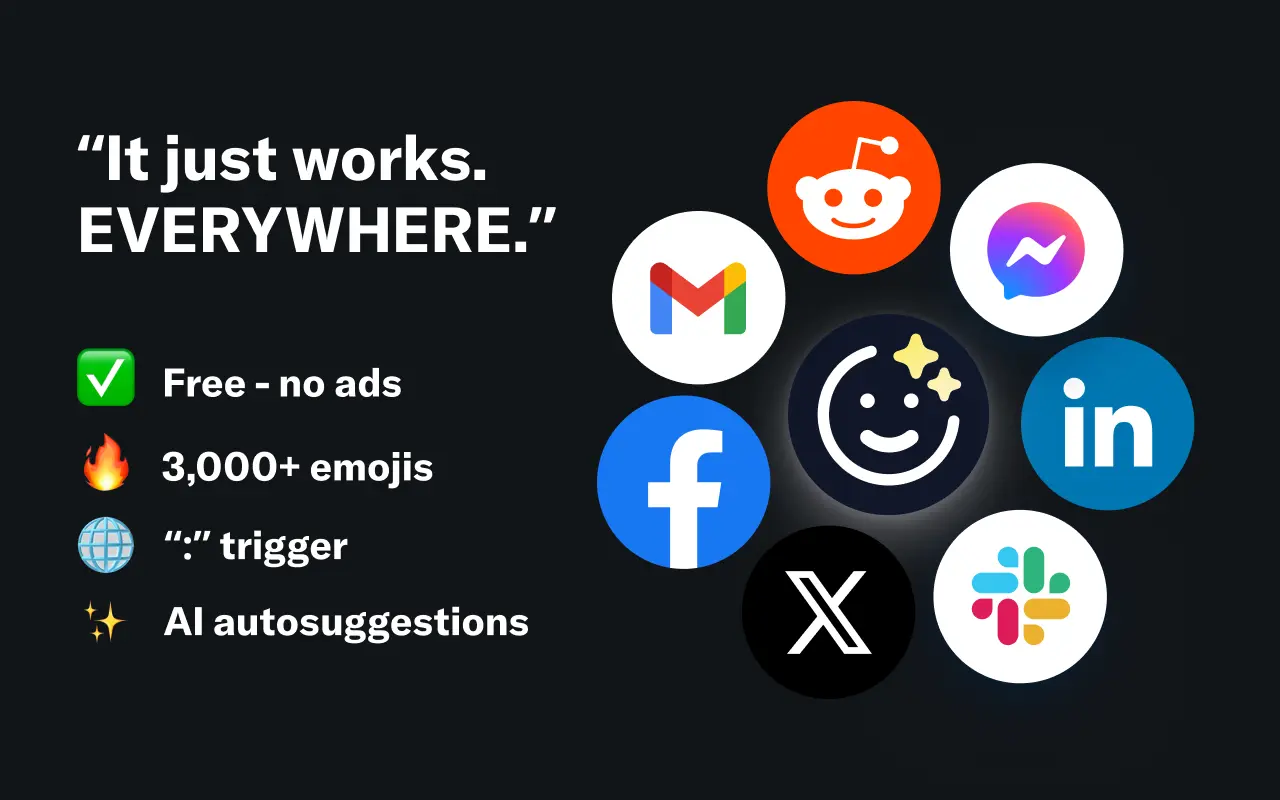
EmojAI
AI-powered emoji picker with smart, context-aware suggestions 🤖

Solohacker
Autonomous company launcher - AI agents work 24/7, escalate what matters, and you stay in control 🤖

BeRawi: Storytelling Coach
Practice storytelling daily with instant feedback to sound clearer, more engaging, and confident 🎤
Omichat
Chat with 50+ AI models, including ChatGPT and Claude, in one place - switch models anytime without losing context 🤖
Claude Fast
Supercharge your Claude Code with 6x effective context window and specialized AI agents 🤖
EmojAI
AI-powered emoji picker with smart, context-aware suggestions 🤖
Solohacker
Autonomous company launcher - AI agents work 24/7, escalate what matters, and you stay in control 🤖
BeRawi: Storytelling Coach
Practice storytelling daily with instant feedback to sound clearer, more engaging, and confident 🎤
Omichat
Chat with 50+ AI models, including ChatGPT and Claude, in one place - switch models anytime without losing context 🤖
Claude Fast
Supercharge your Claude Code with 6x effective context window and specialized AI agents 🤖
EmojAI
AI-powered emoji picker with smart, context-aware suggestions 🤖
Solohacker
Autonomous company launcher - AI agents work 24/7, escalate what matters, and you stay in control 🤖
BeRawi: Storytelling Coach
Practice storytelling daily with instant feedback to sound clearer, more engaging, and confident 🎤
Omichat
Chat with 50+ AI models, including ChatGPT and Claude, in one place - switch models anytime without losing context 🤖
Claude Fast
Supercharge your Claude Code with 6x effective context window and specialized AI agents 🤖
EmojAI
AI-powered emoji picker with smart, context-aware suggestions 🤖
Solohacker
Autonomous company launcher - AI agents work 24/7, escalate what matters, and you stay in control 🤖
BeRawi: Storytelling Coach
Practice storytelling daily with instant feedback to sound clearer, more engaging, and confident 🎤

Connect with like-minded people
Join our community to get feedback, support, and grow together with 1,000+ builders on board, let's ship it!
Join usShip your startup everywhere. In minutes.
Don't burn tokens on setup and start building features on day one.