DeployLens
Connect a repository for ongoing production-readiness reviews. AI spots security, reliability, and deployment gaps, then suggests testable fixes.
What is DeployLens?
DeployLens is an AI-powered production-readiness platform that continuously reviews a software repository for security, reliability, and deployment gaps. It connects to a team’s codebase, analyzes the application and its delivery setup, and recommends specific fixes that developers can test.
The central idea is straightforward: instead of waiting for an incident, a failed release, or a formal audit to reveal a weakness, teams get an ongoing review of whether their software is ready to run in production.
That positioning matters. Developers already use linters, dependency scanners, CI pipelines, cloud dashboards, and code assistants. Yet those tools often examine separate slices of the delivery process. DeployLens can stand out by connecting the findings: a risky dependency matters more when it is reachable in a production service; a missing health check matters more when deployment automation depends on it; and a test gap matters more when the affected code handles authentication or payments.
The product’s promise should be specific and verifiable:
- Find production-readiness gaps in code, configuration, tests, and deployment workflows.
- Explain why each issue matters in the context of the repository.
- Recommend a concrete, testable fix.
- Help teams track whether the fix was applied and whether it works.
In other words, DeployLens should not simply produce another list of warnings. It should help developers move from finding a risk to making a measurable improvement.
The problem DeployLens can solve
Production readiness is not a single setting or checklist. It is a collection of engineering practices that help an application behave safely and predictably under real operating conditions.
A team may have automated tests but no rollback plan. It may use a managed database but lack a migration strategy. It may scan dependencies but have no documented process for secrets, backups, or incident response. These gaps are easy to overlook because they can be distributed across source files, infrastructure definitions, CI configuration, and team processes.
Common problems include:
- Fragmented feedback: Security, reliability, and deployment tools report findings in different dashboards.
- Late discovery: Some issues appear only during release review, an audit, or an outage.
- Alert fatigue: Long reports with unclear severity make it difficult to prioritize work.
- Limited context: A generic scanner may identify a pattern without explaining how it affects a particular application.
- Unclear remediation: Teams may know something is wrong but not what a safe, testable fix looks like.
- Inconsistent standards: Different repositories and teams may use different definitions of “production-ready.”
- Knowledge gaps: Small teams may not have dedicated security, SRE, or platform engineering specialists.
DeployLens can address these problems by treating production readiness as an ongoing engineering workflow rather than a one-time audit. The useful output is not merely a score. It is a prioritized set of findings, supported by evidence, with practical next steps.
Target audience for an AI production-readiness platform
DeployLens should begin with a clear primary customer instead of trying to serve every software organization at once. The strongest early audience is likely to be teams that ship frequently but lack the staffing or process maturity to maintain a dedicated production-readiness program.
Early-stage SaaS teams
Small SaaS companies often have a compact engineering team responsible for application code, cloud infrastructure, CI/CD, and incident response. Their developers need to move quickly, but a release process built around informal knowledge can make reliability and security practices uneven.
For these teams, DeployLens can act as an always-available review partner. It can identify missing safeguards before a release and explain fixes in terms a product engineering team can act on.
Growing engineering organizations
As an organization adds repositories, services, and contributors, consistency becomes harder to maintain. Engineering leaders may want a common view of readiness across teams without imposing a lengthy manual review on every release.
Useful capabilities for this audience include:
- Repository-level findings with organization-wide visibility.
- Policies that can be adjusted by team or service type.
- Trend reporting that shows whether risk is improving.
- Ownership routing so findings reach the team responsible for a service.
- Evidence that supports internal reviews and audit preparation.
Platform and DevOps teams
Platform engineers are responsible for making reliable delivery easier for other developers. DeployLens can help them identify recurring gaps across repositories, such as missing health checks, inconsistent deployment protections, or absent infrastructure validation.
The product should complement platform tooling, not assume that every organization wants to replace its existing pipeline. A useful starting point is to integrate with existing repository and CI workflows and make findings available where teams already collaborate.
Consultants and development agencies
Agencies and software consultancies may need a repeatable way to assess client repositories before launch, during handoff, or as part of an ongoing support agreement. DeployLens could help standardize discovery and create a clear report of observed issues and recommended fixes.
This audience may value multi-project management, exportable reports, and clear separation between client workspaces. However, it should be treated as a distinct use case because agency workflows and data-handling expectations can differ from those of an internal product team.
Buyers, users, and influencers
The user who reviews a finding may not control the purchase. DeployLens should account for several roles:
- Daily users: Software engineers, DevOps engineers, and technical leads.
- Champions: Staff engineers, security-minded developers, and platform leads.
- Economic buyers: CTOs, VPs of Engineering, and founders.
- Review stakeholders: Security, compliance, procurement, and privacy teams.
Product messaging and onboarding should help each group answer a different question. Developers want to know whether a finding is accurate and fixable. Engineering leaders want to know whether risk is being reduced. Security and privacy stakeholders want to know how repository data is processed and protected.
Market opportunity and the gap in existing tools
The market for software delivery and security tooling is crowded, but the underlying workflow remains fragmented. Teams may already use code review automation, static analysis, dependency scanning, infrastructure checks, deployment monitoring, and incident management. The opportunity for DeployLens is not necessarily to replace those products. It is to make readiness findings more connected, actionable, and continuous.
A useful market hypothesis is that teams need a layer that can answer:
- What production-readiness gaps exist in this repository?
- Which gaps are most important for this application?
- What evidence supports each finding?
- What is the safest practical fix?
- How can the team verify that the fix worked?
This creates a potential gap between narrow point solutions and broad consulting engagements. A focused product could offer recurring, repository-aware reviews at a price and level of effort accessible to smaller engineering teams.
How DeployLens can differentiate
| Capability | Point security scanner | Manual readiness review | General AI coding assistant | DeployLens opportunity |
|---|---|---|---|---|
| Continuous repository review | Often focused on a defined class of issue | Usually periodic | Depends on user prompts | Ongoing readiness checks |
| Context across code and delivery configuration | Varies by tool | Possible, but time-intensive | Can be inconsistent | Connect findings across the repository |
| Prioritization by production impact | Often rule-based | Strong when reviewer knows the system | Depends on context supplied | Explain impact and confidence |
| Testable remediation guidance | Sometimes available | Usually actionable | Can suggest code changes | Recommend fixes with verification steps |
| Organization-level tracking | Common in mature platforms | Requires reporting work | Not usually the main purpose | Show progress across repositories |
This comparison describes product categories, not every vendor. DeployLens should validate the details through customer interviews and competitive research rather than relying on assumptions about specific products.
Validate demand before building broadly
The most important early question is not whether teams agree that production readiness matters. It is whether they will connect a repository, trust the analysis, and pay to resolve the problems it finds.
Useful validation activities include:
- Interview engineering leads about the last release-related surprise they experienced.
- Ask how they currently review deployment safety, secrets handling, migrations, backups, and rollback readiness.
- Request permission to conduct a manual readiness review of a sample repository.
- Observe which recommendations teams accept, reject, or need to investigate.
- Test whether customers prefer a continuous subscription, a one-time assessment, or both.
- Measure how long it takes a developer to confirm a finding and make progress on a fix.
Avoid using unsupported market-size claims in launch materials. If the company later publishes market figures, cite a specific research source and include its publication date, methodology, and scope.
Core features for DeployLens
The first version should focus on a small number of high-confidence checks that produce useful outcomes. Broad analysis is attractive, but a tool that reports many weak or speculative findings can lose developer trust quickly.
1. Repository connection and scope control
DeployLens should allow a user to connect a repository through a secure, least-privilege integration. The user should be able to select which repositories are included and understand what data is accessed.
A strong onboarding flow should explain:
- Which files or metadata are analyzed.
- Whether repository content is retained and for how long.
- Whether the service sends content to a third-party model provider.
- How users can remove a repository or delete stored data.
- Which permissions are requested and why.
A repository connection is a trust decision. Make the permissions as narrow as practical, and explain them in plain language.
2. A structured production-readiness assessment
The assessment should organize findings into understandable categories, such as:
- Application security and secrets handling.
- Dependency and supply-chain risks.
- Error handling and service resilience.
- Database and migration safety.
- Tests and build validation.
- Deployment configuration and release controls.
- Observability, health checks, and operational documentation.
The platform should distinguish between observed evidence and inferred risk. For example, “No health-check configuration was found in the examined deployment files” is more defensible than “The service has no health check,” especially if configuration may live outside the connected repository.
3. Prioritized findings with evidence
Each finding should include enough context for a developer to assess it without trusting a score blindly:
- A short title and plain-language explanation.
- The affected file, configuration, or workflow.
- The evidence that triggered the finding.
- A severity and confidence level.
- The likely production impact.
- A suggested remediation.
- A way to verify whether the issue is fixed.
Prioritization should consider more than theoretical severity. A practical model may combine potential impact, likelihood, exposure, confidence, and the cost of remediation. The scoring should be transparent enough that teams can understand why one issue appears above another.
4. Remediation guidance that developers can test
A strong DeployLens recommendation should explain both the change and the verification. For example, a finding about missing database migration checks might propose a pipeline step that applies migrations against a disposable test database, then describe what a successful run should demonstrate.
Not every recommendation should automatically change code. In early versions, it may be safer to generate a patch or pull request for user review rather than apply modifications directly. This keeps developers in control and creates a clear place to inspect proposed changes.
A useful recommendation format is:
- What to change: A focused, repository-specific action.
- Why it matters: The risk the action addresses.
- How to verify it: A test, command, or review step.
- What could go wrong: Any important trade-off or assumption.
5. Continuous monitoring and change-aware reviews
A production-readiness review is most valuable when it reflects the current repository. DeployLens can run an initial baseline scan and then review changes when relevant files are updated.
Change-aware analysis can reduce noise by distinguishing a newly introduced risk from a pre-existing condition. It can also make findings easier to act on by connecting them to a specific pull request or change set.
The system should avoid implying that a repository is permanently “safe” after one review. Readiness changes as code, infrastructure, dependencies, and deployment practices evolve.
6. Team workflows and progress tracking
A finding needs an owner and a next step. Team features should help users:
- Assign an issue to a person or team.
- Mark a finding as accepted, resolved, or under review.
- Add a reason when a risk is intentionally accepted.
- Track repeated findings across repositories.
- See whether the overall backlog is improving.
- Export a report for a review or planning meeting.
For engineering managers, the goal is not to create a vanity score. It is to understand whether important work is being resolved and whether systemic gaps recur.
7. Policy controls and customization
Different applications need different readiness criteria. A public-facing payment service may require stricter controls than an internal prototype. DeployLens should support configurable policies without making the product difficult to use.
A practical policy model could include:
- Recommended default checks.
- Optional rules by application type.
- Organization-level minimum standards.
- Exceptions with an owner, rationale, and review date.
- Clear documentation of which rules are enabled.
Exceptions should be treated as managed decisions rather than hidden suppressions. This preserves context for future maintainers.
How the AI should work
AI can make a production-readiness product more useful by connecting repository context to an explanation and a proposed fix. It also introduces risks: confident but incorrect recommendations, privacy concerns, unpredictable output, and inconsistent results.
DeployLens should use AI as one part of a controlled analysis pipeline, not as an unquestioned authority.
Combine deterministic checks with language models
Use deterministic tools for checks that can be reliably expressed as rules, such as identifying a known configuration pattern or validating whether a required file exists. Use a language model to summarize evidence, explain relationships, and propose context-aware remediation.
A simplified workflow might look like this:
Repository event
  → scoped file selection
  → deterministic checks
  → contextual analysis
  → evidence and confidence validation
  → prioritized finding
  → developer review and verification
This approach gives the product a stronger foundation than asking a model to inspect a whole repository and produce an unstructured judgment. It also makes results easier to test and audit.
Make uncertainty visible
AI-generated findings should include confidence and supporting evidence. When the system cannot establish a fact, it should say so. For example, a repository scan may not reveal whether a service has external monitoring configured in another platform.
Good product behavior includes:
- Separating confirmed configuration from inferred concerns.
- Allowing users to provide context about deployment environments.
- Suppressing or revising findings based on user feedback.
- Recording when a recommendation is generated by AI.
- Avoiding claims that a repository is secure or fully production-ready.
A readiness review can reduce blind spots, but it cannot guarantee that software will be free of vulnerabilities or incidents.
Recommended technology stack
The right stack depends on the team’s experience, expected workload, and security requirements. The initial architecture should favor clear boundaries and dependable data handling over unnecessary complexity.
Web application and API
A TypeScript web application is a reasonable choice for a SaaS dashboard and API. Next.js can support a unified web experience, while React provides a familiar component model for dashboards, repository views, and finding details.
A typed API boundary helps keep frontend and backend contracts clear. Whether the application uses a framework-integrated API or a separate service should depend on operational needs. A separate service can be helpful when analysis jobs require different scaling or runtime constraints, but it also adds deployment and monitoring work.
Database and job processing
A relational database such as PostgreSQL is well suited to organizations, users, repositories, scans, findings, policies, and audit events. It provides a clear model for ownership and relationships, and supports transactional updates for workflow state.
Background analysis should run outside the request-response path. Repository scans may involve cloning, parsing, rule execution, model calls, and retries. A job queue makes these tasks easier to schedule, limit, and monitor.
Important design considerations include:
- Idempotent scan jobs so retries do not duplicate findings.
- Per-repository concurrency limits.
- Timeouts and resource limits for untrusted code and files.
- Explicit retention policies for repository content and scan artifacts.
- Audit records for permission changes and user actions.
Repository integration
A Git provider integration should request only the permissions needed for the product’s actual workflow. A GitHub App is one possible integration model; review the GitHub Apps documentation when designing permissions, installation flows, and event handling.
Start with read-only analysis if it can validate the core value proposition. Add pull-request comments or generated patches only after customers trust the findings and the team has built appropriate controls.
Analysis and isolation
Treat repository content as untrusted input. Analysis workers should be isolated from the web application and should not have broad access to production credentials. Avoid executing repository code unless a specific check requires it and the execution environment has been designed to contain that risk.
Potential controls include:
- Ephemeral analysis environments.
- Restricted network access.
- CPU, memory, file-size, and time limits.
- Secret redaction before sending context to an external model.
- Encryption in transit and at rest.
- Short, documented retention periods.
Observability and security
The platform itself must meet a high standard of operational care. Consider structured logs, service metrics, tracing, alerting, and tested backup and recovery procedures. OpenTelemetry provides vendor-neutral documentation for telemetry practices.
For security guidance, align internal review with authoritative material such as the OWASP Application Security Verification Standard and the OWASP Top 10. These references can inform product development, but they do not replace a security assessment tailored to the system.
Build speed and trade-offs
A starter kit can reduce time spent on routine SaaS foundations such as authentication, billing, and application structure. For example, TurboStarter may help a team move faster on product scaffolding, but repository analysis, data isolation, and secure execution still require careful product-specific engineering.
The main trade-off is convenience versus control. A prebuilt foundation can accelerate implementation, while custom infrastructure may be preferable when the product has unusual compliance, isolation, or scaling needs. Choose based on validated requirements rather than assuming that more custom code is inherently safer.
Monetization strategies for DeployLens
Pricing should connect to the value customers receive and the costs the product incurs. Repository analysis, model usage, storage, and support can create meaningful differences between customer plans.
Tiered subscription pricing
A straightforward model could offer:
- Free or evaluation tier: A limited number of repositories and scans, suitable for individual developers or product evaluation.
- Team tier: Continuous reviews, team assignments, history, and basic policy settings.
- Business tier: Organization-wide visibility, advanced controls, integrations, and expanded retention.
- Enterprise tier: Custom security review, deployment options, support commitments, and procurement requirements.
Limits should be understandable. Avoid pricing that makes users afraid to run a useful scan or that creates unpredictable bills.
Usage-based pricing
Usage-based pricing can reflect analysis costs, but the meter needs to match customer expectations. Charging per scan may discourage continuous monitoring. Charging per repository, active contributor, or analyzed code volume may be easier to forecast, though each has trade-offs.
A hybrid model can include a predictable subscription allowance with additional usage priced transparently. Before adopting this approach, measure real infrastructure and model costs across different repository sizes and scan patterns.
One-time readiness assessment
A paid, one-time repository review can serve as an entry offer for teams that are not ready for continuous monitoring. It can also help validate whether customers value the findings and remediation support.
The assessment should not be positioned as a guarantee or certification unless the methodology, scope, and accountability justify that claim. A report should state what was reviewed, what was excluded, and when the analysis was performed.
Enterprise and service-provider plans
Larger organizations may pay for centralized policy management, private deployment options, auditability, and administrative controls. Consultancies may value client workspaces, report exports, and permission boundaries.
These offers should be introduced after customer discovery. Building enterprise features too early can distract a small team from proving that the core analysis is accurate and useful.
Competitive advantage and defensibility
DeployLens’s strongest differentiator is not simply that it uses AI. Competitors can add language-model features, and customers are unlikely to choose a product solely because it generates fluent explanations.
A more durable advantage could come from combining several capabilities:
- Repository-aware context: Findings consider code, configuration, and delivery practices together.
- Actionable recommendations: Each important issue includes a practical fix and a way to verify it.
- Trustworthy analysis: The product shows evidence, confidence, and limitations.
- Continuous feedback: The review updates as the repository changes.
- Cross-repository learning: Teams can identify repeated engineering gaps and improve shared standards.
- Low-friction adoption: The tool fits into existing workflows rather than requiring a complete process replacement.
The main defensibility will likely come from product quality, workflow integration, customer trust, and a growing understanding of which findings developers consider useful. Customer data should not be treated as a shortcut to model training. Any use of customer repository data for product improvement should be transparent, permissioned, and consistent with contractual and privacy commitments.
Risks and how to mitigate them
Incorrect or low-value findings
False positives can quickly undermine trust. False negatives may create a more serious false sense of security.
Mitigation: Start with high-confidence checks, test them against representative repositories, show evidence, and give users a way to report inaccurate results. Track acceptance and resolution rates, not just the number of findings produced.
AI-generated advice that introduces new problems
A suggested fix may be incompatible with a team’s architecture or may make a security issue worse.
Mitigation: Present recommendations as proposals, not commands. Include assumptions, tests, and verification steps. Require human review before creating or applying code changes.
Exposure of sensitive source code
Customers may be hesitant to share private repositories, especially if analysis depends on external model providers.
Mitigation: Explain data flows clearly, minimize retained content, offer deletion controls, and assess third-party providers carefully. Consider options that reduce the amount of source code sent outside the analysis environment.
Overclaiming readiness or security
A score can be misunderstood as proof that an application is safe.
Mitigation: Describe the product as a review and risk-reduction aid. Show scope and limitations. Avoid language that implies certification, complete coverage, or guaranteed prevention of incidents.
Scope creep
“Production readiness” can expand to include every area of software engineering, compliance, operations, and security.
Mitigation: Define an initial assessment scope and publish it. Add new categories only when users demonstrate demand and the team can maintain quality.
High analysis costs or slow scans
Large repositories and repeated model calls can make unit economics difficult.
Mitigation: Cache results, analyze changed files where appropriate, use deterministic checks for suitable tasks, and set customer-visible usage limits. Benchmark scan time and cost before finalizing pricing.
Complex enterprise expectations
Enterprise customers may request custom deployment, strict data residency, formal assurance, and long procurement cycles.
Mitigation: Treat these needs as a deliberate product segment. Validate repeated demand before committing to expensive infrastructure or bespoke commitments.
Metrics that show whether the product works
A strong measurement plan focuses on user outcomes and trust.
Track indicators such as:
- Time from repository connection to first useful finding.
- Percentage of findings reviewed by a developer.
- Finding acceptance, dismissal, and resolution rates.
- Time from finding creation to verified resolution.
- Repeat usage across repositories and teams.
- Scan completion rate and median scan duration.
- Cost per completed analysis.
- User-reported confidence in finding accuracy.
- Retention of teams that connect a second repository.
A high finding count is not necessarily success. If users dismiss most findings or stop reviewing them, the product may be creating noise rather than reducing risk.
Actionable implementation steps
Phase 1: Define the first customer and review scope
Choose one primary audience, such as small SaaS teams using a specific Git provider and deployment model. Identify the production-readiness categories that matter most to that group. Document what the first version will and will not assess.
Phase 2: Validate findings manually
Conduct repository reviews with prospective customers before building a broad automated system. Record the evidence, recommendation, and verification method for each finding. Ask developers which results they trust and which they would act on.
Phase 3: Build a secure read-only integration
Implement repository selection, permission explanation, scan status, and data deletion. Begin with read-only access wherever possible. Keep the analysis environment isolated from application and billing systems.
Phase 4: Launch a narrow analysis pipeline
Select a small set of checks with clear evidence and high practical value. Combine deterministic rules with AI-generated explanations only where AI adds useful context. Include confidence and limitations in the output.
Phase 5: Test remediation quality
For every recommendation, define a test or verification step. Review proposed fixes with experienced engineers. Do not measure success by how many patches the AI can generate; measure whether users can safely apply and validate them.
Phase 6: Add team workflow
Introduce assignment, status tracking, exception rationale, and basic progress reporting. Keep the workflow lightweight enough that developers can use it without a separate process manual.
Phase 7: Test pricing and retention
Offer a small number of transparent plans. Compare subscription, repository-based, and assessment-based packaging through customer conversations and paid pilots. Watch whether customers return after the first scan.
Phase 8: Expand based on evidence
Add integrations, policy controls, and broader readiness categories in response to repeated customer needs. Before each expansion, confirm that the team can maintain the accuracy, security, and support requirements it introduces.
The opportunity for DeployLens
DeployLens can occupy a valuable position between fragmented engineering tools and time-intensive manual reviews. Its opportunity is to make production-readiness work continuous, contextual, and actionable for teams that cannot afford to discover every gap during a release or incident.
The product will earn trust through more than strong AI output. It needs careful data handling, transparent evidence, reliable recommendations, and honest limits. If DeployLens helps developers understand what matters, fix it safely, and verify the result, it can become a practical part of the software delivery workflow rather than another dashboard that teams stop checking.
More 🤖 AI Startup SaaS ideas
Discover more innovative ai startup SaaS ideas that are trending in 2026. Each idea is AI-generated with market validation and growth potential to help you find your next profitable venture faster than competitors.
Your competitors are building with TurboStarter
Below are some of the SaaS ideas that have been generated and built with our starter kit.
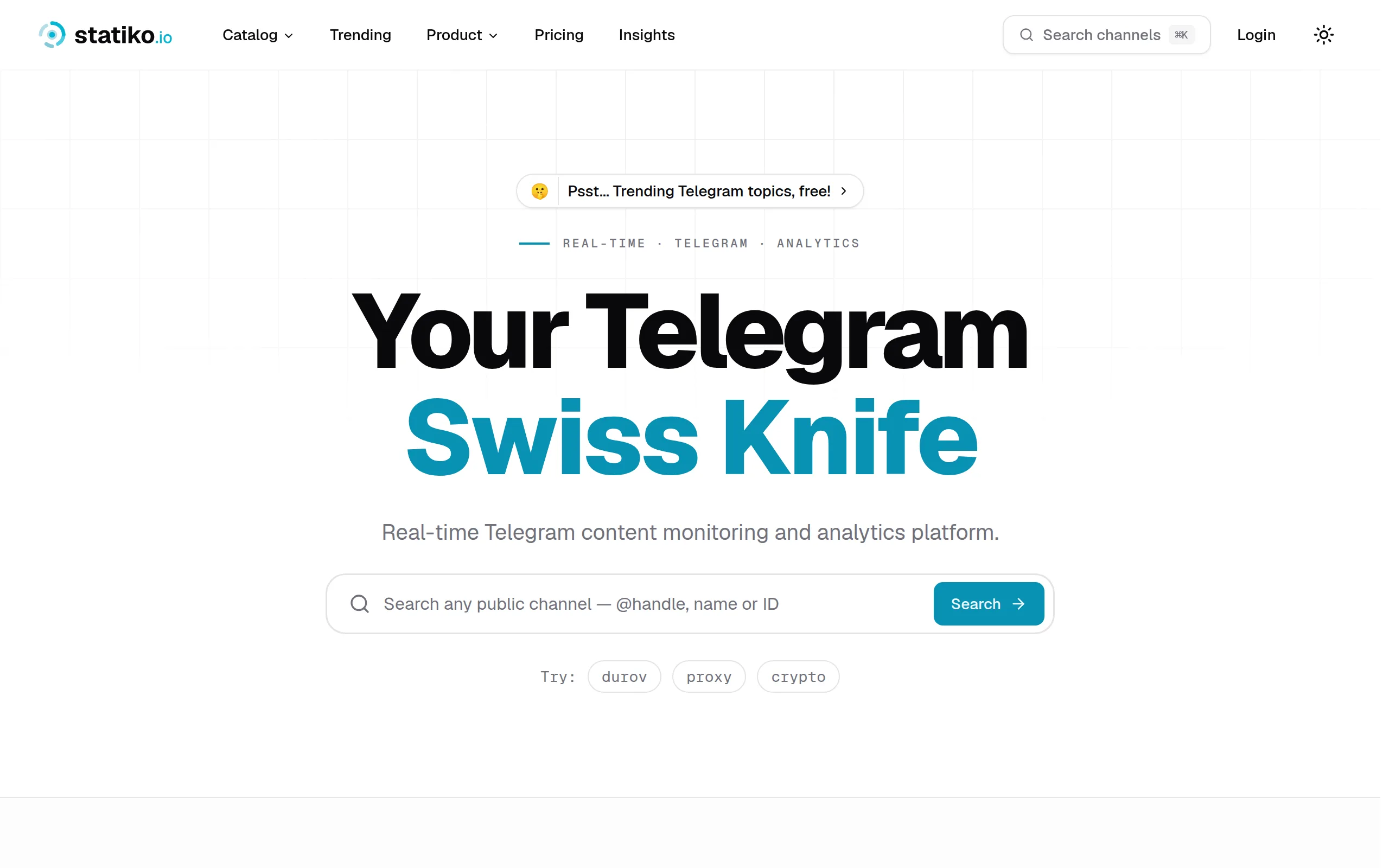
Statiko
Monitor any Telegram channel in real time - track posts, edits, deletions, and growth with AI recaps 📡

Shibui
AI website builder - describe your business, pick a niche template, edit by chatting, and publish instantly ✨

Pro Service
Find verified home service professionals, compare quotes, and pay securely through escrow - built for Brazilians across the US 🏠
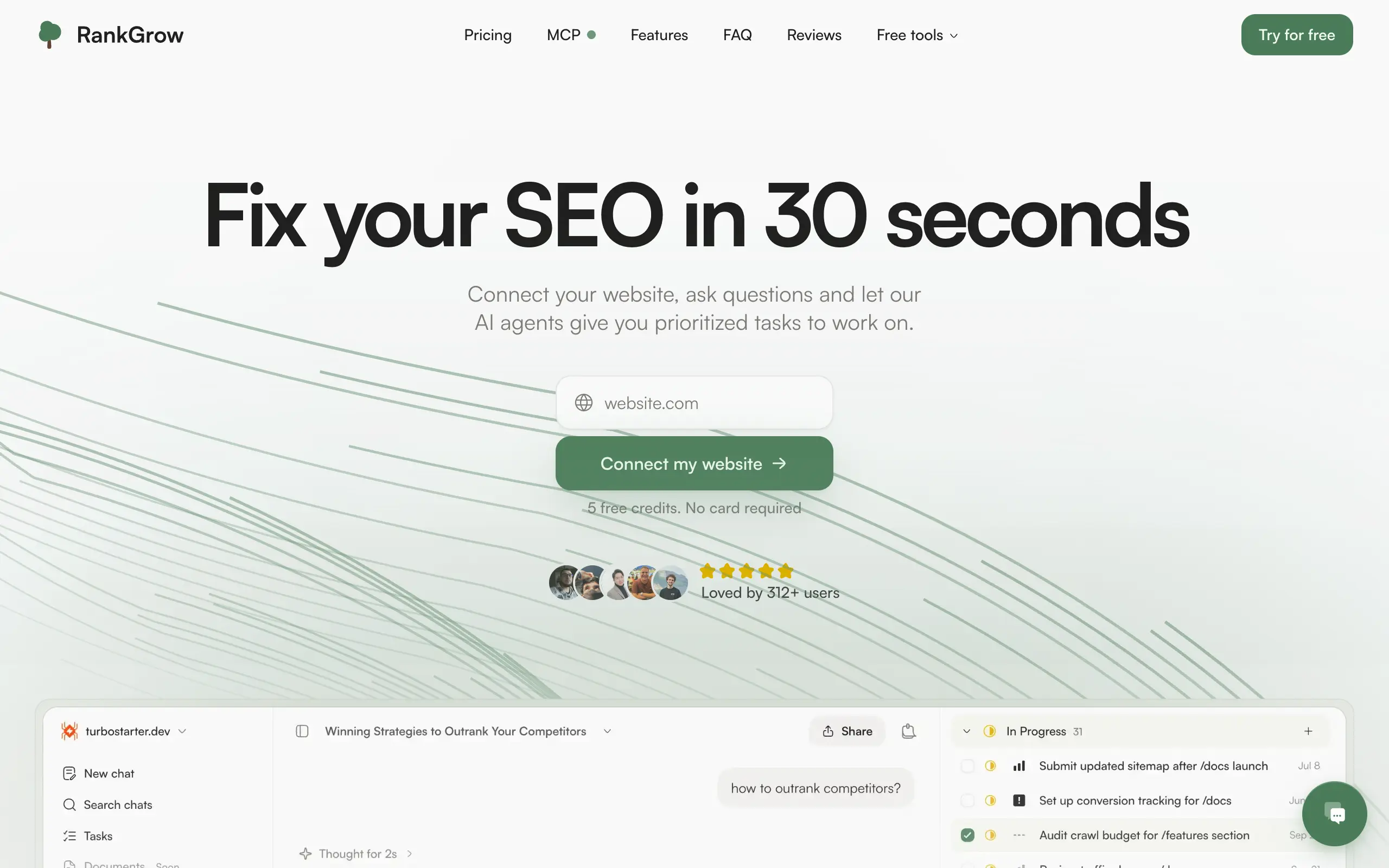
RankGrow
Fix your SEO with AI agents - connect Search Console, get prioritized tasks, and grow organic traffic 📈
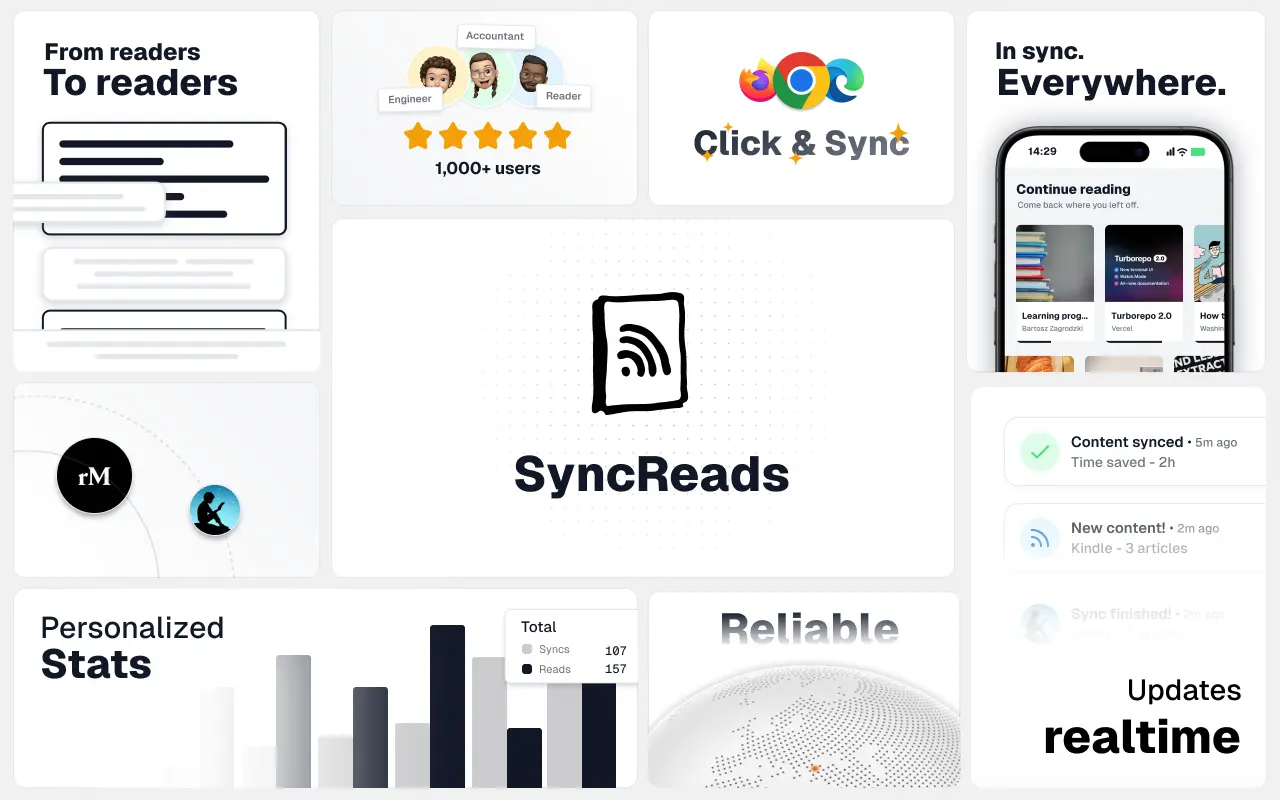
SyncReads
Sync your favorite content for distraction-free reading, save time and replace multiple apps. Anytime, anywhere 🔄
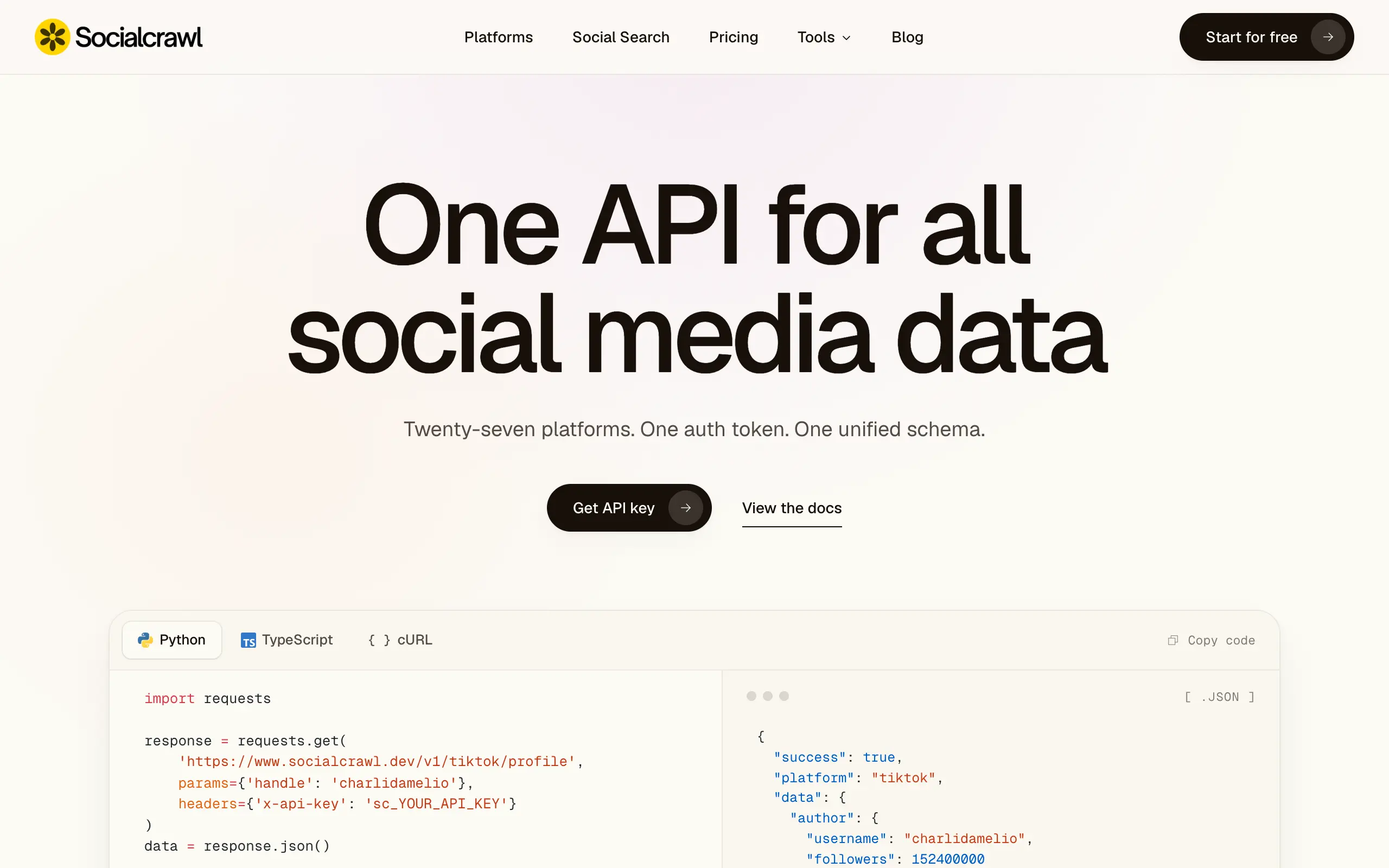
Socialcrawl
Get clean, structured data from 21 platforms like TikTok, Instagram, and YouTube with a single request 📊
Statiko
Monitor any Telegram channel in real time - track posts, edits, deletions, and growth with AI recaps 📡
Shibui
AI website builder - describe your business, pick a niche template, edit by chatting, and publish instantly ✨
Pro Service
Find verified home service professionals, compare quotes, and pay securely through escrow - built for Brazilians across the US 🏠
RankGrow
Fix your SEO with AI agents - connect Search Console, get prioritized tasks, and grow organic traffic 📈
SyncReads
Sync your favorite content for distraction-free reading, save time and replace multiple apps. Anytime, anywhere 🔄
Socialcrawl
Get clean, structured data from 21 platforms like TikTok, Instagram, and YouTube with a single request 📊
Statiko
Monitor any Telegram channel in real time - track posts, edits, deletions, and growth with AI recaps 📡
Shibui
AI website builder - describe your business, pick a niche template, edit by chatting, and publish instantly ✨
Pro Service
Find verified home service professionals, compare quotes, and pay securely through escrow - built for Brazilians across the US 🏠
RankGrow
Fix your SEO with AI agents - connect Search Console, get prioritized tasks, and grow organic traffic 📈
SyncReads
Sync your favorite content for distraction-free reading, save time and replace multiple apps. Anytime, anywhere 🔄
Socialcrawl
Get clean, structured data from 21 platforms like TikTok, Instagram, and YouTube with a single request 📊
Statiko
Monitor any Telegram channel in real time - track posts, edits, deletions, and growth with AI recaps 📡
Shibui
AI website builder - describe your business, pick a niche template, edit by chatting, and publish instantly ✨
Pro Service
Find verified home service professionals, compare quotes, and pay securely through escrow - built for Brazilians across the US 🏠
RankGrow
Fix your SEO with AI agents - connect Search Console, get prioritized tasks, and grow organic traffic 📈
SyncReads
Sync your favorite content for distraction-free reading, save time and replace multiple apps. Anytime, anywhere 🔄
Socialcrawl
Get clean, structured data from 21 platforms like TikTok, Instagram, and YouTube with a single request 📊
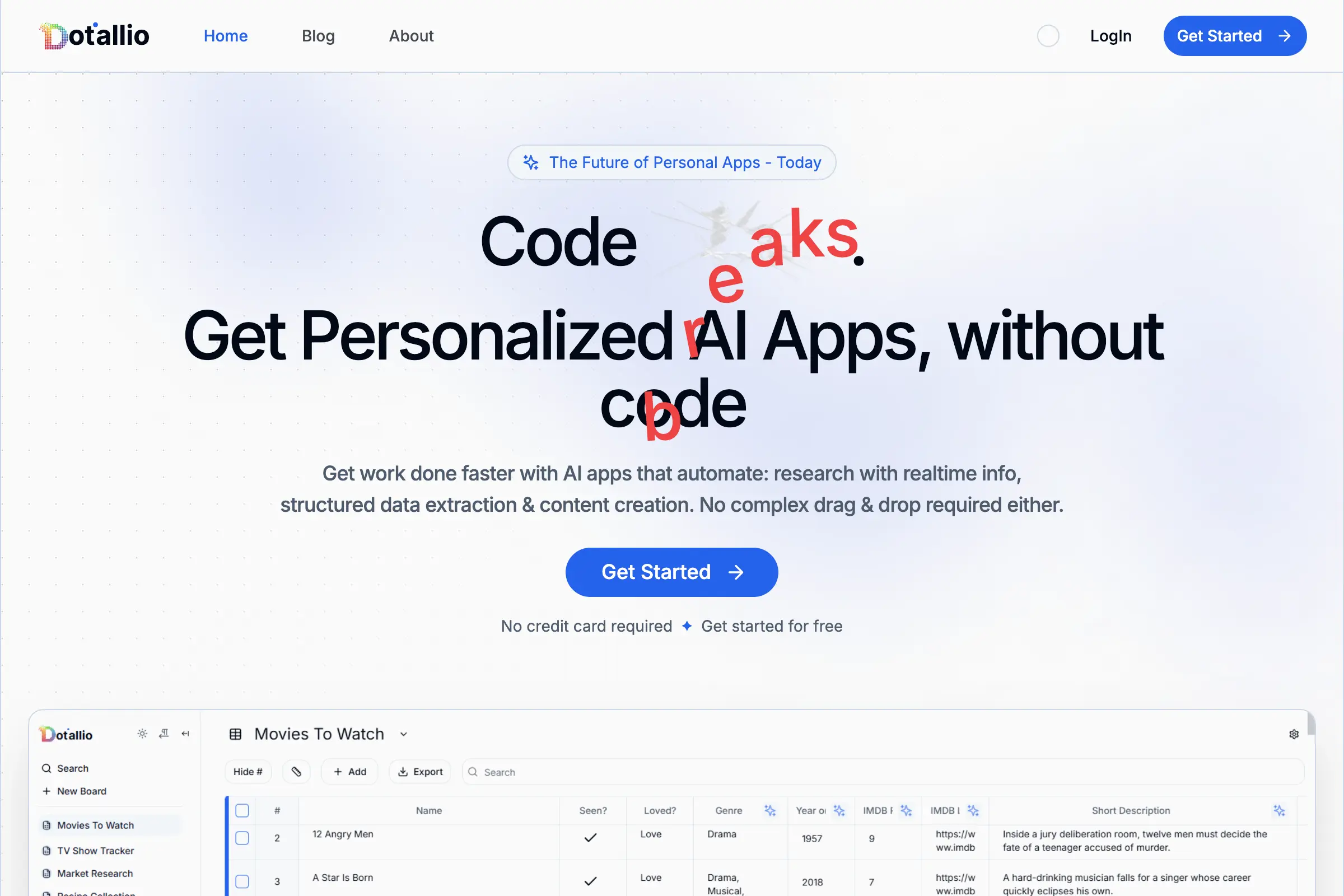
Dotallio
Personalized AI apps that automate research, data extraction, and content creation without code 🤖

Talk to Santa
Enjoy a magical live video chat or receive a unique AI-generated video greeting from Santa Claus 🎅

pozywka.pl
Scalable blog for food journalist, focused on performance and user experience 🌭
zagrodzki.me
Personal blog and portfolio of Bart Zagrodzki, where he shares his knowledge and work 💼
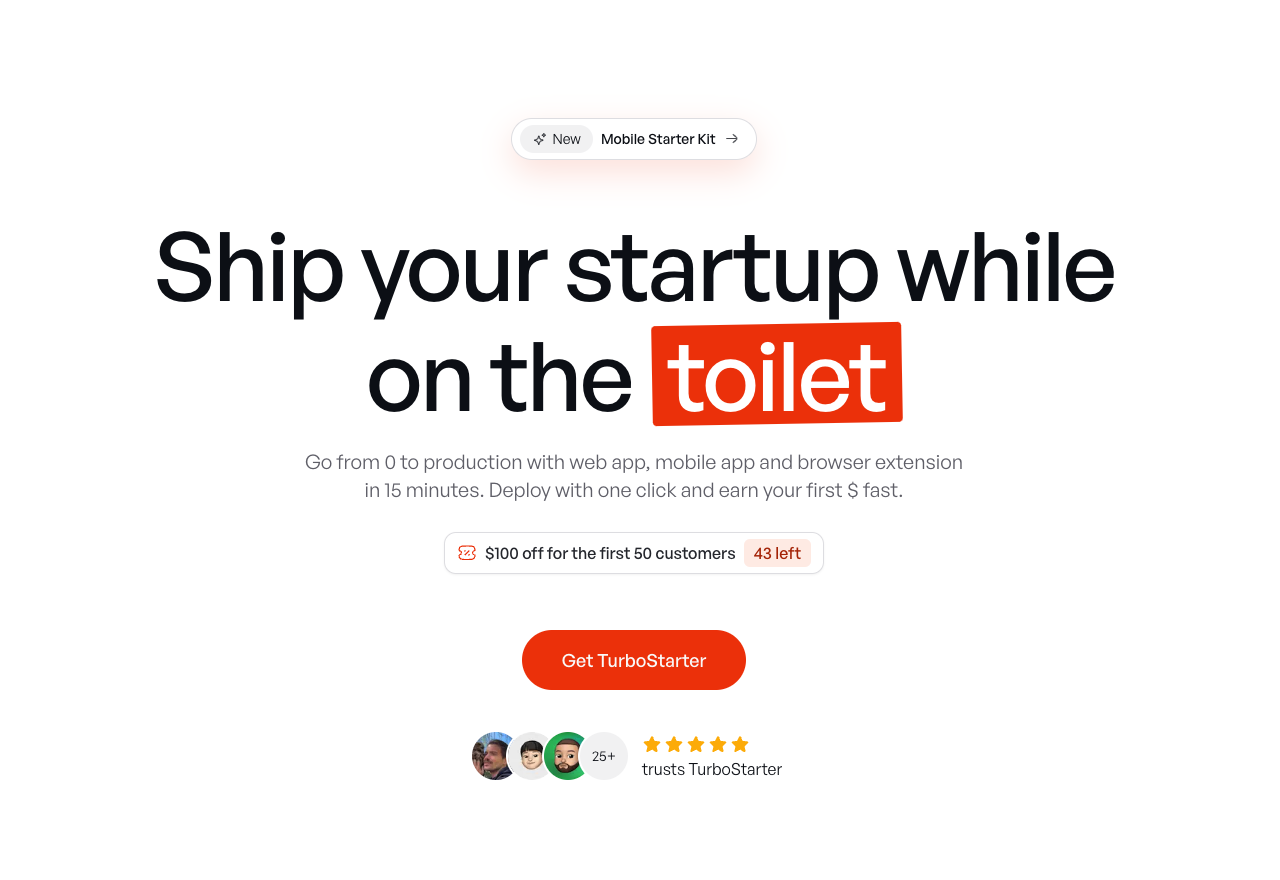
TurboStarter
Ship your startup everywhere. In minutes.
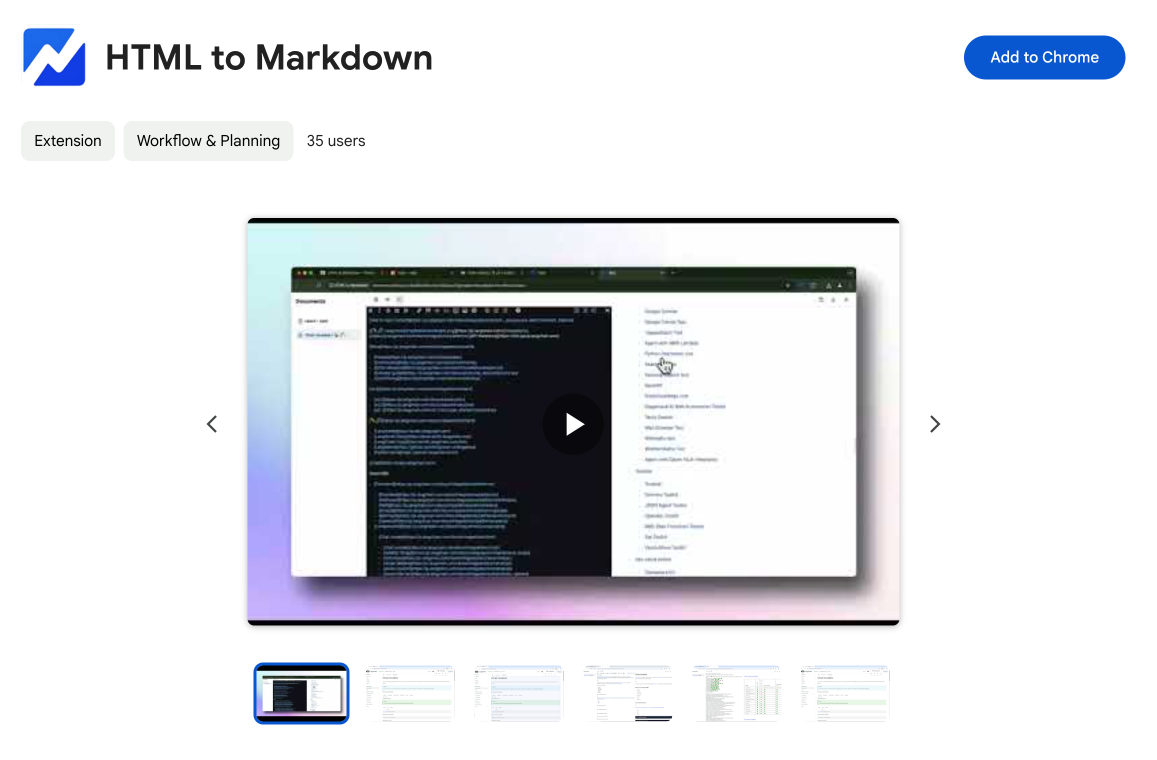
HTML to Markdown
Convert HTML to Markdown with ease, directly in your browser 📄
Dotallio
Personalized AI apps that automate research, data extraction, and content creation without code 🤖
Talk to Santa
Enjoy a magical live video chat or receive a unique AI-generated video greeting from Santa Claus 🎅
pozywka.pl
Scalable blog for food journalist, focused on performance and user experience 🌭
zagrodzki.me
Personal blog and portfolio of Bart Zagrodzki, where he shares his knowledge and work 💼
TurboStarter
Ship your startup everywhere. In minutes.
HTML to Markdown
Convert HTML to Markdown with ease, directly in your browser 📄
Dotallio
Personalized AI apps that automate research, data extraction, and content creation without code 🤖
Talk to Santa
Enjoy a magical live video chat or receive a unique AI-generated video greeting from Santa Claus 🎅
pozywka.pl
Scalable blog for food journalist, focused on performance and user experience 🌭
zagrodzki.me
Personal blog and portfolio of Bart Zagrodzki, where he shares his knowledge and work 💼
TurboStarter
Ship your startup everywhere. In minutes.
HTML to Markdown
Convert HTML to Markdown with ease, directly in your browser 📄
Dotallio
Personalized AI apps that automate research, data extraction, and content creation without code 🤖
Talk to Santa
Enjoy a magical live video chat or receive a unique AI-generated video greeting from Santa Claus 🎅
pozywka.pl
Scalable blog for food journalist, focused on performance and user experience 🌭
zagrodzki.me
Personal blog and portfolio of Bart Zagrodzki, where he shares his knowledge and work 💼
TurboStarter
Ship your startup everywhere. In minutes.
HTML to Markdown
Convert HTML to Markdown with ease, directly in your browser 📄
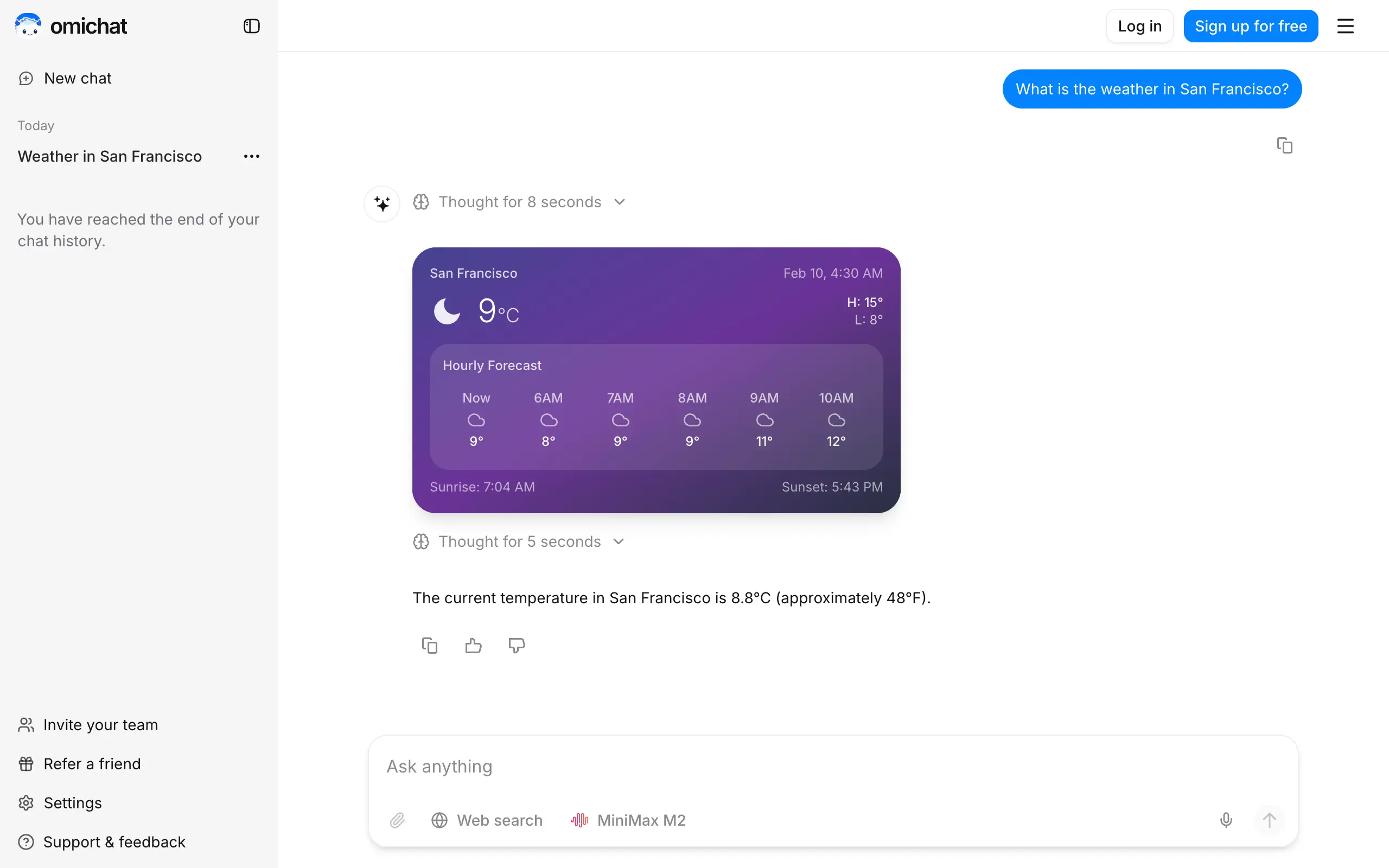
Omichat
Chat with 50+ AI models, including ChatGPT and Claude, in one place - switch models anytime without losing context 🤖
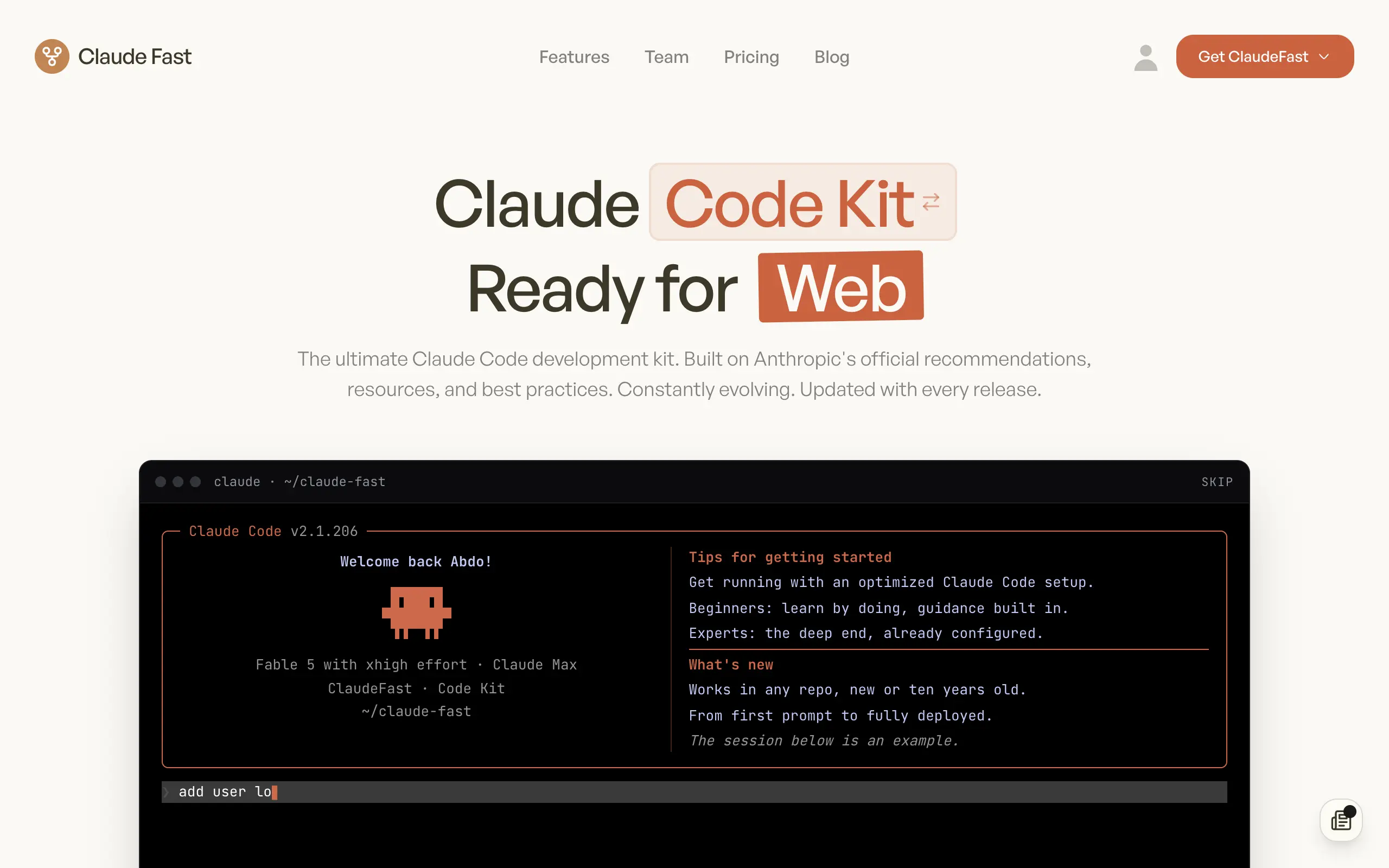
Claude Fast
Supercharge your Claude Code with 6x effective context window and specialized AI agents 🤖
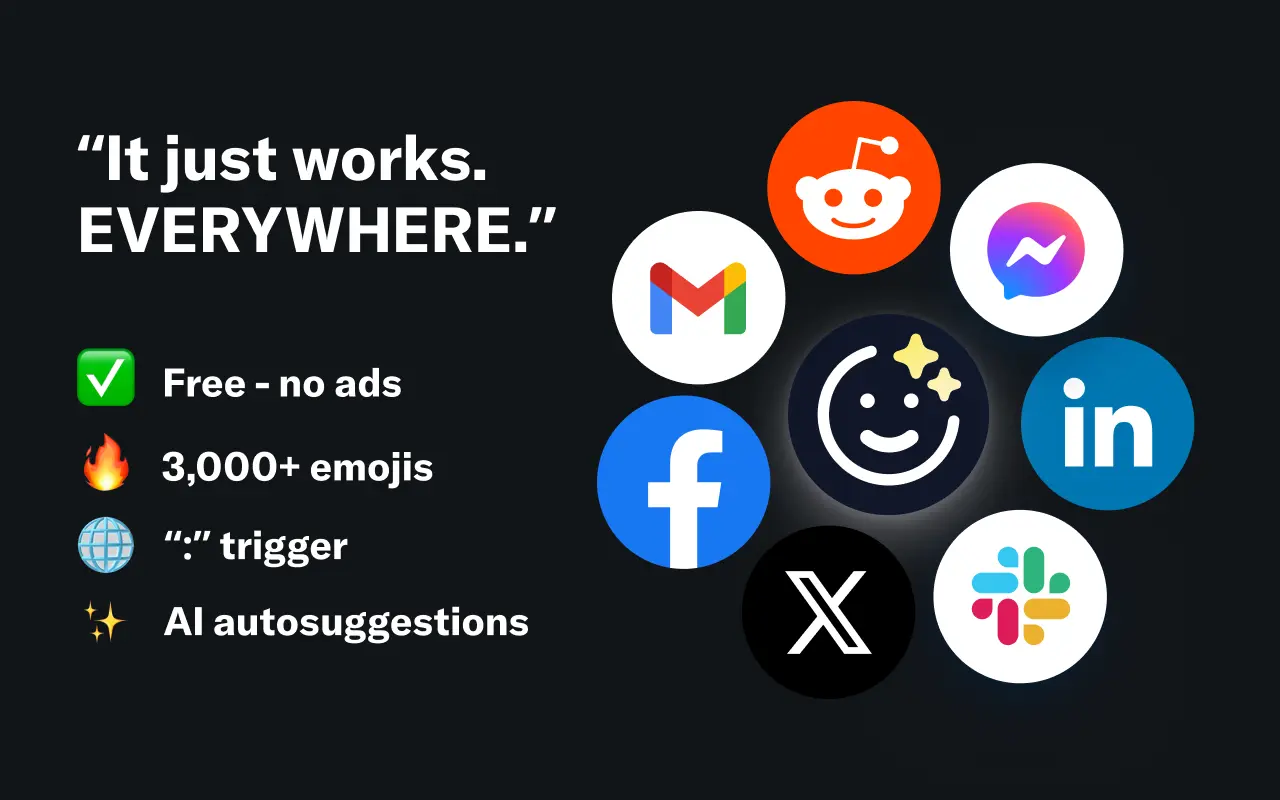
EmojAI
AI-powered emoji picker with smart, context-aware suggestions 🤖

Solohacker
Autonomous company launcher - AI agents work 24/7, escalate what matters, and you stay in control 🤖

BeRawi: Storytelling Coach
Practice storytelling daily with instant feedback to sound clearer, more engaging, and confident 🎤
Omichat
Chat with 50+ AI models, including ChatGPT and Claude, in one place - switch models anytime without losing context 🤖
Claude Fast
Supercharge your Claude Code with 6x effective context window and specialized AI agents 🤖
EmojAI
AI-powered emoji picker with smart, context-aware suggestions 🤖
Solohacker
Autonomous company launcher - AI agents work 24/7, escalate what matters, and you stay in control 🤖
BeRawi: Storytelling Coach
Practice storytelling daily with instant feedback to sound clearer, more engaging, and confident 🎤
Omichat
Chat with 50+ AI models, including ChatGPT and Claude, in one place - switch models anytime without losing context 🤖
Claude Fast
Supercharge your Claude Code with 6x effective context window and specialized AI agents 🤖
EmojAI
AI-powered emoji picker with smart, context-aware suggestions 🤖
Solohacker
Autonomous company launcher - AI agents work 24/7, escalate what matters, and you stay in control 🤖
BeRawi: Storytelling Coach
Practice storytelling daily with instant feedback to sound clearer, more engaging, and confident 🎤
Omichat
Chat with 50+ AI models, including ChatGPT and Claude, in one place - switch models anytime without losing context 🤖
Claude Fast
Supercharge your Claude Code with 6x effective context window and specialized AI agents 🤖
EmojAI
AI-powered emoji picker with smart, context-aware suggestions 🤖
Solohacker
Autonomous company launcher - AI agents work 24/7, escalate what matters, and you stay in control 🤖
BeRawi: Storytelling Coach
Practice storytelling daily with instant feedback to sound clearer, more engaging, and confident 🎤

Connect with like-minded people
Join our community to get feedback, support, and grow together with 1,000+ builders on board, let's ship it!
Join usShip your startup everywhere. In minutes.
Don't burn tokens on setup and start building features on day one.