Dharma Pathways
Personalized AI learning journeys that turn Upanishadic philosophy into daily habits, coaching prompts, and group accountability.
What Dharma Pathways solves for modern spiritual learners
Dharma Pathways is an AI spiritual learning platform that transforms Upanishadic philosophy into personalized daily practices, reflective coaching prompts, and accountable group learning. Its central promise is not simply to make ancient wisdom easier to read. It helps learners apply philosophical insight to real decisions, emotions, relationships, work, and routines.
The primary audience is not looking for another library of spiritual quotes or a generic meditation timer. They want structured guidance that respects the depth of the source material while fitting into modern life. They may be asking questions such as:
- How can I study the Upanishads without getting overwhelmed?
- What does non-duality mean in ordinary life?
- How do I build a daily spiritual practice that I can actually sustain?
- Can AI offer reflective prompts without replacing a qualified teacher?
- How can I find a serious, respectful learning community?
Dharma Pathways can address this gap through a carefully constrained AI coach, curriculum-based learning paths, source-grounded explanations, habit design, and small-group accountability. The product should position itself as a companion for contemplation and practice, not an authority that claims to replace teachers, traditions, or personal discernment.
The product principle
Dharma Pathways should make philosophical learning more actionable without making it shallow. Every feature should connect a trustworthy source, a learner's real-world context, and a small repeatable practice.
The opportunity for an AI spiritual learning platform
Interest in mindfulness, contemplative practice, wellbeing, and self-directed learning has created a clear opening for products that blend education with behavior change. Yet most tools in this space fall into one of two categories.
The first category consists of meditation and wellness apps. These products may offer calming audio, breathwork, sleep stories, and introductory courses. They can be effective for relaxation, but they often do not support sustained philosophical study or help users examine the deeper ethical and existential questions behind a practice.
The second category includes academic resources, lectures, translations, podcasts, and online communities. These can offer intellectual depth, but learners often struggle with fragmented discovery, inconsistent motivation, unfamiliar terminology, and the lack of a personal bridge between a passage and daily behavior.
Dharma Pathways occupies the space between spiritual content consumption and embodied learning. It can give learners a guided path through ideas such as ātman, brahman, karma, dharma, moksha, self-inquiry, witness consciousness, and detachment, then help them test those concepts through thoughtful, low-pressure daily experiments.
This is especially relevant in an era when users expect adaptive learning. Language-learning apps, fitness platforms, and professional education products already tailor recommendations to goals and progress. A personalized spiritual learning journey applies the same useful design pattern with considerably more care around cultural context, interpretive humility, and emotional safety.
The market gap is personalization with intellectual integrity
Many people discover the Upanishads through short-form social content or decontextualized quotes. A line such as “Tat Tvam Asi” can be meaningful, but without a source, translation, interpretive tradition, and learner reflection, it can become decorative rather than transformative.
The core market gap has several dimensions:
-
Translation into practice
Learners need help moving from abstract metaphysics to daily choices. -
Progressive structure
Beginners need a sequence that develops vocabulary and context before introducing complex interpretations. -
Non-dogmatic guidance
Users may be devotional, secular, academically curious, yoga practitioners, therapists, or spiritual explorers. They need a product that welcomes inquiry without flattening differences. -
Accountability without performance pressure
Many people sustain reflective habits better when they are seen by peers, but they do not want a competitive streak system that turns contemplation into productivity theater. -
Reliable AI boundaries
Generic chatbots can sound confident while inventing citations, oversimplifying religious traditions, or making inappropriate mental health claims. Dharma Pathways must be designed to avoid those failures.
A strong market analysis should validate demand using credible sources before launch. For market-sizing or audience research, cite recognized research firms, app intelligence platforms, academic journals, and public survey organizations in the final investor materials. Avoid relying on broad wellness-market claims without a dated, verifiable source.
Who Dharma Pathways should serve first
The initial product should avoid trying to serve every spiritual seeker. A narrowly defined early audience improves product design, messaging, onboarding, and retention.
Primary audience: thoughtful beginners with an existing practice
The strongest initial segment is likely adults who already value intentional living but want more philosophical depth. They may meditate, attend yoga classes, journal, read psychology books, or listen to spirituality podcasts. They are interested in Indian philosophy but may not know where to start.
Their challenges include:
- Feeling intimidated by traditional terminology and multiple translations
- Consuming spiritual content without building a coherent understanding
- Starting a journaling or meditation habit, then losing momentum
- Wanting community but avoiding spaces that feel preachy or commercially exploitative
- Seeking a framework for meaning, identity, and attention amid work and family demands
For this audience, the core value proposition is simple: learn one idea at a time, reflect on it honestly, practice it in daily life, and continue with supportive peers.
Secondary audience: yoga teachers and wellness professionals
Yoga teachers, coaches, facilitators, and wellness practitioners often want better ways to deepen their own study and bring philosophical themes into classes responsibly. They may use Dharma Pathways for private study, group cohorts, or discussion preparation.
This segment can become valuable once the core consumer experience is stable. It creates a potential path toward facilitator plans, branded cohorts, and educational partnerships.
Tertiary audience: established students seeking structured revision
More experienced learners may already have read translations or studied with a teacher. They may not need basic definitions, but they could value a well-designed reflection system, source comparison tools, group circles, and customizable practice tracks.
The product should not lead with this audience. Advanced students are more likely to scrutinize accuracy and lineage sensitivity, which is appropriate. Winning their trust requires strong editorial standards and transparent source methodology.
Beginner explorer
Needs a welcoming sequence, plain-language explanations, and small daily practices.
Committed practitioner
Needs consistency, deeper inquiry, and an accountable reflection rhythm.
Facilitator
Needs discussion tools, cohort management, and source-grounded material for groups.
The unique value proposition of Dharma Pathways
The USP of Dharma Pathways is its ability to turn source-aware Upanishadic learning into a personalized practice loop.
Rather than presenting ancient philosophy as static content, the platform can guide each learner through a cycle:
- Encounter a concept through a short lesson and selected passage.
- Understand the idea through context, definitions, and careful interpretation.
- Relate it to a current life situation through an AI-guided reflection.
- Commit to one modest, observable daily practice.
- Review what happened without judgment.
- Share an optional insight or commitment with a small accountability circle.
- Adapt the next lesson based on the learner’s goals, friction, and responses.
This loop gives Dharma Pathways an advantage over a course platform, a meditation app, or a general-purpose AI chatbot. The defensible value is not merely AI-generated text. It is the combination of editorially curated learning architecture, a constrained spiritual coaching system, user reflection data, and community practice design.
The “depth without dogma” positioning
The brand should explicitly communicate that it supports learning across diverse backgrounds and interpretive approaches. It should not claim to offer the one definitive reading of the Upanishads.
A useful positioning statement could be:
Dharma Pathways helps modern learners study Upanishadic wisdom with context, reflect on it with care, and build daily practices that feel personally meaningful.
This framing has several benefits. It is accessible to newcomers, respectful toward tradition, and clear about the product’s practical outcome.
Core features for personalized AI learning journeys
An effective minimum viable product should focus on the smallest set of features that delivers the full learning-to-practice loop. Feature volume is not the goal. A learner should be able to receive genuine value in their first week.
Personalized onboarding and intention mapping
The onboarding flow should gather enough information to tailor a journey without becoming invasive. Ask users what brings them to the platform and what kind of support they want.
Relevant choices may include:
- Building a reflective daily habit
- Understanding foundational Upanishadic concepts
- Bringing more awareness to work and relationships
- Exploring questions about identity and purpose
- Developing a consistent journaling practice
- Joining an intentional learning community
Also ask about available time. A user with five minutes per day needs a different journey than someone willing to study for thirty minutes three times a week.
The onboarding engine can create an initial pathway, such as “Foundations of self-inquiry,” “Living with steadiness,” or “A seven-day introduction to witness awareness.” Users should always be able to adjust their pathway. Personalization should feel collaborative, not mysterious.
Curated lessons with textual grounding
Every lesson should include a short teaching, a selected passage, vocabulary support, interpretive context, and a practical reflection. The platform should disclose which translation and commentary inform each lesson.
A well-designed lesson may contain:
- A plain-language introduction to one concept
- A short primary-text excerpt where licensing permits
- Translator and source attribution
- A note distinguishing the text from later interpretive traditions
- A practical reflection question
- One simple activity for the day
- An optional deeper study section
Avoid presenting isolated quotations as universal instructions. Explain the literary setting and acknowledge when a concept has multiple respected interpretations.
AI reflection coach with grounded retrieval
The AI coach should not be an unrestricted “guru bot.” It should answer using a retrieval-augmented generation system that prioritizes reviewed curriculum content, approved translations, glossary entries, and carefully selected scholarly references.
The coach can help users explore prompts such as:
- “I reacted defensively during a meeting. How might I reflect on this through the idea of the witness?”
- “Can you explain the difference between ātman and personality in this lesson?”
- “Help me create a five-minute practice for tomorrow morning.”
- “What question could I take into my journal after reading this passage?”
The product must clearly state that AI responses are educational and reflective, not religious rulings, psychotherapy, medical care, crisis support, or a substitute for a qualified teacher.
Daily practice and habit architecture
The daily practice experience should be intentionally small. A platform that assigns too much reading or asks users to complete complicated rituals will lose busy learners quickly.
Strong practice formats include:
- A one-minute pause before a recurring daily event
- A journaling prompt tied to a current challenge
- A brief attention exercise
- A “notice without fixing” reflection
- A values-based action prompt
- A weekly review of intention and behavior
Instead of generic streaks, Dharma Pathways can use a more aligned progress model. For example, show “days of return” or “reflections completed” rather than implying that missing one day equals failure. The language should reinforce compassion and continuity.
Small accountability circles
Group accountability can improve retention, but it needs careful moderation and privacy controls. The best format is likely small, optional circles of four to eight people following a similar pathway.
Circle functionality can include:
- Weekly intention check-ins
- Optional reflection sharing
- Guided discussion questions
- A simple “I practiced” acknowledgment
- Facilitator moderation tools
- Clear reporting and blocking controls
Do not make public sharing the default. Spiritual reflection may involve sensitive personal material. Private-by-default settings and meaningful consent are essential.
Progress insights that favor reflection over gamification
Learners should be able to see their journey without treating spiritual growth as a score. Useful insights might show:
- Concepts explored over time
- Practices that feel most sustainable
- Common friction points identified by the learner
- A private archive of reflections
- Intentions revisited after several weeks
- Group participation patterns, if the user opts in
The goal is to make learning visible and encourage thoughtful revision. It is not to quantify enlightenment or create a leaderboard.
| Capability | First release | Growth release | User value | Trust priority |
|---|---|---|---|---|
| Guided learning paths | ✅ | Expanded catalog | Clear starting point | High |
| AI reflection coach | ✅ | Voice and multilingual support | Personal relevance | Very high |
| Accountability circles | Simple check-ins | Facilitated cohorts | Consistency and belonging | Very high |
| Advanced source comparison | ❌ | ✅ | Deeper study | High |
Designing trustworthy AI spiritual coaching
Trust is the most important product requirement for an AI spirituality app. Users may share vulnerable thoughts, seek existential guidance, or assume that polished language indicates wisdom. Dharma Pathways must earn trust through product design, not just through a reassuring disclaimer.
Build a source hierarchy
The model should retrieve from a ranked knowledge base. The highest-priority material should be reviewed by qualified editors and advisors familiar with Indian philosophy, Sanskrit terminology, translation issues, and the living diversity of Hindu traditions.
A sensible source hierarchy might be:
- Curated lesson materials and approved glossary content
- Public-domain or properly licensed translations
- Reviewed academic explainers and editorial notes
- Clearly labeled comparative perspectives
- General model knowledge only when the answer does not require a textual claim
If the system cannot locate an appropriate source, it should say so. A graceful admission of uncertainty is far more trustworthy than an invented citation.
Create response rules for sensitive topics
The AI coach needs explicit safety policies. It should avoid prescribing religious obligations, claiming supernatural certainty, reinforcing delusions, or diagnosing mental health conditions.
When a user expresses acute distress, self-harm intent, psychosis-like experiences, abuse, or a medical emergency, the system should move away from philosophical coaching and encourage immediate professional or emergency support appropriate to the user’s location. This escalation flow should be reviewed by clinical safety specialists.
For less acute emotional difficulty, the coach can remain supportive while drawing boundaries. It might say that reflection practices can complement wellbeing routines but are not a replacement for licensed mental health care.
Make citations understandable
Where relevant, show a compact source card in the chat response. It should identify the text, section, translator or edition, and lesson context. Do not overwhelm beginners with academic apparatus, but give interested learners a path to verify claims.
This feature creates a meaningful differentiator. It teaches users that interpretation has provenance and that serious spiritual study involves returning to sources.
It should name the disagreement respectfully, summarize the relevant views in accessible language, and encourage learners to explore the original context or consult a qualified teacher. It should not present one interpretation as universally settled unless the editorial team has clear grounds for doing so.
The default should be no. Reflection journals are highly sensitive. Provide plain-language consent choices, minimize data collection, encrypt private content, and explain retention and deletion policies clearly.
No. Avoid titles that imply spiritual authority. Use terms such as reflection guide, learning companion, or AI coach, paired with clear limits on what the system can responsibly provide.
Recommended tech stack for Dharma Pathways
The ideal technical architecture should support a polished consumer experience, reliable AI retrieval, secure user data, subscription billing, and moderated communities. It should also be practical for a small SaaS team to maintain.
A strong web-first stack can use React with Next.js for a responsive application, server-rendered marketing pages, authenticated dashboards, and API routes. TypeScript should be standard because typed data contracts reduce errors in user profiles, curriculum state, and AI response schemas.
For interface development, Tailwind CSS offers fast iteration and consistent design tokens. The visual system should feel calm and readable rather than overly mystical. Prioritize accessible contrast, generous line height, dependable mobile layouts, and reduced-motion settings.
Data, authentication, and billing
A relational database such as PostgreSQL is well suited to users, learning paths, content versions, memberships, check-ins, and permissions. Supabase can accelerate implementation by providing managed Postgres, authentication, storage, and row-level security.
For payments, Stripe is a practical choice for subscriptions, free trials, coupons, invoices, and regional tax workflows. Subscription access should be represented in the database independently of the payment provider so that support teams can manage grants, refunds, and cohort access cleanly.
AI orchestration and retrieval
Use a server-side AI layer rather than exposing model provider keys to the client. The system should support:
- Prompt templates with version control
- Structured output validation
- Retrieval from reviewed content collections
- Safety classifiers and routing rules
- Audit logs for flagged conversations
- Evaluation datasets for hallucination and tone testing
- Human review workflows for content improvements
For retrieval, store embeddings alongside source metadata and content-version identifiers. A vector extension for Postgres can be sufficient at an early stage. A dedicated vector database may become appropriate later if scale, latency, or multi-modal retrieval requirements grow.
The trade-off is straightforward. A unified Postgres-centered architecture reduces operational complexity for an MVP. A specialized retrieval stack can offer more tuning flexibility, but it adds systems to monitor and may slow a small team down.
Example of a structured AI coach response
The model should return validated structured content rather than an unbounded text blob. This makes it easier to display citations, suggested practices, safety flags, and follow-up questions predictably.
type ReflectionResponse = {
  answer: string;
  practice: {
    title: string;
    durationMinutes: number;
    instruction: string;
  };
  sources: Array<{
    text: string;
    reference: string;
    translator?: string;
  }>;
  safety: {
    needsEscalation: boolean;
    note?: string;
  };
};

const reflectionPrompt = {
  learnerGoal: "Build a calmer response to conflict",
  currentLesson: "Witness consciousness",
  userReflection: "I felt defensive in a difficult conversation.",
};
This pattern supports a safer and more maintainable personalized AI learning experience. It also enables future quality analysis, such as measuring whether the coach regularly provides grounded, actionable, and appropriately bounded responses.
Launch faster without sacrificing foundations
A production-ready SaaS starter can reduce time spent rebuilding authentication, billing, team workflows, emails, dashboards, and deployment plumbing. TurboStarter is especially relevant when the founding team wants to invest its attention in curriculum, AI safety, and the differentiated learning experience rather than standard SaaS infrastructure.
Monetization models for Dharma Pathways
The best monetization strategy should align with a learner’s gradual commitment. Spiritual education benefits from trust and sustained use, so aggressive upsells and paywalls around essential support can damage the brand.
Freemium subscription model
Offer a free tier with a short foundational pathway, limited daily reflections, and access to a small number of public learning resources. The paid tier can unlock full pathways, ongoing personalized AI coaching, reflection archives, deeper source notes, and premium circles.
Potential plan structure includes:
-
Free exploration
Introductory lessons, a limited number of AI reflections, and basic habit tracking -
Individual membership
Full curriculum, adaptive pathways, private journal tools, and community circles -
Annual membership
A discounted plan for committed learners, potentially including seasonal reflection programs -
Facilitator membership
Cohort tools, discussion guides, participant management, and expanded usage limits
Cohort-based programs
Guided cohorts can provide higher-value experiences and improve retention. A four-week or six-week program can include a live facilitator, a defined learning pathway, group circles, and reflection prompts.
This model works best after Dharma Pathways establishes a reliable core curriculum. Cohorts require operational investment, moderation, and facilitator training, so they should not be the first dependency for product-market fit.
Ethical monetization principles
The brand should avoid using vulnerability as a conversion lever. Do not lock a user’s personal journal behind a surprise paywall. Do not create manipulative streak-loss notifications. Do not suggest that paid access makes someone more spiritually advanced.
A healthy revenue model charges for ongoing product value while treating personal reflection, user agency, and privacy as non-negotiable.
Competitive advantage in the spiritual wellbeing market
Dharma Pathways will compete indirectly with meditation apps, online course platforms, general AI chat tools, spiritual communities, and books. It does not need to beat each category at its strongest feature. It needs to create a category-specific experience that these alternatives do not combine.
Where Dharma Pathways can win
-
Personalization rooted in a curriculum
A general chatbot can answer questions, but it usually does not create a coherent progression with reviewed source material. -
Practice-oriented learning
Books and lectures offer depth, yet they rarely adapt a daily exercise to a learner’s schedule, goal, and reflections. -
Accountability designed for contemplation
Standard social communities can be noisy or performative. Small, intentional circles create a more supportive rhythm. -
Transparent intellectual humility
Citing sources, acknowledging interpretive diversity, and disclosing AI limits can build trust where generic content often fails. -
Retention through meaning, not novelty
The product’s engagement loop is based on insight, practice, review, and connection rather than endless content feeds.
The long-term moat comes from a proprietary learning graph. Over time, Dharma Pathways can understand which sequence of concepts, prompts, and practices helps different learner profiles maintain a reflective habit. This data must be aggregated and handled ethically, but it can strengthen recommendations in ways that a static course cannot.
Risks and mitigation strategies
Building an AI platform around spiritual philosophy carries real responsibility. Founders should surface these risks early and treat them as product requirements.
Risk: cultural appropriation or oversimplification
Upanishadic philosophy belongs within rich intellectual, linguistic, and living traditions. Reducing it to generic self-help can alienate knowledgeable users and cause genuine harm.
Mitigation
- Establish an editorial advisory board with relevant subject-matter expertise.
- Credit translations, commentators, and interpretive traditions.
- Use careful language around Sanskrit terms and avoid false universalism.
- Publish a transparent editorial methodology.
- Invite ongoing feedback from scholars, practitioners, and community members.
Risk: AI hallucinations and false authority
A model may fabricate verses, make unsupported claims, or answer beyond the product’s educational remit.
Mitigation
- Use retrieval-augmented generation with source filtering.
- Require citations for text-specific claims.
- Add confidence thresholds and graceful refusal behavior.
- Maintain red-team test suites for factuality and sensitive scenarios.
- Let users report inaccurate or concerning responses easily.
Risk: mental health and crisis exposure
Users may bring severe emotional distress into reflective conversations.
Mitigation
- Implement crisis detection and escalation workflows.
- Avoid diagnostic, therapeutic, or medical claims.
- Consult mental health safety experts.
- Provide location-aware resources where feasible.
- Train support staff on escalation and documentation procedures.
Risk: community harm or misinformation
Group spaces can become venues for harassment, coercive advice, unsolicited teaching, or misinformation.
Mitigation
- Use clear community guidelines and visible moderation.
- Keep circles small and private by default.
- Add reporting, blocking, and moderator escalation tools.
- Train facilitators on boundaries and inclusive discussion.
- Prohibit users from presenting themselves as licensed professionals without verification.
Risk: weak retention after initial curiosity
Many learners enjoy spiritual content briefly but do not maintain a practice.
Mitigation
- Start with a meaningful first-week outcome.
- Make practices short and flexible.
- Personalize reminders around stated intentions.
- Offer compassionate restart flows after inactivity.
- Test circles, weekly reviews, and milestone reflections as retention mechanisms.
A practical implementation roadmap
The first version should prioritize trustworthiness and repeated user value over a broad content catalog. A small number of excellent pathways is more valuable than dozens of shallow lessons.
Define the initial learner segment, core promise, and a single flagship pathway. For example, create a fourteen-day introduction to self-inquiry for busy adults who want a five-minute daily practice.
Create an editorial standard that defines approved sources, citation requirements, terminology rules, advisory review, and how the product handles differing interpretations.
Design and test a clickable onboarding flow with ten to fifteen target users. Learn which intentions, barriers, and vocabulary resonate before building complex personalization logic.
Build the learning loop with lessons, a private reflection journal, one daily practice, and weekly review. Deliver this flow well before adding public community features.
Implement a constrained AI reflection coach using reviewed retrieval content, structured outputs, source cards, clear disclaimers, and escalation rules.
Run a private beta with a small cohort. Measure activation, lesson completion, practice frequency, qualitative trust, AI response quality, and week-four retention.
Add accountability circles only after validating that users return for the individual learning and practice experience. Introduce moderation tooling before scaling membership.
The most important early metrics should reflect meaningful use rather than vanity growth. Track the percentage of users who complete their first reflection, return for a second practice, finish a first pathway, and report that the platform helped them apply a concept in real life. Pair quantitative metrics with interviews. In a reflective product, a well-articulated learner story can reveal more than a dashboard alone.
Do not rush the AI layer
A polished conversational interface can create the illusion of a finished product. The real product quality comes from the curriculum, source integrity, safety rules, and practice design behind each response.
Final perspective on building Dharma Pathways
Dharma Pathways can become a distinctive AI learning platform by treating ancient philosophy as a living field of inquiry rather than a content category. Its opportunity is to help people move from scattered inspiration to a consistent, reflective, source-aware practice.
The winning product will not promise instant transformation. It will offer something more credible: a thoughtful path, a small next step, a respectful guide, and a community that makes returning easier.
For founders, the clearest strategic focus is to build a trustworthy core loop first. Deliver a compelling lesson, a grounded reflection, one achievable practice, and a reason to return tomorrow. When that loop works, AI personalization and group accountability can deepen its impact without compromising the integrity that makes Dharma Pathways worth using.
More 🤖 AI Startup SaaS ideas
Discover more innovative ai startup SaaS ideas that are trending in 2026. Each idea is AI-generated with market validation and growth potential to help you find your next profitable venture faster than competitors.
Your competitors are building with TurboStarter
Below are some of the SaaS ideas that have been generated and built with our starter kit.
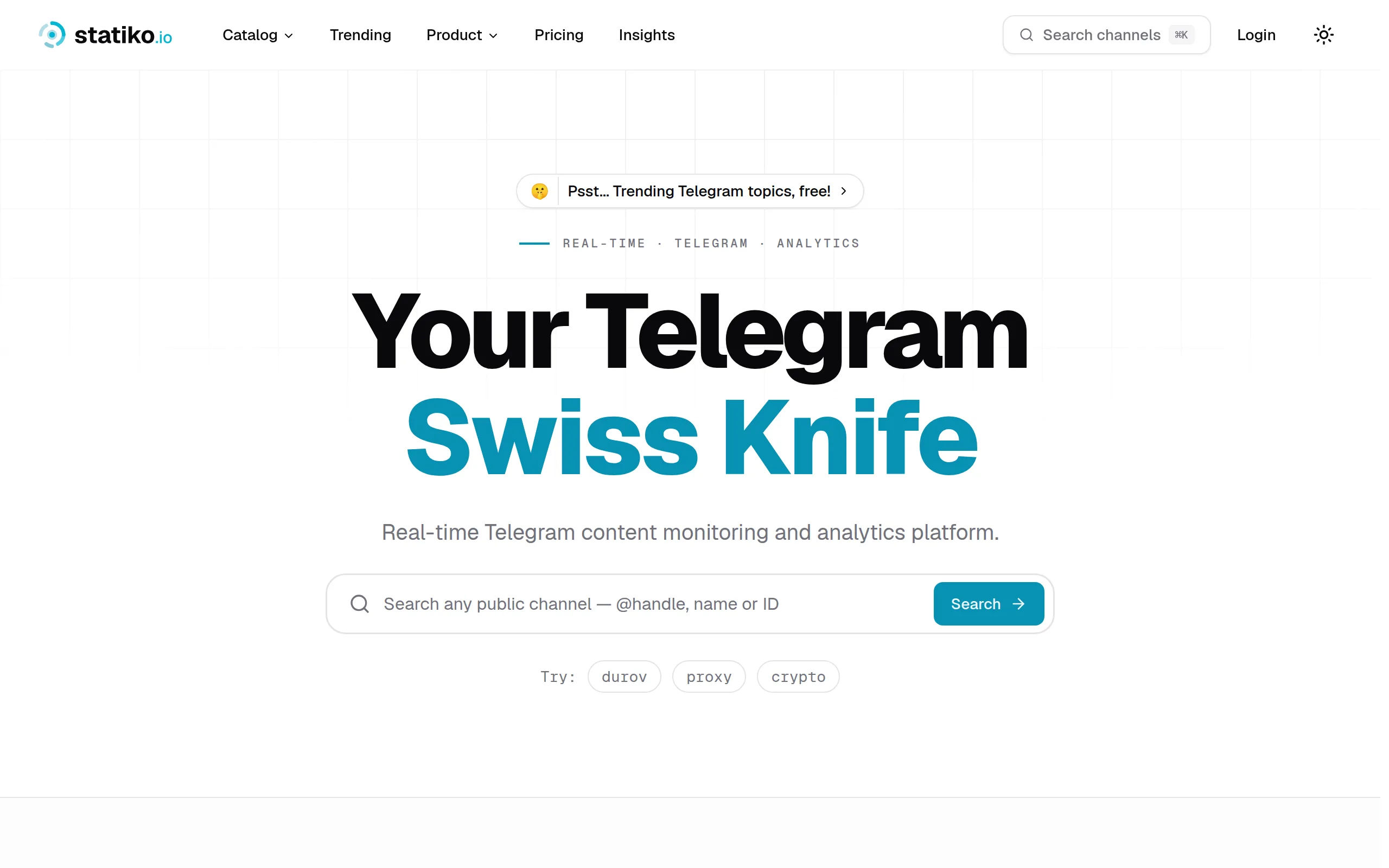
Statiko
Monitor any Telegram channel in real time - track posts, edits, deletions, and growth with AI recaps 📡

Shibui
AI website builder - describe your business, pick a niche template, edit by chatting, and publish instantly ✨

Pro Service
Find verified home service professionals, compare quotes, and pay securely through escrow - built for Brazilians across the US 🏠
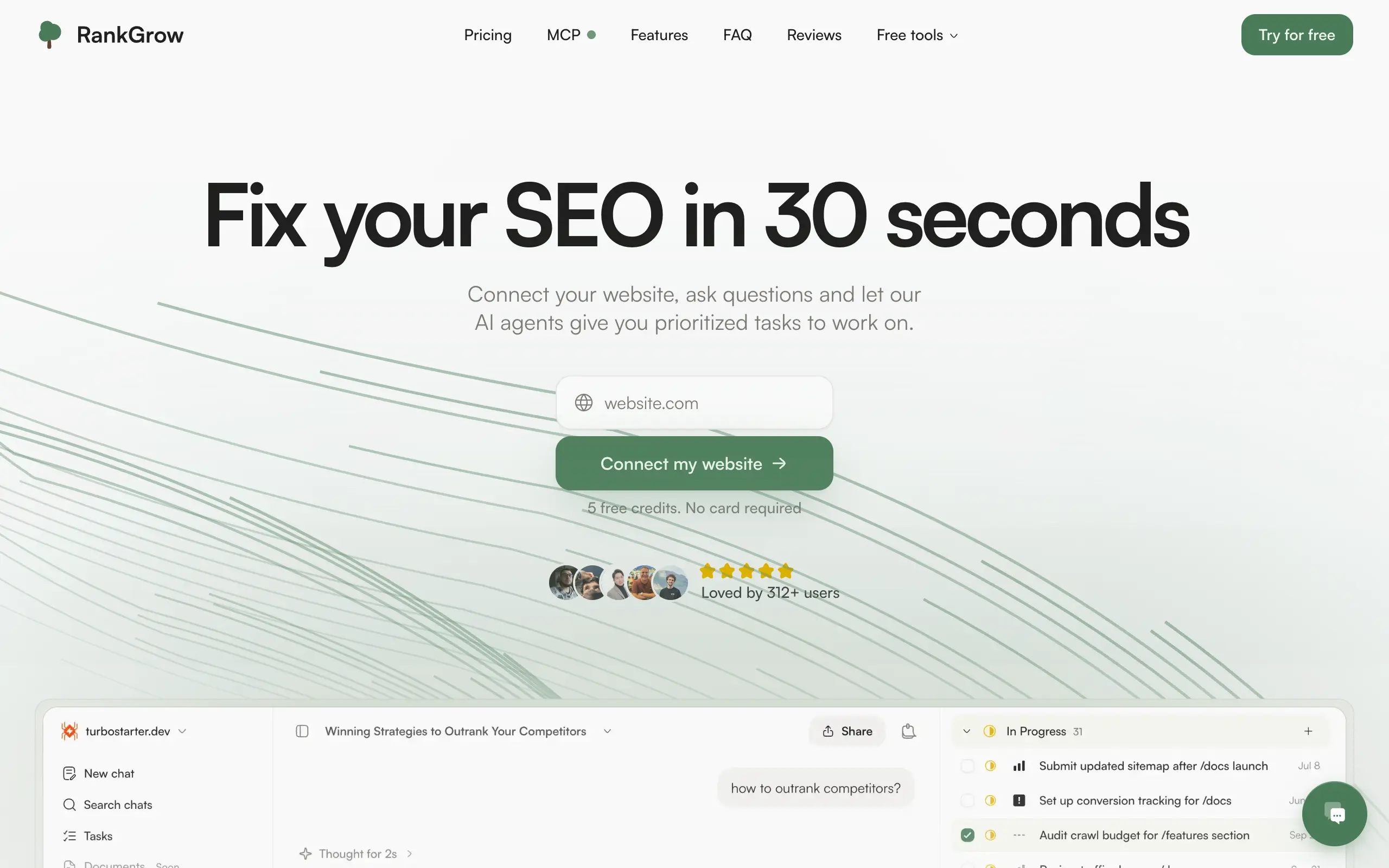
RankGrow
Fix your SEO with AI agents - connect Search Console, get prioritized tasks, and grow organic traffic 📈
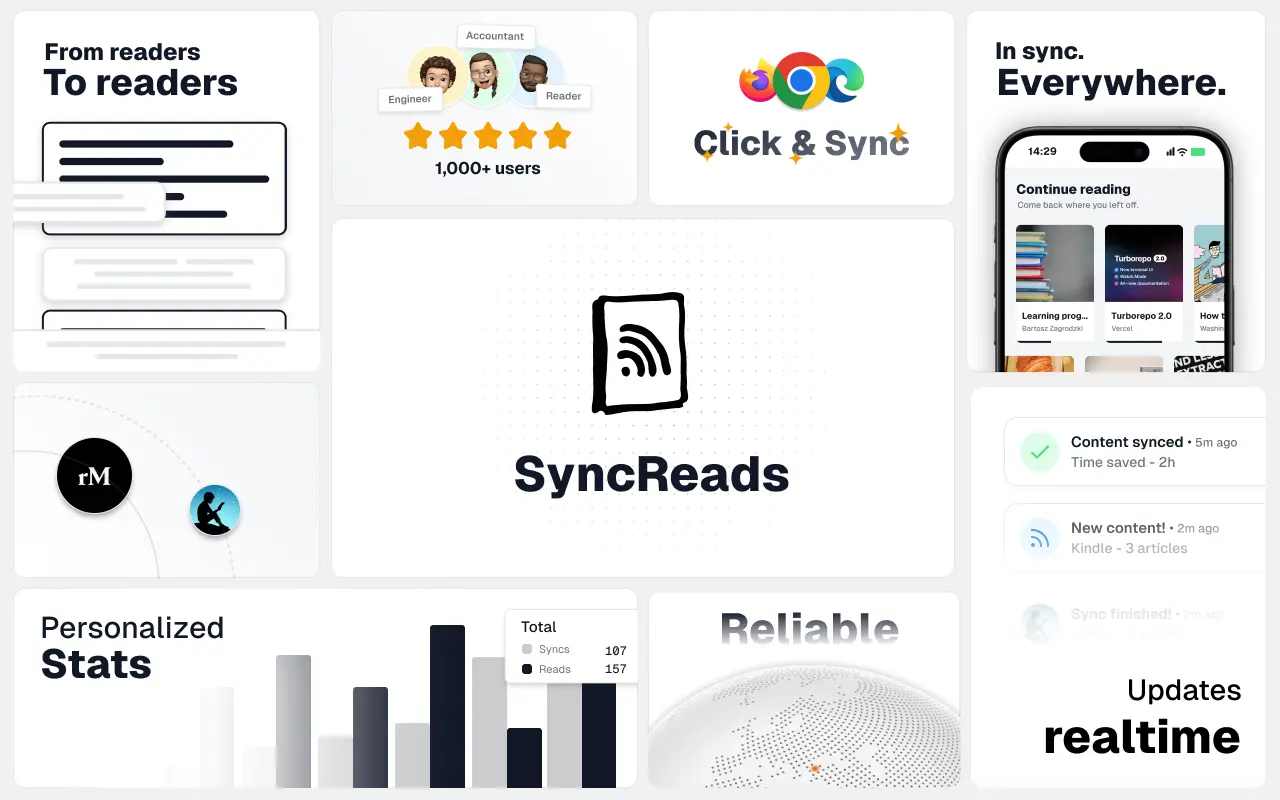
SyncReads
Sync your favorite content for distraction-free reading, save time and replace multiple apps. Anytime, anywhere 🔄
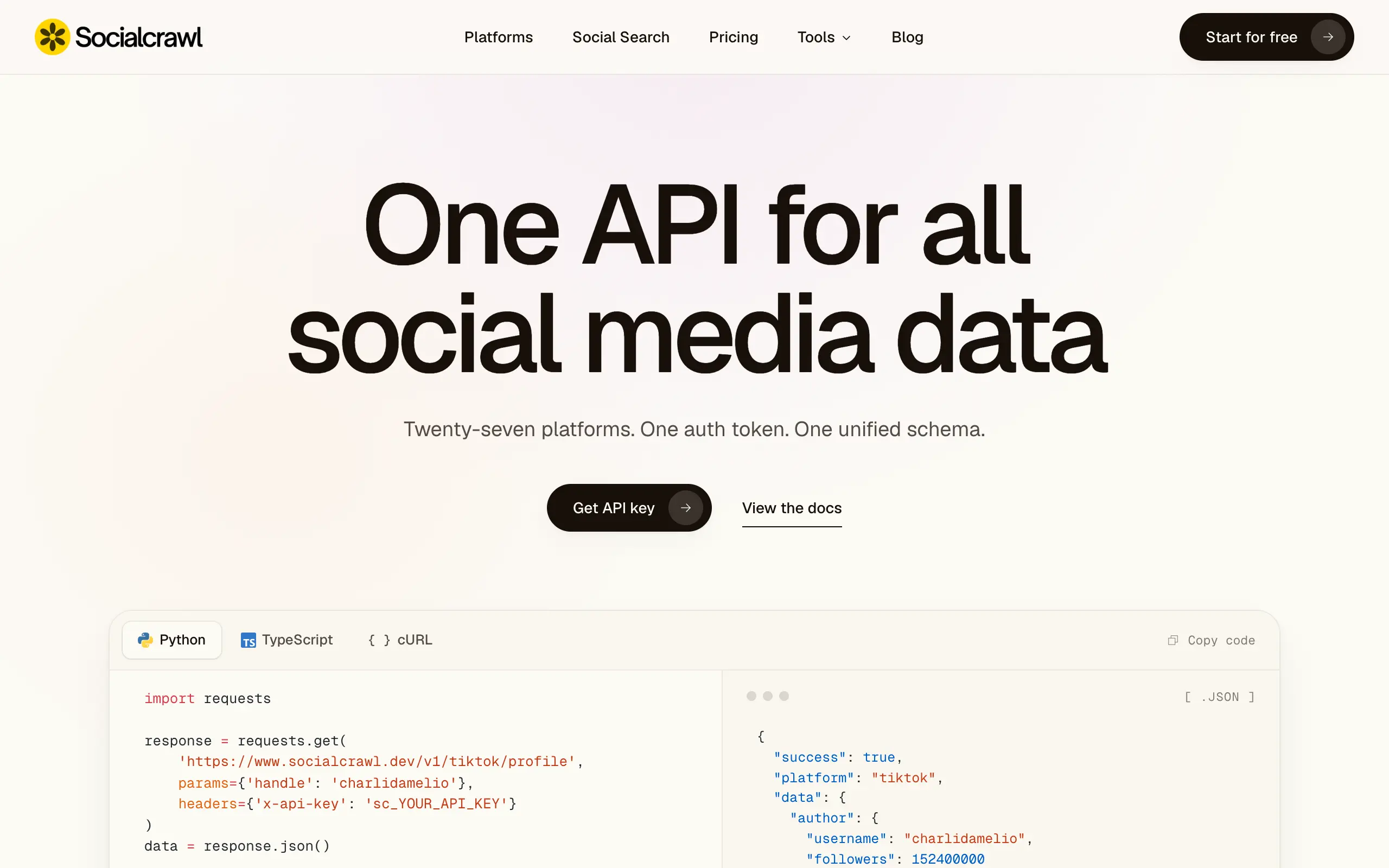
Socialcrawl
Get clean, structured data from 21 platforms like TikTok, Instagram, and YouTube with a single request 📊
Statiko
Monitor any Telegram channel in real time - track posts, edits, deletions, and growth with AI recaps 📡
Shibui
AI website builder - describe your business, pick a niche template, edit by chatting, and publish instantly ✨
Pro Service
Find verified home service professionals, compare quotes, and pay securely through escrow - built for Brazilians across the US 🏠
RankGrow
Fix your SEO with AI agents - connect Search Console, get prioritized tasks, and grow organic traffic 📈
SyncReads
Sync your favorite content for distraction-free reading, save time and replace multiple apps. Anytime, anywhere 🔄
Socialcrawl
Get clean, structured data from 21 platforms like TikTok, Instagram, and YouTube with a single request 📊
Statiko
Monitor any Telegram channel in real time - track posts, edits, deletions, and growth with AI recaps 📡
Shibui
AI website builder - describe your business, pick a niche template, edit by chatting, and publish instantly ✨
Pro Service
Find verified home service professionals, compare quotes, and pay securely through escrow - built for Brazilians across the US 🏠
RankGrow
Fix your SEO with AI agents - connect Search Console, get prioritized tasks, and grow organic traffic 📈
SyncReads
Sync your favorite content for distraction-free reading, save time and replace multiple apps. Anytime, anywhere 🔄
Socialcrawl
Get clean, structured data from 21 platforms like TikTok, Instagram, and YouTube with a single request 📊
Statiko
Monitor any Telegram channel in real time - track posts, edits, deletions, and growth with AI recaps 📡
Shibui
AI website builder - describe your business, pick a niche template, edit by chatting, and publish instantly ✨
Pro Service
Find verified home service professionals, compare quotes, and pay securely through escrow - built for Brazilians across the US 🏠
RankGrow
Fix your SEO with AI agents - connect Search Console, get prioritized tasks, and grow organic traffic 📈
SyncReads
Sync your favorite content for distraction-free reading, save time and replace multiple apps. Anytime, anywhere 🔄
Socialcrawl
Get clean, structured data from 21 platforms like TikTok, Instagram, and YouTube with a single request 📊
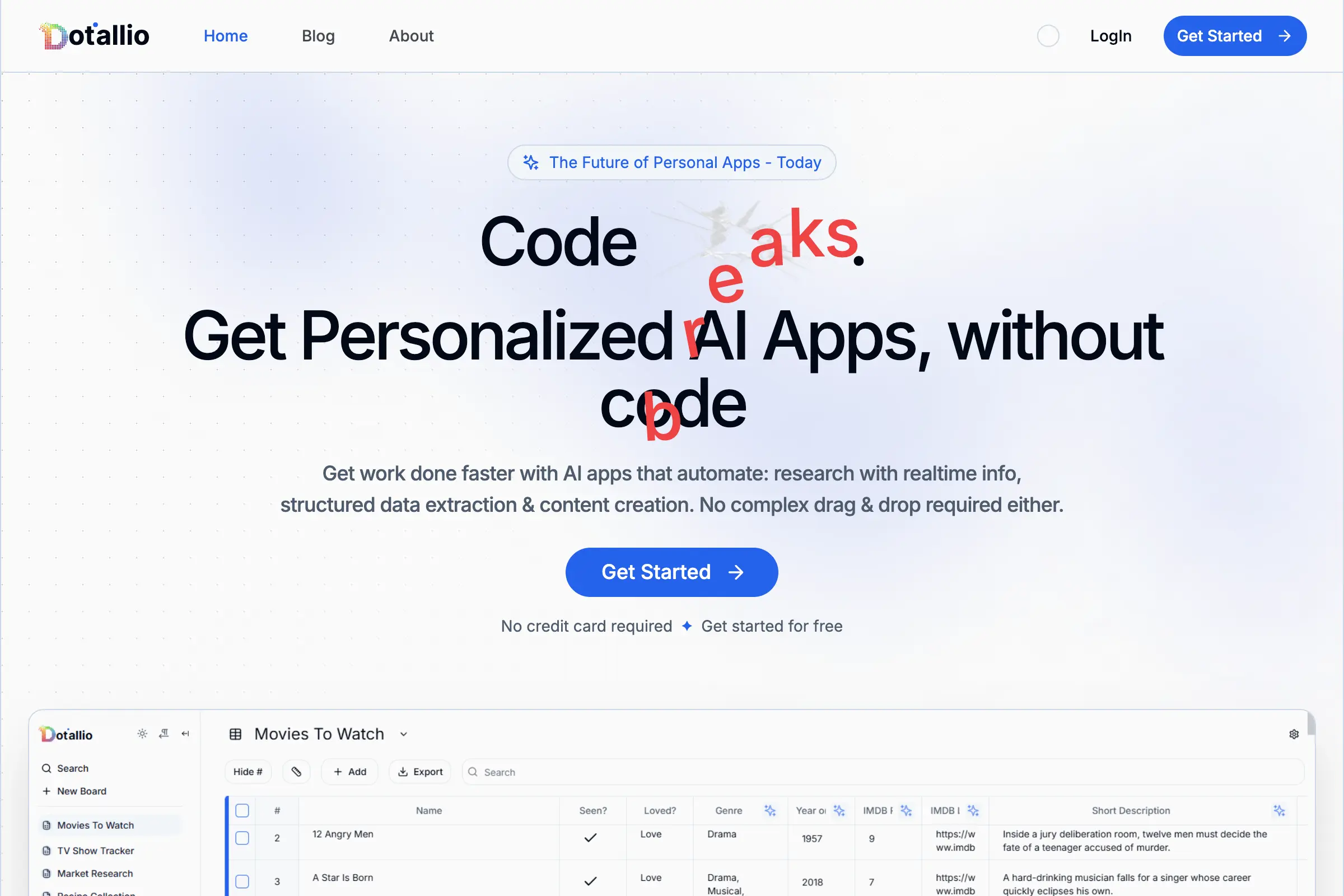
Dotallio
Personalized AI apps that automate research, data extraction, and content creation without code 🤖

Talk to Santa
Enjoy a magical live video chat or receive a unique AI-generated video greeting from Santa Claus 🎅
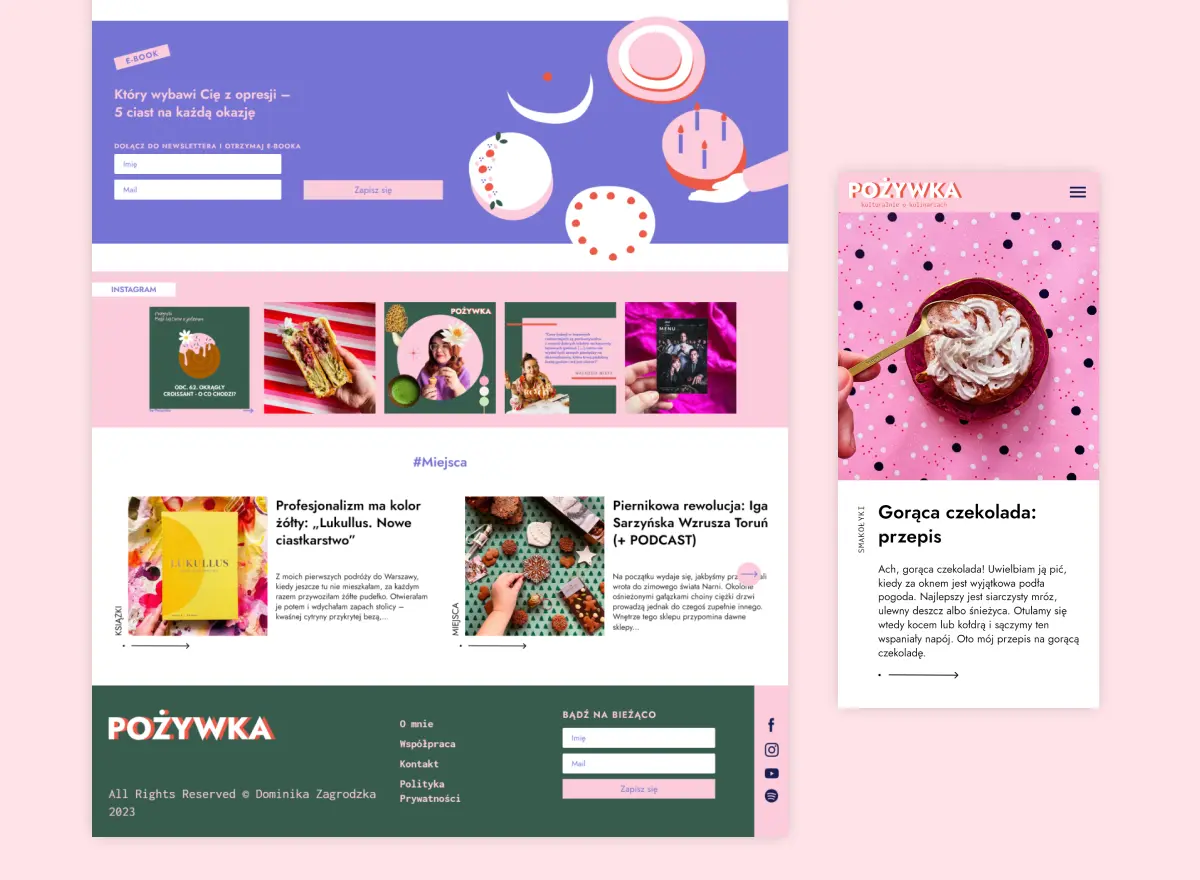
pozywka.pl
Scalable blog for food journalist, focused on performance and user experience 🌭
zagrodzki.me
Personal blog and portfolio of Bart Zagrodzki, where he shares his knowledge and work 💼
TurboStarter
Ship your startup everywhere. In minutes.
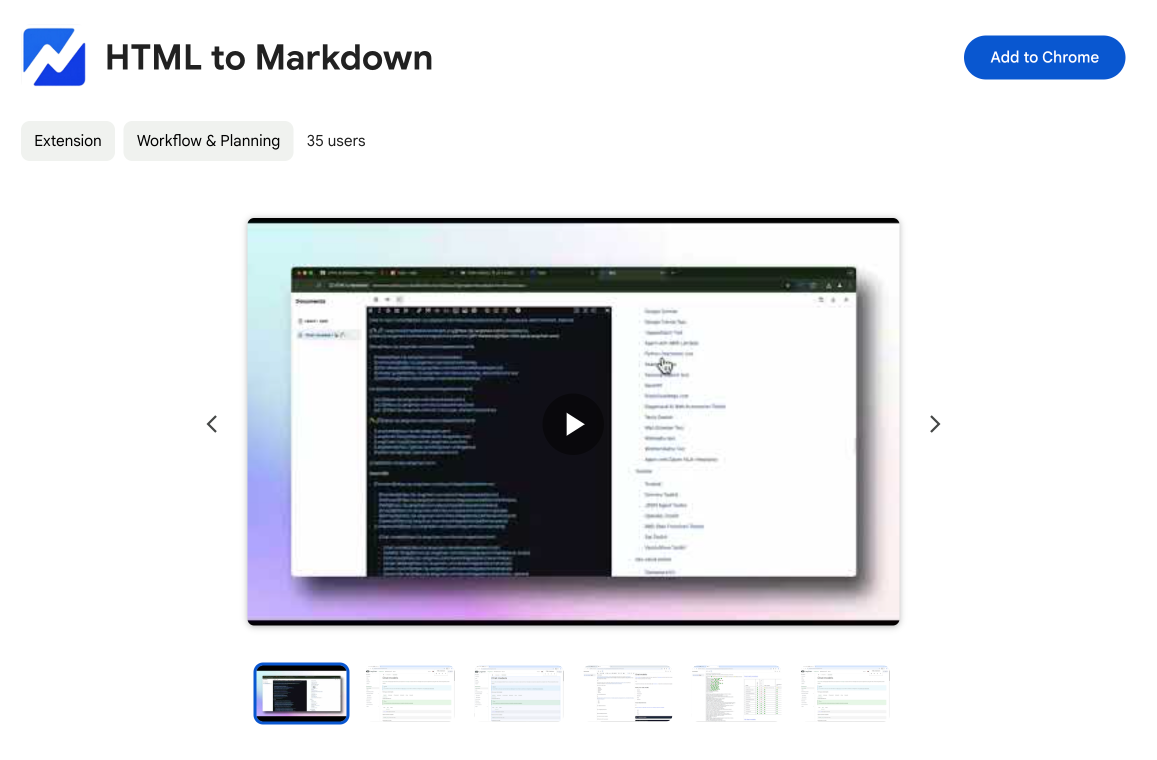
HTML to Markdown
Convert HTML to Markdown with ease, directly in your browser 📄
Dotallio
Personalized AI apps that automate research, data extraction, and content creation without code 🤖
Talk to Santa
Enjoy a magical live video chat or receive a unique AI-generated video greeting from Santa Claus 🎅
pozywka.pl
Scalable blog for food journalist, focused on performance and user experience 🌭
zagrodzki.me
Personal blog and portfolio of Bart Zagrodzki, where he shares his knowledge and work 💼
TurboStarter
Ship your startup everywhere. In minutes.
HTML to Markdown
Convert HTML to Markdown with ease, directly in your browser 📄
Dotallio
Personalized AI apps that automate research, data extraction, and content creation without code 🤖
Talk to Santa
Enjoy a magical live video chat or receive a unique AI-generated video greeting from Santa Claus 🎅
pozywka.pl
Scalable blog for food journalist, focused on performance and user experience 🌭
zagrodzki.me
Personal blog and portfolio of Bart Zagrodzki, where he shares his knowledge and work 💼
TurboStarter
Ship your startup everywhere. In minutes.
HTML to Markdown
Convert HTML to Markdown with ease, directly in your browser 📄
Dotallio
Personalized AI apps that automate research, data extraction, and content creation without code 🤖
Talk to Santa
Enjoy a magical live video chat or receive a unique AI-generated video greeting from Santa Claus 🎅
pozywka.pl
Scalable blog for food journalist, focused on performance and user experience 🌭
zagrodzki.me
Personal blog and portfolio of Bart Zagrodzki, where he shares his knowledge and work 💼
TurboStarter
Ship your startup everywhere. In minutes.
HTML to Markdown
Convert HTML to Markdown with ease, directly in your browser 📄
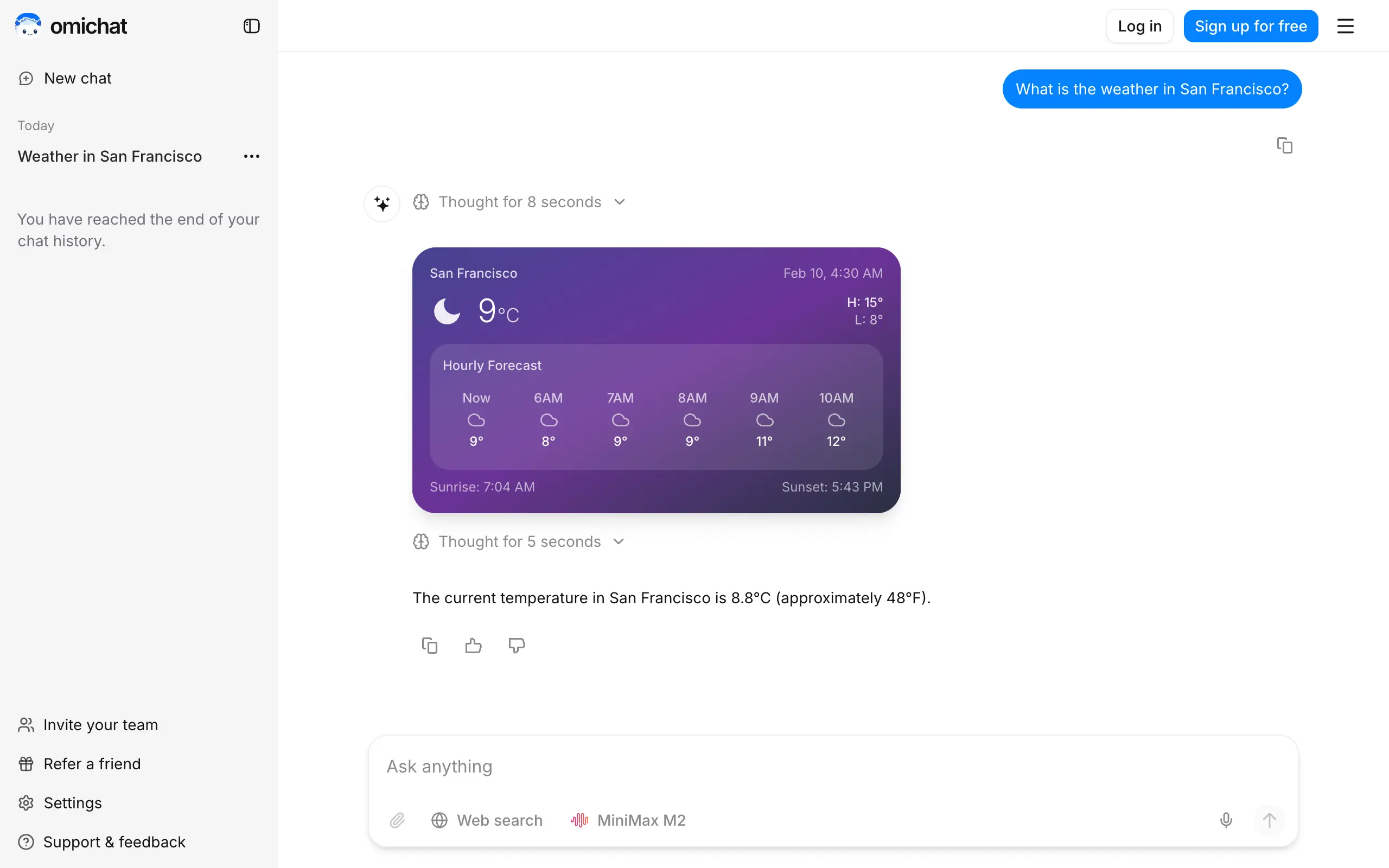
Omichat
Chat with 50+ AI models, including ChatGPT and Claude, in one place - switch models anytime without losing context 🤖
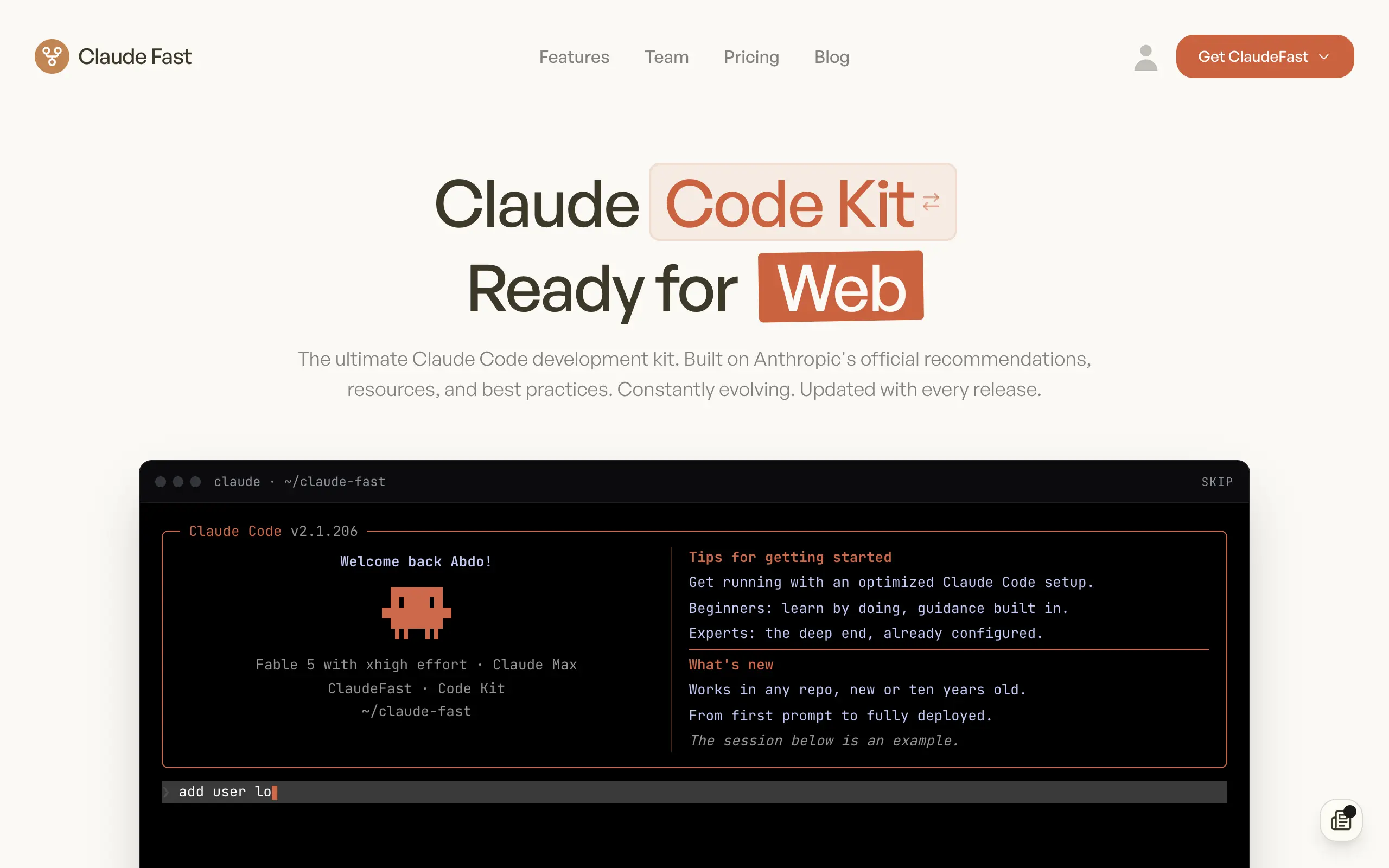
Claude Fast
Supercharge your Claude Code with 6x effective context window and specialized AI agents 🤖
EmojAI
AI-powered emoji picker with smart, context-aware suggestions 🤖

Solohacker
Autonomous company launcher - AI agents work 24/7, escalate what matters, and you stay in control 🤖
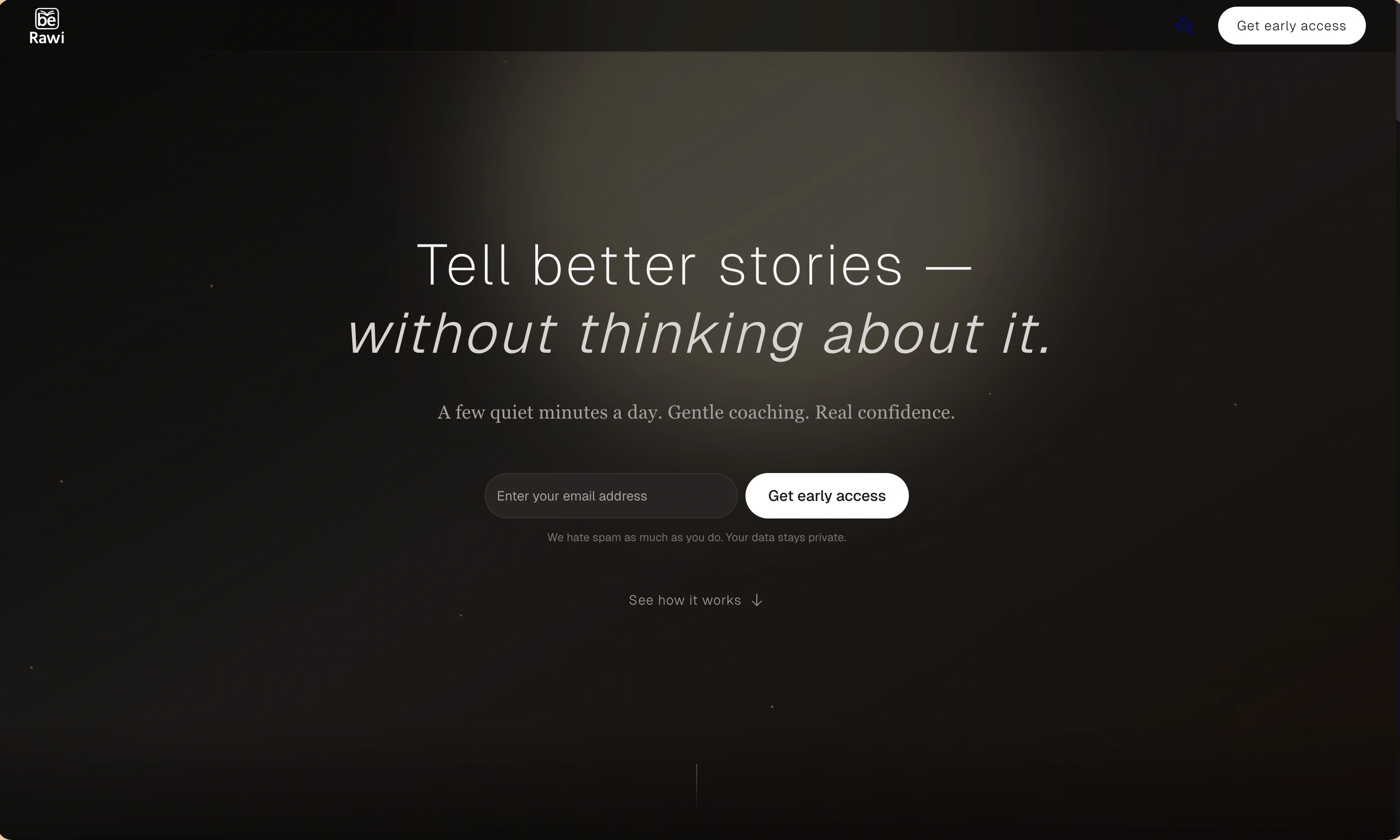
BeRawi: Storytelling Coach
Practice storytelling daily with instant feedback to sound clearer, more engaging, and confident 🎤
Omichat
Chat with 50+ AI models, including ChatGPT and Claude, in one place - switch models anytime without losing context 🤖
Claude Fast
Supercharge your Claude Code with 6x effective context window and specialized AI agents 🤖
EmojAI
AI-powered emoji picker with smart, context-aware suggestions 🤖
Solohacker
Autonomous company launcher - AI agents work 24/7, escalate what matters, and you stay in control 🤖
BeRawi: Storytelling Coach
Practice storytelling daily with instant feedback to sound clearer, more engaging, and confident 🎤
Omichat
Chat with 50+ AI models, including ChatGPT and Claude, in one place - switch models anytime without losing context 🤖
Claude Fast
Supercharge your Claude Code with 6x effective context window and specialized AI agents 🤖
EmojAI
AI-powered emoji picker with smart, context-aware suggestions 🤖
Solohacker
Autonomous company launcher - AI agents work 24/7, escalate what matters, and you stay in control 🤖
BeRawi: Storytelling Coach
Practice storytelling daily with instant feedback to sound clearer, more engaging, and confident 🎤
Omichat
Chat with 50+ AI models, including ChatGPT and Claude, in one place - switch models anytime without losing context 🤖
Claude Fast
Supercharge your Claude Code with 6x effective context window and specialized AI agents 🤖
EmojAI
AI-powered emoji picker with smart, context-aware suggestions 🤖
Solohacker
Autonomous company launcher - AI agents work 24/7, escalate what matters, and you stay in control 🤖
BeRawi: Storytelling Coach
Practice storytelling daily with instant feedback to sound clearer, more engaging, and confident 🎤

Connect with like-minded people
Join our community to get feedback, support, and grow together with 1,000+ builders on board, let's ship it!
Join usShip your startup everywhere. In minutes.
Don't burn tokens on setup and start building features on day one.