DiveAI Logbook
AI-powered dive logbook that auto-analyzes dive data, suggests new adventure spots, and provides safety tips tailored to your experience and preferences.
Understanding the need for an AI-powered dive logbook
Scuba diving is a passion shared by millions worldwide, but traditional dive logbooks—whether paper-based or basic digital forms—often fall short in delivering actionable insights, adventure inspiration, and personalized safety guidance. As the diving community grows more tech-savvy, there's a clear demand for smarter, more intuitive tools that not only record dives but also enhance the entire diving experience.
DiveAI Logbook addresses this gap by leveraging artificial intelligence to auto-analyze dive data, recommend new adventure spots, and provide safety tips tailored to each diver’s unique profile. This article explores the market opportunity, core features, technical considerations, and strategic implementation steps for building and scaling DiveAI Logbook as a leading SaaS solution.
Who is DiveAI Logbook for? Target audience analysis
Understanding the target audience is crucial for any SaaS product, especially in a niche like scuba diving. DiveAI Logbook is designed for:
- Recreational divers: From beginners logging their first open water dives to advanced hobbyists seeking new challenges.
- Professional divers: Instructors, dive masters, and technical divers who require detailed analytics and safety tracking.
- Dive travel enthusiasts: Divers who travel frequently and want personalized recommendations for new dive sites.
- Dive shops and schools: Organizations looking to offer value-added digital services to their clients.
- Marine researchers and conservationists: Individuals who need structured, analyzable dive data for scientific or environmental purposes.
User intent for this audience typically includes:
- Finding a smarter way to log and analyze dive data.
- Discovering new, relevant dive locations.
- Receiving safety advice tailored to their experience and conditions.
- Tracking progress and sharing achievements with the community.
Identifying the market opportunity and gaps
The current landscape
Most existing dive logbooks—whether apps or web platforms—focus on basic data entry and storage. Some offer cloud sync or social features, but few provide:
- Automated data analysis: Most require manual input and lack actionable insights.
- Personalized recommendations: Generic lists of dive sites, not tailored to user preferences or skill level.
- Dynamic safety guidance: Static safety checklists, not adaptive to diver history or local conditions.
Market trends and growth
- The global scuba diving equipment market is projected to reach over $5 billion by 2027 (source: suggest referencing a reputable market research report).
- Digital transformation in outdoor sports is accelerating, with divers increasingly using wearables, dive computers, and mobile apps.
- AI adoption in sports and adventure tech is on the rise, with users expecting more personalized, data-driven experiences.
Key gaps DiveAI Logbook fills
- Intelligent automation: Eliminates manual data crunching, making dive logging effortless and insightful.
- Adventure inspiration: Suggests new dive spots based on user history, preferences, and trending locations.
- Safety-first approach: Delivers real-time, context-aware safety tips, reducing risk and building trust.
Core features and solution details
DiveAI Logbook’s value proposition is rooted in its AI-driven capabilities. Here’s a breakdown of its core features:
1. Automated dive data analysis
- Seamless data import: Sync with popular dive computers and mobile devices.
- AI-powered insights: Analyze depth, duration, gas consumption, ascent rates, and more to identify patterns and suggest improvements.
- Progress tracking: Visualize skill development, milestones, and personal bests.
2. Adventure spot recommendations
- Personalized suggestions: AI recommends new dive sites based on user preferences, experience, and travel history.
- Trending locations: Highlights popular or emerging dive spots within the community.
- Environmental data integration: Considers weather, currents, and marine life activity for optimal recommendations.
3. Tailored safety tips
- Experience-based guidance: Safety tips adapt to diver’s certification level, logged dives, and recent activity.
- Location-aware alerts: Warns about local hazards, regulations, or recent incidents.
- Pre-dive checklists: Customizable, AI-generated checklists for each dive.
4. Social and community features
- Achievement sharing: Badges, milestones, and trip highlights for social media or within the app.
- Dive buddy matching: Connect with divers of similar skill and interests.
- Community insights: Aggregate anonymized data to surface trends and best practices.
5. Data privacy and security
- User-controlled data sharing: Full transparency and control over what is shared or kept private.
- Secure cloud storage: End-to-end encryption for sensitive dive logs and personal information.
AI-powered analytics
Automated insights from your dive data, highlighting trends and areas for improvement.
Adventure recommendations
Personalized dive site suggestions based on your preferences and experience.
Dynamic safety tips
Real-time, tailored safety guidance for every dive and location.
Community features
Connect, share, and learn with a global network of divers.
Recommended tech stack for DiveAI Logbook
Choosing the right technology stack is critical for scalability, performance, and user experience. Here’s a recommended stack for building DiveAI Logbook, with trade-offs considered:
Frontend
- React: Modern, component-based UI development. Large ecosystem and community support.
- TailwindCSS: Utility-first CSS framework for rapid, consistent styling.
- PWA support: For offline access and mobile-friendly experience.
Backend
- Node.js: Scalable, event-driven server-side logic.
- Python: For AI/ML components, leveraging libraries like TensorFlow or PyTorch.
- RESTful or GraphQL API: Flexible data access for frontend and third-party integrations.
Database
- PostgreSQL: Reliable, scalable relational database for structured dive logs and user data.
- MongoDB: Optionally, for unstructured or semi-structured data (e.g., user-generated content).
AI/ML infrastructure
- TensorFlow or PyTorch: For building and deploying machine learning models.
- AWS SageMaker: Managed ML service for scalable training and inference (optional, for rapid scaling).
Cloud and DevOps
- AWS or Google Cloud: For hosting, storage, and managed services.
- Docker: Containerization for consistent deployment.
- TurboStarter: For rapid SaaS boilerplate and infrastructure setup.
Trade-offs
- Python vs. Node.js for backend: Python excels in AI/ML, while Node.js offers superior real-time performance. A hybrid approach can leverage both.
- Relational vs. NoSQL database: PostgreSQL is ideal for structured dive logs; MongoDB can handle flexible user content.
- Cloud provider choice: AWS offers robust ML tools, but Google Cloud may be more cost-effective for startups.
Monetization strategy options
A sustainable SaaS business model is essential. DiveAI Logbook can explore several monetization avenues:
1. Freemium model
- Free tier: Basic dive logging, limited analytics, and community access.
- Premium subscription: Unlocks advanced AI insights, unlimited adventure recommendations, and personalized safety features.
2. B2B partnerships
- Dive shops and schools: Offer branded versions or bulk subscriptions as value-adds for their clients.
- Travel agencies: Integrate with dive travel packages for personalized recommendations.
3. Marketplace and affiliate revenue
- Equipment recommendations: AI suggests gear upgrades, earning affiliate commissions.
- Travel bookings: Partner with dive resorts and liveaboards for referral fees.
4. Data insights (with consent)
- Anonymized analytics: Offer aggregated, anonymized dive data to researchers or conservation organizations (with strict privacy controls).
The free tier should cover essential logging and basic analytics to attract users. Premium features—like advanced AI insights, unlimited recommendations, and priority support—drive subscription upgrades.
Offer white-label solutions, API access, or volume discounts to dive shops, schools, and travel agencies, enabling them to add value for their customers.
Potential risks and mitigation strategies
Launching an AI-powered SaaS in a specialized domain like scuba diving comes with unique challenges. Here’s how to address them:
1. Data privacy and security
- Risk: Sensitive user data (location, health, dive history) could be exposed.
- Mitigation: Implement end-to-end encryption, transparent privacy policies, and user-controlled data sharing.
2. AI accuracy and trust
- Risk: Inaccurate recommendations or safety tips could erode user trust or even cause harm.
- Mitigation: Use explainable AI models, rigorous testing, and allow users to provide feedback on suggestions.
3. Regulatory compliance
- Risk: Varying data protection laws (GDPR, CCPA) and local diving regulations.
- Mitigation: Stay updated on legal requirements, offer region-specific compliance options, and consult legal experts.
4. Market adoption
- Risk: Divers may be slow to adopt new technology or prefer traditional logbooks.
- Mitigation: Focus on user education, seamless onboarding, and clear demonstration of value.
5. Technical complexity
- Risk: Integrating with diverse dive computers and handling complex AI models.
- Mitigation: Start with popular devices, use modular architecture, and prioritize maintainability.
| Data privacy | AI accuracy | Compliance | Adoption | Complexity |
|---|---|---|---|---|
| ✅ | ❌ | ❌ | ✅ | ❌ |
| ✅ | ❌ | ✅ | ✅ | ❌ |
Competitive advantage analysis
To stand out in the market, DiveAI Logbook must offer clear, defensible advantages over existing solutions:
Unique selling proposition (USP)
- AI-first approach: Most competitors offer static or manual logging; DiveAI Logbook delivers automated, actionable insights.
- Personalization at scale: Recommendations and safety tips are tailored to each diver’s unique profile and context.
- Community-driven intelligence: Leverages anonymized data to surface trends, best practices, and emerging dive spots.
- Seamless integrations: Works with popular dive computers, travel platforms, and social networks.
How DiveAI Logbook compares
| Feature | DiveAI Logbook | Traditional Logbooks | Basic Dive Apps |
|---|---|---|---|
| AI-powered analytics | ✅ | ❌ | ❌ |
| Personalized recommendations | ✅ | ❌ | ❌ |
| Dynamic safety tips | ✅ | ❌ | ❌ |
| Community insights | ✅ | ❌ | ❌ |
| Device integrations | ✅ | ❌ | ✅ |
Actionable implementation steps
Building and launching DiveAI Logbook requires a structured, iterative approach. Here’s a recommended roadmap:
Conclusion: Why DiveAI Logbook is the future of dive logging
DiveAI Logbook is more than just a digital logbook—it’s a smart companion for every diver, blending AI-powered analytics, adventure inspiration, and safety-first guidance into a seamless SaaS experience. By addressing real user needs, leveraging cutting-edge technology, and prioritizing trust and personalization, DiveAI Logbook is poised to become the go-to platform for divers worldwide.
Whether you’re a recreational diver seeking new adventures, a professional looking to optimize your performance, or a dive shop aiming to offer next-level digital services, DiveAI Logbook delivers unmatched value.
Frequently asked questions
DiveAI Logbook uses end-to-end encryption, transparent privacy controls, and gives users full control over data sharing. Compliance with GDPR and other regulations is a top priority.
Yes, the platform is designed to integrate with popular dive computers and import data seamlessly. Support for additional devices is added regularly.
Unlike basic logbooks, DiveAI Logbook uses AI to provide personalized insights, adventure recommendations, and dynamic safety tips—tailored to your unique diving journey.
Further reading and resources
- React - Official documentation for building modern UIs.
- TailwindCSS - Utility-first CSS framework.
- TurboStarter - Rapid SaaS boilerplate and infrastructure.
- TensorFlow - Machine learning platform.
- PostgreSQL - Advanced open-source relational database.
For the latest trends in scuba diving technology and AI, consider referencing reputable industry reports and publications.
More 🤖 AI Startup SaaS ideas
Discover more innovative ai startup SaaS ideas that are trending in 2026. Each idea is AI-generated with market validation and growth potential to help you find your next profitable venture faster than competitors.
Your competitors are building with TurboStarter
Below are some of the SaaS ideas that have been generated and built with our starter kit.
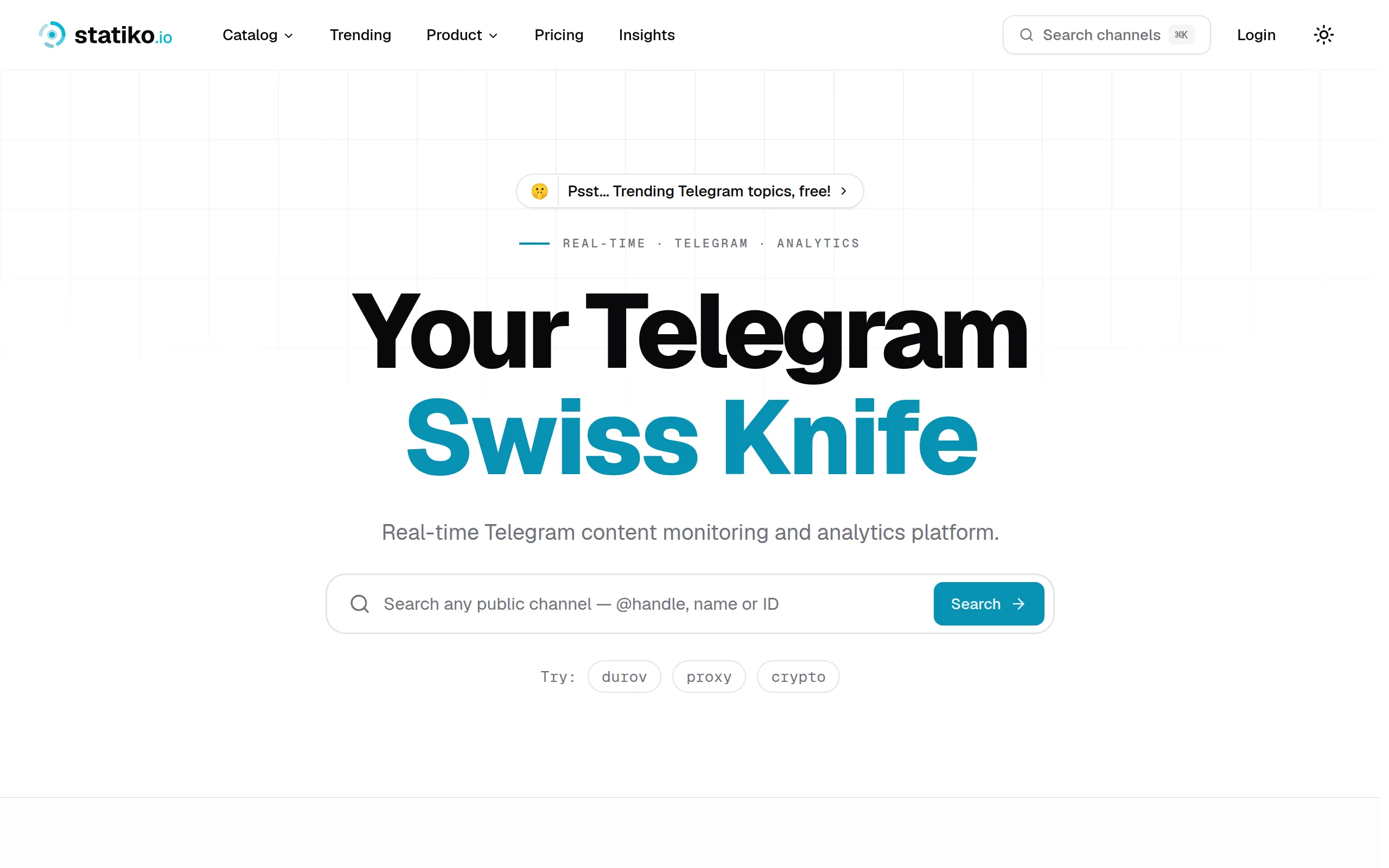
Statiko
Monitor any Telegram channel in real time - track posts, edits, deletions, and growth with AI recaps 📡

Shibui
AI website builder - describe your business, pick a niche template, edit by chatting, and publish instantly ✨

Pro Service
Find verified home service professionals, compare quotes, and pay securely through escrow - built for Brazilians across the US 🏠
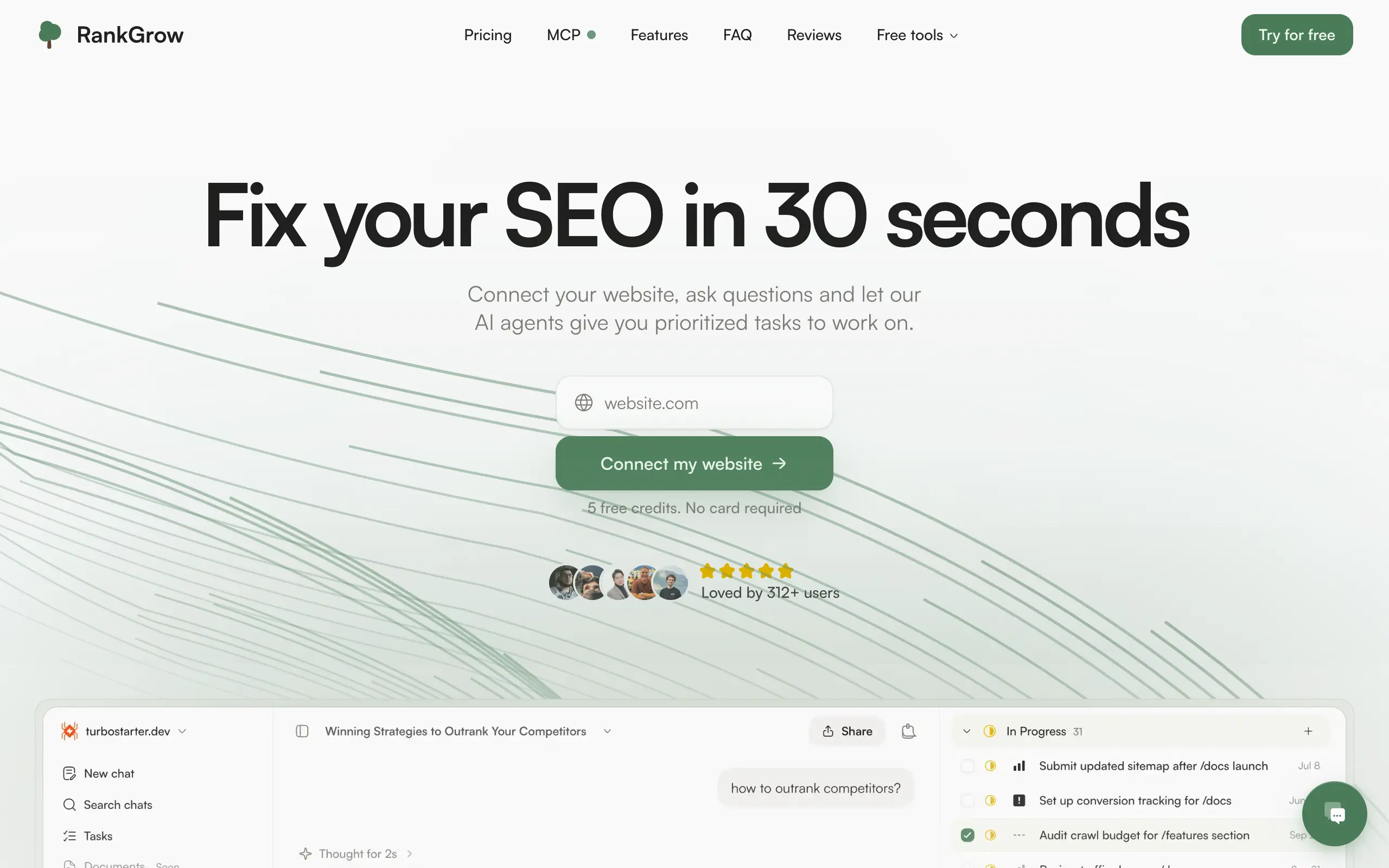
RankGrow
Fix your SEO with AI agents - connect Search Console, get prioritized tasks, and grow organic traffic 📈
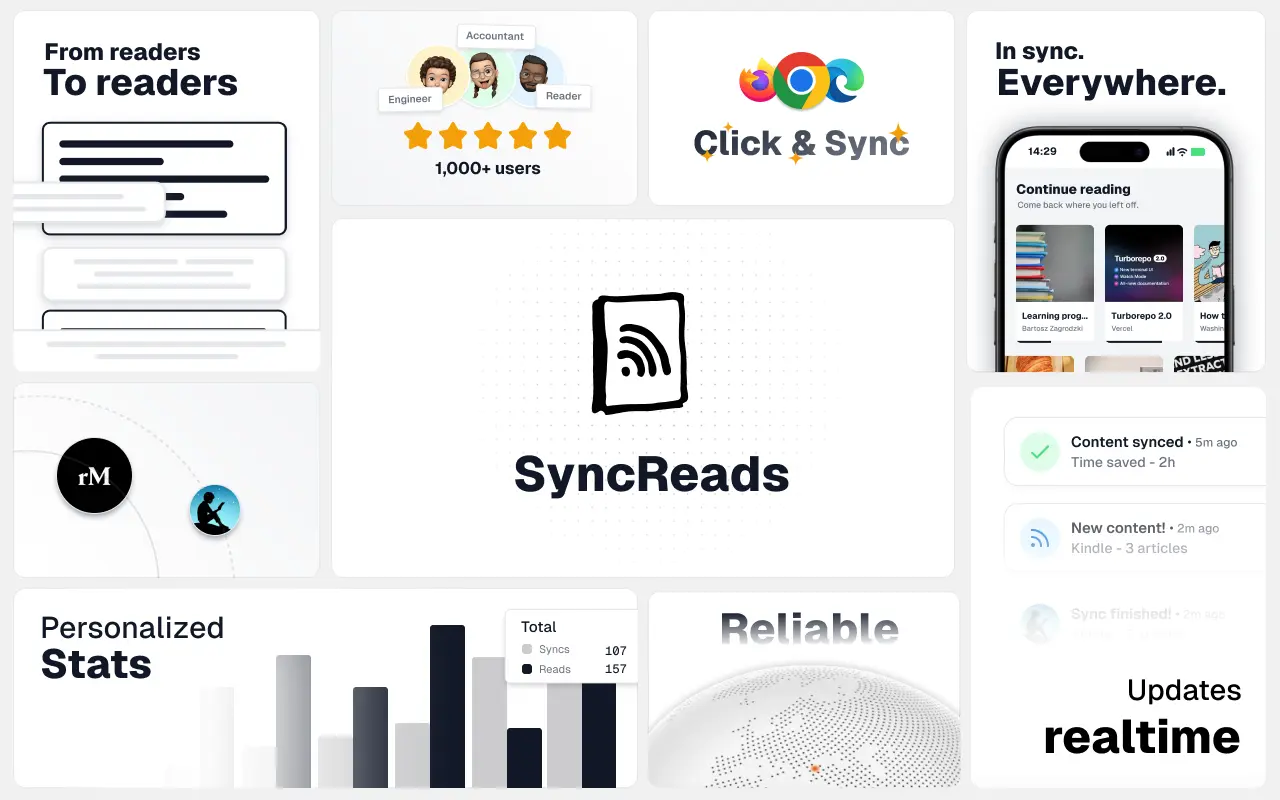
SyncReads
Sync your favorite content for distraction-free reading, save time and replace multiple apps. Anytime, anywhere 🔄
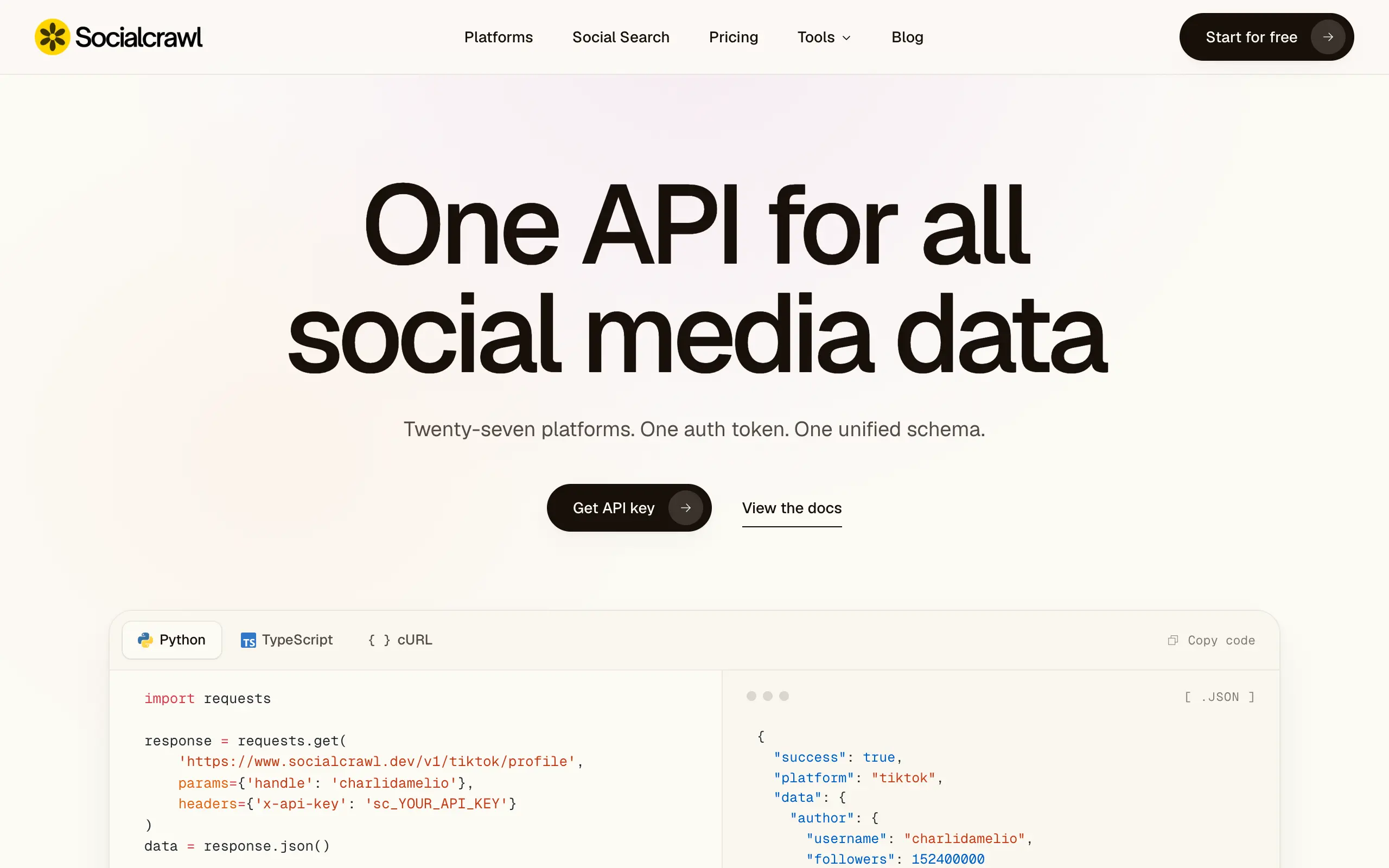
Socialcrawl
Get clean, structured data from 21 platforms like TikTok, Instagram, and YouTube with a single request 📊
Statiko
Monitor any Telegram channel in real time - track posts, edits, deletions, and growth with AI recaps 📡
Shibui
AI website builder - describe your business, pick a niche template, edit by chatting, and publish instantly ✨
Pro Service
Find verified home service professionals, compare quotes, and pay securely through escrow - built for Brazilians across the US 🏠
RankGrow
Fix your SEO with AI agents - connect Search Console, get prioritized tasks, and grow organic traffic 📈
SyncReads
Sync your favorite content for distraction-free reading, save time and replace multiple apps. Anytime, anywhere 🔄
Socialcrawl
Get clean, structured data from 21 platforms like TikTok, Instagram, and YouTube with a single request 📊
Statiko
Monitor any Telegram channel in real time - track posts, edits, deletions, and growth with AI recaps 📡
Shibui
AI website builder - describe your business, pick a niche template, edit by chatting, and publish instantly ✨
Pro Service
Find verified home service professionals, compare quotes, and pay securely through escrow - built for Brazilians across the US 🏠
RankGrow
Fix your SEO with AI agents - connect Search Console, get prioritized tasks, and grow organic traffic 📈
SyncReads
Sync your favorite content for distraction-free reading, save time and replace multiple apps. Anytime, anywhere 🔄
Socialcrawl
Get clean, structured data from 21 platforms like TikTok, Instagram, and YouTube with a single request 📊
Statiko
Monitor any Telegram channel in real time - track posts, edits, deletions, and growth with AI recaps 📡
Shibui
AI website builder - describe your business, pick a niche template, edit by chatting, and publish instantly ✨
Pro Service
Find verified home service professionals, compare quotes, and pay securely through escrow - built for Brazilians across the US 🏠
RankGrow
Fix your SEO with AI agents - connect Search Console, get prioritized tasks, and grow organic traffic 📈
SyncReads
Sync your favorite content for distraction-free reading, save time and replace multiple apps. Anytime, anywhere 🔄
Socialcrawl
Get clean, structured data from 21 platforms like TikTok, Instagram, and YouTube with a single request 📊
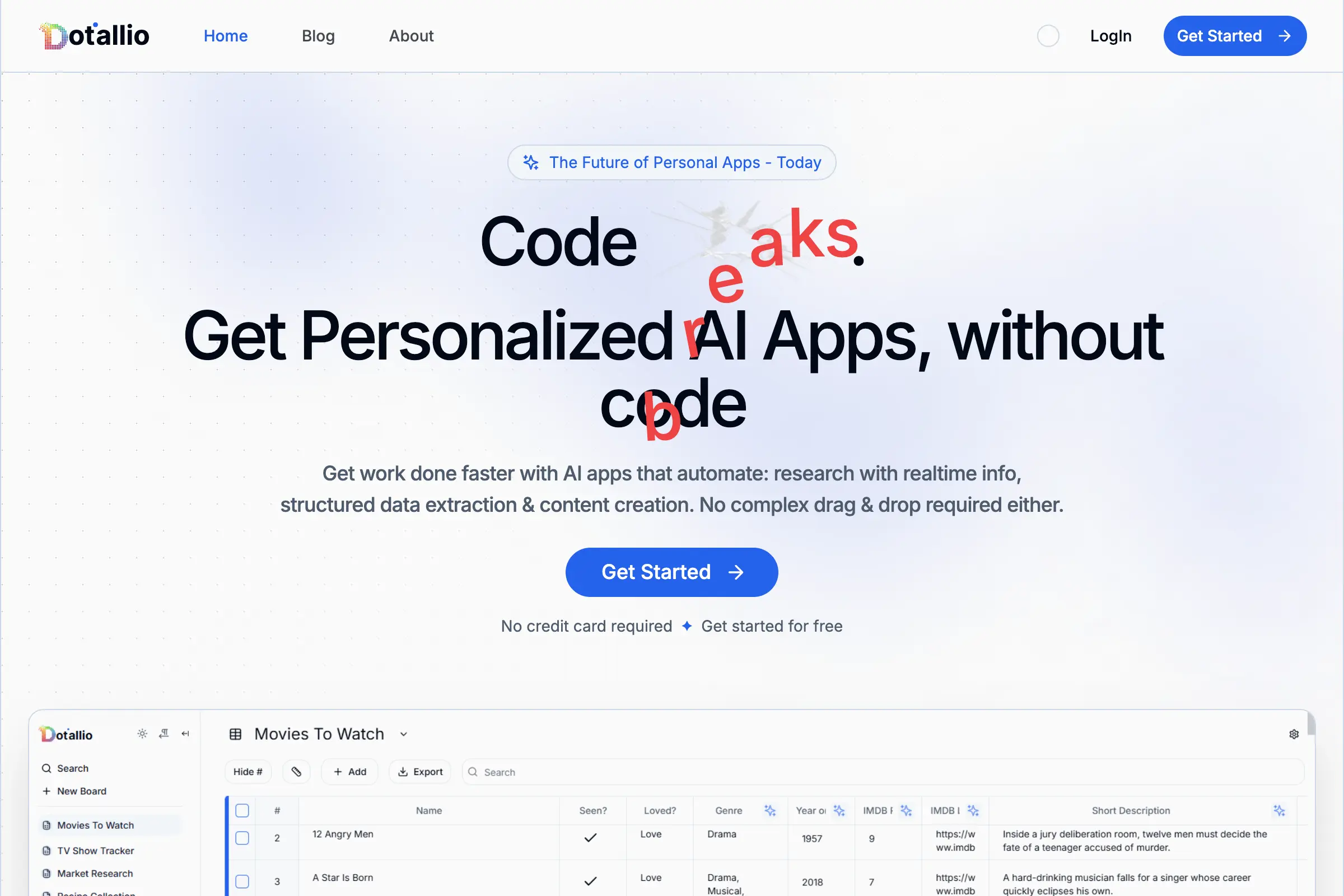
Dotallio
Personalized AI apps that automate research, data extraction, and content creation without code 🤖
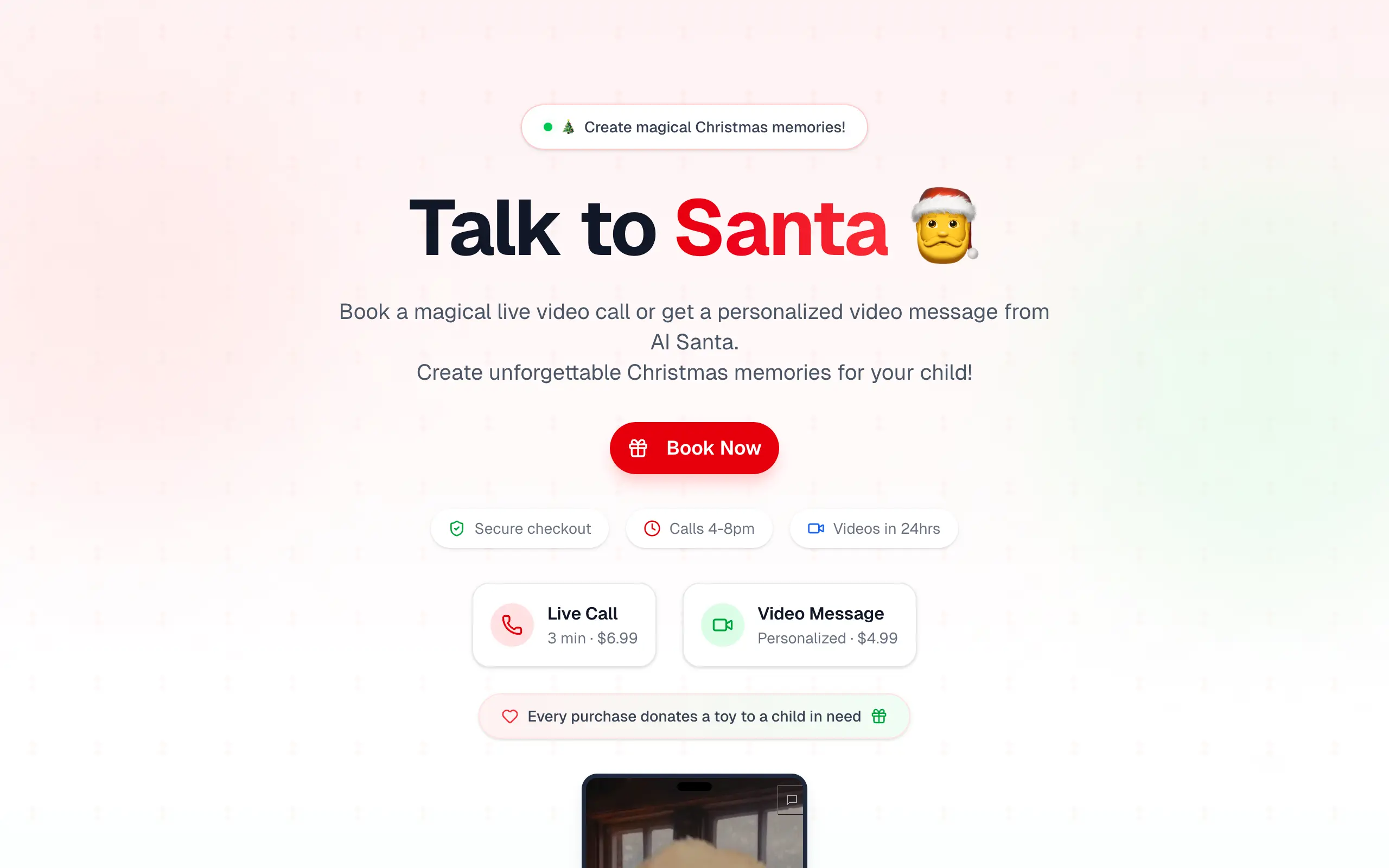
Talk to Santa
Enjoy a magical live video chat or receive a unique AI-generated video greeting from Santa Claus 🎅
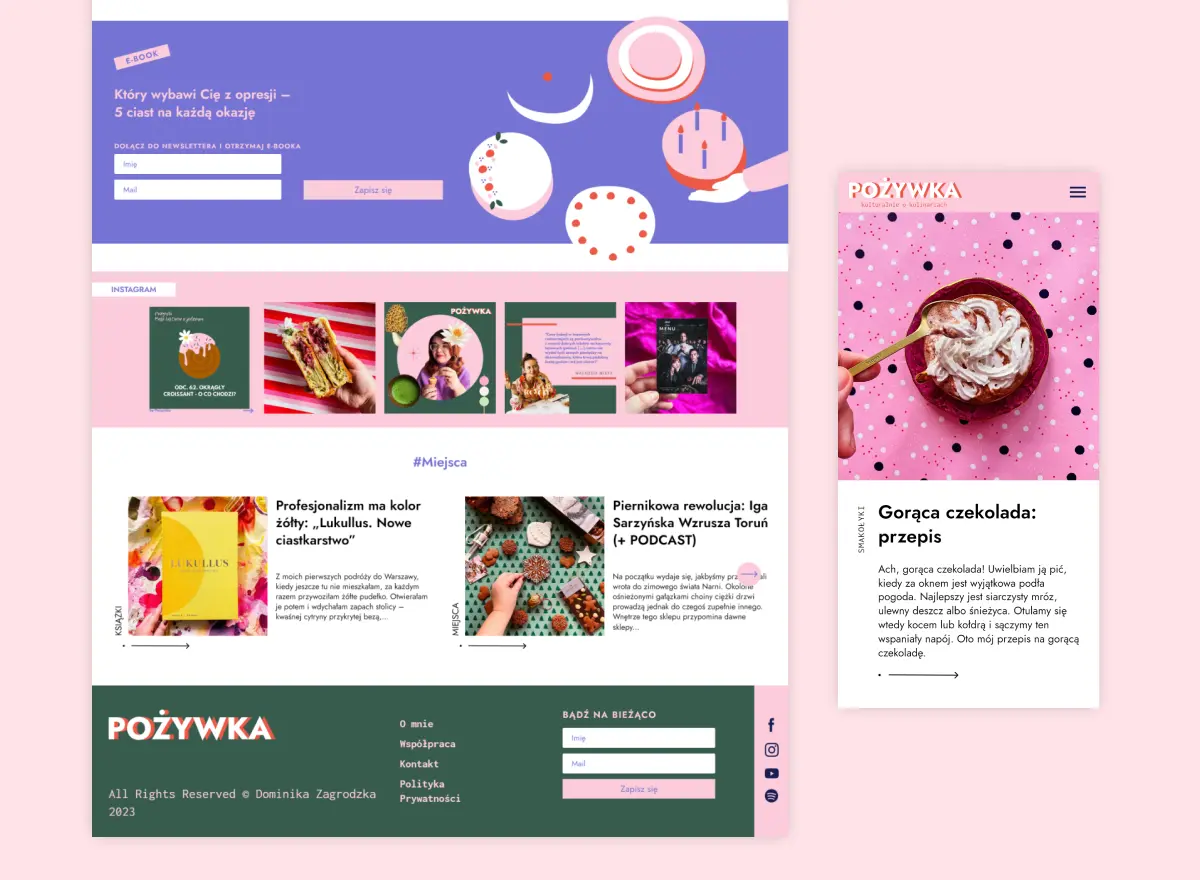
pozywka.pl
Scalable blog for food journalist, focused on performance and user experience 🌭
zagrodzki.me
Personal blog and portfolio of Bart Zagrodzki, where he shares his knowledge and work 💼
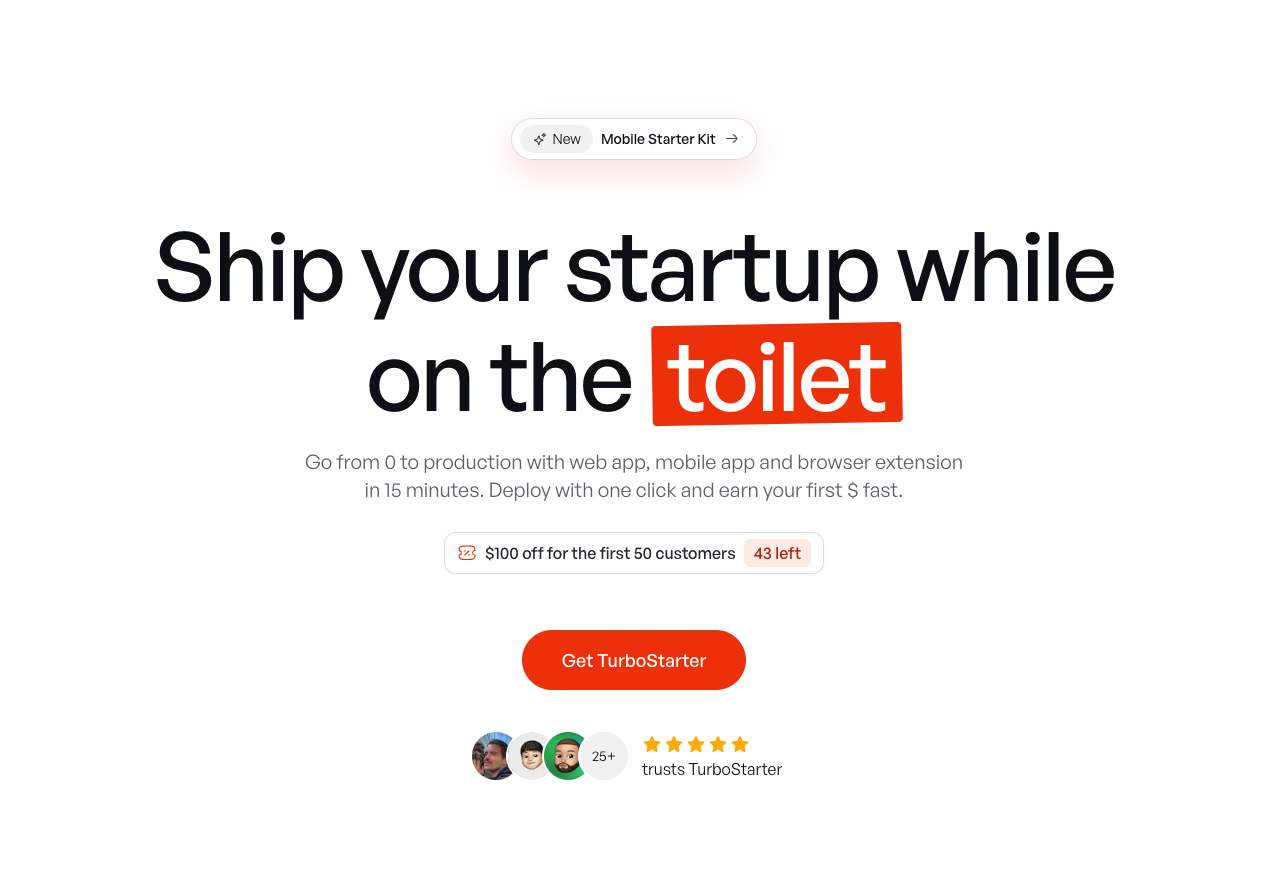
TurboStarter
Ship your startup everywhere. In minutes.
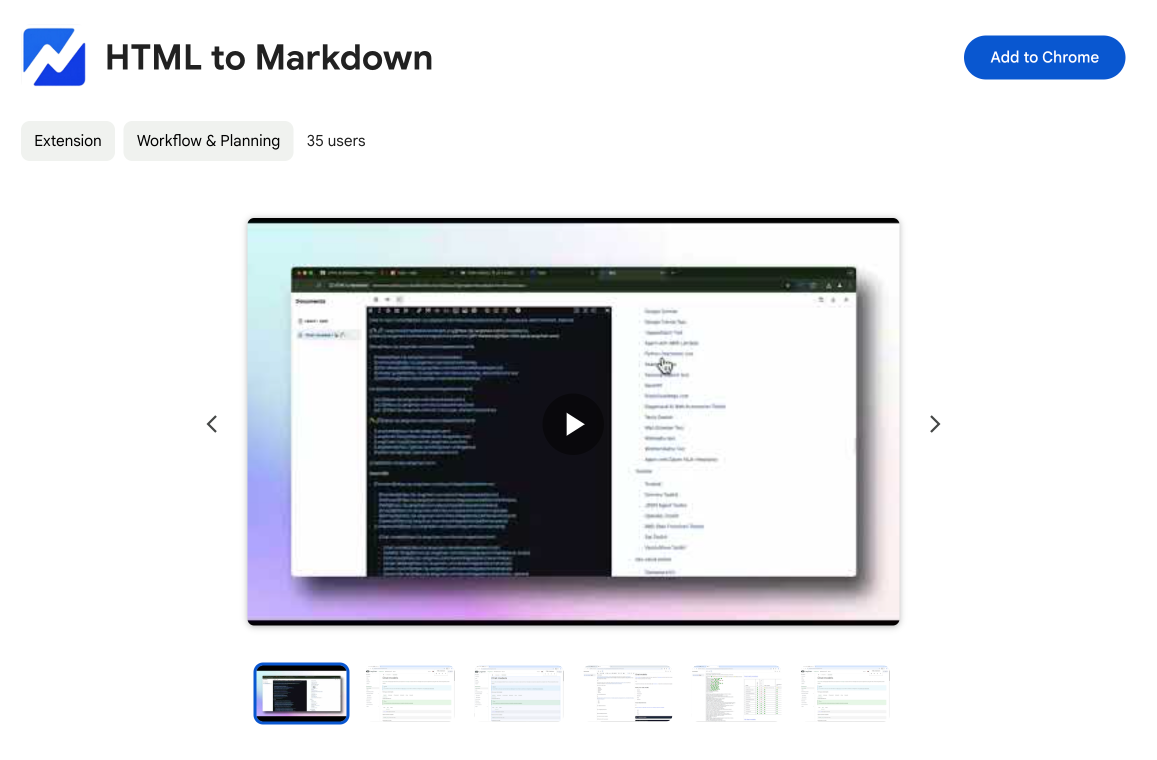
HTML to Markdown
Convert HTML to Markdown with ease, directly in your browser 📄
Dotallio
Personalized AI apps that automate research, data extraction, and content creation without code 🤖
Talk to Santa
Enjoy a magical live video chat or receive a unique AI-generated video greeting from Santa Claus 🎅
pozywka.pl
Scalable blog for food journalist, focused on performance and user experience 🌭
zagrodzki.me
Personal blog and portfolio of Bart Zagrodzki, where he shares his knowledge and work 💼
TurboStarter
Ship your startup everywhere. In minutes.
HTML to Markdown
Convert HTML to Markdown with ease, directly in your browser 📄
Dotallio
Personalized AI apps that automate research, data extraction, and content creation without code 🤖
Talk to Santa
Enjoy a magical live video chat or receive a unique AI-generated video greeting from Santa Claus 🎅
pozywka.pl
Scalable blog for food journalist, focused on performance and user experience 🌭
zagrodzki.me
Personal blog and portfolio of Bart Zagrodzki, where he shares his knowledge and work 💼
TurboStarter
Ship your startup everywhere. In minutes.
HTML to Markdown
Convert HTML to Markdown with ease, directly in your browser 📄
Dotallio
Personalized AI apps that automate research, data extraction, and content creation without code 🤖
Talk to Santa
Enjoy a magical live video chat or receive a unique AI-generated video greeting from Santa Claus 🎅
pozywka.pl
Scalable blog for food journalist, focused on performance and user experience 🌭
zagrodzki.me
Personal blog and portfolio of Bart Zagrodzki, where he shares his knowledge and work 💼
TurboStarter
Ship your startup everywhere. In minutes.
HTML to Markdown
Convert HTML to Markdown with ease, directly in your browser 📄
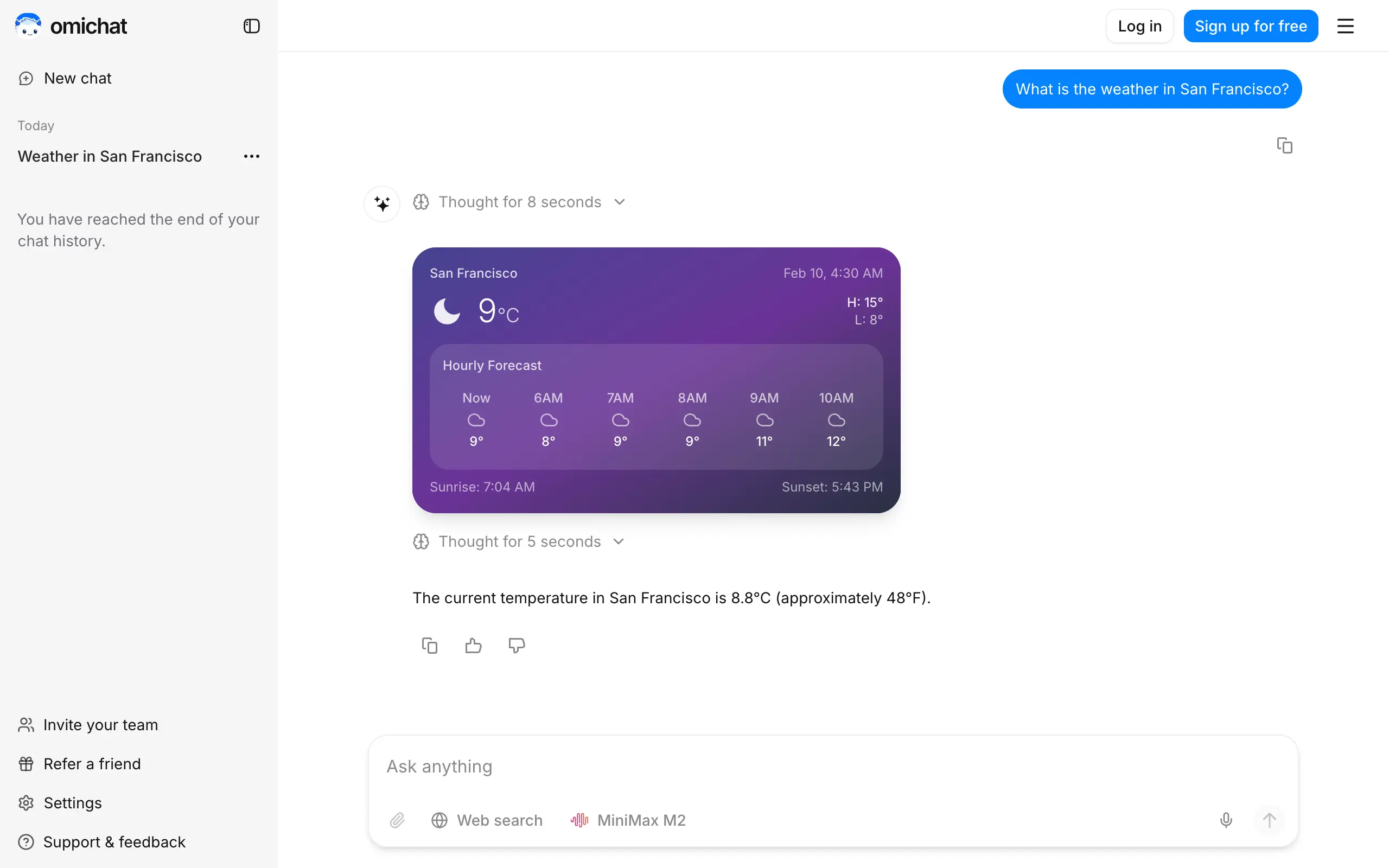
Omichat
Chat with 50+ AI models, including ChatGPT and Claude, in one place - switch models anytime without losing context 🤖
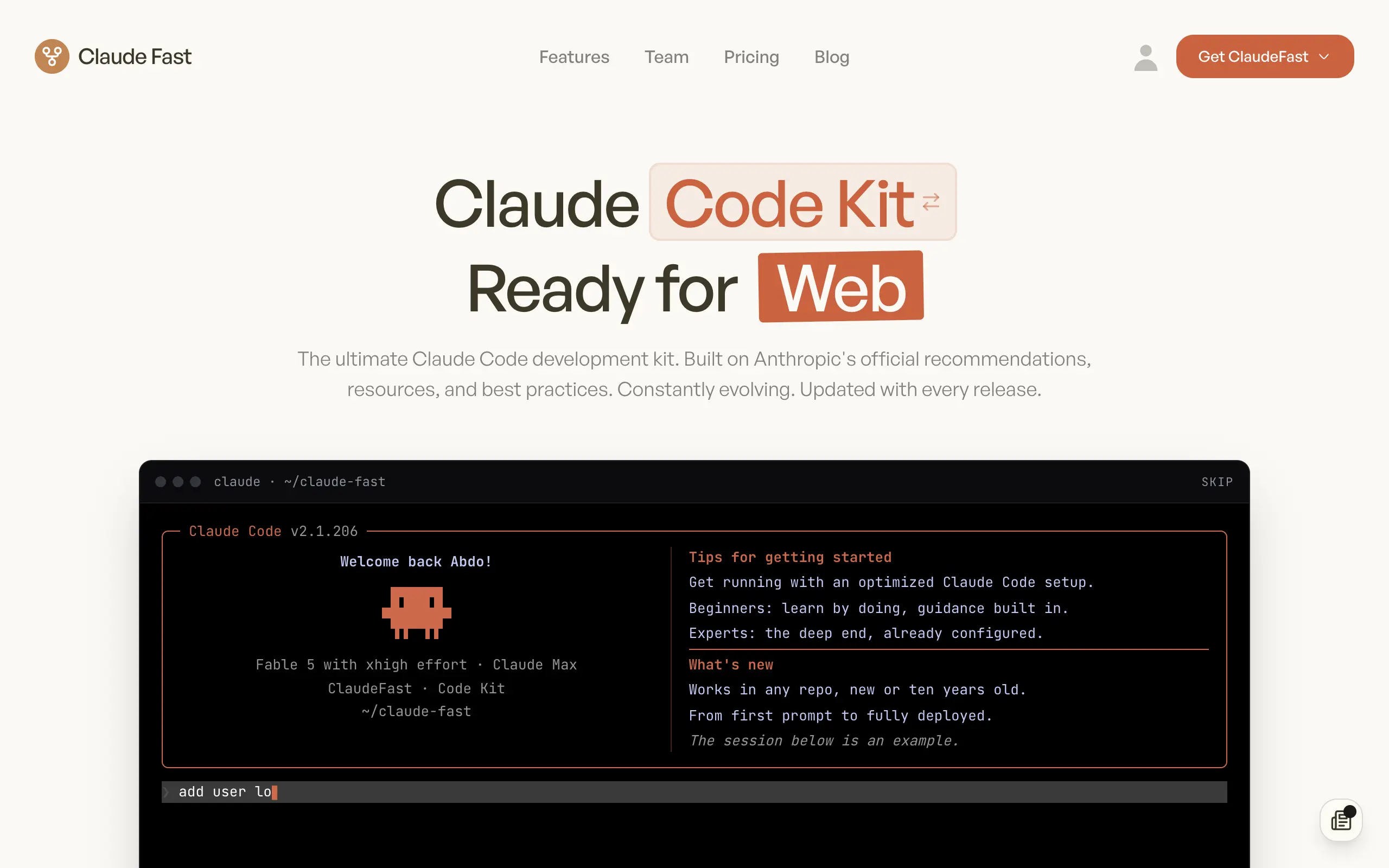
Claude Fast
Supercharge your Claude Code with 6x effective context window and specialized AI agents 🤖
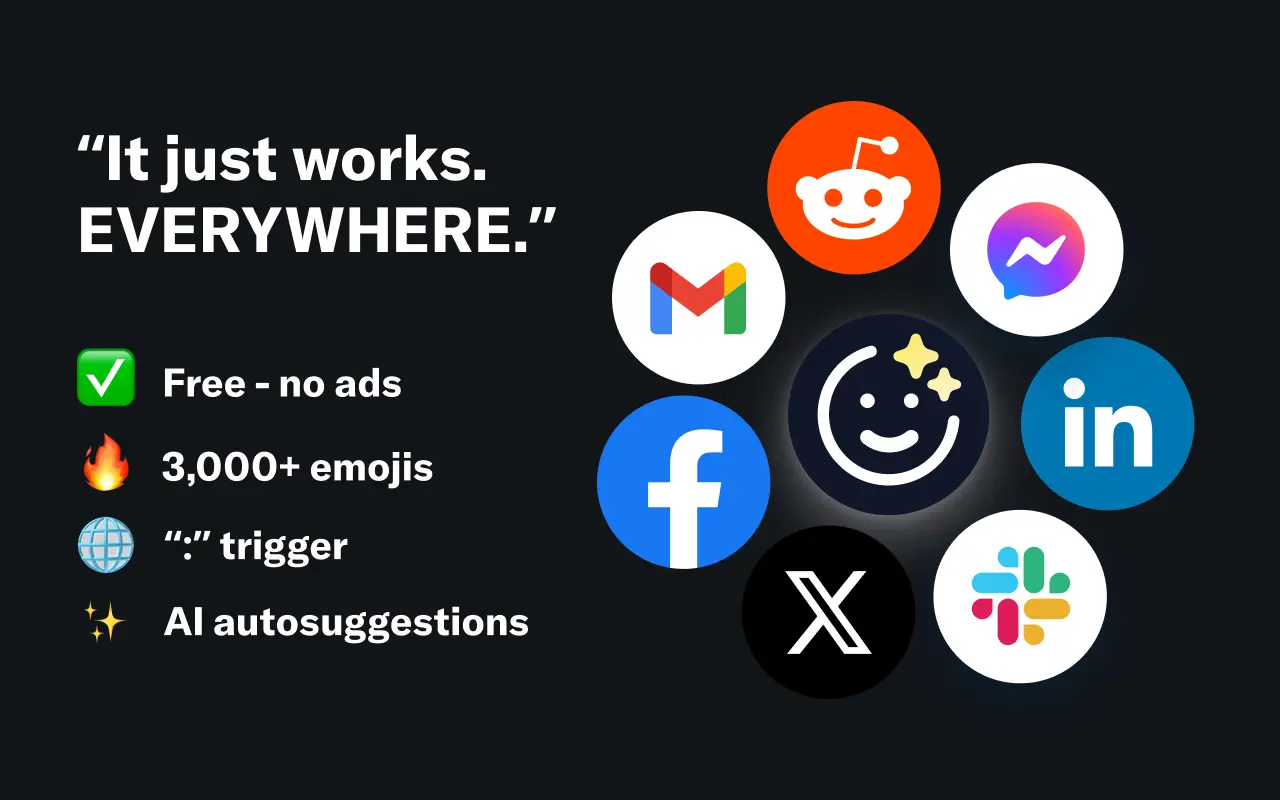
EmojAI
AI-powered emoji picker with smart, context-aware suggestions 🤖

Solohacker
Autonomous company launcher - AI agents work 24/7, escalate what matters, and you stay in control 🤖
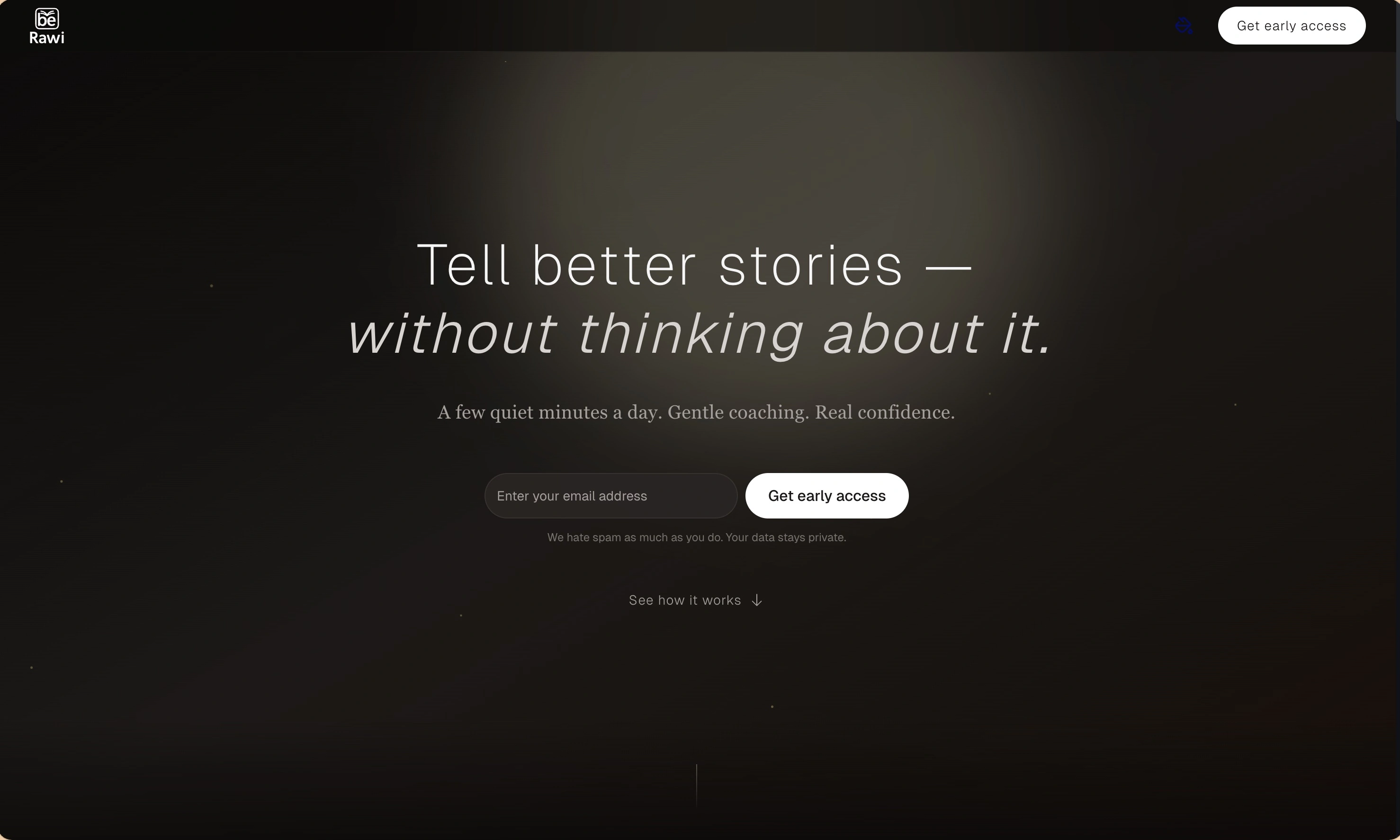
BeRawi: Storytelling Coach
Practice storytelling daily with instant feedback to sound clearer, more engaging, and confident 🎤
Omichat
Chat with 50+ AI models, including ChatGPT and Claude, in one place - switch models anytime without losing context 🤖
Claude Fast
Supercharge your Claude Code with 6x effective context window and specialized AI agents 🤖
EmojAI
AI-powered emoji picker with smart, context-aware suggestions 🤖
Solohacker
Autonomous company launcher - AI agents work 24/7, escalate what matters, and you stay in control 🤖
BeRawi: Storytelling Coach
Practice storytelling daily with instant feedback to sound clearer, more engaging, and confident 🎤
Omichat
Chat with 50+ AI models, including ChatGPT and Claude, in one place - switch models anytime without losing context 🤖
Claude Fast
Supercharge your Claude Code with 6x effective context window and specialized AI agents 🤖
EmojAI
AI-powered emoji picker with smart, context-aware suggestions 🤖
Solohacker
Autonomous company launcher - AI agents work 24/7, escalate what matters, and you stay in control 🤖
BeRawi: Storytelling Coach
Practice storytelling daily with instant feedback to sound clearer, more engaging, and confident 🎤
Omichat
Chat with 50+ AI models, including ChatGPT and Claude, in one place - switch models anytime without losing context 🤖
Claude Fast
Supercharge your Claude Code with 6x effective context window and specialized AI agents 🤖
EmojAI
AI-powered emoji picker with smart, context-aware suggestions 🤖
Solohacker
Autonomous company launcher - AI agents work 24/7, escalate what matters, and you stay in control 🤖
BeRawi: Storytelling Coach
Practice storytelling daily with instant feedback to sound clearer, more engaging, and confident 🎤

Connect with like-minded people
Join our community to get feedback, support, and grow together with 1,000+ builders on board, let's ship it!
Join usShip your startup everywhere. In minutes.
Don't burn tokens on setup and start building features on day one.