DiveRisk AI
AI-driven risk assessment tool for divers, providing personalized safety tips, emergency protocols, and predictive analytics based on dive profiles and locations.
Understanding the need for AI-driven risk assessment in diving
Scuba diving is an exhilarating activity, but it comes with inherent risks. From decompression sickness to unpredictable weather and equipment failures, divers face a range of hazards that require careful planning and real-time awareness. Traditional risk assessment methods—manual checklists, static safety guides, and anecdotal advice—often fall short in providing personalized, up-to-date insights.
DiveRisk AI addresses this gap by leveraging artificial intelligence to deliver tailored risk assessments, safety tips, and emergency protocols based on each diver’s unique profile, planned dive, and real-world conditions. In this article, we’ll explore the market need, target audience, core features, technology stack, monetization strategies, and competitive advantages of DiveRisk AI, providing a comprehensive guide for anyone interested in the future of dive safety technology.
Target audience analysis: Who benefits from DiveRisk AI?
Understanding the target audience is crucial for any SaaS product, especially in a niche like diving safety. DiveRisk AI is designed for:
- Recreational divers: From beginners to advanced hobbyists, these users seek confidence and safety in unfamiliar waters.
- Professional divers: Instructors, guides, and commercial divers who need to manage group safety and comply with regulations.
- Dive shops and tour operators: Businesses aiming to enhance their safety protocols and differentiate their services.
- Dive training organizations: Agencies looking to modernize their curriculum with data-driven safety tools.
- Insurance providers: Companies interested in risk profiling for policy pricing and claims management.
User personas
Emma, the adventure-seeking beginner
Wants to explore new dive sites but is anxious about unknown risks. Seeks personalized safety advice.
Carlos, the dive instructor
Responsible for group safety. Needs real-time risk updates and emergency protocols for various locations.
Sophie, the dive shop owner
Wants to offer premium safety services to attract more customers and reduce liability.
User intent and search behavior
Potential users are searching for:
- Personalized dive safety tips
- Real-time risk assessment tools for divers
- AI-powered dive planning
- Emergency protocols for specific dive locations
- Predictive analytics for diving accidents
DiveRisk AI’s content and features must directly address these intents, providing actionable, trustworthy, and easy-to-understand information.
Market opportunity and gap analysis
The global scuba diving market is projected to grow steadily, driven by increased interest in adventure tourism and underwater exploration. However, safety remains a top concern:
- Over 1,000 diving accidents are reported annually worldwide (reference: Divers Alert Network).
- Many incidents are preventable with better risk awareness and preparation.
- Existing tools are often generic, outdated, or lack integration with real-time data.
Key market gaps DiveRisk AI addresses
- Lack of personalization: Most safety guides are one-size-fits-all, ignoring individual health, experience, and dive profiles.
- Limited use of data: Few solutions leverage AI or predictive analytics to anticipate risks based on historical and real-time data.
- Fragmented emergency protocols: Emergency procedures vary by location and are not always easily accessible or tailored to the diver’s context.
Industry trend
AI adoption in sports and adventure safety is accelerating, with applications in predictive analytics, real-time monitoring, and personalized recommendations. DiveRisk AI is positioned at the forefront of this trend.
Core features and solution details
DiveRisk AI’s value proposition lies in its comprehensive, AI-driven approach to dive safety. Here’s a breakdown of its core features:
1. Personalized risk assessment
- Dynamic risk scoring: AI analyzes diver profile (age, health, certification, experience), planned dive parameters (depth, duration, location), and environmental data (weather, currents, marine life).
- Actionable insights: Users receive a clear risk score and tailored recommendations to mitigate identified hazards.
2. Real-time safety tips
- Context-aware advice: Safety tips adapt to the diver’s current location, time, and environmental conditions.
- Push notifications: Alerts for sudden weather changes, equipment recalls, or local hazards.
3. Emergency protocols
- Location-specific guidance: Step-by-step emergency procedures based on the nearest medical facilities, local regulations, and available resources.
- Offline access: Critical protocols are downloadable for use in remote areas without connectivity.
4. Predictive analytics
- Incident prediction: AI models forecast potential accidents based on historical data and current trends.
- Preventive recommendations: Suggestions for equipment checks, buddy systems, and alternative dive plans.
5. Integration and reporting
- Wearable/device integration: Sync with dive computers, smartwatches, and mobile devices for seamless data collection.
- Comprehensive reports: Post-dive analytics for personal tracking and insurance documentation.
DiveRisk AI follows strict data protection standards, anonymizing user data and complying with GDPR and other relevant regulations.
Yes, group leaders can manage multiple diver profiles and receive aggregated risk assessments for the entire group.
Recommended tech stack for DiveRisk AI
Selecting the right technology stack is critical for performance, scalability, and user experience. Here’s a recommended stack for DiveRisk AI, with trade-offs explained:
Frontend
- React: Flexible, component-based UI for responsive web and mobile apps.
- TailwindCSS: Utility-first CSS framework for rapid, consistent styling.
- PWA support: Enables offline access to emergency protocols.
Backend
- Node.js: Scalable, event-driven server for real-time data processing.
- Python: Ideal for AI/ML model development and integration.
- FastAPI: High-performance API framework for serving AI models.
AI/ML
- TensorFlow or PyTorch: For building and training predictive analytics models.
- scikit-learn: For classical machine learning algorithms and data preprocessing.
Data sources
- Weather APIs: Real-time environmental data.
- Dive site databases: Location-specific hazards and emergency contacts.
- User-generated data: Dive logs, incident reports.
Trade-offs
- Python vs. Node.js for backend: Python excels in AI/ML but may require additional orchestration for real-time features. Node.js offers speed for I/O-bound tasks but is less suited for heavy ML workloads.
- PWA vs. native app: PWAs offer cross-platform compatibility and offline access, but native apps can provide deeper device integration (e.g., with dive computers).
| Frontend | Backend | AI/ML | Data | Integration |
|---|---|---|---|---|
| ✅ | ❌ | ❌ | ✅ | ❌ |
| ✅ | ❌ | ✅ | ✅ | ❌ |
Monetization strategy options
A sustainable SaaS business model is essential for long-term success. DiveRisk AI can explore several monetization avenues:
1. Subscription-based model
- Freemium: Basic risk assessments and safety tips are free; advanced analytics, group management, and offline protocols require a paid subscription.
- Tiered pricing: Different plans for individuals, professionals, and businesses (dive shops, training agencies).
2. B2B partnerships
- White-label solutions: Offer DiveRisk AI as a branded tool for dive shops, tour operators, and insurance companies.
- API access: Allow third parties to integrate risk assessment features into their own platforms.
3. Affiliate and referral programs
- Equipment recommendations: Partner with dive gear manufacturers for contextual product suggestions.
- Insurance referrals: Connect users with insurance providers based on their risk profile.
4. Data insights (with consent)
- Aggregated analytics: Sell anonymized, aggregated data to research institutions or regulatory bodies to improve dive safety standards.
Ethical consideration
Monetizing user data must be transparent and strictly opt-in, with clear privacy controls and compliance with data protection laws.
Potential risks and mitigation strategies
Launching an AI-driven risk assessment tool in the diving industry comes with its own set of challenges. Here’s how to address them:
1. Data accuracy and reliability
- Risk: Inaccurate or outdated data could lead to incorrect risk assessments.
- Mitigation: Use multiple data sources, regular updates, and user feedback loops to validate and improve AI models.
2. Liability and legal compliance
- Risk: Users may rely on DiveRisk AI for life-critical decisions.
- Mitigation: Clear disclaimers, robust testing, and alignment with industry safety standards. Consult legal experts to ensure compliance.
3. User adoption and trust
- Risk: Divers may be skeptical of AI recommendations.
- Mitigation: Build trust through transparency, explainable AI, and partnerships with reputable dive organizations.
4. Technical challenges
- Risk: Integrating with diverse devices and ensuring offline functionality.
- Mitigation: Prioritize PWA development, modular integrations, and thorough QA testing.
Competitive advantage analysis
DiveRisk AI stands out in a crowded market by combining several unique strengths:
- True personalization: Unlike generic safety apps, DiveRisk AI tailors every recommendation to the individual diver and specific dive context.
- AI-powered predictive analytics: Proactively identifies risks before they become incidents, leveraging the latest advancements in machine learning.
- Comprehensive emergency protocols: Offers location-specific, step-by-step guidance, even offline.
- Seamless integration: Works with popular dive computers and mobile devices for a frictionless user experience.
- Continuous learning: AI models improve over time with more data, ensuring recommendations stay relevant and effective.
How DiveRisk AI compares to alternatives
Most existing solutions offer static checklists or basic weather alerts. DiveRisk AI’s dynamic, data-driven approach provides a level of insight and adaptability unmatched by traditional tools.
Actionable implementation steps
Ready to bring DiveRisk AI to life? Here’s a step-by-step roadmap:
Conclusion: Why DiveRisk AI is the future of dive safety
DiveRisk AI is more than just another safety checklist—it’s a comprehensive, AI-driven platform that empowers divers to make smarter, safer decisions. By combining personalized risk assessments, real-time safety tips, predictive analytics, and location-specific emergency protocols, DiveRisk AI fills a critical gap in the diving industry.
With a robust technology stack, flexible monetization options, and a clear focus on user trust and data privacy, DiveRisk AI is poised to become the go-to solution for divers, professionals, and businesses worldwide. As the adventure tourism market grows and technology continues to advance, tools like DiveRisk AI will be essential in making underwater exploration safer and more accessible for everyone.
For those looking to accelerate their SaaS journey, platforms like TurboStarter can help streamline development and go-to-market efforts.
Frequently asked questions
Absolutely. The platform is designed to be user-friendly and provides clear, actionable advice for divers of all experience levels.
Risk scores and recommendations are updated in real time based on the latest data from weather APIs, dive site databases, and user input.
Yes, integration with popular dive computers and mobile devices is a core feature, ensuring seamless data collection and analysis.
By focusing on personalization, predictive analytics, and seamless integration, DiveRisk AI is set to redefine dive safety for the modern era.
More 🤖 AI Startup SaaS ideas
Discover more innovative ai startup SaaS ideas that are trending in 2026. Each idea is AI-generated with market validation and growth potential to help you find your next profitable venture faster than competitors.
Your competitors are building with TurboStarter
Below are some of the SaaS ideas that have been generated and built with our starter kit.
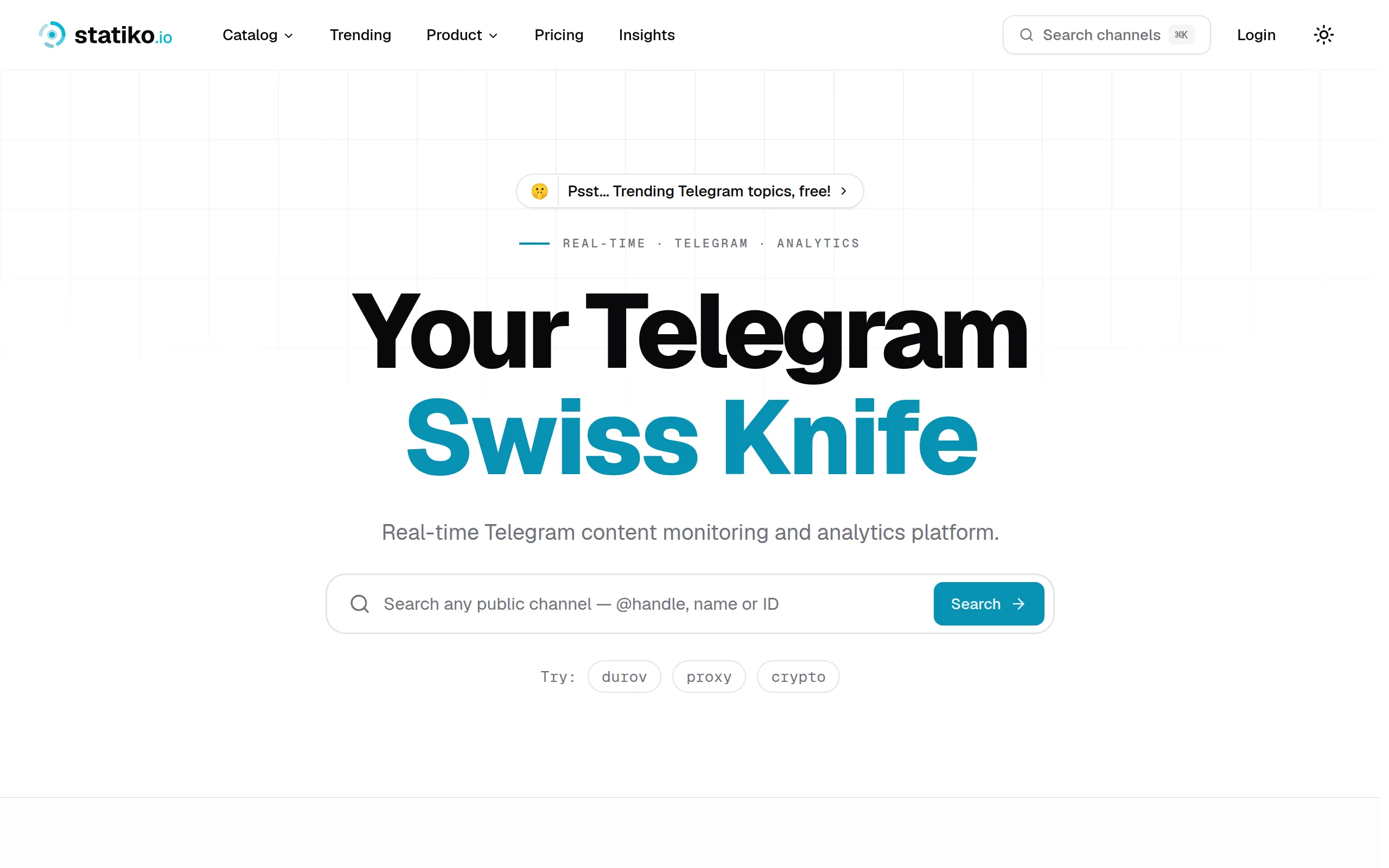
Statiko
Monitor any Telegram channel in real time - track posts, edits, deletions, and growth with AI recaps 📡
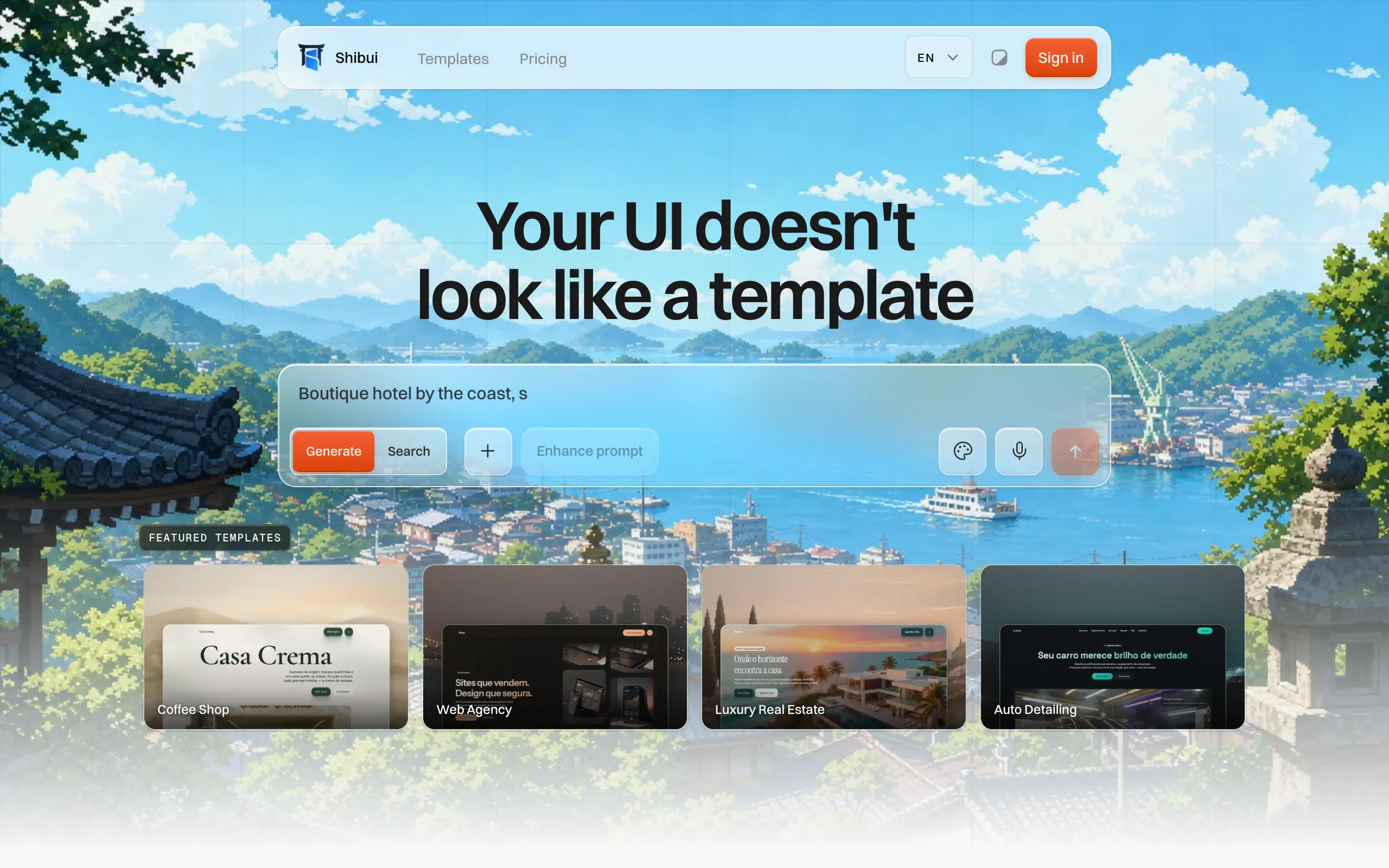
Shibui
AI website builder - describe your business, pick a niche template, edit by chatting, and publish instantly ✨

Pro Service
Find verified home service professionals, compare quotes, and pay securely through escrow - built for Brazilians across the US 🏠
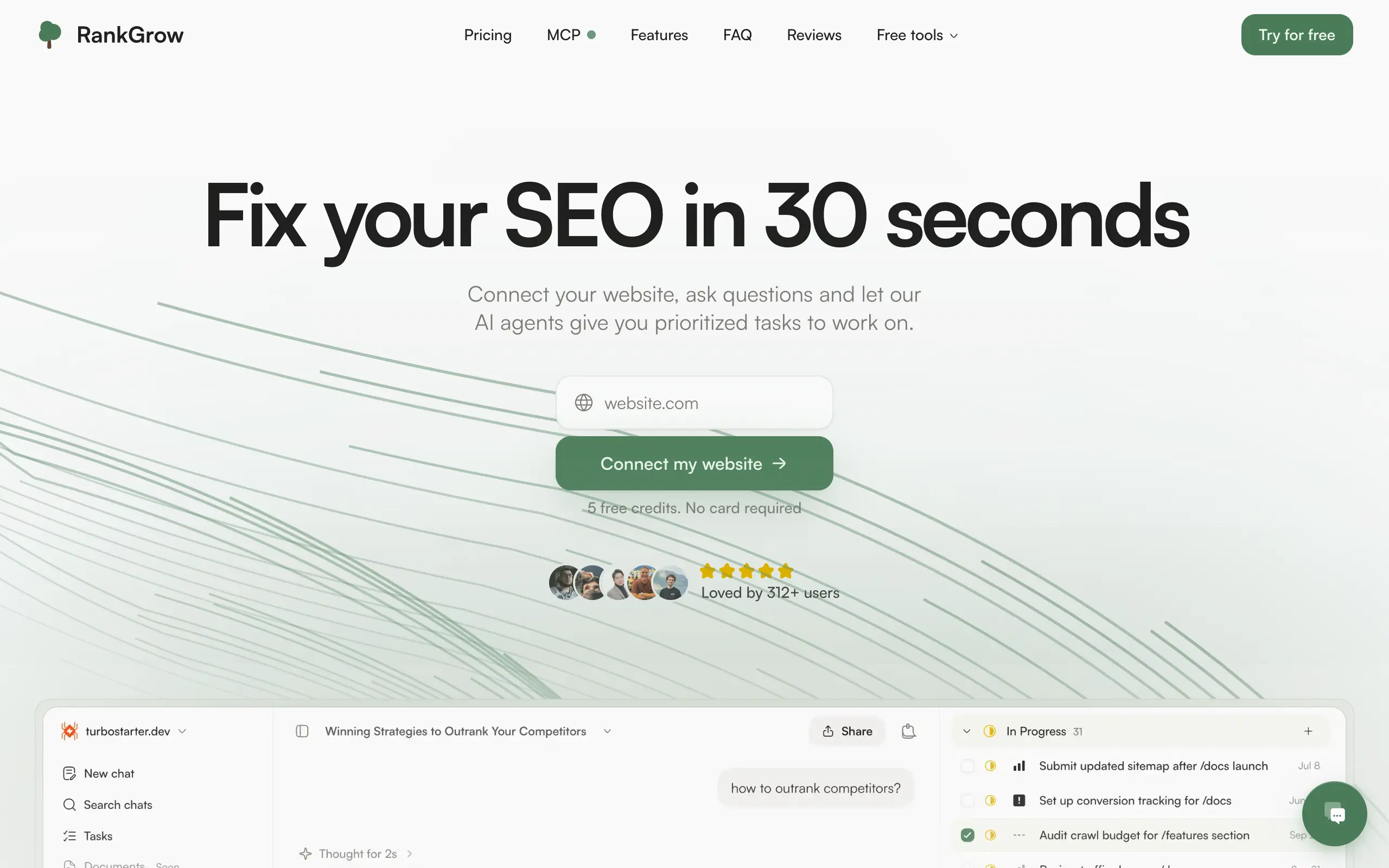
RankGrow
Fix your SEO with AI agents - connect Search Console, get prioritized tasks, and grow organic traffic 📈
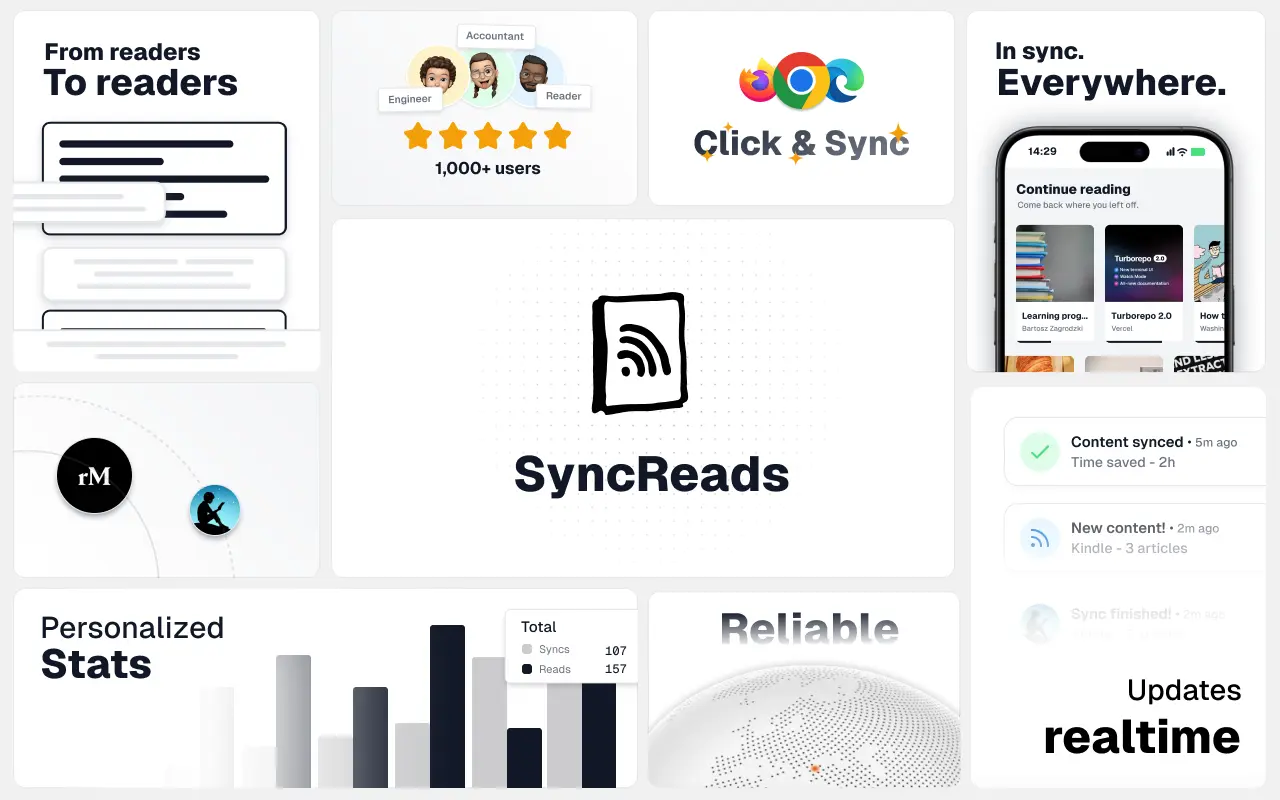
SyncReads
Sync your favorite content for distraction-free reading, save time and replace multiple apps. Anytime, anywhere 🔄
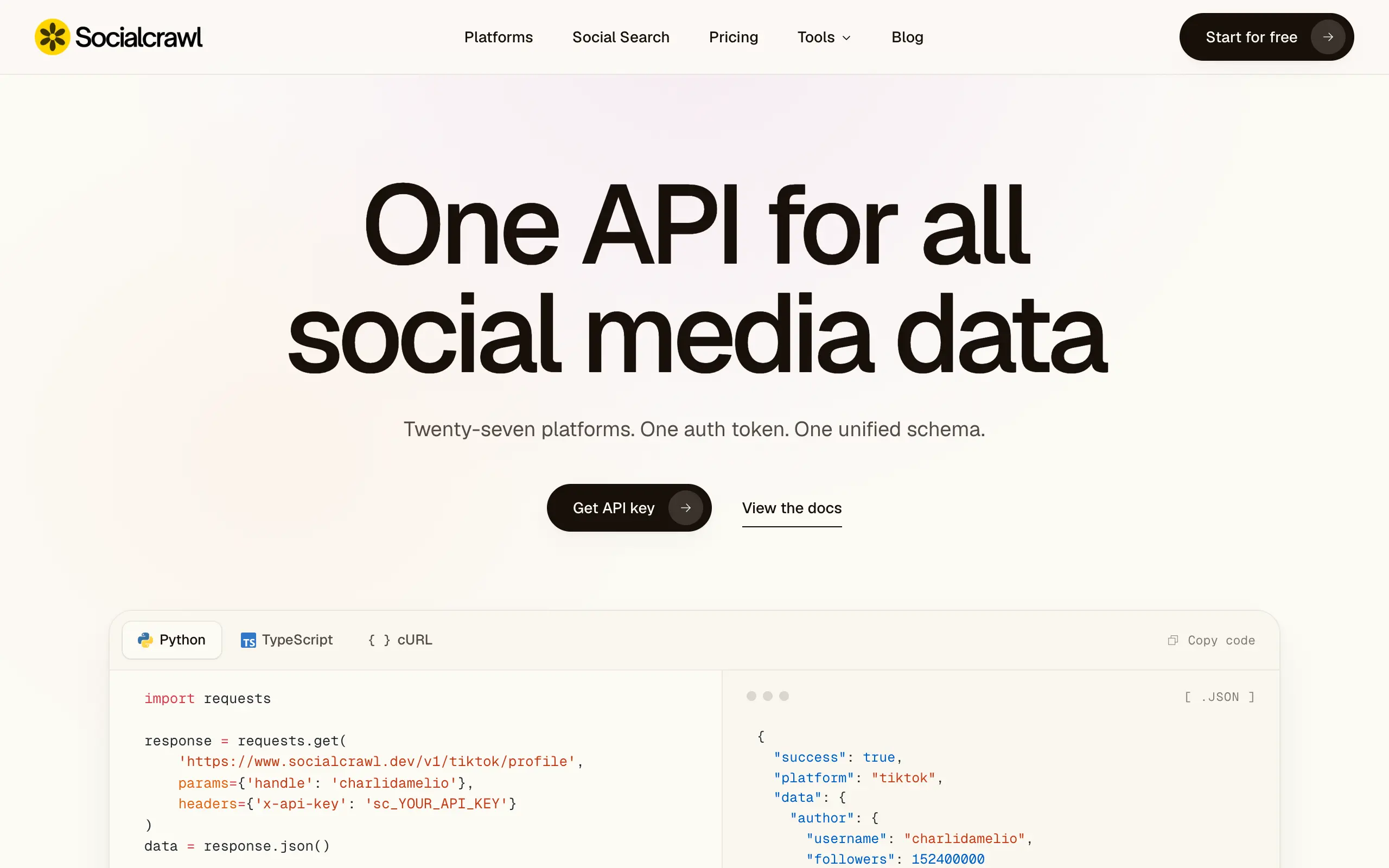
Socialcrawl
Get clean, structured data from 21 platforms like TikTok, Instagram, and YouTube with a single request 📊
Statiko
Monitor any Telegram channel in real time - track posts, edits, deletions, and growth with AI recaps 📡
Shibui
AI website builder - describe your business, pick a niche template, edit by chatting, and publish instantly ✨
Pro Service
Find verified home service professionals, compare quotes, and pay securely through escrow - built for Brazilians across the US 🏠
RankGrow
Fix your SEO with AI agents - connect Search Console, get prioritized tasks, and grow organic traffic 📈
SyncReads
Sync your favorite content for distraction-free reading, save time and replace multiple apps. Anytime, anywhere 🔄
Socialcrawl
Get clean, structured data from 21 platforms like TikTok, Instagram, and YouTube with a single request 📊
Statiko
Monitor any Telegram channel in real time - track posts, edits, deletions, and growth with AI recaps 📡
Shibui
AI website builder - describe your business, pick a niche template, edit by chatting, and publish instantly ✨
Pro Service
Find verified home service professionals, compare quotes, and pay securely through escrow - built for Brazilians across the US 🏠
RankGrow
Fix your SEO with AI agents - connect Search Console, get prioritized tasks, and grow organic traffic 📈
SyncReads
Sync your favorite content for distraction-free reading, save time and replace multiple apps. Anytime, anywhere 🔄
Socialcrawl
Get clean, structured data from 21 platforms like TikTok, Instagram, and YouTube with a single request 📊
Statiko
Monitor any Telegram channel in real time - track posts, edits, deletions, and growth with AI recaps 📡
Shibui
AI website builder - describe your business, pick a niche template, edit by chatting, and publish instantly ✨
Pro Service
Find verified home service professionals, compare quotes, and pay securely through escrow - built for Brazilians across the US 🏠
RankGrow
Fix your SEO with AI agents - connect Search Console, get prioritized tasks, and grow organic traffic 📈
SyncReads
Sync your favorite content for distraction-free reading, save time and replace multiple apps. Anytime, anywhere 🔄
Socialcrawl
Get clean, structured data from 21 platforms like TikTok, Instagram, and YouTube with a single request 📊
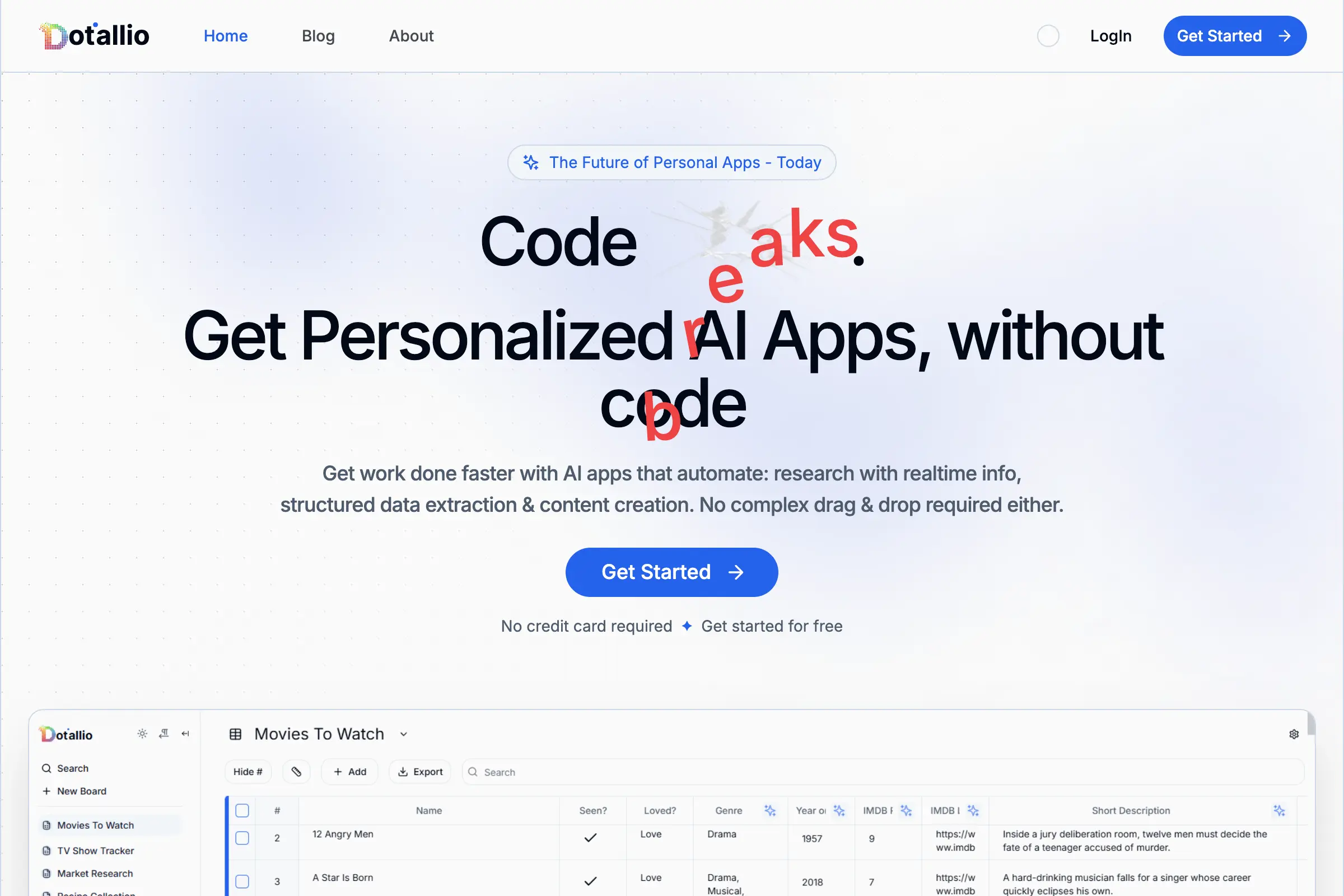
Dotallio
Personalized AI apps that automate research, data extraction, and content creation without code 🤖
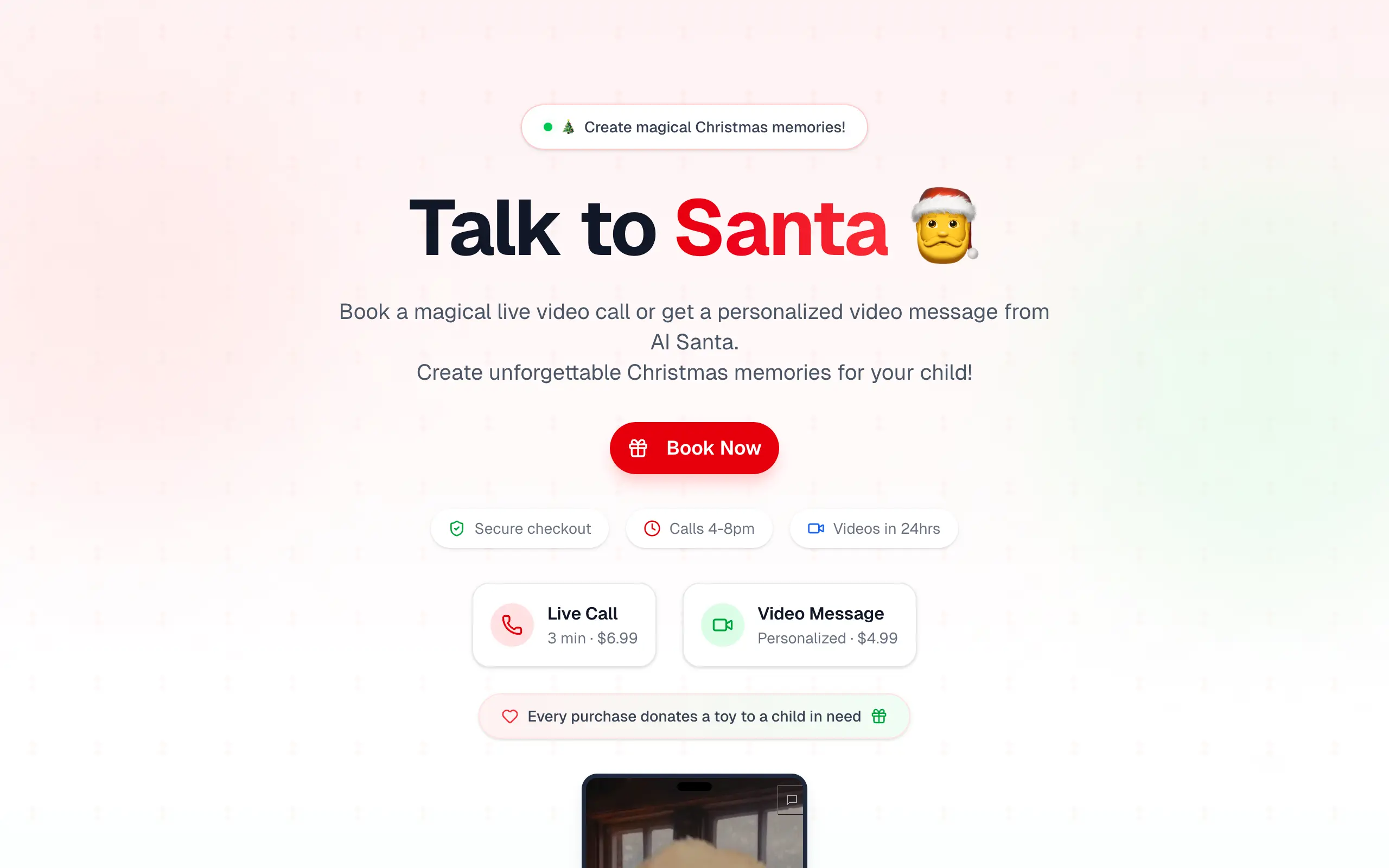
Talk to Santa
Enjoy a magical live video chat or receive a unique AI-generated video greeting from Santa Claus 🎅
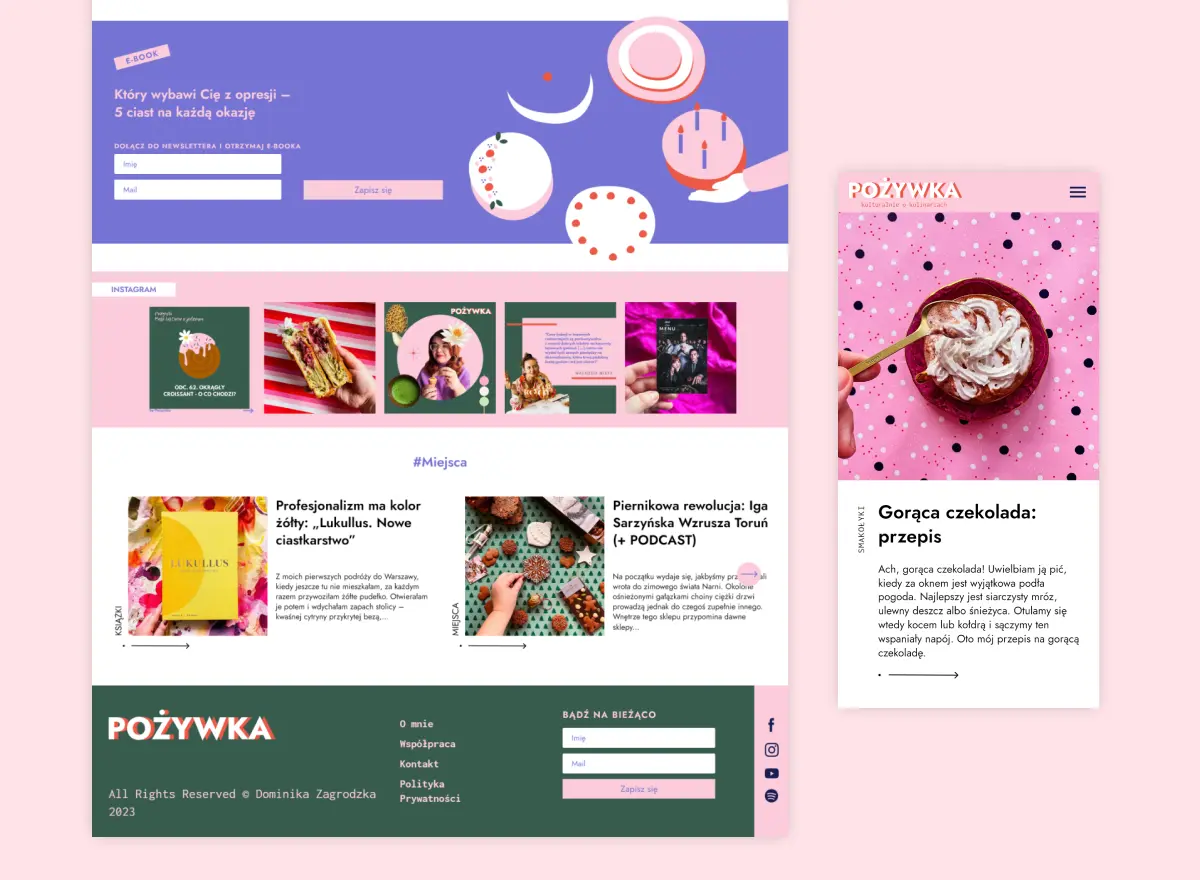
pozywka.pl
Scalable blog for food journalist, focused on performance and user experience 🌭
zagrodzki.me
Personal blog and portfolio of Bart Zagrodzki, where he shares his knowledge and work 💼
TurboStarter
Ship your startup everywhere. In minutes.
HTML to Markdown
Convert HTML to Markdown with ease, directly in your browser 📄
Dotallio
Personalized AI apps that automate research, data extraction, and content creation without code 🤖
Talk to Santa
Enjoy a magical live video chat or receive a unique AI-generated video greeting from Santa Claus 🎅
pozywka.pl
Scalable blog for food journalist, focused on performance and user experience 🌭
zagrodzki.me
Personal blog and portfolio of Bart Zagrodzki, where he shares his knowledge and work 💼
TurboStarter
Ship your startup everywhere. In minutes.
HTML to Markdown
Convert HTML to Markdown with ease, directly in your browser 📄
Dotallio
Personalized AI apps that automate research, data extraction, and content creation without code 🤖
Talk to Santa
Enjoy a magical live video chat or receive a unique AI-generated video greeting from Santa Claus 🎅
pozywka.pl
Scalable blog for food journalist, focused on performance and user experience 🌭
zagrodzki.me
Personal blog and portfolio of Bart Zagrodzki, where he shares his knowledge and work 💼
TurboStarter
Ship your startup everywhere. In minutes.
HTML to Markdown
Convert HTML to Markdown with ease, directly in your browser 📄
Dotallio
Personalized AI apps that automate research, data extraction, and content creation without code 🤖
Talk to Santa
Enjoy a magical live video chat or receive a unique AI-generated video greeting from Santa Claus 🎅
pozywka.pl
Scalable blog for food journalist, focused on performance and user experience 🌭
zagrodzki.me
Personal blog and portfolio of Bart Zagrodzki, where he shares his knowledge and work 💼
TurboStarter
Ship your startup everywhere. In minutes.
HTML to Markdown
Convert HTML to Markdown with ease, directly in your browser 📄
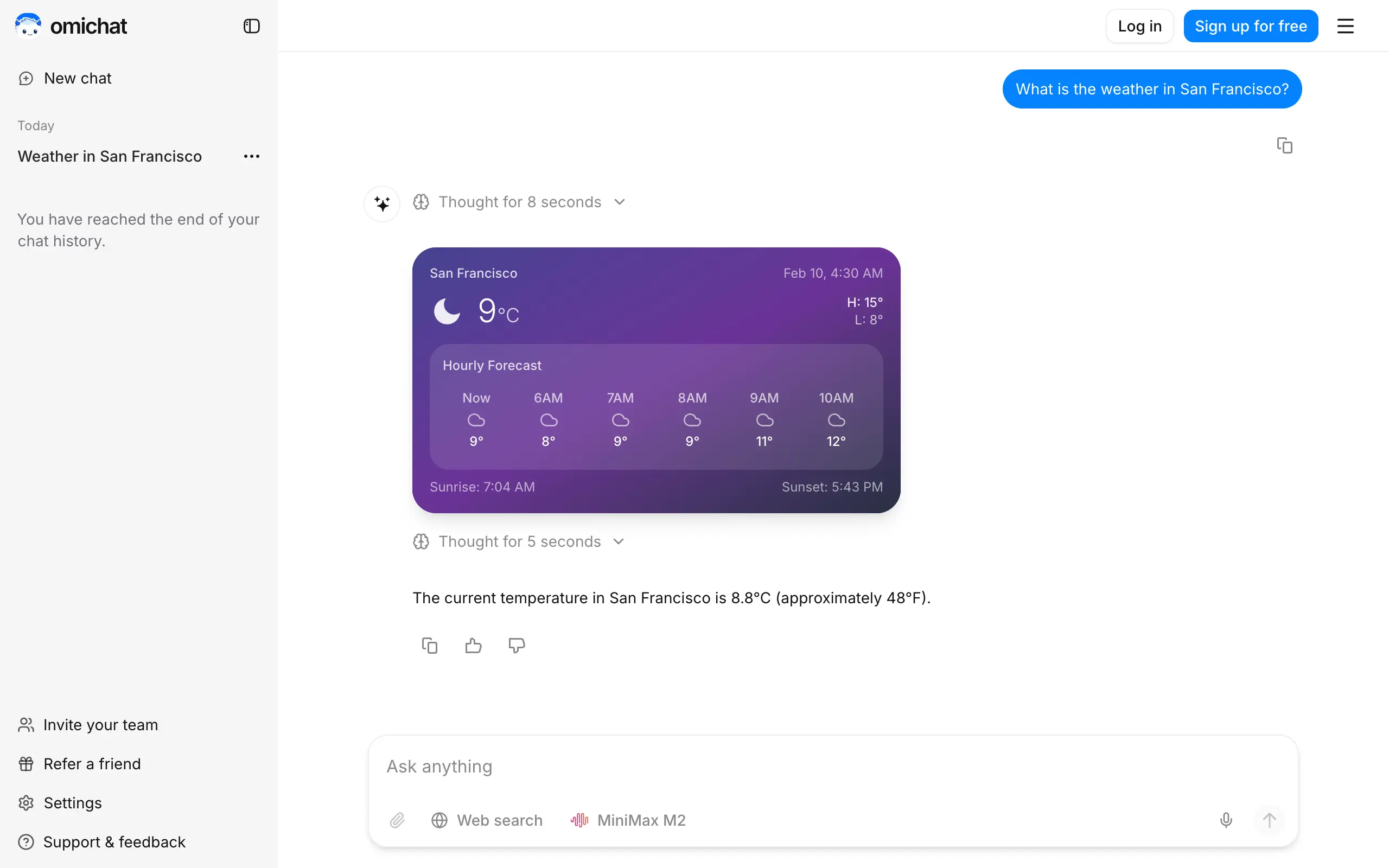
Omichat
Chat with 50+ AI models, including ChatGPT and Claude, in one place - switch models anytime without losing context 🤖
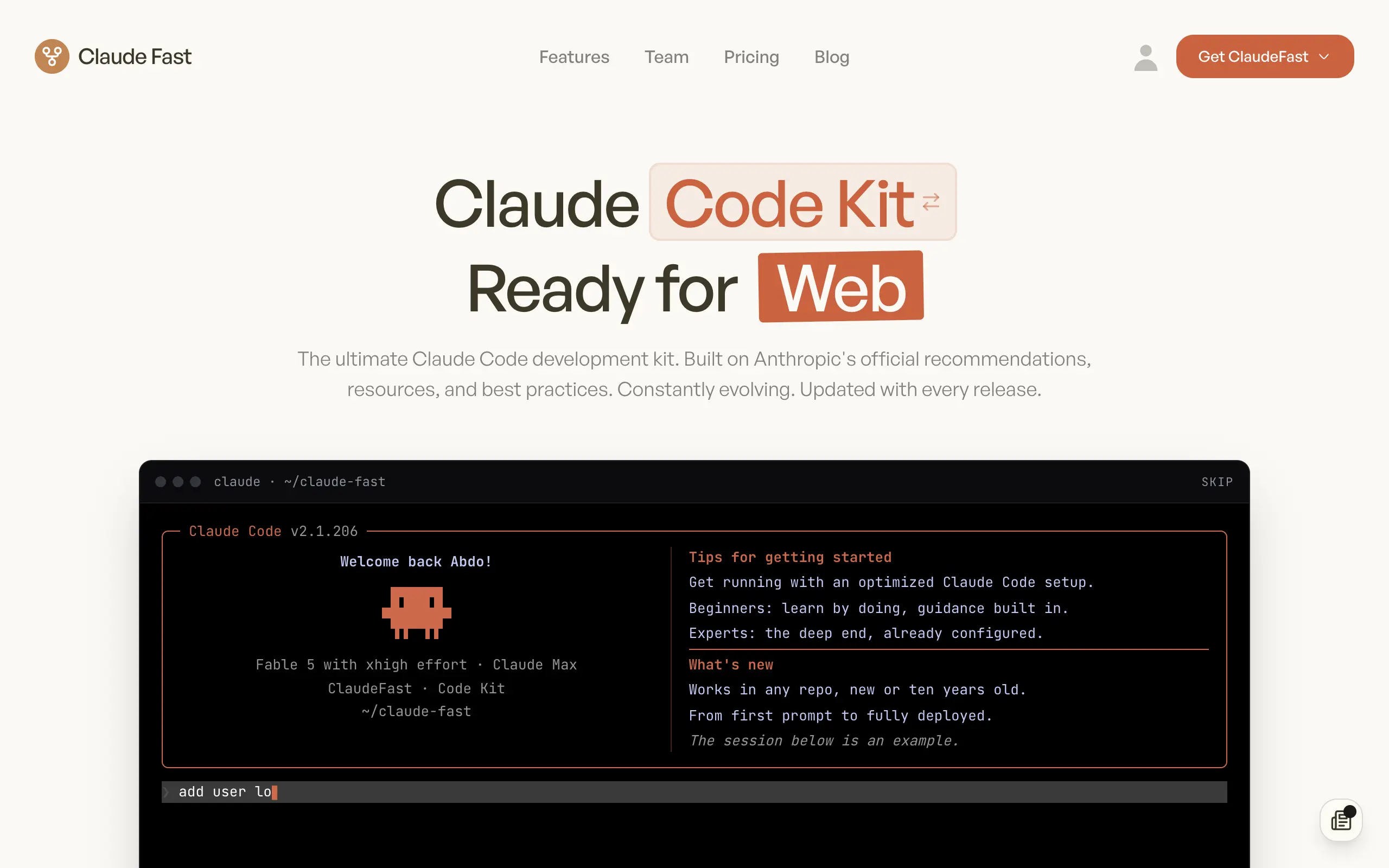
Claude Fast
Supercharge your Claude Code with 6x effective context window and specialized AI agents 🤖
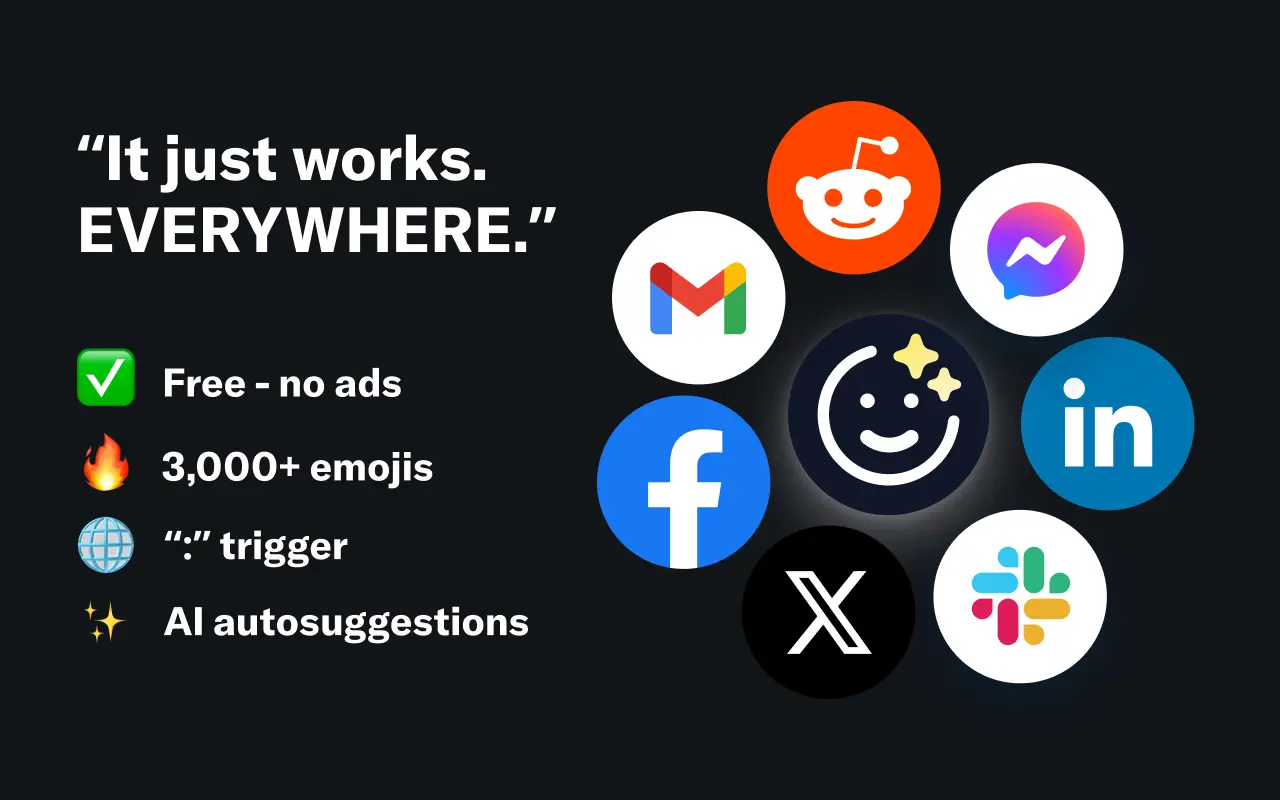
EmojAI
AI-powered emoji picker with smart, context-aware suggestions 🤖
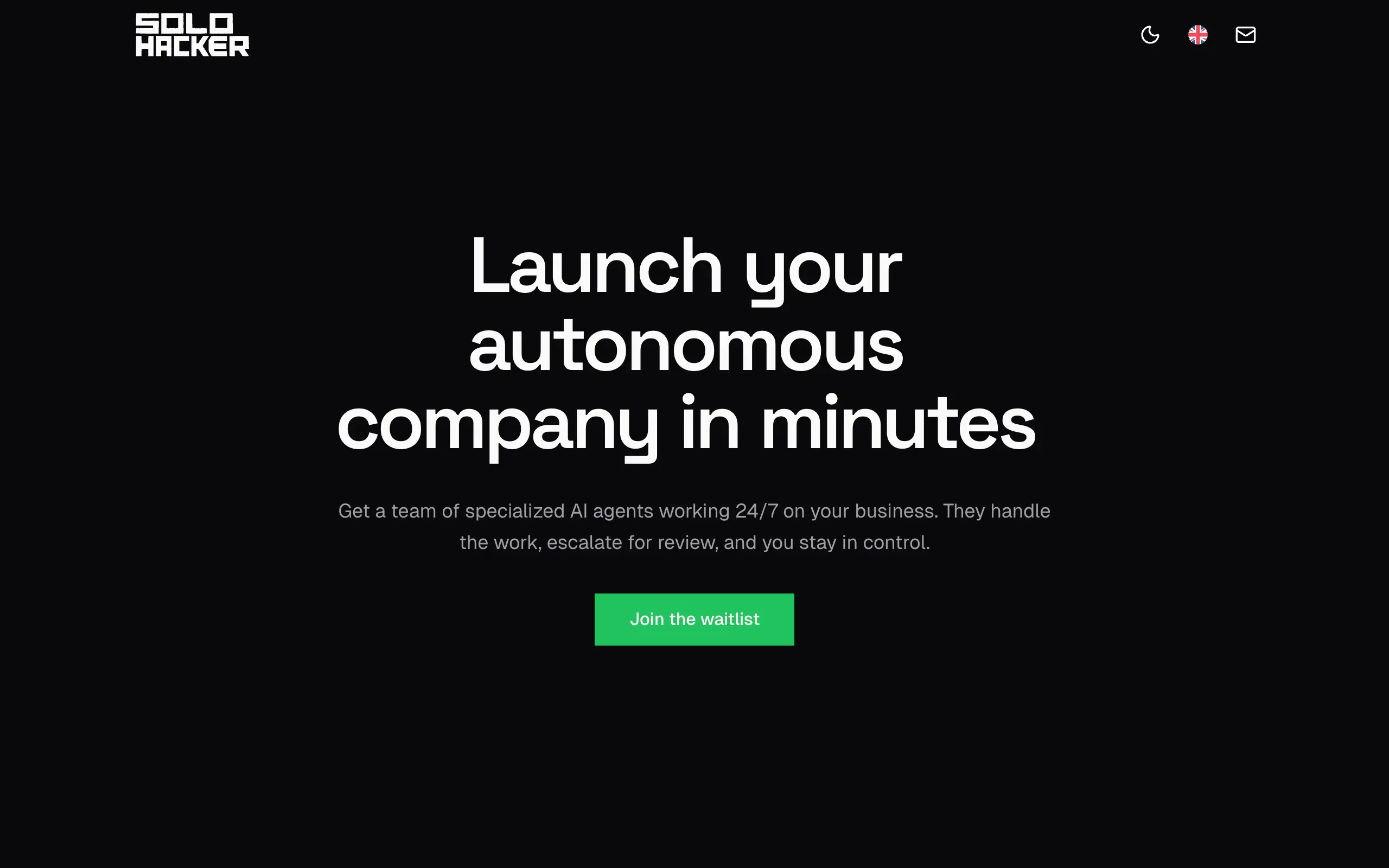
Solohacker
Autonomous company launcher - AI agents work 24/7, escalate what matters, and you stay in control 🤖
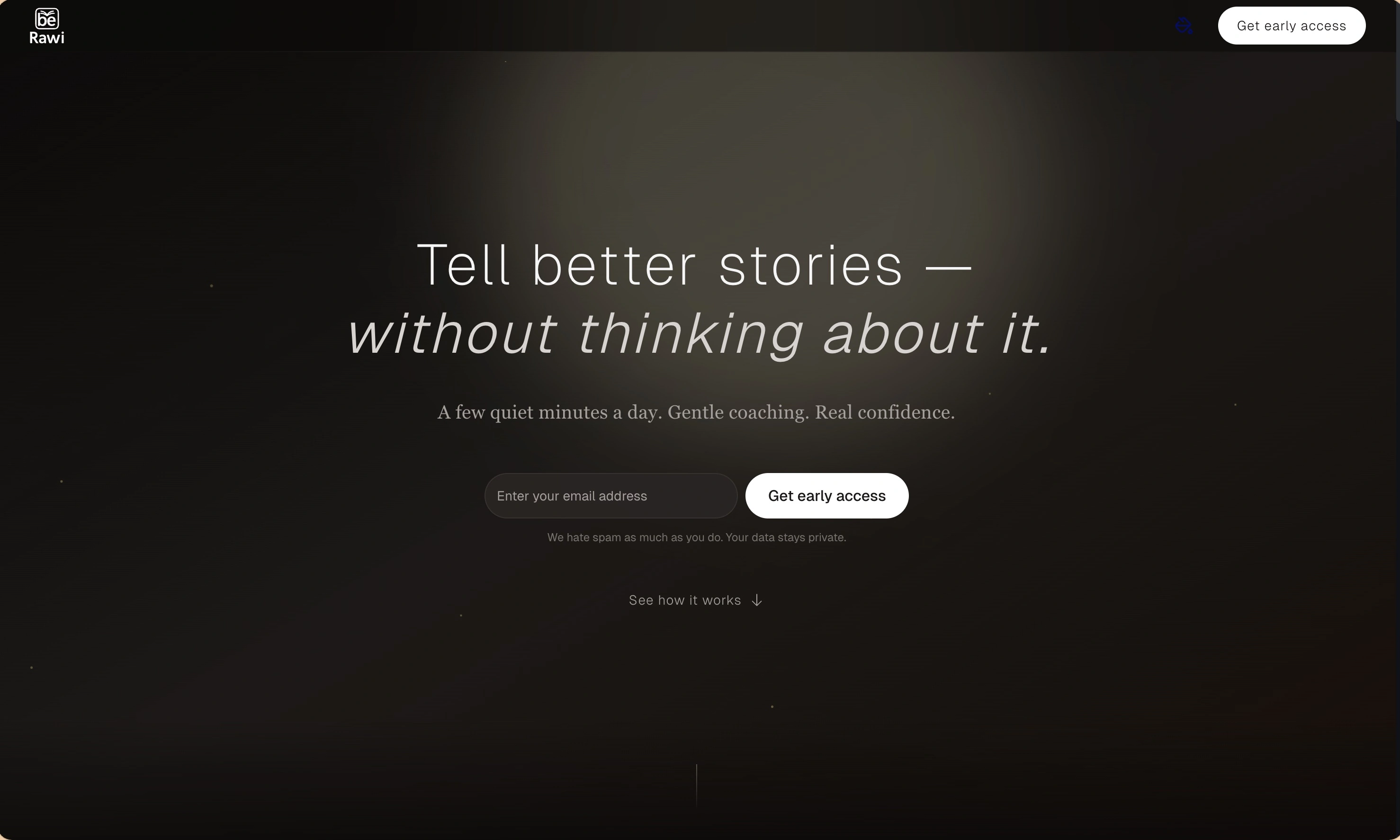
BeRawi: Storytelling Coach
Practice storytelling daily with instant feedback to sound clearer, more engaging, and confident 🎤
Omichat
Chat with 50+ AI models, including ChatGPT and Claude, in one place - switch models anytime without losing context 🤖
Claude Fast
Supercharge your Claude Code with 6x effective context window and specialized AI agents 🤖
EmojAI
AI-powered emoji picker with smart, context-aware suggestions 🤖
Solohacker
Autonomous company launcher - AI agents work 24/7, escalate what matters, and you stay in control 🤖
BeRawi: Storytelling Coach
Practice storytelling daily with instant feedback to sound clearer, more engaging, and confident 🎤
Omichat
Chat with 50+ AI models, including ChatGPT and Claude, in one place - switch models anytime without losing context 🤖
Claude Fast
Supercharge your Claude Code with 6x effective context window and specialized AI agents 🤖
EmojAI
AI-powered emoji picker with smart, context-aware suggestions 🤖
Solohacker
Autonomous company launcher - AI agents work 24/7, escalate what matters, and you stay in control 🤖
BeRawi: Storytelling Coach
Practice storytelling daily with instant feedback to sound clearer, more engaging, and confident 🎤
Omichat
Chat with 50+ AI models, including ChatGPT and Claude, in one place - switch models anytime without losing context 🤖
Claude Fast
Supercharge your Claude Code with 6x effective context window and specialized AI agents 🤖
EmojAI
AI-powered emoji picker with smart, context-aware suggestions 🤖
Solohacker
Autonomous company launcher - AI agents work 24/7, escalate what matters, and you stay in control 🤖
BeRawi: Storytelling Coach
Practice storytelling daily with instant feedback to sound clearer, more engaging, and confident 🎤

Connect with like-minded people
Join our community to get feedback, support, and grow together with 1,000+ builders on board, let's ship it!
Join usShip your startup everywhere. In minutes.
Don't burn tokens on setup and start building features on day one.