DiveRisk Guardian
AI-driven risk assessment tool for divers, predicting hazards based on weather, currents, and personal dive history to ensure safer, more adventurous dives.
Understanding the need for AI-driven risk assessment in diving
Scuba diving is an exhilarating activity, but it comes with inherent risks. From unpredictable weather and shifting currents to individual health factors, divers face a complex web of hazards every time they enter the water. Traditionally, risk assessment has relied on manual checks, experience, and sometimes, gut feeling. However, with advancements in artificial intelligence and data analytics, there's a growing demand for smarter, more personalized safety solutions.
DiveRisk Guardian is an AI-powered risk assessment tool designed specifically for divers. By analyzing real-time weather, oceanographic data, and a diver’s personal history, it predicts potential hazards and offers actionable insights to ensure safer, more adventurous dives. This article explores the market opportunity, target audience, core features, technology stack, monetization strategies, risks, and implementation steps for DiveRisk Guardian, providing a comprehensive guide for anyone interested in the intersection of AI and dive safety.
Who is DiveRisk Guardian for? Target audience analysis
Understanding the target audience is crucial for any SaaS product, especially one as specialized as DiveRisk Guardian. The primary users can be segmented as follows:
1. Recreational divers
- Profile: Certified divers (Open Water, Advanced, Rescue, etc.) who dive for leisure.
- Needs: Easy-to-understand risk assessments, personalized safety tips, integration with dive logs.
- Pain points: Lack of real-time hazard prediction, over-reliance on subjective judgment, limited access to historical incident data.
2. Professional divers and instructors
- Profile: Dive instructors, guides, and commercial divers responsible for group safety.
- Needs: Group risk profiling, advanced analytics, compliance with safety standards, incident reporting.
- Pain points: Managing diverse skill levels, ensuring group safety, liability concerns.
3. Dive shops and tour operators
- Profile: Businesses organizing dive trips and training.
- Needs: Risk management tools, automated safety briefings, customer trust-building.
- Pain points: Operational risk, insurance requirements, reputation management.
4. Dive insurance providers
- Profile: Companies offering insurance products for divers.
- Needs: Accurate risk profiling, claims validation, data-driven policy pricing.
- Pain points: High claims due to preventable incidents, lack of granular risk data.
5. Marine researchers and conservationists
- Profile: Scientists and organizations studying marine environments.
- Needs: Data on diver behavior, incident patterns, environmental impact.
- Pain points: Limited access to aggregated, anonymized dive data.
Recreational Divers
Personalized risk insights for safer leisure dives.
Dive Professionals
Advanced analytics and group safety management.
Dive Businesses
Operational risk reduction and customer trust.
Insurance Providers
Data-driven risk profiling and claims validation.
Identifying the market opportunity and gaps
The global scuba diving market is projected to grow steadily, driven by increased interest in adventure tourism and underwater exploration. However, safety remains a top concern:
- Incident rates: According to the Divers Alert Network (DAN), most diving accidents are preventable with better risk awareness and preparation (reference: DAN Annual Diving Report).
- Technology gap: While dive computers and weather apps exist, few solutions integrate personal dive history, real-time environmental data, and AI-driven predictions in a single platform.
- Regulatory trends: Growing emphasis on safety compliance and liability reduction for dive operators and instructors.
Key market gaps DiveRisk Guardian addresses
- Lack of personalized risk assessment: Most tools offer generic warnings, not tailored to individual divers’ experience, health, or history.
- Fragmented data sources: Divers must consult multiple apps for weather, currents, and logs, leading to information overload or missed warnings.
- Reactive, not proactive: Current solutions often alert after a risk has materialized, rather than predicting and preventing incidents.
Industry insight
AI-driven risk assessment is a rapidly emerging trend in outdoor adventure sports, with applications in mountaineering, sailing, and now, diving. Early adopters in these fields have seen measurable reductions in incident rates and insurance claims.
Core features and solution details
DiveRisk Guardian’s value lies in its comprehensive, AI-powered approach to dive safety. Here’s a breakdown of its core features:
1. Real-time environmental hazard prediction
- Data sources: Integrates with APIs for weather, tides, currents, and water temperature.
- AI modeling: Uses machine learning to predict site-specific hazards (e.g., sudden current changes, thermoclines).
- User interface: Visual risk indicators (color-coded), detailed explanations, and recommended actions.
2. Personalized risk profiling
- Dive history analysis: Considers previous dive profiles, incidents, and skill progression.
- Health and equipment factors: Allows users to input medical conditions, equipment used, and recent training.
- Adaptive recommendations: Adjusts safety tips and warnings based on user profile.
3. Dive planning and logging
- Smart planning: Suggests optimal dive times and locations based on risk assessment.
- Automated logging: Syncs with dive computers and mobile devices to auto-log dives and incidents.
- Progress tracking: Visualizes skill improvement and risk reduction over time.
4. Group and instructor tools
- Group risk dashboard: Aggregates risk profiles for group dives, highlighting outliers.
- Incident reporting: Streamlined forms for logging and analyzing incidents.
- Compliance support: Generates reports for insurance and regulatory bodies.
5. Data privacy and security
- Anonymized data: Aggregates data for research and insurance without exposing personal details.
- User control: Clear privacy settings and data export options.
DiveRisk Guardian’s AI leverages supervised learning, using historical incident data and environmental variables to train predictive models. It continuously improves as more data is collected, ensuring up-to-date risk assessments.
Yes, DiveRisk Guardian supports integration with popular dive computers and mobile apps via standard protocols (e.g., Bluetooth, API).
Recommended tech stack and architecture
Choosing the right technology stack is critical for performance, scalability, and user experience. Here’s a recommended stack for DiveRisk Guardian, with trade-offs explained:
Frontend
- React: Modern, component-based UI for web and mobile.
- TailwindCSS: Utility-first CSS for rapid, consistent styling.
- PWA support: Enables offline access and mobile-friendly features.
Backend
- Node.js: Scalable, event-driven server for API handling.
- Python: For AI/ML model development and data processing.
- PostgreSQL: Robust relational database for user data and logs.
- Redis: Caching for real-time data and session management.
AI/ML
- TensorFlow or PyTorch: For building and deploying machine learning models.
- scikit-learn: For classical ML algorithms and data preprocessing.
Integrations
- Weather and oceanographic APIs: e.g., NOAA, OpenWeatherMap.
- Dive computer SDKs: For device integration.
Security
- OAuth 2.0: Secure authentication.
- End-to-end encryption: For sensitive user data.
Trade-offs
- Python vs. Node.js for backend: Python excels in AI/ML but may require additional orchestration for real-time APIs. Node.js offers speed for web APIs but is less suited for heavy ML workloads.
- Cloud vs. on-premises: Cloud deployment (e.g., AWS, GCP) offers scalability but may raise data sovereignty concerns for some users.
| Frontend | Backend | AI/ML | Database | Security |
|---|---|---|---|---|
| ✅ React | ✅ Node.js | ✅ TensorFlow | ✅ PostgreSQL | ✅ OAuth 2.0 |
| ✅ TailwindCSS | ✅ Python | ✅ scikit-learn | ✅ Redis | ✅ Encryption |
Monetization strategy options
A sustainable SaaS business model is essential for long-term success. DiveRisk Guardian can explore several monetization avenues:
1. Freemium model
- Free tier: Basic risk assessments, limited dive logs, and standard safety tips.
- Premium tier: Advanced AI predictions, group tools, integration with dive computers, and priority support.
2. B2B licensing
- Dive shops and operators: Offer branded dashboards, group analytics, and compliance reporting as a subscription.
- Insurance companies: License anonymized risk data and analytics for policy pricing and claims validation.
3. Affiliate partnerships
- Equipment retailers: Recommend safety gear or dive computers, earning commissions on sales.
- Travel agencies: Suggest safe dive destinations based on user profiles.
4. Data-driven insights
- Research and conservation: Sell anonymized, aggregated data to marine researchers and NGOs (with user consent).
Pricing tip
Consider offering seasonal or location-based pricing to align with peak dive seasons and regional demand.
Potential risks and mitigation strategies
Launching an AI-driven SaaS in the safety-critical domain of diving comes with unique challenges. Here’s how to address them:
1. Data accuracy and reliability
- Risk: Inaccurate predictions could lead to unsafe recommendations.
- Mitigation: Use multiple data sources, continuous model validation, and clear disclaimers about AI limitations.
2. Privacy and data security
- Risk: Sensitive personal and health data could be exposed.
- Mitigation: Implement strong encryption, anonymization, and transparent privacy policies.
3. Regulatory compliance
- Risk: Non-compliance with local or international data and safety regulations.
- Mitigation: Consult legal experts, adhere to GDPR and other relevant standards, and provide compliance documentation.
4. User trust and adoption
- Risk: Divers may be skeptical of AI recommendations.
- Mitigation: Build trust through transparency, user education, and partnerships with reputable dive organizations.
5. Technical integration
- Risk: Compatibility issues with diverse dive computers and data sources.
- Mitigation: Prioritize integration with popular devices, offer open APIs, and maintain active developer support.
Competitive advantage analysis
DiveRisk Guardian stands out in a crowded market by combining several unique strengths:
1. True personalization
Unlike generic weather or dive apps, DiveRisk Guardian tailors risk assessments to each diver’s history, health, and equipment, offering actionable, individualized advice.
2. Proactive, AI-driven insights
The platform doesn’t just report current conditions—it predicts hazards before they arise, enabling divers to make informed decisions and avoid incidents.
3. Seamless integration
By connecting with dive computers, mobile devices, and third-party APIs, DiveRisk Guardian becomes a central hub for all dive safety needs.
4. Data-driven value for businesses
Dive shops, instructors, and insurers gain access to powerful analytics, compliance tools, and risk reduction features, enhancing their offerings and reducing liability.
5. Commitment to privacy and ethics
With robust privacy controls and a focus on anonymized data, DiveRisk Guardian respects user trust while enabling valuable research and industry partnerships.
Actionable implementation steps
Ready to bring DiveRisk Guardian to life? Here’s a step-by-step roadmap:
Why DiveRisk Guardian is uniquely positioned for success
DiveRisk Guardian isn’t just another dive app—it’s a comprehensive, AI-powered safety platform that addresses the real, evolving needs of divers and the broader industry. By combining cutting-edge technology, deep domain expertise, and a commitment to user trust, it offers a compelling solution for safer, more adventurous dives.
- Personalized, predictive risk assessment: No more one-size-fits-all warnings.
- Seamless integration and user experience: All your safety data, in one place.
- Business and research value: Tools for operators, insurers, and scientists.
- Ethical, privacy-first approach: User trust at the core.
For founders, developers, or investors seeking to make a meaningful impact in the adventure sports SaaS space, DiveRisk Guardian represents a timely, high-potential opportunity.
Frequently asked questions
Absolutely. The platform is designed to be user-friendly, with clear explanations and recommendations tailored to all experience levels.
DiveRisk Guardian uses end-to-end encryption and anonymization. Users have full control over what data is shared and can export or delete their information at any time.
Yes, group risk dashboards and compliance tools are core features, making it ideal for professionals managing multiple divers.
For SaaS development resources and starter kits, check out TurboStarter.
Conclusion
AI is transforming the way we approach safety in adventure sports, and DiveRisk Guardian is at the forefront of this revolution for divers. By leveraging real-time data, machine learning, and a deep understanding of user needs, it empowers divers to explore with confidence—knowing that their safety is backed by the latest technology and best practices.
Whether you’re a diver, instructor, business owner, or investor, now is the time to dive into the future of risk assessment.
More 🤖 AI Startup SaaS ideas
Discover more innovative ai startup SaaS ideas that are trending in 2026. Each idea is AI-generated with market validation and growth potential to help you find your next profitable venture faster than competitors.
Your competitors are building with TurboStarter
Below are some of the SaaS ideas that have been generated and built with our starter kit.
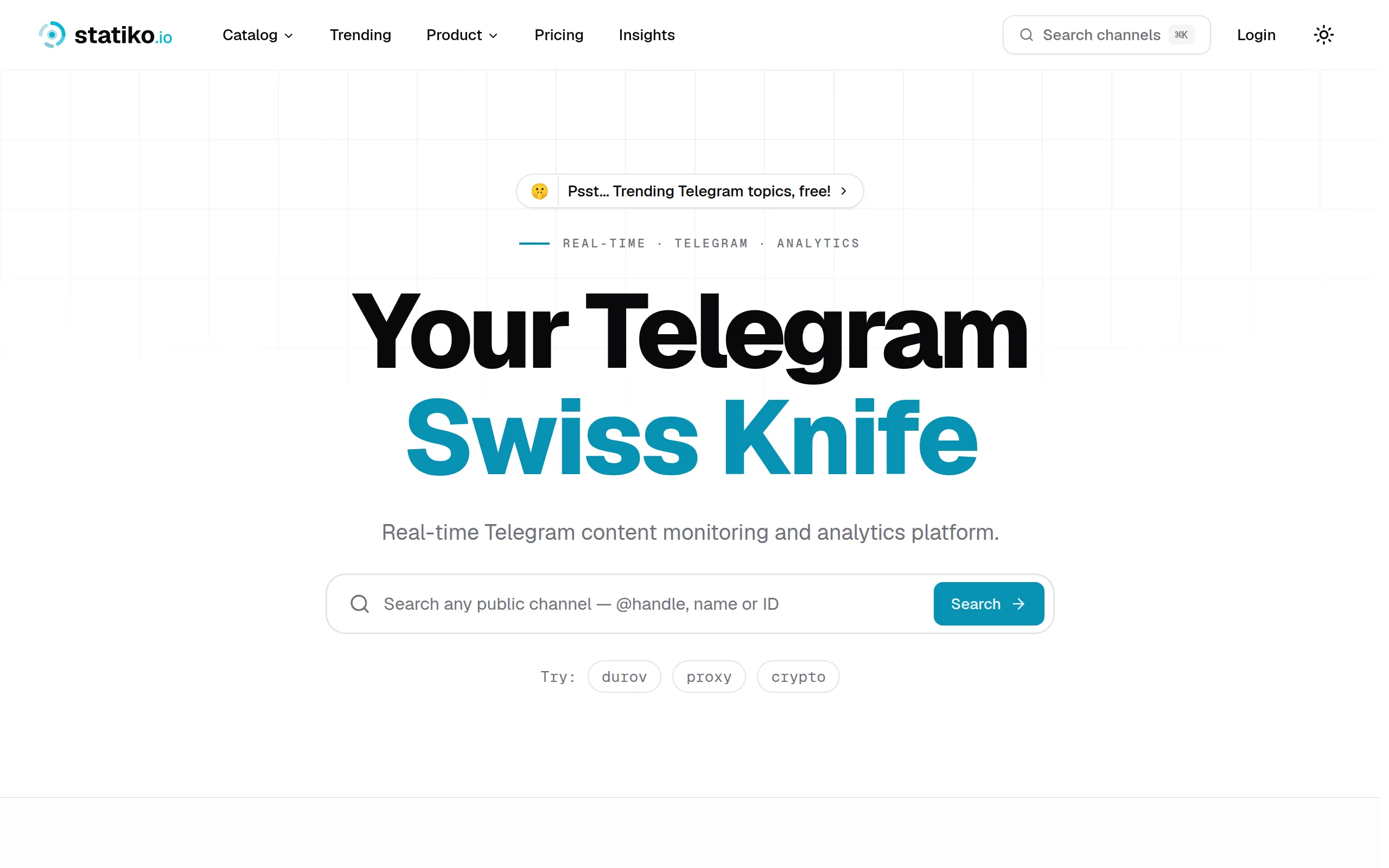
Statiko
Monitor any Telegram channel in real time - track posts, edits, deletions, and growth with AI recaps 📡

Shibui
AI website builder - describe your business, pick a niche template, edit by chatting, and publish instantly ✨

Pro Service
Find verified home service professionals, compare quotes, and pay securely through escrow - built for Brazilians across the US 🏠
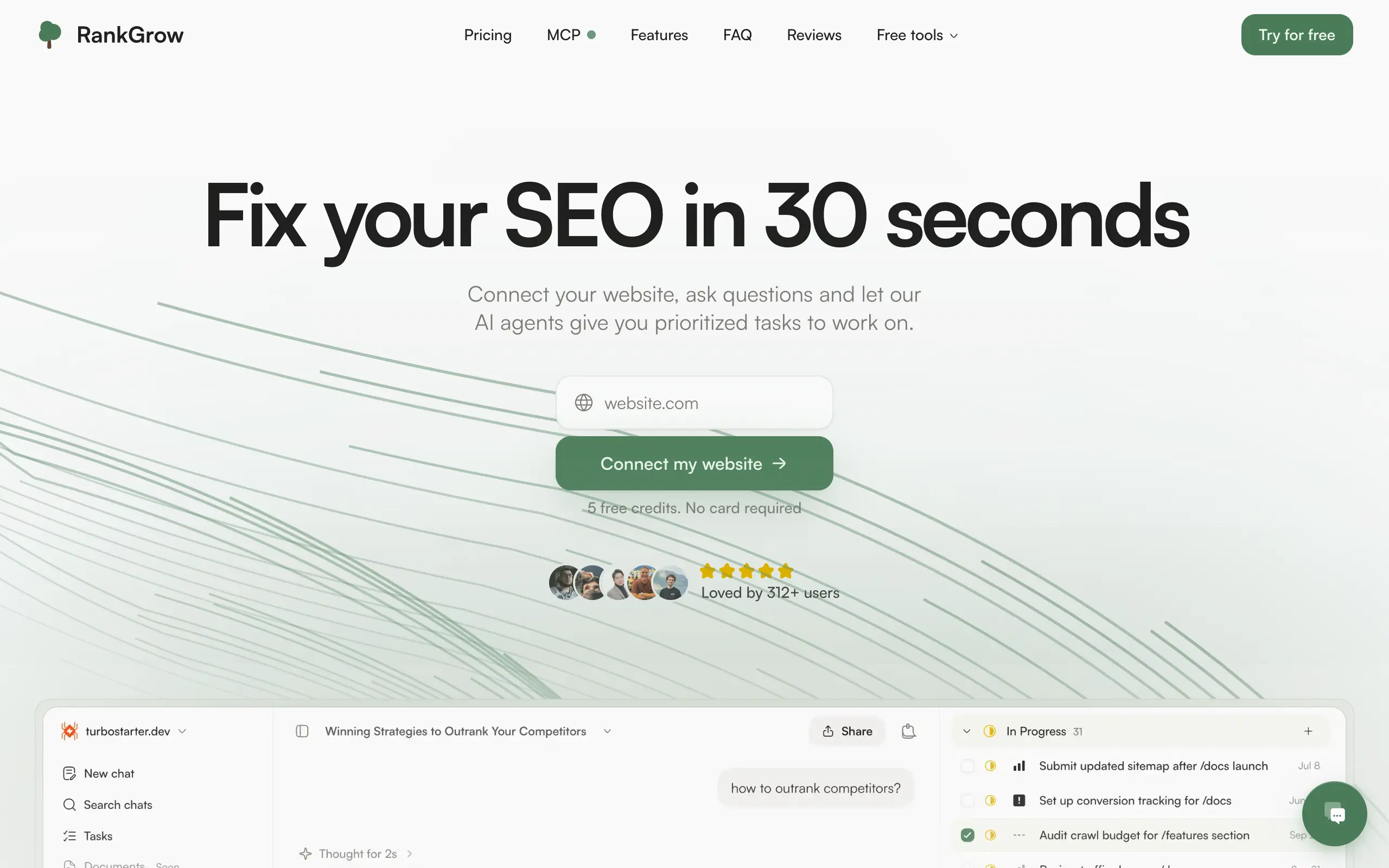
RankGrow
Fix your SEO with AI agents - connect Search Console, get prioritized tasks, and grow organic traffic 📈
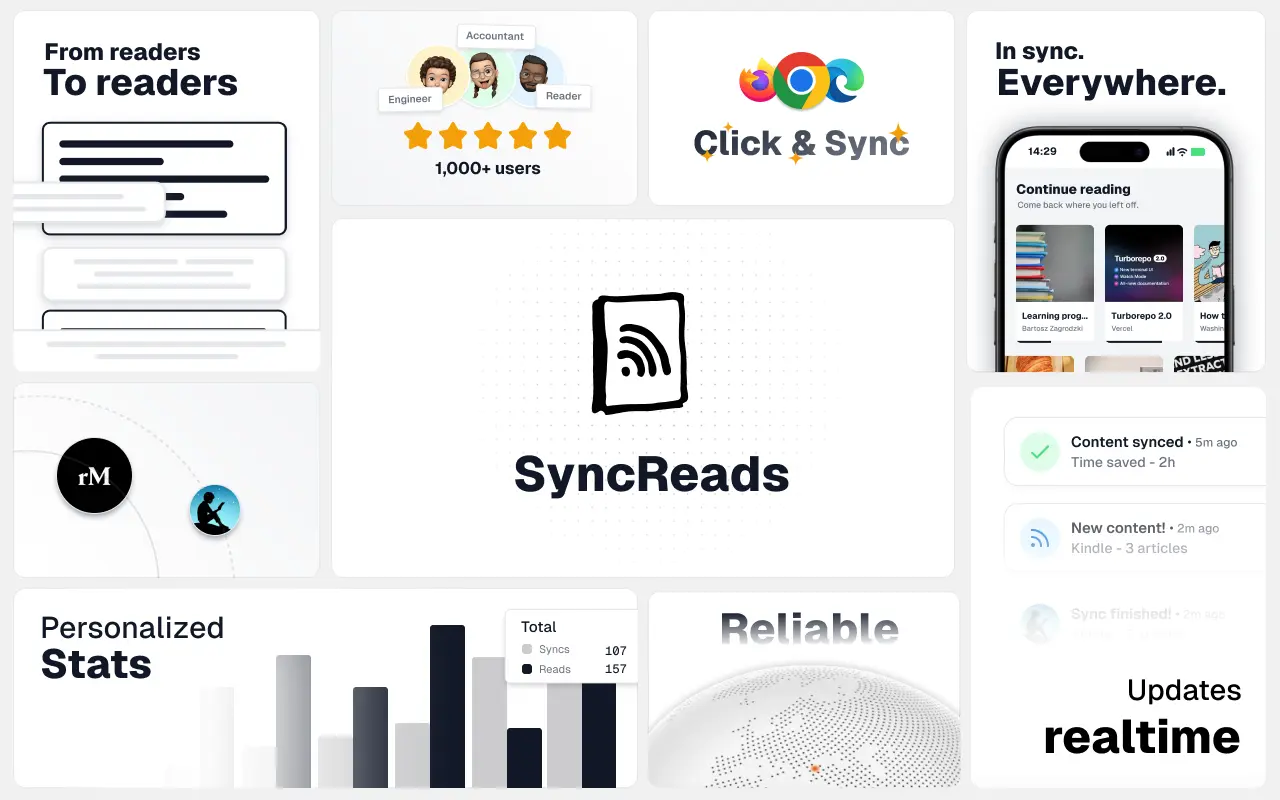
SyncReads
Sync your favorite content for distraction-free reading, save time and replace multiple apps. Anytime, anywhere 🔄
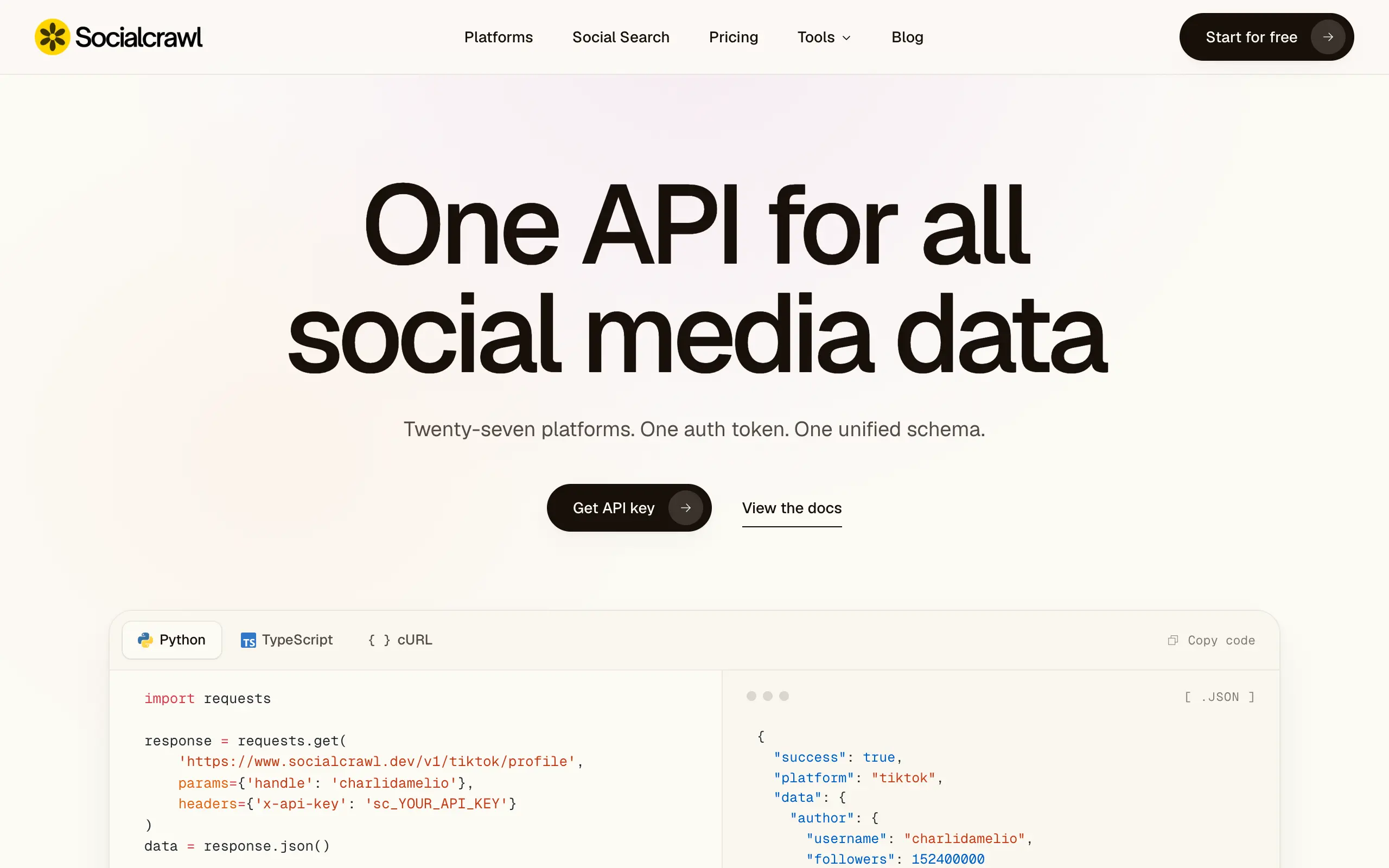
Socialcrawl
Get clean, structured data from 21 platforms like TikTok, Instagram, and YouTube with a single request 📊
Statiko
Monitor any Telegram channel in real time - track posts, edits, deletions, and growth with AI recaps 📡
Shibui
AI website builder - describe your business, pick a niche template, edit by chatting, and publish instantly ✨
Pro Service
Find verified home service professionals, compare quotes, and pay securely through escrow - built for Brazilians across the US 🏠
RankGrow
Fix your SEO with AI agents - connect Search Console, get prioritized tasks, and grow organic traffic 📈
SyncReads
Sync your favorite content for distraction-free reading, save time and replace multiple apps. Anytime, anywhere 🔄
Socialcrawl
Get clean, structured data from 21 platforms like TikTok, Instagram, and YouTube with a single request 📊
Statiko
Monitor any Telegram channel in real time - track posts, edits, deletions, and growth with AI recaps 📡
Shibui
AI website builder - describe your business, pick a niche template, edit by chatting, and publish instantly ✨
Pro Service
Find verified home service professionals, compare quotes, and pay securely through escrow - built for Brazilians across the US 🏠
RankGrow
Fix your SEO with AI agents - connect Search Console, get prioritized tasks, and grow organic traffic 📈
SyncReads
Sync your favorite content for distraction-free reading, save time and replace multiple apps. Anytime, anywhere 🔄
Socialcrawl
Get clean, structured data from 21 platforms like TikTok, Instagram, and YouTube with a single request 📊
Statiko
Monitor any Telegram channel in real time - track posts, edits, deletions, and growth with AI recaps 📡
Shibui
AI website builder - describe your business, pick a niche template, edit by chatting, and publish instantly ✨
Pro Service
Find verified home service professionals, compare quotes, and pay securely through escrow - built for Brazilians across the US 🏠
RankGrow
Fix your SEO with AI agents - connect Search Console, get prioritized tasks, and grow organic traffic 📈
SyncReads
Sync your favorite content for distraction-free reading, save time and replace multiple apps. Anytime, anywhere 🔄
Socialcrawl
Get clean, structured data from 21 platforms like TikTok, Instagram, and YouTube with a single request 📊
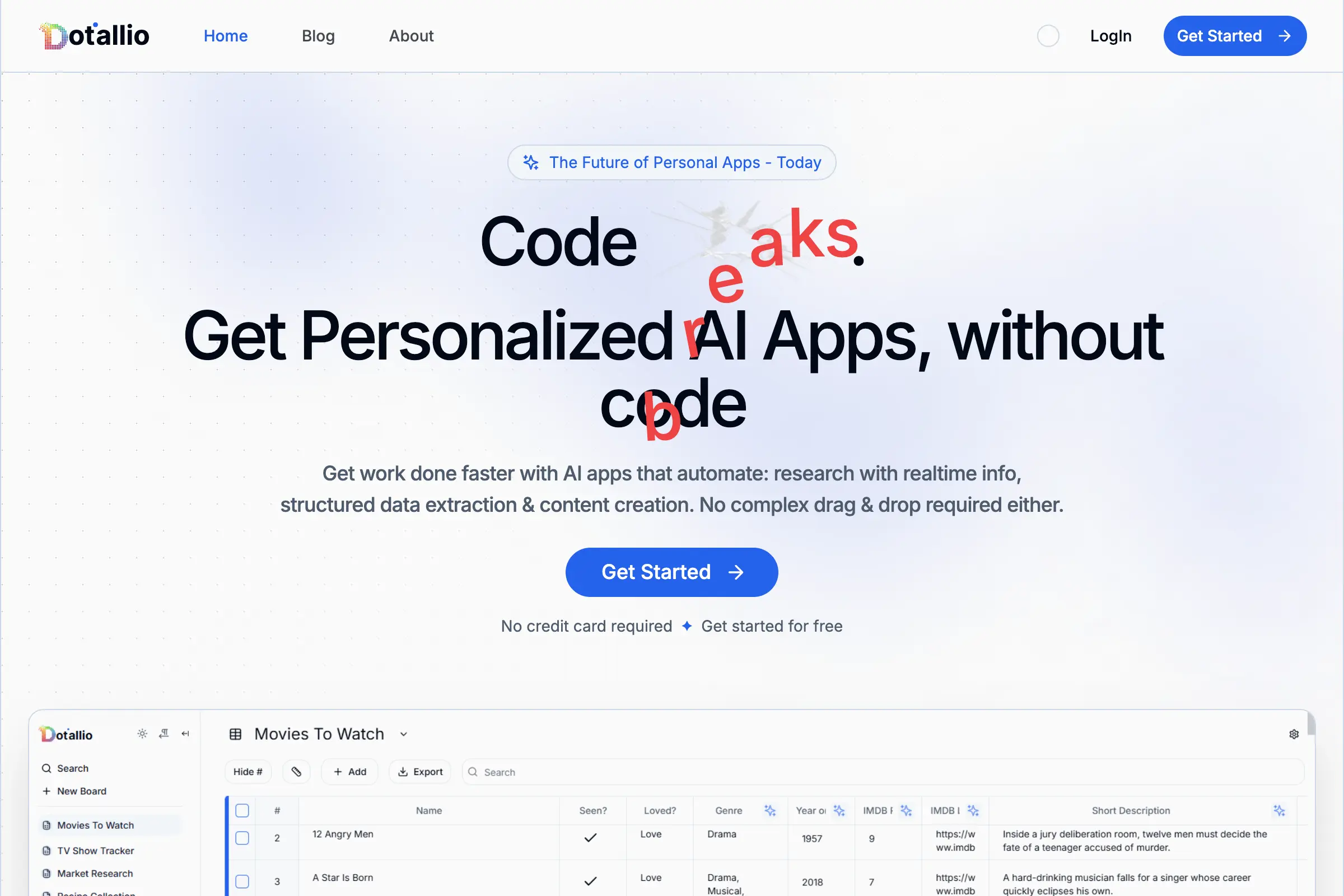
Dotallio
Personalized AI apps that automate research, data extraction, and content creation without code 🤖
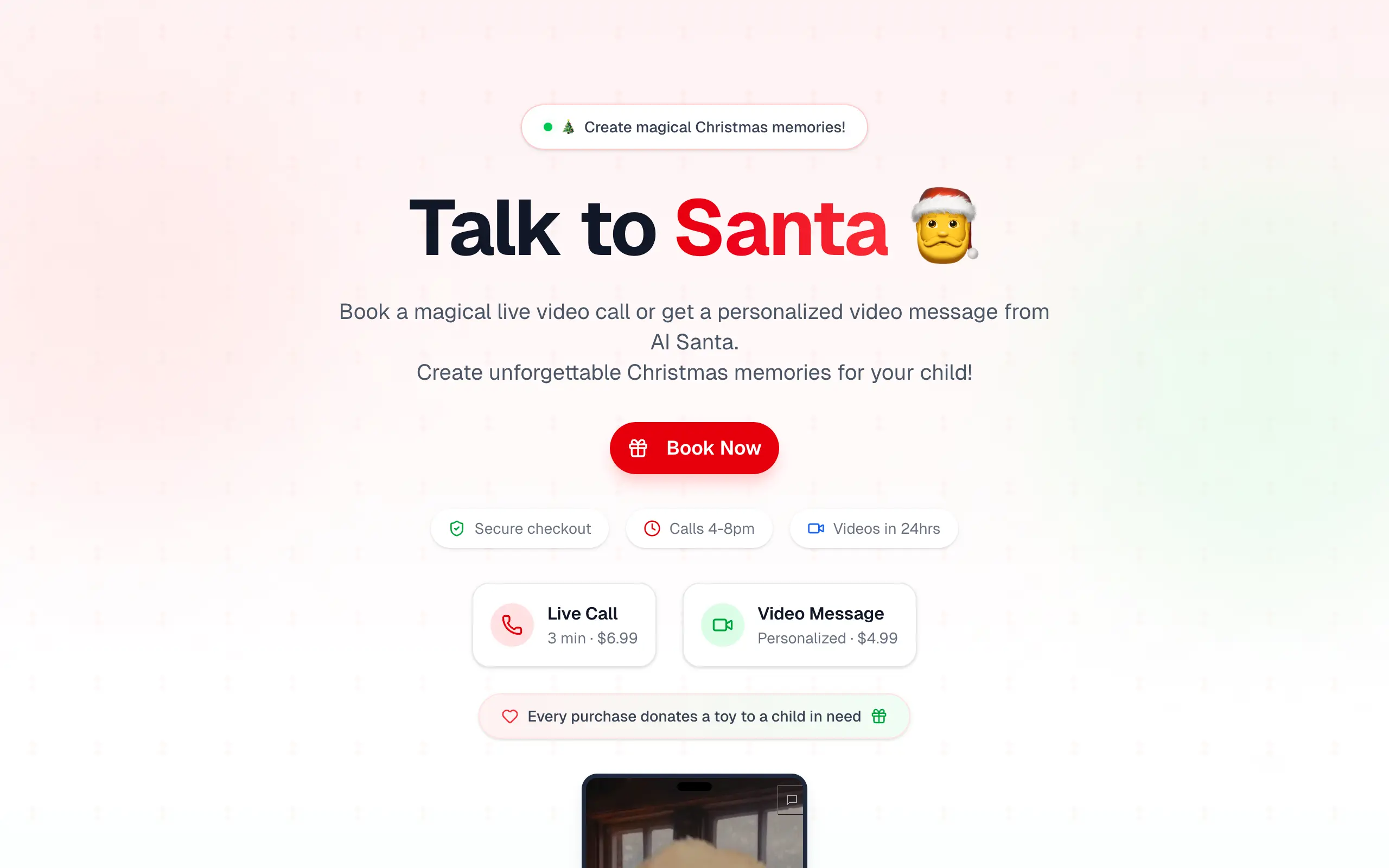
Talk to Santa
Enjoy a magical live video chat or receive a unique AI-generated video greeting from Santa Claus 🎅
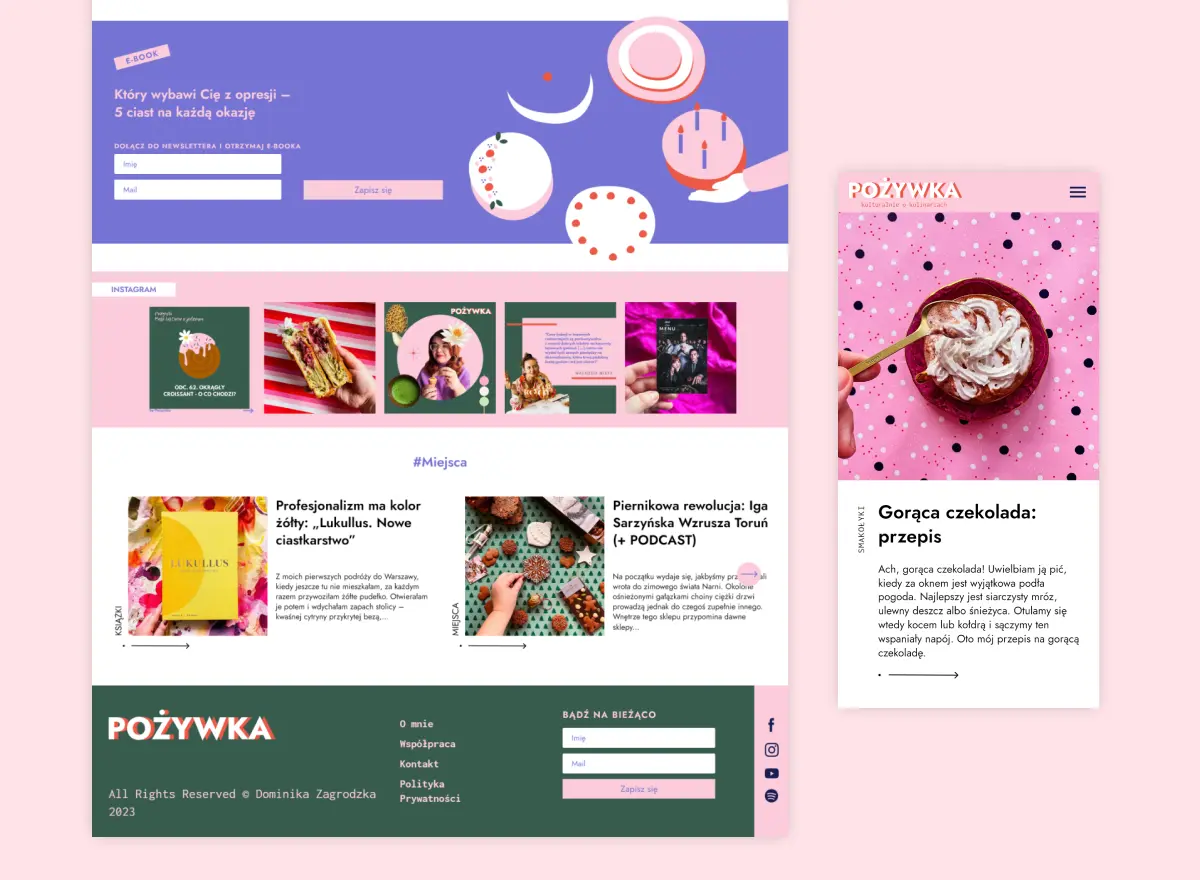
pozywka.pl
Scalable blog for food journalist, focused on performance and user experience 🌭
zagrodzki.me
Personal blog and portfolio of Bart Zagrodzki, where he shares his knowledge and work 💼
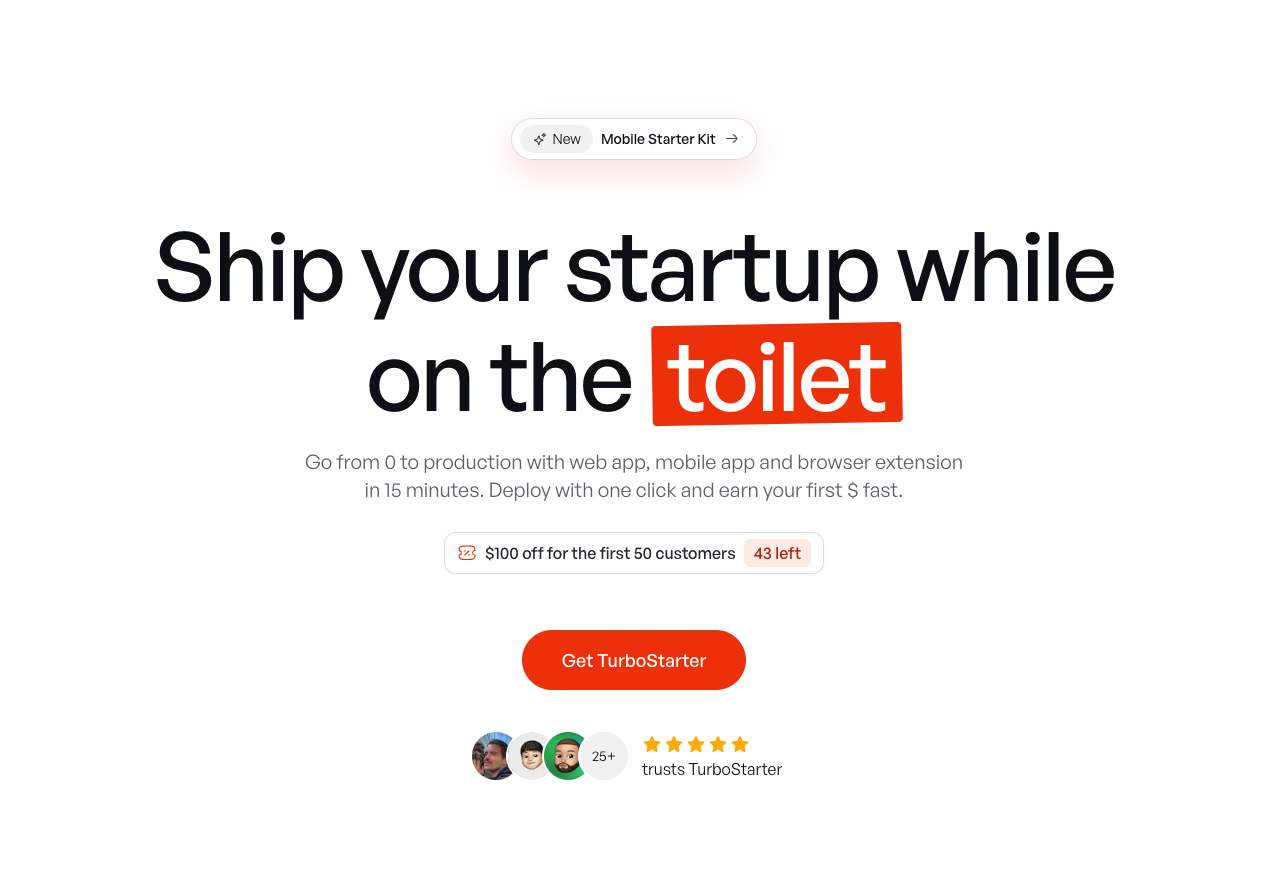
TurboStarter
Ship your startup everywhere. In minutes.
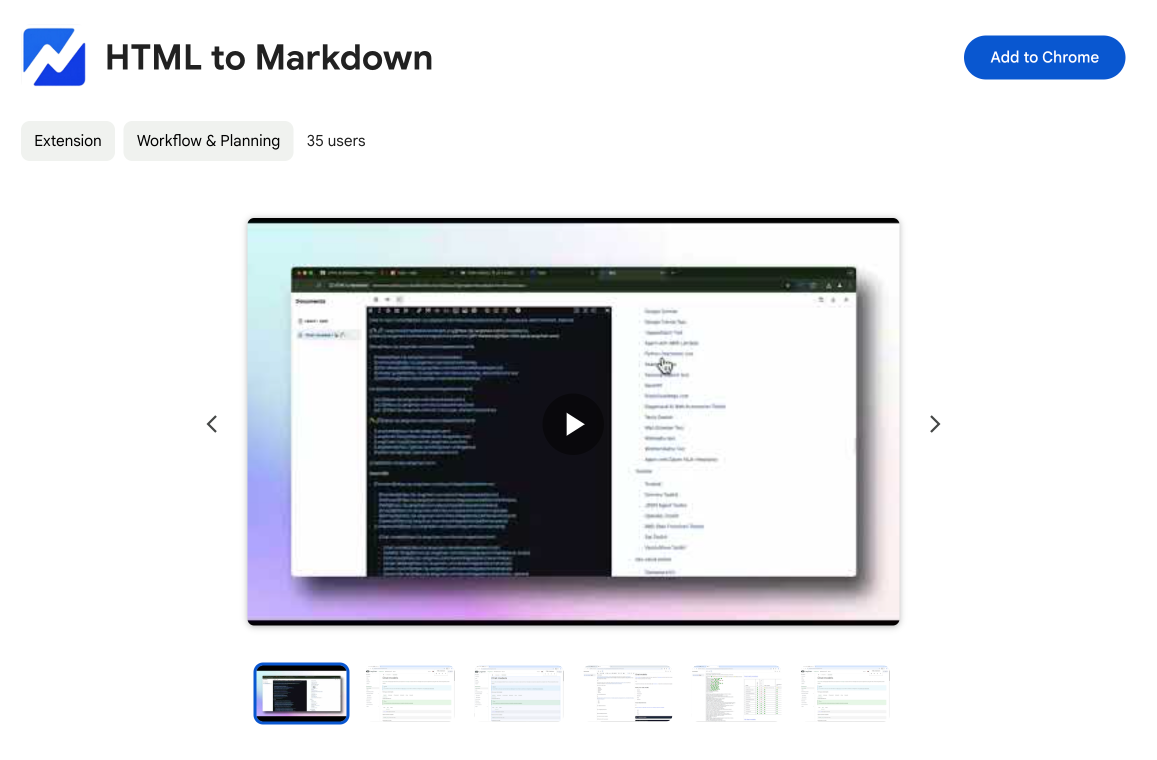
HTML to Markdown
Convert HTML to Markdown with ease, directly in your browser 📄
Dotallio
Personalized AI apps that automate research, data extraction, and content creation without code 🤖
Talk to Santa
Enjoy a magical live video chat or receive a unique AI-generated video greeting from Santa Claus 🎅
pozywka.pl
Scalable blog for food journalist, focused on performance and user experience 🌭
zagrodzki.me
Personal blog and portfolio of Bart Zagrodzki, where he shares his knowledge and work 💼
TurboStarter
Ship your startup everywhere. In minutes.
HTML to Markdown
Convert HTML to Markdown with ease, directly in your browser 📄
Dotallio
Personalized AI apps that automate research, data extraction, and content creation without code 🤖
Talk to Santa
Enjoy a magical live video chat or receive a unique AI-generated video greeting from Santa Claus 🎅
pozywka.pl
Scalable blog for food journalist, focused on performance and user experience 🌭
zagrodzki.me
Personal blog and portfolio of Bart Zagrodzki, where he shares his knowledge and work 💼
TurboStarter
Ship your startup everywhere. In minutes.
HTML to Markdown
Convert HTML to Markdown with ease, directly in your browser 📄
Dotallio
Personalized AI apps that automate research, data extraction, and content creation without code 🤖
Talk to Santa
Enjoy a magical live video chat or receive a unique AI-generated video greeting from Santa Claus 🎅
pozywka.pl
Scalable blog for food journalist, focused on performance and user experience 🌭
zagrodzki.me
Personal blog and portfolio of Bart Zagrodzki, where he shares his knowledge and work 💼
TurboStarter
Ship your startup everywhere. In minutes.
HTML to Markdown
Convert HTML to Markdown with ease, directly in your browser 📄
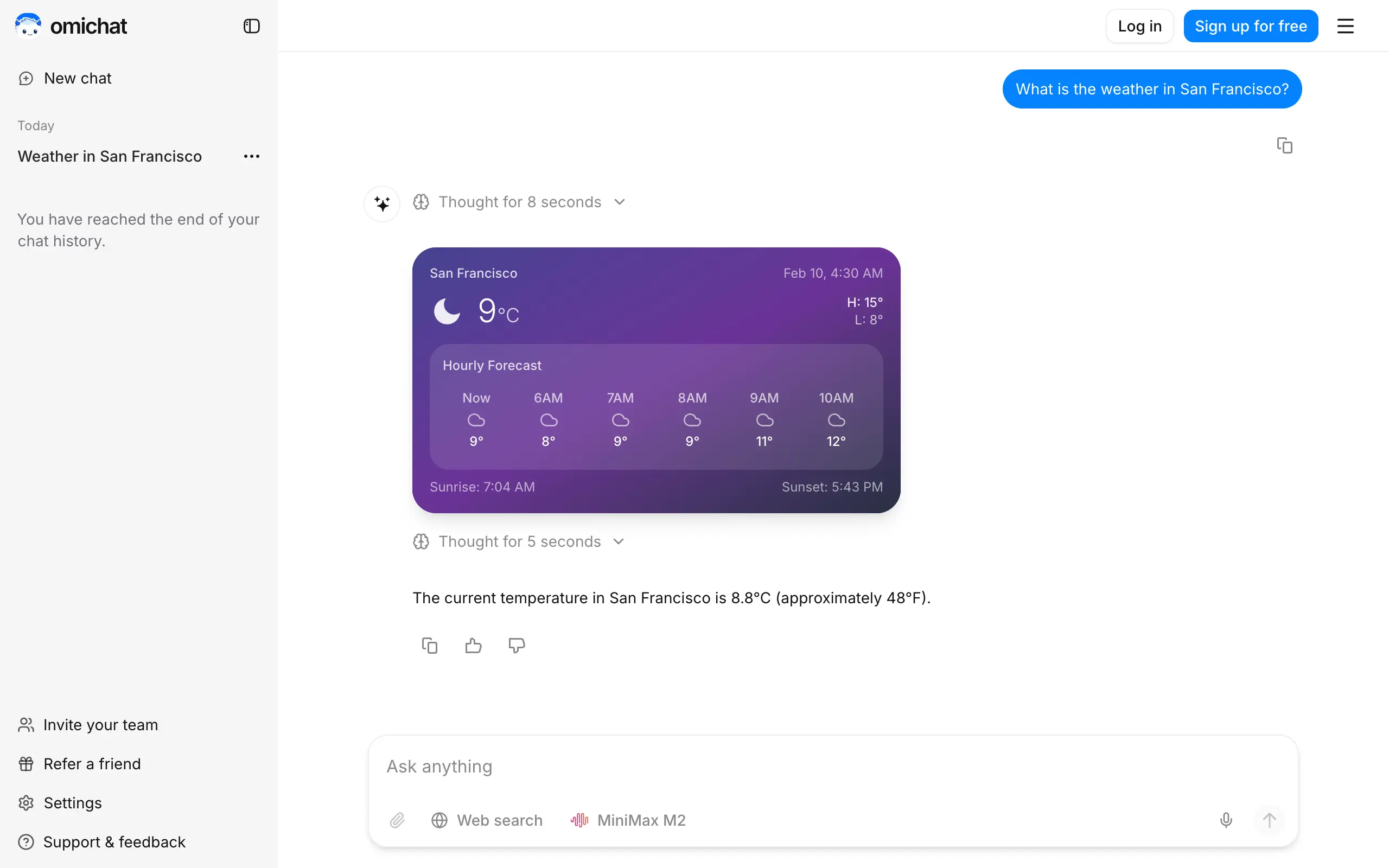
Omichat
Chat with 50+ AI models, including ChatGPT and Claude, in one place - switch models anytime without losing context 🤖
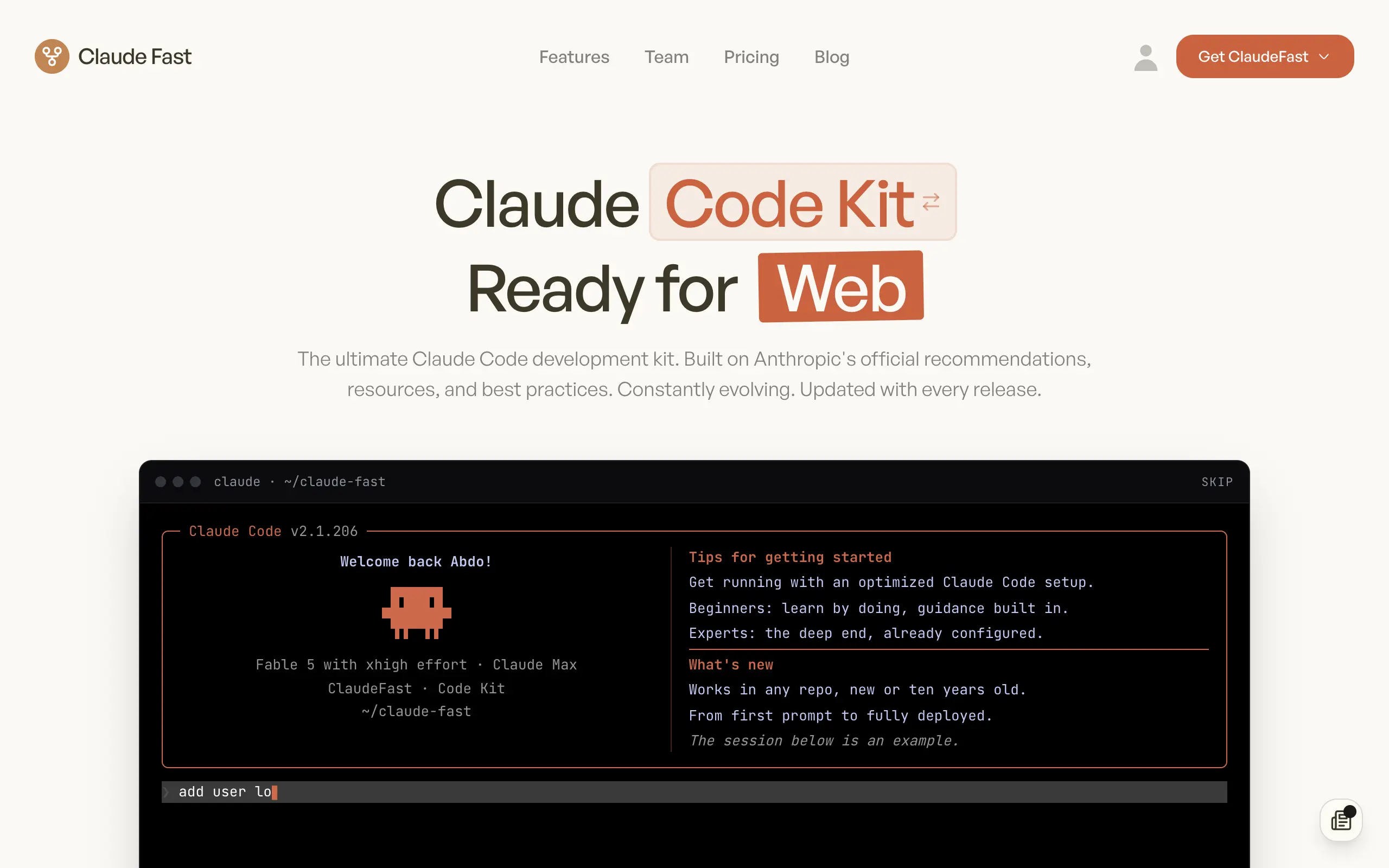
Claude Fast
Supercharge your Claude Code with 6x effective context window and specialized AI agents 🤖
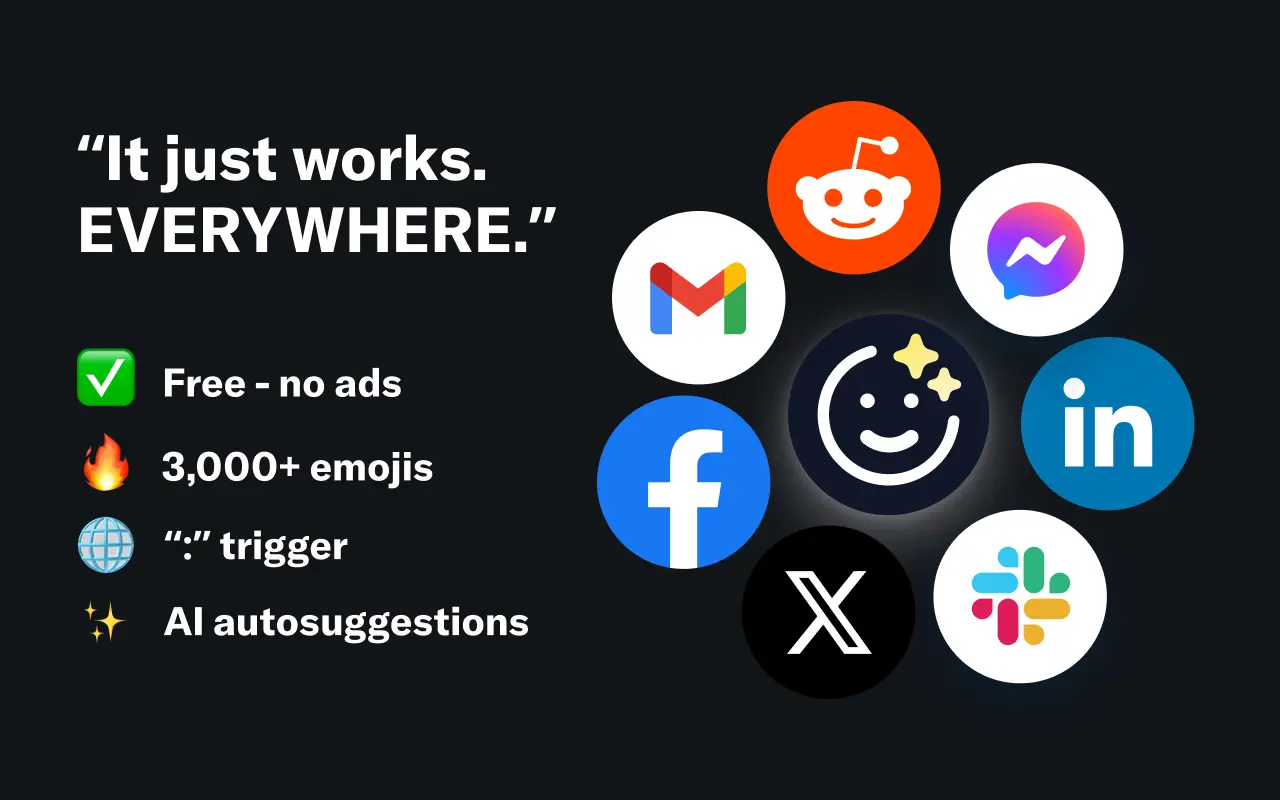
EmojAI
AI-powered emoji picker with smart, context-aware suggestions 🤖
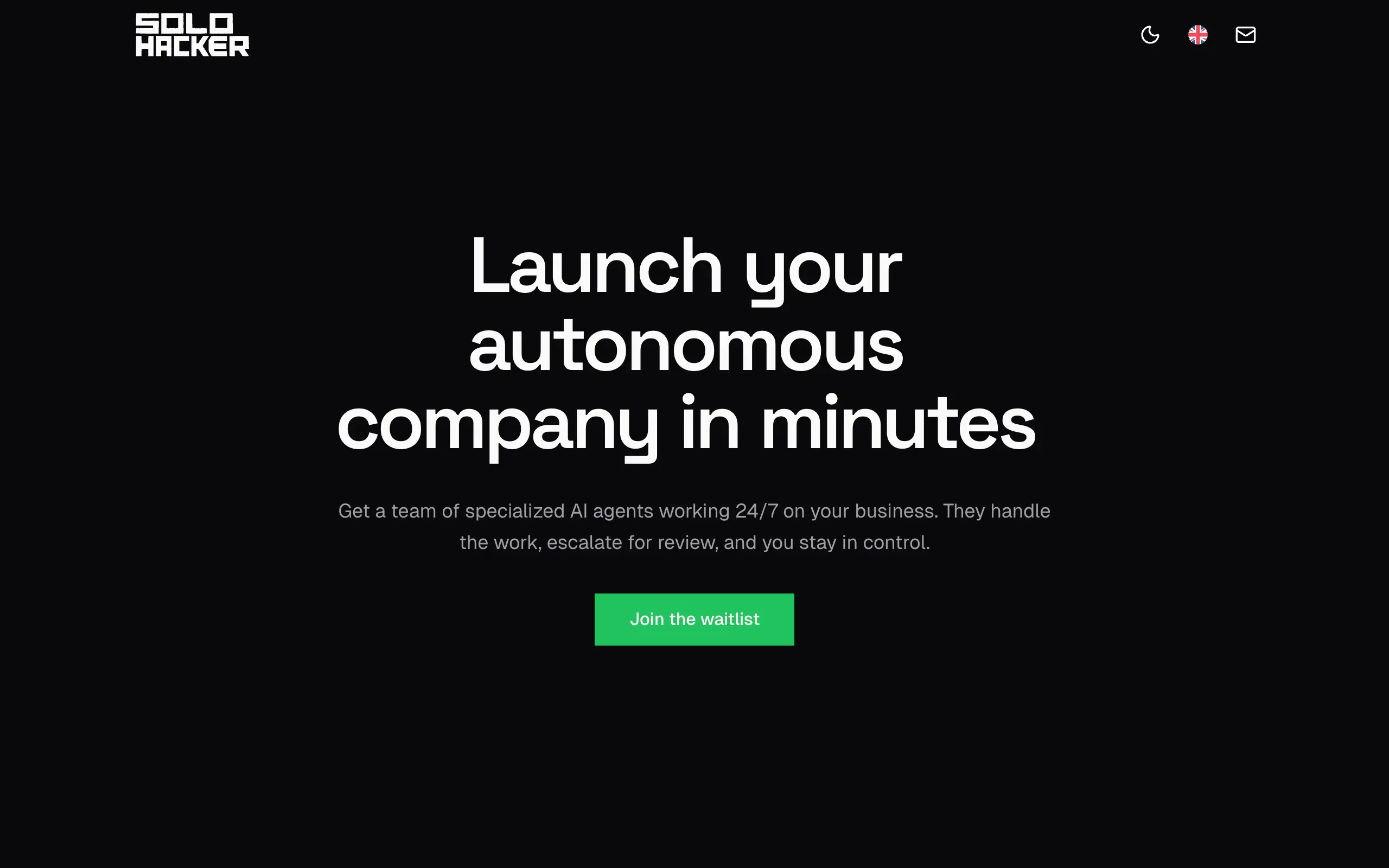
Solohacker
Autonomous company launcher - AI agents work 24/7, escalate what matters, and you stay in control 🤖
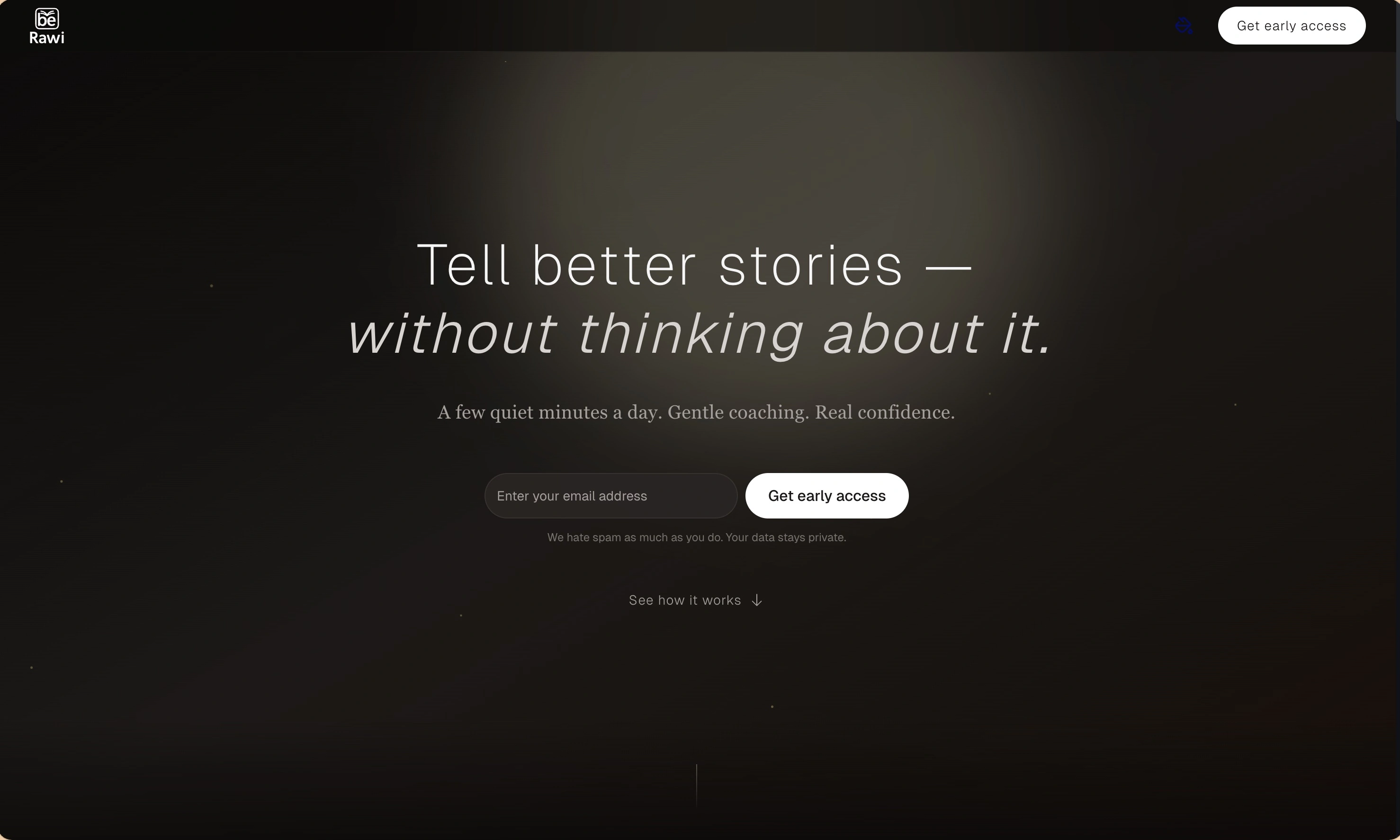
BeRawi: Storytelling Coach
Practice storytelling daily with instant feedback to sound clearer, more engaging, and confident 🎤
Omichat
Chat with 50+ AI models, including ChatGPT and Claude, in one place - switch models anytime without losing context 🤖
Claude Fast
Supercharge your Claude Code with 6x effective context window and specialized AI agents 🤖
EmojAI
AI-powered emoji picker with smart, context-aware suggestions 🤖
Solohacker
Autonomous company launcher - AI agents work 24/7, escalate what matters, and you stay in control 🤖
BeRawi: Storytelling Coach
Practice storytelling daily with instant feedback to sound clearer, more engaging, and confident 🎤
Omichat
Chat with 50+ AI models, including ChatGPT and Claude, in one place - switch models anytime without losing context 🤖
Claude Fast
Supercharge your Claude Code with 6x effective context window and specialized AI agents 🤖
EmojAI
AI-powered emoji picker with smart, context-aware suggestions 🤖
Solohacker
Autonomous company launcher - AI agents work 24/7, escalate what matters, and you stay in control 🤖
BeRawi: Storytelling Coach
Practice storytelling daily with instant feedback to sound clearer, more engaging, and confident 🎤
Omichat
Chat with 50+ AI models, including ChatGPT and Claude, in one place - switch models anytime without losing context 🤖
Claude Fast
Supercharge your Claude Code with 6x effective context window and specialized AI agents 🤖
EmojAI
AI-powered emoji picker with smart, context-aware suggestions 🤖
Solohacker
Autonomous company launcher - AI agents work 24/7, escalate what matters, and you stay in control 🤖
BeRawi: Storytelling Coach
Practice storytelling daily with instant feedback to sound clearer, more engaging, and confident 🎤

Connect with like-minded people
Join our community to get feedback, support, and grow together with 1,000+ builders on board, let's ship it!
Join usShip your startup everywhere. In minutes.
Don't burn tokens on setup and start building features on day one.