DocuForge AI
Turn codebases into clean, SEO-ready technical blogs and tutorials instantly, helping devs share insights and grow their personal brand.
turning code into content: the rise of AI-powered technical blogging tools
Developers are sitting on a goldmine of content—they just don’t realize it. Every codebase contains stories: architectural decisions, clever optimizations, hard-earned lessons, and reusable patterns. Yet most of that knowledge never leaves Git repositories.
This is where an AI-powered solution like DocuForge AI creates a compelling opportunity. By transforming raw codebases into polished, SEO-ready technical blogs and tutorials, it bridges a massive gap between building software and sharing knowledge.
This article breaks down the full strategic, technical, and market landscape behind this idea—whether you're validating it, building it, or investing in it.
understanding the core problem
developers don’t write enough (even when they should)
Despite the rise of developer advocacy and personal branding, most developers:
- Don’t have time to write blog posts
- Struggle to explain their own code clearly
- Don’t understand SEO or content distribution
- Abandon writing after a few attempts
Yet writing has become increasingly important for:
- Career growth (especially in remote-first environments)
- Open-source visibility
- Developer relations roles
- Indie hacking and SaaS marketing
There’s a clear mismatch: high-value knowledge exists, but the effort to publish it is too high.
existing solutions fall short
Current tools solve pieces of the problem, but not the full workflow:
- Documentation tools (like Notion, Docusaurus) → structured but not SEO-driven
- AI writing tools → generic, lack deep code understanding
- Dev blogging platforms → distribution-focused, not creation-focused
DocuForge AI fills this gap by combining:
- Code analysis
- Content generation
- SEO optimization
- Developer-friendly workflows
what is docuforge ai (and why it matters)
DocuForge AI is an AI SaaS platform that:
- Parses a developer’s codebase (GitHub repo, local files, etc.)
- Understands architecture, logic, and patterns
- Generates structured, human-readable blog posts and tutorials
- Optimizes content for SEO and discoverability
This isn't just "AI writing." It’s context-aware technical storytelling.
key value proposition
- Turn code into content instantly
- Build a personal brand without writing from scratch
- Improve discoverability of projects
- Help teams document and market their work
Core insight
The real value isn't automation—it's translation. DocuForge AI translates developer thinking into audience-friendly narratives.
target audience deep dive
primary users
1. indie developers & builders
These users:
- Ship frequently
- Need visibility to grow projects
- Often neglect content marketing
Pain point: "I built something cool, but nobody knows about it."
DocuForge solution: Auto-generate launch posts, tutorials, and technical breakdowns.
2. open-source maintainers
They need:
- Better documentation
- Contributor onboarding guides
- SEO visibility for repos
Pain point: Poor docs limit adoption.
DocuForge solution: Generate structured guides directly from code.
3. developer advocates & content creators
They:
- Constantly create tutorials
- Need to scale content production
- Care deeply about quality
Pain point: Writing is time-consuming.
DocuForge solution: Draft high-quality first versions from real projects.
4. startups & SaaS teams
They want:
- SEO traffic
- Technical blog content
- Engineering visibility
Pain point: Engineers don’t write marketing content.
DocuForge solution: Convert internal code into blog assets.
secondary audiences
- Coding bootcamp instructors
- Technical writers
- Dev tool companies
- AI-assisted content agencies
market opportunity and timing
why now?
Several trends converge to make this idea highly viable:
1. explosion of developer content
Platforms like:
- Dev.to
- Hashnode
- Medium
- Personal blogs
…have normalized developer writing as a growth channel.
2. AI adoption in workflows
Developers are increasingly comfortable with:
- GitHub Copilot
- ChatGPT
- AI-assisted debugging
Extending this to content creation feels natural.
3. SEO-driven growth strategies
Startups rely heavily on:
- Organic traffic
- Technical blog posts
- Long-tail keyword strategies
DocuForge AI directly feeds this demand.
4. rise of personal branding
Developers are becoming creators:
- Twitter/X threads
- YouTube tutorials
- Newsletter writing
But long-form blogging remains underutilized due to effort.
core features and product architecture
1. codebase ingestion
Users can:
- Connect GitHub repos
- Upload files
- Paste snippets
The system should:
- Parse file structure
- Identify frameworks and languages
- Extract key logic components
2. intelligent code understanding
This is the core differentiator.
The AI should:
- Identify architecture patterns
- Detect business logic
- Recognize reusable abstractions
Example outputs:
- "This app uses a REST API with Express and MongoDB"
- "Authentication is handled via JWT middleware"
3. blog generation engine
Generates:
- Tutorials ("How to build X")
- Code walkthroughs
- Architecture breakdowns
- Feature deep dives
Each output should include:
- Clear headings
- Code snippets
- Explanations
- SEO keywords
4. SEO optimization layer
Automatically:
- Suggest keywords
- Generate meta descriptions
- Structure headings properly
- Optimize readability
5. editing and customization
Users can:
- Adjust tone (casual, professional, educational)
- Add personal insights
- Edit generated drafts
6. publishing integrations
Integrations with:
- Dev.to
- Hashnode
- Medium
- WordPress
feature comparison snapshot
| Feature | DocuForge AI | Generic AI Writers | Docs Tools | Manual Blogging |
|---|---|---|---|---|
| Code understanding | ✅ | ❌ | ✅ | ✅ |
| SEO optimization | ✅ | ✅ | ❌ | ✅ |
| Speed | ✅ | ✅ | ❌ | ❌ |
| Context awareness | ✅ | ❌ | ✅ | ✅ |
recommended tech stack
frontend
- React for UI
- TailwindCSS for styling
- MDX editor for blog preview
backend
- Node.js (fast iteration)
- Python microservices for AI processing
AI layer
- LLM APIs (OpenAI or similar)
- Embeddings for code understanding
- Retrieval-augmented generation (RAG)
code parsing
- Tree-sitter for syntax parsing
- Language-specific AST tools
storage
- PostgreSQL for structured data
- Vector database (e.g., Pinecone or Weaviate)
trade-offs
- Accuracy vs speed: deeper analysis increases latency
- Cost vs quality: LLM calls can get expensive
- Flexibility vs simplicity: too many options overwhelm users
monetization strategy
1. freemium model
- Free tier:
- Limited blog generations per month
- Paid tiers:
- Unlimited generations
- Advanced SEO features
- Publishing integrations
2. subscription pricing
Typical pricing:
- $15–$25/month for indie devs
- $49–$99/month for teams
3. usage-based pricing
Charge per:
- Repo analyzed
- Blog generated
- Tokens processed
4. enterprise offering
For companies:
- Internal documentation generation
- Team collaboration features
- API access
competitive landscape
indirect competitors
- ChatGPT
- Jasper AI
- Copy.ai
direct/adjacent tools
- Mintlify (docs automation)
- GitBook AI features
- Swimm (code documentation)
competitive advantage
DocuForge AI wins by combining:
- Deep code understanding
- Content generation
- SEO optimization
USP: code-to-content pipeline
Transforms raw code into polished blog content without manual input.
Built for developers
Understands real-world code patterns, not just text prompts.
Growth-focused
Optimized for SEO and audience reach, not just documentation.
risks and mitigation strategies
1. inaccurate content generation
Risk: AI misinterprets code.
Mitigation:
- Allow user validation
- Highlight uncertain sections
- Provide editable drafts
2. low-quality generic output
Risk: content feels robotic.
Mitigation:
- Tone customization
- Fine-tuned models on dev content
- User feedback loops
3. competition from large AI platforms
Risk: OpenAI or others replicate feature.
Mitigation:
- Focus on UX and workflow
- Build niche specialization
- Integrate deeply with dev tools
4. trust and adoption barrier
Risk: developers skeptical of AI writing.
Mitigation:
- Transparent generation process
- Editable output
- Strong onboarding examples
implementation roadmap
phase 1: MVP
phase 2: product refinement
- Improve code understanding
- Add SEO optimization
- Introduce templates (tutorial, guide, breakdown)
phase 3: growth features
- Publishing integrations
- Analytics dashboard
- Personal brand tracking
phase 4: scale
- Team features
- API access
- Enterprise offering
example generation flow
async function generateBlogFromRepo(repoUrl: string) {
  const codebase = await fetchRepo(repoUrl);

  const analysis = await analyzeCodebase(codebase);

  const blog = await generateContent({
    structure: "tutorial",
    seoKeywords: analysis.keyTopics,
    codeInsights: analysis.summary
  });

  return blog;
}
go-to-market strategy
initial traction
- Launch on Product Hunt
- Target indie dev communities
- Offer free credits for early adopters
content-led growth
Ironically, DocuForge can market itself by:
- Generating its own blog content
- Showcasing real examples
- Publishing case studies
partnerships
- Developer platforms (Dev.to, Hashnode)
- Coding bootcamps
- SaaS tools
future opportunities
1. video script generation
Convert blogs into:
- YouTube scripts
- Course content
2. multi-language support
Generate content in:
- Spanish
- Hindi
- Chinese
3. personal brand dashboards
Track:
- SEO rankings
- Traffic
- Content performance
4. AI co-authoring
Real-time collaboration between:
- Developer
- AI assistant
actionable steps to build docuforge ai
If you're serious about launching this:
final thoughts
DocuForge AI sits at the intersection of three powerful trends:
- AI-assisted development
- Developer content creation
- SEO-driven growth
It’s not just another AI writing tool—it’s a developer amplification engine.
The real opportunity isn’t replacing writing. It’s unlocking all the knowledge that never gets shared.
If executed well, this product can become essential infrastructure for:
- Developer growth
- Open-source visibility
- Technical marketing
And the timing couldn’t be better.
building faster with the right foundation
If you're planning to build something like DocuForge AI, starting from scratch can slow you down significantly.
Using a production-ready SaaS starter like TurboStarter can help you:
- Skip boilerplate setup
- Focus on core AI features
- Launch faster with scalable architecture
In a space moving this quickly, speed of execution is often the biggest advantage.
More 🤖 AI Startup SaaS ideas
Discover more innovative ai startup SaaS ideas that are trending in 2026. Each idea is AI-generated with market validation and growth potential to help you find your next profitable venture faster than competitors.
Your competitors are building with TurboStarter
Below are some of the SaaS ideas that have been generated and built with our starter kit.

Statiko
Monitor any Telegram channel in real time - track posts, edits, deletions, and growth with AI recaps 📡

Shibui
AI website builder - describe your business, pick a niche template, edit by chatting, and publish instantly ✨

Pro Service
Find verified home service professionals, compare quotes, and pay securely through escrow - built for Brazilians across the US 🏠
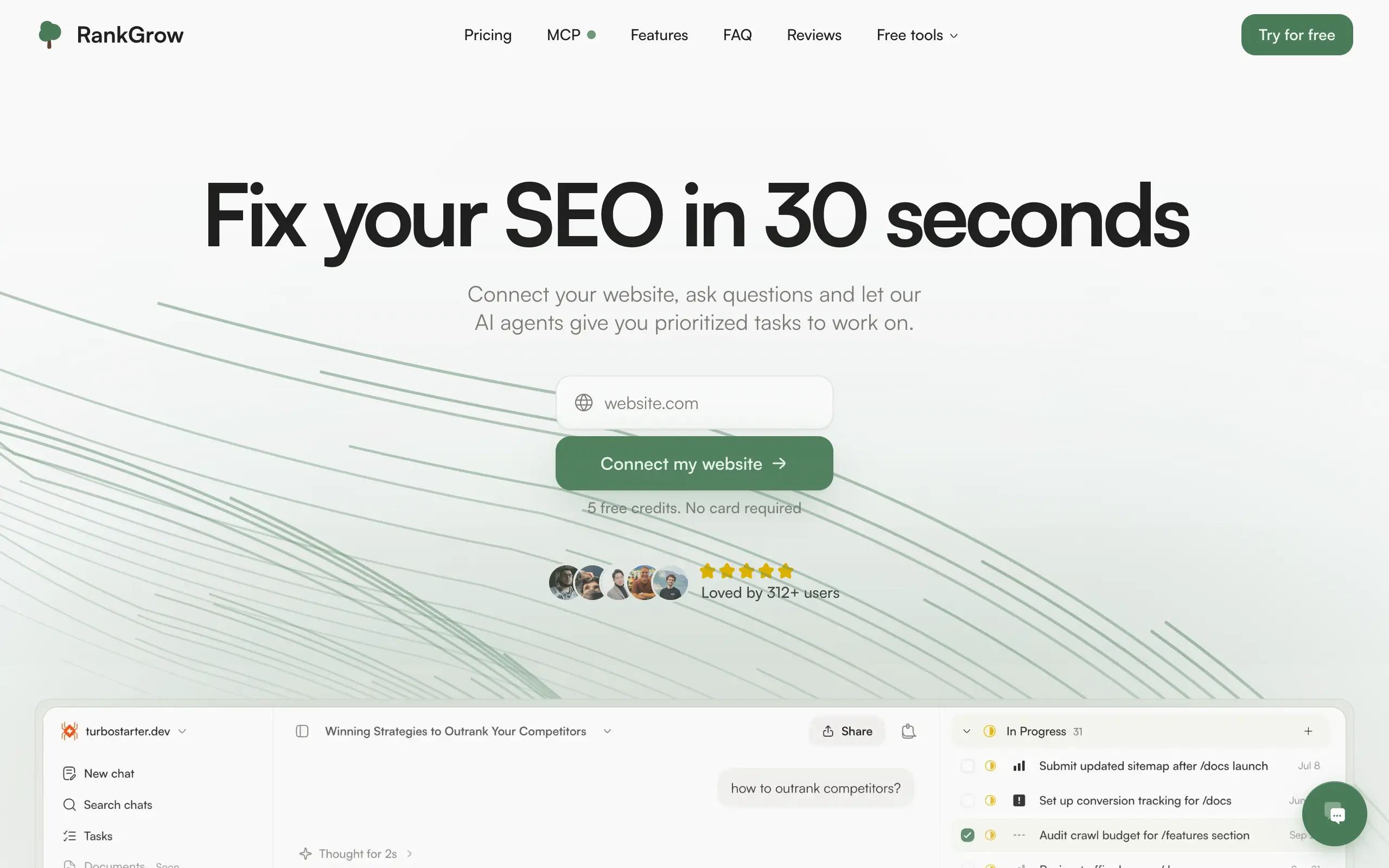
RankGrow
Fix your SEO with AI agents - connect Search Console, get prioritized tasks, and grow organic traffic 📈

SyncReads
Sync your favorite content for distraction-free reading, save time and replace multiple apps. Anytime, anywhere 🔄
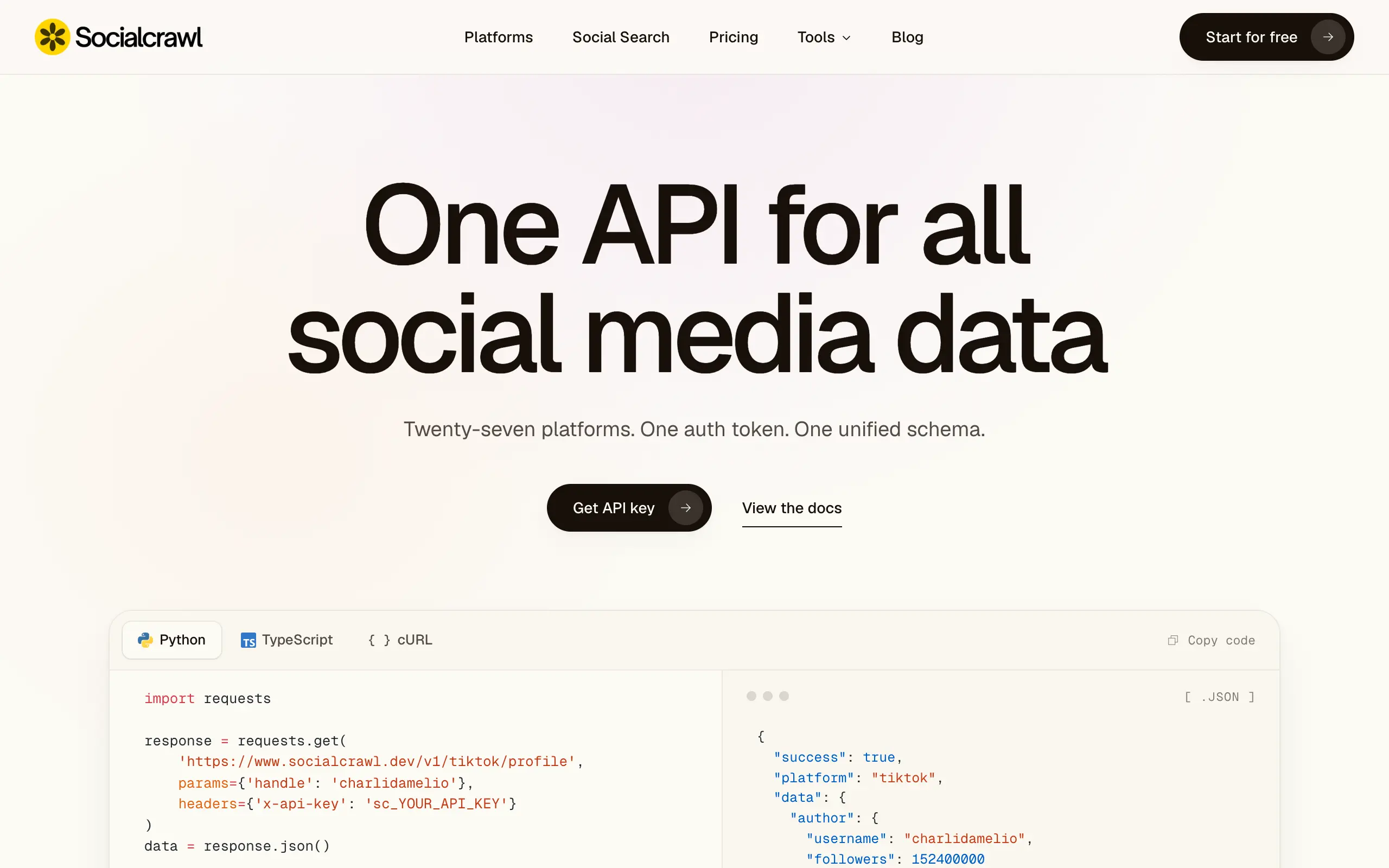
Socialcrawl
Get clean, structured data from 21 platforms like TikTok, Instagram, and YouTube with a single request 📊
Statiko
Monitor any Telegram channel in real time - track posts, edits, deletions, and growth with AI recaps 📡
Shibui
AI website builder - describe your business, pick a niche template, edit by chatting, and publish instantly ✨
Pro Service
Find verified home service professionals, compare quotes, and pay securely through escrow - built for Brazilians across the US 🏠
RankGrow
Fix your SEO with AI agents - connect Search Console, get prioritized tasks, and grow organic traffic 📈
SyncReads
Sync your favorite content for distraction-free reading, save time and replace multiple apps. Anytime, anywhere 🔄
Socialcrawl
Get clean, structured data from 21 platforms like TikTok, Instagram, and YouTube with a single request 📊
Statiko
Monitor any Telegram channel in real time - track posts, edits, deletions, and growth with AI recaps 📡
Shibui
AI website builder - describe your business, pick a niche template, edit by chatting, and publish instantly ✨
Pro Service
Find verified home service professionals, compare quotes, and pay securely through escrow - built for Brazilians across the US 🏠
RankGrow
Fix your SEO with AI agents - connect Search Console, get prioritized tasks, and grow organic traffic 📈
SyncReads
Sync your favorite content for distraction-free reading, save time and replace multiple apps. Anytime, anywhere 🔄
Socialcrawl
Get clean, structured data from 21 platforms like TikTok, Instagram, and YouTube with a single request 📊
Statiko
Monitor any Telegram channel in real time - track posts, edits, deletions, and growth with AI recaps 📡
Shibui
AI website builder - describe your business, pick a niche template, edit by chatting, and publish instantly ✨
Pro Service
Find verified home service professionals, compare quotes, and pay securely through escrow - built for Brazilians across the US 🏠
RankGrow
Fix your SEO with AI agents - connect Search Console, get prioritized tasks, and grow organic traffic 📈
SyncReads
Sync your favorite content for distraction-free reading, save time and replace multiple apps. Anytime, anywhere 🔄
Socialcrawl
Get clean, structured data from 21 platforms like TikTok, Instagram, and YouTube with a single request 📊
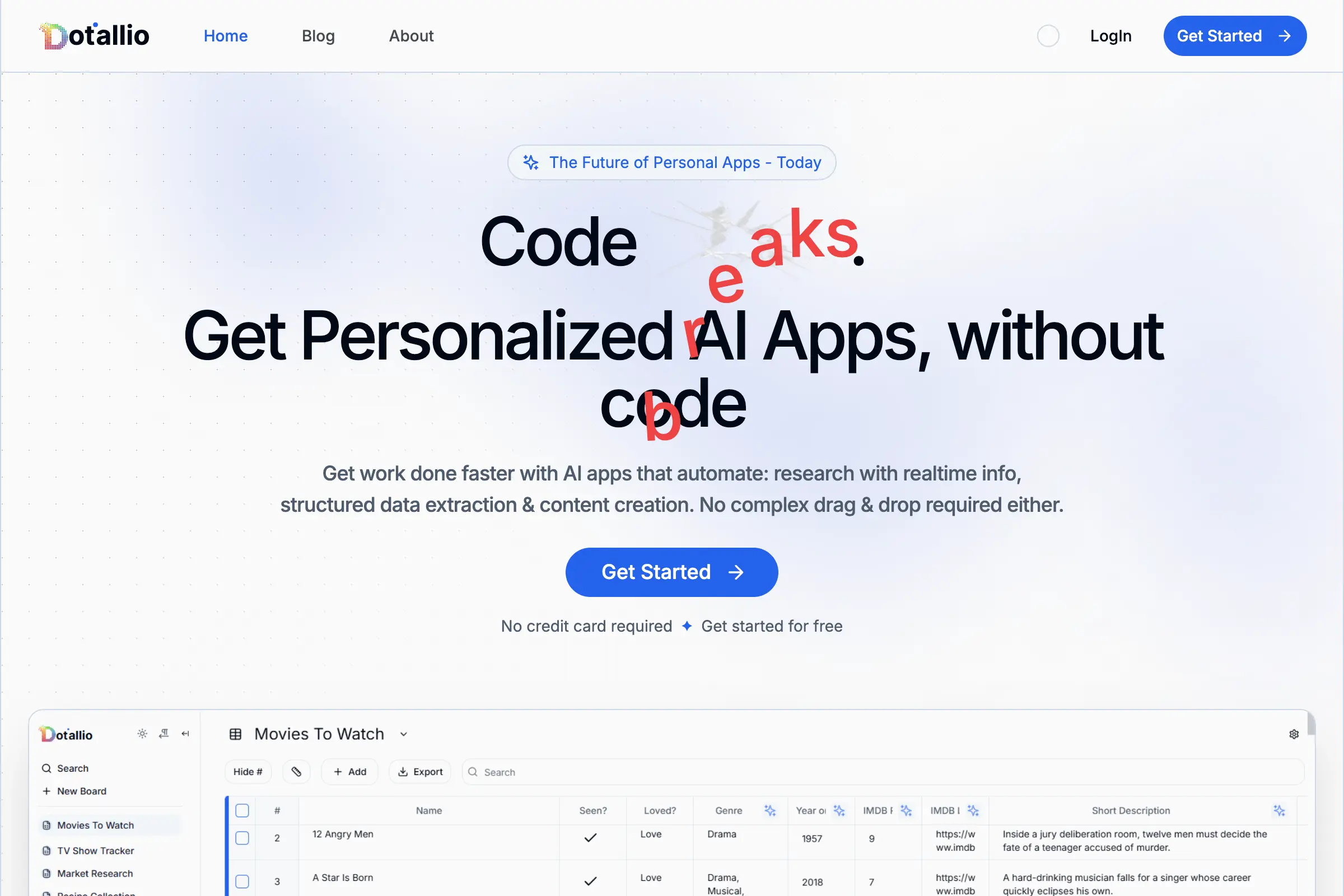
Dotallio
Personalized AI apps that automate research, data extraction, and content creation without code 🤖

Talk to Santa
Enjoy a magical live video chat or receive a unique AI-generated video greeting from Santa Claus 🎅

pozywka.pl
Scalable blog for food journalist, focused on performance and user experience 🌭
zagrodzki.me
Personal blog and portfolio of Bart Zagrodzki, where he shares his knowledge and work 💼
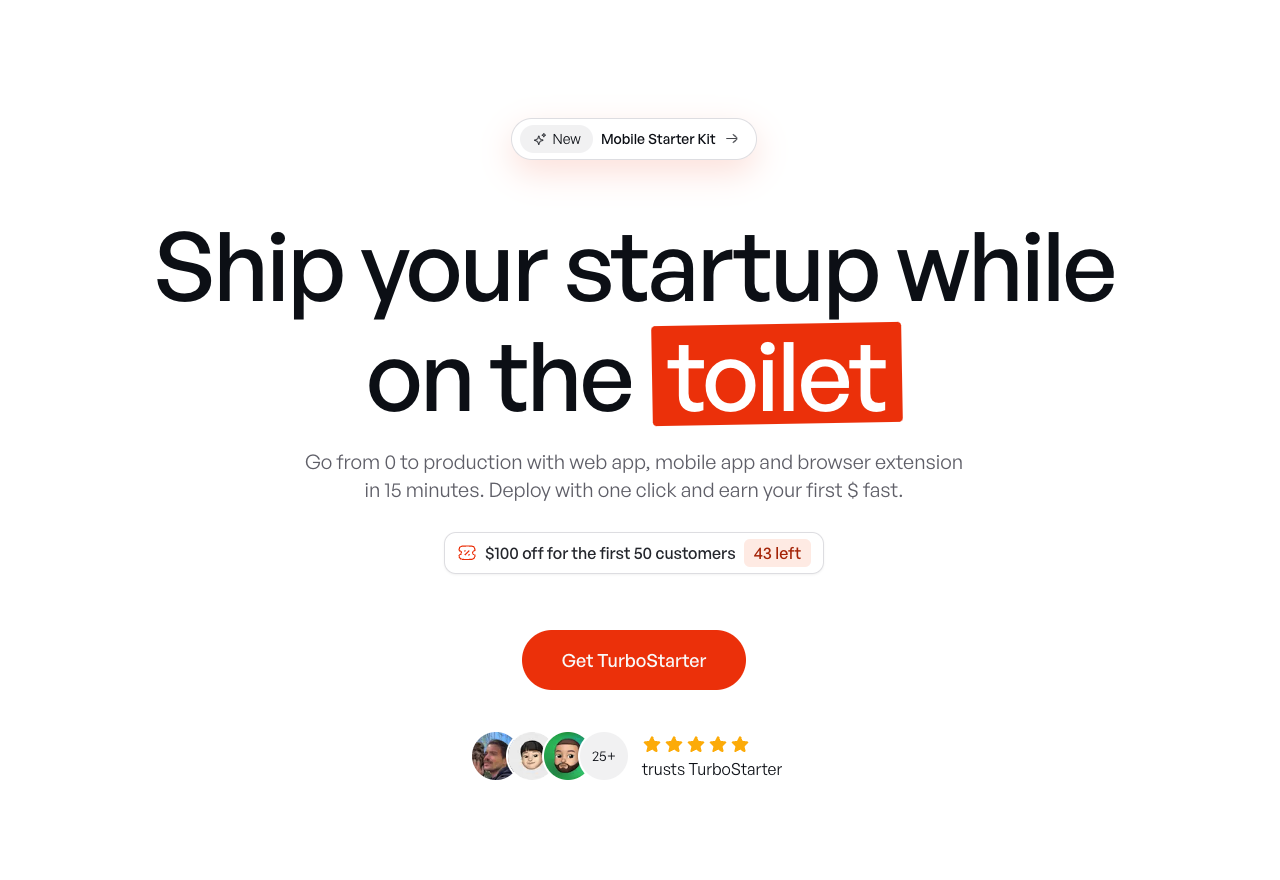
TurboStarter
Ship your startup everywhere. In minutes.
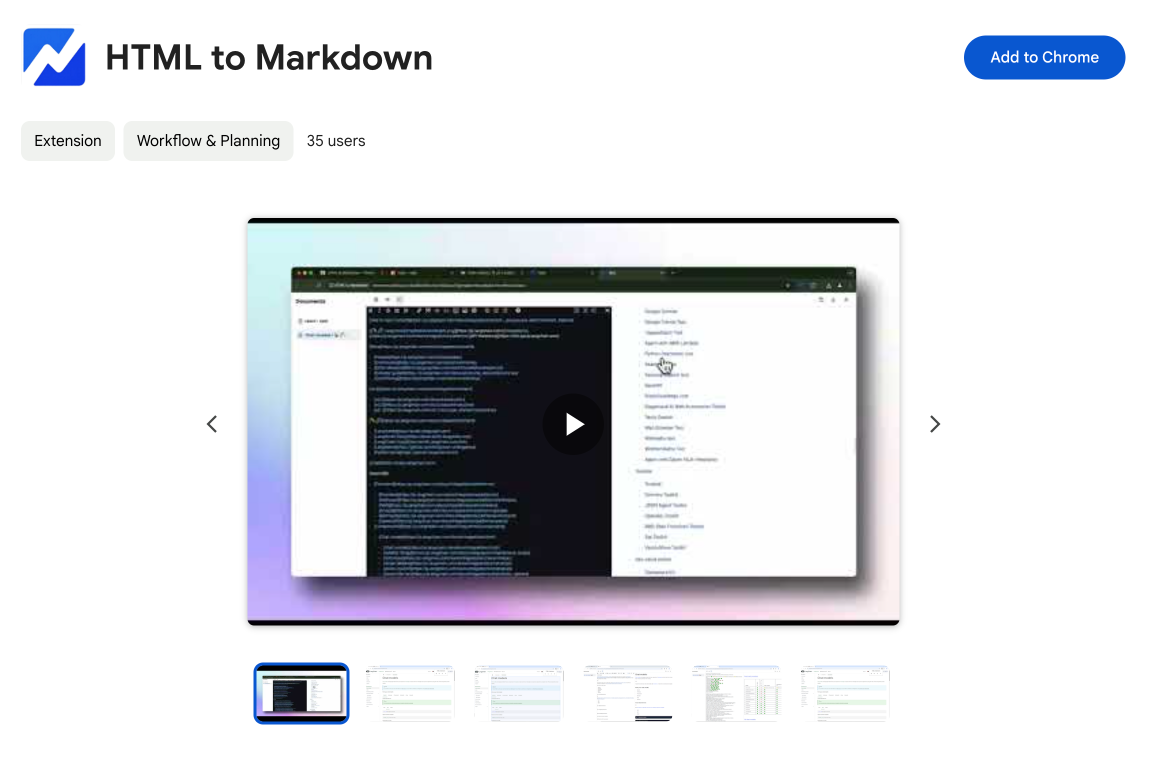
HTML to Markdown
Convert HTML to Markdown with ease, directly in your browser 📄
Dotallio
Personalized AI apps that automate research, data extraction, and content creation without code 🤖
Talk to Santa
Enjoy a magical live video chat or receive a unique AI-generated video greeting from Santa Claus 🎅
pozywka.pl
Scalable blog for food journalist, focused on performance and user experience 🌭
zagrodzki.me
Personal blog and portfolio of Bart Zagrodzki, where he shares his knowledge and work 💼
TurboStarter
Ship your startup everywhere. In minutes.
HTML to Markdown
Convert HTML to Markdown with ease, directly in your browser 📄
Dotallio
Personalized AI apps that automate research, data extraction, and content creation without code 🤖
Talk to Santa
Enjoy a magical live video chat or receive a unique AI-generated video greeting from Santa Claus 🎅
pozywka.pl
Scalable blog for food journalist, focused on performance and user experience 🌭
zagrodzki.me
Personal blog and portfolio of Bart Zagrodzki, where he shares his knowledge and work 💼
TurboStarter
Ship your startup everywhere. In minutes.
HTML to Markdown
Convert HTML to Markdown with ease, directly in your browser 📄
Dotallio
Personalized AI apps that automate research, data extraction, and content creation without code 🤖
Talk to Santa
Enjoy a magical live video chat or receive a unique AI-generated video greeting from Santa Claus 🎅
pozywka.pl
Scalable blog for food journalist, focused on performance and user experience 🌭
zagrodzki.me
Personal blog and portfolio of Bart Zagrodzki, where he shares his knowledge and work 💼
TurboStarter
Ship your startup everywhere. In minutes.
HTML to Markdown
Convert HTML to Markdown with ease, directly in your browser 📄
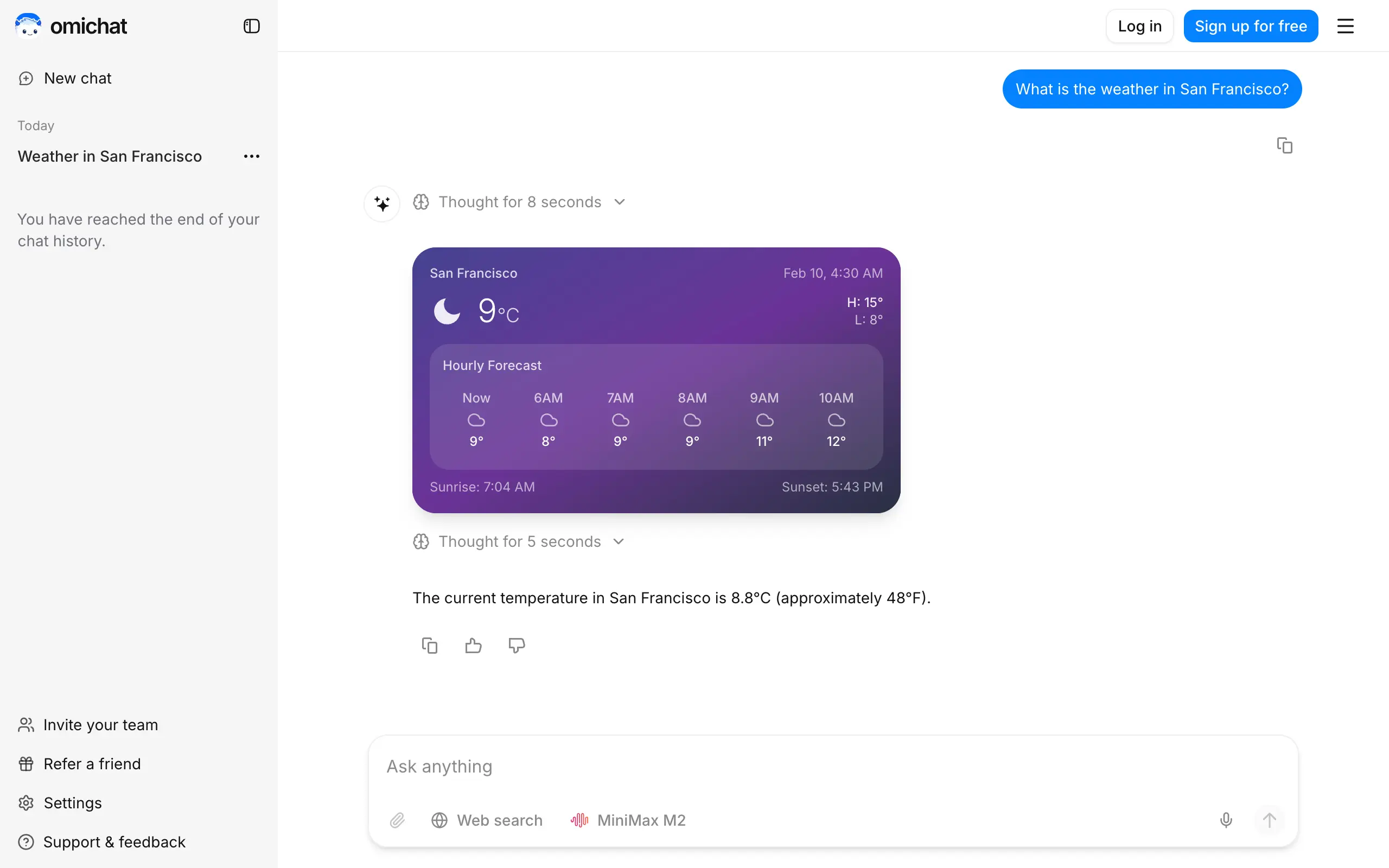
Omichat
Chat with 50+ AI models, including ChatGPT and Claude, in one place - switch models anytime without losing context 🤖
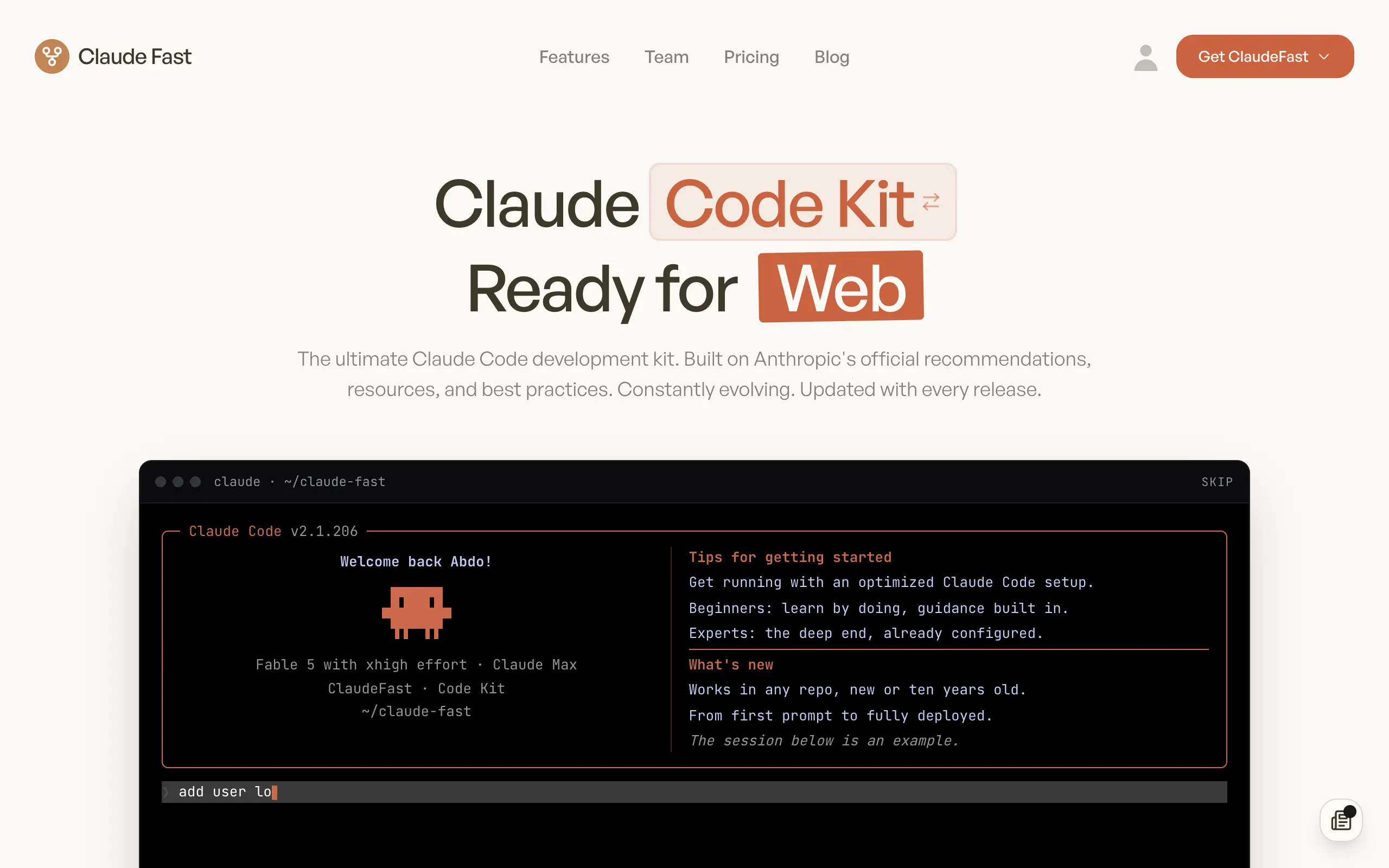
Claude Fast
Supercharge your Claude Code with 6x effective context window and specialized AI agents 🤖
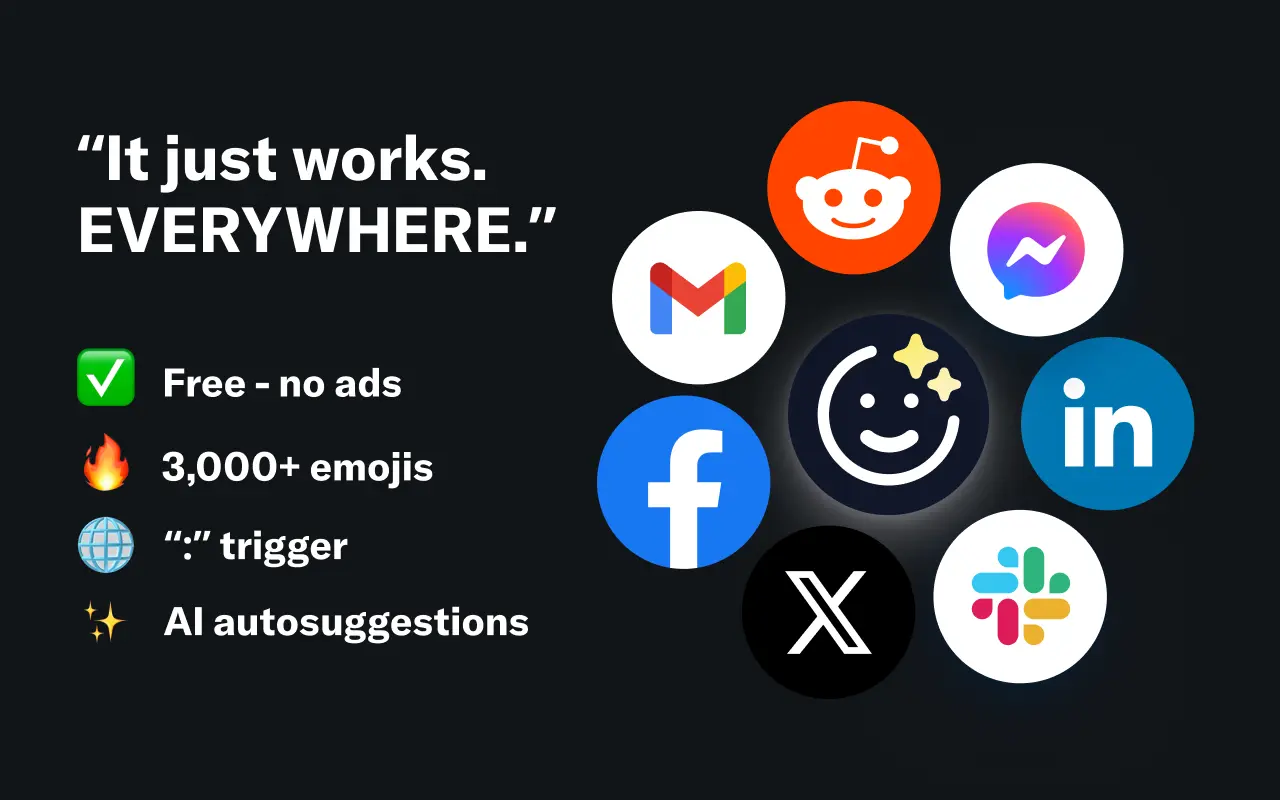
EmojAI
AI-powered emoji picker with smart, context-aware suggestions 🤖

Solohacker
Autonomous company launcher - AI agents work 24/7, escalate what matters, and you stay in control 🤖
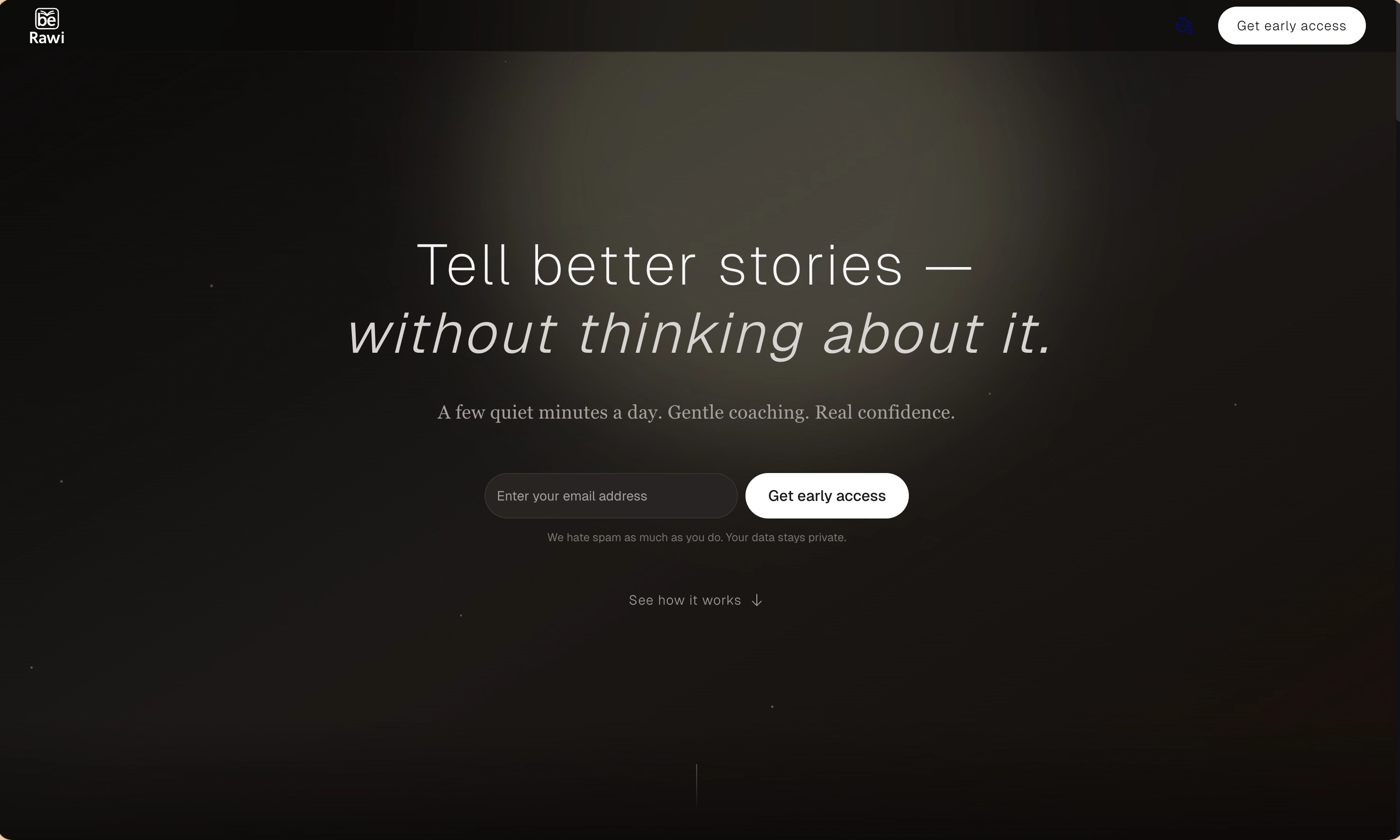
BeRawi: Storytelling Coach
Practice storytelling daily with instant feedback to sound clearer, more engaging, and confident 🎤
Omichat
Chat with 50+ AI models, including ChatGPT and Claude, in one place - switch models anytime without losing context 🤖
Claude Fast
Supercharge your Claude Code with 6x effective context window and specialized AI agents 🤖
EmojAI
AI-powered emoji picker with smart, context-aware suggestions 🤖
Solohacker
Autonomous company launcher - AI agents work 24/7, escalate what matters, and you stay in control 🤖
BeRawi: Storytelling Coach
Practice storytelling daily with instant feedback to sound clearer, more engaging, and confident 🎤
Omichat
Chat with 50+ AI models, including ChatGPT and Claude, in one place - switch models anytime without losing context 🤖
Claude Fast
Supercharge your Claude Code with 6x effective context window and specialized AI agents 🤖
EmojAI
AI-powered emoji picker with smart, context-aware suggestions 🤖
Solohacker
Autonomous company launcher - AI agents work 24/7, escalate what matters, and you stay in control 🤖
BeRawi: Storytelling Coach
Practice storytelling daily with instant feedback to sound clearer, more engaging, and confident 🎤
Omichat
Chat with 50+ AI models, including ChatGPT and Claude, in one place - switch models anytime without losing context 🤖
Claude Fast
Supercharge your Claude Code with 6x effective context window and specialized AI agents 🤖
EmojAI
AI-powered emoji picker with smart, context-aware suggestions 🤖
Solohacker
Autonomous company launcher - AI agents work 24/7, escalate what matters, and you stay in control 🤖
BeRawi: Storytelling Coach
Practice storytelling daily with instant feedback to sound clearer, more engaging, and confident 🎤

Connect with like-minded people
Join our community to get feedback, support, and grow together with 1,000+ builders on board, let's ship it!
Join usShip your startup everywhere. In minutes.
Don't burn tokens on setup and start building features on day one.