DreamWeave
DreamWeave offers AI-powered dream journaling, emotional mapping, and scientific interpretations to help users gain deeper self-awareness from nightly dreams.
DreamWeave is an innovative SaaS platform that leverages artificial intelligence to transform the personal discovery journey through AI-powered dream journaling, emotional mapping, and scientific dream interpretations. This comprehensive guide is crafted to help founders, early adopters, and product strategists understand the immense opportunity within this space, equipped with actionable insights and technical guidance for building, launching, or scaling an AI dream journaling SaaS like DreamWeave.
Understanding the target audience for AI-powered dream journaling
Identifying and deeply understanding your audience lays the foundation for product success. DreamWeave’s target market is more nuanced than just “people who dream.” Here’s a breakdown of the primary groups most likely to engage with this solution:
1. Self-discovery enthusiasts
Individuals invested in personal growth regularly look for new ways to understand themselves better. They value tools that offer introspection, behavioral insights, and emotional intelligence development. AI-powered dream interpretation aligns perfectly with their search for deeper self-awareness.
2. Mental health conscious users
The rising trend of mental health awareness has given users more confidence in journaling, mood tracking, and therapy. DreamWeave addresses their interest in emotional well-being by allowing users to explore emotions rooted in their subconscious.
3. Therapists and mental health professionals
Professionals in psychology, psychotherapy, and counseling can use shared or anonymized dream data to enrich therapy sessions. DreamWeave’s AI-driven emotional mapping could become a valuable supplement in clinical practice.
4. Neurodiverse communities
Individuals with vivid or frequent dreams, such as those with anxiety, PTSD, or neurodiverse backgrounds, often look for ways to contextualize their experiences. Tailored, empathetic AI insights offer non-judgmental support for these groups.
5. Academic researchers
Dream and sleep research is an active academic field. Aggregated, anonymized datasets, or individual user logs, can unlock rich new avenues for sleep science, psychology, or AI researchers.
Audience pain points
DreamWeave is well-positioned to solve common pain points, including:
- Forgetting dreams soon after waking.
- Difficulty interpreting cryptic imagery or recurring motifs.
- Lacking a structured approach to track emotional or psychological patterns.
- Hesitation to share deeply personal journals with others.
- Unverified or pseudoscientific dream analysis apps.
Market opportunity: The gap in dream interpretation and emotional mapping
Market research highlights a growing cultural interest in sleep health, emotional wellness, and self-quantification. However, the dream interpretation space is riddled with outdated, unscientific solutions or oversimplified “dream dictionaries.” This provides a fertile opportunity for a modern, science-informed SaaS like DreamWeave.
Key secular drivers
- Mental health boom: The global mental wellness industry is valued at over $120 billion (2023). Journaling and emotional intelligence platforms continue to see sharp user growth.
- Wearables & self-tracking: Devices like Apple Watch or Oura Ring have normalized self-tracking across sleep, mood, and physiological data.
- Growing trust in AI: Mainstream adoption of AI assistants demonstrates readiness for technology-facilitated self-reflection.
Key market gaps
| Traditional dream apps | Paper journals | Therapy only | DreamWeave | Generic AI chatbots |
|---|---|---|---|---|
| ✅ Simple logging | ✅ Private | ❌ Not scalable | ✅ AI analysis, emotional mapping | ❌ No domain expertise |
| ❌ Lacks scientific insights | ❌ No insights | ✅ Professional guidance | ✅ Scientific interpretations | ❌ Superficial responses |
Takeaway: DreamWeave sits at the intersection of validated science, AI-powered emotional context, and privacy-first design—outclassing both legacy and AI-native competitors.
Core features and solution overview
A winning SaaS in the dream journaling space must blend delightful UX, robust privacy, and genuinely helpful insights—not just flashy AI. DreamWeave’s ideal feature set includes:
1. Secure AI-powered dream journaling
- Natural language input: Users freely describe dreams in text or via quick voice notes.
- Instant AI summaries: The system parses, summarizes, and extracts key themes.
- Privacy by design: End-to-end encryption and user-controlled data sharing.
2. Advanced emotional mapping
- Sentiment analysis: AI tags emotions (anger, joy, anxiety, etc.) and their intensity.
- Temporal mood mapping: Visualizes how emotional content changes over time.
- Pattern alerts: Highlights recurring dream motifs or emotional triggers.
3. Scientific dream interpretation
- Evidence-based framework: Interpret dreams via psychological research (e.g., Jungian archetypes, sleep science, trauma studies).
- Citations and transparency: Links to referenced research with optional “learn more” for users wanting deeper explanations.
- Customizable filters: Users can toggle science-first vs. folk/traditional interpretations.
4. Reminders and habit formation
- Smart notifications: Gentle reminders timed to a user’s wake-up schedule to boost habit formation.
- Streak tracking: Rewards users for consistency, supporting long-term personal growth.
5. Data export and integration
- Easy data export: Users retain ownership and can export to spreadsheets, PDF, or integrations.
- API for therapists: Optional secure API access for authorized professionals.
6. Community and support
- Anonymized sharing: Users can opt to anonymously share stories or insights for peer validation, fostering community without fear.
- Expert Q&A: Periodic access to dream researchers or therapists for special sessions.
AI-powered journaling
Intuitive dream capture with instant analysis.
Emotional mapping
Track and visualize evolving emotional landscapes.
Scientific insights
Actionable, research-based interpretations—not fortune-telling.
Privacy & control
Ultimate data privacy; user owns their stories.
Recommended tech stack for DreamWeave (and trade-offs)
Building a SaaS that must be both AI-powered and privacy-centric calls for a thoughtful stack. Here are the components to consider:
1. Frontend
- React: Fast, modular UI development with a rich ecosystem.
- TailwindCSS: Rapid design iteration with utility-first styling.
- PWA support: For cross-device use and offline journaling.
2. Backend
- Node.js: Real-time data processing, integrates well with AI APIs.
- Python (microservices): For advanced NLP and AI model inference.
3. AI/NLP
- OpenAI GPT models (for text summarization and interpretation).
- spaCy or NLTK: For sentiment/emotional analysis.
- Custom fine-tuning on dream-specific annotated datasets.
4. Data storage & security
- PostgreSQL: Reliable relational database.
- End-to-end encryption: At rest and in transit.
- Vault by HashiCorp: Secure secrets and key management.
5. Integrations
- Auth0 or Firebase Auth for authentication.
- Stripe for billing.
- Selective API integrations for therapists or exporting data.
Tech stack trade-offs
- Managed NLP APIs (OpenAI, AWS Comprehend, Google Cloud NLP): Faster to MVP but risk higher long-term costs and data privacy issues.
- In-house models: Higher initial investment but greater control over privacy, explainability, and customization.
- Serverless vs. containerized infra: Serverless (e.g., Vercel, AWS Lambda) offers cost efficiency at low scale but may complicate handling long-running AI jobs; containers (e.g., Docker) provide more control.
System architecture sketch
// High-level DreamWeave architecture
User -> React PWA
     -> API Gateway (Node.js/FastAPI)
         -> AI/NLP Service (Python, spaCy/OpenAI)
         -> PostgreSQL DB (E2E Encrypted)
         -> Auth Service (Firebase/Auth0)
     -> Export/Integration APIs
Scalability tip
Leverage serverless architecture early, then migrate core AI components in-house as your user base and privacy needs scale.
Monetization strategies for AI dream journaling platforms
A platform like DreamWeave intersects several lucrative SaaS monetization models. Choosing the right approach depends on your target customer profile and desired growth velocity.
1. Freemium with premium tiers
- Free plan: Basic journaling, limited AI analyses (e.g., X entries per month).
- Premium plan: Unlimited interpretations, advanced emotion mapping, priority support, and integrations.
- Add-ons: In-depth reports, professional Q&A sessions, or custom analytics.
2. B2B partnerships
- Licensing to therapists/counselors: White-label or API embedded within a practice’s workflow.
- Academic/research licenses: Special plans for aggregated, anonymized data analysis.
3. Community or content subscriptions
- Webinars, AMA sessions, exclusive content: Offer periodic content from dream experts or mental health practitioners behind a paywall.
4. Ethical data monetization
- Only with explicit consent: Allow users to opt-in to share strictly anonymized dream data for research.
For maximum user trust, avoid intrusive ads, especially given the sensitive, personal nature of dream data. Advertising can compromise your privacy-friendly brand positioning.
Risks and mitigation strategies
Launching a SaaS in the personal insight and wellness space demands a rigorous approach to risk management:
1. Privacy and trust
- Mitigation: Use transparent, easy-to-read privacy policies. Invest in world-class encryption. Offer local-only storage options for advanced users.
- Tip: Consider third-party privacy certifications as trust signals.
2. AI bias & validity
- Mitigation: Fine-tune models on balanced datasets. Offer both scientific and cultural interpretations to avoid single-perspective bias.
- Tip: Clearly explain that AI interpretations are for informational/wellness use, not clinical diagnosis.
3. Regulatory compliance
- Mitigation: Meet or exceed regional standards (GDPR, HIPAA if exporting to therapists).
- Tip: Build modular compliance—easier to adapt to changing laws.
4. Engagement and retention
- Mitigation: Gamify journaling with streaks, gentle nudges, and progress analytics. Offer regular new features and expert sessions.
5. Market education
- Mitigation: Publish transparent explainers on the science behind dream interpretation and emotional mapping to build user confidence.
Competitive analysis and DreamWeave’s unique advantage
The dream journaling and emotional insight market spans everything from analog pen-and-paper journals to slick AI-driven apps. Key players include:
- General journaling apps: Day One, Journey, etc. Strong at note-taking, weak at dream analysis.
- Dream dictionaries: Numerous mobile apps with crowd-sourced interpretations; most lack scientific grounding or AI features.
- Mental health trackers: Moodpath, Woebot, etc. Focus on mood & behavior, not dream content.
Where DreamWeave stands out
- Science-first: Delivers interpretations grounded in evidence, not folklore.
- Emotional intelligence: Maps and contextualizes emotional states using both AI and validated therapeutic frameworks.
- Privacy as a cornerstone: Many competitors overlook genuine, user-first privacy solutions.
- Trusted transparency: Clearly distinguishes between research-based facts and AI hypotheses.
Unique value
AI plus real science—no guesswork or 'dream dictionary' fluff.
Total control
Advanced privacy, you own your experience and your data.
For users AND pros
Equally useful as a solo tool or therapist's aid.
Actionable steps to build or launch an AI dream journaling SaaS
Here’s a step-by-step pathway to designing and deploying a platform like DreamWeave:
Conclusion: Seize the opportunity in AI-powered self-discovery
DreamWeave is more than an app—it's a catalyst for personal growth, bridging cutting-edge AI with validated psychological science for truly meaningful insight. By focusing on privacy, scientific integrity, and user empowerment, you position your SaaS to both change lives and create lasting value.
Whether you’re a solo founder, SaaS builder, mental health professional, or advocate for ethical AI, now is the moment to help shape the future of self-reflection. Learn, iterate, and lead with transparency—because dreams deserve better tools.
Ready to accelerate your SaaS launch? Consider using TurboStarter for rapid, validated MVP development tailored to innovative ideas like DreamWeave.
More 🤖 AI Startup SaaS ideas
Discover more innovative ai startup SaaS ideas that are trending in 2026. Each idea is AI-generated with market validation and growth potential to help you find your next profitable venture faster than competitors.
Your competitors are building with TurboStarter
Below are some of the SaaS ideas that have been generated and built with our starter kit.
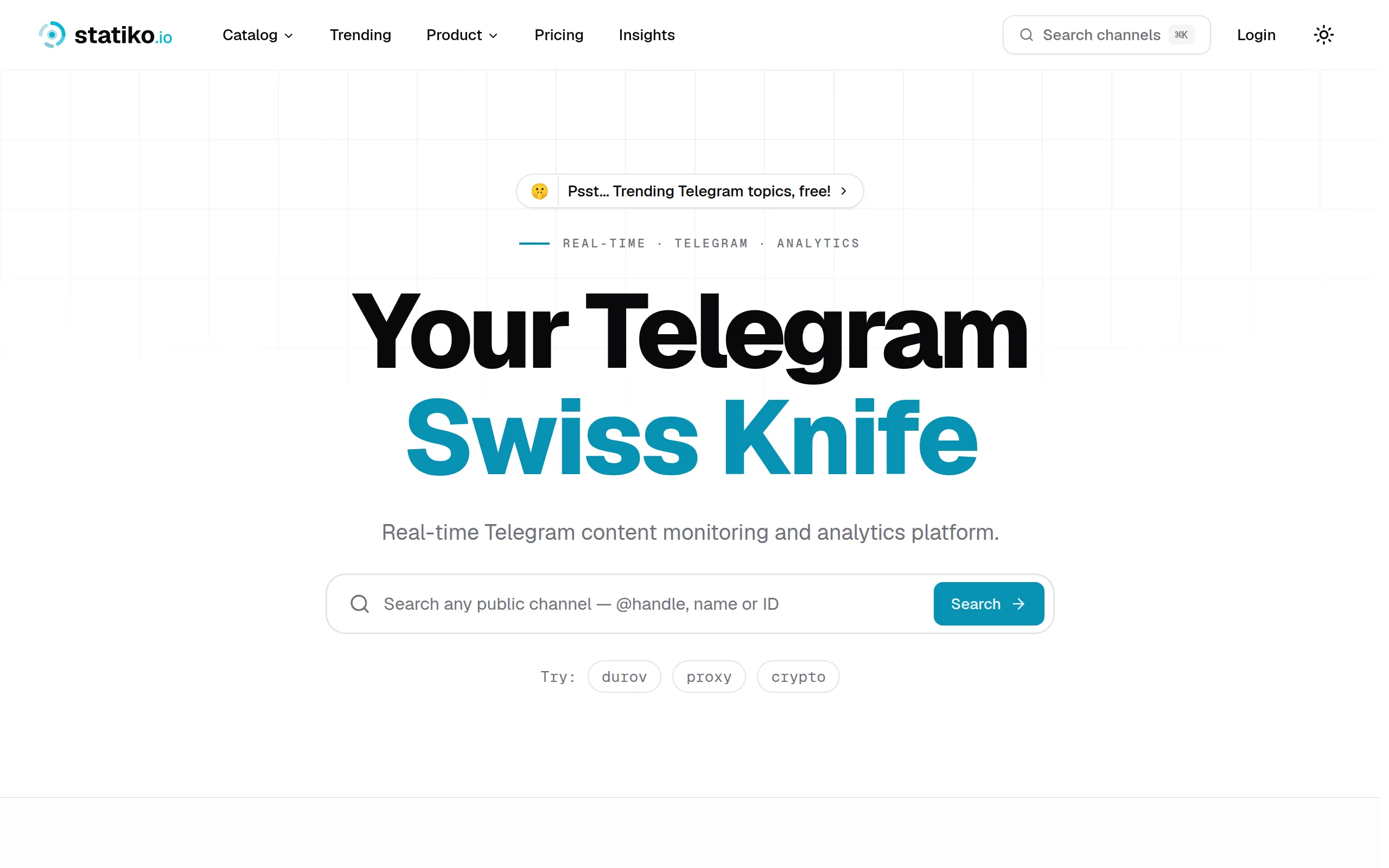
Statiko
Monitor any Telegram channel in real time - track posts, edits, deletions, and growth with AI recaps 📡

Shibui
AI website builder - describe your business, pick a niche template, edit by chatting, and publish instantly ✨

Pro Service
Find verified home service professionals, compare quotes, and pay securely through escrow - built for Brazilians across the US 🏠
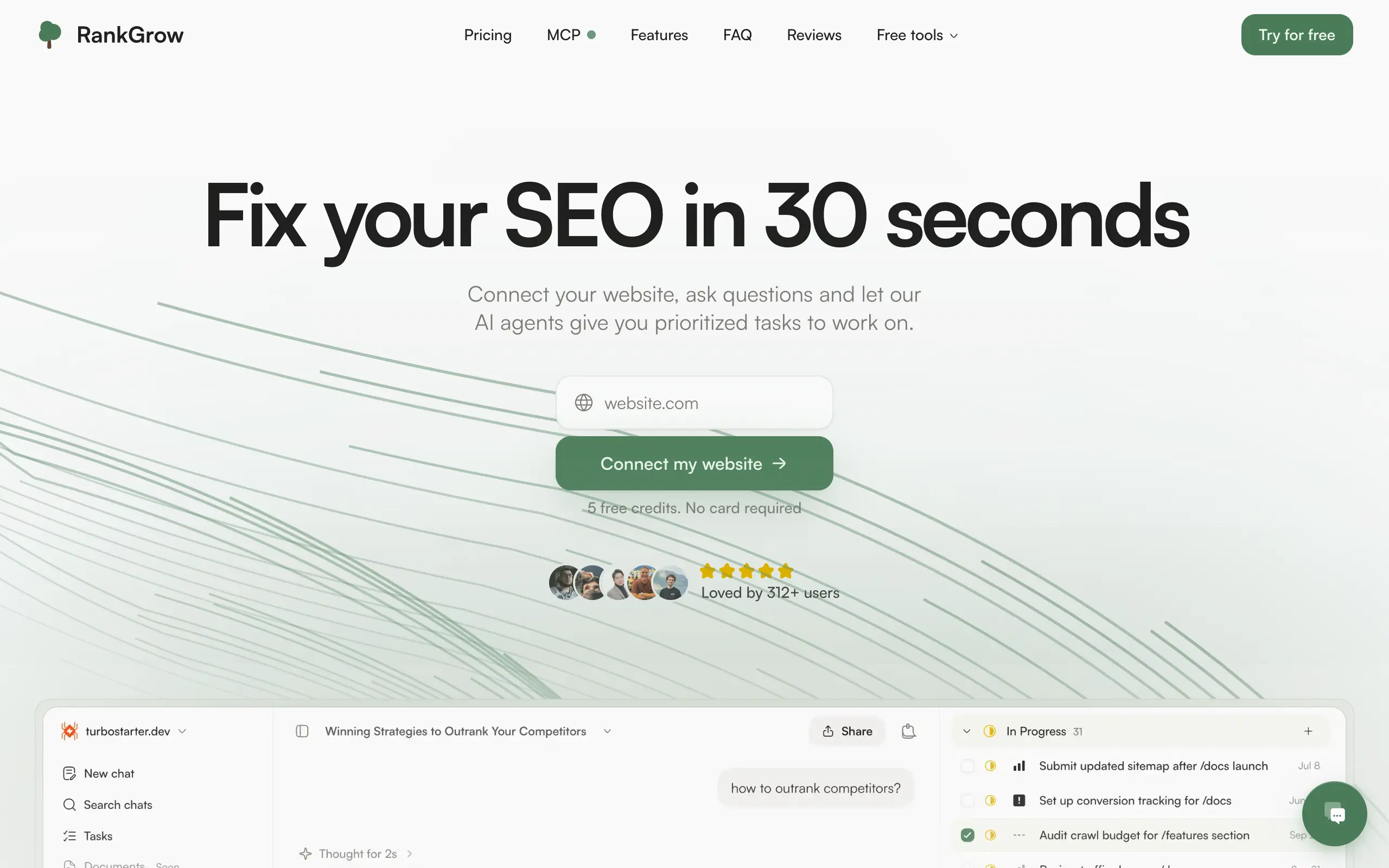
RankGrow
Fix your SEO with AI agents - connect Search Console, get prioritized tasks, and grow organic traffic 📈
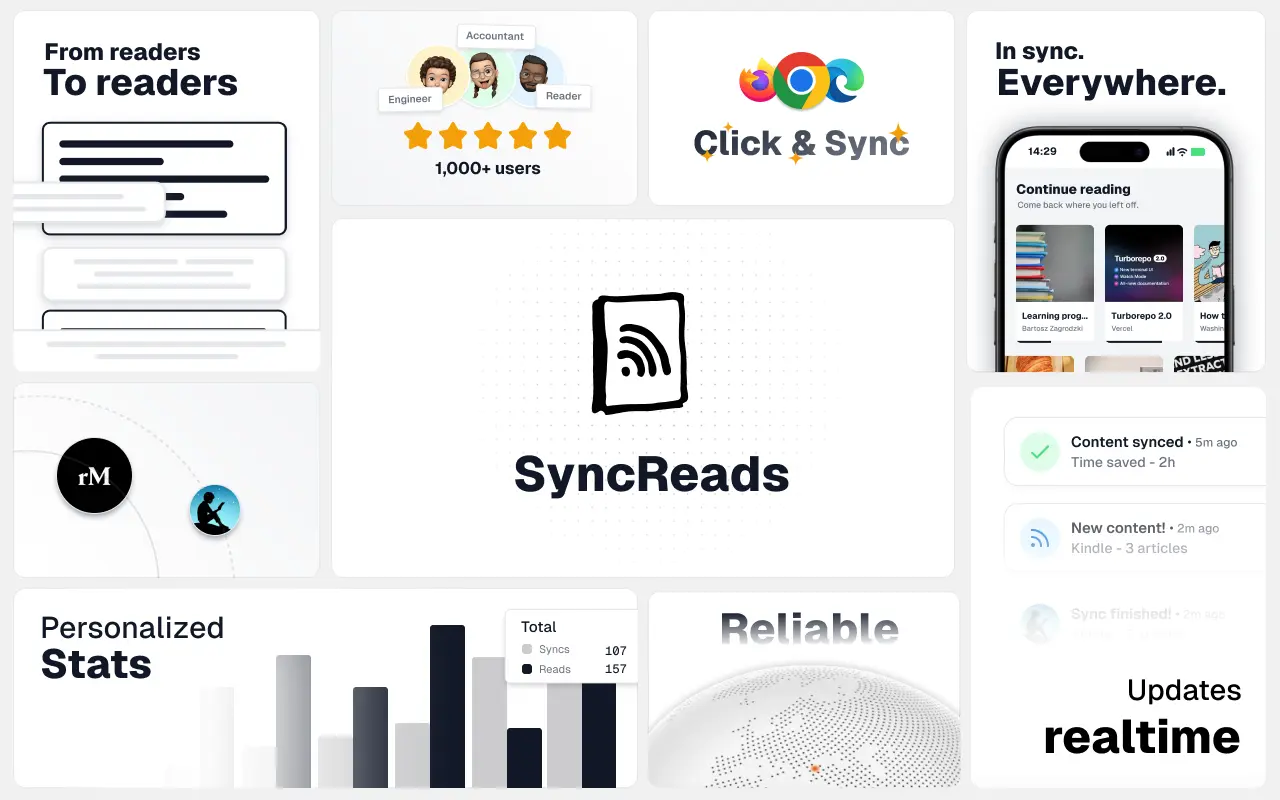
SyncReads
Sync your favorite content for distraction-free reading, save time and replace multiple apps. Anytime, anywhere 🔄
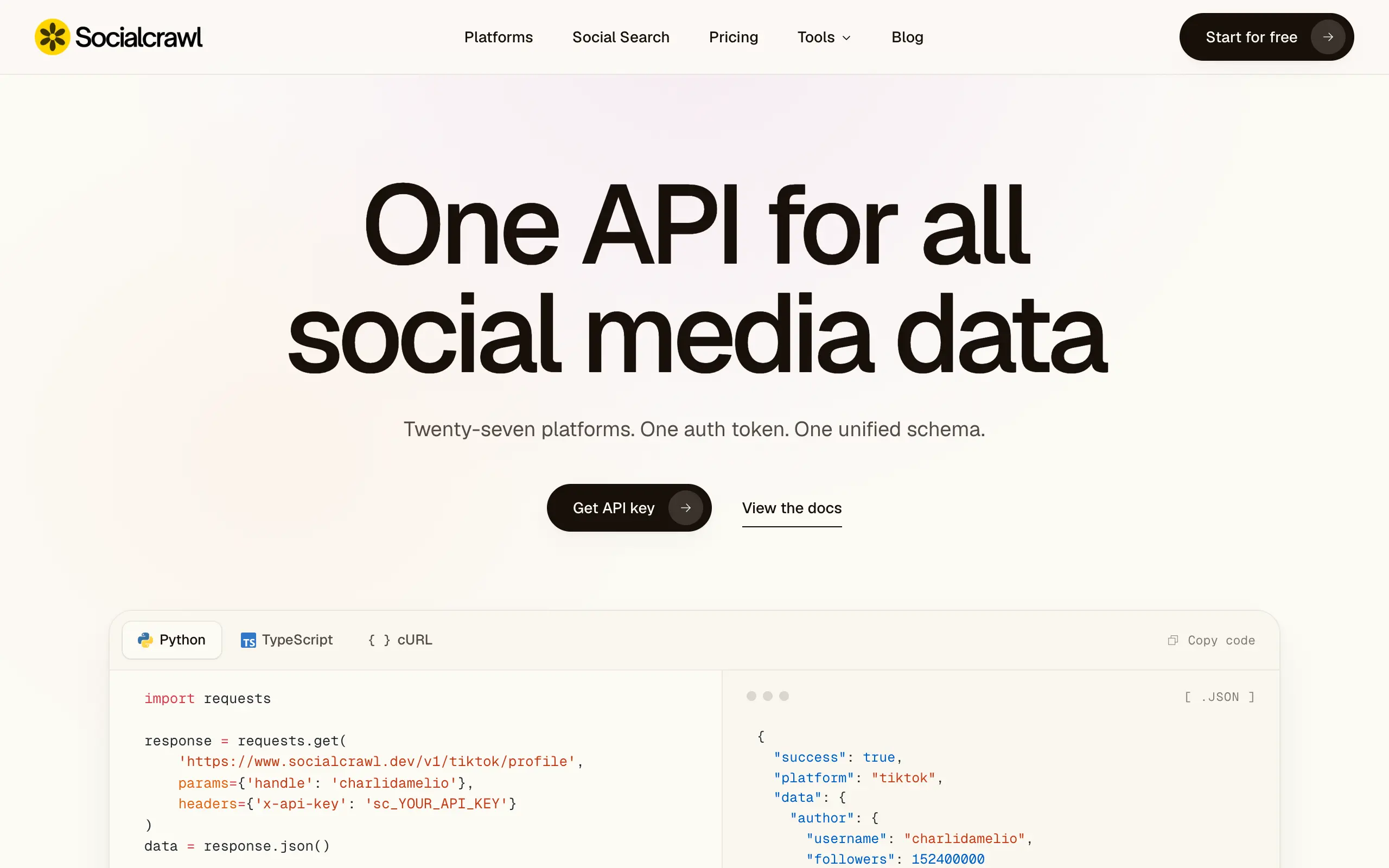
Socialcrawl
Get clean, structured data from 21 platforms like TikTok, Instagram, and YouTube with a single request 📊
Statiko
Monitor any Telegram channel in real time - track posts, edits, deletions, and growth with AI recaps 📡
Shibui
AI website builder - describe your business, pick a niche template, edit by chatting, and publish instantly ✨
Pro Service
Find verified home service professionals, compare quotes, and pay securely through escrow - built for Brazilians across the US 🏠
RankGrow
Fix your SEO with AI agents - connect Search Console, get prioritized tasks, and grow organic traffic 📈
SyncReads
Sync your favorite content for distraction-free reading, save time and replace multiple apps. Anytime, anywhere 🔄
Socialcrawl
Get clean, structured data from 21 platforms like TikTok, Instagram, and YouTube with a single request 📊
Statiko
Monitor any Telegram channel in real time - track posts, edits, deletions, and growth with AI recaps 📡
Shibui
AI website builder - describe your business, pick a niche template, edit by chatting, and publish instantly ✨
Pro Service
Find verified home service professionals, compare quotes, and pay securely through escrow - built for Brazilians across the US 🏠
RankGrow
Fix your SEO with AI agents - connect Search Console, get prioritized tasks, and grow organic traffic 📈
SyncReads
Sync your favorite content for distraction-free reading, save time and replace multiple apps. Anytime, anywhere 🔄
Socialcrawl
Get clean, structured data from 21 platforms like TikTok, Instagram, and YouTube with a single request 📊
Statiko
Monitor any Telegram channel in real time - track posts, edits, deletions, and growth with AI recaps 📡
Shibui
AI website builder - describe your business, pick a niche template, edit by chatting, and publish instantly ✨
Pro Service
Find verified home service professionals, compare quotes, and pay securely through escrow - built for Brazilians across the US 🏠
RankGrow
Fix your SEO with AI agents - connect Search Console, get prioritized tasks, and grow organic traffic 📈
SyncReads
Sync your favorite content for distraction-free reading, save time and replace multiple apps. Anytime, anywhere 🔄
Socialcrawl
Get clean, structured data from 21 platforms like TikTok, Instagram, and YouTube with a single request 📊
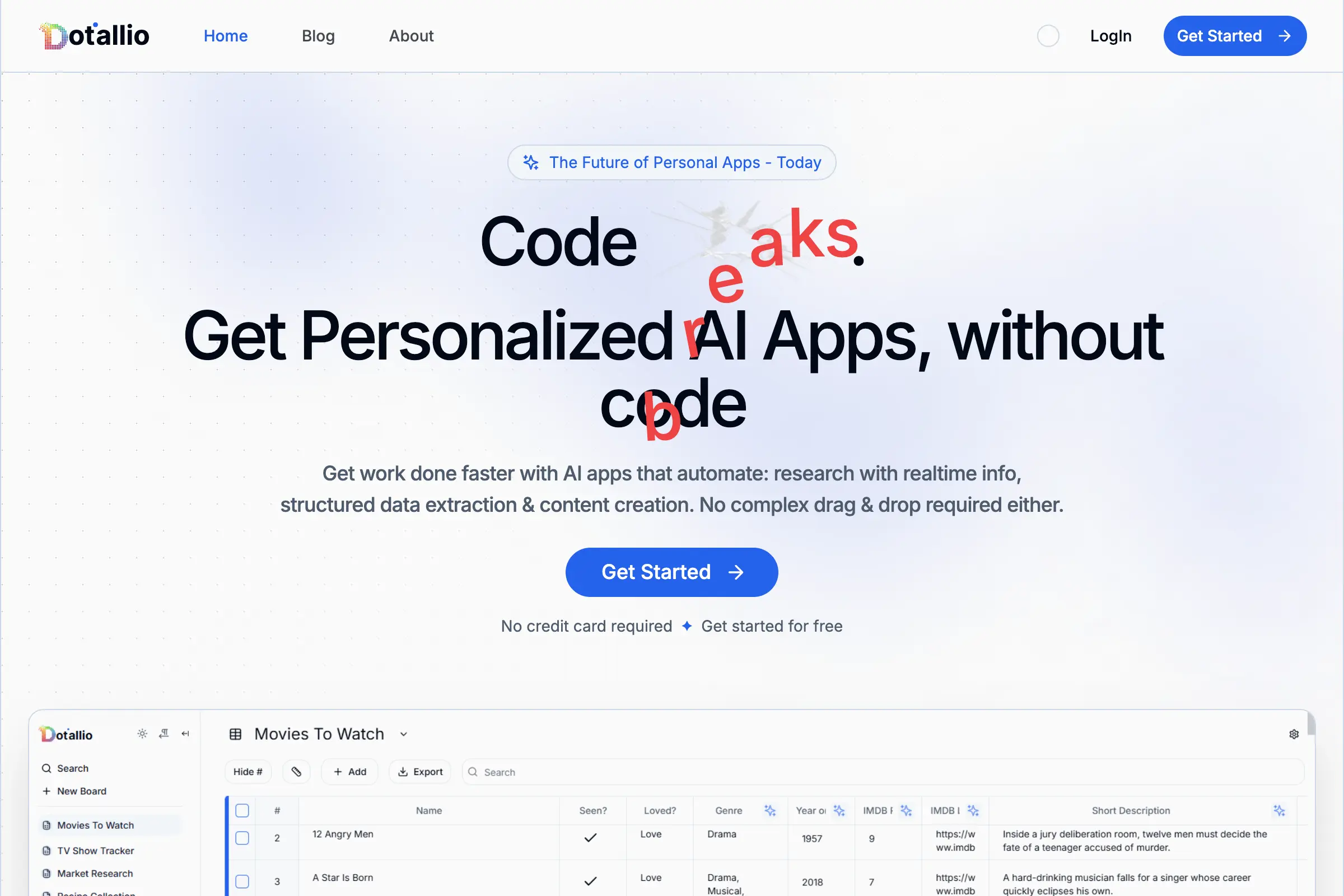
Dotallio
Personalized AI apps that automate research, data extraction, and content creation without code 🤖

Talk to Santa
Enjoy a magical live video chat or receive a unique AI-generated video greeting from Santa Claus 🎅
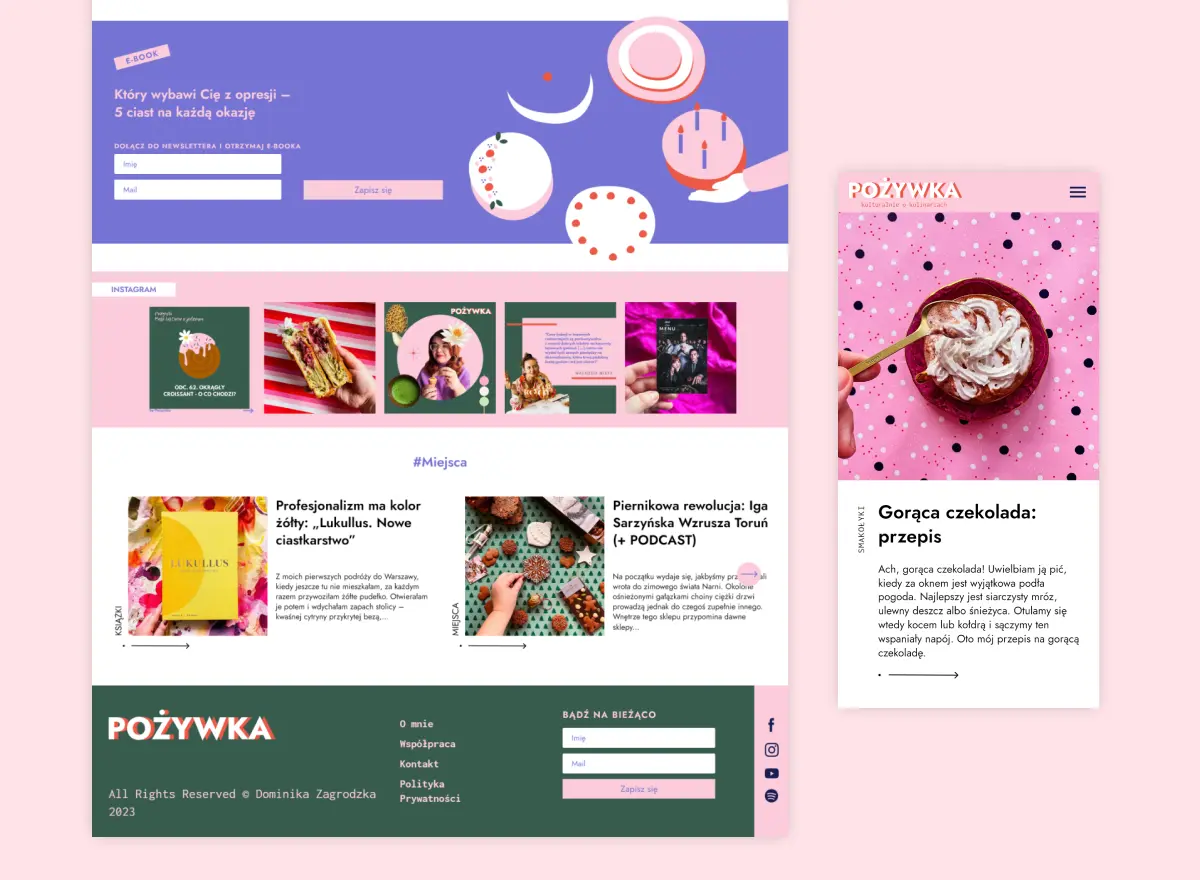
pozywka.pl
Scalable blog for food journalist, focused on performance and user experience 🌭
zagrodzki.me
Personal blog and portfolio of Bart Zagrodzki, where he shares his knowledge and work 💼
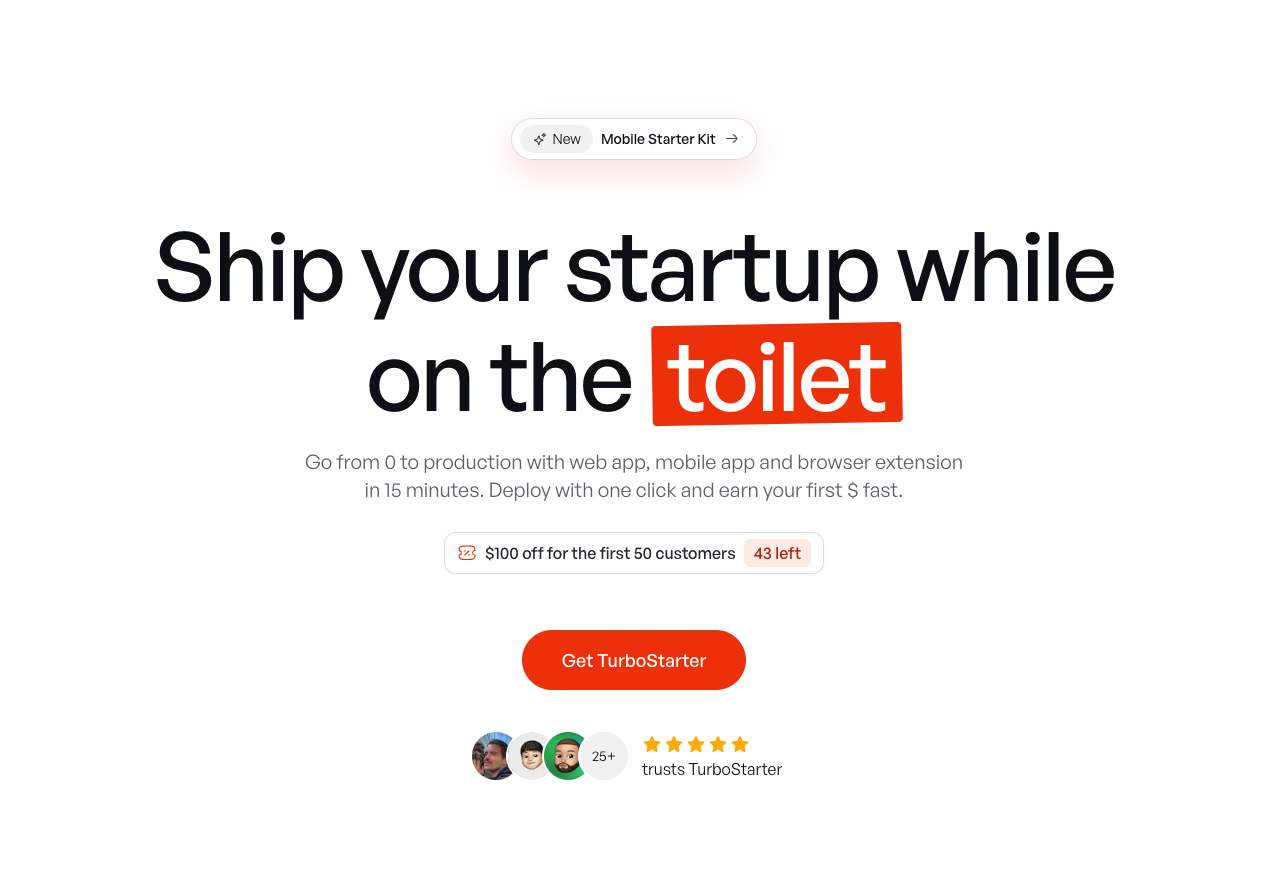
TurboStarter
Ship your startup everywhere. In minutes.
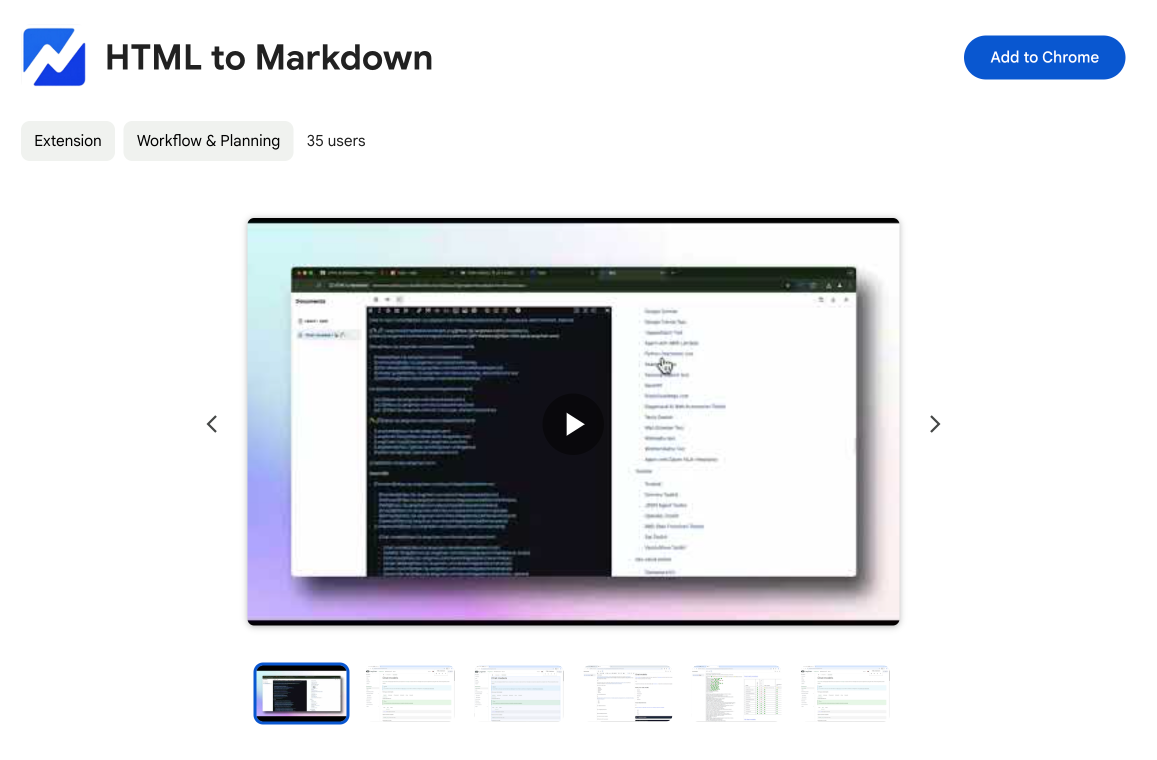
HTML to Markdown
Convert HTML to Markdown with ease, directly in your browser 📄
Dotallio
Personalized AI apps that automate research, data extraction, and content creation without code 🤖
Talk to Santa
Enjoy a magical live video chat or receive a unique AI-generated video greeting from Santa Claus 🎅
pozywka.pl
Scalable blog for food journalist, focused on performance and user experience 🌭
zagrodzki.me
Personal blog and portfolio of Bart Zagrodzki, where he shares his knowledge and work 💼
TurboStarter
Ship your startup everywhere. In minutes.
HTML to Markdown
Convert HTML to Markdown with ease, directly in your browser 📄
Dotallio
Personalized AI apps that automate research, data extraction, and content creation without code 🤖
Talk to Santa
Enjoy a magical live video chat or receive a unique AI-generated video greeting from Santa Claus 🎅
pozywka.pl
Scalable blog for food journalist, focused on performance and user experience 🌭
zagrodzki.me
Personal blog and portfolio of Bart Zagrodzki, where he shares his knowledge and work 💼
TurboStarter
Ship your startup everywhere. In minutes.
HTML to Markdown
Convert HTML to Markdown with ease, directly in your browser 📄
Dotallio
Personalized AI apps that automate research, data extraction, and content creation without code 🤖
Talk to Santa
Enjoy a magical live video chat or receive a unique AI-generated video greeting from Santa Claus 🎅
pozywka.pl
Scalable blog for food journalist, focused on performance and user experience 🌭
zagrodzki.me
Personal blog and portfolio of Bart Zagrodzki, where he shares his knowledge and work 💼
TurboStarter
Ship your startup everywhere. In minutes.
HTML to Markdown
Convert HTML to Markdown with ease, directly in your browser 📄
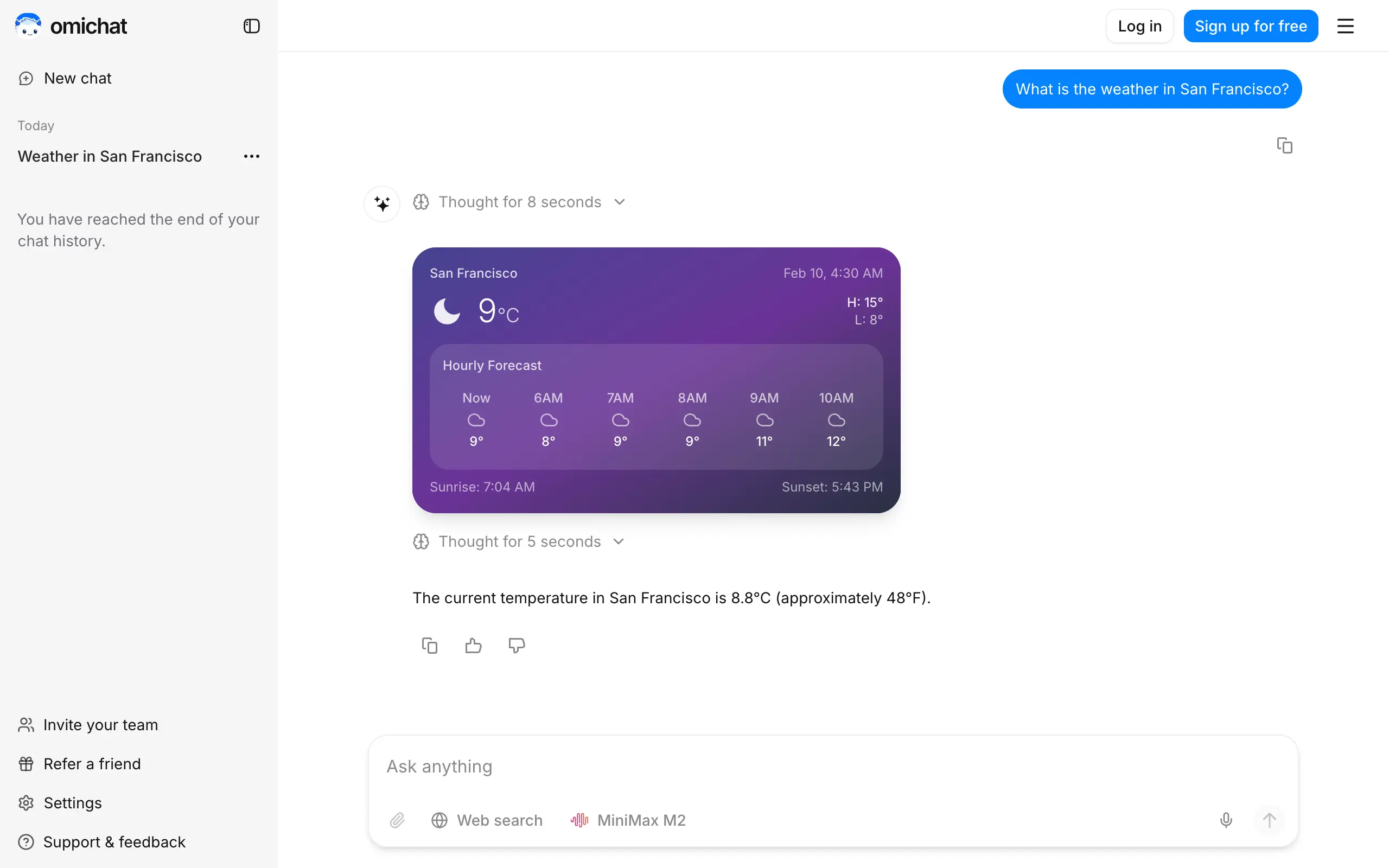
Omichat
Chat with 50+ AI models, including ChatGPT and Claude, in one place - switch models anytime without losing context 🤖
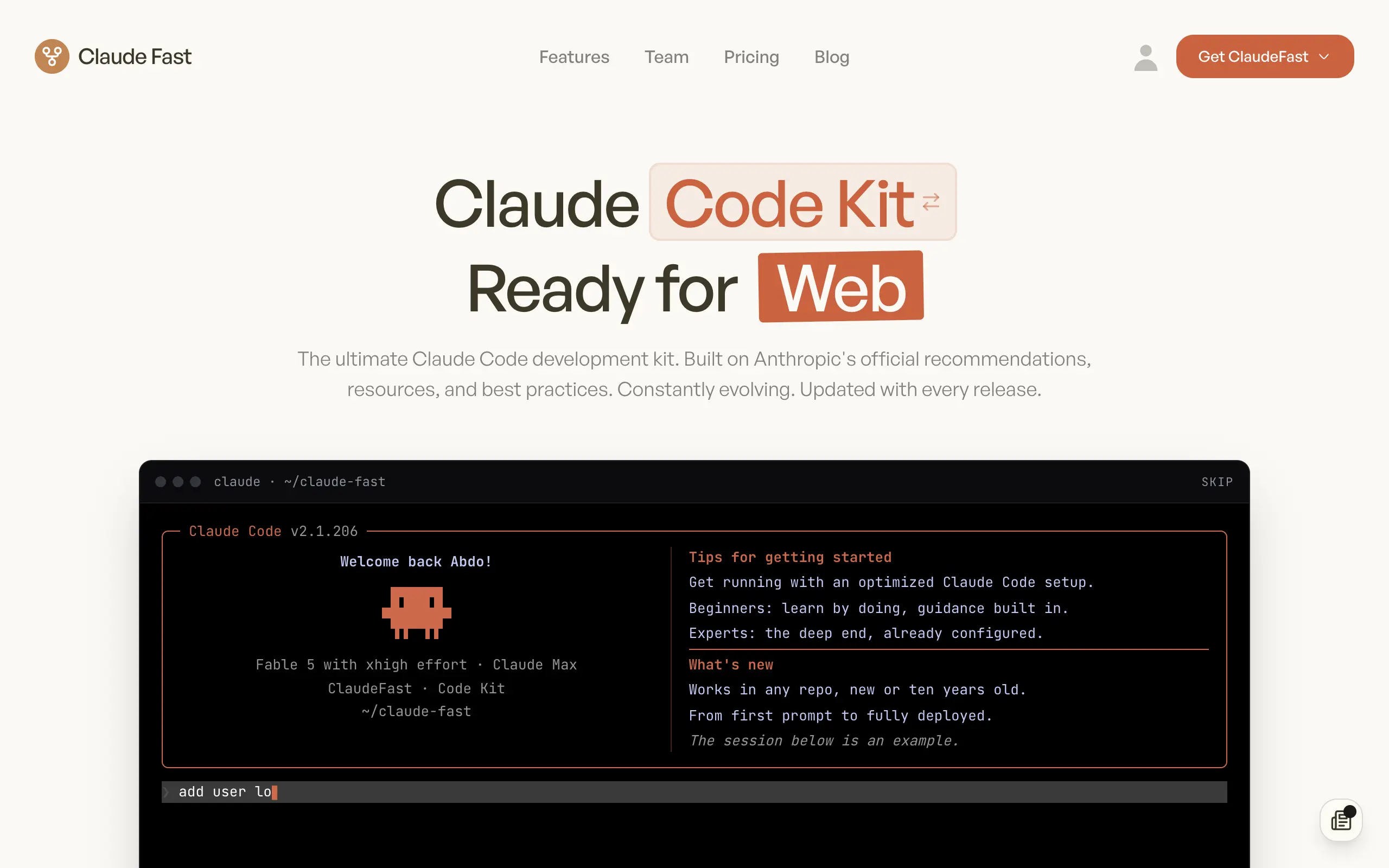
Claude Fast
Supercharge your Claude Code with 6x effective context window and specialized AI agents 🤖
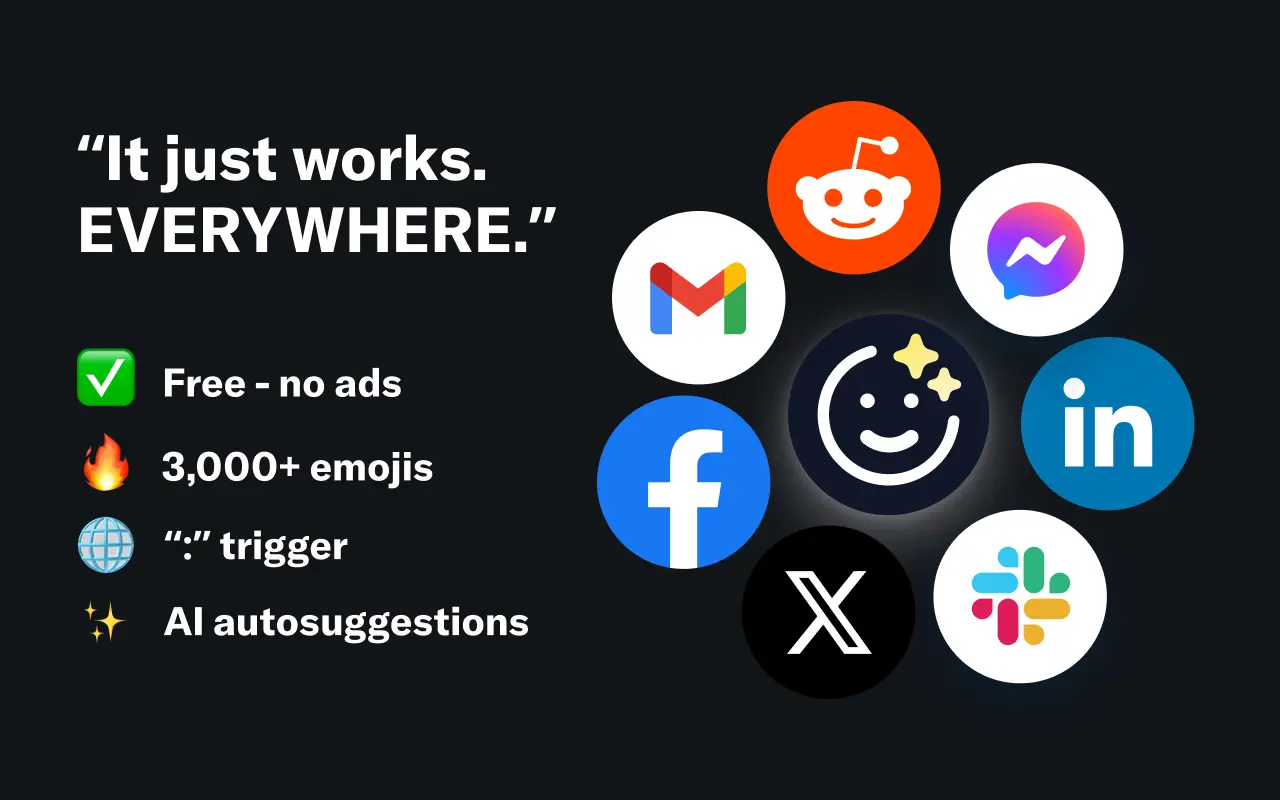
EmojAI
AI-powered emoji picker with smart, context-aware suggestions 🤖
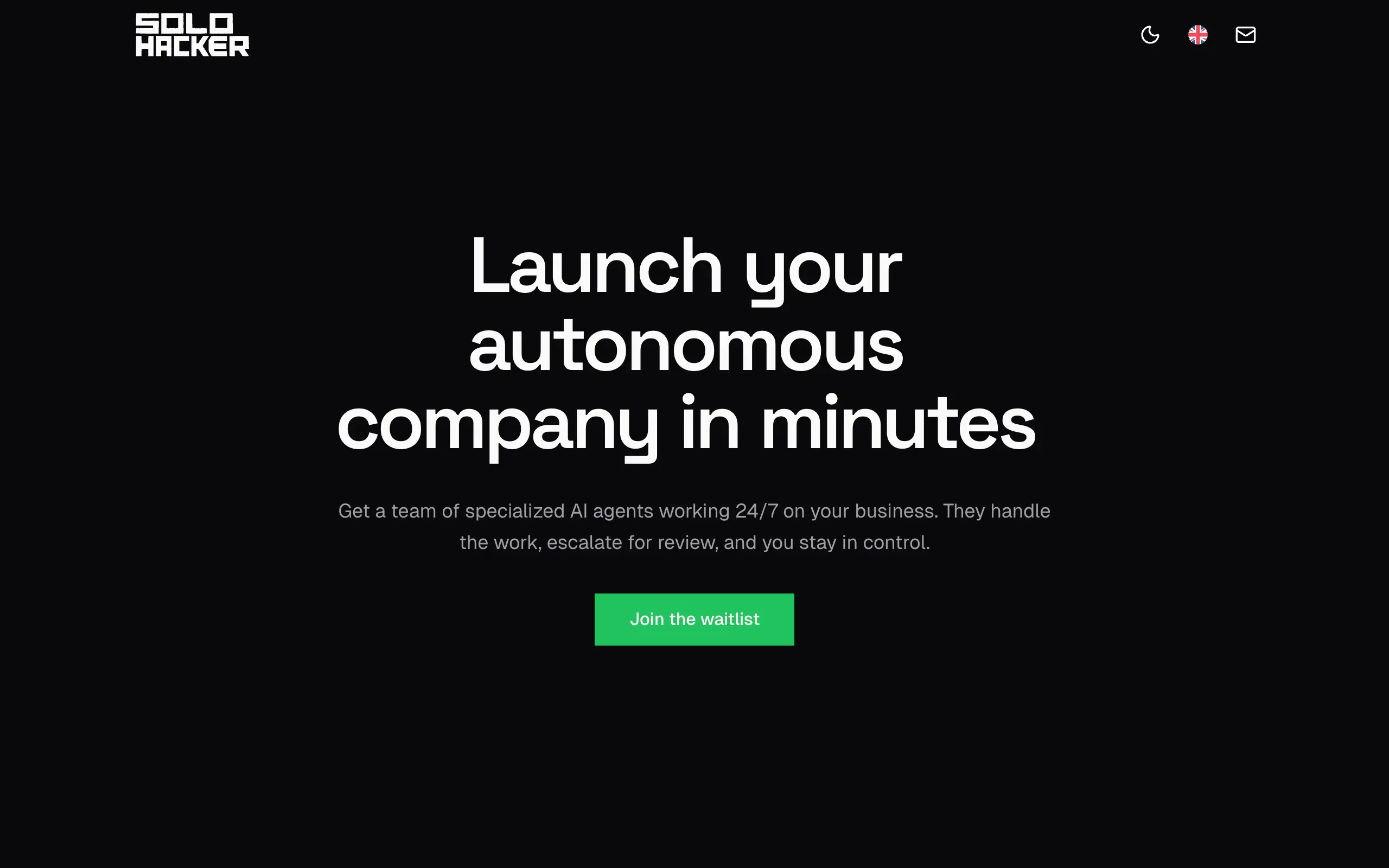
Solohacker
Autonomous company launcher - AI agents work 24/7, escalate what matters, and you stay in control 🤖
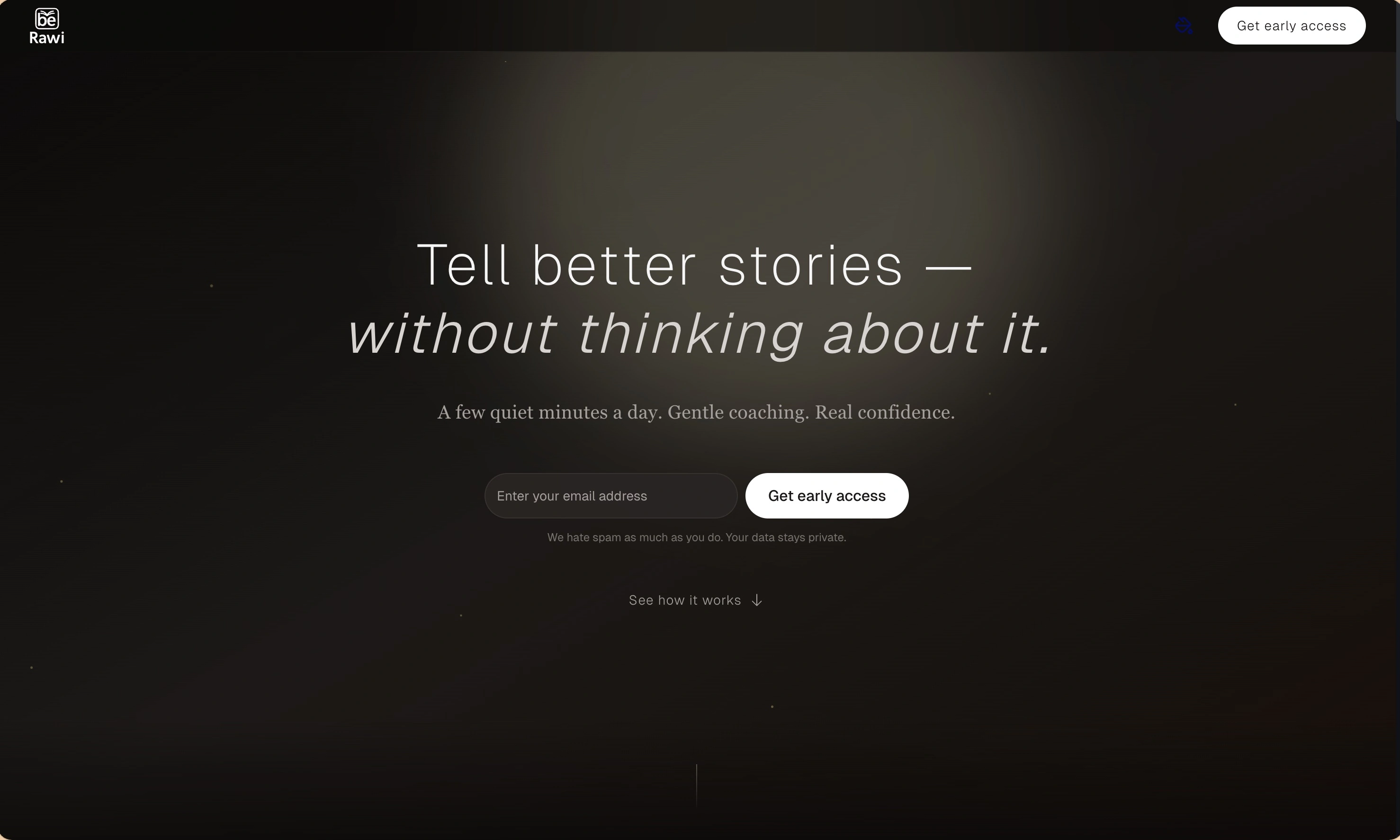
BeRawi: Storytelling Coach
Practice storytelling daily with instant feedback to sound clearer, more engaging, and confident 🎤
Omichat
Chat with 50+ AI models, including ChatGPT and Claude, in one place - switch models anytime without losing context 🤖
Claude Fast
Supercharge your Claude Code with 6x effective context window and specialized AI agents 🤖
EmojAI
AI-powered emoji picker with smart, context-aware suggestions 🤖
Solohacker
Autonomous company launcher - AI agents work 24/7, escalate what matters, and you stay in control 🤖
BeRawi: Storytelling Coach
Practice storytelling daily with instant feedback to sound clearer, more engaging, and confident 🎤
Omichat
Chat with 50+ AI models, including ChatGPT and Claude, in one place - switch models anytime without losing context 🤖
Claude Fast
Supercharge your Claude Code with 6x effective context window and specialized AI agents 🤖
EmojAI
AI-powered emoji picker with smart, context-aware suggestions 🤖
Solohacker
Autonomous company launcher - AI agents work 24/7, escalate what matters, and you stay in control 🤖
BeRawi: Storytelling Coach
Practice storytelling daily with instant feedback to sound clearer, more engaging, and confident 🎤
Omichat
Chat with 50+ AI models, including ChatGPT and Claude, in one place - switch models anytime without losing context 🤖
Claude Fast
Supercharge your Claude Code with 6x effective context window and specialized AI agents 🤖
EmojAI
AI-powered emoji picker with smart, context-aware suggestions 🤖
Solohacker
Autonomous company launcher - AI agents work 24/7, escalate what matters, and you stay in control 🤖
BeRawi: Storytelling Coach
Practice storytelling daily with instant feedback to sound clearer, more engaging, and confident 🎤

Connect with like-minded people
Join our community to get feedback, support, and grow together with 1,000+ builders on board, let's ship it!
Join usShip your startup everywhere. In minutes.
Don't burn tokens on setup and start building features on day one.