DriveRoster
A smart platform for driving schools to recruit independent instructors, fill lesson gaps, and automate schedules, payouts, and student allocation.
Why DriveRoster addresses a costly driving school operations problem
Driving schools operate in a market where the smallest scheduling failure can create disproportionate cost. An unavailable instructor, an unfilled cancellation slot, a delayed payout, or a poorly matched student can lead to lost revenue, weaker pass-rate outcomes, frustrated learners, and instructor churn.
DriveRoster is an AI-powered driving school instructor management platform designed to solve this operational gap. It helps driving schools recruit and manage independent instructors, fill lesson gaps, automate student allocation, coordinate schedules, and calculate payouts with less manual administration.
The primary keyword for this product category is driving school instructor management software. Related search terms include:
- AI driving school scheduling software
- driving instructor recruitment platform
- driving lesson booking management system
- independent driving instructor marketplace
- driving school payout automation
- student instructor matching software
- driving lesson gap filling software
- driving school operations platform
The opportunity is not simply to provide another calendar. Most driving schools already have some combination of spreadsheets, consumer scheduling apps, payment tools, messaging apps, and back-office software. The real problem is that these disconnected tools do not make intelligent decisions across instructor supply, student demand, location, availability, lesson requirements, and payout rules.
DriveRoster can become the operational layer that connects those moving parts.
The core positioning
DriveRoster should be positioned as a supply-and-demand operating system for driving schools, not merely as a lesson booking calendar. Its value comes from helping operators protect lesson capacity, improve instructor utilization, and create a better learner experience.
The target audience for driving school instructor management software
A strong SaaS product starts by understanding who feels the pain, who approves the budget, and who uses the workflow daily. DriveRoster has several user groups with different incentives.
Driving school owners and operators
Owners are typically responsible for profitability, instructor coverage, student satisfaction, compliance, and growth. They often manage fragmented operations while trying to maintain a local reputation built on trust and learner outcomes.
Their most urgent problems include:
- Instructor shortages during peak periods
- Manual coordination through text messages and phone calls
- Empty lesson slots caused by late cancellations
- Difficulty expanding into new neighborhoods or service areas
- Inconsistent instructor availability data
- Delayed or disputed instructor payouts
- Limited visibility into instructor utilization and capacity
- Poor matching between students and instructors
For an owner, DriveRoster should answer a commercial question: How much revenue can we recover or create by filling more lessons with less administrative work?
The owner-facing dashboard should make that answer visible through metrics such as fill rate, cancellation recovery, instructor utilization, gross lesson value, payout liability, student wait time, and repeat-booking rate.
Driving school dispatchers and administrators
Dispatchers are the primary operational users. Their work is often reactive. A student cancels, an instructor becomes unavailable, a vehicle needs service, or a learner needs a lesson before an upcoming driving test. The dispatcher must resolve that problem quickly without creating a cascade of scheduling conflicts.
DriveRoster should reduce manual decision-making by presenting the best next options instead of forcing staff to search through calendars.
Useful capabilities for this role include:
- Real-time instructor availability
- Suggested instructor replacements
- Waitlist and cancellation-gap automation
- Student eligibility and lesson history
- Geographic proximity filtering
- Conflict detection
- Message templates and reminders
- Payout status visibility
- Exception queues for human review
Independent driving instructors
Independent instructors are both supply partners and customers of the network. They care about predictable work, fair pay, low administrative overhead, control over their schedules, and access to compatible students.
An instructor will only consistently use DriveRoster if it feels like a genuine operating partner rather than a surveillance tool or a source of low-quality leads.
The instructor experience should prioritize:
- Clear control over working hours and service areas
- Transparent lesson rates and payout calculations
- Fast access to newly available lesson opportunities
- Easy acceptance or rejection of assignments
- Accurate student context before a lesson
- Simple availability management
- Reliable payment history
- Fair assignment logic that does not favor a small group indefinitely
Learner drivers and parents
Students do not need to understand the marketplace mechanics, but they experience the results. A learner wants convenient scheduling, an instructor who fits their needs, clear communications, and confidence that their booked lesson will happen.
Parents or guardians may be especially involved for younger learners. They often care about safety, cost, instructor quality, and consistency.
DriveRoster can improve the learner journey through:
- Instructor matching based on preferences and needs
- Easy rescheduling when an instructor is unavailable
- Short-notice lesson offers for urgent test preparation
- Automated reminders
- Lesson progress records
- Transparent booking information
- Reduced waiting time for an available instructor
Multi-location driving school groups
Larger driving school groups have additional complexity. They may operate across cities, manage different pricing regions, contract with large instructor pools, and need consistent reporting across branches.
For these customers, DriveRoster’s driving school operations platform should support:
- Location-specific policies
- Centralized instructor pools
- Regional pricing and payout rules
- Brand-level reporting
- Role-based access controls
- Shared overflow capacity between branches
- API integration with existing booking or CRM systems
The market gap: why ordinary scheduling tools are not enough
Traditional scheduling software is built around appointments. Driving school operations are built around constrained, mobile, skill-dependent appointments.
A driving lesson has more variables than a typical service booking:
- The instructor must be qualified and available
- The instructor may need a specific transmission capability
- A suitable vehicle may be required
- The student may need a particular lesson type
- Pickup and drop-off geography affects travel time
- The student may have language, accessibility, or instructor preference requirements
- The lesson may need to happen before a practical test date
- Instructor compensation may vary by lesson, region, and contract
- School policies may require continuity with the same instructor
This creates a meaningful gap between generic calendar software and an AI driving school scheduling platform.
| Operational need | Generic calendar | Basic booking tool | DriveRoster opportunity | Business impact |
|---|---|---|---|---|
| Instructor replacement | Manual | Limited | AI-ranked candidate list | Fewer cancelled lessons |
| Last-minute gap filling | Manual outreach | Waitlist only | Targeted offers and auto-match rules | Recovered revenue |
| Instructor payouts | Spreadsheet process | Partial support | Rule-based payout ledger | Lower admin workload |
| Student allocation | Dispatcher judgment | Basic availability match | Skill, location, preference, and continuity matching | Better learner retention |
The most defensible gap is not “schools need software.” It is that schools need a platform that can coordinate variable instructor supply with time-sensitive learner demand while preserving human oversight.
This is particularly compelling in markets where instructor shortages, long learner waitlists, rising operating costs, or high cancellation rates are common. Before launch, validate the size of these pressures in the intended geography using transport authority publications, local driving school associations, industry surveys, and public licensing data. Cite the original source whenever using market size, instructor shortage, or learner wait-time statistics in sales material.
DriveRoster’s unique selling proposition
DriveRoster’s unique selling proposition is a smart instructor supply network combined with operational automation for driving schools.
Instead of treating instructors as static calendar owners, DriveRoster treats them as dynamic capacity. Instead of treating students as generic appointments, it models their learning needs, location, urgency, preferences, and booking history. It then uses rules and AI recommendations to make better allocation decisions.
A concise value proposition could be:
DriveRoster helps driving schools turn instructor availability into filled lessons by automatically matching the right independent instructor to the right student, at the right time.
The product stands out when it delivers all of the following in one workflow:
Recruit supply
Build and manage a verified pool of independent instructors without relying on disconnected spreadsheets and informal messaging.
Protect capacity
Detect open lesson gaps, cancellations, and instructor absences before they become lost revenue.
Match intelligently
Recommend assignments using availability, travel distance, student needs, qualifications, and continuity rules.
Automate money flow
Calculate instructor earnings, adjustments, and payout status from completed lesson records.
The key is to avoid presenting AI as magic. Driving school owners need to trust recommendations. Every assignment suggestion should show a simple explanation, such as:
- Best geographic proximity
- Available within the required lesson window
- Qualified for automatic transmission instruction
- Already familiar with the student’s progress
- Highest acceptance likelihood based on recent availability
- Meets the school’s continuity preference
Explainability is a product feature, not a technical footnote.
Core features for an AI driving school scheduling platform
Instructor recruitment and onboarding
Recruitment should be a complete workflow, not a contact form. Schools need a way to source, screen, verify, activate, and retain instructors.
Core capabilities should include:
- Instructor profile creation
- Document collection and expiry tracking
- Qualifications and vehicle capability fields
- Service area and travel preference settings
- Availability templates
- Contract and payout rule assignment
- Background screening workflow status
- Onboarding checklist
- Instructor performance notes
- Referral tracking
Where regulatory checks vary by country or region, DriveRoster should offer configurable compliance fields rather than hard-coding one jurisdiction’s rules. This makes international expansion more practical and reduces the risk of assuming a universal instructor credential model.
Dynamic availability and lesson gap detection
This feature is central to the business case. DriveRoster should continually identify:
- Open slots in instructor schedules
- Student requests that remain unfilled
- Lessons at risk because of instructor absence
- Cancellations that can be offered to a waitlist
- Geographic clusters where demand exceeds available instructors
- Instructors with underutilized capacity
The first version does not need a complicated machine learning model. Rules can deliver immediate value:
- Detect a newly available two-hour slot.
- Find students who requested a compatible lesson within that time window.
- Filter by location, vehicle type, instructor requirements, and eligibility.
- Rank candidates by urgency, proximity, and predicted acceptance.
- Send an offer to the top student or a controlled batch.
- Lock the slot when accepted.
- Escalate to a dispatcher if no match is found.
This workflow can substantially reduce the time staff spend on repetitive coordination.
Student-to-instructor matching
Student allocation is where DriveRoster can create a meaningful competitive advantage. Matching should combine hard constraints and soft preferences.
Hard constraints might include:
- Availability overlap
- Lesson type
- Transmission type
- Geographic coverage
- Instructor qualification
- Vehicle availability
- School or regional policy
- Student age or safeguarding requirements where applicable
Soft preferences might include:
- Preferred instructor gender
- Language preference
- Learning pace
- Instructor continuity
- Travel distance
- Instructor rating
- Urgency around test dates
- Prior lesson feedback
A transparent ranking model is preferable to a black-box allocation system. Operators should be able to alter weights and define non-negotiable rules.
type MatchCandidate = {
  instructorId: string;
  availabilityScore: number;
  proximityScore: number;
  continuityScore: number;
  qualificationScore: number;
  acceptanceScore: number;
};

const calculateMatchScore = (candidate: MatchCandidate) => {
  return (
    candidate.availabilityScore * 0.3 +
    candidate.proximityScore * 0.25 +
    candidate.continuityScore * 0.2 +
    candidate.qualificationScore * 0.15 +
    candidate.acceptanceScore * 0.1
  );
};
The production scoring system should also log why a match was recommended and whether staff accepted or overrode it. Those outcomes become useful training data for future optimization.
Schedule automation and conflict prevention
Scheduling automation should reduce errors without removing operator control.
Recommended scheduling features include:
- Calendar synchronization
- Time-zone aware booking logic
- Buffer time for travel and vehicle handoff
- Instructor blackout dates
- Student self-service rescheduling rules
- Double-booking prevention
- Test-date priority workflows
- Appointment reminders
- Dispatcher approval queues
- Automatic reassignment suggestions
- Schedule change audit logs
Integrations with Google Calendar and Microsoft Outlook can reduce instructor adoption friction. However, external calendar synchronization creates complexity around write permissions, conflicting changes, and delayed webhooks. Start with one-way availability import or carefully scoped two-way sync before attempting full bi-directional calendar orchestration.
Payout automation and financial reconciliation
Independent instructor payouts are frequently a source of operational friction. A strong payout module should create a ledger based on completed lessons, not just scheduled sessions.
The system should support:
- Per-lesson payout rates
- Percentage-based revenue splits
- Flat fees
- Regional rate cards
- Bonuses and incentives
- Cancellation policies
- No-show fees
- Manual adjustments with approval trails
- Payment status tracking
- Exportable accounting records
- Instructor statements
The platform should keep a clear distinction between:
- Booked lesson value
- Completed lesson value
- School revenue
- Instructor gross earnings
- Adjustments
- Payment processor fees
- Net payout amount
For payment infrastructure, Stripe Connect is a sensible option in supported markets because it is designed for platforms that pay third parties. The trade-off is that onboarding, verification requirements, payout timing, and geographic availability can become part of your product experience. Validate local payment, tax, and contractor obligations with qualified legal and accounting advisers before enabling automated payouts.
Operational intelligence and reporting
Reporting turns DriveRoster from a workflow tool into a management system.
High-value metrics include:
- Lesson fill rate
- Last-minute cancellation recovery rate
- Instructor utilization
- Average time to allocate a student
- Student waitlist duration
- Assignment acceptance rate
- Instructor response time
- Revenue per instructor hour
- Unpaid payout liability
- Student retention rate
- Rebooking rate
- Assignment override rate
- Geographic demand-to-supply imbalance
Avoid vanity dashboards. Every metric should lead to a decision. For example, a supply-demand heat map should help an owner decide where to recruit, where to adjust pricing, or when to limit new student intake.
AI capabilities that create value without creating unnecessary risk
AI is useful when it assists decisions that are repetitive, data-rich, and measurable. It is less useful when it makes high-stakes decisions without adequate explanation, consent, or human review.
For DriveRoster, the most practical early AI use cases are:
- Matching and ranking instructors
- Predicting cancellation risk
- Forecasting demand by location and day
- Identifying likely unfilled slots
- Recommending recruitment areas
- Drafting non-sensitive customer messages
- Classifying inbound support requests
- Summarizing operational performance
Start with rules, then improve with machine learning
A common SaaS mistake is building an advanced model before collecting clean operational data. DriveRoster should begin with configurable rules and scoring.
Rules offer several advantages:
- They are explainable
- They can be launched quickly
- Operators can validate them
- They create structured data
- They reveal which variables actually matter
- They reduce the need for large historical datasets
Once the platform has enough reliable data, machine learning can improve predictions. For example, an acceptance model could estimate which student is most likely to accept an open lesson within 15 minutes. A cancellation model could identify bookings that warrant an earlier reminder or waitlist preparation.
Do not automate unfair allocation
Instructor ranking can accidentally create unequal access to work if the system over-optimizes for historical acceptance, ratings, or speed. Build fairness monitoring, manual overrides, configurable distribution rules, and periodic audits into the assignment engine from the beginning.
Build explainable AI into the user interface
A dispatcher should never have to ask, “Why did the system choose this instructor?”
Use short explanations beside every recommendation:
- “Available 12 minutes from the pickup area”
- “Has taught this student in the last 30 days”
- “Matches the requested automatic transmission requirement”
- “Has an open slot that would otherwise remain unused”
- “Meets your preferred continuity policy”
This improves trust, makes errors easier to detect, and helps users learn how to configure the system.
Recommended tech stack for DriveRoster
The right stack should optimize for reliability, rapid iteration, security, and maintainability. Driving schools will tolerate a polished interface, but they will not tolerate missing bookings, incorrect payouts, or unexplained schedule conflicts.
Suggested application architecture
A practical modern stack could include:
- Next.js for the web application and server-rendered workflows
- React for interactive user interfaces
- TypeScript for safer application code
- PostgreSQL for relational scheduling, payout, and audit data
- Prisma for type-safe database access
- Tailwind CSS for consistent UI development
- Stripe or Stripe Connect for billing and platform payments
- OpenAI for selected language and AI-assisted workflows
- Sentry for application error monitoring
- Vercel for managed deployment of compatible Next.js workloads
For a production-ready SaaS foundation, TurboStarter can accelerate setup by providing a structured starting point for authentication, payments, SaaS workflows, and application architecture.
Why PostgreSQL is a strong fit
Scheduling and payouts are transactional domains. PostgreSQL is a good fit because it handles relational data, transactions, constraints, indexing, and reporting queries well.
Important entities will likely include:
- Organizations
- Branches
- Users
- Instructor profiles
- Student profiles
- Vehicles
- Availability windows
- Lessons
- Lesson status events
- Matching recommendations
- Payout rules
- Payout ledger entries
- Documents
- Notifications
- Audit logs
Use database constraints wherever possible. For example, do not rely only on front-end checks to prevent duplicate booking. Scheduling collisions must be prevented at the API and database layers.
Background jobs and event processing
DriveRoster will need reliable asynchronous processing for reminders, schedule synchronization, waitlist offers, payout calculations, and AI analysis.
A queue-based architecture is preferable to handling these tasks synchronously in a user request. This improves reliability and prevents a slow third-party API from blocking a dispatcher’s workflow.
Examples of background jobs include:
- Send lesson reminder 24 hours before start
- Re-run matching when a lesson is cancelled
- Import instructor calendar availability
- Generate weekly payout statement
- Flag expiring instructor documents
- Produce daily demand forecast
- Notify administrators of unresolved assignment exceptions
The trade-off is operational complexity. Start with a managed queue or simple scheduled jobs, then evolve toward more advanced event-driven infrastructure as volume grows.
Mobile strategy
Instructors will likely use DriveRoster on mobile more frequently than on desktop. The first version can be a responsive web application or progressive web app, provided it supports fast availability updates, assignment actions, and notifications.
A native app becomes more compelling when the product requires:
- Push notifications with high delivery reliability
- Location-aware workflows
- Offline functionality
- Document capture
- Better calendar integration
- Frequent instructor use throughout the day
Do not build iOS and Android applications before validating that mobile web cannot satisfy the core instructor workflow. A responsive instructor portal is usually the more capital-efficient MVP.
Monetization strategies for DriveRoster
DriveRoster has several viable monetization models. The best choice depends on customer segment, payment flow, and willingness to pay.
Subscription pricing for driving schools
The simplest model is a monthly SaaS subscription based on active instructors, branch count, or monthly lesson volume.
Possible packages include:
- Starter plan for small schools with basic scheduling and instructor management
- Growth plan with matching automation, reporting, and payout workflows
- Multi-location plan with central management, advanced permissions, and integrations
- Enterprise plan with custom contracts, API access, implementation support, and service-level agreements
Pricing by active instructor often aligns value with growth. Pricing by lesson volume aligns even more closely with realized platform activity, but may feel unpredictable to customers. A hybrid model can work well: a base platform fee plus a usage tier after a certain number of monthly completed lessons.
Transaction fees on marketplace activity
If DriveRoster facilitates payments between schools, students, and independent instructors, it could charge a transaction fee.
This can create strong revenue upside, but it introduces more regulatory, payment, refund, tax, and support complexity. It also changes the trust relationship because schools may see the product as taking a share of their revenue.
A prudent path is to start with SaaS subscriptions and optional payout automation fees, then add payment facilitation after workflows and compliance requirements are proven.
Recruitment and placement fees
Instructor recruitment can become a high-value add-on. DriveRoster could charge for:
- Featured instructor job listings
- Candidate sourcing campaigns
- Verified instructor profiles
- Successful instructor placements
- Premium access to regional instructor pools
This revenue stream is especially attractive if instructor supply is a well-documented bottleneck in the target market.
Premium intelligence modules
Advanced forecasting, geographic supply analysis, cancellation prediction, and custom reporting can support higher-tier pricing. These features should be sold as outcomes, not algorithms.
For example, “capacity recovery insights” is more compelling than “predictive analytics.”
Competitive advantage analysis
DriveRoster will compete with generic booking tools, driving school management software, local dispatch processes, and marketplace-style instructor platforms. Its advantage comes from combining workflows that are usually separated.
A defensible product moat
The strongest long-term moat is not the scheduling interface. It is the operational data and workflow integration created over time.
As DriveRoster processes lessons, it can learn:
- Which instructor-student pairings produce repeat bookings
- Which time slots are most likely to go unfilled
- Which reminder patterns reduce no-shows
- Where instructor demand is growing
- Which instructors are likely to accept short-notice work
- Which payout rules create disputes
- Which operational exceptions require human intervention
That data can improve matching and forecasting, provided it is collected ethically and governed responsibly.
Network effects, used carefully
A larger instructor pool makes DriveRoster more valuable to schools because it increases coverage. More schools create more earning opportunities for instructors. This can create a localized network effect.
However, the platform should not depend on a national marketplace from day one. Driving lessons are inherently local, and supply density matters more than broad geographic reach. Focus on one region, establish strong instructor coverage, prove fill-rate improvement, and then expand to adjacent areas.
Switching costs through workflow depth
Switching costs emerge when DriveRoster becomes embedded in daily operations through:
- Instructor records
- Availability history
- Student lesson history
- Payout rules
- Reporting data
- Automated communications
- Team permissions
- Integration connections
- Compliance workflows
These should not be designed as lock-in tactics. The goal is to become valuable because the product is reliable, trusted, and deeply useful.
Key risks and practical mitigation strategies
Risk: instructor supply does not reach critical density
If there are too few instructors in a local market, gap filling and matching will not deliver enough value.
Mitigation approaches include:
- Launch in a narrowly defined region
- Partner with one or two anchor driving schools
- Recruit instructors before opening broad student demand
- Offer early instructor incentives
- Focus on overflow and cancellation coverage first
- Use school-owned instructors alongside independents
- Track coverage by postcode or neighborhood
Risk: schools distrust automated assignment
Operators may fear that automation will make poor matches or remove control from dispatchers.
Mitigation approaches include:
- Make automation opt-in
- Start with recommendations rather than automatic booking
- Show the reason behind every recommendation
- Allow configurable assignment rules
- Provide a clear override path
- Measure and display recommendation accuracy
- Preserve audit trails
Risk: inaccurate payout calculations damage trust
A payout error can quickly undermine instructor confidence.
Mitigation approaches include:
- Use immutable ledger entries
- Require approval for manual adjustments
- Provide itemized instructor statements
- Build reconciliation reports
- Test payout rules extensively
- Support staged rollout before live payment execution
- Keep financial logic separated from UI code
Risk: privacy and sensitive data handling
DriveRoster may hold contact details, location information, payment-related data, qualifications, and potentially sensitive preference data.
Mitigation approaches include:
- Collect only necessary data
- Apply role-based permissions
- Encrypt data in transit and at rest
- Maintain audit logs for sensitive actions
- Set data retention policies
- Use reputable processors for payments
- Complete privacy and security reviews before launch
- Consult legal experts on relevant privacy law, including GDPR where applicable
Risk: AI recommendations introduce bias
Matching systems can reinforce historical patterns that are not objectively fair.
Mitigation approaches include:
- Separate hard eligibility requirements from preference rankings
- Monitor assignment distribution
- Audit outcomes by relevant groups where lawful and appropriate
- Avoid using protected characteristics as optimization inputs
- Let schools define fairness-aware distribution policies
- Keep a human review path for consequential decisions
Avoid launching with an overly broad instructor marketplace, complex native apps, opaque AI decisions, full accounting software, or deep integrations with every existing school system. The MVP should prove one measurable result: more successfully filled lessons with less dispatcher effort.
A strong north-star metric is the percentage of otherwise lost or unfilled lesson capacity that DriveRoster successfully recovers. Pair it with operational metrics such as allocation time, instructor acceptance rate, and student wait time.
Not necessarily. Payment processing can increase monetization and improve reconciliation, but it also adds refunds, disputes, compliance, and customer support complexity. Start with payout calculation and payment exports if that allows faster validation.
A practical MVP scope for DriveRoster
A focused MVP should serve a clear user segment, such as independent-instructor-heavy driving schools with recurring scheduling gaps.
The MVP should include:
- Organization and team accounts
- Instructor onboarding profiles
- Instructor availability management
- Student profiles and lesson requests
- Lesson scheduling
- Cancellation workflow
- Basic matching recommendations
- Dispatcher approval workflow
- Instructor assignment notifications
- Simple payout calculation
- Operational dashboard
- Audit logs
The MVP should not initially include every possible feature. For example, advanced machine learning, full CRM replacement, in-app video support, complex vehicle maintenance management, native mobile applications, and multi-country compliance support can wait.
The MVP should prove that DriveRoster can reduce the time needed to fill a lesson gap and improve the percentage of available instructor time that becomes completed paid lessons.
Later releases can add demand forecasting, automated payouts, instructor recruitment campaigns, advanced geographic intelligence, white-label student booking, multi-branch management, and deeper integrations.
How to validate demand before building extensively
Validation should focus on behavior, not compliments. A driving school owner saying the idea is “useful” is not enough. The goal is to confirm that they will share workflow data, change a process, and pay for a measurable result.
Interview at least three groups:
- Driving school owners
- Dispatchers or booking administrators
- Independent driving instructors
Ask operationally specific questions:
- How are cancelled lessons handled today?
- How long does it take to find a replacement instructor?
- How often do empty slots remain unfilled?
- What information is needed before assigning a student?
- How are instructor payments calculated?
- Which schedule changes create the most work?
- What data lives in spreadsheets?
- What would make staff distrust automated matching?
- Which current tools are difficult to replace?
- What outcome would justify a monthly software fee?
Then run a concierge pilot. Use a simple portal plus manual operational support to test the matching workflow with one school. Track baseline and pilot results carefully.
Useful pilot measurements include:
- Number of open slots created
- Number of open slots filled
- Time from cancellation to reassignment
- Instructor acceptance rate
- Student acceptance rate
- Dispatcher minutes saved per booking change
- Gross lesson value recovered
- Number of payout corrections
- User satisfaction feedback
Actionable implementation steps
Define one launch geography and one ideal customer profile, preferably a driving school with enough lesson volume and instructor variability to feel scheduling pain every week.
Interview operators, dispatchers, and instructors using real recent cancellations as the basis for workflow discovery. Document every decision point and exception.
Build the core data model for organizations, instructors, students, availability, lessons, assignments, payout rules, and audit events before designing advanced AI features.
Launch a dispatcher-first MVP with instructor availability, lesson requests, cancellation detection, ranked replacement suggestions, and manual approval.
Add instructor notifications and a mobile-friendly acceptance flow. Measure response time and acceptance rate by notification channel and time of day.
Introduce a transparent payout ledger after lesson completion workflows are reliable. Begin with exports and statements before automating payment execution.
Pilot with one or two schools, compare performance against baseline data, and turn the measured outcome into a case study and sales narrative.
Use pilot data to improve matching weights, build demand forecasting, and expand to adjacent locations only after local instructor coverage is sufficient.
Final perspective on building DriveRoster
DriveRoster has a compelling SaaS opportunity because it targets an operationally painful, recurring, and measurable problem. Driving schools do not simply need more appointments on a calendar. They need a reliable way to recruit instructor capacity, respond to sudden changes, allocate students intelligently, and pay instructors accurately.
The winning product strategy is to start with a focused promise: help driving schools recover lesson capacity that would otherwise be lost.
From there, DriveRoster can expand into a broader driving school instructor management software platform with recruitment, scheduling, matching, payouts, reporting, and AI-powered operational intelligence. The product will earn trust by being transparent, reliable, configurable, and grounded in the realities of local driving school operations.
The best early differentiator is not claiming the most advanced AI. It is delivering the clearest operational outcome: fewer empty slots, faster allocation, fairer instructor opportunities, and a smoother experience for learner drivers.
More 🤖 AI Startup SaaS ideas
Discover more innovative ai startup SaaS ideas that are trending in 2026. Each idea is AI-generated with market validation and growth potential to help you find your next profitable venture faster than competitors.
Your competitors are building with TurboStarter
Below are some of the SaaS ideas that have been generated and built with our starter kit.

Statiko
Monitor any Telegram channel in real time - track posts, edits, deletions, and growth with AI recaps 📡
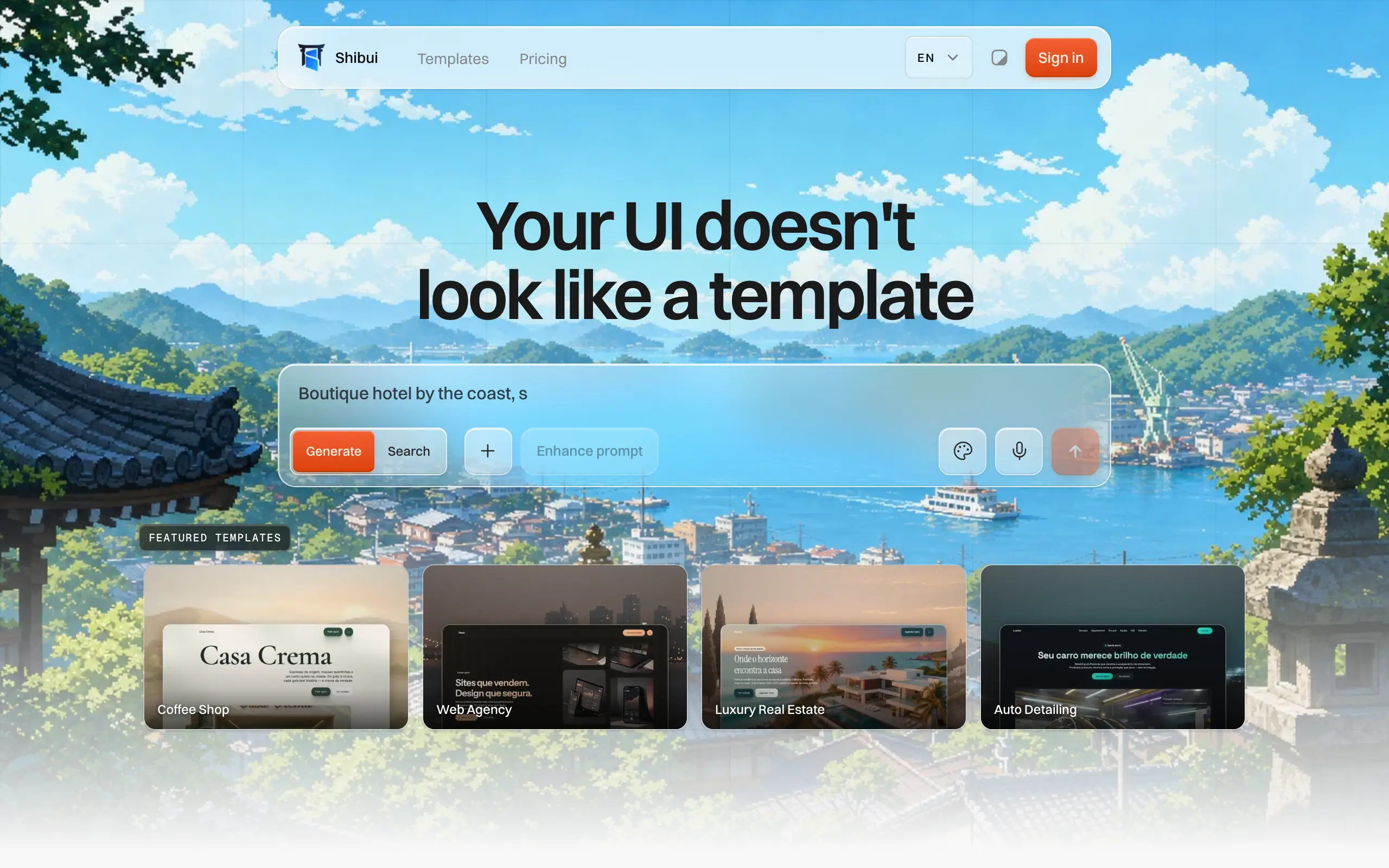
Shibui
AI website builder - describe your business, pick a niche template, edit by chatting, and publish instantly ✨

Pro Service
Find verified home service professionals, compare quotes, and pay securely through escrow - built for Brazilians across the US 🏠
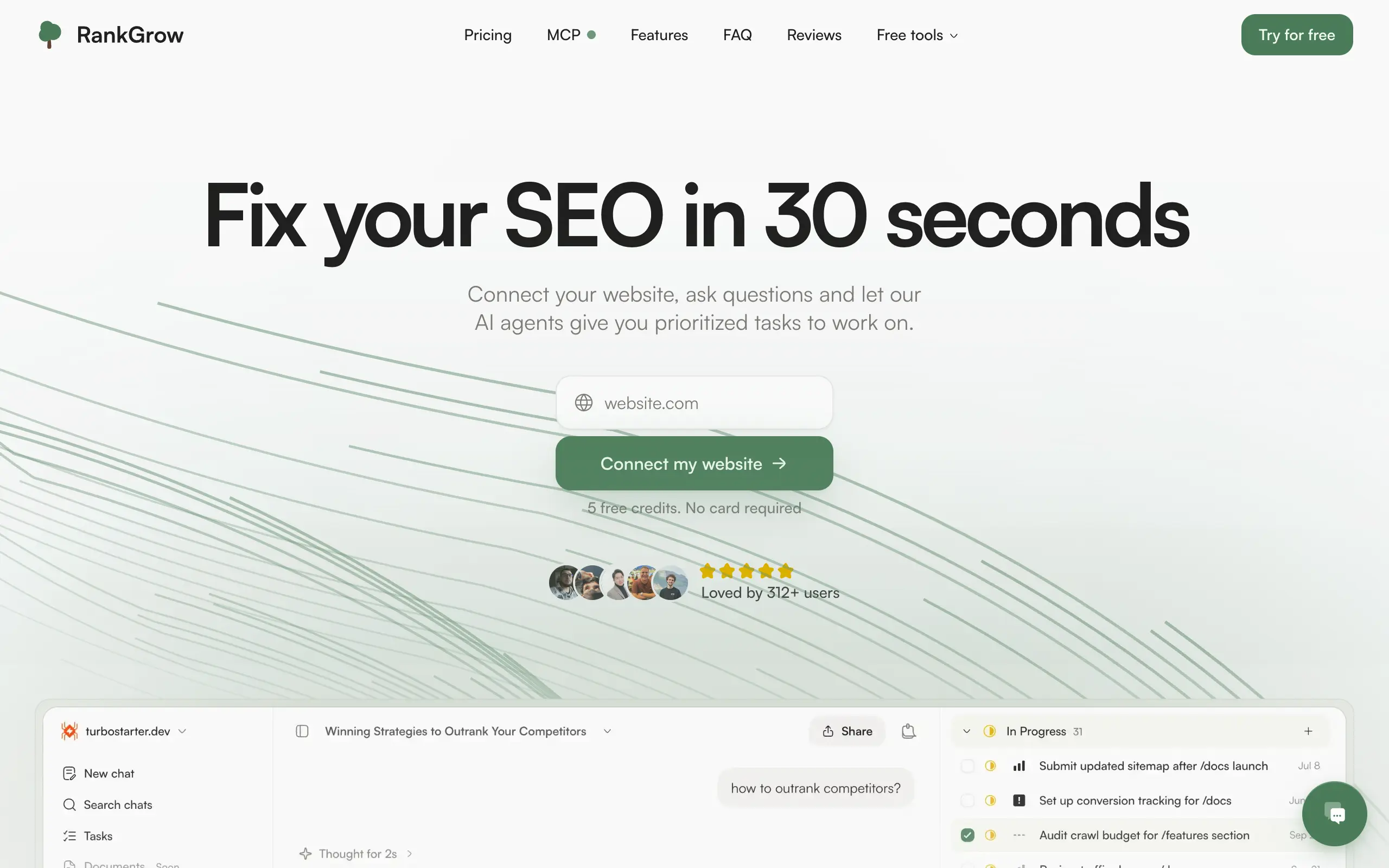
RankGrow
Fix your SEO with AI agents - connect Search Console, get prioritized tasks, and grow organic traffic 📈
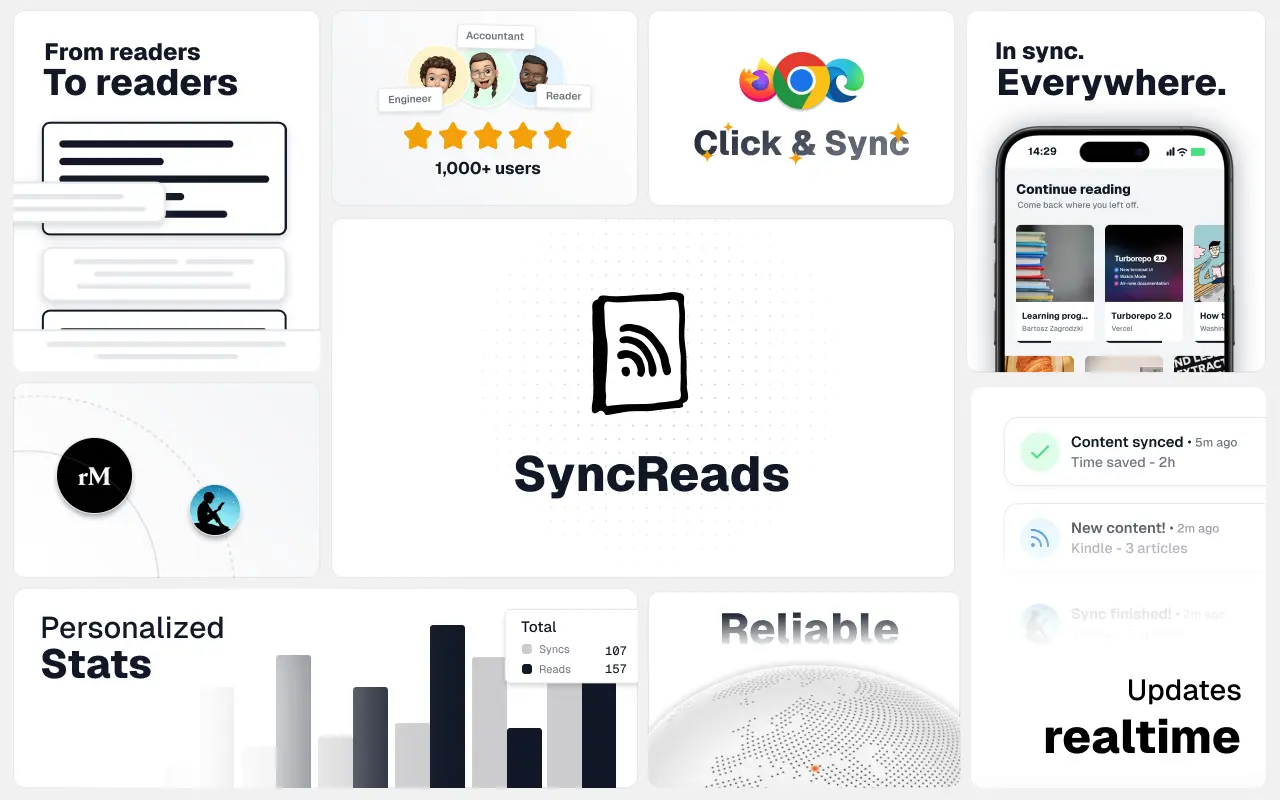
SyncReads
Sync your favorite content for distraction-free reading, save time and replace multiple apps. Anytime, anywhere 🔄
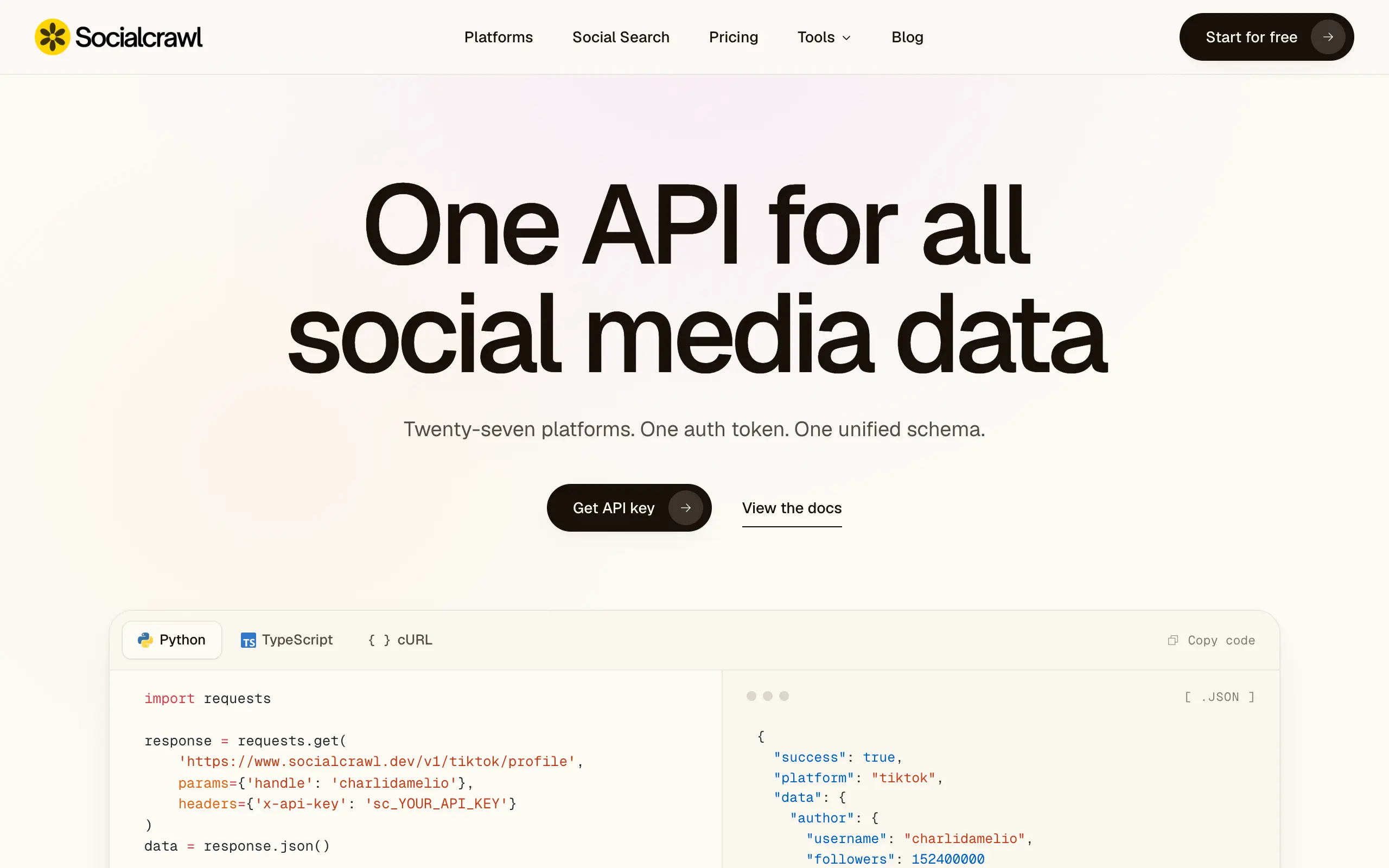
Socialcrawl
Get clean, structured data from 21 platforms like TikTok, Instagram, and YouTube with a single request 📊
Statiko
Monitor any Telegram channel in real time - track posts, edits, deletions, and growth with AI recaps 📡
Shibui
AI website builder - describe your business, pick a niche template, edit by chatting, and publish instantly ✨
Pro Service
Find verified home service professionals, compare quotes, and pay securely through escrow - built for Brazilians across the US 🏠
RankGrow
Fix your SEO with AI agents - connect Search Console, get prioritized tasks, and grow organic traffic 📈
SyncReads
Sync your favorite content for distraction-free reading, save time and replace multiple apps. Anytime, anywhere 🔄
Socialcrawl
Get clean, structured data from 21 platforms like TikTok, Instagram, and YouTube with a single request 📊
Statiko
Monitor any Telegram channel in real time - track posts, edits, deletions, and growth with AI recaps 📡
Shibui
AI website builder - describe your business, pick a niche template, edit by chatting, and publish instantly ✨
Pro Service
Find verified home service professionals, compare quotes, and pay securely through escrow - built for Brazilians across the US 🏠
RankGrow
Fix your SEO with AI agents - connect Search Console, get prioritized tasks, and grow organic traffic 📈
SyncReads
Sync your favorite content for distraction-free reading, save time and replace multiple apps. Anytime, anywhere 🔄
Socialcrawl
Get clean, structured data from 21 platforms like TikTok, Instagram, and YouTube with a single request 📊
Statiko
Monitor any Telegram channel in real time - track posts, edits, deletions, and growth with AI recaps 📡
Shibui
AI website builder - describe your business, pick a niche template, edit by chatting, and publish instantly ✨
Pro Service
Find verified home service professionals, compare quotes, and pay securely through escrow - built for Brazilians across the US 🏠
RankGrow
Fix your SEO with AI agents - connect Search Console, get prioritized tasks, and grow organic traffic 📈
SyncReads
Sync your favorite content for distraction-free reading, save time and replace multiple apps. Anytime, anywhere 🔄
Socialcrawl
Get clean, structured data from 21 platforms like TikTok, Instagram, and YouTube with a single request 📊
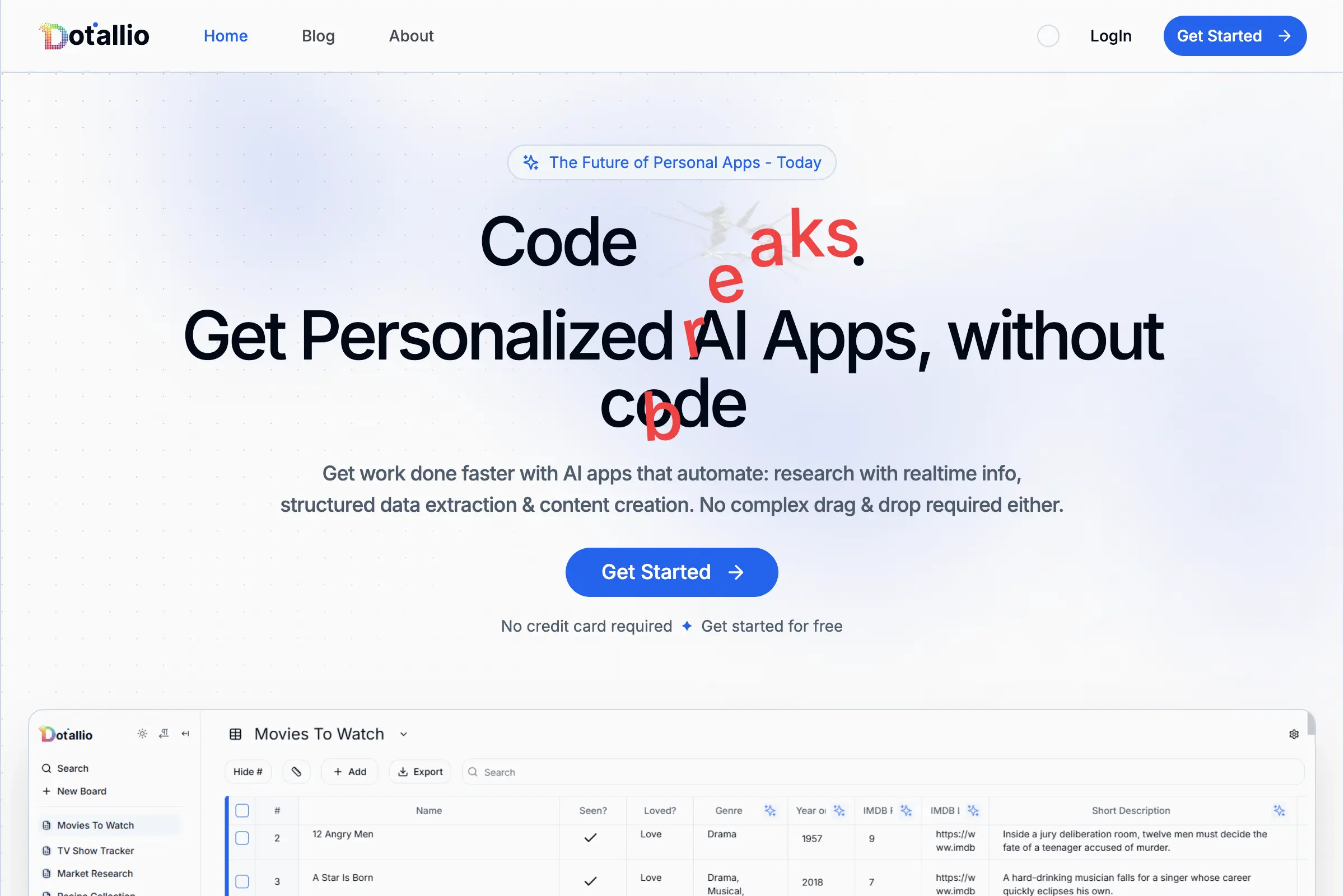
Dotallio
Personalized AI apps that automate research, data extraction, and content creation without code 🤖
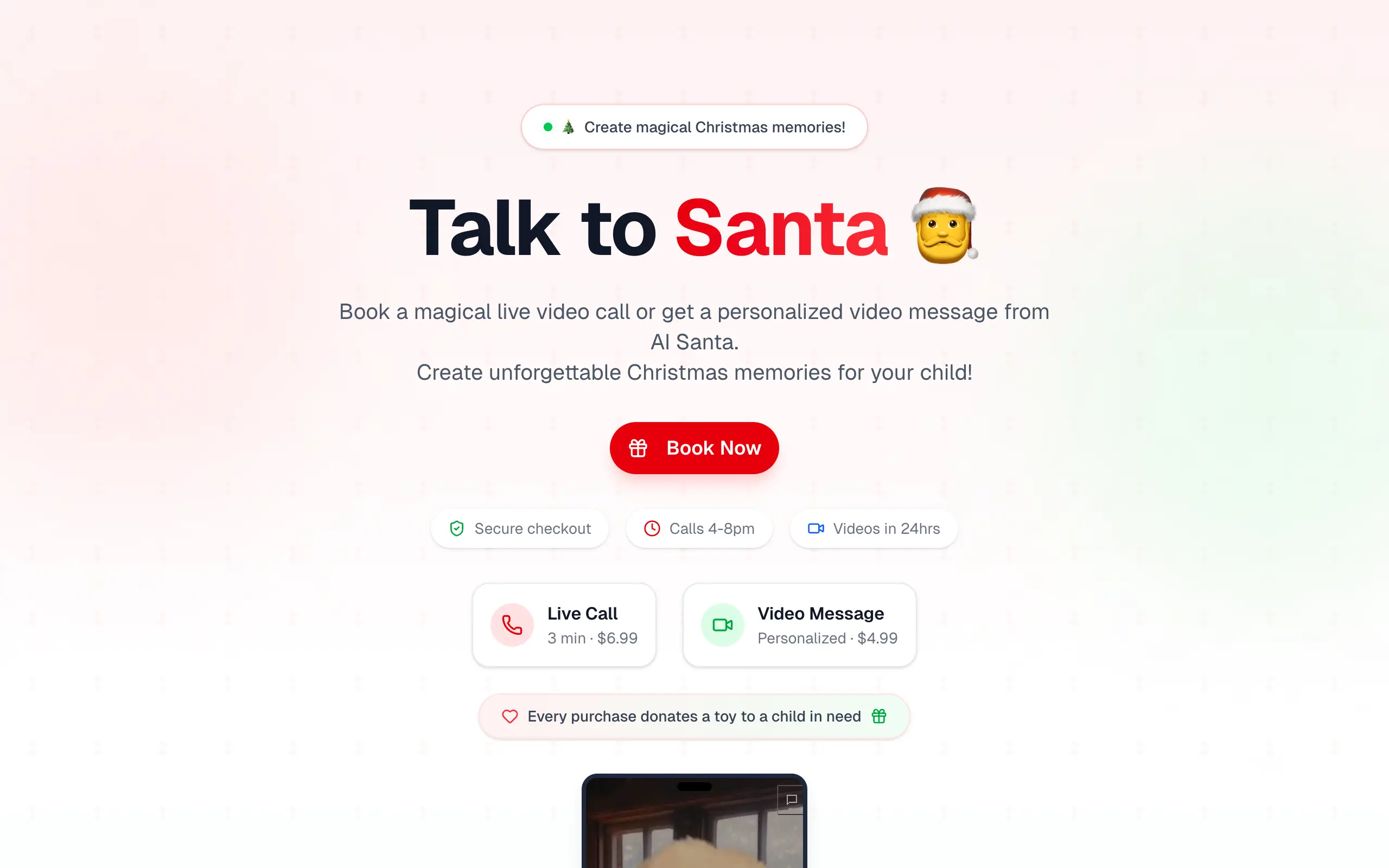
Talk to Santa
Enjoy a magical live video chat or receive a unique AI-generated video greeting from Santa Claus 🎅
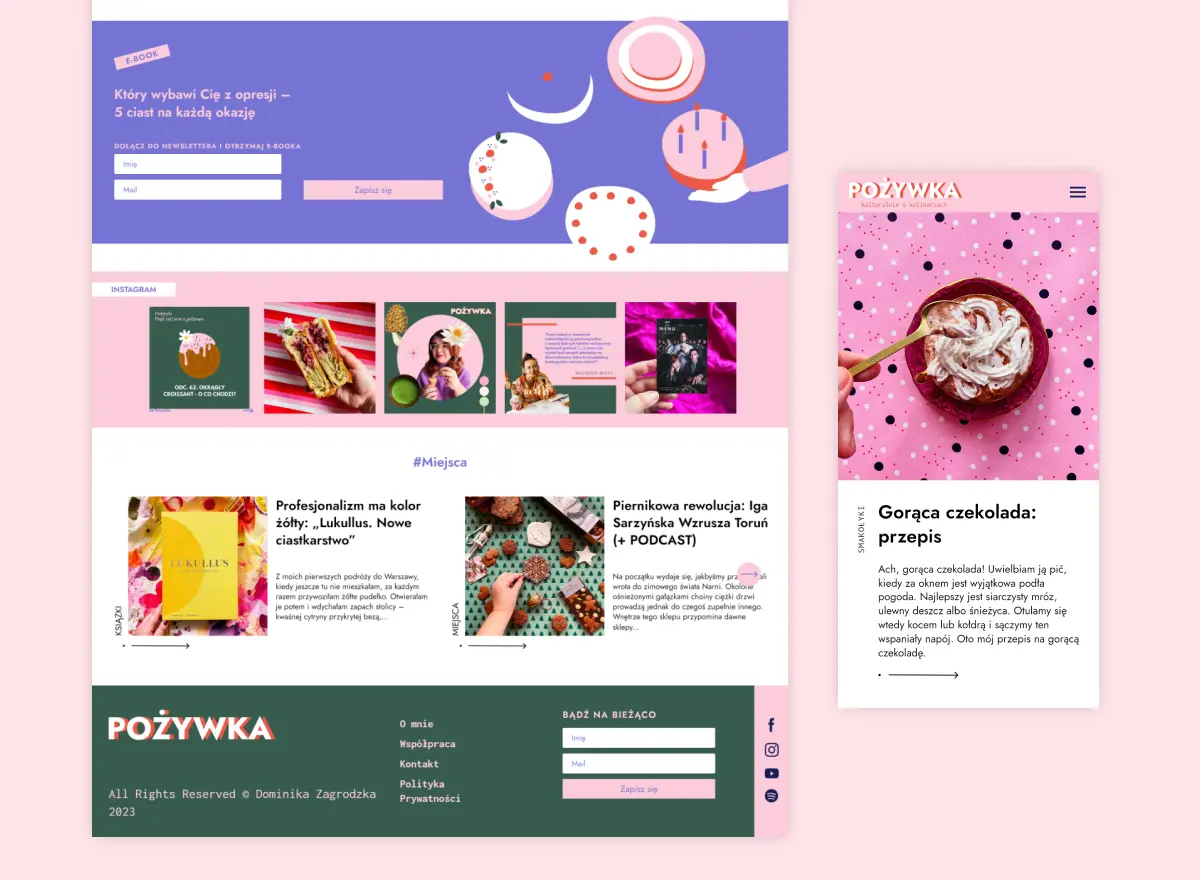
pozywka.pl
Scalable blog for food journalist, focused on performance and user experience 🌭
zagrodzki.me
Personal blog and portfolio of Bart Zagrodzki, where he shares his knowledge and work 💼
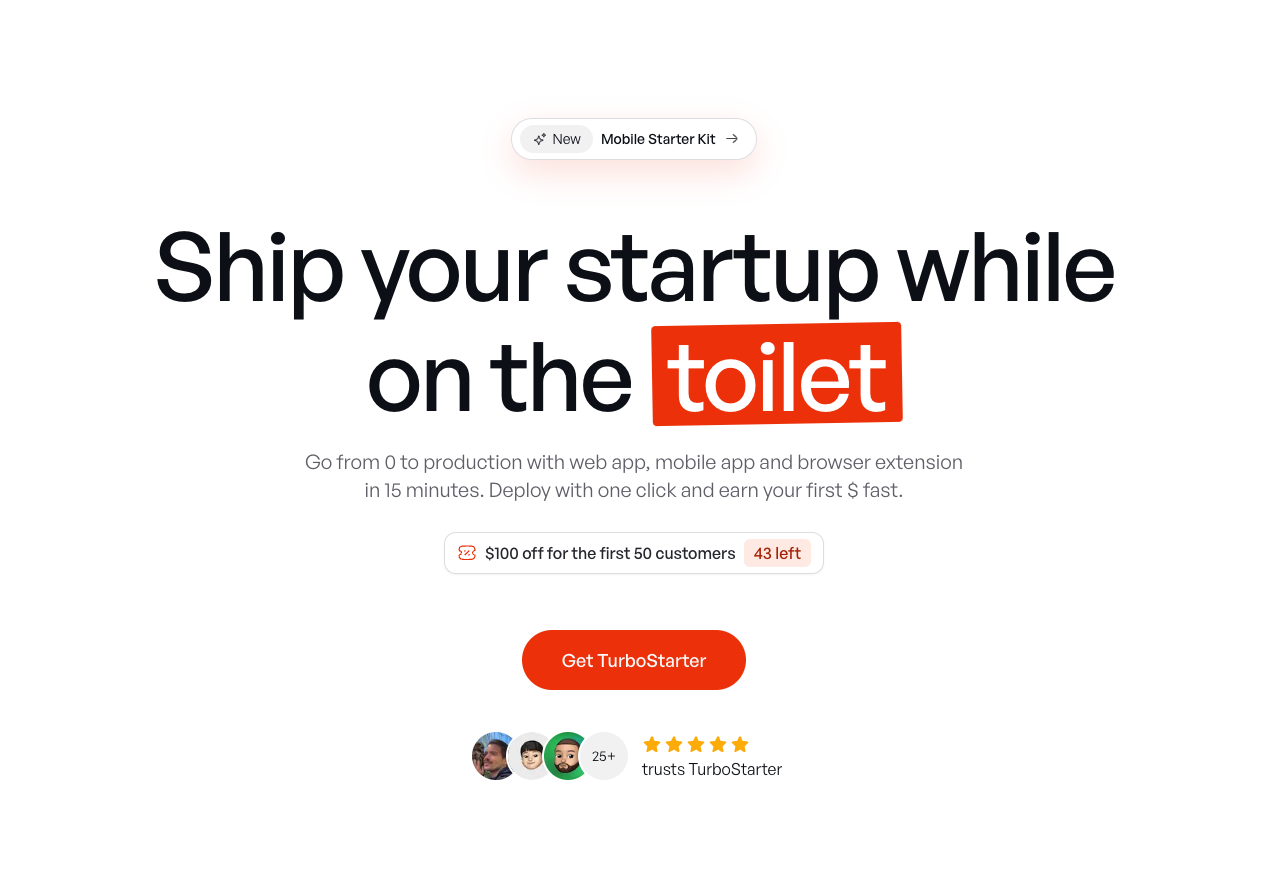
TurboStarter
Ship your startup everywhere. In minutes.
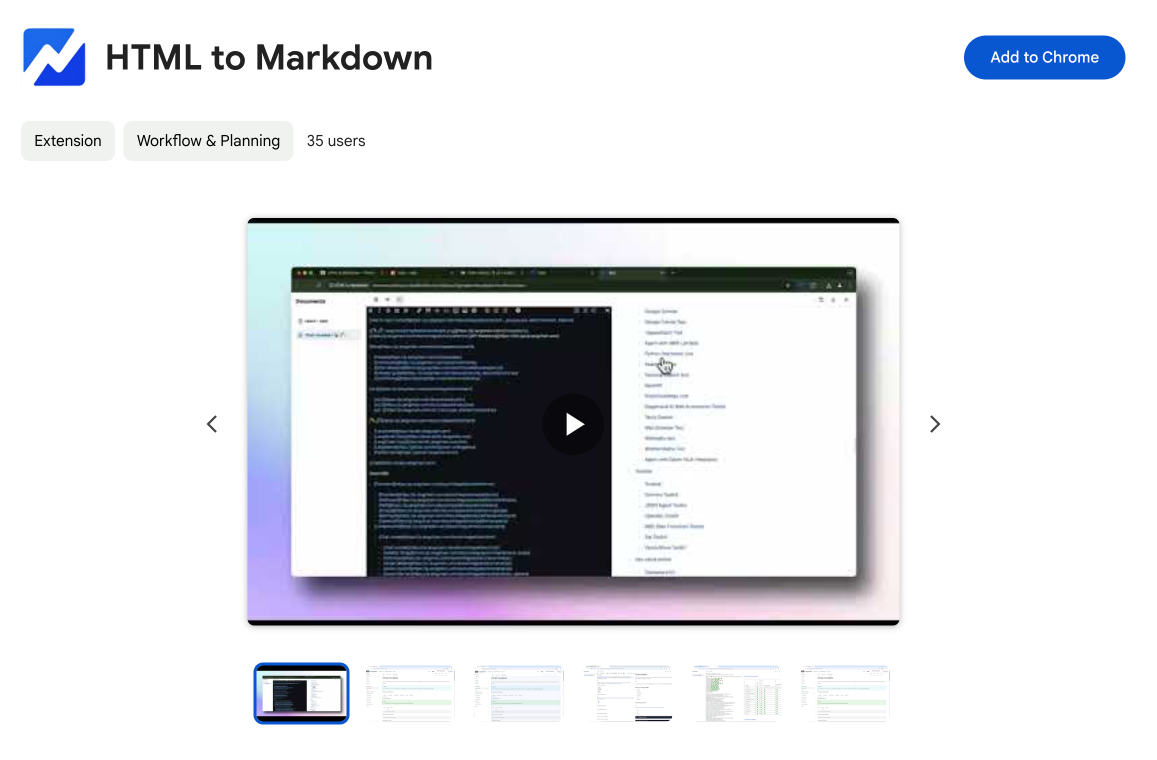
HTML to Markdown
Convert HTML to Markdown with ease, directly in your browser 📄
Dotallio
Personalized AI apps that automate research, data extraction, and content creation without code 🤖
Talk to Santa
Enjoy a magical live video chat or receive a unique AI-generated video greeting from Santa Claus 🎅
pozywka.pl
Scalable blog for food journalist, focused on performance and user experience 🌭
zagrodzki.me
Personal blog and portfolio of Bart Zagrodzki, where he shares his knowledge and work 💼
TurboStarter
Ship your startup everywhere. In minutes.
HTML to Markdown
Convert HTML to Markdown with ease, directly in your browser 📄
Dotallio
Personalized AI apps that automate research, data extraction, and content creation without code 🤖
Talk to Santa
Enjoy a magical live video chat or receive a unique AI-generated video greeting from Santa Claus 🎅
pozywka.pl
Scalable blog for food journalist, focused on performance and user experience 🌭
zagrodzki.me
Personal blog and portfolio of Bart Zagrodzki, where he shares his knowledge and work 💼
TurboStarter
Ship your startup everywhere. In minutes.
HTML to Markdown
Convert HTML to Markdown with ease, directly in your browser 📄
Dotallio
Personalized AI apps that automate research, data extraction, and content creation without code 🤖
Talk to Santa
Enjoy a magical live video chat or receive a unique AI-generated video greeting from Santa Claus 🎅
pozywka.pl
Scalable blog for food journalist, focused on performance and user experience 🌭
zagrodzki.me
Personal blog and portfolio of Bart Zagrodzki, where he shares his knowledge and work 💼
TurboStarter
Ship your startup everywhere. In minutes.
HTML to Markdown
Convert HTML to Markdown with ease, directly in your browser 📄
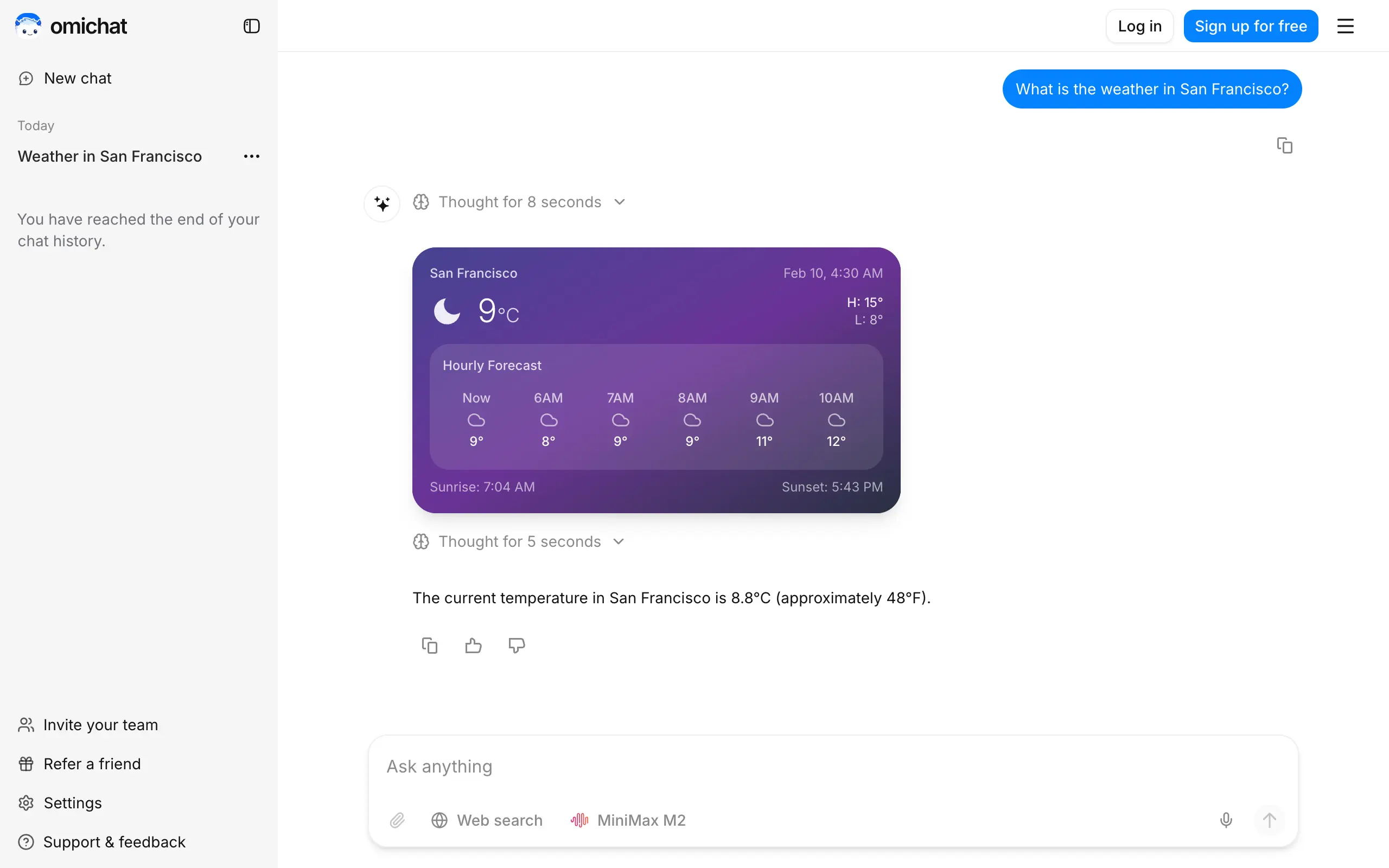
Omichat
Chat with 50+ AI models, including ChatGPT and Claude, in one place - switch models anytime without losing context 🤖
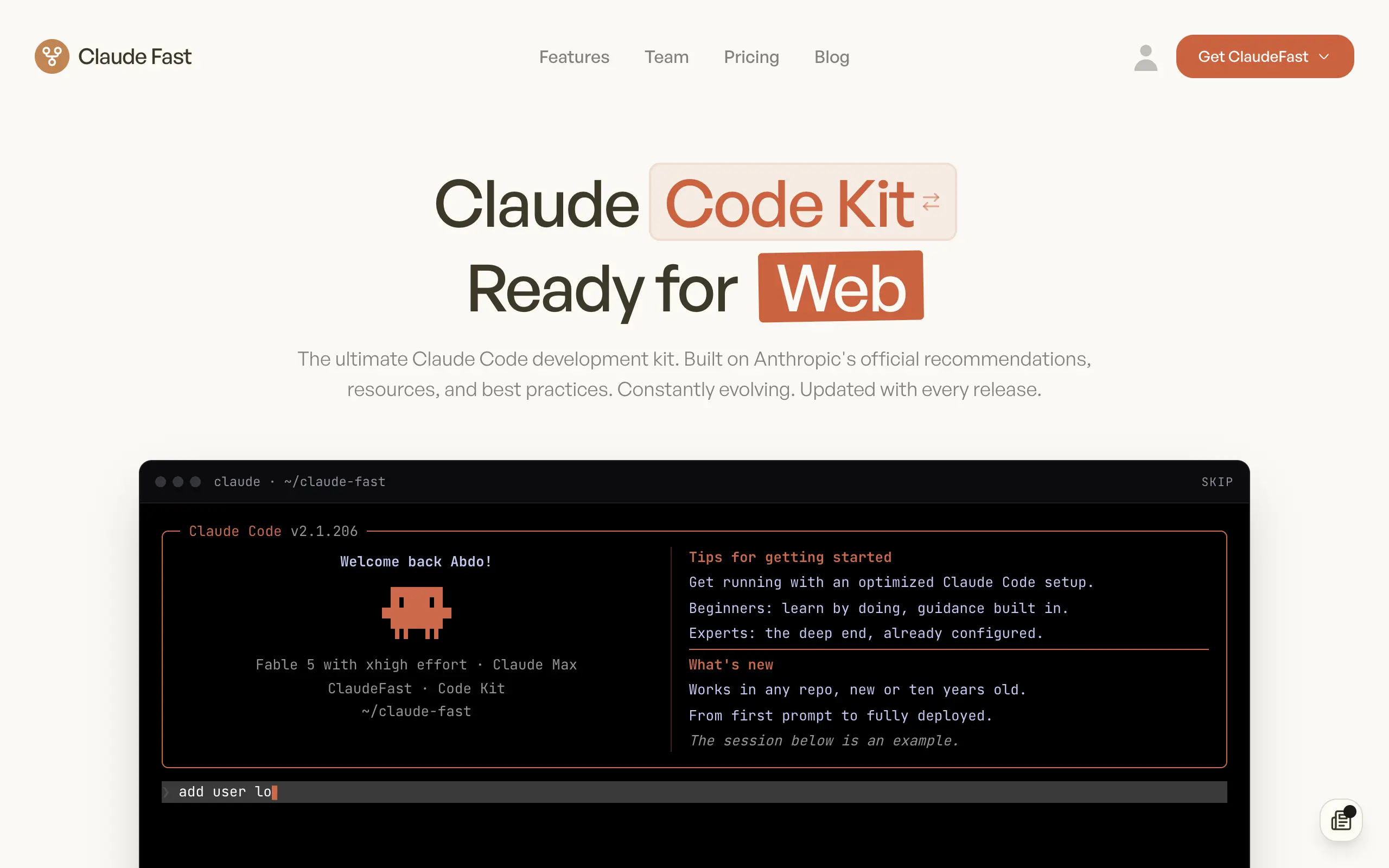
Claude Fast
Supercharge your Claude Code with 6x effective context window and specialized AI agents 🤖
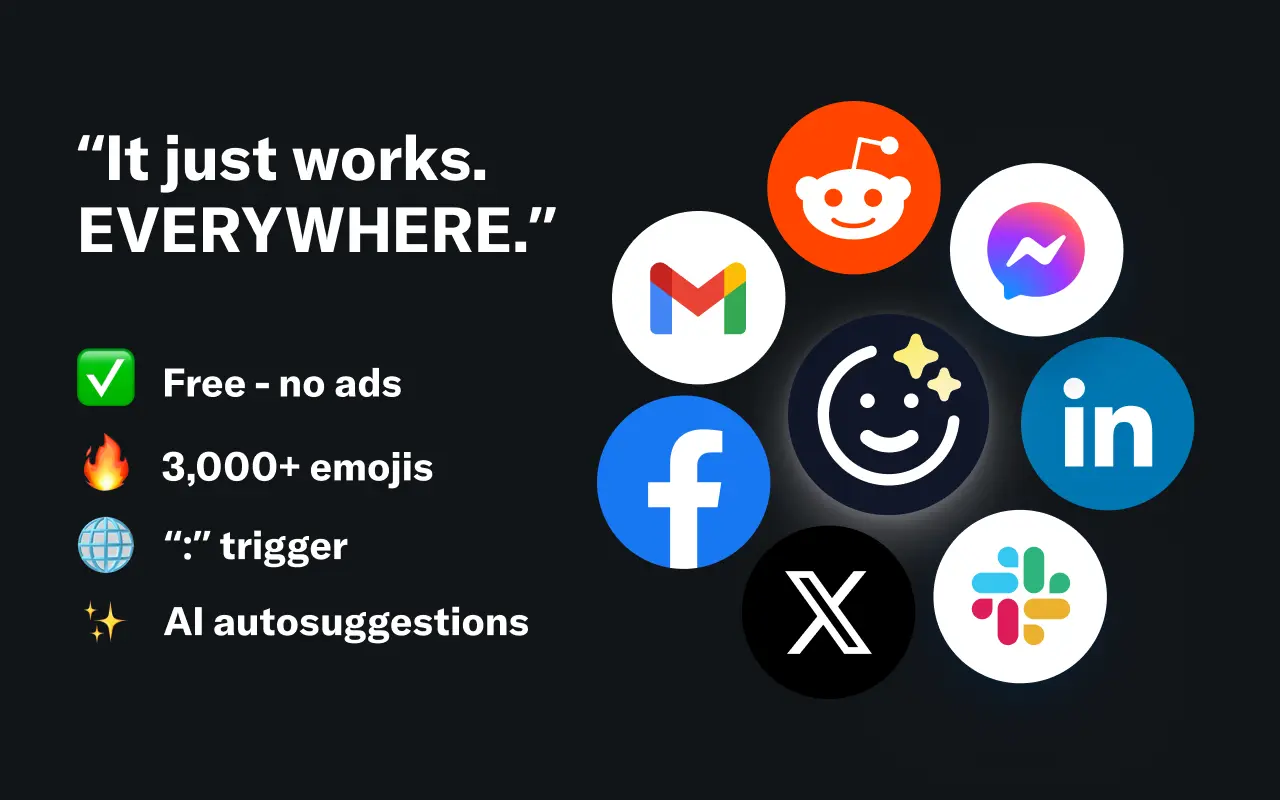
EmojAI
AI-powered emoji picker with smart, context-aware suggestions 🤖
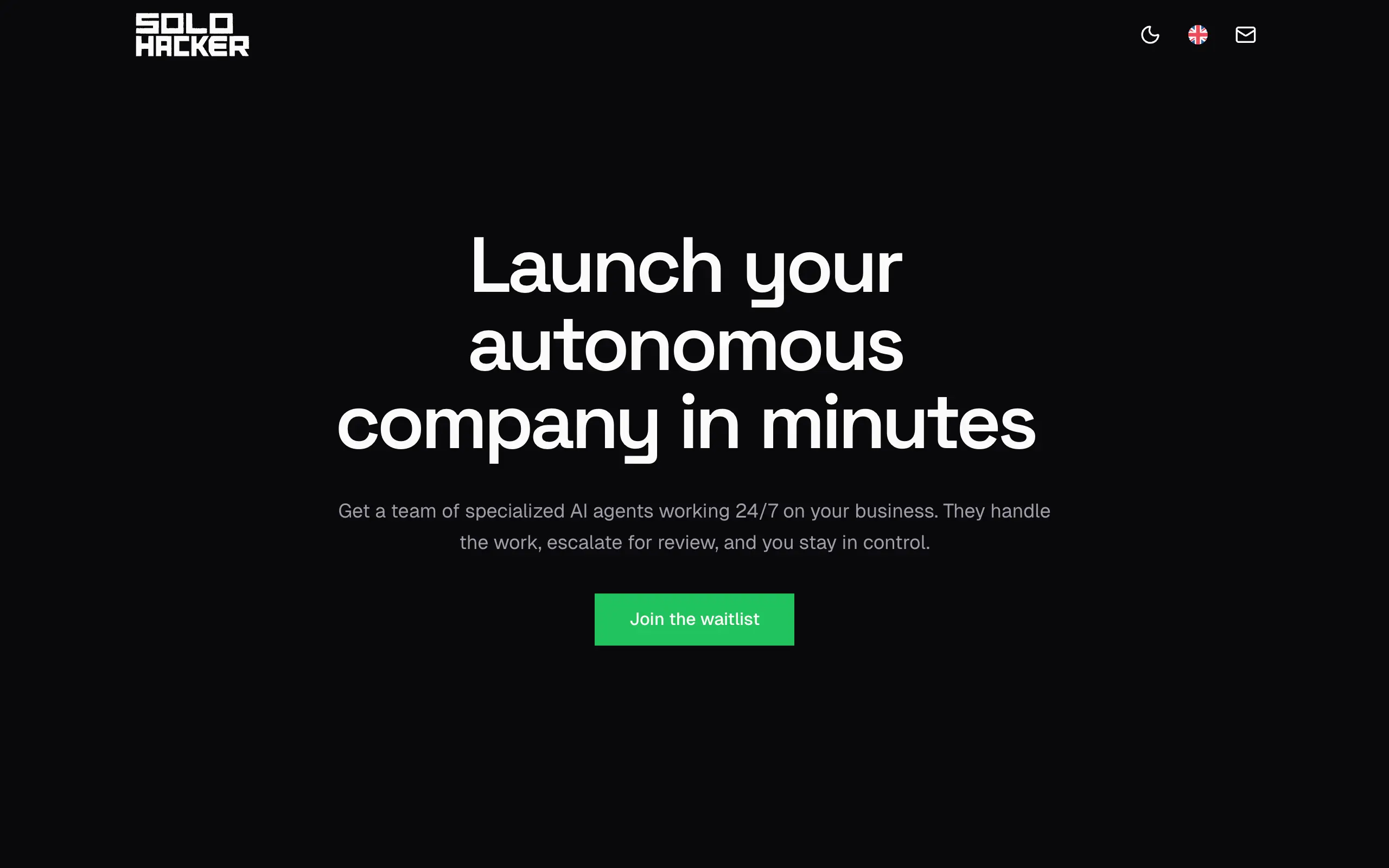
Solohacker
Autonomous company launcher - AI agents work 24/7, escalate what matters, and you stay in control 🤖
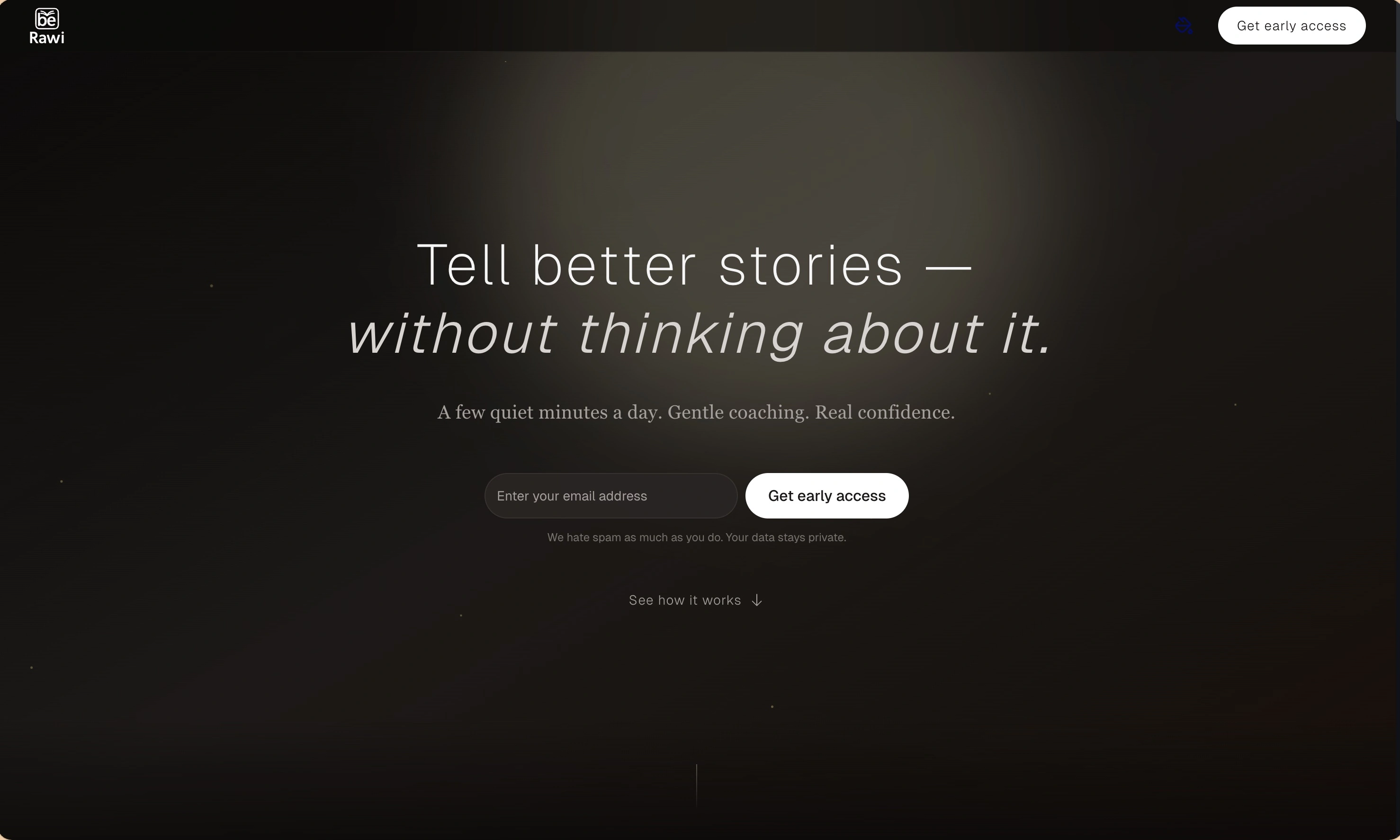
BeRawi: Storytelling Coach
Practice storytelling daily with instant feedback to sound clearer, more engaging, and confident 🎤
Omichat
Chat with 50+ AI models, including ChatGPT and Claude, in one place - switch models anytime without losing context 🤖
Claude Fast
Supercharge your Claude Code with 6x effective context window and specialized AI agents 🤖
EmojAI
AI-powered emoji picker with smart, context-aware suggestions 🤖
Solohacker
Autonomous company launcher - AI agents work 24/7, escalate what matters, and you stay in control 🤖
BeRawi: Storytelling Coach
Practice storytelling daily with instant feedback to sound clearer, more engaging, and confident 🎤
Omichat
Chat with 50+ AI models, including ChatGPT and Claude, in one place - switch models anytime without losing context 🤖
Claude Fast
Supercharge your Claude Code with 6x effective context window and specialized AI agents 🤖
EmojAI
AI-powered emoji picker with smart, context-aware suggestions 🤖
Solohacker
Autonomous company launcher - AI agents work 24/7, escalate what matters, and you stay in control 🤖
BeRawi: Storytelling Coach
Practice storytelling daily with instant feedback to sound clearer, more engaging, and confident 🎤
Omichat
Chat with 50+ AI models, including ChatGPT and Claude, in one place - switch models anytime without losing context 🤖
Claude Fast
Supercharge your Claude Code with 6x effective context window and specialized AI agents 🤖
EmojAI
AI-powered emoji picker with smart, context-aware suggestions 🤖
Solohacker
Autonomous company launcher - AI agents work 24/7, escalate what matters, and you stay in control 🤖
BeRawi: Storytelling Coach
Practice storytelling daily with instant feedback to sound clearer, more engaging, and confident 🎤

Connect with like-minded people
Join our community to get feedback, support, and grow together with 1,000+ builders on board, let's ship it!
Join usShip your startup everywhere. In minutes.
Don't burn tokens on setup and start building features on day one.