DropSignal
Discover expiring domains ranked by renewal risk, backlink quality, and resale potential. Buyers subscribe to deal alerts; sellers pay for featured listings.
What is DropSignal?
DropSignal is an AI-powered expiring domain discovery platform that helps domain investors and digital asset buyers find promising domains before they disappear from the market. It ranks opportunities using signals such as renewal risk, backlink quality, and resale potential, then delivers deal alerts to subscribers. Domain owners and brokers can also pay to promote eligible listings.
The concept addresses a practical problem: useful domain opportunities are spread across registrars, auction marketplaces, drop-catching services, and public records. Evaluating each candidate takes time, and a domain that looks valuable at first glance may have a risky backlink profile, a confusing history, or little realistic resale demand.
DropSignal’s value is not simply showing more domains. It is helping buyers decide which domains deserve investigation, why they may be available, and what risks to check before bidding.
That distinction matters. Domain expiration is not the same as immediate availability. Renewal periods, redemption windows, auctions, and deletion schedules vary by registrar and top-level domain. DropSignal should present its scores as decision support, not as a guarantee that a domain will drop or sell for a profit.
The user problem DropSignal solves
Domain discovery is fragmented. A buyer might monitor several marketplaces, set alerts in multiple tools, inspect links in a separate SEO product, and then research the domain’s history elsewhere. Even experienced investors can spend more time collecting and cleaning data than judging opportunities.
The process becomes harder when buyers need to answer several questions at once:
- Is this domain likely to become available, or is it already in an auction process?
- Does its backlink profile appear relevant and trustworthy?
- Has the domain been used for spam, redirects, or unrelated content?
- Is there a plausible buyer for the name?
- What is a reasonable maximum bid after accounting for uncertainty?
- Which source is reporting the listing, and when was that information last updated?
DropSignal can bring these tasks into one workflow. It can monitor available data sources, normalize listings, estimate risk, explain rankings, and notify a buyer when a domain matches their preferences.
The product’s trust depends on answering those questions clearly. A score without evidence is easy to ignore. A score linked to understandable signals, data freshness, and limitations is much more useful.
Target audience analysis
DropSignal should begin with a focused audience rather than trying to serve every person who has ever purchased a domain. Different buyers define value differently, and each segment needs a distinct workflow.
Domain investors
Independent domain investors look for names they can hold, develop, or resell. They may assess length, memorability, extensions, commercial intent, comparable sales, and buyer demand.
For this segment, DropSignal should support:
- Saved searches for keywords, extensions, length, and price ranges
- Watchlists and bidding deadlines
- Clear reasons a listing received its ranking
- Estimated resale ranges presented as uncertain estimates, not appraisals
- Exportable data for portfolio tracking
A useful early customer is an active investor who already checks multiple sources and can explain what information would save them time. These users can provide detailed feedback about false positives, missing data, and alert timing.
SEO professionals and agencies
SEO teams may be interested in expired domains with relevant history, established links, or a name that supports a legitimate new project. However, a high link count alone does not establish SEO value. Links may be irrelevant, manipulated, removed, or associated with a previous site that has no connection to a buyer’s intended use.
For this audience, the product should emphasize:
- Referring-domain quality and topical relevance
- Historical changes in link and content patterns
- Potential spam or redirect warnings
- A transparent distinction between observed metrics and model predictions
- Clear reminders that acquiring a domain does not guarantee rankings or traffic
DropSignal should not promise that buyers can transfer previous search performance to a new site. That would be misleading and could damage trust.
Founders, creators, and small businesses
A founder may want a memorable domain for a new company, product, or campaign. They are often less familiar with auction mechanics and SEO metrics than professional investors.
This audience benefits from plain-language explanations, such as:
- Why a domain is being monitored
- Whether it is listed in an auction or merely approaching an expiration milestone
- What the next deadline means
- What common warning signs to review
- How to avoid bidding beyond a chosen budget
A beginner-friendly experience could be a future differentiator, but it should not obscure the more detailed evidence experienced buyers expect.
Brokers and domain sellers
Sellers may pay to feature listings, especially if DropSignal attracts a specific audience of active buyers. The product should make promoted placements useful without allowing payment to distort risk scores.
A seller-facing account could include listing submission, verification, performance reporting, and clear disclosure of sponsored placement. DropSignal should define eligibility and moderation standards before accepting paid listings.
Best initial customer profile
A strong initial customer is a small or mid-sized domain investor who regularly reviews expiring-domain listings and is comfortable evaluating opportunities, but wants better filtering and fewer low-quality leads.
This segment is useful for validation because it has a recurring workflow and can judge whether DropSignal saves time. It is also more likely than casual buyers to understand the limits of domain metrics and give specific product feedback.
Market opportunity and product gap
The opportunity is not based on the idea that domain marketplaces do not exist. Buyers already have ways to search listings and bid. The product gap is the work that happens between discovering a listing and deciding whether it merits attention.
Many existing workflows depend on separate tools for availability, auction status, backlink analysis, historical research, and alerts. A buyer may have to compare data collected at different times, interpret inconsistent metrics, and determine whether a listing is still actionable.
DropSignal can compete by making cross-source discovery and decision support its core experience. That means turning an unfiltered feed into a prioritized queue, with context attached to each candidate.
Where a product can create value
A useful platform could reduce friction in four areas:
- Discovery — Search and monitor listings across permitted data sources.
- Prioritization — Rank candidates based on a buyer’s preferences and transparent signals.
- Due diligence — Summarize risk indicators and provide evidence to investigate.
- Action — Alert the buyer while there is still time to review the opportunity.
The strongest product will not necessarily have the largest raw inventory. Coverage, freshness, provenance, and signal quality may matter more than volume. If the feed contains stale listings or unclear status, a large database can create more noise rather than more value.
Competitive landscape
DropSignal may be compared with domain auction marketplaces, drop-catching providers, domain research products, SEO platforms, and spreadsheets built by individual investors. These alternatives often perform one part of the workflow well.
| Product category | Typical strength | Potential gap DropSignal can address | Main competitive pressure | Product response |
|---|---|---|---|---|
| Domain marketplaces | Listing access and transaction tools | Cross-market discovery and independent risk context | Existing buyer attention and seller relationships | Integrate or link to listings while adding research signals |
| Drop-catching services | Attempting to register domains at deletion | Earlier discovery and broader evaluation | Technical registration capability | Avoid claiming guaranteed capture; focus on decision support |
| SEO research platforms | Backlink and domain metrics | Expiration context, listing status, and buyer alerts | Rich data and established workflows | Combine relevant indicators with domain-specific timing |
| Manual spreadsheets | Flexible personal scoring | Data maintenance and timely notifications | Low cost and user control | Offer customizable filters, exports, and explainable scoring |
| Broker newsletters | Curated opportunities | Searchable, personalized, auditable discovery | Human expertise and trusted curation | Make rankings transparent and give users control over criteria |
This comparison should be validated through interviews and hands-on testing. Product features change, and competitors may add similar capabilities. Before publishing market claims, DropSignal should cite current product documentation or conduct a documented competitive review rather than asserting that a feature is unique without evidence.
DropSignal’s unique selling proposition
DropSignal’s clearest USP is ranked expiring-domain opportunities that combine availability signals, backlink quality, and resale potential in one explainable discovery workflow.
The word “explainable” is essential. Buyers should be able to see what contributed to a score and what information is missing. A useful result might say that a domain ranks highly because it matches a saved topic, has several relevant referring domains, and is approaching a recorded auction deadline. It should also show countervailing evidence, such as a suspicious historical redirect or incomplete status data.
This approach stands out from a generic listing feed in three ways:
- Personalized relevance. The platform can rank domains according to a buyer’s interests instead of treating every listing as equally important.
- Decision context. Buyers can see evidence, confidence, data sources, and last-updated times.
- Two-sided monetization. Buyers pay for monitoring and analysis, while sellers pay for transparent promotional placement.
The last point creates a trust challenge. Paid promotion must not be confused with organic ranking. DropSignal should label sponsored listings clearly and keep paid placement separate from the underlying quality and risk scores.
Core features and solution details
1. A normalized domain feed
The product needs a consistent listing model even when sources provide different fields or status labels. Each listing should include, where available:
- Domain name and extension
- Source marketplace or data provider
- Current status and status timestamp
- Auction or expected deletion milestones
- Asking price or current bid
- Data completeness indicators
- Source URL or another method to verify the listing
Status should be described precisely. “Expiring,” “in auction,” “pending deletion,” and “available” are not interchangeable. If the source does not provide enough evidence to classify a status confidently, DropSignal should say so.
2. Renewal and availability risk indicators
The concept’s “renewal risk” should be defined carefully. It should not imply that DropSignal knows whether an owner will renew unless a source provides reliable evidence. Instead, the platform can estimate availability likelihood using observable signals, such as the source’s status, auction activity, historical timing patterns, and time remaining.
Every prediction should include:
- A confidence level
- The signals that influenced it
- When those signals were last refreshed
- A statement that the domain may be renewed, transferred, or otherwise removed from the expected path
The product should avoid presenting a single percentage as fact when the underlying data is incomplete. A range or qualitative label may be more honest during an early version.
3. Backlink quality analysis
Backlink analysis can help buyers decide whether to investigate a domain, but raw link volume is an unreliable shortcut. A domain with many links may have low-quality, irrelevant, or manipulated links.
A more responsible score can consider multiple dimensions:
- Relevance of linking pages and sites to a likely use
- Diversity of referring domains
- Signs of sudden link growth or loss
- Anchor-text patterns
- Redirect and historical-use patterns
- Source coverage and data completeness
DropSignal should show the underlying evidence and distinguish observed metrics from interpretation. It should also avoid suggesting that backlink data guarantees search performance. Buyers should inspect the domain’s history and intended use before making decisions.
4. Resale-potential estimates
Resale potential is difficult to predict because a sale depends on buyer demand, timing, pricing, negotiation, and the quality of the name. An AI estimate should be a prioritization aid, not a promise of future value.
A practical first version could provide a broad opportunity tier rather than an exact valuation. Inputs might include:
- Name length and memorability indicators
- Extension and keyword characteristics
- Evidence from comparable transactions, if lawfully available and sufficiently reliable
- Potential commercial use cases
- Market interest signals
- Risk and uncertainty adjustments
Where comparable-sales data is sparse or not representative, the interface should say so. A confident-looking price estimate based on weak evidence can lead users to overbid and undermine product credibility.
5. Custom search and watchlists
Buyers should be able to create saved searches and watchlists based on filters such as:
- Keywords and excluded terms
- Top-level domain
- Length or character patterns
- Price or bid range
- Listing source
- Status and deadline
- Risk thresholds
- Topic or intended use
The goal is to support different strategies without forcing every buyer into one universal score. Users should be able to tune which signals matter most.
6. Deal alerts
Alerts are central to DropSignal’s subscription value. Email may be sufficient for an MVP, while in-app notifications can support users who check the platform regularly. Alerts should be actionable without encouraging impulsive bidding.
Each alert should summarize:
- Why the domain matched a saved search
- What changed since the last update
- The source and status
- The relevant deadline
- Key risks or missing information
- A link to verify the listing
Alert frequency controls are important. Buyers should be able to choose immediate notifications, daily summaries, or only high-confidence matches. Poorly tuned alerts quickly become noise.
7. Paid featured listings
Seller promotion can generate revenue, but it should be governed by rules. DropSignal should verify that the seller has the right to promote the domain, reject deceptive claims, and disclose paid placement in search results and alerts.
Featured placement should affect visibility, not the organic risk score. If a promoted domain has serious warning signs, the platform should not suppress those warnings for commercial reasons.
Recommended technology stack
The right stack depends on data volume, source access, and how quickly the team needs to validate the concept. Start with a simple, observable architecture and separate data ingestion from scoring so the product can improve without rewriting the whole system.
Frontend and application layer
A web application built with Next.js and React can support searchable listings, dashboards, authentication, and server-rendered marketing pages. Tailwind CSS can speed up interface development if the team wants utility-based styling.
The trade-off is complexity. A framework with server rendering and multiple deployment options can be powerful, but it introduces decisions around caching, server functions, and data access. Keep the first version’s architecture small and avoid adding services before a real product need appears.
For a SaaS foundation that includes common application building blocks, TurboStarter may help teams move faster. Evaluate its fit against the required authentication, billing, data-ingestion, and deployment workflows before committing to it.
Backend and data processing
A TypeScript or Python backend can receive source updates, normalize records, run scoring jobs, and serve search results. Python is useful when the team expects to experiment with data analysis and machine-learning libraries. TypeScript may simplify shared types across a JavaScript frontend and backend.
A relational database such as PostgreSQL is a sensible starting point for users, subscriptions, listings, alerts, and score explanations. It supports structured data and transactional workflows. A search engine or specialized analytics store may be warranted later, but adding one too early increases operational overhead.
A background job queue can handle polling, data refreshes, and alert delivery. Jobs should be idempotent so retries do not create duplicate listings or send duplicate notifications. The system should record when a source was checked, whether it succeeded, and which fields changed.
AI and ranking approach
Avoid beginning with a black-box model trained on a small, noisy dataset. An initial ranking system can use explicit, testable rules and weighted signals. As the product collects feedback, the team can evaluate whether a machine-learning model improves ranking quality.
AI can help with tasks such as:
- Categorizing domain topics
- Summarizing historical usage
- Detecting unusual patterns for human review
- Personalizing candidate rankings
- Producing concise explanations from structured evidence
The model should not invent facts or obscure missing data. Scores should be traceable to stored inputs, and changes to scoring logic should be versioned so the team can investigate why a result changed.
A simplified scoring concept might look like this:
type DomainSignals = {
  topicMatch: number;
  backlinkQuality: number;
  availabilityConfidence: number;
  resaleSignals: number;
  riskPenalty: number;
};

function rankDomain(signals: DomainSignals) {
  const score =
    signals.topicMatch * 0.25 +
    signals.backlinkQuality * 0.25 +
    signals.availabilityConfidence * 0.2 +
    signals.resaleSignals * 0.3 -
    signals.riskPenalty;

  return Math.max(0, Math.min(100, score));
}
These weights are illustrative, not validated. Real weights should be tested against buyer judgments and observed outcomes, with the score’s limitations displayed in the interface.
Billing, security, and infrastructure
A payment provider such as Stripe can support recurring buyer subscriptions and seller promotion purchases. The team should define refund, renewal, cancellation, and promotional-placement policies before taking payments.
Security basics include encrypted connections, access controls, secrets management, audit logs, and rate limiting. Data feeds and user watchlists should be protected from unauthorized access. If the platform stores personal or business information, the team should document what it collects, why it is needed, how long it is retained, and how users can request account changes.
Monetization strategy
DropSignal has several possible revenue streams. The best launch model is likely a buyer subscription, with seller promotion introduced only after the platform has demonstrated audience quality.
Buyer subscriptions
A tiered subscription can charge for monitoring depth and workflow convenience:
- Free tier for limited searches, a small watchlist, and delayed or limited alerts
- Pro tier for more saved searches, faster alerts, deeper analysis, and exports
- Team tier for shared watchlists, multiple seats, and team-level workflows
The free tier should demonstrate real utility without making the paid product feel arbitrary. Paid plans should map to clear limits or capabilities, not merely hide basic risk information.
Featured seller listings
Sellers can pay for clearly labeled placement or a fixed-duration promotional listing. Pricing could be based on listing duration, category, or exposure, but the product should avoid guaranteeing outcomes such as clicks, leads, or sales unless it can measure them reliably.
The seller product should include moderation rules and a dispute process. Promoted listings should never be presented as independently endorsed valuations.
Data and team plans
If DropSignal develops reliable research workflows, a later plan could serve agencies or professional teams. Potential features include shared notes, exports, API access, portfolio monitoring, and user roles. API access should be introduced only after source licensing and operational capacity are understood.
Affiliate or referral revenue
Referral arrangements with marketplaces or related services may be possible, but they create disclosure obligations and potential conflicts. Any referral relationship should be disclosed, and recommendations should not be ranked higher merely because they generate commission.
Potential risks and mitigation
Data access and licensing
Domain marketplaces and data providers may restrict automated access, redistribution, or commercial use. DropSignal should review terms and pursue authorized integrations rather than assuming public visibility permits unrestricted collection.
Mitigation: Maintain a source registry with access method, permitted use, refresh expectations, and attribution requirements. Build connectors that can be disabled independently if terms change.
Inaccurate availability predictions
A domain may be renewed, sold, transferred, or removed from a listing before a buyer acts. Inaccurate status information can waste time or cause financial harm.
Mitigation: Show source timestamps, distinguish observed status from prediction, refresh high-priority records frequently, and notify users when a status cannot be confirmed.
Misleading valuation or SEO claims
Users may interpret a score as a promise of resale value or search rankings. That can create reputational and legal risk.
Mitigation: Use cautious language, show the evidence behind each estimate, explain uncertainty, and avoid guarantees. Make clear that buyers should conduct independent research before bidding.
Adverse selection from paid listings
If sellers can pay for exposure, they may submit low-quality or misleading domains. Buyers may assume a featured listing is vetted.
Mitigation: Establish eligibility checks, label sponsored placements, keep paid visibility separate from organic scoring, and provide a way to report inaccurate listings.
Model bias and feedback loops
A scoring model may repeatedly favor familiar domain patterns while missing emerging niches. If user clicks are treated as the only success signal, the model may learn attention rather than actual quality.
Mitigation: Evaluate scores against multiple outcomes, such as saves, qualified inquiries, verified listing changes, and user-reported relevance. Maintain a human review process for unusual or high-impact decisions.
Legal, privacy, and policy considerations
Domain ownership, trademark rights, data collection, and communications rules vary by jurisdiction and provider. DropSignal should avoid implying that finding a domain means a buyer has the right to use its name.
Mitigation: Provide clear terms, privacy disclosures, seller verification, and a process for reporting disputed listings. Consult qualified legal counsel before launching paid promotions or collecting data at scale. For background on domain-name policy, use primary materials from ICANN.
Building trust through E-E-A-T
Trust is a product feature for a marketplace intelligence tool. Users need to know where information comes from, how fresh it is, and what the platform cannot know.
DropSignal can demonstrate expertise and reliability by:
- Listing data sources and refresh times
- Providing definitions for each score and status
- Separating source facts from model interpretation
- Showing uncertainty instead of false precision
- Maintaining a visible correction and support process
- Publishing methodology updates when scoring changes
- Avoiding claims that acquiring an expired domain guarantees SEO results
When the team publishes educational content about search visibility, it should distinguish domain history from current site quality. Google’s official Search Central documentation is a useful primary reference for search-related guidance, rather than relying on unsupported claims about ranking benefits.
Actionable implementation steps
A practical launch should validate demand and data quality before investing in elaborate machine learning or a broad marketplace.
1. Interview target buyers
Speak with active domain investors, SEO practitioners, and founders who have recently researched or purchased domains. Ask them to describe their last search from start to finish, including where they looked, what they checked, and where they lost confidence.
Look for repeated evidence of pain, not compliments about the idea. Strong validation includes buyers already paying for fragmented tools, maintaining manual workflows, or missing opportunities because they cannot monitor enough sources.
2. Choose one initial use case
Select a narrow first audience and workflow, such as helping independent investors monitor a defined set of expiring-domain sources. Avoid launching simultaneously for investors, agencies, brokers, and casual founders.
A focused use case makes it easier to select meaningful filters, define alert quality, and measure whether the product saves time.
3. Verify source access
Identify a small number of data sources and confirm that their access methods permit the intended commercial use. Record the fields available, refresh limits, costs, and reliability.
Do not build the business around data that cannot be used lawfully or maintained consistently.
4. Build a concierge prototype
Before developing a full platform, create a small curated feed and deliver it to a group of test buyers. Use transparent, rule-based ranking and ask users which candidates they would investigate.
This test can reveal whether the proposed signals are useful and which ones create false confidence.
5. Launch the discovery MVP
Build account creation, saved searches, a normalized listing feed, basic risk explanations, and email alerts. Add source timestamps, data-quality indicators, and a way to report errors from the beginning.
Treat these trust features as core product capabilities, not optional polish.
6. Measure decision quality
Track more than page views and email opens. Useful metrics include saved-domain rate, qualified alert engagement, time from alert to review, user-reported relevance, false-positive reports, and paid conversion.
For outcomes that cannot be observed automatically, collect structured feedback. A buyer’s decision to investigate or reject a domain can help improve ranking logic.
7. Add subscriptions and seller promotion carefully
Introduce paid buyer plans once users repeatedly depend on alerts or deeper research. Add seller promotion only after establishing enough buyer activity to create genuine value for sellers.
Keep organic ranking and sponsorship visibly separate.
8. Improve scoring with evidence
Version each scoring method, compare ranking quality over time, and test changes with a controlled group. Use AI where it improves a measurable task, such as topic classification or personalized ranking, rather than using it as a marketing label.
Publish understandable explanations whenever a score changes materially.
Competitive advantage analysis
DropSignal’s defensibility will not come from the word “AI” alone. A durable advantage can emerge from the combination of reliable source coverage, well-maintained history, useful buyer feedback, and a trusted ranking workflow.
Potential advantages include:
- A normalized historical dataset. Consistent records across sources can make it easier to analyze status changes and listing outcomes.
- Personalized relevance signals. A platform that learns a buyer’s preferences may reduce irrelevant alerts over time.
- Transparent scoring. Explanations and uncertainty can build credibility in a category where estimates are inherently imperfect.
- A focused audience. Serving a particular buyer segment well can create stronger retention than offering generic domain search.
- A two-sided network. More qualified buyers may attract better sellers, while credible listings may improve buyer engagement.
These advantages are conditional. Historical data has value only if it is accurate and permitted for use. Personalization helps only when user feedback reflects genuine quality. A marketplace network effect develops only when both sides receive measurable value.
DropSignal should therefore prioritize execution quality over feature count. A smaller feed with reliable status, relevant alerts, and clear evidence can be more valuable than a massive database that buyers do not trust.
Is DropSignal a viable SaaS idea?
DropSignal is a promising SaaS concept because it targets a recurring research task, serves buyers with clear incentives to find relevant opportunities, and supports more than one monetization path. Its strongest opportunity is to reduce the time and uncertainty involved in evaluating expiring domains.
Its largest risks are also clear: data access, stale status information, unreliable valuation signals, and conflicts created by paid listings. These are solvable only through careful product design, transparent scoring, and disciplined source management. AI can improve prioritization, but it cannot compensate for weak data or replace buyer due diligence.
The best next step is not to build a complex prediction engine. It is to validate one buyer segment, secure a small set of reliable data sources, and test whether transparent rankings and timely alerts change how those buyers work.
Frequently asked questions
What is an expiring domain discovery platform?
An expiring domain discovery platform helps users find and evaluate domains that may become available through expiration, auction, or other marketplace processes. DropSignal’s proposed approach adds ranking, risk signals, backlink analysis, resale indicators, and personalized alerts.
Can DropSignal guarantee that a domain will become available?
No. A domain owner may renew, a marketplace status may change, or a registrar’s process may differ. DropSignal should report observed information and estimates with timestamps and confidence indicators, not guarantee availability.
Does a strong backlink profile guarantee SEO value?
No. Backlinks are only one part of a domain’s history and potential. Relevance, quality, continuity, prior use, and the buyer’s future site all matter. Buyers should independently review the evidence and avoid treating any single metric as a ranking guarantee.
How should DropSignal make money?
A buyer subscription is a natural starting point because alerts, saved searches, and research tools provide ongoing value. Featured seller listings can become a second revenue stream, provided they are clearly labeled and do not influence organic quality scores.
What should the first version include?
The MVP should include a limited, permitted data feed; normalized listing status; saved searches; transparent scoring; source timestamps; watchlists; and useful alerts. Advanced AI predictions and a broad seller marketplace can come later, after the team has validated data quality and buyer demand.
More 🤖 AI Startup SaaS ideas
Discover more innovative ai startup SaaS ideas that are trending in 2026. Each idea is AI-generated with market validation and growth potential to help you find your next profitable venture faster than competitors.
Your competitors are building with TurboStarter
Below are some of the SaaS ideas that have been generated and built with our starter kit.
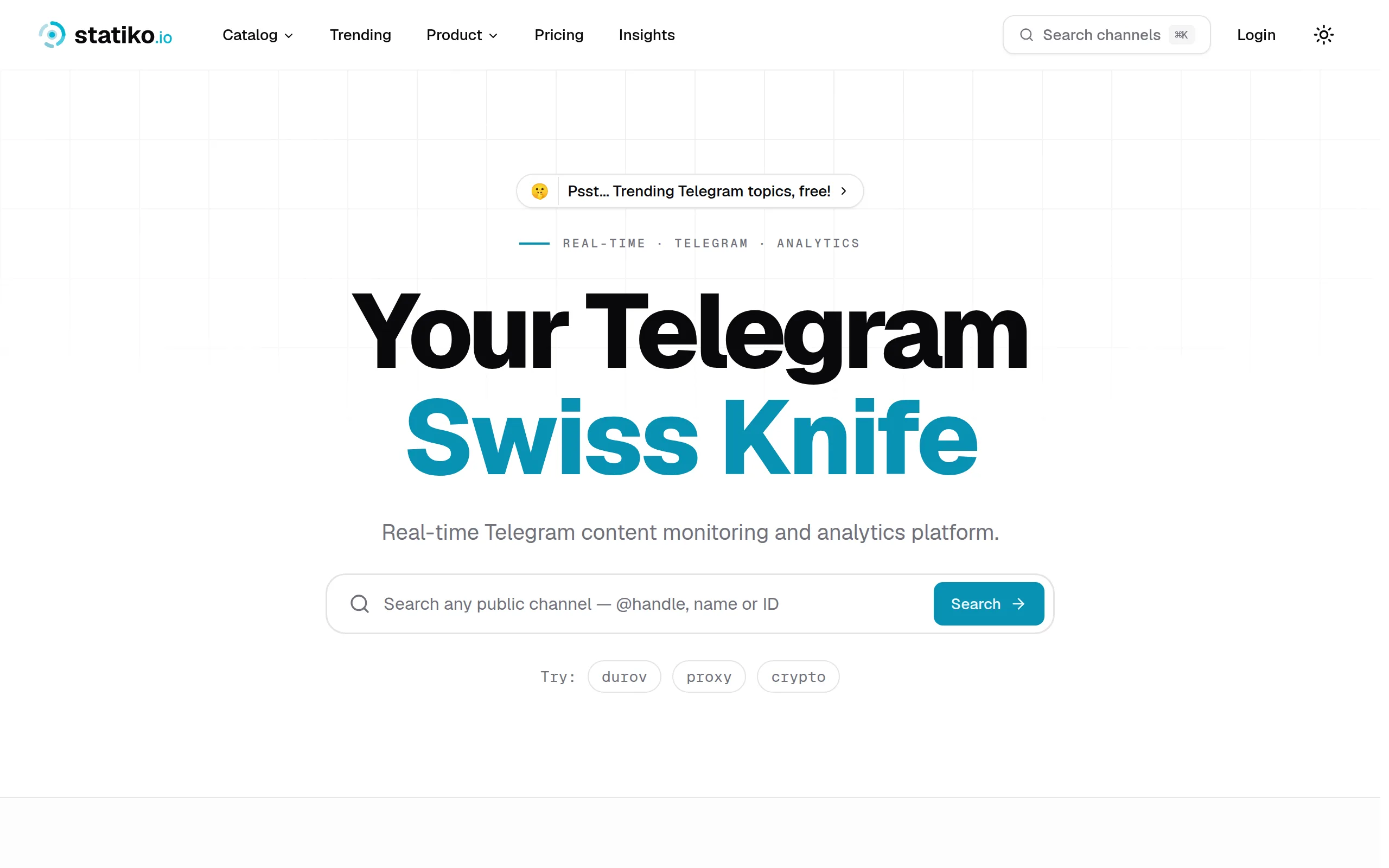
Statiko
Monitor any Telegram channel in real time - track posts, edits, deletions, and growth with AI recaps 📡
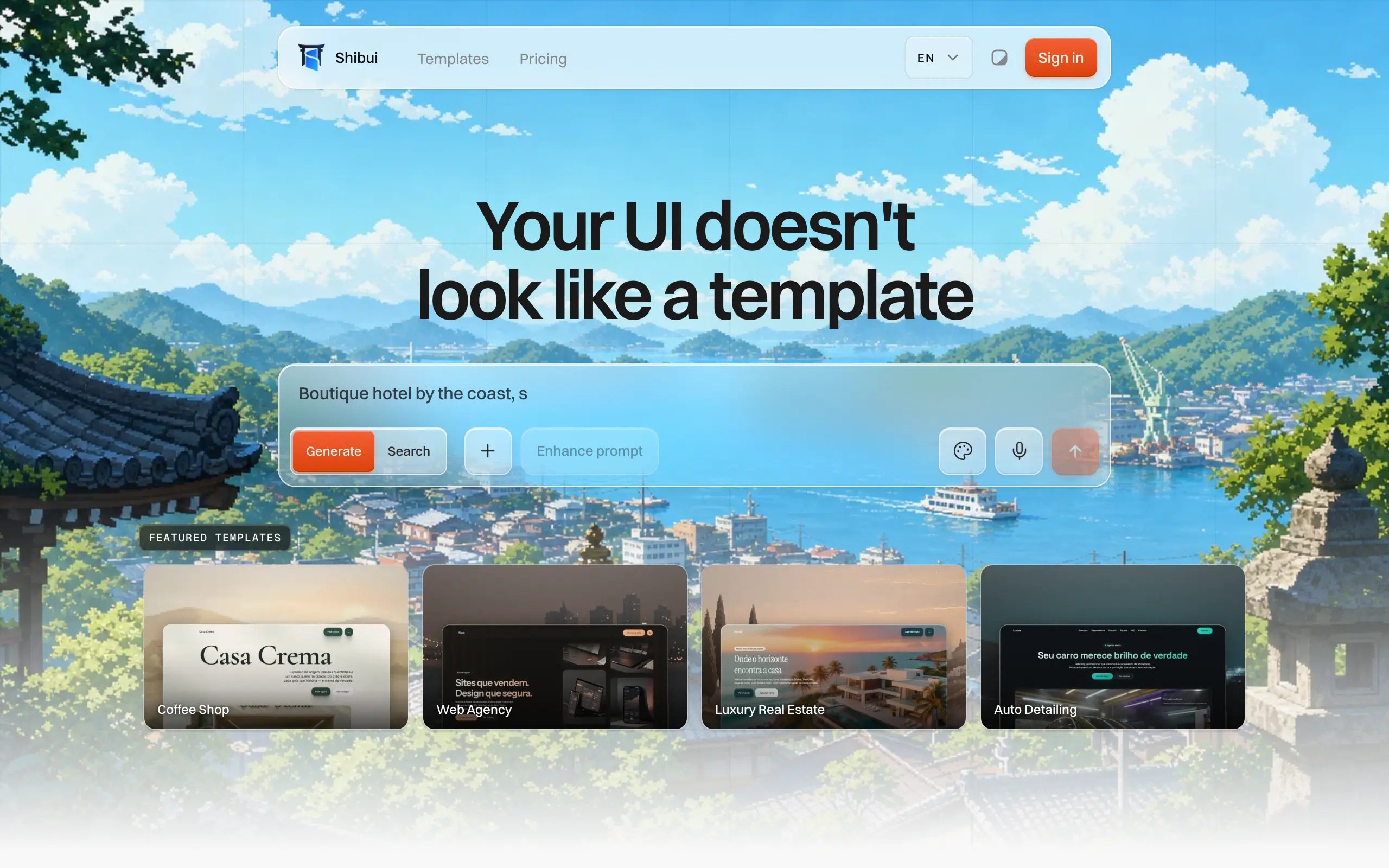
Shibui
AI website builder - describe your business, pick a niche template, edit by chatting, and publish instantly ✨

Pro Service
Find verified home service professionals, compare quotes, and pay securely through escrow - built for Brazilians across the US 🏠
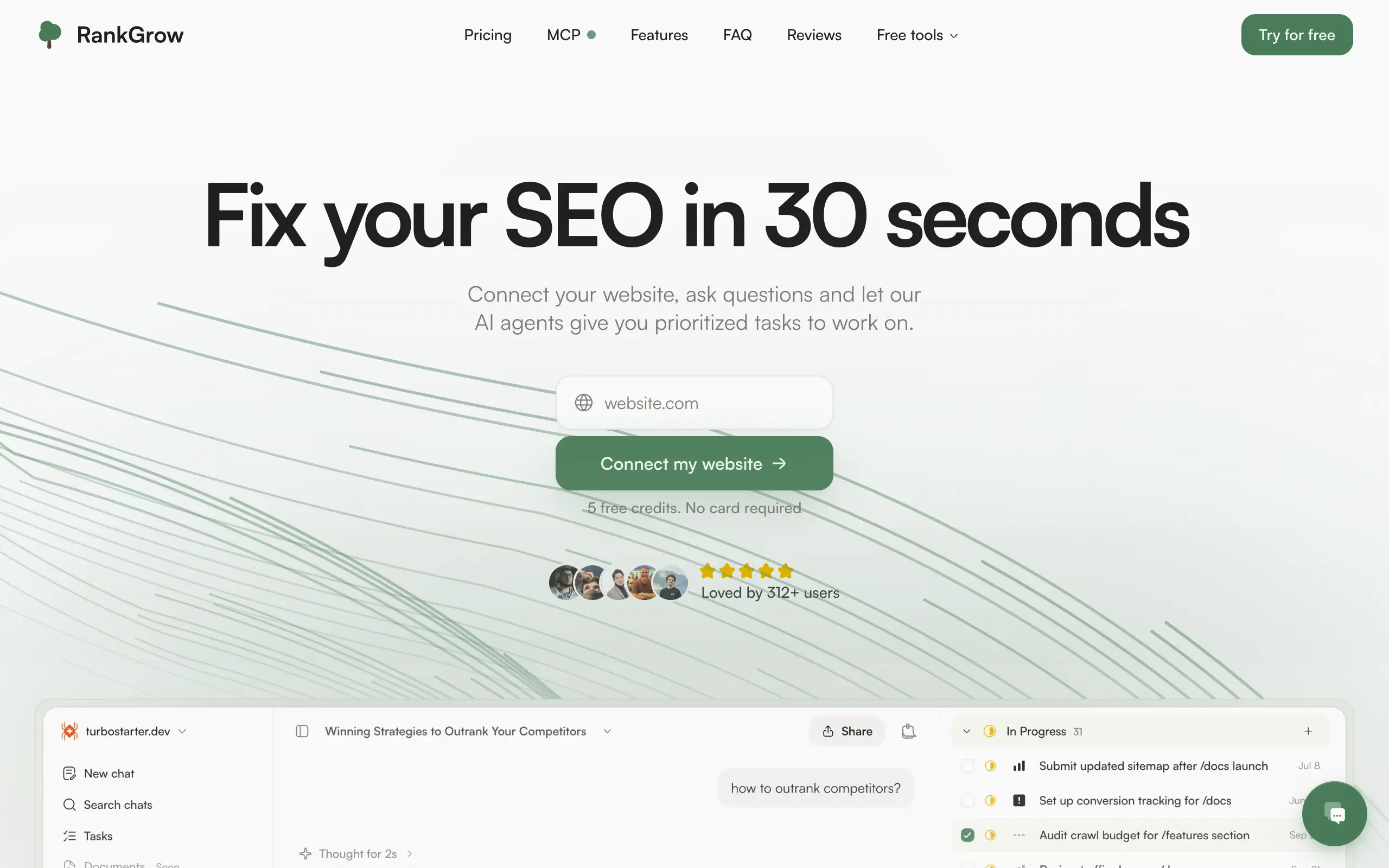
RankGrow
Fix your SEO with AI agents - connect Search Console, get prioritized tasks, and grow organic traffic 📈
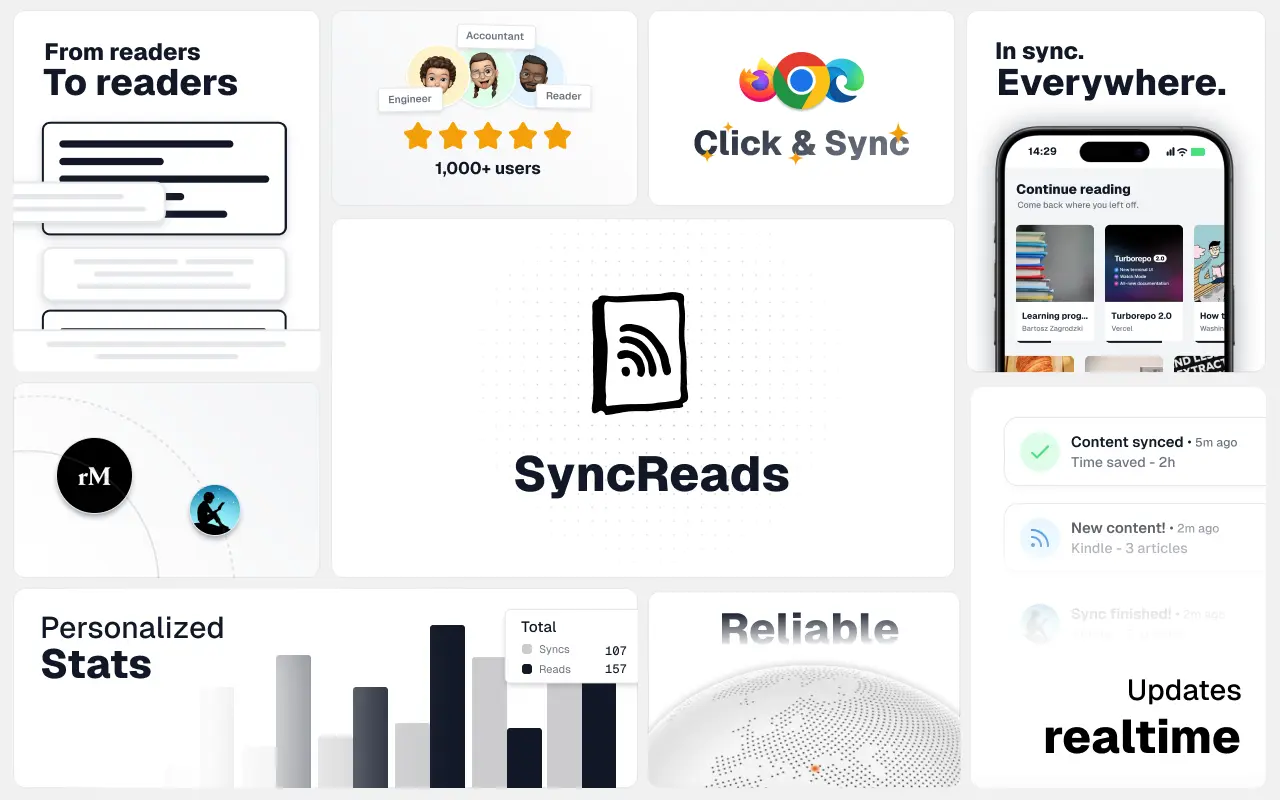
SyncReads
Sync your favorite content for distraction-free reading, save time and replace multiple apps. Anytime, anywhere 🔄
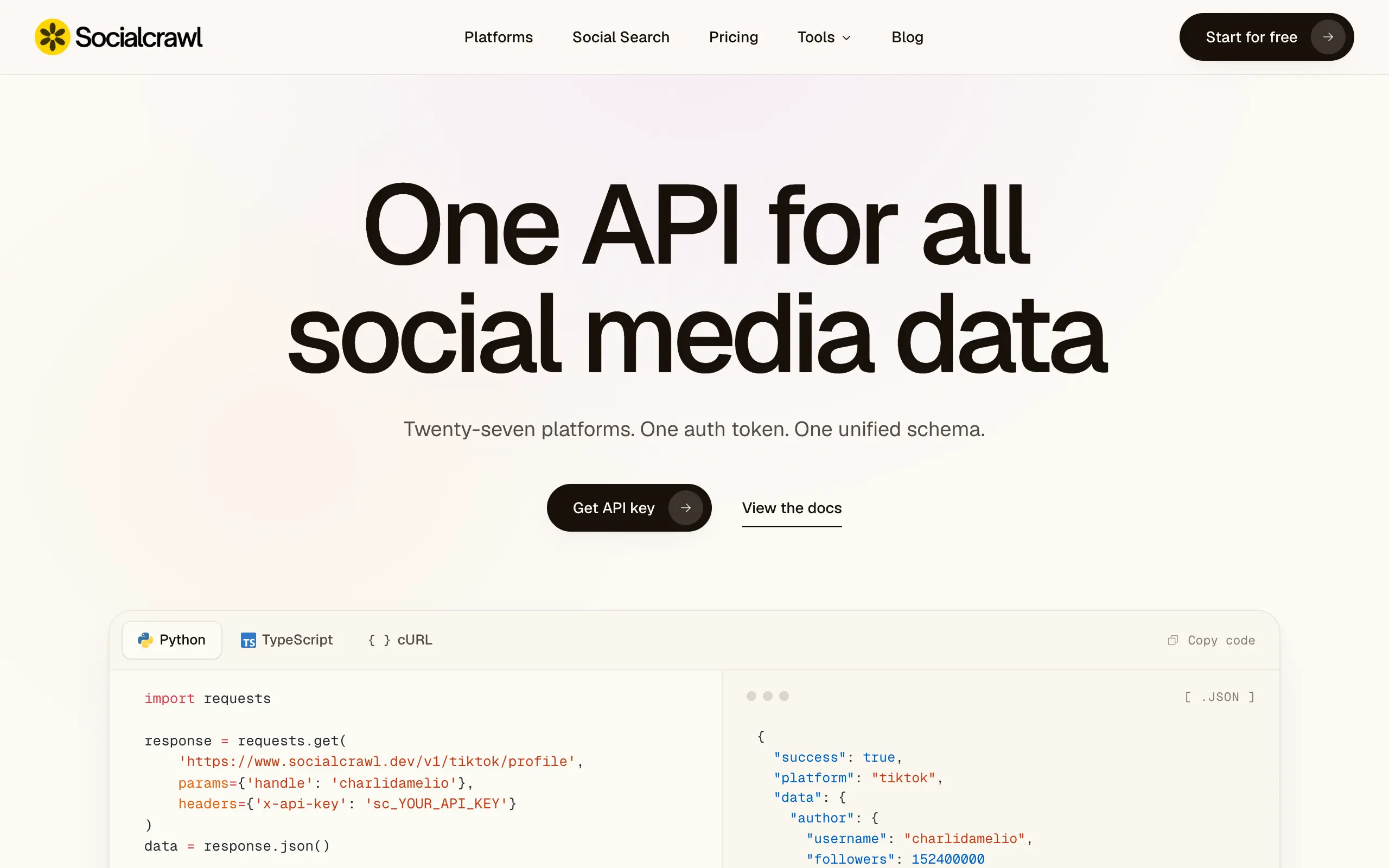
Socialcrawl
Get clean, structured data from 21 platforms like TikTok, Instagram, and YouTube with a single request 📊
Statiko
Monitor any Telegram channel in real time - track posts, edits, deletions, and growth with AI recaps 📡
Shibui
AI website builder - describe your business, pick a niche template, edit by chatting, and publish instantly ✨
Pro Service
Find verified home service professionals, compare quotes, and pay securely through escrow - built for Brazilians across the US 🏠
RankGrow
Fix your SEO with AI agents - connect Search Console, get prioritized tasks, and grow organic traffic 📈
SyncReads
Sync your favorite content for distraction-free reading, save time and replace multiple apps. Anytime, anywhere 🔄
Socialcrawl
Get clean, structured data from 21 platforms like TikTok, Instagram, and YouTube with a single request 📊
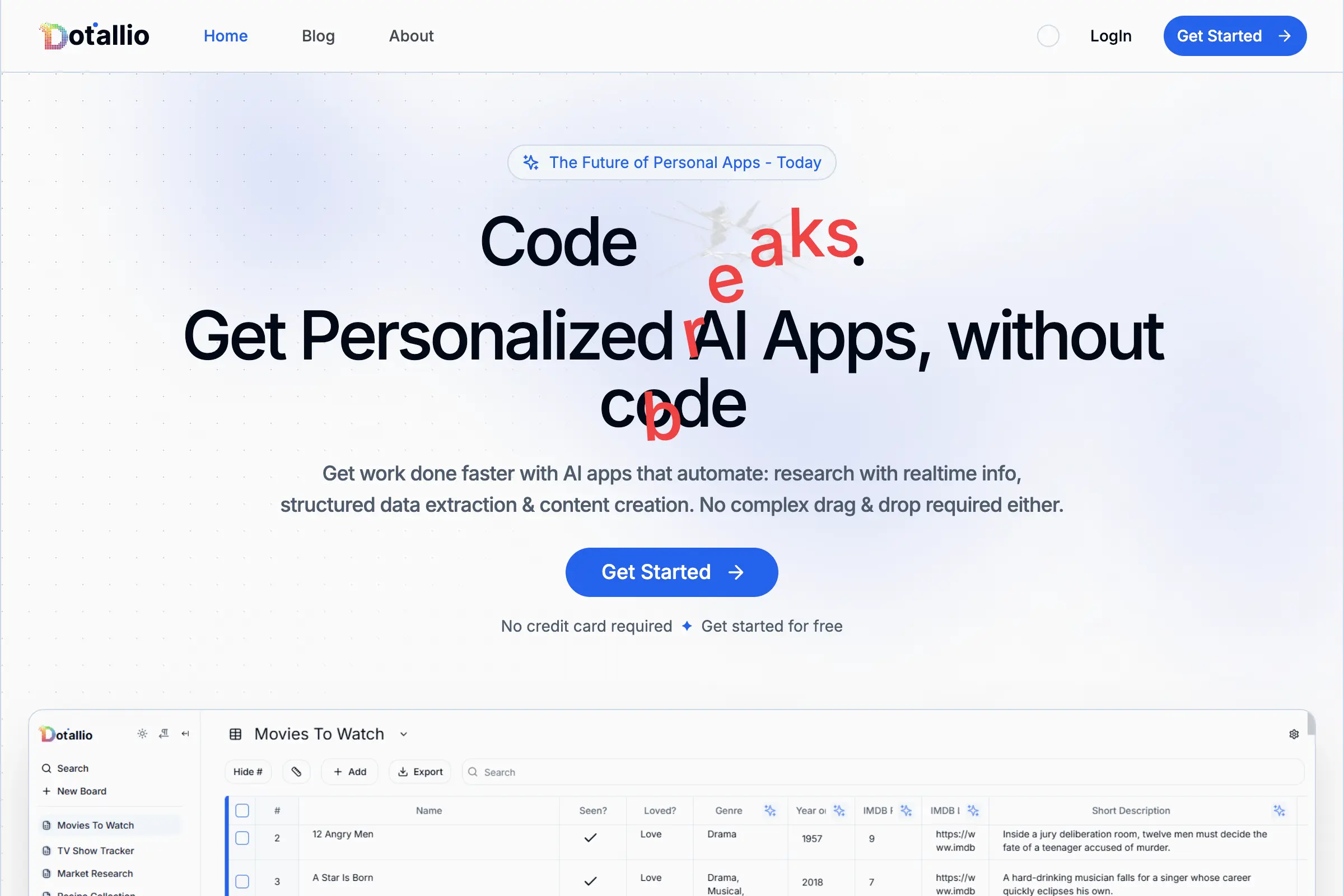
Dotallio
Personalized AI apps that automate research, data extraction, and content creation without code 🤖
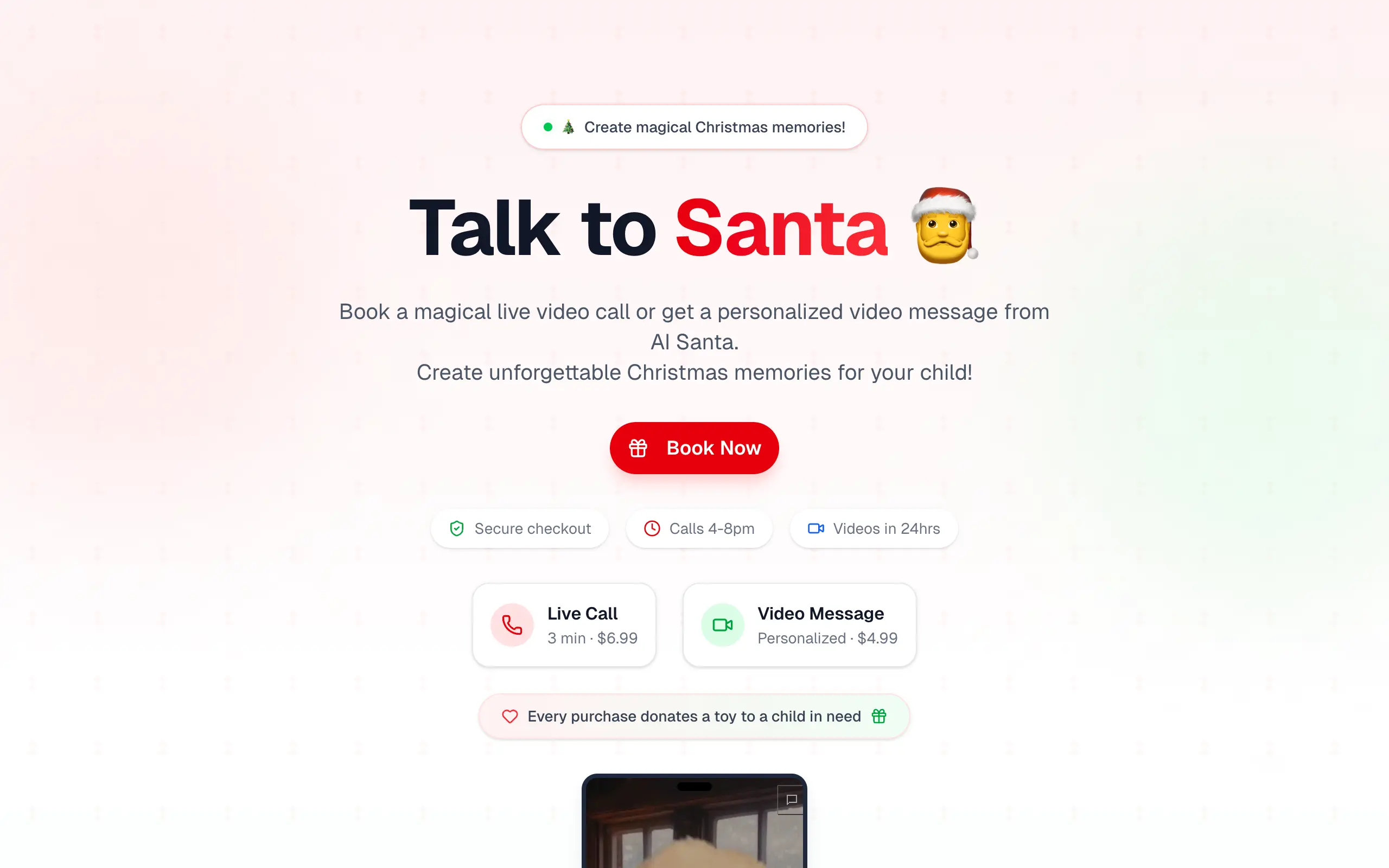
Talk to Santa
Enjoy a magical live video chat or receive a unique AI-generated video greeting from Santa Claus 🎅

pozywka.pl
Scalable blog for food journalist, focused on performance and user experience 🌭
zagrodzki.me
Personal blog and portfolio of Bart Zagrodzki, where he shares his knowledge and work 💼
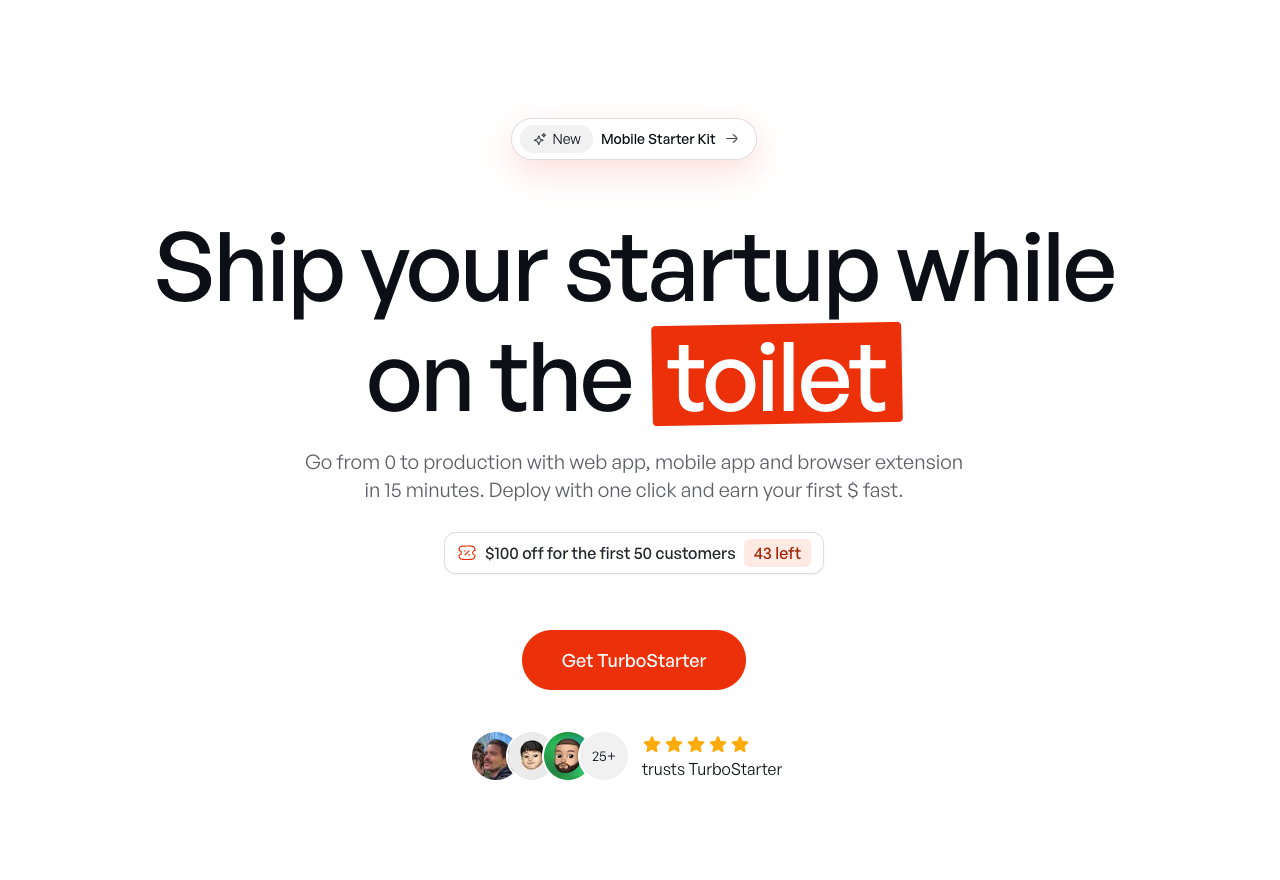
TurboStarter
Ship your startup everywhere. In minutes.
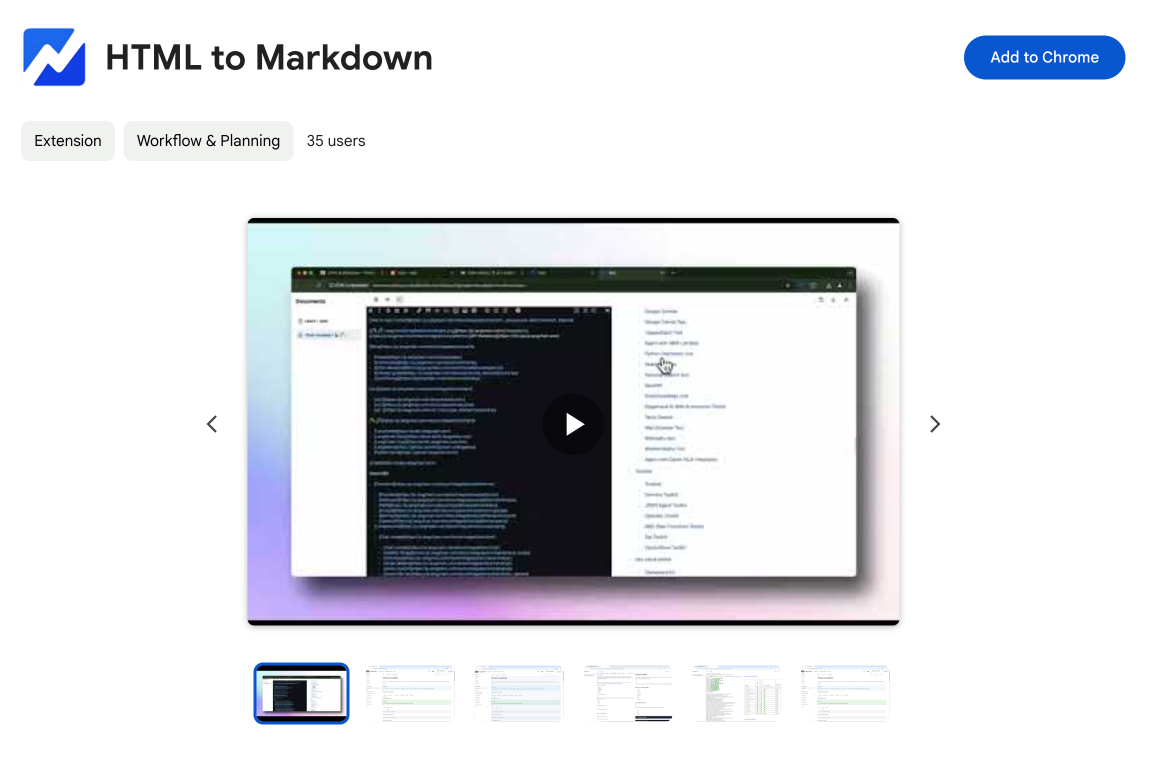
HTML to Markdown
Convert HTML to Markdown with ease, directly in your browser 📄
Dotallio
Personalized AI apps that automate research, data extraction, and content creation without code 🤖
Talk to Santa
Enjoy a magical live video chat or receive a unique AI-generated video greeting from Santa Claus 🎅
pozywka.pl
Scalable blog for food journalist, focused on performance and user experience 🌭
zagrodzki.me
Personal blog and portfolio of Bart Zagrodzki, where he shares his knowledge and work 💼
TurboStarter
Ship your startup everywhere. In minutes.
HTML to Markdown
Convert HTML to Markdown with ease, directly in your browser 📄
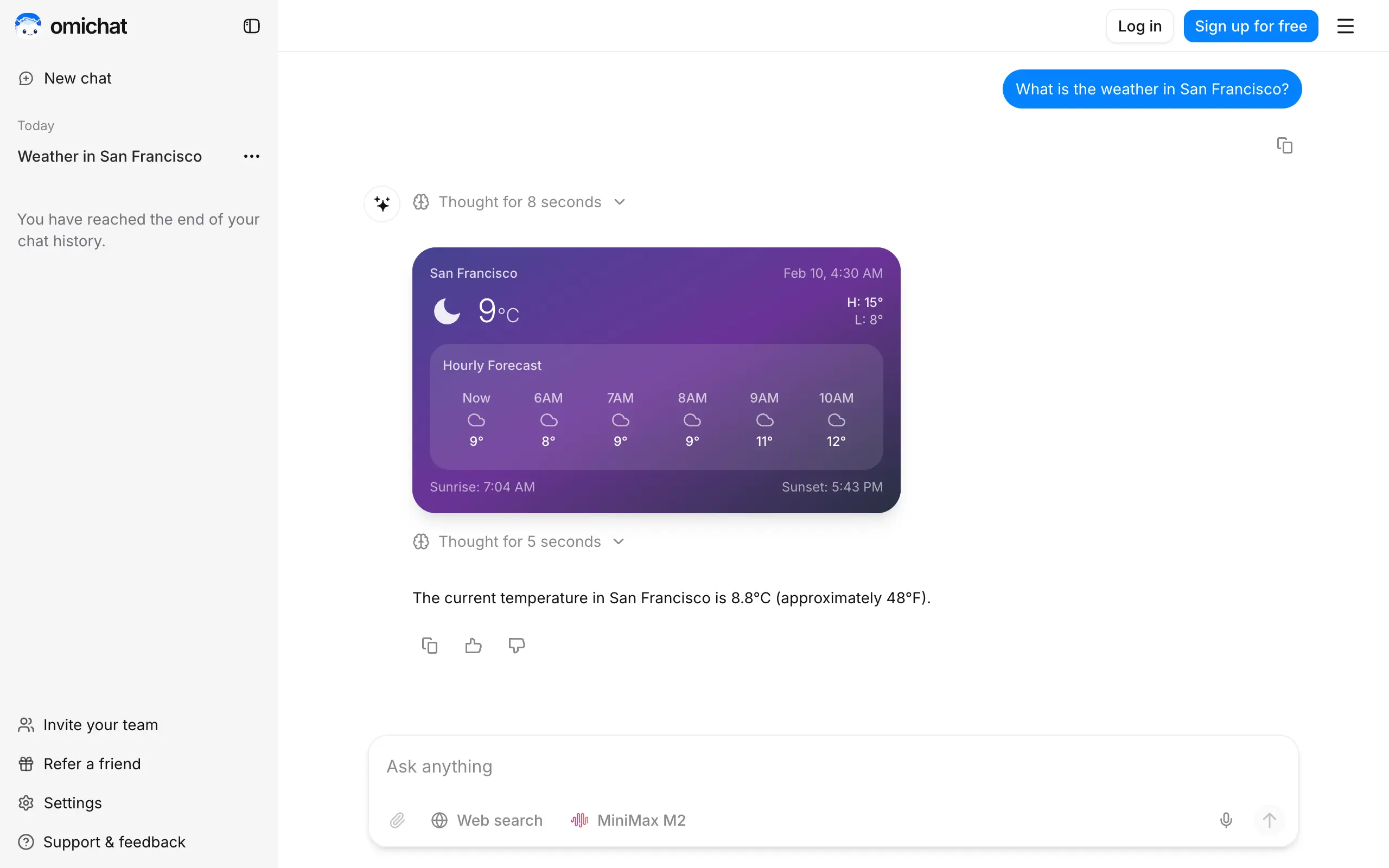
Omichat
Chat with 50+ AI models, including ChatGPT and Claude, in one place - switch models anytime without losing context 🤖
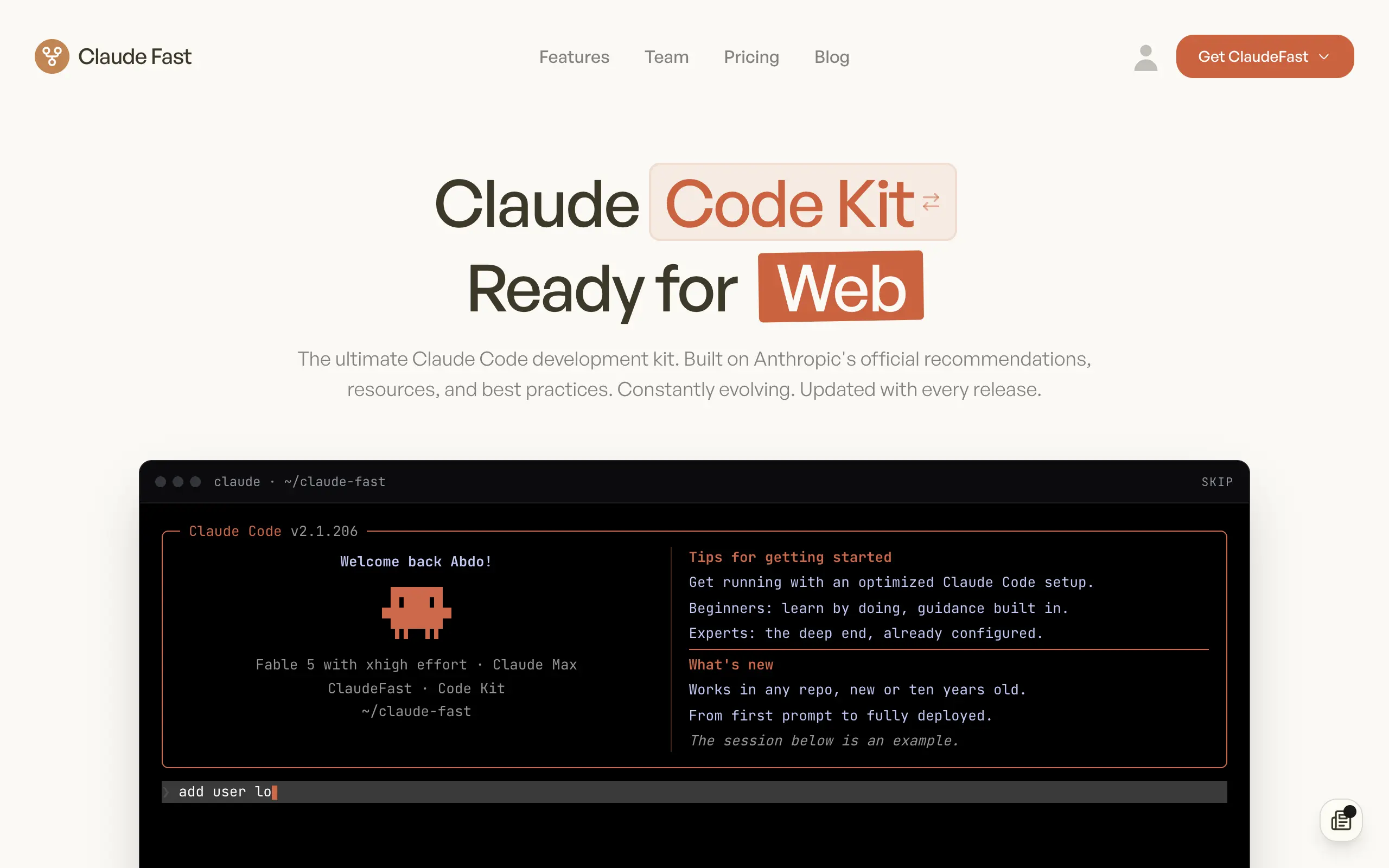
Claude Fast
Supercharge your Claude Code with 6x effective context window and specialized AI agents 🤖
EmojAI
AI-powered emoji picker with smart, context-aware suggestions 🤖

Solohacker
Autonomous company launcher - AI agents work 24/7, escalate what matters, and you stay in control 🤖

BeRawi: Storytelling Coach
Practice storytelling daily with instant feedback to sound clearer, more engaging, and confident 🎤
Omichat
Chat with 50+ AI models, including ChatGPT and Claude, in one place - switch models anytime without losing context 🤖
Claude Fast
Supercharge your Claude Code with 6x effective context window and specialized AI agents 🤖
EmojAI
AI-powered emoji picker with smart, context-aware suggestions 🤖
Solohacker
Autonomous company launcher - AI agents work 24/7, escalate what matters, and you stay in control 🤖
BeRawi: Storytelling Coach
Practice storytelling daily with instant feedback to sound clearer, more engaging, and confident 🎤

Connect with like-minded people
Join our community to get feedback, support, and grow together with 1,000+ builders on board, let's ship it!
Join usShip your startup everywhere. In minutes.
Don't burn tokens on setup and start building features on day one.