DropSmart AI
An AI-driven platform that automates product research, supplier negotiation, and inventory management for drop shippers, using predictive analytics to identify trending products and optimize pricing strategies.
Target Audience
Drop shippers and e-commerce entrepreneurs looking for an edge in the highly competitive online market will find immense value in this AI-driven solution. By automating essential tasks, the platform is designed to address common pain points such as:
- Time-consuming product research: Allowing users to effortlessly identify trending products.
- Inefficient supplier negotiations: Providing automated strategies to secure better deals.
- Inconsistent inventory management: Leveraging predictive analytics for seamless stocking and pricing strategies.
Small to medium-sized businesses (SMBs), seasoned online retailers, and even newcomers aiming to break into the dropshipping space are all ideal candidates. The solution caters to those who are not only tech-savvy but also eager to embrace automation and data-driven decision-making in their business operations.
Market Opportunity
The e-commerce market is currently experiencing exponential growth, and dropshipping is at the forefront of this revolution. The demand for efficient e-commerce tools continues to skyrocket as more entrepreneurs turn to automated solutions to streamline operations. Trends within the market indicate:
- A massive shift toward digital and mobile shopping experiences.
- Increased reliance on data analytics to drive business success.
- A surge in AI adoption for real-time decision supports across industries.
In this dynamic environment, our AI-driven solution positions itself as a game changer by offering:
- Real-time predictive analytics: Helping entrepreneurs stay ahead by anticipating market shifts.
- Automation of repetitive tasks: Allowing businesses to focus on strategy and growth rather than day-to-day management.
- Cost efficiency: Reducing overhead by minimizing manual interventions and errors in critical areas such as pricing and inventory management.
This market opportunity is not only significant in size but also growing steadily, providing a sustainable avenue for recurring revenue through subscriptions and usage fees.
Tech Stack and Development Acceleration
The platform harnesses the power of modern technologies across both the front and back end. The tech stack is carefully chosen to accommodate scale, flexibility, and robust AI computations.
Frontend and User Experience
- React for a fluid, responsive user interface.
- Next.js to enable server-side rendering, ensuring quick load times and optimal SEO performance.
- Tailwind CSS for a clean, customizable design system.
Backend and AI Integration
- Node.js and Express for creating a fast and scalable API.
- Python alongside frameworks like TensorFlow or PyTorch for machine learning and predictive analytics.
- MongoDB or PostgreSQL as the database solution to handle unstructured and structured data.
Given the modular nature of the project, developers can accelerate the initial setup using a starter kit like TurboStarter. This toolkit is engineered to simplify the setup of web, mobile, and browser extension projects, offering robust boilerplate code for rapid implementation. Below is an example of how a simple function in the stack might work:
const runAnalysis = () => {
  console.log("Predictive analytics initiated.");
}
By leveraging such tools, the development phase can be significantly shortened, allowing the core business logic to be refined and tested sooner.
Monetization Strategy
A well-defined monetization strategy is crucial for capturing the full potential of the market opportunity. The platform can generate revenue through multiple streams:
- Subscription Plans: Offer tiered pricing models that cater to different business sizes, with premium options unlocking advanced analytics, premium support, and additional automation features.
- Transaction Fees: Implement a small fee on each successful supplier negotiation or transaction processed through the platform.
- Freemium Model: Provide basic features for free to engage users and lure them towards premium subscriptions as they experience the benefits firsthand.
- Add-On Services: Offer consulting, customization, or dedicated training sessions to large enterprises or high-volume users.
Additionally, integrating value-added features can further enhance the monetization strategy:
- Exclusive dashboards and AI reports for premium customers.
- Data insights subscription that aggregates anonymized trends from multiple users.
- API integrations with popular e-commerce platforms to broaden the system’s reach.
This diversified strategy ensures multiple revenue channels, making the platform resilient to market fluctuations.
Automation & AI Insights
Experience streamlined processes from research to supplier negotiations, powered by state-of-the-art AI.
Risks
While the market opportunity and tech advancement are highly promising, potential challenges and risks should not be underestimated:
- Data Privacy and Security: Handling sensitive business data requires strict compliance with data privacy regulations (e.g., GDPR). Any data breach could severely damage trust and brand reputation.
- High Initial Setup Costs: Adoption of advanced AI systems may lead to high upfront costs in terms of both capital investment and specialized talent.
- Market Competition: The e-commerce automation space is becoming increasingly crowded. Staying ahead will require continuous innovation and substantial investment in research and development.
- Dependency on Third-Party Platforms: Relying on external e-commerce and supplier databases may pose integration risks if those platforms change their APIs or pricing models.
- Scalability Challenges: Rapid growth might lead to unforeseen scalability issues that could affect service performance, impacting user experience and satisfaction.
Overcoming these risks will require a combination of robust technical architecture, strategic planning, and a proactive approach toward market changes.
Security Alert
Ensuring data protection measures and regularly updating security protocols is non-negotiable in this advanced tech environment.
Competitive Advantages
In a market filled with generic solutions, our AI-driven platform carves out a unique niche by focusing on three core areas:
Advanced AI Capabilities
- Predictive Analytics: Real-time insights help businesses adjust strategies proactively.
- Machine Learning Optimization: Constantly refined algorithms provide more accurate predictions over time.
End-to-End Automation
- Integrated Workflow: From finding trending products to negotiating better supplier deals, every step is automated.
- User-Friendly Interface: Designed with the end-user in mind, simplifying complex processes for anyone regardless of technical proficiency.
Flexibility and Scalability
- Modular Design: Easy to adapt and customize, catering to diverse business needs.
- Rapid Implementation: Technologies like TurboStarter enable quick deployments, making it easy to get started and iterate based on user feedback.
Beyond these technical advantages, the platform emphasizes continuous improvement and community engagement, ensuring that as market demands evolve, the solution adapts seamlessly. With this approach, clients not only receive a robust toolset but also a partner dedicated to their long-term success.
Core Benefits:
- Automation of labor-intensive tasks.
- Real-time market data insights.
- Superior negotiation strategies based on analytics.
Future Enhancements:
- Expansion to additional e-commerce channels.
- Integration of augmented reality for better product visualization.
- Development of a community-centric platform for shared insights.
Implementation Roadmap
The journey from concept to a fully operational platform involves several well-planned steps that ensure success and scalability. Breaking down the implementation roadmap into digestible phases allows for systematic progress and alignment with business goals.
Detailed Implementation Phases
The following sections detail how each phase contributes to the overall success of the platform.
Research and Planning
The initial stage involves deep market research and strategic planning. This phase is critical to:
- Identify Customer Needs: Engage with potential users to understand the specific challenges they face in product research and supplier negotiation.
- Competitive Analysis: Understand the existing market landscape, competitor offerings, and potential gaps that our platform can exploit.
- Define Scope and Requirements: Draft a detailed project scope, emphasizing the integration of advanced AI for analytics and automation.
In this phase, collaboration with industry experts and potential early adopters can significantly enhance the product roadmap. Incorporating market feedback early on ensures that the platform is tailored to meet the real needs of its user base.
Technical Architecture and System Design
After thorough market research, the next step is to lay out the technical architecture. Key considerations include:
- Scalability: Ensuring that the system can handle growing amounts of data and increased user activity.
- Modularity: Allowing for future enhancements and feature expansions without major overhauls.
- Security: Integrating strong security protocols in the design phase to safeguard sensitive data from the outset.
Exploring starter kits like TurboStarter can streamline the development process by offering pre-built modules that are both robust and scalable. This early investment in a solid architecture pays off in reduced rework and faster time to market.
AI Model Development
At the heart of the platform lies the AI model. This phase focuses on:
- Data Collection and Cleansing: Aggregating historical data on product trends, supplier negotiations, and inventory levels.
- Algorithm Development: Building machine learning models that can accurately predict product trends and optimize pricing strategies.
- Continuous Training and Improvement: Setting up pipelines for regular model updates based on new data inputs and user feedback.
A technical snippet illustrating how such an AI function might be integrated is shown below:
const predictTrendingProducts = (data) => {
  // Process data to extract product trends
  const trends = data.map(item => ({
    productId: item.id,
    trendScore: Math.random() * 100, // placeholder for predictive score
  }));
  return trends;
}
This simple function highlights the conceptual flow from data processing to generating insights, a critical step in the overall automation process.
User Interface and Experience (UI/UX)
An intuitive and engaging interface is essential for user adoption. Development during this phase involves:
- Responsive Design: Ensuring the platform is accessible on both desktop and mobile devices.
- User-Centric Development: Prioritizing ease of use, with features like drag-and-drop interfaces for product research, dashboard-driven analytics, and clear visualization of AI insights.
- Iterative Testing: Utilizing beta testing to gather user feedback, which informs refinements to layouts, navigation, and overall user flow.
By building a user interface that aligns closely with user needs, the platform not only becomes more accessible but also empowers drop shippers to make data-driven decisions with confidence.
Integration and Testing
Before the final rollout, the platform undergoes rigorous testing phases. Key testing elements include:
- Functional Testing: Verifying every feature, from supplier negotiation modules to inventory management dashboards.
- Security Audits: Conducting thorough checks to ensure that all data protection measures are robust and compliant.
- Performance Optimization: Stress-testing the platform to ensure it can handle high volumes of simultaneous users and large datasets.
Detailed test cases including system load, real-world data simulations, and API responsiveness should be comprehensively covered.
Launch and Marketing
The final phase deals with the public rollout. Activities in this stage include:
- Marketing Campaigns: Leverage social media, influencer partnerships, and targeted advertising to reach the drop shipping community.
- Customer Onboarding: Providing in-depth tutorials, documentation, and customer support to ease new users into the platform.
- Continuous Monitoring: Post-launch, it is crucial to monitor system performance and user engagement, allowing for quick adaptations if issues arise.
Competitive Landscape and Tactical Edge
Navigating a market with seasoned competitors requires not only technological finesse but also a strategic business approach. Some of the key competitive advantages are:
- Innovation in AI: While many alternatives use basic analytics, our platform harnesses the power of advanced AI to deliver forward-thinking insights.
- Full Automation Cycle: Unlike competitors who may focus solely on product research or inventory management, our solution automates the end-to-end lifecycle, offering comprehensive support to users.
- Scalability and Customization: The solution is built with growth in mind. Businesses can start small and expand, adding new features and integrations as needed without disruption.
- User Empowerment: The platform is not just a tool; it’s a partner in growth. By easing operational burdens, it allows users to focus on strategic decision-making and business expansion.
This combination of features creates a robust competitive advantage in a space that is often fragmented. Instead of piecing together multiple tools, users gain access to an integrated system that evolves with their business needs.
Conclusion and Implementation Steps
Bringing this advanced solution to fruition involves clear, actionable steps that pave the way from ideation to launch. The following steps summarize the implementation pathway:
Embracing these steps ensures a well-rounded, user-centric, and technologically sound solution that is set to redefine how drop shippers leverage AI for business growth. By meticulously following this roadmap, developers can overcome potential challenges, mitigate risks, and ultimately deliver a product that stands out in the crowded e-commerce landscape.
For those ready to take the leap into building this cutting-edge platform, the process might seem daunting at first. However, the combination of strong technical foundations, modern development tools, and clear monetization strategies creates a compelling blueprint for success.
This implementation approach not only streamlines the development but also positions the platform as a long-term partner in your business success. With every phase carefully planned and executed, the project moves from an innovative concept to a market-leading solution that empowers drop shippers worldwide.
By tackling each step methodically—from rigorous market research to accelerated development with TurboStarter—the platform is poised to harness both the technological and strategic advantages necessary to excel in the competitive e-commerce ecosystem.
More 🤖 AI Startup SaaS ideas
Discover more innovative ai startup SaaS ideas that are trending in 2026. Each idea is AI-generated with market validation and growth potential to help you find your next profitable venture faster than competitors.
Your competitors are building with TurboStarter
Below are some of the SaaS ideas that have been generated and built with our starter kit.

Statiko
Monitor any Telegram channel in real time - track posts, edits, deletions, and growth with AI recaps 📡

Shibui
AI website builder - describe your business, pick a niche template, edit by chatting, and publish instantly ✨

Pro Service
Find verified home service professionals, compare quotes, and pay securely through escrow - built for Brazilians across the US 🏠
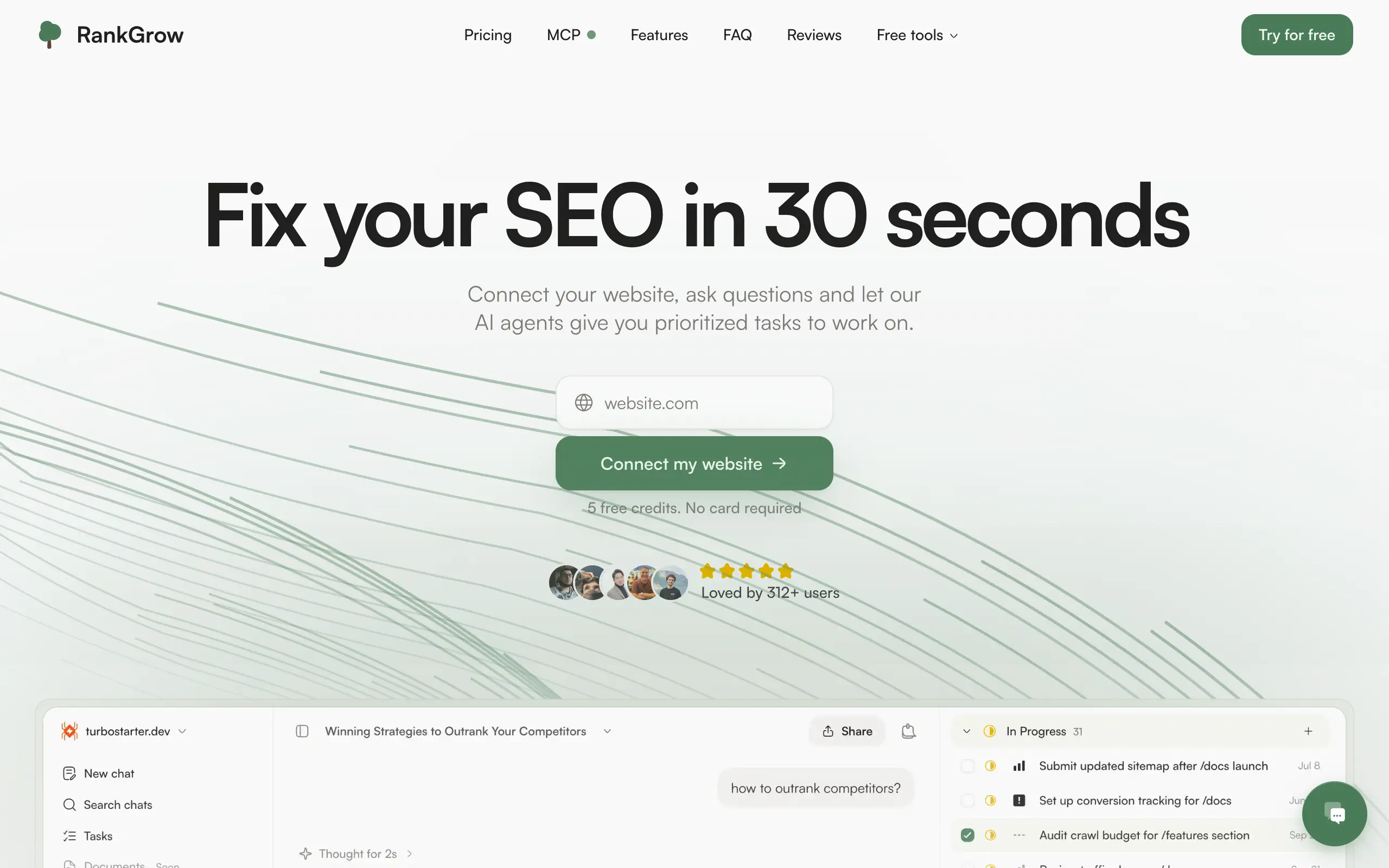
RankGrow
Fix your SEO with AI agents - connect Search Console, get prioritized tasks, and grow organic traffic 📈
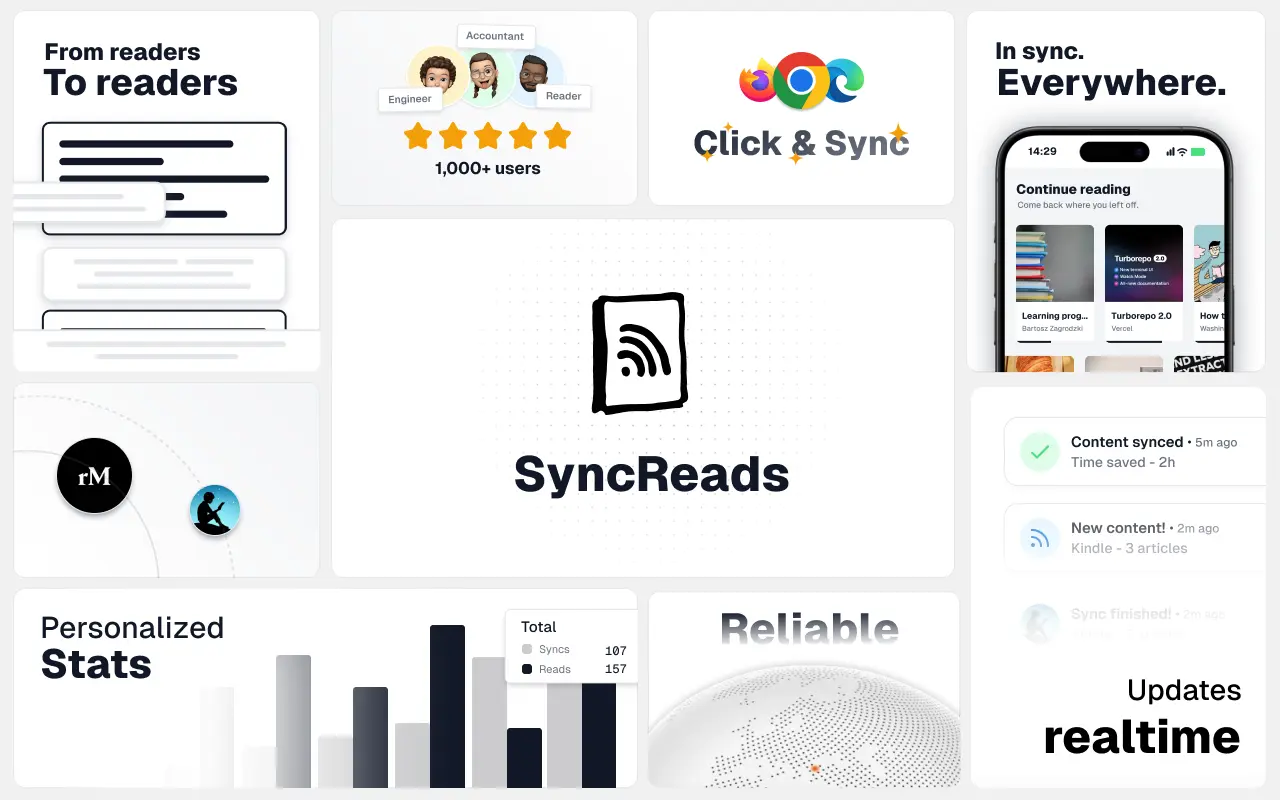
SyncReads
Sync your favorite content for distraction-free reading, save time and replace multiple apps. Anytime, anywhere 🔄
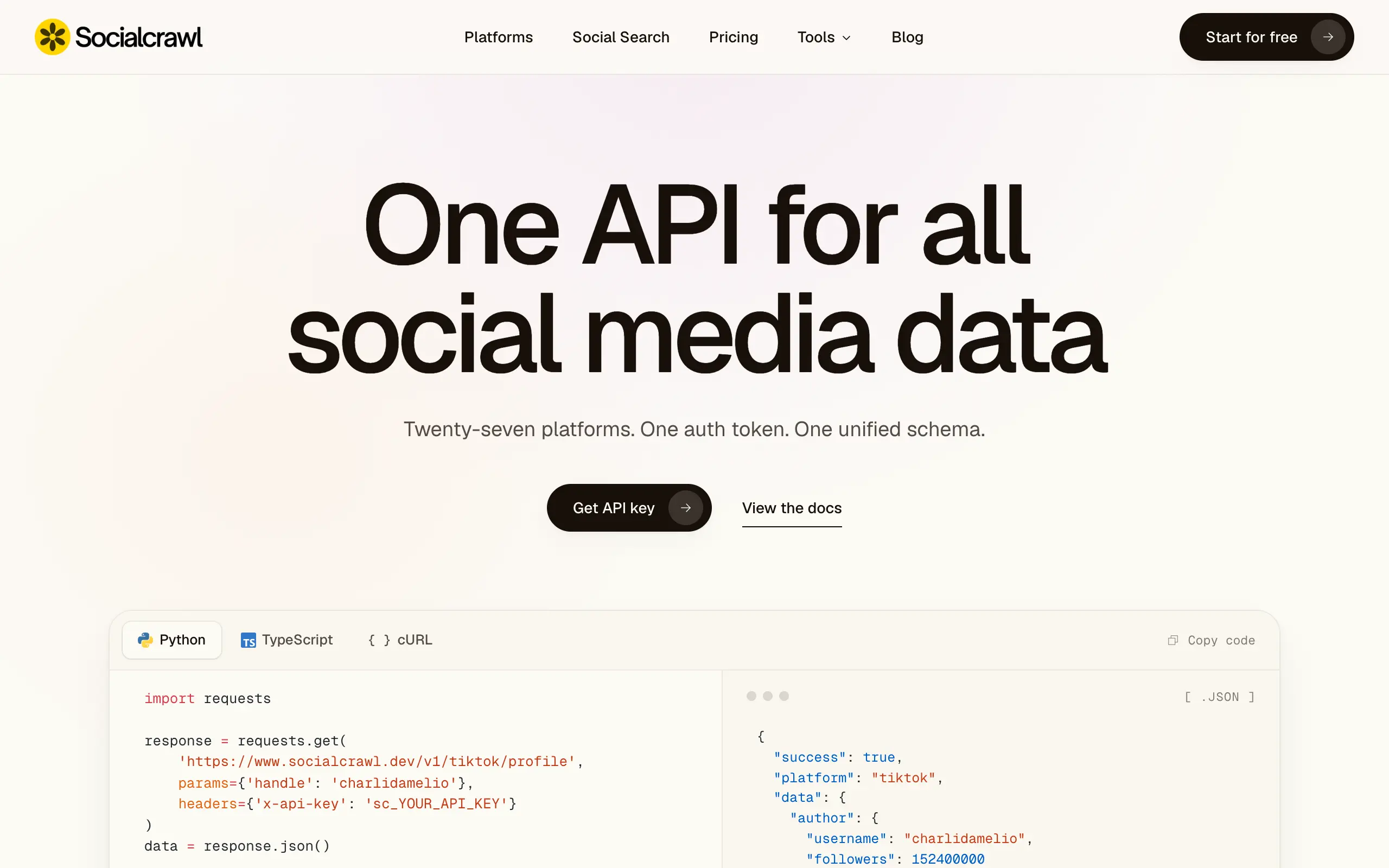
Socialcrawl
Get clean, structured data from 21 platforms like TikTok, Instagram, and YouTube with a single request 📊
Statiko
Monitor any Telegram channel in real time - track posts, edits, deletions, and growth with AI recaps 📡
Shibui
AI website builder - describe your business, pick a niche template, edit by chatting, and publish instantly ✨
Pro Service
Find verified home service professionals, compare quotes, and pay securely through escrow - built for Brazilians across the US 🏠
RankGrow
Fix your SEO with AI agents - connect Search Console, get prioritized tasks, and grow organic traffic 📈
SyncReads
Sync your favorite content for distraction-free reading, save time and replace multiple apps. Anytime, anywhere 🔄
Socialcrawl
Get clean, structured data from 21 platforms like TikTok, Instagram, and YouTube with a single request 📊
Statiko
Monitor any Telegram channel in real time - track posts, edits, deletions, and growth with AI recaps 📡
Shibui
AI website builder - describe your business, pick a niche template, edit by chatting, and publish instantly ✨
Pro Service
Find verified home service professionals, compare quotes, and pay securely through escrow - built for Brazilians across the US 🏠
RankGrow
Fix your SEO with AI agents - connect Search Console, get prioritized tasks, and grow organic traffic 📈
SyncReads
Sync your favorite content for distraction-free reading, save time and replace multiple apps. Anytime, anywhere 🔄
Socialcrawl
Get clean, structured data from 21 platforms like TikTok, Instagram, and YouTube with a single request 📊
Statiko
Monitor any Telegram channel in real time - track posts, edits, deletions, and growth with AI recaps 📡
Shibui
AI website builder - describe your business, pick a niche template, edit by chatting, and publish instantly ✨
Pro Service
Find verified home service professionals, compare quotes, and pay securely through escrow - built for Brazilians across the US 🏠
RankGrow
Fix your SEO with AI agents - connect Search Console, get prioritized tasks, and grow organic traffic 📈
SyncReads
Sync your favorite content for distraction-free reading, save time and replace multiple apps. Anytime, anywhere 🔄
Socialcrawl
Get clean, structured data from 21 platforms like TikTok, Instagram, and YouTube with a single request 📊
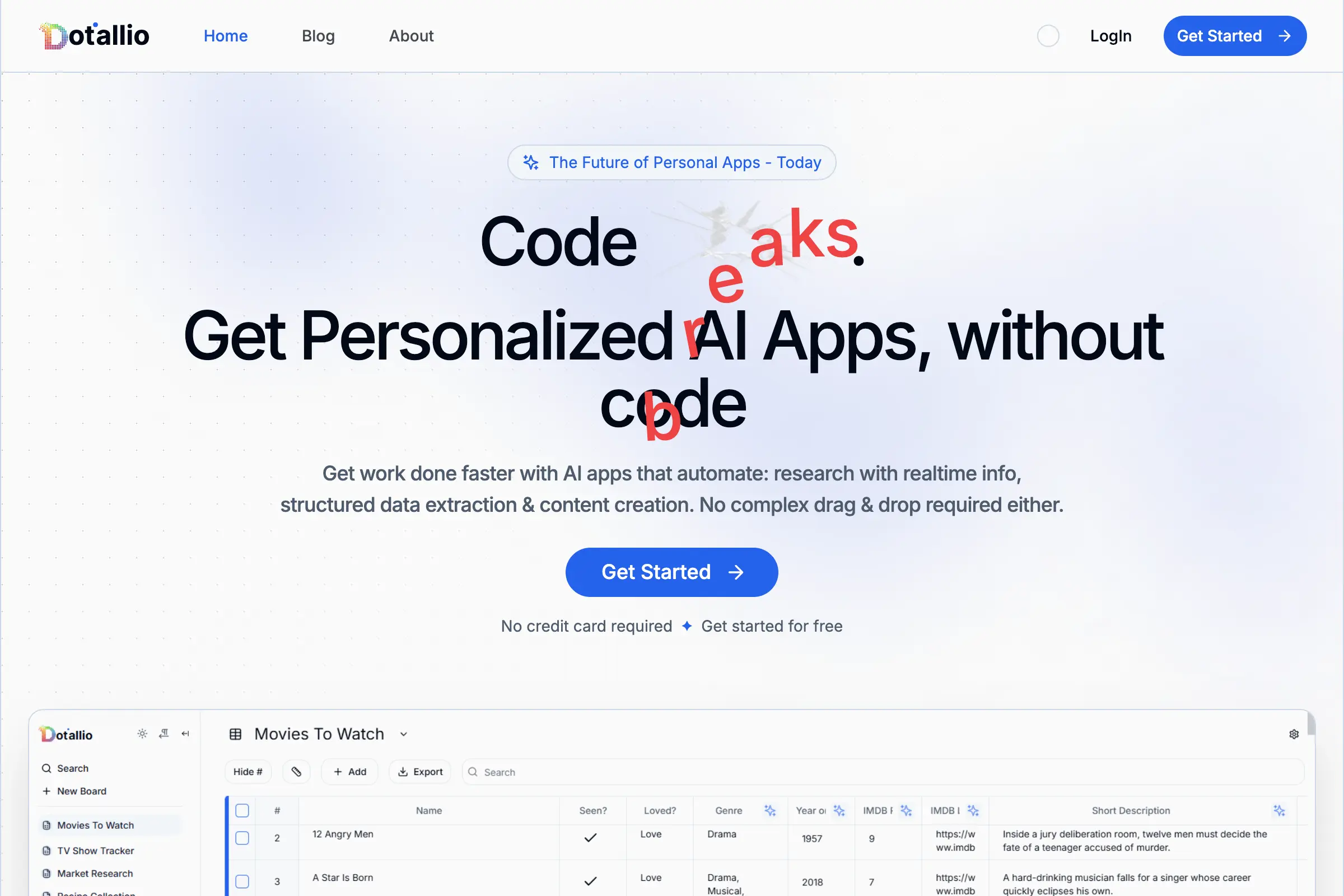
Dotallio
Personalized AI apps that automate research, data extraction, and content creation without code 🤖

Talk to Santa
Enjoy a magical live video chat or receive a unique AI-generated video greeting from Santa Claus 🎅

pozywka.pl
Scalable blog for food journalist, focused on performance and user experience 🌭
zagrodzki.me
Personal blog and portfolio of Bart Zagrodzki, where he shares his knowledge and work 💼
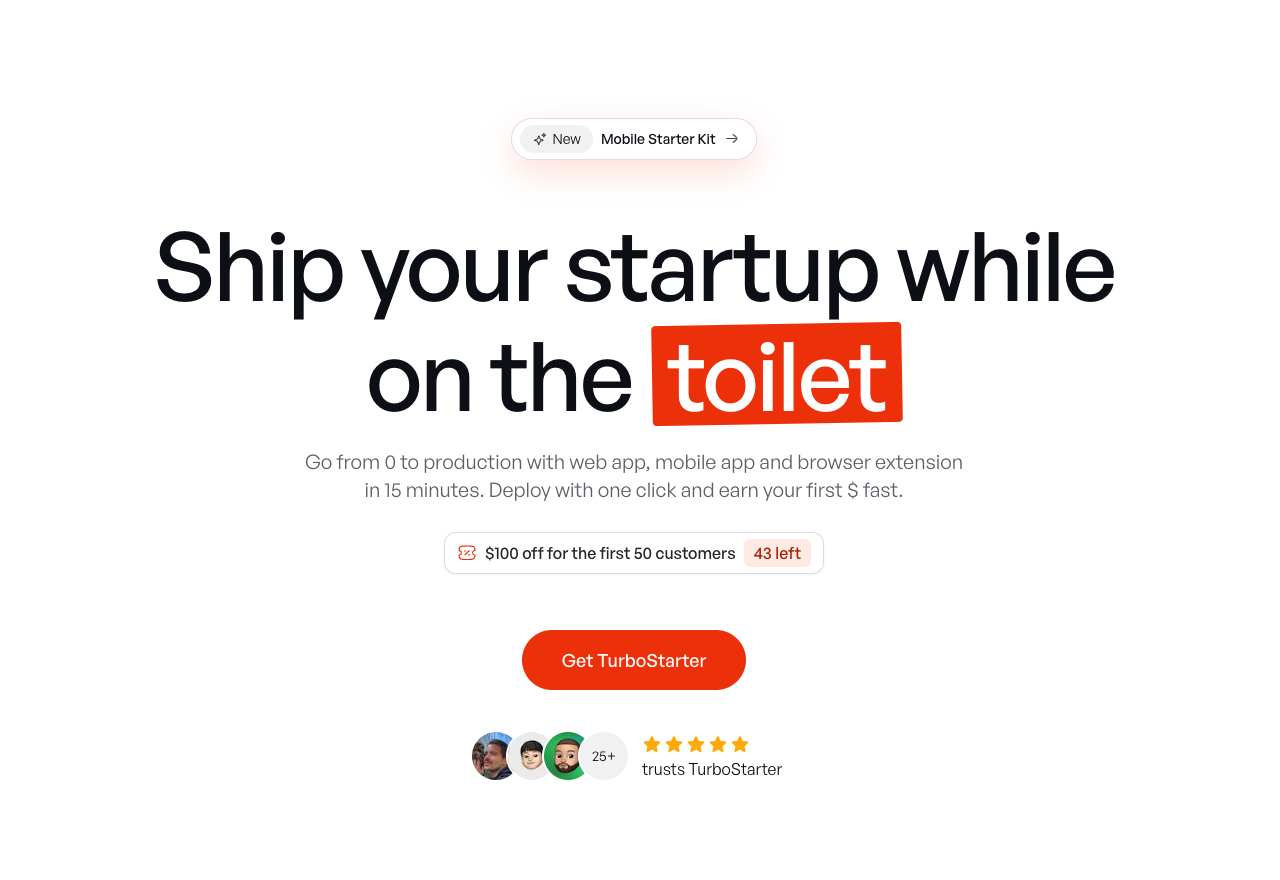
TurboStarter
Ship your startup everywhere. In minutes.
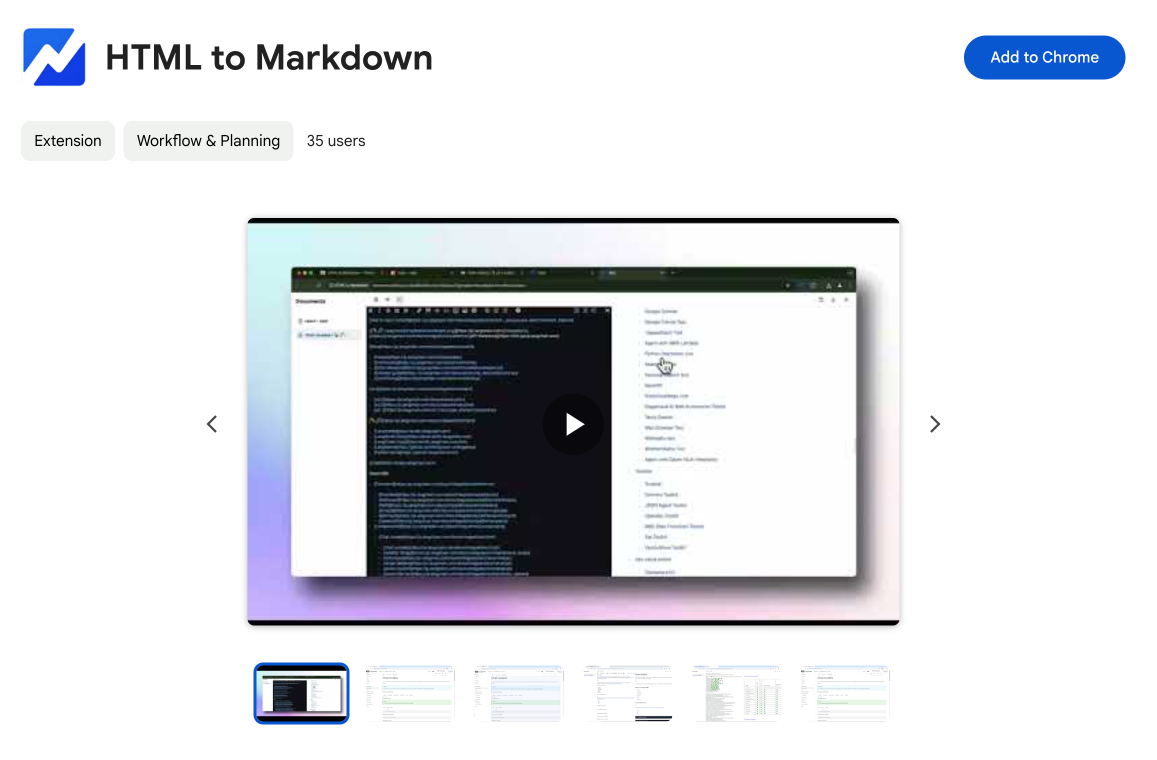
HTML to Markdown
Convert HTML to Markdown with ease, directly in your browser 📄
Dotallio
Personalized AI apps that automate research, data extraction, and content creation without code 🤖
Talk to Santa
Enjoy a magical live video chat or receive a unique AI-generated video greeting from Santa Claus 🎅
pozywka.pl
Scalable blog for food journalist, focused on performance and user experience 🌭
zagrodzki.me
Personal blog and portfolio of Bart Zagrodzki, where he shares his knowledge and work 💼
TurboStarter
Ship your startup everywhere. In minutes.
HTML to Markdown
Convert HTML to Markdown with ease, directly in your browser 📄
Dotallio
Personalized AI apps that automate research, data extraction, and content creation without code 🤖
Talk to Santa
Enjoy a magical live video chat or receive a unique AI-generated video greeting from Santa Claus 🎅
pozywka.pl
Scalable blog for food journalist, focused on performance and user experience 🌭
zagrodzki.me
Personal blog and portfolio of Bart Zagrodzki, where he shares his knowledge and work 💼
TurboStarter
Ship your startup everywhere. In minutes.
HTML to Markdown
Convert HTML to Markdown with ease, directly in your browser 📄
Dotallio
Personalized AI apps that automate research, data extraction, and content creation without code 🤖
Talk to Santa
Enjoy a magical live video chat or receive a unique AI-generated video greeting from Santa Claus 🎅
pozywka.pl
Scalable blog for food journalist, focused on performance and user experience 🌭
zagrodzki.me
Personal blog and portfolio of Bart Zagrodzki, where he shares his knowledge and work 💼
TurboStarter
Ship your startup everywhere. In minutes.
HTML to Markdown
Convert HTML to Markdown with ease, directly in your browser 📄
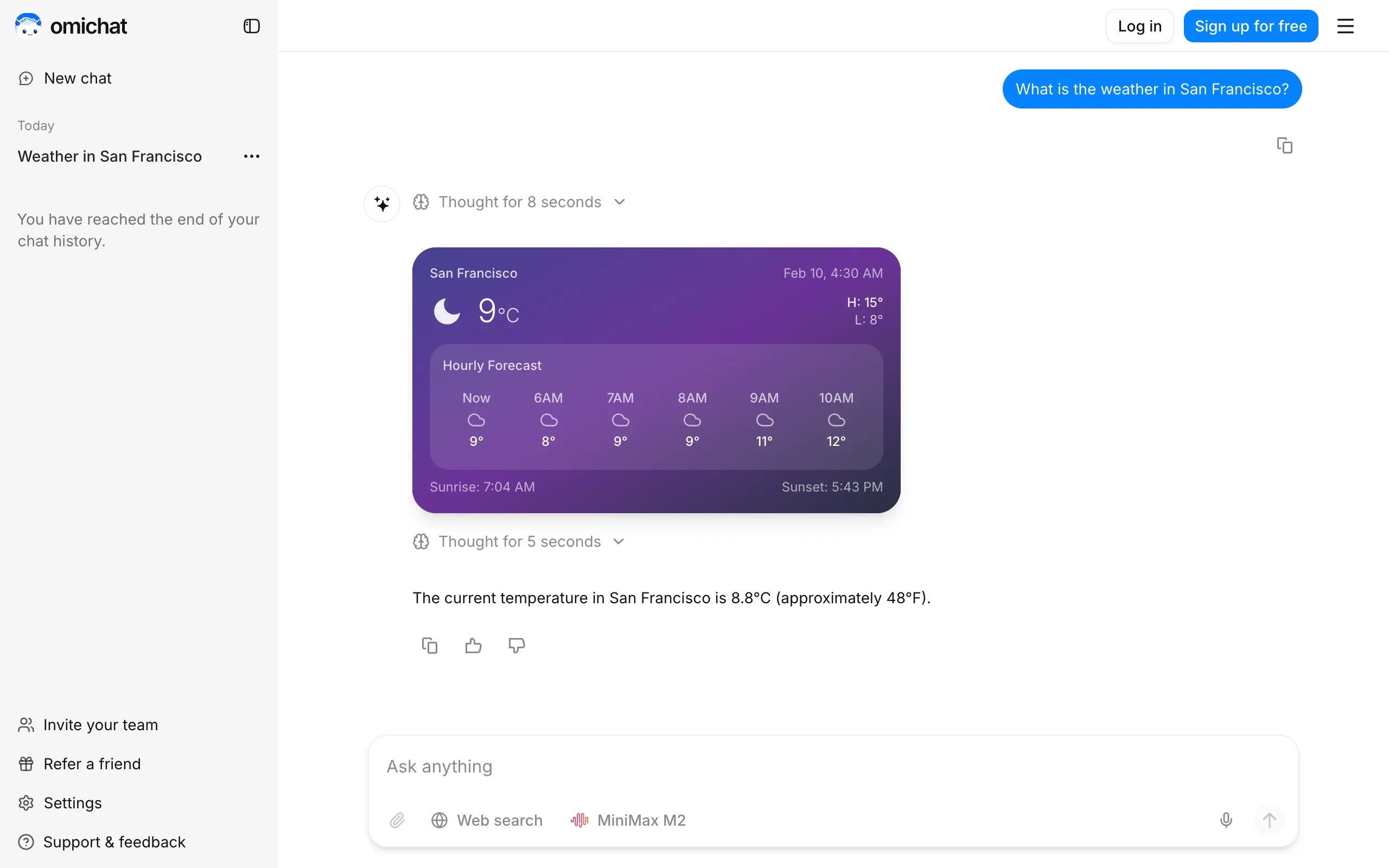
Omichat
Chat with 50+ AI models, including ChatGPT and Claude, in one place - switch models anytime without losing context 🤖
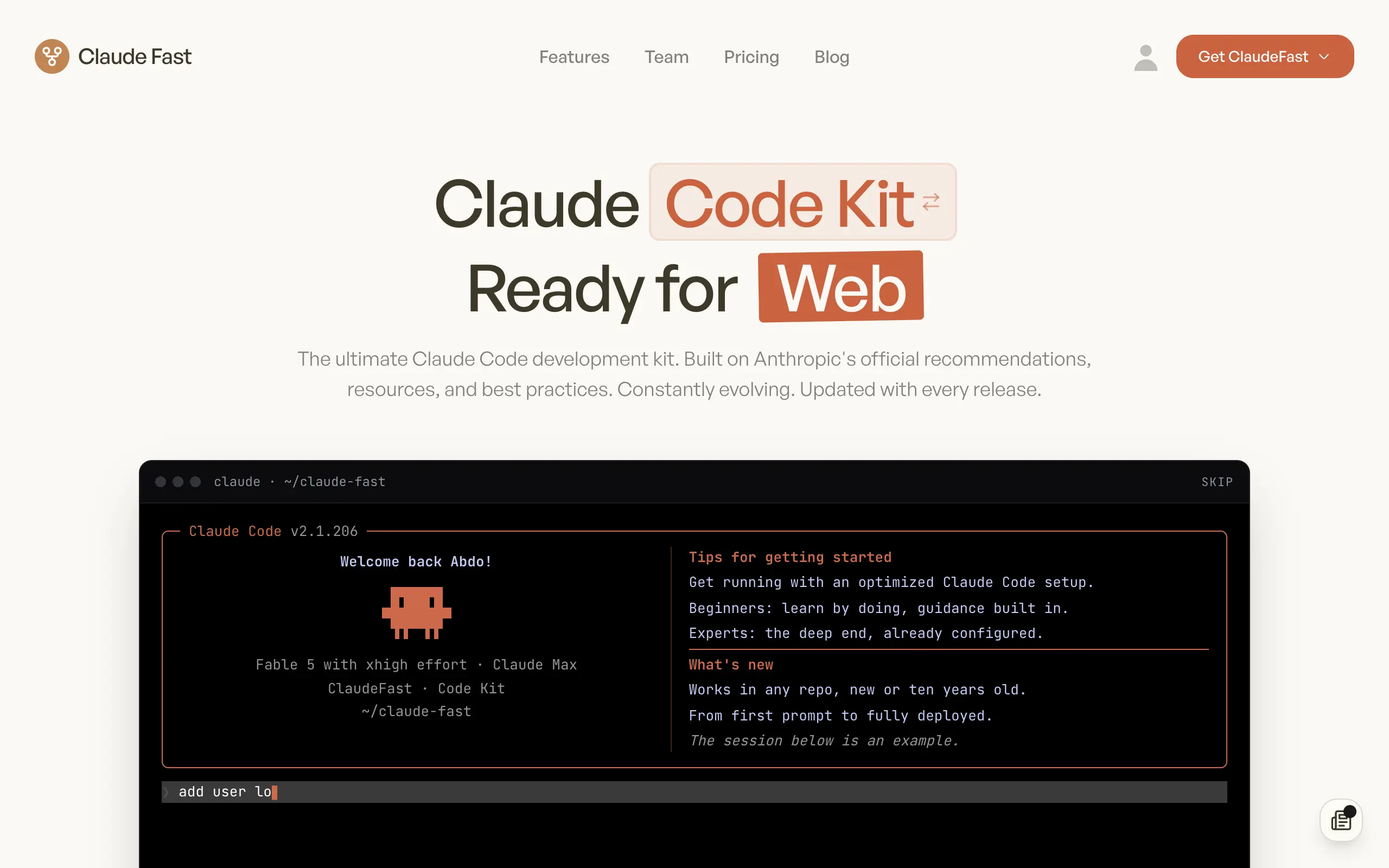
Claude Fast
Supercharge your Claude Code with 6x effective context window and specialized AI agents 🤖
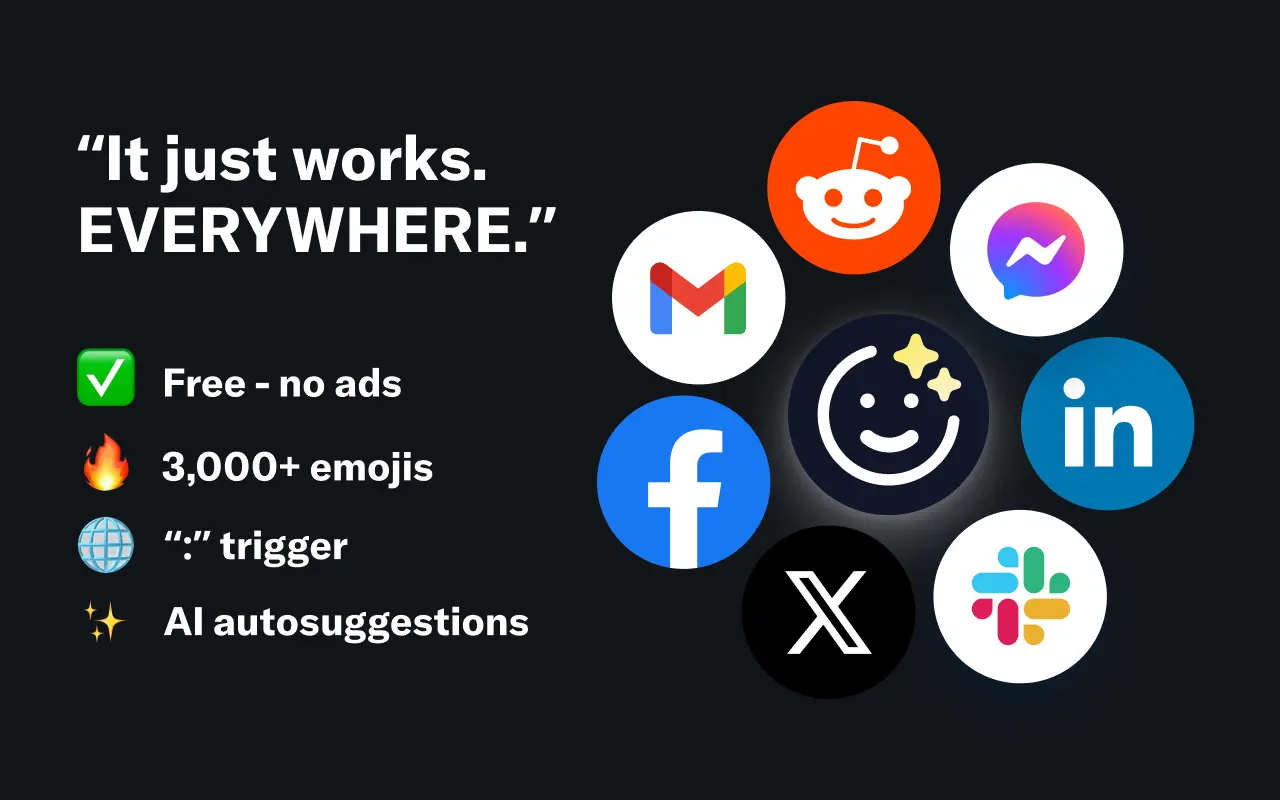
EmojAI
AI-powered emoji picker with smart, context-aware suggestions 🤖

Solohacker
Autonomous company launcher - AI agents work 24/7, escalate what matters, and you stay in control 🤖

BeRawi: Storytelling Coach
Practice storytelling daily with instant feedback to sound clearer, more engaging, and confident 🎤
Omichat
Chat with 50+ AI models, including ChatGPT and Claude, in one place - switch models anytime without losing context 🤖
Claude Fast
Supercharge your Claude Code with 6x effective context window and specialized AI agents 🤖
EmojAI
AI-powered emoji picker with smart, context-aware suggestions 🤖
Solohacker
Autonomous company launcher - AI agents work 24/7, escalate what matters, and you stay in control 🤖
BeRawi: Storytelling Coach
Practice storytelling daily with instant feedback to sound clearer, more engaging, and confident 🎤
Omichat
Chat with 50+ AI models, including ChatGPT and Claude, in one place - switch models anytime without losing context 🤖
Claude Fast
Supercharge your Claude Code with 6x effective context window and specialized AI agents 🤖
EmojAI
AI-powered emoji picker with smart, context-aware suggestions 🤖
Solohacker
Autonomous company launcher - AI agents work 24/7, escalate what matters, and you stay in control 🤖
BeRawi: Storytelling Coach
Practice storytelling daily with instant feedback to sound clearer, more engaging, and confident 🎤
Omichat
Chat with 50+ AI models, including ChatGPT and Claude, in one place - switch models anytime without losing context 🤖
Claude Fast
Supercharge your Claude Code with 6x effective context window and specialized AI agents 🤖
EmojAI
AI-powered emoji picker with smart, context-aware suggestions 🤖
Solohacker
Autonomous company launcher - AI agents work 24/7, escalate what matters, and you stay in control 🤖
BeRawi: Storytelling Coach
Practice storytelling daily with instant feedback to sound clearer, more engaging, and confident 🎤

Connect with like-minded people
Join our community to get feedback, support, and grow together with 1,000+ builders on board, let's ship it!
Join usShip your startup everywhere. In minutes.
Don't burn tokens on setup and start building features on day one.