EchoHost AI
AI-driven podcast creator that crafts engaging interview scripts and voices, letting anyone produce high-quality podcasts on demand, tailored to their niche.
Understanding the user intent for EchoHost AI
When users search for an AI-driven podcast creator like EchoHost AI, their intent typically falls into several categories:
- Inspiration and validation: Are AI podcast tools viable? Can they really produce engaging, high-quality content?
- Technical details: How does EchoHost AI work? What features set it apart?
- Market analysis: Is there a real demand for automated podcast creation? Who are the target users?
- Implementation steps: How can someone launch or use such a platform?
- Competitive advantage: Why choose EchoHost AI over other solutions?
This article addresses all these angles, providing a comprehensive, expert-level overview of EchoHost AI, its market fit, technology, monetization, and actionable steps for implementation.
Who is EchoHost AI for? Target audience analysis
Understanding the target audience is crucial for any SaaS, especially in the rapidly evolving AI content creation space. EchoHost AI is designed for:
- Aspiring podcasters: Individuals with ideas but lacking technical skills, equipment, or confidence in their voice.
- Content marketers: Agencies and brands seeking to scale podcast production for multiple niches or campaigns.
- Educators and trainers: Professionals wanting to create educational audio content quickly and at scale.
- Media companies: Publishers looking to automate or supplement their podcast lineup.
- Niche community leaders: Influencers or community managers aiming to engage their audience with tailored audio content.
Key pain points addressed:
- Lack of time or resources to produce high-quality podcasts.
- Difficulty in scripting engaging interviews or solo episodes.
- Limited access to professional voice talent or editing skills.
- Need for rapid content production across multiple topics or languages.
Beginner podcasters
No experience needed—EchoHost AI handles scripting, voices, and editing.
Agencies & marketers
Scale podcast output for clients or campaigns with minimal overhead.
Educators
Quickly generate audio lessons or interviews for e-learning platforms.
Media publishers
Automate or supplement existing podcast production pipelines.
Identifying the market opportunity and gap
The podcasting boom and its challenges
Podcasting has exploded in popularity, with over 464 million listeners globally as of 2023 (source: suggest referencing Statista or Edison Research). However, barriers to entry remain high:
- Scripting and content planning are time-consuming.
- Professional audio production requires skill and equipment.
- Consistent publishing is hard for solo creators or small teams.
Where current solutions fall short
While there are tools for editing, hosting, and even some AI voice generation, few platforms offer a true end-to-end AI podcast creation experience—from ideation to scriptwriting, voice synthesis, and final production, all tailored to a specific niche.
Market gap:
- No-code, on-demand podcast creation for any topic or audience.
- AI-generated interview scripts that feel authentic and engaging.
- High-quality, natural-sounding AI voices with customizable styles.
- Rapid turnaround for content-hungry brands and creators.
Core features and solution details
EchoHost AI stands out by offering a seamless, AI-powered workflow for podcast creation. Here’s how it addresses user needs:
1. AI-driven interview script generation
- Users specify a topic, guest persona, or desired style.
- The AI crafts a dynamic, engaging interview script—complete with questions, follow-ups, and natural dialogue.
- Option to input custom prompts or upload research for deeper personalization.
2. Advanced AI voice synthesis
- Multiple voice options (genders, accents, tones) to match brand or audience.
- Voices trained for conversational nuance, emotion, and pacing.
- Ability to “cast” different AI voices for host and guest roles.
3. On-demand podcast production
- One-click generation of a full episode: script, voices, and audio mixing.
- Automatic insertion of intro/outro music, sponsor messages, and sound effects.
- Downloadable audio files or direct publishing to major podcast platforms.
4. Niche and language customization
- Tailor content to specific industries, communities, or interests.
- Multilingual support for global reach.
5. Collaboration and editing tools
- Edit scripts or audio before finalizing.
- Invite team members or clients to review and approve episodes.
6. Analytics and optimization
- Track listens, engagement, and audience demographics.
- AI suggestions for future topics based on performance data.
EchoHost AI leverages large language models fine-tuned on thousands of real podcast interviews, ensuring scripts feel natural and engaging. Users can further personalize by providing context or desired tone.
Yes, advanced users can upload voice samples for cloning, or mix AI and human voices for hybrid episodes.
The platform automates mixing, music, and effects, but users can tweak settings or manually edit if desired.
Recommended tech stack for EchoHost AI
Building a robust, scalable AI podcast creator requires a thoughtful selection of technologies. Here’s a recommended stack, with trade-offs considered:
Frontend
- React: Flexible, component-based UI for a responsive web app.
- TailwindCSS: Rapid, utility-first styling for consistent design.
- Next.js: For server-side rendering and SEO optimization.
Backend
- Node.js: Efficient for handling API requests and real-time collaboration features.
- Python: For AI/ML model integration, especially with frameworks like TensorFlow or PyTorch.
AI/ML
- OpenAI GPT-4 or similar LLMs: For script generation and natural language processing.
- Custom-trained TTS (Text-to-Speech) models: For high-quality, customizable AI voices.
- Whisper or similar models: For transcription and language support.
Storage & Hosting
- AWS S3 or Google Cloud Storage: For audio file storage.
- Serverless functions (AWS Lambda, Vercel): For scalable, cost-effective backend processing.
Integrations
- Podcast distribution APIs: For direct publishing to Spotify, Apple Podcasts, etc.
- Analytics platforms: For user and content performance tracking.
Trade-offs to consider
- Custom AI models vs. third-party APIs: Custom models offer more control and branding, but require more resources to develop and maintain.
- Serverless vs. traditional hosting: Serverless scales well for unpredictable workloads, but may introduce cold start latency.
- React
- TailwindCSS
- Next.js
- User-friendly, fast, and SEO-optimized
- Node.js for APIs
- Python for AI integration
- Real-time collaboration support
- GPT-4 for scriptwriting
- Custom TTS for voices
- Whisper for transcription
- AWS S3 for audio
- Serverless functions for processing
- Scalable and cost-effective
Monetization strategy options
EchoHost AI can pursue several revenue streams, each with its own pros and cons:
1. Subscription-based SaaS
- Tiered plans: Free trial, then monthly/annual pricing based on features (e.g., number of episodes, voice options, analytics).
- Pros: Predictable recurring revenue, easy to scale.
- Cons: Requires ongoing feature updates to retain users.
2. Pay-per-episode or credit system
- Users buy credits to generate episodes or access premium voices.
- Pros: Low barrier to entry, appeals to occasional users.
- Cons: Less predictable revenue.
3. Enterprise/agency licensing
- Custom plans for agencies, media companies, or educational institutions.
- Pros: Higher contract values, potential for white-labeling.
- Cons: Longer sales cycles, need for dedicated support.
4. Marketplace for AI voices or scripts
- Allow creators to sell custom voices or script templates.
- Pros: Community-driven growth, additional revenue stream.
- Cons: Requires moderation and revenue sharing.
| Subscription | Pay-per-use | Enterprise | Marketplace | Ads/Sponsorship |
|---|---|---|---|---|
| ✅ | ❌ | ❌ | ✅ | ❌ |
| ✅ | ❌ | ✅ | ✅ | ❌ |
Potential risks and mitigation strategies
Launching an AI-driven podcast creator comes with unique challenges. Here’s how to address them:
1. Content quality and authenticity
- Risk: AI-generated scripts or voices may sound generic or inauthentic.
- Mitigation:
- Fine-tune models on diverse, high-quality podcast data.
- Allow user customization and feedback loops to improve output.
2. Copyright and ethical concerns
- Risk: Use of AI voices or scripts could inadvertently mimic real people or plagiarize content.
- Mitigation:
- Implement strict content filters and plagiarism checks.
- Require user consent for voice cloning; provide clear usage guidelines.
3. Market saturation and competition
- Risk: The AI content creation space is crowded, with new entrants regularly.
- Mitigation:
- Focus on unique features (e.g., interview scripting, niche targeting).
- Build strong brand trust and community engagement.
4. Technical scalability
- Risk: High compute costs for AI processing, especially for real-time voice synthesis.
- Mitigation:
- Optimize models for efficiency.
- Use serverless or cloud-based scaling to manage costs.
AI content and misinformation
As with any generative AI tool, there’s a risk of producing misleading or inaccurate content. EchoHost AI should include disclaimers and encourage users to review and fact-check scripts before publishing.
Competitive advantage analysis
What makes EchoHost AI stand out in the crowded AI podcasting landscape?
Unique selling propositions (USPs)
- End-to-end automation: From ideation to publishing, no other tool offers such a seamless, one-click workflow.
- AI-generated interviews: Most competitors focus on solo scripts or voice generation; EchoHost AI specializes in dynamic, multi-voice interviews.
- Niche and language targeting: Deep customization for industries, communities, and global audiences.
- Collaboration features: Built-in tools for teams, agencies, and client approvals.
- Analytics-driven optimization: AI suggestions based on real audience data.
How EchoHost AI compares
- vs. traditional podcast tools: No need for manual scripting, recording, or editing.
- vs. generic AI content platforms: Purpose-built for podcasting, with features like interview scripting and audio mixing.
- vs. other AI voice tools: Focus on natural, conversational voices and multi-speaker episodes.
Actionable implementation steps
Ready to build or launch with EchoHost AI? Here’s a step-by-step roadmap:
Conclusion: Why EchoHost AI is the future of podcast creation
EchoHost AI is more than just another AI tool—it’s a revolutionary platform that democratizes podcasting for everyone. By combining advanced AI scriptwriting, natural-sounding voices, and seamless production workflows, it empowers creators, brands, and educators to produce high-quality, engaging podcasts on demand.
Key takeaways:
- Addresses real market pain points with a unique, end-to-end solution.
- Leverages cutting-edge AI for both content and voice, tailored to any niche.
- Flexible monetization and collaboration features for individuals and enterprises.
- Mitigates risks with ethical safeguards and continuous improvement.
For those looking to build, invest in, or use an AI podcast creator, EchoHost AI represents a compelling, future-proof opportunity.
Further resources
- TurboStarter — for rapid SaaS prototyping and launch.
- React — official documentation.
- TailwindCSS — official documentation.
- For podcast industry stats, see sources like Edison Research or Statista.
- For AI ethics and best practices, refer to the OpenAI documentation.
Ready to bring your podcast vision to life? EchoHost AI is your launchpad.
More 🤖 AI Startup SaaS ideas
Discover more innovative ai startup SaaS ideas that are trending in 2026. Each idea is AI-generated with market validation and growth potential to help you find your next profitable venture faster than competitors.
Your competitors are building with TurboStarter
Below are some of the SaaS ideas that have been generated and built with our starter kit.

Statiko
Monitor any Telegram channel in real time - track posts, edits, deletions, and growth with AI recaps 📡

Shibui
AI website builder - describe your business, pick a niche template, edit by chatting, and publish instantly ✨

Pro Service
Find verified home service professionals, compare quotes, and pay securely through escrow - built for Brazilians across the US 🏠
RankGrow
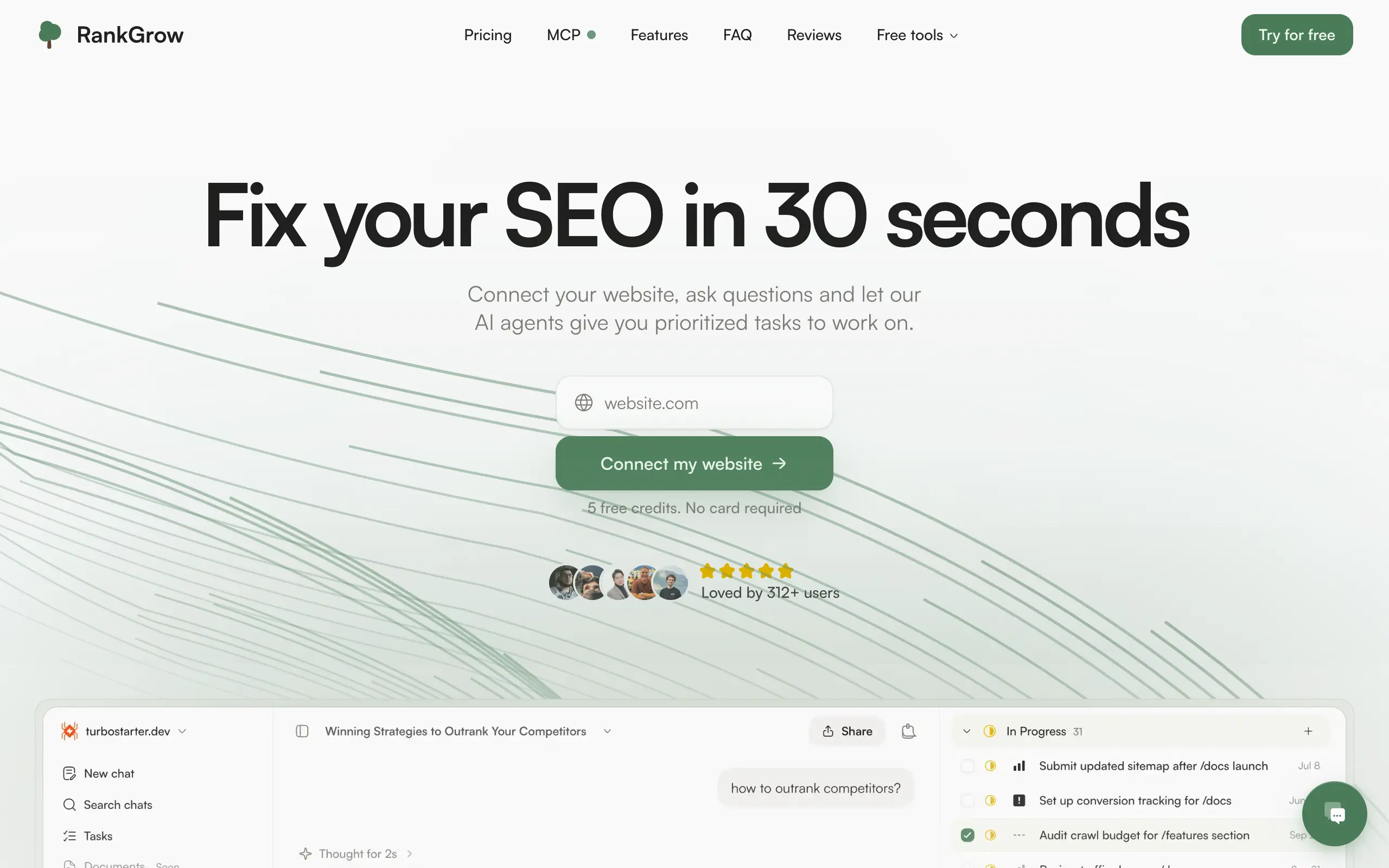
Fix your SEO with AI agents - connect Search Console, get prioritized tasks, and grow organic traffic 📈
SyncReads
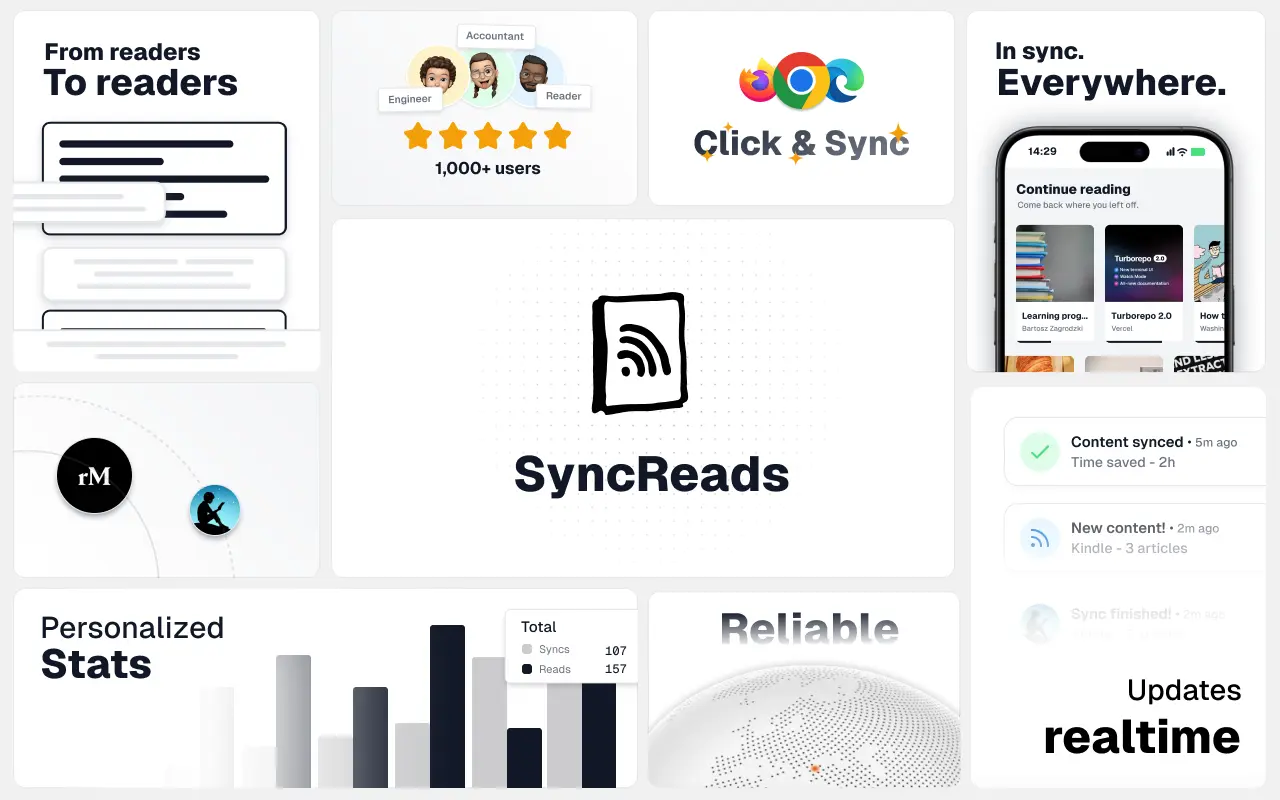
Sync your favorite content for distraction-free reading, save time and replace multiple apps. Anytime, anywhere 🔄
Socialcrawl
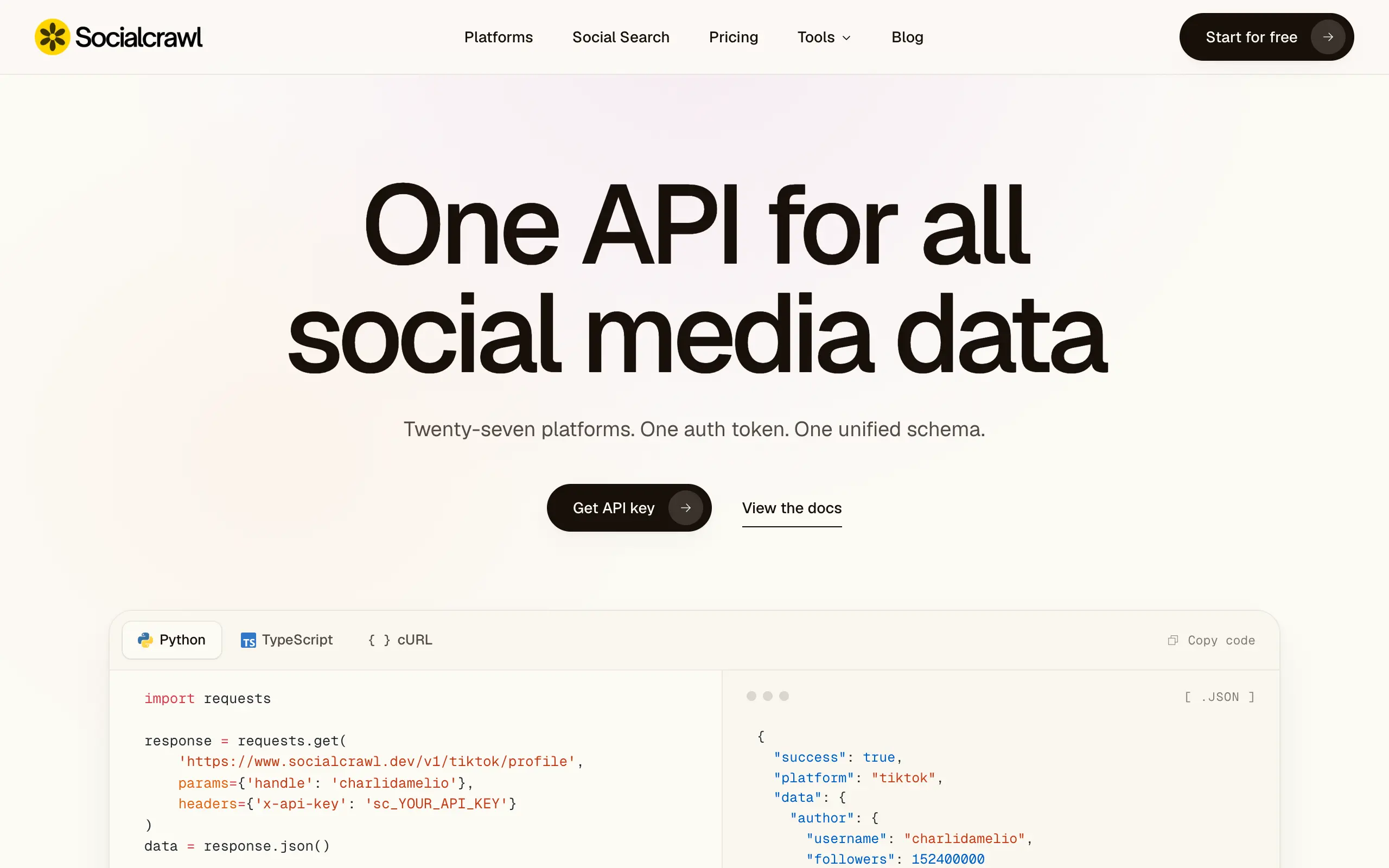
Get clean, structured data from 21 platforms like TikTok, Instagram, and YouTube with a single request 📊
Statiko
Monitor any Telegram channel in real time - track posts, edits, deletions, and growth with AI recaps 📡
Shibui
AI website builder - describe your business, pick a niche template, edit by chatting, and publish instantly ✨
Pro Service
Find verified home service professionals, compare quotes, and pay securely through escrow - built for Brazilians across the US 🏠
RankGrow
Fix your SEO with AI agents - connect Search Console, get prioritized tasks, and grow organic traffic 📈
SyncReads
Sync your favorite content for distraction-free reading, save time and replace multiple apps. Anytime, anywhere 🔄
Socialcrawl
Get clean, structured data from 21 platforms like TikTok, Instagram, and YouTube with a single request 📊
Statiko
Monitor any Telegram channel in real time - track posts, edits, deletions, and growth with AI recaps 📡
Shibui
AI website builder - describe your business, pick a niche template, edit by chatting, and publish instantly ✨
Pro Service
Find verified home service professionals, compare quotes, and pay securely through escrow - built for Brazilians across the US 🏠
RankGrow
Fix your SEO with AI agents - connect Search Console, get prioritized tasks, and grow organic traffic 📈
SyncReads
Sync your favorite content for distraction-free reading, save time and replace multiple apps. Anytime, anywhere 🔄
Socialcrawl
Get clean, structured data from 21 platforms like TikTok, Instagram, and YouTube with a single request 📊
Statiko
Monitor any Telegram channel in real time - track posts, edits, deletions, and growth with AI recaps 📡
Shibui
AI website builder - describe your business, pick a niche template, edit by chatting, and publish instantly ✨
Pro Service
Find verified home service professionals, compare quotes, and pay securely through escrow - built for Brazilians across the US 🏠
RankGrow
Fix your SEO with AI agents - connect Search Console, get prioritized tasks, and grow organic traffic 📈
SyncReads
Sync your favorite content for distraction-free reading, save time and replace multiple apps. Anytime, anywhere 🔄
Socialcrawl
Get clean, structured data from 21 platforms like TikTok, Instagram, and YouTube with a single request 📊
Dotallio
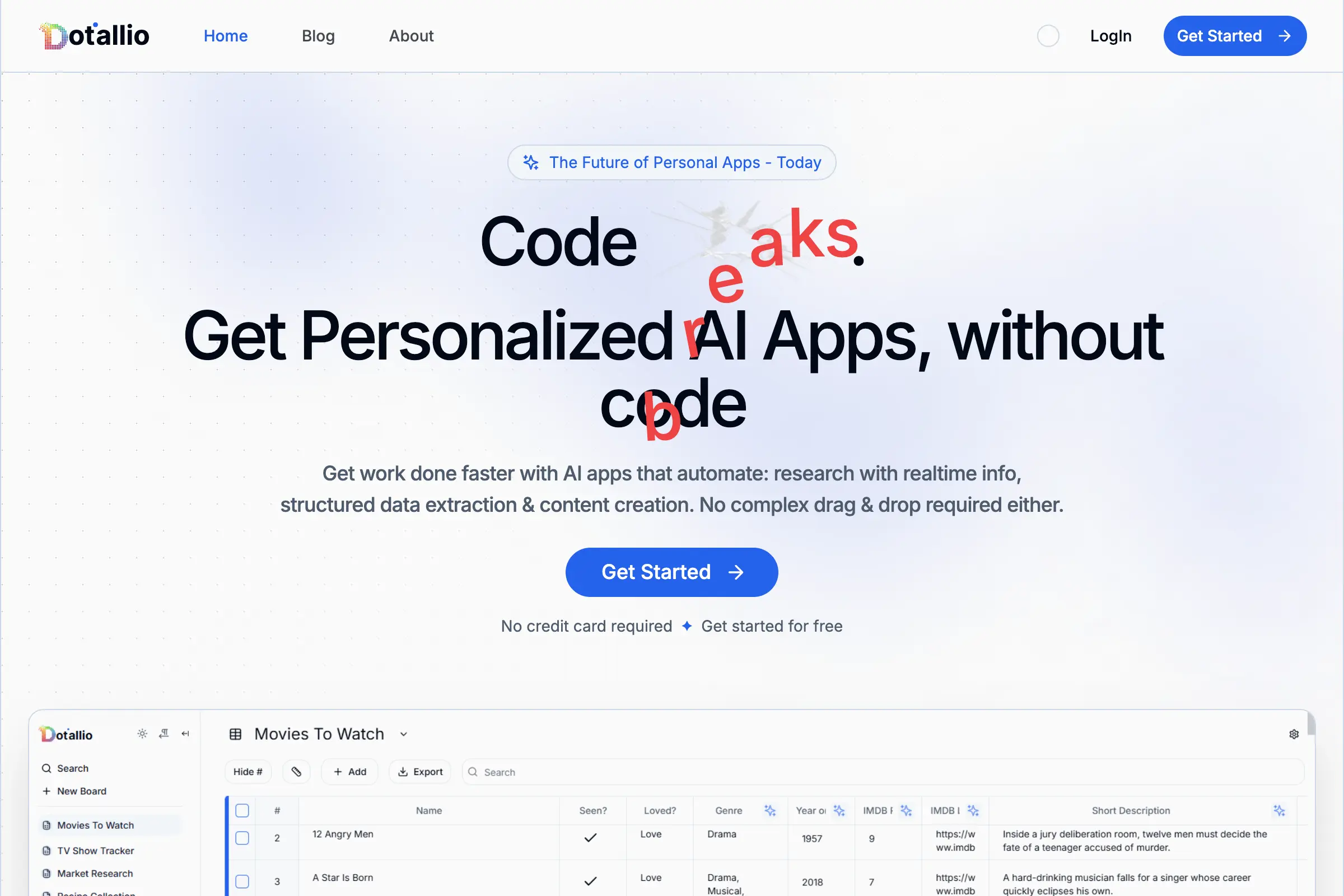
Personalized AI apps that automate research, data extraction, and content creation without code 🤖

Talk to Santa
Enjoy a magical live video chat or receive a unique AI-generated video greeting from Santa Claus 🎅

pozywka.pl
Scalable blog for food journalist, focused on performance and user experience 🌭
zagrodzki.me
Personal blog and portfolio of Bart Zagrodzki, where he shares his knowledge and work 💼
TurboStarter
Ship your startup everywhere. In minutes.
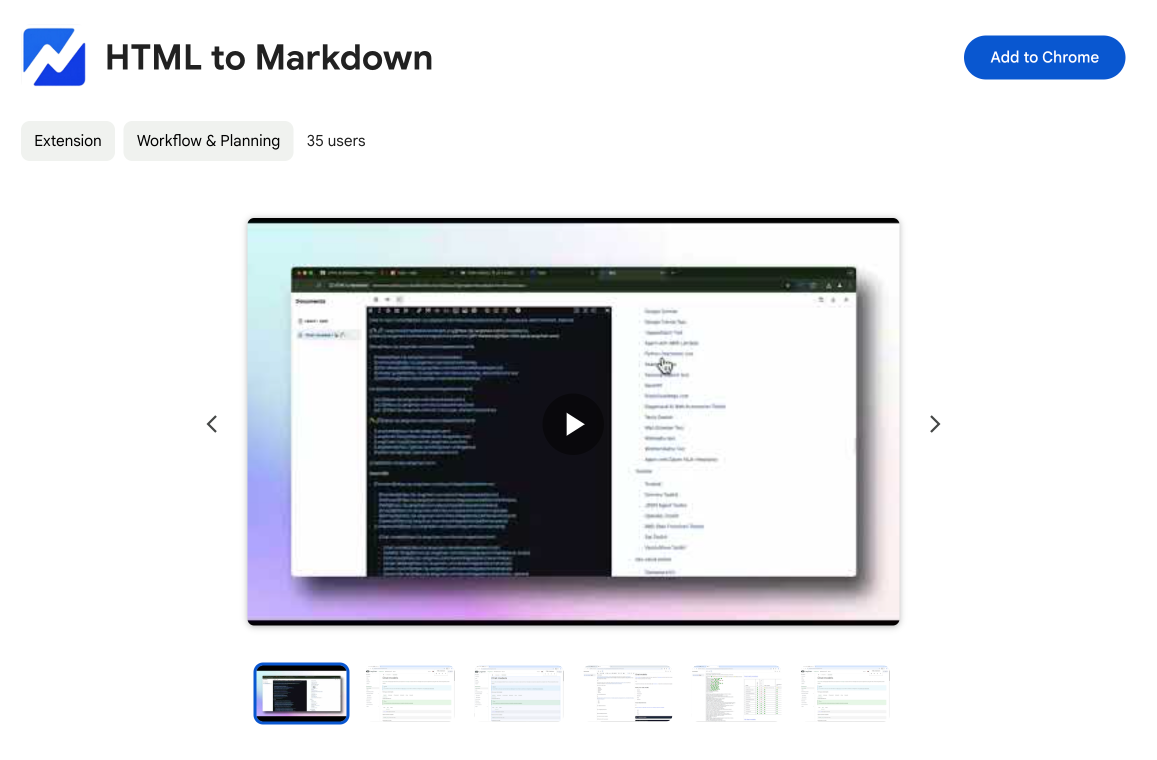
HTML to Markdown
Convert HTML to Markdown with ease, directly in your browser 📄
Dotallio
Personalized AI apps that automate research, data extraction, and content creation without code 🤖
Talk to Santa
Enjoy a magical live video chat or receive a unique AI-generated video greeting from Santa Claus 🎅
pozywka.pl
Scalable blog for food journalist, focused on performance and user experience 🌭
zagrodzki.me
Personal blog and portfolio of Bart Zagrodzki, where he shares his knowledge and work 💼
TurboStarter
Ship your startup everywhere. In minutes.
HTML to Markdown
Convert HTML to Markdown with ease, directly in your browser 📄
Dotallio
Personalized AI apps that automate research, data extraction, and content creation without code 🤖
Talk to Santa
Enjoy a magical live video chat or receive a unique AI-generated video greeting from Santa Claus 🎅
pozywka.pl
Scalable blog for food journalist, focused on performance and user experience 🌭
zagrodzki.me
Personal blog and portfolio of Bart Zagrodzki, where he shares his knowledge and work 💼
TurboStarter
Ship your startup everywhere. In minutes.
HTML to Markdown
Convert HTML to Markdown with ease, directly in your browser 📄
Dotallio
Personalized AI apps that automate research, data extraction, and content creation without code 🤖
Talk to Santa
Enjoy a magical live video chat or receive a unique AI-generated video greeting from Santa Claus 🎅
pozywka.pl
Scalable blog for food journalist, focused on performance and user experience 🌭
zagrodzki.me
Personal blog and portfolio of Bart Zagrodzki, where he shares his knowledge and work 💼
TurboStarter
Ship your startup everywhere. In minutes.
HTML to Markdown
Convert HTML to Markdown with ease, directly in your browser 📄
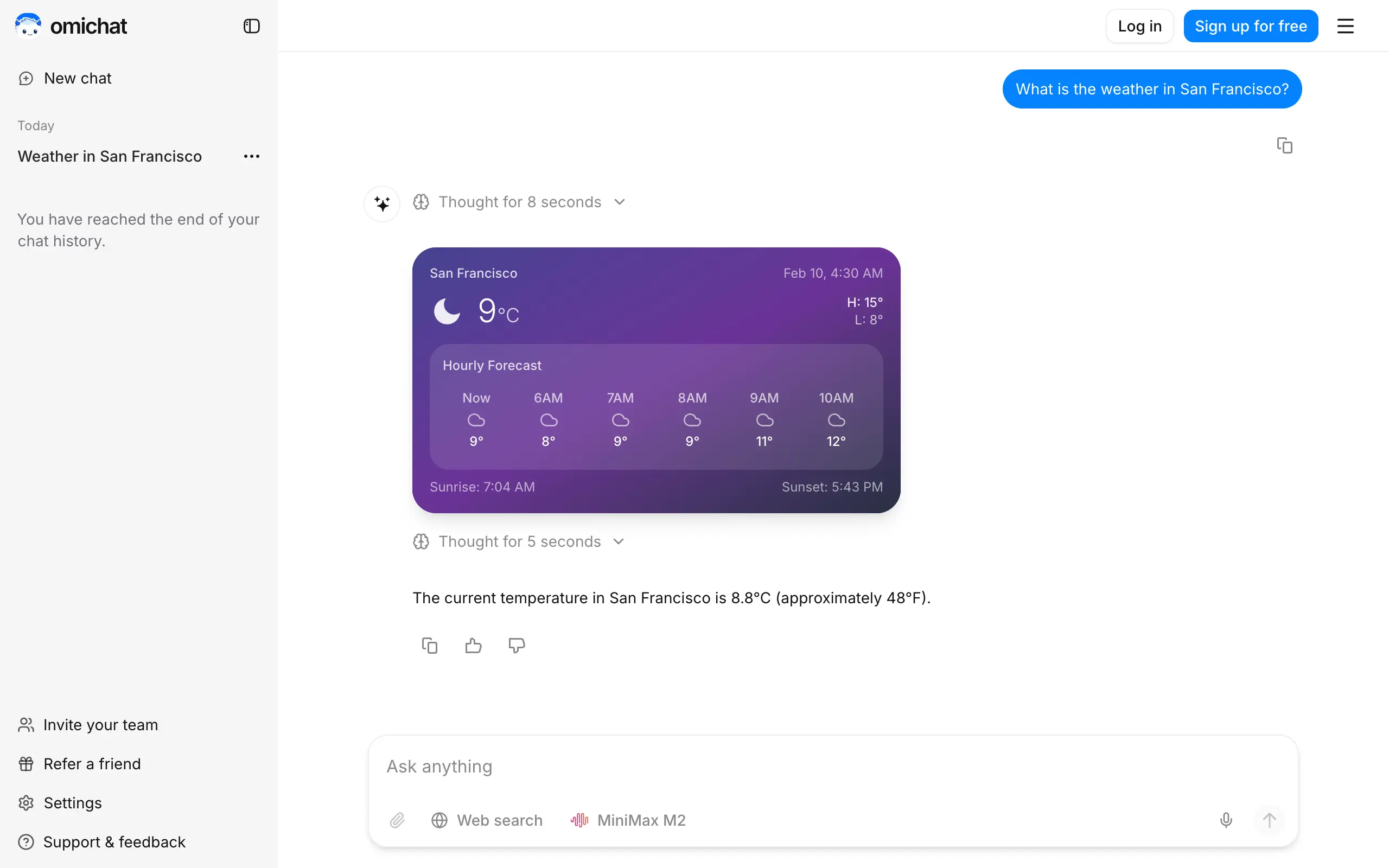
Omichat
Chat with 50+ AI models, including ChatGPT and Claude, in one place - switch models anytime without losing context 🤖
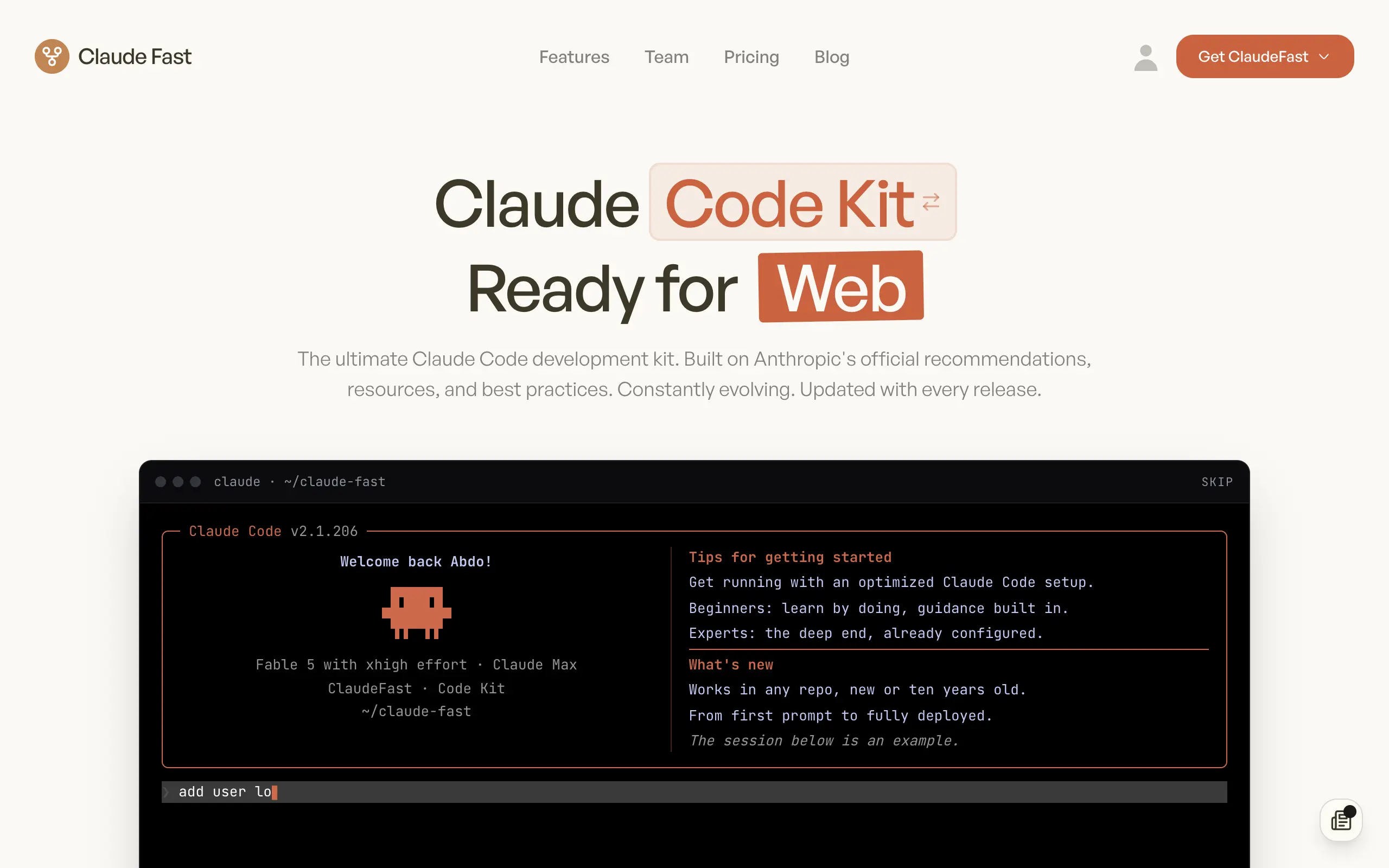
Claude Fast
Supercharge your Claude Code with 6x effective context window and specialized AI agents 🤖
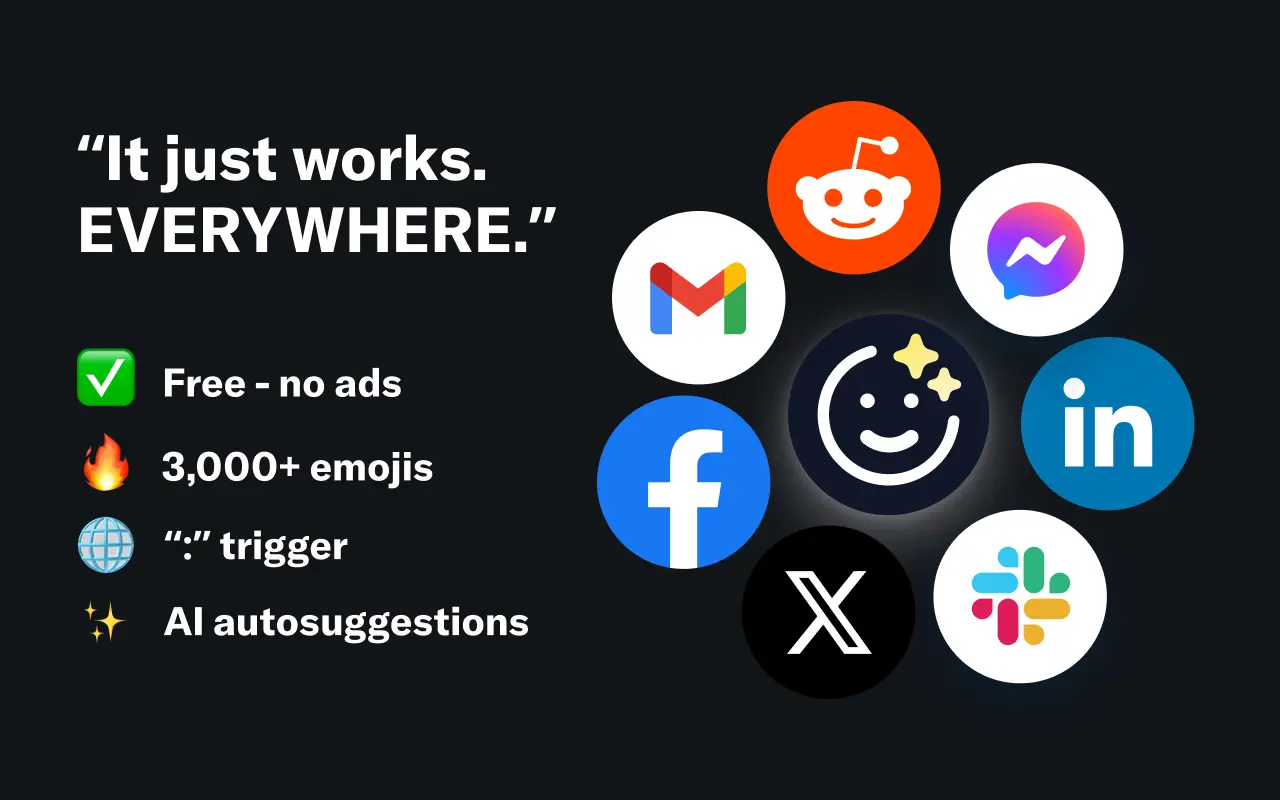
EmojAI
AI-powered emoji picker with smart, context-aware suggestions 🤖
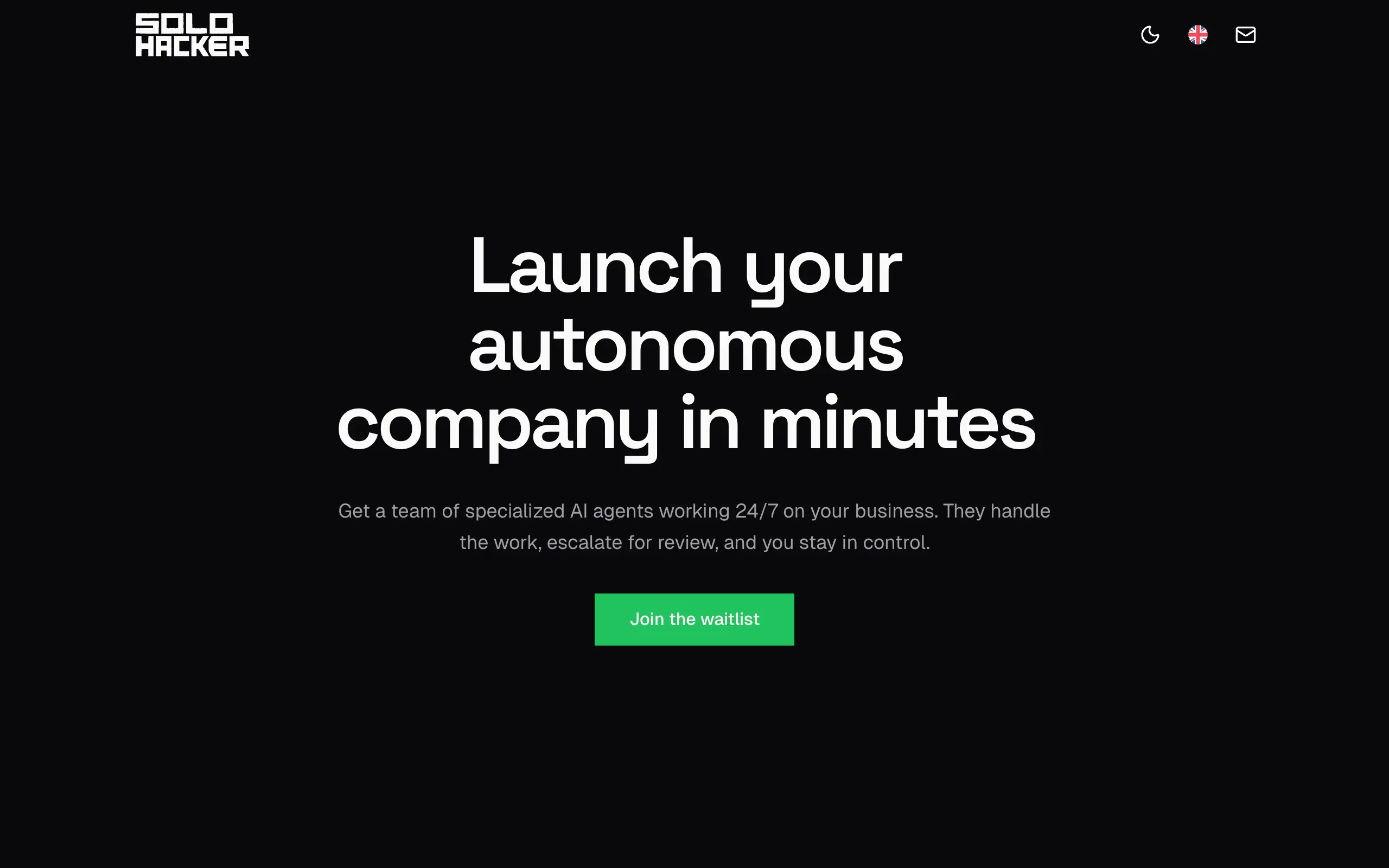
Solohacker
Autonomous company launcher - AI agents work 24/7, escalate what matters, and you stay in control 🤖

BeRawi: Storytelling Coach
Practice storytelling daily with instant feedback to sound clearer, more engaging, and confident 🎤
Omichat
Chat with 50+ AI models, including ChatGPT and Claude, in one place - switch models anytime without losing context 🤖
Claude Fast
Supercharge your Claude Code with 6x effective context window and specialized AI agents 🤖
EmojAI
AI-powered emoji picker with smart, context-aware suggestions 🤖
Solohacker
Autonomous company launcher - AI agents work 24/7, escalate what matters, and you stay in control 🤖
BeRawi: Storytelling Coach
Practice storytelling daily with instant feedback to sound clearer, more engaging, and confident 🎤
Omichat
Chat with 50+ AI models, including ChatGPT and Claude, in one place - switch models anytime without losing context 🤖
Claude Fast
Supercharge your Claude Code with 6x effective context window and specialized AI agents 🤖
EmojAI
AI-powered emoji picker with smart, context-aware suggestions 🤖
Solohacker
Autonomous company launcher - AI agents work 24/7, escalate what matters, and you stay in control 🤖
BeRawi: Storytelling Coach
Practice storytelling daily with instant feedback to sound clearer, more engaging, and confident 🎤
Omichat
Chat with 50+ AI models, including ChatGPT and Claude, in one place - switch models anytime without losing context 🤖
Claude Fast
Supercharge your Claude Code with 6x effective context window and specialized AI agents 🤖
EmojAI
AI-powered emoji picker with smart, context-aware suggestions 🤖
Solohacker
Autonomous company launcher - AI agents work 24/7, escalate what matters, and you stay in control 🤖
BeRawi: Storytelling Coach
Practice storytelling daily with instant feedback to sound clearer, more engaging, and confident 🎤

Connect with like-minded people
Join our community to get feedback, support, and grow together with 1,000+ builders on board, let's ship it!
Join usShip your startup everywhere. In minutes.
Don't burn tokens on setup and start building features on day one.