EduInsight Nusantara
AI platform that unifies Indonesia MoE datasets to generate district-level insights, predict dropouts, and recommend targeted policies for faster decisions.
Understanding the opportunity behind an AI education analytics platform in Indonesia
Indonesia’s education system is one of the largest in the world, serving over 50 million students across thousands of islands. The Ministry of Education (MoE) collects massive datasets—from enrollment records and attendance logs to exam results and infrastructure reports. Yet, despite the abundance of data, decision-making at the district (kabupaten/kota) level often remains slow, reactive, and fragmented.
This is where an AI education analytics platform like EduInsight Nusantara becomes highly valuable.
The core idea is simple but powerful: unify disparate MoE datasets into a single intelligence layer, apply machine learning to detect patterns such as dropout risks, and provide actionable, district-level policy recommendations in real time.
This article explores the full strategic, technical, and business landscape behind building such a platform—optimized for founders, product leaders, and policymakers evaluating the opportunity.
Why Indonesia needs AI-powered education insights now
Fragmented data is the real bottleneck
Indonesia already has systems like Dapodik (Data Pokok Pendidikan), EMIS, and various provincial dashboards. However, these systems:
- Operate in silos
- Lack real-time synchronization
- Provide limited predictive capabilities
- Are difficult for local governments to interpret
As a result, district officials often rely on outdated reports or manual analysis.
The cost of delayed insights
Delayed or incomplete data leads to:
- Late intervention for at-risk students
- Misallocation of education budgets
- Ineffective policy implementation
- Regional inequality in outcomes
According to reports from institutions like the World Bank (suggest referencing their Indonesia education studies), dropout rates and learning gaps are still uneven across regions.
AI closes the decision gap
AI transforms raw data into:
- Predictive insights (e.g., dropout risk)
- Prescriptive recommendations (what to do next)
- Automated reporting
- Scenario simulations
EduInsight Nusantara positions itself as the intelligence layer on top of existing MoE infrastructure—not a replacement, but an amplifier.
Target audience and user personas
Understanding the user base is critical for product-market fit.
Primary users
1. District education offices (Dinas Pendidikan)
These are the main decision-makers.
They need:
- Real-time dashboards
- Risk alerts (dropouts, low attendance)
- Budget optimization insights
- Policy impact tracking
2. Provincial governments
They oversee multiple districts and need:
- Comparative analytics
- Regional performance benchmarking
- Strategic planning tools
3. Ministry of Education (central level)
They require:
- National-level aggregation
- Policy simulation tools
- Early warning systems
Secondary users
- School principals (Kepala Sekolah)
- NGOs and education foundations
- International development agencies
- EdTech researchers
User intent breakdown
Users searching for solutions like EduInsight Nusantara are typically looking for:
- “How to reduce dropout rates using data”
- “Education analytics tools for government”
- “AI in public sector education”
- “Student risk prediction platforms”
This indicates a mix of problem-solving intent and solution evaluation intent, which the platform must address clearly.
Market gap and opportunity analysis
Current solutions fall short
Most existing education dashboards in Southeast Asia are:
- Static (reporting, not predicting)
- Difficult to use
- Lacking actionable recommendations
- Not localized for district-level decisions
The gap
There is a clear gap for:
- AI-driven predictive analytics
- Localized insights at the district level
- Decision support systems (not just dashboards)
- Integration across multiple government datasets
Competitive landscape
Existing MoE Systems
Strong data collection but weak analytics and no predictive intelligence.
Generic BI Tools
Flexible but not tailored to education workflows or government use cases.
Global EdTech Platforms
Often not localized for Indonesian regulations and datasets.
Unique selling proposition (USP)
EduInsight Nusantara stands out by combining:
- Unified data ingestion from MoE systems
- AI-powered predictions (dropouts, performance risks)
- Policy recommendation engine
- District-level granularity
- Localization for Indonesian governance workflows
This makes it not just a tool—but a decision-making partner.
Core features of EduInsight Nusantara
1. Unified education data layer
The platform integrates multiple datasets:
- Student enrollment data
- Attendance records
- Academic performance
- Teacher distribution
- Infrastructure metrics
Key capability:
- Automatic data normalization and cleaning
2. AI-powered dropout prediction
Using machine learning models, the platform identifies at-risk students based on:
- Attendance patterns
- Socioeconomic indicators
- Academic decline
- Geographic factors
Example output:
- “Students in District X have a 35% higher dropout risk in Grade 9”
3. District-level insights dashboard
A clean, actionable dashboard showing:
- Enrollment trends
- Dropout hotspots
- Teacher-student ratios
- Infrastructure gaps
4. Policy recommendation engine
This is the most differentiated feature.
Instead of just showing data, the system suggests:
- Targeted interventions (scholarships, teacher allocation)
- Budget reallocation strategies
- Program prioritization
5. Scenario simulation tools
Decision-makers can simulate:
- “What happens if we increase teacher allocation by 10%?”
- “What is the projected impact of a scholarship program?”
6. Automated reporting
- Generate monthly/quarterly reports
- Export to PDF or government formats
- Reduce manual workload
Feature comparison snapshot
| Capability | Traditional Systems | BI Tools | EduInsight Nusantara | Impact |
|---|---|---|---|---|
| Data Integration | ❌ | ✅ | ✅ | High |
| Predictive Analytics | ❌ | ❌ | ✅ | Very High |
| Policy Recommendations | ❌ | ❌ | ✅ | Transformational |
Recommended tech stack and architecture
Building an AI SaaS for government requires scalability, security, and reliability.
Frontend
Why:
- Fast UI development
- Highly customizable dashboards
Backend
- Node.js (NestJS) or Python (FastAPI)
Trade-offs:
- Node.js: better for real-time APIs
- Python: stronger ecosystem for AI/ML
Data pipeline
- Apache Airflow (ETL orchestration)
- PostgreSQL or BigQuery (data warehouse)
Machine learning layer
- Python (scikit-learn, TensorFlow, or PyTorch)
- Feature engineering pipelines
- Model retraining workflows
Cloud infrastructure
- AWS / GCP (GCP often preferred for data analytics)
- Kubernetes for scaling
Example architecture flow
// Simplified data pipeline flow
Data Sources (MoE Systems)
   -> ETL Pipeline (Airflow)
   -> Data Warehouse (BigQuery)
   -> ML Models (Python)
   -> API Layer (FastAPI)
   -> Frontend Dashboard (React)
Faster development with SaaS starters
Using a production-ready starter kit like TurboStarter can significantly reduce development time by handling:
- Authentication
- Billing
- Multi-tenancy
- Admin dashboards
Monetization strategy
Selling to government requires a different approach than typical SaaS.
1. Subscription model (B2G SaaS)
- Annual contracts per district or province
- Pricing tiers based on:
- Number of students
- Data volume
- Features
2. Enterprise licensing
- National-level deployment
- Custom integrations
- Dedicated support
3. Implementation and onboarding fees
- Data integration setup
- Training for staff
- Custom dashboards
4. Partnerships and grants
- Collaborate with NGOs and global organizations
- Secure funding for pilot programs
Pricing insight
Government buyers prioritize:
- Reliability over cost
- Long-term contracts
- Proven impact
Risks and mitigation strategies
1. Data privacy and compliance
Risk:
- Handling sensitive student data
Mitigation:
- Data anonymization
- Compliance with Indonesian regulations
- Secure cloud infrastructure
2. Resistance to adoption
Risk:
- Government users may resist new tools
Mitigation:
- Simple UX
- Training programs
- Pilot projects
3. Data quality issues
Risk:
- Incomplete or inconsistent data
Mitigation:
- Data validation layers
- AI-based anomaly detection
4. Long sales cycles
Risk:
- Government procurement takes time
Mitigation:
- Start with smaller districts
- Build case studies
Key insight
In government SaaS, credibility and trust matter more than speed. Early pilot success stories are often the difference between stagnation and national-scale adoption.
Competitive advantage and defensibility
EduInsight Nusantara builds defensibility through:
1. Data network effects
The more districts onboard:
- The better the models become
- The more accurate predictions get
2. Localization moat
Deep integration with Indonesian systems creates:
- High switching costs
- Strong regulatory alignment
3. AI model refinement
Custom-trained models on local data outperform generic solutions.
4. Government relationships
Long-term contracts create stability and barriers to entry.
Implementation roadmap
Phase 1: MVP (3–6 months)
Phase 2: Product expansion (6–12 months)
Phase 3: Scale and optimization
Go-to-market strategy
Start with pilot programs
- Select progressive districts
- Demonstrate measurable impact
- Use results as case studies
Build trust through outcomes
Focus messaging on:
- Reduced dropout rates
- Faster decision-making
- Budget efficiency
Leverage partnerships
- NGOs
- Education think tanks
- International agencies
Future trends shaping this space
AI in public sector is accelerating
Governments globally are investing in:
- Predictive analytics
- Smart governance platforms
Data interoperability is becoming mandatory
Indonesia is moving toward:
- Unified digital ecosystems
- API-based data sharing
Explainable AI is critical
Decision-makers need:
- Transparent models
- Clear reasoning behind predictions
Final thoughts
EduInsight Nusantara sits at the intersection of AI, public policy, and education—three areas with enormous impact potential.
It’s not just another SaaS dashboard. It’s a decision intelligence platform designed to:
- Turn data into action
- Empower local governments
- Improve student outcomes at scale
The opportunity is both commercially viable and socially meaningful—a rare combination.
Ready to build?
If you're serious about launching an AI-powered SaaS like EduInsight Nusantara, focus on:
- Starting small with real users
- Prioritizing usability over complexity
- Proving impact early
Then scale intelligently.
More 🤖 AI Startup SaaS ideas
Discover more innovative ai startup SaaS ideas that are trending in 2026. Each idea is AI-generated with market validation and growth potential to help you find your next profitable venture faster than competitors.
Your competitors are building with TurboStarter
Below are some of the SaaS ideas that have been generated and built with our starter kit.
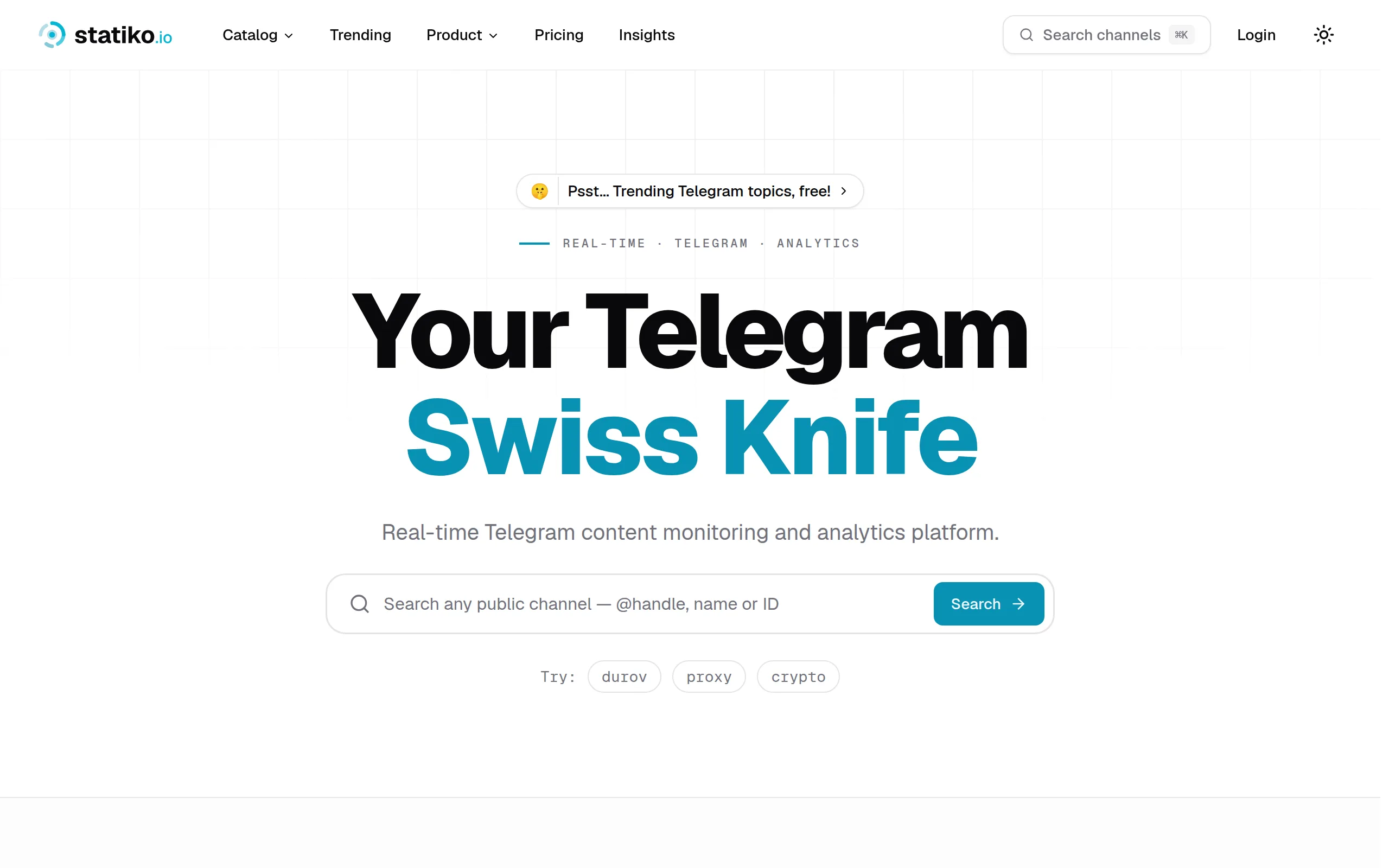
Statiko
Monitor any Telegram channel in real time - track posts, edits, deletions, and growth with AI recaps 📡

Shibui
AI website builder - describe your business, pick a niche template, edit by chatting, and publish instantly ✨

Pro Service
Find verified home service professionals, compare quotes, and pay securely through escrow - built for Brazilians across the US 🏠
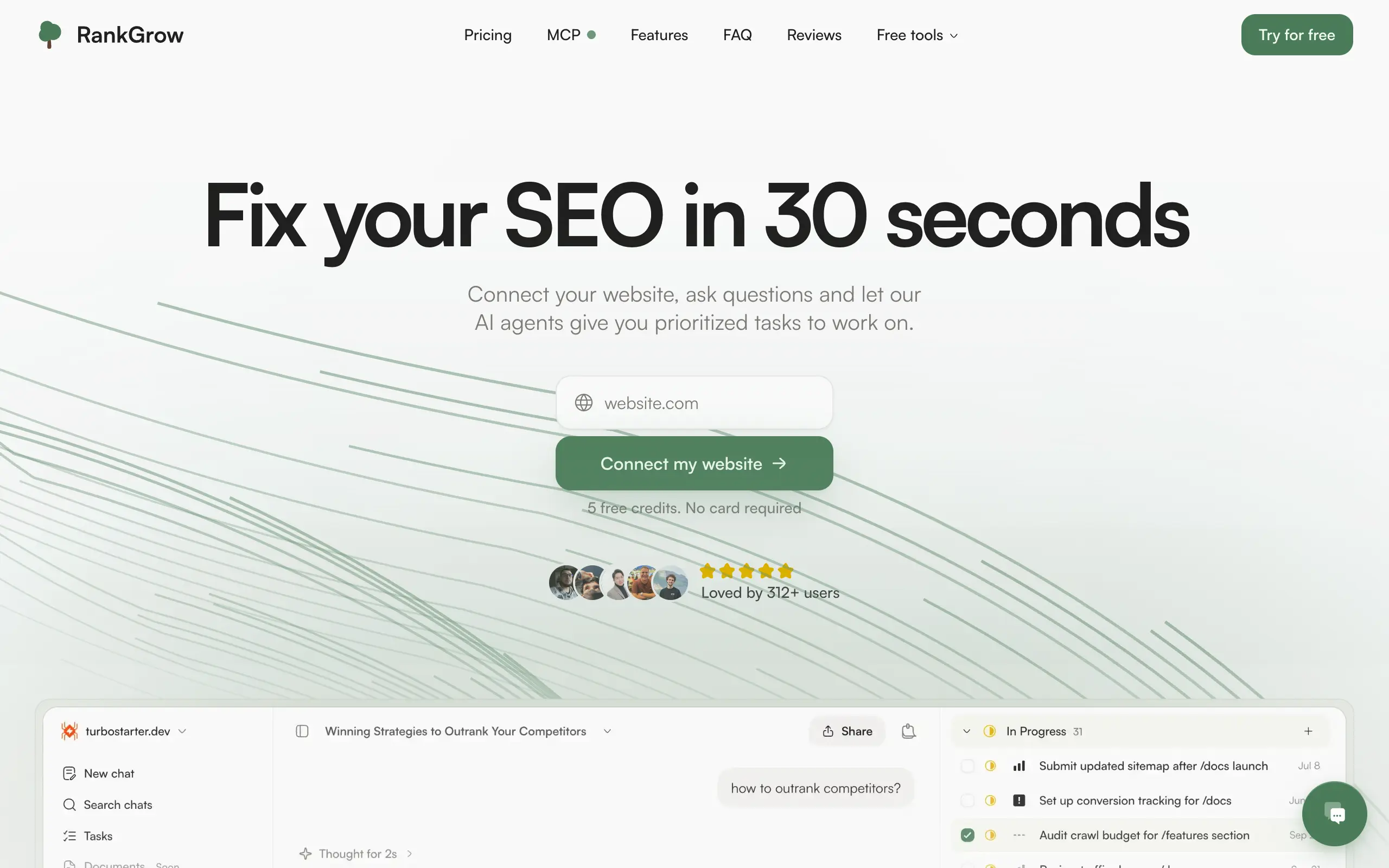
RankGrow
Fix your SEO with AI agents - connect Search Console, get prioritized tasks, and grow organic traffic 📈
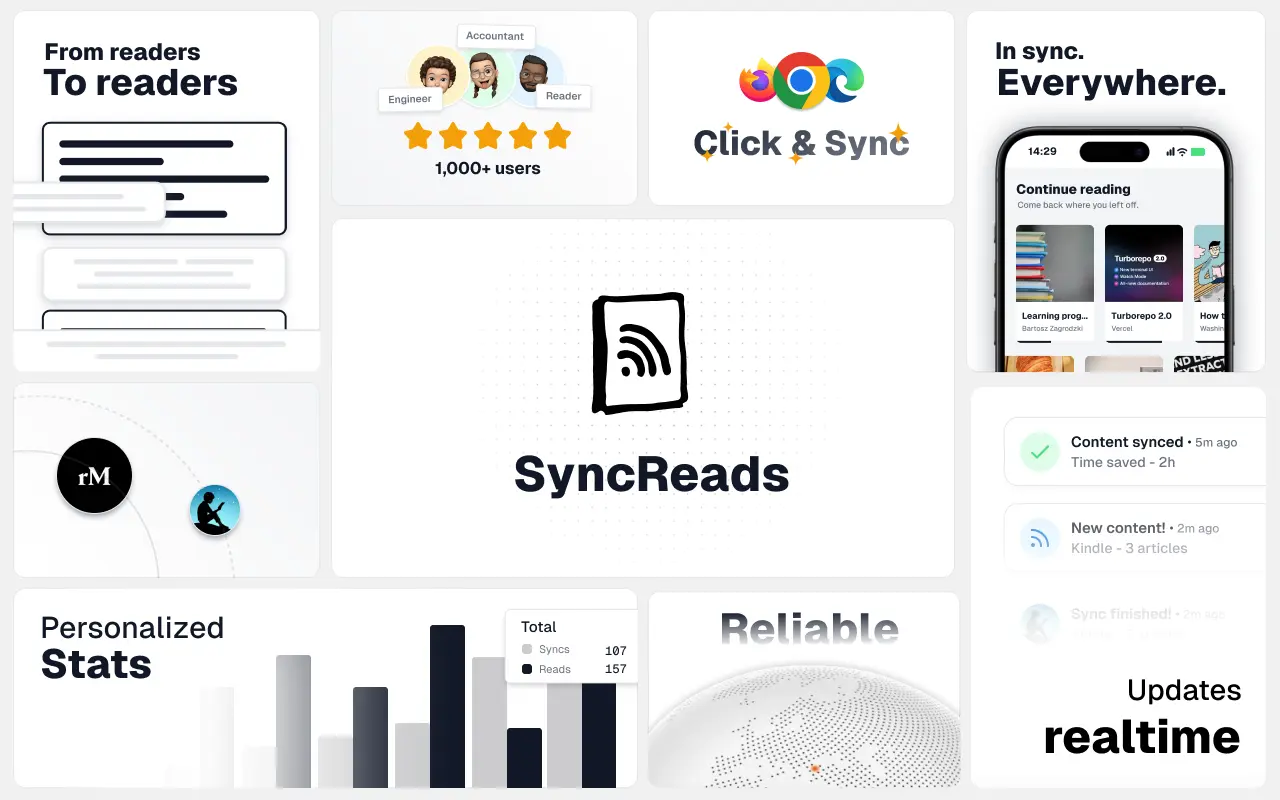
SyncReads
Sync your favorite content for distraction-free reading, save time and replace multiple apps. Anytime, anywhere 🔄
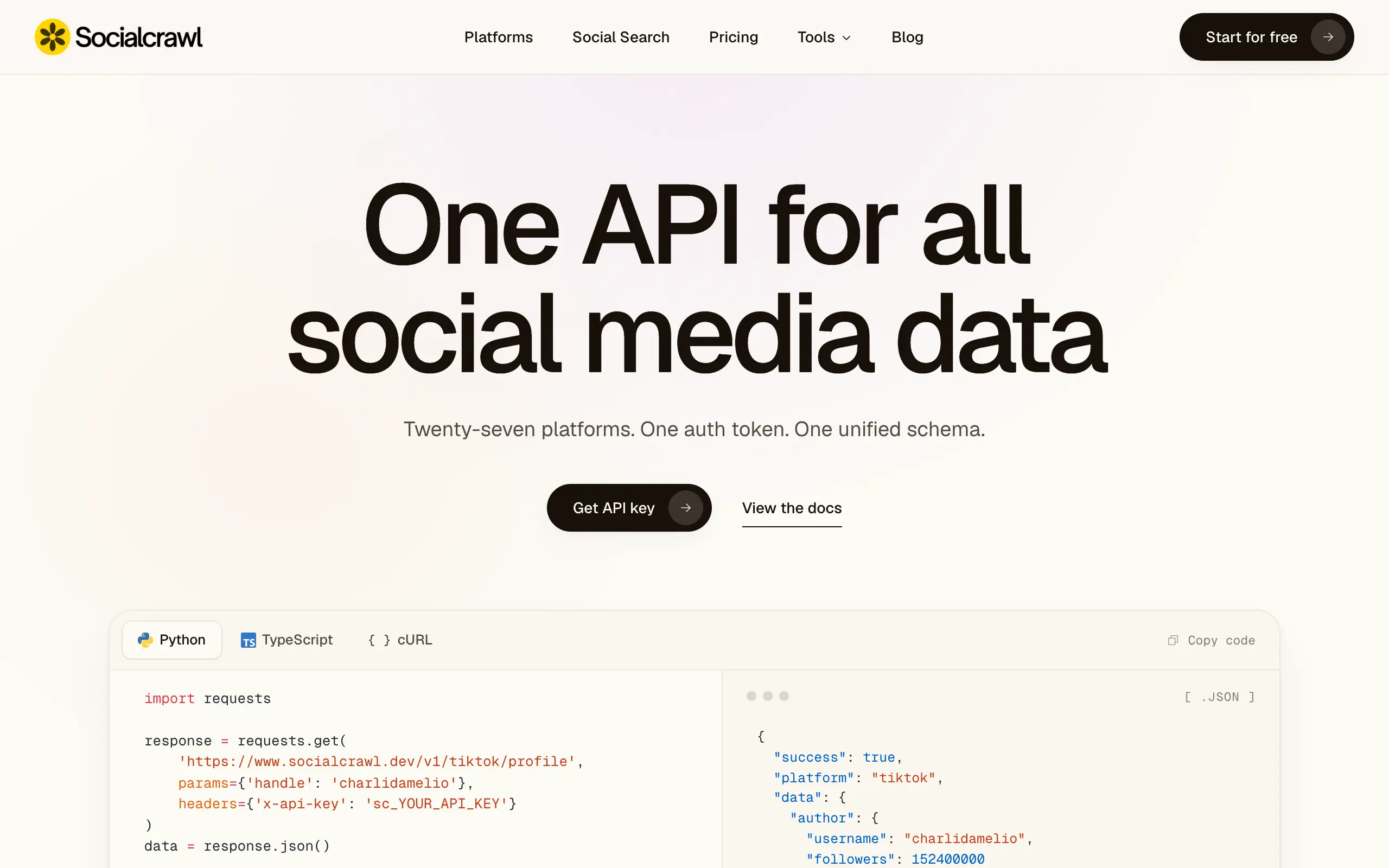
Socialcrawl
Get clean, structured data from 21 platforms like TikTok, Instagram, and YouTube with a single request 📊
Statiko
Monitor any Telegram channel in real time - track posts, edits, deletions, and growth with AI recaps 📡
Shibui
AI website builder - describe your business, pick a niche template, edit by chatting, and publish instantly ✨
Pro Service
Find verified home service professionals, compare quotes, and pay securely through escrow - built for Brazilians across the US 🏠
RankGrow
Fix your SEO with AI agents - connect Search Console, get prioritized tasks, and grow organic traffic 📈
SyncReads
Sync your favorite content for distraction-free reading, save time and replace multiple apps. Anytime, anywhere 🔄
Socialcrawl
Get clean, structured data from 21 platforms like TikTok, Instagram, and YouTube with a single request 📊
Statiko
Monitor any Telegram channel in real time - track posts, edits, deletions, and growth with AI recaps 📡
Shibui
AI website builder - describe your business, pick a niche template, edit by chatting, and publish instantly ✨
Pro Service
Find verified home service professionals, compare quotes, and pay securely through escrow - built for Brazilians across the US 🏠
RankGrow
Fix your SEO with AI agents - connect Search Console, get prioritized tasks, and grow organic traffic 📈
SyncReads
Sync your favorite content for distraction-free reading, save time and replace multiple apps. Anytime, anywhere 🔄
Socialcrawl
Get clean, structured data from 21 platforms like TikTok, Instagram, and YouTube with a single request 📊
Statiko
Monitor any Telegram channel in real time - track posts, edits, deletions, and growth with AI recaps 📡
Shibui
AI website builder - describe your business, pick a niche template, edit by chatting, and publish instantly ✨
Pro Service
Find verified home service professionals, compare quotes, and pay securely through escrow - built for Brazilians across the US 🏠
RankGrow
Fix your SEO with AI agents - connect Search Console, get prioritized tasks, and grow organic traffic 📈
SyncReads
Sync your favorite content for distraction-free reading, save time and replace multiple apps. Anytime, anywhere 🔄
Socialcrawl
Get clean, structured data from 21 platforms like TikTok, Instagram, and YouTube with a single request 📊
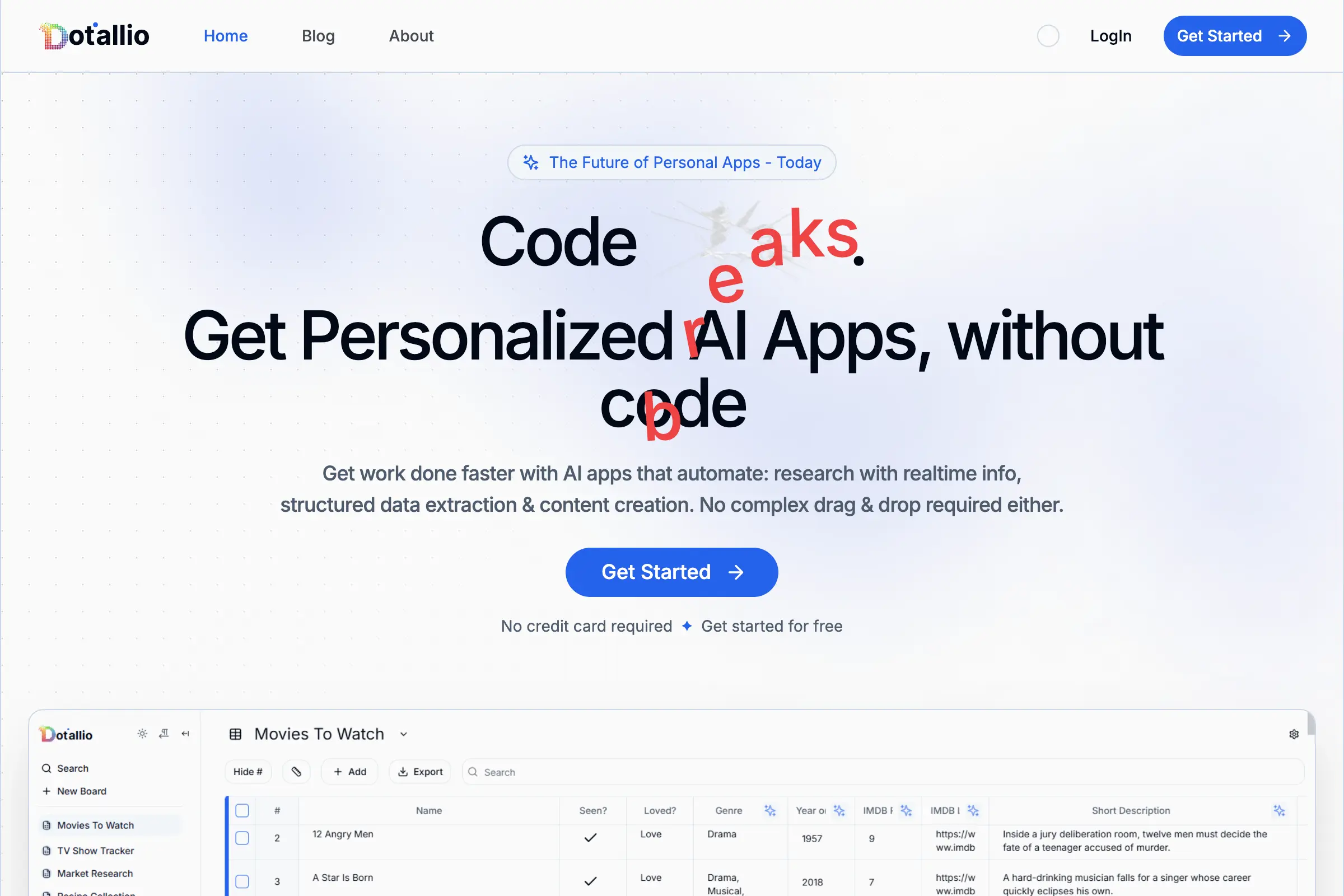
Dotallio
Personalized AI apps that automate research, data extraction, and content creation without code 🤖
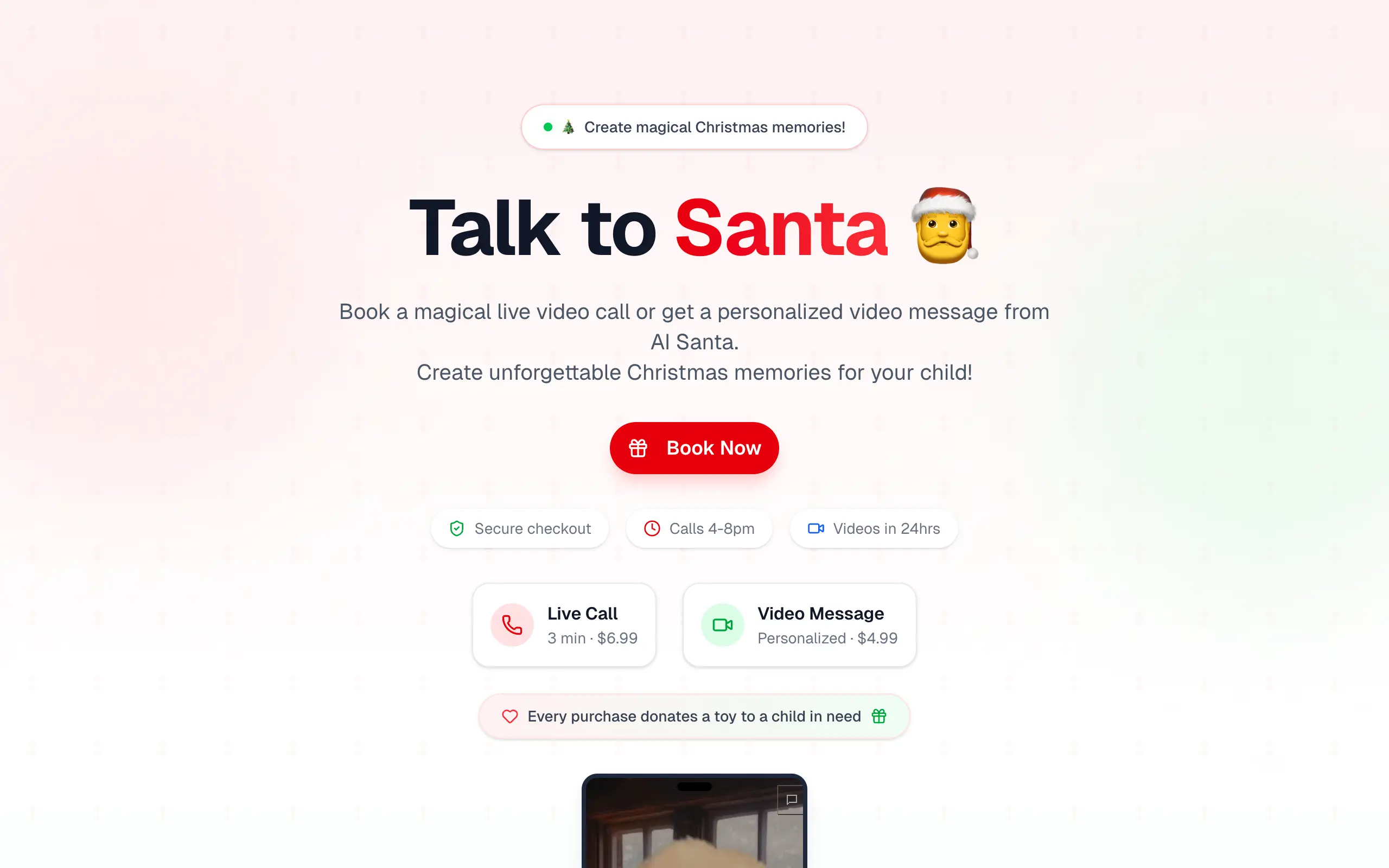
Talk to Santa
Enjoy a magical live video chat or receive a unique AI-generated video greeting from Santa Claus 🎅

pozywka.pl
Scalable blog for food journalist, focused on performance and user experience 🌭
zagrodzki.me
Personal blog and portfolio of Bart Zagrodzki, where he shares his knowledge and work 💼
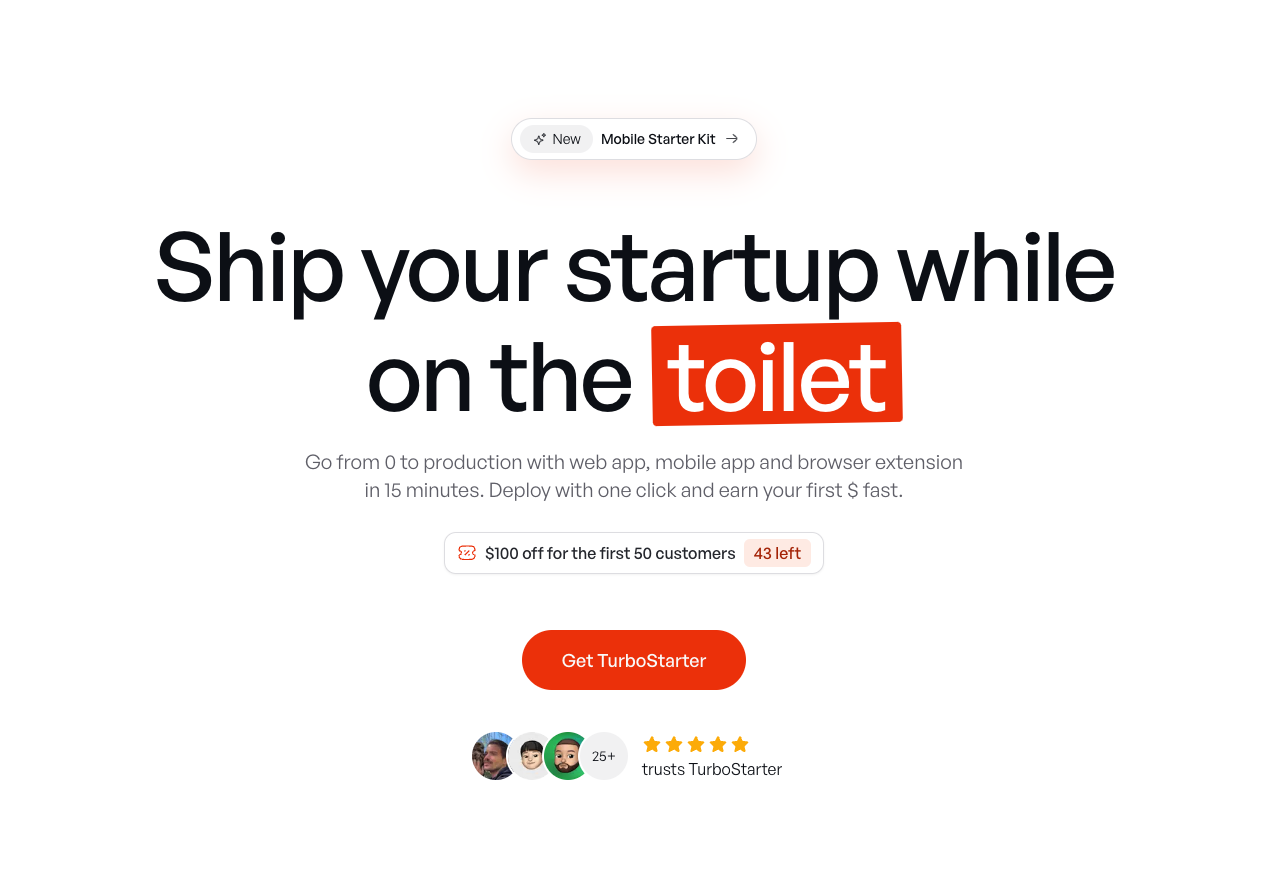
TurboStarter
Ship your startup everywhere. In minutes.
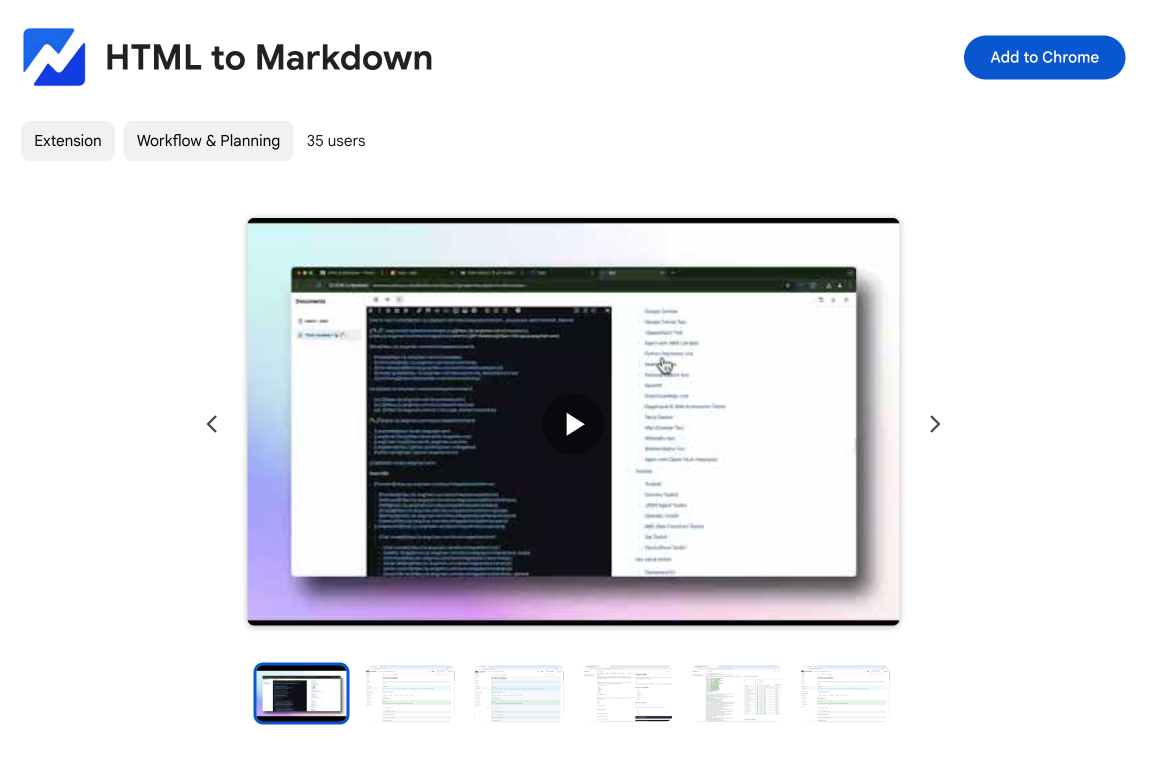
HTML to Markdown
Convert HTML to Markdown with ease, directly in your browser 📄
Dotallio
Personalized AI apps that automate research, data extraction, and content creation without code 🤖
Talk to Santa
Enjoy a magical live video chat or receive a unique AI-generated video greeting from Santa Claus 🎅
pozywka.pl
Scalable blog for food journalist, focused on performance and user experience 🌭
zagrodzki.me
Personal blog and portfolio of Bart Zagrodzki, where he shares his knowledge and work 💼
TurboStarter
Ship your startup everywhere. In minutes.
HTML to Markdown
Convert HTML to Markdown with ease, directly in your browser 📄
Dotallio
Personalized AI apps that automate research, data extraction, and content creation without code 🤖
Talk to Santa
Enjoy a magical live video chat or receive a unique AI-generated video greeting from Santa Claus 🎅
pozywka.pl
Scalable blog for food journalist, focused on performance and user experience 🌭
zagrodzki.me
Personal blog and portfolio of Bart Zagrodzki, where he shares his knowledge and work 💼
TurboStarter
Ship your startup everywhere. In minutes.
HTML to Markdown
Convert HTML to Markdown with ease, directly in your browser 📄
Dotallio
Personalized AI apps that automate research, data extraction, and content creation without code 🤖
Talk to Santa
Enjoy a magical live video chat or receive a unique AI-generated video greeting from Santa Claus 🎅
pozywka.pl
Scalable blog for food journalist, focused on performance and user experience 🌭
zagrodzki.me
Personal blog and portfolio of Bart Zagrodzki, where he shares his knowledge and work 💼
TurboStarter
Ship your startup everywhere. In minutes.
HTML to Markdown
Convert HTML to Markdown with ease, directly in your browser 📄
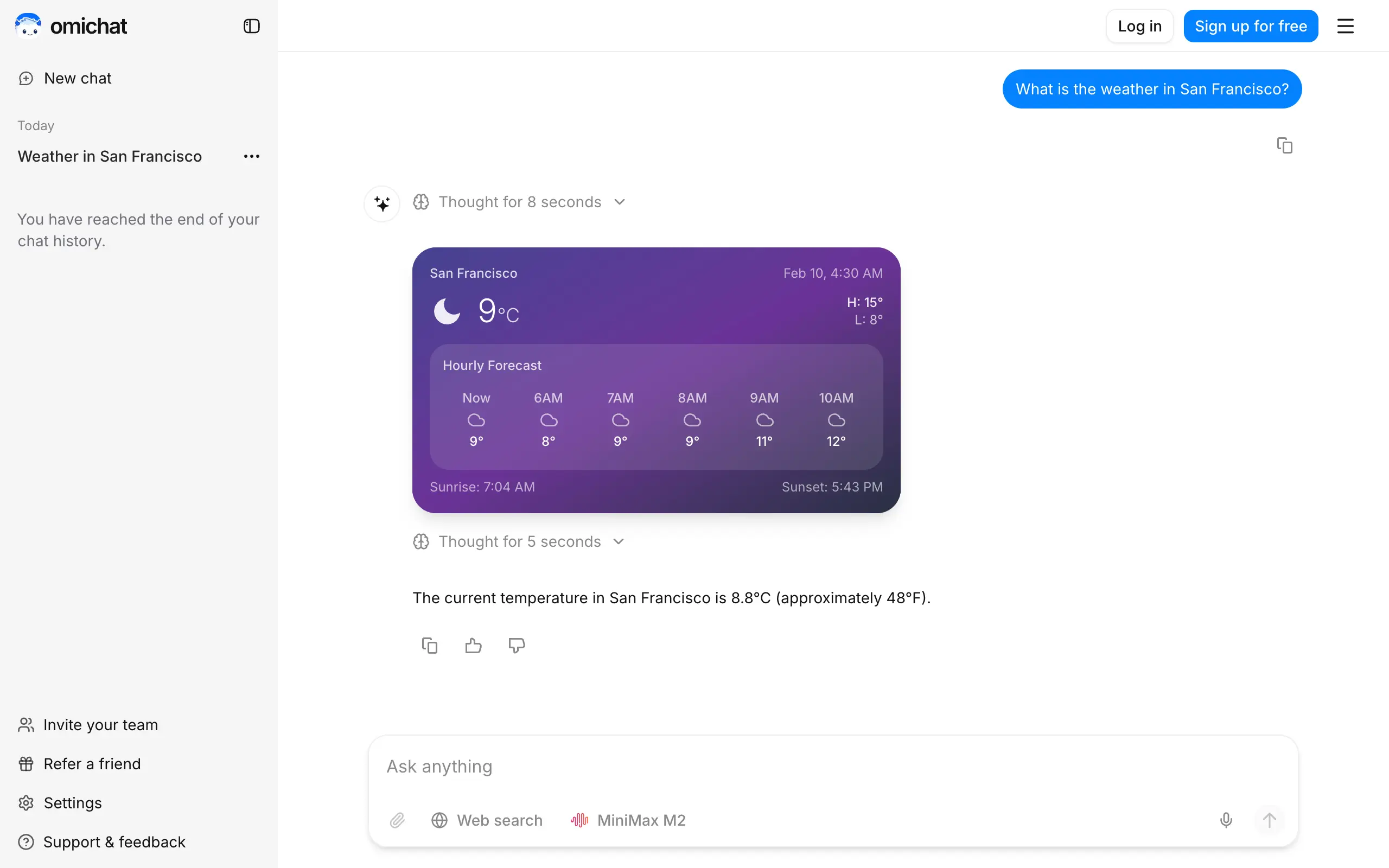
Omichat
Chat with 50+ AI models, including ChatGPT and Claude, in one place - switch models anytime without losing context 🤖
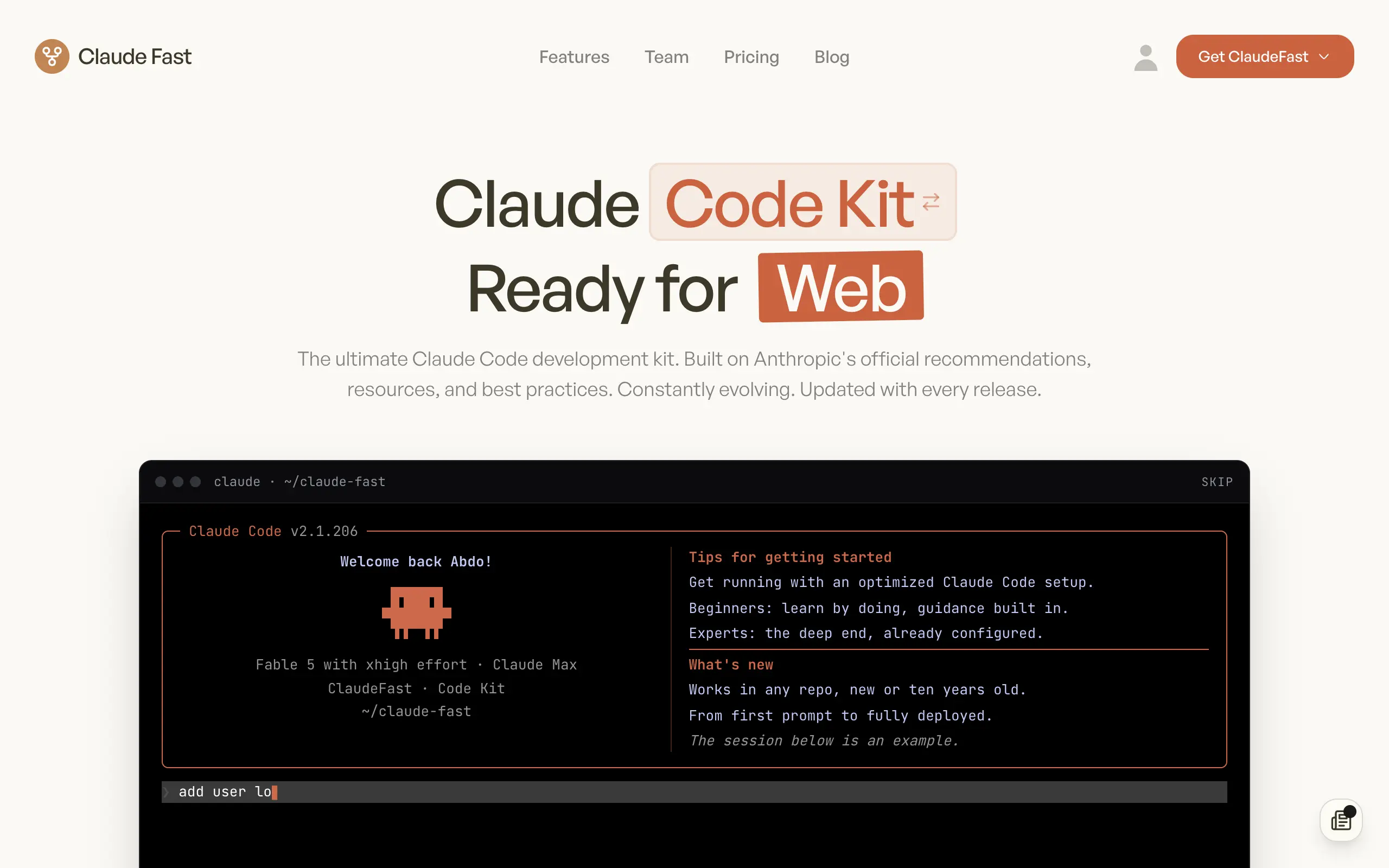
Claude Fast
Supercharge your Claude Code with 6x effective context window and specialized AI agents 🤖
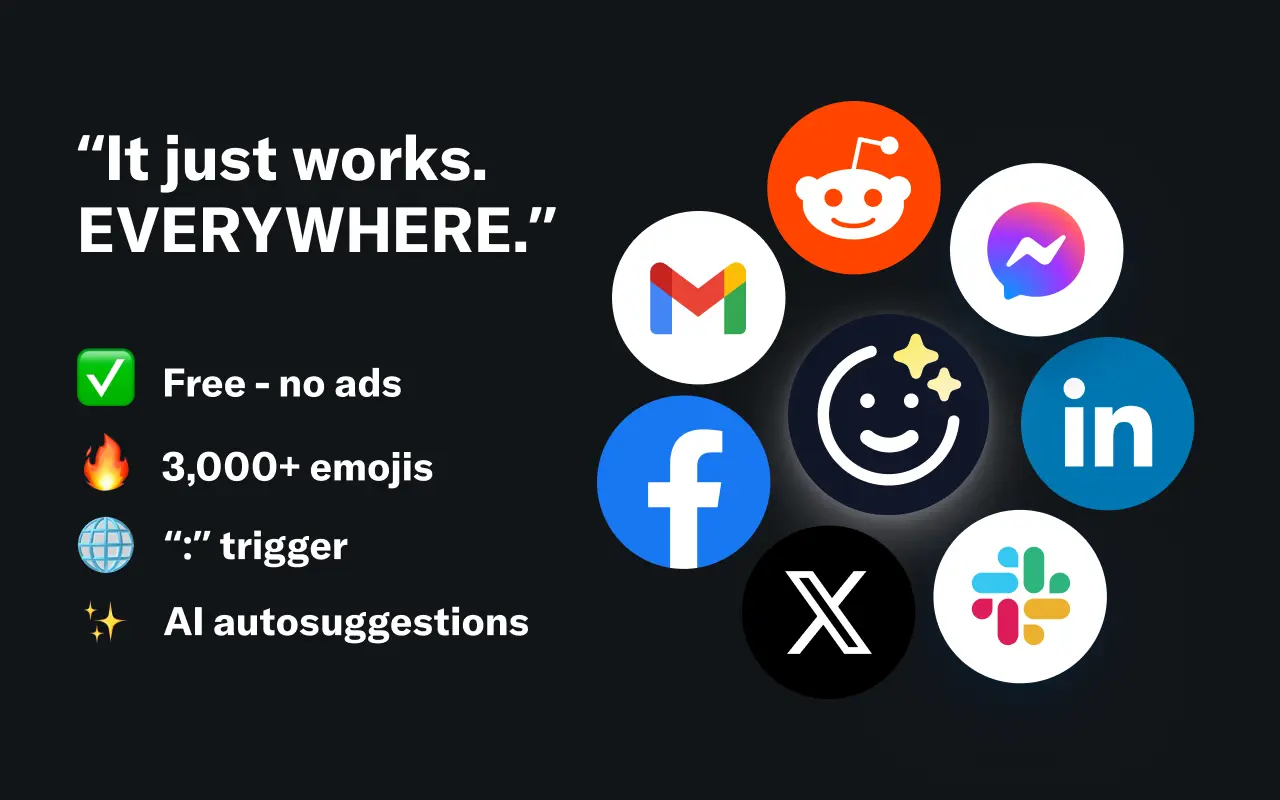
EmojAI
AI-powered emoji picker with smart, context-aware suggestions 🤖
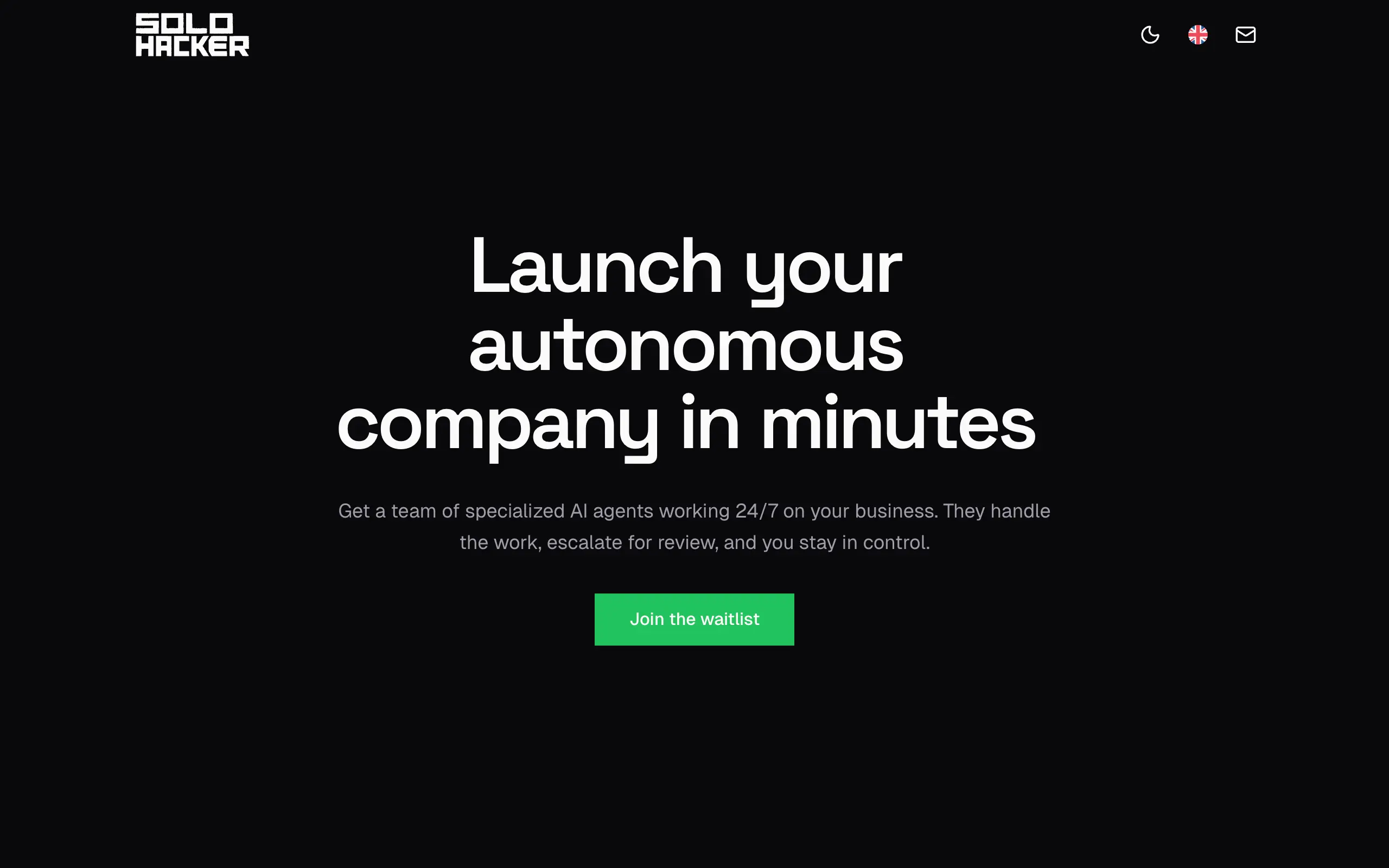
Solohacker
Autonomous company launcher - AI agents work 24/7, escalate what matters, and you stay in control 🤖
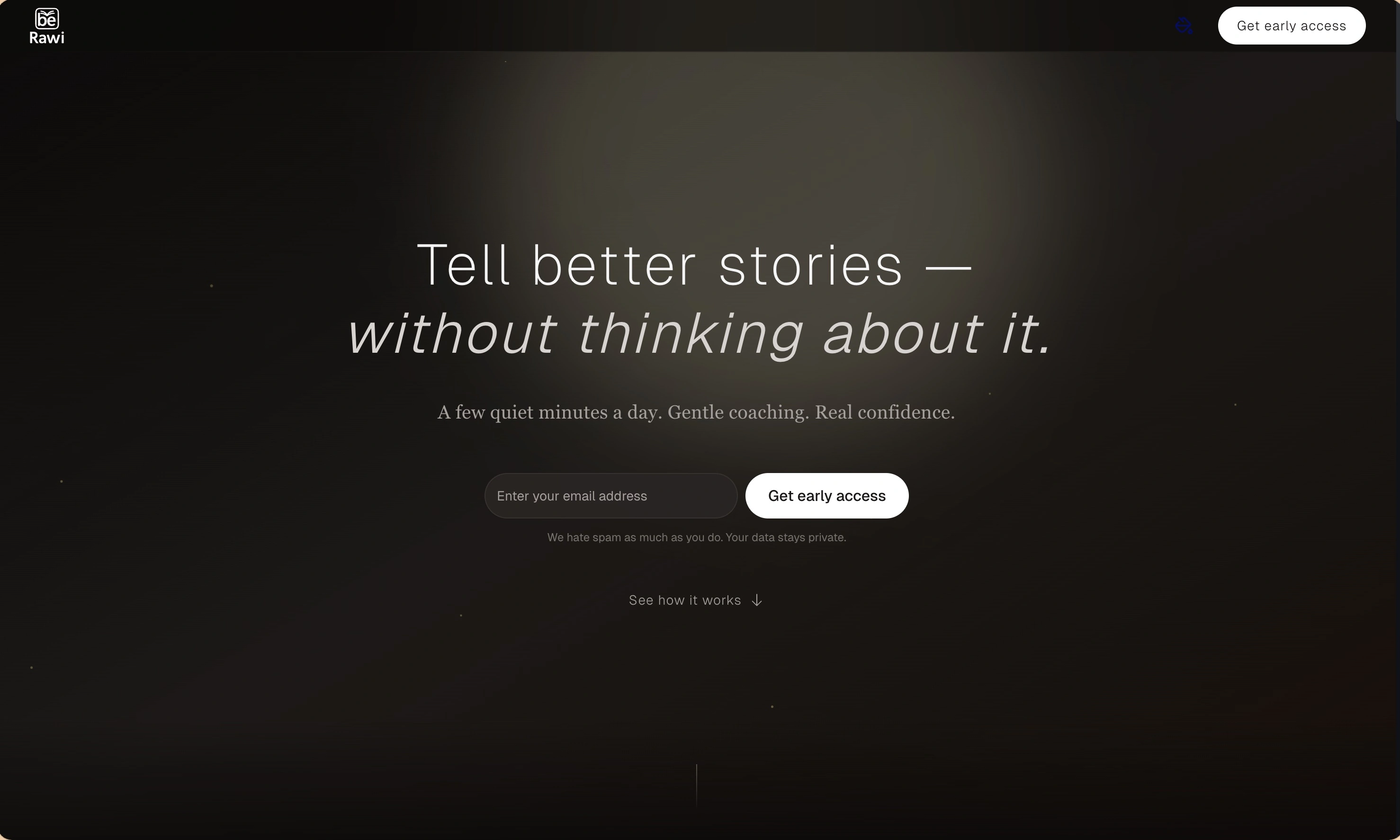
BeRawi: Storytelling Coach
Practice storytelling daily with instant feedback to sound clearer, more engaging, and confident 🎤
Omichat
Chat with 50+ AI models, including ChatGPT and Claude, in one place - switch models anytime without losing context 🤖
Claude Fast
Supercharge your Claude Code with 6x effective context window and specialized AI agents 🤖
EmojAI
AI-powered emoji picker with smart, context-aware suggestions 🤖
Solohacker
Autonomous company launcher - AI agents work 24/7, escalate what matters, and you stay in control 🤖
BeRawi: Storytelling Coach
Practice storytelling daily with instant feedback to sound clearer, more engaging, and confident 🎤
Omichat
Chat with 50+ AI models, including ChatGPT and Claude, in one place - switch models anytime without losing context 🤖
Claude Fast
Supercharge your Claude Code with 6x effective context window and specialized AI agents 🤖
EmojAI
AI-powered emoji picker with smart, context-aware suggestions 🤖
Solohacker
Autonomous company launcher - AI agents work 24/7, escalate what matters, and you stay in control 🤖
BeRawi: Storytelling Coach
Practice storytelling daily with instant feedback to sound clearer, more engaging, and confident 🎤
Omichat
Chat with 50+ AI models, including ChatGPT and Claude, in one place - switch models anytime without losing context 🤖
Claude Fast
Supercharge your Claude Code with 6x effective context window and specialized AI agents 🤖
EmojAI
AI-powered emoji picker with smart, context-aware suggestions 🤖
Solohacker
Autonomous company launcher - AI agents work 24/7, escalate what matters, and you stay in control 🤖
BeRawi: Storytelling Coach
Practice storytelling daily with instant feedback to sound clearer, more engaging, and confident 🎤

Connect with like-minded people
Join our community to get feedback, support, and grow together with 1,000+ builders on board, let's ship it!
Join usShip your startup everywhere. In minutes.
Don't burn tokens on setup and start building features on day one.