EmotiTrack
Continuous emotional health tracker that analyzes voice, text, and behavior signals to predict mood shifts and prevent burnout before it escalates.
what is EmotiTrack and why it matters now
Mental health is no longer a once-in-a-while check-in—it’s a continuous, dynamic state shaped by work, relationships, sleep, and digital behavior. Yet most tools today still operate reactively: journaling apps wait for user input, therapy platforms depend on scheduled sessions, and burnout often gets recognized only when it’s already severe.
EmotiTrack introduces a fundamentally different model: a continuous emotional health tracker powered by AI that analyzes voice tone, text patterns, and behavioral signals to predict mood shifts before they escalate.
This positions EmotiTrack within one of the fastest-growing intersections in SaaS today: AI-driven mental wellness, predictive analytics, and passive health monitoring.
Instead of asking:
- “How do you feel right now?”
It answers:
- “How have you been trending—and what’s likely to happen next?”
That shift from reactive to predictive is where the real market opportunity lies.
the growing demand for AI mental health tracking tools
The global mental health crisis has accelerated demand for scalable, tech-enabled solutions. Several trends are converging:
- Increased burnout in remote and hybrid work environments
- Growing acceptance of digital mental health tools
- Advancements in AI (especially NLP and speech analysis)
- Wearable and behavioral data becoming more accessible
According to widely cited industry reports (e.g., WHO and McKinsey), depression and anxiety cost the global economy trillions annually in lost productivity. Employers, individuals, and healthcare providers are all searching for early detection systems, not just treatment tools.
key gaps in existing solutions
Most current tools fall short in one or more ways:
- Manual input dependency (journaling apps)
- Lack of predictive capability
- Limited signal sources (only text or only biometrics)
- No real-time intervention system
EmotiTrack fills this gap by combining:
- Passive data collection
- Multi-modal AI analysis
- Predictive emotional modeling
- Proactive intervention triggers
target audience and user personas
Understanding who benefits most from EmotiTrack is critical for product positioning and growth.
primary audiences
1. knowledge workers and remote professionals
- High burnout risk due to blurred work-life boundaries
- Heavy reliance on digital communication (perfect for analysis)
- Likely early adopters of productivity and wellness tools
2. founders and startup teams
- High stress, unpredictable workloads
- Need for performance optimization
- Often lack structured mental health support
3. HR teams and people ops leaders
- Responsible for employee wellbeing
- Interested in aggregate emotional insights (privacy-safe)
- Looking to reduce attrition and burnout
4. therapists and mental health professionals
- Can use EmotiTrack as a supplementary monitoring tool
- Provides longitudinal emotional data between sessions
how EmotiTrack works: core system architecture
At its core, EmotiTrack is a multi-signal AI system that continuously builds an emotional profile of the user.
data sources
- Voice analysis
- Tone, pitch variability, pauses, speech rate
- Text analysis
- Sentiment, linguistic patterns, emotional keywords
- Behavioral signals
- Typing speed
- App usage
- Sleep/activity integrations (optional)
AI processing layers
Raw data is collected from user-permitted sources such as microphone input, messaging apps, or journaling entries.
Natural Language Processing (NLP) and speech emotion recognition models analyze emotional signals.
Time-series models detect patterns and forecast mood shifts or burnout risk.
The system triggers recommendations, alerts, or interventions based on risk thresholds.
core features that define EmotiTrack
1. continuous mood prediction engine
Unlike static mood trackers, EmotiTrack builds a dynamic emotional baseline and tracks deviations over time.
- Detects subtle downward trends
- Identifies emotional volatility patterns
- Predicts burnout windows before they occur
2. voice emotion analysis
Speech carries emotional cues that text alone cannot capture.
- Detect stress from vocal tension
- Identify fatigue through slower speech patterns
- Track emotional consistency over time
3. contextual text sentiment intelligence
Analyzes communication across platforms:
- Slack messages
- Emails
- Journaling entries
This allows:
- Detection of negative language shifts
- Identification of disengagement patterns
- Monitoring of communication tone changes
4. burnout risk scoring
A proprietary scoring system that combines all signals into a single, interpretable metric.
Example factors:
- Declining sentiment
- Reduced communication frequency
- Increased late-night activity
5. proactive interventions
Instead of passive dashboards, EmotiTrack actively helps:
- Suggest breaks or schedule adjustments
- Recommend breathing exercises or mindfulness
- Notify users of concerning patterns
6. privacy-first design
Mental health data is extremely sensitive. EmotiTrack must prioritize:
- On-device processing where possible
- Data anonymization
- Clear consent controls
Trust is the product
Without strong privacy guarantees, users will not adopt emotional tracking tools—no matter how powerful the AI is.
competitive landscape and differentiation
The mental wellness SaaS space is crowded—but still fragmented.
key competitors
- Mood tracking apps (e.g., Daylio, Moodnotes)
- Meditation platforms (e.g., Headspace, Calm)
- Therapy platforms (e.g., BetterHelp)
- Workplace analytics tools
where EmotiTrack stands out
| Feature | Traditional Apps | Therapy Platforms | Wearables | EmotiTrack |
|---|---|---|---|---|
| Passive tracking | ❌ | ❌ | ✅ | ✅ |
| Predictive insights | ❌ | ❌ | ⚠️ | ✅ |
| Multi-signal AI | ❌ | ❌ | ⚠️ | ✅ |
| Real-time interventions | ❌ | ❌ | ❌ | ✅ |
unique selling proposition (USP)
EmotiTrack is not just tracking how you feel—it predicts how you will feel next and helps you change that trajectory.
recommended tech stack for building EmotiTrack
Building a product like EmotiTrack requires a carefully balanced stack across AI, frontend, backend, and privacy infrastructure.
frontend
- React for UI
- TailwindCSS for styling
- Mobile apps using React Native or Swift/Kotlin
backend
- Node.js (scalable event-driven processing)
- Python microservices for AI models
- GraphQL API for flexible data querying
AI and machine learning
- NLP: Hugging Face Transformers
- Speech analysis: OpenAI Whisper or similar models
- Time-series prediction: PyTorch or TensorFlow
data infrastructure
- PostgreSQL for structured data
- Time-series DB (e.g., InfluxDB)
- Secure object storage for audio
privacy and security
- End-to-end encryption
- On-device inference (where possible)
- Differential privacy techniques
rapid MVP development
To accelerate development, tools like TurboStarter can help scaffold a SaaS product with authentication, billing, and core infrastructure already in place.
monetization strategies
EmotiTrack has multiple viable revenue streams depending on positioning.
1. subscription model (B2C)
- Free tier with limited tracking
- Premium tier ($10–$25/month):
- Advanced insights
- Predictive analytics
- Personalized interventions
2. B2B SaaS for companies
- Per-employee pricing
- Dashboard for HR insights (privacy-preserving)
- Burnout risk analytics across teams
3. therapist integrations
- Monthly subscription for professionals
- Client monitoring dashboards
- Session insights
4. API access
- Provide emotional analytics as a service
- Integrate with other wellness or productivity apps
potential risks and how to mitigate them
1. privacy concerns
Risk: Users may feel uncomfortable with emotional surveillance.
Mitigation:
- Transparent data policies
- Local processing where possible
- Clear opt-in controls
2. inaccurate predictions
Risk: Misinterpreting emotional states could erode trust.
Mitigation:
- Continuous model training
- Human-in-the-loop feedback
- Confidence scoring in predictions
3. ethical implications
Risk: Emotional data misuse by employers or third parties.
Mitigation:
- Strict data governance policies
- No individual-level employer tracking
- Compliance with GDPR, HIPAA (if applicable)
4. user dependency
Risk: Over-reliance on AI for emotional validation.
Mitigation:
- Position as a support tool, not a replacement for therapy
- Encourage human interaction and professional help
market opportunity and future trends
Several macro trends make EmotiTrack particularly timely:
AI personalization boom
Users expect hyper-personalized experiences—mental health is no exception.
workplace wellness budgets
Companies are increasing investment in employee wellbeing tools.
multimodal AI
Combining voice, text, and behavior is now technically feasible and increasingly accurate.
preventative healthcare shift
Healthcare systems are moving toward prevention rather than treatment.
Future versions of EmotiTrack could integrate with wearables, AR/VR therapy environments, or even workplace tools like Slack for real-time emotional insights.
step-by-step implementation roadmap
example MVP feature flow
Here’s a simplified flow of how an MVP might work:
function analyzeMood(input) {
  const sentiment = analyzeText(input.text);
  const voiceTone = analyzeVoice(input.audio);

  const moodScore = (sentiment + voiceTone) / 2;

  if (moodScore < threshold) {
    triggerIntervention();
  }

  return moodScore;
}
This evolves into more sophisticated models over time.
go-to-market strategy
phase 1: niche targeting
- Focus on startup founders and remote workers
- Use Twitter/X, LinkedIn, and indie hacker communities
phase 2: content marketing
- SEO articles targeting:
- “AI mental health tracking”
- “burnout prediction tools”
- “how to prevent burnout early”
phase 3: partnerships
- Collaborate with:
- Therapy platforms
- Wellness influencers
- HR tech tools
frequently asked questions
No. It is a preventative and supportive tool designed to complement—not replace—professional mental health care.
Accuracy varies depending on data quality and models, but combining multiple signals (voice, text, behavior) significantly improves reliability.
Trust depends on transparency, privacy protections, and clear value. Without these, adoption will be limited.
final thoughts: why EmotiTrack has breakout potential
EmotiTrack sits at the intersection of several powerful shifts:
- AI becoming deeply personal
- Mental health becoming a priority
- Predictive analytics moving into everyday life
Its real strength isn’t just in analyzing emotions—it’s in changing outcomes before they spiral.
That’s a fundamentally new category.
If executed well—with strong privacy, accurate models, and meaningful interventions—EmotiTrack could become:
- A daily companion for individuals
- A critical tool for organizations
- A foundational platform in preventative mental health
ready to build EmotiTrack?
The biggest challenge isn’t the idea—it’s execution speed, architecture decisions, and getting to MVP before overengineering.
Using a production-ready SaaS foundation like TurboStarter can dramatically reduce time-to-market, letting you focus on what truly differentiates EmotiTrack: its intelligence layer.
If you’re serious about building in the AI mental health space, the window is open—but not forever. The winners will be those who combine technical depth, ethical responsibility, and user trust into one cohesive product.
More 🤖 AI Startup SaaS ideas
Discover more innovative ai startup SaaS ideas that are trending in 2026. Each idea is AI-generated with market validation and growth potential to help you find your next profitable venture faster than competitors.
Your competitors are building with TurboStarter
Below are some of the SaaS ideas that have been generated and built with our starter kit.
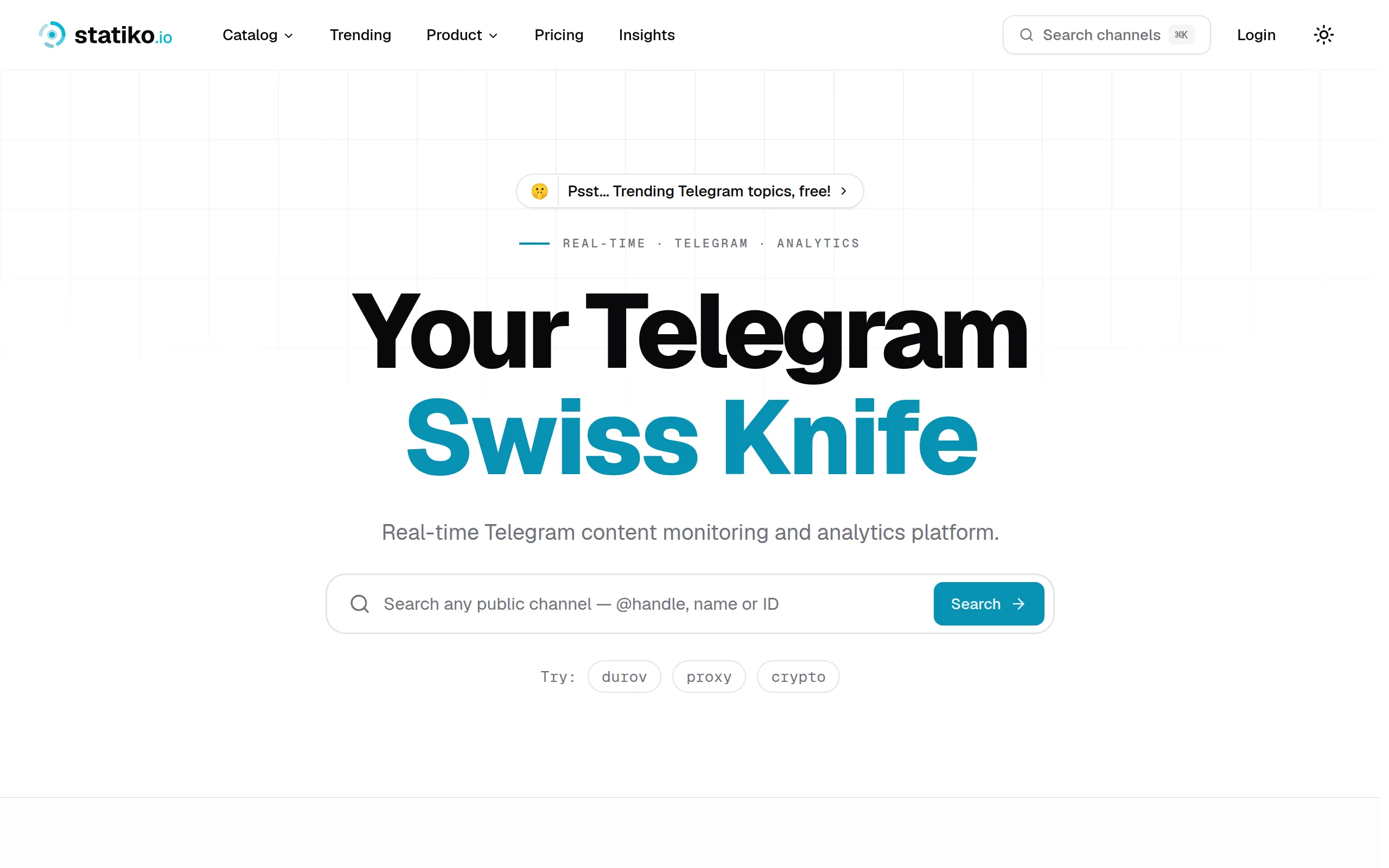
Statiko
Monitor any Telegram channel in real time - track posts, edits, deletions, and growth with AI recaps 📡

Shibui
AI website builder - describe your business, pick a niche template, edit by chatting, and publish instantly ✨

Pro Service
Find verified home service professionals, compare quotes, and pay securely through escrow - built for Brazilians across the US 🏠
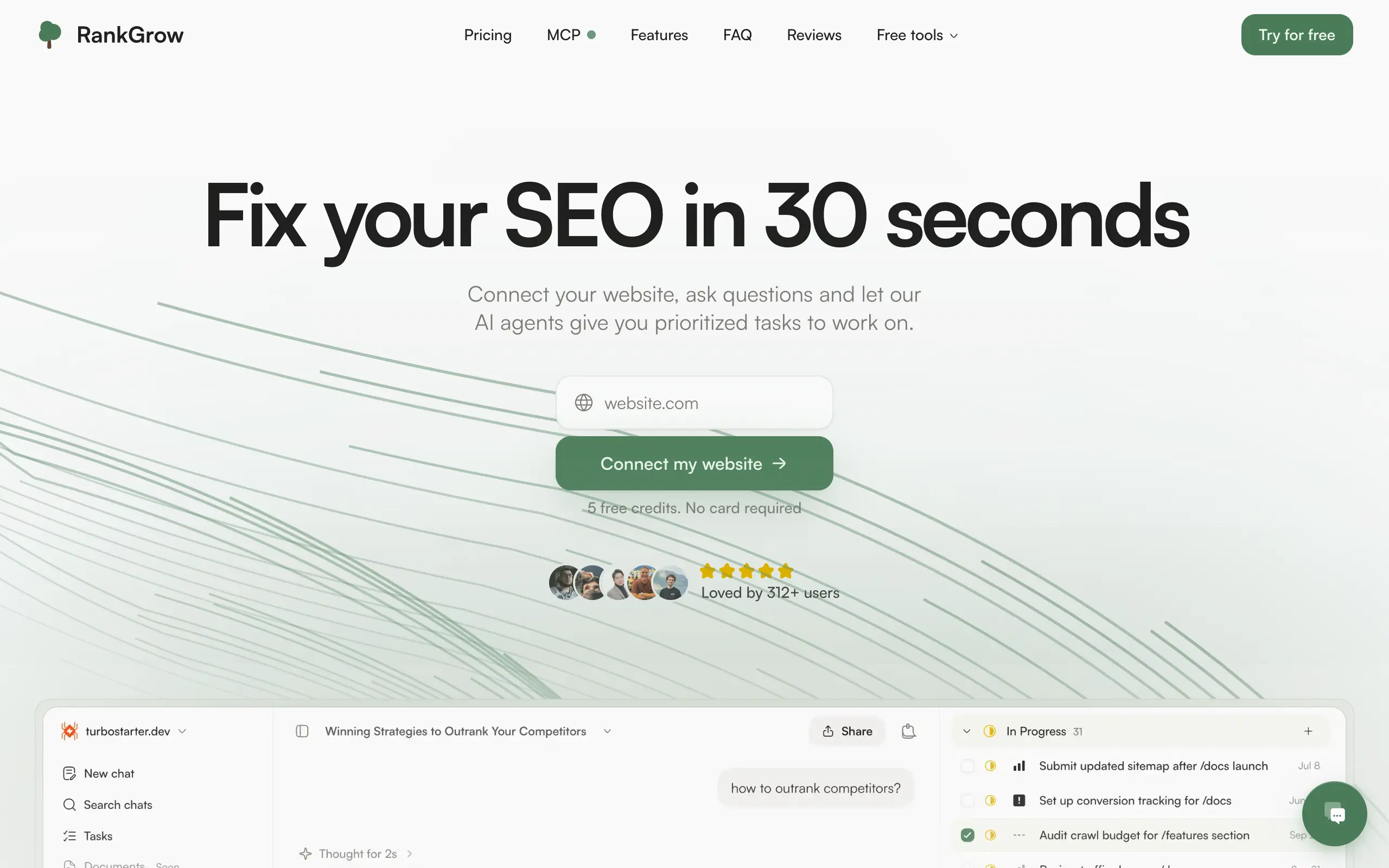
RankGrow
Fix your SEO with AI agents - connect Search Console, get prioritized tasks, and grow organic traffic 📈
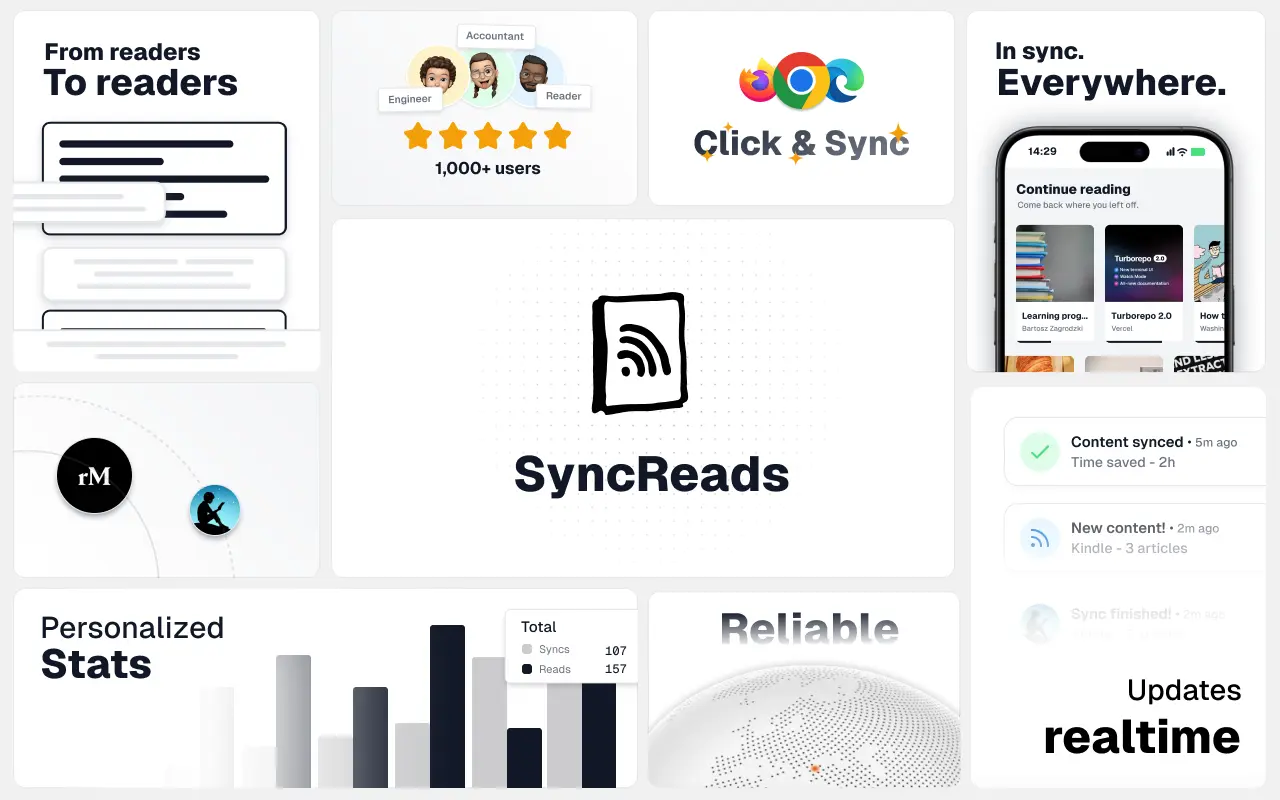
SyncReads
Sync your favorite content for distraction-free reading, save time and replace multiple apps. Anytime, anywhere 🔄
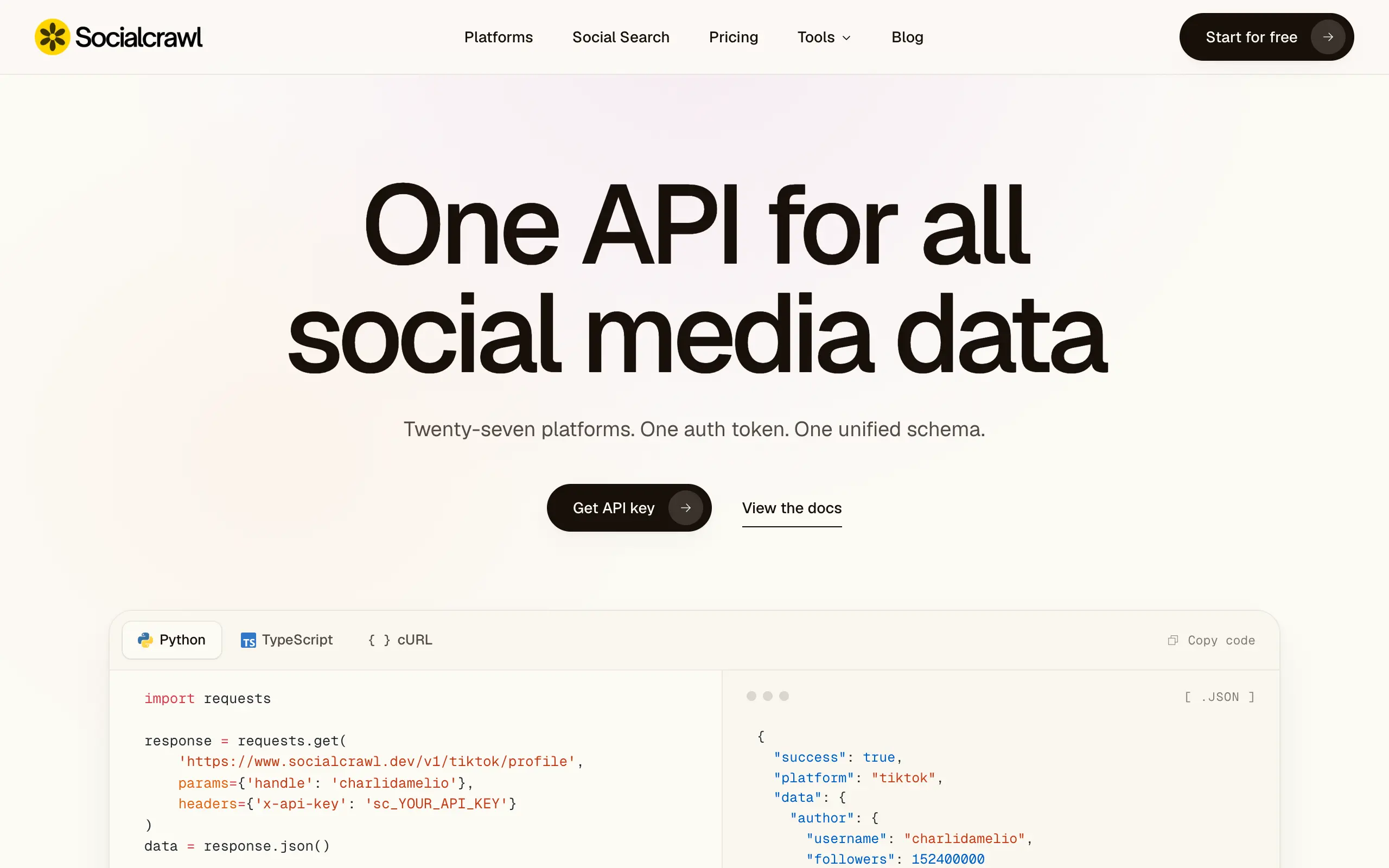
Socialcrawl
Get clean, structured data from 21 platforms like TikTok, Instagram, and YouTube with a single request 📊
Statiko
Monitor any Telegram channel in real time - track posts, edits, deletions, and growth with AI recaps 📡
Shibui
AI website builder - describe your business, pick a niche template, edit by chatting, and publish instantly ✨
Pro Service
Find verified home service professionals, compare quotes, and pay securely through escrow - built for Brazilians across the US 🏠
RankGrow
Fix your SEO with AI agents - connect Search Console, get prioritized tasks, and grow organic traffic 📈
SyncReads
Sync your favorite content for distraction-free reading, save time and replace multiple apps. Anytime, anywhere 🔄
Socialcrawl
Get clean, structured data from 21 platforms like TikTok, Instagram, and YouTube with a single request 📊
Statiko
Monitor any Telegram channel in real time - track posts, edits, deletions, and growth with AI recaps 📡
Shibui
AI website builder - describe your business, pick a niche template, edit by chatting, and publish instantly ✨
Pro Service
Find verified home service professionals, compare quotes, and pay securely through escrow - built for Brazilians across the US 🏠
RankGrow
Fix your SEO with AI agents - connect Search Console, get prioritized tasks, and grow organic traffic 📈
SyncReads
Sync your favorite content for distraction-free reading, save time and replace multiple apps. Anytime, anywhere 🔄
Socialcrawl
Get clean, structured data from 21 platforms like TikTok, Instagram, and YouTube with a single request 📊
Statiko
Monitor any Telegram channel in real time - track posts, edits, deletions, and growth with AI recaps 📡
Shibui
AI website builder - describe your business, pick a niche template, edit by chatting, and publish instantly ✨
Pro Service
Find verified home service professionals, compare quotes, and pay securely through escrow - built for Brazilians across the US 🏠
RankGrow
Fix your SEO with AI agents - connect Search Console, get prioritized tasks, and grow organic traffic 📈
SyncReads
Sync your favorite content for distraction-free reading, save time and replace multiple apps. Anytime, anywhere 🔄
Socialcrawl
Get clean, structured data from 21 platforms like TikTok, Instagram, and YouTube with a single request 📊
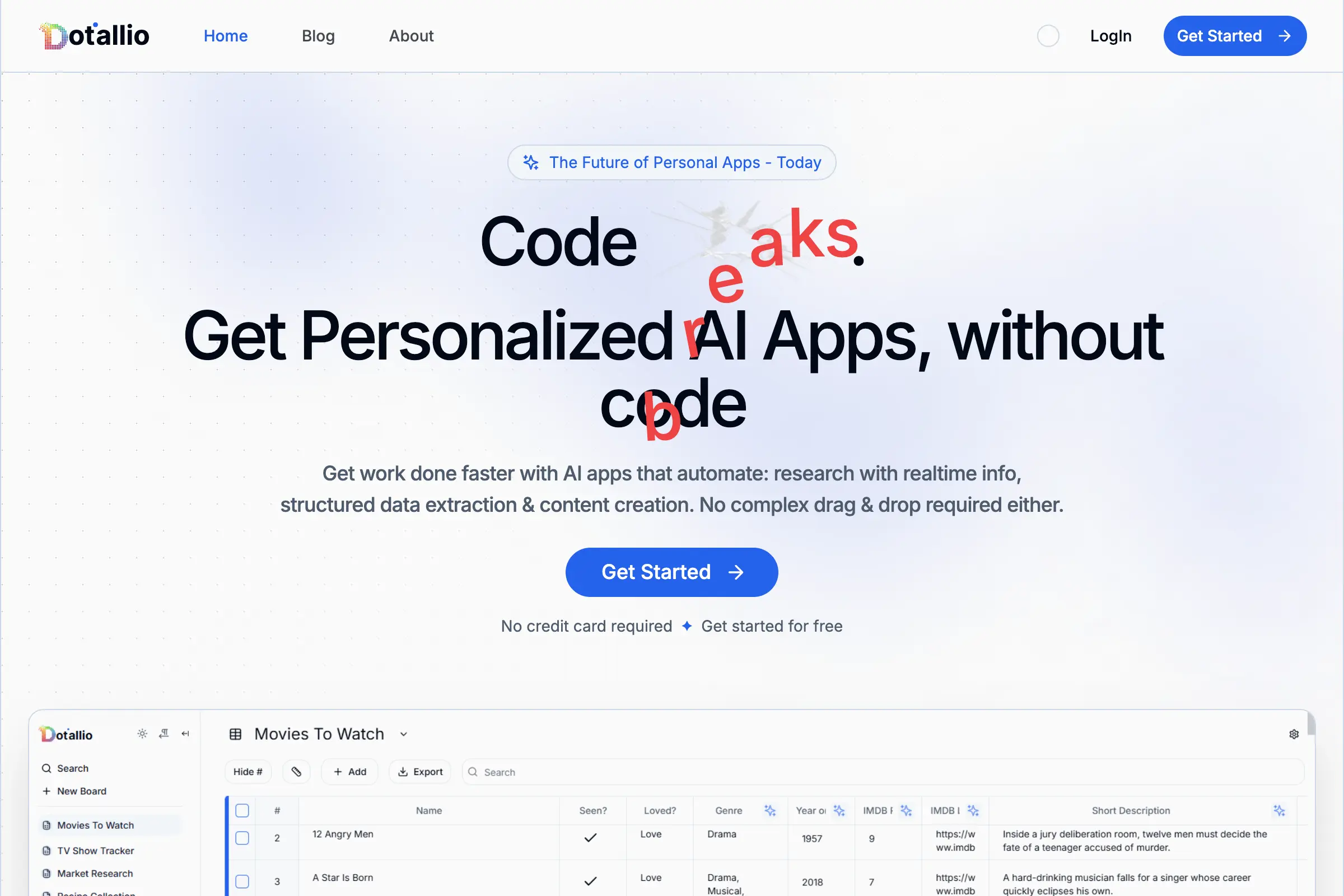
Dotallio
Personalized AI apps that automate research, data extraction, and content creation without code 🤖
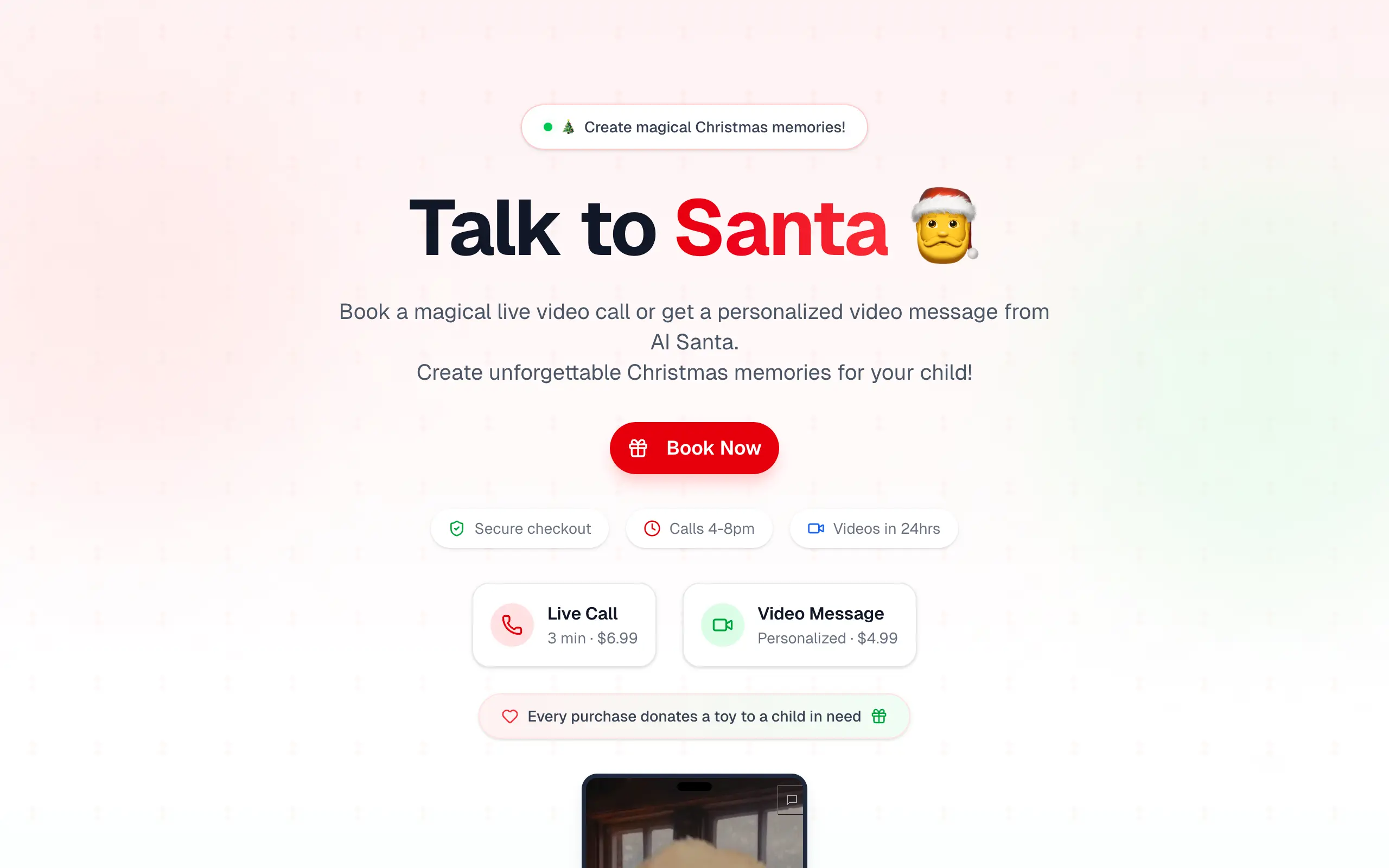
Talk to Santa
Enjoy a magical live video chat or receive a unique AI-generated video greeting from Santa Claus 🎅

pozywka.pl
Scalable blog for food journalist, focused on performance and user experience 🌭
zagrodzki.me
Personal blog and portfolio of Bart Zagrodzki, where he shares his knowledge and work 💼
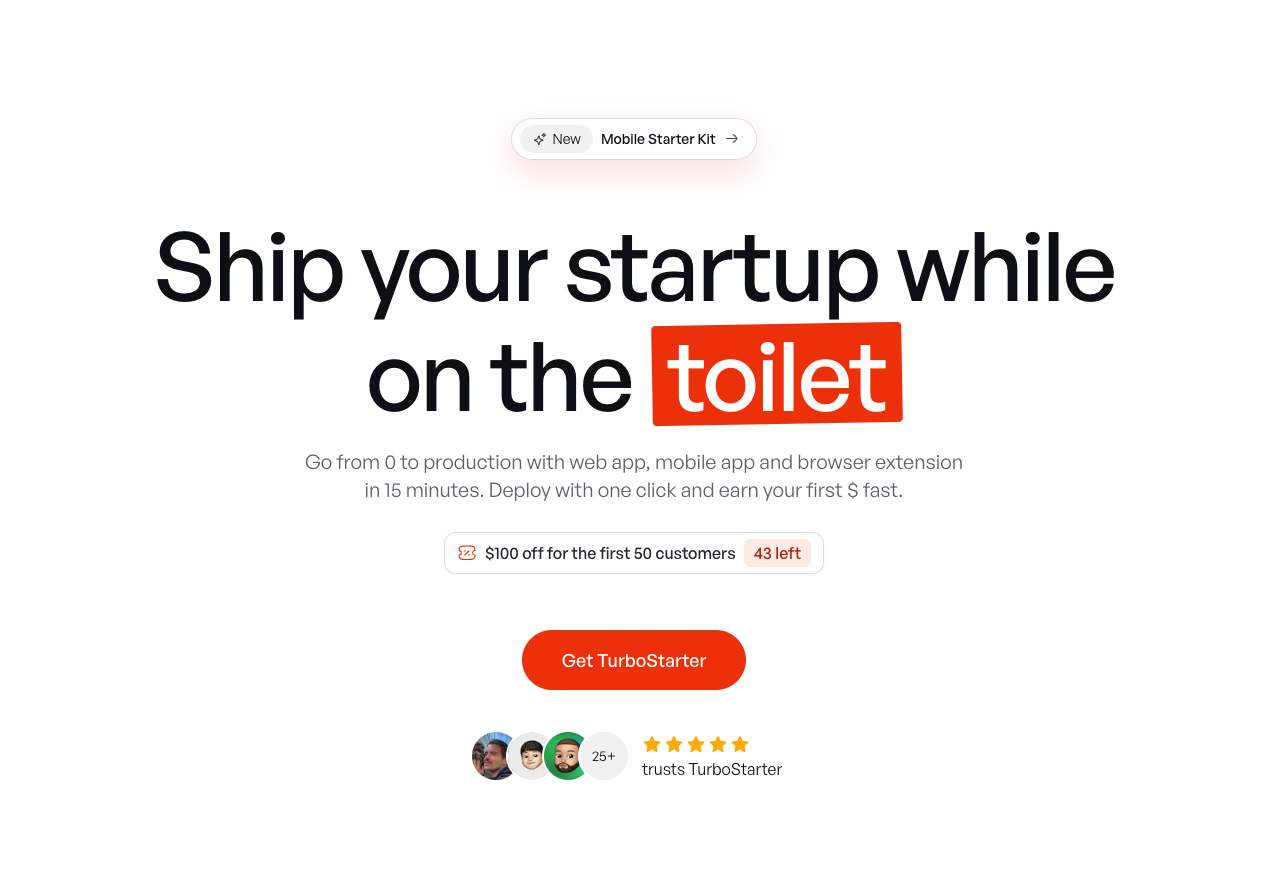
TurboStarter
Ship your startup everywhere. In minutes.
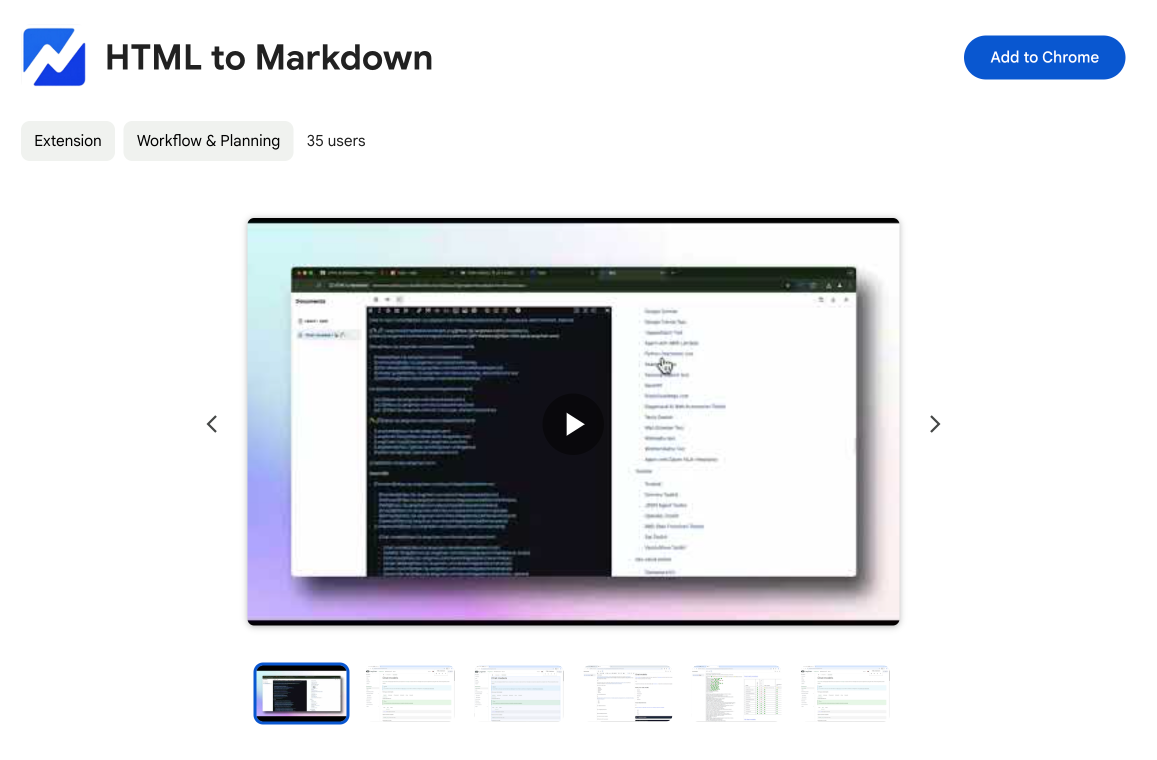
HTML to Markdown
Convert HTML to Markdown with ease, directly in your browser 📄
Dotallio
Personalized AI apps that automate research, data extraction, and content creation without code 🤖
Talk to Santa
Enjoy a magical live video chat or receive a unique AI-generated video greeting from Santa Claus 🎅
pozywka.pl
Scalable blog for food journalist, focused on performance and user experience 🌭
zagrodzki.me
Personal blog and portfolio of Bart Zagrodzki, where he shares his knowledge and work 💼
TurboStarter
Ship your startup everywhere. In minutes.
HTML to Markdown
Convert HTML to Markdown with ease, directly in your browser 📄
Dotallio
Personalized AI apps that automate research, data extraction, and content creation without code 🤖
Talk to Santa
Enjoy a magical live video chat or receive a unique AI-generated video greeting from Santa Claus 🎅
pozywka.pl
Scalable blog for food journalist, focused on performance and user experience 🌭
zagrodzki.me
Personal blog and portfolio of Bart Zagrodzki, where he shares his knowledge and work 💼
TurboStarter
Ship your startup everywhere. In minutes.
HTML to Markdown
Convert HTML to Markdown with ease, directly in your browser 📄
Dotallio
Personalized AI apps that automate research, data extraction, and content creation without code 🤖
Talk to Santa
Enjoy a magical live video chat or receive a unique AI-generated video greeting from Santa Claus 🎅
pozywka.pl
Scalable blog for food journalist, focused on performance and user experience 🌭
zagrodzki.me
Personal blog and portfolio of Bart Zagrodzki, where he shares his knowledge and work 💼
TurboStarter
Ship your startup everywhere. In minutes.
HTML to Markdown
Convert HTML to Markdown with ease, directly in your browser 📄
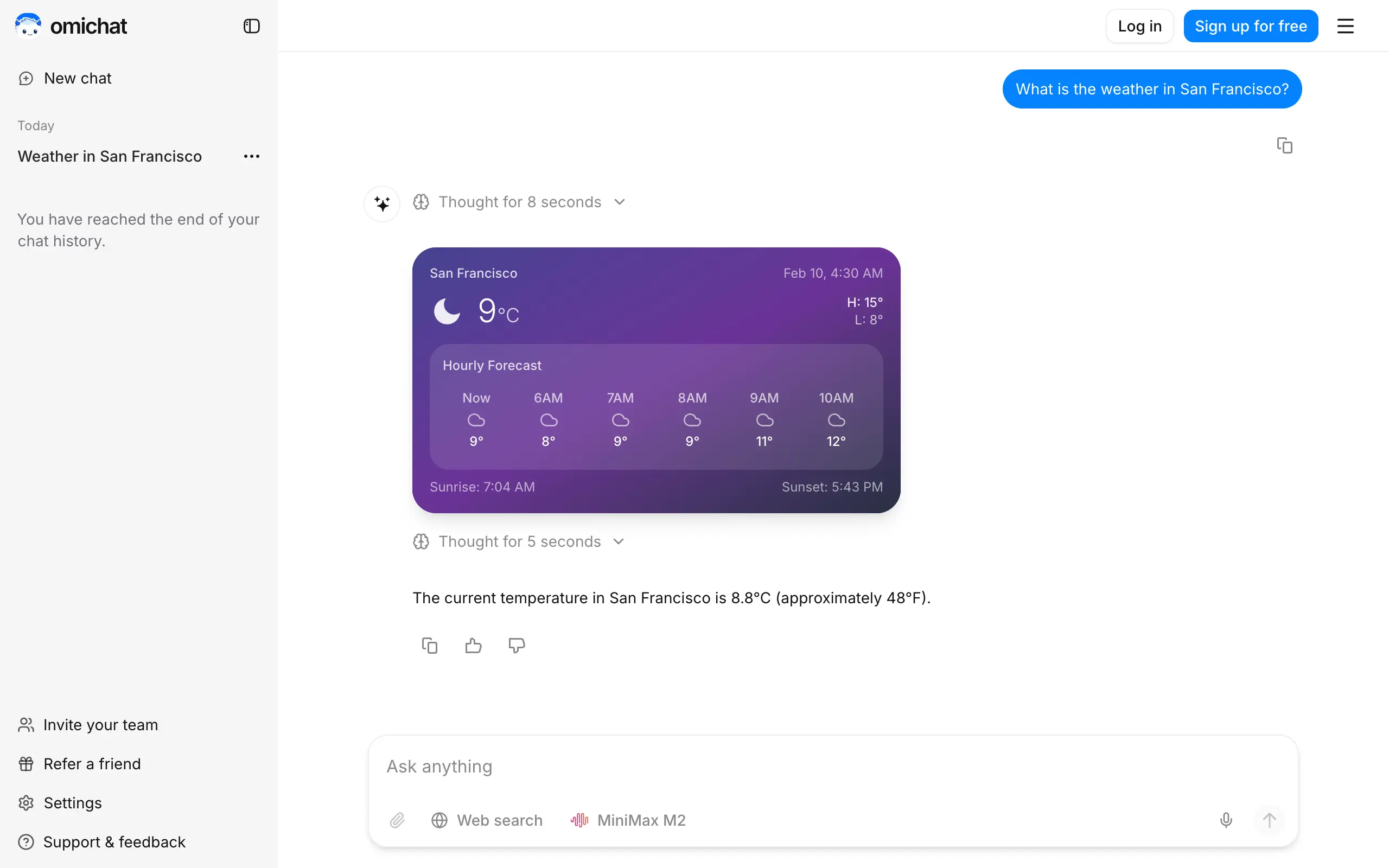
Omichat
Chat with 50+ AI models, including ChatGPT and Claude, in one place - switch models anytime without losing context 🤖
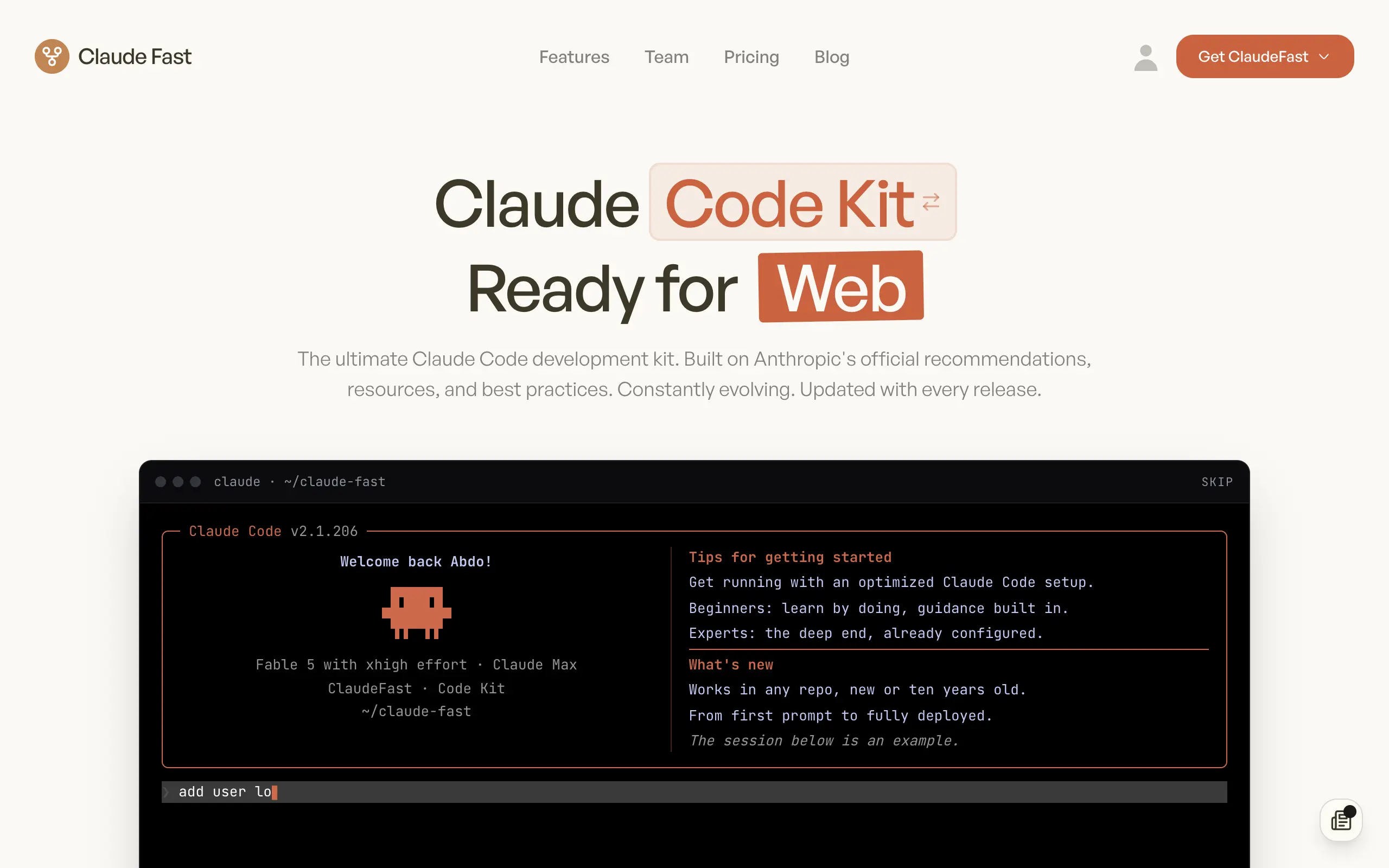
Claude Fast
Supercharge your Claude Code with 6x effective context window and specialized AI agents 🤖
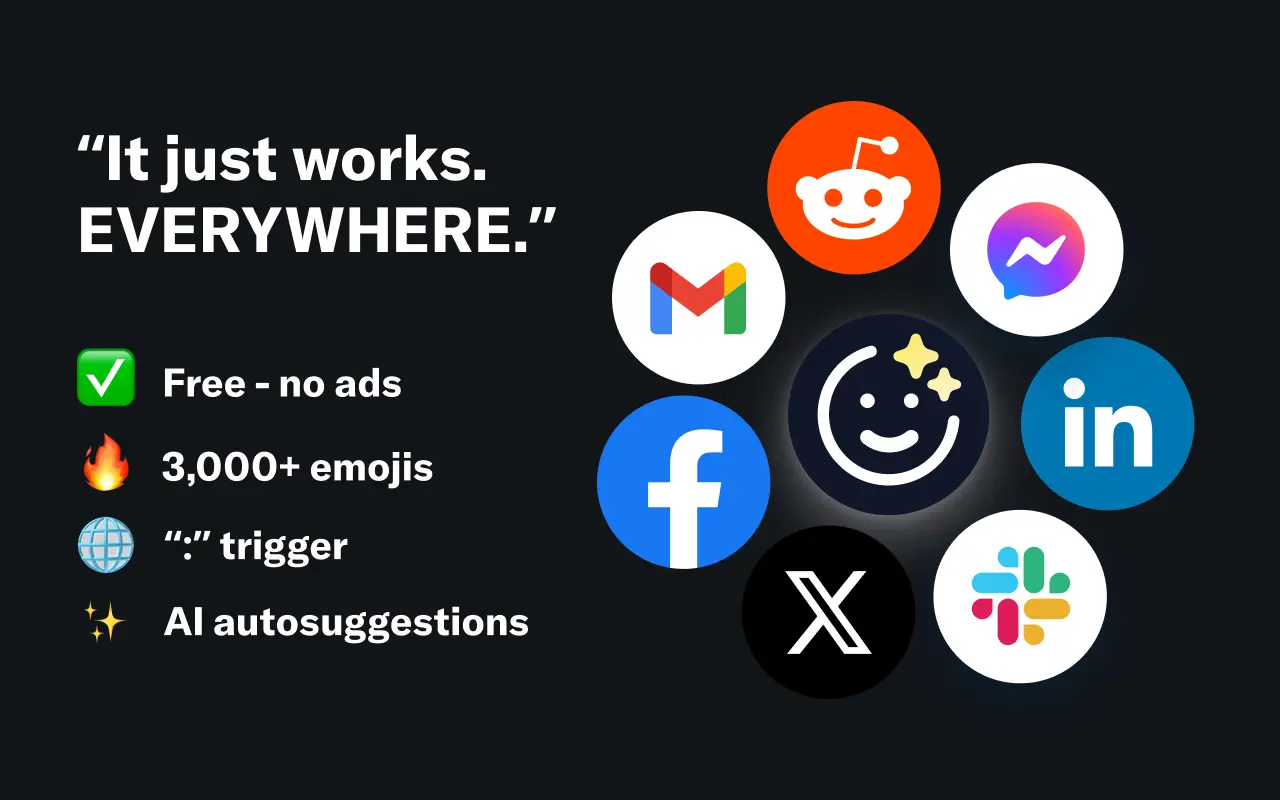
EmojAI
AI-powered emoji picker with smart, context-aware suggestions 🤖
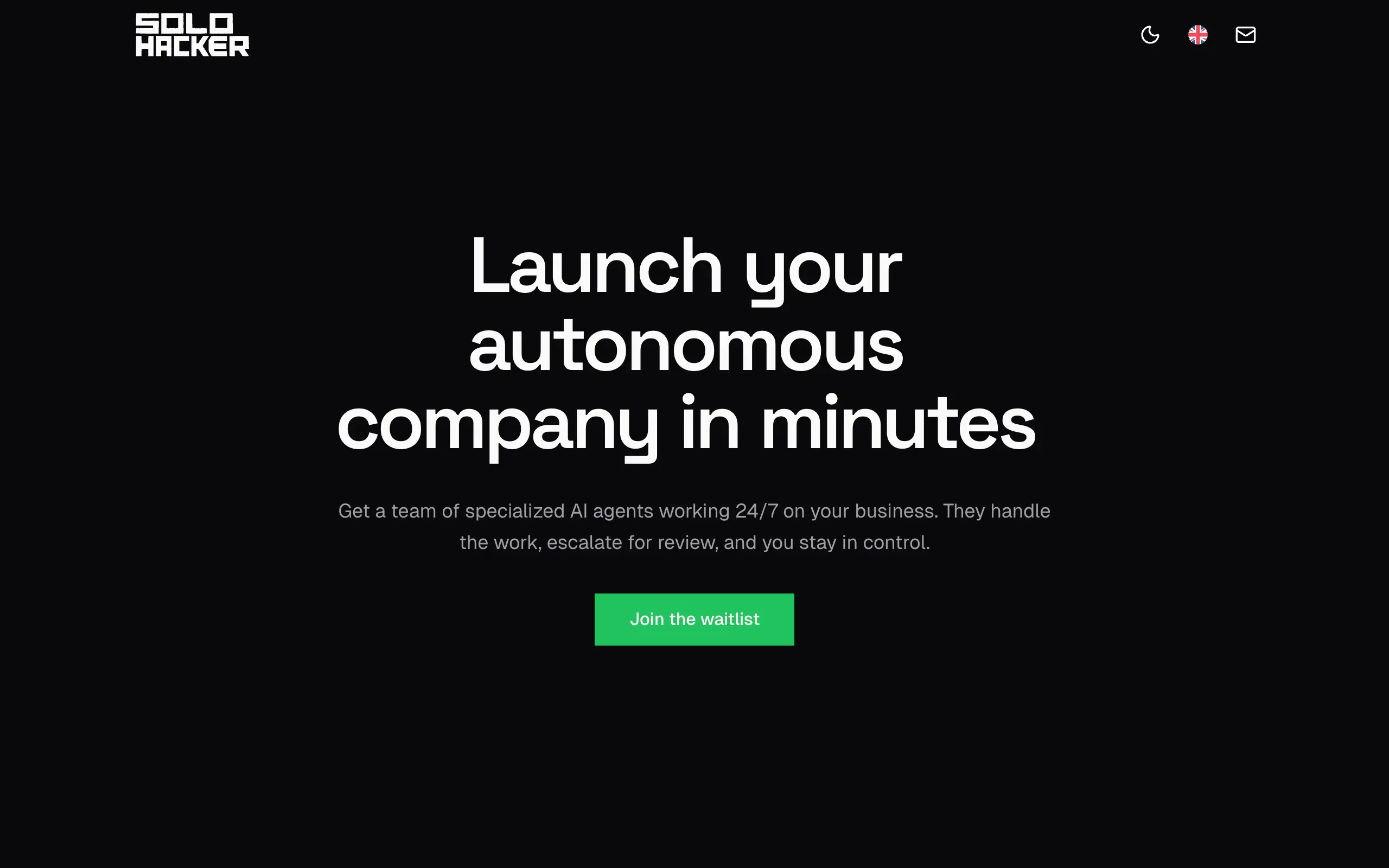
Solohacker
Autonomous company launcher - AI agents work 24/7, escalate what matters, and you stay in control 🤖
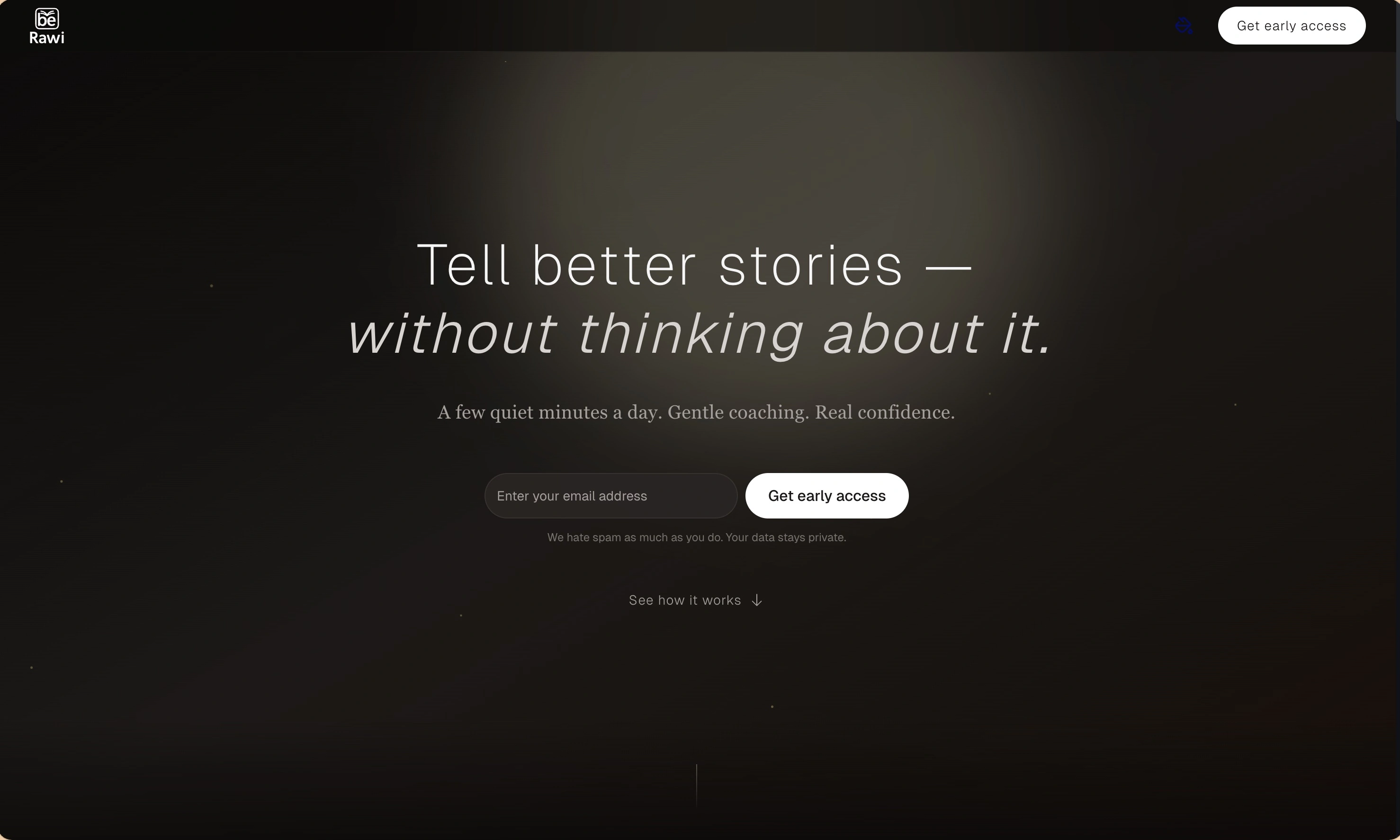
BeRawi: Storytelling Coach
Practice storytelling daily with instant feedback to sound clearer, more engaging, and confident 🎤
Omichat
Chat with 50+ AI models, including ChatGPT and Claude, in one place - switch models anytime without losing context 🤖
Claude Fast
Supercharge your Claude Code with 6x effective context window and specialized AI agents 🤖
EmojAI
AI-powered emoji picker with smart, context-aware suggestions 🤖
Solohacker
Autonomous company launcher - AI agents work 24/7, escalate what matters, and you stay in control 🤖
BeRawi: Storytelling Coach
Practice storytelling daily with instant feedback to sound clearer, more engaging, and confident 🎤
Omichat
Chat with 50+ AI models, including ChatGPT and Claude, in one place - switch models anytime without losing context 🤖
Claude Fast
Supercharge your Claude Code with 6x effective context window and specialized AI agents 🤖
EmojAI
AI-powered emoji picker with smart, context-aware suggestions 🤖
Solohacker
Autonomous company launcher - AI agents work 24/7, escalate what matters, and you stay in control 🤖
BeRawi: Storytelling Coach
Practice storytelling daily with instant feedback to sound clearer, more engaging, and confident 🎤
Omichat
Chat with 50+ AI models, including ChatGPT and Claude, in one place - switch models anytime without losing context 🤖
Claude Fast
Supercharge your Claude Code with 6x effective context window and specialized AI agents 🤖
EmojAI
AI-powered emoji picker with smart, context-aware suggestions 🤖
Solohacker
Autonomous company launcher - AI agents work 24/7, escalate what matters, and you stay in control 🤖
BeRawi: Storytelling Coach
Practice storytelling daily with instant feedback to sound clearer, more engaging, and confident 🎤

Connect with like-minded people
Join our community to get feedback, support, and grow together with 1,000+ builders on board, let's ship it!
Join usShip your startup everywhere. In minutes.
Don't burn tokens on setup and start building features on day one.