Esports Meta Pulse
Real-time AI analytics for tracking League of Legends esports meta shifts, champion win rates, and patch impact, tailored for competitive players and coaches.
Understanding the need for real-time AI analytics in League of Legends esports
The competitive landscape of League of Legends (LoL) is in constant flux. With every patch, champion rework, and meta shift, teams and players must adapt rapidly to maintain their edge. For coaches, analysts, and high-level players, staying ahead of the meta is not just an advantage—it's a necessity. This is where Esports Meta Pulse, an AI-powered analytics SaaS, steps in to revolutionize how competitive LoL professionals track meta shifts, champion win rates, and patch impacts in real time.
In this comprehensive guide, we’ll explore the core value of Esports Meta Pulse, analyze its target audience, identify the market gap, detail its features, discuss the recommended tech stack, and provide actionable steps for implementation. Whether you’re seeking inspiration, validation, or a roadmap for building a similar SaaS, this article delivers expert-level insights grounded in the latest industry trends.
Target audience analysis: Who benefits from Esports Meta Pulse?
Understanding the user base is crucial for any SaaS, especially in the esports analytics space. Esports Meta Pulse is designed for:
- Professional and semi-professional League of Legends teams
- Coaches and analysts seeking a competitive edge
- High-Elo solo queue players aiming to optimize champion picks
- Esports organizations investing in data-driven decision-making
- Content creators and shoutcasters who want to provide meta insights
User personas
The Pro Coach
Needs instant access to meta trends and patch impact to prepare scrims and draft strategies.
The Data Analyst
Requires granular, exportable data for in-depth statistical modeling and opponent scouting.
The Ambitious Player
Wants to climb the ladder by understanding which champions are rising or falling in the meta.
The Content Creator
Seeks fresh, data-backed content angles for videos and streams.
User intent and pain points
- Real-time insights: Users want up-to-the-minute data, not outdated summaries.
- Actionable analytics: Not just raw stats, but context—how does a patch affect win rates? Which champions are surging?
- Customization: Ability to filter by region, rank, or tournament.
- Ease of use: Intuitive dashboards, not overwhelming spreadsheets.
Market opportunity and gap analysis
The esports analytics market is growing rapidly, with League of Legends at its forefront. However, most existing tools fall short in several key areas:
- Lagging updates: Many platforms update data weekly or after major tournaments, missing crucial meta shifts.
- Lack of AI-driven insights: Few tools leverage machine learning to predict trends or contextualize patch impacts.
- Limited customization: Users often can’t tailor analytics to their specific needs (e.g., filtering by pro region or patch).
- Fragmented data sources: Data is scattered across multiple sites, making holistic analysis difficult.
Why now? Industry trends and data
- Esports viewership is booming: According to Newzoo, global esports audiences are projected to surpass 640 million by 2025.
- Teams are investing in analytics: Top organizations are hiring data scientists and analysts to gain a competitive edge.
- AI adoption is accelerating: AI-driven analytics are becoming standard in traditional sports and are now entering esports.
Industry insight
AI-powered analytics platforms have shown to improve win rates and strategic decision-making in traditional sports. The same transformation is now happening in esports, making real-time, AI-driven tools like Esports Meta Pulse a timely innovation.
Core features and solution details
Esports Meta Pulse stands out by offering a suite of features tailored to the unique needs of competitive LoL professionals.
Real-time meta tracking
- Live data ingestion: Pulls match data from official Riot Games APIs and major tournament feeds.
- Instant meta updates: Detects shifts in champion pick/ban rates, item builds, and team strategies as they happen.
AI-powered patch impact analysis
- Natural language summaries: AI models generate human-readable reports on how each patch affects the meta.
- Predictive analytics: Machine learning forecasts which champions are likely to rise or fall in popularity and win rate.
Champion win rate dashboards
- Granular filtering: View win rates by region, rank, patch, or tournament.
- Trend visualization: Interactive graphs show historical and real-time changes.
Custom alerts and notifications
- Meta shift alerts: Get notified when a champion’s win rate spikes or drops significantly.
- Patch impact notifications: Receive summaries immediately after a new patch goes live.
Exportable and shareable reports
- CSV/Excel export: For deeper analysis or integration with team workflows.
- Shareable links: Easily distribute insights to team members or on social media.
API access for advanced users
- Developer-friendly endpoints: Integrate Esports Meta Pulse data into custom dashboards or scouting tools.
Esports Meta Pulse uses a combination of supervised learning (for win rate prediction) and natural language generation (for patch summaries). The models are trained on historical match data, patch notes, and tournament outcomes to provide both quantitative and qualitative insights.
The platform aggregates data from Riot Games' official APIs, major tournament organizers, and reputable third-party stat providers to ensure comprehensive coverage.
Recommended tech stack for Esports Meta Pulse
Choosing the right technology stack is critical for scalability, performance, and maintainability. Here’s a recommended stack, with trade-offs explained:
Frontend
- React: For building dynamic, responsive dashboards.
- TailwindCSS: Enables rapid UI development with utility-first CSS.
- Next.js: For server-side rendering and SEO optimization.
Backend
- Node.js: Handles API requests and real-time data processing.
- Python: Powers AI/ML models and data pipelines.
- FastAPI: For high-performance, async API endpoints.
Data and AI
- PostgreSQL: Reliable, scalable relational database for match and user data.
- Redis: For caching real-time analytics and reducing latency.
- TensorFlow / PyTorch: For building and deploying machine learning models.
Infrastructure
- Docker: Containerization for easy deployment and scaling.
- Kubernetes: Orchestration for managing microservices and scaling workloads.
- AWS / GCP: Cloud hosting, managed databases, and AI services.
Trade-offs to consider
- Python vs. Node.js for backend: Python excels at AI/ML but may be less performant for high-concurrency APIs compared to Node.js. A hybrid approach leverages the strengths of both.
- Self-hosted vs. managed cloud: Managed services reduce ops overhead but may increase costs and limit customization.
Monetization strategy options
A sustainable SaaS needs a clear path to revenue. Esports Meta Pulse can adopt several monetization models:
1. Freemium with tiered subscriptions
- Free tier: Basic meta tracking and limited historical data.
- Pro tier: Advanced analytics, custom alerts, and export features.
- Enterprise tier: API access, team collaboration, and priority support.
2. Team/organization licensing
- Bulk licenses for esports organizations, with custom onboarding and support.
3. Data API sales
- Offer API access as a standalone product for developers and third-party platforms.
4. Sponsored content and partnerships
- Collaborate with tournament organizers or brands for sponsored analytics segments.
| Freemium | Team Licensing | API Sales | Sponsored Content | Ads |
|---|---|---|---|---|
| ✅ | ❌ | ❌ | ✅ | ❌ |
| ✅ | ❌ | ✅ | ✅ | ❌ |
Potential risks and mitigation strategies
Launching an AI-powered esports analytics platform comes with unique challenges. Here’s how to address them:
1. Data source reliability
- Risk: Riot API changes or downtime could disrupt data flow.
- Mitigation: Implement data redundancy by integrating multiple sources and caching recent data.
2. AI model accuracy
- Risk: Inaccurate predictions could erode user trust.
- Mitigation: Continuously retrain models with fresh data and provide transparency on prediction confidence.
3. Market competition
- Risk: Established analytics platforms may respond with similar features.
- Mitigation: Focus on real-time updates, AI-driven insights, and user customization as differentiators.
4. User adoption
- Risk: Coaches and teams may be slow to adopt new tools.
- Mitigation: Offer onboarding, tutorials, and case studies demonstrating ROI.
5. Compliance and data privacy
- Risk: Handling user data and match data must comply with Riot’s terms and privacy laws.
- Mitigation: Adhere strictly to Riot’s API policies and implement robust data security measures.
Pro tip
Always monitor Riot Games’ API terms of service and be prepared to adapt your data ingestion strategy if changes occur.
Competitive advantage analysis
What sets Esports Meta Pulse apart from other esports analytics tools?
Unique selling propositions (USPs)
- True real-time analytics: Most competitors offer delayed or static data; Esports Meta Pulse updates live.
- AI-driven insights: Not just numbers—contextual, predictive, and actionable recommendations.
- Customizable dashboards: Tailor analytics to your team, region, or playstyle.
- Patch impact summaries: Instantly understand how each patch changes the competitive landscape.
- API-first approach: Enables integration with team workflows and third-party tools.
How Esports Meta Pulse compares
Real-time updates
Unlike most platforms, data is refreshed instantly, not weekly.
AI-powered context
Machine learning models provide predictive and qualitative insights, not just raw stats.
Customization
Users can filter, export, and receive alerts tailored to their needs.
Actionable implementation steps
Ready to build or launch a platform like Esports Meta Pulse? Here’s a step-by-step roadmap:
Conclusion: Why Esports Meta Pulse is the future of LoL analytics
The League of Legends competitive scene demands agility, insight, and innovation. Esports Meta Pulse delivers all three by combining real-time data, AI-powered analysis, and user-centric design. Whether you’re a coach preparing for Worlds, an analyst scouting opponents, or a player climbing the ladder, this platform empowers you to make smarter, faster decisions.
By addressing the core pain points of the esports analytics market—delayed updates, lack of context, and limited customization—Esports Meta Pulse positions itself as the go-to solution for serious competitors. Its unique blend of real-time AI analytics, customizable dashboards, and actionable insights sets a new standard for what’s possible in esports data.
For those looking to build, invest in, or adopt cutting-edge esports analytics, now is the time to act. The meta never sleeps—and with Esports Meta Pulse, neither will your competitive edge.
Looking for a robust SaaS starter kit to accelerate your build? Check out TurboStarter for a modern, scalable foundation.
More 🤖 AI Startup SaaS ideas
Discover more innovative ai startup SaaS ideas that are trending in 2026. Each idea is AI-generated with market validation and growth potential to help you find your next profitable venture faster than competitors.
Your competitors are building with TurboStarter
Below are some of the SaaS ideas that have been generated and built with our starter kit.
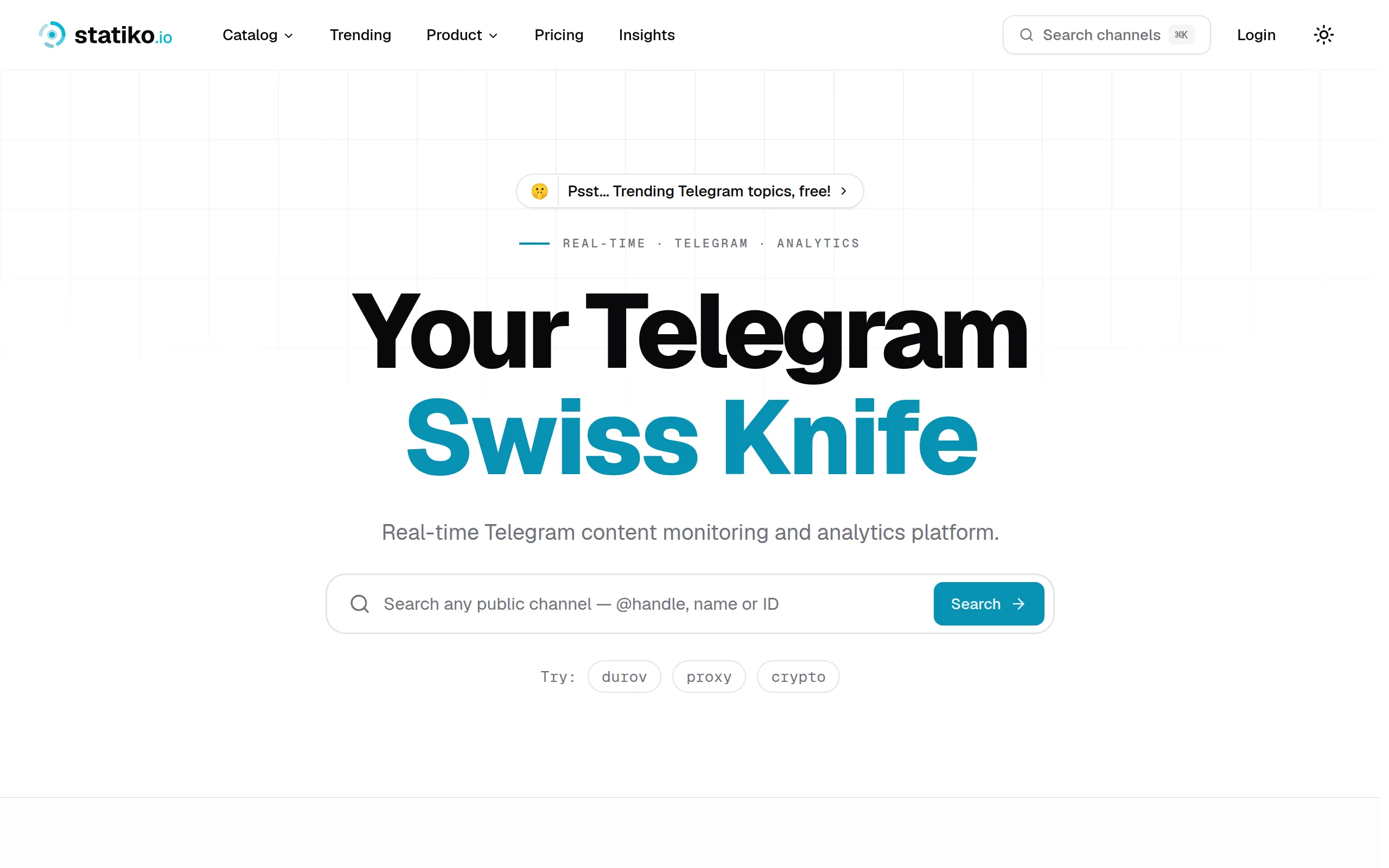
Statiko
Monitor any Telegram channel in real time - track posts, edits, deletions, and growth with AI recaps 📡

Shibui
AI website builder - describe your business, pick a niche template, edit by chatting, and publish instantly ✨

Pro Service
Find verified home service professionals, compare quotes, and pay securely through escrow - built for Brazilians across the US 🏠
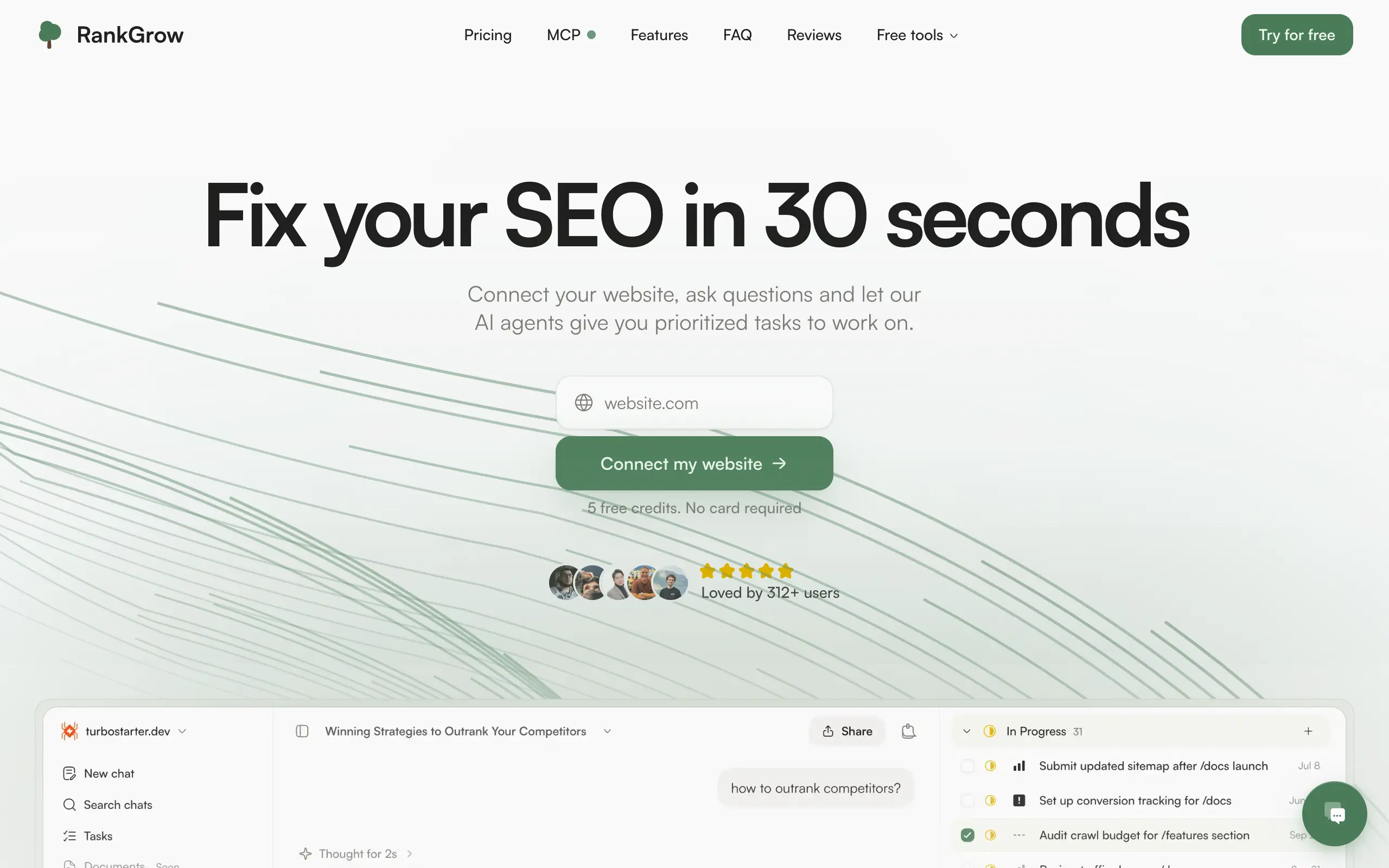
RankGrow
Fix your SEO with AI agents - connect Search Console, get prioritized tasks, and grow organic traffic 📈
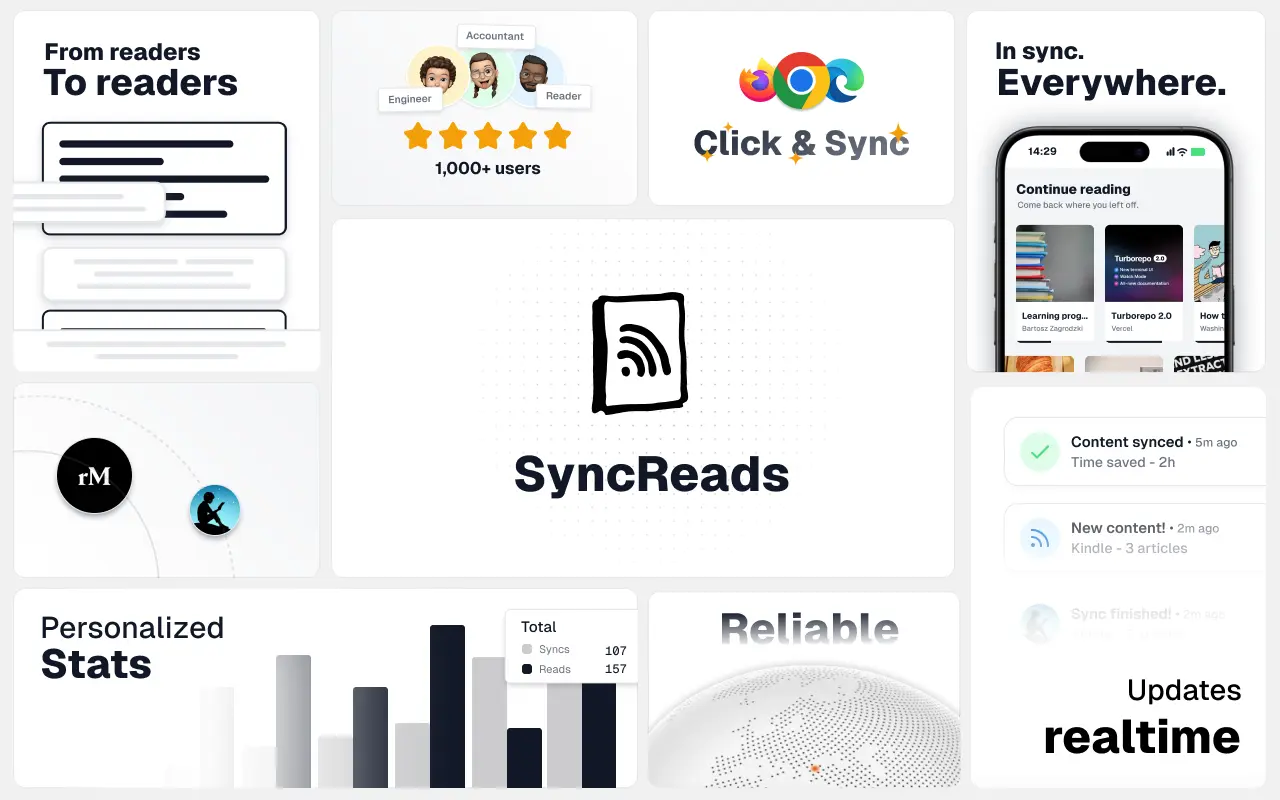
SyncReads
Sync your favorite content for distraction-free reading, save time and replace multiple apps. Anytime, anywhere 🔄
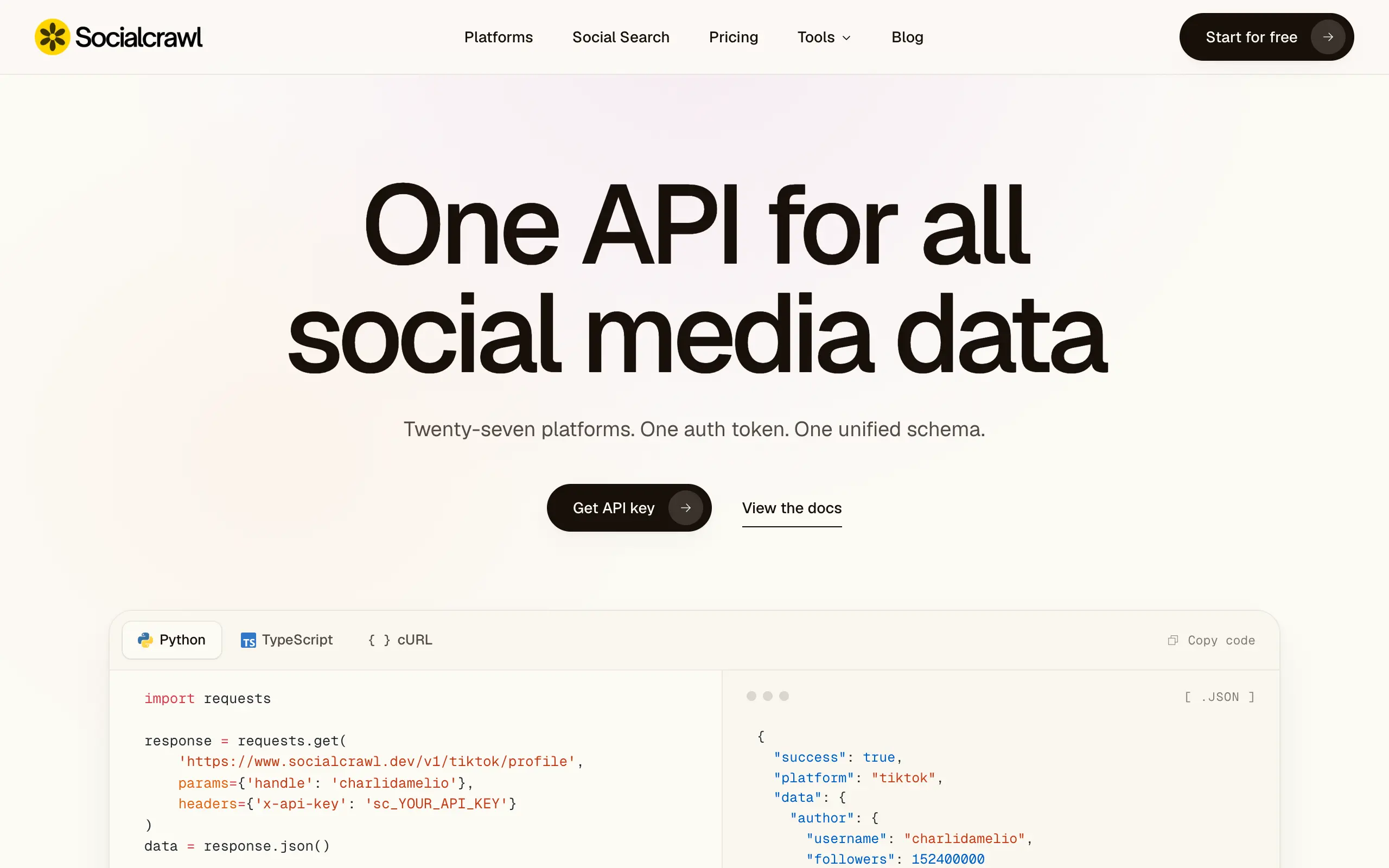
Socialcrawl
Get clean, structured data from 21 platforms like TikTok, Instagram, and YouTube with a single request 📊
Statiko
Monitor any Telegram channel in real time - track posts, edits, deletions, and growth with AI recaps 📡
Shibui
AI website builder - describe your business, pick a niche template, edit by chatting, and publish instantly ✨
Pro Service
Find verified home service professionals, compare quotes, and pay securely through escrow - built for Brazilians across the US 🏠
RankGrow
Fix your SEO with AI agents - connect Search Console, get prioritized tasks, and grow organic traffic 📈
SyncReads
Sync your favorite content for distraction-free reading, save time and replace multiple apps. Anytime, anywhere 🔄
Socialcrawl
Get clean, structured data from 21 platforms like TikTok, Instagram, and YouTube with a single request 📊
Statiko
Monitor any Telegram channel in real time - track posts, edits, deletions, and growth with AI recaps 📡
Shibui
AI website builder - describe your business, pick a niche template, edit by chatting, and publish instantly ✨
Pro Service
Find verified home service professionals, compare quotes, and pay securely through escrow - built for Brazilians across the US 🏠
RankGrow
Fix your SEO with AI agents - connect Search Console, get prioritized tasks, and grow organic traffic 📈
SyncReads
Sync your favorite content for distraction-free reading, save time and replace multiple apps. Anytime, anywhere 🔄
Socialcrawl
Get clean, structured data from 21 platforms like TikTok, Instagram, and YouTube with a single request 📊
Statiko
Monitor any Telegram channel in real time - track posts, edits, deletions, and growth with AI recaps 📡
Shibui
AI website builder - describe your business, pick a niche template, edit by chatting, and publish instantly ✨
Pro Service
Find verified home service professionals, compare quotes, and pay securely through escrow - built for Brazilians across the US 🏠
RankGrow
Fix your SEO with AI agents - connect Search Console, get prioritized tasks, and grow organic traffic 📈
SyncReads
Sync your favorite content for distraction-free reading, save time and replace multiple apps. Anytime, anywhere 🔄
Socialcrawl
Get clean, structured data from 21 platforms like TikTok, Instagram, and YouTube with a single request 📊
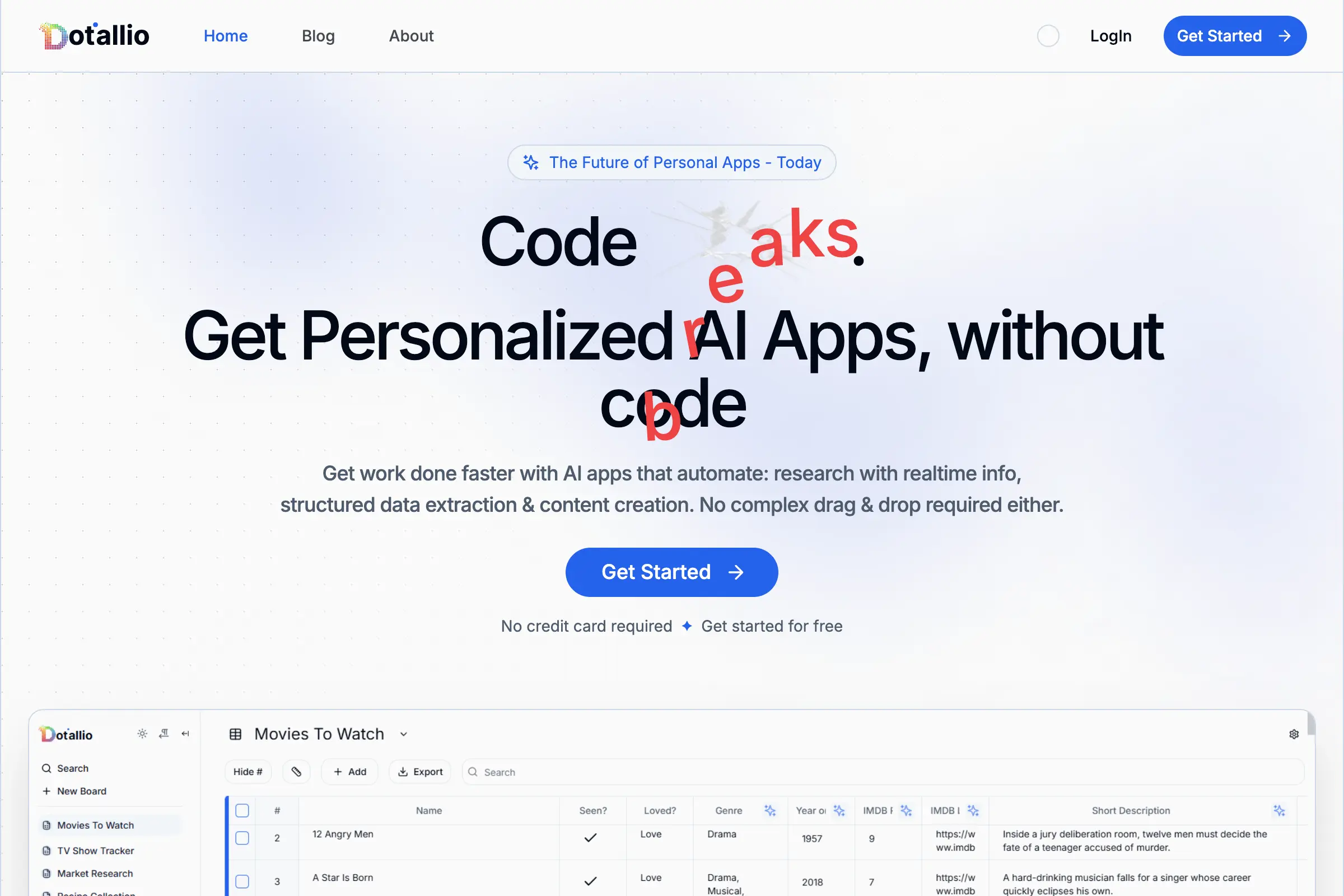
Dotallio
Personalized AI apps that automate research, data extraction, and content creation without code 🤖

Talk to Santa
Enjoy a magical live video chat or receive a unique AI-generated video greeting from Santa Claus 🎅

pozywka.pl
Scalable blog for food journalist, focused on performance and user experience 🌭
zagrodzki.me
Personal blog and portfolio of Bart Zagrodzki, where he shares his knowledge and work 💼
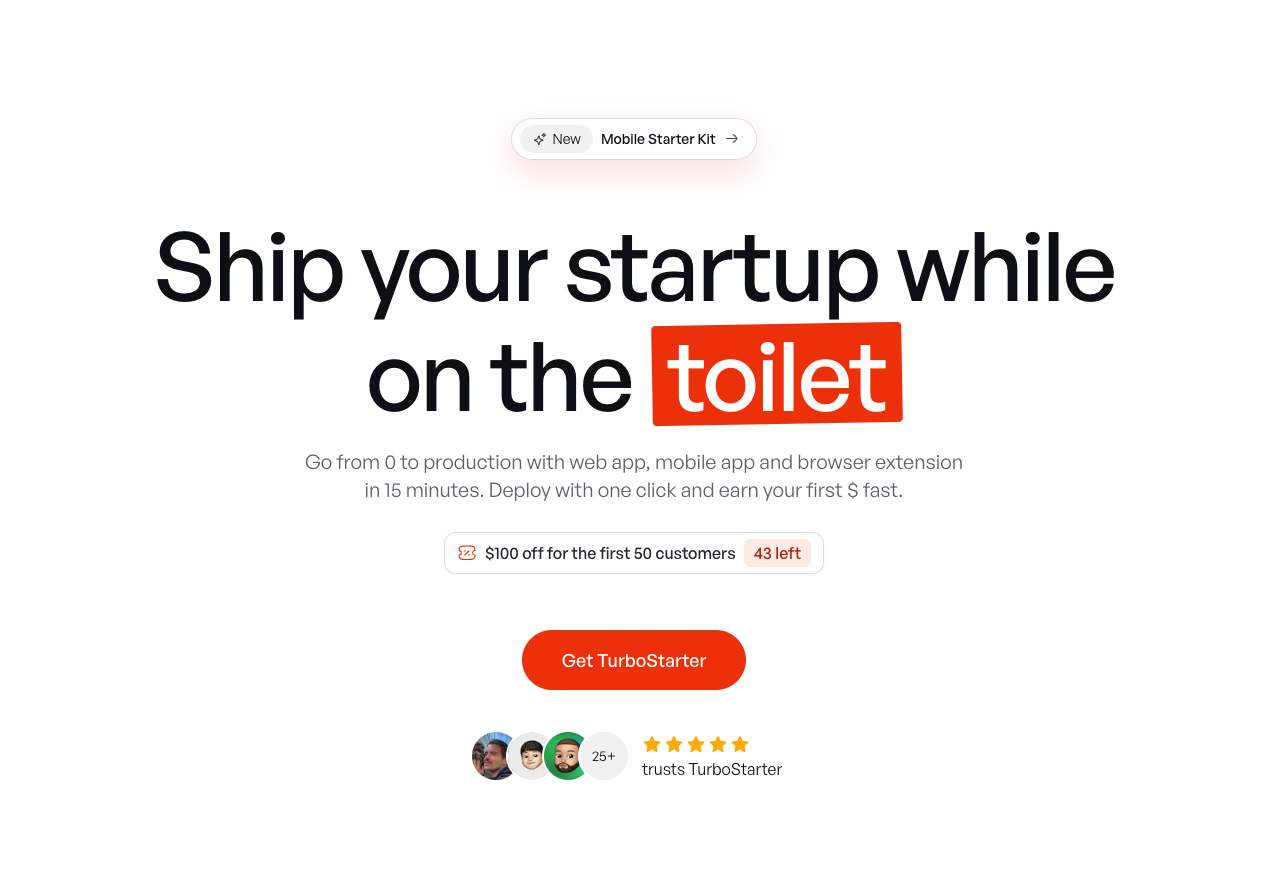
TurboStarter
Ship your startup everywhere. In minutes.
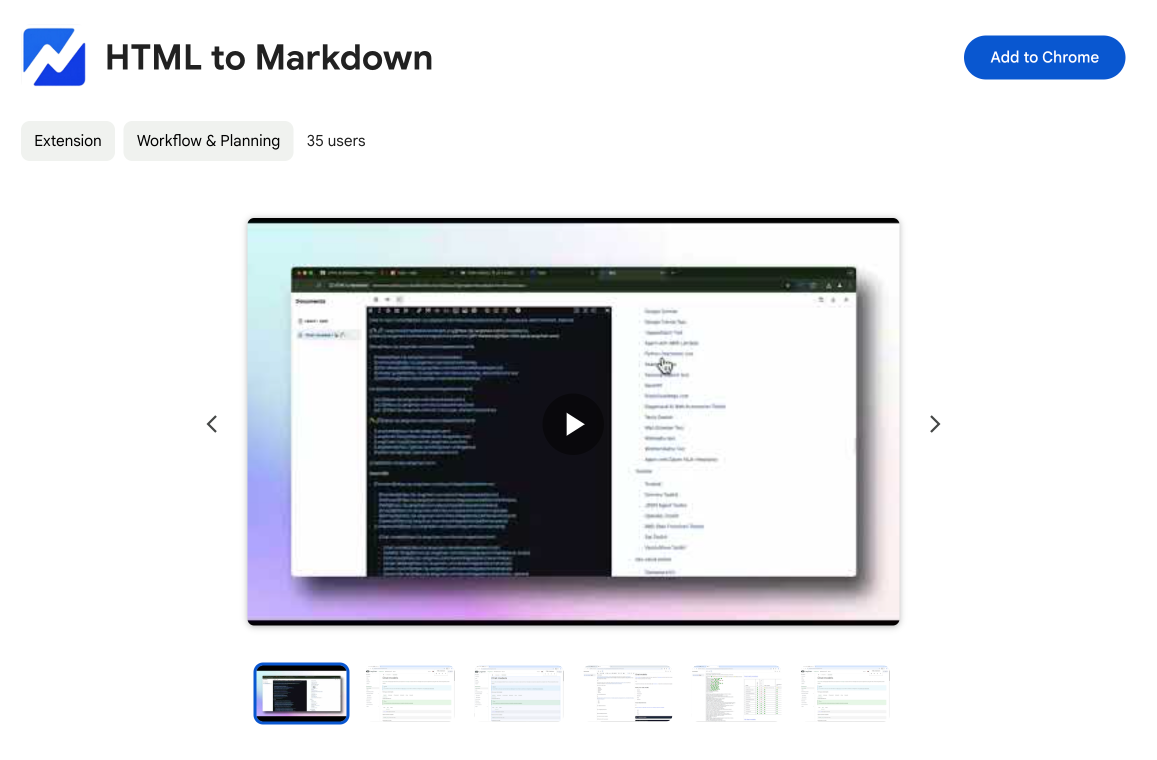
HTML to Markdown
Convert HTML to Markdown with ease, directly in your browser 📄
Dotallio
Personalized AI apps that automate research, data extraction, and content creation without code 🤖
Talk to Santa
Enjoy a magical live video chat or receive a unique AI-generated video greeting from Santa Claus 🎅
pozywka.pl
Scalable blog for food journalist, focused on performance and user experience 🌭
zagrodzki.me
Personal blog and portfolio of Bart Zagrodzki, where he shares his knowledge and work 💼
TurboStarter
Ship your startup everywhere. In minutes.
HTML to Markdown
Convert HTML to Markdown with ease, directly in your browser 📄
Dotallio
Personalized AI apps that automate research, data extraction, and content creation without code 🤖
Talk to Santa
Enjoy a magical live video chat or receive a unique AI-generated video greeting from Santa Claus 🎅
pozywka.pl
Scalable blog for food journalist, focused on performance and user experience 🌭
zagrodzki.me
Personal blog and portfolio of Bart Zagrodzki, where he shares his knowledge and work 💼
TurboStarter
Ship your startup everywhere. In minutes.
HTML to Markdown
Convert HTML to Markdown with ease, directly in your browser 📄
Dotallio
Personalized AI apps that automate research, data extraction, and content creation without code 🤖
Talk to Santa
Enjoy a magical live video chat or receive a unique AI-generated video greeting from Santa Claus 🎅
pozywka.pl
Scalable blog for food journalist, focused on performance and user experience 🌭
zagrodzki.me
Personal blog and portfolio of Bart Zagrodzki, where he shares his knowledge and work 💼
TurboStarter
Ship your startup everywhere. In minutes.
HTML to Markdown
Convert HTML to Markdown with ease, directly in your browser 📄
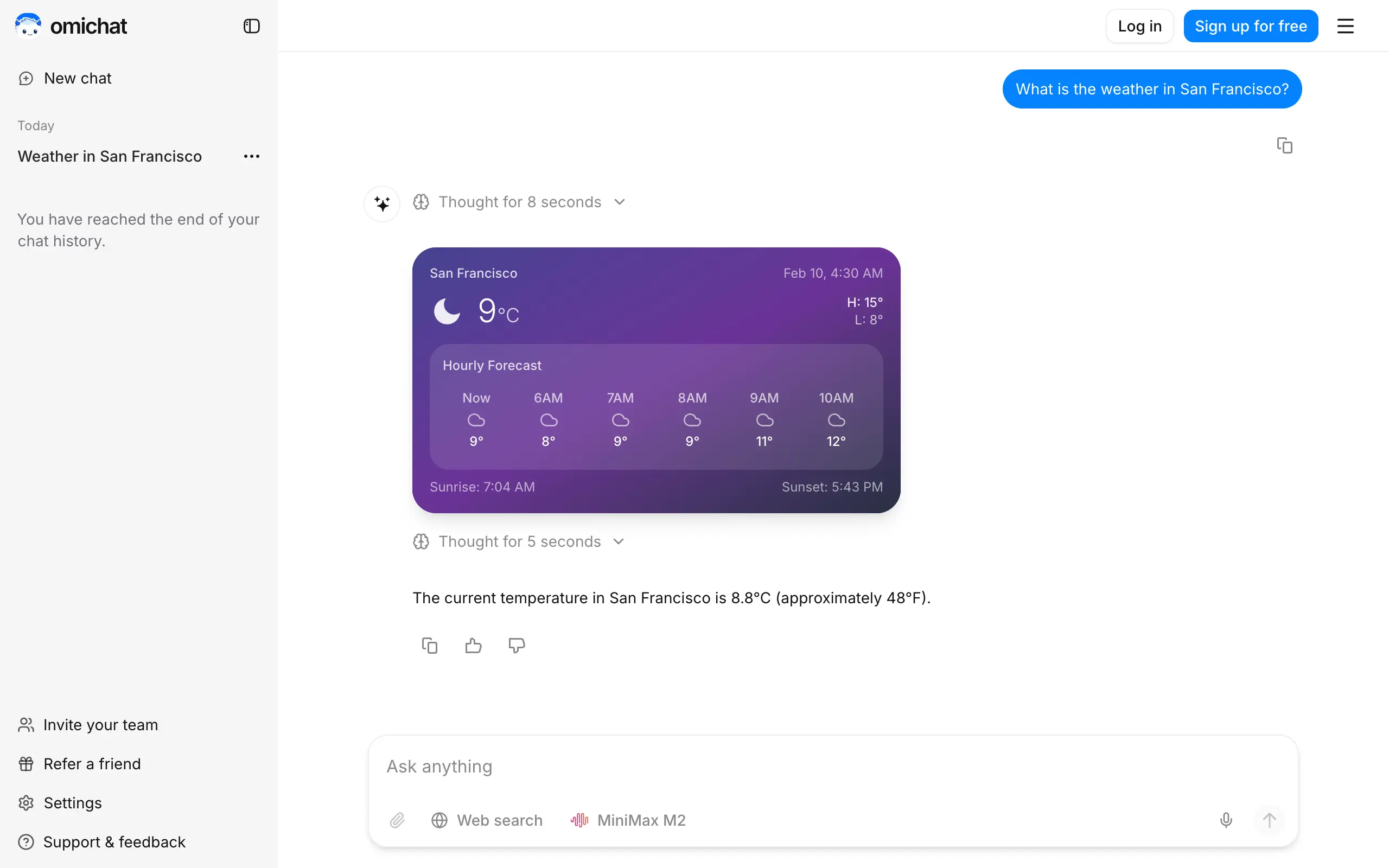
Omichat
Chat with 50+ AI models, including ChatGPT and Claude, in one place - switch models anytime without losing context 🤖
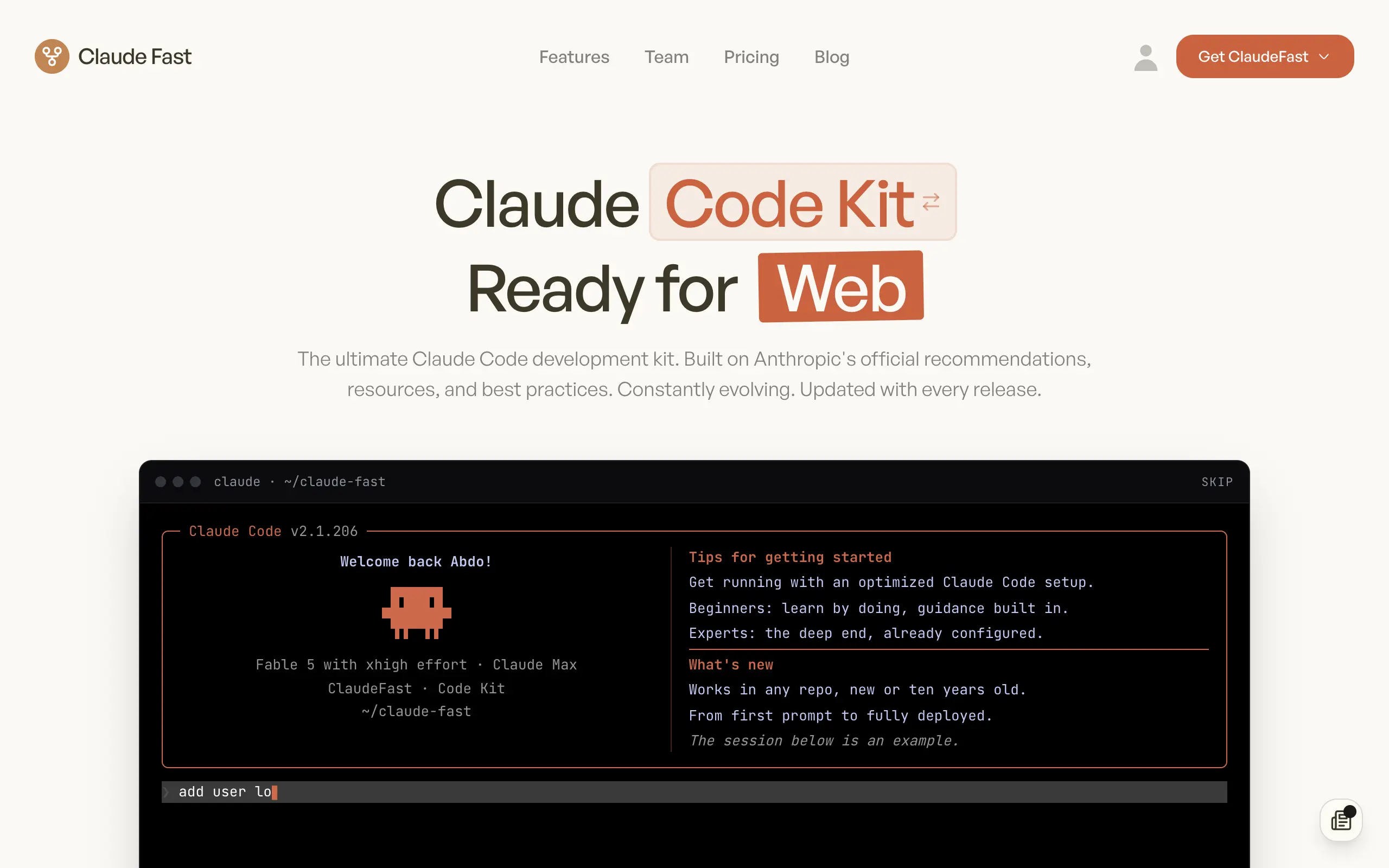
Claude Fast
Supercharge your Claude Code with 6x effective context window and specialized AI agents 🤖
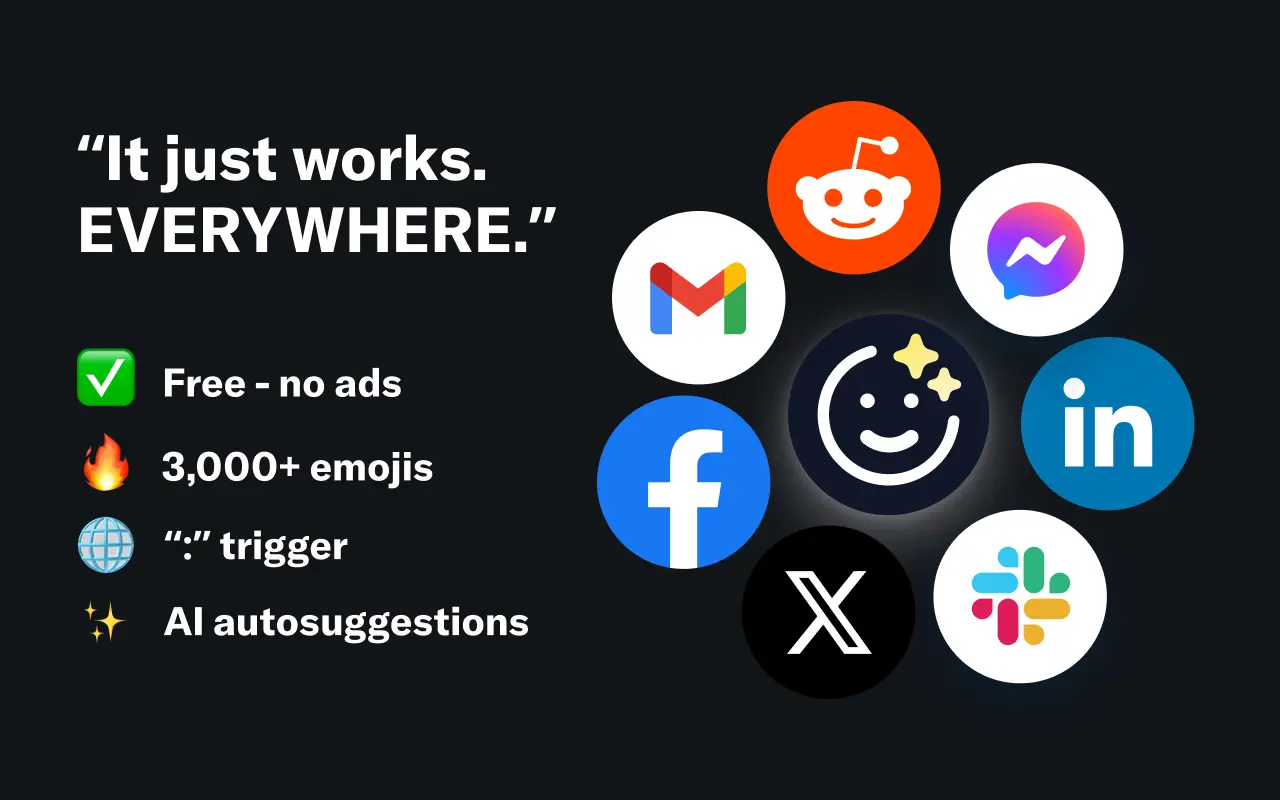
EmojAI
AI-powered emoji picker with smart, context-aware suggestions 🤖

Solohacker
Autonomous company launcher - AI agents work 24/7, escalate what matters, and you stay in control 🤖

BeRawi: Storytelling Coach
Practice storytelling daily with instant feedback to sound clearer, more engaging, and confident 🎤
Omichat
Chat with 50+ AI models, including ChatGPT and Claude, in one place - switch models anytime without losing context 🤖
Claude Fast
Supercharge your Claude Code with 6x effective context window and specialized AI agents 🤖
EmojAI
AI-powered emoji picker with smart, context-aware suggestions 🤖
Solohacker
Autonomous company launcher - AI agents work 24/7, escalate what matters, and you stay in control 🤖
BeRawi: Storytelling Coach
Practice storytelling daily with instant feedback to sound clearer, more engaging, and confident 🎤
Omichat
Chat with 50+ AI models, including ChatGPT and Claude, in one place - switch models anytime without losing context 🤖
Claude Fast
Supercharge your Claude Code with 6x effective context window and specialized AI agents 🤖
EmojAI
AI-powered emoji picker with smart, context-aware suggestions 🤖
Solohacker
Autonomous company launcher - AI agents work 24/7, escalate what matters, and you stay in control 🤖
BeRawi: Storytelling Coach
Practice storytelling daily with instant feedback to sound clearer, more engaging, and confident 🎤
Omichat
Chat with 50+ AI models, including ChatGPT and Claude, in one place - switch models anytime without losing context 🤖
Claude Fast
Supercharge your Claude Code with 6x effective context window and specialized AI agents 🤖
EmojAI
AI-powered emoji picker with smart, context-aware suggestions 🤖
Solohacker
Autonomous company launcher - AI agents work 24/7, escalate what matters, and you stay in control 🤖
BeRawi: Storytelling Coach
Practice storytelling daily with instant feedback to sound clearer, more engaging, and confident 🎤

Connect with like-minded people
Join our community to get feedback, support, and grow together with 1,000+ builders on board, let's ship it!
Join usShip your startup everywhere. In minutes.
Don't burn tokens on setup and start building features on day one.