EthosIQ
AI-driven ethical decision simulator for professionals to test real-world dilemmas, explore moral frameworks, and generate defensible reasoning reports.
The rise of AI-driven ethical decision simulators
Ethical decision-making has moved from philosophy classrooms into boardrooms, hospitals, courtrooms, and engineering teams. As AI systems become more autonomous and regulatory pressure intensifies, professionals are increasingly asked to justify not just what they decided—but why.
This is where an AI-driven ethical decision simulator like EthosIQ enters the market.
EthosIQ is designed as an AI-powered platform that allows professionals to:
- Simulate real-world ethical dilemmas
- Explore decisions through multiple moral frameworks
- Generate defensible, audit-ready reasoning reports
- Train teams on ethical risk awareness
- Build a documented ethics trail for compliance and governance
This article provides a comprehensive, expert-level analysis of the EthosIQ concept—including market opportunity, target users, core features, technology stack, monetization models, risks, and competitive advantage. If you're evaluating, validating, or building this SaaS idea, this guide addresses your full decision-making process.
Why the market needs an AI ethical decision simulator
Ethics is no longer abstract. It is operational.
Across industries, organizations face:
- AI governance requirements (e.g., risk classification and documentation under emerging AI regulations)
- Increased scrutiny over algorithmic bias and fairness
- Whistleblower protections and compliance audits
- ESG accountability demands
- Litigation risks around negligence and due diligence
At the same time, professionals are under-trained in structured ethical reasoning. Most rely on intuition or legal guidance—but not systematic analysis.
The gap in current tools
Current solutions fall into three categories:
- Compliance software – Focused on checklists, not reasoning.
- Learning platforms – Static ethics training with generic scenarios.
- Consulting firms – Expensive, episodic, and not scalable.
None provide:
- Real-time dilemma simulation
- Multi-framework ethical modeling
- AI-generated reasoning documentation
- Scenario branching with outcome analysis
EthosIQ addresses this gap by combining AI simulation with structured moral reasoning frameworks.
Target audience analysis
To rank and succeed, EthosIQ must tightly define its high-value segments. The primary keyword cluster revolves around:
- AI ethical decision simulator
- ethical decision-making software
- AI governance tools
- professional ethics training platform
- AI compliance reasoning tool
Let’s break down the high-intent user segments.
1. AI and product teams in tech companies
Pain points:
- Fear of deploying biased or harmful AI systems
- Lack of documented ethical review processes
- Regulatory exposure
Use case: Simulate the deployment of a facial recognition feature and test:
- Utilitarian vs deontological outcomes
- Stakeholder impact analysis
- Risk severity scoring
- Compliance mapping
2. Healthcare administrators and clinicians
Pain points:
- Resource allocation dilemmas
- End-of-life decisions
- AI-assisted diagnostics transparency
Use case: Test triage allocation under crisis scenarios and generate defensible reasoning reports.
3. Legal and compliance teams
Pain points:
- Demonstrating due diligence
- Internal investigations
- Policy design
Use case: Simulate employee misconduct scenarios and compare policy responses.
4. Universities and professional training programs
Pain points:
- Outdated case studies
- Limited scenario diversity
- Difficulty assessing reasoning quality
Use case: Students interact with dynamic ethical dilemmas that adapt to their decisions.
5. Enterprise governance boards
Pain points:
- Board-level risk accountability
- ESG reporting
- Public trust erosion
Use case: Stress-test executive decisions across ethical frameworks before implementation.
Core product vision: how EthosIQ works
At its core, EthosIQ is an AI-powered ethical decision simulator with three layers:
Simulation Engine
Generates realistic ethical dilemmas tailored to industry and role.
Moral Framework Engine
Applies structured ethical theories to evaluate decisions.
Reasoning Report Generator
Produces defensible documentation suitable for audits and governance.
Core features and solution architecture
1. Scenario generation engine
EthosIQ uses generative AI to create contextual dilemmas based on:
- Industry
- Role
- Regulatory environment
- Risk tolerance
- Historical cases
Examples:
- “Your AI recruitment tool shows demographic performance gaps—do you pause deployment?”
- “Your hospital has one ventilator and two critical patients.”
Scenarios should support:
- Branching outcomes
- Time-sensitive decisions
- Multi-stakeholder impact modeling
2. Multi-framework ethical analysis
EthosIQ differentiates itself by embedding major moral philosophies:
Focuses on consequences and aggregate well-being.
Includes cost-benefit simulation and harm probability scoring.
Evaluates duties, rules, and rights regardless of outcomes.
Highlights rule violations and universalizability.
Examines character traits and long-term moral integrity.
Assesses relational and stakeholder impacts, especially vulnerable groups.
Users can:
- Compare how the same decision performs across frameworks
- Identify ethical conflicts
- Justify trade-offs
This feature alone positions EthosIQ as more than compliance software—it becomes a structured moral reasoning lab.
3. Defensible reasoning reports
One of the strongest monetizable features.
EthosIQ generates:
- Decision summary
- Framework comparison analysis
- Stakeholder impact matrix
- Risk heat map
- Regulatory considerations
- Recommended mitigation steps
Reports should export as:
- Audit-ready documentation
- Board-level summaries
This directly addresses regulatory and litigation risk mitigation.
4. Ethical risk scoring dashboard
A visual interface showing:
- Ethical volatility score
- Bias exposure risk
- Reputational risk probability
- Stakeholder harm index
This turns qualitative ethics into quantifiable signals—without oversimplifying nuance.
5. Team-based simulation mode
For enterprise plans:
- Collaborative scenario workshops
- Anonymous voting
- Divergence analysis
- Consensus scoring
This helps leadership uncover blind spots before real-world crises occur.
Competitive landscape analysis
While no direct “AI ethical decision simulator” dominates the market yet, adjacent tools exist:
- GRC platforms (governance, risk, compliance)
- AI auditing firms
- LMS ethics modules
- Internal policy management tools
Let’s compare positioning.
| Feature | GRC Software | LMS Training | Consulting Firms | EthosIQ |
|---|---|---|---|---|
| Real-time dilemma simulation | ❌ | ❌ | ❌ | ✅ |
| Multi-framework comparison | ❌ | ❌ | ✅ | ✅ |
| AI-generated reasoning reports | ❌ | ❌ | ❌ | ✅ |
| Scalable team training | ✅ | ✅ | ❌ | ✅ |
Strategic insight: EthosIQ creates a new category at the intersection of AI governance, ethics training, and decision simulation.
Recommended technology stack
An AI SaaS like EthosIQ requires scalable, secure, explainable infrastructure.
Frontend
- React – component-driven UI
- TailwindCSS – rapid styling
- Role-based dashboards
- Interactive branching visualizations
Backend
- Node.js or Python (FastAPI)
- Microservices architecture
- Secure authentication (OAuth, SSO)
AI layer
- LLM integration (via secure API)
- Prompt engineering for:
- Scenario generation
- Framework evaluation
- Report synthesis
Database
- PostgreSQL for structured records
- Vector database for scenario similarity matching
Trade-offs
- LLM cost vs accuracy: Higher-quality models increase trust but raise cost.
- Explainability vs complexity: More detailed explanations improve E-E-A-T positioning but require sophisticated prompt tuning.
- Customization vs scalability: Enterprise customization can slow product velocity.
Ethical AI and trust architecture
Ironically, an AI ethics simulator must itself be trustworthy.
Best practices:
- Transparent AI usage disclosures
- Clear human oversight mechanisms
- Model output disclaimers
- Versioned scenario logs
- Bias monitoring
Trust differentiator
EthosIQ should publish a transparent methodology document explaining how ethical frameworks are applied and how AI outputs are validated.
Monetization strategy
EthosIQ has strong B2B monetization potential.
1. Tiered SaaS subscription
Starter (Individual Professional)
- Limited scenarios
- Basic reports
Pro (SMBs)
- Team simulations
- Exportable reports
- Custom scenarios
Enterprise
- API access
- Compliance integrations
- SSO
- Dedicated support
2. Enterprise licensing
Annual contracts with:
- Law firms
- Healthcare systems
- AI labs
- Universities
3. Certification programs
Offer:
- Certified Ethical Decision Practitioner credential
- Corporate ethics maturity score
Recurring certification revenue builds brand authority.
4. API monetization
Allow AI companies to embed ethical scenario testing into internal CI/CD workflows.
Example integration:
// Example ethical simulation trigger
await fetch("/api/simulate-ethics", {
  method: "POST",
  body: JSON.stringify({
    scenarioType: "AI Bias Risk",
    decision: "Deploy model without retraining"
  })
});
Market opportunity and growth trends
Several macro trends strengthen EthosIQ’s viability:
- Growth of AI governance regulations globally
- Rising ESG reporting standards
- Increased board accountability
- Public distrust of opaque AI systems
- Demand for explainable AI tools
According to industry research (cite reputable governance or AI market research firms), AI governance spending is projected to grow significantly over the next decade.
EthosIQ sits directly in this growth corridor.
Risks and mitigation strategies
1. Overreliance on AI outputs
Risk: Users treat AI reasoning as authoritative.
Mitigation: Embed disclaimers and require user reflection checkpoints.
2. Legal liability
Risk: Organizations rely on EthosIQ reports in court.
Mitigation:
- Clear terms of service
- Advisory positioning (not legal advice)
- Optional legal review partnerships
3. Ethical framework bias
Risk: Western philosophical bias.
Mitigation:
- Include cross-cultural ethical models
- Advisory board of philosophers and ethicists
4. Market education challenge
This is a new category. Some buyers won’t immediately understand its value.
Mitigation strategy:
- Publish thought leadership
- Offer free pilot workshops
- Case studies demonstrating ROI
Unique selling proposition (USP)
EthosIQ’s core differentiation:
It transforms abstract ethical theory into interactive, AI-powered, audit-ready decision simulations.
Unlike training tools, it is dynamic.
Unlike compliance software, it reasons.
Unlike consultants, it scales.
This triangulation creates a defensible positioning moat.
Go-to-market strategy
Phase 1: Thought leadership
Publish:
- AI governance guides
- Ethical AI whitepapers
- Industry-specific scenario reports
Target keywords:
- ethical AI decision-making
- AI ethics software
- AI governance tools
- decision simulation software
Phase 2: Pilot partnerships
Target:
- Mid-size AI startups
- Healthcare networks
- Law schools
Offer discounted early access in exchange for testimonials.
Phase 3: Enterprise sales motion
Build:
- Dedicated sales team
- Compliance-focused demos
- ROI calculator (risk mitigation value)
Implementation roadmap
To accelerate MVP development, consider building on a production-ready SaaS foundation like TurboStarter, which provides authentication, payments, and infrastructure scaffolding.
Long-term vision
EthosIQ can evolve into:
- A global benchmark for ethical readiness
- An industry standard for AI decision documentation
- A board-level governance dashboard
- A cross-industry ethical risk intelligence network
Future expansions may include:
- Real-time monitoring integrations
- Automated red-flag alerts
- Ethical maturity scoring
- Industry-specific compliance packs
Frequently asked questions
No. It augments human reasoning by structuring analysis and documenting thought processes. Final decisions remain with professionals.
Compliance tools focus on regulatory checklists. EthosIQ focuses on structured moral reasoning and scenario simulation before compliance failures occur.
Yes. It is particularly valuable for documenting responsible AI decisions and demonstrating due diligence.
Final thoughts
The demand for AI-driven ethical decision simulators is not speculative—it is structural.
Organizations increasingly need to:
- Prove they considered ethical risks
- Document structured reasoning
- Train teams in high-stakes decision-making
- Reduce reputational and legal exposure
EthosIQ sits at the intersection of AI, governance, compliance, and professional education. With careful execution, transparent methodology, and strong enterprise positioning, it has the potential to define an entirely new SaaS category.
If built with rigor, transparency, and real-world validation, EthosIQ can become the trusted ethical reasoning engine for the AI-powered future.
More 🤖 AI Startup SaaS ideas
Discover more innovative ai startup SaaS ideas that are trending in 2026. Each idea is AI-generated with market validation and growth potential to help you find your next profitable venture faster than competitors.
Your competitors are building with TurboStarter
Below are some of the SaaS ideas that have been generated and built with our starter kit.
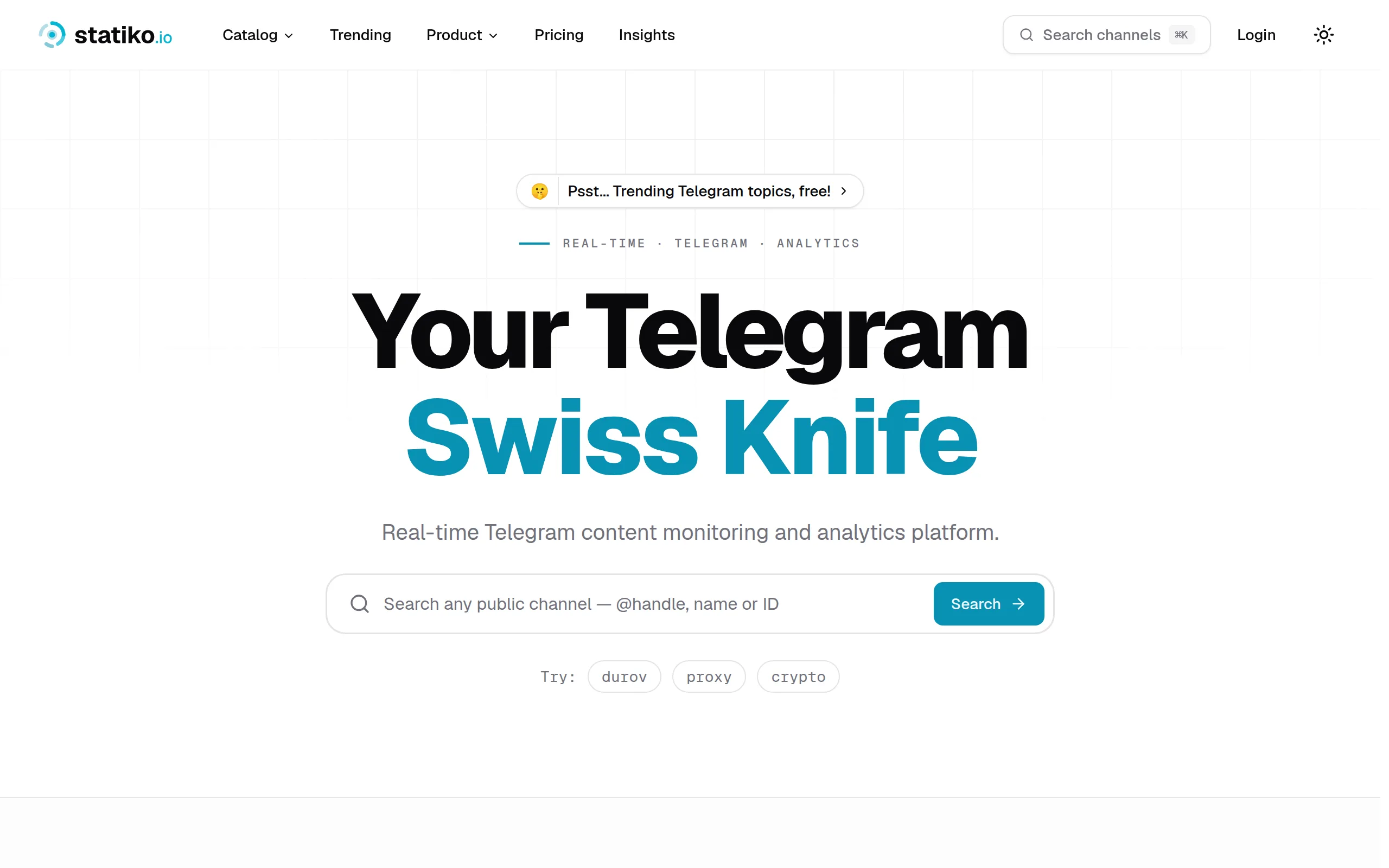
Statiko
Monitor any Telegram channel in real time - track posts, edits, deletions, and growth with AI recaps 📡
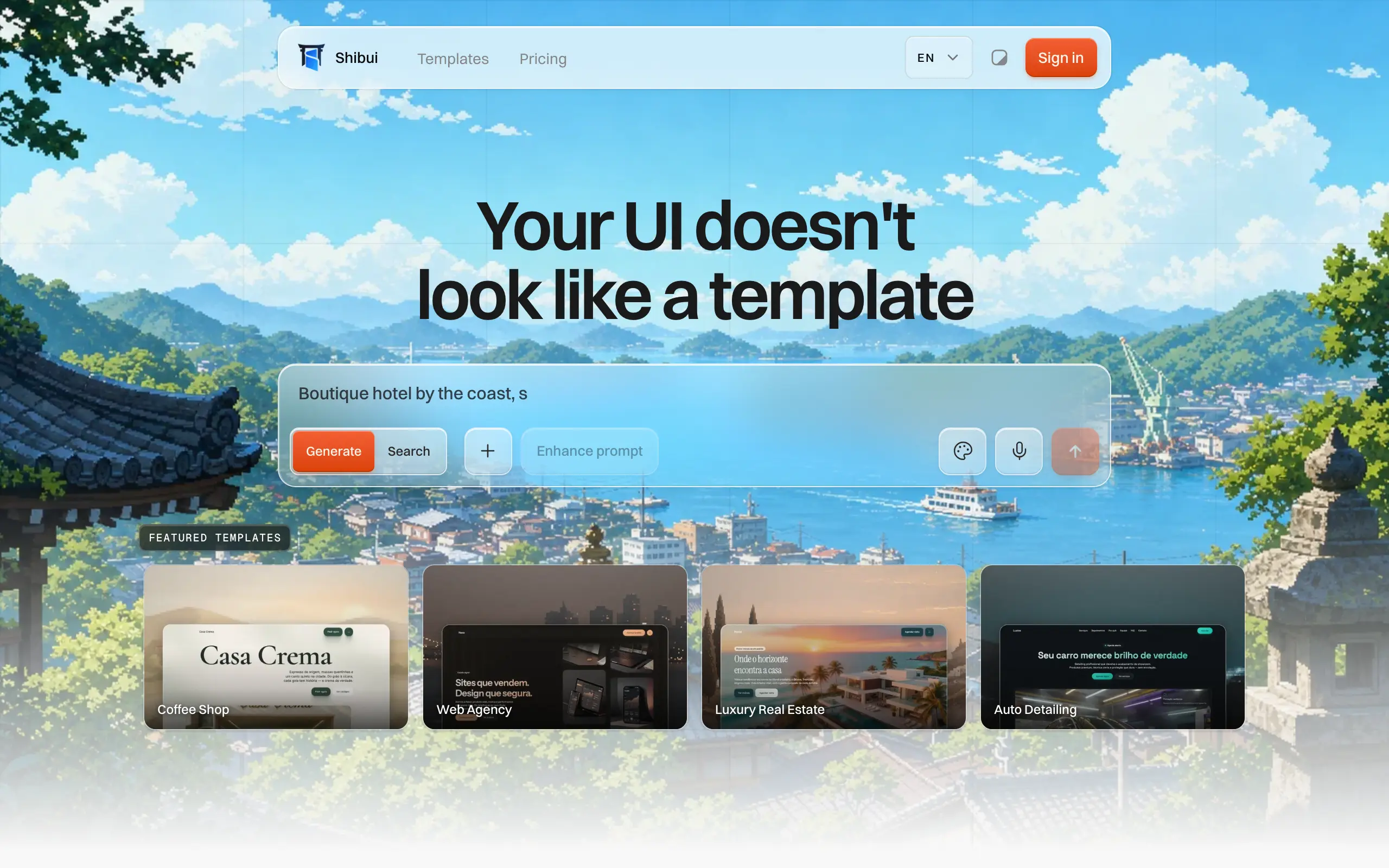
Shibui
AI website builder - describe your business, pick a niche template, edit by chatting, and publish instantly ✨

Pro Service
Find verified home service professionals, compare quotes, and pay securely through escrow - built for Brazilians across the US 🏠
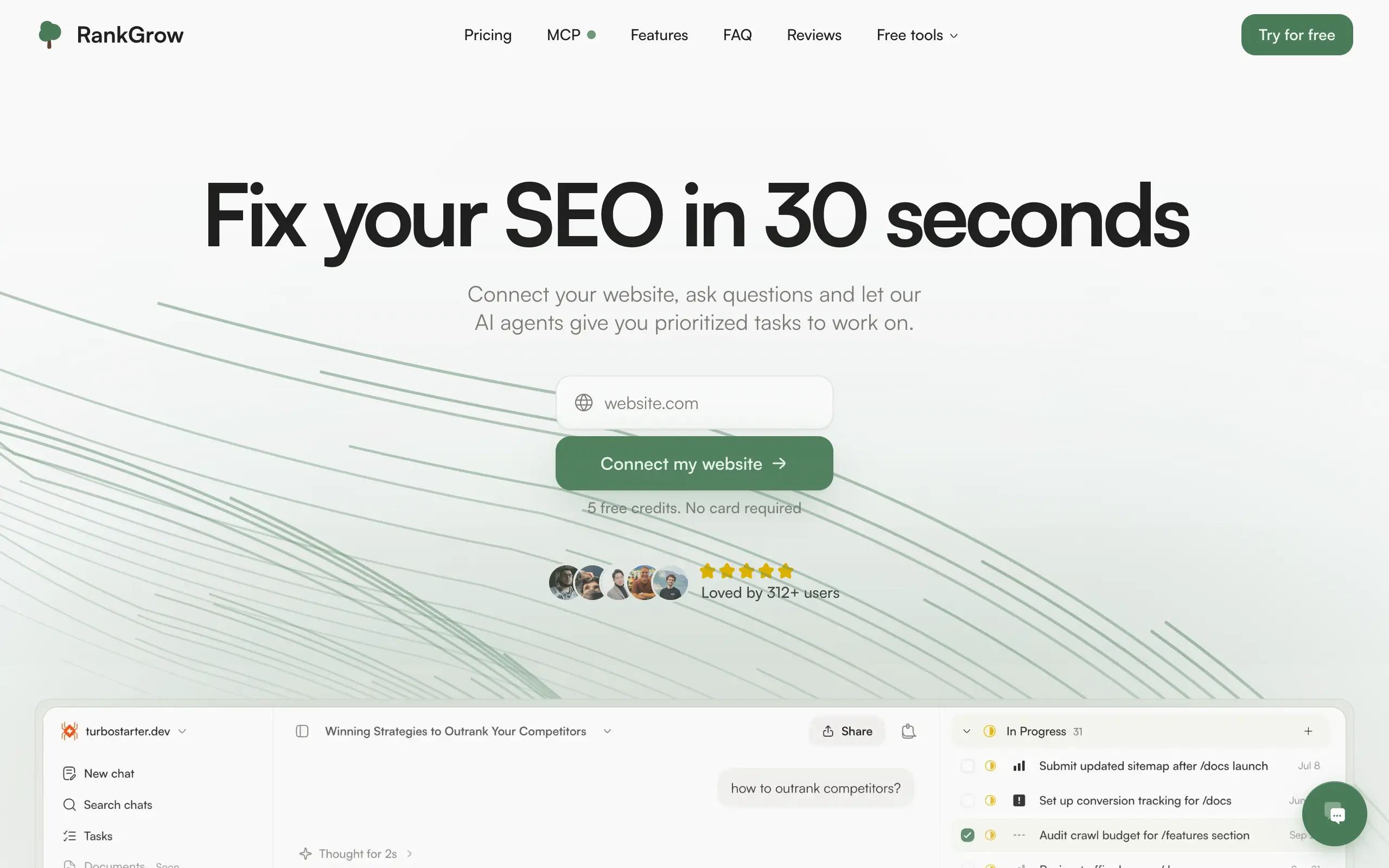
RankGrow
Fix your SEO with AI agents - connect Search Console, get prioritized tasks, and grow organic traffic 📈
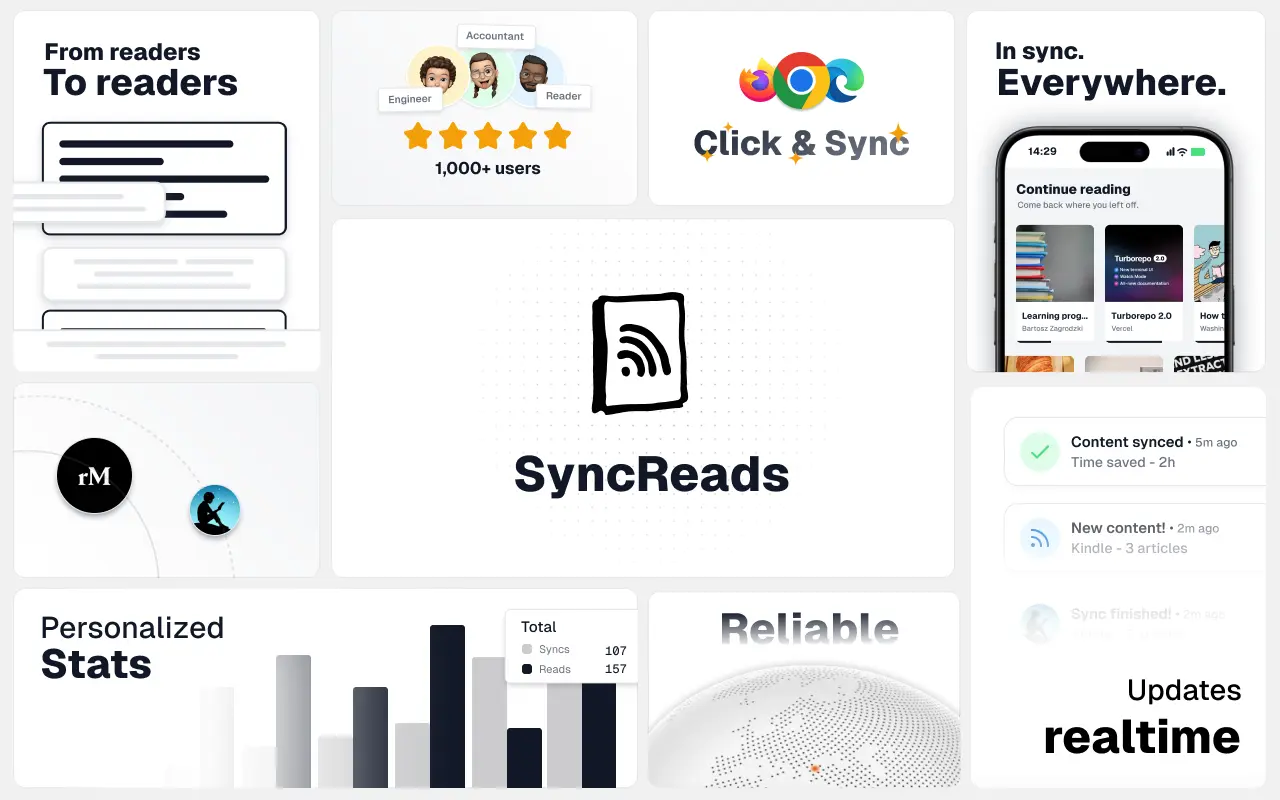
SyncReads
Sync your favorite content for distraction-free reading, save time and replace multiple apps. Anytime, anywhere 🔄
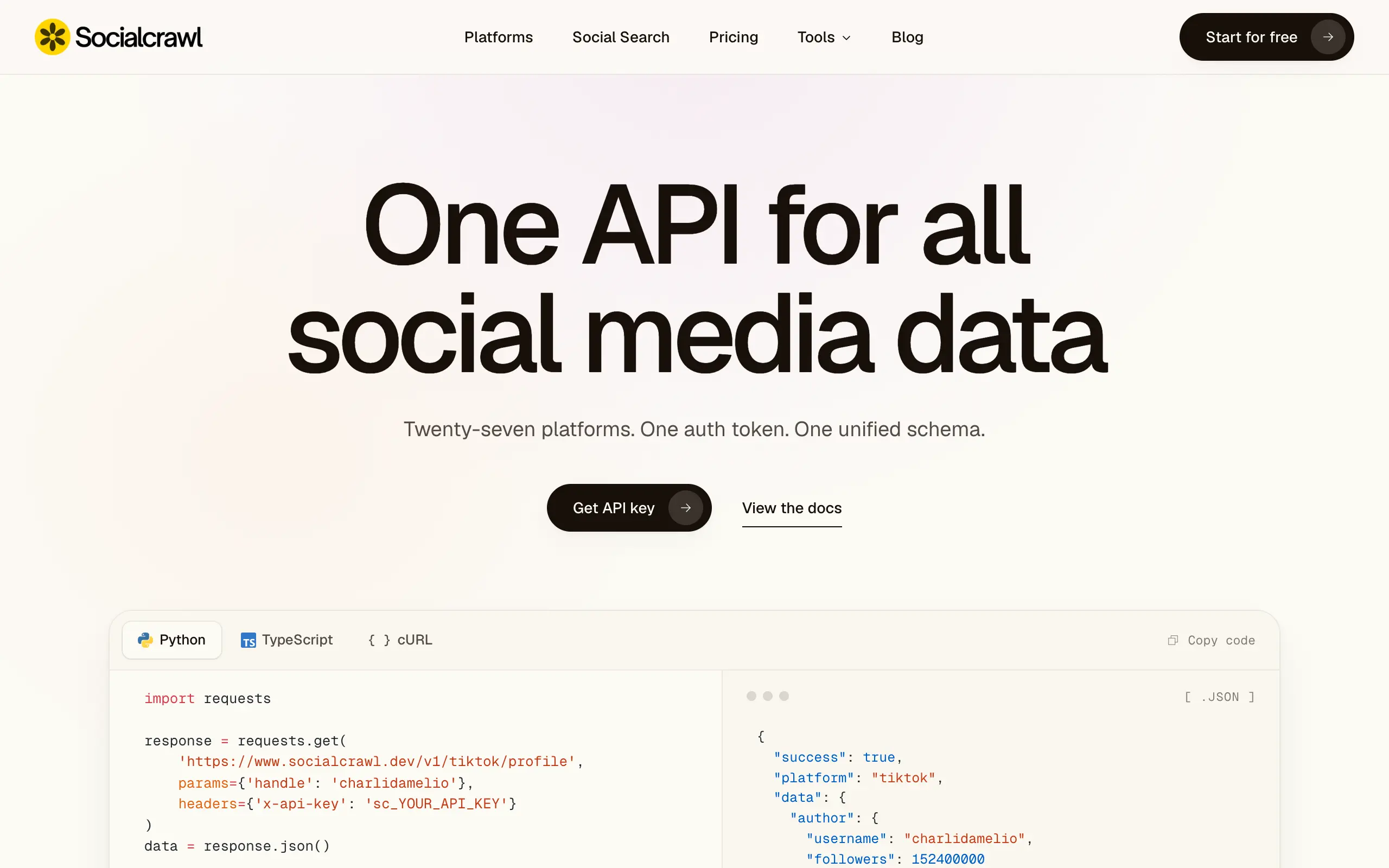
Socialcrawl
Get clean, structured data from 21 platforms like TikTok, Instagram, and YouTube with a single request 📊
Statiko
Monitor any Telegram channel in real time - track posts, edits, deletions, and growth with AI recaps 📡
Shibui
AI website builder - describe your business, pick a niche template, edit by chatting, and publish instantly ✨
Pro Service
Find verified home service professionals, compare quotes, and pay securely through escrow - built for Brazilians across the US 🏠
RankGrow
Fix your SEO with AI agents - connect Search Console, get prioritized tasks, and grow organic traffic 📈
SyncReads
Sync your favorite content for distraction-free reading, save time and replace multiple apps. Anytime, anywhere 🔄
Socialcrawl
Get clean, structured data from 21 platforms like TikTok, Instagram, and YouTube with a single request 📊
Statiko
Monitor any Telegram channel in real time - track posts, edits, deletions, and growth with AI recaps 📡
Shibui
AI website builder - describe your business, pick a niche template, edit by chatting, and publish instantly ✨
Pro Service
Find verified home service professionals, compare quotes, and pay securely through escrow - built for Brazilians across the US 🏠
RankGrow
Fix your SEO with AI agents - connect Search Console, get prioritized tasks, and grow organic traffic 📈
SyncReads
Sync your favorite content for distraction-free reading, save time and replace multiple apps. Anytime, anywhere 🔄
Socialcrawl
Get clean, structured data from 21 platforms like TikTok, Instagram, and YouTube with a single request 📊
Statiko
Monitor any Telegram channel in real time - track posts, edits, deletions, and growth with AI recaps 📡
Shibui
AI website builder - describe your business, pick a niche template, edit by chatting, and publish instantly ✨
Pro Service
Find verified home service professionals, compare quotes, and pay securely through escrow - built for Brazilians across the US 🏠
RankGrow
Fix your SEO with AI agents - connect Search Console, get prioritized tasks, and grow organic traffic 📈
SyncReads
Sync your favorite content for distraction-free reading, save time and replace multiple apps. Anytime, anywhere 🔄
Socialcrawl
Get clean, structured data from 21 platforms like TikTok, Instagram, and YouTube with a single request 📊
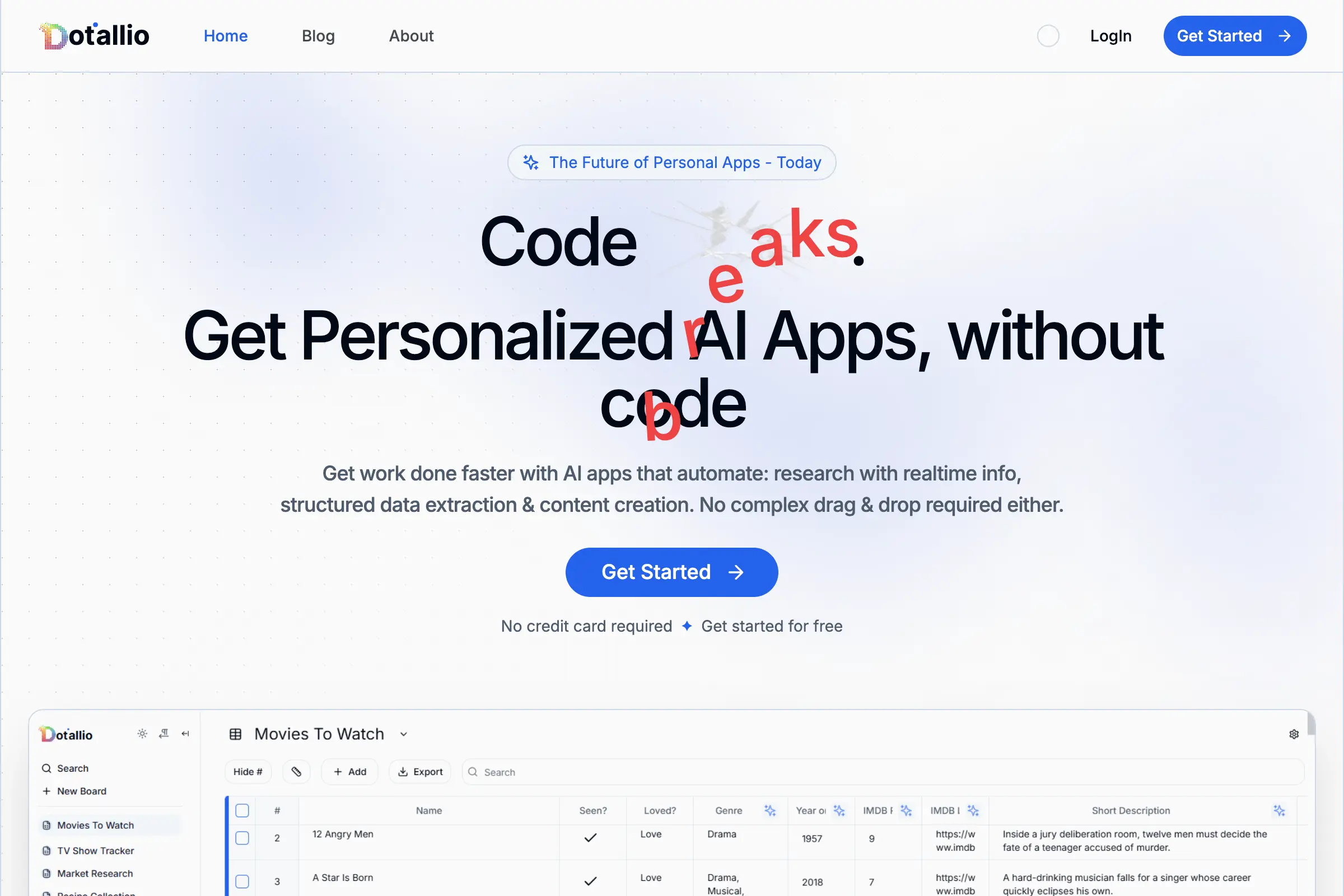
Dotallio
Personalized AI apps that automate research, data extraction, and content creation without code 🤖
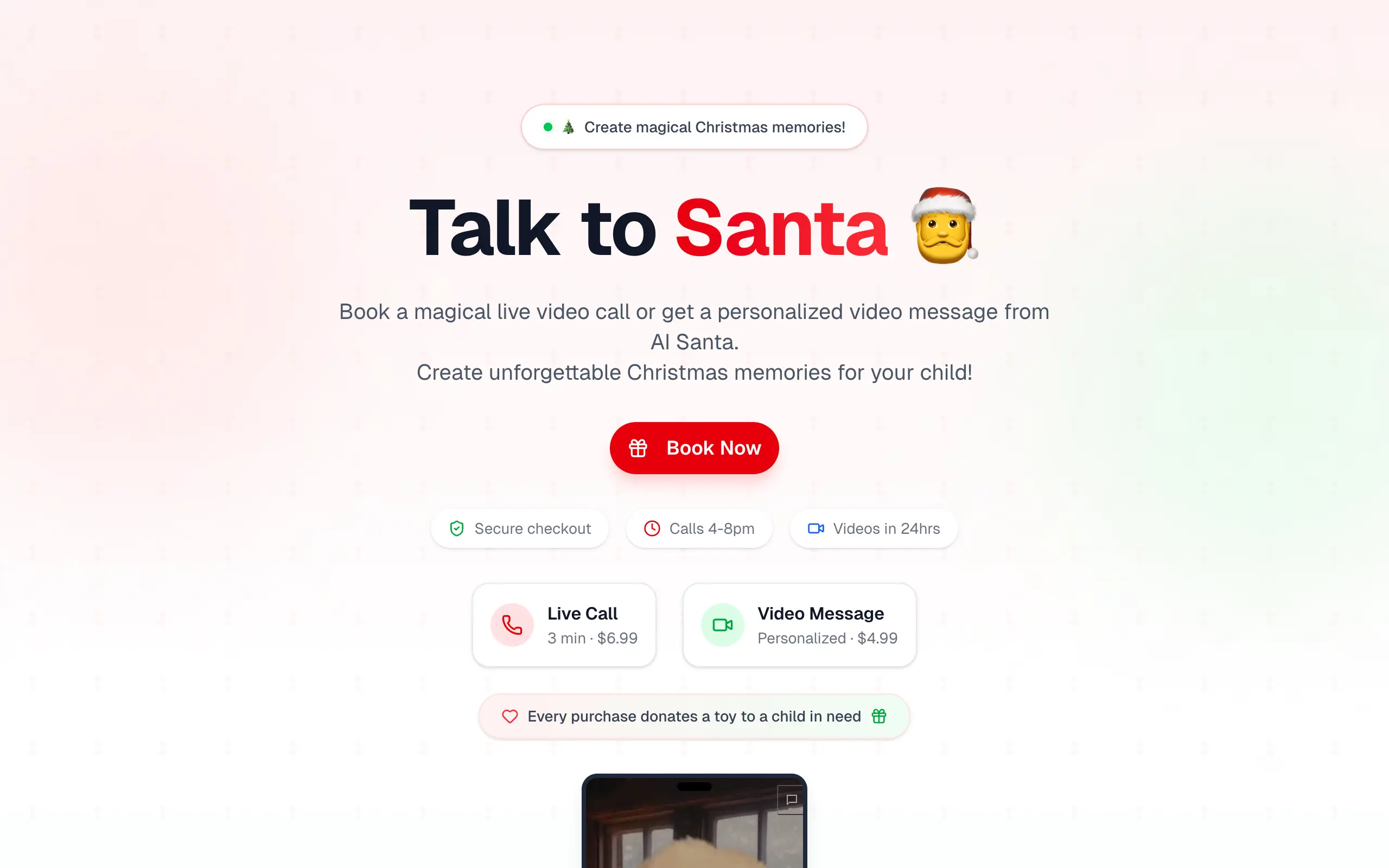
Talk to Santa
Enjoy a magical live video chat or receive a unique AI-generated video greeting from Santa Claus 🎅
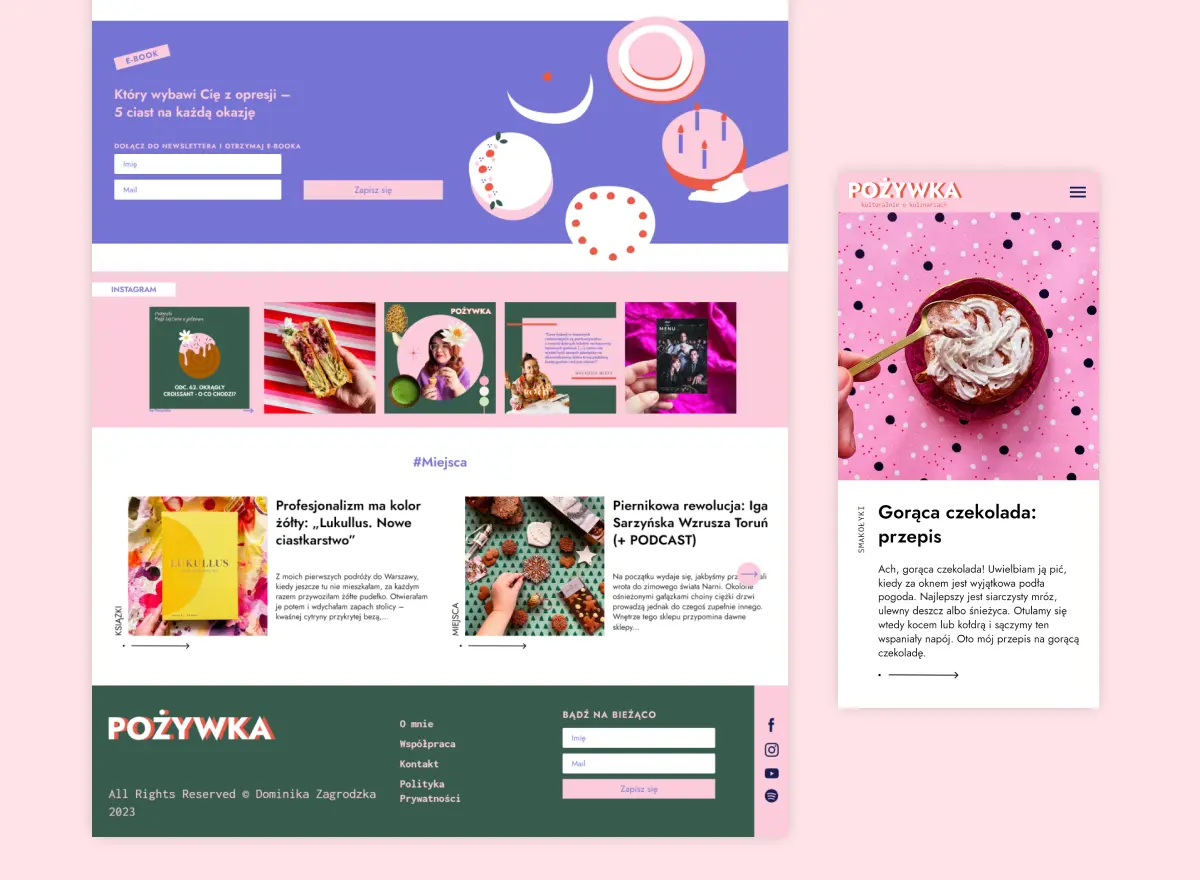
pozywka.pl
Scalable blog for food journalist, focused on performance and user experience 🌭
zagrodzki.me
Personal blog and portfolio of Bart Zagrodzki, where he shares his knowledge and work 💼
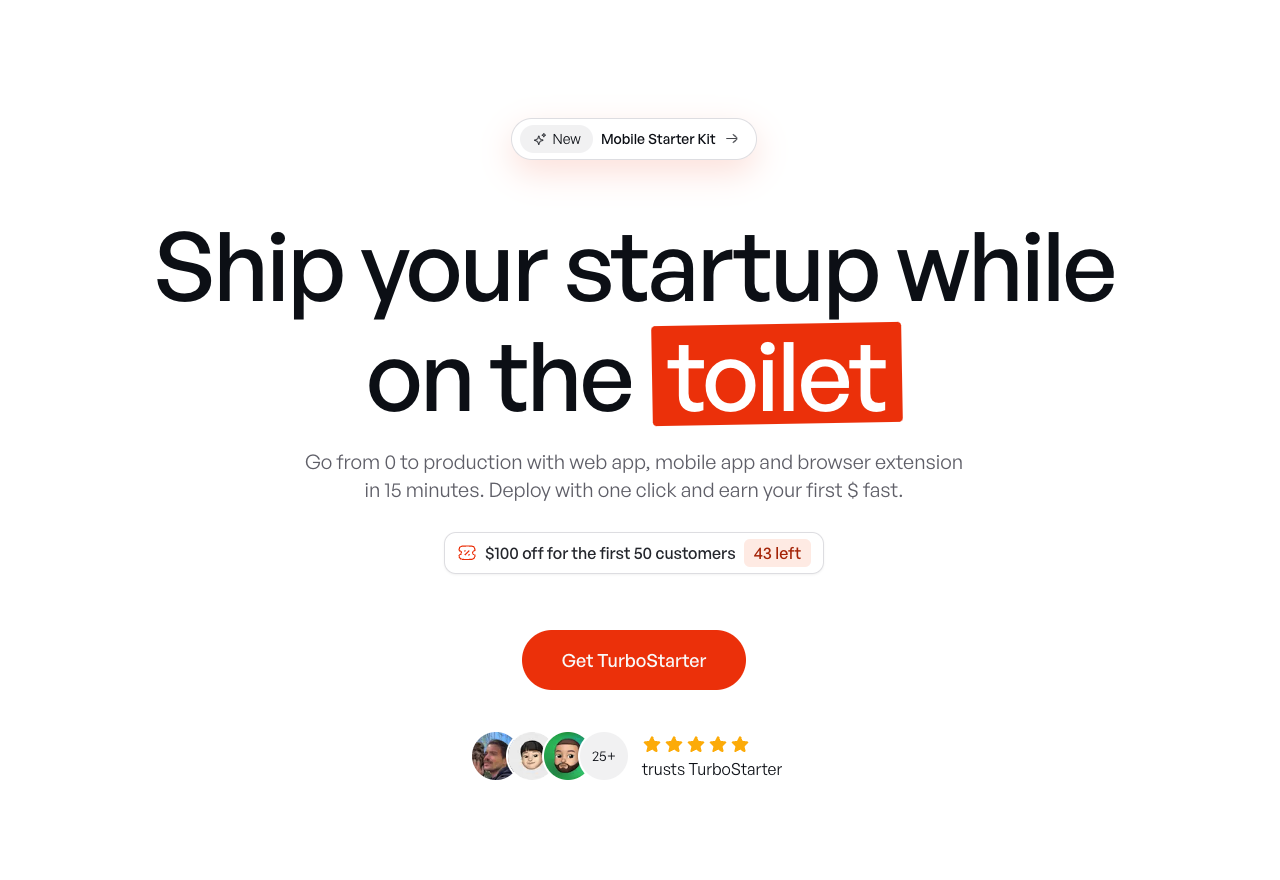
TurboStarter
Ship your startup everywhere. In minutes.
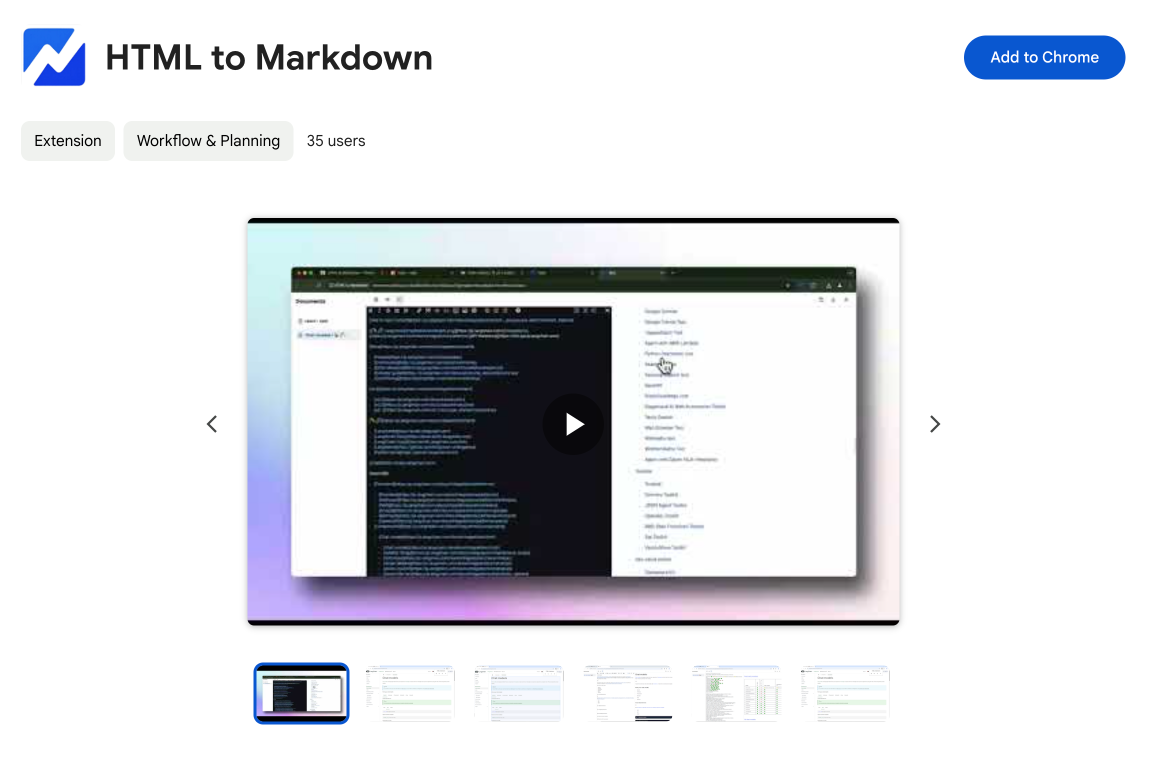
HTML to Markdown
Convert HTML to Markdown with ease, directly in your browser 📄
Dotallio
Personalized AI apps that automate research, data extraction, and content creation without code 🤖
Talk to Santa
Enjoy a magical live video chat or receive a unique AI-generated video greeting from Santa Claus 🎅
pozywka.pl
Scalable blog for food journalist, focused on performance and user experience 🌭
zagrodzki.me
Personal blog and portfolio of Bart Zagrodzki, where he shares his knowledge and work 💼
TurboStarter
Ship your startup everywhere. In minutes.
HTML to Markdown
Convert HTML to Markdown with ease, directly in your browser 📄
Dotallio
Personalized AI apps that automate research, data extraction, and content creation without code 🤖
Talk to Santa
Enjoy a magical live video chat or receive a unique AI-generated video greeting from Santa Claus 🎅
pozywka.pl
Scalable blog for food journalist, focused on performance and user experience 🌭
zagrodzki.me
Personal blog and portfolio of Bart Zagrodzki, where he shares his knowledge and work 💼
TurboStarter
Ship your startup everywhere. In minutes.
HTML to Markdown
Convert HTML to Markdown with ease, directly in your browser 📄
Dotallio
Personalized AI apps that automate research, data extraction, and content creation without code 🤖
Talk to Santa
Enjoy a magical live video chat or receive a unique AI-generated video greeting from Santa Claus 🎅
pozywka.pl
Scalable blog for food journalist, focused on performance and user experience 🌭
zagrodzki.me
Personal blog and portfolio of Bart Zagrodzki, where he shares his knowledge and work 💼
TurboStarter
Ship your startup everywhere. In minutes.
HTML to Markdown
Convert HTML to Markdown with ease, directly in your browser 📄
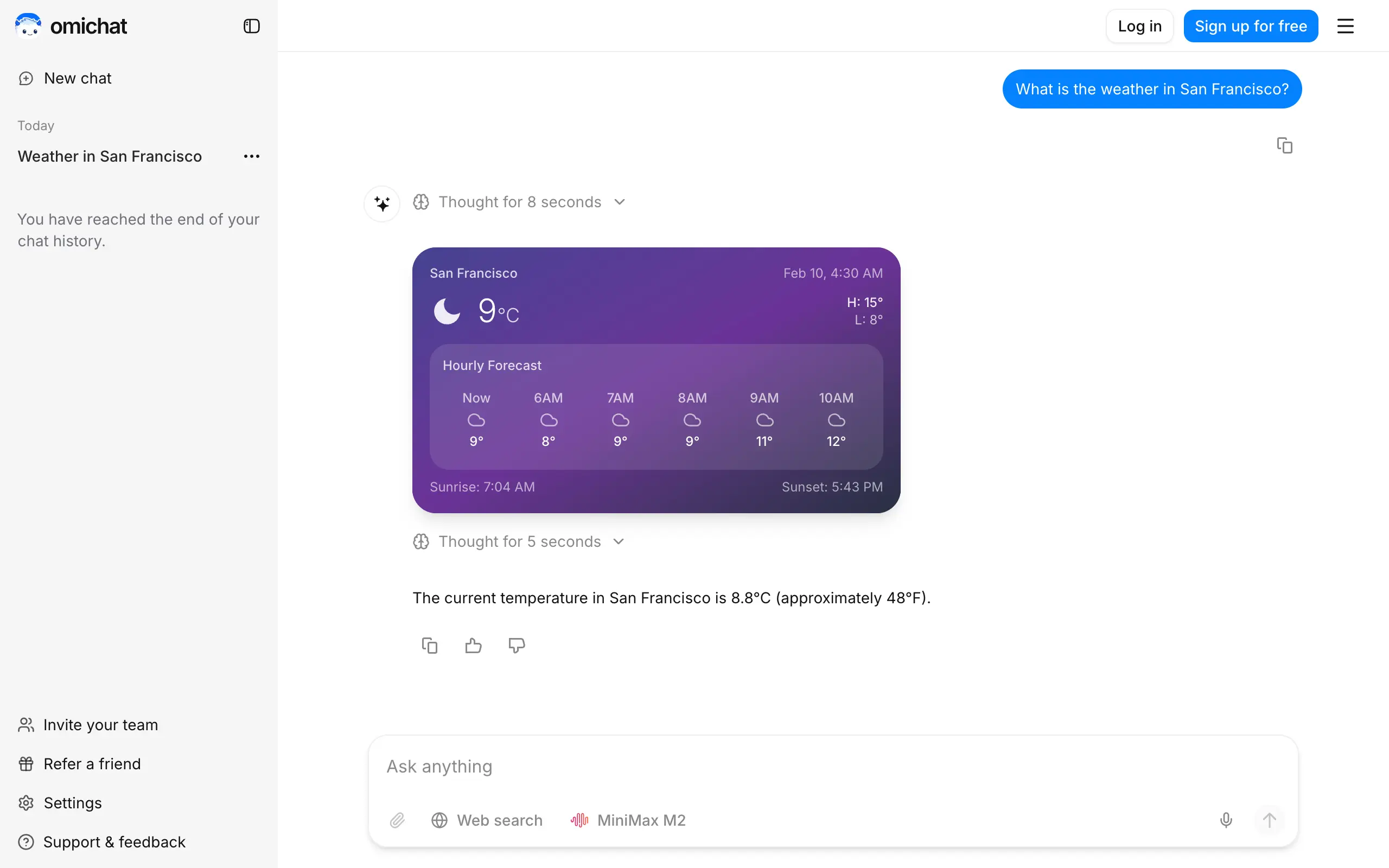
Omichat
Chat with 50+ AI models, including ChatGPT and Claude, in one place - switch models anytime without losing context 🤖
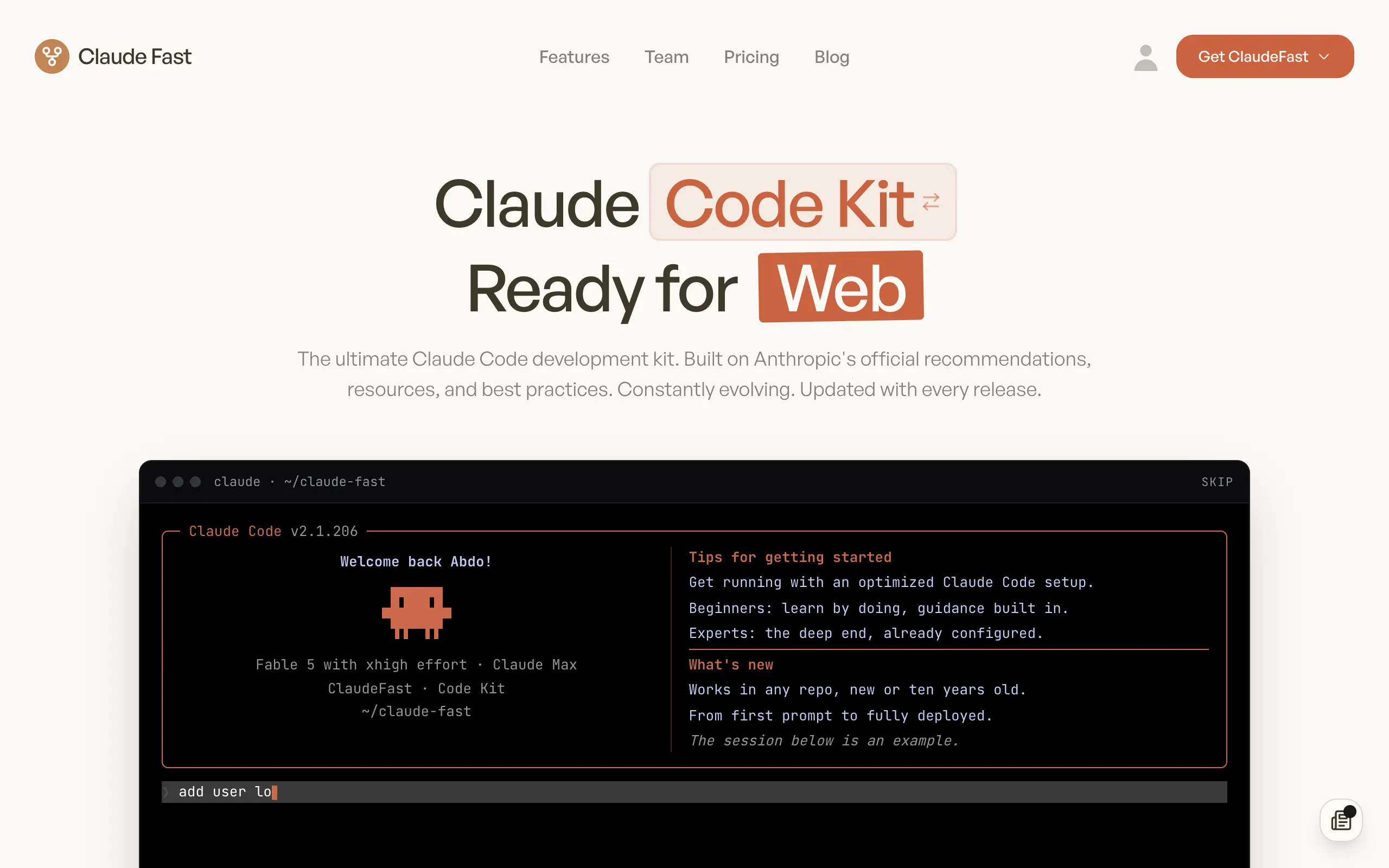
Claude Fast
Supercharge your Claude Code with 6x effective context window and specialized AI agents 🤖
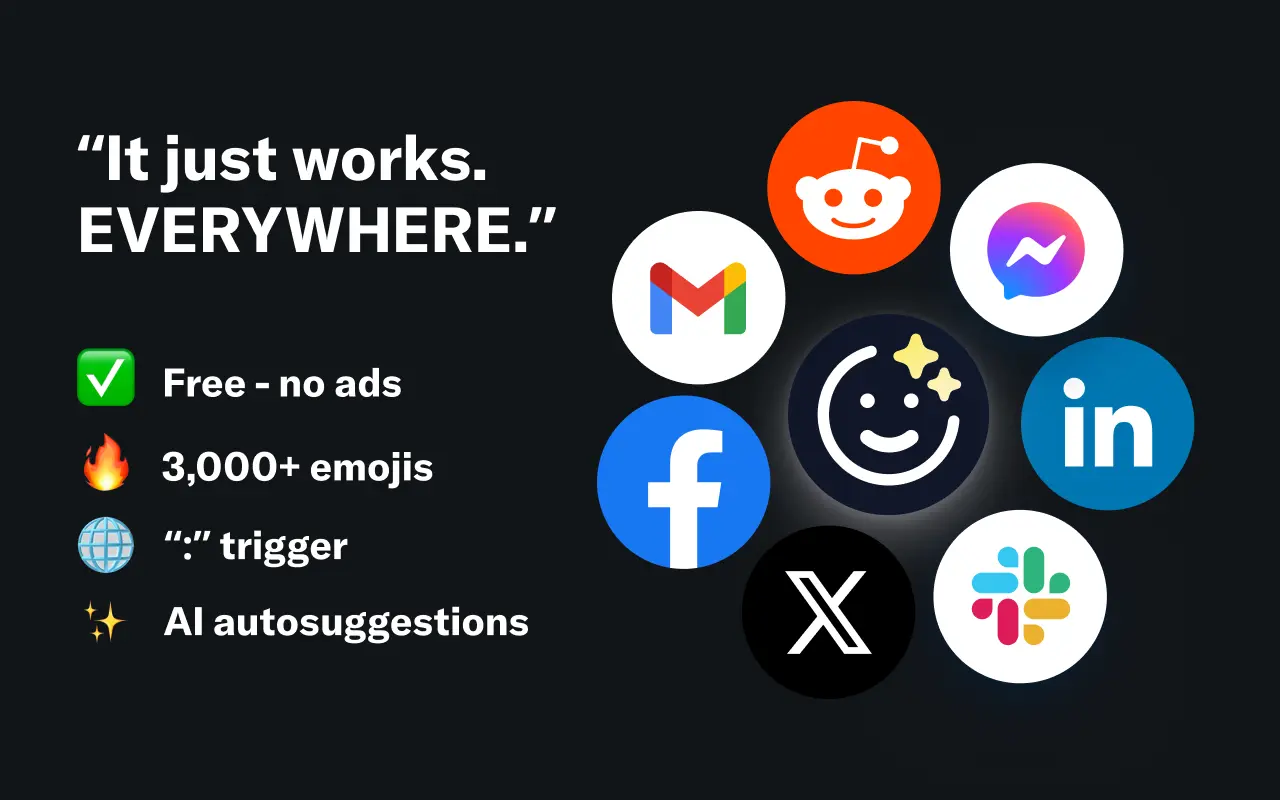
EmojAI
AI-powered emoji picker with smart, context-aware suggestions 🤖
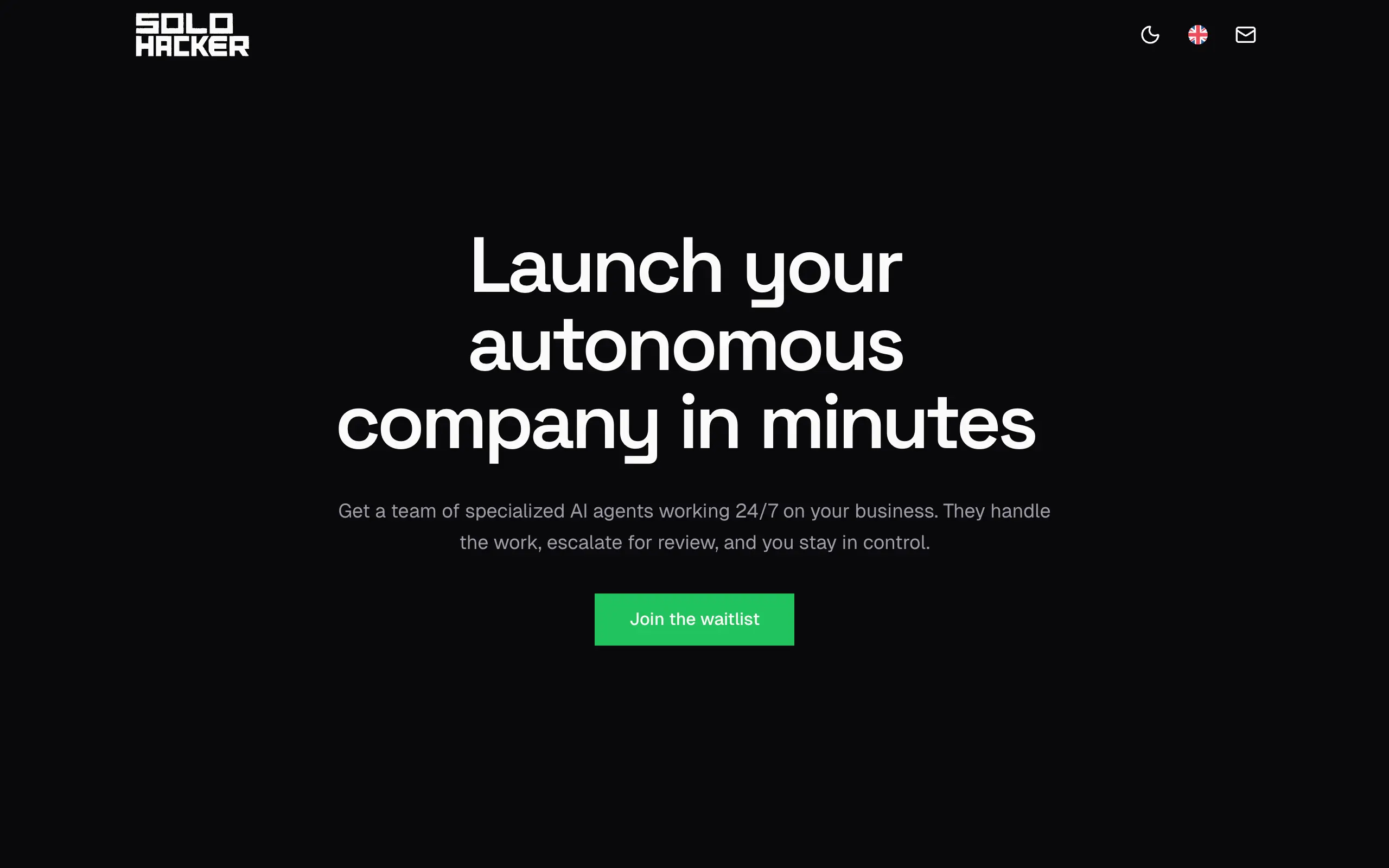
Solohacker
Autonomous company launcher - AI agents work 24/7, escalate what matters, and you stay in control 🤖
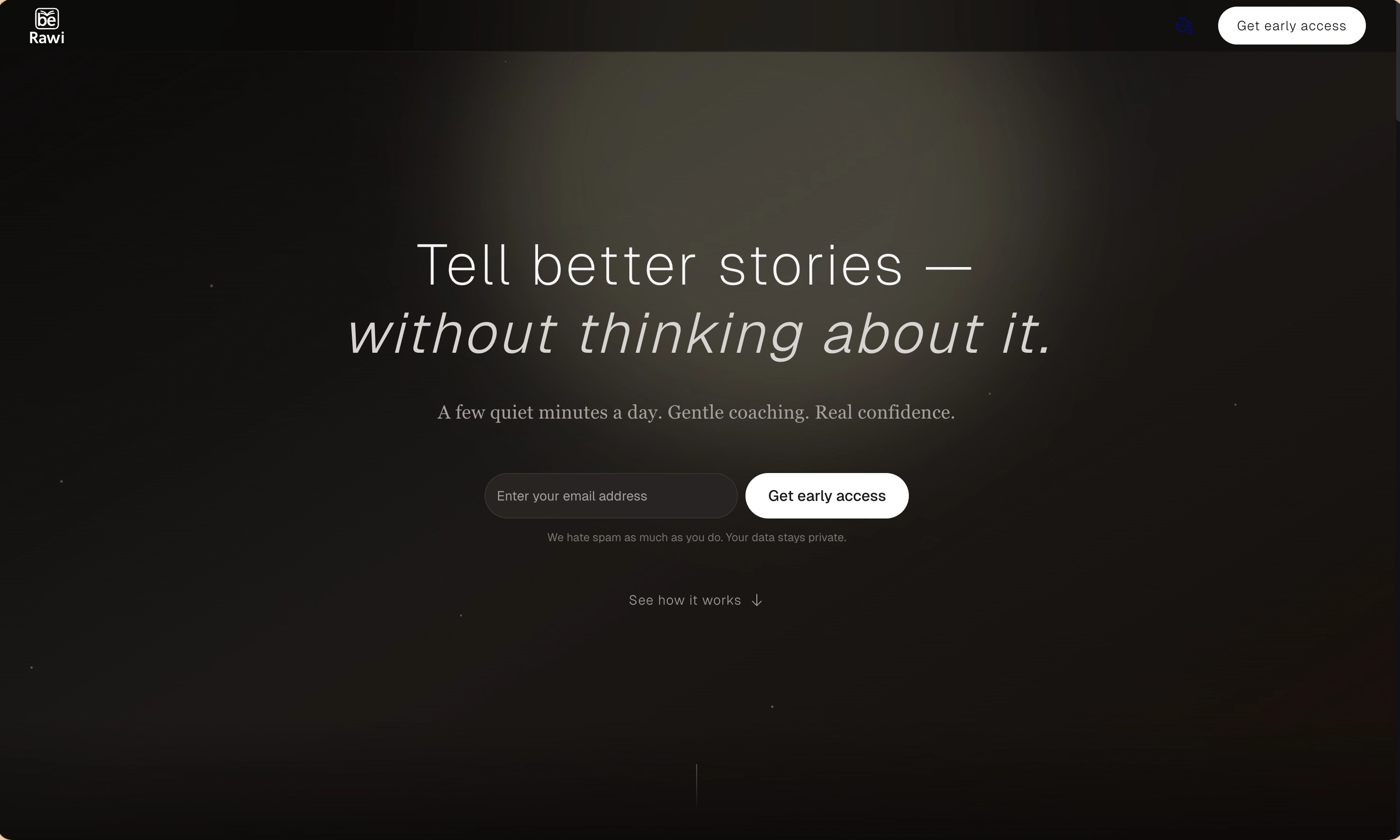
BeRawi: Storytelling Coach
Practice storytelling daily with instant feedback to sound clearer, more engaging, and confident 🎤
Omichat
Chat with 50+ AI models, including ChatGPT and Claude, in one place - switch models anytime without losing context 🤖
Claude Fast
Supercharge your Claude Code with 6x effective context window and specialized AI agents 🤖
EmojAI
AI-powered emoji picker with smart, context-aware suggestions 🤖
Solohacker
Autonomous company launcher - AI agents work 24/7, escalate what matters, and you stay in control 🤖
BeRawi: Storytelling Coach
Practice storytelling daily with instant feedback to sound clearer, more engaging, and confident 🎤
Omichat
Chat with 50+ AI models, including ChatGPT and Claude, in one place - switch models anytime without losing context 🤖
Claude Fast
Supercharge your Claude Code with 6x effective context window and specialized AI agents 🤖
EmojAI
AI-powered emoji picker with smart, context-aware suggestions 🤖
Solohacker
Autonomous company launcher - AI agents work 24/7, escalate what matters, and you stay in control 🤖
BeRawi: Storytelling Coach
Practice storytelling daily with instant feedback to sound clearer, more engaging, and confident 🎤
Omichat
Chat with 50+ AI models, including ChatGPT and Claude, in one place - switch models anytime without losing context 🤖
Claude Fast
Supercharge your Claude Code with 6x effective context window and specialized AI agents 🤖
EmojAI
AI-powered emoji picker with smart, context-aware suggestions 🤖
Solohacker
Autonomous company launcher - AI agents work 24/7, escalate what matters, and you stay in control 🤖
BeRawi: Storytelling Coach
Practice storytelling daily with instant feedback to sound clearer, more engaging, and confident 🎤

Connect with like-minded people
Join our community to get feedback, support, and grow together with 1,000+ builders on board, let's ship it!
Join usShip your startup everywhere. In minutes.
Don't burn tokens on setup and start building features on day one.