ExamTwin
Creates a personalized AI twin of your professor and generates hyper-realistic exam simulations based on syllabus, lectures, and past papers.
Why personalized exam preparation needs an AI twin
Traditional exam prep is fundamentally reactive. You take a mock test, review the results, and manually adjust your study plan. By the time you discover a weakness, it may already have cost you valuable time—or worse, exam performance.
ExamTwin introduces a different paradigm: an AI twin for exam preparation that continuously models your knowledge state, predicts your likely weaknesses, generates targeted mock tests, and dynamically adjusts your study plan in real time.
This article explores the full strategic, technical, and business blueprint behind an AI exam twin platform—covering:
- Target audience and search intent alignment
- Market opportunity and competitive landscape
- Core features and technical architecture
- AI modeling strategies
- Monetization and pricing models
- Risks and mitigation
- Clear implementation roadmap
If you’re evaluating, building, or investing in an AI-powered personalized learning platform, this deep dive will give you an expert-level perspective.
Understanding the user intent behind “AI exam preparation”
Searchers looking for terms like:
- AI exam prep platform
- personalized mock test generator
- adaptive study planner
- AI study assistant for competitive exams
- predict exam weaknesses with AI
…usually fall into three categories:
- Students seeking better outcomes with less wasted effort
- EdTech founders exploring AI-powered learning tools
- Institutions or coaching centers seeking scalable personalization
ExamTwin directly satisfies all three by offering:
- Predictive weakness modeling
- Adaptive mock tests
- Dynamic study plans
- Real-time feedback loops
The shift from static preparation to AI-driven adaptive exam training represents a major evolution in EdTech.
The market opportunity for AI-powered exam prep
Global demand for competitive exams
Standardized and competitive exams remain massive global markets:
- SAT, ACT, GRE, GMAT
- UPSC, SSC, JEE, NEET
- CFA, CPA, Bar exams
- Professional certifications (AWS, PMP, Scrum, etc.)
The global e-learning market is projected to surpass hundreds of billions of dollars this decade (source: major industry research firms such as HolonIQ or Statista). A large share is driven by high-stakes exam preparation.
Core pain points in existing solutions
Current platforms often:
- Offer static question banks
- Provide surface-level analytics
- Require manual study adjustments
- Fail to predict weakness before it appears
Even adaptive platforms typically react to incorrect answers rather than predicting probability of failure before it happens.
That predictive capability is ExamTwin’s unique positioning.
What is an AI twin in exam preparation?
An AI twin is a dynamic digital representation of a learner’s cognitive profile.
In ExamTwin, the AI twin models:
- Concept mastery probability
- Weakness likelihood under time pressure
- Topic interdependency gaps
- Error patterns (conceptual vs careless vs speed-based)
- Retention decay curve
Instead of just tracking scores, the twin estimates:
“If this student takes the real exam tomorrow, which topics are most likely to cause score drops?”
That predictive modeling creates massive differentiation.
Target audience analysis
1. High-stakes exam candidates
- Ages 16–35
- Preparing for competitive or certification exams
- Motivated by rank, admission, or career progression
- Willing to pay for measurable score improvement
2. Coaching institutes
- Need scalable personalization
- Want better student performance metrics
- Seeking AI differentiation in marketing
3. Universities and EdTech platforms
- Interested in integrating adaptive learning systems
- Want to increase student engagement and retention
4. Corporate L&D programs
- Certification-driven roles (cloud, finance, compliance)
- Require performance tracking and predictive readiness scoring
Core features of ExamTwin
1. AI twin modeling engine
The heart of the platform.
Capabilities:
- Bayesian knowledge tracing
- Item response theory (IRT)
- Topic mastery probability scoring
- Predictive weakness ranking
- Time-based performance decay modeling
Each user gets:
- A continuously updated mastery map
- Risk probability heatmap
- Predicted exam score band
2. Targeted mock test generator
Instead of random question selection, ExamTwin:
- Identifies high-risk topics
- Adjusts difficulty to match predicted exam level
- Simulates time pressure
- Injects trick-based variations
This improves both accuracy and resilience.
3. Real-time adaptive study plan
After every mock or practice session:
- AI recalculates knowledge probabilities
- Updates next study sequence
- Rebalances topic weights
- Schedules spaced repetition automatically
4. Weakness prediction dashboard
Visualized metrics:
- Topic mastery %
- Time-efficiency score
- Error classification breakdown
- Predicted exam percentile
Example component comparison:
| Feature | Traditional Prep | Static Question Bank | Basic Adaptive Tool | ExamTwin |
|---|---|---|---|---|
| Weakness prediction | ❌ | ❌ | Limited | ✅ |
| Dynamic study plan | ❌ | ❌ | ✅ | ✅ |
| Time pressure modeling | ❌ | ❌ | Limited | ✅ |
AI architecture and modeling strategy
Core AI components
- Knowledge tracing (Bayesian / Deep Knowledge Tracing)
- IRT-based difficulty calibration
- Performance clustering
- Reinforcement learning for study plan optimization
Data inputs
- Question ID
- Topic tag
- Difficulty score
- Time spent
- Correct/incorrect
- Confidence rating (optional input)
Knowledge probability update (conceptual example)
function updateMastery(prior: number, isCorrect: boolean, difficulty: number) {
  const learningRate = 0.1;
  const delta = isCorrect ? (1 - prior) : -prior;
  return prior + learningRate * delta * (1 - difficulty);
}
This simplistic example illustrates adaptive updating logic. In production, use probabilistic modeling with calibration.
Recommended tech stack
Frontend
Why?
- Server-side rendering for SEO
- High performance
- Scalable UI system
Backend
- Node.js with NestJS
- Python microservice for ML models
- REST or GraphQL API
Database
- PostgreSQL (relational user + exam data)
- Redis (real-time session scoring)
- Vector DB (for semantic question retrieval)
AI infrastructure
- PyTorch or TensorFlow
- Batch model retraining pipeline
- Cloud deployment (AWS, GCP, Azure)
Trade-offs:
- Fully real-time adaptation increases compute cost
- Hybrid batch + live inference reduces expense
Competitive landscape
Major players:
- General AI tutors (ChatGPT-style assistants)
- Static mock platforms
- Large adaptive systems (e.g., institutional platforms)
ExamTwin’s differentiation:
- Predictive weakness modeling
- AI twin identity per student
- Real-time plan recalibration
- Score probability forecasting
Monetization strategy
1. Subscription model (primary)
- Free tier: limited mock tests
- Pro tier: AI twin + full adaptation
- Premium: advanced analytics + mentorship
2. Institutional licensing
- Per-student pricing
- Dashboard for instructors
- White-label version
3. Certification-specific packs
- UPSC pack
- CFA pack
- SAT pack
Pricing model example
- Free: Limited analytics
- $29/month: Full AI twin
- $79/month: Advanced analytics + priority support
- $10–20 per student/month
- Custom enterprise licensing
- API integration tier
Risks and mitigation strategies
1. Data bias risk
If initial training data skews toward certain learner profiles:
Mitigation:
- Continuous retraining
- Diverse question datasets
- Fairness evaluation metrics
2. Overfitting predictions
Predicting weaknesses inaccurately can harm trust.
Mitigation:
- Confidence scoring in predictions
- Transparent probability ranges
- Explainable AI dashboards
3. Regulatory concerns
Especially with minors and exam data.
Mitigation:
- GDPR compliance
- FERPA compliance (for US institutions)
- Encrypted storage
Unique selling proposition (USP)
ExamTwin is not just another AI study assistant.
Its unique advantages:
- Predictive failure modeling
- Dynamic AI twin per user
- Exam simulation under pressure
- Continuous probabilistic score forecasting
Most platforms react. ExamTwin predicts.
That predictive edge is the core differentiator.
Go-to-market strategy
Phase 1: Niche focus
Start with one high-value exam (e.g., CFA Level 1).
Benefits:
- Clear curriculum
- Structured topic map
- Strong paying audience
Phase 2: Community-driven growth
- Publish AI-backed score improvement case studies
- Offer score prediction reports as lead magnets
- Build authority via exam analytics insights
Phase 3: Institutional partnerships
- Offer pilot programs
- Provide analytics dashboards to coaching centers
Step-by-step implementation roadmap
Technical acceleration with a SaaS foundation
Building infrastructure from scratch can delay execution.
Using a production-ready SaaS boilerplate like TurboStarter helps accelerate:
- Authentication
- Subscription billing
- Multi-tenant architecture
- Dashboard scaffolding
This allows founders to focus on the AI twin modeling layer rather than rebuilding core SaaS components.
Long-term expansion opportunities
- AI interview simulation twin
- Corporate certification engine
- AI-powered peer benchmarking
- Skill passport tied to job platforms
- White-label university integrations
The AI twin can evolve into a lifelong learning companion.
Why ExamTwin can win
Exam preparation is not just about content volume. It’s about precision.
Students don’t fail because they didn’t study.
They fail because they studied the wrong things.
ExamTwin transforms exam prep from:
“Study everything and hope”
into:
“Target the exact probability gaps holding you back”
That shift—from reactive to predictive—is powerful.
Final thoughts
The future of exam preparation is adaptive, predictive, and personalized.
An AI twin approach:
- Increases efficiency
- Improves score predictability
- Reduces wasted study hours
- Creates measurable performance lift
For founders, the opportunity lies at the intersection of:
- AI modeling
- High-stakes education
- SaaS subscription economics
For students, it offers something far more valuable:
Clarity about what truly matters before exam day.
If executed with strong AI architecture, rigorous data modeling, and a scalable SaaS infrastructure, ExamTwin has the potential to redefine personalized exam preparation.
More 🤖 AI Startup SaaS ideas
Discover more innovative ai startup SaaS ideas that are trending in 2026. Each idea is AI-generated with market validation and growth potential to help you find your next profitable venture faster than competitors.
Your competitors are building with TurboStarter
Below are some of the SaaS ideas that have been generated and built with our starter kit.
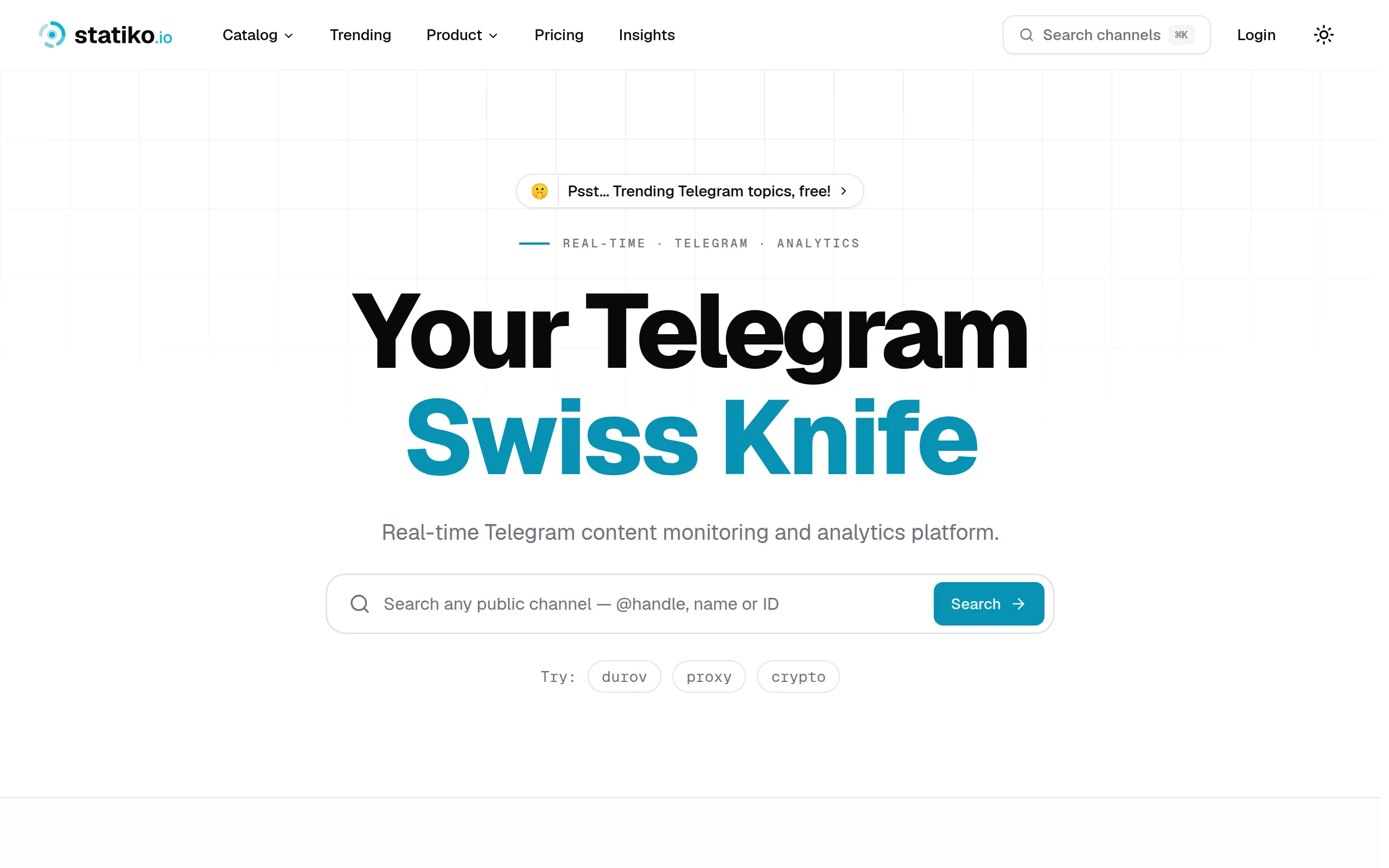
Statiko
Monitor any Telegram channel in real time - track posts, edits, deletions, and growth with AI recaps 📡
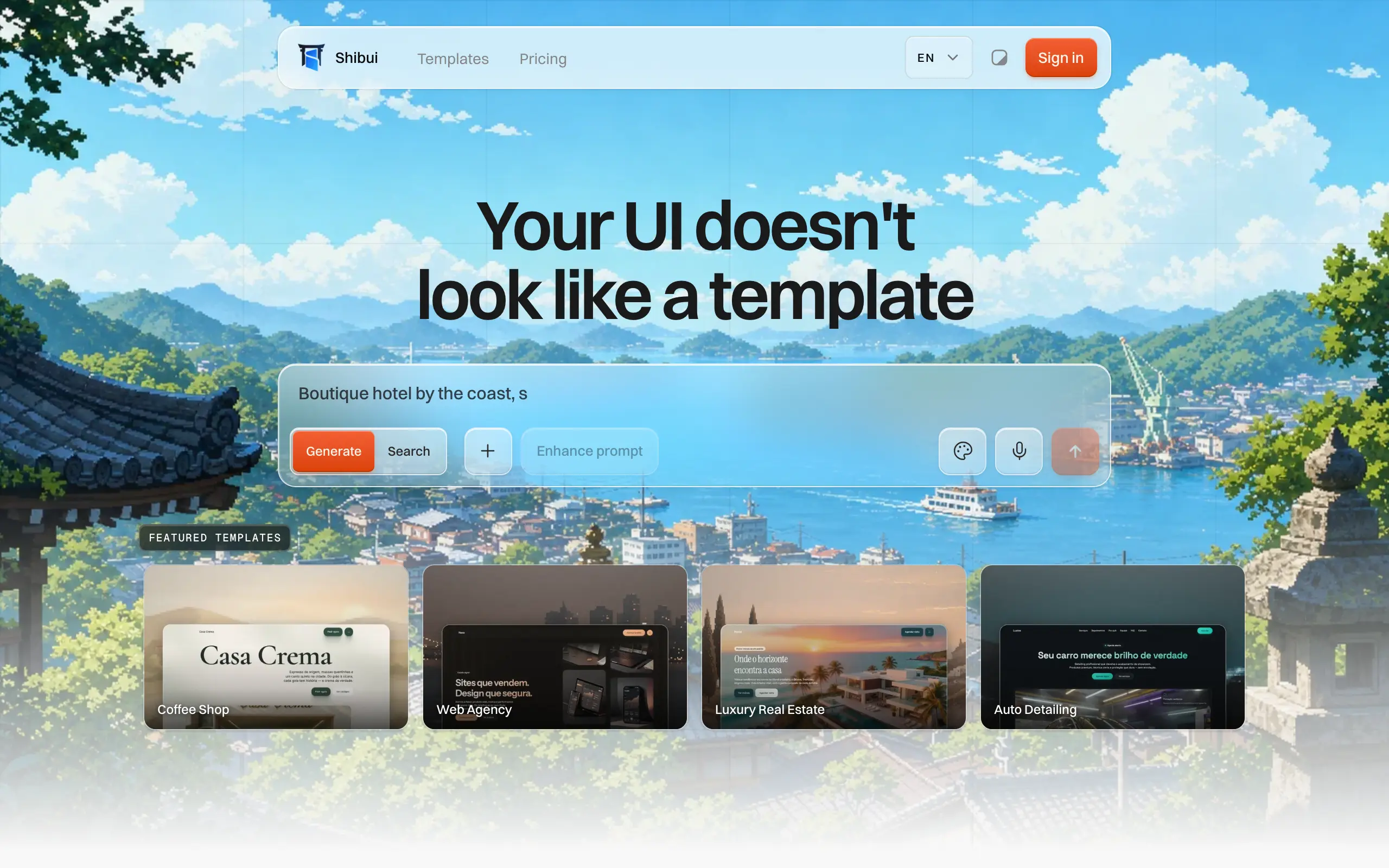
Shibui
AI website builder - describe your business, pick a niche template, edit by chatting, and publish instantly ✨

Pro Service
Find verified home service professionals, compare quotes, and pay securely through escrow - built for Brazilians across the US 🏠
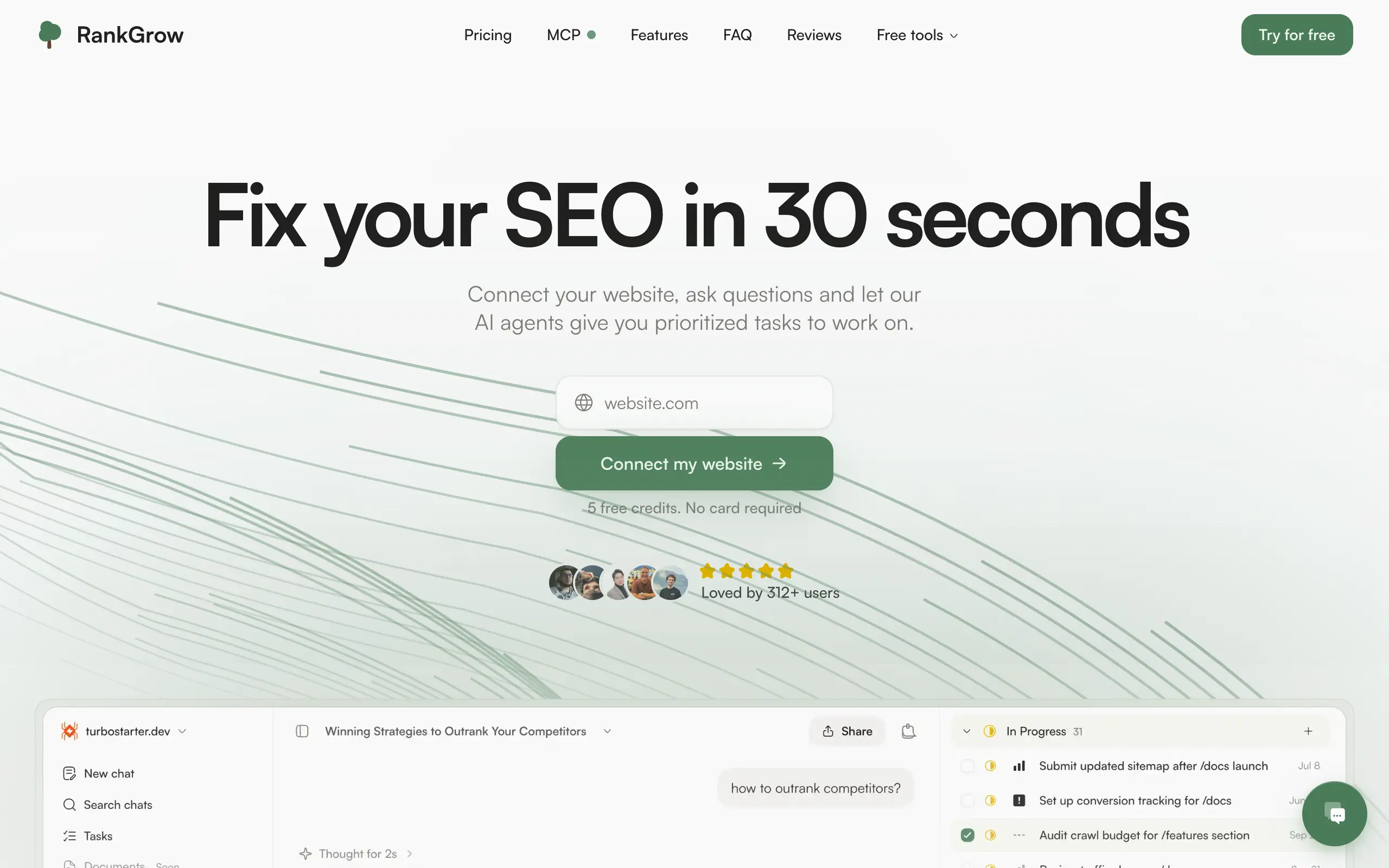
RankGrow
Fix your SEO with AI agents - connect Search Console, get prioritized tasks, and grow organic traffic 📈
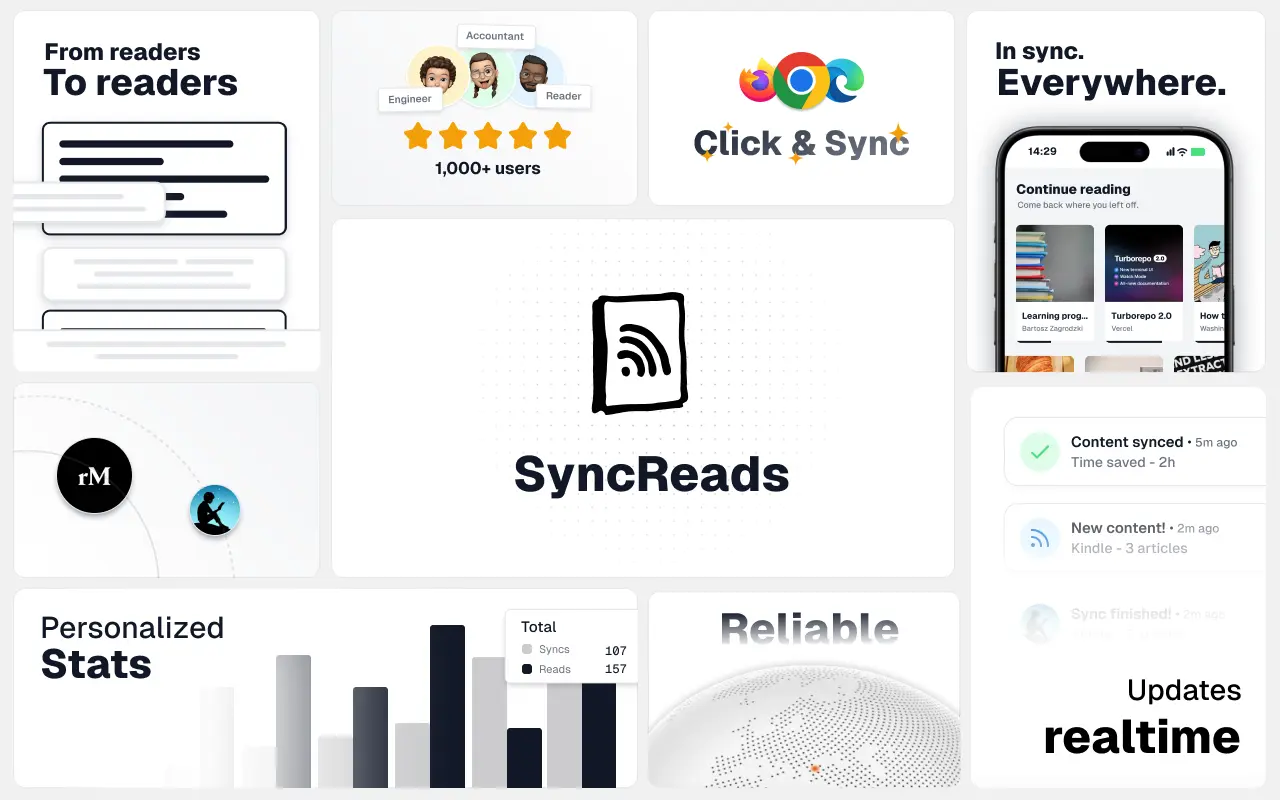
SyncReads
Sync your favorite content for distraction-free reading, save time and replace multiple apps. Anytime, anywhere 🔄
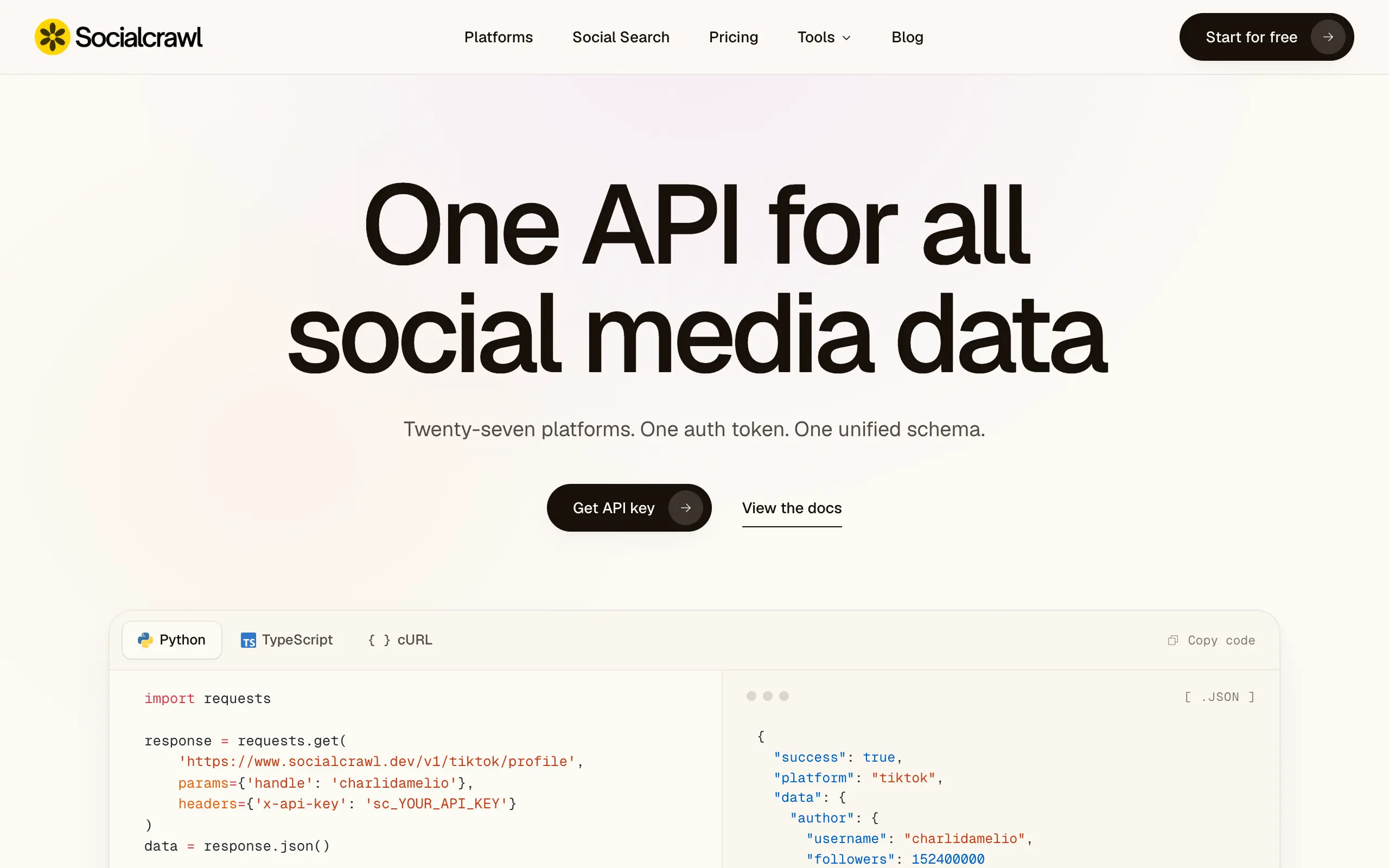
Socialcrawl
Get clean, structured data from 21 platforms like TikTok, Instagram, and YouTube with a single request 📊
Statiko
Monitor any Telegram channel in real time - track posts, edits, deletions, and growth with AI recaps 📡
Shibui
AI website builder - describe your business, pick a niche template, edit by chatting, and publish instantly ✨
Pro Service
Find verified home service professionals, compare quotes, and pay securely through escrow - built for Brazilians across the US 🏠
RankGrow
Fix your SEO with AI agents - connect Search Console, get prioritized tasks, and grow organic traffic 📈
SyncReads
Sync your favorite content for distraction-free reading, save time and replace multiple apps. Anytime, anywhere 🔄
Socialcrawl
Get clean, structured data from 21 platforms like TikTok, Instagram, and YouTube with a single request 📊
Statiko
Monitor any Telegram channel in real time - track posts, edits, deletions, and growth with AI recaps 📡
Shibui
AI website builder - describe your business, pick a niche template, edit by chatting, and publish instantly ✨
Pro Service
Find verified home service professionals, compare quotes, and pay securely through escrow - built for Brazilians across the US 🏠
RankGrow
Fix your SEO with AI agents - connect Search Console, get prioritized tasks, and grow organic traffic 📈
SyncReads
Sync your favorite content for distraction-free reading, save time and replace multiple apps. Anytime, anywhere 🔄
Socialcrawl
Get clean, structured data from 21 platforms like TikTok, Instagram, and YouTube with a single request 📊
Statiko
Monitor any Telegram channel in real time - track posts, edits, deletions, and growth with AI recaps 📡
Shibui
AI website builder - describe your business, pick a niche template, edit by chatting, and publish instantly ✨
Pro Service
Find verified home service professionals, compare quotes, and pay securely through escrow - built for Brazilians across the US 🏠
RankGrow
Fix your SEO with AI agents - connect Search Console, get prioritized tasks, and grow organic traffic 📈
SyncReads
Sync your favorite content for distraction-free reading, save time and replace multiple apps. Anytime, anywhere 🔄
Socialcrawl
Get clean, structured data from 21 platforms like TikTok, Instagram, and YouTube with a single request 📊
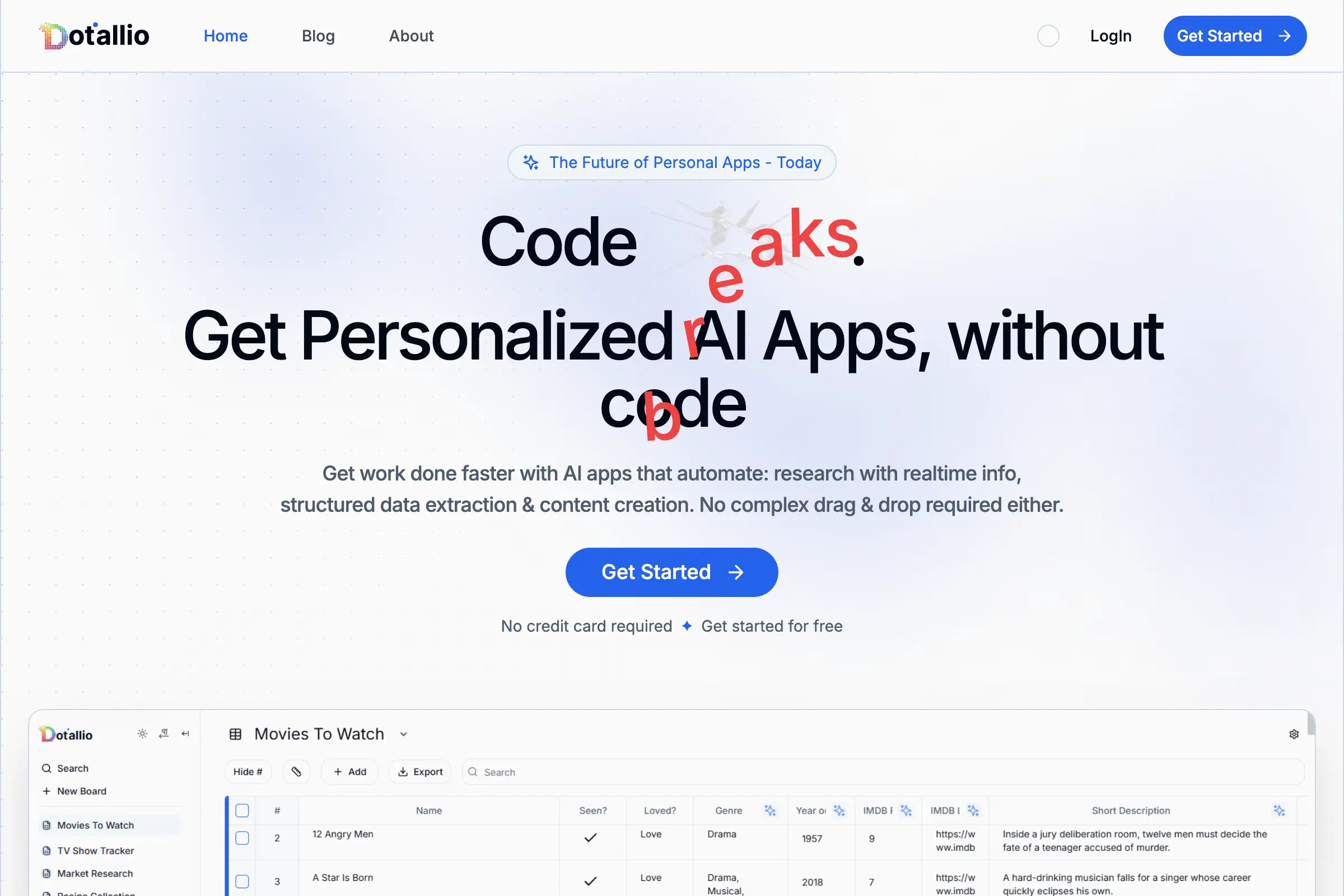
Dotallio
Personalized AI apps that automate research, data extraction, and content creation without code 🤖
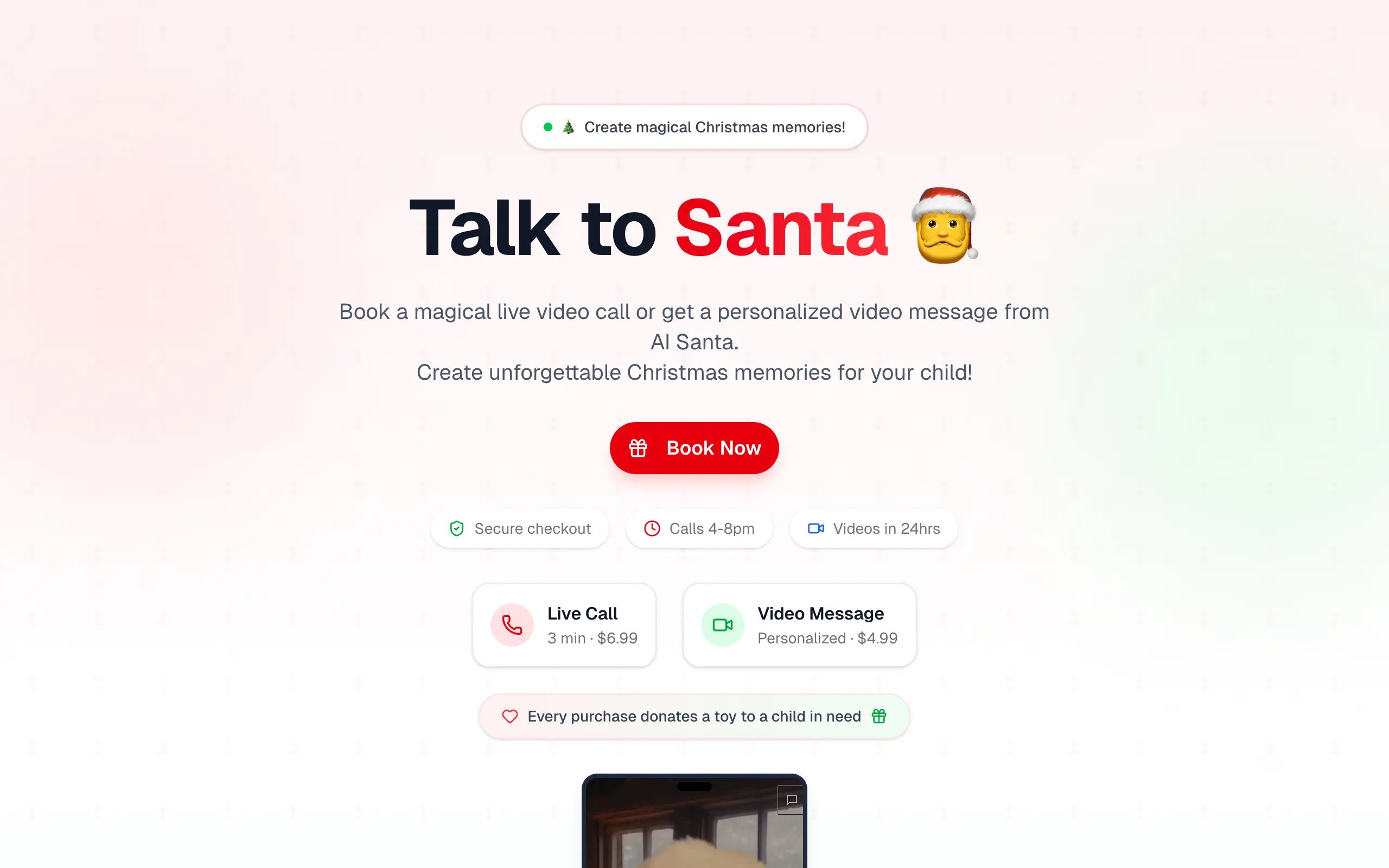
Talk to Santa
Enjoy a magical live video chat or receive a unique AI-generated video greeting from Santa Claus 🎅
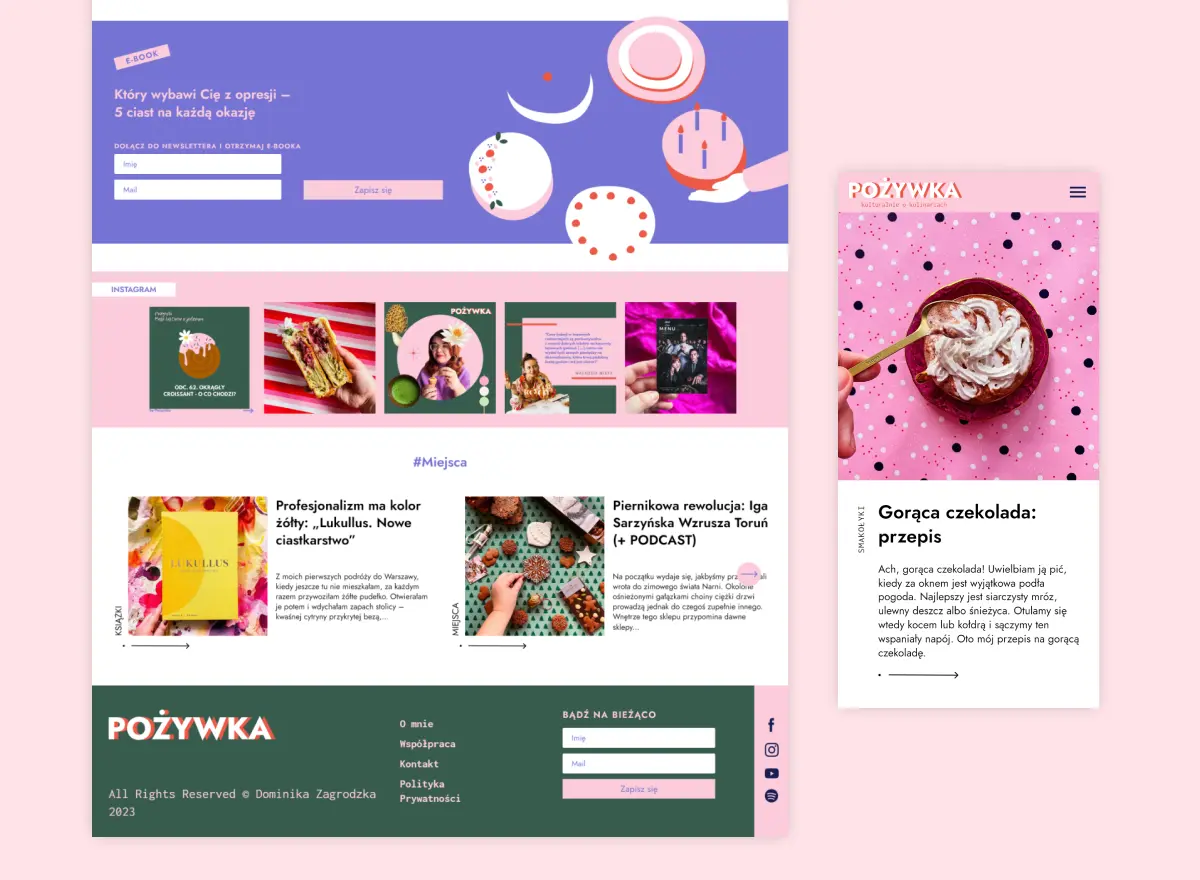
pozywka.pl
Scalable blog for food journalist, focused on performance and user experience 🌭
zagrodzki.me
Personal blog and portfolio of Bart Zagrodzki, where he shares his knowledge and work 💼
TurboStarter
Ship your startup everywhere. In minutes.
HTML to Markdown
Convert HTML to Markdown with ease, directly in your browser 📄
Dotallio
Personalized AI apps that automate research, data extraction, and content creation without code 🤖
Talk to Santa
Enjoy a magical live video chat or receive a unique AI-generated video greeting from Santa Claus 🎅
pozywka.pl
Scalable blog for food journalist, focused on performance and user experience 🌭
zagrodzki.me
Personal blog and portfolio of Bart Zagrodzki, where he shares his knowledge and work 💼
TurboStarter
Ship your startup everywhere. In minutes.
HTML to Markdown
Convert HTML to Markdown with ease, directly in your browser 📄
Dotallio
Personalized AI apps that automate research, data extraction, and content creation without code 🤖
Talk to Santa
Enjoy a magical live video chat or receive a unique AI-generated video greeting from Santa Claus 🎅
pozywka.pl
Scalable blog for food journalist, focused on performance and user experience 🌭
zagrodzki.me
Personal blog and portfolio of Bart Zagrodzki, where he shares his knowledge and work 💼
TurboStarter
Ship your startup everywhere. In minutes.
HTML to Markdown
Convert HTML to Markdown with ease, directly in your browser 📄
Dotallio
Personalized AI apps that automate research, data extraction, and content creation without code 🤖
Talk to Santa
Enjoy a magical live video chat or receive a unique AI-generated video greeting from Santa Claus 🎅
pozywka.pl
Scalable blog for food journalist, focused on performance and user experience 🌭
zagrodzki.me
Personal blog and portfolio of Bart Zagrodzki, where he shares his knowledge and work 💼
TurboStarter
Ship your startup everywhere. In minutes.
HTML to Markdown
Convert HTML to Markdown with ease, directly in your browser 📄
Omichat
Chat with 50+ AI models, including ChatGPT and Claude, in one place - switch models anytime without losing context 🤖
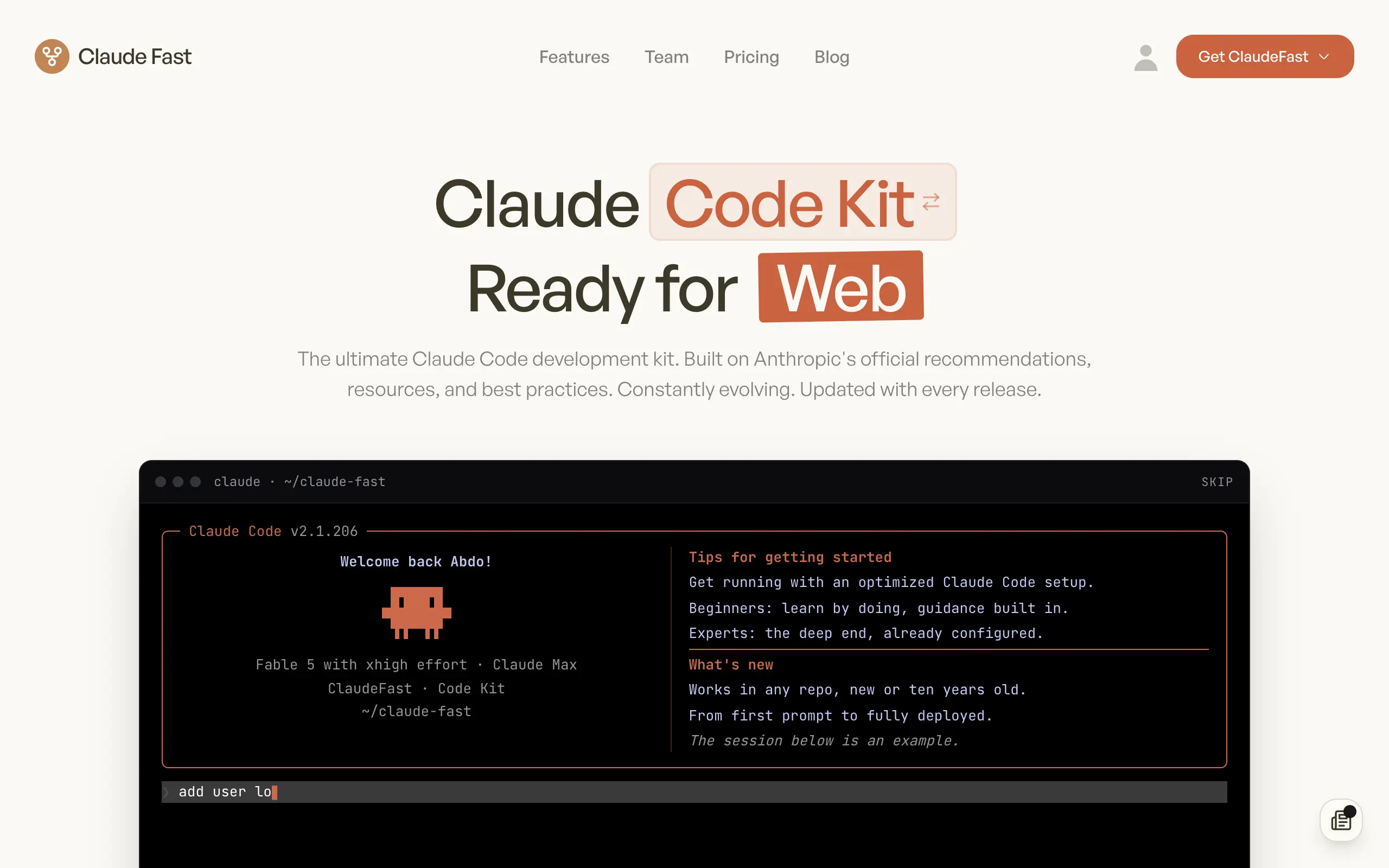
Claude Fast
Supercharge your Claude Code with 6x effective context window and specialized AI agents 🤖
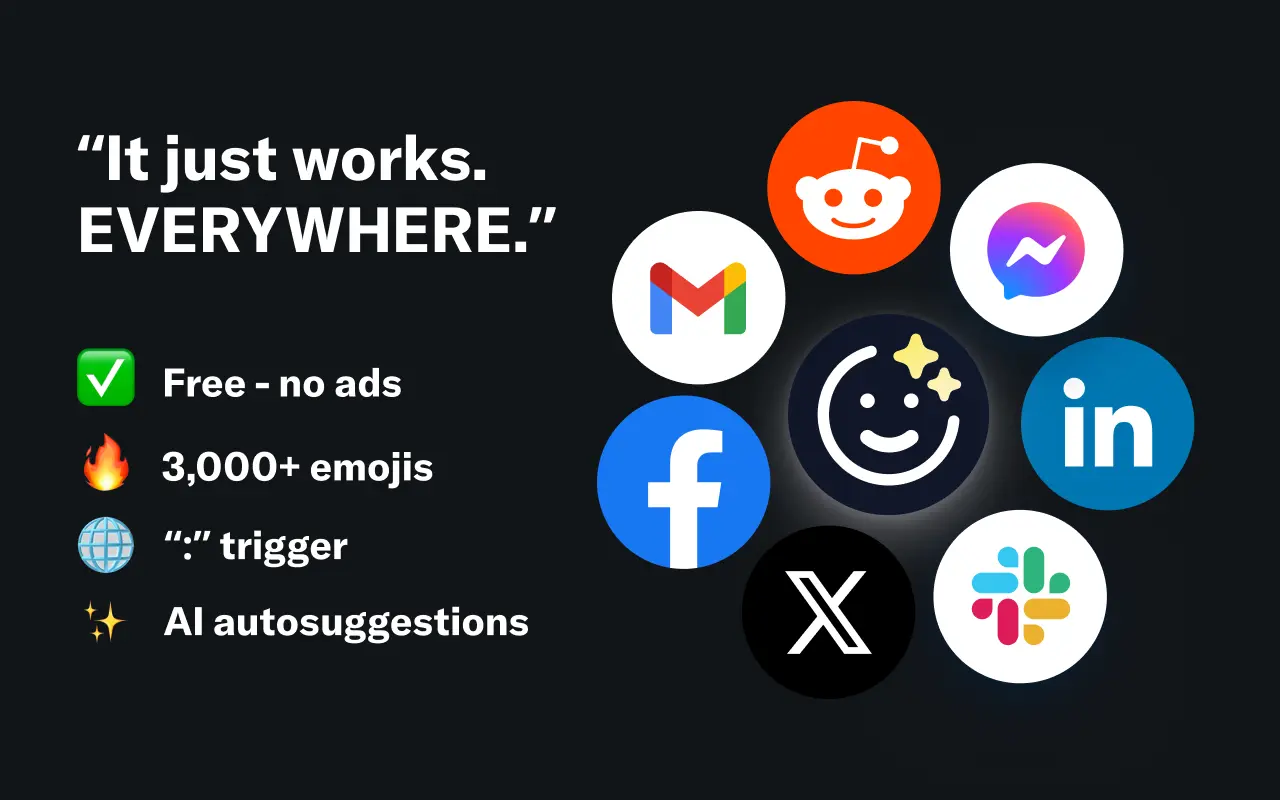
EmojAI
AI-powered emoji picker with smart, context-aware suggestions 🤖
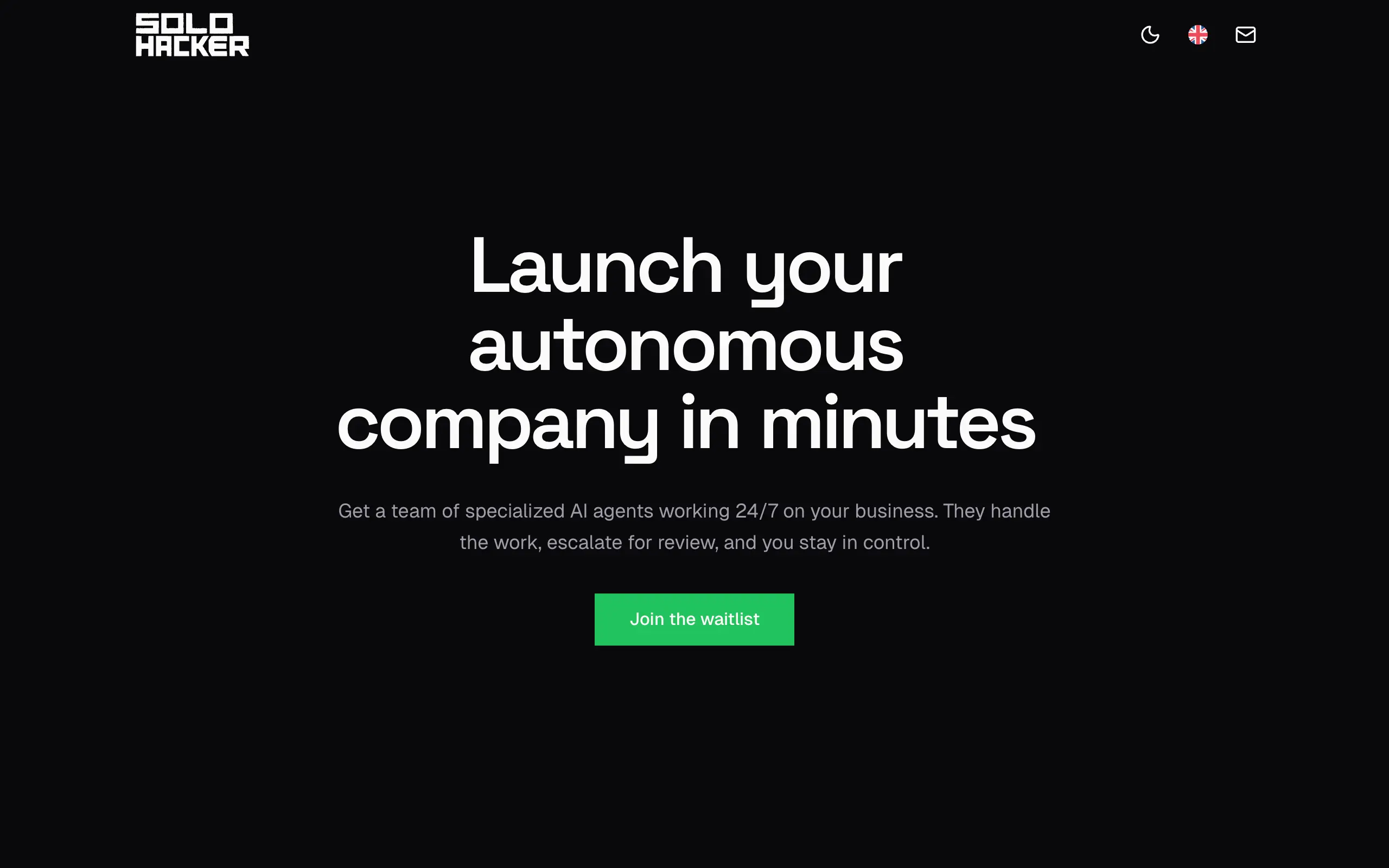
Solohacker
Autonomous company launcher - AI agents work 24/7, escalate what matters, and you stay in control 🤖
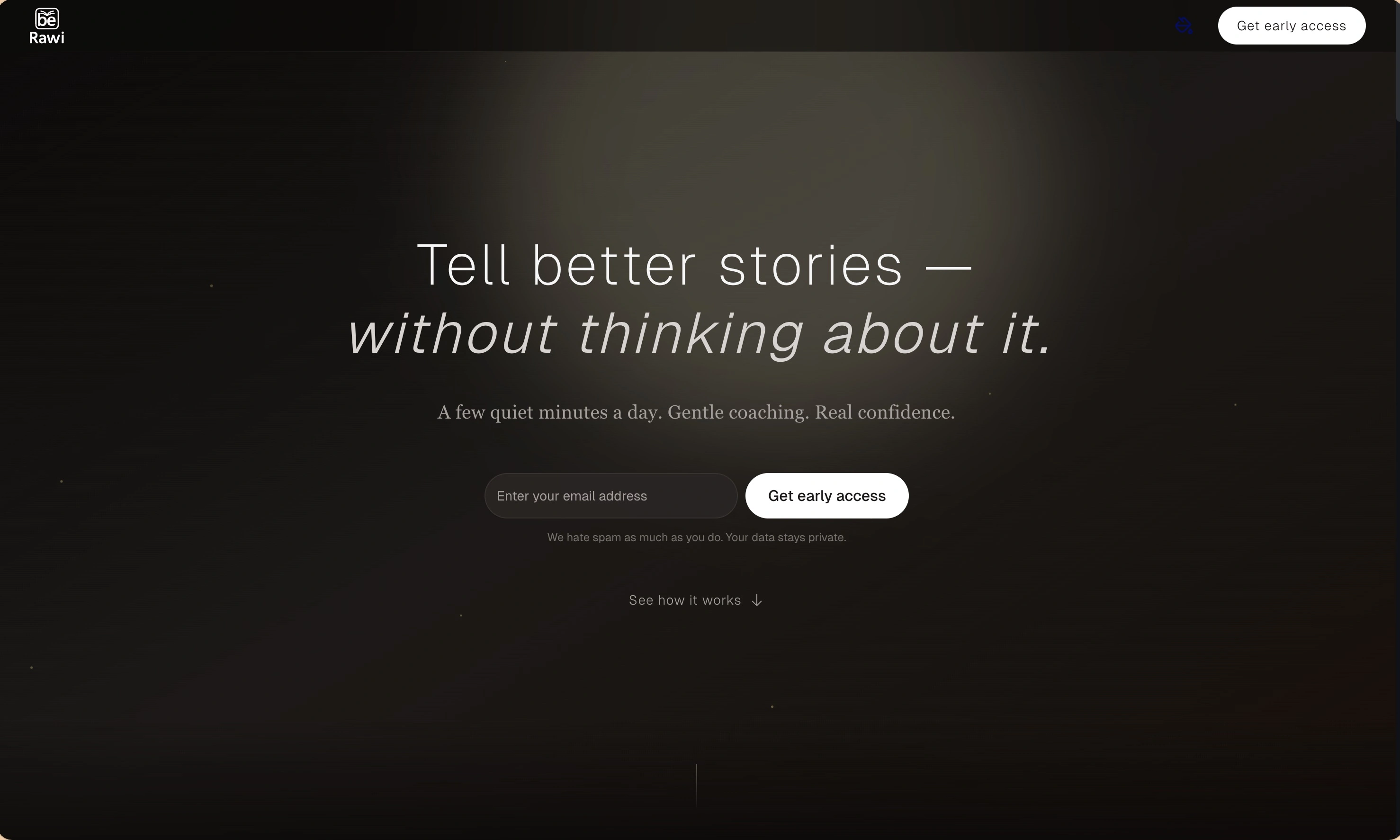
BeRawi: Storytelling Coach
Practice storytelling daily with instant feedback to sound clearer, more engaging, and confident 🎤
Omichat
Chat with 50+ AI models, including ChatGPT and Claude, in one place - switch models anytime without losing context 🤖
Claude Fast
Supercharge your Claude Code with 6x effective context window and specialized AI agents 🤖
EmojAI
AI-powered emoji picker with smart, context-aware suggestions 🤖
Solohacker
Autonomous company launcher - AI agents work 24/7, escalate what matters, and you stay in control 🤖
BeRawi: Storytelling Coach
Practice storytelling daily with instant feedback to sound clearer, more engaging, and confident 🎤
Omichat
Chat with 50+ AI models, including ChatGPT and Claude, in one place - switch models anytime without losing context 🤖
Claude Fast
Supercharge your Claude Code with 6x effective context window and specialized AI agents 🤖
EmojAI
AI-powered emoji picker with smart, context-aware suggestions 🤖
Solohacker
Autonomous company launcher - AI agents work 24/7, escalate what matters, and you stay in control 🤖
BeRawi: Storytelling Coach
Practice storytelling daily with instant feedback to sound clearer, more engaging, and confident 🎤
Omichat
Chat with 50+ AI models, including ChatGPT and Claude, in one place - switch models anytime without losing context 🤖
Claude Fast
Supercharge your Claude Code with 6x effective context window and specialized AI agents 🤖
EmojAI
AI-powered emoji picker with smart, context-aware suggestions 🤖
Solohacker
Autonomous company launcher - AI agents work 24/7, escalate what matters, and you stay in control 🤖
BeRawi: Storytelling Coach
Practice storytelling daily with instant feedback to sound clearer, more engaging, and confident 🎤

Connect with like-minded people
Join our community to get feedback, support, and grow together with 1,000+ builders on board, let's ship it!
Join usShip your startup everywhere. In minutes.
Don't burn tokens on setup and start building features on day one.