ExceptionPilot
AI learns how a team approves refunds, discounts, and exceptions, then drafts consistent decisions with a full audit trail.
What is AI exception management software?
AI exception management software helps teams make consistent, policy-aligned decisions when a customer request falls outside the standard workflow. For example, a support agent may need approval to issue a refund after a policy window has expired, grant a discount after a service failure, waive a fee, extend a subscription, or approve an account-specific exception.
In many companies, these decisions live in disconnected places:
- Internal Slack threads
- Escalation tickets
- Shared spreadsheets
- Manager inboxes
- Tribal knowledge held by experienced employees
- Loosely documented policies that are difficult to search during a live customer interaction
That fragmentation creates inconsistency. One customer may receive a full refund while another, with an almost identical situation, receives a partial credit or a rejection. The difference often comes down to which agent handled the request, which manager was online, or whether the agent knew about a prior precedent.
ExceptionPilot is an AI-powered exception approval platform designed to solve that operating problem. It learns how a team has historically handled refunds, discounts, credits, fee waivers, and other exceptions. It then drafts a recommended decision with clear reasoning, suggested customer language, required approvals, and a complete audit trail.
The goal is not to let an opaque model make unchecked financial decisions. The goal is to help teams apply their policies and precedents more consistently, quickly, and defensibly.
The core product principle
ExceptionPilot should operate as a decision-support layer first. High-risk, high-value, and low-confidence recommendations should remain human-approved, while repetitive low-risk cases can progressively move toward automation.
Why refund and exception approvals are a growing operational problem
Customer-facing teams are under pressure from two directions. Customers expect fast, empathetic resolutions, while finance, legal, and operations teams need stronger controls over discretionary spending. Refunds and discounts are not simply customer service gestures. They can affect revenue recognition, margins, fraud exposure, customer lifetime value, and brand trust.
Traditional approval processes break down as a company scales. A founder or support lead may initially approve every unusual request manually. That works when there are ten requests a week. It becomes a bottleneck when there are hundreds of requests across multiple product lines, geographies, channels, and support tiers.
The operational cost is broader than the refund amount itself. Manual exception handling creates:
- Slow first-response and resolution times
- Inconsistent customer treatment
- Avoidable internal escalation volume
- Weak documentation for finance and compliance reviews
- Limited visibility into why concessions are being granted
- Knowledge loss when experienced managers leave
- Difficulty identifying policies that are too rigid or poorly communicated
An AI refund approval system can reduce these issues by turning past decisions and written policy into a structured, reviewable decision process.
For a SaaS company, a typical request could involve a customer who forgot to cancel a subscription. For an e-commerce brand, it may involve a damaged delivery, a late shipment, or a product that differs from expectations. For a marketplace, it may involve a buyer-seller dispute. The details differ, but the workflow is similar: collect facts, identify the applicable policy, compare relevant precedents, determine the appropriate concession, obtain the right approval, and document the outcome.
The market gap for AI-powered exception approvals
Existing tools usually solve only one part of the problem.
Help desks organize customer conversations. Payment providers process refunds. CRM systems store account information. Workflow automation tools route tickets. Knowledge bases document policies. Business intelligence tools report on aggregate outcomes.
However, most organizations still lack a dedicated system that answers the difficult operational question: given this customer, this request, this history, and this policy, what is the most consistent exception decision?
That is the gap ExceptionPilot can own.
| Current approach | What it does well | Where it fails | ExceptionPilot opportunity | Business outcome |
|---|---|---|---|---|
| Slack-based approvals | Fast informal collaboration | Weak searchability and poor auditability | Structured intake, precedent retrieval, and decision logs | Faster, defensible decisions |
| Help desk macros | Consistent message templates | Cannot reason over nuanced exceptions | Context-aware recommendation and response drafting | Better agent productivity |
| Manual manager review | Human judgment on edge cases | Slow and dependent on individual availability | Risk-based approval routing | Lower escalation load |
| Spreadsheet tracking | Simple reporting | Incomplete context and unreliable data entry | Automatic audit records and analytics | Improved operational control |
The most compelling market position is not “an AI chatbot for support.” That category is crowded and often focused on deflecting simple customer questions. ExceptionPilot is a decision intelligence platform for customer concessions.
Its value begins where standard automation stops.
Who should use ExceptionPilot?
The ideal customer is an organization that handles meaningful volumes of discretionary customer decisions and already feels the pain of inconsistent approvals. The best early adopters are likely to have clearly defined policies, enough ticket volume to justify process improvement, and a team that needs a reliable audit trail.
Primary target audience: SaaS support and customer success teams
B2B and B2C SaaS companies frequently manage:
- Subscription cancellation refunds
- Goodwill credits after incidents
- Contract or renewal discounts
- Billing dispute resolutions
- Trial extensions
- Plan downgrades with special terms
- Service-level agreement concessions
- Account-specific exceptions for strategic customers
These teams have valuable contextual data available in their CRM, billing platform, product analytics, and help desk. That makes them excellent candidates for AI-assisted refund and discount approval workflows.
A customer success leader may want to preserve a high-value account after an outage. A support manager may want to ensure agents do not over-grant credits for low-severity issues. A finance leader may need a clear record of all non-standard concessions. ExceptionPilot can serve each stakeholder without forcing them into separate systems.
Secondary target audience: e-commerce and subscription commerce brands
E-commerce teams face high-volume requests involving returns, damaged items, delivery delays, promotional disputes, and chargeback prevention. Their decisions must often be fast because every additional reply can increase customer frustration and support cost.
ExceptionPilot can help distinguish between:
- A first-time customer with a legitimate delayed-shipment issue
- A repeat customer with a history of similar claims
- A high-lifetime-value customer whose order was affected by a fulfillment issue
- A suspicious pattern that should be reviewed for potential abuse
The recommendation should never reduce a customer to a single score. Instead, it should expose relevant facts and allow the team to apply a fair, explainable policy.
Additional verticals with strong potential
Marketplaces
Standardize buyer-seller disputes, credits, and policy exceptions while preserving escalation controls.
Fintech and payments
Support fee reversals and service recovery workflows with stricter permissions and compliance review.
Travel and hospitality
Manage compensation for delays, cancellations, booking issues, and service failures.
Telecom and utilities
Handle billing adjustments and hardship-related exceptions with reliable documentation.
Highly regulated industries can be attractive later, but they require more mature controls, data governance, security documentation, and domain-specific review processes. The initial go-to-market should focus on sectors where the financial and reputational impact is real, but implementation cycles are not excessively long.
The ExceptionPilot product vision
ExceptionPilot should transform scattered exception handling into a repeatable workflow. A strong product experience starts with a request intake record and ends with a documented final outcome.
At a minimum, the platform needs to capture:
- Customer identity and account context
- Request type
- Requested concession amount or action
- Relevant policy version
- Order, invoice, contract, or subscription data
- Conversation history
- Prior exceptions for that customer or account
- Similar historical cases
- Recommended decision and rationale
- Required approver
- Final action, override reason, and timestamp
The product should make recommendations understandable. A support manager should be able to see not just that the model suggested a 25% credit, but why.
For example, the explanation could state:
Recommend a one-month service credit pending manager approval. The customer reported a verified service incident, has been subscribed for 18 months, has no prior goodwill credits in the last 12 months, and falls within the enterprise incident recovery policy. Similar approved cases received a one-month credit.
That output is more useful than an unexplained “approve” label. It gives the agent an actionable next step, gives the manager the evidence needed to approve quickly, and gives finance a record that can be reviewed later.
Core features for an AI exception management platform
Policy ingestion and version control
Policies are often written in PDFs, internal wiki pages, support macros, and manager guidance. ExceptionPilot needs a structured policy layer that can ingest these sources, convert them into reviewable rules, and preserve the version used for each decision.
Critical capabilities include:
- Policy document upload and synchronization
- Rule extraction with human review
- Effective dates and policy version history
- Region, product, plan, or customer-segment variants
- Explicit rule conflicts and exception hierarchies
- Policy ownership and approval workflows
The system should not silently infer a new policy from a small sample of historical decisions. Historical behavior can reveal established practice, but it may also reveal inconsistency. Teams need the ability to separate formal policy from observed precedent.
Historical precedent retrieval
The AI should retrieve comparable decisions instead of relying only on generic language model reasoning. This is one of ExceptionPilot’s strongest differentiators.
A useful precedent engine evaluates similarity across factors such as:
- Issue category
- Monetary value
- Customer tenure
- Account tier
- Prior concessions
- Root cause
- Product or service affected
- Region and currency
- Policy version
- Outcome and approver rationale
The interface should show the most relevant prior cases, not merely a numerical similarity score. Users need enough context to decide whether a precedent truly applies.
Explainable decision recommendations
The recommendation engine should produce a proposed action, confidence level, reasoning summary, policy references, and any escalation requirements.
Common recommended actions might include:
- Approve a full refund
- Approve a partial refund
- Offer a fixed account credit
- Extend service access
- Waive a fee
- Decline the request with empathetic explanation
- Request additional evidence
- Escalate to a specialist or manager
A strong recommendation contains constraints. For example, it may say that a 20% discount is recommended only if the customer renews within a set period, or that a refund is allowed only after confirming account ownership.
Human approval routing
Human-in-the-loop review is essential for responsible AI exception management. Routing rules can depend on financial impact, customer segment, risk signals, confidence level, policy conflicts, or agent permissions.
A practical approval matrix might look like this:
| Scenario | Suggested automation level | Approver | Required evidence | Audit priority |
|---|---|---|---|---|
| Low-value, policy-compliant refund | Auto-draft or auto-approve after controls mature | Agent or system | Order and eligibility confirmation | Standard |
| High-value goodwill credit | Draft only | Support manager | Incident evidence and customer history | High |
| Potential fraud or repeat abuse | No automated financial action | Risk or fraud specialist | Behavioral pattern and transaction details | High |
| Policy conflict or unclear eligibility | Escalate | Policy owner | Relevant policy versions and case facts | High |
Customer response drafting
The decision itself is only part of the workflow. Agents need to communicate outcomes in a way that is clear, empathetic, accurate, and consistent with the company voice.
ExceptionPilot should draft response options that include:
- A concise explanation of the outcome
- The approved concession and timing
- Any required next step from the customer
- A polite decline explanation when no exception applies
- Approved policy language when needed
- Editable tone options for different channels
The tool should clearly distinguish internal reasoning from customer-facing language. Internal notes may reference risk signals or prior concessions that should never appear in the customer message.
Complete audit trails and reporting
Auditability is a foundational product capability, not an enterprise add-on. Each exception record should preserve the input context, policy references, AI recommendation, human edits, approval path, final action, and timestamps.
Managers should be able to answer questions such as:
- Which teams are granting the most exceptions?
- What is the total cost of goodwill credits by reason?
- Which policies create the most escalations?
- How often do managers override the AI recommendation?
- Are outcomes consistent across support teams or regions?
- Which root causes are producing repeat refund requests?
- Are particular promotions or product changes increasing exception volume?
This analytics layer changes ExceptionPilot from a workflow tool into an operational intelligence system.
How the AI decision engine should work
The safest architecture combines deterministic rules, retrieval-augmented generation, and constrained language-model output. A language model alone should not be trusted as the policy engine for financial decisions.
A robust decision pipeline has several stages:
A decision output should be structured rather than free-form. For example, the application can require the model to return a schema with a recommended action, amount, confidence, policy citations, comparable cases, escalation status, and customer-response draft.
type ExceptionRecommendation = {
  action: "approve_refund" | "approve_credit" | "deny" | "request_information" | "escalate";
  amountCents?: number;
  currency?: string;
  confidence: "low" | "medium" | "high";
  requiresHumanApproval: boolean;
  policyReferences: string[];
  precedentCaseIds: string[];
  rationale: string;
  customerReplyDraft: string;
};
The backend should validate that output before it reaches an agent. For example, a recommendation cannot approve an amount above the agent’s authority, use a currency that does not match the transaction, or bypass a required fraud review.
Recommended tech stack for ExceptionPilot
A practical MVP stack should prioritize speed, reliable data modeling, secure integrations, and observability. The product needs a polished internal-tool experience, but the real complexity sits in workflow orchestration, permissions, integrations, and auditable AI behavior.
Frontend and application layer
For the application frontend, React with Next.js is a strong choice. It supports fast development, server-side capabilities, secure route handling, and a mature ecosystem for SaaS products.
For the design system, Tailwind CSS can accelerate the creation of dense operational interfaces such as case queues, policy editors, decision panels, and approval dashboards.
Recommended frontend capabilities include:
- Keyboard-friendly queue navigation
- Role-based views for agents, managers, finance, and administrators
- Inline evidence panels
- Searchable audit records
- Clear visual distinction between AI suggestions and final human decisions
- Accessible status indicators that do not rely on color alone
Database and workflow infrastructure
PostgreSQL is well suited to the system of record because exception decisions need transactional integrity, relational data modeling, filtering, and reporting. It is particularly useful for preserving immutable audit events alongside operational records.
For background jobs and scheduled workflows, use a durable workflow system or queue. The right choice depends on the implementation team’s experience and operational requirements. The key requirement is idempotency. A refund approval event should never cause duplicate financial actions when a webhook is retried.
For semantic retrieval, a vector capability can be added alongside the primary database. The trade-off is important:
- A dedicated vector database can offer specialized retrieval performance and operational features.
- A Postgres-based vector approach can simplify the early architecture and reduce the number of systems to operate.
For an MVP, minimizing infrastructure sprawl is often more valuable than optimizing retrieval at massive scale.
AI layer and model strategy
Use a model provider abstraction instead of binding the product logic tightly to one language model. This makes it easier to evaluate quality, cost, latency, privacy terms, and availability over time.
The AI layer should support:
- Structured outputs
- Retrieval-augmented generation
- Prompt versioning
- Evaluation datasets
- Output moderation where appropriate
- PII-aware logging
- Model fallback behavior
- Human feedback capture
The product’s differentiated intelligence should not live only in prompts. It should live in the policy model, decision schema, retrieval quality, approval logic, feedback loop, and audit infrastructure.
Integrations that matter most
Early integrations should align with the initial vertical. For SaaS support teams, prioritize systems that provide the core case context.
Potential integration categories include:
- Help desk platforms for ticket context
- Billing systems for invoices and subscription status
- Payment processors for refund execution
- CRMs for account tier and ownership
- Communication tools for approval notifications
- Data warehouses for reporting exports
- Identity providers for single sign-on and user provisioning
Integration design should use least-privilege access. ExceptionPilot does not need unrestricted access to every customer record simply because it connects to a CRM. Granular scopes, encrypted credentials, and clear data retention rules will materially strengthen enterprise trust.
Monetization strategies for AI refund approval software
ExceptionPilot should price around measurable operational value rather than purely around seats. Seat-based pricing can work for smaller teams, but exception volume, financial impact, and integration depth are often better indicators of value.
A hybrid pricing model is likely strongest.
- "Starter plan": a monthly platform fee for small support teams, limited integrations, basic policy templates, and a defined number of cases.
- "Growth plan": higher case volume, advanced routing, reporting, custom policies, and expanded team roles.
- "Enterprise plan": annual contract with single sign-on, advanced security controls, custom data retention, sandbox environments, premium support, and implementation services.
- "Usage component": pricing tied to AI-reviewed cases, with predictable included volume and clear overage rates.
- "Optional add-on": automated action execution, advanced analytics, policy simulation, or fraud-risk integrations.
Avoid pricing based on refund amounts processed during the earliest stages. Customers may view that model as a tax on customer care, and it can create an uncomfortable incentive structure. Pricing per workflow volume is easier to understand and aligns more directly with the software’s operating cost.
The strongest ROI story combines several value sources:
- Reduced manager review time
- Lower average resolution time
- More consistent concession decisions
- Better control of discretionary credits and refunds
- Improved agent confidence and productivity
- More complete documentation for finance and compliance
- Policy insights that reduce repeat exception requests
Competitive advantage and unique selling proposition
ExceptionPilot’s unique selling proposition is precedent-aware, policy-grounded exception decisions with built-in human controls and a complete audit trail.
That positioning is stronger than generic AI support automation because it addresses a high-stakes workflow. It is also more focused than broad workflow tools because it understands the specific economics and governance of concessions.
The product can build defensibility through several compounding advantages.
A proprietary decision dataset
Every completed case can become structured training and retrieval data, assuming customer contracts and data controls permit that use. Over time, the platform gains a richer understanding of what a company considers fair, financially appropriate, and policy-compliant.
The data advantage is not simply the number of tickets. It is the relationship between:
- Case facts
- Applicable policy
- AI recommendation
- Human decision
- Override rationale
- Financial outcome
- Customer result
That feedback loop creates a meaningful product moat.
Workflow embedding
Once ExceptionPilot becomes the source of truth for exception approvals, it connects to support, billing, finance, and risk processes. That embedded workflow makes the product harder to replace than a standalone AI writing assistant.
Trust-centered product design
Many AI tools compete on novelty. ExceptionPilot should compete on reliability and control. The platform should make it easy to see evidence, reject bad suggestions, tune approval thresholds, and export audit records.
For a manager deciding whether to deploy AI in a financial workflow, transparency is not a feature request. It is the buying criterion.
Risks and mitigation strategies
AI-powered exception management has real risks. Addressing them directly will improve the product and make enterprise sales conversations more credible.
Historical decisions may reflect individual manager bias, uneven policy enforcement, or outdated practices. Mitigate this by separating formal policy from precedent, monitoring outcomes by relevant customer cohorts, requiring human review for uncertain cases, and allowing policy owners to exclude poor-quality historical decisions from retrieval.
Language models can produce plausible but unsupported explanations. Require grounded citations to policy text and historical records, restrict outputs to a validated schema, and block recommendations when the evidence is insufficient. The interface should clearly state when the system cannot determine an answer.
A flawed integration or retried webhook can trigger duplicate or unauthorized refunds. Use strict role-based permissions, approval thresholds, idempotency keys, action confirmation, and immutable event logs. Early versions should draft decisions before directly executing money movement.
Support conversations can contain personal data, payment details, and sensitive account information. Minimize data collection, encrypt data in transit and at rest, redact unnecessary fields before model calls, define retention periods, and provide clear customer data-processing terms.
Teams may trust high-confidence labels too quickly, especially under support-volume pressure. Start with recommendation mode, measure override behavior, require approval for material actions, and only automate narrow, stable, low-risk scenarios after sustained evaluation.
Security and compliance should be treated as roadmap pillars from the beginning. Prospective customers will ask about encryption, access controls, tenant isolation, audit exports, incident response, model data handling, and vendor risk management. A clear security architecture is a growth asset, not merely a procurement checkbox.
Go-to-market strategy for ExceptionPilot
The initial wedge should be narrow and specific. A broad promise like “AI for all business approvals” will be difficult to explain and hard to implement. A focused message such as “consistent refund and goodwill credit approvals for SaaS support teams” gives buyers a concrete problem and a clear pilot scope.
A recommended initial ideal customer profile includes:
- SaaS companies with 20 to 200 support or customer success staff
- A visible volume of refund, credit, and discount requests
- Existing use of a mainstream help desk and billing platform
- A support operations or customer experience leader
- Managers currently approving exceptions in Slack or ad hoc queues
- Pressure to improve consistency without reducing customer empathy
The sales motion should lead with a workflow audit. During discovery, quantify:
- Monthly exception volume
- Average time to approval
- Number of escalations per manager
- Total annual concession value
- Percentage of decisions lacking clear documentation
- Rate of inconsistent outcomes
- Top categories of exception requests
That information becomes both the implementation baseline and the ROI narrative.
Early case studies should focus on operational metrics, not inflated AI claims. Credible outcomes might include reduced approval turnaround time, lower manager escalation volume, improved policy adherence, or more complete audit documentation. Any public performance statistic should be supported by a customer-approved methodology and a clearly stated measurement period.
Actionable implementation plan
A focused MVP can reach real user value without attempting fully autonomous decisioning on day one.
Phase one: establish the exception workflow
Build the essential case management experience:
- Create a structured exception intake model.
- Connect one help desk and one billing or payment data source.
- Add policy upload, policy review, and version control.
- Build agent and manager roles with approval limits.
- Generate recommendation drafts without automatic financial execution.
- Store immutable audit events for every action.
The first release should solve the immediate pain of finding the right policy, assembling customer context, drafting a recommendation, and getting a manager’s approval quickly.
Phase two: add precedent intelligence
Once teams are recording structured decisions, add retrieval of similar historical cases. Start with transparent search and filtering before relying heavily on embedding-based similarity. Users should be able to validate why a precedent appears.
Then introduce AI-generated summaries that cite the selected cases and relevant policy sections.
Phase three: introduce controlled automation
Only after collecting enough quality data should ExceptionPilot automate narrow decision classes. Suitable candidates are low-value, highly repetitive cases with explicit policy eligibility and strong confidence.
Set conservative guardrails:
- Maximum financial threshold
- Required customer verification
- No fraud or abuse indicators
- No conflicting policy
- No recent prior concession
- Complete supporting data
- Automatic post-decision sampling for review
Phase four: expand into intelligence and policy optimization
The longer-term product can help leaders improve policy itself. If certain issues repeatedly require exceptions, the policy may be misaligned with customer expectations or operational reality.
ExceptionPilot can surface patterns such as:
- A product defect driving goodwill credits
- A refund window that causes disproportionate escalations
- One region applying a policy differently
- An agent group that needs additional training
- A promotional campaign creating confusing eligibility disputes
This is where the platform becomes a strategic operating system for customer exceptions rather than just an approval queue.
Build trust before autonomy
Do not market early automation as replacing human judgment. The initial promise should be faster, more consistent, and better-documented decisions. Autonomous financial actions should be earned through policy maturity, evidence quality, and measured performance.
Building ExceptionPilot quickly without compromising the foundation
The fastest path is to launch with a well-scoped vertical workflow, one or two high-value integrations, and a decision-support model that keeps humans accountable. Avoid spending early engineering cycles on every possible industry, channel, or model provider.
A production-ready SaaS foundation still matters. ExceptionPilot needs authentication, team workspaces, billing, permissions, onboarding, dashboards, database migrations, transactional email, and secure application patterns before it can credibly serve business customers.
TurboStarter can accelerate that foundation so the product team can focus on the differentiated pieces: policy modeling, evidence retrieval, approval routing, decision evaluation, and auditability.
Final perspective on the ExceptionPilot opportunity
AI exception management software is valuable because it addresses a workflow that is both common and poorly systematized. Refunds, discounts, fee waivers, credits, and special approvals are where companies often balance customer empathy against financial discipline. Those decisions deserve more than scattered messages and memory-based judgment.
ExceptionPilot can stand out by making every recommendation:
- Grounded in approved policy
- Informed by relevant historical precedent
- Clear about uncertainty and required escalation
- Adjustable by authorized humans
- Fully traceable after the fact
The winning product will not be the one that claims to automate every edge case. It will be the one that earns trust by helping teams make fairer, faster, more consistent decisions while preserving the controls that customer-facing financial workflows require.
More 🤖 AI Startup SaaS ideas
Discover more innovative ai startup SaaS ideas that are trending in 2026. Each idea is AI-generated with market validation and growth potential to help you find your next profitable venture faster than competitors.
Your competitors are building with TurboStarter
Below are some of the SaaS ideas that have been generated and built with our starter kit.
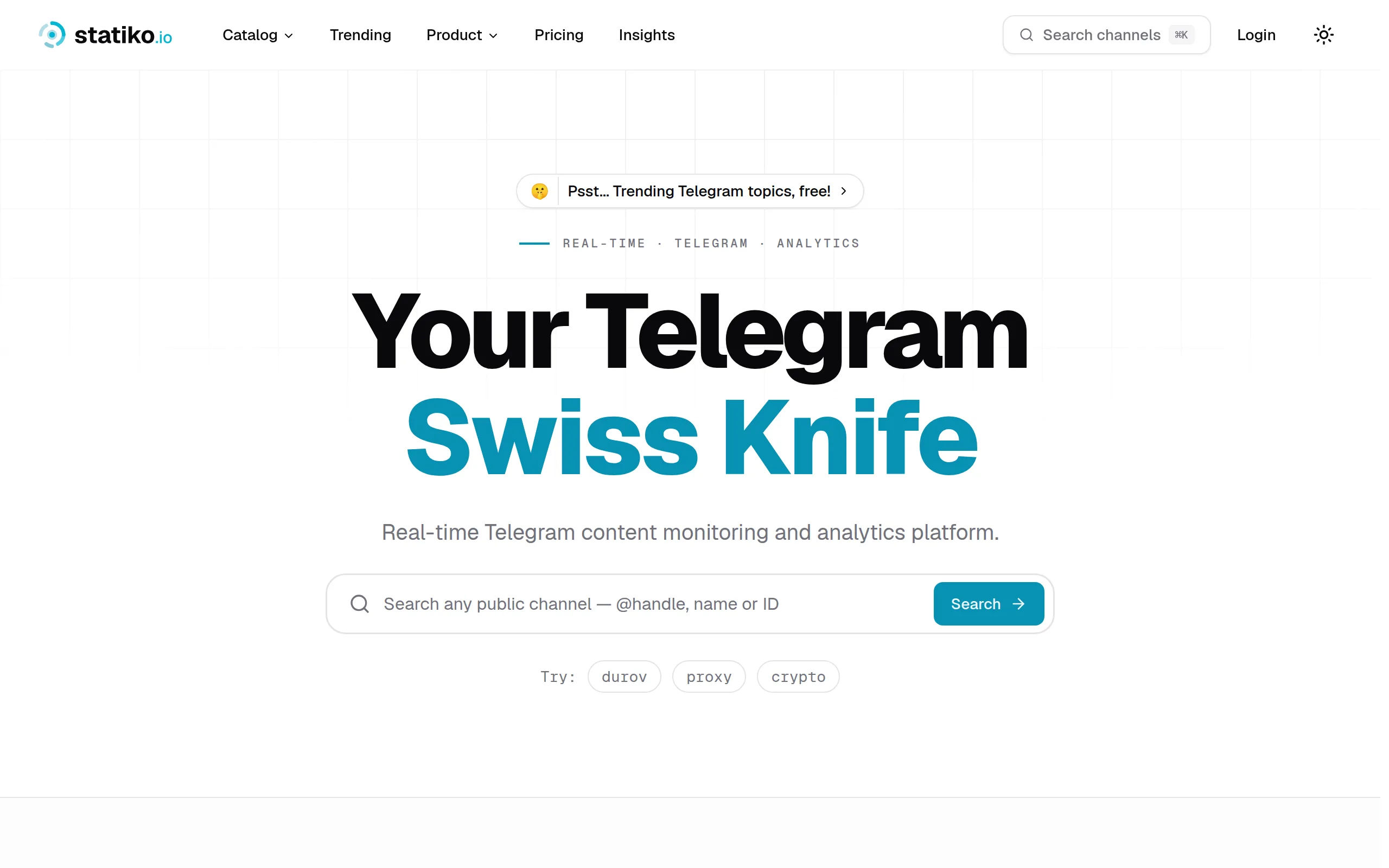
Statiko
Monitor any Telegram channel in real time - track posts, edits, deletions, and growth with AI recaps 📡

Shibui
AI website builder - describe your business, pick a niche template, edit by chatting, and publish instantly ✨

Pro Service
Find verified home service professionals, compare quotes, and pay securely through escrow - built for Brazilians across the US 🏠
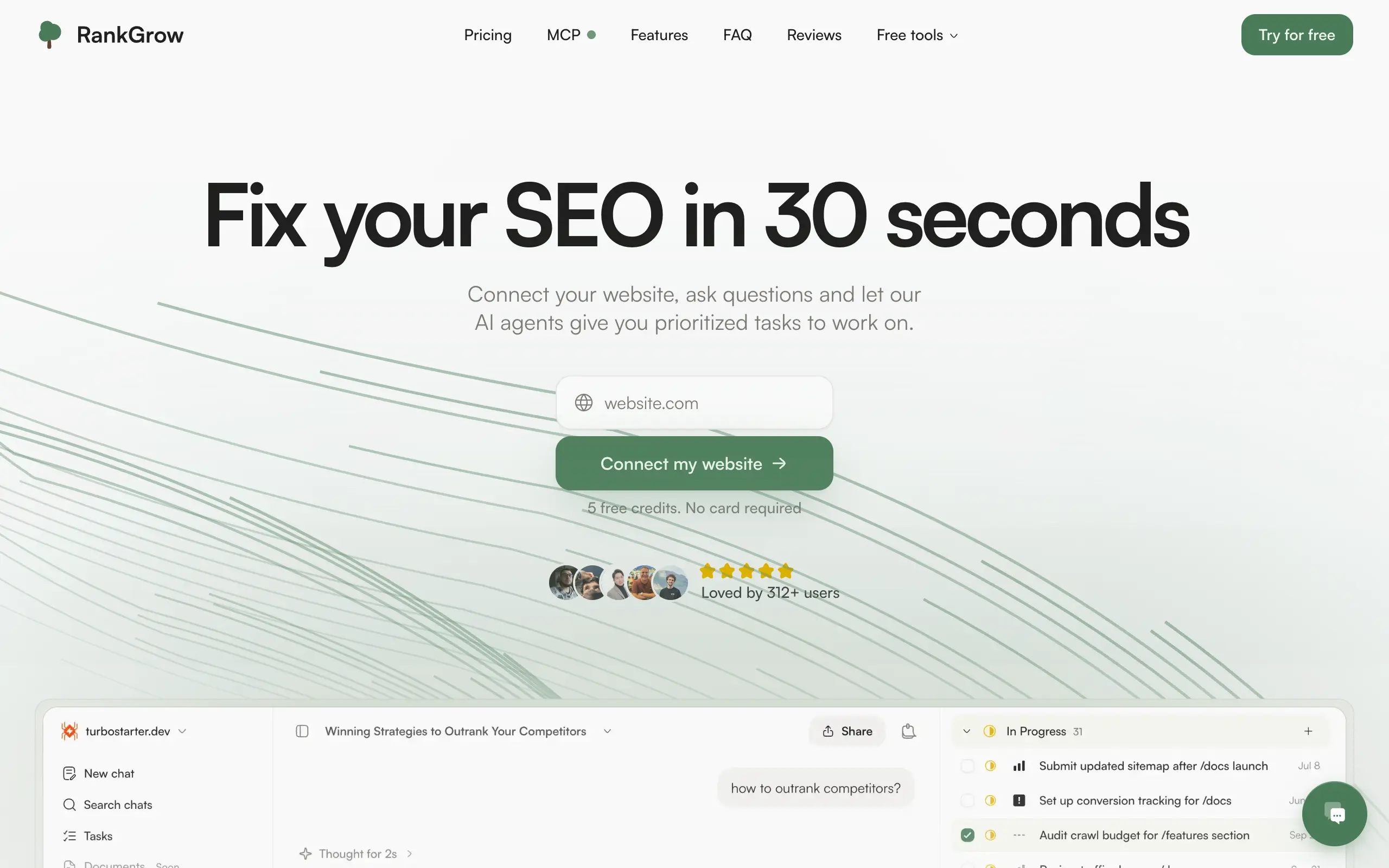
RankGrow
Fix your SEO with AI agents - connect Search Console, get prioritized tasks, and grow organic traffic 📈
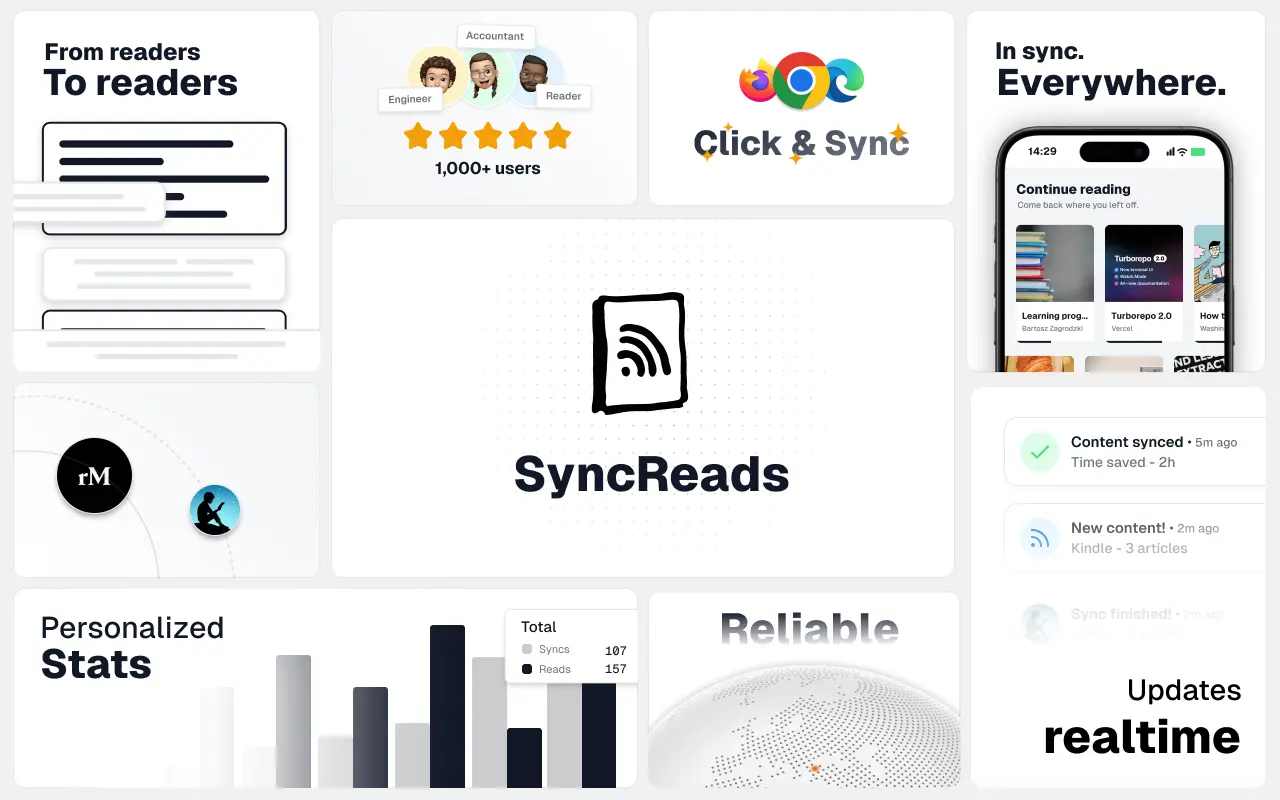
SyncReads
Sync your favorite content for distraction-free reading, save time and replace multiple apps. Anytime, anywhere 🔄
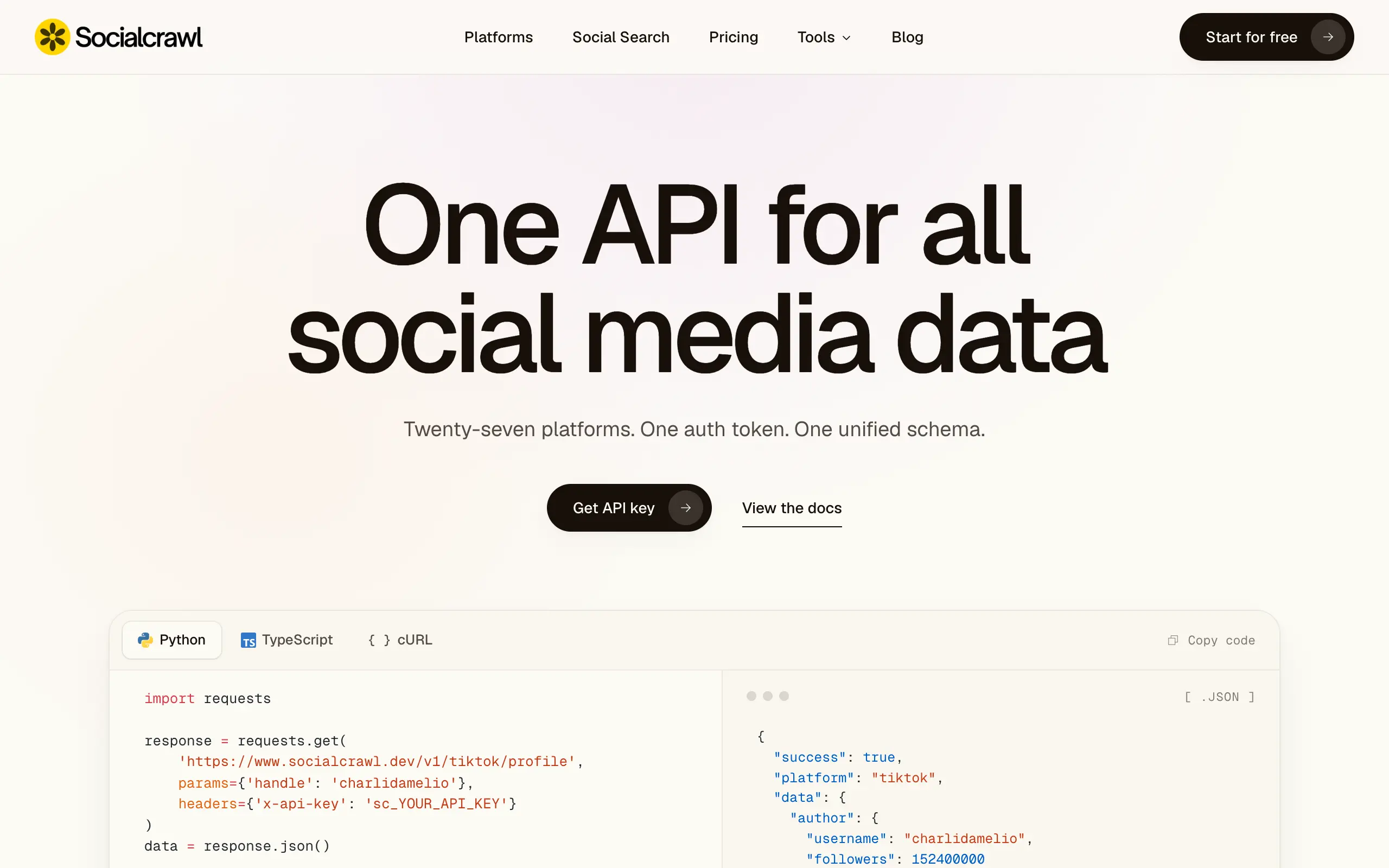
Socialcrawl
Get clean, structured data from 21 platforms like TikTok, Instagram, and YouTube with a single request 📊
Statiko
Monitor any Telegram channel in real time - track posts, edits, deletions, and growth with AI recaps 📡
Shibui
AI website builder - describe your business, pick a niche template, edit by chatting, and publish instantly ✨
Pro Service
Find verified home service professionals, compare quotes, and pay securely through escrow - built for Brazilians across the US 🏠
RankGrow
Fix your SEO with AI agents - connect Search Console, get prioritized tasks, and grow organic traffic 📈
SyncReads
Sync your favorite content for distraction-free reading, save time and replace multiple apps. Anytime, anywhere 🔄
Socialcrawl
Get clean, structured data from 21 platforms like TikTok, Instagram, and YouTube with a single request 📊
Statiko
Monitor any Telegram channel in real time - track posts, edits, deletions, and growth with AI recaps 📡
Shibui
AI website builder - describe your business, pick a niche template, edit by chatting, and publish instantly ✨
Pro Service
Find verified home service professionals, compare quotes, and pay securely through escrow - built for Brazilians across the US 🏠
RankGrow
Fix your SEO with AI agents - connect Search Console, get prioritized tasks, and grow organic traffic 📈
SyncReads
Sync your favorite content for distraction-free reading, save time and replace multiple apps. Anytime, anywhere 🔄
Socialcrawl
Get clean, structured data from 21 platforms like TikTok, Instagram, and YouTube with a single request 📊
Statiko
Monitor any Telegram channel in real time - track posts, edits, deletions, and growth with AI recaps 📡
Shibui
AI website builder - describe your business, pick a niche template, edit by chatting, and publish instantly ✨
Pro Service
Find verified home service professionals, compare quotes, and pay securely through escrow - built for Brazilians across the US 🏠
RankGrow
Fix your SEO with AI agents - connect Search Console, get prioritized tasks, and grow organic traffic 📈
SyncReads
Sync your favorite content for distraction-free reading, save time and replace multiple apps. Anytime, anywhere 🔄
Socialcrawl
Get clean, structured data from 21 platforms like TikTok, Instagram, and YouTube with a single request 📊
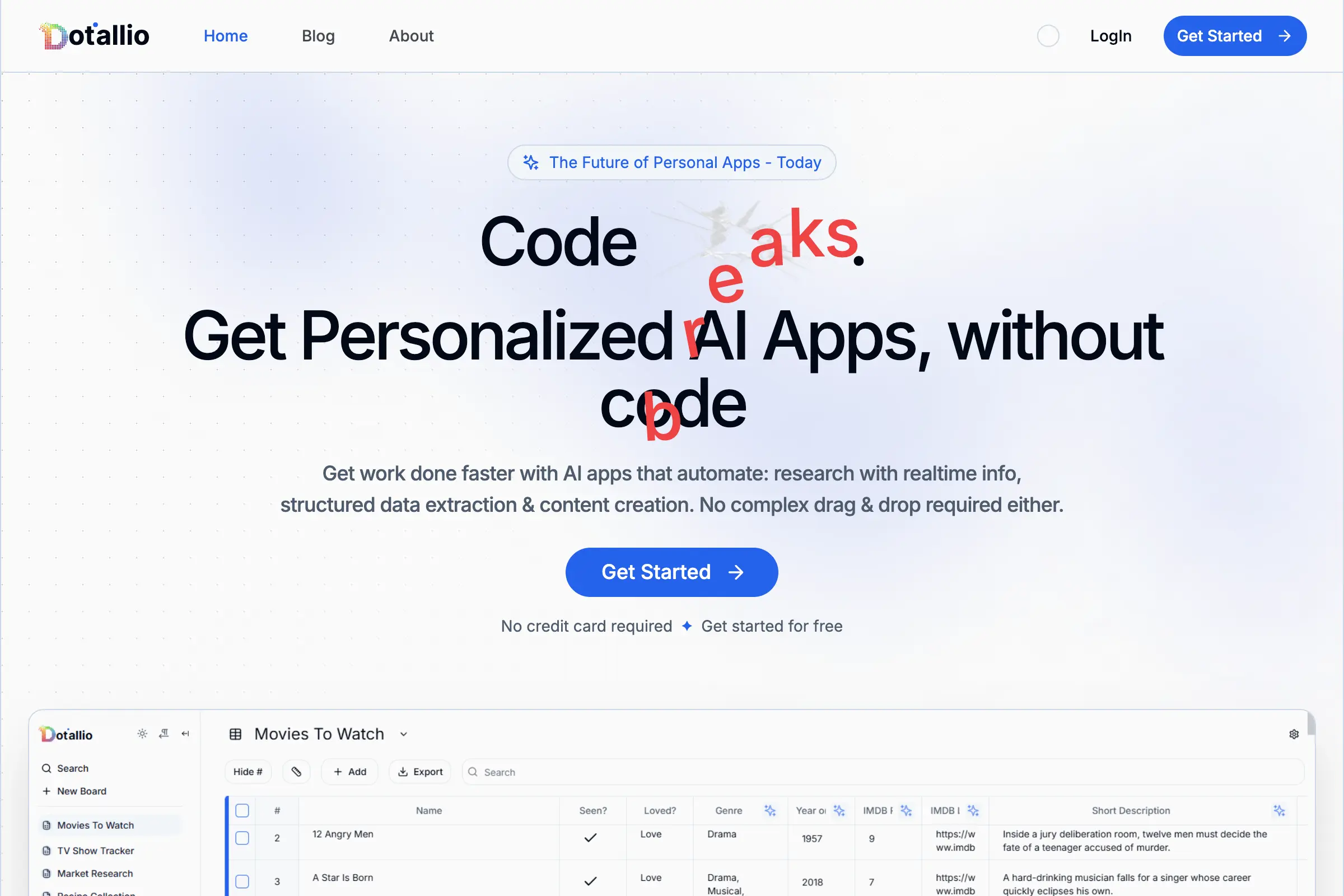
Dotallio
Personalized AI apps that automate research, data extraction, and content creation without code 🤖

Talk to Santa
Enjoy a magical live video chat or receive a unique AI-generated video greeting from Santa Claus 🎅

pozywka.pl
Scalable blog for food journalist, focused on performance and user experience 🌭
zagrodzki.me
Personal blog and portfolio of Bart Zagrodzki, where he shares his knowledge and work 💼
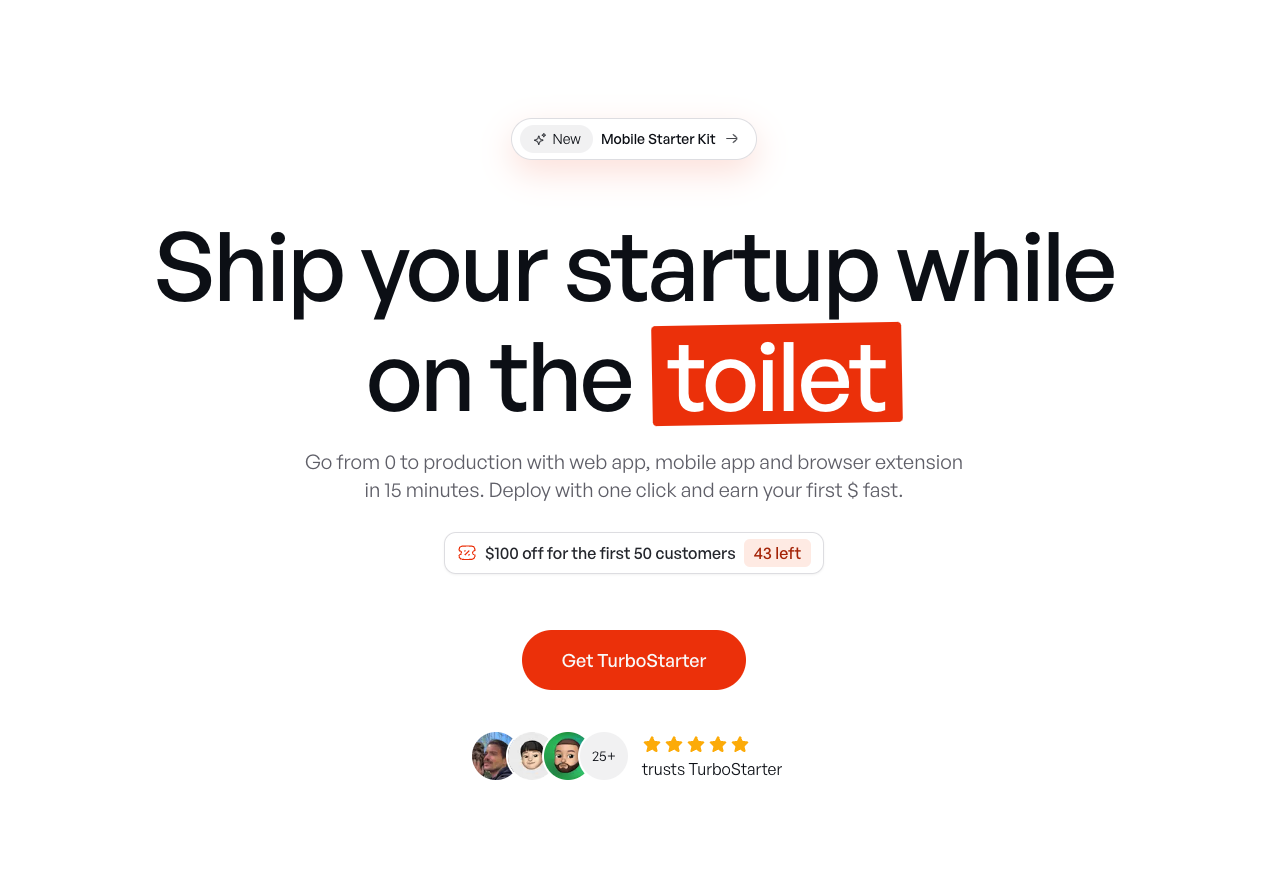
TurboStarter
Ship your startup everywhere. In minutes.
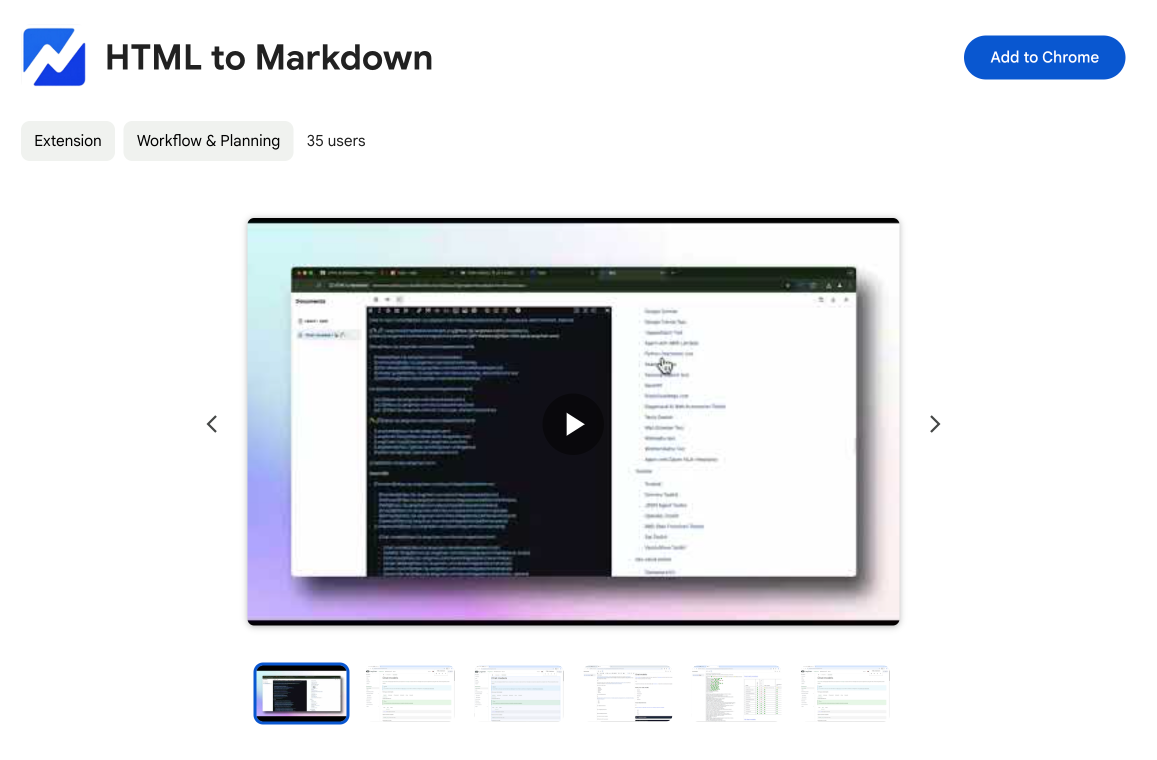
HTML to Markdown
Convert HTML to Markdown with ease, directly in your browser 📄
Dotallio
Personalized AI apps that automate research, data extraction, and content creation without code 🤖
Talk to Santa
Enjoy a magical live video chat or receive a unique AI-generated video greeting from Santa Claus 🎅
pozywka.pl
Scalable blog for food journalist, focused on performance and user experience 🌭
zagrodzki.me
Personal blog and portfolio of Bart Zagrodzki, where he shares his knowledge and work 💼
TurboStarter
Ship your startup everywhere. In minutes.
HTML to Markdown
Convert HTML to Markdown with ease, directly in your browser 📄
Dotallio
Personalized AI apps that automate research, data extraction, and content creation without code 🤖
Talk to Santa
Enjoy a magical live video chat or receive a unique AI-generated video greeting from Santa Claus 🎅
pozywka.pl
Scalable blog for food journalist, focused on performance and user experience 🌭
zagrodzki.me
Personal blog and portfolio of Bart Zagrodzki, where he shares his knowledge and work 💼
TurboStarter
Ship your startup everywhere. In minutes.
HTML to Markdown
Convert HTML to Markdown with ease, directly in your browser 📄
Dotallio
Personalized AI apps that automate research, data extraction, and content creation without code 🤖
Talk to Santa
Enjoy a magical live video chat or receive a unique AI-generated video greeting from Santa Claus 🎅
pozywka.pl
Scalable blog for food journalist, focused on performance and user experience 🌭
zagrodzki.me
Personal blog and portfolio of Bart Zagrodzki, where he shares his knowledge and work 💼
TurboStarter
Ship your startup everywhere. In minutes.
HTML to Markdown
Convert HTML to Markdown with ease, directly in your browser 📄
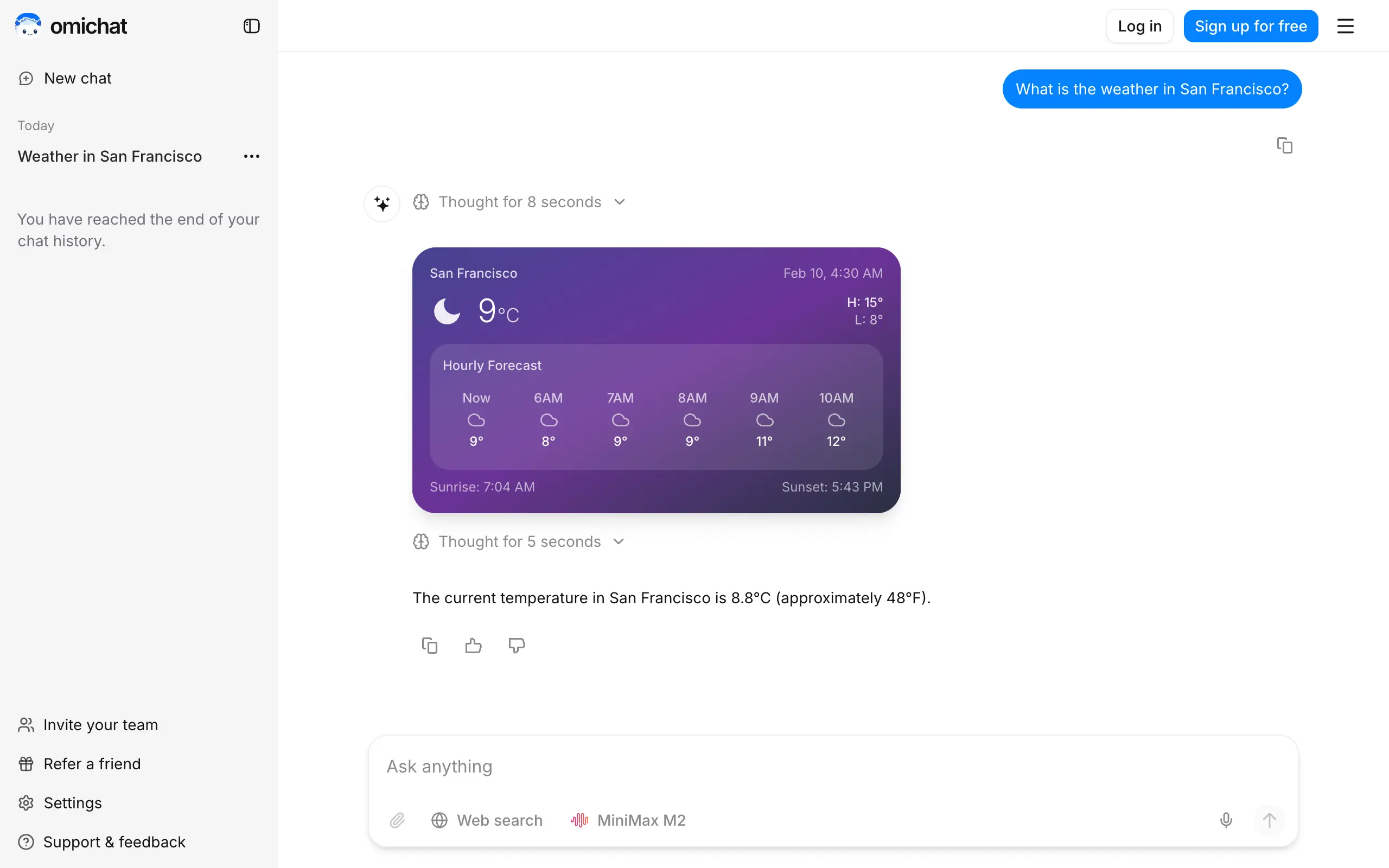
Omichat
Chat with 50+ AI models, including ChatGPT and Claude, in one place - switch models anytime without losing context 🤖
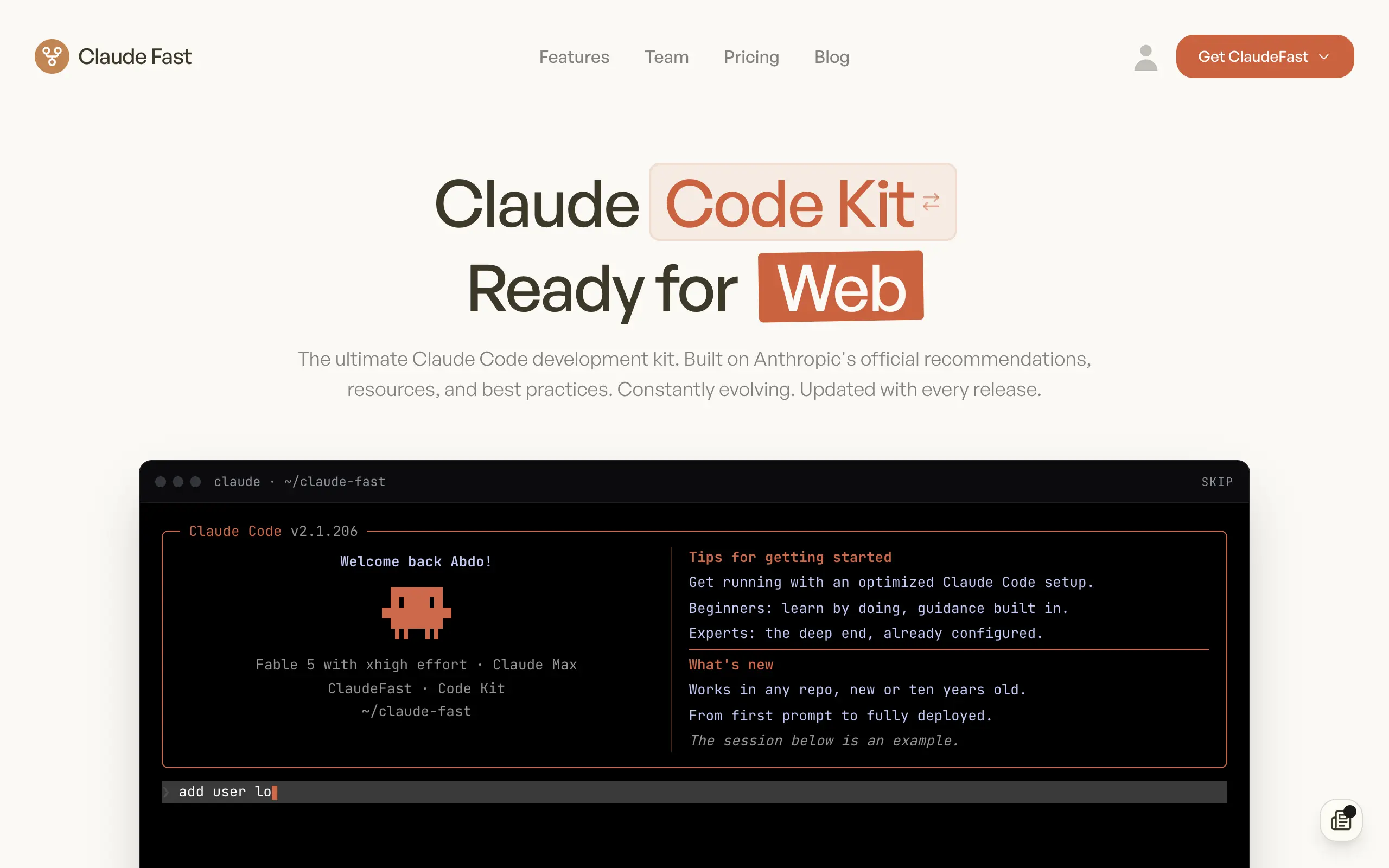
Claude Fast
Supercharge your Claude Code with 6x effective context window and specialized AI agents 🤖
EmojAI
AI-powered emoji picker with smart, context-aware suggestions 🤖
Solohacker
Autonomous company launcher - AI agents work 24/7, escalate what matters, and you stay in control 🤖

BeRawi: Storytelling Coach
Practice storytelling daily with instant feedback to sound clearer, more engaging, and confident 🎤
Omichat
Chat with 50+ AI models, including ChatGPT and Claude, in one place - switch models anytime without losing context 🤖
Claude Fast
Supercharge your Claude Code with 6x effective context window and specialized AI agents 🤖
EmojAI
AI-powered emoji picker with smart, context-aware suggestions 🤖
Solohacker
Autonomous company launcher - AI agents work 24/7, escalate what matters, and you stay in control 🤖
BeRawi: Storytelling Coach
Practice storytelling daily with instant feedback to sound clearer, more engaging, and confident 🎤
Omichat
Chat with 50+ AI models, including ChatGPT and Claude, in one place - switch models anytime without losing context 🤖
Claude Fast
Supercharge your Claude Code with 6x effective context window and specialized AI agents 🤖
EmojAI
AI-powered emoji picker with smart, context-aware suggestions 🤖
Solohacker
Autonomous company launcher - AI agents work 24/7, escalate what matters, and you stay in control 🤖
BeRawi: Storytelling Coach
Practice storytelling daily with instant feedback to sound clearer, more engaging, and confident 🎤
Omichat
Chat with 50+ AI models, including ChatGPT and Claude, in one place - switch models anytime without losing context 🤖
Claude Fast
Supercharge your Claude Code with 6x effective context window and specialized AI agents 🤖
EmojAI
AI-powered emoji picker with smart, context-aware suggestions 🤖
Solohacker
Autonomous company launcher - AI agents work 24/7, escalate what matters, and you stay in control 🤖
BeRawi: Storytelling Coach
Practice storytelling daily with instant feedback to sound clearer, more engaging, and confident 🎤

Connect with like-minded people
Join our community to get feedback, support, and grow together with 1,000+ builders on board, let's ship it!
Join usShip your startup everywhere. In minutes.
Don't burn tokens on setup and start building features on day one.