ExecRoute
AI travel intelligence for managers that builds optimal multi-city itineraries, predicts delays, and reallocates meetings to maximize on-the-road productivity.
Understanding the problem ExecRoute solves in modern executive travel
Business travel has rebounded strongly over the last few years, but it has not become simpler. For executives, managers, and senior leaders, travel is no longer just about getting from city A to city B. It is about maintaining productivity across multiple cities, time zones, and unpredictable disruptions.
The core challenge ExecRoute addresses is this:
Managers lose significant time, focus, and revenue due to fragmented travel planning, unexpected delays, and poorly coordinated meetings.
Traditional tools—airline apps, calendar software, and generic travel booking platforms—operate in silos. They optimize individual components of travel but fail to optimize the entire executive journey as a dynamic system.
ExecRoute positions itself as AI travel intelligence for managers, not just another itinerary builder. Its primary keyword naturally emerges from the idea itself:
AI travel intelligence for executives
This article explores ExecRoute from a strategic SaaS perspective: market opportunity, target audience, core features, technology architecture, monetization models, competitive landscape, and a clear path to implementation.
Who ExecRoute is for: target audience analysis
Primary audience: executives and senior managers on the move
ExecRoute’s ideal users are not casual travelers. They are professionals whose time has a measurable financial impact.
Key personas include:
- C-suite executives traveling across multiple cities for investor meetings, board sessions, and partnerships
- Regional and global managers overseeing distributed teams
- Consultants and advisors managing back-to-back client engagements
- Sales leaders handling enterprise accounts across geographies
What unites these users is a shared constraint: their calendar is more valuable than their ticket price.
Secondary audience: executive operations and support teams
Beyond the traveler themselves, ExecRoute also serves:
- Executive assistants (EAs) who coordinate complex schedules
- Operations managers responsible for travel efficiency
- HR and people ops teams optimizing leadership productivity
For these users, the value lies in predictability, automation, and reduced manual coordination.
Primary user
Executives and managers who travel frequently across multiple cities and need to maximize productivity, not just minimize cost.
Secondary user
Executive assistants and operations teams responsible for planning, adjusting, and optimizing leadership travel schedules.
Market opportunity and gap in executive travel software
The fragmented state of business travel tools
Most existing solutions fall into one of these categories:
- Booking platforms (flights, hotels, cars)
- Calendar tools (meeting scheduling, availability)
- Flight tracking apps (delay notifications, gate changes)
Each does its job reasonably well—but none provide holistic travel intelligence.
Executives still ask questions like:
- What happens to my entire day if my first flight is delayed by 45 minutes?
- Which meetings should be moved, canceled, or converted to virtual?
- Is there a better city sequence to reduce fatigue and lost hours?
ExecRoute exists in the gap between static planning and real-time decision-making.
Why now: trends making ExecRoute timely
Several industry trends make this idea particularly strong today:
- AI-driven optimization is now practical with modern ML models
- Hybrid work normalization allows meetings to shift formats dynamically
- Executive travel volume is rising, but tolerance for inefficiency is not
- Calendar APIs and travel data access are more mature than ever
Instead of reacting to disruptions, managers increasingly expect predictive systems that proactively adjust plans.
What makes ExecRoute different: the unique selling proposition
ExecRoute’s USP can be summarized as:
It treats executive travel as a living system, not a static itinerary.
Unlike traditional travel planners, ExecRoute:
- Builds multi-city itineraries optimized for productivity, not just price or duration
- Uses AI to predict delays and cascading impacts
- Dynamically reallocates meetings based on real-world travel conditions
This positions ExecRoute closer to an executive operating system than a booking tool.
Key differentiation
ExecRoute does not compete on cheaper flights. It competes on saved executive hours, reduced cognitive load, and improved decision-making while traveling.
Core features of ExecRoute explained in depth
AI-powered multi-city itinerary optimization
At the heart of ExecRoute is an AI model that understands:
- Travel constraints (flights, layovers, time zones)
- Calendar commitments and priorities
- Fatigue, buffer times, and realistic transitions
Instead of planning each leg independently, ExecRoute evaluates the entire route.
Key capabilities include:
- Optimal city sequencing to reduce backtracking
- Intelligent buffer allocation between meetings
- Scenario comparisons (e.g., “What if I start in Berlin instead of Paris?”)
Delay prediction and cascading impact analysis
Most apps tell you after a delay happens. ExecRoute aims to predict it.
Using historical data, real-time signals, and probabilistic models, ExecRoute can:
- Forecast likely delays before departure
- Identify which meetings are at risk
- Show downstream effects across the entire trip
This allows executives to make preemptive decisions, not reactive ones.
Dynamic meeting reallocation and format switching
One of ExecRoute’s most powerful ideas is treating meetings as flexible assets.
When travel disruptions occur, the platform can:
- Suggest rescheduling meetings automatically
- Convert in-person meetings to virtual when appropriate
- Reorder meetings to preserve high-priority engagements
This is where AI travel intelligence becomes business intelligence.
Static itinerary with fixed meetings and no flexibility once travel is booked.
Dynamic itinerary where meetings adapt based on real-time travel conditions.
User intent: what people searching for ExecRoute want to know
Someone searching for terms like AI travel intelligence for executives or executive travel optimization software is likely asking:
- Does this tool actually save time?
- Can it handle complex, multi-city travel?
- Is it reliable enough for senior leadership?
ExecRoute must answer these questions clearly through:
- Transparent explanations of its AI logic
- Clear use cases and scenarios
- Strong positioning around trust and reliability
This article itself supports that intent by offering validation, depth, and implementation clarity.
Technology architecture and recommended tech stack
Core architectural principles
ExecRoute should be built around:
- Event-driven updates (travel changes trigger recalculations)
- Modular AI services (prediction, optimization, scheduling)
- High reliability and observability
Downtime or incorrect recommendations have real business consequences.
Suggested tech stack (with trade-offs)
Frontend
- React for building dynamic, state-heavy interfaces
- Official site: React
- Tailwind CSS for fast, consistent UI development
- Official site: Tailwind CSS
Trade-off: React offers flexibility but requires careful performance optimization for complex data visualizations.
Backend
- Node.js or Python (FastAPI) for API services
- PostgreSQL for structured travel and calendar data
- Redis for caching and real-time recalculations
Trade-off: Python excels for ML integration, while Node.js may simplify full-stack consistency.
AI and data layer
- Machine learning models for delay prediction
- Optimization algorithms for route and schedule planning
- Integration with calendar and travel data providers
This is where ExecRoute’s defensibility grows over time as models improve with usage data.
Data, trust, and E-E-A-T considerations
Experience and expertise
ExecRoute must demonstrate real-world understanding of executive travel, not just theoretical optimization.
This includes:
- Incorporating realistic buffer times
- Accounting for airport size, customs, and ground transport
- Understanding meeting importance and human fatigue
Trust and reliability
Given the stakes, ExecRoute should prioritize:
- Explainable AI recommendations
- Manual override options
- Clear confidence scores for predictions
Executives are more likely to trust AI recommendations when they understand the reasoning behind them, especially when decisions affect high-value meetings.
Monetization strategies for ExecRoute
Subscription-based SaaS (primary model)
The most natural model is tiered subscriptions.
Possible tiers:
- Individual executive (single user, limited trips)
- Leadership teams (shared calendars, collaboration)
- Enterprise (custom integrations, SLA, dedicated support)
Pricing should align with value delivered, not usage volume.
Enterprise licensing and partnerships
Larger organizations may prefer:
- Annual enterprise contracts
- Integration with existing travel management companies
- Custom reporting and analytics
This creates predictable revenue and long-term retention.
Add-on services
Optional upsells could include:
- Advanced predictive analytics
- Executive assistant collaboration tools
- White-glove onboarding
Competitive landscape and ExecRoute’s advantage
Existing alternatives (high-level)
While naming competitors depends on positioning, most fall into:
- Travel booking platforms
- Corporate travel management tools
- Calendar and productivity software
None fully integrate AI-driven itinerary optimization + meeting reallocation.
| Feature | Booking tools | Calendar apps | ExecRoute | Flight trackers |
|---|---|---|---|---|
| Multi-city optimization | ❌ | ❌ | ✅ | ❌ |
| Dynamic meeting reallocation | ❌ | ✅ | ✅ | ❌ |
Risks, challenges, and mitigation strategies
Data dependency risk
ExecRoute depends heavily on accurate travel and calendar data.
Mitigation:
- Use multiple data sources
- Implement fallback logic
- Clearly communicate uncertainty
Adoption friction with executives
Executives may resist learning new tools.
Mitigation:
- Minimal onboarding
- EA-first workflows
- Seamless calendar integration
AI accuracy and over-automation
Over-trusting AI can be dangerous.
Mitigation:
- Human-in-the-loop design
- Confidence indicators
- Easy overrides
Go-to-market strategy and early traction
Ideal initial customers
ExecRoute should start with:
- Consulting firms
- Venture-backed startups with traveling leadership
- Regional sales organizations
These users feel pain quickly and provide fast feedback.
Distribution channels
- Direct sales to leadership teams
- Thought leadership content on executive productivity
- Partnerships with travel and ops consultants
Implementation roadmap: from idea to MVP
Using a proven SaaS launch framework like TurboStarter can significantly reduce time to market by providing production-ready foundations, best practices, and scalability from day one.
Why ExecRoute has long-term defensibility
ExecRoute becomes stronger over time because:
- More trips improve prediction accuracy
- More users create richer optimization patterns
- Switching costs increase as workflows embed
This data-driven flywheel is difficult for generic tools to replicate.
Final thoughts: building the future of executive travel intelligence
ExecRoute is not just another AI tool. It represents a shift in how we think about travel—from a necessary disruption to a strategically optimized activity.
By focusing on executive productivity, real-time adaptability, and intelligent decision-making, ExecRoute aligns perfectly with modern leadership needs.
For founders, investors, and early adopters, the opportunity lies in recognizing that time is the ultimate currency for executives—and ExecRoute is designed to protect it.
More 🤖 AI Startup SaaS ideas
Discover more innovative ai startup SaaS ideas that are trending in 2026. Each idea is AI-generated with market validation and growth potential to help you find your next profitable venture faster than competitors.
Your competitors are building with TurboStarter
Below are some of the SaaS ideas that have been generated and built with our starter kit.

Statiko
Monitor any Telegram channel in real time - track posts, edits, deletions, and growth with AI recaps 📡

Shibui
AI website builder - describe your business, pick a niche template, edit by chatting, and publish instantly ✨

Pro Service
Find verified home service professionals, compare quotes, and pay securely through escrow - built for Brazilians across the US 🏠
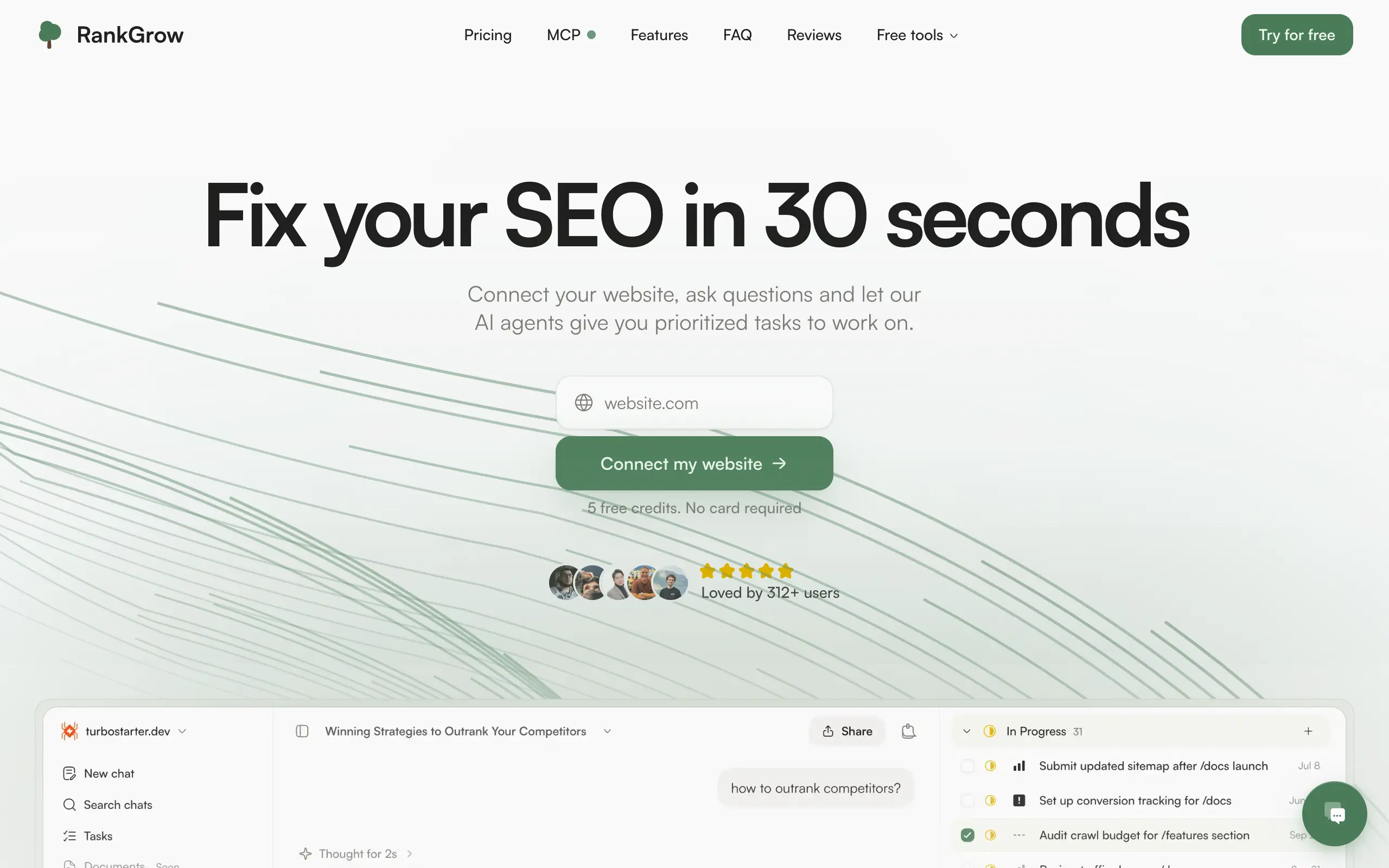
RankGrow
Fix your SEO with AI agents - connect Search Console, get prioritized tasks, and grow organic traffic 📈
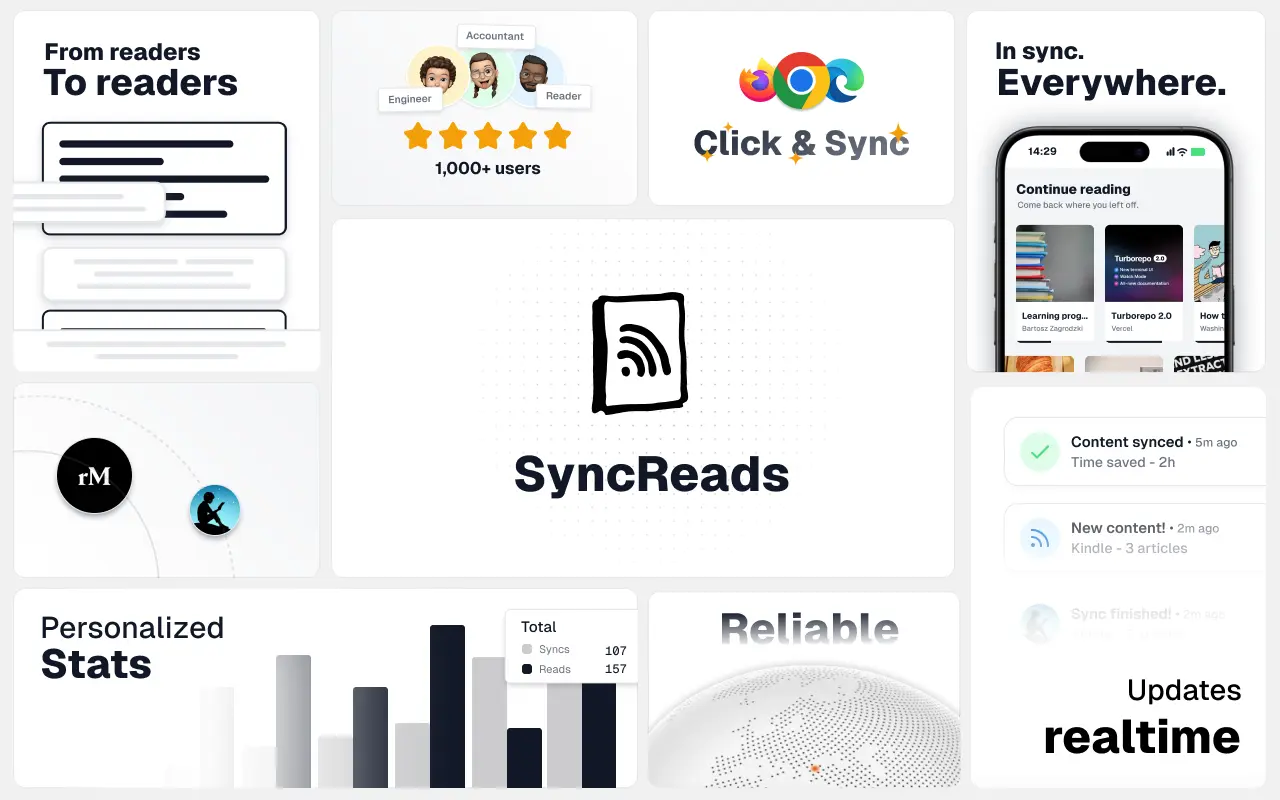
SyncReads
Sync your favorite content for distraction-free reading, save time and replace multiple apps. Anytime, anywhere 🔄
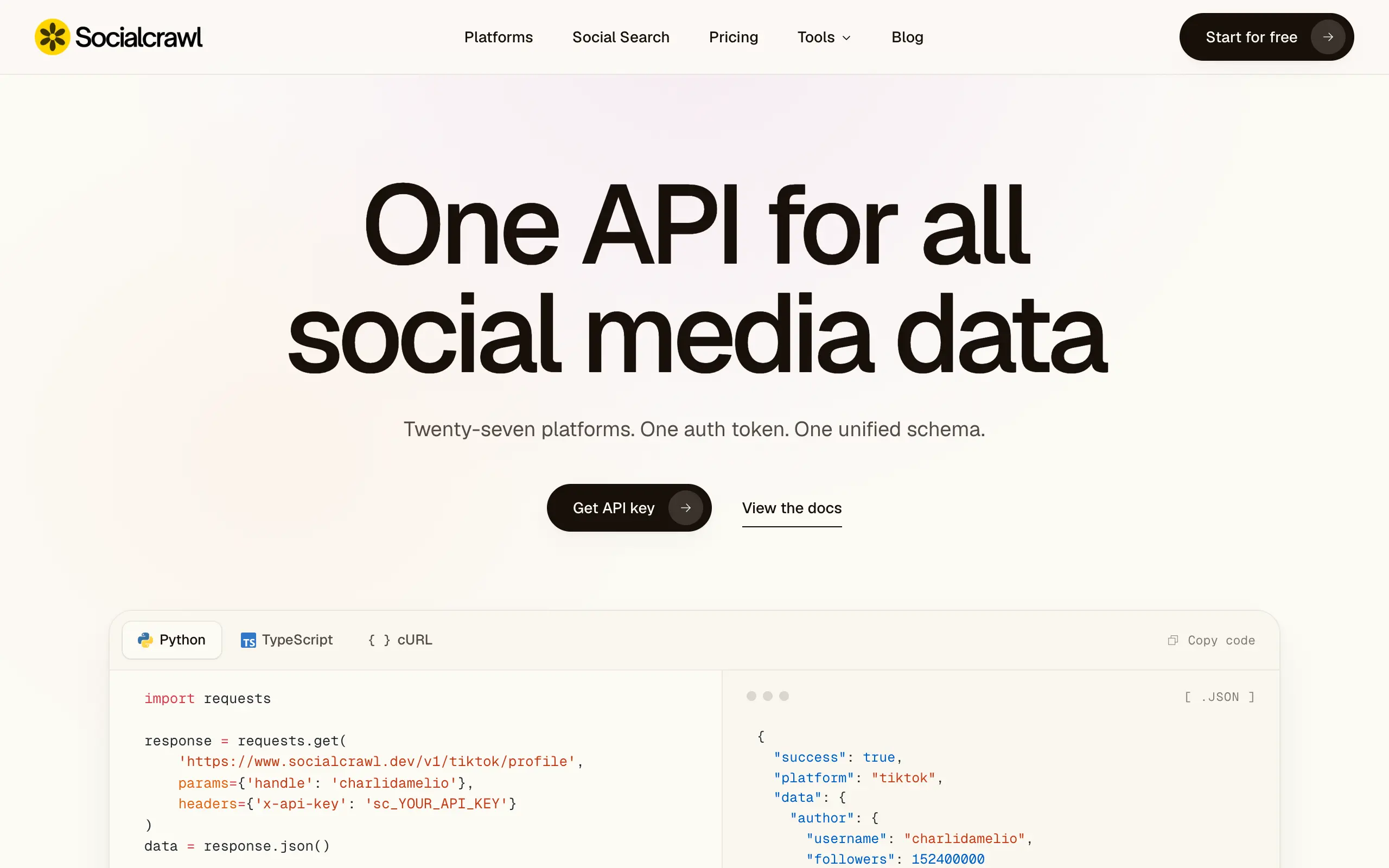
Socialcrawl
Get clean, structured data from 21 platforms like TikTok, Instagram, and YouTube with a single request 📊
Statiko
Monitor any Telegram channel in real time - track posts, edits, deletions, and growth with AI recaps 📡
Shibui
AI website builder - describe your business, pick a niche template, edit by chatting, and publish instantly ✨
Pro Service
Find verified home service professionals, compare quotes, and pay securely through escrow - built for Brazilians across the US 🏠
RankGrow
Fix your SEO with AI agents - connect Search Console, get prioritized tasks, and grow organic traffic 📈
SyncReads
Sync your favorite content for distraction-free reading, save time and replace multiple apps. Anytime, anywhere 🔄
Socialcrawl
Get clean, structured data from 21 platforms like TikTok, Instagram, and YouTube with a single request 📊
Statiko
Monitor any Telegram channel in real time - track posts, edits, deletions, and growth with AI recaps 📡
Shibui
AI website builder - describe your business, pick a niche template, edit by chatting, and publish instantly ✨
Pro Service
Find verified home service professionals, compare quotes, and pay securely through escrow - built for Brazilians across the US 🏠
RankGrow
Fix your SEO with AI agents - connect Search Console, get prioritized tasks, and grow organic traffic 📈
SyncReads
Sync your favorite content for distraction-free reading, save time and replace multiple apps. Anytime, anywhere 🔄
Socialcrawl
Get clean, structured data from 21 platforms like TikTok, Instagram, and YouTube with a single request 📊
Statiko
Monitor any Telegram channel in real time - track posts, edits, deletions, and growth with AI recaps 📡
Shibui
AI website builder - describe your business, pick a niche template, edit by chatting, and publish instantly ✨
Pro Service
Find verified home service professionals, compare quotes, and pay securely through escrow - built for Brazilians across the US 🏠
RankGrow
Fix your SEO with AI agents - connect Search Console, get prioritized tasks, and grow organic traffic 📈
SyncReads
Sync your favorite content for distraction-free reading, save time and replace multiple apps. Anytime, anywhere 🔄
Socialcrawl
Get clean, structured data from 21 platforms like TikTok, Instagram, and YouTube with a single request 📊
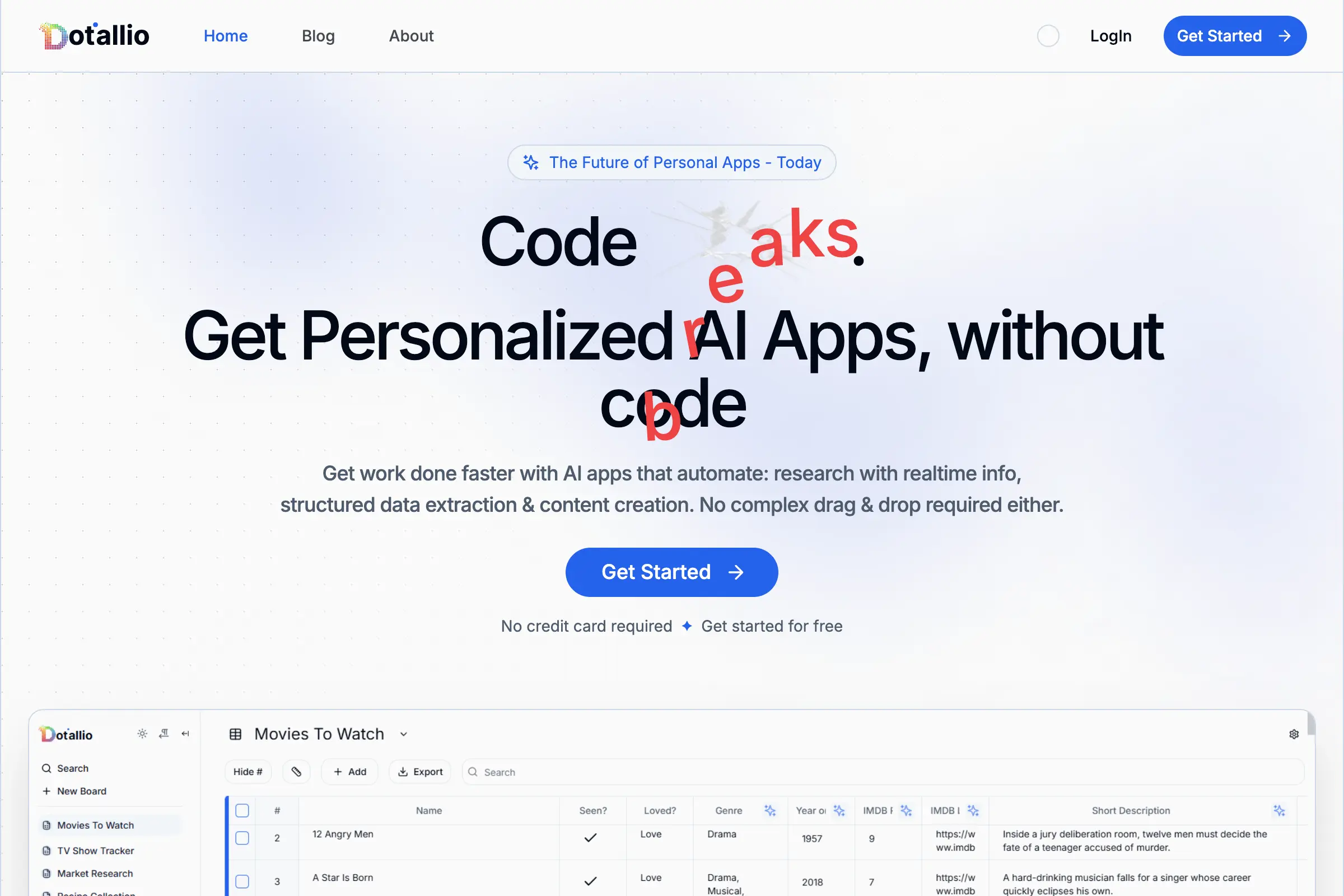
Dotallio
Personalized AI apps that automate research, data extraction, and content creation without code 🤖

Talk to Santa
Enjoy a magical live video chat or receive a unique AI-generated video greeting from Santa Claus 🎅

pozywka.pl
Scalable blog for food journalist, focused on performance and user experience 🌭
zagrodzki.me
Personal blog and portfolio of Bart Zagrodzki, where he shares his knowledge and work 💼
TurboStarter
Ship your startup everywhere. In minutes.
HTML to Markdown
Convert HTML to Markdown with ease, directly in your browser 📄
Dotallio
Personalized AI apps that automate research, data extraction, and content creation without code 🤖
Talk to Santa
Enjoy a magical live video chat or receive a unique AI-generated video greeting from Santa Claus 🎅
pozywka.pl
Scalable blog for food journalist, focused on performance and user experience 🌭
zagrodzki.me
Personal blog and portfolio of Bart Zagrodzki, where he shares his knowledge and work 💼
TurboStarter
Ship your startup everywhere. In minutes.
HTML to Markdown
Convert HTML to Markdown with ease, directly in your browser 📄
Dotallio
Personalized AI apps that automate research, data extraction, and content creation without code 🤖
Talk to Santa
Enjoy a magical live video chat or receive a unique AI-generated video greeting from Santa Claus 🎅
pozywka.pl
Scalable blog for food journalist, focused on performance and user experience 🌭
zagrodzki.me
Personal blog and portfolio of Bart Zagrodzki, where he shares his knowledge and work 💼
TurboStarter
Ship your startup everywhere. In minutes.
HTML to Markdown
Convert HTML to Markdown with ease, directly in your browser 📄
Dotallio
Personalized AI apps that automate research, data extraction, and content creation without code 🤖
Talk to Santa
Enjoy a magical live video chat or receive a unique AI-generated video greeting from Santa Claus 🎅
pozywka.pl
Scalable blog for food journalist, focused on performance and user experience 🌭
zagrodzki.me
Personal blog and portfolio of Bart Zagrodzki, where he shares his knowledge and work 💼
TurboStarter
Ship your startup everywhere. In minutes.
HTML to Markdown
Convert HTML to Markdown with ease, directly in your browser 📄
Omichat
Chat with 50+ AI models, including ChatGPT and Claude, in one place - switch models anytime without losing context 🤖
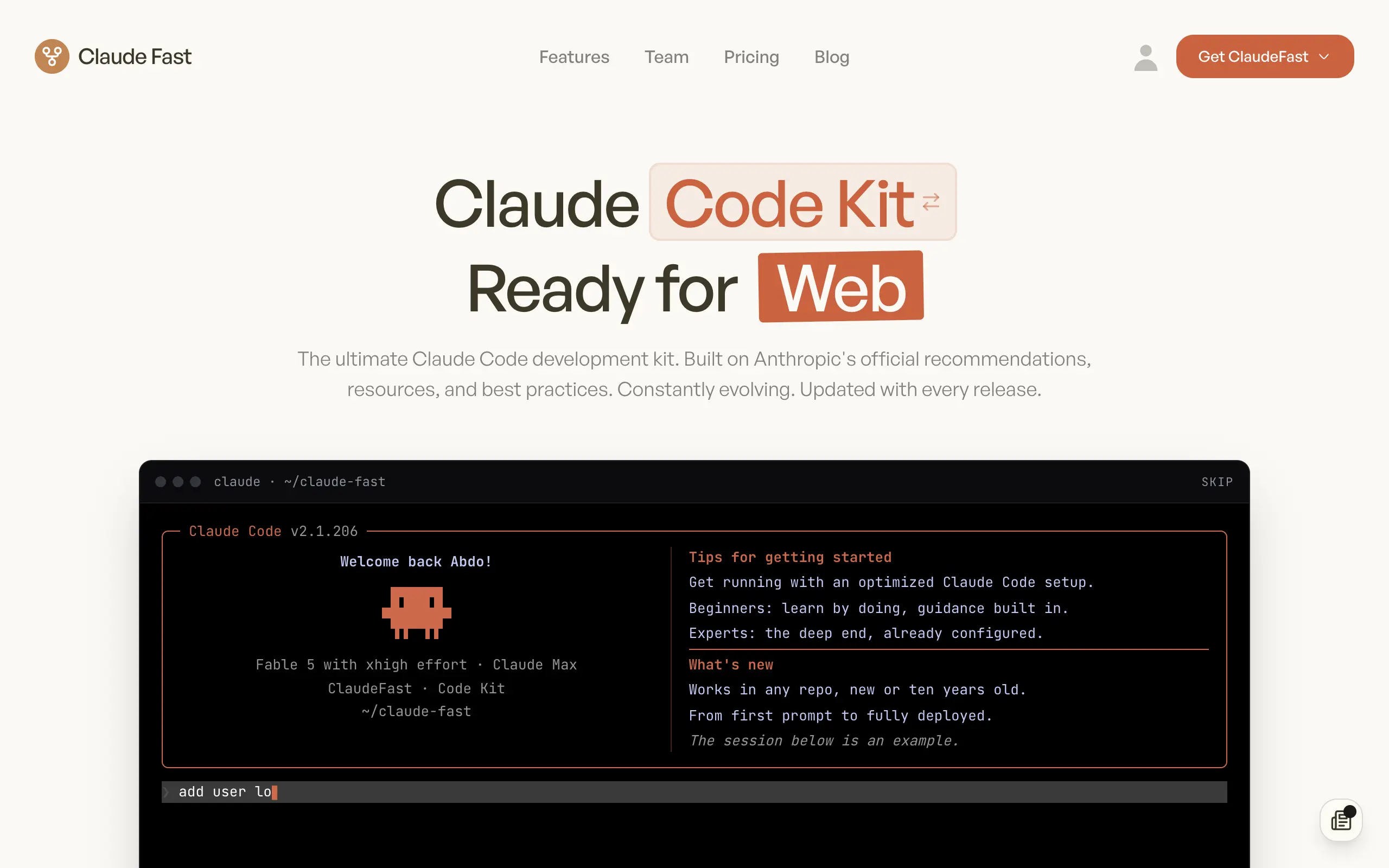
Claude Fast
Supercharge your Claude Code with 6x effective context window and specialized AI agents 🤖
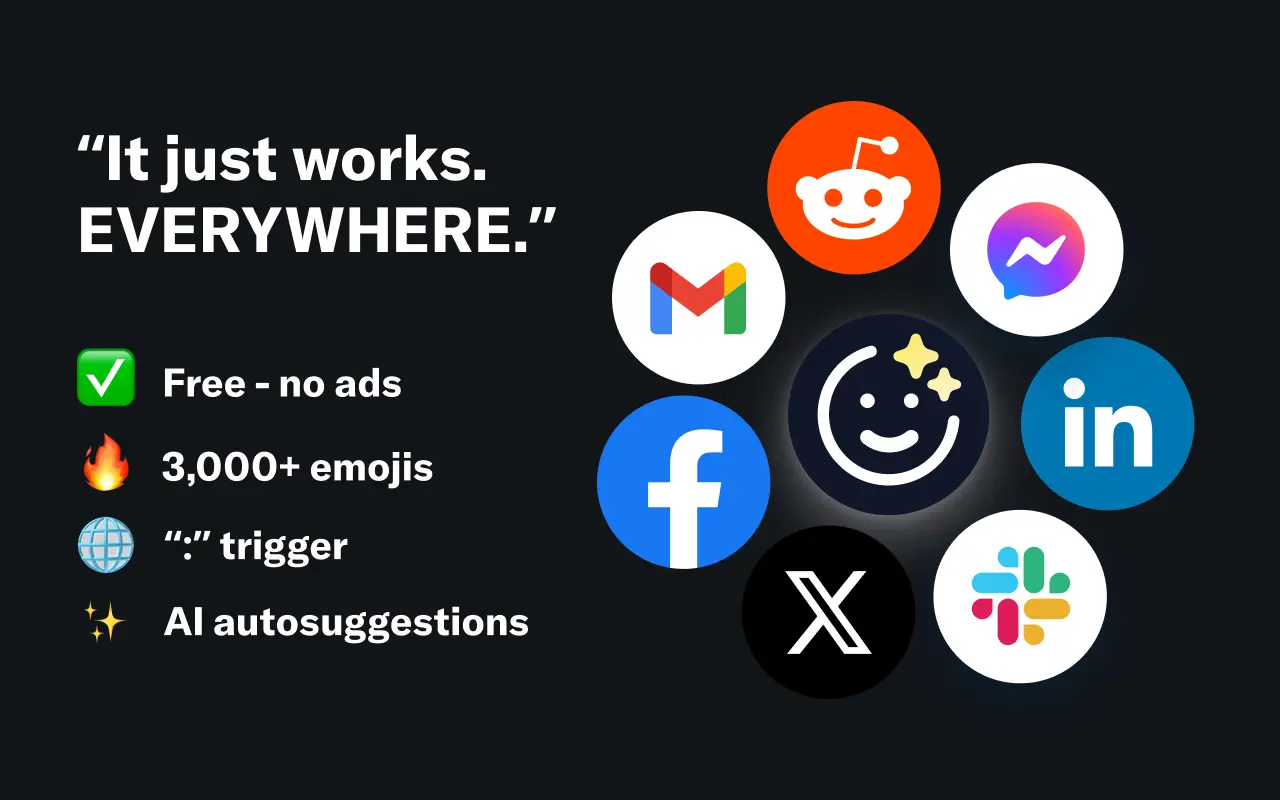
EmojAI
AI-powered emoji picker with smart, context-aware suggestions 🤖
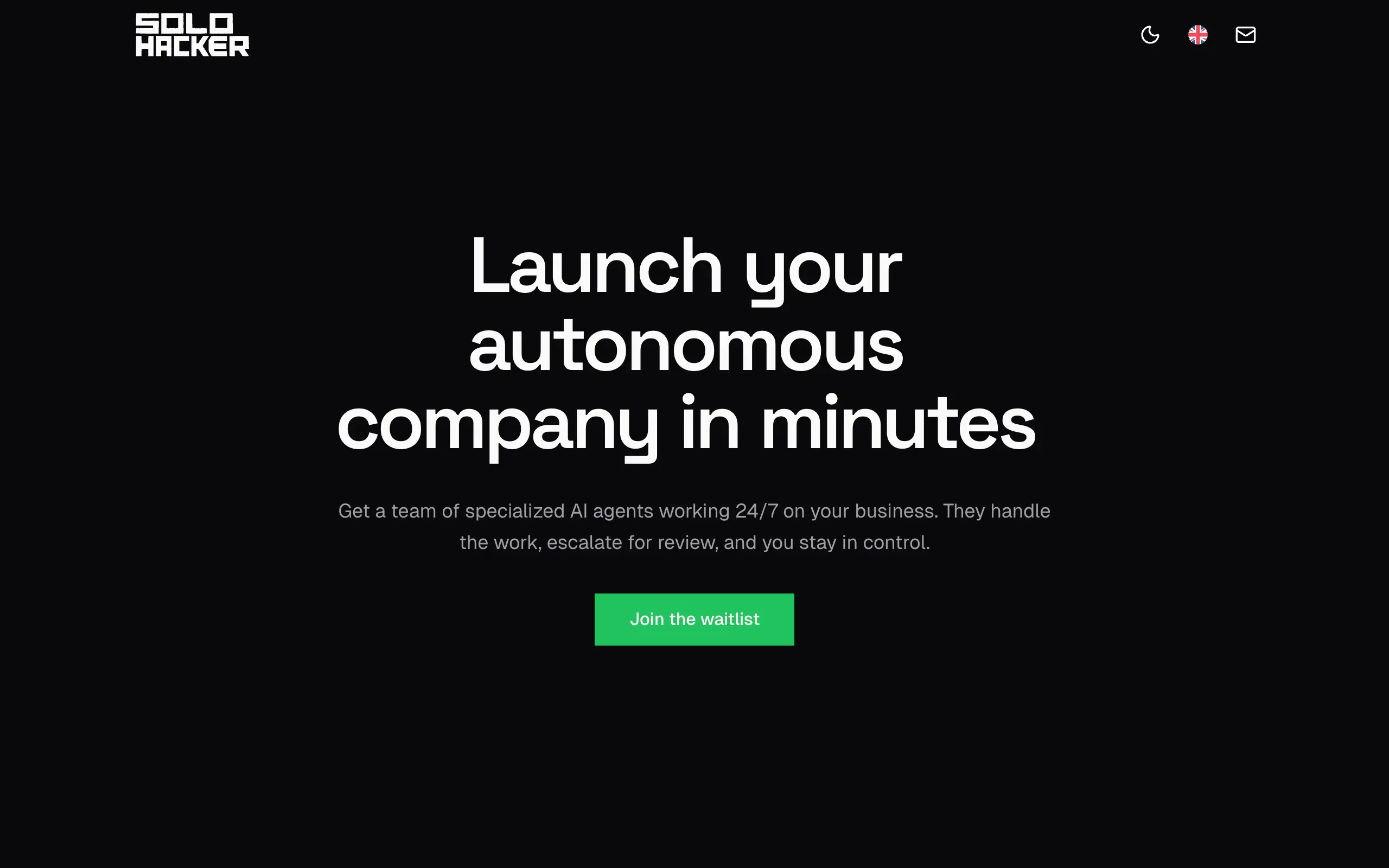
Solohacker
Autonomous company launcher - AI agents work 24/7, escalate what matters, and you stay in control 🤖

BeRawi: Storytelling Coach
Practice storytelling daily with instant feedback to sound clearer, more engaging, and confident 🎤
Omichat
Chat with 50+ AI models, including ChatGPT and Claude, in one place - switch models anytime without losing context 🤖
Claude Fast
Supercharge your Claude Code with 6x effective context window and specialized AI agents 🤖
EmojAI
AI-powered emoji picker with smart, context-aware suggestions 🤖
Solohacker
Autonomous company launcher - AI agents work 24/7, escalate what matters, and you stay in control 🤖
BeRawi: Storytelling Coach
Practice storytelling daily with instant feedback to sound clearer, more engaging, and confident 🎤
Omichat
Chat with 50+ AI models, including ChatGPT and Claude, in one place - switch models anytime without losing context 🤖
Claude Fast
Supercharge your Claude Code with 6x effective context window and specialized AI agents 🤖
EmojAI
AI-powered emoji picker with smart, context-aware suggestions 🤖
Solohacker
Autonomous company launcher - AI agents work 24/7, escalate what matters, and you stay in control 🤖
BeRawi: Storytelling Coach
Practice storytelling daily with instant feedback to sound clearer, more engaging, and confident 🎤
Omichat
Chat with 50+ AI models, including ChatGPT and Claude, in one place - switch models anytime without losing context 🤖
Claude Fast
Supercharge your Claude Code with 6x effective context window and specialized AI agents 🤖
EmojAI
AI-powered emoji picker with smart, context-aware suggestions 🤖
Solohacker
Autonomous company launcher - AI agents work 24/7, escalate what matters, and you stay in control 🤖
BeRawi: Storytelling Coach
Practice storytelling daily with instant feedback to sound clearer, more engaging, and confident 🎤

Connect with like-minded people
Join our community to get feedback, support, and grow together with 1,000+ builders on board, let's ship it!
Join usShip your startup everywhere. In minutes.
Don't burn tokens on setup and start building features on day one.