ExplainLikeImUni
AI tutor that breaks down complex university topics into simple, tailored explanations with examples, diagrams, and interactive Q&A for deeper understanding.
The rise of AI-powered university learning tools
Higher education is undergoing a major shift. Students today are no longer satisfied with passive lectures, dense textbooks, or one-size-fits-all explanations. They want clarity, personalization, and speed—especially when tackling complex subjects like quantum physics, advanced calculus, or abstract philosophy.
This is where an AI-powered solution like ExplainLikeImUni enters the picture: a platform designed to break down difficult university-level concepts into simple, tailored explanations with examples, diagrams, and interactive Q&A.
The primary keyword here is AI tutor for university students, supported by semantic variations like AI learning assistant, personalized education software, AI study tool, and concept explanation AI.
This article explores the full potential of this SaaS idea—from market demand and audience fit to monetization and implementation—so you can evaluate, validate, or build it successfully.
Understanding the target audience
Core user segments
ExplainLikeImUni serves a wide but clearly defined audience:
- Undergraduate students
- Struggling with foundational concepts
- Need simplified explanations quickly
- Graduate students
- Require deeper conceptual clarity and examples
- International students
- Face language barriers and need simplified explanations
- Self-learners and lifelong learners
- Exploring university-level topics outside formal education
- Online course learners (MOOCs)
- Need supplemental explanation beyond video lectures
Pain points worth solving
Students consistently face:
- Difficulty understanding dense academic language
- Lack of personalized teaching pace
- Limited access to professors or tutors
- Over-reliance on fragmented resources (YouTube, forums, PDFs)
- Difficulty connecting theory with real-world examples
Key insight
Students don’t just want answers—they want explanations that adapt to their level of understanding.
Behavioral trends
Recent shifts in learning behavior strengthen this opportunity:
- Increased reliance on AI tools for studying
- Growth of self-paced and hybrid learning models
- Demand for instant clarification instead of delayed feedback
- Preference for interactive over static content
Market opportunity and gap analysis
EdTech market trajectory
The global EdTech market continues to grow rapidly, projected to exceed hundreds of billions in value over the next decade (consider referencing sources like HolonIQ or Statista for updated figures).
Within this, AI-driven education tools are one of the fastest-growing segments.
Existing solutions and their limitations
Let’s examine current alternatives:
| Feature | Traditional tutoring | YouTube | ChatGPT-style tools | ExplainLikeImUni |
|---|---|---|---|---|
| Personalization | ✅ | ❌ | ✅ | ✅ |
| Instant access | ❌ | ✅ | ✅ | ✅ |
| Structured explanations | ✅ | ❌ | ⚠️ | ✅ |
| Interactive Q&A | ✅ | ❌ | ✅ | ✅ |
| Visual diagrams | ⚠️ | ✅ | ❌ | ✅ |
The gap
There is a clear gap for a solution that:
- Combines AI intelligence with structured pedagogy
- Adapts explanations to student knowledge level
- Provides visual + textual learning
- Offers interactive refinement of understanding
ExplainLikeImUni positions itself precisely in this gap.
Core product vision and solution design
At its core, ExplainLikeImUni is more than a chatbot. It’s an AI tutor system designed around cognitive learning principles.
Key features
Adaptive explanations
Adjusts complexity based on user's level—from beginner to advanced university depth.
Step-by-step breakdowns
Explains concepts progressively rather than dumping information.
Real-world examples
Bridges theory with practical, relatable scenarios.
Visual diagrams
Auto-generates diagrams to reinforce conceptual understanding.
Interactive Q&A
Allows students to ask follow-ups and refine understanding.
Example user flow
Differentiation from generic AI tools
Unlike general-purpose AI:
- It enforces structured explanation frameworks
- It prioritizes pedagogical clarity over raw answers
- It integrates learning science principles
- It maintains context across learning sessions
Feature deep dive: what makes it powerful
1. Level-based explanation engine
The system should adapt explanations across tiers:
- Uses analogies and simple language
- Avoids jargon
- Focuses on intuition
- Introduces terminology gradually
- Connects concepts logically
- Includes examples and edge cases
- Uses formal definitions
- Includes proofs or derivations
- Explores nuances and exceptions
2. Diagram generation
Students often struggle because they can’t visualize concepts.
Potential diagram types:
- Flow diagrams (processes)
- Graphs (math, physics)
- Concept maps (relationships)
- Annotated illustrations
3. Interactive reinforcement
Instead of passive learning:
- Ask students questions back
- Provide mini quizzes
- Suggest related topics
Active recall significantly improves retention compared to passive reading.
Recommended tech stack
Building an AI tutor platform requires careful architecture decisions.
Frontend
- React or Next.js
- TailwindCSS for rapid UI development
- Component libraries for interactive learning UI
Backend
- Node.js (scalable, async-friendly)
- Python (for AI orchestration and ML pipelines)
AI layer
- LLM APIs (e.g., OpenAI-compatible models)
- Prompt engineering layer for:
- Structured explanations
- Level adaptation
- Diagram instructions
Example explanation API route
export async function generateExplanation(topic: string, level: string) {
  const prompt = `
  Explain the topic "${topic}" at a ${level} university level.
  Include:
  - Simple explanation
  - Example
  - Step-by-step breakdown
  - Optional diagram description
  `;

  const response = await fetch("AI_API_ENDPOINT", {
    method: "POST",
    body: JSON.stringify({ prompt }),
  });

  return response.json();
}
Database
- PostgreSQL for structured data (users, sessions)
- Vector database (for context retention and personalization)
Diagram generation
Options include:
- AI-generated SVGs
- Integration with visualization libraries
- Prompt-based diagram descriptions
Trade-offs
- Speed vs depth: richer explanations take longer
- Cost vs quality: better models increase API costs
- Flexibility vs structure: too rigid reduces usefulness
Monetization strategies
A strong SaaS needs sustainable revenue.
Freemium model (recommended)
- Free tier:
- Limited daily explanations
- Basic features
- Paid tier:
- Unlimited usage
- Advanced explanations
- Diagram generation
- Personalized learning history
Subscription pricing tiers
- $9/month → casual students
- $19/month → serious learners
- $49/month → advanced/pro users
Additional revenue streams
- University partnerships
- API access for EdTech platforms
- White-label solutions
- Team/classroom subscriptions
Competitive advantage and USP
ExplainLikeImUni stands out because it focuses on learning quality, not just answers.
Key advantages
- Pedagogically structured AI responses
- Level-aware explanations
- Integrated diagrams + examples
- Continuous learning context
Positioning statement
“An AI tutor that doesn’t just answer questions—it teaches you how to understand them.”
Risks and mitigation strategies
1. Over-reliance on AI accuracy
Risk: AI may produce incorrect explanations.
Mitigation:
- Add verification layers
- Allow user feedback loops
- Cite references where possible
2. Competition from large AI platforms
Risk: Big players replicate features.
Mitigation:
- Focus on niche depth (university learning)
- Build brand authority in education
- Develop unique UX and pedagogy
3. Cost scaling
Risk: High API costs with growth.
Mitigation:
- Optimize prompts
- Cache responses
- Use hybrid models
SEO strategy for growth
To rank for AI tutor for university students, focus on:
Content clusters
- “Explain [topic] simply”
- “AI tools for studying”
- “How to understand [complex subject]”
Long-tail keywords
- AI tutor for calculus students
- explain quantum mechanics simply
- best AI study tools for university
Content formats
- Blog tutorials
- Interactive demos
- Topic-based landing pages
Implementation roadmap
Phase 1: MVP
- Topic input
- Basic explanation generation
- Simple UI
Phase 2: Core features
- Level-based explanations
- Q&A interaction
- User accounts
Phase 3: Advanced features
- Diagram generation
- Learning history
- Personalization engine
Phase 4: Scale
- Mobile app
- API integrations
- Institutional partnerships
Go-to-market strategy
Early traction
- Launch on Product Hunt
- Share on student communities (Reddit, Discord)
- Partner with student influencers
Growth channels
- SEO-driven blog content
- YouTube explainers
- TikTok micro-lessons
Actionable steps to build ExplainLikeImUni
Final thoughts
ExplainLikeImUni taps into a powerful intersection of AI, education, and personalization. The demand is real, the timing is right, and the technology is mature enough to deliver meaningful value.
The key to success isn’t just building an AI tool—it’s building a learning experience that students trust.
If executed well, this idea has the potential to become a go-to AI tutor for millions of students worldwide.
Build faster with the right foundation
If you're serious about launching this idea, starting from scratch can slow you down significantly. Using a proven SaaS starter kit can accelerate development and help you focus on what matters most: the product.
TurboStarter provides a production-ready foundation for building AI SaaS products like ExplainLikeImUni, including authentication, billing, and scalable architecture.
More 🤖 AI Startup SaaS ideas
Discover more innovative ai startup SaaS ideas that are trending in 2026. Each idea is AI-generated with market validation and growth potential to help you find your next profitable venture faster than competitors.
Your competitors are building with TurboStarter
Below are some of the SaaS ideas that have been generated and built with our starter kit.

Statiko
Monitor any Telegram channel in real time - track posts, edits, deletions, and growth with AI recaps 📡

Shibui
AI website builder - describe your business, pick a niche template, edit by chatting, and publish instantly ✨

Pro Service
Find verified home service professionals, compare quotes, and pay securely through escrow - built for Brazilians across the US 🏠
RankGrow
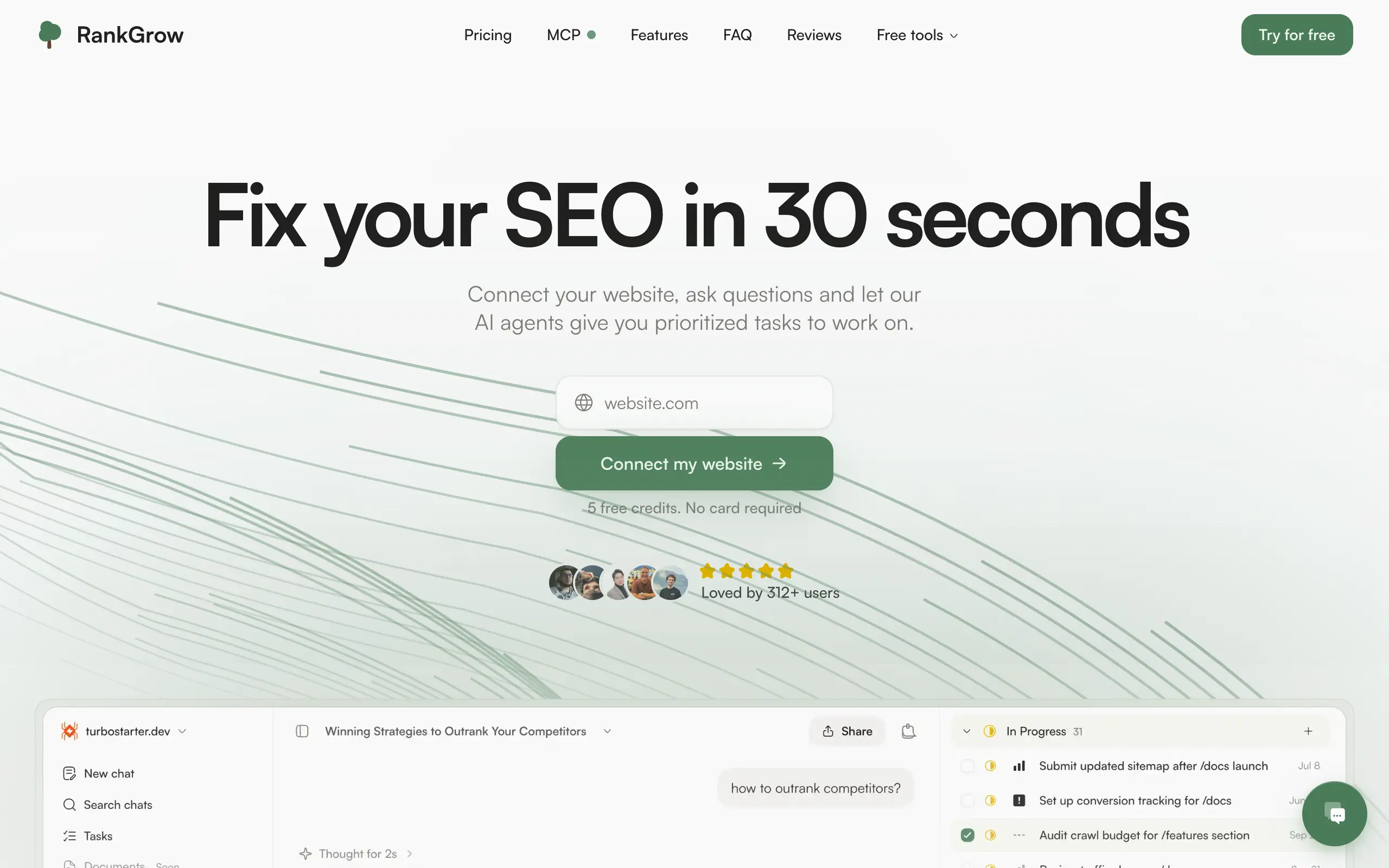
Fix your SEO with AI agents - connect Search Console, get prioritized tasks, and grow organic traffic 📈
SyncReads
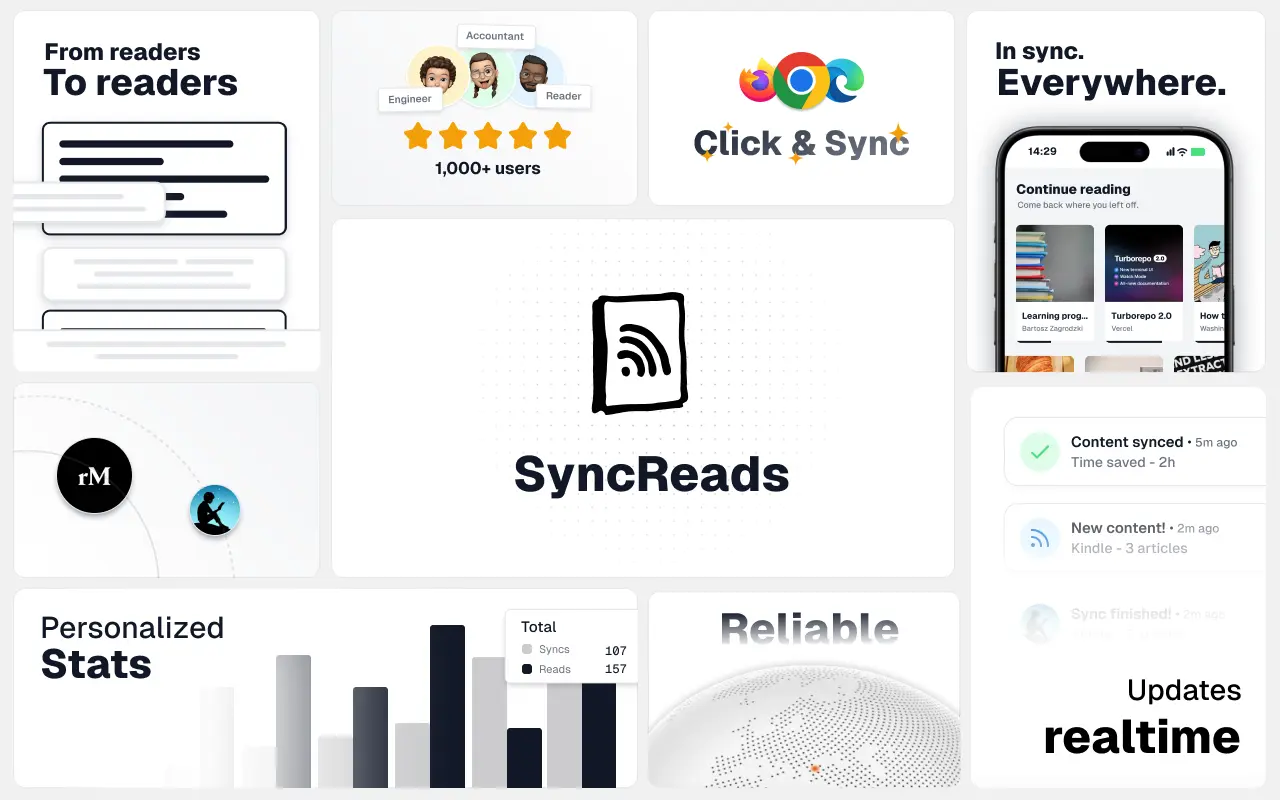
Sync your favorite content for distraction-free reading, save time and replace multiple apps. Anytime, anywhere 🔄
Socialcrawl
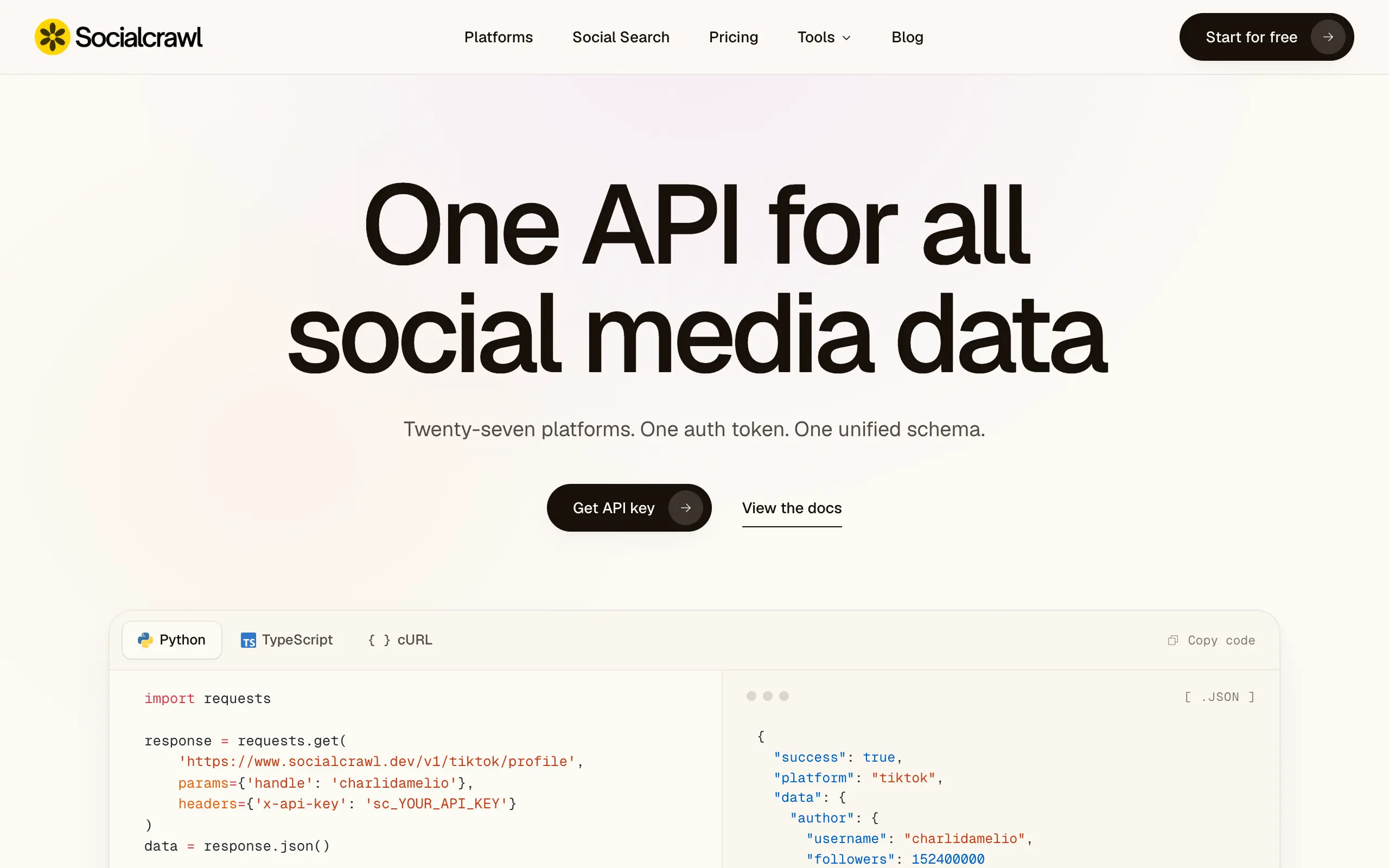
Get clean, structured data from 21 platforms like TikTok, Instagram, and YouTube with a single request 📊
Statiko
Monitor any Telegram channel in real time - track posts, edits, deletions, and growth with AI recaps 📡
Shibui
AI website builder - describe your business, pick a niche template, edit by chatting, and publish instantly ✨
Pro Service
Find verified home service professionals, compare quotes, and pay securely through escrow - built for Brazilians across the US 🏠
RankGrow
Fix your SEO with AI agents - connect Search Console, get prioritized tasks, and grow organic traffic 📈
SyncReads
Sync your favorite content for distraction-free reading, save time and replace multiple apps. Anytime, anywhere 🔄
Socialcrawl
Get clean, structured data from 21 platforms like TikTok, Instagram, and YouTube with a single request 📊
Statiko
Monitor any Telegram channel in real time - track posts, edits, deletions, and growth with AI recaps 📡
Shibui
AI website builder - describe your business, pick a niche template, edit by chatting, and publish instantly ✨
Pro Service
Find verified home service professionals, compare quotes, and pay securely through escrow - built for Brazilians across the US 🏠
RankGrow
Fix your SEO with AI agents - connect Search Console, get prioritized tasks, and grow organic traffic 📈
SyncReads
Sync your favorite content for distraction-free reading, save time and replace multiple apps. Anytime, anywhere 🔄
Socialcrawl
Get clean, structured data from 21 platforms like TikTok, Instagram, and YouTube with a single request 📊
Statiko
Monitor any Telegram channel in real time - track posts, edits, deletions, and growth with AI recaps 📡
Shibui
AI website builder - describe your business, pick a niche template, edit by chatting, and publish instantly ✨
Pro Service
Find verified home service professionals, compare quotes, and pay securely through escrow - built for Brazilians across the US 🏠
RankGrow
Fix your SEO with AI agents - connect Search Console, get prioritized tasks, and grow organic traffic 📈
SyncReads
Sync your favorite content for distraction-free reading, save time and replace multiple apps. Anytime, anywhere 🔄
Socialcrawl
Get clean, structured data from 21 platforms like TikTok, Instagram, and YouTube with a single request 📊
Dotallio
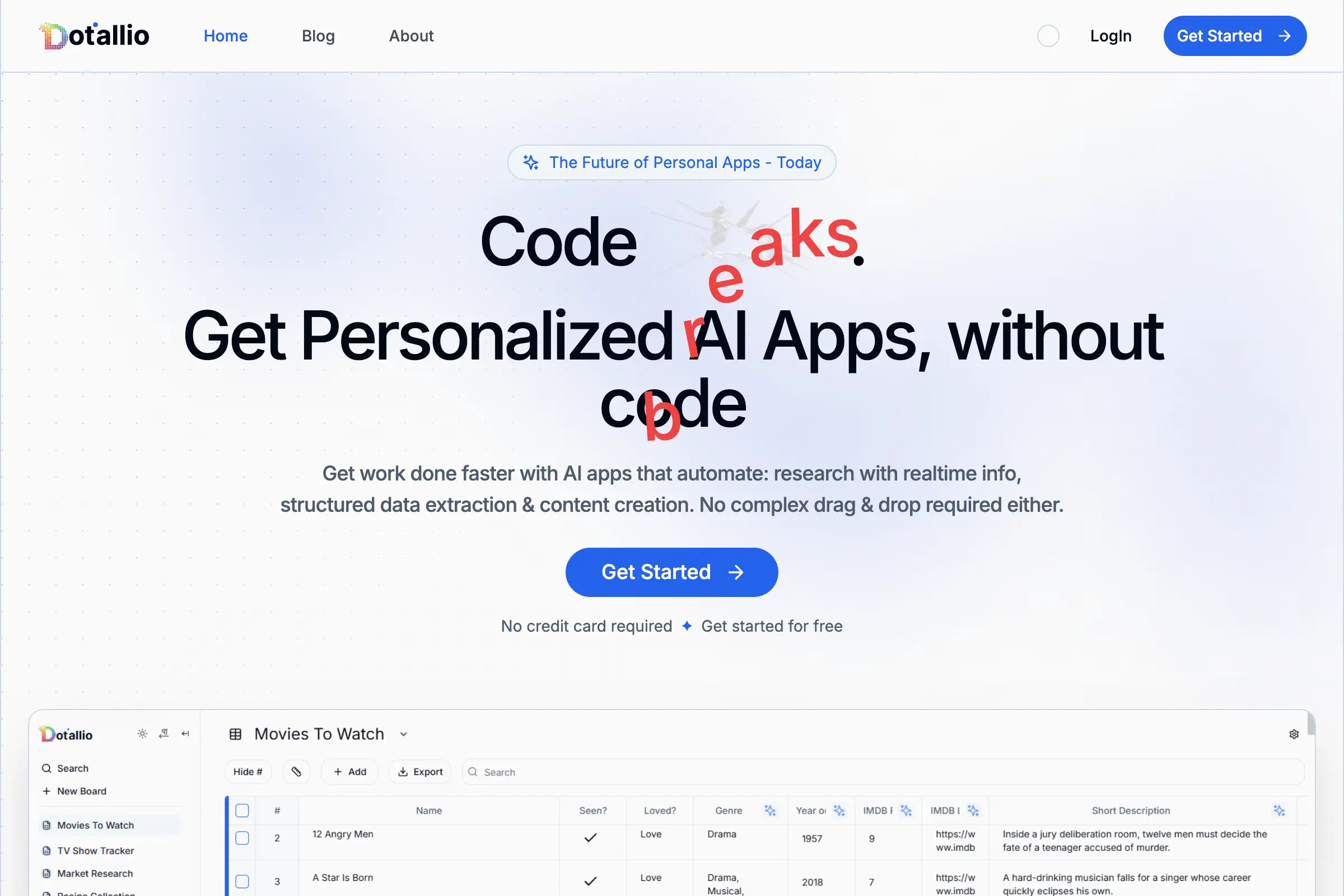
Personalized AI apps that automate research, data extraction, and content creation without code 🤖

Talk to Santa
Enjoy a magical live video chat or receive a unique AI-generated video greeting from Santa Claus 🎅

pozywka.pl
Scalable blog for food journalist, focused on performance and user experience 🌭
zagrodzki.me
Personal blog and portfolio of Bart Zagrodzki, where he shares his knowledge and work 💼
TurboStarter
Ship your startup everywhere. In minutes.
HTML to Markdown
Convert HTML to Markdown with ease, directly in your browser 📄
Dotallio
Personalized AI apps that automate research, data extraction, and content creation without code 🤖
Talk to Santa
Enjoy a magical live video chat or receive a unique AI-generated video greeting from Santa Claus 🎅
pozywka.pl
Scalable blog for food journalist, focused on performance and user experience 🌭
zagrodzki.me
Personal blog and portfolio of Bart Zagrodzki, where he shares his knowledge and work 💼
TurboStarter
Ship your startup everywhere. In minutes.
HTML to Markdown
Convert HTML to Markdown with ease, directly in your browser 📄
Dotallio
Personalized AI apps that automate research, data extraction, and content creation without code 🤖
Talk to Santa
Enjoy a magical live video chat or receive a unique AI-generated video greeting from Santa Claus 🎅
pozywka.pl
Scalable blog for food journalist, focused on performance and user experience 🌭
zagrodzki.me
Personal blog and portfolio of Bart Zagrodzki, where he shares his knowledge and work 💼
TurboStarter
Ship your startup everywhere. In minutes.
HTML to Markdown
Convert HTML to Markdown with ease, directly in your browser 📄
Dotallio
Personalized AI apps that automate research, data extraction, and content creation without code 🤖
Talk to Santa
Enjoy a magical live video chat or receive a unique AI-generated video greeting from Santa Claus 🎅
pozywka.pl
Scalable blog for food journalist, focused on performance and user experience 🌭
zagrodzki.me
Personal blog and portfolio of Bart Zagrodzki, where he shares his knowledge and work 💼
TurboStarter
Ship your startup everywhere. In minutes.
HTML to Markdown
Convert HTML to Markdown with ease, directly in your browser 📄
Omichat
Chat with 50+ AI models, including ChatGPT and Claude, in one place - switch models anytime without losing context 🤖
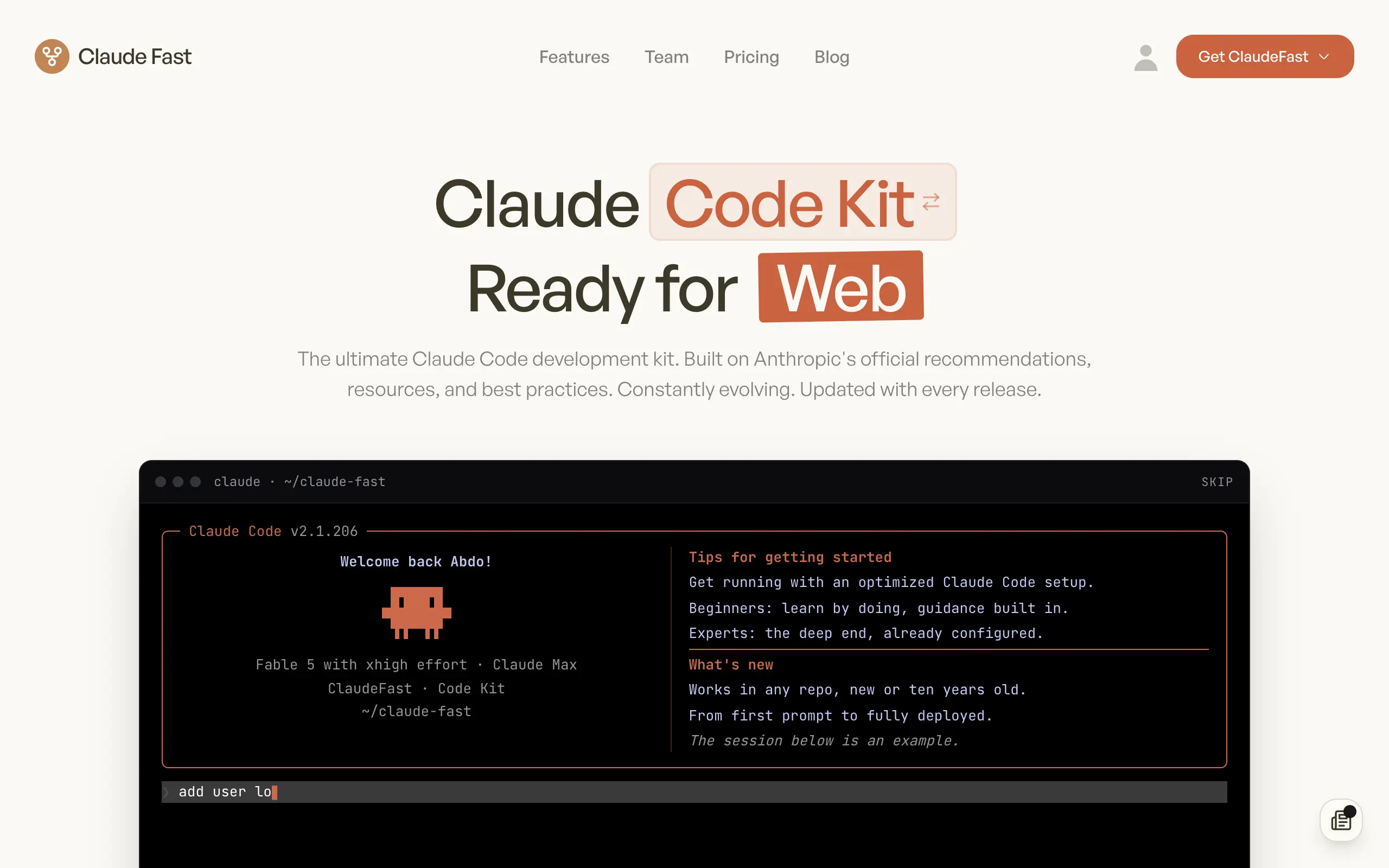
Claude Fast
Supercharge your Claude Code with 6x effective context window and specialized AI agents 🤖
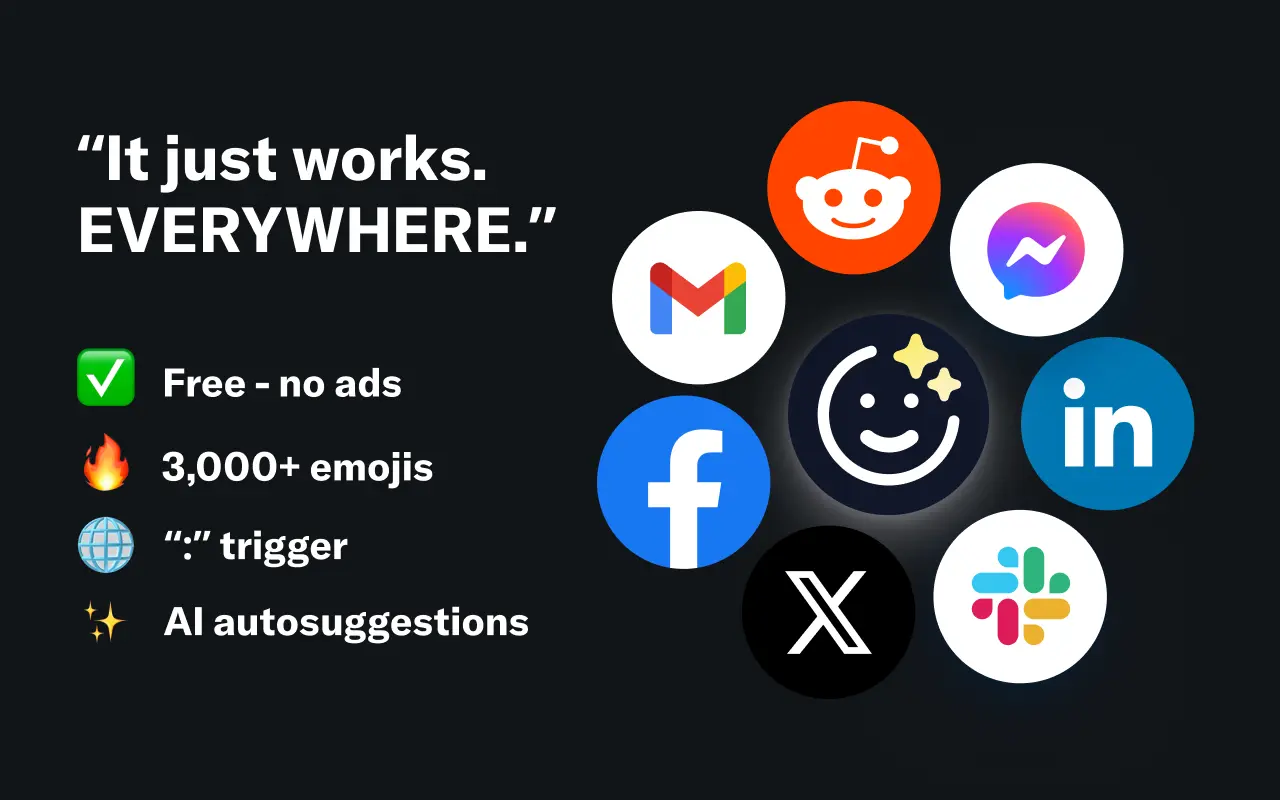
EmojAI
AI-powered emoji picker with smart, context-aware suggestions 🤖

Solohacker
Autonomous company launcher - AI agents work 24/7, escalate what matters, and you stay in control 🤖
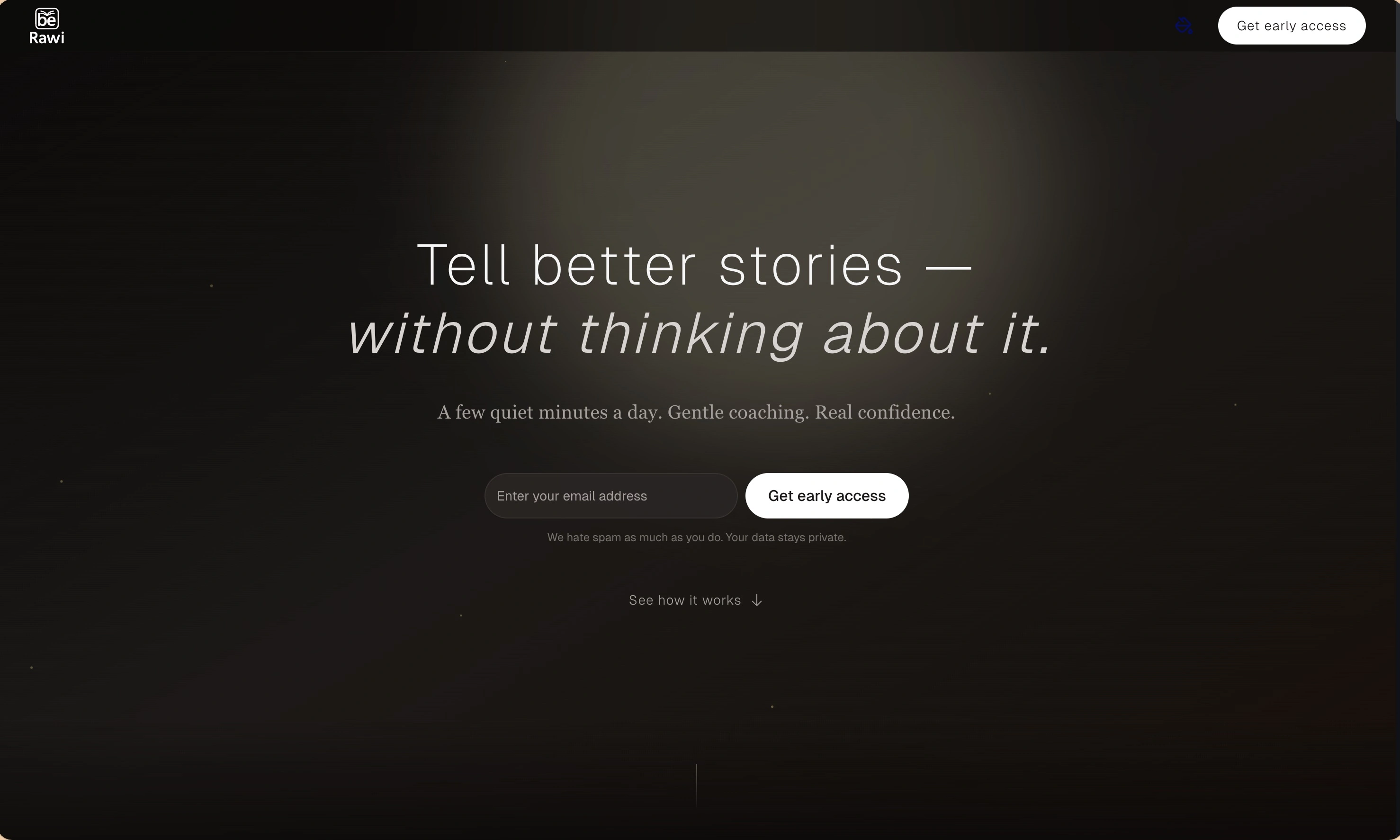
BeRawi: Storytelling Coach
Practice storytelling daily with instant feedback to sound clearer, more engaging, and confident 🎤
Omichat
Chat with 50+ AI models, including ChatGPT and Claude, in one place - switch models anytime without losing context 🤖
Claude Fast
Supercharge your Claude Code with 6x effective context window and specialized AI agents 🤖
EmojAI
AI-powered emoji picker with smart, context-aware suggestions 🤖
Solohacker
Autonomous company launcher - AI agents work 24/7, escalate what matters, and you stay in control 🤖
BeRawi: Storytelling Coach
Practice storytelling daily with instant feedback to sound clearer, more engaging, and confident 🎤
Omichat
Chat with 50+ AI models, including ChatGPT and Claude, in one place - switch models anytime without losing context 🤖
Claude Fast
Supercharge your Claude Code with 6x effective context window and specialized AI agents 🤖
EmojAI
AI-powered emoji picker with smart, context-aware suggestions 🤖
Solohacker
Autonomous company launcher - AI agents work 24/7, escalate what matters, and you stay in control 🤖
BeRawi: Storytelling Coach
Practice storytelling daily with instant feedback to sound clearer, more engaging, and confident 🎤
Omichat
Chat with 50+ AI models, including ChatGPT and Claude, in one place - switch models anytime without losing context 🤖
Claude Fast
Supercharge your Claude Code with 6x effective context window and specialized AI agents 🤖
EmojAI
AI-powered emoji picker with smart, context-aware suggestions 🤖
Solohacker
Autonomous company launcher - AI agents work 24/7, escalate what matters, and you stay in control 🤖
BeRawi: Storytelling Coach
Practice storytelling daily with instant feedback to sound clearer, more engaging, and confident 🎤

Connect with like-minded people
Join our community to get feedback, support, and grow together with 1,000+ builders on board, let's ship it!
Join usShip your startup everywhere. In minutes.
Don't burn tokens on setup and start building features on day one.