FeaturePilot
Map product goals to backend logic, edge cases, acceptance tests, and a prioritized implementation plan—built for frontend developers shipping solo.
FeaturePilot is an AI product planning tool for frontend developers who need to turn an idea into a practical implementation plan. Instead of producing a generic feature brief, it can map product goals to backend logic, edge cases, acceptance tests, and prioritized development tasks.
The opportunity is promising because many small teams have a gap between deciding what to build and knowing how to build it. FeaturePilot could fill that gap by creating structured, reviewable plans that are useful to both product-minded developers and engineering collaborators.
The challenge is trust. Developers will not rely on an AI plan simply because it sounds confident. FeaturePilot needs to produce specific, editable outputs, make assumptions visible, and connect recommendations to the developer’s actual product context.
What FeaturePilot is and who it serves
FeaturePilot is best understood as an AI feature-planning workspace for solo frontend developers and small product teams. A user describes a product goal, adds relevant context, and receives a plan that connects user needs to the work required to ship a feature.
For example, a developer might enter:
“Let users invite teammates to a project and assign each person a role.”
A useful FeaturePilot plan would go beyond a short feature description. It could identify the user journey, permission model, data changes, interface states, API behavior, edge cases, acceptance criteria, and an implementation sequence.
That positioning matters. The product is not just another chatbot that answers engineering questions. It is a repeatable workflow for converting an unclear feature request into a plan a developer can inspect, adapt, and implement.
Primary target audience
The strongest initial audience is likely to include:
- Solo frontend developers who own product decisions as well as implementation.
- Indie hackers building SaaS products with limited access to product managers, designers, and backend specialists.
- Small startup teams that need more consistent feature planning without adding a heavyweight process.
- Frontend-focused engineers who want help thinking through backend dependencies, permissions, and failure states.
- Technical founders who can build but want a clearer path from customer feedback to shippable work.
These users share a practical problem: they often have enough technical skill to implement a feature, but not enough time or structure to uncover every dependency before coding begins.
Users to serve later
FeaturePilot could eventually support product managers, engineering leads, agencies, and larger product teams. Those segments may have more budget, but they also expect collaboration features, integrations, governance, and a stronger record of how decisions were made.
Starting with solo developers is a more focused launch strategy. Their needs are easier to understand, the product can stay lightweight, and direct user feedback can shape the planning workflow before the team invests in enterprise functionality.
The problem FeaturePilot should solve
Feature planning is often informal. A founder collects a request in a note, thinks through the main interface, and starts coding. The missing work tends to emerge later:
- A user cannot recover from an invalid or expired invitation.
- A role change does not update access consistently.
- A loading state is missing from the interface.
- An API endpoint has no clear authorization rule.
- Acceptance criteria describe the happy path but not failure behavior.
- A feature depends on a database change or migration that was never included in the estimate.
Each omission can cause rework, support problems, or a feature that behaves differently from what users expected. FeaturePilot can reduce the chance of these omissions by making planning more systematic before implementation begins.
It should not promise that AI eliminates defects or replaces engineering judgment. A credible promise is more modest and useful: FeaturePilot helps developers identify decisions, dependencies, and edge cases earlier, then gives them an editable plan to review.
That distinction supports user trust. Planning quality depends on the quality of the input, the product’s domain, and the developer’s review. The product should make those limits clear rather than present generated work as authoritative by default.
Market opportunity and the product gap
The broad market already includes project-management platforms, issue trackers, AI coding tools, documentation products, and general-purpose AI assistants. FeaturePilot does not need to replace all of them. Its opportunity is to own a narrower step: turning product intent into an implementation-ready plan.
Where existing tools leave room
Project-management tools are effective at organizing work after a team has decided what the work is. They can track tickets and status, but they do not necessarily help a solo developer discover the missing backend behavior or define meaningful acceptance tests.
AI coding tools are useful during implementation. They can explain code, suggest changes, and help generate files. However, a code-generation workflow is not the same as a product-planning workflow. Starting with a vague prompt and immediately generating code can carry unclear assumptions into the codebase.
General-purpose AI assistants can brainstorm plans, but their outputs may vary in structure from one conversation to another. The user may need to repeatedly explain the product, request a particular format, and manually turn the result into tickets or tests.
FeaturePilot can bridge these gaps by making the planning process repeatable and product-aware. Its differentiation should come from the quality of the workflow and output—not from claiming that AI planning itself is unique.
A focused positioning opportunity
A useful positioning statement could be:
FeaturePilot turns a product goal into a reviewable, prioritized implementation plan for frontend developers.
This is clearer than a broad promise to “build products with AI.” It names the user, the starting point, and the result.
The product’s opportunity becomes stronger if it consistently produces artifacts developers can use immediately:
- A concise feature brief.
- User flows and system behavior.
- Backend and data requirements.
- Edge cases and failure states.
- Acceptance criteria and test ideas.
- A sequenced implementation plan.
- Open questions that require human decisions.
The market opportunity should still be validated rather than assumed. Interview solo developers and small teams about their last few shipped features. Ask what was missed, what caused rework, how planning happens today, and whether they would pay to improve that process. Past behavior is more informative than asking whether someone “likes” an idea.
Core features and how they could work
FeaturePilot should make the path from a rough product goal to a usable plan feel guided, not magical. The user needs to see how an output was formed and be able to correct it.
1. Structured feature intake
The starting point should collect more than a one-line request. A short guided intake can ask for:
- The user or customer affected.
- The problem the feature addresses.
- The intended outcome.
- Relevant product or technical context.
- Constraints, such as a deadline or existing stack.
- What is explicitly out of scope.
The intake should stay lightweight. If users must fill in a long product-requirements form before they get value, they may return to a blank chat instead.
A strong interaction pattern is to accept a rough idea first, then ask only the most important follow-up questions. The model can identify ambiguity, but users should be able to skip questions and see which assumptions the resulting plan depends on.
2. Product context and reusable workspace knowledge
A feature plan improves when the system understands the product around it. FeaturePilot could let users save reusable context such as:
- Product description and target audience.
- Existing roles and permissions.
- Core data entities.
- Known technical constraints.
- Coding conventions or architectural preferences.
- Prior decisions and features.
Context should be transparent and editable. Developers need to know what the AI is drawing on, and they should be able to remove outdated or incorrect information. A visible “used in this plan” context panel could make this practical.
For an initial release, workspace context does not need to become a complex knowledge-management system. A few concise project notes may provide enough value to test whether persistent context improves planning quality.
3. Backend logic and data requirements
The idea specifically promises to map product goals to backend logic. This is a valuable differentiator for frontend developers, but the output must be framed as a proposal to review.
For a collaboration feature, the plan might identify:
- Required entities, such as projects, memberships, and invitations.
- Relationships between users and projects.
- Role and permission checks.
- API operations for creating, accepting, revoking, or resending an invitation.
- Data validation and uniqueness constraints.
- Whether an action should be logged for auditing.
FeaturePilot should distinguish between confirmed context and inferred suggestions. For example, it should label a suggested project_memberships table as a proposed design rather than imply that the user’s application already uses that schema.
4. Edge-case discovery
Edge cases are one of the clearest opportunities for FeaturePilot to deliver practical value. A structured checklist can prompt developers to consider what happens when:
- A user lacks permission.
- An invitation has expired or already been used.
- A network request fails.
- A record is deleted while the user is viewing it.
- Two users update the same information.
- The input is invalid, missing, or duplicated.
- A user refreshes or returns to the flow later.
The goal is not to produce an endless list of hypothetical failures. The system should prioritize edge cases based on user impact, likelihood, security implications, and implementation relevance.
A useful output can group cases by severity and surface uncertainty. For instance, a permissions-related scenario may be marked as requiring a product decision if the role model is not known.
5. Acceptance criteria and test ideas
FeaturePilot can convert a plan into clear acceptance criteria that describe observable behavior. Criteria should be specific enough to test without prescribing every implementation detail.
For example:
- A project owner can invite a person by email.
- The invited person receives a usable invitation link.
- An expired invitation cannot grant access.
- A user without permission cannot invite another person.
- The interface shows a clear error if the request fails.
The system can also suggest test layers, such as unit tests for permission rules, integration tests for API behavior, and end-to-end checks for the invitation flow. These should remain recommendations because each codebase has different conventions.
6. Prioritized implementation plan
A plan is more actionable when it is sequenced. FeaturePilot could group work into stages such as:
- Resolve product and permission decisions.
- Add or update the required data model.
- Implement backend validation and authorization.
- Build the main interface and loading states.
- Add error handling and edge cases.
- Write or update tests.
- Review the feature against acceptance criteria.
Prioritization should be explainable. A task might be marked high priority because it is a dependency, a security requirement, or necessary for the primary user journey. An unexplained score is less useful than a short reason.
7. Editable outputs and export
Generated plans should be editable from the first version. Developers need to delete irrelevant suggestions, change wording, and mark decisions as resolved.
The initial product could provide simple export formats such as Markdown and copy-to-clipboard. Later, FeaturePilot could add integrations with issue trackers or repository workflows if users consistently request them. Integrations are valuable, but they should not distract from proving that the plan itself is worth using.
Competitive advantage and unique selling proposition
FeaturePilot’s potential unique selling proposition is the connection between product intent and implementation detail, with a particular focus on frontend developers who need to reason across the full feature lifecycle.
| Product category | Typical strength | Common limitation | FeaturePilot opportunity | Priority |
|---|---|---|---|---|
| Project-management tools | Organizing and tracking work | Often starts after requirements are defined | Generate structured work before ticket tracking | High |
| General AI assistants | Flexible brainstorming | Output structure and context can be inconsistent | Use a repeatable, product-aware planning workflow | High |
| AI coding tools | Accelerating implementation | May move to code before the feature is well specified | Clarify behavior and dependencies before coding | High |
| Product documentation tools | Storing decisions and specifications | Can require manual creation and maintenance | Draft useful planning artifacts from a goal | Medium |
The table describes broad categories, not every product in those markets. FeaturePilot should avoid positioning competitors as incapable of planning. The more defensible claim is that its workflow is specifically designed for developers who want a consistent bridge from product goal to implementation plan.
A durable advantage could emerge from a combination of:
- High-quality planning templates.
- Product context that improves with use.
- Clear separation between facts, assumptions, and recommendations.
- Strong edge-case and acceptance-criteria generation.
- Fast export into a developer’s existing workflow.
- User feedback that improves the quality of plans over time.
The model itself is unlikely to be a lasting moat. More defensible value comes from the product’s workflow, trust, accumulated context, and the way it helps users turn planning into completed work.
Recommended technology stack
The best technology stack depends on the founder’s experience and desired launch speed. The first version should prioritize iteration, structured outputs, and secure handling of user data rather than unnecessary infrastructure.
Frontend and application framework
A TypeScript-based web application can work well for a product with forms, document editing, account management, and a workspace interface. React is a common choice for building interactive interfaces, while Next.js can provide an integrated framework for application routing and server-side functionality.
The trade-off is architectural complexity. A full-stack framework may speed up the initial build, but its conventions can become restrictive if the product later needs separate services or specialized deployment infrastructure. Choose the framework the founder can maintain confidently.
Data storage
A relational database such as PostgreSQL is a sensible fit for users, workspaces, plans, plan versions, and billing records. Planning data has clear relationships, and preserving previous versions can support review and recovery.
The key decision is not simply which database to choose. FeaturePilot should define how it stores sensitive project context, handles deletion requests, and separates customer data. Avoid collecting code or repository content unless a specific feature requires it.
AI and structured generation
An AI provider can generate plans from user input, but FeaturePilot should place an application layer between the model and the interface. That layer can manage prompts, validate outputs, apply safety rules, and handle model errors.
A structured schema might look like this:
type FeaturePlan = {
  summary: string;
  assumptions: string[];
  openQuestions: string[];
  backendRequirements: string[];
  edgeCases: Array<{
    scenario: string;
    impact: "low" | "medium" | "high";
    response: string;
  }>;
  acceptanceCriteria: string[];
  implementationSteps: Array<{
    title: string;
    rationale: string;
    dependencies: string[];
  }>;
};
This schema is illustrative, not a final product contract. The team should version its output format and test it against real feature requests. A change to the schema may affect saved plans, exports, and any integrations.
Background jobs and reliability
Simple requests can run synchronously at first. If generation becomes slow or the product adds repository analysis, long-running tasks may need a background-job system. Introduce that complexity only when usage patterns justify it.
The application should handle failed generations gracefully. Useful behaviors include retrying transient failures, preserving the user’s prompt, showing a clear status, and avoiding duplicate charges or duplicate plans when a request is repeated.
Authentication, billing, and launch speed
Authentication and subscription billing can consume time that would be better spent validating the product. Using a starter foundation may help a small team launch faster, but evaluate the codebase for maintainability, security practices, and how easily it can be customized. TurboStarter is one option to explore for accelerating SaaS foundations.
The trade-off with any starter kit is that speed at the beginning can create dependence on unfamiliar conventions later. Review the architecture before building core product logic on top of it.
Monetization strategy options
FeaturePilot should charge for a result users value, not simply for access to an AI textbox. Pricing tests should happen after the team understands how often users create plans and what types of work they consider valuable.
Freemium with usage limits
A free tier can make the product easy to try. It might include a limited number of generated plans or a smaller set of project contexts.
The risk is that the free tier attracts casual users who do not provide useful feedback or convert. Limits should be generous enough to demonstrate the workflow but clear enough that frequent use creates a reason to upgrade.
Individual subscription
A paid individual plan may suit indie developers and solo builders who use FeaturePilot regularly. Potential premium value could include more projects, saved context, plan history, exports, or higher generation limits.
Avoid charging for cosmetic features before validating that users want them. The strongest paid benefits are likely to be time saved, more useful planning, and a smoother path into implementation.
Team pricing
A team tier could add shared workspaces, comments, approvals, and reusable team conventions. This has potential for higher revenue per account, but it should follow evidence that teams want to collaborate inside FeaturePilot rather than simply export plans to their existing tools.
Usage-based pricing
AI costs may vary based on model choice and task complexity. Usage-based billing can help align price with cost, but unpredictable bills can make customers wary. If this approach is used, communicate limits clearly and consider a predictable subscription allowance with optional additional usage.
A practical starting point is a simple free trial or limited free plan alongside one paid individual tier. Add additional plans only when customer behavior reveals distinct needs.
Risks and mitigation
Risk: AI-generated plans sound confident but contain mistakes
A plan may omit a dependency, invent a technical detail, or make an incorrect assumption. Mitigate this by labeling uncertainty, showing assumptions, asking clarifying questions, and keeping every output editable.
Do not claim the generated plan is guaranteed to be complete. Encourage users to review security-sensitive, data-model, and production-impacting decisions.
Risk: generic recommendations reduce trust
If every feature receives the same checklist, users will stop treating FeaturePilot as a specialist tool. Improve relevance through structured intake, saved product context, and evaluation against a diverse set of real planning scenarios.
Track more than whether generation succeeded. Useful quality signals include how often users edit or delete a section, whether they export a plan, and whether they return to create another one.
Risk: onboarding becomes too demanding
A lengthy setup process can prevent users from reaching the product’s main value. Start with a short prompt and ask follow-up questions only when the missing information materially changes the plan.
Provide a useful first result without requiring a perfect project profile. Let users add context when they see how it improves the output.
Risk: data privacy concerns limit adoption
Feature requests can reveal unreleased product plans, architecture choices, or business priorities. Explain what data is stored, how it is used, and how users can delete it. Minimize collected information, apply appropriate access controls, and review the AI provider’s data-handling terms before sending customer input.
Privacy and security practices should be reviewed with qualified professionals where appropriate. A reassuring marketing statement is not a substitute for sound implementation and transparent policies.
Risk: integrations expand scope too early
Issue tracker, repository, and design-tool integrations can appear compelling, but each adds maintenance and support work. Start with exports and learn where users actually want plans to go. Build an integration only when repeated customer behavior supports the investment.
Risk: weak differentiation in a crowded AI market
“AI-generated feature plans” is easy for competitors to imitate. FeaturePilot must build distinction through the quality of its workflow, the usefulness of its outputs, and a strong focus on implementation details that matter to frontend developers.
How to validate the idea before building too much
Start with customer discovery rather than a large feature set. Speak with developers who have recently shipped a product feature, ideally within a small team or as a solo builder.
Ask questions about concrete events:
- How did the feature request arrive?
- What did the developer do before writing code?
- Which decisions were unclear?
- What unexpected work emerged during implementation?
- How were edge cases and tests handled?
- What tools or templates were already used?
- What would make the planning process easier next time?
Avoid leading questions such as “Would you use an AI planner?” A positive answer does not demonstrate willingness to change behavior or pay. Instead, show a sample FeaturePilot output and observe whether the developer edits it, exports it, or uses it to create actual work.
A manual concierge test is also useful. Create plans for a small group of developers using a lightweight prototype or a human-reviewed process. This can reveal whether the output format is valuable before investing in complex integrations or automation.
Actionable implementation steps
Choose a narrow initial user. Focus on solo frontend developers or indie SaaS founders rather than trying to serve every software team.
Interview potential users. Collect examples of recent features, missed edge cases, planning habits, and rework. Look for repeated problems, not general enthusiasm.
Define one core workflow. Start with a product goal, guided clarification, a structured plan, and editing or export. Keep collaboration and integrations out of the first version unless research makes them essential.
Create an output schema. Define the sections FeaturePilot generates, including assumptions, open questions, backend requirements, edge cases, acceptance criteria, and implementation steps.
Build a small evaluation set. Test the workflow against varied feature requests, including ambiguous goals, permission-sensitive tasks, and failure-heavy user journeys. Review plans with experienced developers.
Launch a private beta. Give a small number of target users access and observe whether they complete plans, revise them, export them, and return.
Improve quality before expanding scope. Fix the most common relevance and trust problems. Add integrations or team features only after usage shows where they will help.
A successful early version should prove that developers can move from a rough goal to a better implementation plan with less uncertainty. It does not need to replace a project-management suite or generate production-ready code.
A useful early success signal
Look for evidence that users act on the plan: they edit it, share it, export it, or use it to create implementation tasks. A high number of generated plans alone does not show that FeaturePilot is solving a real problem.
Frequently asked questions
FeaturePilot is better positioned as an AI product-planning tool that prepares developers for implementation. It can suggest technical requirements and test ideas, but its primary job is to turn product goals into a structured, reviewable plan rather than write application code.
Solo frontend developers, indie hackers, and small SaaS teams are strong initial candidates. They often make product decisions close to the code and may not have a dedicated product manager to structure feature work.
A focused first version should include feature intake, a structured plan, assumptions and open questions, edge cases, acceptance criteria, implementation steps, and editable or exportable output. Persistent product context can be added if early users show that it substantially improves plan quality.
It can differentiate through a repeatable workflow, developer-focused output, reusable product context, and explicit treatment of backend logic and edge cases. Consistency and practical usefulness are stronger differentiators than simply offering access to an AI model.
Measure whether users complete plans, make useful edits, export or share outputs, return for another feature, and report that the plan helped them catch decisions earlier. Pair product analytics with interviews so the team can understand why people keep using the product or stop.
Final perspective
FeaturePilot has a clear product concept: help frontend developers connect a product goal to the decisions and tasks required to ship it. Its strongest initial opportunity is not to automate product management or replace engineering judgment. It is to make overlooked planning work easier, more consistent, and more actionable.
The idea becomes compelling if developers trust its outputs enough to use them, while retaining control over assumptions and decisions. Start with one audience, validate the planning workflow with real feature requests, and improve the usefulness of the plan before broadening the product. That focus gives FeaturePilot a credible path from AI concept to a practical SaaS product.
More 🤖 AI Startup SaaS ideas
Discover more innovative ai startup SaaS ideas that are trending in 2026. Each idea is AI-generated with market validation and growth potential to help you find your next profitable venture faster than competitors.
Your competitors are building with TurboStarter
Below are some of the SaaS ideas that have been generated and built with our starter kit.
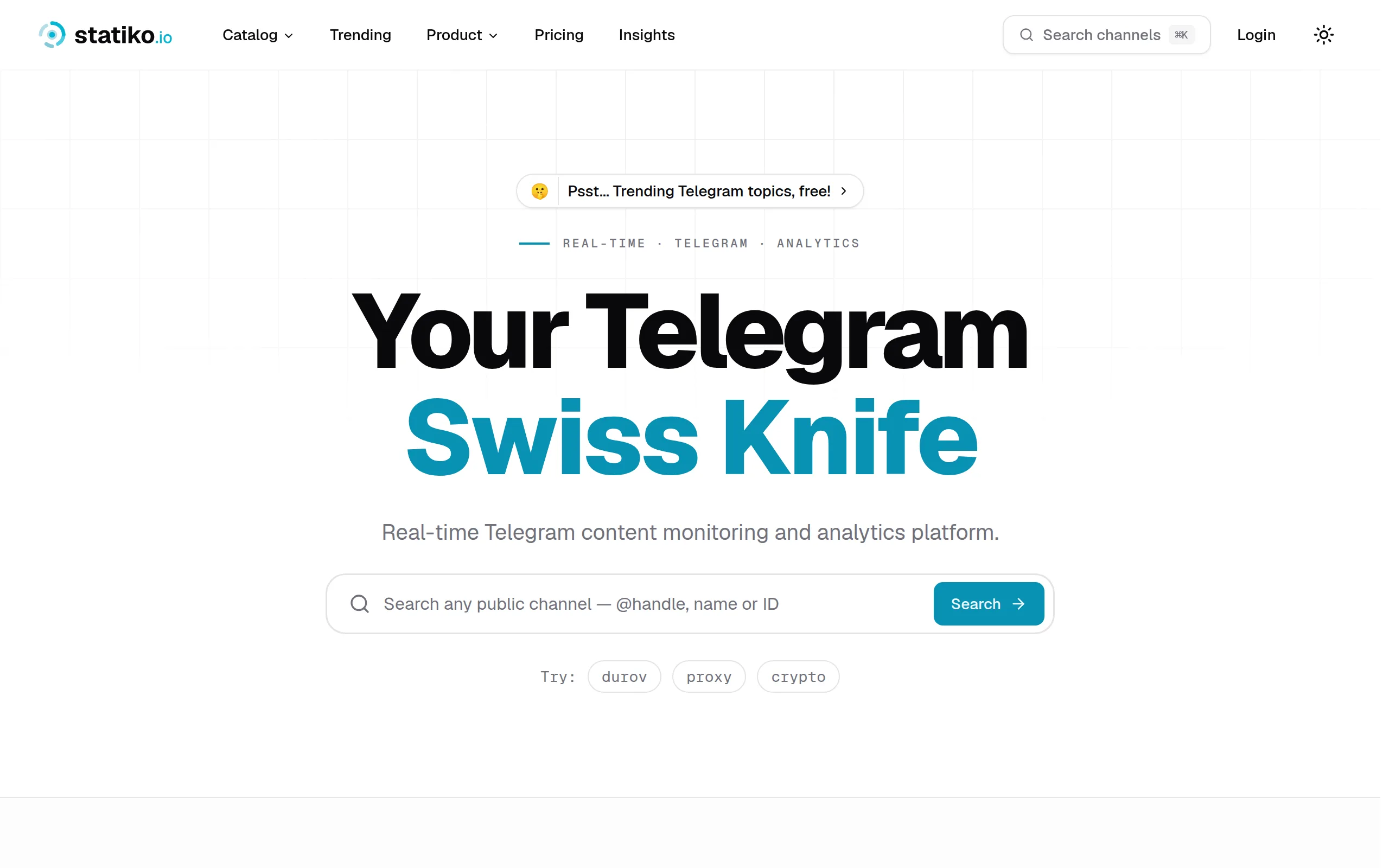
Statiko
Monitor any Telegram channel in real time - track posts, edits, deletions, and growth with AI recaps 📡

Shibui
AI website builder - describe your business, pick a niche template, edit by chatting, and publish instantly ✨

Pro Service
Find verified home service professionals, compare quotes, and pay securely through escrow - built for Brazilians across the US 🏠
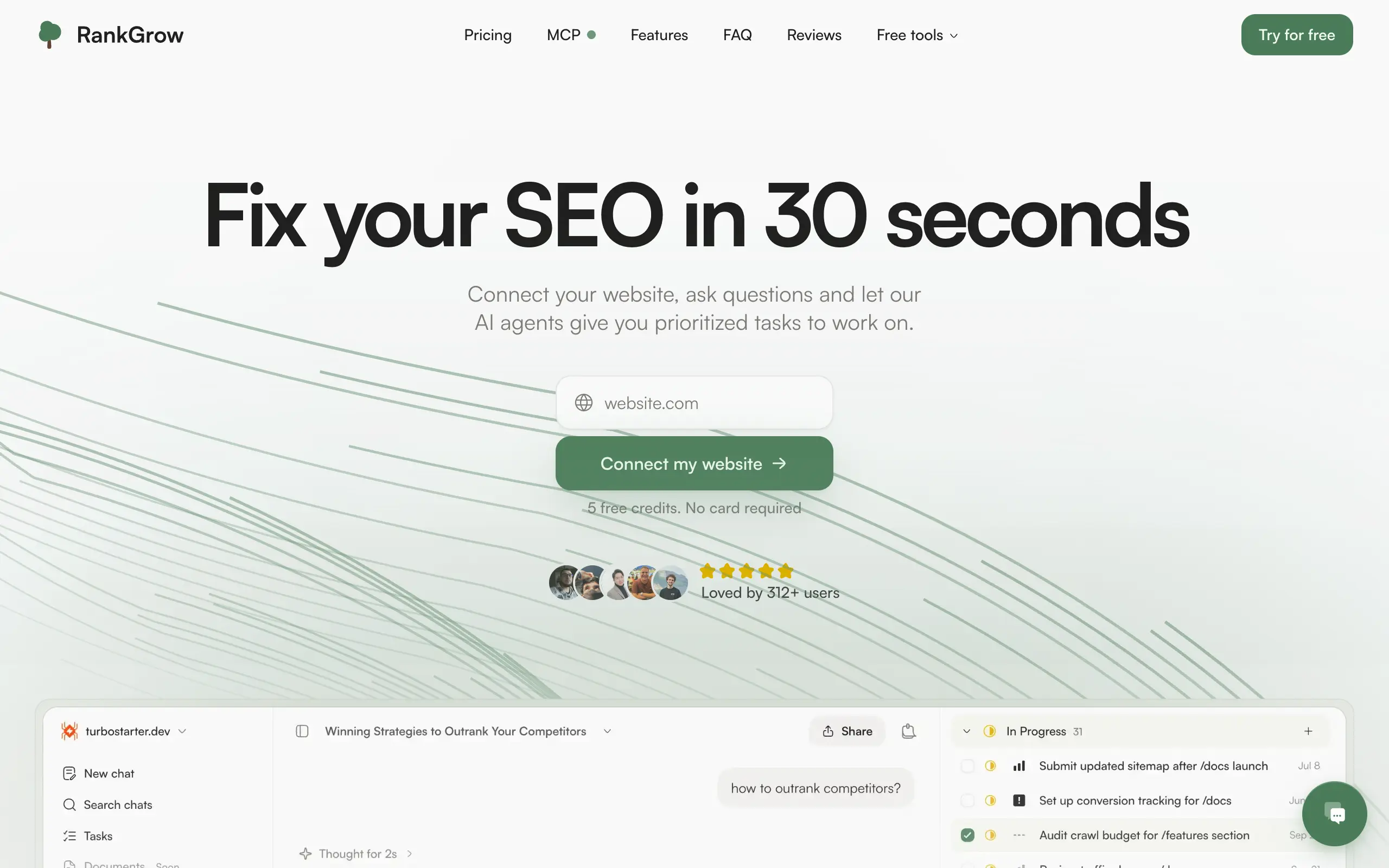
RankGrow
Fix your SEO with AI agents - connect Search Console, get prioritized tasks, and grow organic traffic 📈
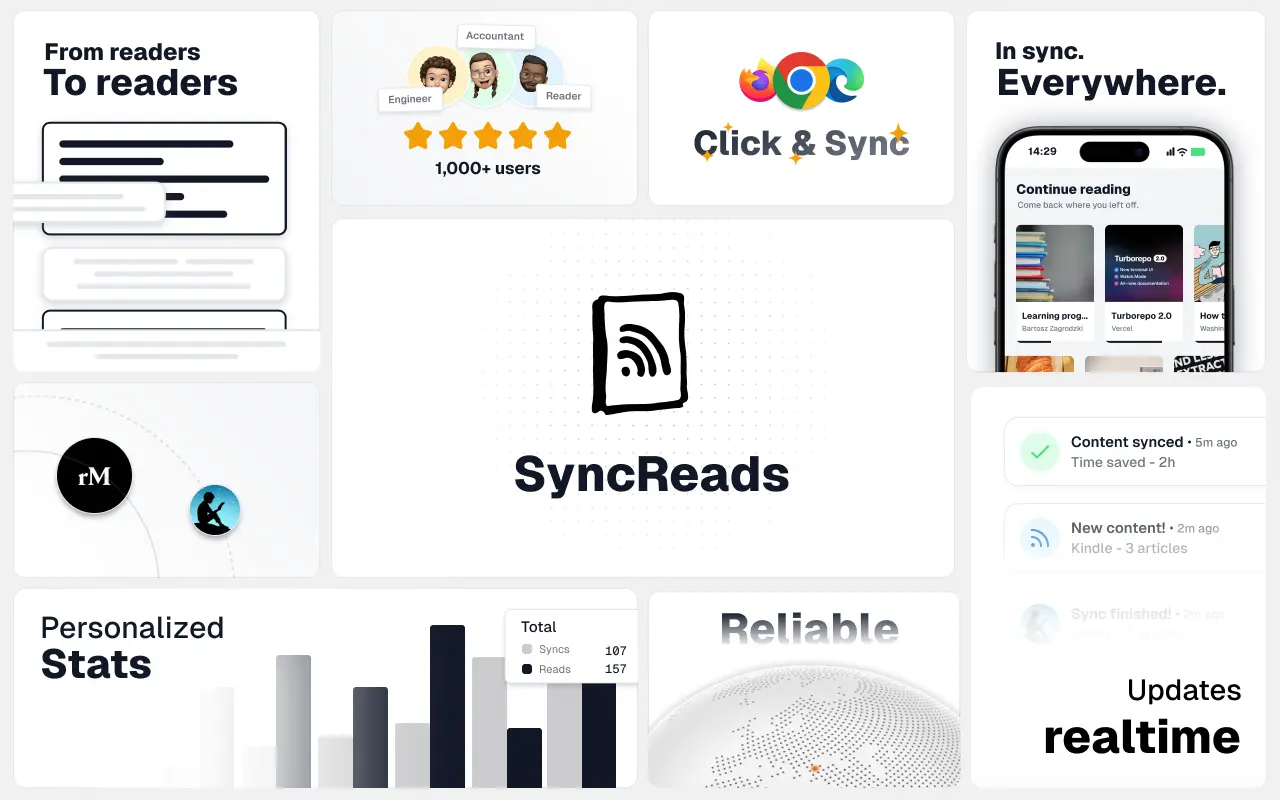
SyncReads
Sync your favorite content for distraction-free reading, save time and replace multiple apps. Anytime, anywhere 🔄
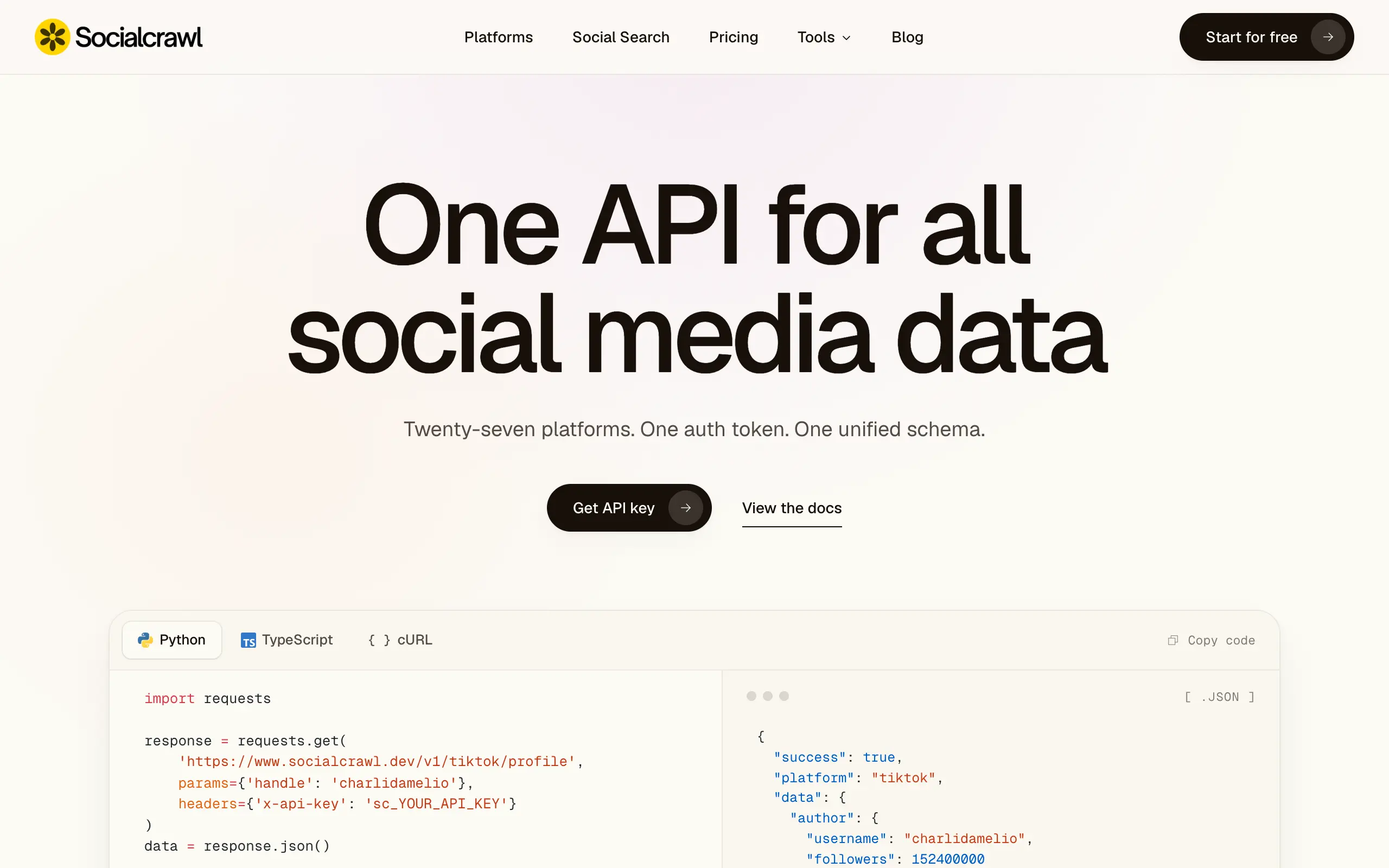
Socialcrawl
Get clean, structured data from 21 platforms like TikTok, Instagram, and YouTube with a single request 📊
Statiko
Monitor any Telegram channel in real time - track posts, edits, deletions, and growth with AI recaps 📡
Shibui
AI website builder - describe your business, pick a niche template, edit by chatting, and publish instantly ✨
Pro Service
Find verified home service professionals, compare quotes, and pay securely through escrow - built for Brazilians across the US 🏠
RankGrow
Fix your SEO with AI agents - connect Search Console, get prioritized tasks, and grow organic traffic 📈
SyncReads
Sync your favorite content for distraction-free reading, save time and replace multiple apps. Anytime, anywhere 🔄
Socialcrawl
Get clean, structured data from 21 platforms like TikTok, Instagram, and YouTube with a single request 📊
Statiko
Monitor any Telegram channel in real time - track posts, edits, deletions, and growth with AI recaps 📡
Shibui
AI website builder - describe your business, pick a niche template, edit by chatting, and publish instantly ✨
Pro Service
Find verified home service professionals, compare quotes, and pay securely through escrow - built for Brazilians across the US 🏠
RankGrow
Fix your SEO with AI agents - connect Search Console, get prioritized tasks, and grow organic traffic 📈
SyncReads
Sync your favorite content for distraction-free reading, save time and replace multiple apps. Anytime, anywhere 🔄
Socialcrawl
Get clean, structured data from 21 platforms like TikTok, Instagram, and YouTube with a single request 📊
Statiko
Monitor any Telegram channel in real time - track posts, edits, deletions, and growth with AI recaps 📡
Shibui
AI website builder - describe your business, pick a niche template, edit by chatting, and publish instantly ✨
Pro Service
Find verified home service professionals, compare quotes, and pay securely through escrow - built for Brazilians across the US 🏠
RankGrow
Fix your SEO with AI agents - connect Search Console, get prioritized tasks, and grow organic traffic 📈
SyncReads
Sync your favorite content for distraction-free reading, save time and replace multiple apps. Anytime, anywhere 🔄
Socialcrawl
Get clean, structured data from 21 platforms like TikTok, Instagram, and YouTube with a single request 📊
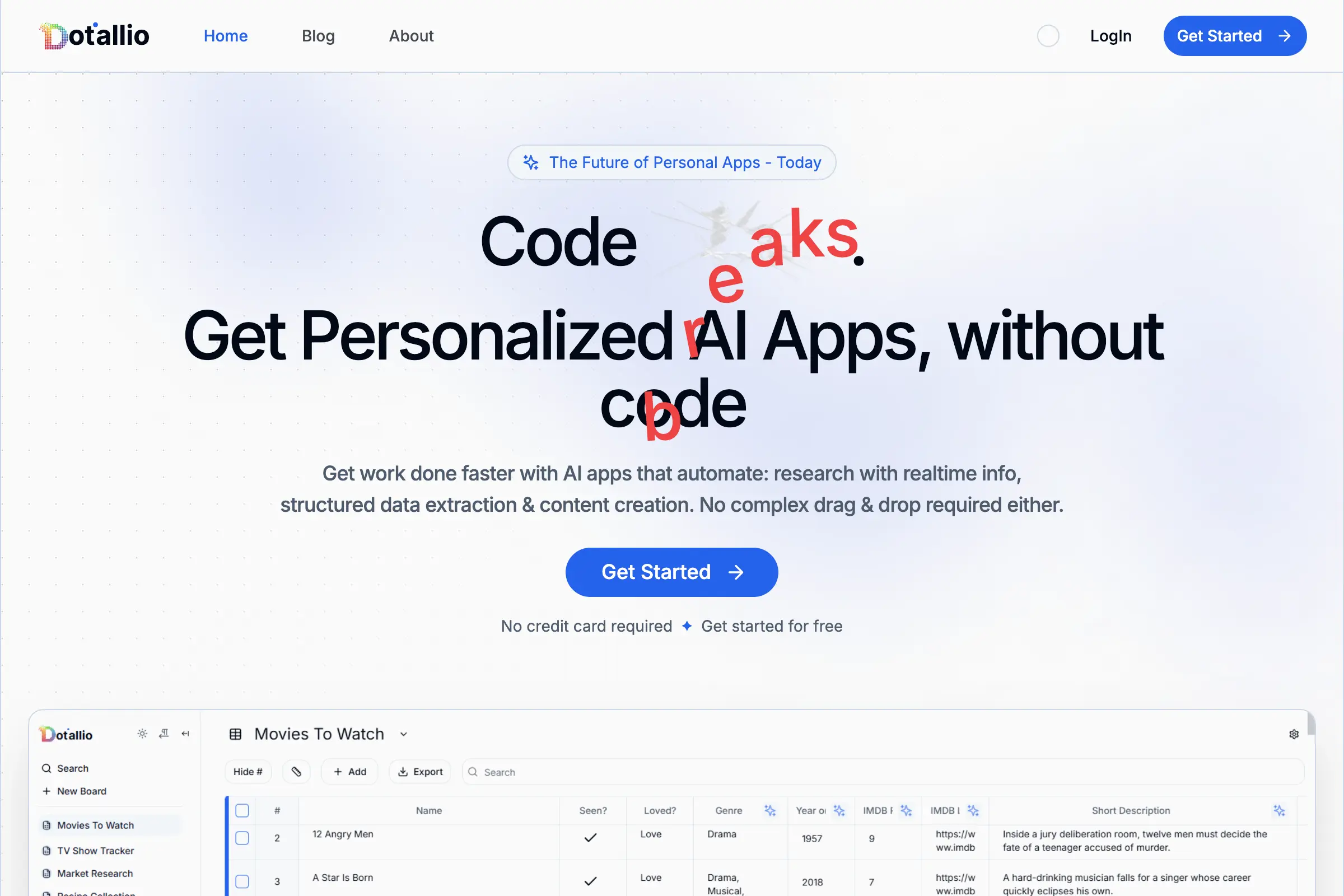
Dotallio
Personalized AI apps that automate research, data extraction, and content creation without code 🤖

Talk to Santa
Enjoy a magical live video chat or receive a unique AI-generated video greeting from Santa Claus 🎅
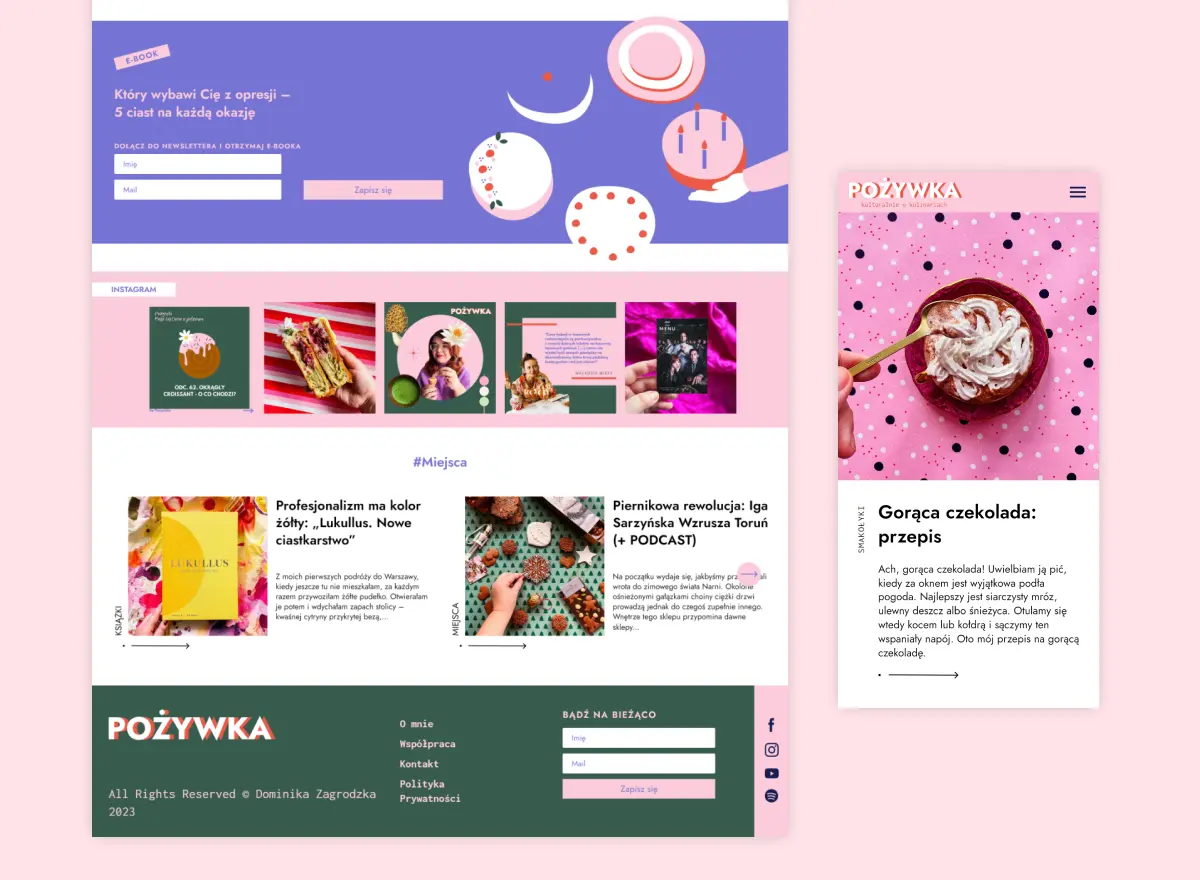
pozywka.pl
Scalable blog for food journalist, focused on performance and user experience 🌭
zagrodzki.me
Personal blog and portfolio of Bart Zagrodzki, where he shares his knowledge and work 💼
TurboStarter
Ship your startup everywhere. In minutes.
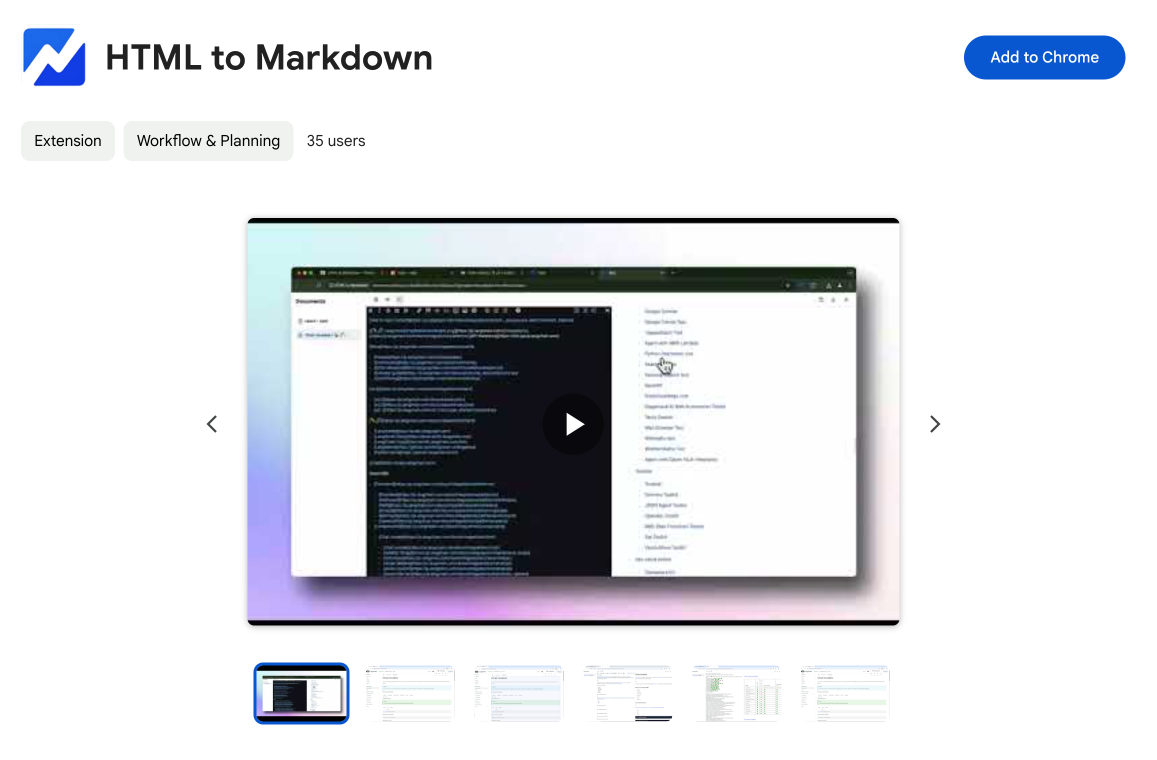
HTML to Markdown
Convert HTML to Markdown with ease, directly in your browser 📄
Dotallio
Personalized AI apps that automate research, data extraction, and content creation without code 🤖
Talk to Santa
Enjoy a magical live video chat or receive a unique AI-generated video greeting from Santa Claus 🎅
pozywka.pl
Scalable blog for food journalist, focused on performance and user experience 🌭
zagrodzki.me
Personal blog and portfolio of Bart Zagrodzki, where he shares his knowledge and work 💼
TurboStarter
Ship your startup everywhere. In minutes.
HTML to Markdown
Convert HTML to Markdown with ease, directly in your browser 📄
Dotallio
Personalized AI apps that automate research, data extraction, and content creation without code 🤖
Talk to Santa
Enjoy a magical live video chat or receive a unique AI-generated video greeting from Santa Claus 🎅
pozywka.pl
Scalable blog for food journalist, focused on performance and user experience 🌭
zagrodzki.me
Personal blog and portfolio of Bart Zagrodzki, where he shares his knowledge and work 💼
TurboStarter
Ship your startup everywhere. In minutes.
HTML to Markdown
Convert HTML to Markdown with ease, directly in your browser 📄
Dotallio
Personalized AI apps that automate research, data extraction, and content creation without code 🤖
Talk to Santa
Enjoy a magical live video chat or receive a unique AI-generated video greeting from Santa Claus 🎅
pozywka.pl
Scalable blog for food journalist, focused on performance and user experience 🌭
zagrodzki.me
Personal blog and portfolio of Bart Zagrodzki, where he shares his knowledge and work 💼
TurboStarter
Ship your startup everywhere. In minutes.
HTML to Markdown
Convert HTML to Markdown with ease, directly in your browser 📄
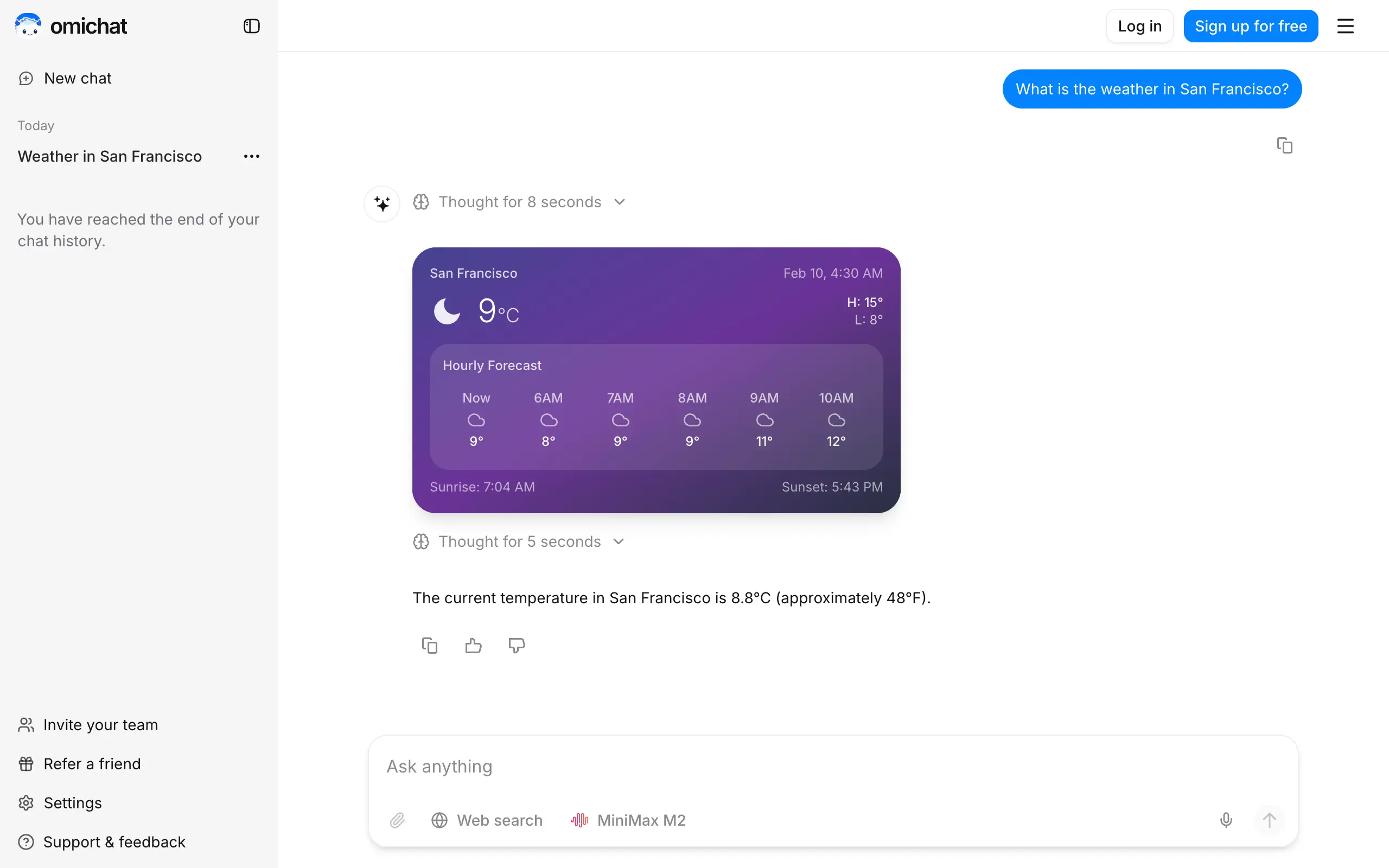
Omichat
Chat with 50+ AI models, including ChatGPT and Claude, in one place - switch models anytime without losing context 🤖
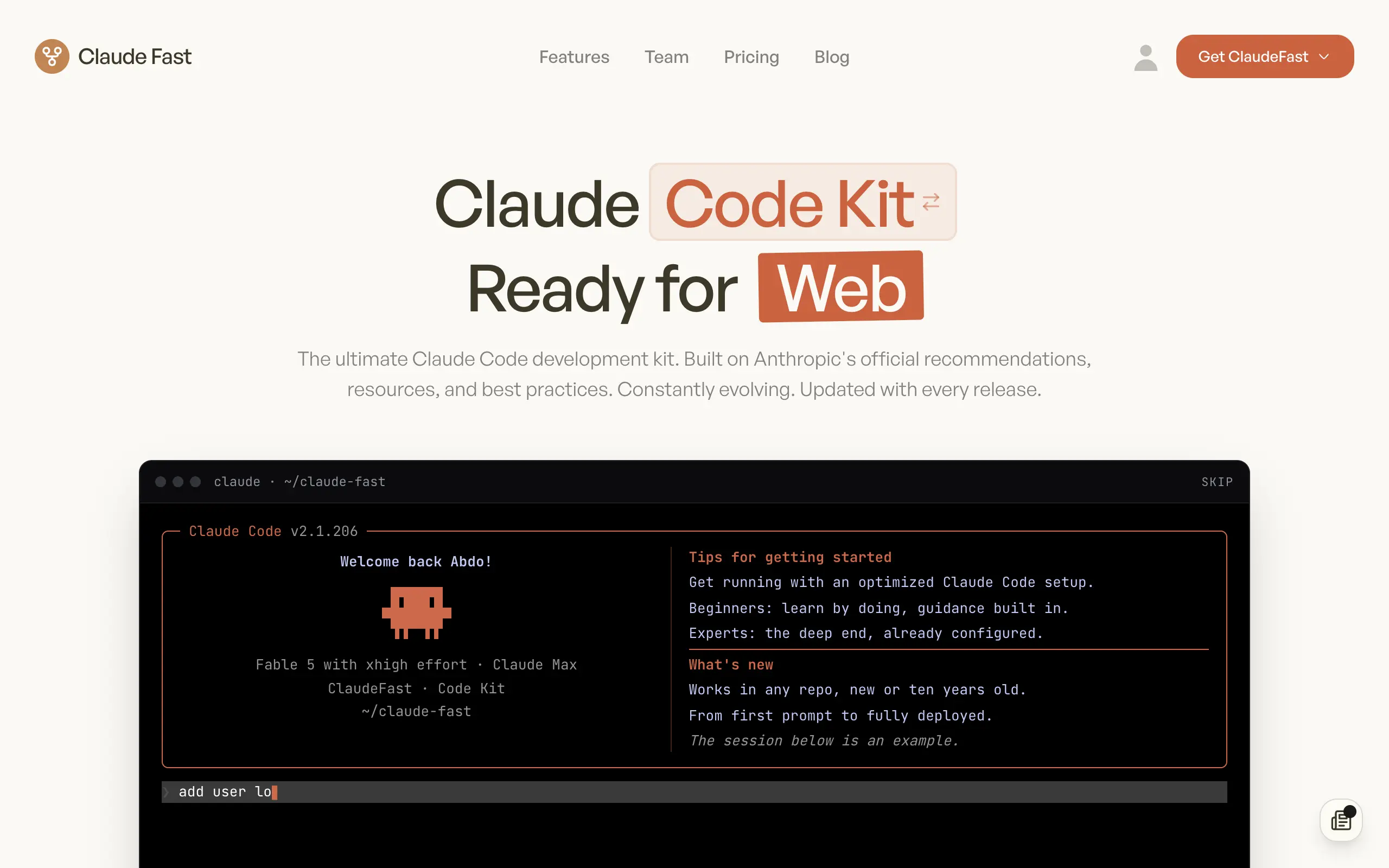
Claude Fast
Supercharge your Claude Code with 6x effective context window and specialized AI agents 🤖
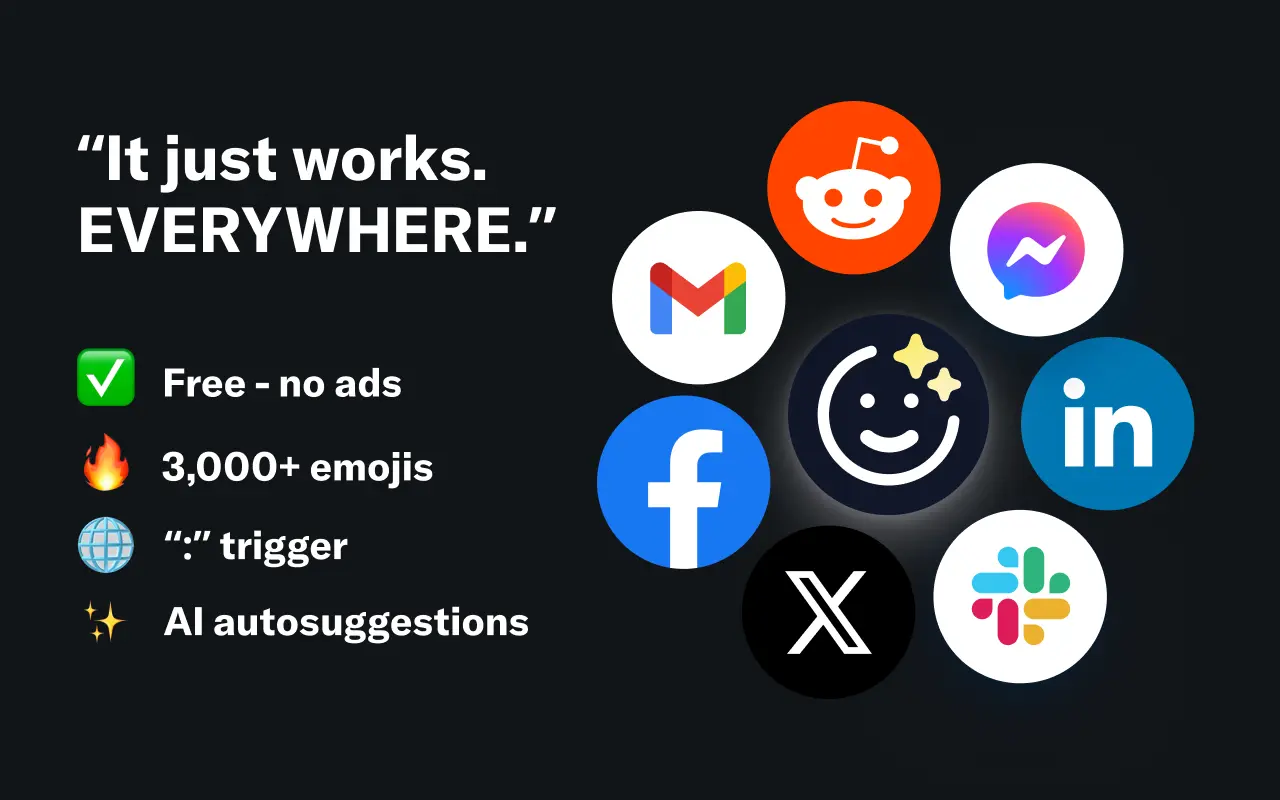
EmojAI
AI-powered emoji picker with smart, context-aware suggestions 🤖
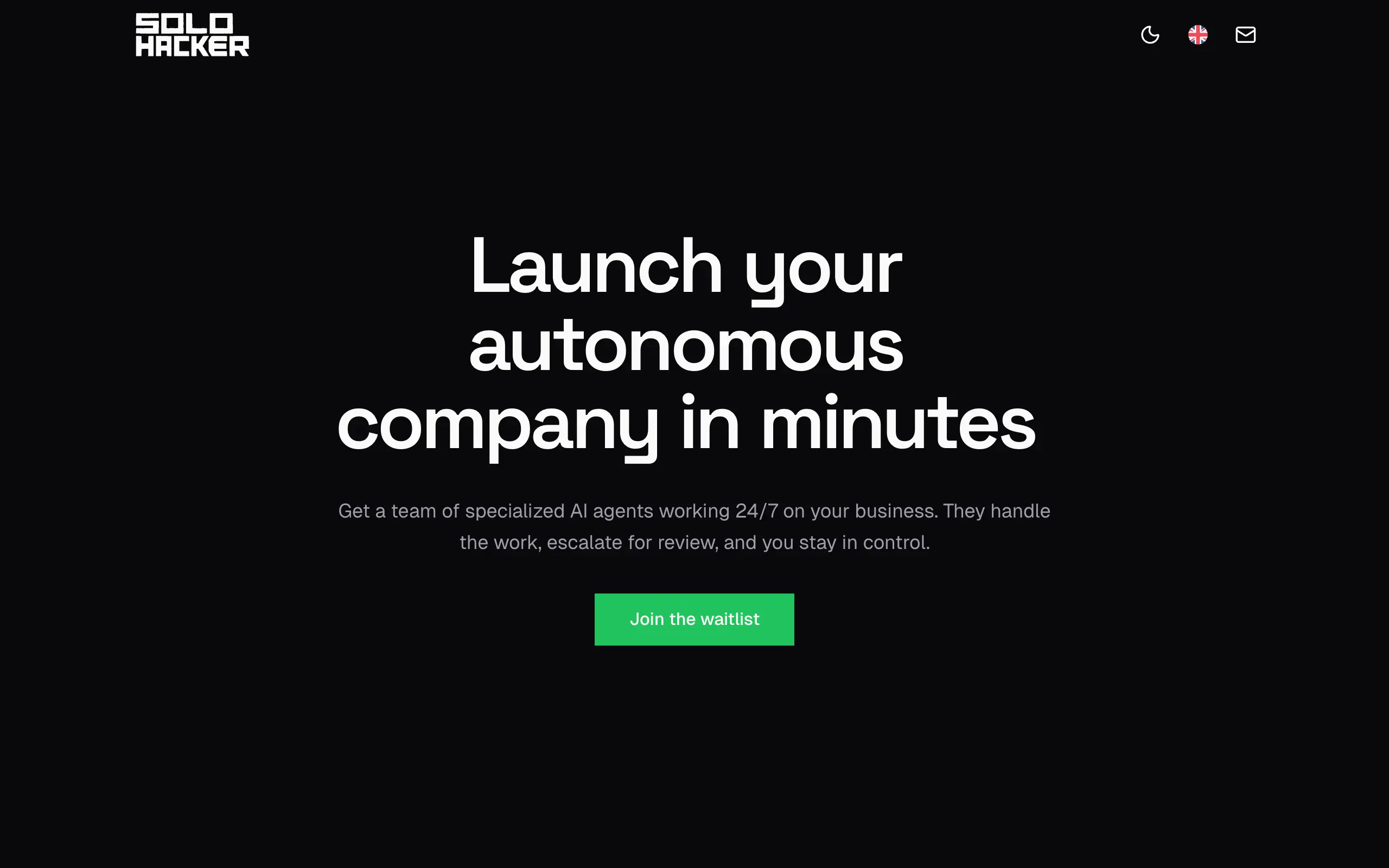
Solohacker
Autonomous company launcher - AI agents work 24/7, escalate what matters, and you stay in control 🤖
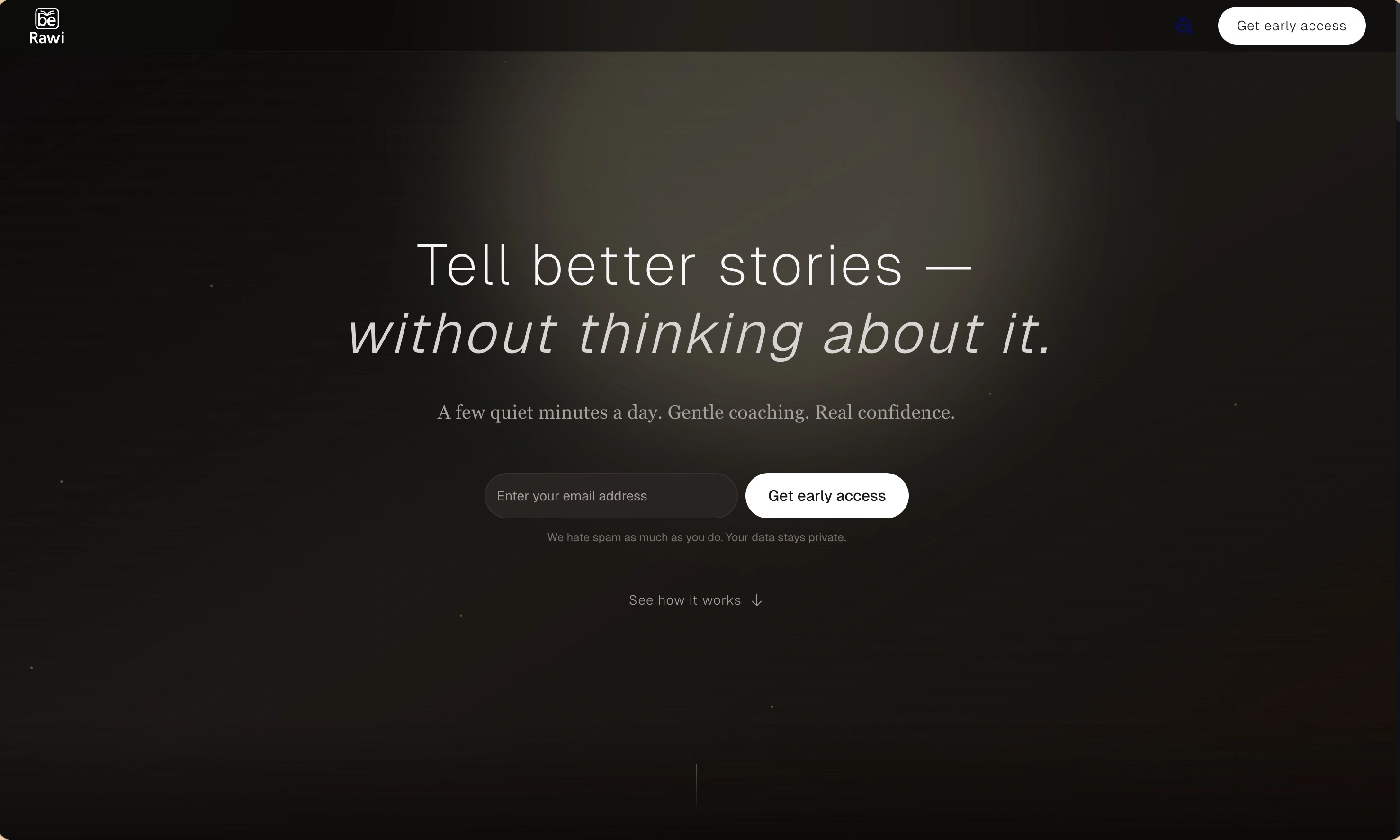
BeRawi: Storytelling Coach
Practice storytelling daily with instant feedback to sound clearer, more engaging, and confident 🎤
Omichat
Chat with 50+ AI models, including ChatGPT and Claude, in one place - switch models anytime without losing context 🤖
Claude Fast
Supercharge your Claude Code with 6x effective context window and specialized AI agents 🤖
EmojAI
AI-powered emoji picker with smart, context-aware suggestions 🤖
Solohacker
Autonomous company launcher - AI agents work 24/7, escalate what matters, and you stay in control 🤖
BeRawi: Storytelling Coach
Practice storytelling daily with instant feedback to sound clearer, more engaging, and confident 🎤
Omichat
Chat with 50+ AI models, including ChatGPT and Claude, in one place - switch models anytime without losing context 🤖
Claude Fast
Supercharge your Claude Code with 6x effective context window and specialized AI agents 🤖
EmojAI
AI-powered emoji picker with smart, context-aware suggestions 🤖
Solohacker
Autonomous company launcher - AI agents work 24/7, escalate what matters, and you stay in control 🤖
BeRawi: Storytelling Coach
Practice storytelling daily with instant feedback to sound clearer, more engaging, and confident 🎤
Omichat
Chat with 50+ AI models, including ChatGPT and Claude, in one place - switch models anytime without losing context 🤖
Claude Fast
Supercharge your Claude Code with 6x effective context window and specialized AI agents 🤖
EmojAI
AI-powered emoji picker with smart, context-aware suggestions 🤖
Solohacker
Autonomous company launcher - AI agents work 24/7, escalate what matters, and you stay in control 🤖
BeRawi: Storytelling Coach
Practice storytelling daily with instant feedback to sound clearer, more engaging, and confident 🎤

Connect with like-minded people
Join our community to get feedback, support, and grow together with 1,000+ builders on board, let's ship it!
Join usShip your startup everywhere. In minutes.
Don't burn tokens on setup and start building features on day one.