FinSight AI
AI-powered platform for small businesses to predict cash flow, spot financial risks, and receive automated budgeting suggestions for smarter decision making.
Understanding the need for AI-powered financial analytics for SMBs
Small and medium-sized businesses (SMBs) are the backbone of the global economy, yet they often face significant challenges in managing their finances. Traditional financial analytics tools are either too complex, too expensive, or simply not tailored to the unique needs of SMBs. This is where FinSight AI, an AI-powered financial analytics platform, steps in—delivering real-time cash flow forecasting, anomaly detection, and actionable insights to empower smarter business decisions.
In this comprehensive guide, we’ll explore the market opportunity, target audience, core features, technology stack, monetization strategies, risks, and competitive advantages of FinSight AI. Whether you’re an entrepreneur, product manager, or investor, this article will help you understand why AI-driven financial analytics is a game-changer for SMBs and how to successfully implement such a solution.
Who is FinSight AI for? Target audience analysis
Understanding the target audience is crucial for any SaaS product, especially in the financial analytics space. FinSight AI is designed specifically for:
- Small and medium-sized business owners who lack dedicated finance teams.
- Finance managers and controllers in SMBs seeking to automate and enhance financial reporting.
- Accountants and bookkeepers serving multiple SMB clients.
- Startup founders who need real-time visibility into their cash flow and financial health.
- Consultants and advisors looking to provide data-driven recommendations to SMB clients.
Key pain points faced by SMBs
- Limited resources: Most SMBs cannot afford enterprise-grade financial software or large finance teams.
- Manual processes: Reliance on spreadsheets and manual data entry increases the risk of errors.
- Lack of real-time insights: Delayed or outdated financial data leads to poor decision-making.
- Difficulty detecting anomalies: Fraud, errors, or unexpected expenses often go unnoticed until it’s too late.
- Complexity of forecasting: Accurate cash flow forecasting is challenging without advanced tools.
By addressing these pain points, FinSight AI positions itself as an indispensable tool for SMBs aiming to stay competitive and financially healthy.
Market opportunity and gap analysis
The global financial analytics market is projected to reach over $14 billion by 2027, with SMBs representing a rapidly growing segment (source: suggest referencing a recent MarketsandMarkets or Statista report). Despite this growth, most solutions are either:
- Enterprise-focused: Overly complex and expensive for SMBs.
- Generic: Lacking industry-specific insights or AI-driven features.
- Manual: Relying on outdated methods that don’t scale.
Why now? Key trends driving demand
- AI adoption in finance: AI and machine learning are transforming how businesses analyze and act on financial data.
- Cloud-based SaaS proliferation: SMBs are increasingly adopting cloud solutions for flexibility and cost savings.
- Regulatory pressures: Enhanced compliance requirements make real-time anomaly detection and reporting essential.
- Remote work: The shift to distributed teams increases the need for accessible, real-time financial analytics.
The gap FinSight AI fills
FinSight AI bridges the gap by offering:
- AI-powered insights tailored for SMBs
- Real-time cash flow forecasting
- Automated anomaly detection
- Actionable recommendations, not just raw data
This unique combination addresses the unmet needs of SMBs, providing them with tools previously reserved for large enterprises.
Core features and solution details
FinSight AI’s value proposition lies in its robust, AI-driven feature set. Let’s break down the core functionalities:
Real-time cash flow forecasting
- Automated data ingestion from bank accounts, accounting software, and payment processors.
- Predictive modeling using machine learning to forecast cash inflows and outflows.
- Scenario analysis to simulate the impact of business decisions (e.g., hiring, investments).
Anomaly detection
- Continuous monitoring of transactions to flag unusual patterns or potential fraud.
- Customizable thresholds for alerts based on business size and industry.
- Root cause analysis to help users understand and address anomalies quickly.
Actionable insights and recommendations
- Personalized dashboards highlighting key metrics and trends.
- Automated suggestions for cost savings, revenue optimization, and risk mitigation.
- Benchmarking against industry peers to identify strengths and weaknesses.
Seamless integrations
- Plug-and-play connectors for popular accounting platforms (e.g., QuickBooks, Xero, FreshBooks).
- API access for custom integrations and advanced workflows.
Security and compliance
- Bank-grade encryption for data at rest and in transit.
- Role-based access controls to ensure sensitive information is protected.
- Audit trails for compliance and transparency.
Real-time forecasting
AI-driven predictions for cash flow, tailored to your business.
Anomaly detection
Instant alerts for unusual transactions or potential fraud.
Actionable insights
Clear, data-backed recommendations to improve financial health.
Seamless integrations
Connect with your favorite accounting tools in minutes.
Recommended tech stack for FinSight AI
Choosing the right technology stack is critical for scalability, security, and performance. Here’s a recommended stack for building FinSight AI, along with trade-offs to consider:
Frontend
- React: Modern, component-based UI development.
- TailwindCSS: Utility-first CSS framework for rapid, consistent styling.
- TypeScript: Adds type safety and improves maintainability.
Backend
- Node.js: High-performance, event-driven server environment.
- Python: Ideal for AI/ML model development and data processing.
- FastAPI or Express: For building robust RESTful APIs.
AI/ML
- TensorFlow or PyTorch: Leading frameworks for machine learning and deep learning.
- scikit-learn: For classical ML algorithms and data preprocessing.
Data storage
- PostgreSQL: Reliable, scalable relational database.
- Redis: In-memory caching for real-time analytics.
Integrations
- Plaid: Secure financial data aggregation.
- Accounting APIs: QuickBooks, Xero, FreshBooks, etc.
Security
- OAuth 2.0: Secure authentication and authorization.
- End-to-end encryption: Protects sensitive financial data.
Trade-offs to consider
- Python vs. Node.js for backend: Python excels in AI/ML, while Node.js offers superior real-time performance. A hybrid approach can leverage the strengths of both.
- Self-hosted vs. cloud: Cloud platforms (AWS, GCP, Azure) offer scalability and managed services but may increase costs.
React provides a flexible, component-based architecture, while TailwindCSS accelerates UI development with utility classes. This combination ensures a responsive, modern user experience.
Plaid securely connects to users' bank accounts, enabling real-time data ingestion for accurate forecasting and anomaly detection.
Monetization strategy options
A successful SaaS platform needs a sustainable and scalable monetization model. Here are proven strategies for FinSight AI:
1. Subscription-based pricing
- Tiered plans (e.g., Basic, Pro, Enterprise) based on features, number of users, or connected accounts.
- Monthly and annual billing options to maximize customer retention.
2. Usage-based pricing
- Charge based on the volume of data processed, number of forecasts generated, or API calls.
3. Freemium model
- Offer a limited free tier with core features.
- Upsell advanced analytics, integrations, or support.
4. Add-on services
- Premium support
- Custom integrations
- Consulting and onboarding
5. White-label solutions
- License the platform to accounting firms or financial consultants under their own brand.
| Subscription | Usage-based | Freemium | Add-ons | White-label |
|---|---|---|---|---|
| ✅ | ❌ | ❌ | ✅ | ❌ |
| ✅ | ❌ | ✅ | ✅ | ❌ |
Potential risks and mitigation strategies
Launching an AI-powered financial analytics platform comes with inherent risks. Here’s how to anticipate and address them:
Data security and privacy
- Risk: Exposure of sensitive financial data.
- Mitigation: Implement bank-grade encryption, regular security audits, and strict access controls.
AI model accuracy
- Risk: Inaccurate forecasts or false positives in anomaly detection.
- Mitigation: Continuously retrain models with new data, incorporate user feedback, and provide transparency into model decisions.
Integration challenges
- Risk: Difficulty connecting with diverse accounting platforms and banks.
- Mitigation: Use standardized APIs (e.g., Plaid), maintain a robust integration testing suite, and offer manual data upload as a fallback.
Regulatory compliance
- Risk: Non-compliance with financial regulations (e.g., GDPR, SOX).
- Mitigation: Stay updated on relevant laws, implement audit trails, and consult with legal experts.
User adoption
- Risk: SMBs may be hesitant to trust AI-driven recommendations.
- Mitigation: Offer transparent explanations, easy onboarding, and strong customer support.
Data privacy is paramount
Always prioritize user privacy and comply with local and international regulations. A single data breach can irreparably damage trust.
Competitive advantage analysis
The financial analytics SaaS landscape is crowded, but FinSight AI stands out due to its:
Unique selling proposition (USP)
- AI-first approach: Unlike legacy tools, FinSight AI is built from the ground up with AI and machine learning at its core.
- SMB focus: Tailored features, pricing, and support for small and medium businesses.
- Real-time insights: Instantaneous forecasting and anomaly detection, not batch-processed reports.
- Actionable recommendations: Goes beyond dashboards to provide clear, prioritized actions.
- Seamless integrations: Effortless connection to the most popular SMB accounting and banking platforms.
How FinSight AI compares to alternatives
- Vs. spreadsheets: Automates manual processes, reduces errors, and provides predictive insights.
- Vs. enterprise solutions: More affordable, easier to use, and designed for SMB workflows.
- Vs. generic analytics tools: Financially specialized, with industry benchmarks and compliance features.
Actionable implementation steps
Ready to bring FinSight AI to life? Here’s a step-by-step roadmap:
Conclusion: Why FinSight AI is the future of SMB financial analytics
FinSight AI is more than just another analytics tool—it’s a strategic partner for SMBs navigating an increasingly complex financial landscape. By combining real-time cash flow forecasting, AI-powered anomaly detection, and actionable insights, it empowers business owners and finance teams to make smarter, faster decisions.
With a clear market need, robust technology stack, and a focus on security and usability, FinSight AI is poised to become the go-to financial analytics platform for SMBs. If you’re looking to build, invest in, or adopt a next-generation financial analytics solution, now is the time to act.
Frequently asked questions
FinSight AI uses advanced machine learning models trained on diverse financial datasets. While no forecast is perfect, continuous model retraining and user feedback loops ensure high accuracy over time.
Yes. The platform employs bank-grade encryption, strict access controls, and regular security audits to protect your sensitive information.
Absolutely. FinSight AI offers plug-and-play integrations with popular platforms like QuickBooks, Xero, and FreshBooks, as well as API access for custom workflows.
While TurboStarter is a powerful platform for SaaS MVP launches, FinSight AI is specialized for AI-driven financial analytics tailored to SMBs.
Next steps
- Explore the latest in AI-powered financial analytics.
- Validate your SMB’s needs and readiness for automation.
- Consider piloting FinSight AI to experience the benefits firsthand.
By leveraging the power of AI and focusing on the unique needs of SMBs, FinSight AI is set to redefine how businesses manage their finances—making smarter decisions, faster.
More 🤖 AI Startup SaaS ideas
Discover more innovative ai startup SaaS ideas that are trending in 2026. Each idea is AI-generated with market validation and growth potential to help you find your next profitable venture faster than competitors.
Your competitors are building with TurboStarter
Below are some of the SaaS ideas that have been generated and built with our starter kit.
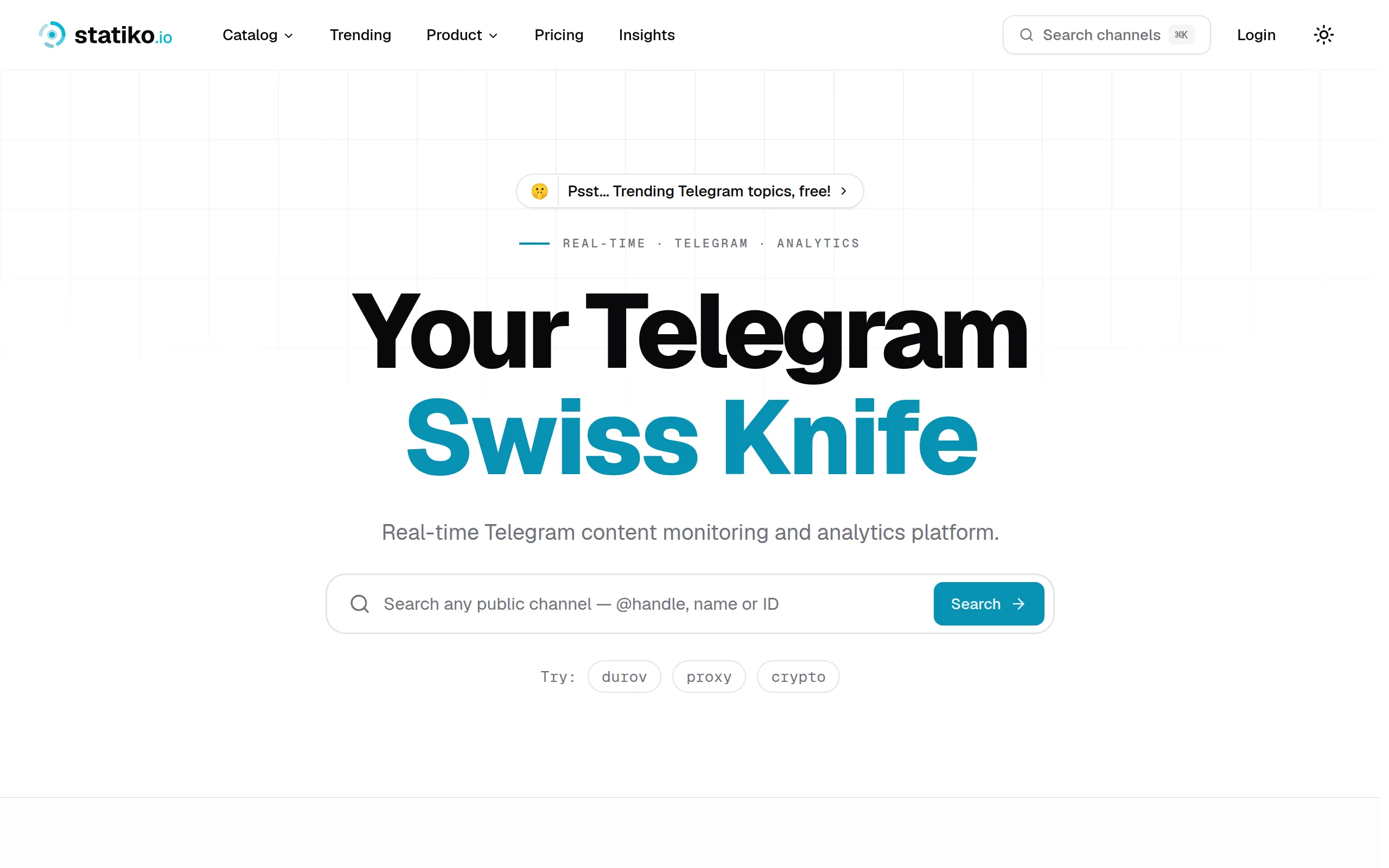
Statiko
Monitor any Telegram channel in real time - track posts, edits, deletions, and growth with AI recaps 📡

Shibui
AI website builder - describe your business, pick a niche template, edit by chatting, and publish instantly ✨

Pro Service
Find verified home service professionals, compare quotes, and pay securely through escrow - built for Brazilians across the US 🏠
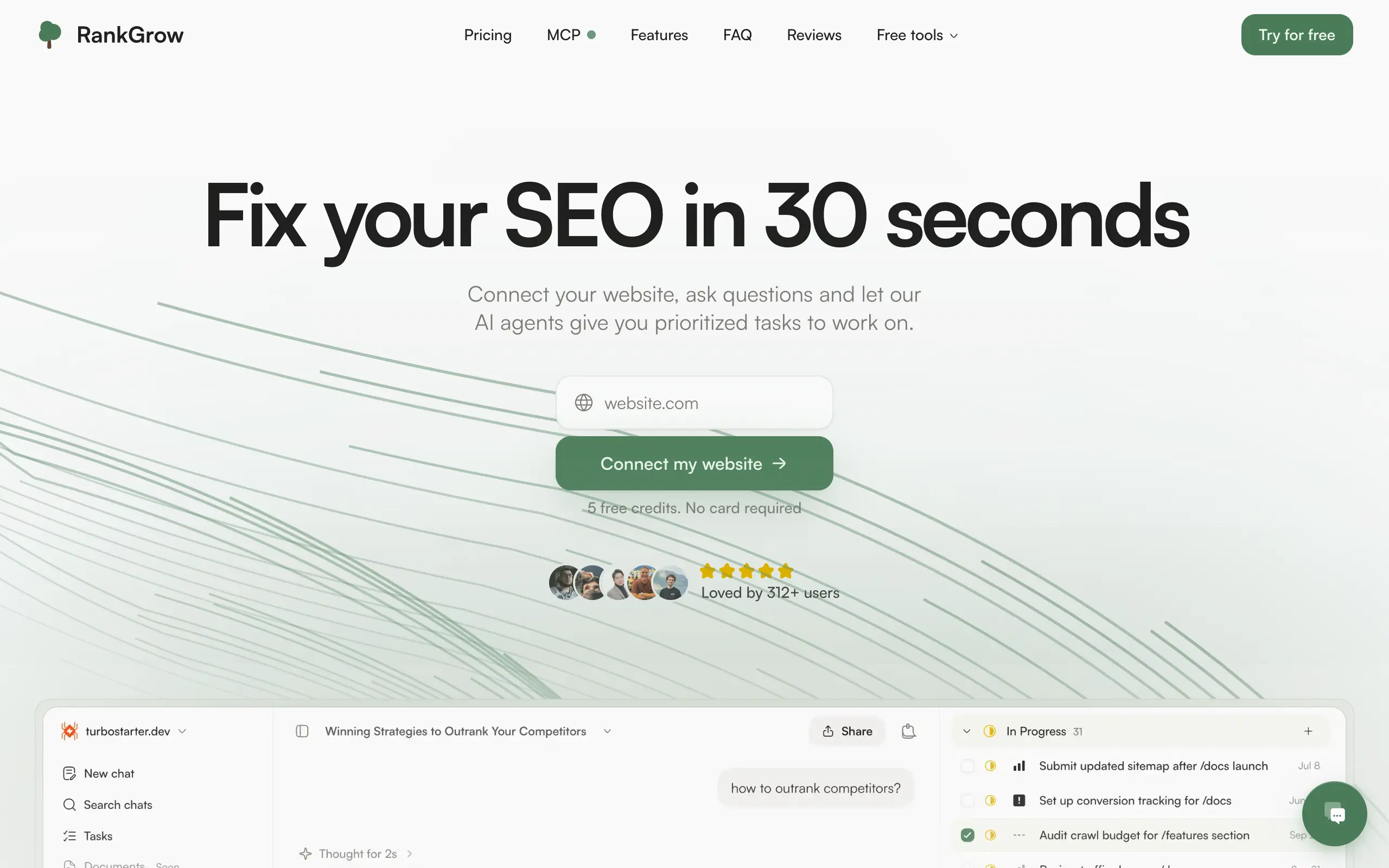
RankGrow
Fix your SEO with AI agents - connect Search Console, get prioritized tasks, and grow organic traffic 📈
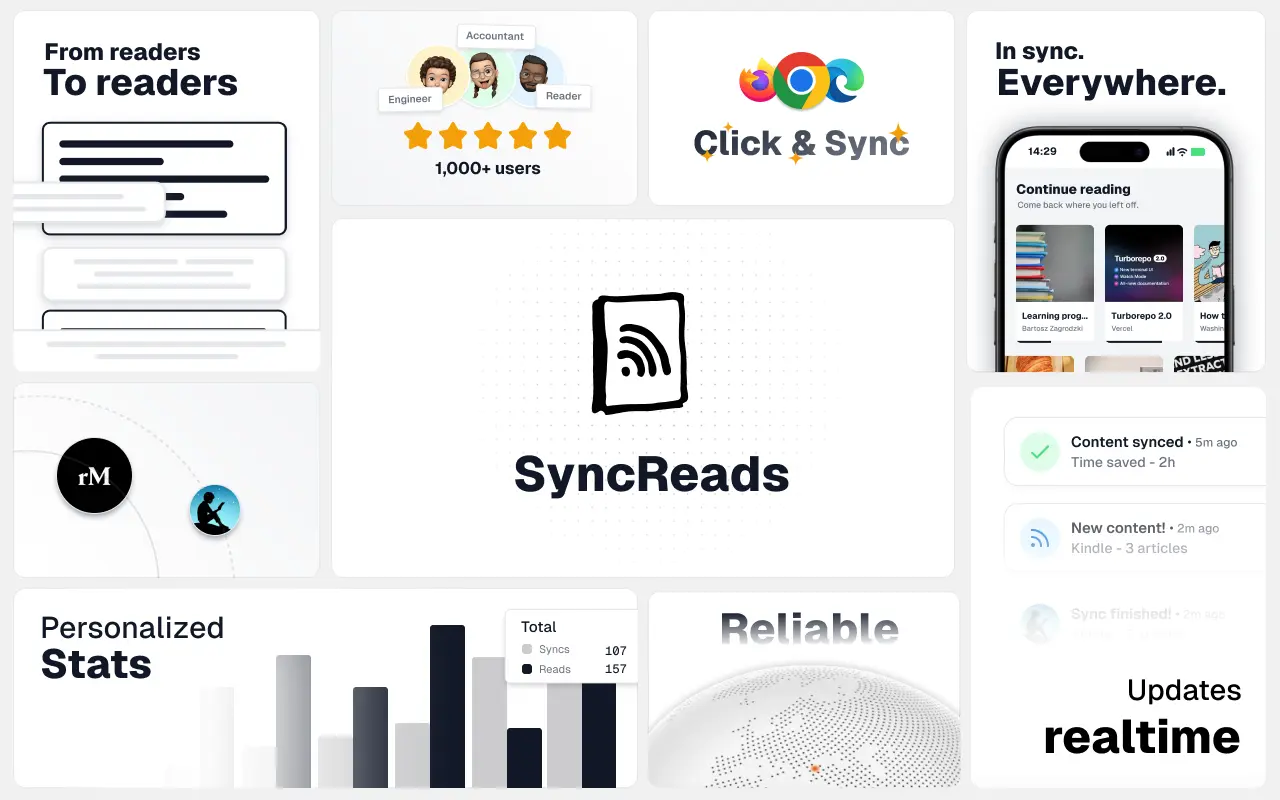
SyncReads
Sync your favorite content for distraction-free reading, save time and replace multiple apps. Anytime, anywhere 🔄
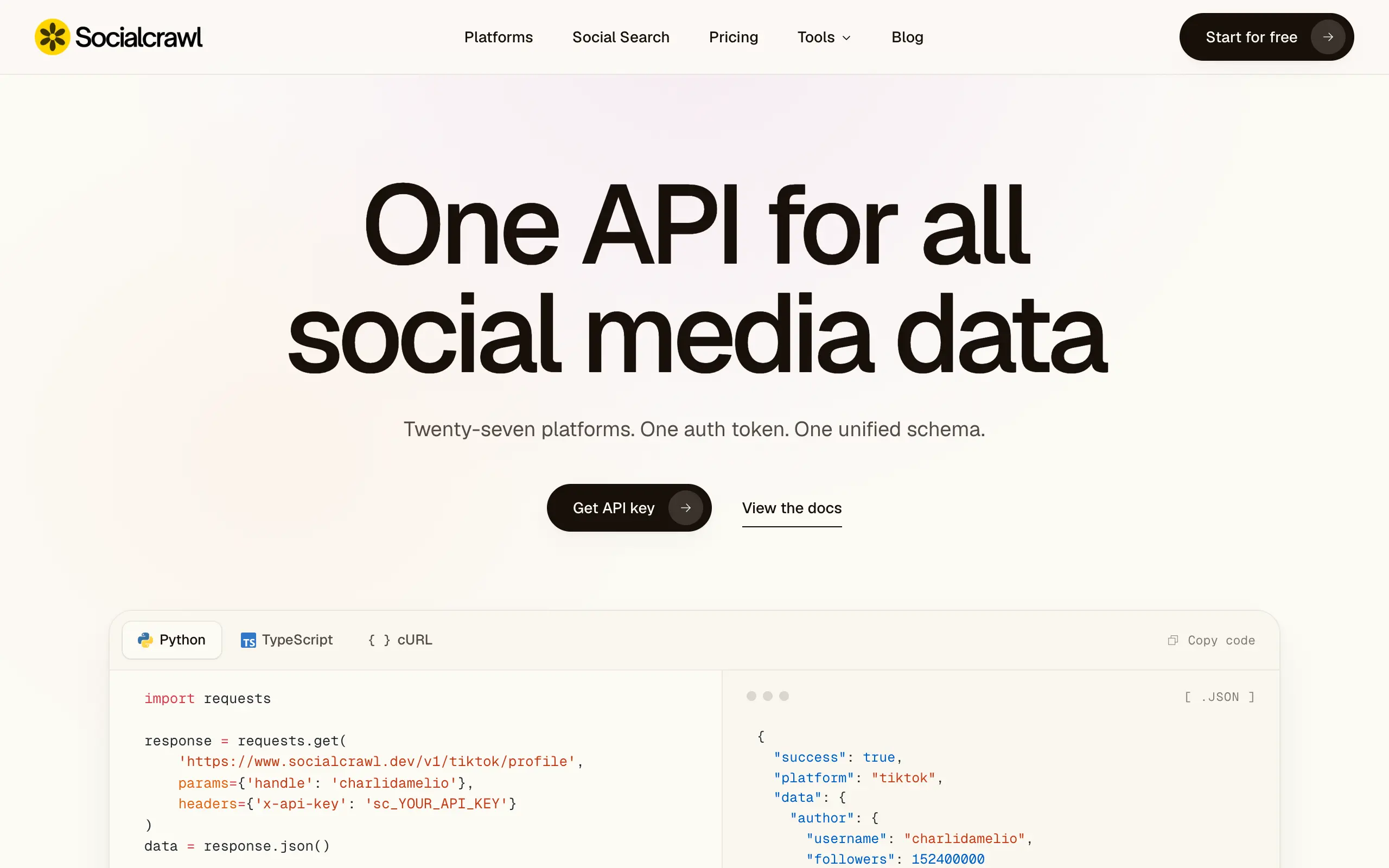
Socialcrawl
Get clean, structured data from 21 platforms like TikTok, Instagram, and YouTube with a single request 📊
Statiko
Monitor any Telegram channel in real time - track posts, edits, deletions, and growth with AI recaps 📡
Shibui
AI website builder - describe your business, pick a niche template, edit by chatting, and publish instantly ✨
Pro Service
Find verified home service professionals, compare quotes, and pay securely through escrow - built for Brazilians across the US 🏠
RankGrow
Fix your SEO with AI agents - connect Search Console, get prioritized tasks, and grow organic traffic 📈
SyncReads
Sync your favorite content for distraction-free reading, save time and replace multiple apps. Anytime, anywhere 🔄
Socialcrawl
Get clean, structured data from 21 platforms like TikTok, Instagram, and YouTube with a single request 📊
Statiko
Monitor any Telegram channel in real time - track posts, edits, deletions, and growth with AI recaps 📡
Shibui
AI website builder - describe your business, pick a niche template, edit by chatting, and publish instantly ✨
Pro Service
Find verified home service professionals, compare quotes, and pay securely through escrow - built for Brazilians across the US 🏠
RankGrow
Fix your SEO with AI agents - connect Search Console, get prioritized tasks, and grow organic traffic 📈
SyncReads
Sync your favorite content for distraction-free reading, save time and replace multiple apps. Anytime, anywhere 🔄
Socialcrawl
Get clean, structured data from 21 platforms like TikTok, Instagram, and YouTube with a single request 📊
Statiko
Monitor any Telegram channel in real time - track posts, edits, deletions, and growth with AI recaps 📡
Shibui
AI website builder - describe your business, pick a niche template, edit by chatting, and publish instantly ✨
Pro Service
Find verified home service professionals, compare quotes, and pay securely through escrow - built for Brazilians across the US 🏠
RankGrow
Fix your SEO with AI agents - connect Search Console, get prioritized tasks, and grow organic traffic 📈
SyncReads
Sync your favorite content for distraction-free reading, save time and replace multiple apps. Anytime, anywhere 🔄
Socialcrawl
Get clean, structured data from 21 platforms like TikTok, Instagram, and YouTube with a single request 📊
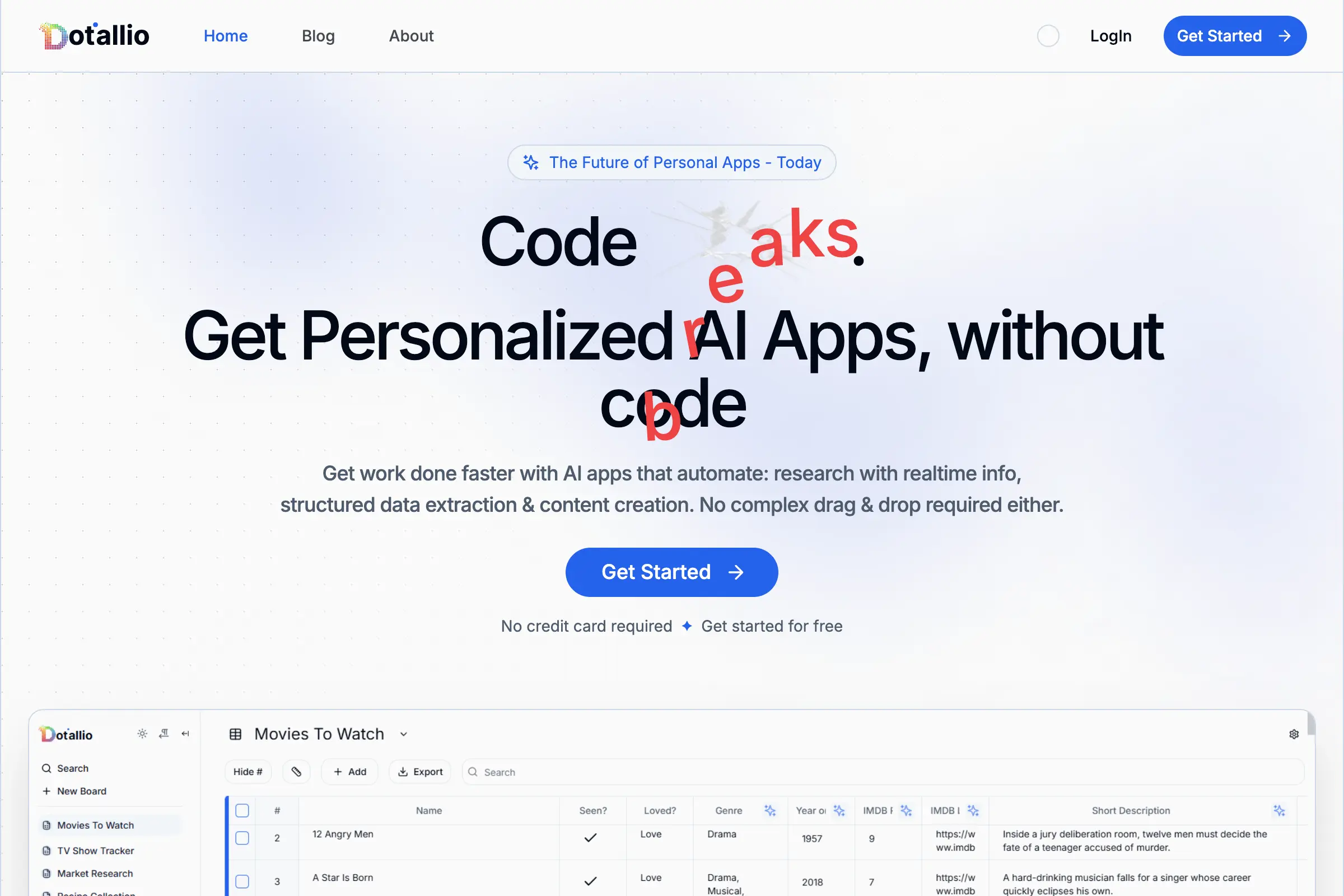
Dotallio
Personalized AI apps that automate research, data extraction, and content creation without code 🤖

Talk to Santa
Enjoy a magical live video chat or receive a unique AI-generated video greeting from Santa Claus 🎅
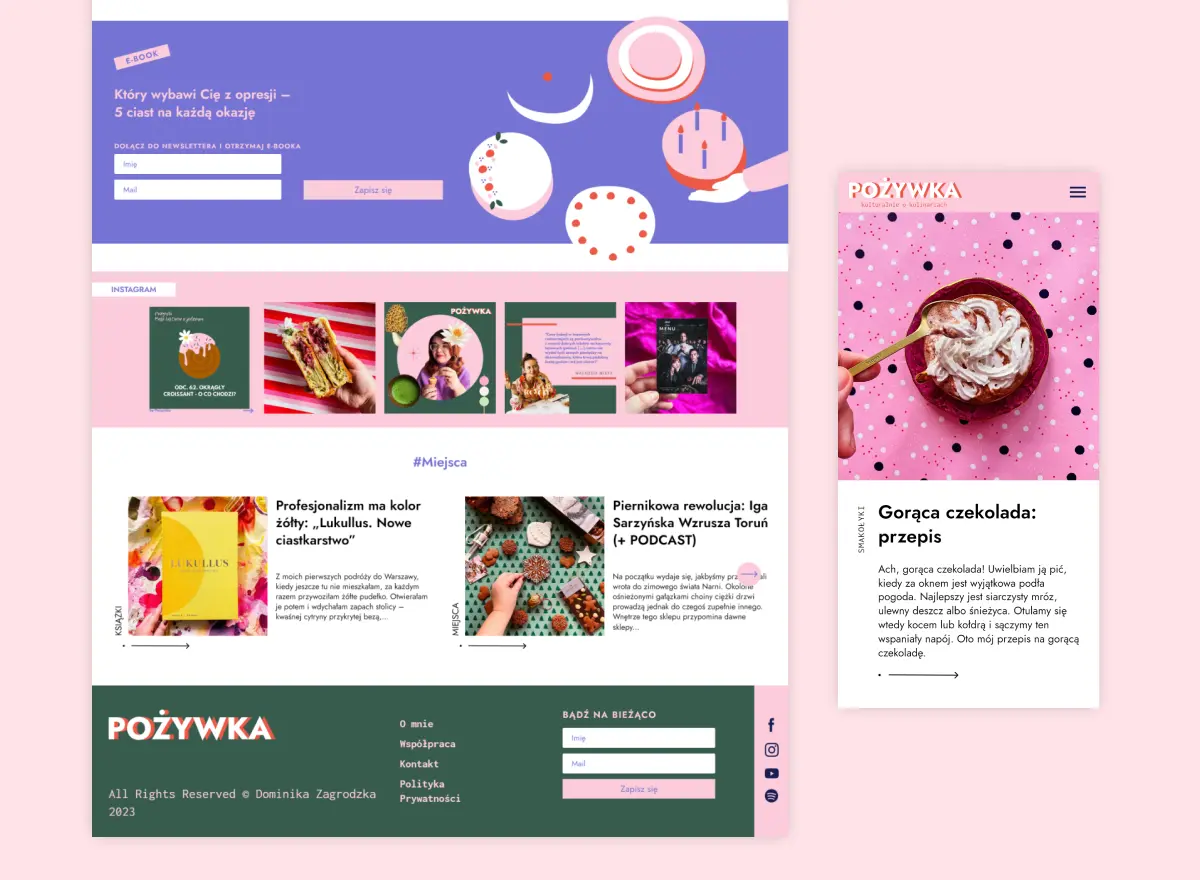
pozywka.pl
Scalable blog for food journalist, focused on performance and user experience 🌭
zagrodzki.me
Personal blog and portfolio of Bart Zagrodzki, where he shares his knowledge and work 💼
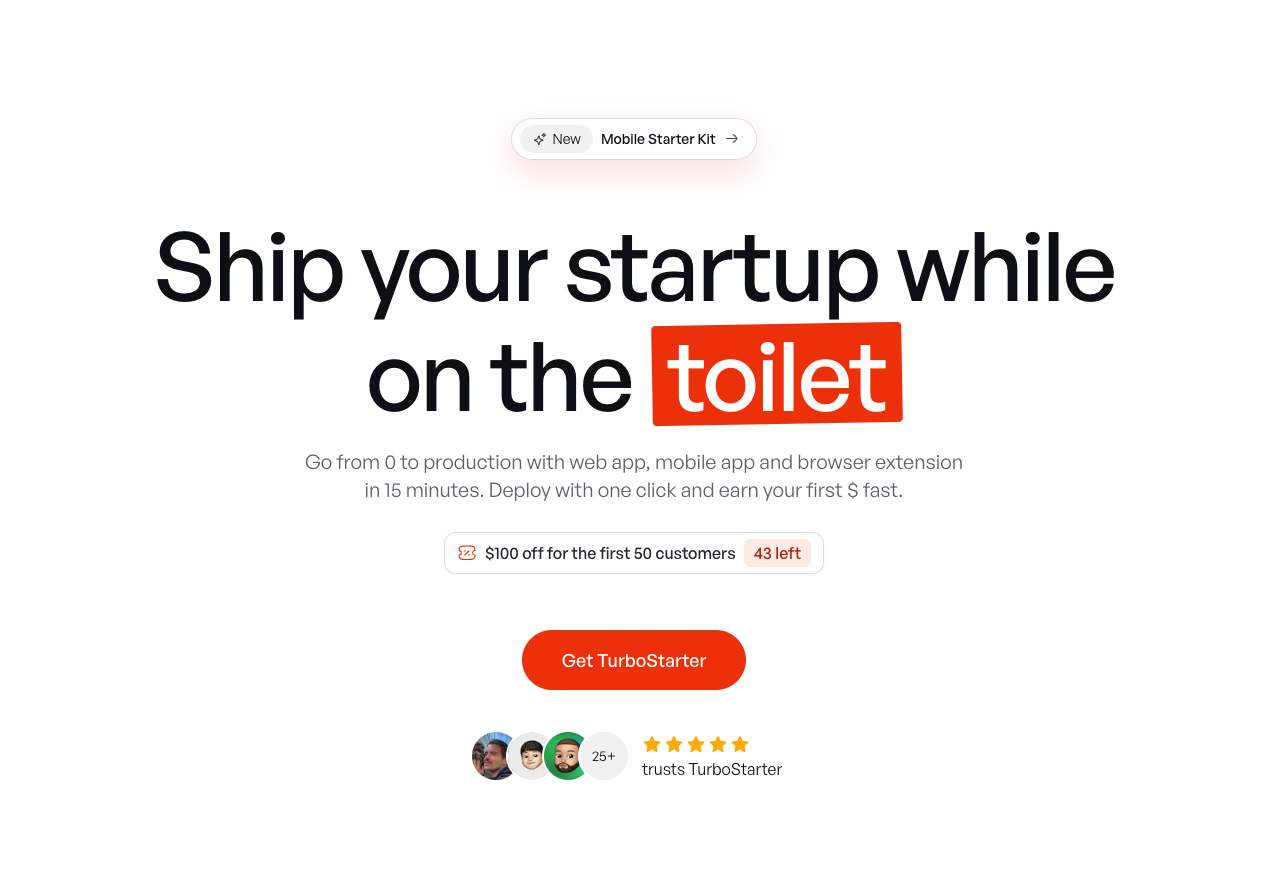
TurboStarter
Ship your startup everywhere. In minutes.
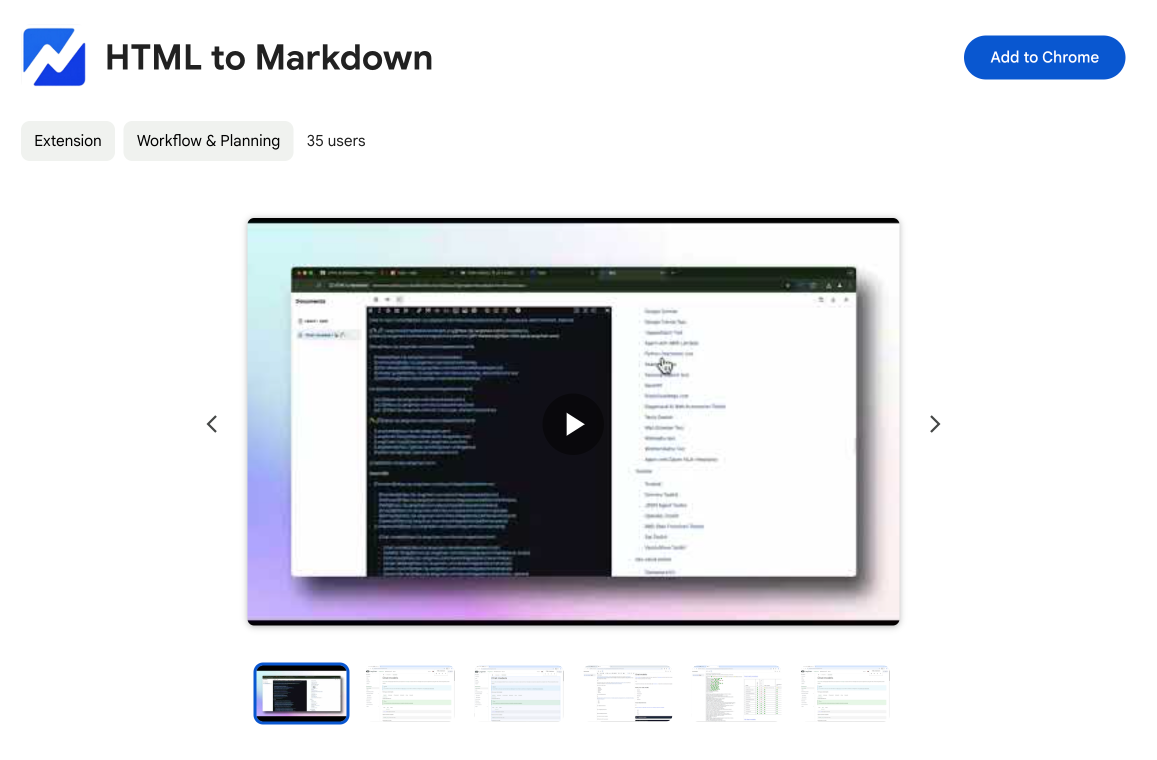
HTML to Markdown
Convert HTML to Markdown with ease, directly in your browser 📄
Dotallio
Personalized AI apps that automate research, data extraction, and content creation without code 🤖
Talk to Santa
Enjoy a magical live video chat or receive a unique AI-generated video greeting from Santa Claus 🎅
pozywka.pl
Scalable blog for food journalist, focused on performance and user experience 🌭
zagrodzki.me
Personal blog and portfolio of Bart Zagrodzki, where he shares his knowledge and work 💼
TurboStarter
Ship your startup everywhere. In minutes.
HTML to Markdown
Convert HTML to Markdown with ease, directly in your browser 📄
Dotallio
Personalized AI apps that automate research, data extraction, and content creation without code 🤖
Talk to Santa
Enjoy a magical live video chat or receive a unique AI-generated video greeting from Santa Claus 🎅
pozywka.pl
Scalable blog for food journalist, focused on performance and user experience 🌭
zagrodzki.me
Personal blog and portfolio of Bart Zagrodzki, where he shares his knowledge and work 💼
TurboStarter
Ship your startup everywhere. In minutes.
HTML to Markdown
Convert HTML to Markdown with ease, directly in your browser 📄
Dotallio
Personalized AI apps that automate research, data extraction, and content creation without code 🤖
Talk to Santa
Enjoy a magical live video chat or receive a unique AI-generated video greeting from Santa Claus 🎅
pozywka.pl
Scalable blog for food journalist, focused on performance and user experience 🌭
zagrodzki.me
Personal blog and portfolio of Bart Zagrodzki, where he shares his knowledge and work 💼
TurboStarter
Ship your startup everywhere. In minutes.
HTML to Markdown
Convert HTML to Markdown with ease, directly in your browser 📄
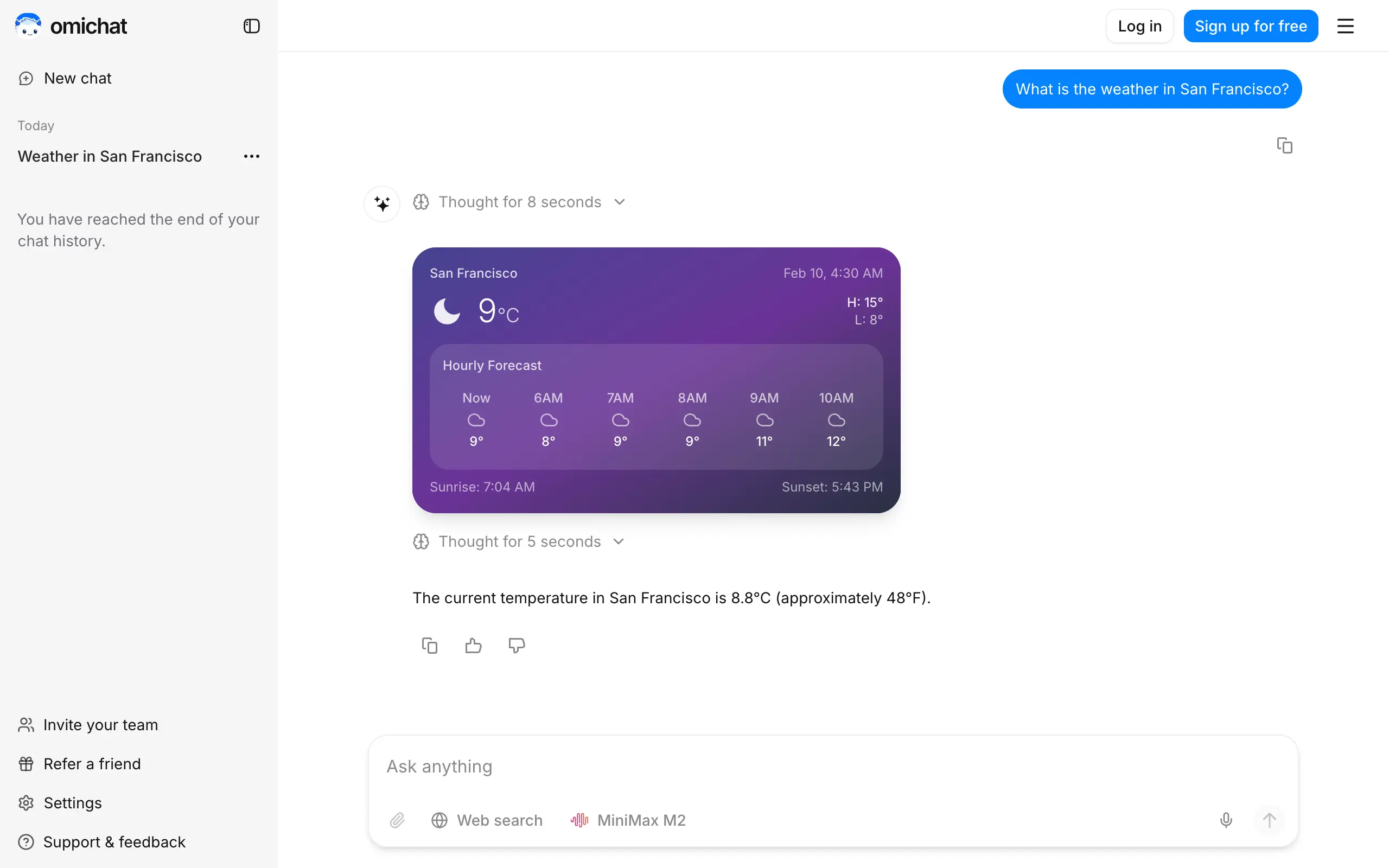
Omichat
Chat with 50+ AI models, including ChatGPT and Claude, in one place - switch models anytime without losing context 🤖
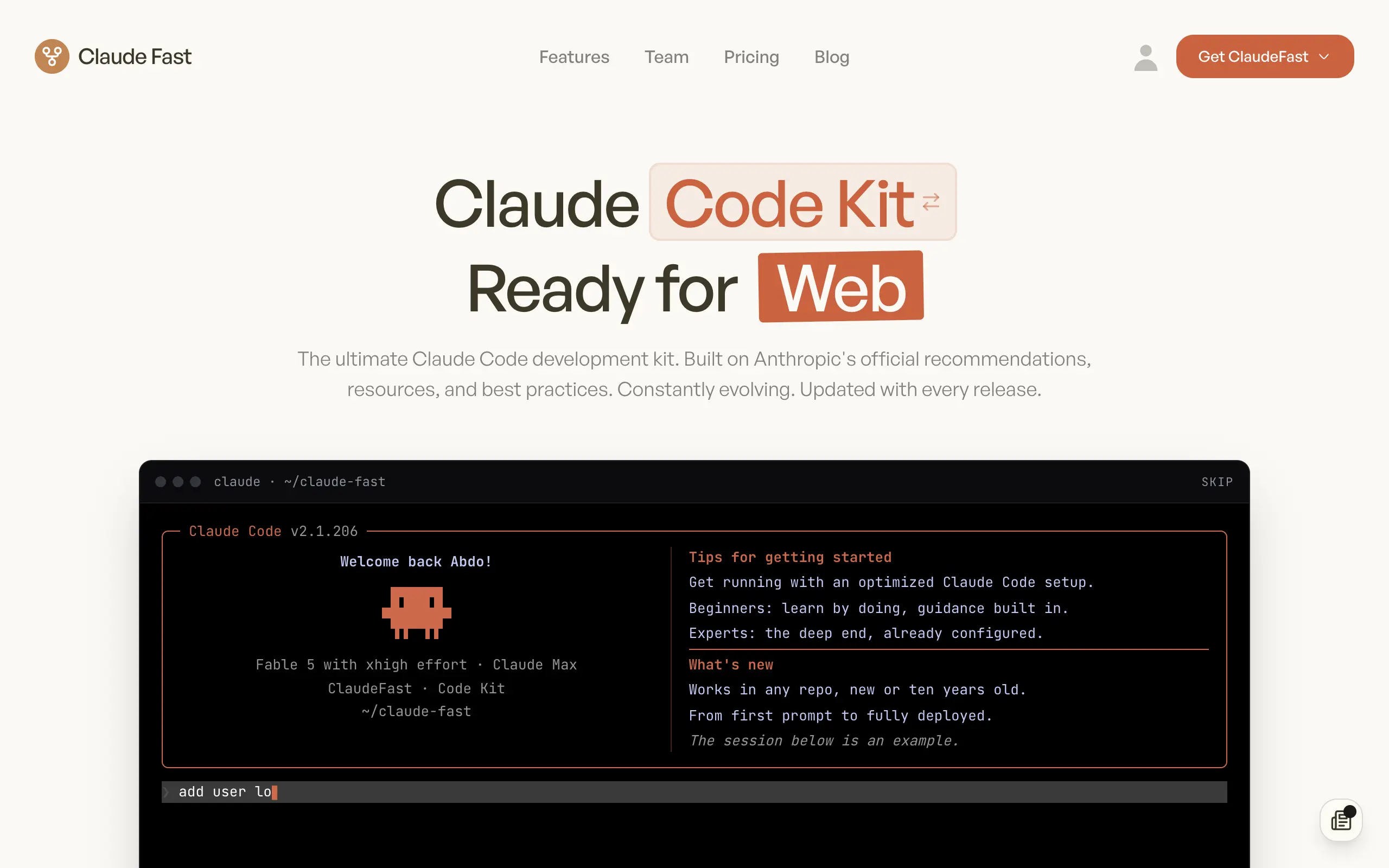
Claude Fast
Supercharge your Claude Code with 6x effective context window and specialized AI agents 🤖
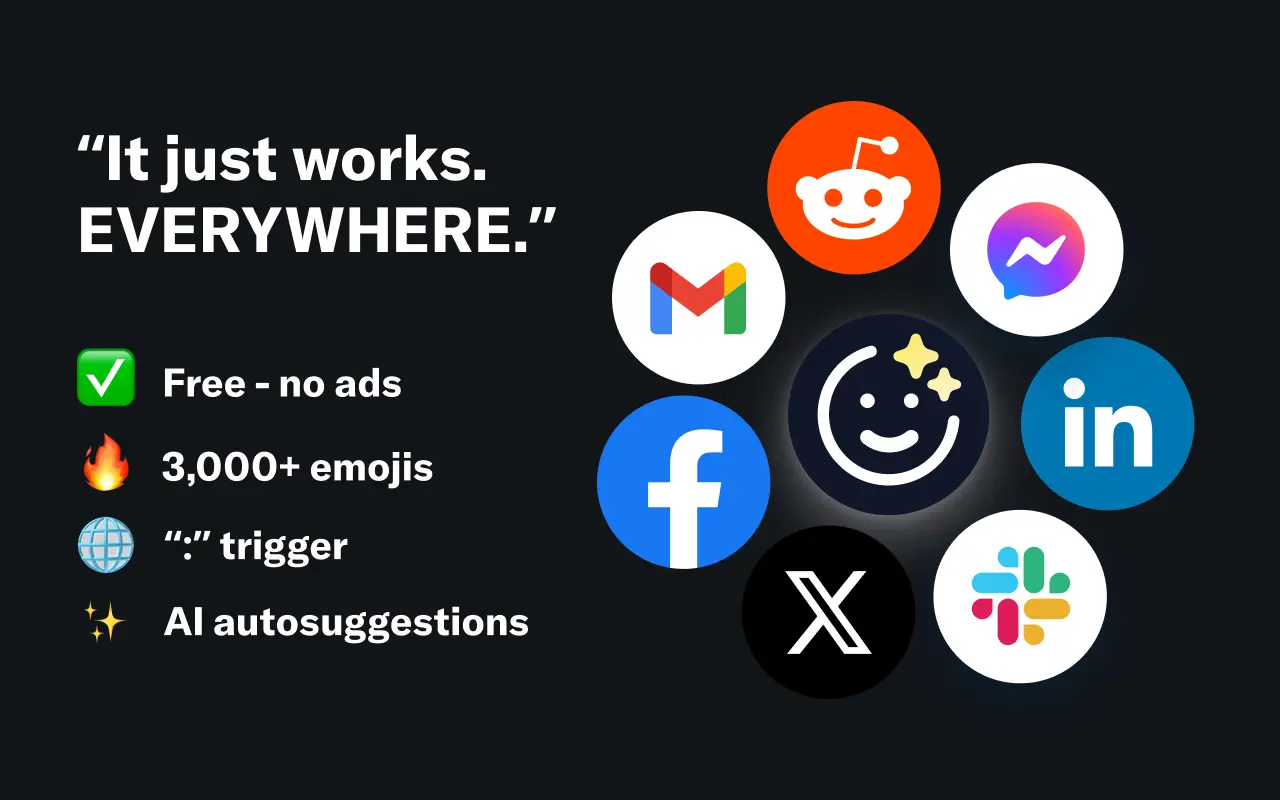
EmojAI
AI-powered emoji picker with smart, context-aware suggestions 🤖
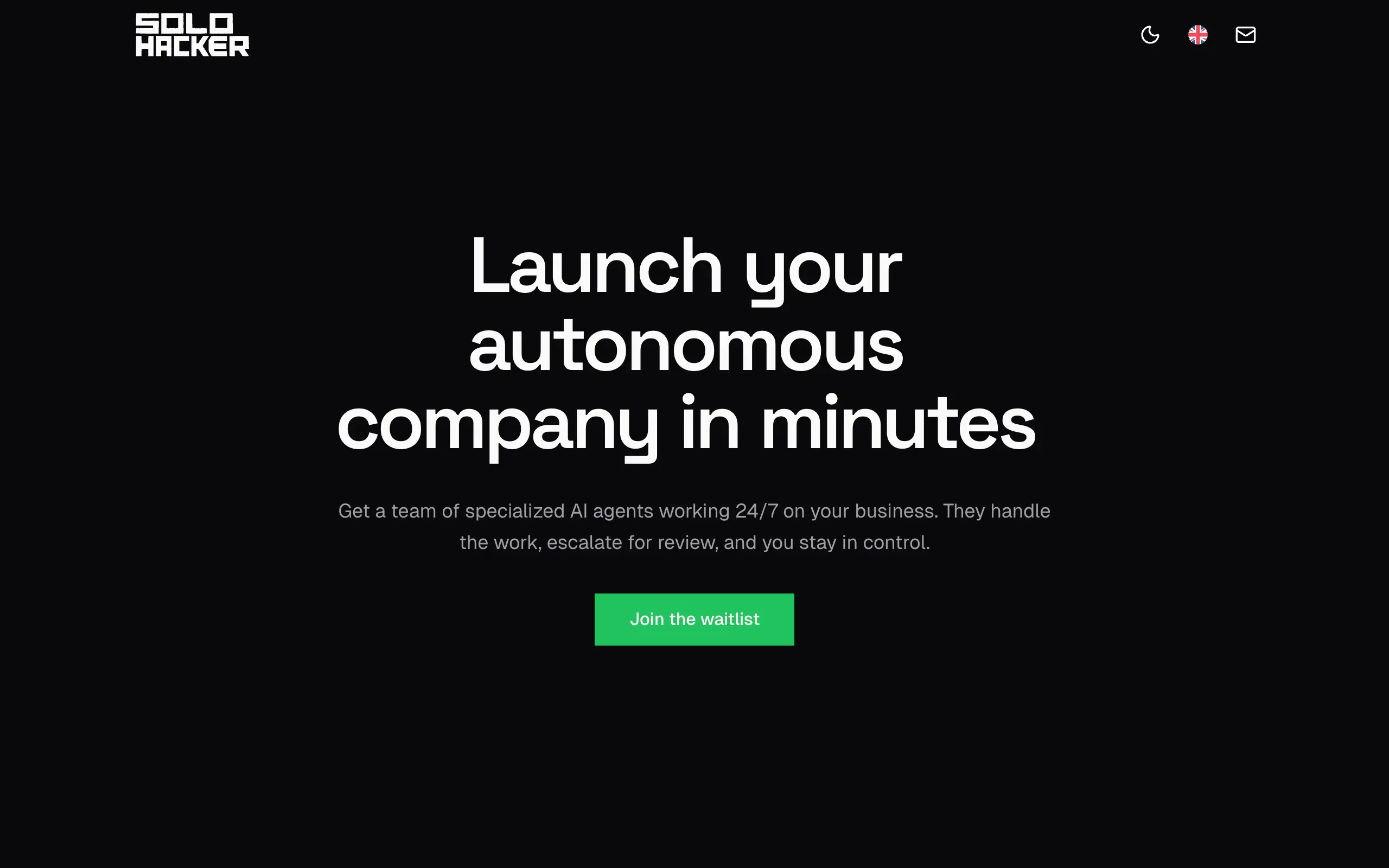
Solohacker
Autonomous company launcher - AI agents work 24/7, escalate what matters, and you stay in control 🤖
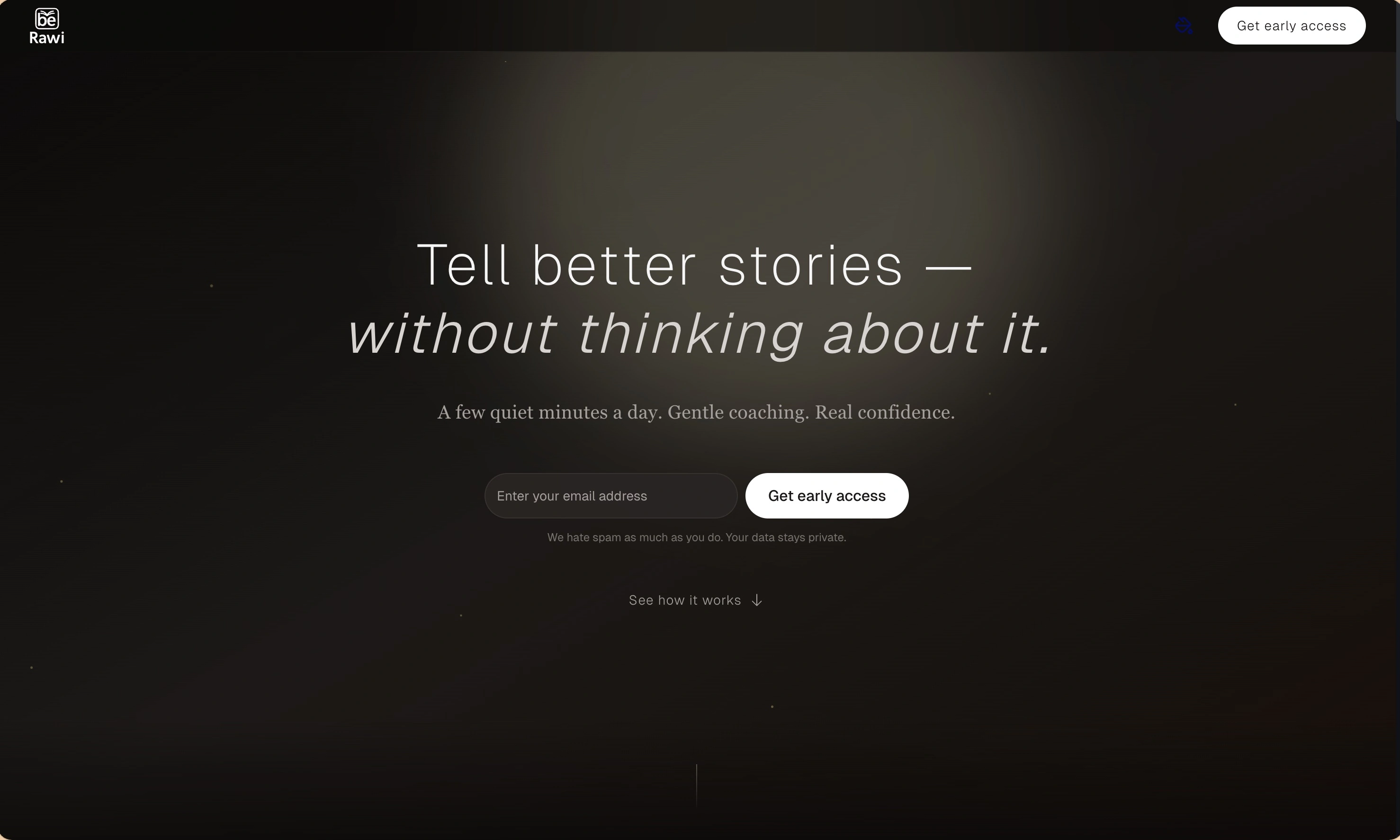
BeRawi: Storytelling Coach
Practice storytelling daily with instant feedback to sound clearer, more engaging, and confident 🎤
Omichat
Chat with 50+ AI models, including ChatGPT and Claude, in one place - switch models anytime without losing context 🤖
Claude Fast
Supercharge your Claude Code with 6x effective context window and specialized AI agents 🤖
EmojAI
AI-powered emoji picker with smart, context-aware suggestions 🤖
Solohacker
Autonomous company launcher - AI agents work 24/7, escalate what matters, and you stay in control 🤖
BeRawi: Storytelling Coach
Practice storytelling daily with instant feedback to sound clearer, more engaging, and confident 🎤
Omichat
Chat with 50+ AI models, including ChatGPT and Claude, in one place - switch models anytime without losing context 🤖
Claude Fast
Supercharge your Claude Code with 6x effective context window and specialized AI agents 🤖
EmojAI
AI-powered emoji picker with smart, context-aware suggestions 🤖
Solohacker
Autonomous company launcher - AI agents work 24/7, escalate what matters, and you stay in control 🤖
BeRawi: Storytelling Coach
Practice storytelling daily with instant feedback to sound clearer, more engaging, and confident 🎤
Omichat
Chat with 50+ AI models, including ChatGPT and Claude, in one place - switch models anytime without losing context 🤖
Claude Fast
Supercharge your Claude Code with 6x effective context window and specialized AI agents 🤖
EmojAI
AI-powered emoji picker with smart, context-aware suggestions 🤖
Solohacker
Autonomous company launcher - AI agents work 24/7, escalate what matters, and you stay in control 🤖
BeRawi: Storytelling Coach
Practice storytelling daily with instant feedback to sound clearer, more engaging, and confident 🎤

Connect with like-minded people
Join our community to get feedback, support, and grow together with 1,000+ builders on board, let's ship it!
Join usShip your startup everywhere. In minutes.
Don't burn tokens on setup and start building features on day one.