FitFlow AI
AI-driven calisthenics and fitness planner that creates adaptive workout routines, tracks progress, and integrates with wearables for students and tech enthusiasts.
FitFlow AI is an innovative SaaS platform designed to revolutionize the way students and tech enthusiasts approach calisthenics and fitness planning. By leveraging artificial intelligence, FitFlow AI creates adaptive workout routines, tracks user progress, and seamlessly integrates with popular wearables. This comprehensive guide explores the platform’s market fit, features, technology, monetization, and competitive edge—empowering founders, fitness professionals, and developers to understand its full potential.
Understanding the target audience for FitFlow AI
A deep understanding of the target audience is crucial for any SaaS product’s success. FitFlow AI is tailored for:
- Students: Often balancing academics, part-time jobs, and social life, students need efficient, flexible, and motivating fitness solutions.
- Tech enthusiasts: This group values data-driven insights, automation, and seamless integration with their digital lifestyle.
- Beginner to intermediate fitness users: Those who want to start or improve their calisthenics journey but lack personalized guidance.
- Wearable device users: Individuals already using smartwatches or fitness trackers who want deeper, actionable insights.
Key user needs and pain points
- Personalization: Generic workout plans often fail to account for individual goals, limitations, or progress.
- Motivation and accountability: Many users struggle to stay consistent without feedback or adaptive challenges.
- Time efficiency: Students and busy professionals need routines that fit their schedules.
- Integration: Users want their fitness data unified across devices and platforms.
- Progress tracking: Clear, visual feedback on improvements is essential for motivation.
User personas
Alex, 21, Computer Science Student
Wants to stay fit between classes, prefers bodyweight exercises, and loves tracking progress on his smartwatch.
Priya, 28, Software Engineer
Enjoys experimenting with new tech, seeks data-driven fitness routines, and values seamless app integrations.
Jordan, 19, College Freshman
New to fitness, needs beginner-friendly guidance, and wants to see tangible progress to stay motivated.
Identifying the market opportunity and gap
The global fitness app market is projected to surpass $15 billion by 2028 (source: suggest referencing Statista or Grand View Research). However, most fitness apps fall into two categories:
- Generic workout libraries: Offer static routines with little personalization.
- Premium coaching platforms: Expensive, often requiring human trainers.
Where FitFlow AI stands out
- AI-driven personalization: Dynamic routines that adapt in real-time to user performance, goals, and feedback.
- Calisthenics focus: While many apps cater to gym-based workouts, few specialize in bodyweight training—a growing trend among students and home exercisers.
- Wearable integration: Real-time data from devices like Apple Watch, Fitbit, and Garmin enhances accuracy and engagement.
- Affordability and accessibility: Democratizes advanced fitness planning without the high cost of personal trainers.
Market trends supporting FitFlow AI
- Rise of AI in health and fitness: AI-powered fitness solutions are gaining traction for their ability to deliver hyper-personalized experiences.
- Growth in calisthenics and home workouts: The pandemic accelerated interest in equipment-free fitness.
- Wearable adoption: Over 1 in 5 Americans now use a fitness tracker or smartwatch (source: suggest referencing Pew Research).
Core features and solution details
FitFlow AI’s feature set is designed to address the unique needs of its audience while leveraging the latest in AI and wearable technology.
Adaptive workout planner
- AI-generated routines: Customizes workouts based on user goals (strength, endurance, flexibility), fitness level, and available time.
- Real-time adaptation: Adjusts difficulty, rest periods, and exercise selection based on user feedback and performance data.
- Progressive overload: Ensures users are continually challenged for optimal results.
Progress tracking and analytics
- Visual dashboards: Track reps, sets, time, and improvements over weeks and months.
- Goal setting: Users can set and adjust short- and long-term fitness goals.
- Streaks and achievements: Gamification elements to boost motivation.
Wearable integration
- Seamless syncing: Connects with Apple Health, Google Fit, Fitbit, Garmin, and more.
- Biometric feedback: Uses heart rate, calories burned, and activity data to refine workout recommendations.
- Automatic logging: Reduces manual data entry, making tracking effortless.
Community and social features
- Challenges and leaderboards: Foster friendly competition among users.
- Progress sharing: Users can share milestones with friends or on social media.
- Support forums: Peer-to-peer advice and encouragement.
Accessibility and UX
- Mobile-first design: Optimized for smartphones and tablets.
- Voice and gesture controls: For hands-free workout adjustments.
- Inclusive design: Accommodates users with varying abilities and fitness backgrounds.
FitFlow AI uses a combination of user feedback (e.g., perceived exertion, skipped exercises), wearable data (heart rate, calories), and historical performance to adjust the next set or session. For example, if a user consistently completes sets with ease, the AI increases difficulty; if a user struggles, it scales back or suggests alternatives.
FitFlow AI integrates with major platforms including Apple Watch, Fitbit, Garmin, and devices compatible with Apple Health or Google Fit APIs.
Absolutely. The platform offers guided onboarding, beginner routines, and educational content to ensure a safe and effective start.
Recommended tech stack for FitFlow AI
Choosing the right technology stack is critical for scalability, performance, and integration capabilities.
Frontend
- React: For building a responsive, dynamic user interface.
- TailwindCSS: Enables rapid, consistent styling and a modern look.
- React Native: For cross-platform mobile app development, ensuring a seamless experience on iOS and Android.
Backend
- Node.js: High-performance, event-driven server-side logic.
- Python (with TensorFlow or PyTorch): For AI/ML model development and inference.
- GraphQL: Efficient, flexible API for frontend-backend communication.
Database
- PostgreSQL: Reliable, scalable relational database for user data and workout logs.
- Redis: For caching and real-time data processing (e.g., live workout stats).
Integrations
- OAuth 2.0: Secure authentication with wearable APIs.
- Apple HealthKit, Google Fit APIs: For wearable data ingestion.
Hosting and DevOps
- AWS or Google Cloud: Scalable infrastructure, managed AI/ML services.
- Docker: Containerization for consistent deployment.
- CI/CD pipelines: Automated testing and deployment.
Trade-offs and considerations
- React Native vs. native apps: React Native accelerates development and reduces costs, but may have limitations for advanced wearable integrations compared to fully native apps.
- Python for AI: Offers robust libraries and community support, but may require careful optimization for real-time inference.
Monetization strategy options
A sustainable SaaS business model is essential for long-term growth. FitFlow AI can explore several monetization avenues:
Freemium model
- Free tier: Basic workout planning, limited progress tracking, and standard wearable integration.
- Premium tier: Advanced AI features, in-depth analytics, custom challenges, and priority support.
Subscription plans
- Monthly/annual subscriptions: Unlock all features, with discounts for longer commitments.
- Student discounts: Targeting the core demographic with affordable pricing.
In-app purchases
- Personalized coaching add-ons: One-off purchases for custom plans or expert consultations.
- Exclusive challenges: Pay-to-enter competitions with rewards.
Partnerships and B2B
- University wellness programs: Offer FitFlow AI as part of student health initiatives.
- Corporate wellness: Partner with tech companies to provide employee fitness benefits.
Data-driven insights (with user consent)
- Aggregated, anonymized data: Offer insights to fitness researchers or device manufacturers, ensuring strict privacy compliance.
Potential risks and mitigation strategies
Launching an AI-driven fitness SaaS comes with unique challenges. Proactively addressing these risks is key to building trust and longevity.
Data privacy and security
- Risk: Handling sensitive health and biometric data.
- Mitigation: Implement end-to-end encryption, comply with GDPR and HIPAA, and provide transparent privacy policies.
AI accuracy and safety
- Risk: Inaccurate recommendations could lead to injury or user frustration.
- Mitigation: Regularly validate AI models with fitness experts, allow user overrides, and provide clear disclaimers.
Wearable integration reliability
- Risk: API changes or device incompatibility could disrupt syncing.
- Mitigation: Maintain close partnerships with device manufacturers, monitor API updates, and offer manual data entry as a fallback.
User engagement and retention
- Risk: Users may lose motivation or churn after initial novelty.
- Mitigation: Invest in gamification, community features, and regular content updates.
Market competition
- Risk: Competing with established fitness apps and platforms.
- Mitigation: Focus on the unique AI-driven, calisthenics-first approach and superior wearable integration.
Competitive advantage analysis
FitFlow AI’s unique selling proposition (USP) lies at the intersection of AI, calisthenics, and wearable technology. Here’s how it compares to typical fitness apps:
| AI Personalization | Calisthenics Focus | Wearable Integration | Community Features | Affordable Pricing |
|---|---|---|---|---|
| ✅ | ❌ | ❌ | ✅ | ❌ |
| ✅ | ❌ | ✅ | ✅ | ❌ |
What makes FitFlow AI stand out?
- True AI-driven adaptation: Not just static plans, but routines that evolve with every workout.
- Niche expertise: A dedicated focus on calisthenics, a rapidly growing fitness trend.
- Deep wearable integration: Goes beyond step counting to leverage real-time biometrics for smarter recommendations.
- Community and gamification: Drives engagement and accountability.
- Student-friendly pricing: Makes advanced fitness planning accessible to a younger, tech-savvy audience.
Actionable implementation steps
Ready to bring FitFlow AI to life? Here’s a step-by-step roadmap for founders and product teams:
Pro tip
For rapid prototyping and scalable SaaS infrastructure, consider leveraging TurboStarter to accelerate your FitFlow AI development journey.
Conclusion: Why FitFlow AI is the future of personalized fitness
FitFlow AI is uniquely positioned to capture the growing demand for intelligent, adaptive, and accessible fitness solutions. By combining cutting-edge AI, a focus on calisthenics, and deep wearable integration, it addresses the real needs of students and tech enthusiasts—delivering a truly personalized fitness experience.
Whether you’re a founder seeking your next SaaS venture, a developer passionate about health tech, or a fitness professional looking to empower your clients, FitFlow AI offers a compelling blueprint for the future of digital fitness.
Frequently asked questions
FitFlow AI employs industry-standard encryption, strict access controls, and complies with GDPR/HIPAA regulations. Users have full control over their data and can opt out of data sharing at any time.
Yes, while wearable integration enhances the experience, users can manually log workouts and still benefit from AI-driven planning and progress tracking.
Its unique combination of real-time AI adaptation, a calisthenics-first approach, and deep wearable integration sets it apart from generic fitness platforms.
Further reading and resources
- React – Official documentation for building modern UIs
- TailwindCSS – Utility-first CSS framework
- TurboStarter – SaaS boilerplate for rapid development
- Suggest referencing Statista, Pew Research, or Grand View Research for up-to-date fitness industry statistics
By following this comprehensive guide, you’ll be well-equipped to validate, build, and scale FitFlow AI—delivering smarter, more engaging fitness experiences for the next generation.
More 🤖 AI Startup SaaS ideas
Discover more innovative ai startup SaaS ideas that are trending in 2026. Each idea is AI-generated with market validation and growth potential to help you find your next profitable venture faster than competitors.
Your competitors are building with TurboStarter
Below are some of the SaaS ideas that have been generated and built with our starter kit.
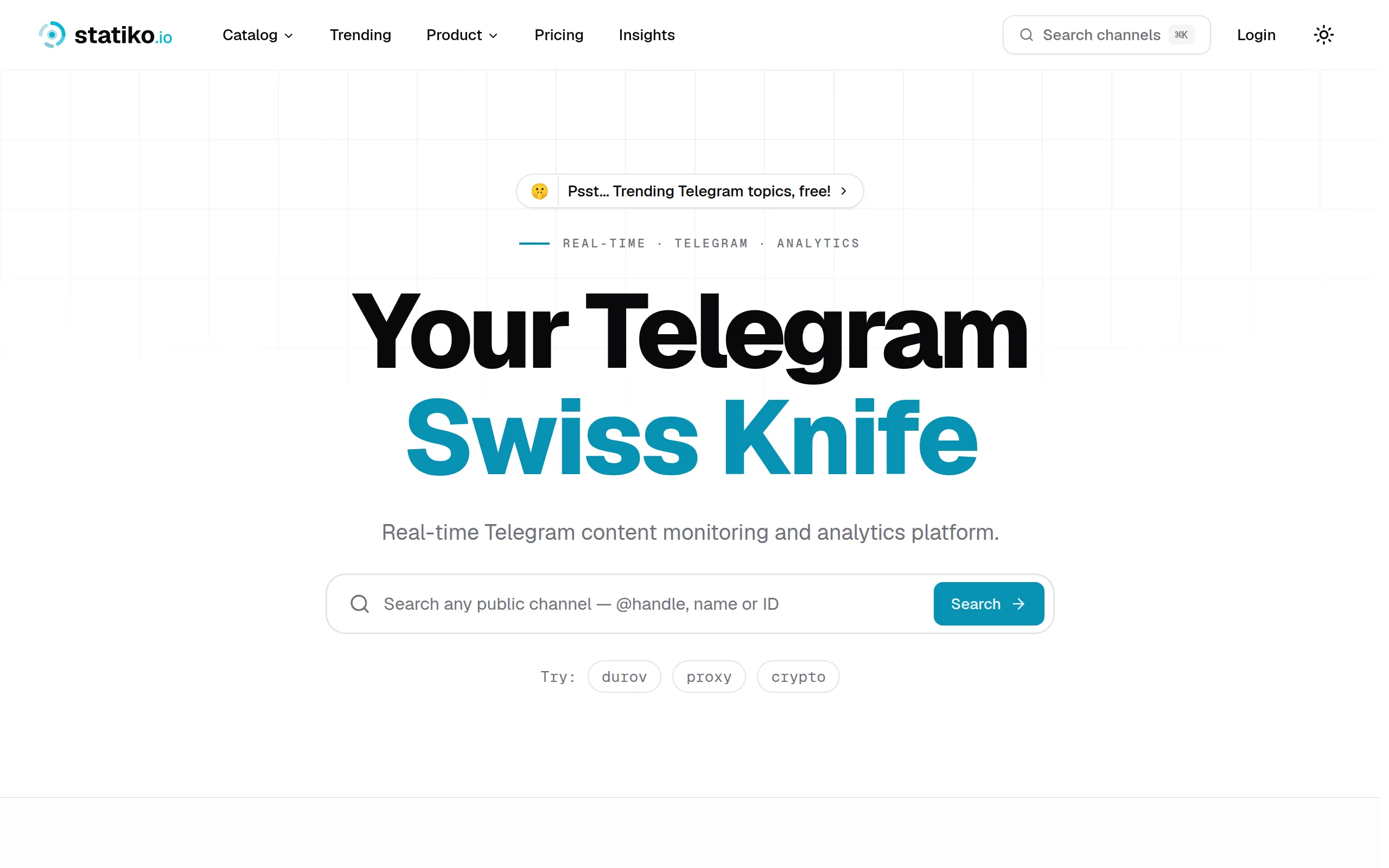
Statiko
Monitor any Telegram channel in real time - track posts, edits, deletions, and growth with AI recaps 📡

Shibui
AI website builder - describe your business, pick a niche template, edit by chatting, and publish instantly ✨

Pro Service
Find verified home service professionals, compare quotes, and pay securely through escrow - built for Brazilians across the US 🏠
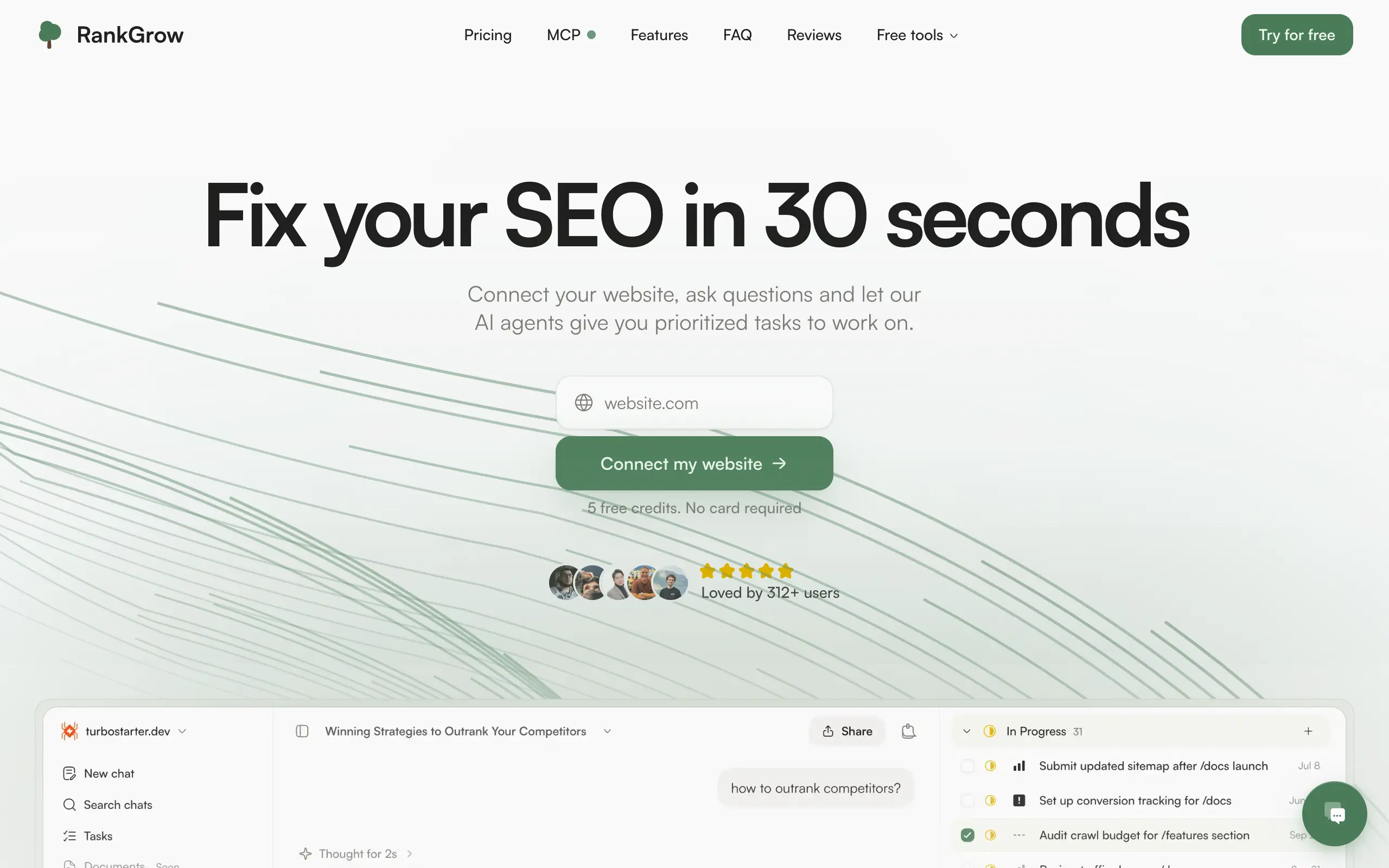
RankGrow
Fix your SEO with AI agents - connect Search Console, get prioritized tasks, and grow organic traffic 📈
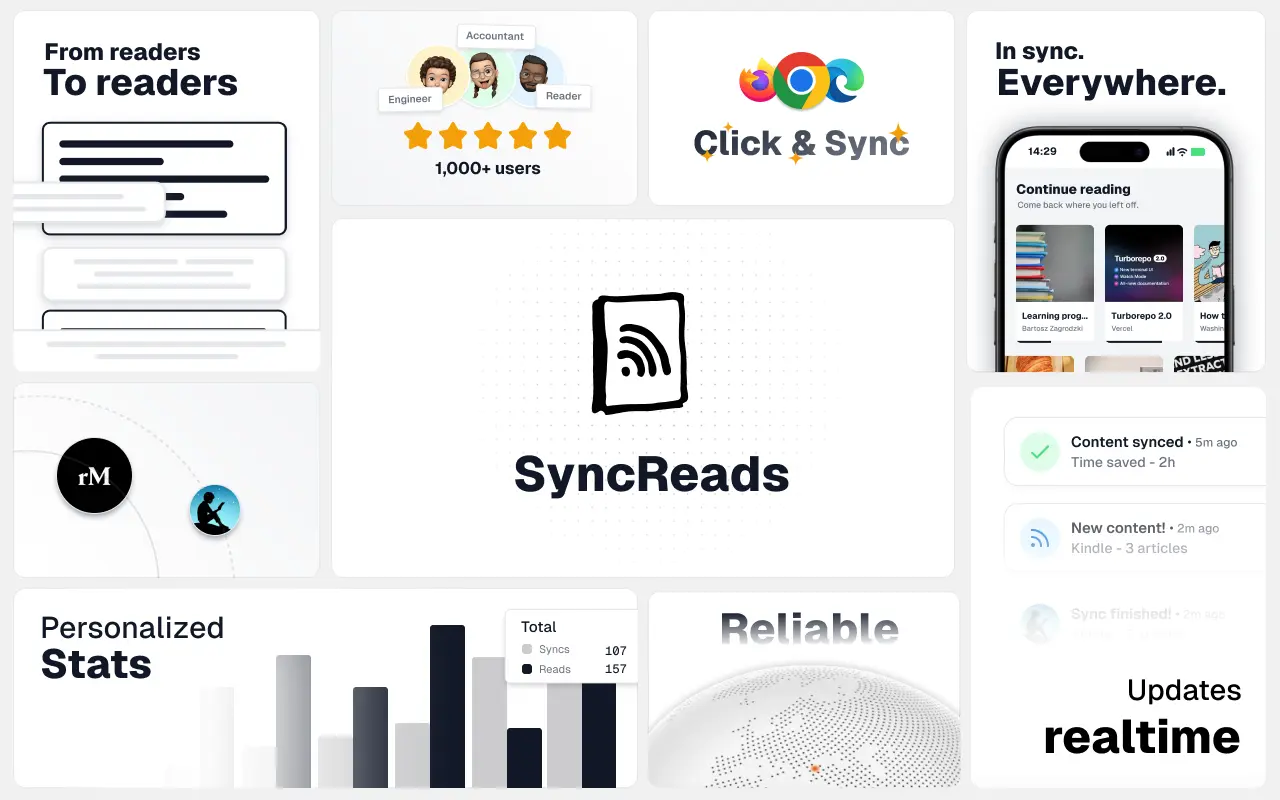
SyncReads
Sync your favorite content for distraction-free reading, save time and replace multiple apps. Anytime, anywhere 🔄
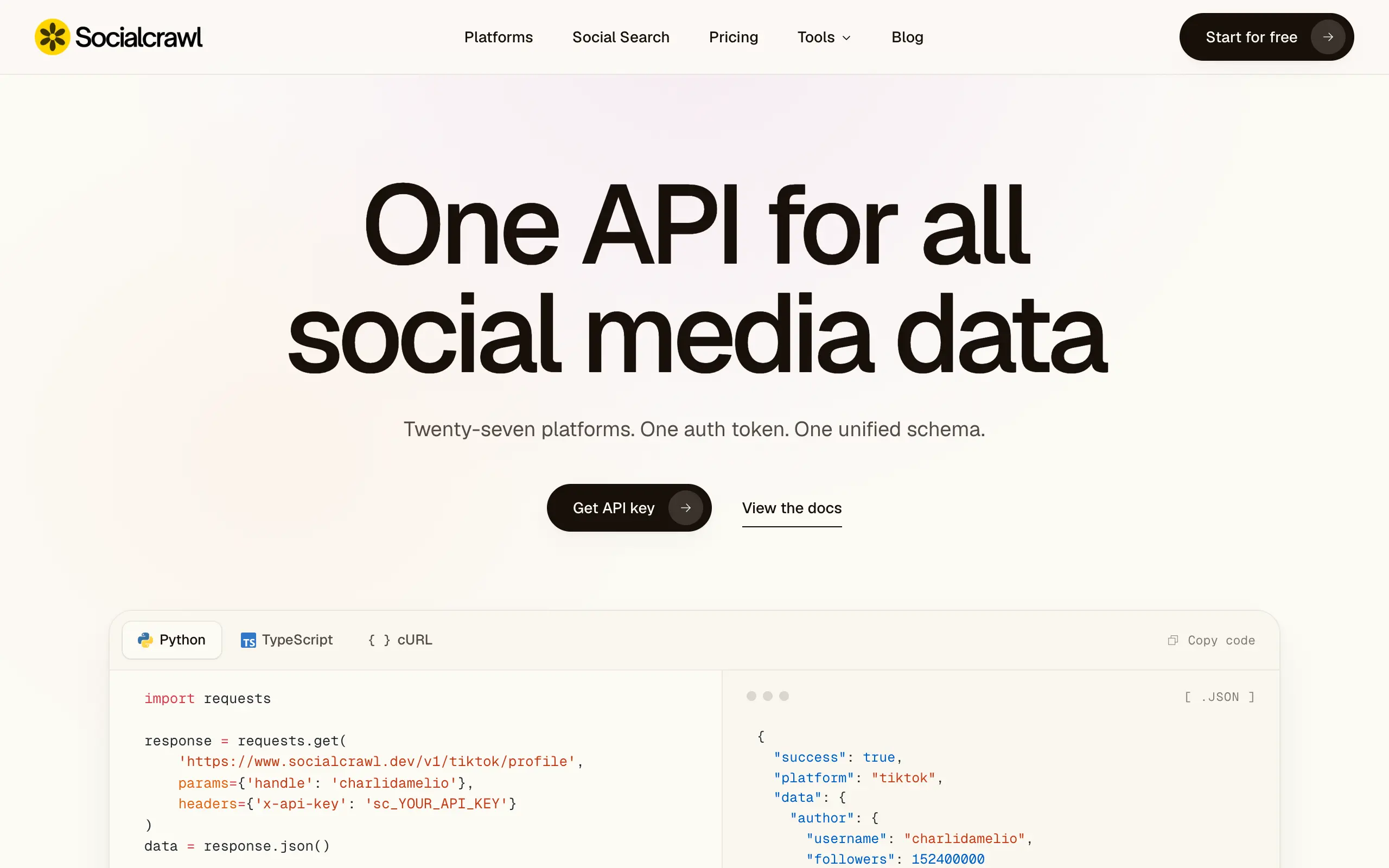
Socialcrawl
Get clean, structured data from 21 platforms like TikTok, Instagram, and YouTube with a single request 📊
Statiko
Monitor any Telegram channel in real time - track posts, edits, deletions, and growth with AI recaps 📡
Shibui
AI website builder - describe your business, pick a niche template, edit by chatting, and publish instantly ✨
Pro Service
Find verified home service professionals, compare quotes, and pay securely through escrow - built for Brazilians across the US 🏠
RankGrow
Fix your SEO with AI agents - connect Search Console, get prioritized tasks, and grow organic traffic 📈
SyncReads
Sync your favorite content for distraction-free reading, save time and replace multiple apps. Anytime, anywhere 🔄
Socialcrawl
Get clean, structured data from 21 platforms like TikTok, Instagram, and YouTube with a single request 📊
Statiko
Monitor any Telegram channel in real time - track posts, edits, deletions, and growth with AI recaps 📡
Shibui
AI website builder - describe your business, pick a niche template, edit by chatting, and publish instantly ✨
Pro Service
Find verified home service professionals, compare quotes, and pay securely through escrow - built for Brazilians across the US 🏠
RankGrow
Fix your SEO with AI agents - connect Search Console, get prioritized tasks, and grow organic traffic 📈
SyncReads
Sync your favorite content for distraction-free reading, save time and replace multiple apps. Anytime, anywhere 🔄
Socialcrawl
Get clean, structured data from 21 platforms like TikTok, Instagram, and YouTube with a single request 📊
Statiko
Monitor any Telegram channel in real time - track posts, edits, deletions, and growth with AI recaps 📡
Shibui
AI website builder - describe your business, pick a niche template, edit by chatting, and publish instantly ✨
Pro Service
Find verified home service professionals, compare quotes, and pay securely through escrow - built for Brazilians across the US 🏠
RankGrow
Fix your SEO with AI agents - connect Search Console, get prioritized tasks, and grow organic traffic 📈
SyncReads
Sync your favorite content for distraction-free reading, save time and replace multiple apps. Anytime, anywhere 🔄
Socialcrawl
Get clean, structured data from 21 platforms like TikTok, Instagram, and YouTube with a single request 📊
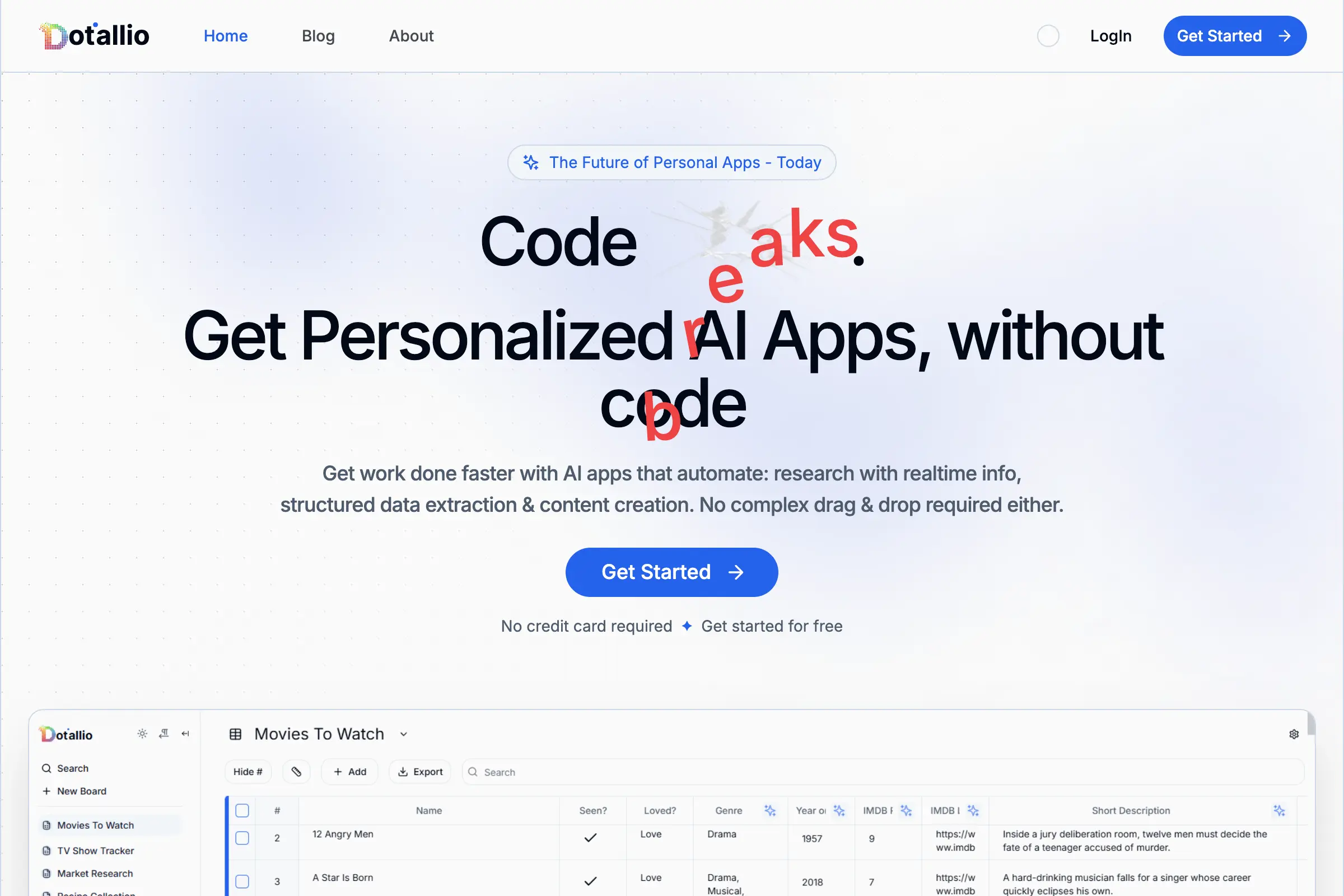
Dotallio
Personalized AI apps that automate research, data extraction, and content creation without code 🤖
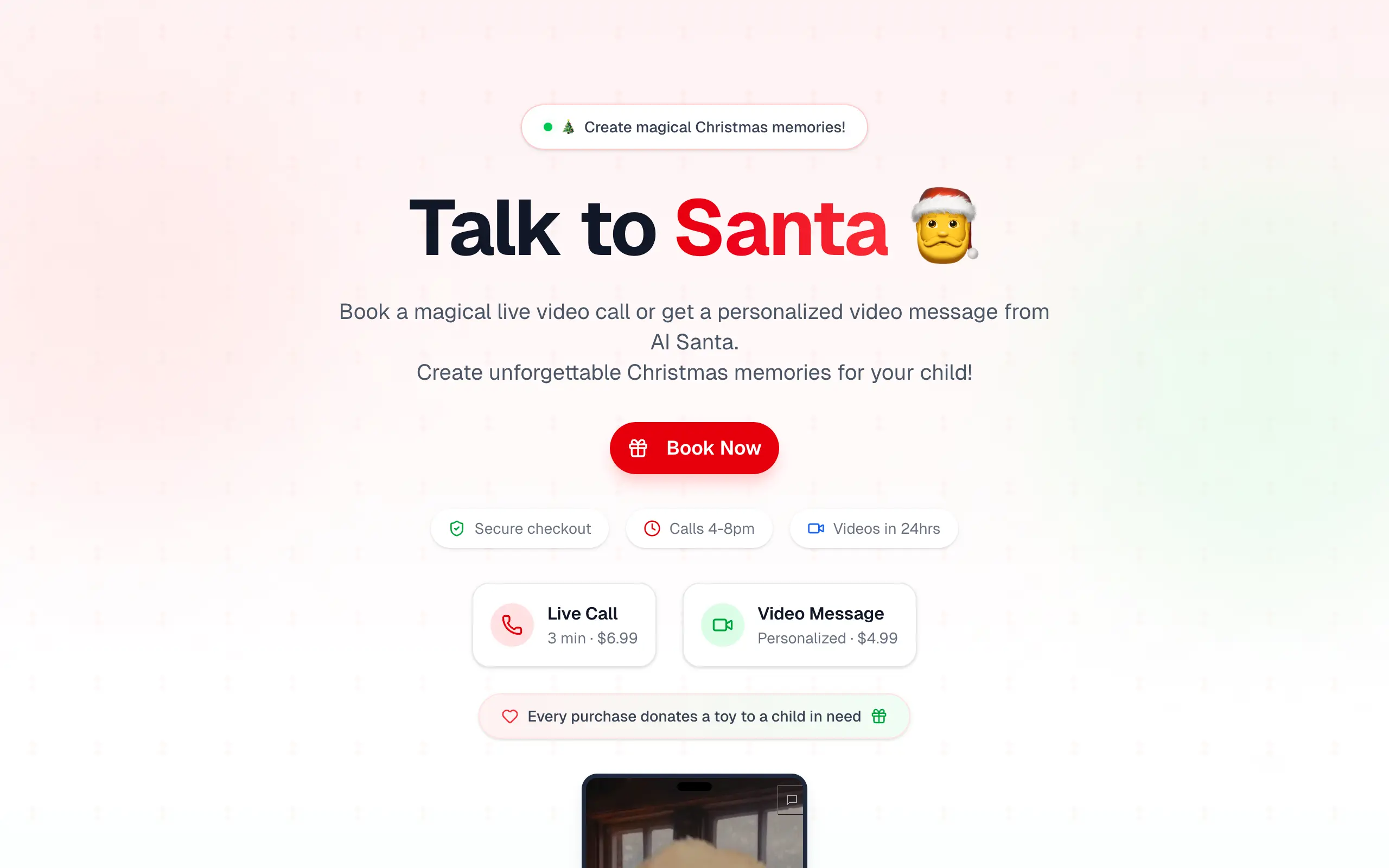
Talk to Santa
Enjoy a magical live video chat or receive a unique AI-generated video greeting from Santa Claus 🎅
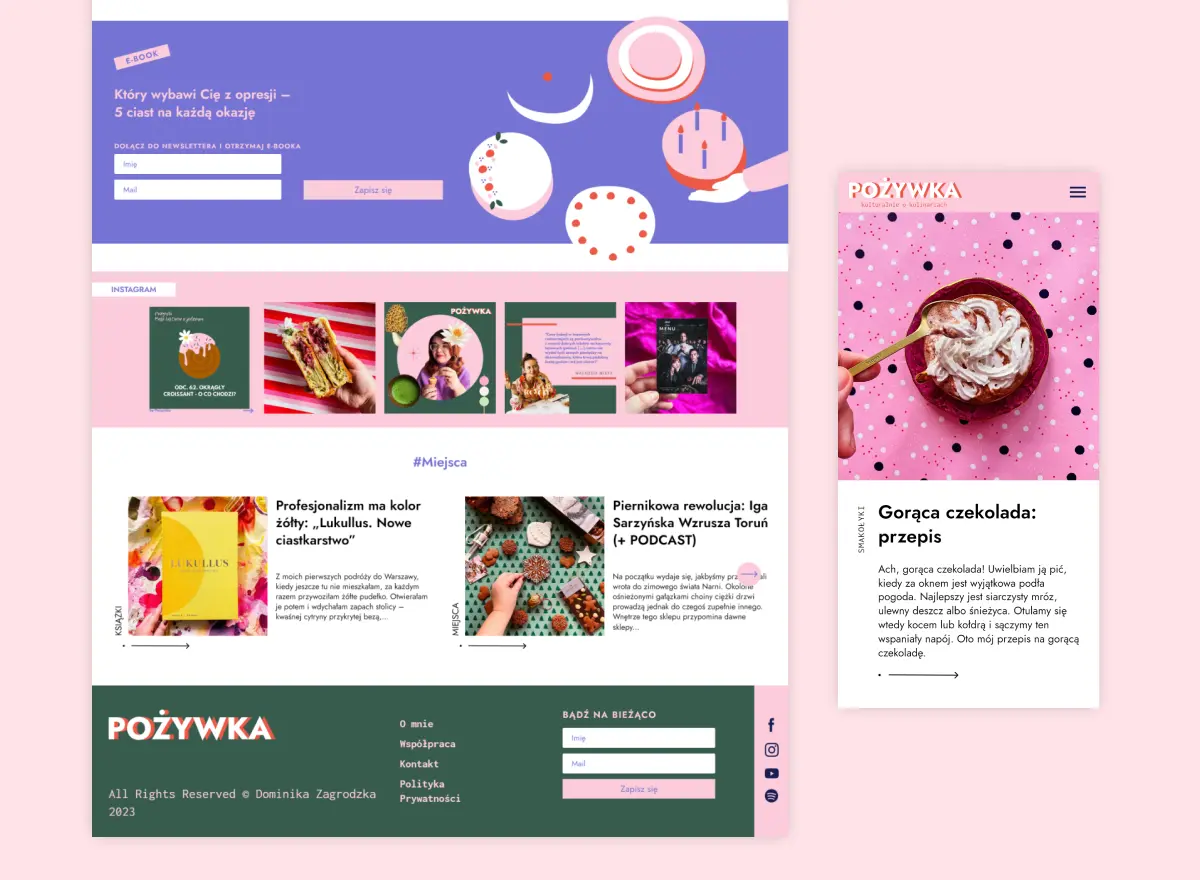
pozywka.pl
Scalable blog for food journalist, focused on performance and user experience 🌭
zagrodzki.me
Personal blog and portfolio of Bart Zagrodzki, where he shares his knowledge and work 💼
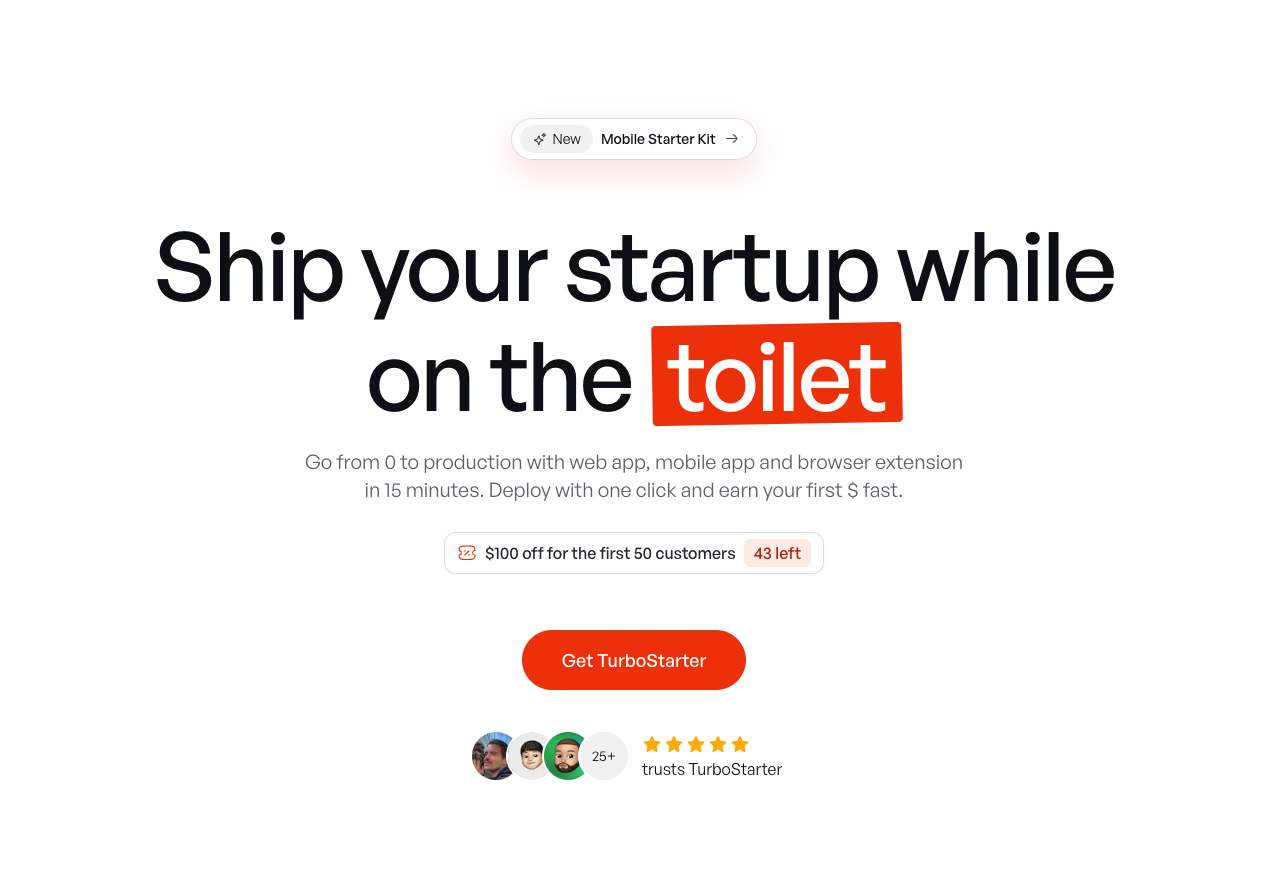
TurboStarter
Ship your startup everywhere. In minutes.
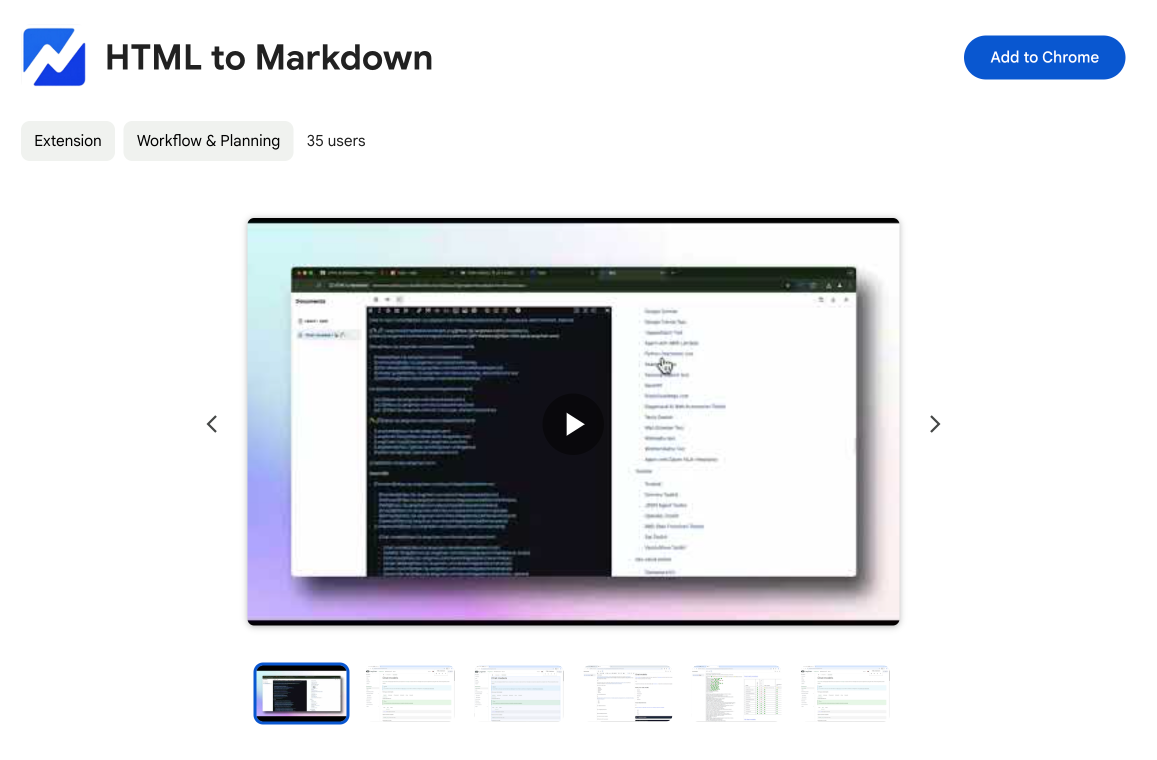
HTML to Markdown
Convert HTML to Markdown with ease, directly in your browser 📄
Dotallio
Personalized AI apps that automate research, data extraction, and content creation without code 🤖
Talk to Santa
Enjoy a magical live video chat or receive a unique AI-generated video greeting from Santa Claus 🎅
pozywka.pl
Scalable blog for food journalist, focused on performance and user experience 🌭
zagrodzki.me
Personal blog and portfolio of Bart Zagrodzki, where he shares his knowledge and work 💼
TurboStarter
Ship your startup everywhere. In minutes.
HTML to Markdown
Convert HTML to Markdown with ease, directly in your browser 📄
Dotallio
Personalized AI apps that automate research, data extraction, and content creation without code 🤖
Talk to Santa
Enjoy a magical live video chat or receive a unique AI-generated video greeting from Santa Claus 🎅
pozywka.pl
Scalable blog for food journalist, focused on performance and user experience 🌭
zagrodzki.me
Personal blog and portfolio of Bart Zagrodzki, where he shares his knowledge and work 💼
TurboStarter
Ship your startup everywhere. In minutes.
HTML to Markdown
Convert HTML to Markdown with ease, directly in your browser 📄
Dotallio
Personalized AI apps that automate research, data extraction, and content creation without code 🤖
Talk to Santa
Enjoy a magical live video chat or receive a unique AI-generated video greeting from Santa Claus 🎅
pozywka.pl
Scalable blog for food journalist, focused on performance and user experience 🌭
zagrodzki.me
Personal blog and portfolio of Bart Zagrodzki, where he shares his knowledge and work 💼
TurboStarter
Ship your startup everywhere. In minutes.
HTML to Markdown
Convert HTML to Markdown with ease, directly in your browser 📄
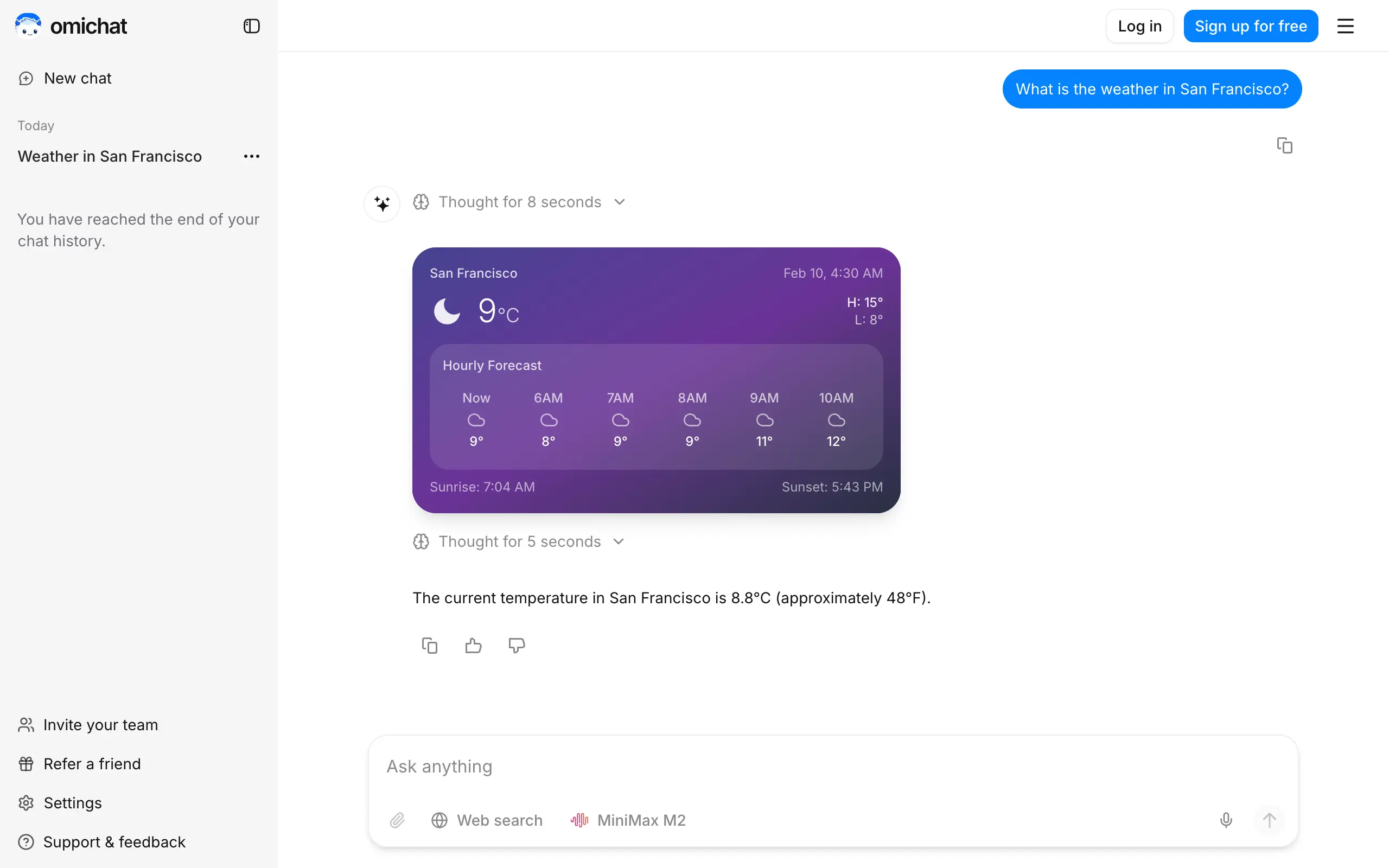
Omichat
Chat with 50+ AI models, including ChatGPT and Claude, in one place - switch models anytime without losing context 🤖
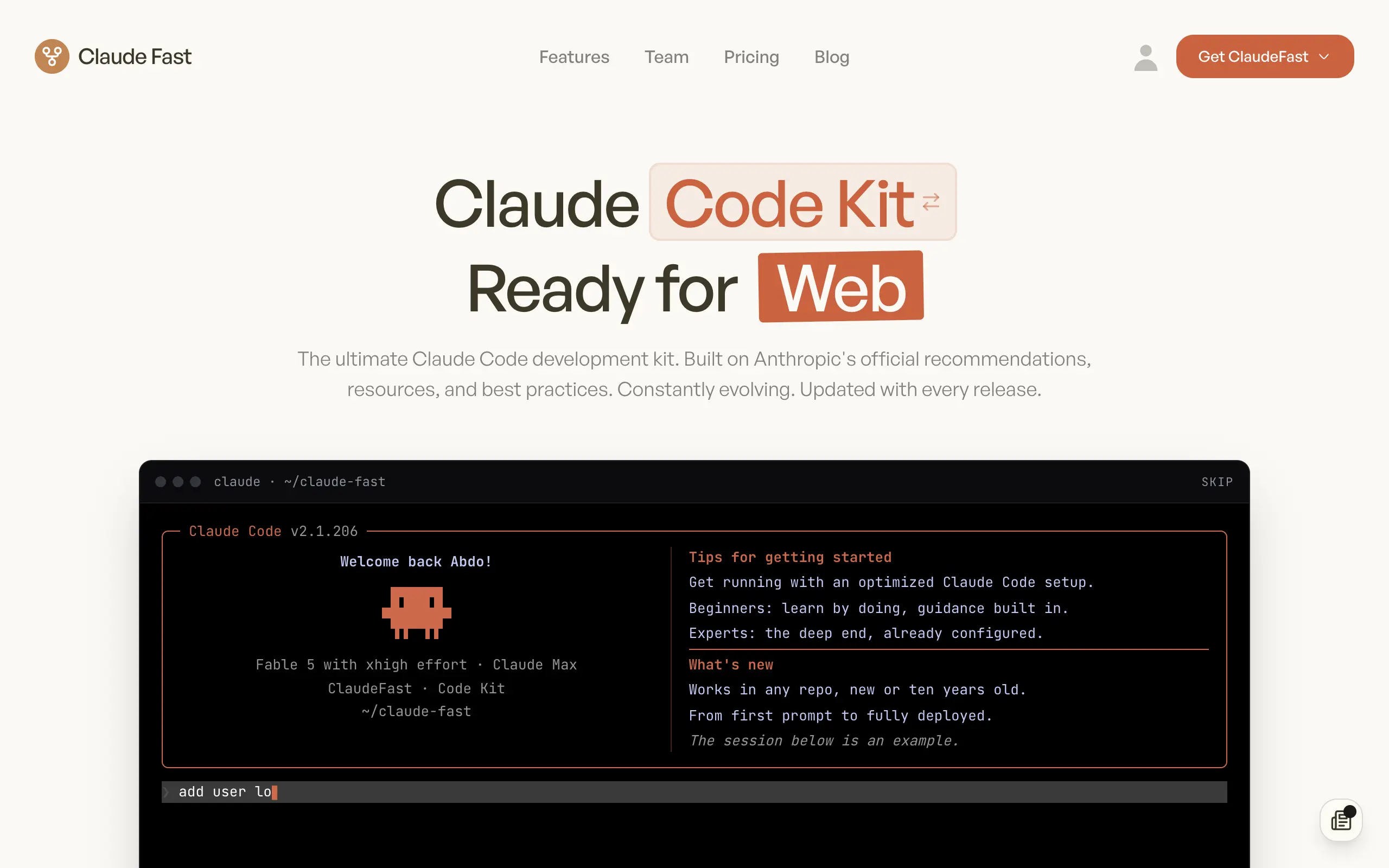
Claude Fast
Supercharge your Claude Code with 6x effective context window and specialized AI agents 🤖
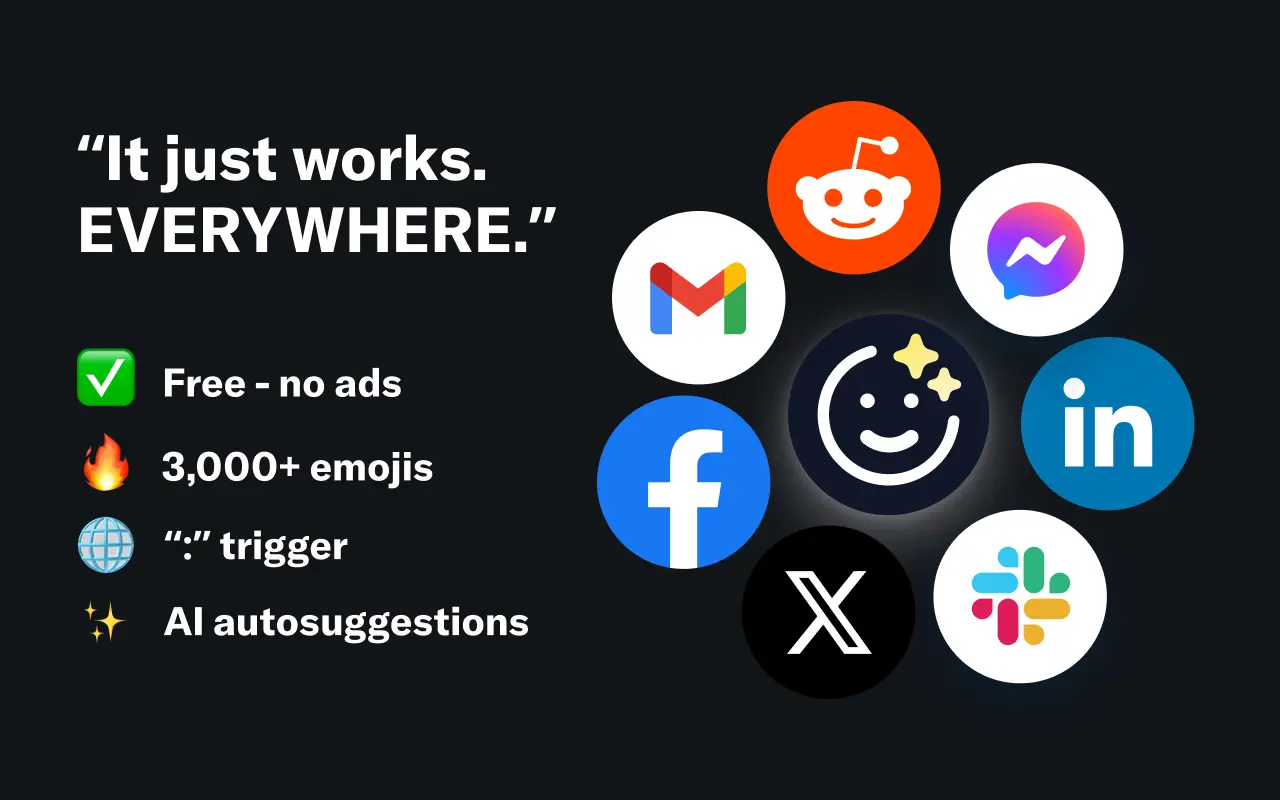
EmojAI
AI-powered emoji picker with smart, context-aware suggestions 🤖
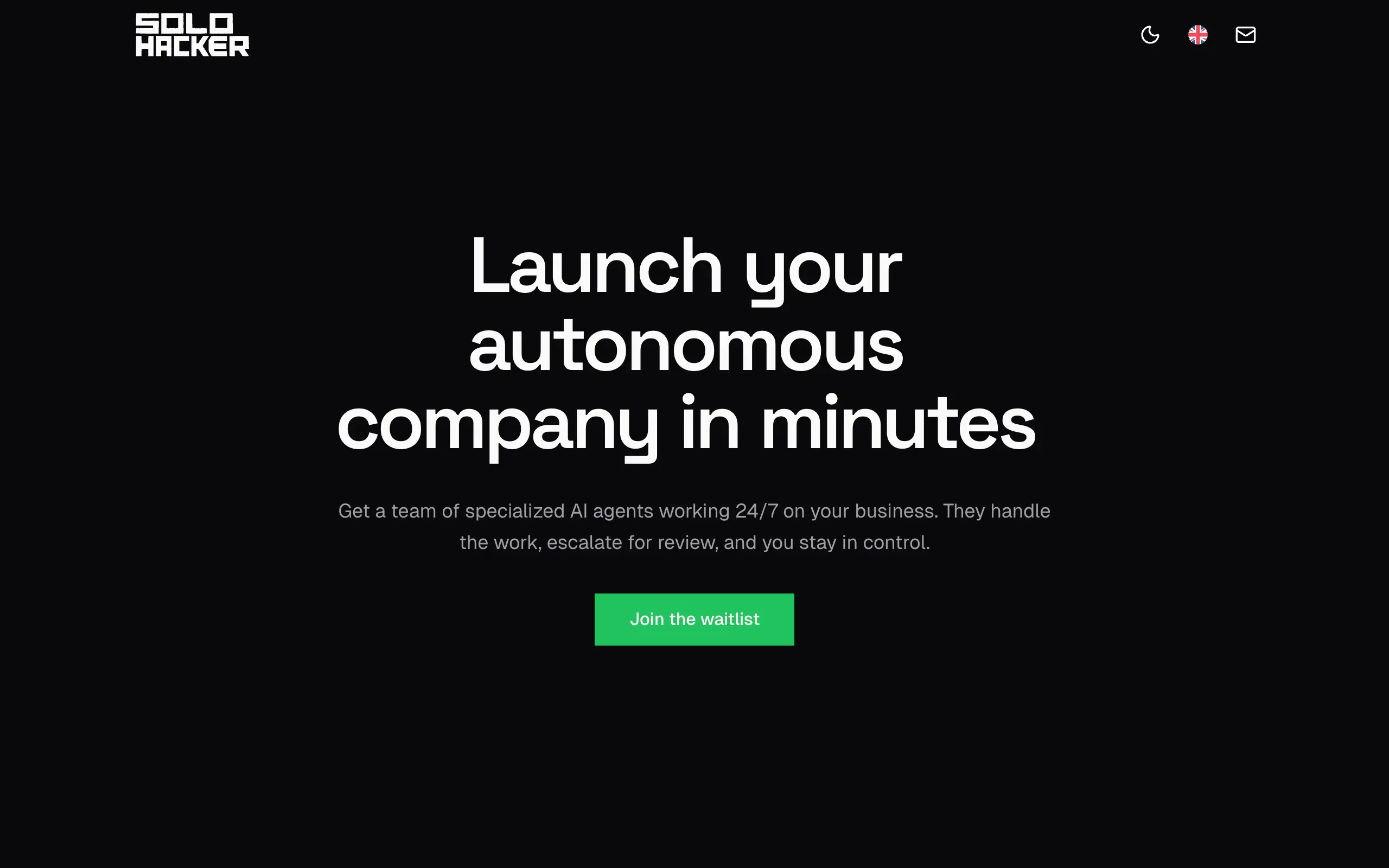
Solohacker
Autonomous company launcher - AI agents work 24/7, escalate what matters, and you stay in control 🤖
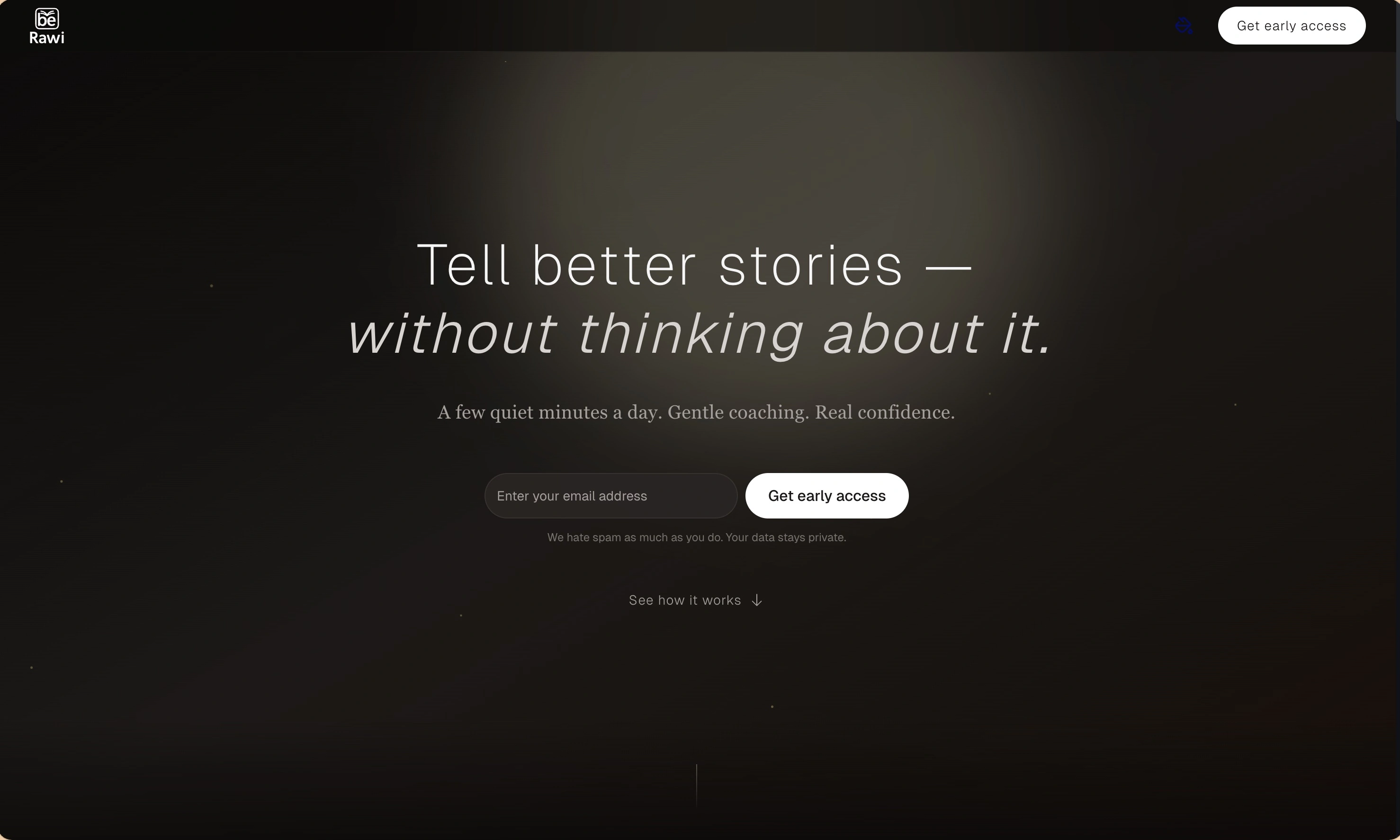
BeRawi: Storytelling Coach
Practice storytelling daily with instant feedback to sound clearer, more engaging, and confident 🎤
Omichat
Chat with 50+ AI models, including ChatGPT and Claude, in one place - switch models anytime without losing context 🤖
Claude Fast
Supercharge your Claude Code with 6x effective context window and specialized AI agents 🤖
EmojAI
AI-powered emoji picker with smart, context-aware suggestions 🤖
Solohacker
Autonomous company launcher - AI agents work 24/7, escalate what matters, and you stay in control 🤖
BeRawi: Storytelling Coach
Practice storytelling daily with instant feedback to sound clearer, more engaging, and confident 🎤
Omichat
Chat with 50+ AI models, including ChatGPT and Claude, in one place - switch models anytime without losing context 🤖
Claude Fast
Supercharge your Claude Code with 6x effective context window and specialized AI agents 🤖
EmojAI
AI-powered emoji picker with smart, context-aware suggestions 🤖
Solohacker
Autonomous company launcher - AI agents work 24/7, escalate what matters, and you stay in control 🤖
BeRawi: Storytelling Coach
Practice storytelling daily with instant feedback to sound clearer, more engaging, and confident 🎤
Omichat
Chat with 50+ AI models, including ChatGPT and Claude, in one place - switch models anytime without losing context 🤖
Claude Fast
Supercharge your Claude Code with 6x effective context window and specialized AI agents 🤖
EmojAI
AI-powered emoji picker with smart, context-aware suggestions 🤖
Solohacker
Autonomous company launcher - AI agents work 24/7, escalate what matters, and you stay in control 🤖
BeRawi: Storytelling Coach
Practice storytelling daily with instant feedback to sound clearer, more engaging, and confident 🎤

Connect with like-minded people
Join our community to get feedback, support, and grow together with 1,000+ builders on board, let's ship it!
Join usShip your startup everywhere. In minutes.
Don't burn tokens on setup and start building features on day one.