FitScore AI
Evaluates your resume against job listings with a match score, highlights missing skills, and recommends precise edits to increase shortlisting chances.
Understanding the rise of AI-powered resume optimization tools
The job application landscape has fundamentally changed. Today, most resumes are not first reviewed by humans—they are filtered by Applicant Tracking Systems (ATS) and AI-powered screening tools. This shift has created a major gap between what candidates think matters and what actually determines whether they get shortlisted.
This is where an AI solution like FitScore AI becomes highly relevant.
FitScore AI evaluates resumes against specific job listings, assigns a match score, highlights missing skills, and provides targeted recommendations to improve shortlisting chances. It’s not just another resume builder—it’s a decision-support system for job seekers navigating an algorithm-driven hiring process.
This article explores the full business, product, and technical potential of an AI resume scoring SaaS like FitScore AI, along with actionable guidance to build and scale it.
The real user problem: why resumes fail today
Most candidates struggle not because they lack qualifications—but because they fail to communicate relevance in a machine-readable way.
Key pain points job seekers face
- ATS systems reject resumes due to missing keywords
- Job descriptions are vague, inconsistent, and overloaded
- Candidates don’t know how to tailor resumes efficiently
- Feedback loops are non-existent (no one tells you why you were rejected)
- Manual resume customization is time-consuming and error-prone
The hidden truth about hiring algorithms
Modern hiring pipelines often rely on:
- Keyword matching
- Semantic similarity scoring
- Experience clustering
- Skill extraction models
- Ranking systems trained on past hires
Without understanding these systems, candidates are essentially guessing.
Key insight
Most candidates optimize resumes for humans—but are filtered by machines first. FitScore AI bridges that gap.
Target audience breakdown
FitScore AI serves multiple user segments, each with slightly different needs and willingness to pay.
Primary users
1. Active job seekers
- Applying to multiple roles weekly
- Need fast resume customization
- Want immediate feedback
2. Career switchers
- Struggling to align past experience with new roles
- Need skill gap analysis
- Require rewriting assistance
3. Students and recent graduates
- Lack experience translating projects into resume impact
- Need guidance on positioning
Secondary users
4. Career coaches
- Want tools to scale their services
- Can use FitScore AI for client assessments
5. Recruiters (internal tools)
- Could reverse-match candidates to job listings
User intent mapping
| User Type | Search Intent | FitScore AI Solution |
|---|---|---|
| Job seeker | "Why am I not getting interviews?" | Resume scoring + insights |
| Graduate | "How to improve resume for jobs" | Skill recommendations |
| Career switcher | "Match my resume to job description" | Gap analysis |
| Power user | "Optimize resume for ATS" | AI-driven keyword targeting |
Market opportunity and timing
The AI career tools market is growing rapidly due to:
- Increased job competition
- Remote work expanding applicant pools
- AI adoption in HR tech
- Rise of personalized productivity tools
Market validation signals
- Tools like resume builders and ATS checkers are already popular
- LinkedIn optimization tools have exploded in usage
- Job seekers are increasingly comfortable using AI
Opportunity gap
Most current tools fall into one of these categories:
- Resume builders (design-focused)
- Generic ATS checkers (keyword match only)
- AI writing tools (too broad, not contextual)
FitScore AI’s edge:
- Context-aware matching against real job listings
- Actionable, precise feedback—not generic advice
- Score-based system for measurable improvement
Core product features that make FitScore AI stand out
1. Resume-to-job match scoring
The flagship feature:
- Upload resume
- Paste job description
- Get a FitScore (0–100)
Score is based on:
- Skill alignment
- Experience relevance
- Keyword coverage
- Semantic similarity
2. Missing skills detection
FitScore AI highlights:
- Required skills missing from resume
- Underrepresented competencies
- Industry-specific keywords
3. AI-powered rewrite suggestions
Instead of vague feedback, users get:
- Bullet-level edits
- Rewritten experience lines
- Strong action verbs
- Quantified impact suggestions
4. ATS optimization engine
The platform ensures resumes are:
- Machine-readable
- Keyword optimized
- Structurally ATS-compliant
5. Role-specific tailoring
Users can:
- Customize resumes per job in minutes
- Maintain multiple versions
- Track improvements over time
Feature comparison snapshot
| Feature | FitScore AI | Generic Resume Builder | ATS Checker | AI Writer |
|---|---|---|---|---|
| Job-specific scoring | ✅ | ❌ | ✅ | ❌ |
| Skill gap analysis | ✅ | ❌ | ✅ | ❌ |
| Targeted rewrite suggestions | ✅ | ❌ | ❌ | ✅ |
| ATS optimization | ✅ | ✅ | ✅ | ❌ |
How FitScore AI works (technical overview)
Step-by-step workflow
Recommended tech stack
Frontend
Backend
- Node.js or Python (FastAPI)
- REST or GraphQL API
AI layer
- LLM APIs (for rewriting + reasoning)
- Embedding models for similarity scoring
Document parsing
- PDF parsers (like pdfplumber or similar)
- NLP pipelines for structured extraction
Example: semantic matching logic
import { cosineSimilarity } from "./math";

function calculateFitScore(resumeEmbedding, jobEmbedding) {
  const similarity = cosineSimilarity(resumeEmbedding, jobEmbedding);
  return Math.round(similarity * 100);
}
Trade-offs to consider
- LLM cost vs performance
- Real-time scoring vs batch processing
- Accuracy vs explainability
- Data privacy vs personalization
Monetization strategies
FitScore AI has strong monetization potential because users are high-intent and outcome-driven.
1. Freemium model
-
Free:
- Limited resume scans
- Basic scoring
-
Paid:
- Unlimited scans
- Advanced suggestions
- Resume versions
2. Subscription tiers
- Starter ($9–$15/month)
- Pro ($19–$29/month)
- Career Pro+ (coaching + insights)
3. Pay-per-report
- $3–$10 per resume-job match analysis
4. B2B licensing
- Career coaching platforms
- Universities
- Recruitment agencies
5. Upsell opportunities
- LinkedIn optimization
- Cover letter generation
- Interview preparation tools
Competitive advantage and positioning
FitScore AI wins by focusing on precision and relevance.
Key differentiators
- Job-specific scoring (not generic advice)
- Actionable edits (not just insights)
- Fast iteration loop for users
- AI + structured analysis hybrid approach
Strategic positioning statement
"FitScore AI helps job seekers turn resumes into interview magnets by aligning them precisely with job requirements using AI."
Risks and mitigation strategies
1. AI hallucination risk
Problem: Incorrect suggestions
Solution: Combine rule-based + AI validation
2. User trust issues
Problem: Users may doubt accuracy
Solution:
- Show explainable scoring
- Provide transparency in logic
3. Competitive saturation
Problem: Many AI tools emerging
Solution:
- Focus on niche depth (resume-job matching)
- Build strong UX and trust
4. Data privacy concerns
Problem: Sensitive personal data
Solution:
- Encrypt user data
- Avoid storing resumes unnecessarily
Important
Handling user resume data requires strict compliance with privacy standards. Transparency and security will directly impact adoption.
Growth and distribution strategy
SEO-driven growth
Target keywords:
- resume match score tool
- ATS resume checker AI
- optimize resume for job description
- resume improvement AI
Content marketing
- Blog posts analyzing hiring trends
- Resume optimization guides
- Case studies
Viral loops
- Shareable FitScore reports
- "Before vs After" resume comparisons
Partnerships
- Bootcamps
- Universities
- Job boards
Implementation roadmap
Phase 1: MVP (4–6 weeks)
- Resume upload + parsing
- Job description input
- Basic match score
- Simple feedback
Phase 2: AI enhancement
- Rewrite suggestions
- Skill extraction
- Advanced scoring
Phase 3: growth features
- Resume version tracking
- Dashboard analytics
- Export reports
Phase 4: scale
- B2B integrations
- API access
- Enterprise features
Build faster with the right foundation
Instead of building everything from scratch, using a SaaS starter kit can significantly accelerate development.
TurboStarter provides:
- Authentication
- Billing integration
- Dashboard UI
- Scalable architecture
This allows you to focus on your core differentiator—the AI engine.
Future opportunities for FitScore AI
AI career copilots
Expand beyond resumes into:
- Career path planning
- Skill development recommendations
- Interview simulations
Predictive hiring insights
- "Likelihood of getting hired" scores
- Salary benchmarking
Integration ecosystem
- LinkedIn syncing
- Job boards
- Learning platforms
Final thoughts: why this idea is worth building
FitScore AI sits at the intersection of:
- AI
- Career growth
- Productivity tools
It solves a clear, painful, and high-frequency problem.
The strongest signal? Users already try to manually do what this product automates.
That’s always a good sign.
Actionable next steps
Frequently asked questions
Accuracy depends on model quality and data processing. Combining embeddings with rule-based scoring improves reliability significantly.
No. It complements them by automating analysis, allowing coaches to focus on strategy and personalization.
FitScore AI is structured, repeatable, and optimized for resume-job matching—not general text generation.
If executed well, FitScore AI can become a go-to tool for millions of job seekers trying to break through automated hiring barriers. The opportunity is real—and the timing is right.
More 🤖 AI Startup SaaS ideas
Discover more innovative ai startup SaaS ideas that are trending in 2026. Each idea is AI-generated with market validation and growth potential to help you find your next profitable venture faster than competitors.
Your competitors are building with TurboStarter
Below are some of the SaaS ideas that have been generated and built with our starter kit.
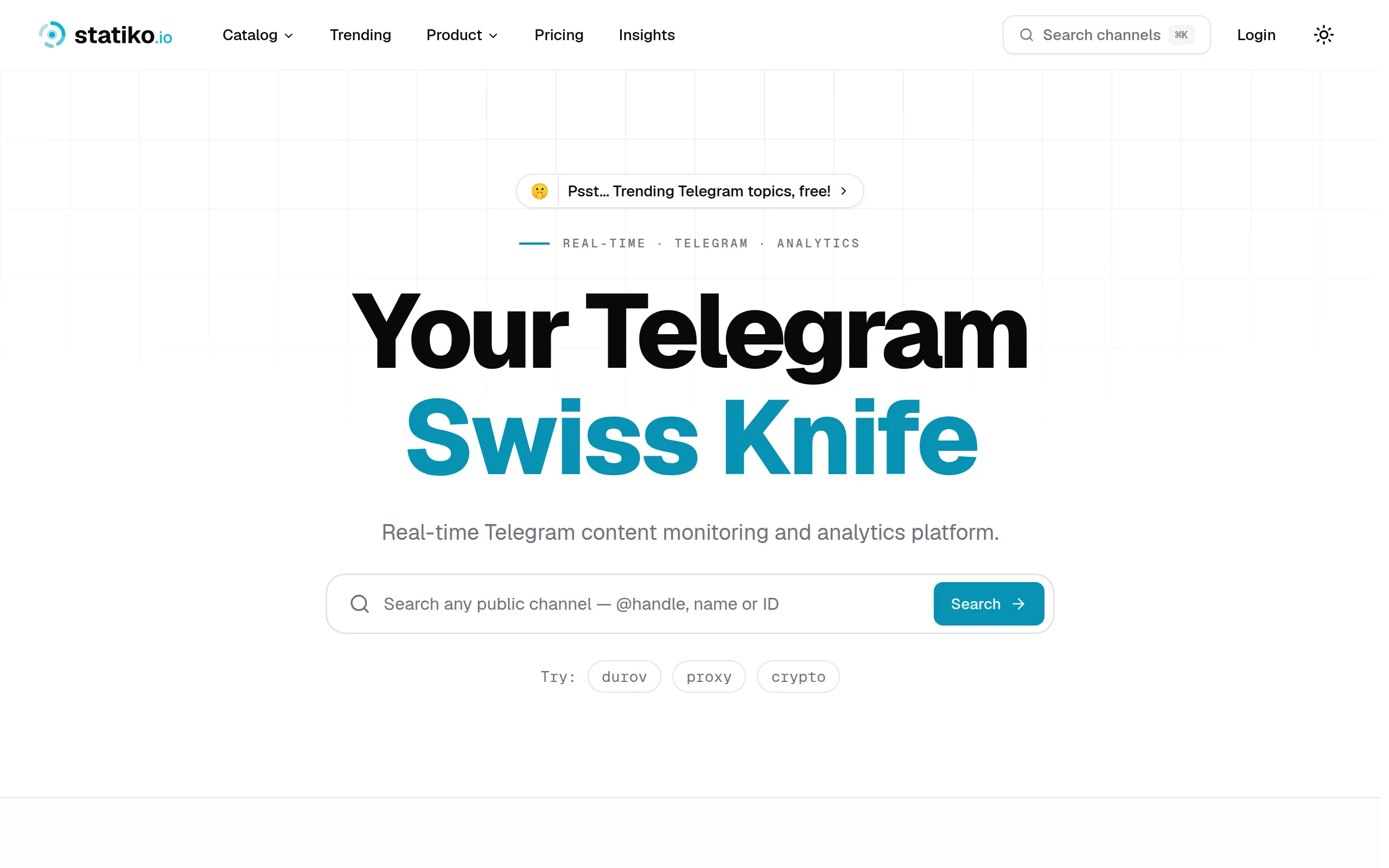
Statiko
Monitor any Telegram channel in real time - track posts, edits, deletions, and growth with AI recaps 📡

Shibui
AI website builder - describe your business, pick a niche template, edit by chatting, and publish instantly ✨

Pro Service
Find verified home service professionals, compare quotes, and pay securely through escrow - built for Brazilians across the US 🏠
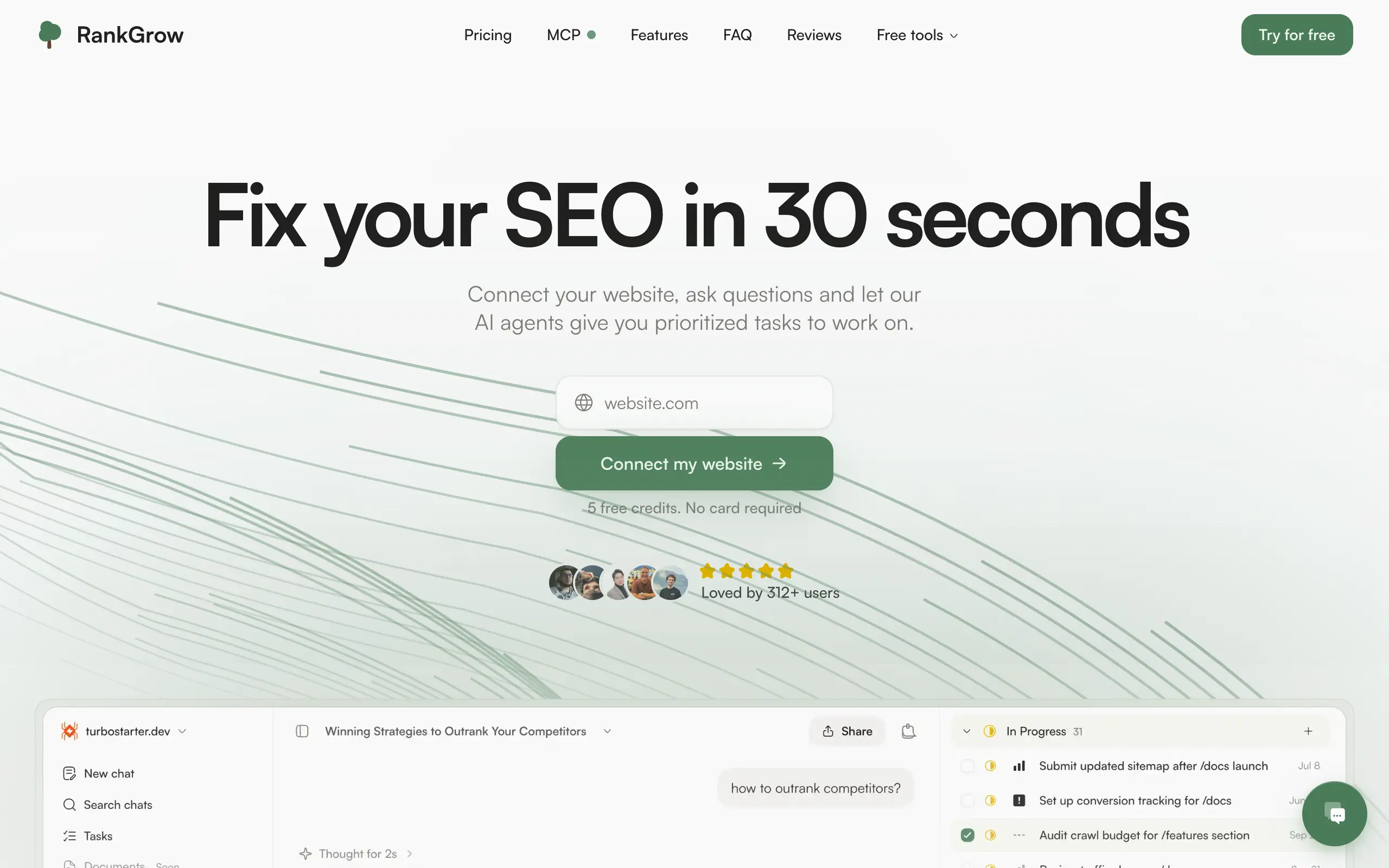
RankGrow
Fix your SEO with AI agents - connect Search Console, get prioritized tasks, and grow organic traffic 📈
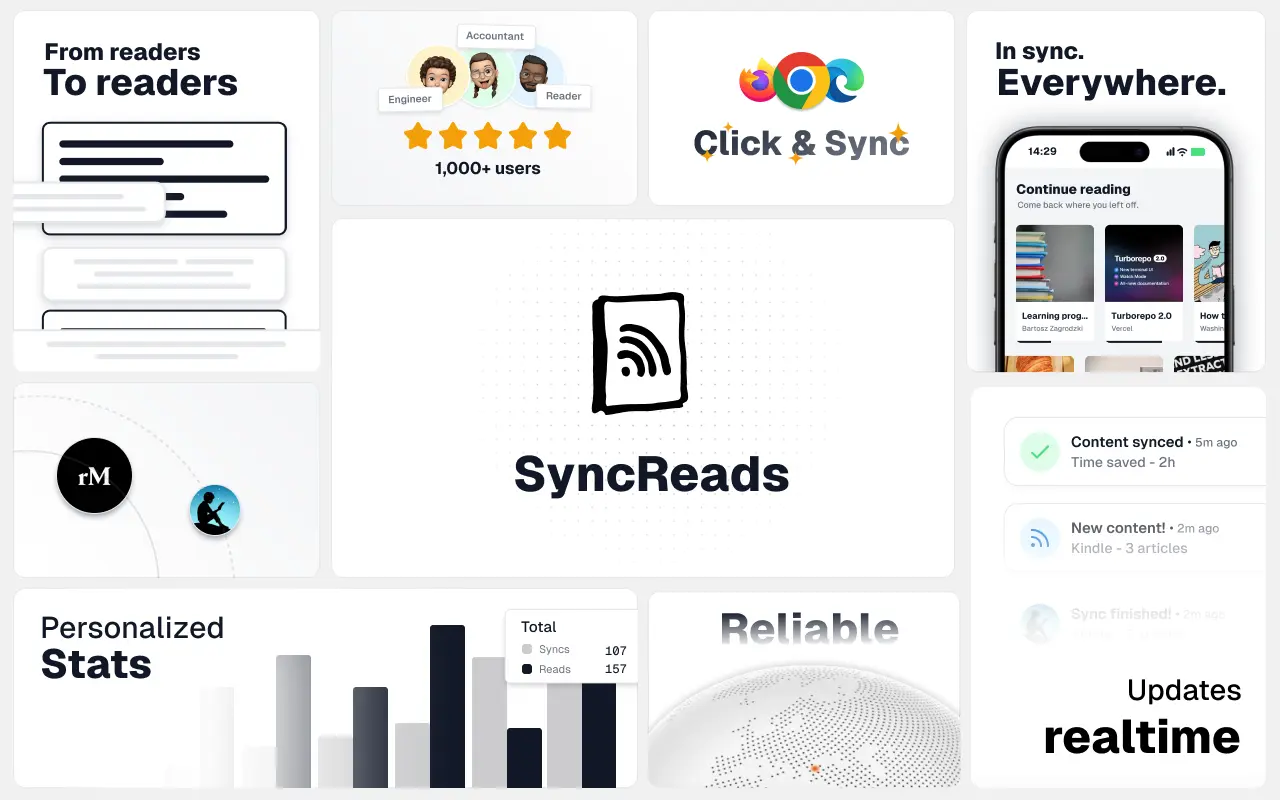
SyncReads
Sync your favorite content for distraction-free reading, save time and replace multiple apps. Anytime, anywhere 🔄
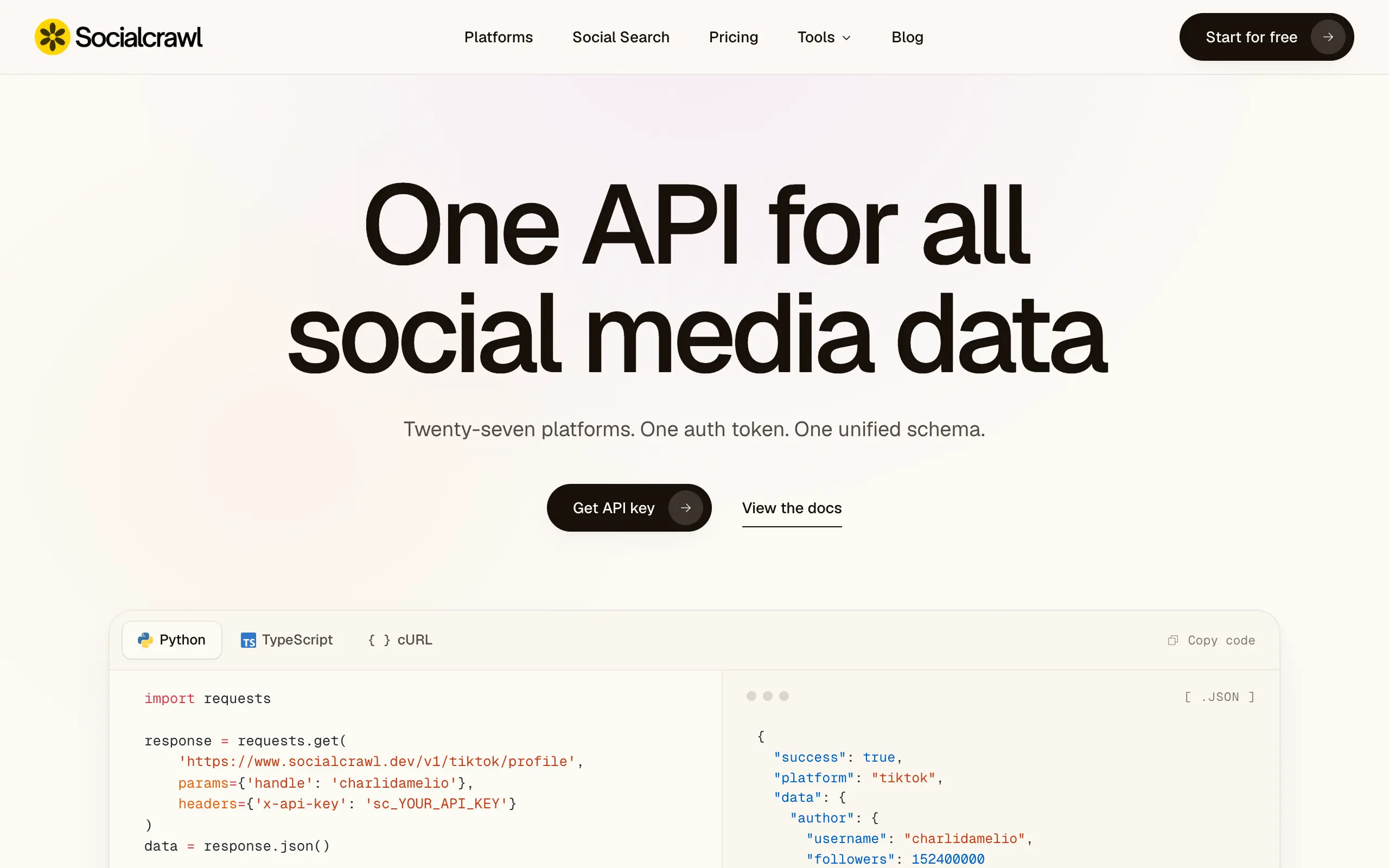
Socialcrawl
Get clean, structured data from 21 platforms like TikTok, Instagram, and YouTube with a single request 📊
Statiko
Monitor any Telegram channel in real time - track posts, edits, deletions, and growth with AI recaps 📡
Shibui
AI website builder - describe your business, pick a niche template, edit by chatting, and publish instantly ✨
Pro Service
Find verified home service professionals, compare quotes, and pay securely through escrow - built for Brazilians across the US 🏠
RankGrow
Fix your SEO with AI agents - connect Search Console, get prioritized tasks, and grow organic traffic 📈
SyncReads
Sync your favorite content for distraction-free reading, save time and replace multiple apps. Anytime, anywhere 🔄
Socialcrawl
Get clean, structured data from 21 platforms like TikTok, Instagram, and YouTube with a single request 📊
Statiko
Monitor any Telegram channel in real time - track posts, edits, deletions, and growth with AI recaps 📡
Shibui
AI website builder - describe your business, pick a niche template, edit by chatting, and publish instantly ✨
Pro Service
Find verified home service professionals, compare quotes, and pay securely through escrow - built for Brazilians across the US 🏠
RankGrow
Fix your SEO with AI agents - connect Search Console, get prioritized tasks, and grow organic traffic 📈
SyncReads
Sync your favorite content for distraction-free reading, save time and replace multiple apps. Anytime, anywhere 🔄
Socialcrawl
Get clean, structured data from 21 platforms like TikTok, Instagram, and YouTube with a single request 📊
Statiko
Monitor any Telegram channel in real time - track posts, edits, deletions, and growth with AI recaps 📡
Shibui
AI website builder - describe your business, pick a niche template, edit by chatting, and publish instantly ✨
Pro Service
Find verified home service professionals, compare quotes, and pay securely through escrow - built for Brazilians across the US 🏠
RankGrow
Fix your SEO with AI agents - connect Search Console, get prioritized tasks, and grow organic traffic 📈
SyncReads
Sync your favorite content for distraction-free reading, save time and replace multiple apps. Anytime, anywhere 🔄
Socialcrawl
Get clean, structured data from 21 platforms like TikTok, Instagram, and YouTube with a single request 📊
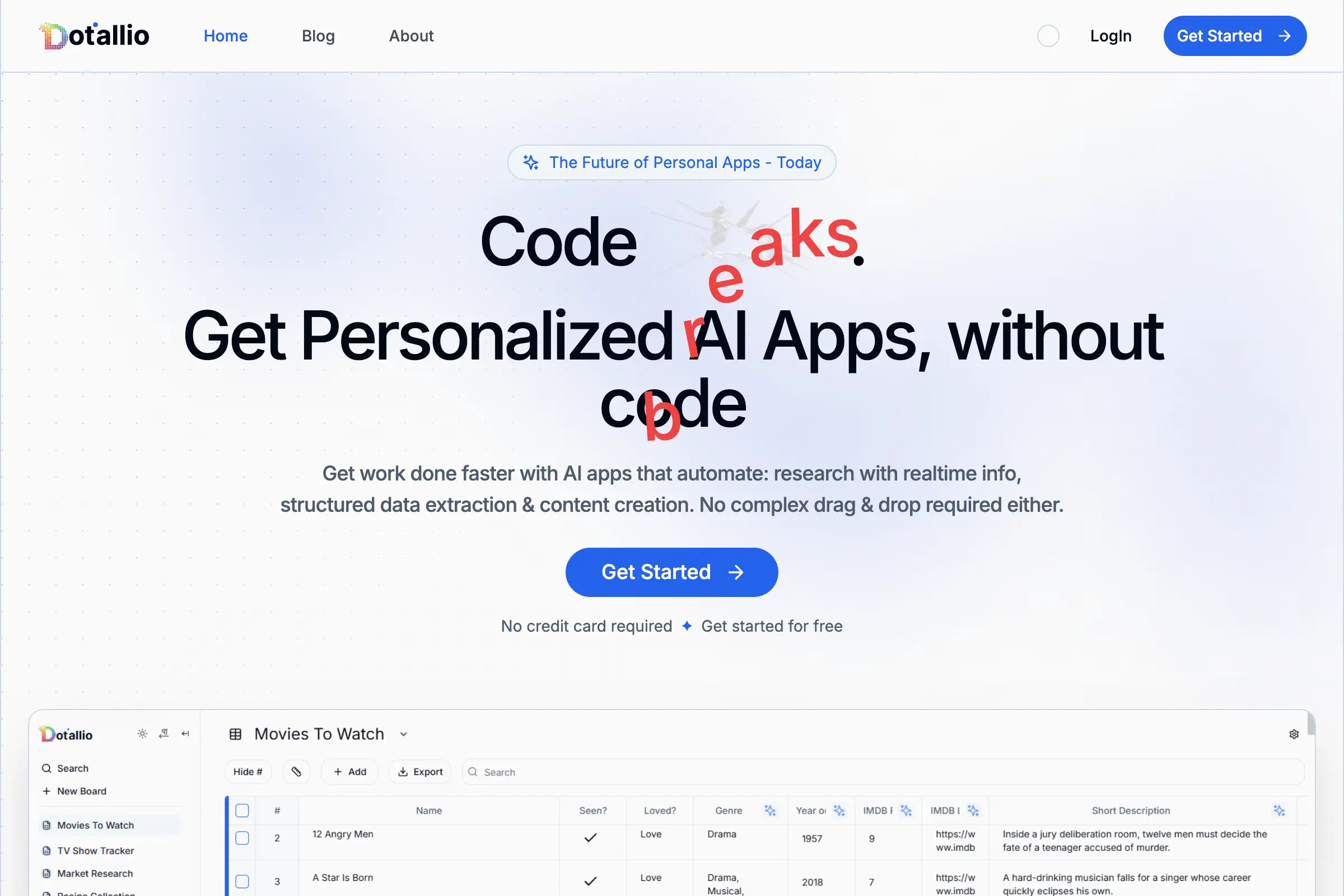
Dotallio
Personalized AI apps that automate research, data extraction, and content creation without code 🤖
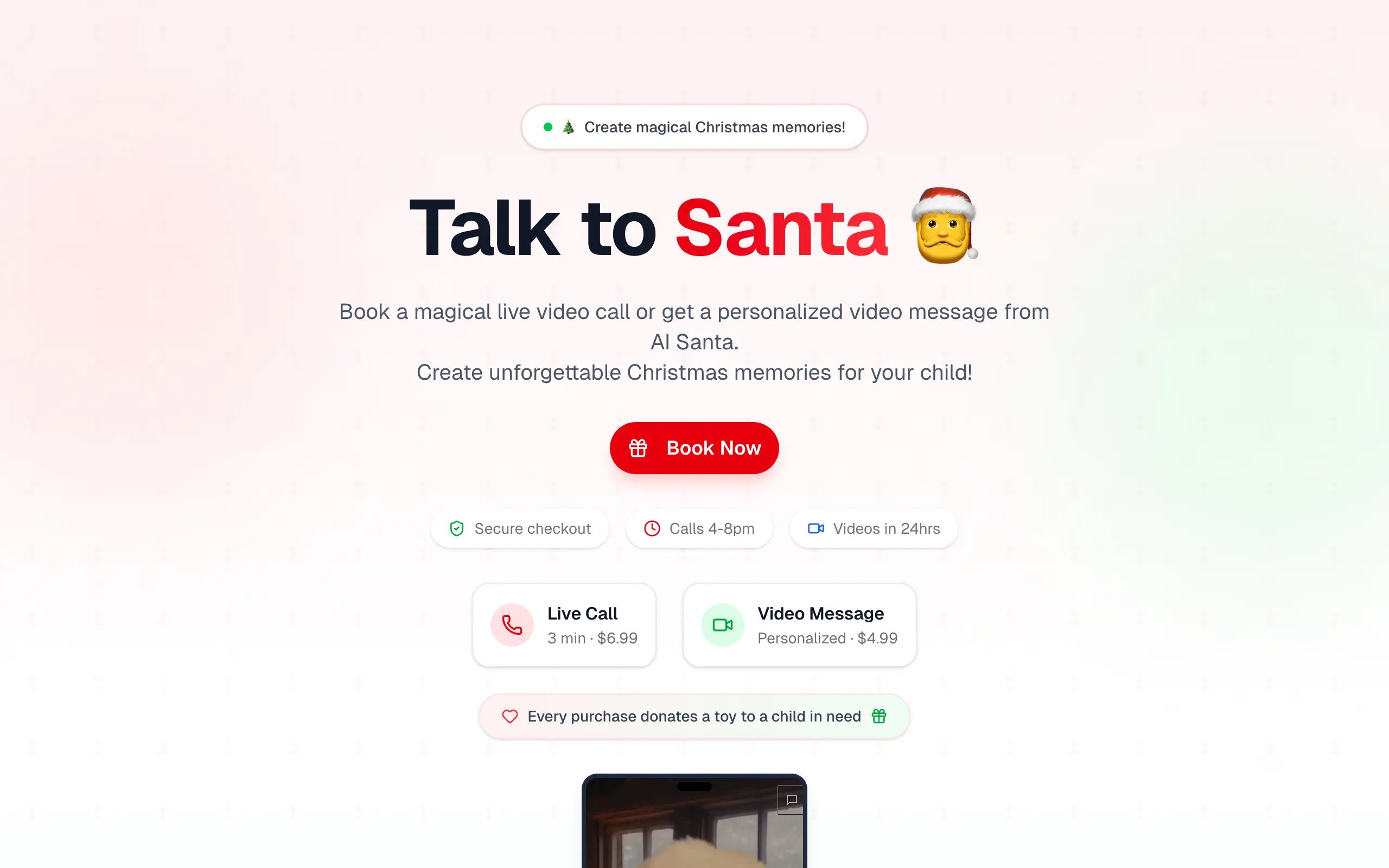
Talk to Santa
Enjoy a magical live video chat or receive a unique AI-generated video greeting from Santa Claus 🎅
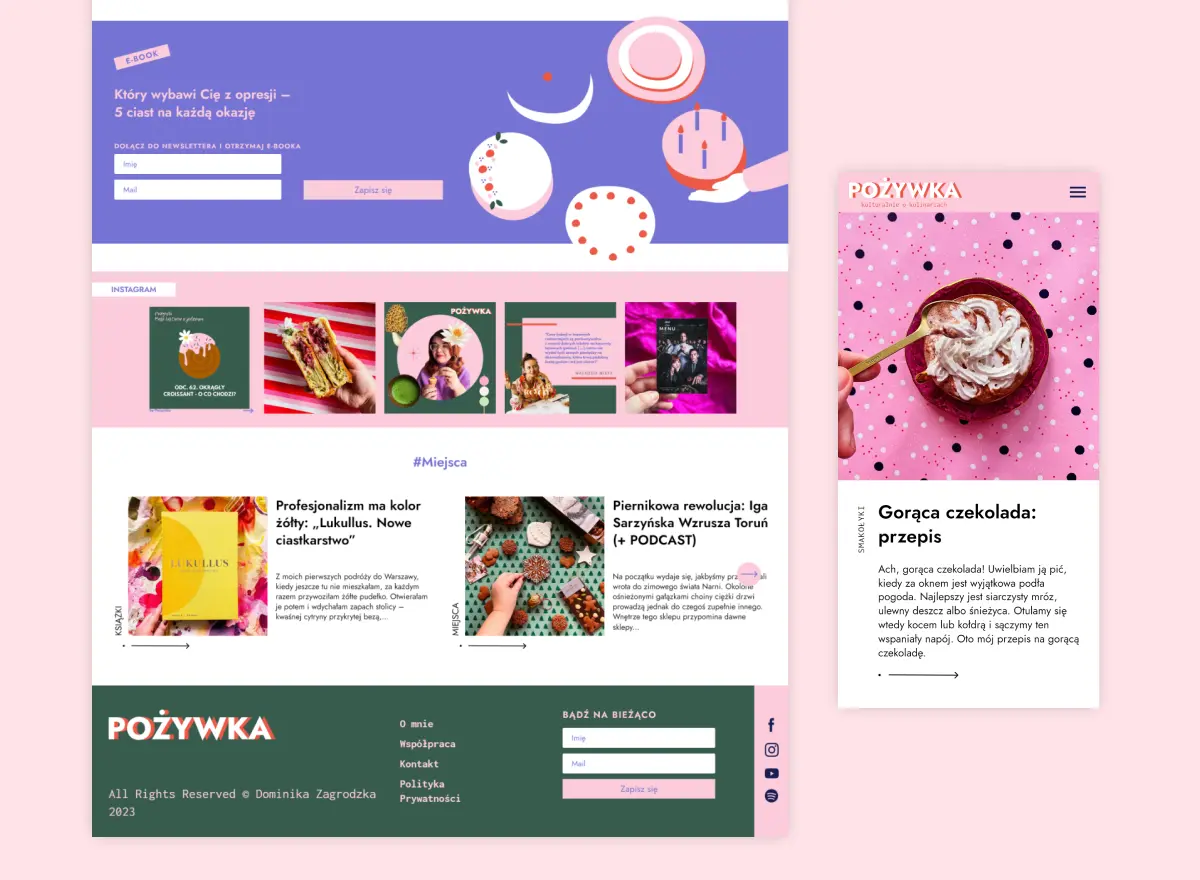
pozywka.pl
Scalable blog for food journalist, focused on performance and user experience 🌭
zagrodzki.me
Personal blog and portfolio of Bart Zagrodzki, where he shares his knowledge and work 💼
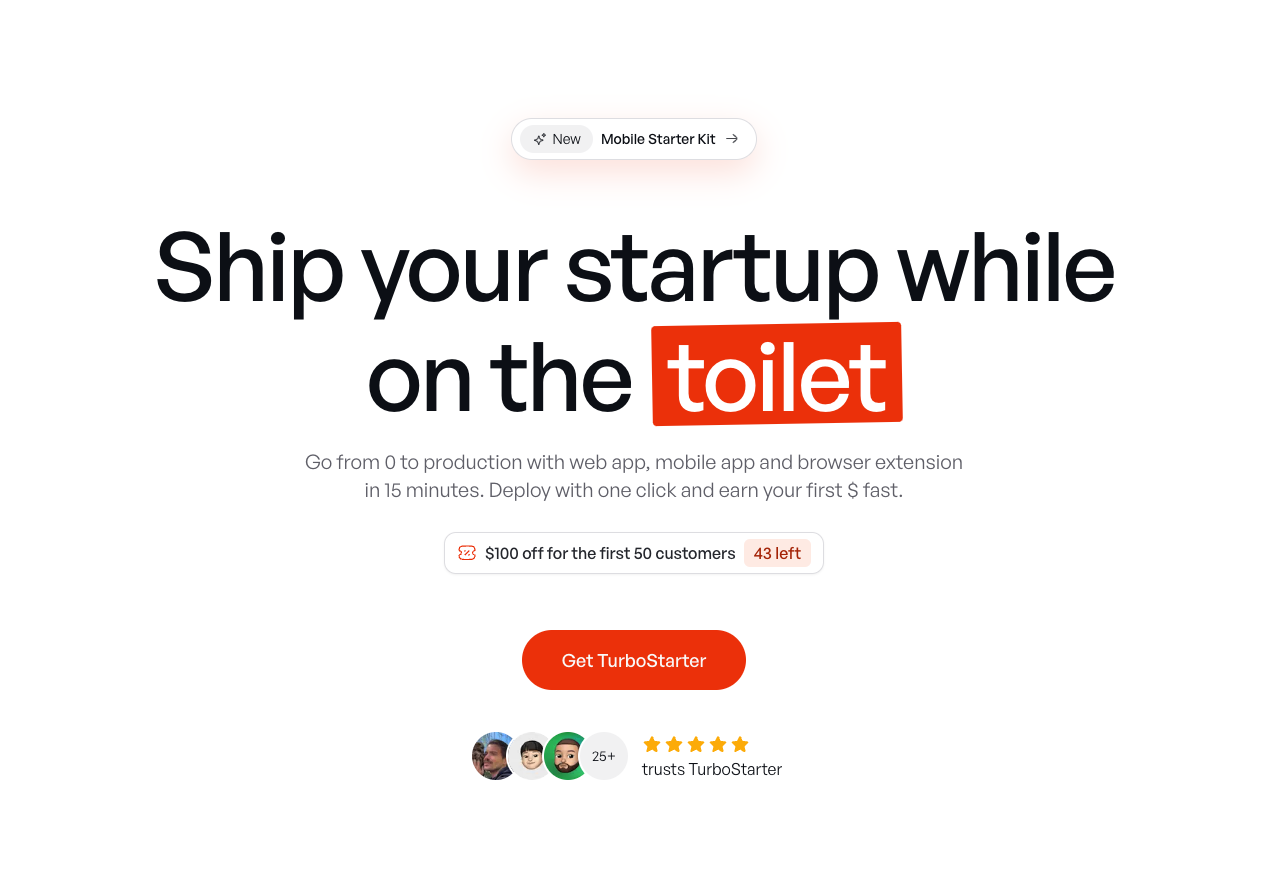
TurboStarter
Ship your startup everywhere. In minutes.
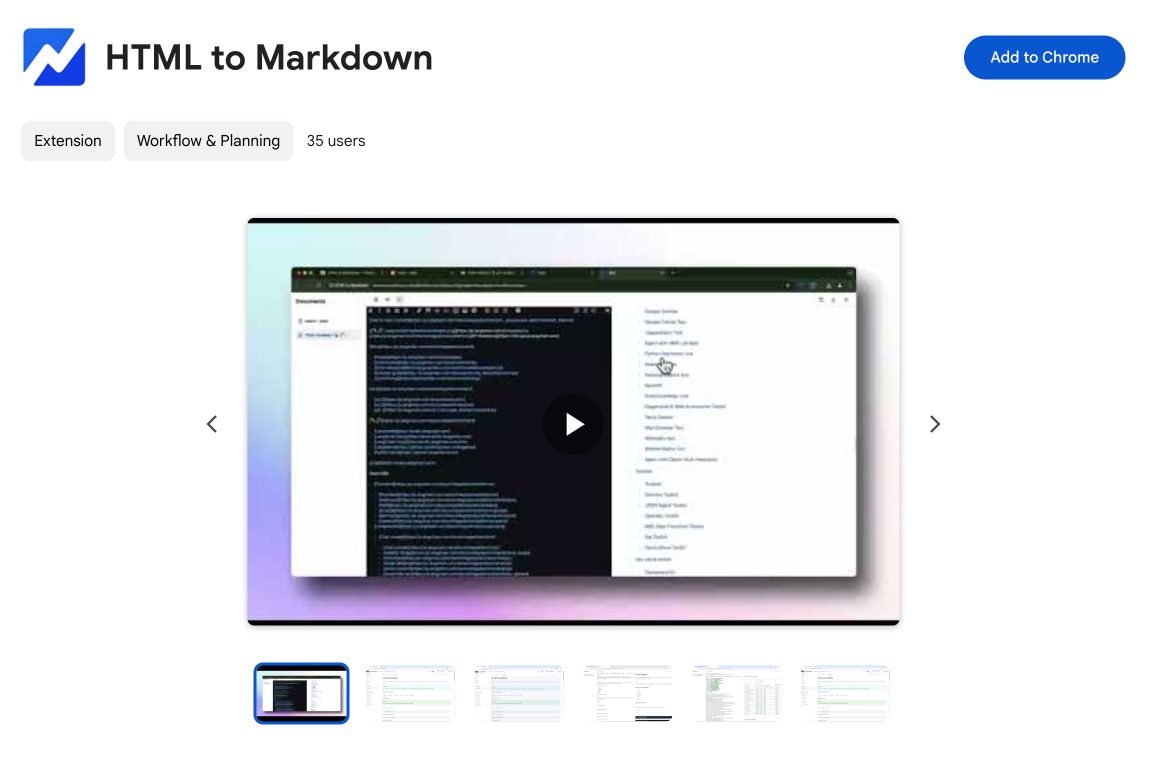
HTML to Markdown
Convert HTML to Markdown with ease, directly in your browser 📄
Dotallio
Personalized AI apps that automate research, data extraction, and content creation without code 🤖
Talk to Santa
Enjoy a magical live video chat or receive a unique AI-generated video greeting from Santa Claus 🎅
pozywka.pl
Scalable blog for food journalist, focused on performance and user experience 🌭
zagrodzki.me
Personal blog and portfolio of Bart Zagrodzki, where he shares his knowledge and work 💼
TurboStarter
Ship your startup everywhere. In minutes.
HTML to Markdown
Convert HTML to Markdown with ease, directly in your browser 📄
Dotallio
Personalized AI apps that automate research, data extraction, and content creation without code 🤖
Talk to Santa
Enjoy a magical live video chat or receive a unique AI-generated video greeting from Santa Claus 🎅
pozywka.pl
Scalable blog for food journalist, focused on performance and user experience 🌭
zagrodzki.me
Personal blog and portfolio of Bart Zagrodzki, where he shares his knowledge and work 💼
TurboStarter
Ship your startup everywhere. In minutes.
HTML to Markdown
Convert HTML to Markdown with ease, directly in your browser 📄
Dotallio
Personalized AI apps that automate research, data extraction, and content creation without code 🤖
Talk to Santa
Enjoy a magical live video chat or receive a unique AI-generated video greeting from Santa Claus 🎅
pozywka.pl
Scalable blog for food journalist, focused on performance and user experience 🌭
zagrodzki.me
Personal blog and portfolio of Bart Zagrodzki, where he shares his knowledge and work 💼
TurboStarter
Ship your startup everywhere. In minutes.
HTML to Markdown
Convert HTML to Markdown with ease, directly in your browser 📄
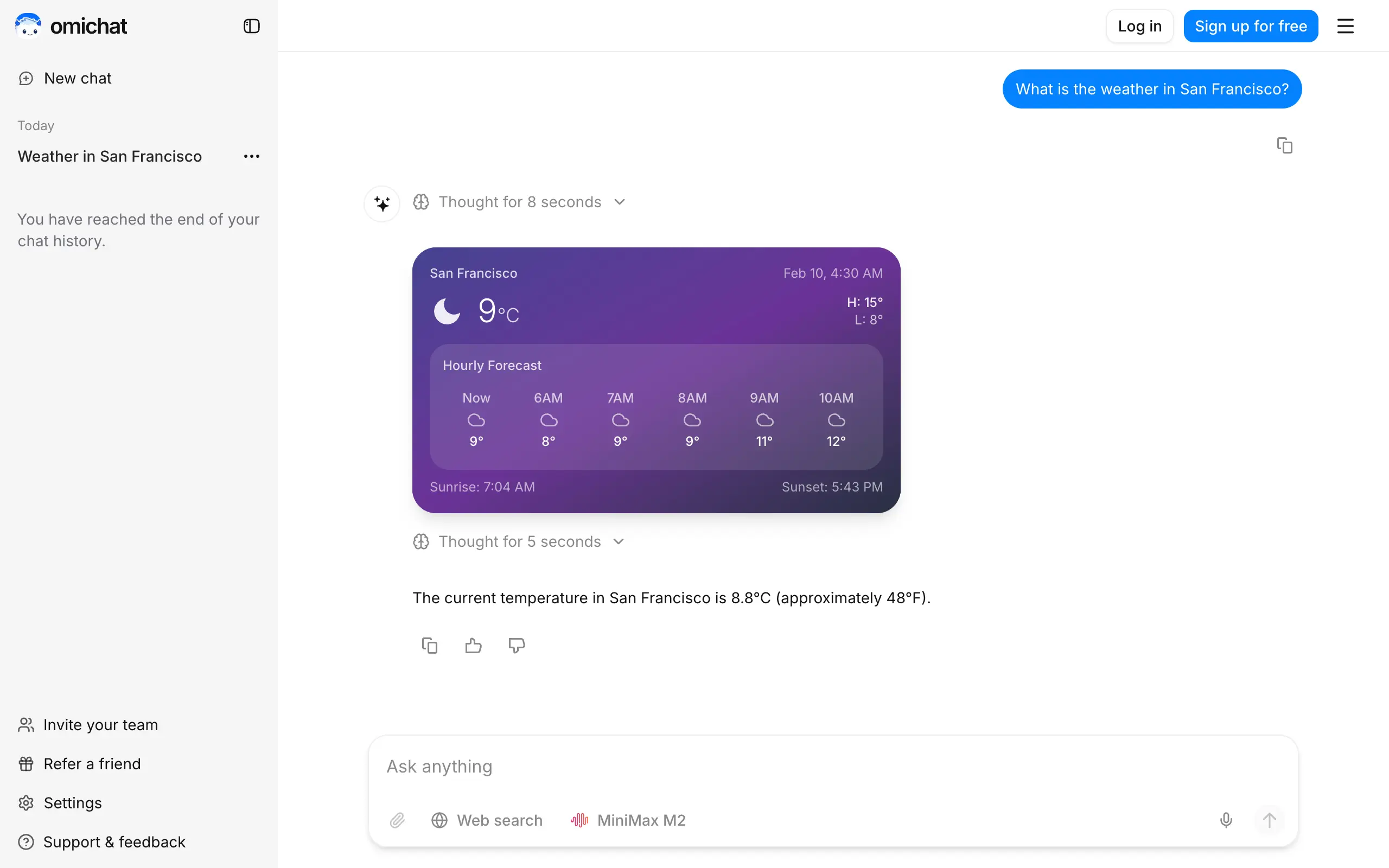
Omichat
Chat with 50+ AI models, including ChatGPT and Claude, in one place - switch models anytime without losing context 🤖
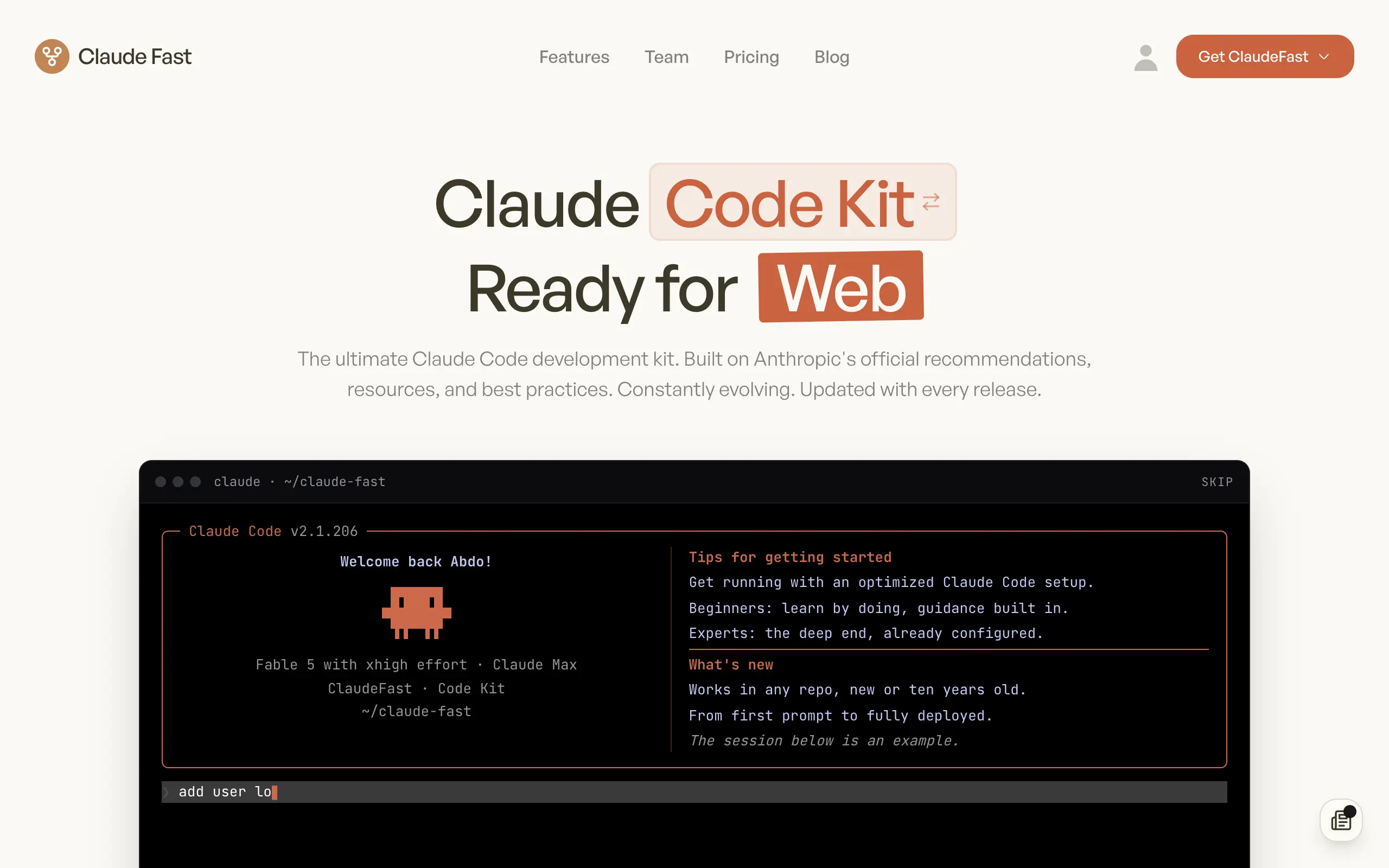
Claude Fast
Supercharge your Claude Code with 6x effective context window and specialized AI agents 🤖
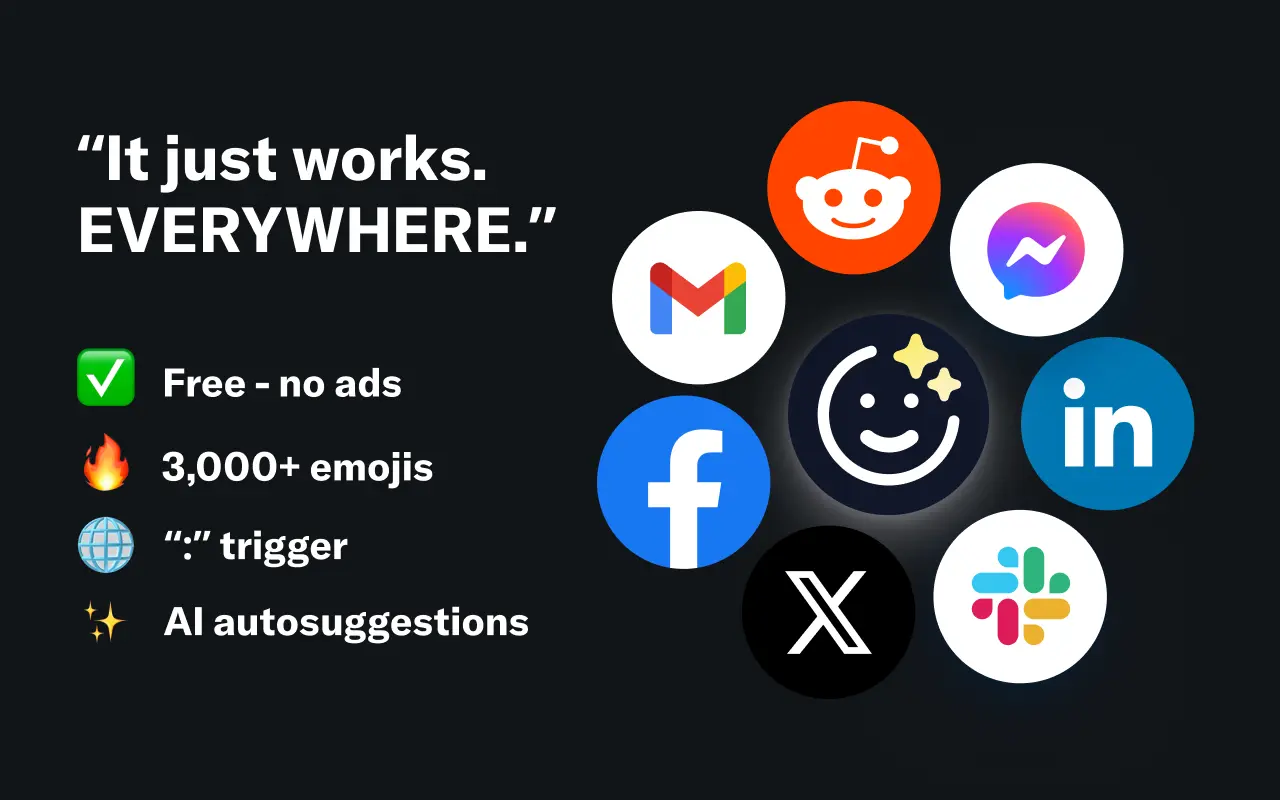
EmojAI
AI-powered emoji picker with smart, context-aware suggestions 🤖
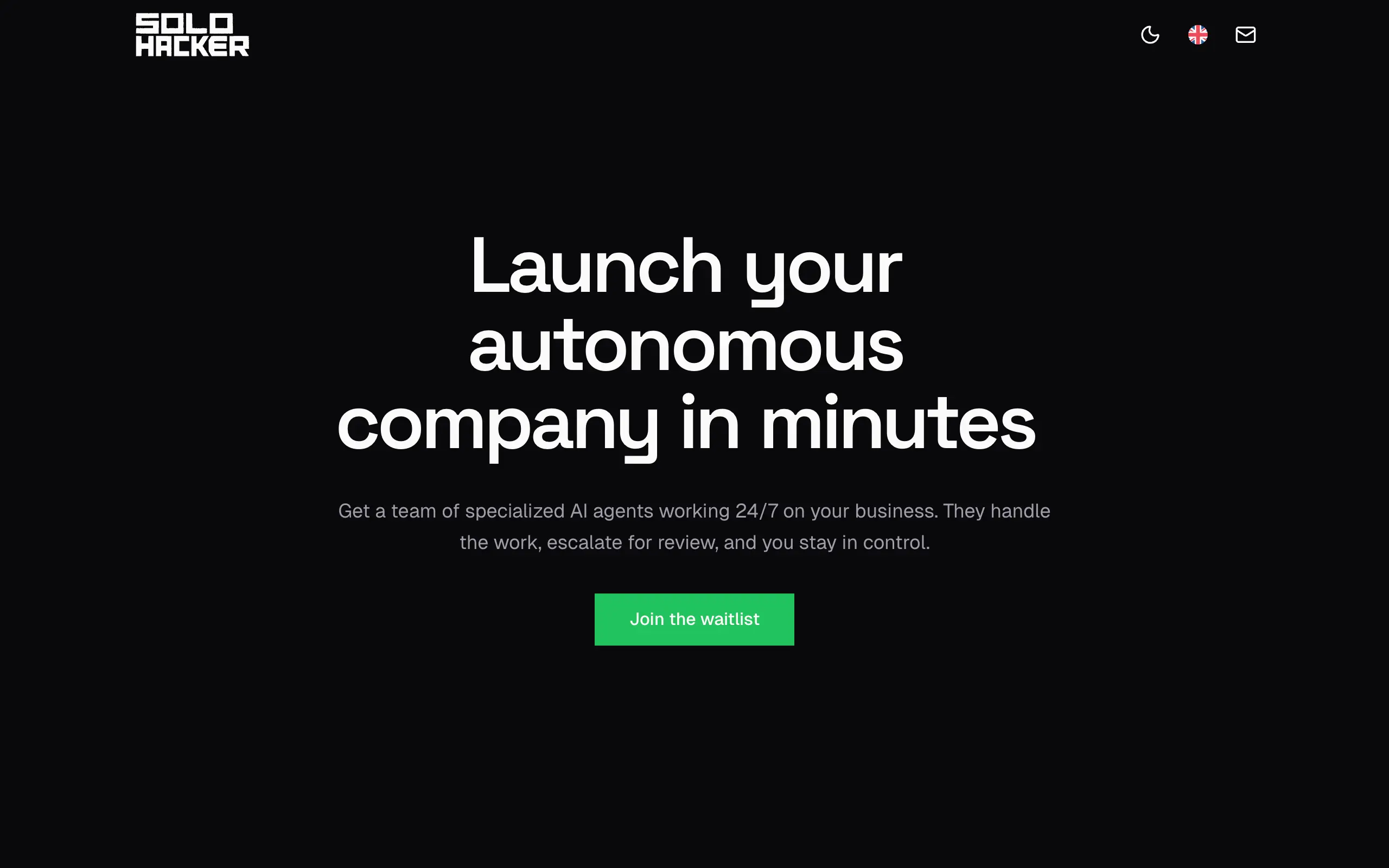
Solohacker
Autonomous company launcher - AI agents work 24/7, escalate what matters, and you stay in control 🤖
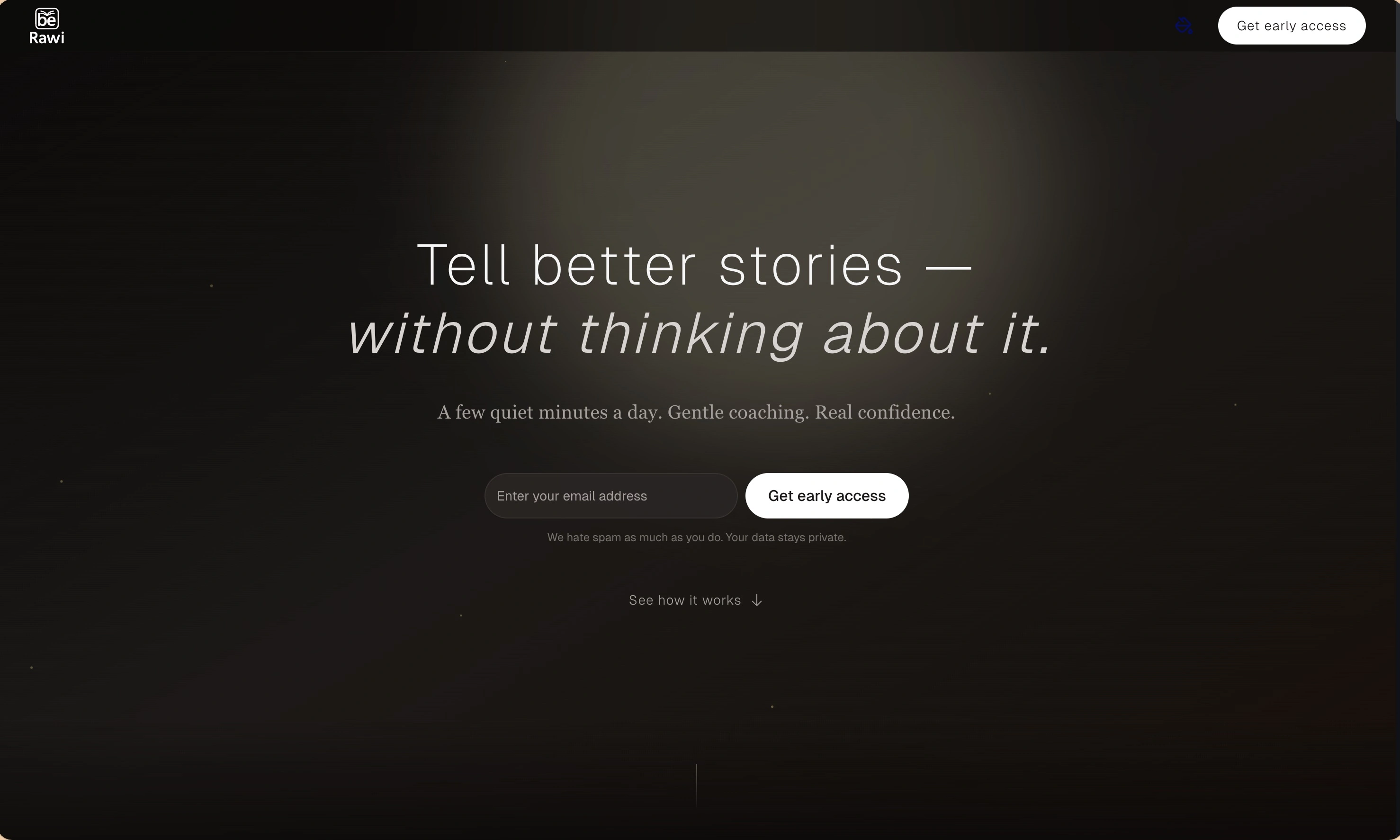
BeRawi: Storytelling Coach
Practice storytelling daily with instant feedback to sound clearer, more engaging, and confident 🎤
Omichat
Chat with 50+ AI models, including ChatGPT and Claude, in one place - switch models anytime without losing context 🤖
Claude Fast
Supercharge your Claude Code with 6x effective context window and specialized AI agents 🤖
EmojAI
AI-powered emoji picker with smart, context-aware suggestions 🤖
Solohacker
Autonomous company launcher - AI agents work 24/7, escalate what matters, and you stay in control 🤖
BeRawi: Storytelling Coach
Practice storytelling daily with instant feedback to sound clearer, more engaging, and confident 🎤
Omichat
Chat with 50+ AI models, including ChatGPT and Claude, in one place - switch models anytime without losing context 🤖
Claude Fast
Supercharge your Claude Code with 6x effective context window and specialized AI agents 🤖
EmojAI
AI-powered emoji picker with smart, context-aware suggestions 🤖
Solohacker
Autonomous company launcher - AI agents work 24/7, escalate what matters, and you stay in control 🤖
BeRawi: Storytelling Coach
Practice storytelling daily with instant feedback to sound clearer, more engaging, and confident 🎤
Omichat
Chat with 50+ AI models, including ChatGPT and Claude, in one place - switch models anytime without losing context 🤖
Claude Fast
Supercharge your Claude Code with 6x effective context window and specialized AI agents 🤖
EmojAI
AI-powered emoji picker with smart, context-aware suggestions 🤖
Solohacker
Autonomous company launcher - AI agents work 24/7, escalate what matters, and you stay in control 🤖
BeRawi: Storytelling Coach
Practice storytelling daily with instant feedback to sound clearer, more engaging, and confident 🎤

Connect with like-minded people
Join our community to get feedback, support, and grow together with 1,000+ builders on board, let's ship it!
Join usShip your startup everywhere. In minutes.
Don't burn tokens on setup and start building features on day one.