FitSignal
Reduce apparel returns with AI that finds fit and expectation issues in reviews and return data. Get prioritized product-page fixes and sizing guidance.
Apparel returns are often treated as a cost of doing business. But many returns are also a source of product insight: customers explain what felt too small, what looked different in person, and what did not match the product-page description. The challenge is turning those scattered signals into specific improvements before the same issue affects more orders.
FitSignal is an AI-powered apparel returns reduction platform designed to do that. It analyzes product reviews and return data to identify fit and expectation problems, prioritizes the product-page changes most likely to help, and gives shoppers clearer sizing guidance.
For apparel brands, ecommerce operators, and product teams, the opportunity is not simply to process returns faster. It is to learn from them—and use that learning to make shopping expectations more accurate.
What is FitSignal?
FitSignal is a SaaS product concept for reducing apparel returns through AI-driven analysis of customer feedback and return information. It connects qualitative signals, such as review text, with structured signals, such as return reasons and product attributes.
The product’s core workflow is:
- Collect review and return data from a brand’s existing systems.
- Detect recurring issues related to fit, size, fabric, color, construction, and product-page expectations.
- Rank issues by their prevalence, business impact, and confidence.
- Recommend practical fixes, such as updating a size chart, clarifying a product description, or adding a fit note.
- Help teams measure whether those changes improve the customer experience and return outcomes.
The most important distinction is that FitSignal should not stop at summarizing customer sentiment. A useful system translates evidence into decisions. Instead of showing a dashboard that says “customers mention sizing,” it should help a team understand which products have the problem, what shoppers mean by “runs small,” how confident the system is, and what action to take next.
That makes the primary value proposition concrete: FitSignal helps apparel teams find and fix product-page and sizing problems that contribute to avoidable returns.
Why apparel returns are a product intelligence problem
Returns can result from many causes, and not all of them are preventable. A shopper may change their mind, order multiple sizes intentionally, or return an item because of a personal preference. Other returns, however, can point to a gap between what a product page promises and what a customer receives.
Common examples include:
- A garment fits smaller or larger than shoppers expect.
- A size chart is hard to interpret or does not match the garment’s fit.
- Fabric weight, stretch, or texture is unclear online.
- A color looks different from customer expectations.
- Product photos do not show length, drape, or fit on different body types.
- A product description omits a detail that matters when wearing the item.
- A style has inconsistent sizing across colors, suppliers, or production runs.
These problems are easy to miss when feedback is spread across reviews, support tickets, return forms, and product pages. Teams may review comments manually, but that approach becomes difficult as a catalog grows. It also encourages reactive fixes: a page is changed after enough complaints accumulate, rather than when a concerning pattern first becomes visible.
FitSignal can make this feedback more usable by creating a product-level view of customer expectations. It can help teams distinguish a single anecdote from a pattern that deserves attention and connect that pattern to a concrete content or sizing change.
Who should use FitSignal?
The strongest initial customers are apparel brands with enough digital sales and customer feedback to benefit from systematic analysis, but without a large internal team dedicated to fit analytics.
Direct-to-consumer apparel brands
DTC brands often control their product pages and customer communication, which makes it possible to act on insights quickly. A brand can test a clearer fit note, update a measurement guide, or add garment measurements without waiting for a marketplace or retailer to make the change.
FitSignal is particularly relevant for brands with:
- A growing product catalog
- Repeat styles or seasonal collections
- Meaningful review volume
- Multiple size ranges or fit categories
- A returns team that already records return reasons
- Product, merchandising, or ecommerce staff who can implement recommendations
Ecommerce and merchandising teams
Ecommerce managers and merchandisers need to prioritize limited time. They may have dozens or hundreds of product pages to maintain, but only a subset may be causing significant customer confusion.
FitSignal can help them answer operational questions such as:
- Which product pages need attention first?
- Is the issue limited to one size, color, or style?
- Are customers describing the same problem in different words?
- Did a page update change review or return patterns?
- Which recommendation can be implemented before the next campaign?
Product development and technical design teams
Customer language can reveal design and manufacturing concerns that structured return codes do not capture. If shoppers repeatedly describe a sleeve as restrictive or a waistband as uncomfortable, product teams may want that context during a future development cycle.
FitSignal should present this feedback carefully. Reviews are not a substitute for fit testing, pattern expertise, or production quality control. They are an additional source of evidence that can direct attention to products or attributes worth investigating.
Customer experience and returns teams
Support and returns teams often hear details that do not fit neatly into a dropdown menu. An AI analysis layer can help organize that language into consistent themes and make it easier to communicate recurring issues to the teams who own product pages and product design.
Brands that may not be ready
A very small seller with few orders and almost no reviews may not have enough data to identify reliable patterns. For those businesses, the product should avoid presenting weak signals as firm conclusions. It may be more useful to offer a lightweight feedback inbox or wait until the brand reaches a meaningful volume of customer input.
The market opportunity and product gap
Many ecommerce tools focus on a specific part of the returns process: creating return labels, managing exchanges, collecting return reasons, or displaying customer reviews. These tools can be valuable, but the analysis-to-action workflow is a separate opportunity.
A brand might know that a customer returned an item, but not know whether the reason reflects a sizing issue, an unclear description, or an isolated preference. A reviews platform might contain detailed comments, but it may not connect those comments to return behavior or prioritize the product-page changes with the clearest potential value.
FitSignal’s opportunity is to sit between customer feedback and product-page improvement.
The product should not position itself as a generic AI sentiment dashboard. That category is easy to imitate and can leave users with more charts but no clear next step. Instead, FitSignal can focus on a narrower workflow:
- Identify a specific product-level issue.
- Show the evidence behind the finding.
- Explain the likely customer impact.
- Recommend an action a team can actually implement.
- Track what happens after the change.
This focus creates a more defensible product experience. The value is not just that AI can read reviews quickly. The value is that the system helps a team decide what to do, why that action is justified, and whether it appears to have helped.
Industry-wide return rates and costs vary by geography, category, channel, and measurement method. If FitSignal uses market statistics in its sales materials, those figures should be attributed to a clearly named, current source and should explain the scope of the data. Avoid using one broad ecommerce return statistic as if it applies equally to every apparel brand.
How FitSignal should work
A trustworthy product needs a clear path from raw data to recommendation. Each stage should preserve context and make it possible for a user to inspect the underlying evidence.
1. Connect customer and catalog data
FitSignal could begin with a small set of high-value integrations:
- Ecommerce platform product catalogs and variant data
- Product reviews and review metadata
- Return records and selected return reasons
- Product-page URLs and descriptions
- Optional support conversations or post-purchase survey responses
The initial integration strategy should favor a few reliable sources over a long list of shallow integrations. A clean import process for CSV files can also help early customers get started before every connector is available.
Data mapping matters. A review must be connected to the correct product and, where available, the relevant size or color. Return records should use stable product and variant identifiers rather than product names alone. Product names can change; identifiers are more dependable.
2. Normalize feedback without erasing customer language
Customers describe similar problems in different ways. One shopper may say “runs tight in the hips,” while another says “not enough room through the seat.” FitSignal can group related phrases into a common issue category while retaining the original text as evidence.
Potential categories include:
- Runs small or runs large
- Narrow or wide fit
- Length or inseam concern
- Tightness or restriction in a specific area
- Fabric, stretch, or weight mismatch
- Color or appearance mismatch
- Product description or photo expectation mismatch
- Construction or quality concern
The system should allow brands to adjust categories to match their product language. A label that is useful for denim may not be suitable for swimwear or footwear.
3. Detect patterns at the right level
A useful finding may exist at the product, style, size, color, or collection level. FitSignal should avoid treating every comment about a product as evidence of a catalog-wide problem.
For example, a fit issue could apply only to one size range or one color produced in a different fabric. Recommendations should use the most precise level supported by the data and state when the evidence is too limited to be conclusive.
4. Prioritize issues, not just mention counts
The most frequently mentioned issue is not always the most important one. A product with high sales volume and a repeated fit complaint may deserve attention before a low-volume item with a similar number of comments.
A prioritization model could consider:
- Feedback volume and recency
- Return volume and selected return reasons
- Product sales or order volume, if available
- Severity and consistency of the issue
- Confidence that the feedback refers to the same underlying problem
- Whether the issue is actionable on the product page
- Whether the product is currently active or being replenished
The dashboard should explain its reasoning. A ranked score without context can create false confidence; a score accompanied by evidence and a confidence level is more useful.
5. Recommend a specific product-page action
Each recommendation should be practical, editable, and tied to its supporting evidence. Example recommendations could include:
- Add a fit note stating that the garment runs narrow through the shoulders.
- Clarify whether the fabric has stretch.
- Show garment measurements alongside body measurements.
- Explain where a product falls relative to the waist, hip, or ankle.
- Add a photo that shows the garment on a model with a different height or body shape.
- Clarify whether the displayed color may vary under different lighting.
- Update the size guidance for a specific product rather than changing the brand-wide size chart.
AI-generated copy should always be presented as a draft for human review. FitSignal should not silently publish changes or invent measurements that the brand has not provided.
Core features for an effective FitSignal MVP
The first version should prove that customers can move from feedback to action. A broad analytics suite is less important than a dependable workflow that produces insights users trust.
Feedback ingestion and data health
The product should provide clear visibility into which sources are connected, how recently they synced, and whether records are being matched to catalog items. Users need to know if an insight is based on current data or a partial import.
Important capabilities include:
- CSV upload with column mapping
- Review and return data connectors
- Product and variant matching
- Duplicate detection
- Sync status and import error reports
- Data retention and deletion controls
AI issue detection
The system should group feedback into understandable themes and surface supporting examples. It should also distinguish between positive fit feedback, negative fit feedback, and neutral descriptions.
For every insight, provide:
- The issue category
- The affected product or variant
- The time period analyzed
- The number and type of relevant records
- A confidence indicator
- Representative customer comments
- A note about missing or limited data
Product-level opportunity dashboard
The dashboard should answer “What should I fix next?” rather than simply “What is happening?”
A useful issue card might contain:
- Product name and identifier
- Issue summary in plain language
- Number of relevant reviews and returns
- Trend over time
- Estimated priority
- Suggested action
- Link to the product page or internal product record
- Status such as new, reviewing, planned, or resolved
Sizing guidance and fit notes
FitSignal can help teams create more consistent sizing guidance by identifying where shopper expectations diverge from the current page. It should not replace verified product measurements or professional fit expertise.
Useful controls include:
- Draft fit notes for a specific product
- Compare customer feedback with existing size guidance
- Flag conflicting feedback across sizes
- Add brand-approved language templates
- Keep a history of edits and approvals
Change tracking and outcome measurement
After a team updates a product page, FitSignal should record what changed and when. The system can then monitor relevant trends, while accounting for changes in traffic, seasonality, inventory, and product mix.
A responsible measurement view might show whether a return reason or complaint theme became less common after an update. It should not claim that the page edit caused an improvement without a suitable evaluation method. Where possible, brands can run controlled experiments or compare similar products over the same period.
Collaboration and workflow
Insights need an owner. FitSignal should let users assign a recommendation, add notes, and track progress. This is especially helpful when ecommerce, merchandising, product development, and customer experience teams share responsibility.
Competitive advantage and unique selling proposition
FitSignal’s strongest potential advantage is its focused connection between review analysis, return signals, and product-page recommendations. That positioning is more specific than a generic customer sentiment platform and more action-oriented than a returns report.
| Capability | Basic review summaries | Returns reporting | FitSignal opportunity |
|---|---|---|---|
| Reads customer comments | Often | Limited | Yes |
| Connects themes to return reasons | Sometimes | Sometimes | Core workflow |
| Identifies product-level fit patterns | Varies | Varies | Core workflow |
| Recommends page or sizing changes | Often limited | Usually limited | Core workflow |
| Shows evidence behind recommendations | Varies | Varies | Essential trust feature |
| Tracks implementation and follow-up | Varies | Varies | Differentiating feature |
The table describes a positioning opportunity, not a claim that every competing product lacks these capabilities. Competitive research should examine specific products, integrations, and customer workflows before making comparisons in marketing materials.
What can become defensible over time?
AI models alone are rarely a lasting moat. FitSignal’s defensibility can come from a combination of:
- Reliable product, variant, review, and return data mapping
- Apparel-specific issue taxonomies
- Customer-approved recommendation workflows
- Historical links between page changes and feedback patterns
- Integration into existing ecommerce operations
- Trust earned through evidence, explainability, and data controls
As more customers use the product, FitSignal may learn which types of feedback tend to map to which action categories. That learning should be used carefully and should not expose one customer’s identifiable or sensitive data to another customer.
Recommended technology stack
The best stack is one that supports secure data handling, reliable integrations, and rapid iteration. The initial product does not need a complex microservice architecture. A modular application with clear boundaries is usually easier to build and operate.
Frontend
A modern React-based web application is a good fit for a dashboard with filters, tables, issue cards, and workflow states. React provides the core UI library, while Next.js can support application routing, server-rendered pages, and backend endpoints where appropriate.
For the interface, prioritize:
- Fast filtering by product, date, category, and status
- Accessible tables and keyboard navigation
- Clear empty states when a brand lacks enough data
- Responsive views for operators reviewing insights on different devices
- Evidence panels that keep source comments easy to inspect
A sophisticated visualization library is not essential at launch. Clear issue summaries and usable filters are more valuable than a large collection of charts.
Backend and data storage
A relational database such as PostgreSQL is a strong starting point because the product works with structured relationships among organizations, products, variants, reviews, returns, recommendations, and users. Use separate tenant identifiers and enforce access rules at the database and application layers.
A practical data model might include:
- Organizations and memberships
- Products and variants
- Source connections and sync jobs
- Reviews and return records
- Normalized feedback themes
- Recommendations and evidence references
- User actions and change history
Store original source records separately from derived AI outputs so that a team can trace an insight back to the source. Establish retention policies for raw text and personally identifiable information before customer data is ingested.
AI and text processing
A hybrid approach is often more dependable than sending every record directly to a language model and accepting its output. Consider combining:
- Deterministic rules for known fields and return codes
- Text classification for common issue categories
- Embeddings or semantic search for grouping similar comments
- Language models for concise summaries and draft recommendations
- Human review and confidence thresholds for important actions
The system should treat customer comments as untrusted input. It should not follow instructions embedded in review text, reveal private data in generated output, or use a model response as a substitute for access control.
AI output should be structured and validated before it reaches the interface. For example, the model can return a category, evidence IDs, confidence estimate, and proposed action in a schema that the application checks. If the output fails validation, the product should show a safe fallback rather than a fabricated recommendation.
Integrations and background processing
Importing reviews and returns may involve pagination, rate limits, retries, and delayed events. Background jobs can handle scheduled syncs and large imports without blocking user interactions. Build idempotent jobs so that retrying a sync does not create duplicate records.
For the first release, support a small number of high-value ecommerce and review data sources, plus CSV import. Expand based on customer demand and the stability of each connector.
Security and reliability
FitSignal will process operational and potentially sensitive customer information. Security should be part of the product design from the start.
Priorities include:
- Encryption in transit and at rest
- Role-based access controls
- Tenant isolation
- Audit logs for sensitive operations
- Secret management for integration credentials
- Deletion and export workflows
- Monitoring for failed syncs and background jobs
- Documented incident response procedures
If using a managed application foundation to move faster, TurboStarter can help establish common SaaS building blocks. The trade-off is that teams should still review how its architecture fits their data model, integration needs, and security requirements rather than treating any starter kit as a substitute for product-specific engineering.
Monetization strategy
FitSignal can charge according to the value customers receive while keeping pricing understandable. A good starting model should align with the amount of data analyzed and the number of products or teams supported.
Subscription tiers
A tiered subscription could include:
- Starter for small brands testing feedback analysis on a limited catalog
- Growth for teams with recurring review and return imports
- Scale for larger catalogs, multiple storefronts, and advanced permissions
- Enterprise for custom integrations, security requirements, or procurement processes
Potential plan limits include active products, monthly feedback records, connected data sources, user seats, and historical data retention. Avoid combining too many limits; customers should be able to predict the bill without studying a complicated usage formula.
Paid pilot
A fixed-scope pilot can help validate value with early customers. It might focus on a defined set of products, a limited period of review and return data, and a review meeting where the customer decides which recommendations to implement.
A paid pilot also tests whether the product can deliver useful findings from real-world data. Set success criteria before starting, such as time saved reviewing feedback, recommendations accepted, or changes made to selected product pages. Do not promise a specific reduction in returns before gathering evidence.
Enterprise and service options
Larger brands may value services that help configure data mappings, build custom taxonomies, or onboard multiple teams. These services can create revenue early, but they should not become a fully manual consultancy that prevents the software from scaling.
The product should make clear which work is included in the subscription and which work requires a paid onboarding or integration project.
Risks and how to mitigate them
FitSignal’s credibility depends on how responsibly it handles uncertainty. A polished AI summary is not useful if it is based on a bad product match or a biased sample.
False or overconfident insights
A handful of comments may not represent the full customer base. Show the number of records behind each finding, set minimum evidence thresholds, and use language such as “possible pattern” when confidence is limited.
Let users inspect source comments and correct inaccurate classifications. Corrections can improve the customer’s own analysis without implying that every correction should be used to train a shared model.
Poor data quality
Return reasons may be missing, inconsistent, or selected from overly broad categories. Product records may use inconsistent names or identifiers. Address this with data quality checks, mapping tools, and visible warnings.
If FitSignal cannot confidently match a review to a product variant, it should say so rather than silently assign the record.
Confusing correlation with causation
A page edit and a change in returns may occur at the same time as a promotion, seasonal demand shift, inventory change, or product revision. FitSignal should distinguish monitoring from causal proof.
Use controlled tests when practical. If controlled tests are not feasible, label findings as directional and document relevant context, including date ranges and known changes.
Bias in customer feedback
People who leave reviews or submit detailed return reasons may not represent all shoppers. Some sizes, channels, or customer groups may be underrepresented. The product should make coverage visible and avoid treating missing feedback as evidence that no issue exists.
Where demographic or body-related data is involved, collect only what is necessary and ensure its use is lawful, transparent, and appropriate. FitSignal should not infer sensitive attributes from customer text.
Privacy and data security
Reviews and support conversations may contain personal information. Minimize what is collected, redact unnecessary information where possible, define retention periods, and provide clear deletion controls. Customer contracts should explain how data is processed and whether it is used for model improvement.
Integration fragility
Third-party APIs change, impose limits, or provide incomplete data. Use monitoring, retry handling, connector health indicators, and clear customer notifications when a source stops syncing. CSV import can serve as a fallback for early customers.
Overreliance on generated recommendations
A model might suggest unsupported measurements or language that does not match a garment. Require human approval before publication, cite the evidence for each suggestion, and constrain copy generation to facts supplied by the brand.
How to validate FitSignal before building the full product
The fastest route to a useful product is to test the core workflow with real operators, not to begin with a large feature set.
Interview people who own ecommerce content, product merchandising, returns, customer experience, or fit. Ask them to describe the last time customer feedback led to a product-page change. Find out what data they used, how long the process took, who approved the change, and how they judged the result.
Then test a small prototype using anonymized or customer-approved data. It can be a simple workflow that groups comments, links evidence to products, and presents recommended actions for a human to approve.
Look for evidence that customers:
- Can identify which recommendations are genuinely useful
- Trust the evidence displayed with each insight
- Can implement recommendations without a long internal handoff
- Have enough data to make the workflow valuable
- Would pay for continued monitoring rather than a one-time report
Do not treat positive reactions to an AI demo as product validation. A stronger signal is a customer willing to provide data, assign a staff member to the workflow, and pay for a pilot with defined success criteria.
Actionable implementation steps
1. Choose a narrow first customer segment
Start with one segment, such as DTC apparel brands with a meaningful review volume and a small ecommerce team. Define the product types and data sources you will support first.
2. Map the existing feedback workflow
Document how customers currently collect reviews, return reasons, and support feedback. Identify where product matching breaks down and who is responsible for updating product pages.
3. Define a focused issue taxonomy
Create an initial set of fit and expectation categories. Test the labels against actual apparel feedback, then allow users to correct or extend them.
4. Build ingestion and evidence tracing first
Implement CSV import and one or two high-value connectors. Ensure every insight can be traced to its source records before investing heavily in advanced AI summaries.
5. Deliver prioritized recommendations
Create a product-level dashboard that shows the issue, evidence, confidence, and recommended next action. Make it easy to assign and track each recommendation.
6. Run a paid pilot with measurable goals
Work with a small group of design partners. Agree on the data period, products included, workflow owners, and what will count as a successful pilot before analysis begins.
7. Measure responsibly and improve the product
Track usage, recommendation acceptance, page changes, and feedback trends. Separate directional signals from causal claims, and improve integrations and prioritization based on customer evidence.
What success should look like
FitSignal should be evaluated by whether it helps a team make better product decisions, not by how many AI summaries it generates.
Useful early metrics include:
- Time required to identify a recurring product issue
- Percentage of surfaced insights reviewed by a team member
- Recommendation acceptance and implementation rates
- Data-matching accuracy across products and variants
- Frequency of successful data syncs
- Customer retention and paid pilot conversion
- Changes in relevant return reasons, interpreted with appropriate context
The most meaningful outcome is a repeatable loop: customer feedback reveals a problem, the team takes a specific action, and later data helps evaluate whether the action was useful.
Build trust into the product
Show the evidence behind each recommendation, make uncertainty visible, and keep people in control of product-page changes. For a tool that advises brands on fit and customer expectations, transparency is part of the product—not a compliance detail to add later.
Frequently asked questions
FitSignal analyzes reviews and return information to identify recurring fit and expectation issues. It then helps teams prioritize product-page or sizing-guidance changes that may reduce confusion. The product should not promise that every recommendation will reduce returns; results depend on the issue, the change, and the customer’s catalog and traffic.
No. The core concept is product insight and action, not return-label processing or return logistics. FitSignal can complement existing returns tools by analyzing their data alongside reviews and other feedback.
No. Customer fit preferences, body measurements, garment construction, and sizing conventions vary. FitSignal can help brands detect patterns and improve guidance, but it should not claim to determine a universally correct size from review text alone.
A practical starting point is product catalog data, product reviews, and structured return reasons. These sources provide enough context to begin matching feedback to products and identifying recurring issues. Support data can be added later if the brand has suitable privacy controls and a clear use case.
Track the timing and scope of the change, then monitor relevant feedback and return patterns. When feasible, compare similar products or run a controlled experiment. Without a suitable comparison, treat changes in outcomes as directional rather than proof of causation.
The opportunity for FitSignal
FitSignal addresses a focused problem with meaningful operational value: apparel teams have customer feedback, but often lack a dependable way to turn it into prioritized product-page and sizing improvements.
Its strongest version will do more than classify comments. It will connect feedback to the right product, show why an issue matters, recommend a realistic next step, and help the team learn from what happens afterward. That combination can create a clear position between returns operations, review analytics, and ecommerce merchandising.
For founders, the next move is to validate the workflow with a small number of apparel brands before expanding the feature set. Start with real data, make recommendations inspectable, and prove that teams can act on the insights. A focused product that earns trust is more likely to stand out than a broader AI dashboard that cannot explain how it reached its conclusions.
More 🤖 AI Startup SaaS ideas
Discover more innovative ai startup SaaS ideas that are trending in 2026. Each idea is AI-generated with market validation and growth potential to help you find your next profitable venture faster than competitors.
Your competitors are building with TurboStarter
Below are some of the SaaS ideas that have been generated and built with our starter kit.

Statiko
Monitor any Telegram channel in real time - track posts, edits, deletions, and growth with AI recaps 📡

Shibui
AI website builder - describe your business, pick a niche template, edit by chatting, and publish instantly ✨

Pro Service
Find verified home service professionals, compare quotes, and pay securely through escrow - built for Brazilians across the US 🏠
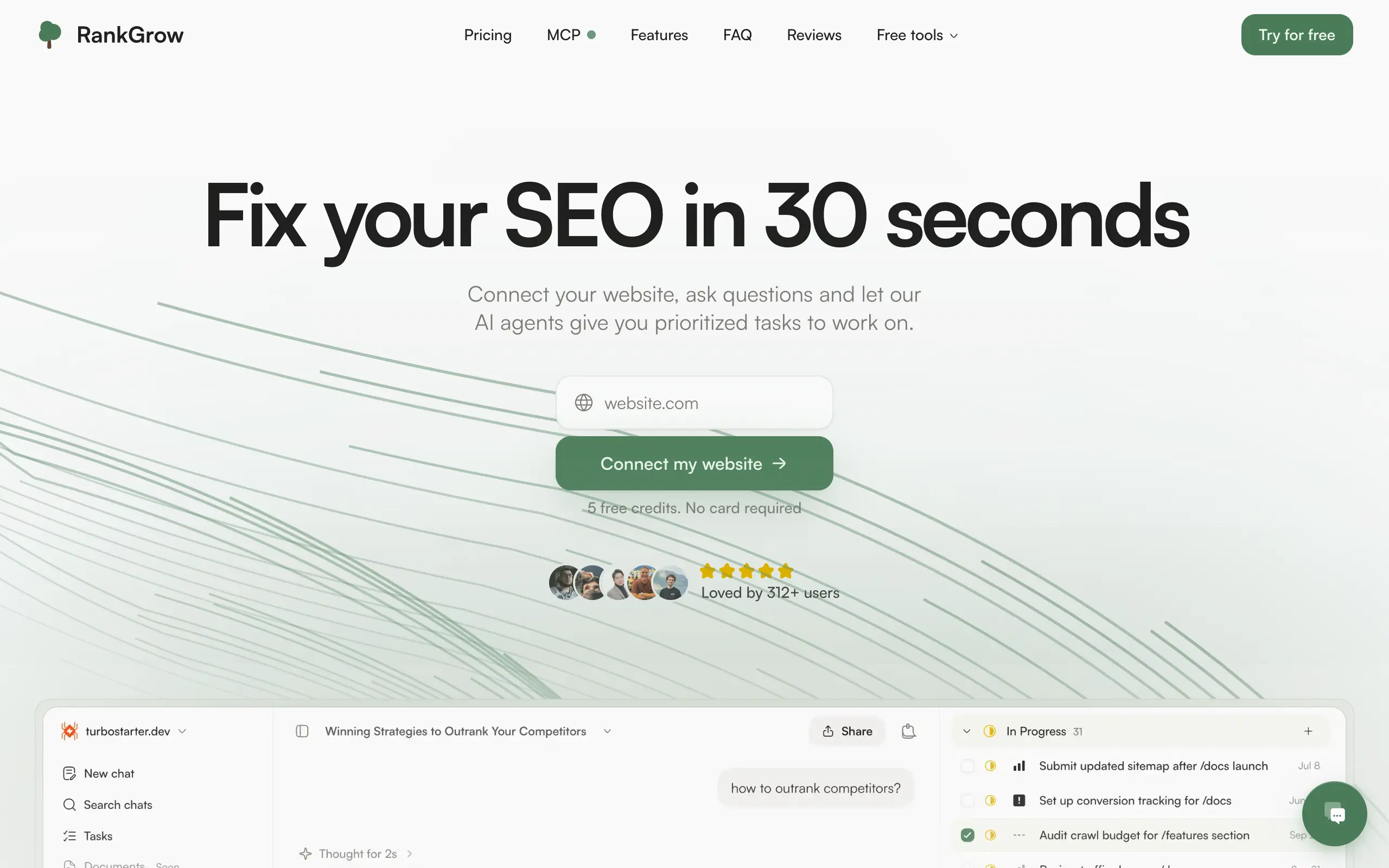
RankGrow
Fix your SEO with AI agents - connect Search Console, get prioritized tasks, and grow organic traffic 📈
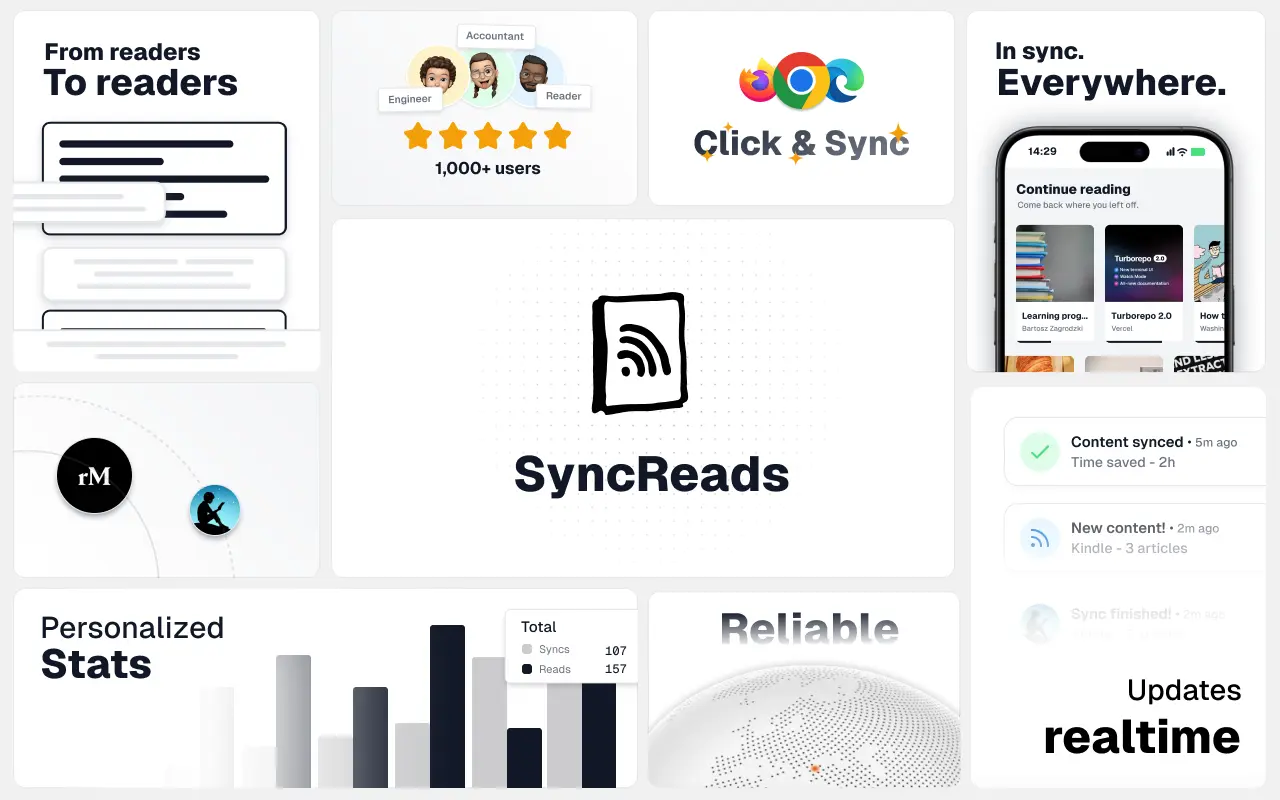
SyncReads
Sync your favorite content for distraction-free reading, save time and replace multiple apps. Anytime, anywhere 🔄
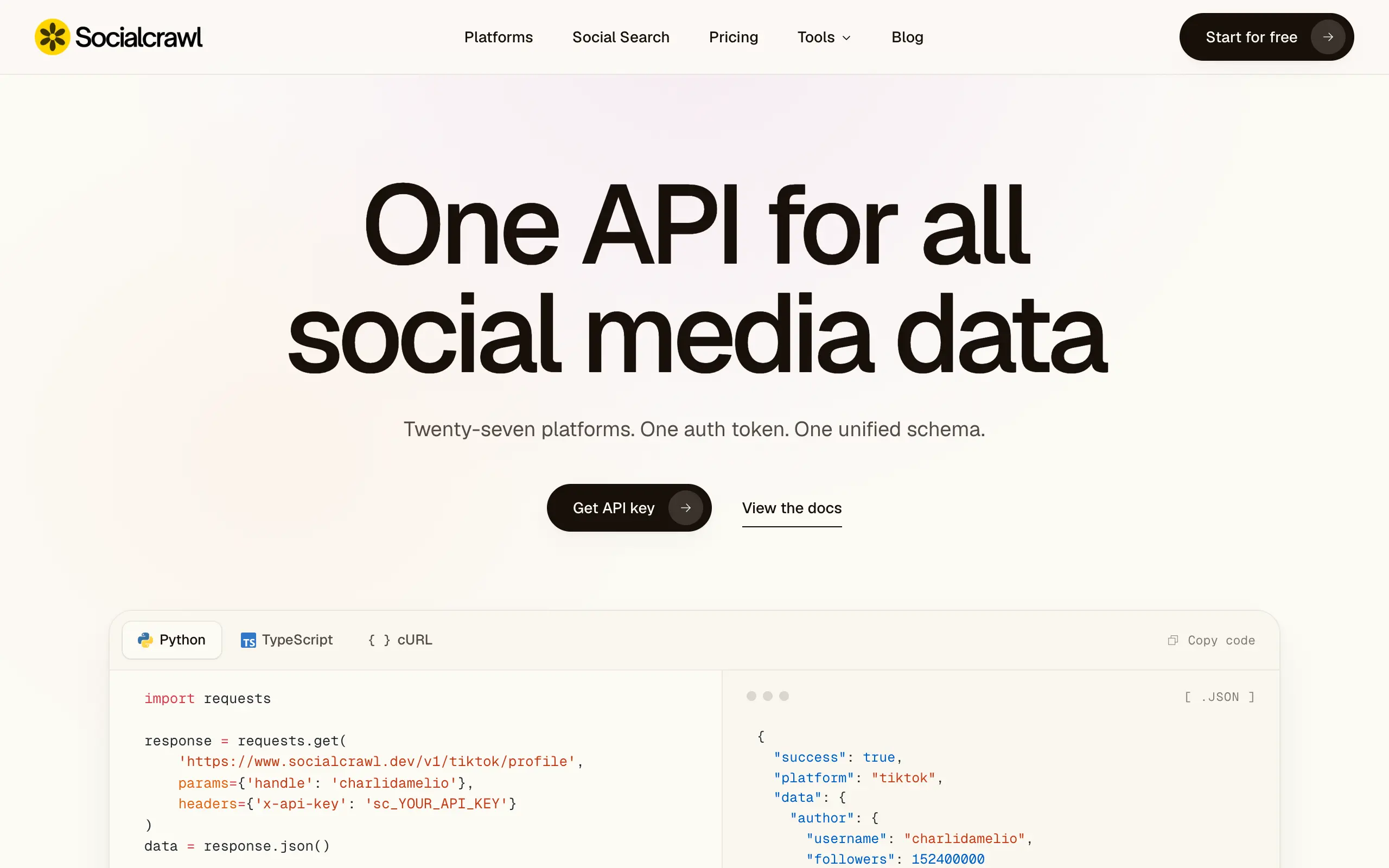
Socialcrawl
Get clean, structured data from 21 platforms like TikTok, Instagram, and YouTube with a single request 📊
Statiko
Monitor any Telegram channel in real time - track posts, edits, deletions, and growth with AI recaps 📡
Shibui
AI website builder - describe your business, pick a niche template, edit by chatting, and publish instantly ✨
Pro Service
Find verified home service professionals, compare quotes, and pay securely through escrow - built for Brazilians across the US 🏠
RankGrow
Fix your SEO with AI agents - connect Search Console, get prioritized tasks, and grow organic traffic 📈
SyncReads
Sync your favorite content for distraction-free reading, save time and replace multiple apps. Anytime, anywhere 🔄
Socialcrawl
Get clean, structured data from 21 platforms like TikTok, Instagram, and YouTube with a single request 📊
Statiko
Monitor any Telegram channel in real time - track posts, edits, deletions, and growth with AI recaps 📡
Shibui
AI website builder - describe your business, pick a niche template, edit by chatting, and publish instantly ✨
Pro Service
Find verified home service professionals, compare quotes, and pay securely through escrow - built for Brazilians across the US 🏠
RankGrow
Fix your SEO with AI agents - connect Search Console, get prioritized tasks, and grow organic traffic 📈
SyncReads
Sync your favorite content for distraction-free reading, save time and replace multiple apps. Anytime, anywhere 🔄
Socialcrawl
Get clean, structured data from 21 platforms like TikTok, Instagram, and YouTube with a single request 📊
Statiko
Monitor any Telegram channel in real time - track posts, edits, deletions, and growth with AI recaps 📡
Shibui
AI website builder - describe your business, pick a niche template, edit by chatting, and publish instantly ✨
Pro Service
Find verified home service professionals, compare quotes, and pay securely through escrow - built for Brazilians across the US 🏠
RankGrow
Fix your SEO with AI agents - connect Search Console, get prioritized tasks, and grow organic traffic 📈
SyncReads
Sync your favorite content for distraction-free reading, save time and replace multiple apps. Anytime, anywhere 🔄
Socialcrawl
Get clean, structured data from 21 platforms like TikTok, Instagram, and YouTube with a single request 📊
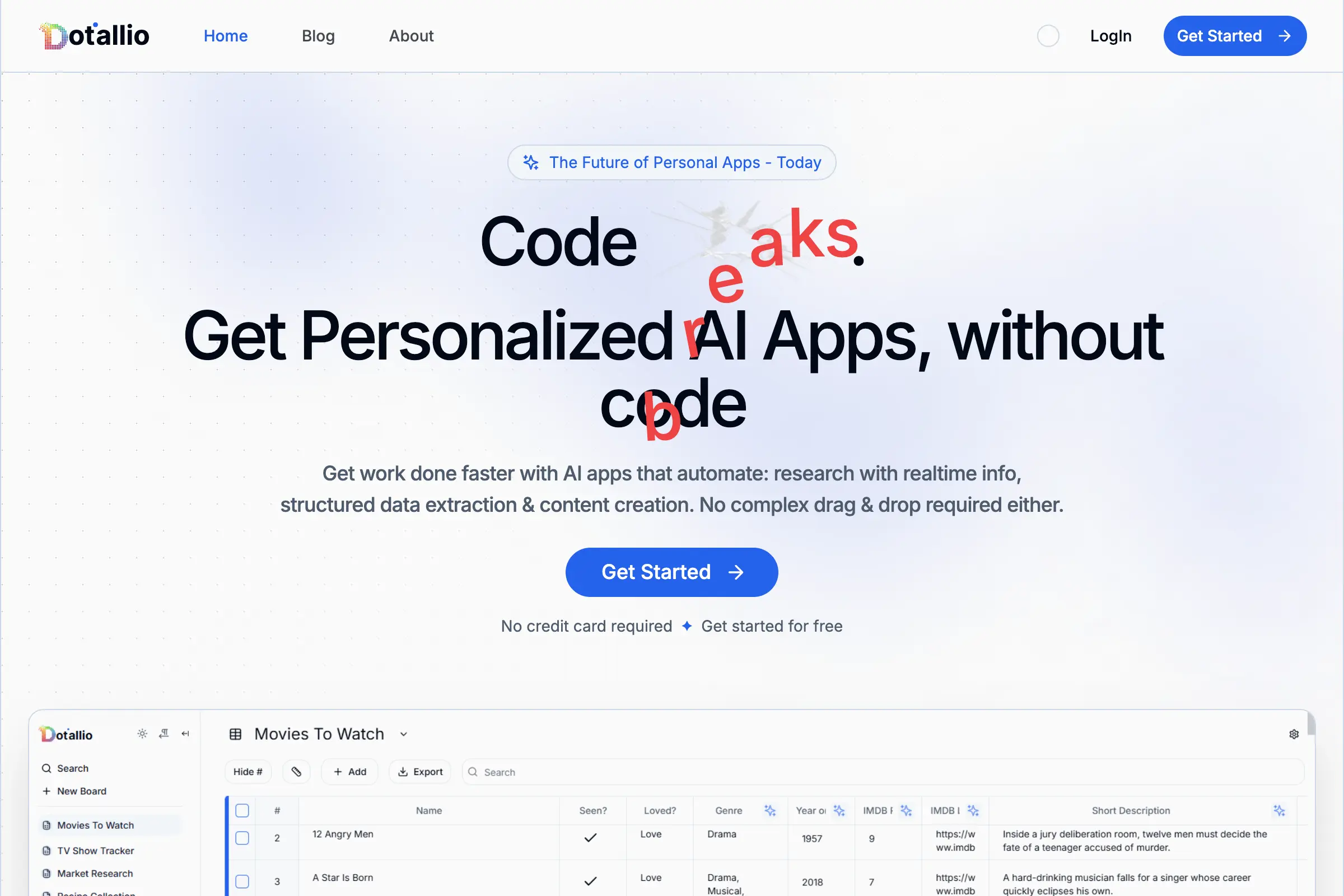
Dotallio
Personalized AI apps that automate research, data extraction, and content creation without code 🤖

Talk to Santa
Enjoy a magical live video chat or receive a unique AI-generated video greeting from Santa Claus 🎅

pozywka.pl
Scalable blog for food journalist, focused on performance and user experience 🌭
zagrodzki.me
Personal blog and portfolio of Bart Zagrodzki, where he shares his knowledge and work 💼
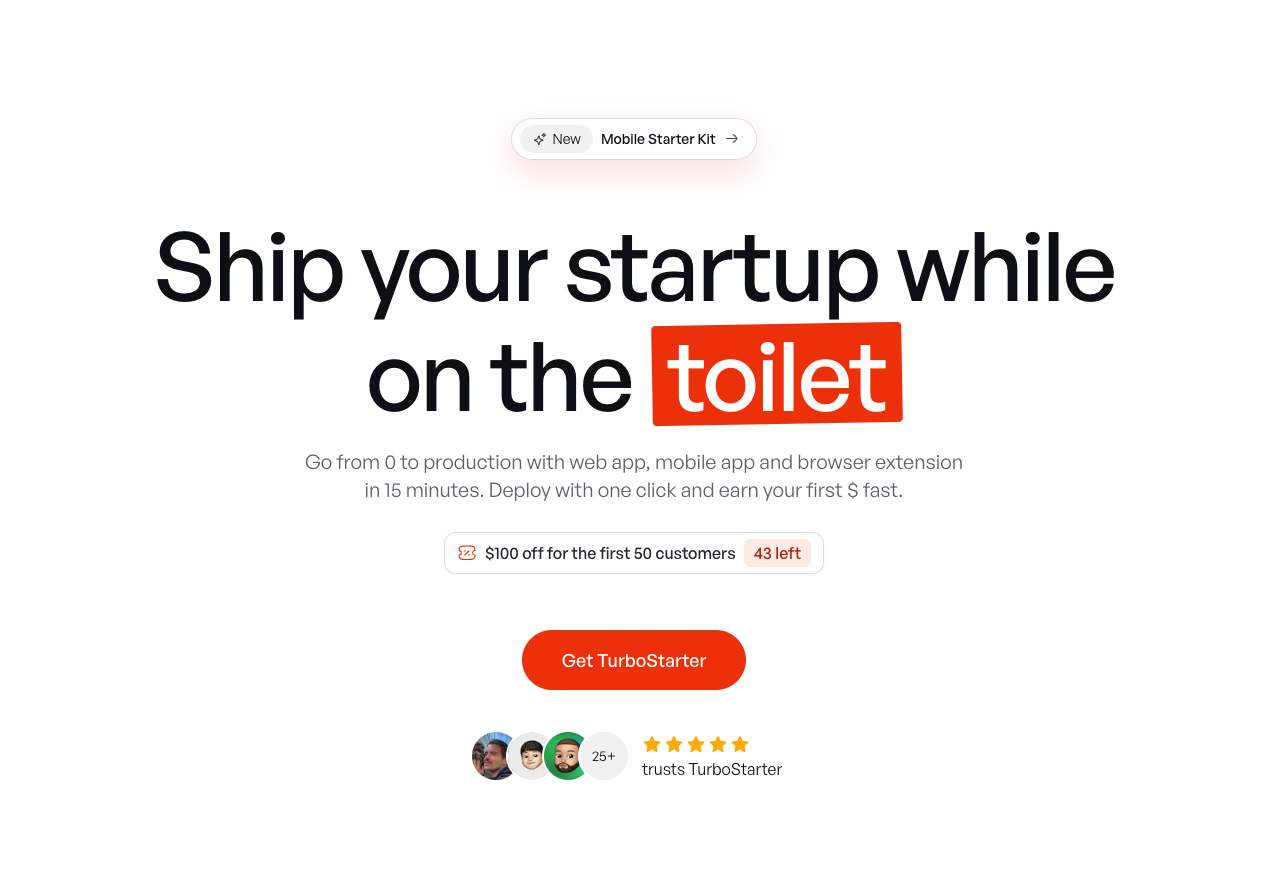
TurboStarter
Ship your startup everywhere. In minutes.
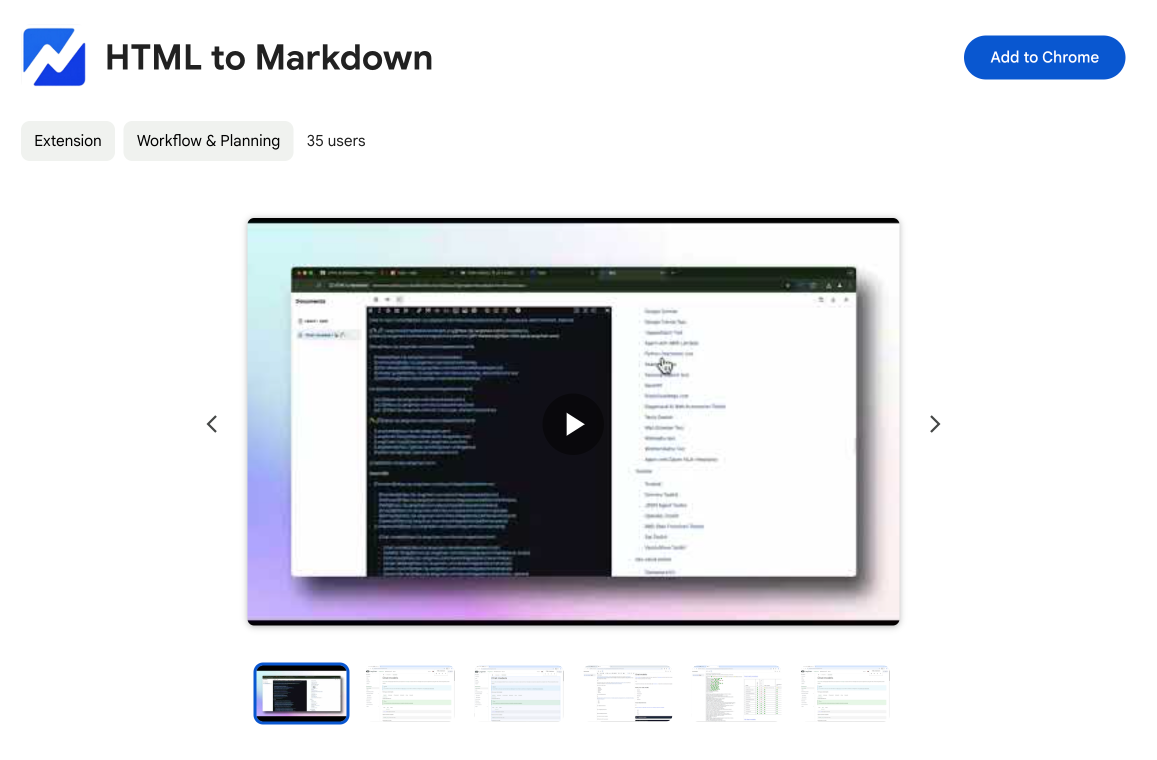
HTML to Markdown
Convert HTML to Markdown with ease, directly in your browser 📄
Dotallio
Personalized AI apps that automate research, data extraction, and content creation without code 🤖
Talk to Santa
Enjoy a magical live video chat or receive a unique AI-generated video greeting from Santa Claus 🎅
pozywka.pl
Scalable blog for food journalist, focused on performance and user experience 🌭
zagrodzki.me
Personal blog and portfolio of Bart Zagrodzki, where he shares his knowledge and work 💼
TurboStarter
Ship your startup everywhere. In minutes.
HTML to Markdown
Convert HTML to Markdown with ease, directly in your browser 📄
Dotallio
Personalized AI apps that automate research, data extraction, and content creation without code 🤖
Talk to Santa
Enjoy a magical live video chat or receive a unique AI-generated video greeting from Santa Claus 🎅
pozywka.pl
Scalable blog for food journalist, focused on performance and user experience 🌭
zagrodzki.me
Personal blog and portfolio of Bart Zagrodzki, where he shares his knowledge and work 💼
TurboStarter
Ship your startup everywhere. In minutes.
HTML to Markdown
Convert HTML to Markdown with ease, directly in your browser 📄
Dotallio
Personalized AI apps that automate research, data extraction, and content creation without code 🤖
Talk to Santa
Enjoy a magical live video chat or receive a unique AI-generated video greeting from Santa Claus 🎅
pozywka.pl
Scalable blog for food journalist, focused on performance and user experience 🌭
zagrodzki.me
Personal blog and portfolio of Bart Zagrodzki, where he shares his knowledge and work 💼
TurboStarter
Ship your startup everywhere. In minutes.
HTML to Markdown
Convert HTML to Markdown with ease, directly in your browser 📄
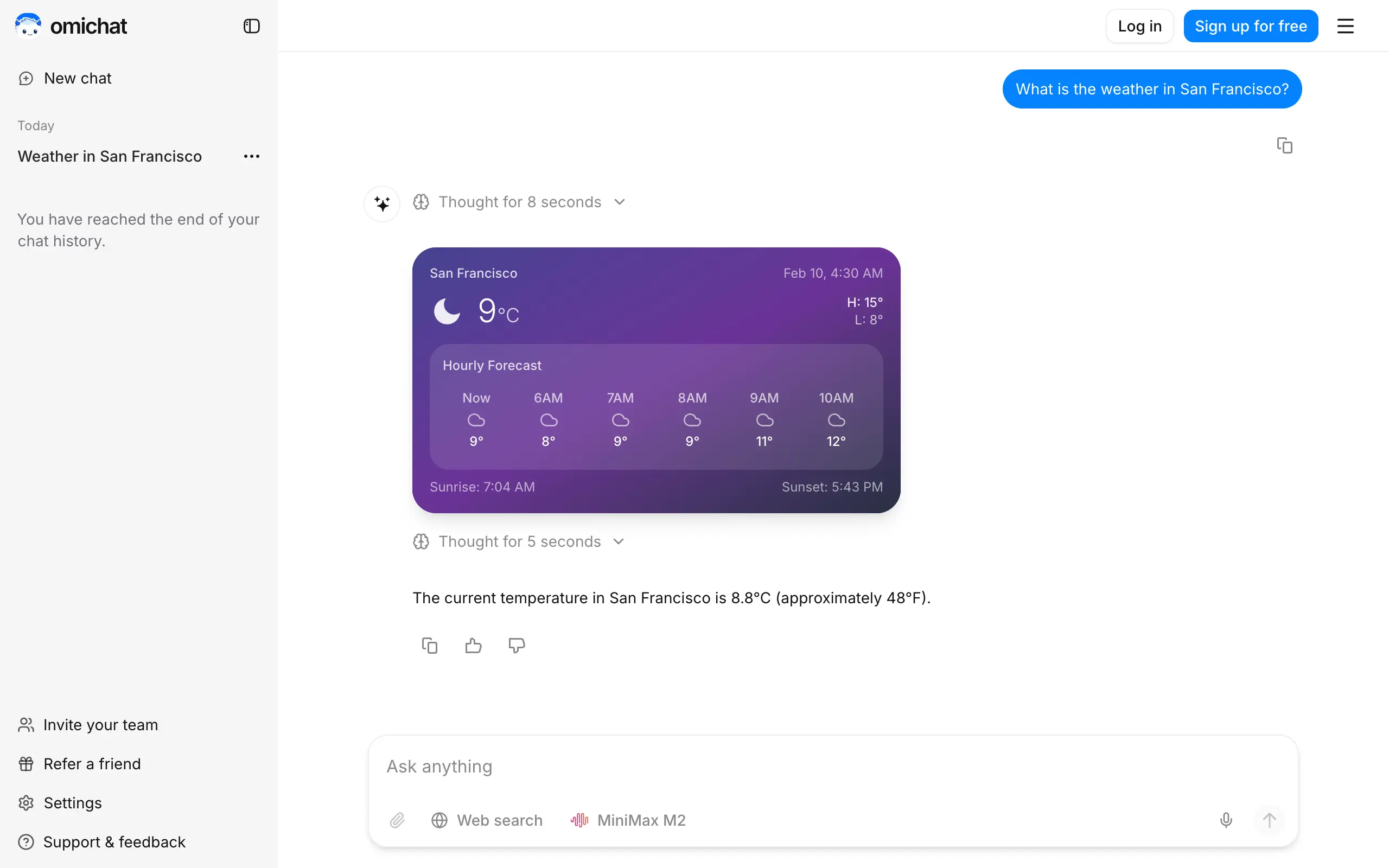
Omichat
Chat with 50+ AI models, including ChatGPT and Claude, in one place - switch models anytime without losing context 🤖
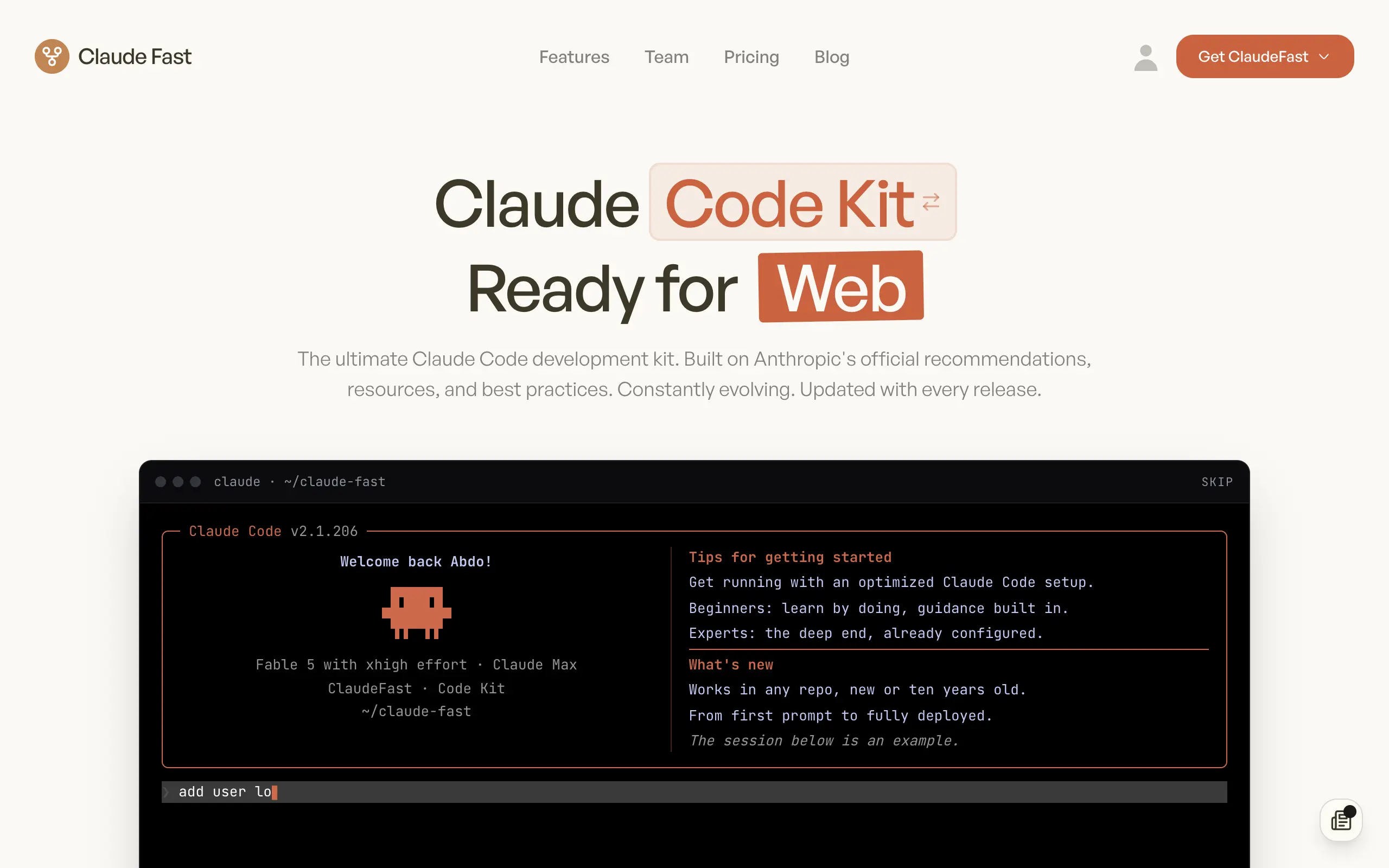
Claude Fast
Supercharge your Claude Code with 6x effective context window and specialized AI agents 🤖
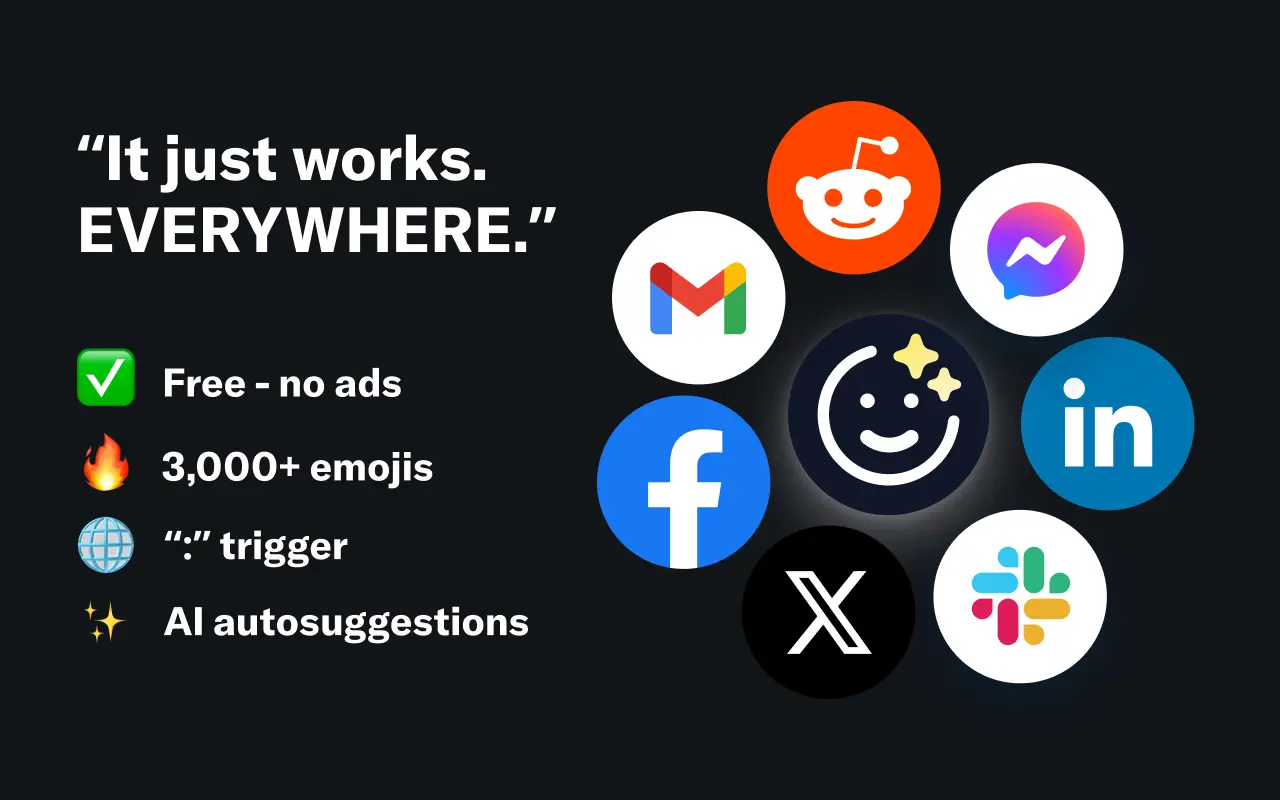
EmojAI
AI-powered emoji picker with smart, context-aware suggestions 🤖

Solohacker
Autonomous company launcher - AI agents work 24/7, escalate what matters, and you stay in control 🤖

BeRawi: Storytelling Coach
Practice storytelling daily with instant feedback to sound clearer, more engaging, and confident 🎤
Omichat
Chat with 50+ AI models, including ChatGPT and Claude, in one place - switch models anytime without losing context 🤖
Claude Fast
Supercharge your Claude Code with 6x effective context window and specialized AI agents 🤖
EmojAI
AI-powered emoji picker with smart, context-aware suggestions 🤖
Solohacker
Autonomous company launcher - AI agents work 24/7, escalate what matters, and you stay in control 🤖
BeRawi: Storytelling Coach
Practice storytelling daily with instant feedback to sound clearer, more engaging, and confident 🎤
Omichat
Chat with 50+ AI models, including ChatGPT and Claude, in one place - switch models anytime without losing context 🤖
Claude Fast
Supercharge your Claude Code with 6x effective context window and specialized AI agents 🤖
EmojAI
AI-powered emoji picker with smart, context-aware suggestions 🤖
Solohacker
Autonomous company launcher - AI agents work 24/7, escalate what matters, and you stay in control 🤖
BeRawi: Storytelling Coach
Practice storytelling daily with instant feedback to sound clearer, more engaging, and confident 🎤
Omichat
Chat with 50+ AI models, including ChatGPT and Claude, in one place - switch models anytime without losing context 🤖
Claude Fast
Supercharge your Claude Code with 6x effective context window and specialized AI agents 🤖
EmojAI
AI-powered emoji picker with smart, context-aware suggestions 🤖
Solohacker
Autonomous company launcher - AI agents work 24/7, escalate what matters, and you stay in control 🤖
BeRawi: Storytelling Coach
Practice storytelling daily with instant feedback to sound clearer, more engaging, and confident 🎤

Connect with like-minded people
Join our community to get feedback, support, and grow together with 1,000+ builders on board, let's ship it!
Join usShip your startup everywhere. In minutes.
Don't burn tokens on setup and start building features on day one.