FitSnap
Virtual fitting assistant that uses computer vision to analyze body measurements and suggest accurate clothing sizes, reducing returns for ecommerce brands.
The rise of AI-powered virtual fitting assistants in ecommerce
Online fashion retail has exploded over the past decade, but one stubborn problem continues to drain profit and frustrate customers: returns due to poor fit. Industry estimates consistently show that apparel return rates hover between 20% and 40%, with sizing issues being the top reason. This is where an AI-powered virtual fitting assistant like FitSnap creates a meaningful opportunity.
FitSnap leverages computer vision and machine learning to analyze a shopper’s body measurements and recommend accurate clothing sizes in real time. The result is a smarter, more personalized shopping experience that reduces uncertainty, boosts conversion rates, and dramatically lowers return costs for ecommerce brands.
This article explores the full strategic, technical, and business landscape behind building and scaling a solution like FitSnap.
Understanding the target audience
FitSnap sits at the intersection of ecommerce, fashion, and AI, meaning it serves multiple stakeholders with different needs.
Primary users: online shoppers
Modern consumers expect personalization. However, sizing remains inconsistent across brands, making online purchases risky.
Key pain points:
- Uncertainty about sizing across different brands
- Time wasted on returns and exchanges
- Lack of trust in size charts
- Poor fit leading to dissatisfaction
FitSnap solves this by offering:
- Instant size recommendations
- Visual body analysis via smartphone camera
- Confidence in purchase decisions
Secondary users: ecommerce brands
Retailers face operational and financial pressure due to returns.
Their pain points include:
- High reverse logistics costs
- Inventory inefficiencies
- Lost revenue from refunds
- Environmental impact concerns
FitSnap helps brands:
- Reduce return rates
- Increase conversion rates
- Improve customer satisfaction and retention
- Gather valuable sizing and fit data
Tertiary users: fashion marketplaces and platforms
Large platforms (like Shopify stores, marketplaces, and DTC brands) benefit from integrating smart sizing solutions at scale.
Market opportunity and gap analysis
The size of the opportunity
The global ecommerce fashion market is valued in the hundreds of billions of dollars, with continued growth driven by mobile shopping and social commerce.
At the same time:
- Returns cost retailers billions annually
- Consumers increasingly expect AI-driven personalization
- Sustainability concerns are pushing brands to reduce waste
This creates a strong demand for solutions like FitSnap.
Existing solutions and their limitations
Current approaches include:
- Static size charts (inconsistent and confusing)
- Manual measurement tools (high friction)
- Basic recommendation engines (low accuracy)
- Virtual try-on tools (often gimmicky or unrealistic)
FitSnap differentiates itself through:
- Real-time computer vision-based measurement
- AI models trained on diverse body types
- Seamless mobile-first experience
- API-based integration for ecommerce platforms
Market gap
There is a clear gap for a solution that is:
- Accurate (data-driven)
- Fast (low friction)
- Scalable (API-first)
- Brand-agnostic (works across catalogs)
FitSnap fills this gap by combining AI + UX simplicity + ecommerce integration.
Core features of FitSnap
1. AI body measurement detection
Using a smartphone camera, FitSnap captures images or short videos and extracts body measurements such as:
- Chest
- Waist
- Hips
- Shoulder width
- Height estimation
This relies on computer vision models trained on labeled datasets.
2. Smart size recommendation engine
FitSnap maps user measurements to brand-specific sizing charts using:
- Machine learning models
- Historical purchase and return data
- Fabric stretch and fit type analysis
3. Brand-specific sizing intelligence
Different brands have different sizing standards. FitSnap normalizes this by:
- Creating brand-specific fit profiles
- Learning from customer feedback loops
- Continuously improving recommendations
4. Seamless ecommerce integration
FitSnap can be embedded directly into product pages via:
- JavaScript SDK
- Shopify apps
- API integrations
5. Privacy-first data handling
Since body data is sensitive, FitSnap must:
- Use anonymization techniques
- Avoid storing raw images where possible
- Comply with GDPR and similar regulations
Key differentiator
FitSnap’s strongest advantage is not just measurement accuracy, but its ability to continuously learn from real purchase and return behavior, creating a feedback loop that improves over time.
Technical architecture and recommended tech stack
Building FitSnap requires combining AI, frontend UX, and scalable backend systems.
Frontend layer
- React for UI
- TailwindCSS for styling
- WebRTC or camera APIs for capturing images/video
Backend layer
- Node.js or Python (FastAPI) for API services
- GraphQL or REST APIs for integration
- Cloud storage (AWS S3 or similar)
AI and computer vision
- TensorFlow or PyTorch for model training
- OpenCV for image processing
- Pose estimation models (e.g., MediaPipe or custom-trained networks)
Infrastructure
- AWS / GCP for scalability
- Kubernetes for container orchestration
- CDN for fast global delivery
Example API endpoint
// Example: size recommendation endpoint
app.post('/api/recommend-size', async (req, res) => {
  const { measurements, brandId, productId } = req.body;

  const recommendation = await sizeEngine.predict({
    measurements,
    brandId,
    productId
  });

  res.json({
    size: recommendation.size,
    confidence: recommendation.confidence
  });
});
Trade-offs to consider
- Accuracy vs speed: real-time processing must be optimized
- Privacy vs personalization: storing less data reduces risk but limits learning
- Cost vs scalability: AI inference can be expensive at scale
Monetization strategies
FitSnap can adopt multiple revenue models depending on its go-to-market strategy.
SaaS subscription model
Charge ecommerce brands monthly fees based on:
- Number of users
- API calls
- Store size
Usage-based pricing
- Pay-per-scan or per recommendation
- Ideal for scaling startups
Enterprise licensing
- Custom integrations for large retailers
- Dedicated support and analytics dashboards
Revenue-sharing model
- Take a percentage of increased conversions or saved returns
- Freemium tier with limited scans
- $49–$199/month for small brands
- API-based billing for scaling usage
- Custom contracts
- SLA guarantees
- Dedicated ML model tuning
Competitive landscape
FitSnap operates in a competitive but still evolving space.
| Feature | FitSnap | Size Charts | Manual Tools | Virtual Try-On | Basic AI Tools |
|---|---|---|---|---|---|
| Accuracy | ✅ | ❌ | ❌ | ✅ | ✅ |
| Ease of use | ✅ | ✅ | ❌ | ❌ | ✅ |
Competitive advantage
FitSnap stands out through:
- Real-time measurement via camera
- Continuous learning models
- Deep ecommerce integration
- Focus on reducing returns (clear ROI)
Risks and mitigation strategies
1. Privacy concerns
Risk: Users may hesitate to share body images.
Mitigation:
- On-device processing where possible
- Clear privacy policies
- No storage of raw images
2. Accuracy limitations
Risk: Incorrect recommendations can harm trust.
Mitigation:
- Continuous model training
- Feedback loops from returns data
- Confidence scoring
3. Integration friction
Risk: Brands may resist adopting new tools.
Mitigation:
- Plug-and-play SDK
- Shopify app marketplace presence
- Strong onboarding support
4. Regulatory compliance
Risk: Data laws vary across regions.
Mitigation:
- GDPR compliance
- Regional data storage options
Implementation roadmap
Building FitSnap requires a phased approach.
MVP scope
Start simple:
- Photo-based measurement
- Basic size mapping
- Shopify plugin
Avoid overbuilding early features like 3D avatars.
Go-to-market strategy
1. Target DTC brands
Focus on:
- Shopify stores
- Mid-sized fashion brands
- Sustainable clothing companies
2. Content marketing
Create SEO-driven content around:
- "how to reduce ecommerce returns"
- "AI sizing tools"
- "virtual fitting room technology"
3. Partnerships
- Shopify ecosystem
- Ecommerce agencies
- Logistics providers
4. Case studies
Demonstrate:
- % reduction in returns
- Increased conversion rates
- Customer satisfaction improvements
Future trends and expansion opportunities
FitSnap can evolve beyond sizing into a full AI styling and personalization platform.
Potential expansions
- Outfit recommendations
- Virtual wardrobes
- AR try-on experiences
- Integration with social commerce
Emerging technologies
- Generative AI for fashion previews
- 3D body modeling
- Edge AI for on-device processing
Why FitSnap has long-term potential
FitSnap is not just a feature—it’s an infrastructure layer for ecommerce.
It aligns with major trends:
- AI-driven personalization
- Sustainability in retail
- Mobile-first shopping experiences
As models improve and datasets grow, FitSnap becomes more accurate and valuable over time, creating strong defensibility.
Actionable steps to build FitSnap today
- Validate the idea with 10–20 ecommerce brands
- Build a lightweight prototype using existing CV libraries
- Launch a Shopify plugin
- Collect user feedback aggressively
- Iterate on AI accuracy and UX
- Scale with API-first architecture
To accelerate development, you can use tools like TurboStarter to bootstrap your SaaS infrastructure quickly, saving weeks of setup time.
Final thoughts
FitSnap represents a powerful convergence of AI, ecommerce, and user experience design. By directly addressing one of the most costly problems in online retail—returns due to poor fit—it offers clear, measurable value.
The key to success lies in:
- Accuracy
- Trust
- Seamless integration
- Continuous improvement through data
If executed well, FitSnap can become an essential tool for the next generation of ecommerce brands.
More 🤖 AI Startup SaaS ideas
Discover more innovative ai startup SaaS ideas that are trending in 2026. Each idea is AI-generated with market validation and growth potential to help you find your next profitable venture faster than competitors.
Your competitors are building with TurboStarter
Below are some of the SaaS ideas that have been generated and built with our starter kit.

Shibui
AI website builder - describe your business, pick a niche template, edit by chatting, and publish instantly ✨

Pro Service
Find verified home service professionals, compare quotes, and pay securely through escrow - built for Brazilians across the US 🏠
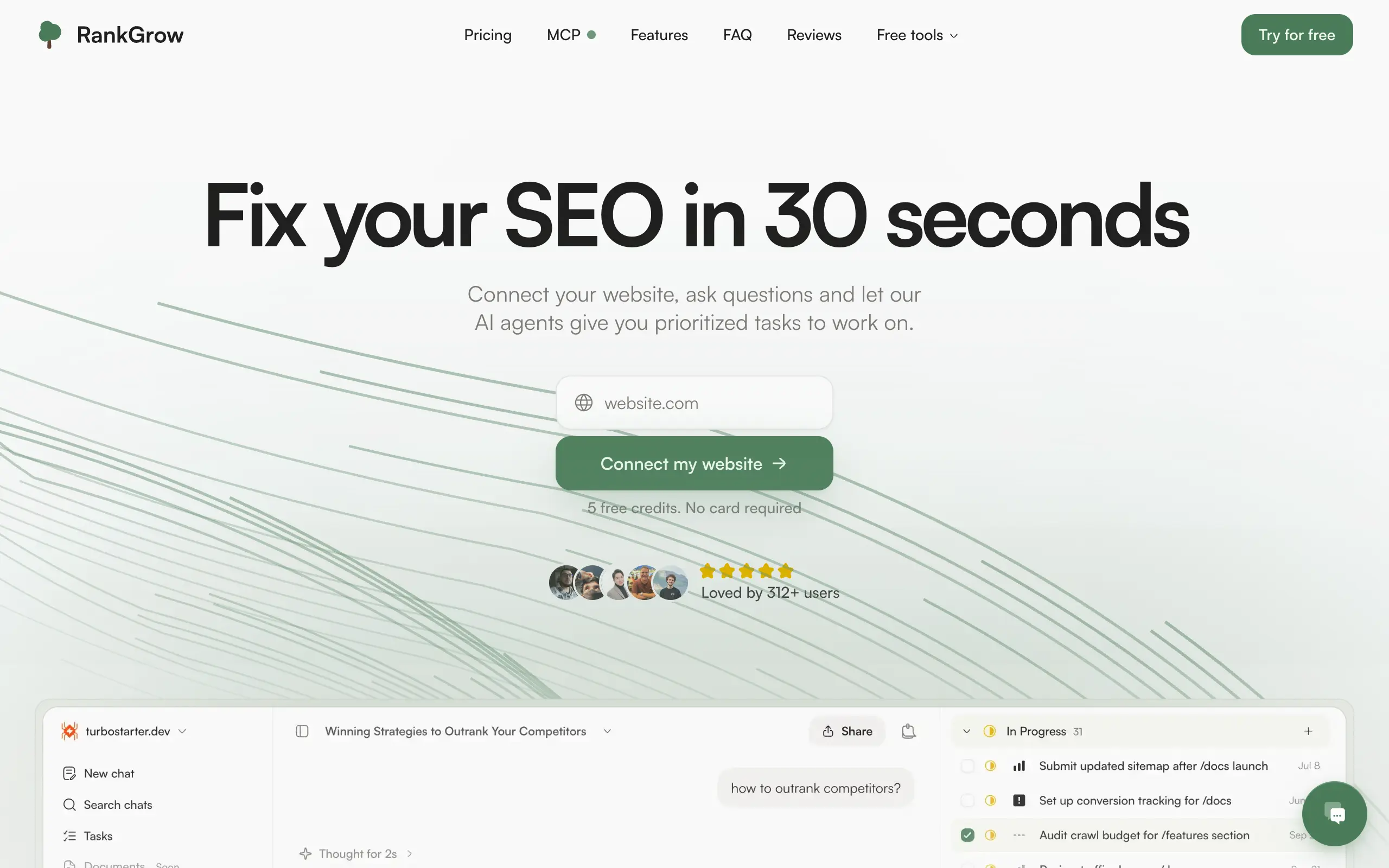
RankGrow
Fix your SEO with AI agents - connect Search Console, get prioritized tasks, and grow organic traffic 📈
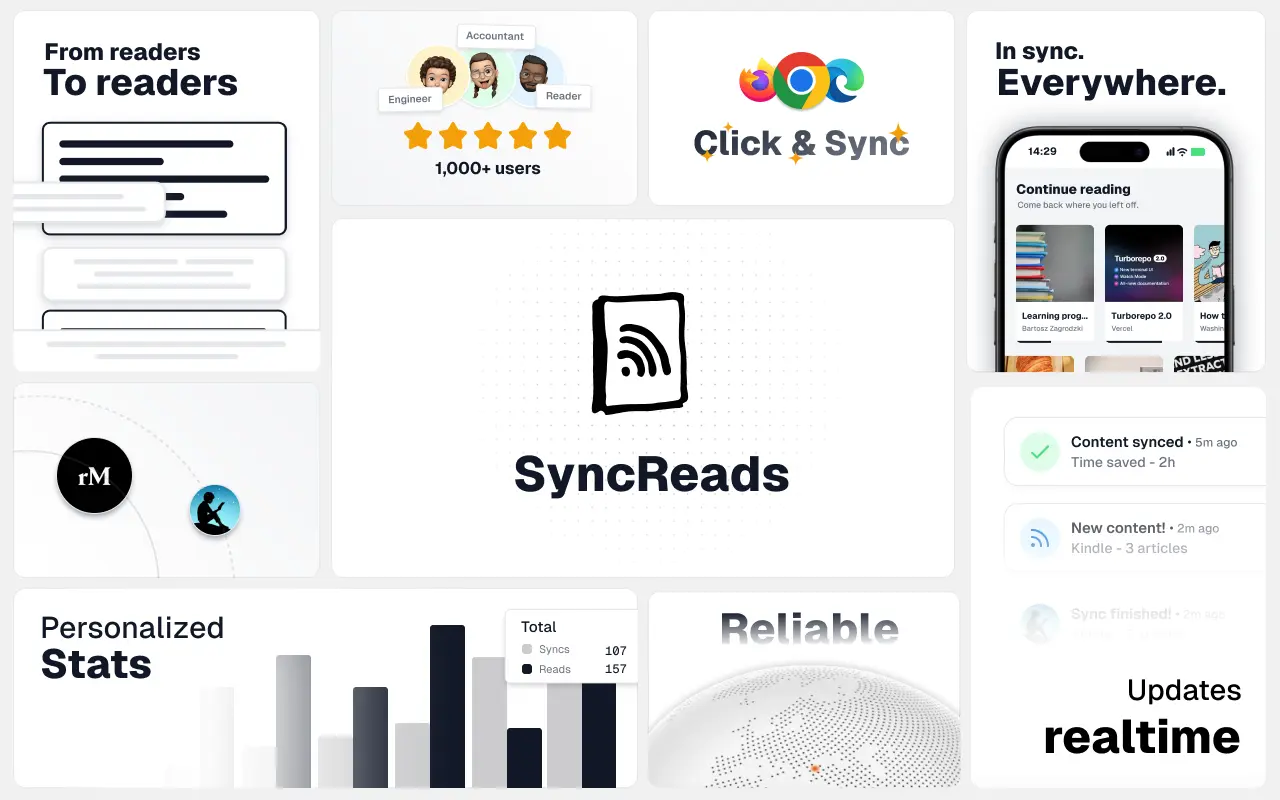
SyncReads
Sync your favorite content for distraction-free reading, save time and replace multiple apps. Anytime, anywhere 🔄
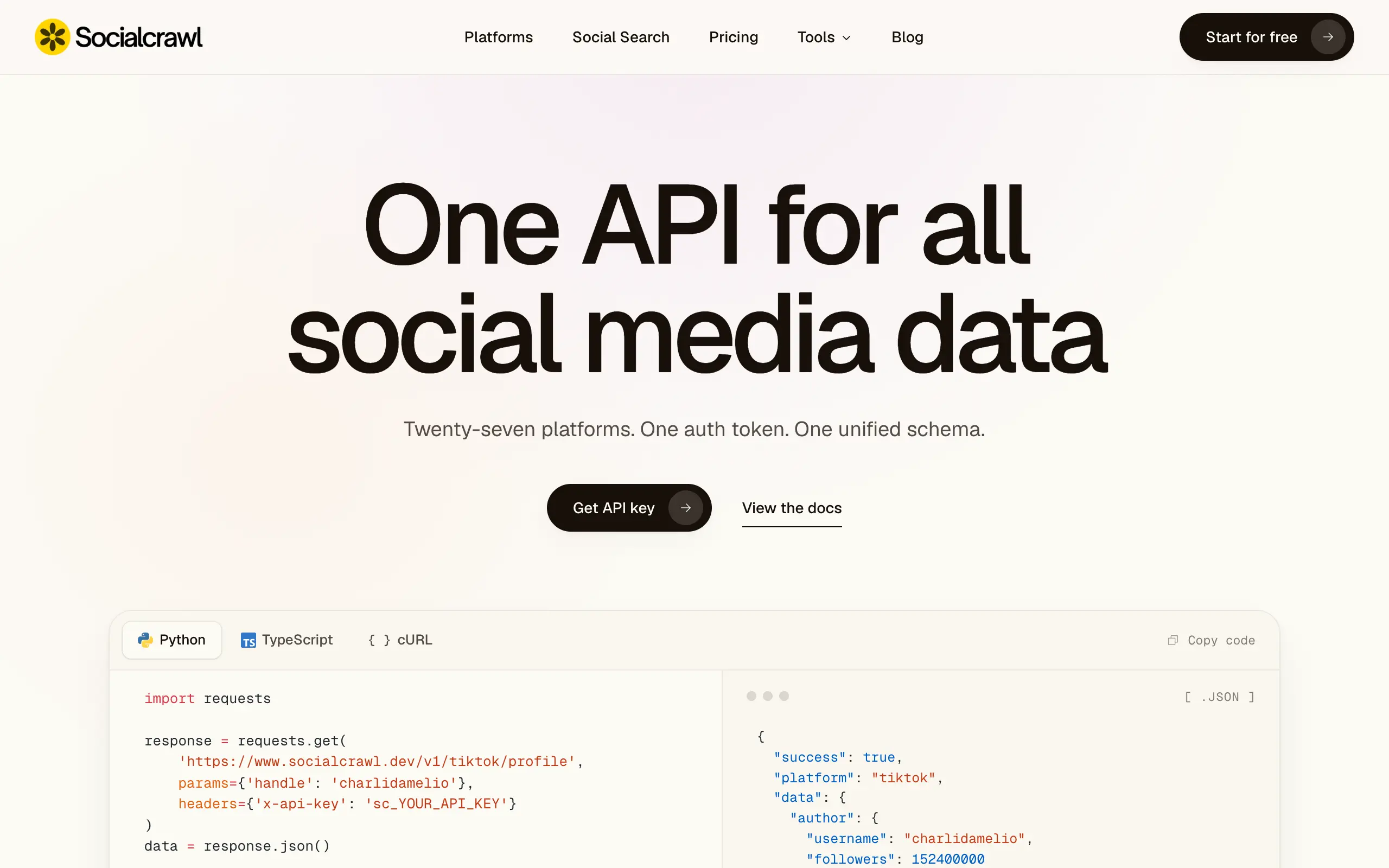
Socialcrawl
Get clean, structured data from 21 platforms like TikTok, Instagram, and YouTube with a single request 📊
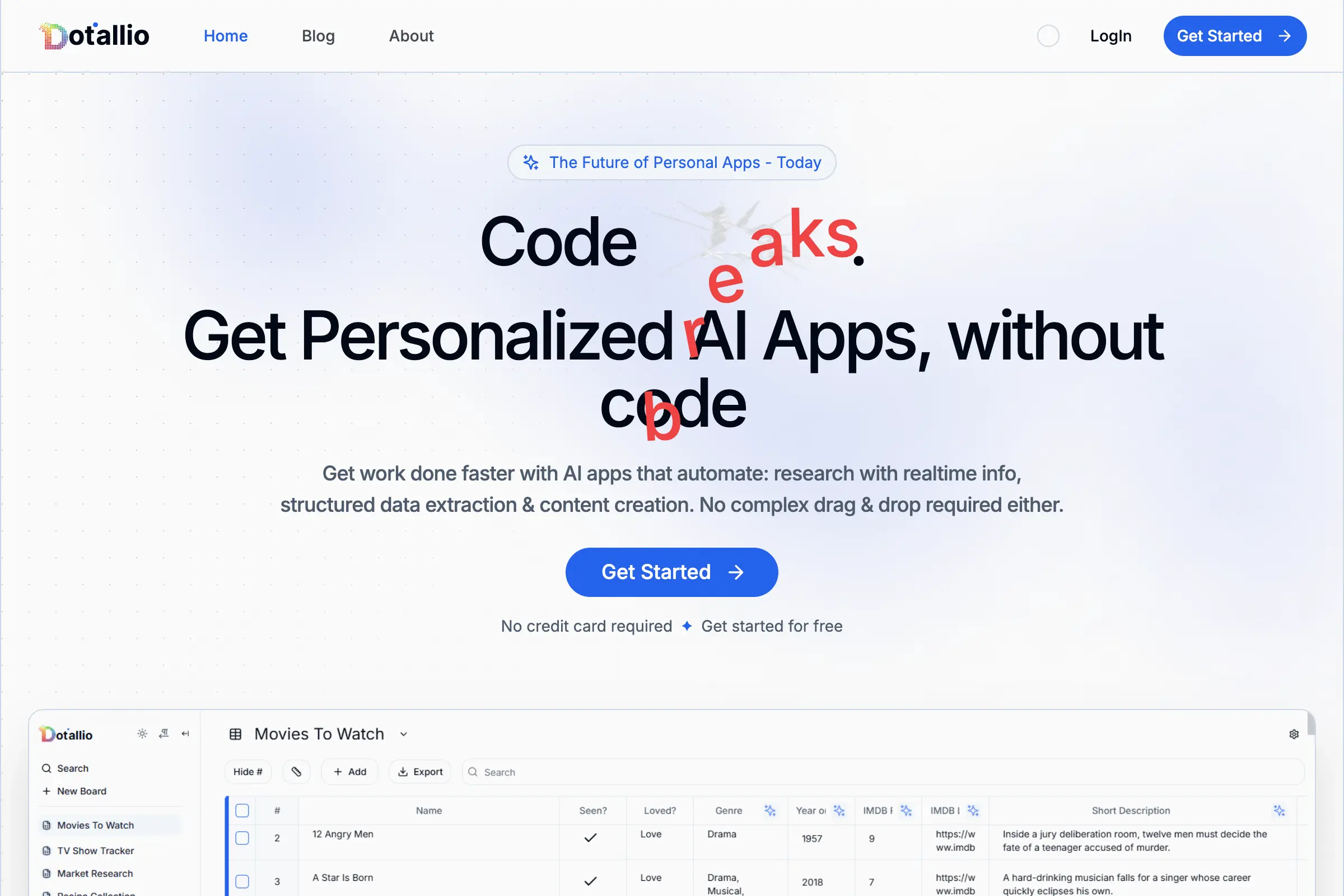
Dotallio
Personalized AI apps that automate research, data extraction, and content creation without code 🤖
Shibui
AI website builder - describe your business, pick a niche template, edit by chatting, and publish instantly ✨
Pro Service
Find verified home service professionals, compare quotes, and pay securely through escrow - built for Brazilians across the US 🏠
RankGrow
Fix your SEO with AI agents - connect Search Console, get prioritized tasks, and grow organic traffic 📈
SyncReads
Sync your favorite content for distraction-free reading, save time and replace multiple apps. Anytime, anywhere 🔄
Socialcrawl
Get clean, structured data from 21 platforms like TikTok, Instagram, and YouTube with a single request 📊
Dotallio
Personalized AI apps that automate research, data extraction, and content creation without code 🤖
Shibui
AI website builder - describe your business, pick a niche template, edit by chatting, and publish instantly ✨
Pro Service
Find verified home service professionals, compare quotes, and pay securely through escrow - built for Brazilians across the US 🏠
RankGrow
Fix your SEO with AI agents - connect Search Console, get prioritized tasks, and grow organic traffic 📈
SyncReads
Sync your favorite content for distraction-free reading, save time and replace multiple apps. Anytime, anywhere 🔄
Socialcrawl
Get clean, structured data from 21 platforms like TikTok, Instagram, and YouTube with a single request 📊
Dotallio
Personalized AI apps that automate research, data extraction, and content creation without code 🤖
Shibui
AI website builder - describe your business, pick a niche template, edit by chatting, and publish instantly ✨
Pro Service
Find verified home service professionals, compare quotes, and pay securely through escrow - built for Brazilians across the US 🏠
RankGrow
Fix your SEO with AI agents - connect Search Console, get prioritized tasks, and grow organic traffic 📈
SyncReads
Sync your favorite content for distraction-free reading, save time and replace multiple apps. Anytime, anywhere 🔄
Socialcrawl
Get clean, structured data from 21 platforms like TikTok, Instagram, and YouTube with a single request 📊
Dotallio
Personalized AI apps that automate research, data extraction, and content creation without code 🤖

Talk to Santa
Enjoy a magical live video chat or receive a unique AI-generated video greeting from Santa Claus 🎅
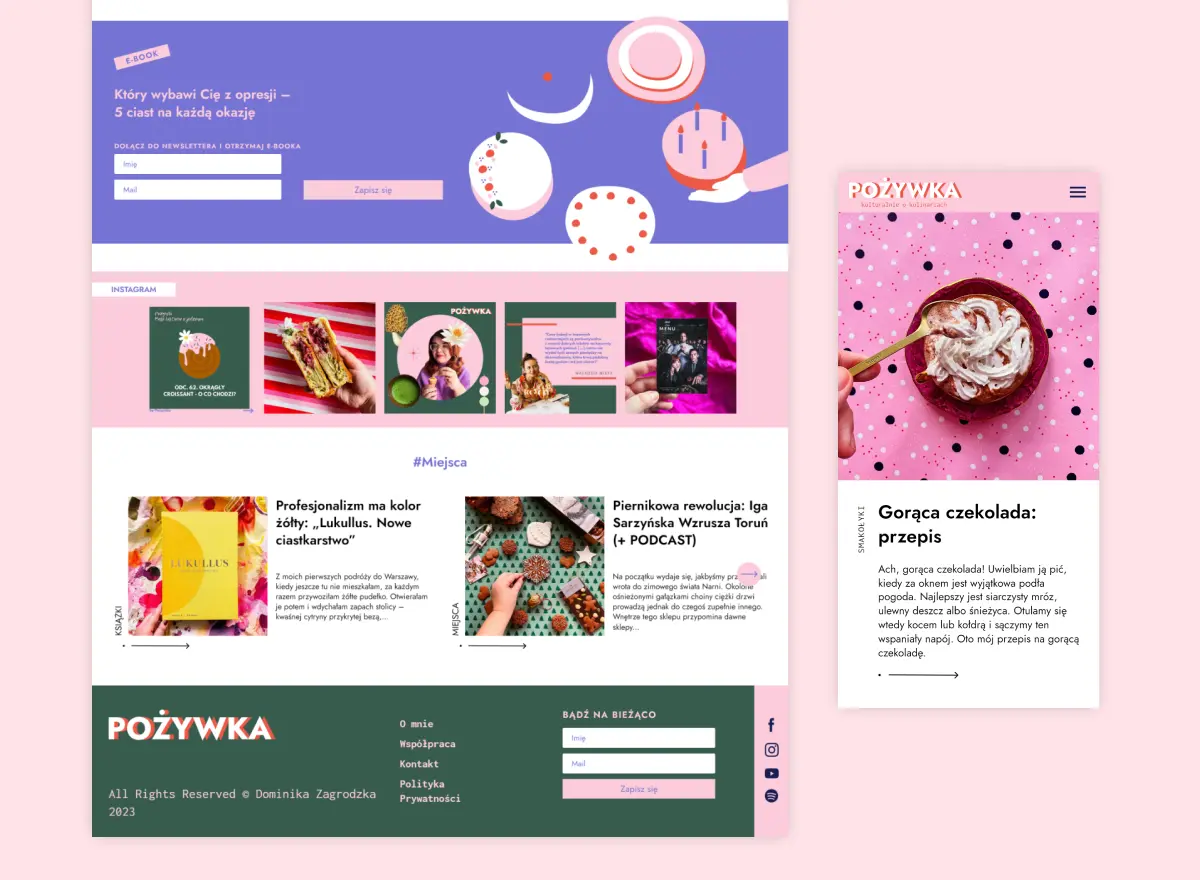
pozywka.pl
Scalable blog for food journalist, focused on performance and user experience 🌭
zagrodzki.me
Personal blog and portfolio of Bart Zagrodzki, where he shares his knowledge and work 💼
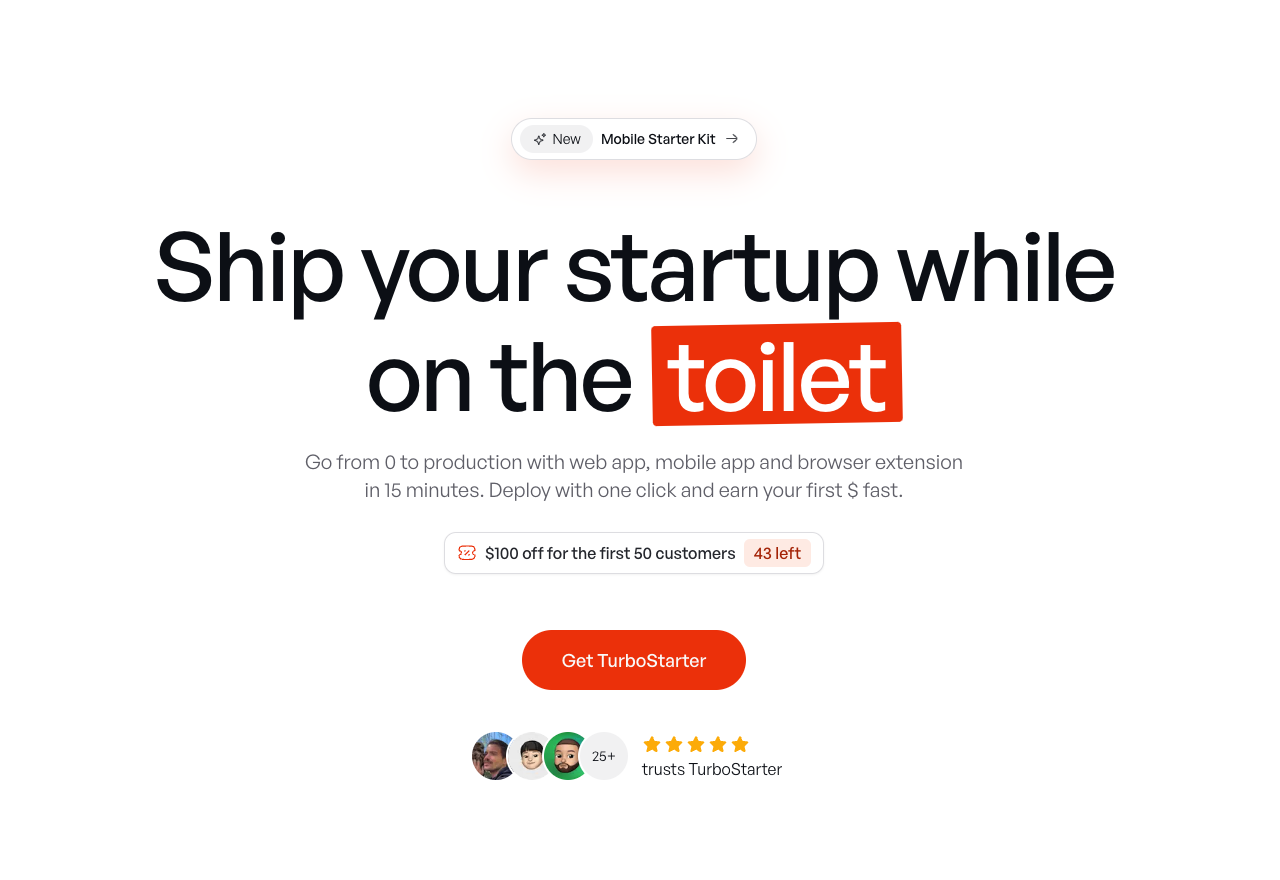
TurboStarter
Ship your startup everywhere. In minutes.
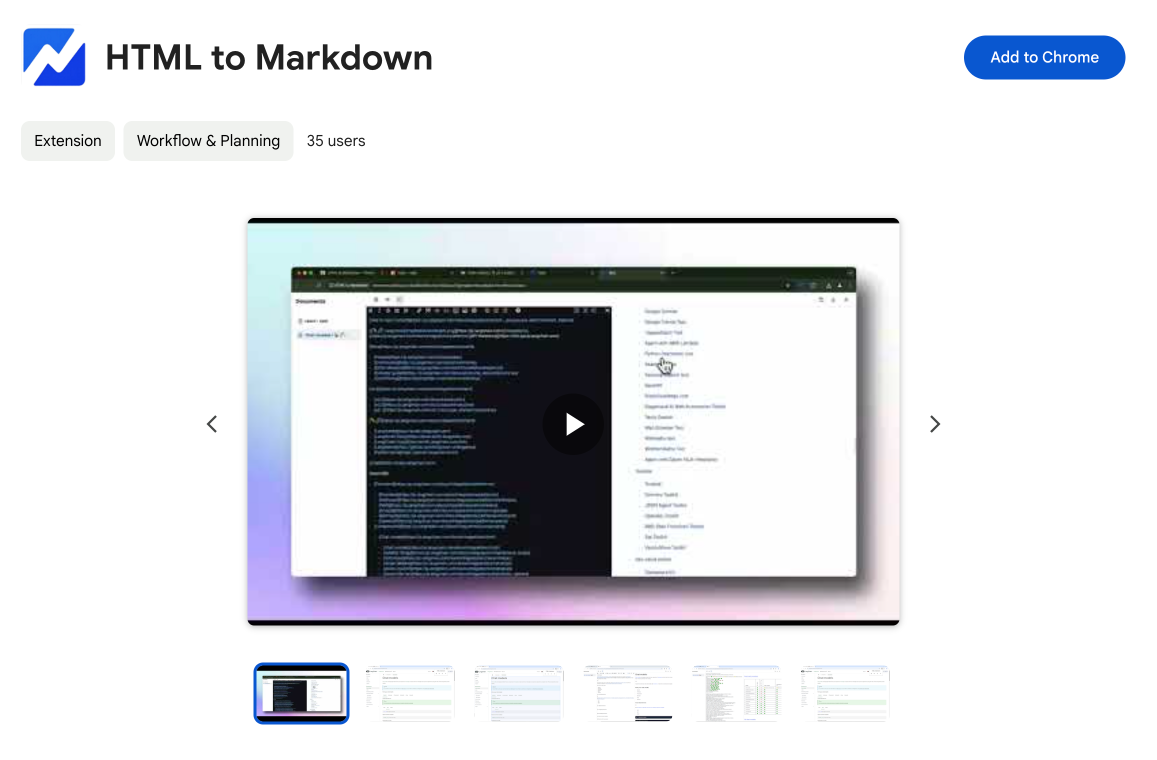
HTML to Markdown
Convert HTML to Markdown with ease, directly in your browser 📄
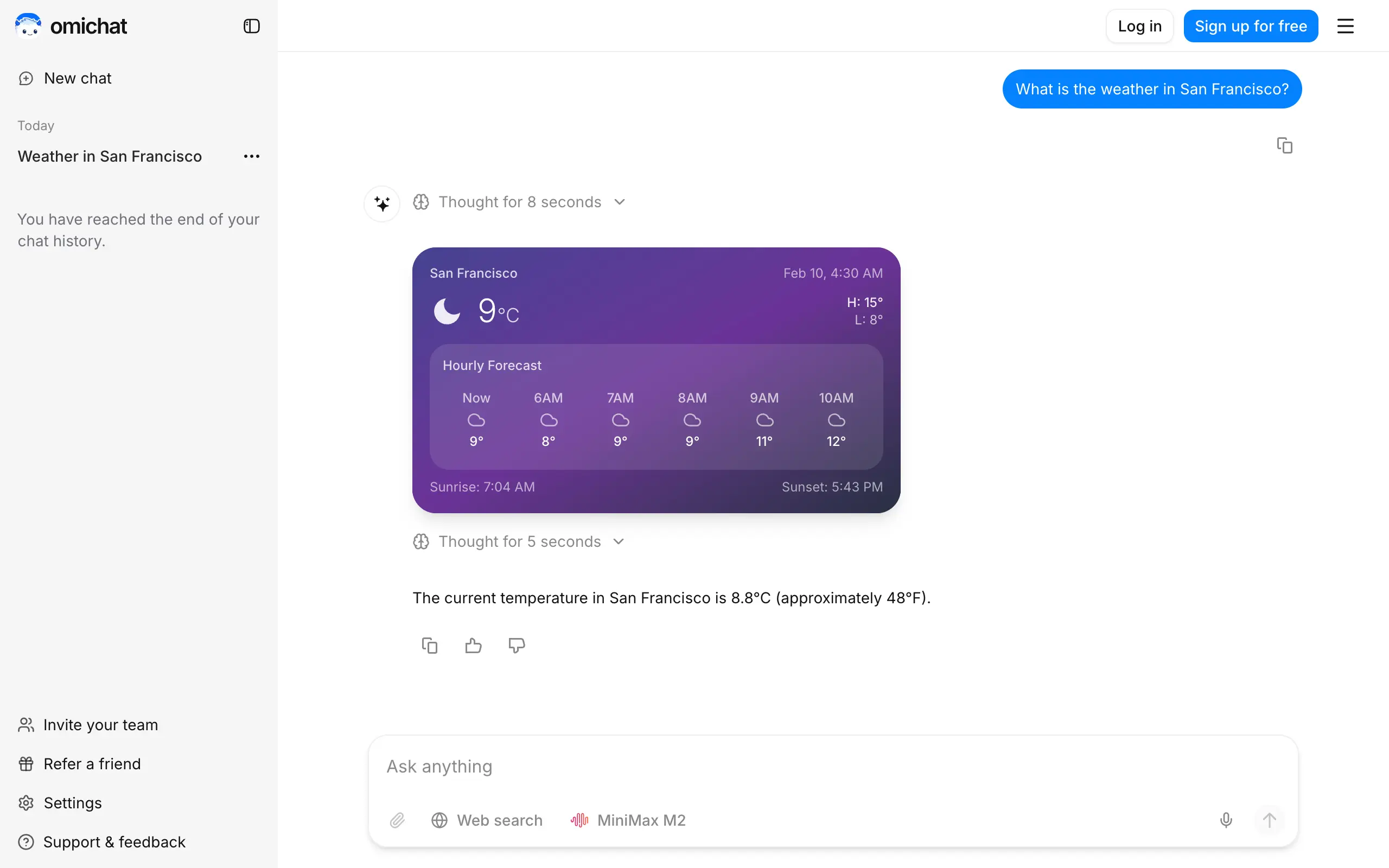
Omichat
Chat with 50+ AI models, including ChatGPT and Claude, in one place - switch models anytime without losing context 🤖
Talk to Santa
Enjoy a magical live video chat or receive a unique AI-generated video greeting from Santa Claus 🎅
pozywka.pl
Scalable blog for food journalist, focused on performance and user experience 🌭
zagrodzki.me
Personal blog and portfolio of Bart Zagrodzki, where he shares his knowledge and work 💼
TurboStarter
Ship your startup everywhere. In minutes.
HTML to Markdown
Convert HTML to Markdown with ease, directly in your browser 📄
Omichat
Chat with 50+ AI models, including ChatGPT and Claude, in one place - switch models anytime without losing context 🤖
Talk to Santa
Enjoy a magical live video chat or receive a unique AI-generated video greeting from Santa Claus 🎅
pozywka.pl
Scalable blog for food journalist, focused on performance and user experience 🌭
zagrodzki.me
Personal blog and portfolio of Bart Zagrodzki, where he shares his knowledge and work 💼
TurboStarter
Ship your startup everywhere. In minutes.
HTML to Markdown
Convert HTML to Markdown with ease, directly in your browser 📄
Omichat
Chat with 50+ AI models, including ChatGPT and Claude, in one place - switch models anytime without losing context 🤖
Talk to Santa
Enjoy a magical live video chat or receive a unique AI-generated video greeting from Santa Claus 🎅
pozywka.pl
Scalable blog for food journalist, focused on performance and user experience 🌭
zagrodzki.me
Personal blog and portfolio of Bart Zagrodzki, where he shares his knowledge and work 💼
TurboStarter
Ship your startup everywhere. In minutes.
HTML to Markdown
Convert HTML to Markdown with ease, directly in your browser 📄
Omichat
Chat with 50+ AI models, including ChatGPT and Claude, in one place - switch models anytime without losing context 🤖
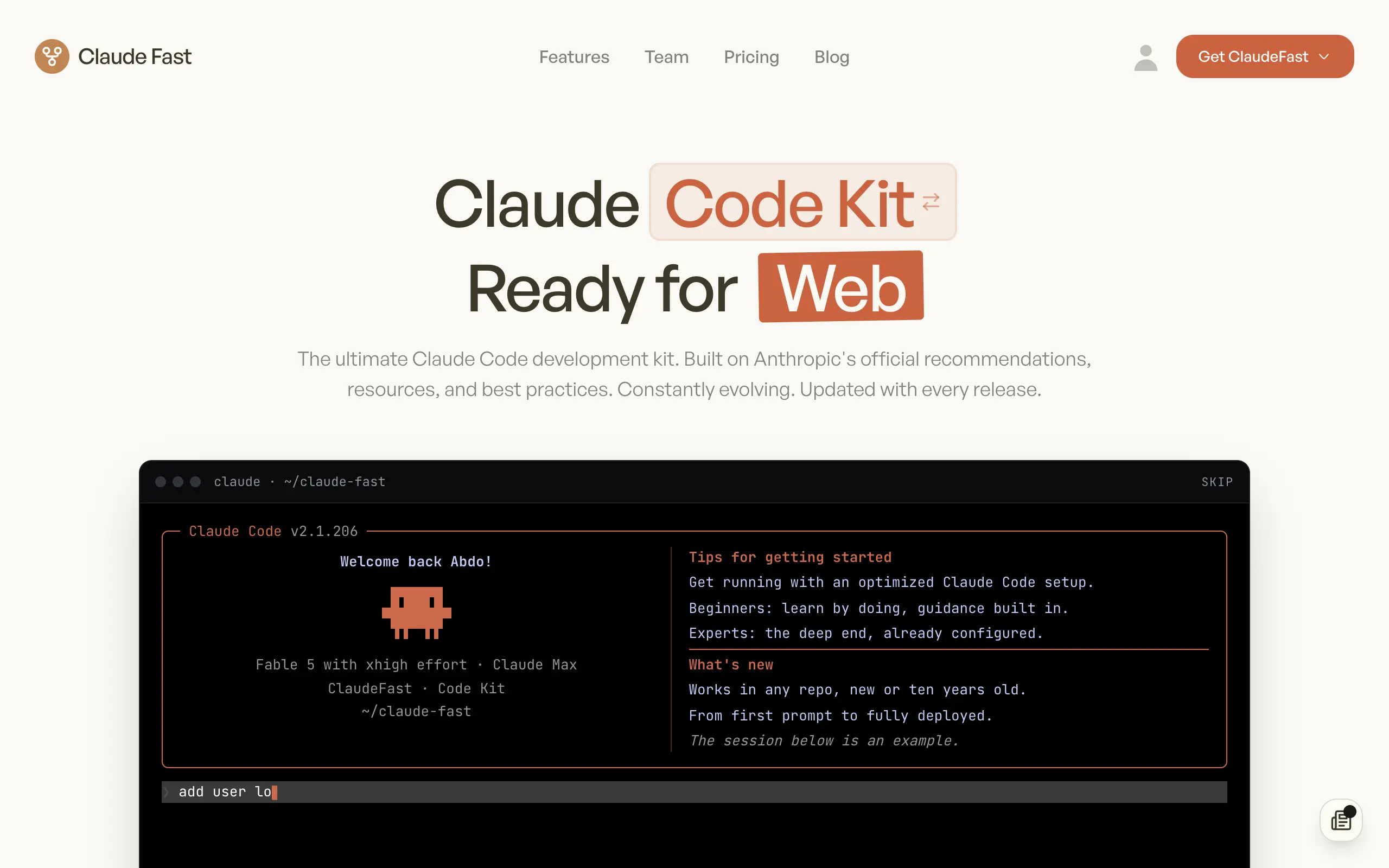
Claude Fast
Supercharge your Claude Code with 6x effective context window and specialized AI agents 🤖
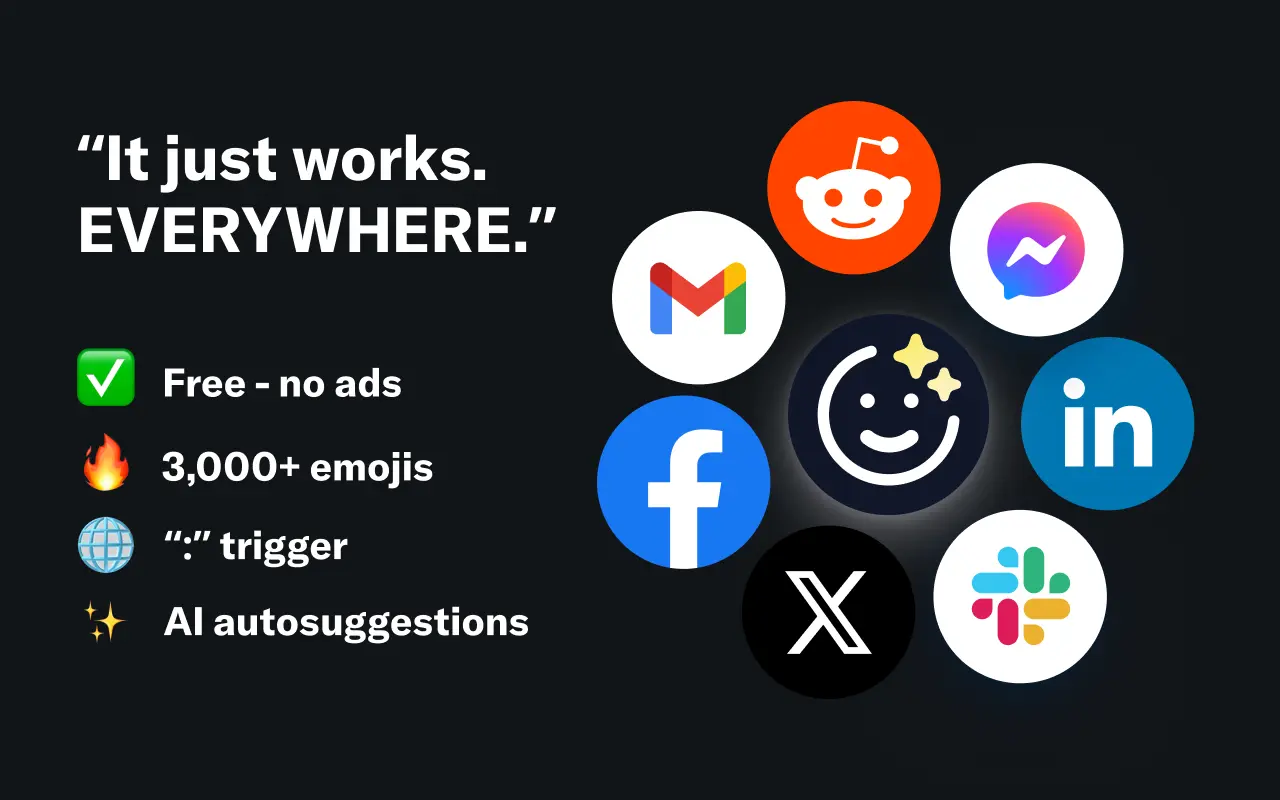
EmojAI
AI-powered emoji picker with smart, context-aware suggestions 🤖

Solohacker
Autonomous company launcher - AI agents work 24/7, escalate what matters, and you stay in control 🤖
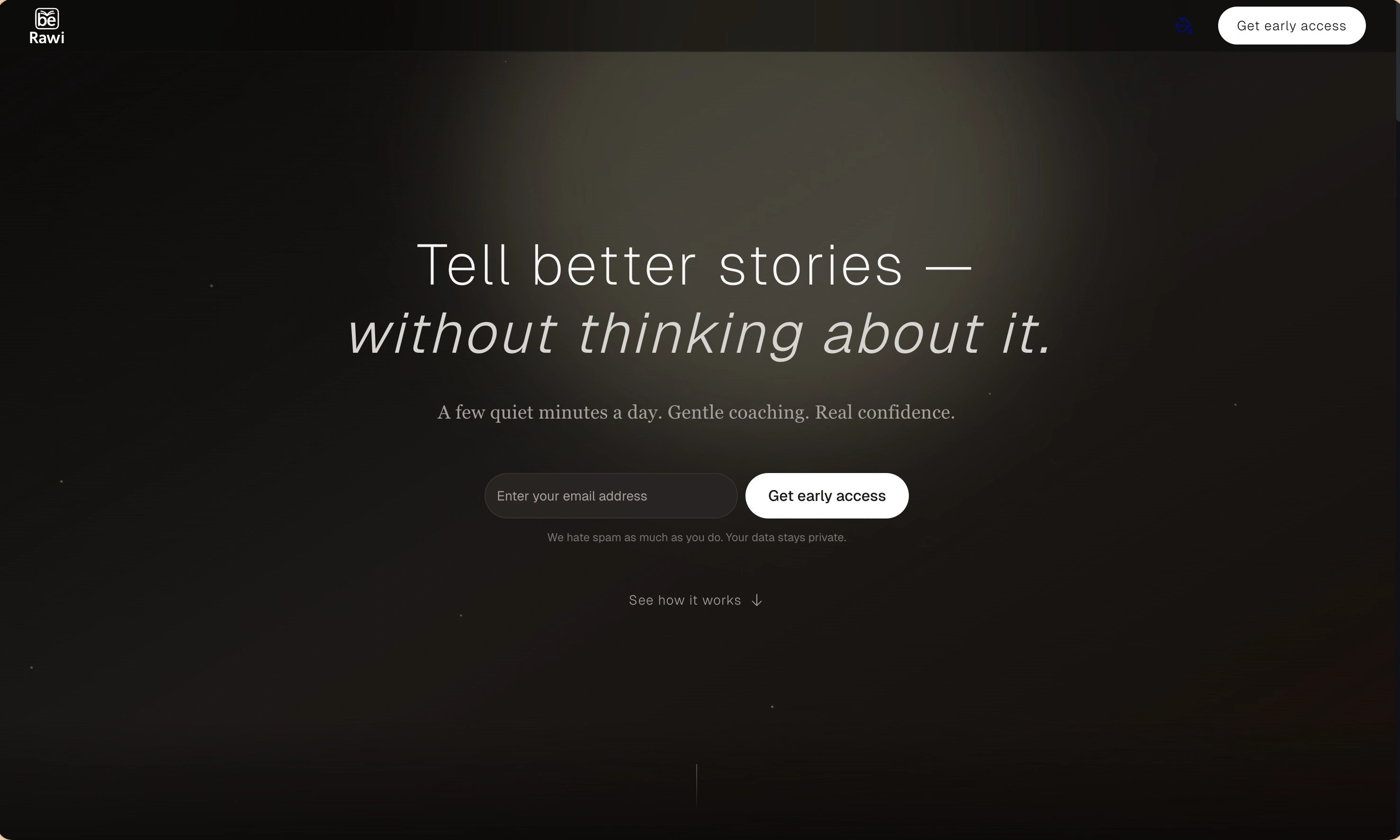
BeRawi: Storytelling Coach
Practice storytelling daily with instant feedback to sound clearer, more engaging, and confident 🎤
Claude Fast
Supercharge your Claude Code with 6x effective context window and specialized AI agents 🤖
EmojAI
AI-powered emoji picker with smart, context-aware suggestions 🤖
Solohacker
Autonomous company launcher - AI agents work 24/7, escalate what matters, and you stay in control 🤖
BeRawi: Storytelling Coach
Practice storytelling daily with instant feedback to sound clearer, more engaging, and confident 🎤
Claude Fast
Supercharge your Claude Code with 6x effective context window and specialized AI agents 🤖
EmojAI
AI-powered emoji picker with smart, context-aware suggestions 🤖
Solohacker
Autonomous company launcher - AI agents work 24/7, escalate what matters, and you stay in control 🤖
BeRawi: Storytelling Coach
Practice storytelling daily with instant feedback to sound clearer, more engaging, and confident 🎤
Claude Fast
Supercharge your Claude Code with 6x effective context window and specialized AI agents 🤖
EmojAI
AI-powered emoji picker with smart, context-aware suggestions 🤖
Solohacker
Autonomous company launcher - AI agents work 24/7, escalate what matters, and you stay in control 🤖
BeRawi: Storytelling Coach
Practice storytelling daily with instant feedback to sound clearer, more engaging, and confident 🎤

Connect with like-minded people
Join our community to get feedback, support, and grow together with 1,000+ builders on board, let's ship it!
Join usShip your startup everywhere. In minutes.
Don't burn tokens on setup and start building features on day one.