FlakeLedger
Cluster intermittent CI failures by likely root cause, rank them by release risk, and suggest targeted fixes so engineering teams stop rerunning flaky tests.
Why flaky CI failures deserve a root-cause system
A flaky test can fail without a meaningful code change, pass on a rerun, and leave a team unsure whether a release is safe. The immediate temptation is to rerun the job and move on. But repeated reruns hide important information: whether the failure is genuinely intermittent, which tests share a cause, how much release risk is involved, and what change is most likely to fix it.
FlakeLedger is an AI-powered flaky test analysis platform designed to answer those questions. It would cluster intermittent CI failures by likely root cause, rank clusters by release risk, and recommend targeted next steps. Instead of treating every failed test as an isolated incident, it would help engineering teams see patterns across test runs, services, and releases.
The product’s central promise is practical: turn noisy CI failures into evidence engineers can act on. It should not claim that every failure can be diagnosed automatically. Rather, it should help teams distinguish likely flakes from credible regressions, find related failures, and spend their debugging time where it matters most.
For teams evaluating an AI CI failure analysis product, the opportunity is to build more than a failure dashboard. FlakeLedger can become a reliable decision layer between test results and release decisions.
The problem FlakeLedger solves
A flaky test produces inconsistent results under conditions that appear similar. The underlying cause may be a timing issue, shared state, an unstable external dependency, resource contention, nondeterministic test data, or a real defect that only appears in certain environments.
The difficulty is not simply detecting that a test has failed before. Engineering teams need to answer several questions quickly:
- Is this failure likely to be a product regression, an intermittent test, or an infrastructure issue?
- Have other tests failed with the same signature or under the same conditions?
- Is this failure new, getting more frequent, or already known?
- Does it affect a critical user flow or a release-blocking service?
- What evidence supports a suggested fix?
- Is it safe to rerun, quarantine, or waive the failure?
Most CI systems report the run-level result clearly. The harder work often starts after that result appears. Engineers search logs, compare previous runs, ask teammates whether an issue is familiar, and manually decide whether a retry is enough. That process consumes attention and can make release decisions less consistent.
FlakeLedger’s value is to reduce that investigation burden without obscuring the evidence. The platform should make it easier to see what happened, why the system thinks it happened, and what action is appropriate.
Who should use an AI flaky test analysis platform?
FlakeLedger’s best early customers are teams that run automated tests frequently and feel the operational cost of unreliable results. A small team with a handful of CI jobs may be able to investigate failures manually. A team running many suites across services, branches, and environments is more likely to benefit from a dedicated analysis layer.
Primary customer segments
- Growing software companies with active CI pipelines and a small platform or quality engineering function. Their teams need to reduce triage time without building an internal reliability system.
- Engineering organizations with monorepos where changes can trigger large test suites and failures may have dependencies across packages.
- Teams with frequent releases where uncertainty about test results creates delays, unnecessary reruns, or inconsistent release decisions.
- Platform engineering groups responsible for developer productivity, CI reliability, and shared testing infrastructure.
- Quality engineering teams that need visibility into test health, ownership, recurring failure patterns, and remediation progress.
Likely users and buyers
The day-to-day user may be a software engineer investigating a failed pull request. A platform engineer or quality lead may be the internal champion. The economic buyer is often an engineering leader who wants to lower the cost of unreliable CI and improve confidence in delivery.
These roles have different needs:
- Developers want a short explanation, useful evidence, and a clear next action.
- Platform teams want cross-repository trends, integrations, access controls, and operational reliability.
- Engineering leaders want to understand how much CI noise affects delivery and whether it is improving.
- Security teams want clarity about what code, logs, and test data the product stores or processes.
FlakeLedger should serve each audience without presenting the same dashboard to everyone. Developers need contextual guidance near the failed run. Leaders need trends and risk summaries. Administrators need governance and integration controls.
Market opportunity and product gap
The broader market includes CI providers, test reporting tools, observability platforms, test selection products, and specialist flaky-test systems. Each category can solve part of the problem. FlakeLedger’s opportunity is to focus on the decision that follows a failure: how likely is this to be a regression, what other evidence is related, and what should the team do next?
A useful product should avoid positioning itself as a replacement for a team’s CI provider. Instead, it can connect to existing workflows and make their results more actionable.
Where teams still lose time
A team may already have test history, logs, and retry settings yet still struggle with:
- Fragmented evidence: Failure details live in separate job logs, test reports, issue trackers, and chat threads.
- Test-by-test triage: Engineers investigate each failure individually even when multiple failures share a cause.
- Unclear confidence: A system may label a test flaky without explaining how strong the evidence is.
- Risk-blind reruns: Rerunning a test can establish that a result is intermittent, but it does not prove that a change is safe.
- Weak ownership: A recurring failure may have no clear team or person responsible for remediation.
- Stale quarantines: A test marked as flaky can remain excluded from meaningful release signals long after the original investigation.
- Poor prioritization: Teams may fix the most visible failures rather than the failures that create the most release risk or engineering waste.
FlakeLedger can address this gap by connecting historical patterns to current release context. Its differentiator is not merely an AI-generated explanation. It is the combination of failure clustering, evidence-backed recommendations, risk ranking, and workflow follow-through.
Validate the opportunity before building broadly
The market opportunity is a hypothesis, not a guarantee. Before investing in a full platform, the founders should confirm that prospective customers have both a frequent problem and a willingness to pay for a solution.
Useful discovery questions include:
- How often does a CI failure require manual investigation?
- How does the team decide whether to rerun, block, or ignore a failure?
- What happens when a flaky test is misclassified as a product regression?
- How many tools or systems must an engineer inspect to understand a failure?
- Who owns test reliability today, and how is that work prioritized?
- What data can the company send to an external service?
- Would the buyer pay for reduced triage effort, better release confidence, or both?
Ask interviewees to walk through a recent incident rather than describe their ideal product. A real failure timeline reveals the systems involved, the evidence engineers trusted, and the workarounds FlakeLedger must fit into.
How FlakeLedger should work
The product can be understood as a pipeline that turns raw test events into a useful investigation.
- Collect test results and supporting metadata from a CI provider or test-reporting system.
- Normalize the events so results from different repositories and frameworks can be compared.
- Detect repeated or intermittent patterns across tests, builds, environments, and time.
- Cluster related failures using signatures and contextual evidence.
- Estimate impact and confidence using recurrence, affected workflows, change context, and historical behavior.
- Present a recommendation with supporting evidence and a way for an engineer to confirm, reject, or correct it.
- Track outcomes so the system can distinguish a useful diagnosis from an incorrect one.
The interface should show evidence before persuasion. For example, an engineer should be able to inspect the error signature, affected test runs, relevant environment details, and the reason for a risk score. A confident tone is not a substitute for a verifiable explanation.
Core features for the first version
The first release should solve a narrow workflow exceptionally well. Building a broad analytics suite before proving that teams trust the diagnosis would add complexity without validating the product’s main value.
1. CI and test-result ingestion
FlakeLedger needs reliable access to test outcomes and the metadata required to interpret them. The initial integration should prioritize one CI workflow and a small set of common test-report formats rather than promising universal compatibility.
The data model should capture, where available:
- Repository, branch, commit, pull request, and build identifier
- Test suite, test name, file path, and framework
- Pass, fail, skip, retry, and duration
- Error message and normalized stack trace
- Operating system, runtime, browser, container, and relevant environment details
- Rerun history and final job status
- Service or team ownership
Integration design matters as much as feature breadth. A clear setup guide, scoped permissions, data retention controls, and predictable ingestion behavior can be a meaningful competitive advantage.
2. Flake detection with transparent evidence
A single failure followed by a pass does not automatically prove a test is flaky. FlakeLedger should represent uncertainty explicitly and let teams configure what evidence is sufficient for a classification.
Potential signals include:
- A test that alternates between passing and failing across comparable runs
- A failure that disappears on retry without a relevant code change
- Repeatedly similar errors across different builds
- Failures associated with a particular environment or resource condition
- A test with a history of intermittent outcomes
- A sudden change in failure rate after a test or infrastructure update
The product should distinguish observed facts from inferred causes. “This test failed twice and passed on both retries” is an observation. “This is likely caused by a timing race” is an inference that should include its confidence and supporting evidence.
3. Root-cause clustering
Clustering is the feature that can make FlakeLedger more useful than a list of test statuses. The system should group failures that appear related, even when they come from different tests or repositories.
A cluster might be based on:
- Similar normalized error messages or stack traces
- Shared test setup or fixture
- The same dependency, service, or environment
- A common commit, deployment, or configuration change
- Similar timing, resource, or network patterns
Clustering should be reversible. Engineers need to merge clusters that the system split, separate unrelated failures it combined, and mark a proposed relationship as incorrect. Those corrections are valuable product feedback, but should not be treated as reliable training labels without appropriate validation.
4. Release-risk ranking
Risk ranking should help teams prioritize, not replace their judgment. FlakeLedger can estimate risk using factors such as:
- Whether the affected test protects a critical user journey
- How many builds, branches, or services are affected
- Whether failures are increasing or concentrated around a new change
- Whether the failure has a plausible product-code signal
- Whether the issue blocks a release or affects a deployment gate
- Whether the team has already confirmed the issue as a known flake
The score should be explainable and configurable. A team should understand why one cluster is high risk and another is low risk. Avoid presenting a single number as objective truth when the input data is incomplete.
5. Targeted recommendations
Recommendations should be specific, evidence-linked, and appropriately cautious. A helpful suggestion could be to inspect shared test setup, compare failures by runtime version, or review a recent change to a dependency. A less helpful suggestion would be a generic instruction to “add a wait” without evidence.
Each recommendation should ideally include:
- The suspected cause or investigation path
- The evidence that supports it
- The confidence level and important limitations
- The suggested owner or team, if ownership data exists
- A way to record whether the recommendation helped
FlakeLedger should not automatically edit production tests or silently change release gates in its initial release. Recommendations can build trust before the product takes actions with higher operational consequences.
6. Workflow integrations and ownership
A diagnosis is useful only if it reaches the person who can act on it. FlakeLedger should connect findings to the workflow where teams already discuss and resolve engineering work.
Useful workflow capabilities include:
- Pull request summaries with links to supporting evidence
- Issue creation for confirmed recurring problems
- Assignment to a repository or service owner
- Notifications for new high-risk clusters
- Status tracking for acknowledged, investigating, fixed, or accepted issues
- A record of overrides and decisions
Integrations should be configurable. Excessive notifications can make a reliability tool another source of noise.
7. Reliability analytics
Once the core triage workflow works, FlakeLedger can provide longer-term insights, such as:
- Time from first failure to diagnosis
- Number of repeated investigations
- Test failures by repository, team, or environment
- Clusters that remain unresolved
- Retry rates and outcomes
- Changes in failure patterns over time
- The proportion of failures confirmed as flakes, regressions, or infrastructure issues
Metrics need careful definitions. For example, a reduction in reported flakes might reflect better tests, fewer test runs, or a change in classification behavior. The dashboard should disclose the measurement method and avoid implying causation without evidence.
Competitive advantage and positioning
FlakeLedger’s strongest positioning is not “AI for testing.” That phrase is broad and does not explain why a team should choose the product. A sharper value proposition is:
FlakeLedger connects intermittent CI failures to likely shared causes, shows the evidence, and helps teams prioritize what could affect a release.
This positioning gives the product a clear job: support investigation and release confidence.
| Capability | Basic CI reporting | Test analytics | FlakeLedger opportunity |
|---|---|---|---|
| Report individual failed tests | Common | Common | Preserve the original run context |
| Show historical test outcomes | Varies | Often available | Use history to explain current failures |
| Group related failures | Limited or manual | Varies | Make root-cause clusters central |
| Explain release relevance | Usually limited | Varies | Rank risk with visible factors |
| Suggest a next investigation step | Often manual | Varies | Provide evidence-backed guidance |
| Learn from team corrections | Limited | Varies | Capture feedback with review controls |
The table describes a potential product position, not a universal assessment of every competing tool. Buyers should evaluate specific products against their own workflow, data needs, and security requirements.
Potential defensible advantages
- High-quality failure history: Normalized, contextual test events become more useful as teams build a reliable history.
- Trustworthy explanations: Recommendations that consistently link to evidence are harder to replace with generic AI summaries.
- Workflow fit: Integrations that respect how teams investigate and assign issues can reduce adoption friction.
- Team-specific learning: With appropriate safeguards, corrections can improve how FlakeLedger interprets a particular repository or testing environment.
- Cross-test relationships: Identifying shared causes across tests can save more investigation time than classifying tests in isolation.
These advantages are not automatic. Data accumulation only helps if the data is accurate, permissioned, and useful. A large historical dataset that cannot be explained or corrected may become a liability rather than a moat.
Recommended technology stack
The technology choices should support reliable event ingestion, secure access to customer data, and fast iteration. A practical stack can begin with familiar tools and evolve as workload requirements become clearer.
Application and user interface
A web application built with React and Next.js can support the product dashboard, authenticated workflows, and integration setup. TypeScript helps reduce errors in data-heavy interfaces by making event shapes and API contracts more explicit.
Use a component system and a utility-first styling approach such as Tailwind CSS if the team wants to build consistent product screens quickly. The trade-off is that a fast-moving interface still needs accessibility, visual testing, and design-system discipline; a styling framework does not provide those automatically.
Backend and data storage
A backend API can handle authentication, integration management, event ingestion, and customer-facing queries. PostgreSQL is a strong starting point for relational data such as organizations, repositories, users, integrations, clusters, and investigation status.
For event volume, store raw or minimally transformed events separately from application entities when appropriate. A common early approach is to use PostgreSQL with partitioning and carefully designed indexes, then introduce an analytical store only when actual query patterns justify the added operational burden.
Use object storage for large raw artifacts if the product needs them, and define retention policies from the beginning. Test logs may include sensitive data, so storing everything forever is rarely a good default.
Ingestion and background processing
CI events may arrive in bursts and can require retries, parsing, normalization, and clustering. A queue-based architecture lets the ingestion endpoint acknowledge valid submissions quickly while workers handle heavier processing asynchronously.
A durable workflow engine such as Temporal may help if workflows involve long-running retries, integration state, or multi-step processing. It can add operational complexity, so a simpler queue and worker setup may be better for an early product with limited workflow requirements.
Machine learning and analysis
Use deterministic logic where it is more reliable and easier to explain. For example, normalization, duplicate detection, and basic recurrence calculations can often be implemented as explicit rules before introducing language models.
Machine learning can assist with:
- Similarity scoring for error messages and stack traces
- Clustering failures with shared contextual signals
- Summarizing long logs into investigation clues
- Ranking possible causes for human review
The system should separate model output from source evidence. Store model version, inputs, outputs, and feedback where appropriate, while applying data-minimization rules. A language model should not be the sole authority for release-blocking decisions.
Observability and security
Instrument the service with OpenTelemetry so developers can investigate FlakeLedger’s own latency, ingestion failures, and background jobs. Use structured logs, metrics, and traces while avoiding accidental capture of secrets or customer source code.
Security controls should include organization-level access boundaries, encrypted transport, secure credential storage, scoped integration permissions, audit logs, and documented retention settings. For enterprise buyers, be prepared to answer questions about data residency, subprocessors, incident response, and whether customer data is used to train shared models.
Stack trade-offs
| Decision | Benefits | Trade-off |
|---|---|---|
| PostgreSQL first | Mature relational model and simpler operations | High-volume analytical queries may need a separate store later |
| Queue-based processing | Resilient ingestion and independent workers | Requires monitoring, retry policies, and idempotency |
| Rules before complex AI | Easier to test and explain | May miss patterns that require richer context |
| Hosted model APIs | Faster experimentation | Adds cost, privacy review, and provider dependency |
| Customer-controlled data retention | Improves trust and governance | Adds configuration and operational complexity |
A good technical strategy is to preserve clean interfaces between ingestion, normalization, analysis, and presentation. That makes it possible to replace an individual component without rewriting the product.
Monetization strategy
FlakeLedger’s pricing should reflect the value delivered while remaining predictable for teams that run CI frequently. Pricing by raw test execution volume can make customers reluctant to send useful data. A better model may combine organization or repository tiers with clear usage limits for unusually high-volume processing.
Possible pricing models
- Free or developer tier: A limited number of repositories, test events, or historical days to help teams validate the product.
- Team subscription: A monthly or annual plan with more repositories, longer history, collaboration, and standard integrations.
- Usage-based processing: Charges tied to analyzed test events or retained data, with visible caps and alerts.
- Enterprise contract: Custom security requirements, retention controls, support commitments, audit features, and procurement needs.
- Add-on analytics: Advanced cross-repository reporting, custom ownership rules, or deeper risk controls once customers demonstrate demand.
Avoid pricing solely on the number of users if the value comes from analyzing shared CI activity. Conversely, unlimited event pricing can be difficult to sustain if a small number of customers generate very high processing costs.
Pricing validation
Use customer interviews and pilots to test what buyers value most. Ask whether they would prefer predictable repository-based pricing, event-volume pricing, or a fixed annual plan. Measure the relationship between product usage and outcomes such as time to classify a failure, repeated investigation effort, and adoption by engineers.
Do not promise a specific return on investment before establishing a credible baseline. A customer-specific value model can estimate potential savings:
Estimated annual value = investigation hours avoided × loaded engineering cost per hour
This is a planning tool, not a guarantee. It should account for adoption, false positives, and the fact that saved time does not always translate directly into cash savings.
Risks and how to mitigate them
Incorrect risk classification
If FlakeLedger labels a real regression as a harmless flake, teams may lose trust or make unsafe release decisions. If it labels every intermittent failure as high risk, it becomes noisy.
Mitigation: Show confidence and evidence, provide a correction path, and avoid automatically overriding release gates in early versions. Track false positives and false negatives separately.
Incomplete or inconsistent data
Different frameworks and CI environments expose different information. Missing metadata can make clusters less reliable.
Mitigation: Display data completeness, identify unsupported formats, and let administrators map repository metadata. Treat unavailable evidence as uncertainty rather than silently inferring it.
Sensitive information in logs
Build output may contain secrets, customer data, internal URLs, or proprietary code.
Mitigation: Minimize collection, support redaction, document storage and retention, secure integration credentials, and provide clear controls for deleting data. Do not assume that logs are safe just because they come from CI.
Overdependence on generative AI
A fluent explanation can sound authoritative while being wrong. This is especially risky when the product influences release decisions.
Mitigation: Ground recommendations in retrieved test history and explicit signals. Link each explanation to relevant runs, show uncertainty, and allow teams to configure whether AI-generated summaries are enabled.
Integration maintenance
CI providers, test frameworks, and report formats evolve. A product that depends on brittle parsers can lose data at exactly the moment customers need it.
Mitigation: Start with a focused integration set, version parsers, maintain fixtures from real-world formats, and build visible ingestion health checks.
Difficult attribution
Teams may struggle to prove that FlakeLedger caused faster releases or fewer failures.
Mitigation: Establish baseline measures during onboarding and report operational indicators with clear definitions. Treat time saved and release confidence as outcomes to validate with each customer, not universal guarantees.
Adoption friction
Engineers may resist another dashboard or ignore alerts that do not appear in their normal workflow.
Mitigation: Put high-value information in existing pull request and issue workflows. Keep notifications selective, make setup fast, and ensure that the product remains useful even when only some team members use the dashboard.
A practical implementation roadmap
A staged roadmap helps validate the core promise before expanding into advanced automation.
Phase 1: Customer discovery and data access
Interview platform engineers, quality leads, and developers. Map a recent failure investigation from first alert to resolution. Identify which CI providers and test frameworks appear most often in the target segment, and confirm what data customers can legally and operationally share.
Phase 2: Narrow ingestion MVP
Build one dependable integration and a normalized event model. Focus on reliable collection, duplicate handling, traceable source runs, and clear data-retention controls. Make ingestion health visible so customers can tell whether FlakeLedger has complete information.
Phase 3: Basic flake detection and investigation view
Implement explainable recurrence signals and a timeline for each test. Let engineers compare failures, retries, commits, and environments. Record whether the team believes the classification is correct.
Phase 4: Failure clustering and risk context
Add cluster suggestions based on error similarity and shared metadata. Introduce an initial risk score with visible factors and configuration. Measure whether clusters reduce duplicate investigation rather than merely creating another view.
Phase 5: Recommendations and workflow integration
Generate cautious, evidence-backed investigation steps. Add one workflow integration that brings findings to the point of action. Track whether users accept, reject, or modify recommendations.
Phase 6: Commercial validation and expansion
Run paid pilots with teams that have frequent CI activity. Validate pricing, security expectations, and measurable outcomes. Expand integrations only when customer demand and retention justify the ongoing support burden.
Interview target users. Collect recent incident walkthroughs and identify where triage time is spent, what data is available, and who owns the decision.
Choose one initial workflow. Select a CI provider, test-report format, and customer segment instead of trying to support every environment at launch.
Build ingestion and evidence views. Prioritize trustworthy data capture, clear history, and traceable explanations before adding autonomous actions.
Test clustering with real failures. Compare suggested groups with engineer judgments, record corrections, and evaluate whether clusters reduce duplicated investigation.
Pilot risk ranking and recommendations. Keep human review in the loop and measure both helpful diagnoses and harmful misclassifications.
Validate willingness to pay. Tie pricing experiments to customer outcomes, security needs, and sustainable processing costs.
What success should look like
FlakeLedger should evaluate product success through a combination of adoption, reliability, and customer outcomes. A large number of ingested events alone does not prove that the product is useful.
Potential measures include:
- Time from a failed run to a useful classification
- Percentage of suggested clusters confirmed or corrected by users
- Rate of repeated investigations for known issues
- Recommendation acceptance and follow-through
- Number of unresolved high-impact clusters
- Ingestion completeness and processing latency
- Customer retention and expansion
- User-reported confidence in release decisions
Define each metric carefully. A high recommendation acceptance rate could mean recommendations are useful, or it could mean users are accepting them without scrutiny. Pair quantitative measures with interviews and periodic review of misclassifications.
The FlakeLedger USP
FlakeLedger stands out when it treats flaky CI failures as a connected reliability problem rather than a collection of isolated red checks. Its strongest potential advantage is the combination of:
- Root-cause clustering that connects related failures
- Release-risk ranking that helps teams prioritize investigation
- Evidence-backed recommendations that explain why a cause is plausible
- Workflow integration that carries findings to the people who can act
- Human feedback that makes classifications correctable and more useful over time
The product should be transparent about what it knows, what it infers, and what remains uncertain. That discipline is essential for earning trust from engineering teams that cannot afford to confuse a flaky test with a real regression.
For founders building a SaaS product in this space, TurboStarter can help accelerate the application foundation, leaving more time to validate the data model, customer workflow, and reliability logic that make FlakeLedger distinctive.
Final recommendation
Build FlakeLedger around one high-value moment: an engineer sees a failed CI run and needs to decide whether to investigate, rerun, escalate, or proceed. Make the evidence easy to inspect, the risk understandable, and the next step specific. Start with a narrow integration and a transparent classification system, then expand based on observed customer behavior.
The opportunity is not to promise that AI can eliminate flaky tests. It is to help teams understand intermittent CI failures faster, connect them to likely shared causes, and make more consistent release decisions. That is a focused problem, a credible product promise, and a strong foundation for an AI-powered CI reliability platform.
More 🤖 AI Startup SaaS ideas
Discover more innovative ai startup SaaS ideas that are trending in 2026. Each idea is AI-generated with market validation and growth potential to help you find your next profitable venture faster than competitors.
Your competitors are building with TurboStarter
Below are some of the SaaS ideas that have been generated and built with our starter kit.
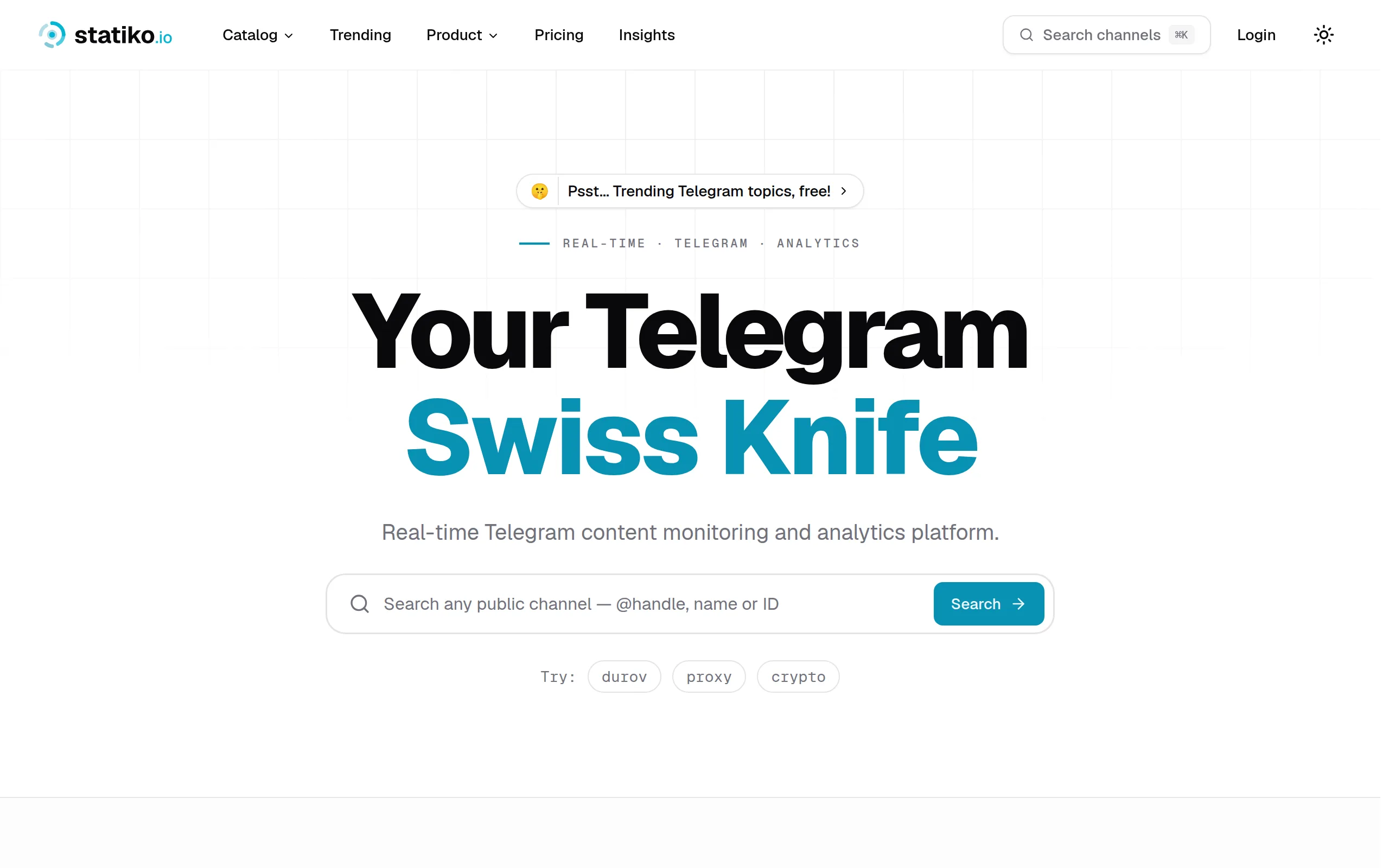
Statiko
Monitor any Telegram channel in real time - track posts, edits, deletions, and growth with AI recaps 📡

Shibui
AI website builder - describe your business, pick a niche template, edit by chatting, and publish instantly ✨

Pro Service
Find verified home service professionals, compare quotes, and pay securely through escrow - built for Brazilians across the US 🏠
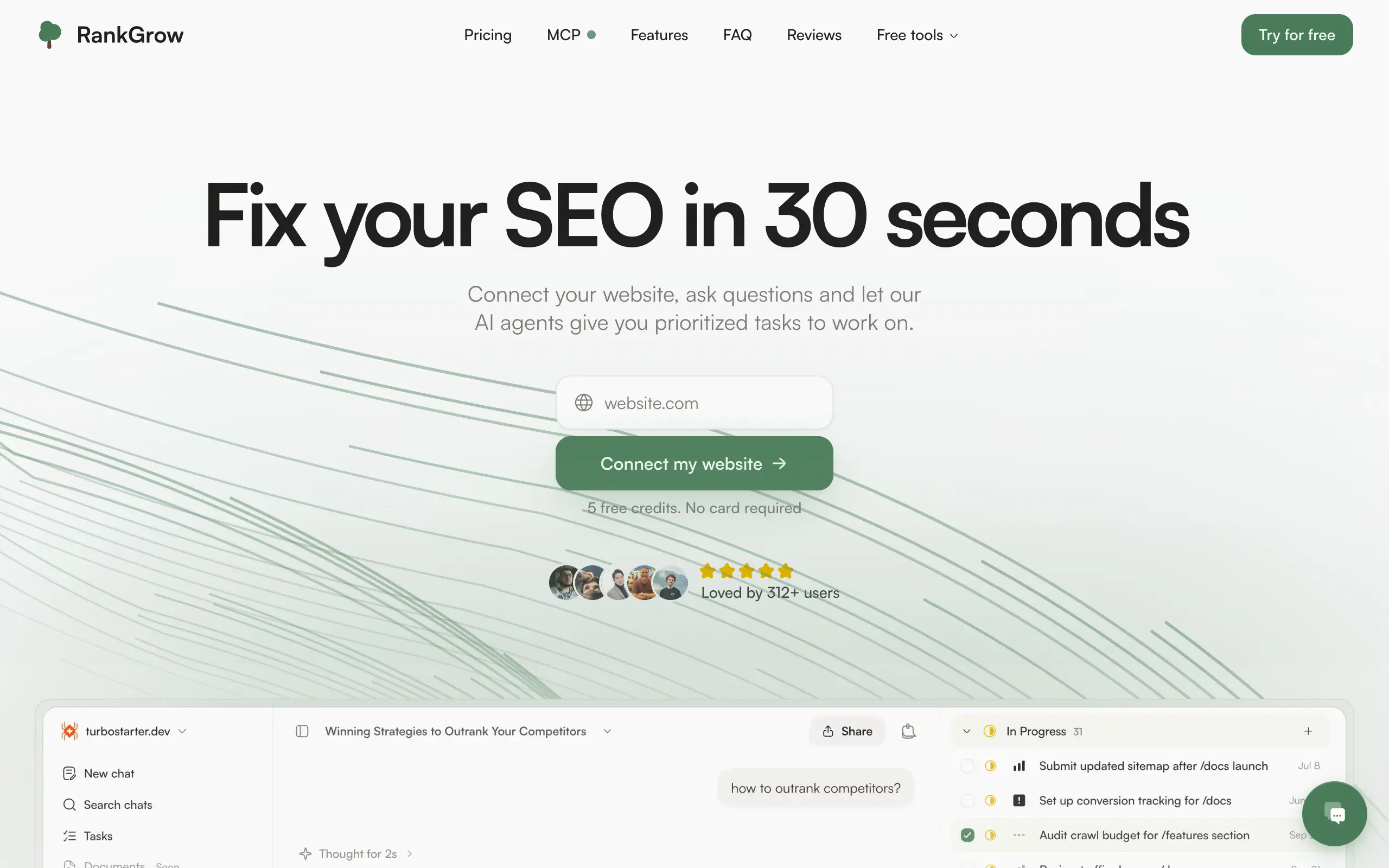
RankGrow
Fix your SEO with AI agents - connect Search Console, get prioritized tasks, and grow organic traffic 📈
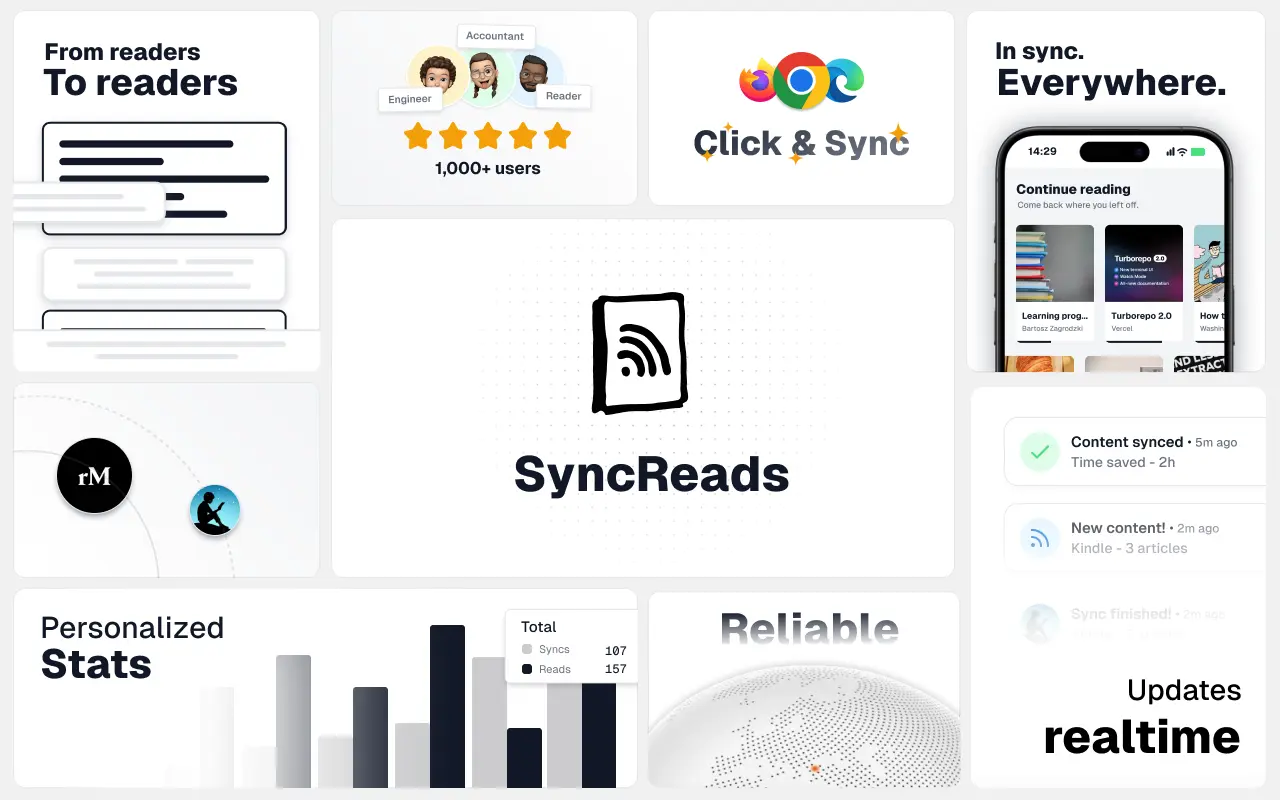
SyncReads
Sync your favorite content for distraction-free reading, save time and replace multiple apps. Anytime, anywhere 🔄
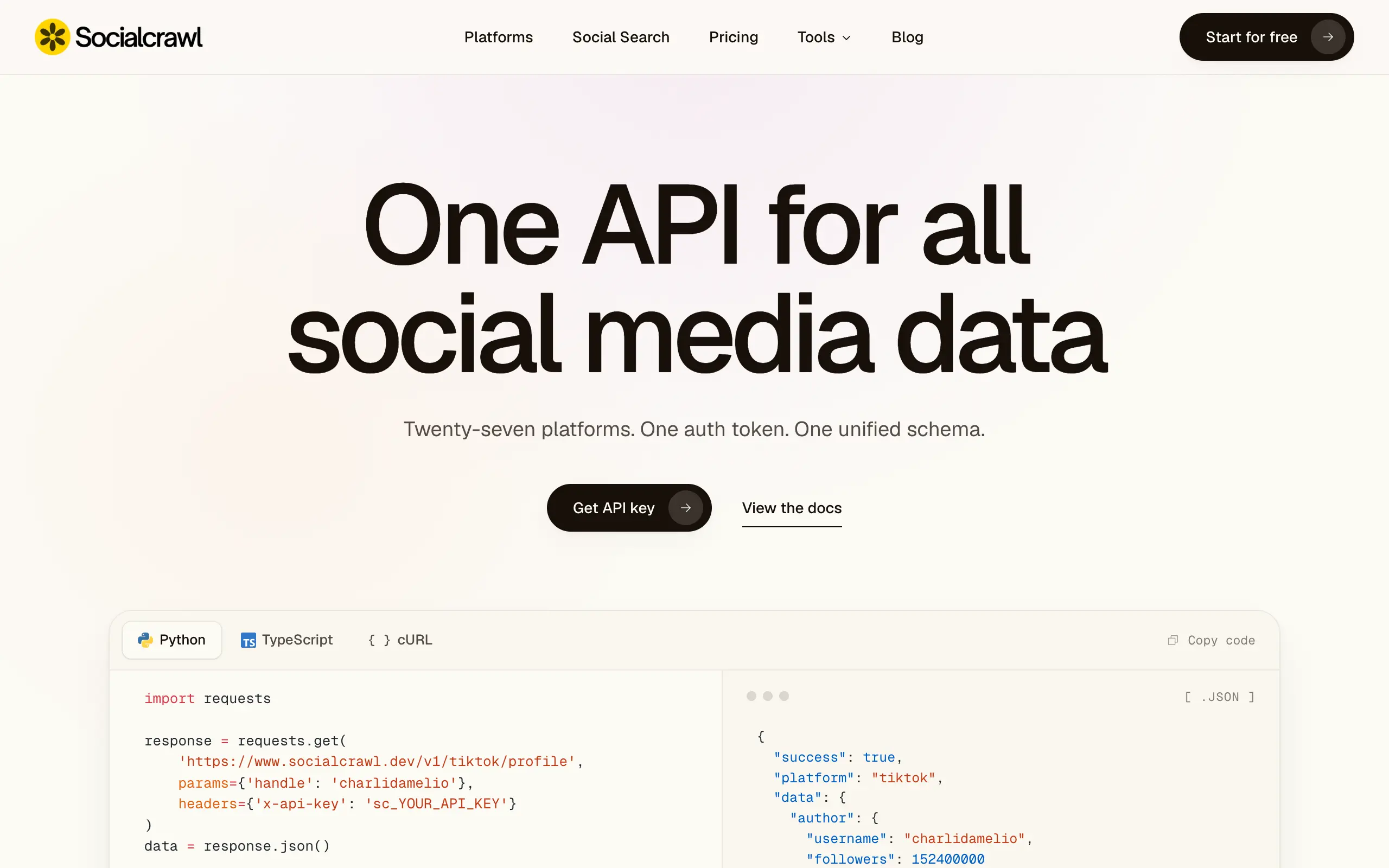
Socialcrawl
Get clean, structured data from 21 platforms like TikTok, Instagram, and YouTube with a single request 📊
Statiko
Monitor any Telegram channel in real time - track posts, edits, deletions, and growth with AI recaps 📡
Shibui
AI website builder - describe your business, pick a niche template, edit by chatting, and publish instantly ✨
Pro Service
Find verified home service professionals, compare quotes, and pay securely through escrow - built for Brazilians across the US 🏠
RankGrow
Fix your SEO with AI agents - connect Search Console, get prioritized tasks, and grow organic traffic 📈
SyncReads
Sync your favorite content for distraction-free reading, save time and replace multiple apps. Anytime, anywhere 🔄
Socialcrawl
Get clean, structured data from 21 platforms like TikTok, Instagram, and YouTube with a single request 📊
Statiko
Monitor any Telegram channel in real time - track posts, edits, deletions, and growth with AI recaps 📡
Shibui
AI website builder - describe your business, pick a niche template, edit by chatting, and publish instantly ✨
Pro Service
Find verified home service professionals, compare quotes, and pay securely through escrow - built for Brazilians across the US 🏠
RankGrow
Fix your SEO with AI agents - connect Search Console, get prioritized tasks, and grow organic traffic 📈
SyncReads
Sync your favorite content for distraction-free reading, save time and replace multiple apps. Anytime, anywhere 🔄
Socialcrawl
Get clean, structured data from 21 platforms like TikTok, Instagram, and YouTube with a single request 📊
Statiko
Monitor any Telegram channel in real time - track posts, edits, deletions, and growth with AI recaps 📡
Shibui
AI website builder - describe your business, pick a niche template, edit by chatting, and publish instantly ✨
Pro Service
Find verified home service professionals, compare quotes, and pay securely through escrow - built for Brazilians across the US 🏠
RankGrow
Fix your SEO with AI agents - connect Search Console, get prioritized tasks, and grow organic traffic 📈
SyncReads
Sync your favorite content for distraction-free reading, save time and replace multiple apps. Anytime, anywhere 🔄
Socialcrawl
Get clean, structured data from 21 platforms like TikTok, Instagram, and YouTube with a single request 📊
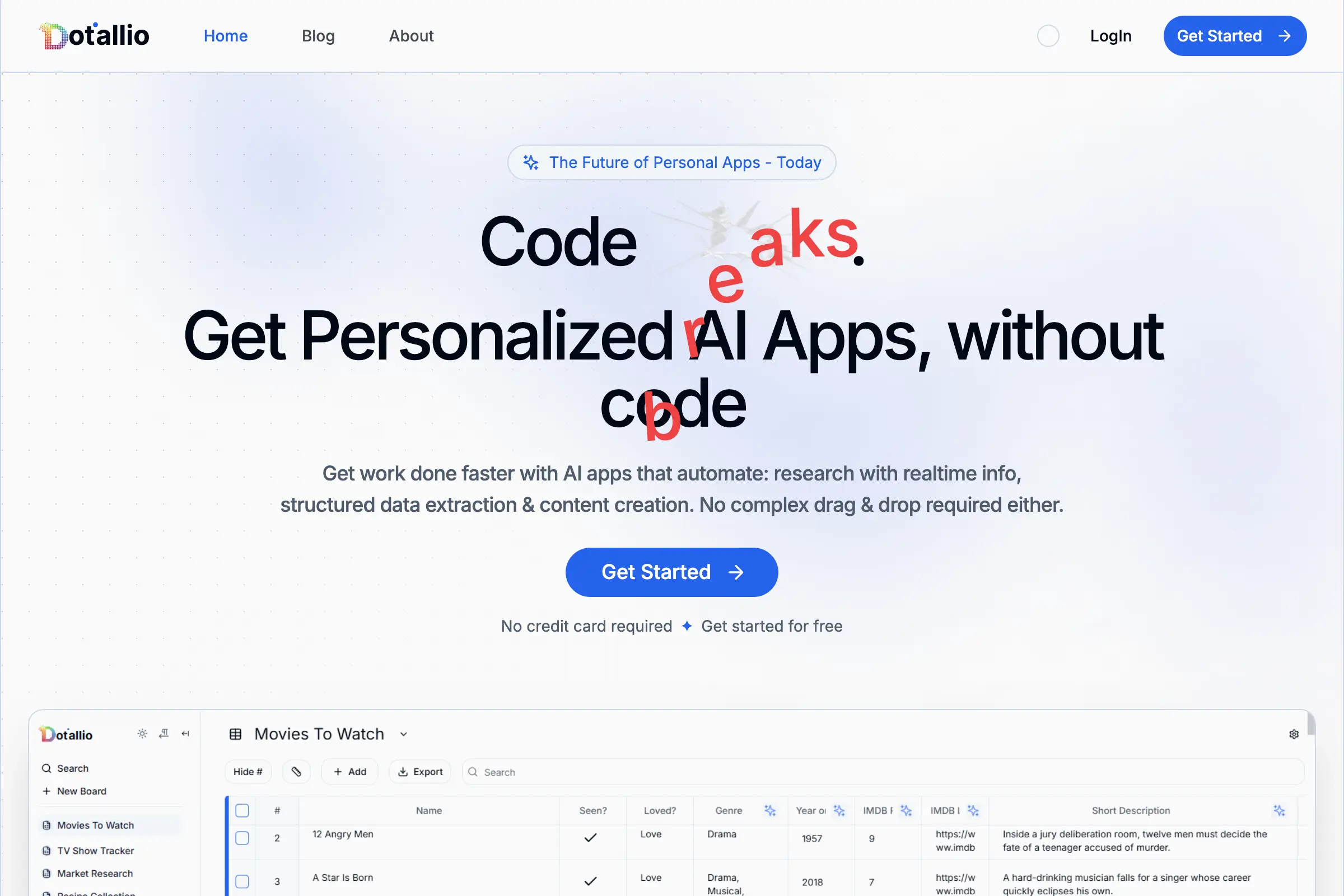
Dotallio
Personalized AI apps that automate research, data extraction, and content creation without code 🤖

Talk to Santa
Enjoy a magical live video chat or receive a unique AI-generated video greeting from Santa Claus 🎅

pozywka.pl
Scalable blog for food journalist, focused on performance and user experience 🌭
zagrodzki.me
Personal blog and portfolio of Bart Zagrodzki, where he shares his knowledge and work 💼
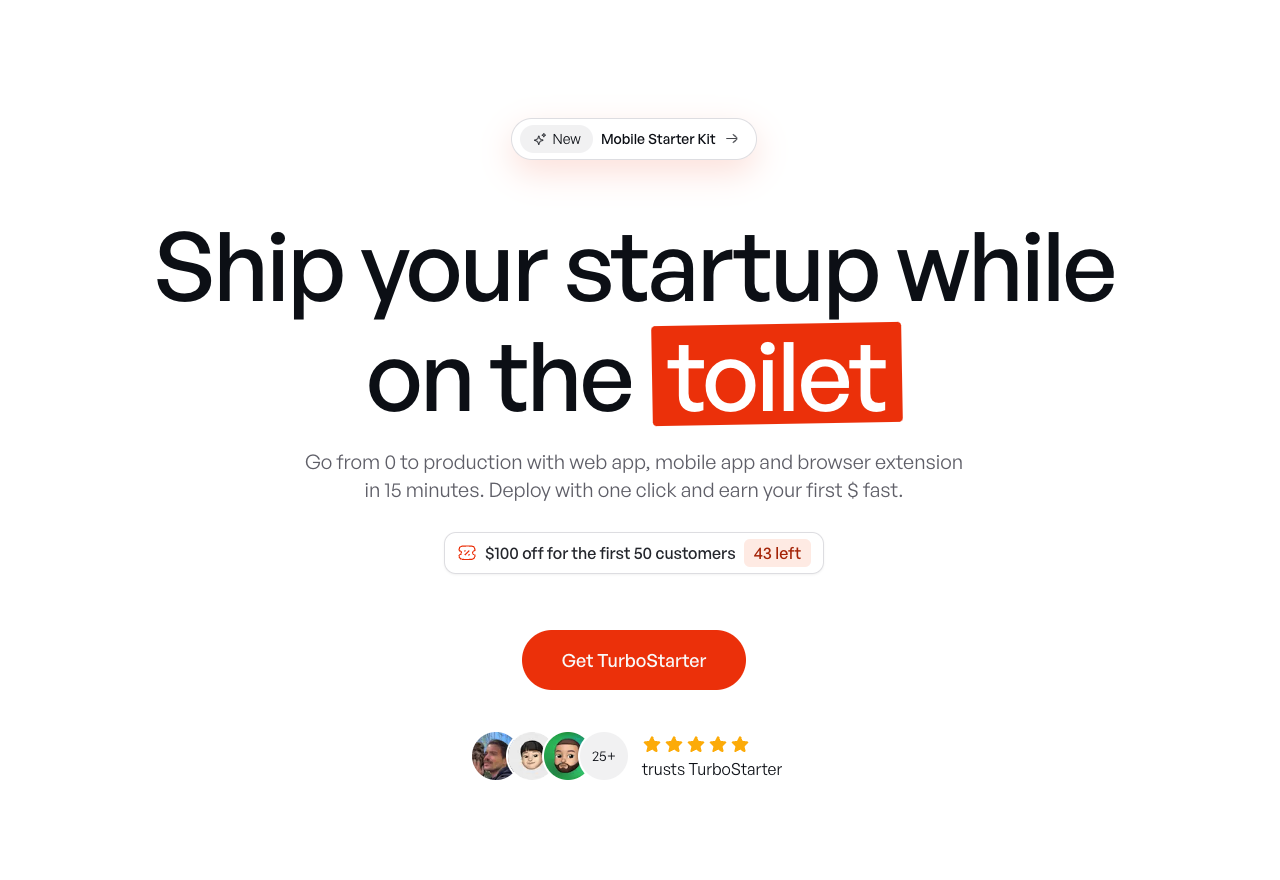
TurboStarter
Ship your startup everywhere. In minutes.
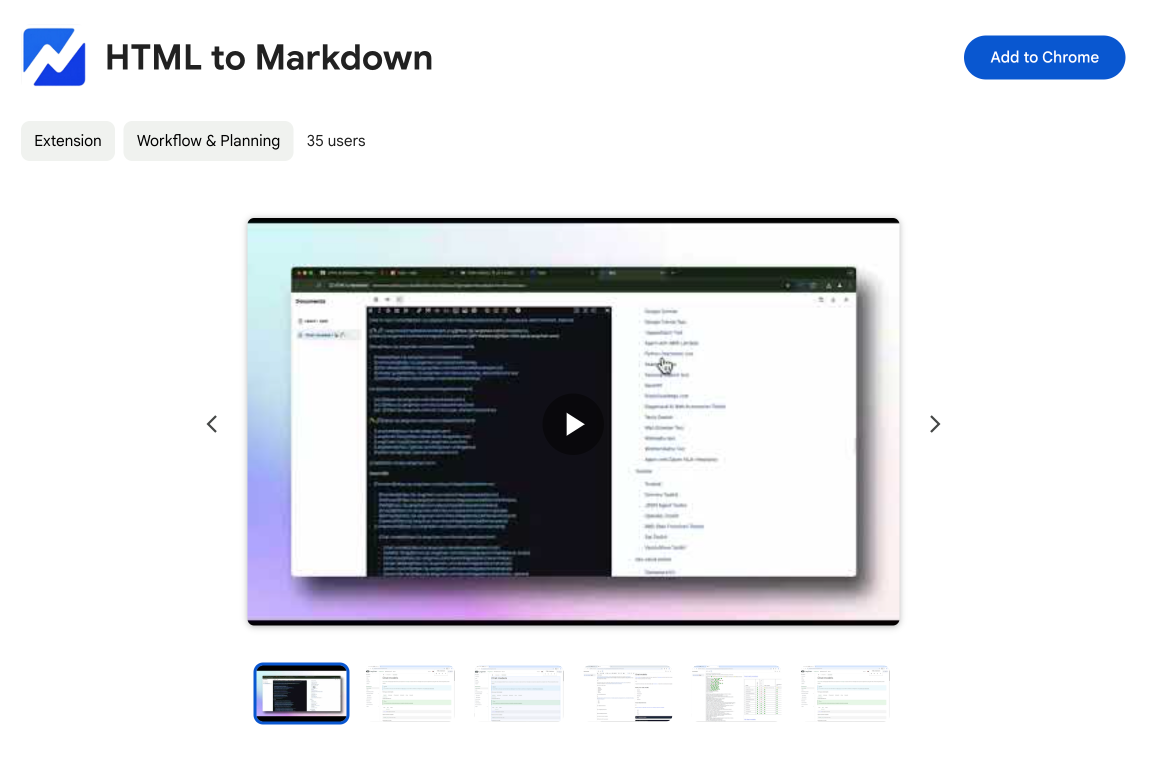
HTML to Markdown
Convert HTML to Markdown with ease, directly in your browser 📄
Dotallio
Personalized AI apps that automate research, data extraction, and content creation without code 🤖
Talk to Santa
Enjoy a magical live video chat or receive a unique AI-generated video greeting from Santa Claus 🎅
pozywka.pl
Scalable blog for food journalist, focused on performance and user experience 🌭
zagrodzki.me
Personal blog and portfolio of Bart Zagrodzki, where he shares his knowledge and work 💼
TurboStarter
Ship your startup everywhere. In minutes.
HTML to Markdown
Convert HTML to Markdown with ease, directly in your browser 📄
Dotallio
Personalized AI apps that automate research, data extraction, and content creation without code 🤖
Talk to Santa
Enjoy a magical live video chat or receive a unique AI-generated video greeting from Santa Claus 🎅
pozywka.pl
Scalable blog for food journalist, focused on performance and user experience 🌭
zagrodzki.me
Personal blog and portfolio of Bart Zagrodzki, where he shares his knowledge and work 💼
TurboStarter
Ship your startup everywhere. In minutes.
HTML to Markdown
Convert HTML to Markdown with ease, directly in your browser 📄
Dotallio
Personalized AI apps that automate research, data extraction, and content creation without code 🤖
Talk to Santa
Enjoy a magical live video chat or receive a unique AI-generated video greeting from Santa Claus 🎅
pozywka.pl
Scalable blog for food journalist, focused on performance and user experience 🌭
zagrodzki.me
Personal blog and portfolio of Bart Zagrodzki, where he shares his knowledge and work 💼
TurboStarter
Ship your startup everywhere. In minutes.
HTML to Markdown
Convert HTML to Markdown with ease, directly in your browser 📄
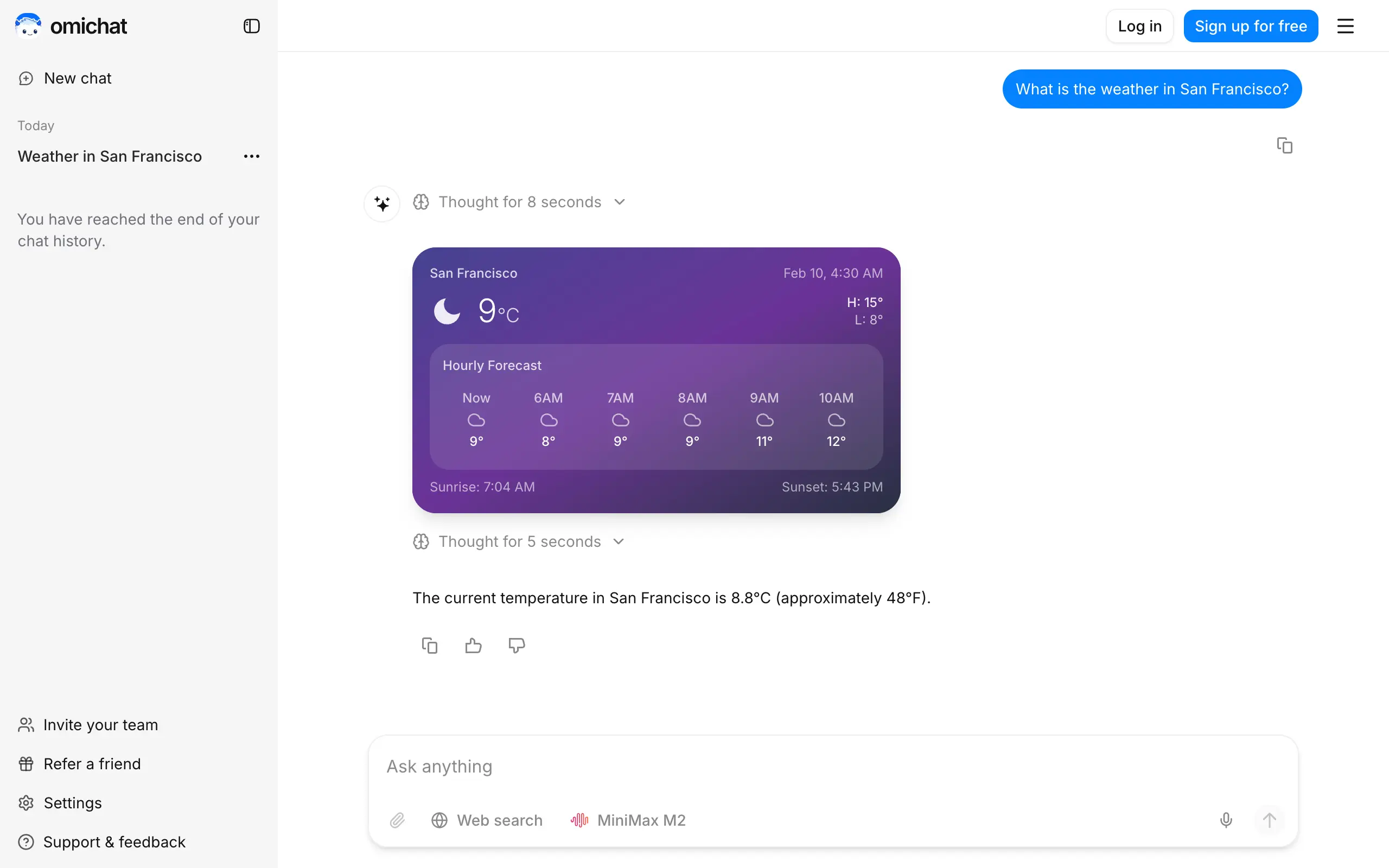
Omichat
Chat with 50+ AI models, including ChatGPT and Claude, in one place - switch models anytime without losing context 🤖
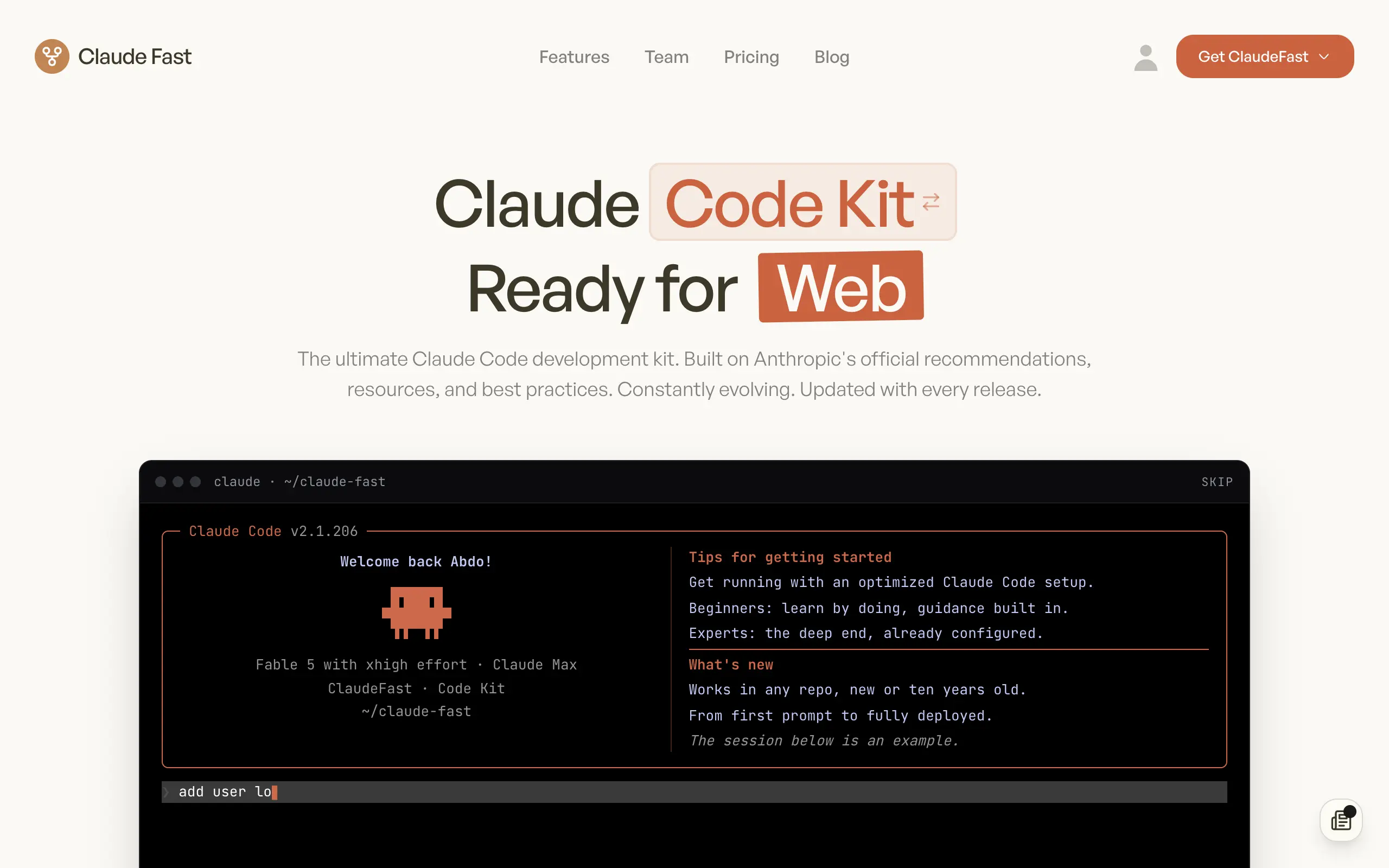
Claude Fast
Supercharge your Claude Code with 6x effective context window and specialized AI agents 🤖
EmojAI
AI-powered emoji picker with smart, context-aware suggestions 🤖
Solohacker
Autonomous company launcher - AI agents work 24/7, escalate what matters, and you stay in control 🤖

BeRawi: Storytelling Coach
Practice storytelling daily with instant feedback to sound clearer, more engaging, and confident 🎤
Omichat
Chat with 50+ AI models, including ChatGPT and Claude, in one place - switch models anytime without losing context 🤖
Claude Fast
Supercharge your Claude Code with 6x effective context window and specialized AI agents 🤖
EmojAI
AI-powered emoji picker with smart, context-aware suggestions 🤖
Solohacker
Autonomous company launcher - AI agents work 24/7, escalate what matters, and you stay in control 🤖
BeRawi: Storytelling Coach
Practice storytelling daily with instant feedback to sound clearer, more engaging, and confident 🎤
Omichat
Chat with 50+ AI models, including ChatGPT and Claude, in one place - switch models anytime without losing context 🤖
Claude Fast
Supercharge your Claude Code with 6x effective context window and specialized AI agents 🤖
EmojAI
AI-powered emoji picker with smart, context-aware suggestions 🤖
Solohacker
Autonomous company launcher - AI agents work 24/7, escalate what matters, and you stay in control 🤖
BeRawi: Storytelling Coach
Practice storytelling daily with instant feedback to sound clearer, more engaging, and confident 🎤
Omichat
Chat with 50+ AI models, including ChatGPT and Claude, in one place - switch models anytime without losing context 🤖
Claude Fast
Supercharge your Claude Code with 6x effective context window and specialized AI agents 🤖
EmojAI
AI-powered emoji picker with smart, context-aware suggestions 🤖
Solohacker
Autonomous company launcher - AI agents work 24/7, escalate what matters, and you stay in control 🤖
BeRawi: Storytelling Coach
Practice storytelling daily with instant feedback to sound clearer, more engaging, and confident 🎤

Connect with like-minded people
Join our community to get feedback, support, and grow together with 1,000+ builders on board, let's ship it!
Join usShip your startup everywhere. In minutes.
Don't burn tokens on setup and start building features on day one.