FlakeLens
FlakeLens correlates CI failures with code changes, test history, and environment drift, then ranks likely causes and recommends actionable fixes.
CI failures are expensive not only because they stop a build, but because engineers must work out whether the cause was a code change, a flaky test, a dependency, or a changing environment. FlakeLens is an AI-powered CI failure analysis platform designed to connect those clues, rank likely causes, and recommend a practical next step.
The opportunity is to make failure investigation faster without asking teams to replace their existing CI systems. A focused product can sit alongside GitHub Actions, CircleCI, Buildkite, and other pipelines, turning scattered logs and test history into evidence developers can use.
What is FlakeLens?
FlakeLens is a SaaS product for CI failure root cause analysis. It gathers information about failed builds, code changes, test history, and environment differences, then helps engineering teams determine what most likely caused a failure.
Rather than presenting another wall of logs, FlakeLens should answer questions such as:
- What changed between the last passing run and this failure?
- Has this test failed before, and under what conditions?
- Are failures concentrated on a particular runner, operating system, dependency version, or time window?
- Which likely cause should an engineer investigate first?
- What evidence supports that conclusion?
- What action can resolve or contain the issue?
The product’s central promise is evidence-backed prioritization. It should not claim certainty where the available data only supports a hypothesis. A good result explains the leading cause, shows the evidence behind it, and gives engineers a way to verify or dismiss the recommendation.
The problem FlakeLens addresses
Modern software teams run many automated checks across pull requests, branches, operating systems, and deployment environments. When a check fails, the failure signal can be ambiguous. A test may be broken by a recent code change, but it may also fail intermittently because of timing, shared resources, external services, or runner instability.
This ambiguity creates several related costs:
- Investigation time: Engineers read logs, compare commits, and search for previous failures.
- Interrupted work: Developers switch from feature work to diagnosing a failure they may not have caused.
- Delayed delivery: Teams may wait for a clean rerun before merging or releasing.
- Reduced trust in tests: Repeated flaky failures can lead engineers to ignore alerts or rerun tests without understanding them.
- Operational noise: CI owners may see many failures but lack a reliable way to distinguish a recurring test issue from an infrastructure incident.
The challenge is not simply to detect that a build failed. CI platforms already report failures. The harder job is to connect the failure to its surrounding context and help a person decide what to do next.
Why existing workflows leave a gap
Many teams already have logs, dashboards, test reports, and code review tools. The gap is often between those sources. A developer may need to inspect a CI run, compare a commit, look up prior test results, and ask a teammate whether a runner has been unstable.
FlakeLens can reduce that context-switching by correlating those signals in one investigation view. Its value depends on the quality and usefulness of those correlations, not on collecting the largest possible volume of data.
Target audience for FlakeLens
FlakeLens is most relevant to engineering teams that run automated tests frequently and experience enough failures to make manual diagnosis costly.
Primary customer segments
Growing software companies are a promising initial segment. Their engineering teams often have meaningful CI volume but may not have dedicated reliability engineers to investigate every recurring failure.
Platform engineering and developer productivity teams may use FlakeLens to identify systemic sources of CI friction across repositories. These teams can also help evaluate integrations, data permissions, and rollout requirements.
Organizations with large test suites can benefit from historical analysis across many runs. When the same test behaves differently across environments or over time, a shared record of those patterns can help prioritize investigation.
Teams with multiple CI environments may need to compare failures across operating systems, architectures, runner pools, or dependency configurations. Environment context is especially valuable when a failure is not consistently reproducible.
Ideal early adopters
A strong first customer is not necessarily the company with the most complex CI setup. It is a team that:
- Runs CI on most pull requests or commits.
- Has recurring failures that are difficult to classify.
- Can provide access to build metadata and test results.
- Has an engineering leader accountable for delivery speed or developer productivity.
- Is willing to evaluate a new analysis layer without replacing its CI provider.
A practical discovery interview should ask how often teams rerun failed jobs, how they distinguish flaky tests from regressions, which tools they consult during an investigation, and how they measure the cost of CI interruptions. These questions reveal whether the problem is frequent and painful enough to support a paid product.
Likely buyers and users
The economic buyer may be a VP of Engineering, director of platform engineering, or head of developer productivity. The daily user is more likely to be a software engineer, test infrastructure engineer, or CI owner.
FlakeLens must serve both. Engineers need useful evidence and low-friction workflows. Buyers need to understand the product’s security model, integration costs, adoption, and measurable impact.
Market opportunity and product gap
The market opportunity is not “AI for every CI task.” It is a narrower and more defensible problem: helping engineering teams identify the likely cause of CI failures by connecting code changes, test history, and environment drift.
That focus matters. A broad developer platform would compete with established tools across many workflows. A specialized analysis product can instead become a trusted diagnostic layer that works with the systems a team already uses.
Where a focused product can stand out
FlakeLens can differentiate by combining four kinds of context:
- Change context, including commits, pull requests, and files that changed.
- Test context, including prior outcomes, duration changes, and failure patterns.
- Environment context, including runner, operating system, dependency, and configuration differences.
- Action context, such as ownership, suggested next steps, and the option to rerun or assign an investigation.
A single signal is rarely enough. For example, a failure shortly after a code change does not prove that the change caused it. A test that has failed before is not automatically flaky. A runner with an unusual failure rate may point to an infrastructure issue, but the product should establish that pattern against relevant historical data.
The product should therefore present ranked hypotheses with supporting evidence, rather than an opaque “AI diagnosis” presented as fact.
Competitive landscape
FlakeLens would operate alongside several existing categories:
- CI providers report job outcomes and expose logs.
- Test reporting and test management products organize results and provide visibility into test suites.
- Observability platforms help teams analyze system behavior and telemetry.
- Developer productivity tools measure aspects of engineering workflow and delivery.
- Internal scripts and dashboards can solve narrow problems for teams with sufficient engineering capacity.
These categories overlap in some areas, but FlakeLens’s proposed position is more specific. It connects a failure to code changes, test history, and environment drift, then ranks likely causes and recommends action.
Do not claim that every competing product lacks these capabilities. Product features change, and different vendors may address parts of the workflow. A credible competitive analysis should compare current integrations, analysis depth, setup effort, data retention, security controls, and the usefulness of recommendations for each target segment.
| Approach | Strength | Common limitation | FlakeLens opportunity |
|---|---|---|---|
| CI provider logs | Close to the build and job results | May require manual correlation across runs and systems | Connect failure details with history and change context |
| Internal dashboards | Can reflect a team’s exact workflow | Require ongoing maintenance and specialist ownership | Offer a reusable analysis layer with lower maintenance burden |
| General observability tools | Can provide broad operational visibility | May not center the developer’s CI investigation workflow | Focus the experience on test and build failure diagnosis |
| Manual reruns | Fast and familiar for a simple intermittent failure | Can hide recurring causes without producing an explanation | Use rerun outcomes as evidence rather than the whole solution |
Core FlakeLens features
The first product version should solve a complete investigation workflow. A large feature set is less important than a reliable answer to the question, “What should I investigate next?”
1. CI integrations and event ingestion
Start with one or two CI integrations that represent the intended early-adopter segment. Ingest build and job outcomes, timestamps, repository and branch identifiers, commit references, test result summaries, and relevant environment metadata.
Prefer supported APIs, webhooks, and standardized test-result formats where practical. Avoid making customers maintain a complicated custom agent as the only way to send data. The integration should clearly document what FlakeLens reads, what it stores, and what permissions it needs.
2. A unified failure timeline
For each failure, display a concise timeline that brings together:
- The last known passing run.
- The first known failing run.
- Relevant commits and pull requests.
- Test outcomes and duration changes.
- Environment or dependency changes.
- Similar previous failures.
- Rerun outcomes, when available.
This view should make comparison easy. The user should not have to open several CI runs and manually reconstruct what changed.
3. Test history and flakiness signals
FlakeLens should track test outcomes over time and help identify patterns such as intermittent failures, recent failure clusters, inconsistent durations, or environment-specific behavior.
A useful product distinguishes observed behavior from interpretation. For instance, it can report that a test failed in three of the last twenty runs without claiming, on that evidence alone, that the test is definitely flaky.
Teams should be able to inspect the time window, sample size, and conditions behind each signal. Confidence should reflect data quality and quantity.
4. Change correlation
A failure may be related to a recent code change, but simple timing is not proof. FlakeLens should rank potential changes using contextual evidence such as affected files, test ownership, historical associations, dependency updates, and the point at which the failure first appeared.
Recommendations should explain why a change is being surfaced. “This file changed” is weak evidence on its own. “This test began failing after this change, the test imports the modified module, and the failure has not appeared in prior runs” is more actionable—provided the underlying data supports it.
5. Environment drift detection
Environment drift can be difficult to diagnose when dependency versions, runner images, operating systems, or configuration change over time. FlakeLens can help by comparing relevant environment attributes between passing and failing runs.
A useful implementation begins with metadata that teams already expose, then expands based on customer demand. Avoid collecting sensitive environment variables or secrets. The product should define an allowlist of supported metadata and make data collection visible to administrators.
6. Ranked root-cause hypotheses
The diagnostic engine should return a small set of hypotheses, not an unstructured collection of possible causes. Each hypothesis should include:
- A plain-language explanation.
- The evidence that supports it.
- Any evidence that weakens it.
- A confidence level or calibrated ranking.
- A suggested verification step.
- A way for the user to mark the result as helpful, incorrect, or unresolved.
This makes the system more trustworthy and generates useful feedback for improving future recommendations.
7. Actionable workflows
Diagnosis is more valuable when it connects to the way a team already works. Depending on customer needs and permissions, FlakeLens could support actions such as creating an issue, notifying a repository owner, linking to a relevant run, or recommending a targeted rerun.
Keep early actions reversible and transparent. Do not automatically suppress, quarantine, or skip tests without explicit team control. An incorrect automation could conceal a real regression.
8. Team analytics
For platform teams and engineering leaders, aggregate views can reveal patterns that single-failure investigations miss. Useful reports may include recurring failure sources, affected repositories, median time to resolution, frequently rerun tests, and environment-related failure clusters.
Analytics should be designed to help teams improve their systems—not to rank individual engineers or reward behavior that could undermine test quality.
Recommended technology stack
FlakeLens is a data-intensive SaaS product with integration, event processing, historical analysis, and an interactive investigation interface. Choose technologies that keep the first version operable while supporting future scale.
Front end
A strong web application stack could use React with Next.js for the product interface and server-rendered pages where appropriate. Tailwind CSS can help a small team build and maintain a consistent interface quickly.
The investigation experience should prioritize scanability. Use a clear hierarchy for the leading hypothesis, evidence, timeline, and next action. Avoid a dashboard full of charts that forces users to infer the answer themselves.
Application and APIs
Use a typed application layer to manage organizations, repositories, integrations, user permissions, and analysis requests. TypeScript can reduce mismatches between API contracts and user interface models. A separate worker service may be appropriate for event processing and longer-running analysis.
Choose a backend framework based on team experience and expected integration needs. The important early requirements are reliable webhook handling, clear tenant boundaries, observable background jobs, and well-defined API contracts—not a fashionable framework choice.
Data storage
A relational database such as PostgreSQL is a practical foundation for organizations, repositories, builds, test cases, and permissions. It provides strong consistency for core application data and supports flexible querying as the model evolves.
Depending on event volume and query patterns, add specialized storage only when there is a demonstrated need. A queue can absorb bursts of webhook traffic and separate ingestion from analysis. Object storage can retain larger artifacts when customers explicitly enable them. Search infrastructure may help with log discovery, but it also adds cost and operational complexity.
Event processing and AI
Use a durable queue or job system for webhook processing, deduplication, retries, and analysis tasks. CI events can arrive out of order, be delivered more than once, or fail temporarily. Design ingestion to be idempotent and make processing status visible.
AI can help summarize logs, classify failure patterns, or turn evidence into a readable explanation. It should be an interpretation layer, not a substitute for reliable event data. A grounded workflow might:
- Normalize build, test, and environment events.
- Retrieve relevant history and changes.
- Generate candidate causes from structured evidence.
- Use a language model to explain those candidates.
- Validate that each explanation references available evidence.
- Record user feedback and outcomes.
Do not send customer data to an AI provider without clear disclosure, appropriate contractual safeguards, and controls for retention and training use. Consider a rules-based baseline and evaluate whether AI improves diagnostic quality on real cases.
Authentication and security
Use a trusted identity solution or implement authentication with careful attention to session security, account recovery, and organization membership. CI integrations should follow the principle of least privilege. Encrypt data in transit and at rest, isolate customer data by tenant, rotate credentials, and log security-relevant actions.
For companies with stricter requirements, enterprise readiness may eventually include SSO, role-based access control, audit logs, configurable retention, and documented data-processing practices. Prioritize these according to customer discovery rather than treating every enterprise feature as an MVP requirement.
Build speed versus control
A starter platform can accelerate common SaaS foundations such as authentication, billing, and application structure. For example, TurboStarter may help a team move faster on product scaffolding. The trade-off is that any starter kit must be reviewed against the product’s security, data model, deployment, and integration requirements. Reusable foundations save time only when the team understands and can maintain them.
Monetization strategy
FlakeLens should charge for an outcome customers can understand: faster, more reliable investigation of CI failures. Pricing should align with usage and value while remaining predictable enough for engineering budgets.
Usage-based pricing
Potential usage units include analyzed runs, test results, repositories, or monthly event volume. Usage-based pricing can scale with product consumption, but it can also make bills difficult to forecast. If you use this model, provide limits, alerts, and clear overage policies.
Tiered subscriptions
A tiered model can distinguish smaller teams from organizations with larger needs:
- Free or trial tier for a small number of repositories or limited historical data.
- Team tier for shared analysis, broader integrations, and longer history.
- Business tier for advanced access controls, analytics, and administrative features.
- Enterprise tier for negotiated requirements such as SSO, auditability, and custom retention.
Treat these as hypotheses to test, not fixed packaging. Customer interviews and usage patterns should determine which capabilities justify higher tiers.
Value-based pricing considerations
Potential value metrics include reduced investigation time, fewer unnecessary reruns, and improved confidence in CI results. These metrics can help position the product, but avoid promising a specific percentage reduction until it is measured with customer data.
A useful pilot should establish a baseline before activation. Track how long teams spend investigating failures, how often they rerun jobs, and whether FlakeLens recommendations help resolve incidents. Share the measurement method with the customer so the commercial case is credible.
Competitive advantage and unique selling proposition
FlakeLens’s strongest potential USP is not simply that it uses AI. Many tools can summarize text. Its differentiated value is the correlation of code changes, test history, and environment drift into ranked, explainable next steps.
That positioning creates several advantages if the product executes well:
- Context across runs rather than analysis of one isolated log.
- A failure-first workflow designed for engineers investigating a concrete break.
- Evidence-backed explanations that show why a cause is ranked.
- A layer over existing CI systems instead of a forced migration.
- Feedback loops that can improve relevance as teams confirm or reject diagnoses.
These advantages are not automatic. The data model, integration quality, and trustworthiness of recommendations determine whether they become defensible. Over time, a product may build useful customer-specific history and workflow integration, but it should not rely on vague claims about proprietary AI or data network effects.
Risks and how to mitigate them
Incorrect recommendations
A confident but incorrect diagnosis can damage trust. Show the evidence, distinguish fact from inference, and allow users to report inaccurate results. Measure false positives and unresolved cases, not only accepted recommendations.
Sparse or inconsistent data
Some teams may not expose structured test results or sufficient environment metadata. Start with clear integration requirements, support common result formats, and show when a recommendation is limited by missing data.
Sensitive code and logs
Build security into product design from the beginning. Minimize collection, redact secrets where feasible, provide retention controls, document subprocessors and data use, and avoid storing entire log streams unless customers need that capability.
CI ecosystem complexity
Providers differ in event schemas, retry behavior, permissions, and available metadata. Abstract common concepts into a normalized internal model while preserving provider-specific details for debugging. Launch with a narrow set of well-supported integrations rather than many shallow ones.
AI cost and reliability
Model calls can add latency, cost, and inconsistent outputs. Use structured analysis to narrow the evidence before invoking a model, cache suitable results, set usage limits, and keep deterministic fallbacks for common diagnoses.
Over-automation
Automatically rerunning, suppressing, or quarantining tests can create new risks. Make early recommendations advisory. Add automation only after customers understand the behavior and can configure approval, audit, and rollback controls.
Measuring return on investment
Teams may agree that CI failures are frustrating without having a budget or a reliable baseline. During pilots, track concrete workflow measures and ask buyers which outcomes matter to them. Do not present anecdotal improvements as general proof.
A practical implementation roadmap
A disciplined rollout can validate the core problem before the team invests in a sophisticated diagnostic engine.
Phase 1: Validate the problem
Interview engineering managers, developers, and CI owners. Ask for recent examples of confusing failures and observe how people investigate them. Record current tools, manual steps, data sources, and the consequences of unresolved failures.
Look for repeated patterns across teams. If every customer describes a different problem, narrow the audience or use case before building.
Phase 2: Define the minimum useful product
Choose one target customer segment and one or two CI integrations. Define a minimum event model that captures build outcomes, test results, commit references, timestamps, and selected environment attributes.
The first version should make it possible to find prior failures and compare a failing run with relevant history. Do not begin with broad autonomous remediation.
Phase 3: Build trustworthy ingestion
Implement webhook verification, event deduplication, retry handling, and clear integration status. Add tenant isolation and define data-retention behavior before onboarding real customer data.
Create test fixtures for duplicate events, missing metadata, late-arriving results, and provider errors. Integration reliability is part of the product, not just infrastructure plumbing.
Phase 4: Create a useful investigation view
Show the failure summary, timeline, related changes, test history, environment differences, and evidence for each candidate cause. Make it easy to open the original CI run and inspect the underlying records.
Run usability sessions with engineers. Watch whether they can identify the key evidence without guidance.
Phase 5: Add ranked recommendations
Begin with transparent heuristics where possible, such as changes in failure frequency, test history, or environment attributes. Evaluate each recommendation against historical incidents and user feedback.
Introduce AI-assisted summaries only when they make the experience clearer or faster. Require each summary to be grounded in retrieved evidence and make uncertainty visible.
Phase 6: Pilot and measure
Run a limited pilot with design partners. Establish a baseline and review cases regularly with users. Track whether FlakeLens helps identify a cause, whether its leading hypothesis was useful, and how much investigation work remains.
Use pilot results to refine onboarding, data requirements, pricing, and the product’s primary value proposition.
Phase 7: Expand carefully
Add integrations and enterprise controls in response to repeated demand. Improve analytics once the core investigation workflow is trusted. Consider actions such as issue creation or notifications only after customers request them and the permission model is clear.
How to evaluate whether FlakeLens is working
Product metrics should reflect both adoption and diagnostic quality. A large volume of analyzed events does not prove that teams receive value.
Consider tracking:
- Time from failure to a useful diagnosis.
- Share of investigated failures with enough data for analysis.
- Recommendation acceptance, rejection, and “not enough information” rates.
- Repeat failures identified across runs.
- Reruns performed before and after adoption.
- Weekly active teams and repositories.
- Integration setup completion and ongoing event-delivery health.
- Customer-reported confidence in CI results.
Interpret these metrics carefully. For example, a lower rerun rate is not necessarily good if teams are missing real regressions. Pair efficiency measures with quality checks and qualitative feedback.
Treat diagnosis as a hypothesis
A trustworthy failure analysis product explains what it knows, what it infers, and what evidence would confirm the likely cause. Showing uncertainty is a product strength when it helps engineers make better decisions.
Final assessment
FlakeLens addresses a real and recurring engineering workflow problem: the time and attention required to distinguish code regressions, flaky tests, and environment issues in CI. Its strongest market position is as an analysis layer that connects those signals without requiring teams to replace their existing pipeline.
The idea is most compelling when it stays focused on a clear outcome: help engineers move from a failed check to an evidence-backed next step faster. That requires excellent integrations, useful historical context, transparent recommendations, and a security posture that makes teams comfortable sharing CI metadata.
Start with customer discovery and a narrow integration scope. Build a reliable failure timeline before expanding into autonomous actions. Validate recommendation quality with real investigations, then use those results to guide pricing and expansion.
More 🤖 AI Startup SaaS ideas
Discover more innovative ai startup SaaS ideas that are trending in 2026. Each idea is AI-generated with market validation and growth potential to help you find your next profitable venture faster than competitors.
Your competitors are building with TurboStarter
Below are some of the SaaS ideas that have been generated and built with our starter kit.
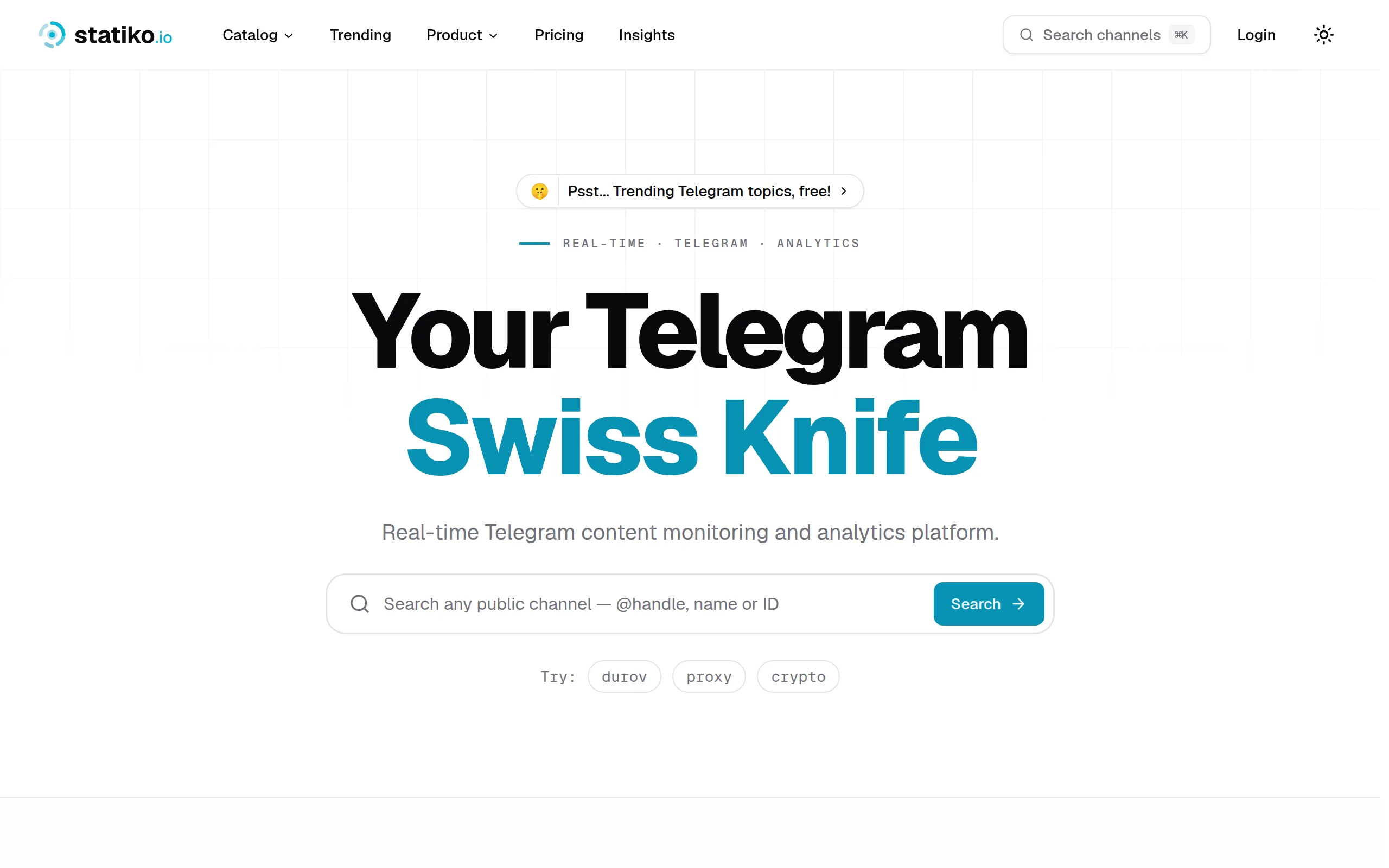
Statiko
Monitor any Telegram channel in real time - track posts, edits, deletions, and growth with AI recaps 📡

Shibui
AI website builder - describe your business, pick a niche template, edit by chatting, and publish instantly ✨

Pro Service
Find verified home service professionals, compare quotes, and pay securely through escrow - built for Brazilians across the US 🏠
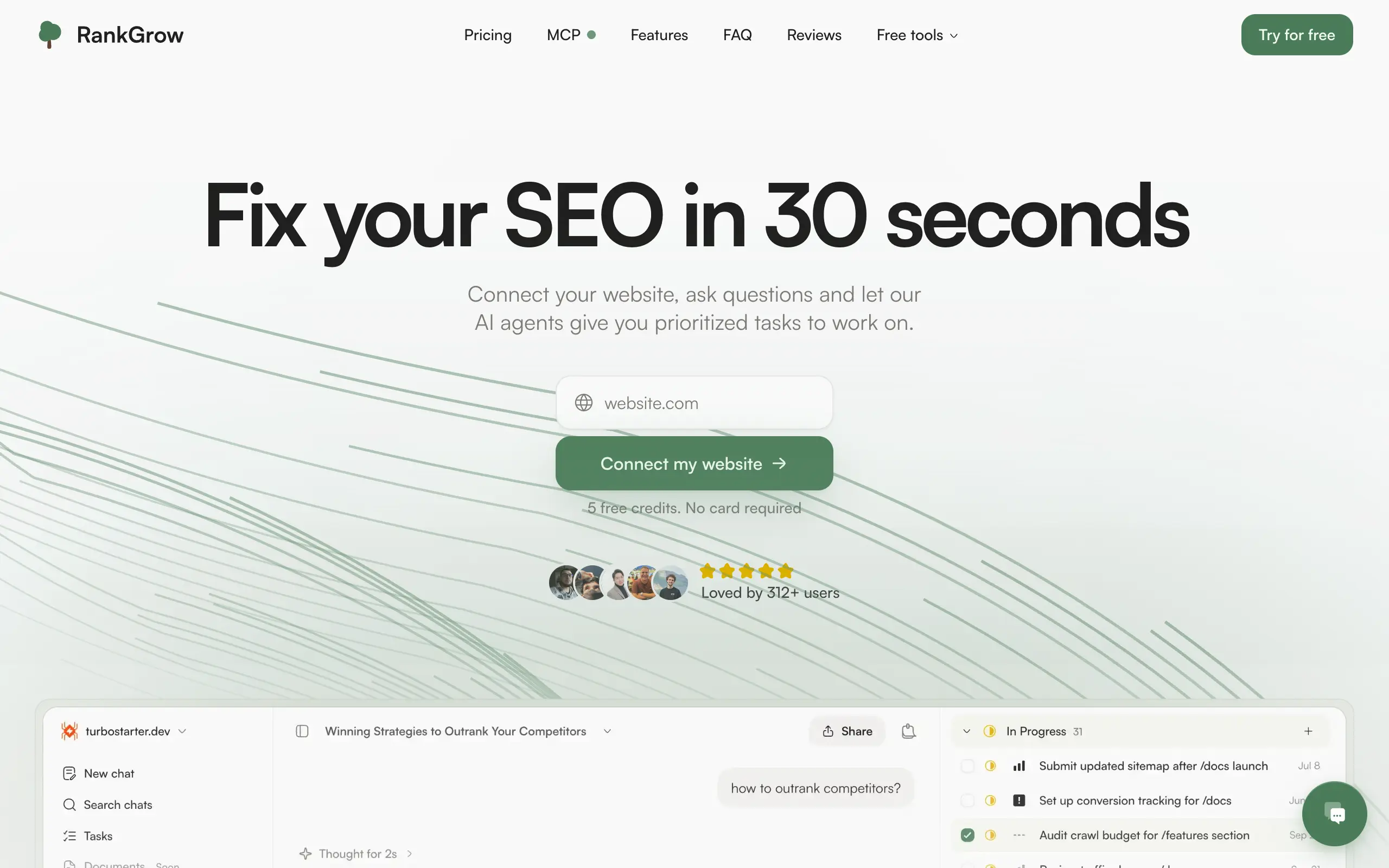
RankGrow
Fix your SEO with AI agents - connect Search Console, get prioritized tasks, and grow organic traffic 📈
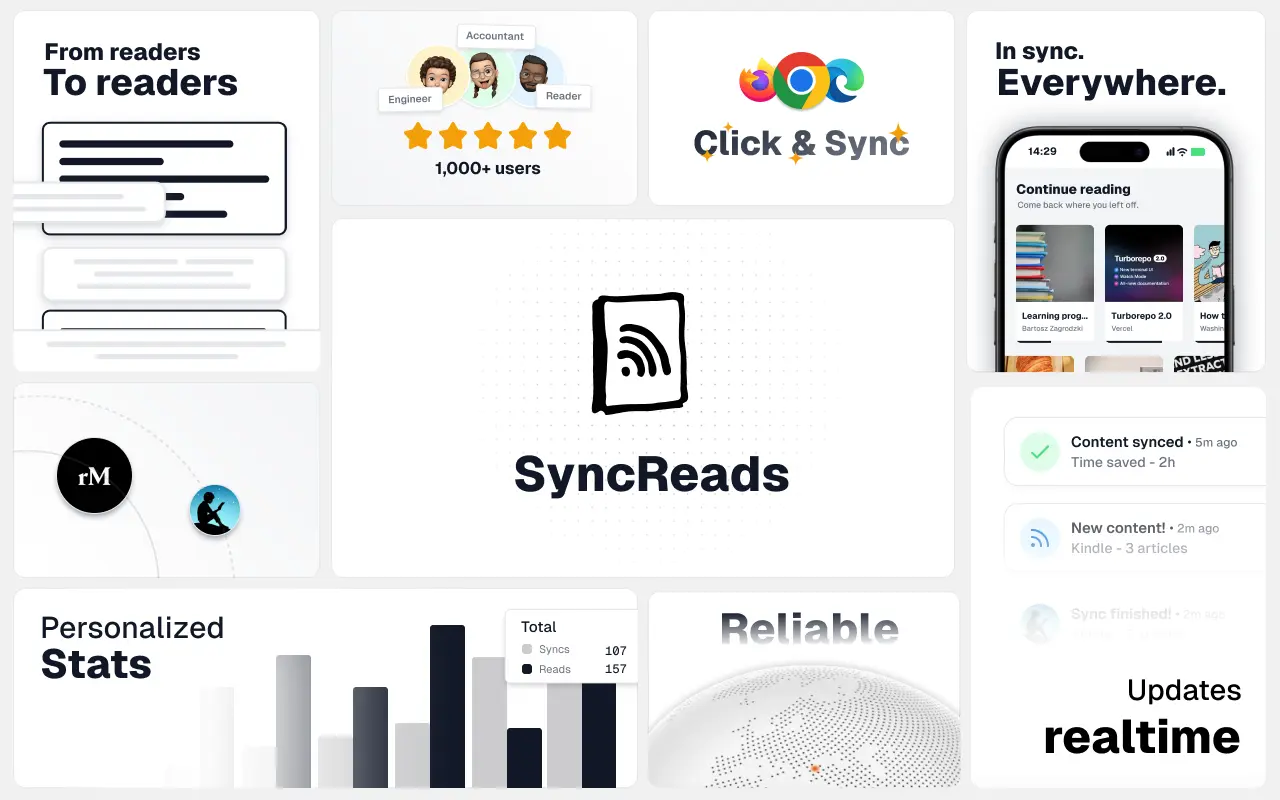
SyncReads
Sync your favorite content for distraction-free reading, save time and replace multiple apps. Anytime, anywhere 🔄
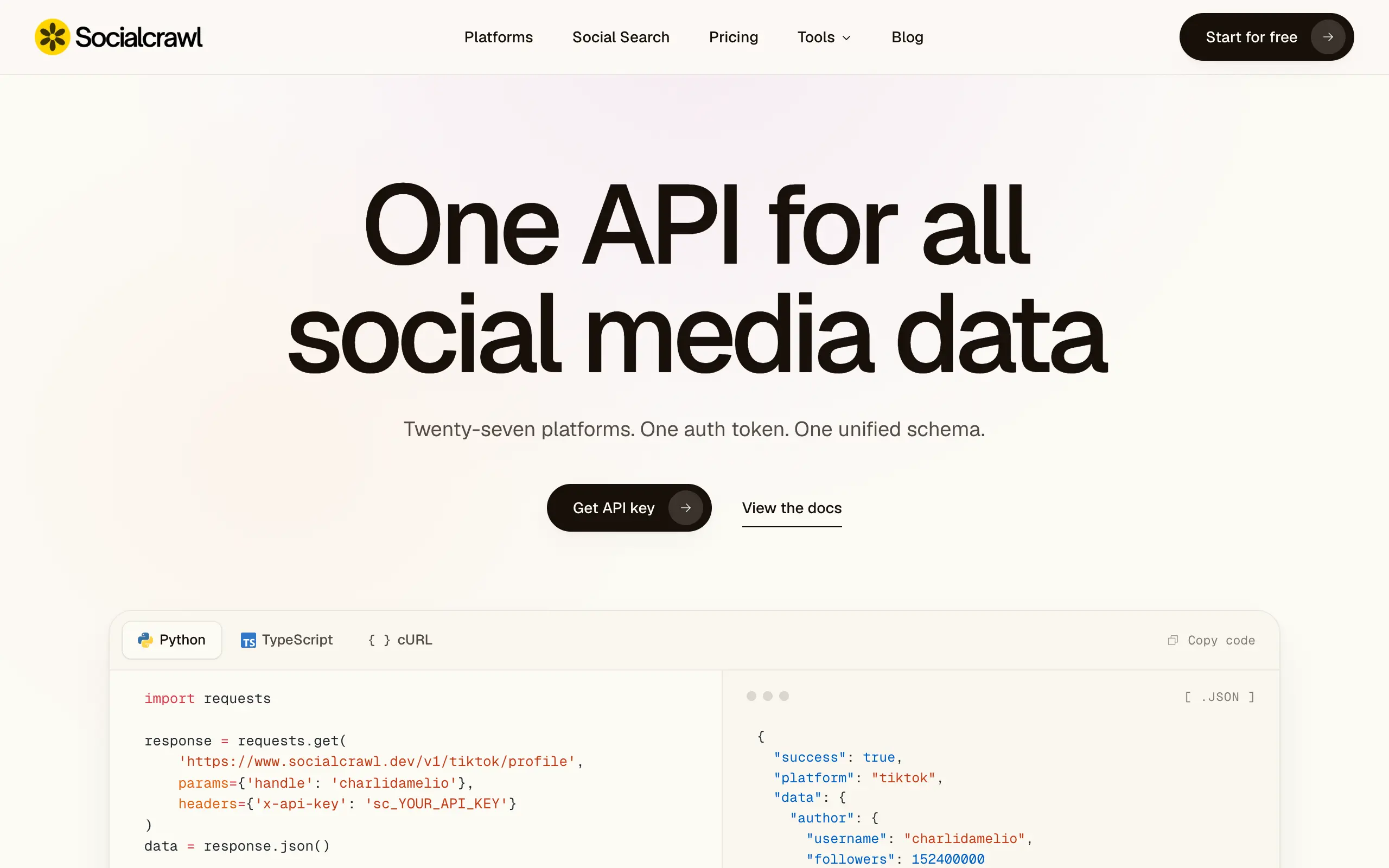
Socialcrawl
Get clean, structured data from 21 platforms like TikTok, Instagram, and YouTube with a single request 📊
Statiko
Monitor any Telegram channel in real time - track posts, edits, deletions, and growth with AI recaps 📡
Shibui
AI website builder - describe your business, pick a niche template, edit by chatting, and publish instantly ✨
Pro Service
Find verified home service professionals, compare quotes, and pay securely through escrow - built for Brazilians across the US 🏠
RankGrow
Fix your SEO with AI agents - connect Search Console, get prioritized tasks, and grow organic traffic 📈
SyncReads
Sync your favorite content for distraction-free reading, save time and replace multiple apps. Anytime, anywhere 🔄
Socialcrawl
Get clean, structured data from 21 platforms like TikTok, Instagram, and YouTube with a single request 📊
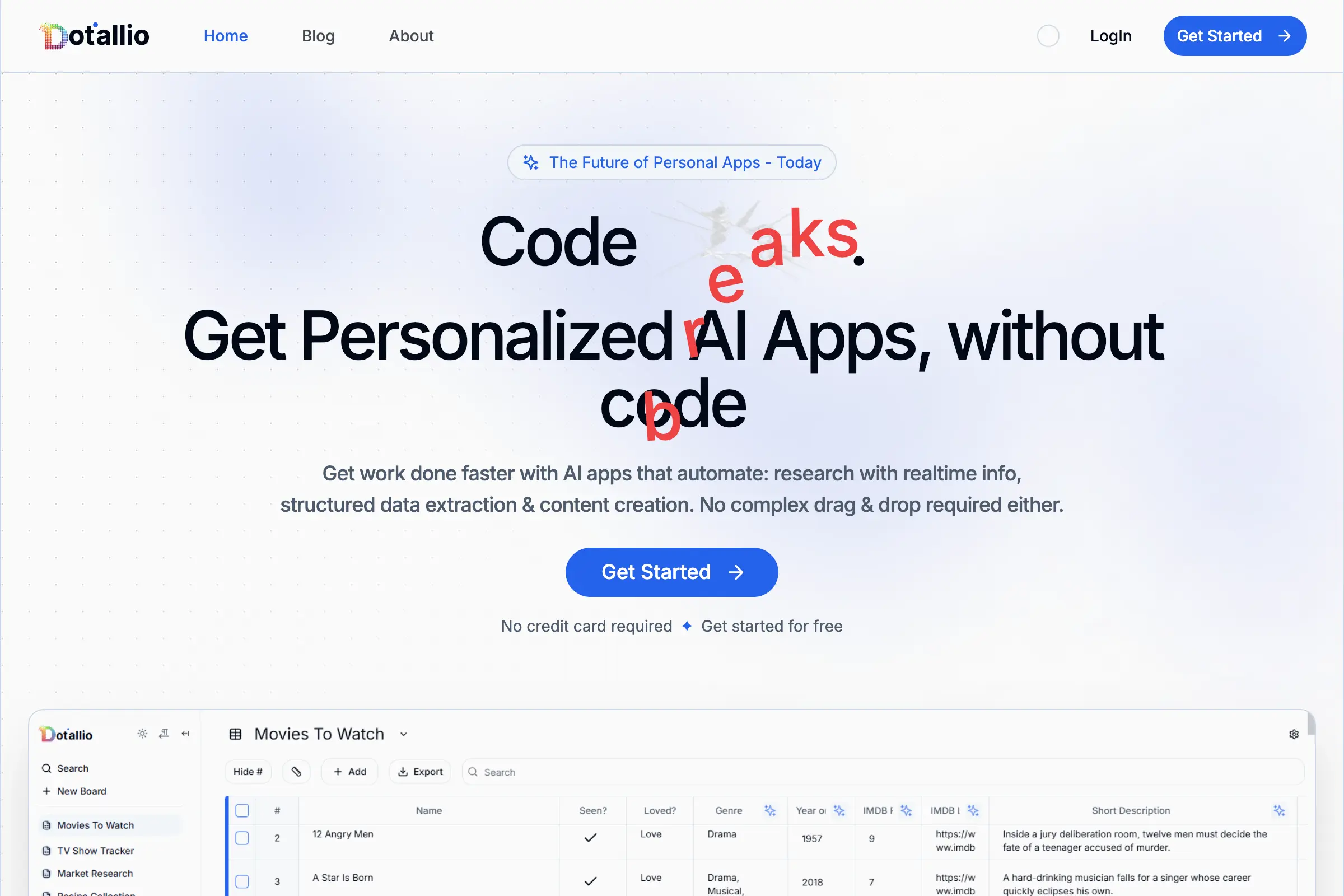
Dotallio
Personalized AI apps that automate research, data extraction, and content creation without code 🤖

Talk to Santa
Enjoy a magical live video chat or receive a unique AI-generated video greeting from Santa Claus 🎅

pozywka.pl
Scalable blog for food journalist, focused on performance and user experience 🌭
zagrodzki.me
Personal blog and portfolio of Bart Zagrodzki, where he shares his knowledge and work 💼
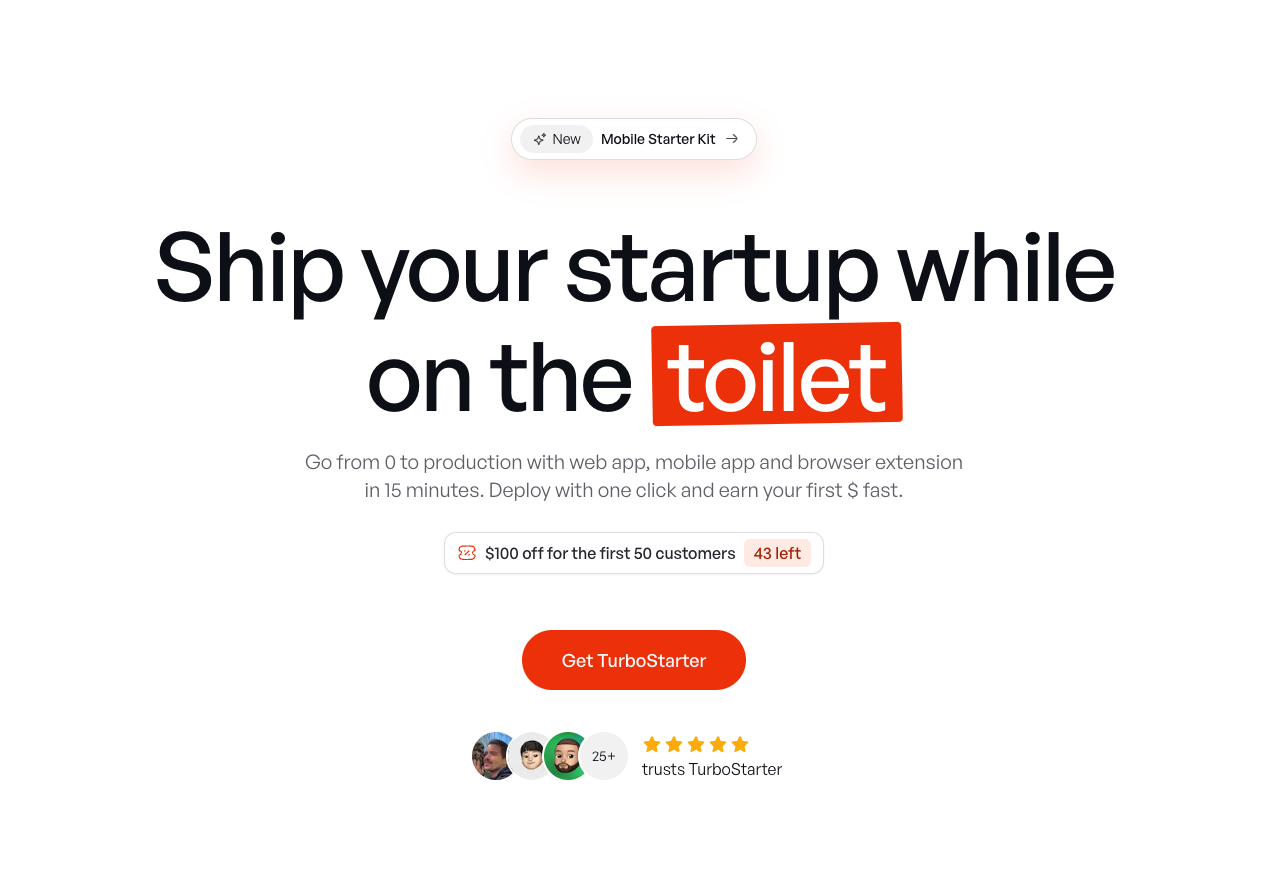
TurboStarter
Ship your startup everywhere. In minutes.
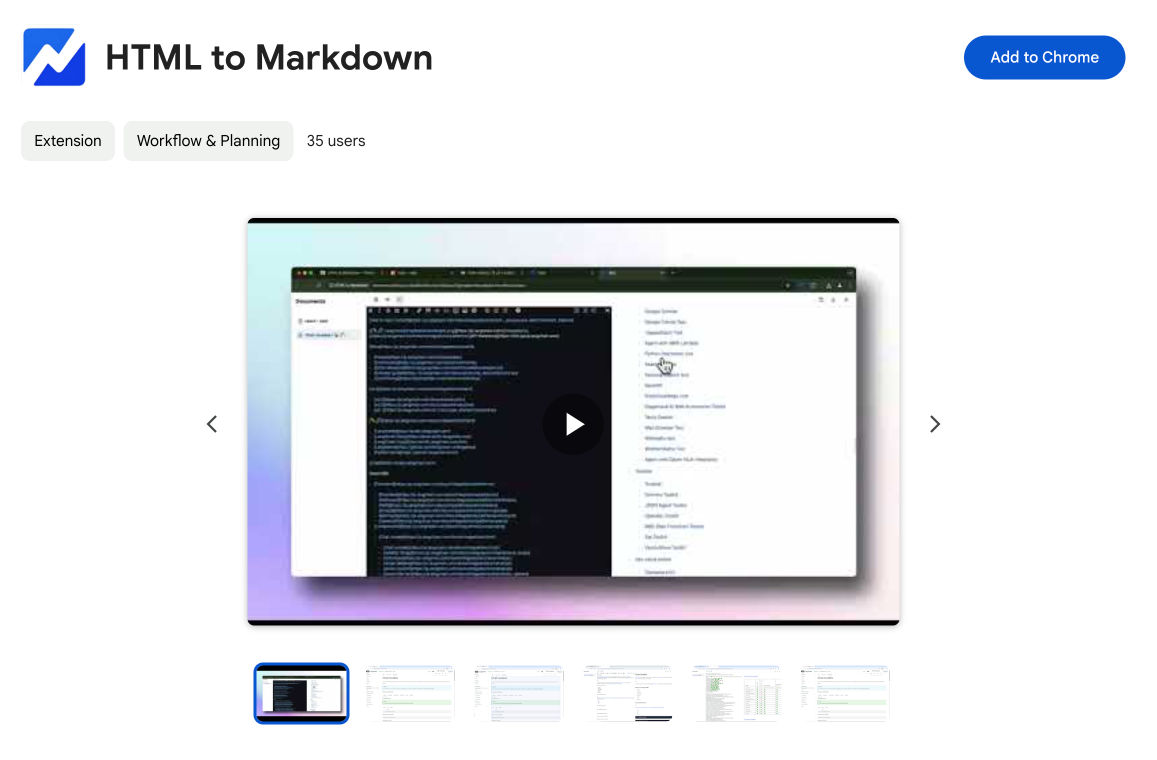
HTML to Markdown
Convert HTML to Markdown with ease, directly in your browser 📄
Dotallio
Personalized AI apps that automate research, data extraction, and content creation without code 🤖
Talk to Santa
Enjoy a magical live video chat or receive a unique AI-generated video greeting from Santa Claus 🎅
pozywka.pl
Scalable blog for food journalist, focused on performance and user experience 🌭
zagrodzki.me
Personal blog and portfolio of Bart Zagrodzki, where he shares his knowledge and work 💼
TurboStarter
Ship your startup everywhere. In minutes.
HTML to Markdown
Convert HTML to Markdown with ease, directly in your browser 📄
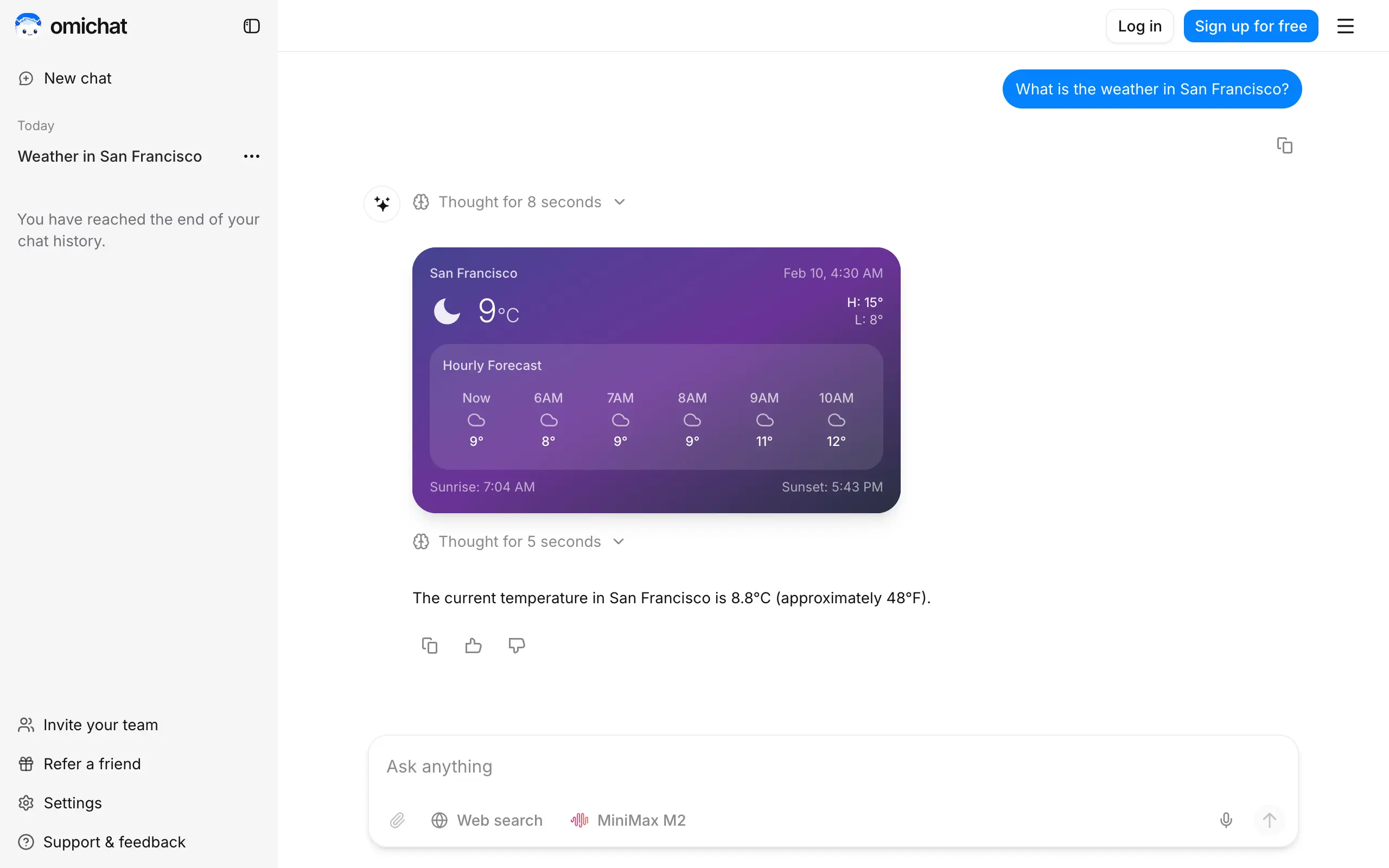
Omichat
Chat with 50+ AI models, including ChatGPT and Claude, in one place - switch models anytime without losing context 🤖
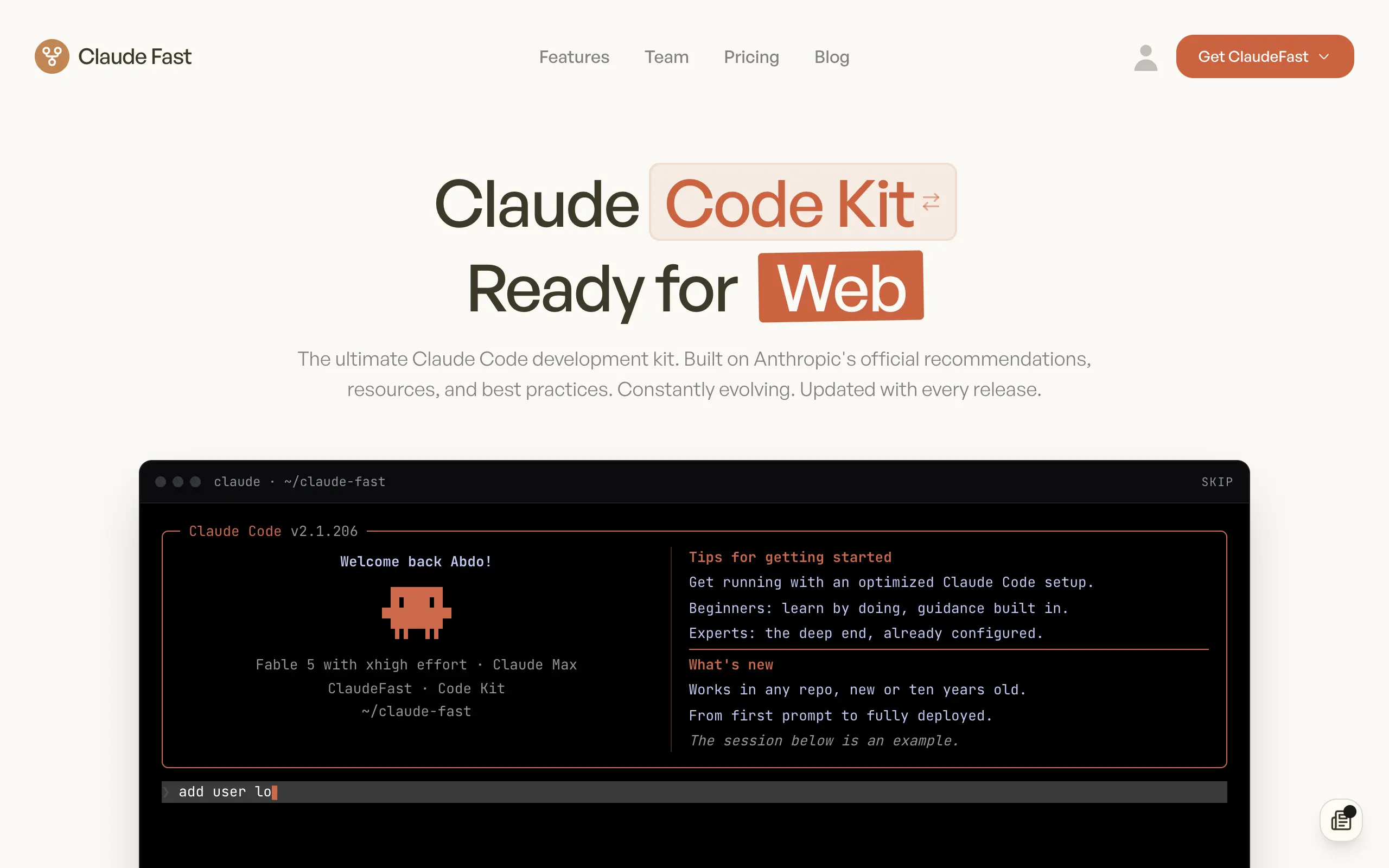
Claude Fast
Supercharge your Claude Code with 6x effective context window and specialized AI agents 🤖
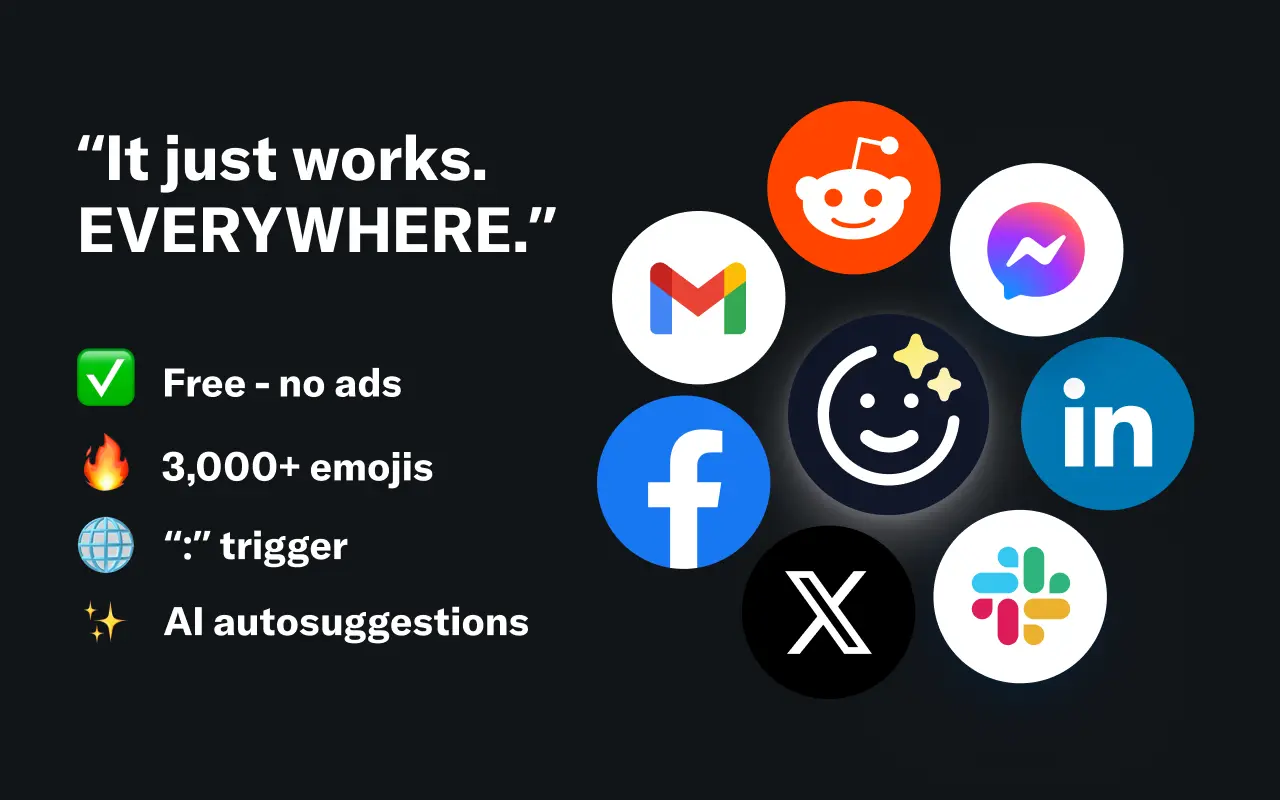
EmojAI
AI-powered emoji picker with smart, context-aware suggestions 🤖
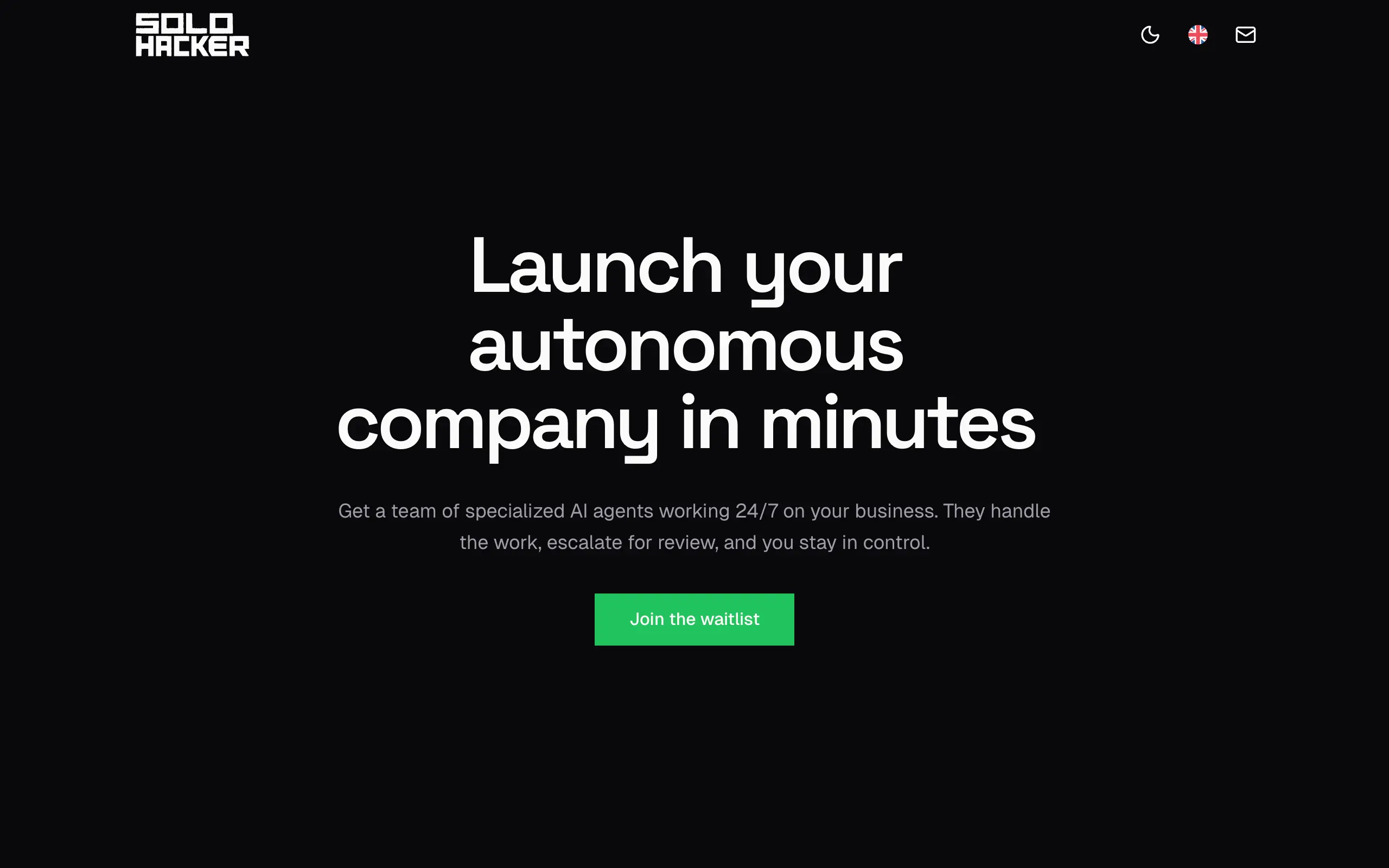
Solohacker
Autonomous company launcher - AI agents work 24/7, escalate what matters, and you stay in control 🤖
BeRawi: Storytelling Coach
Practice storytelling daily with instant feedback to sound clearer, more engaging, and confident 🎤
Omichat
Chat with 50+ AI models, including ChatGPT and Claude, in one place - switch models anytime without losing context 🤖
Claude Fast
Supercharge your Claude Code with 6x effective context window and specialized AI agents 🤖
EmojAI
AI-powered emoji picker with smart, context-aware suggestions 🤖
Solohacker
Autonomous company launcher - AI agents work 24/7, escalate what matters, and you stay in control 🤖
BeRawi: Storytelling Coach
Practice storytelling daily with instant feedback to sound clearer, more engaging, and confident 🎤

Connect with like-minded people
Join our community to get feedback, support, and grow together with 1,000+ builders on board, let's ship it!
Join usShip your startup everywhere. In minutes.
Don't burn tokens on setup and start building features on day one.