FlareForecast
AI symptom journal for chronic-condition patients that detects personal trigger patterns and creates clinician-ready trend summaries.
Chronic-condition care is often shaped by what happens between appointments. A patient may remember that symptoms were worse “a few weeks ago,” but not whether sleep disruption, medication timing, food, weather, stress, activity, or a treatment change came first. Clinicians then have to make decisions from incomplete recall, fragmented notes, and data that rarely reflects the patient’s lived experience.
FlareForecast is an AI symptom journal for chronic-condition patients that turns daily observations into useful, clinician-ready trend summaries. Its core promise is simple: help people recognize their personal flare patterns without pretending to diagnose disease, prescribe treatment, or replace clinical judgment.
The opportunity is substantial because chronic conditions require continuous self-management, while most current symptom trackers still ask patients to do the analytical work themselves. A well-designed AI symptom journal can reduce that burden, improve the quality of clinical conversations, and give care teams a faster view of meaningful symptom trends.
Clinical safety principle
FlareForecast should position its AI as a pattern-detection and communication tool, not a diagnostic engine. Every product decision should preserve patient autonomy, provide uncertainty context, and encourage users to contact an appropriate clinician for urgent or worsening symptoms.
Why an AI symptom journal matters in chronic care
A symptom journal is not a new concept. Patients with migraine, inflammatory bowel disease, rheumatoid arthritis, endometriosis, eczema, long COVID, multiple sclerosis, and many other chronic conditions have been encouraged to track symptoms for years.
The gap is that traditional journals produce data without interpretation.
A spreadsheet, notes app, or checkbox-based tracker can capture pain scores and medication doses. However, it usually cannot answer the questions that matter most to patients and clinicians:
- Did symptom severity increase after a change in sleep quality?
- Is fatigue consistently worse in the days before a flare?
- Is a new medication associated with a change in symptoms, or is the timing likely coincidental?
- Are symptoms improving overall despite isolated bad days?
- Which observations are important enough to discuss at the next appointment?
- What changed during the past 30, 60, or 90 days?
FlareForecast can fill this gap by combining structured check-ins, low-friction natural-language journaling, personal context, and explainable AI trend analysis. Instead of presenting a raw diary, the platform creates a timeline that makes patterns easier to investigate with a clinician.
This distinction matters. Patients do not need another generic wellness app. They need a chronic illness symptom tracker that respects the complexity of their condition and helps them translate daily experiences into evidence-informed conversations.
Target audience for FlareForecast
The strongest initial market is not “everyone with symptoms.” The product should begin with audiences who have recurring flares, frequent self-tracking needs, and a clear reason to bring longitudinal data into clinical visits.
Primary audience: people managing fluctuating chronic conditions
The ideal early user is a patient who experiences variable symptoms and has already tried to understand triggers independently.
Common characteristics include:
- They have a diagnosed chronic condition or are working with a clinician to investigate persistent symptoms.
- Their symptoms vary from day to day, making memory unreliable during appointments.
- They use notes, spreadsheets, photos, wearable data, or multiple health apps inconsistently.
- They want validation and clarity, but are wary of simplistic claims about “root causes.”
- They need concise documentation for specialist visits, treatment reviews, workplace accommodations, or personal care planning.
High-potential condition groups for initial validation include:
- Migraine and headache disorders, where sleep, stress, menstrual cycles, hydration, weather, food, and medication use may be relevant context.
- Inflammatory bowel disease and IBS, where bowel symptoms, diet, stress, treatment timing, and sleep can interact.
- Autoimmune and inflammatory conditions, where fatigue, pain, stiffness, rashes, and functional impact can fluctuate.
- Endometriosis and chronic pelvic pain, where cycle tracking, pain location, medication response, and daily functioning matter.
- Long COVID and post-viral syndromes, where exertion, sleep, cognitive symptoms, and delayed symptom worsening may be important to document.
- Dermatology conditions such as eczema or psoriasis, where photos, environmental exposures, topical treatments, and itch severity can be useful.
The product should avoid implying that all triggers are knowable or controllable. Chronic disease activity can be biologically complex, and correlations in self-reported data are not proof of causation.
Secondary audience: clinicians and care teams
Clinicians are a critical buyer, referrer, or influencer segment, but their jobs-to-be-done differ from patients’.
They need a quick way to understand changes since the last visit without reading hundreds of diary entries. A clinician-ready summary should help answer:
- What symptoms changed, and when?
- Which patterns appear consistent versus uncertain?
- What medication, lifestyle, or environmental changes coincided with the shift?
- What questions should be explored during the visit?
- Are there signs that warrant a faster review based on a configured care pathway?
A strong clinician workflow must be concise. If a summary takes more than one or two minutes to scan, it risks becoming another portal document that never gets used.
Tertiary audience: specialty clinics, patient programs, and researchers
Over time, FlareForecast could serve:
- Specialty practices looking to improve pre-visit intake
- Digital health programs supporting chronic-condition self-management
- Patient advocacy organizations that want better patient-reported outcome tools
- Clinical researchers collecting longitudinal real-world symptom data with appropriate consent
- Employers or care-navigation programs supporting people with chronic illnesses
These are promising B2B and B2B2C channels, but they require stronger privacy, security, workflow integration, and evidence standards than a direct-to-consumer launch.
Patient value
Less recall burden, more visibility into symptom changes, and a clearer way to prepare for appointments.
Clinician value
A concise longitudinal summary that highlights trends and patient-reported context without replacing medical assessment.
Organization value
A structured patient-reported data layer that can support engagement, care pathways, and outcomes research.
The market gap in symptom tracking software
The symptom tracking market is crowded, but much of it falls into one of three categories.
First, there are generic habit trackers and wellness journals. They are flexible but rarely designed for health context, privacy expectations, or clinical export.
Second, there are condition-specific apps. These can be valuable, but many focus narrowly on logging and education rather than personal pattern analysis across symptoms, treatment, lifestyle, and functional impact.
Third, there are provider portals and electronic health record tools. They are essential for clinical documentation, but they are typically poor daily journaling experiences and do not invite meaningful reflection between visits.
FlareForecast can occupy the space between consumer journaling and clinical review.
Its competitive advantage is not simply “AI.” Many products now claim AI capabilities. The defensible value is an explainable personal health timeline that converts patient-entered data into cautious, relevant, and actionable discussion prompts.
What existing solutions often miss
Many symptom journal apps have one or more limitations:
- They require rigid, repetitive forms that lead to tracking fatigue.
- They show charts but do not explain which changes may be worth attention.
- They make generic trigger suggestions rather than identifying patterns in an individual’s own history.
- They lack data provenance, making clinician trust difficult.
- They generate exports that are too long, too vague, or too visually cluttered.
- They do not distinguish between a correlation, a hypothesis, and a clinically meaningful pattern.
- They do not clearly communicate uncertainty or encourage professional follow-up.
FlareForecast should compete on signal quality, transparency, and usability, rather than trying to collect every possible health metric.
FlareForecast’s unique selling proposition
FlareForecast is an AI symptom journal that helps chronic-condition patients discover possible personal flare patterns and prepare concise, clinician-ready summaries from their own daily data.
The product’s unique selling proposition rests on four principles:
-
Low-friction capture
Patients can log structured data quickly, then add optional natural-language detail when they have the energy. -
Personalized pattern detection
The system identifies relationships within the user’s history rather than relying only on population-level wellness advice. -
Explainable summaries
Every insight should show the supporting time period, data volume, and uncertainty so users and clinicians can evaluate it. -
Clinician-ready communication
Instead of overwhelming clinicians with raw logs, the product produces a focused review document with timelines, trend charts, context, and patient-selected priorities.
The app should never say, “Stress caused your flare.” A safer and more credible statement is:
“During the past eight weeks, higher stress ratings were recorded on 9 of 12 days with severe fatigue. This is a pattern to discuss with your care team, not proof of cause.”
That language protects users from overconfident medical inference while still making the product useful.
Core features for an AI symptom journal MVP
An effective MVP should solve one painful workflow exceptionally well: capture symptoms consistently and convert them into a useful pre-appointment summary.
Avoid launching with a huge feature set. A symptom tracker succeeds when users return during difficult days, not when it has the longest settings menu.
Daily symptom and context check-ins
The core daily check-in should take less than one minute for returning users. It can include customizable fields such as:
- Symptom severity on a simple scale
- Symptom type and location
- Energy, mood, sleep quality, and functional impact
- Medication taken, missed, started, stopped, or adjusted
- Menstrual cycle context where relevant and user-enabled
- Meals, hydration, exercise, exertion, stress, and environmental context
- Free-text notes
- Optional photos for visible symptoms, with explicit privacy controls
Condition templates can reduce setup friction. For example, a migraine template could prioritize headache intensity, aura, nausea, light sensitivity, sleep, and rescue medication. An inflammatory bowel disease template could prioritize abdominal pain, stool frequency, urgency, fatigue, and treatment adherence.
Users should always be able to customize or remove fields. Chronic illness is personal, and over-standardization can make patients feel unseen.
Natural-language symptom journaling
Natural-language input is where an AI symptom journal can feel distinctly more helpful than a form.
A user could write:
“Woke up exhausted after sleeping badly. My joints were much stiffer in the morning, and I skipped my walk. Started the new dose yesterday.”
The system can propose structured entries for confirmation:
- Fatigue: severe
- Sleep quality: poor
- Morning stiffness: increased
- Activity: reduced
- Medication event: dosage change
The key word is propose. Users must review and edit extracted details before they become part of their longitudinal record. This preserves accuracy and creates clear data provenance.
Personalized trigger pattern analysis
FlareForecast’s analysis engine should prioritize patterns that are both understandable and sufficiently supported by data.
A useful system can evaluate:
- Lagged relationships, such as whether poor sleep tends to precede a symptom increase by one or two days
- Co-occurrence patterns, such as whether certain symptoms tend to appear together
- Baseline shifts, such as symptom severity changing after a medication adjustment
- Frequency trends, such as a growing number of bad days over several weeks
- Recovery trends, such as the average time needed to return to baseline after a flare
- Missingness patterns, such as whether users tend to stop tracking during severe episodes
Do not make “trigger scores” look clinically definitive. Instead, use confidence-aware language, minimum data thresholds, and visual evidence.
Clinician-ready trend summaries
The clinician-ready report is likely the feature that creates the clearest willingness to pay.
A report for a selected period should include:
- A patient-written visit agenda
- Symptom severity and frequency trends
- Major medication and treatment events
- Relevant lifestyle or exposure context entered by the user
- Potential associations with a clear confidence label
- A timeline of notable changes
- Selected journal excerpts in the patient’s own words
- Missing-data notes where appropriate
- A concise “questions for my clinician” section
The export should work as a printable PDF and a mobile-friendly share view. Patients should control exactly what is shared, with an option to exclude sensitive notes, photos, or individual categories.
Alerts and safety escalation boundaries
FlareForecast can offer reminders and non-diagnostic escalation guidance, but it must not become an unsafe triage substitute.
Appropriate product behaviors include:
- Reminding users to contact their clinician if a patient-configured threshold is crossed
- Displaying region-appropriate emergency guidance when users report potentially urgent symptoms
- Encouraging users to follow their existing care plan
- Allowing clinicians or organizations to configure approved care-pathway messages in enterprise deployments
Inappropriate behaviors include diagnosing, recommending medication changes, or telling a patient that it is safe to delay care.
Use plain language, show the time window examined, state how many observations support the pattern, and label correlation as a discussion prompt rather than a cause. Users should be able to open the underlying timeline and correct any source entry.
The app can provide descriptive summaries immediately, but it should wait for an adequate number of check-ins before surfacing stronger pattern hypotheses. The threshold can vary by metric, symptom frequency, and data completeness.
Usually not as a first priority. Wearable integrations can add value for sleep, heart rate, and activity, but they increase technical and privacy complexity. Validate manual journaling and report usefulness first.
Designing trustworthy AI pattern detection
The AI layer should be designed as a set of constrained capabilities, not an unconstrained chatbot that improvises health conclusions.
A safe architecture separates tasks:
- Extraction transforms user-approved journal text into structured observations.
- Summarization produces a narrative from known, timestamped data.
- Analytics calculates descriptive trends, co-occurrences, and lagged associations.
- Safety review filters or rewrites output that could sound diagnostic, absolute, or dangerously reassuring.
- Human control lets users edit entries, reject suggestions, and control sharing.
This approach is more auditable than sending an entire health history to a general-purpose model and asking, “What is wrong with me?”
Explainability should be a product feature
Trust depends on showing users why an insight appeared.
Every pattern card should contain:
- The period analyzed
- The number of relevant logged days
- The comparison being made
- A simple confidence or evidence descriptor
- A link to the underlying timeline
- A reminder that the finding is not proof of causation
For example:
| Pattern element | Weak implementation | Trustworthy FlareForecast implementation |
|---|---|---|
| Association language | “Dairy triggers your symptoms” | “Your notes show a possible association worth discussing” |
| Evidence | Hidden algorithm score | Logged dates, symptom levels, and comparison window |
| Data quality | No visibility into gaps | Clear note when sparse data limits confidence |
| Clinical role | Implied medical advice | Patient education and appointment discussion support |
| Corrections | AI output is fixed | Users can edit the source data and regenerate insights |
For evidence-based positioning, FlareForecast should work with clinical advisors and consider a prospective usability study. Any claims about adherence, outcomes, reduced visits, or diagnostic value should be supported by appropriately designed research. When publishing statistics, cite the original study, public health agency, professional society, or peer-reviewed journal rather than relying on unsourced marketing claims.
Recommended tech stack for FlareForecast
A health-oriented SaaS platform needs a stack that balances product speed with security, auditability, and future integration needs.
For a modern web-first MVP, the following approach is pragmatic.
Frontend and application layer
- Next.js for the application framework, server-rendered workflows, route handling, and secure backend endpoints.
- React for interactive journals, charts, and data-entry components.
- TypeScript for safer data models, especially important when handling symptom events, permissions, and report generation.
- Tailwind CSS for rapid, accessible interface development with a consistent design system.
- TanStack Query for reliable server-state caching, optimistic updates, and offline-tolerant journaling flows.
TurboStarter can accelerate early execution by providing a production-oriented SaaS foundation, allowing the team to focus effort on the symptom journal workflow, health-data model, consent controls, and AI safety layer rather than rebuilding standard account and billing infrastructure.
Backend, database, and file storage
A relational database is the best starting point because FlareForecast needs clear relationships among users, symptoms, journal entries, medication events, reports, permissions, and audit logs.
Recommended choices include:
- PostgreSQL for durable relational data and analytical queries.
- Prisma for typed schema management and developer productivity.
- Supabase as an option for managed Postgres, authentication-adjacent services, storage, and row-level security.
- Object storage with encryption for optional photos and generated reports.
A document database may appear attractive for flexible journal content, but a relational model with JSON fields for evolving questionnaires usually offers better reporting, access control, and auditability.
AI and analytics layer
The product should use a hybrid approach.
Traditional statistical methods are often better than a language model for trend and association calculations. For example, rolling averages, symptom frequency counts, change-point detection, and lagged correlation analysis are transparent and testable.
Use a language model for:
- Structuring user-approved narrative entries
- Producing readable summaries from validated data
- Helping users phrase questions for appointments
- Explaining charts in non-clinical language
Use deterministic analytics for:
- Time-series trend calculations
- Data-quality checks
- Pattern thresholds
- Association calculations
- Report source citations
- Alert rule evaluation
This separation reduces hallucination risk and makes outputs easier to validate.
Interoperability roadmap
For a later clinical product, support for HL7 FHIR can improve interoperability with healthcare systems. Start by designing internal data objects that map cleanly to concepts such as observations, medications, questionnaires, and care plans.
Do not promise electronic health record integration before validating the core consumer workflow. EHR integrations are expensive, operationally complex, and often slow to deploy.
Privacy, security, and compliance considerations
Health data requires a higher standard than ordinary consumer SaaS data. The product strategy must treat privacy as part of the experience, not only as a legal checkbox.
Key practices include:
- Encryption in transit and at rest
- Strict tenant and user-level access controls
- Role-based access for clinical organizations
- Immutable audit logs for sensitive access and exports
- Clear consent flows for sharing reports or research participation
- Data deletion and export workflows
- Secure handling of uploaded photos and documents
- Retention policies that match the operating model and applicable regulations
- Vendor due diligence for infrastructure, analytics, customer support, and AI providers
Whether FlareForecast is subject to HIPAA depends on its business relationships and data flows. A direct-to-consumer product is not automatically a HIPAA-covered service, while a product working on behalf of a covered healthcare entity may have different obligations. The team should obtain qualified legal and compliance guidance before making regulatory claims.
Avoid accidental medical-device positioning
Marketing language can create regulatory risk. Claims such as “diagnoses flares,” “predicts disease activity,” or “recommends treatment” may change the product’s regulatory profile. Position early versions around journaling, patient-reported trends, communication, and decision support under clinician review.
Monetization options for FlareForecast
The best pricing model depends on whether the initial wedge is direct-to-consumer or clinic-led. A hybrid strategy can work, but only after the product proves value for one primary user.
Freemium direct-to-consumer model
A free tier can include daily check-ins, basic charts, and a limited symptom history. Paid plans can unlock:
- AI-generated trend summaries
- Downloadable clinician reports
- Custom tracking fields and condition templates
- Long-term historical analysis
- Advanced trend comparisons
- Secure caregiver sharing
- Optional wearable connections
- Priority support
This model lowers adoption friction and lets users experience value before paying. Its risk is that customer acquisition costs can be high in health consumer markets.
Subscription with a report-based value metric
A monthly or annual subscription can be tied to a clear recurring outcome: better appointment preparation.
Another option is a lower base subscription plus credits for polished specialist-visit reports. This may fit users who track actively before appointments but do not need advanced analysis every month.
Be careful not to create a model that discourages users from accessing important health information. The core journal and data export should remain accessible.
B2B2C clinic and care-program licensing
Clinics, specialty programs, and digital health providers can pay per enrolled patient or per active patient per month.
Enterprise features may include:
- Branded onboarding
- Clinic-specific questionnaires
- Configurable report templates
- Care-team dashboards
- Secure referral and invitation flows
- Organization-level analytics with appropriate de-identification
- Single sign-on and stronger administrative controls
- FHIR-based integration options
This model can create stronger retention and distribution, but sales cycles are longer and compliance expectations increase.
Competitive advantage and defensibility
FlareForecast’s long-term moat will not come from a generic symptom logging interface. Logging is easy to copy.
The more defensible assets are:
- A condition-aware longitudinal data model
- A high-quality, patient-approved dataset of symptoms and context
- Explainable analytics tuned to sparse real-world self-report data
- Clinician-tested report formats
- Trust earned through privacy controls and cautious medical language
- Templates and workflows designed with patient communities and specialists
- Integrations that fit actual care pathways
The product should build proprietary value through feedback loops. When users correct extracted entries, reject irrelevant trends, and mark which clinician questions were useful, FlareForecast can improve its pattern ranking and summary quality without needing to make stronger medical claims.
A strong product principle is:
The AI should make patients more prepared, not more anxious.
That means prioritizing useful signal over endless notifications, avoiding deterministic language, and allowing users to pause analysis if pattern surfacing becomes emotionally overwhelming.
Key risks and practical mitigation strategies
Health SaaS products have meaningful risks. Addressing them early is part of building trust.
Risk: false correlations increase anxiety
Self-tracked data is noisy. A user may see a coincidence and make unnecessary lifestyle restrictions or treatment assumptions.
Mitigation includes:
- Require minimum data thresholds before surfacing a pattern
- Use probability-aware language
- Show alternative explanations and missing-data caveats
- Encourage clinician discussion for significant patterns
- Let users hide categories that are emotionally difficult to track
Risk: tracking fatigue reduces retention
Daily symptom logging can become burdensome, especially during flares.
Mitigation includes:
- Offer one-tap check-ins
- Pre-fill recurring values with confirmation
- Allow voice and natural-language entries
- Use adaptive prompts rather than long daily questionnaires
- Make skipped days acceptable rather than guilt-inducing
- Deliver visible value quickly through weekly recaps
Risk: clinicians do not use the reports
If summaries are too long or make unsupported claims, clinicians will ignore them.
Mitigation includes:
- Co-design report templates with clinicians
- Limit the first page to the highest-value trends
- Include source dates and patient-selected questions
- Make reports printable and easy to scan
- Validate usefulness in real pre-visit workflows
Risk: privacy concerns block adoption
Patients may not want sensitive symptoms, photos, or reproductive health information stored in another app.
Mitigation includes:
- Make privacy controls understandable in plain language
- Give users granular sharing choices
- Minimize data collection
- Explain why each optional field exists
- Provide transparent deletion and export options
- Avoid selling identifiable health data
Risk: regulatory scope expands unexpectedly
Product features can drift from journaling into diagnosis, triage, or clinical decision-making.
Mitigation includes:
- Maintain a formal claims review process
- Involve regulatory and clinical advisors
- Separate descriptive analytics from treatment recommendations
- Document intended use and safety boundaries
- Test AI outputs for unsafe phrasing before release
A phased implementation plan
The most effective way to build FlareForecast is to validate behavior and report utility before investing in broad integrations or complex predictive models.
Define one initial condition segment and conduct discovery interviews with patients, clinicians, and patient advocates. Focus on the hardest part of appointment preparation, not on feature wish lists.
Design the minimum data model for daily symptoms, medication events, context variables, free-text notes, consent, report preferences, and audit history.
Build a mobile-first journal flow with condition templates, fast structured check-ins, optional narrative entries, and user-controlled data editing.
Launch descriptive weekly summaries before predictive pattern detection. Confirm that users understand and value the language, charts, and report format.
Add constrained AI extraction and summarization with user approval, source-linked evidence, safety filters, and logging for quality review.
Pilot clinician-ready reports with a small group of specialists. Measure whether reports improve visit preparation, reduce recall burden, and prompt better questions.
Introduce paid report features or a premium subscription after users demonstrate repeat value. Expand into clinic partnerships only when security, support, and workflow readiness are proven.
Metrics that indicate product-market fit
Early success should be measured by meaningful engagement, not just downloads.
Track indicators such as:
- Activation rate after the first journal entry
- Percentage of users who return to log on multiple weeks
- Average time required to complete a daily check-in
- Percentage of users who generate a clinician summary
- Report share rate before appointments
- Patient-rated clarity and perceived usefulness of insights
- Clinician-rated report usefulness and scan time
- Rate of user corrections to AI-extracted entries
- Frequency of unsafe or low-confidence AI outputs caught by review systems
- Premium conversion after experiencing a report or trend summary
Qualitative feedback matters especially in this category. A patient saying, “I finally knew what to ask at my appointment,” is more strategically valuable than a high click-through rate on a generic dashboard.
Final perspective on building FlareForecast
FlareForecast has a credible opportunity to become more than another health-tracking app. By focusing on personal symptom patterns, transparent AI assistance, and clinician-ready communication, it can solve a daily problem for people whose care depends on remembering what happened between visits.
The winning product will not claim to uncover every trigger or predict every flare. It will earn trust by helping patients create a clearer record, recognize changes that deserve attention, and enter clinical conversations better prepared.
Start narrow with one chronic-condition workflow, a fast journal, and an excellent summary. Validate the language with patients and clinicians. Build privacy and explainability into the foundation. Then expand the platform only when the evidence shows that FlareForecast is genuinely reducing the burden of chronic-condition self-management.
More 🤖 AI Startup SaaS ideas
Discover more innovative ai startup SaaS ideas that are trending in 2026. Each idea is AI-generated with market validation and growth potential to help you find your next profitable venture faster than competitors.
Your competitors are building with TurboStarter
Below are some of the SaaS ideas that have been generated and built with our starter kit.
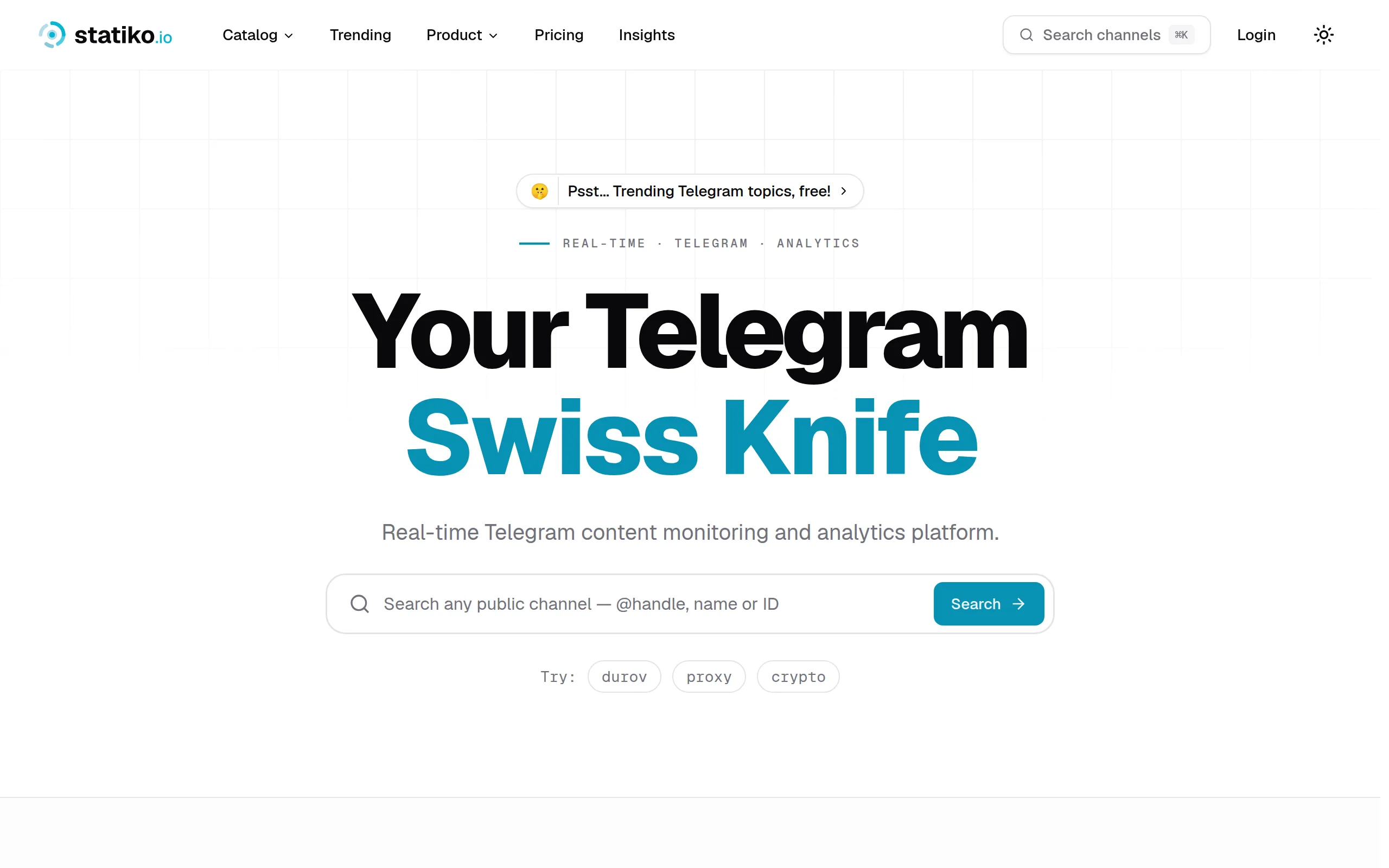
Statiko
Monitor any Telegram channel in real time - track posts, edits, deletions, and growth with AI recaps 📡

Shibui
AI website builder - describe your business, pick a niche template, edit by chatting, and publish instantly ✨

Pro Service
Find verified home service professionals, compare quotes, and pay securely through escrow - built for Brazilians across the US 🏠
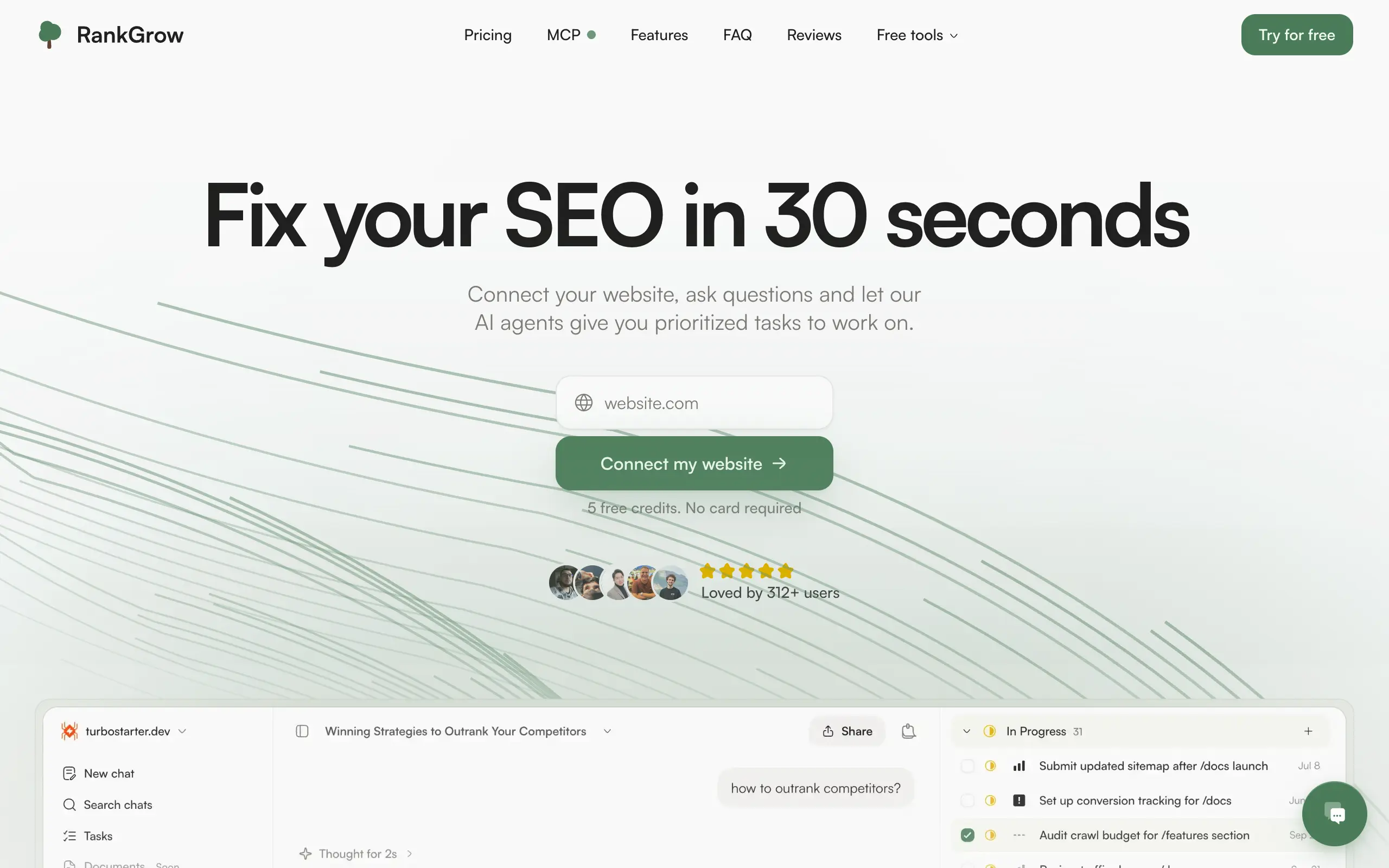
RankGrow
Fix your SEO with AI agents - connect Search Console, get prioritized tasks, and grow organic traffic 📈
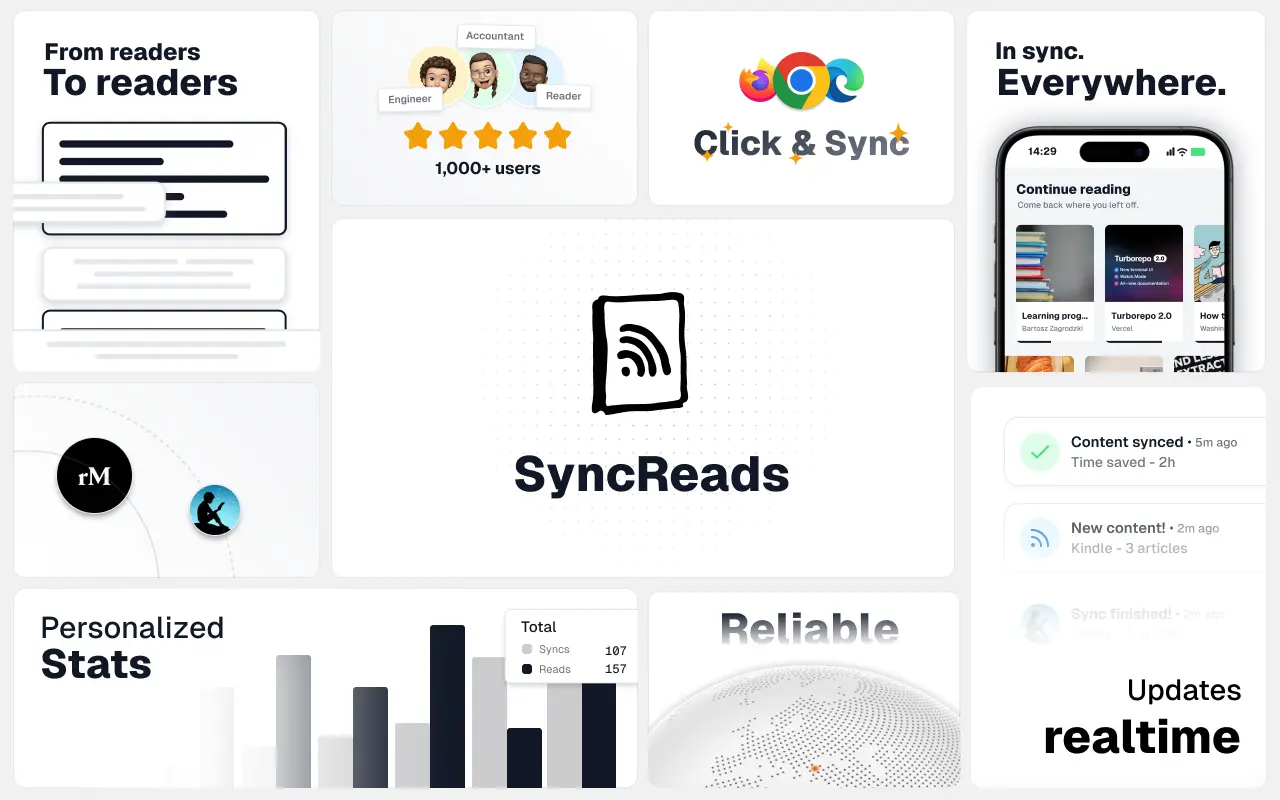
SyncReads
Sync your favorite content for distraction-free reading, save time and replace multiple apps. Anytime, anywhere 🔄
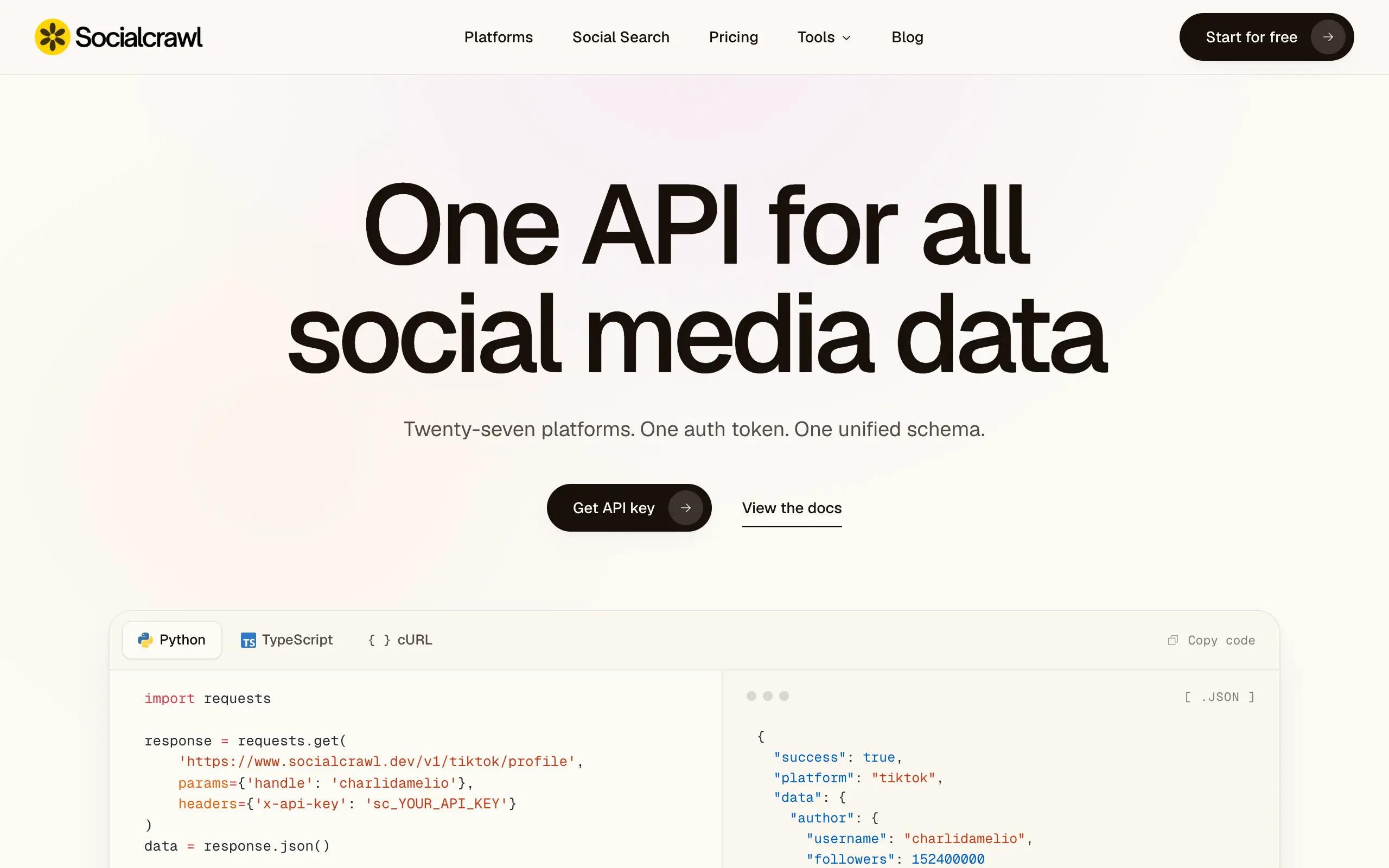
Socialcrawl
Get clean, structured data from 21 platforms like TikTok, Instagram, and YouTube with a single request 📊
Statiko
Monitor any Telegram channel in real time - track posts, edits, deletions, and growth with AI recaps 📡
Shibui
AI website builder - describe your business, pick a niche template, edit by chatting, and publish instantly ✨
Pro Service
Find verified home service professionals, compare quotes, and pay securely through escrow - built for Brazilians across the US 🏠
RankGrow
Fix your SEO with AI agents - connect Search Console, get prioritized tasks, and grow organic traffic 📈
SyncReads
Sync your favorite content for distraction-free reading, save time and replace multiple apps. Anytime, anywhere 🔄
Socialcrawl
Get clean, structured data from 21 platforms like TikTok, Instagram, and YouTube with a single request 📊
Statiko
Monitor any Telegram channel in real time - track posts, edits, deletions, and growth with AI recaps 📡
Shibui
AI website builder - describe your business, pick a niche template, edit by chatting, and publish instantly ✨
Pro Service
Find verified home service professionals, compare quotes, and pay securely through escrow - built for Brazilians across the US 🏠
RankGrow
Fix your SEO with AI agents - connect Search Console, get prioritized tasks, and grow organic traffic 📈
SyncReads
Sync your favorite content for distraction-free reading, save time and replace multiple apps. Anytime, anywhere 🔄
Socialcrawl
Get clean, structured data from 21 platforms like TikTok, Instagram, and YouTube with a single request 📊
Statiko
Monitor any Telegram channel in real time - track posts, edits, deletions, and growth with AI recaps 📡
Shibui
AI website builder - describe your business, pick a niche template, edit by chatting, and publish instantly ✨
Pro Service
Find verified home service professionals, compare quotes, and pay securely through escrow - built for Brazilians across the US 🏠
RankGrow
Fix your SEO with AI agents - connect Search Console, get prioritized tasks, and grow organic traffic 📈
SyncReads
Sync your favorite content for distraction-free reading, save time and replace multiple apps. Anytime, anywhere 🔄
Socialcrawl
Get clean, structured data from 21 platforms like TikTok, Instagram, and YouTube with a single request 📊
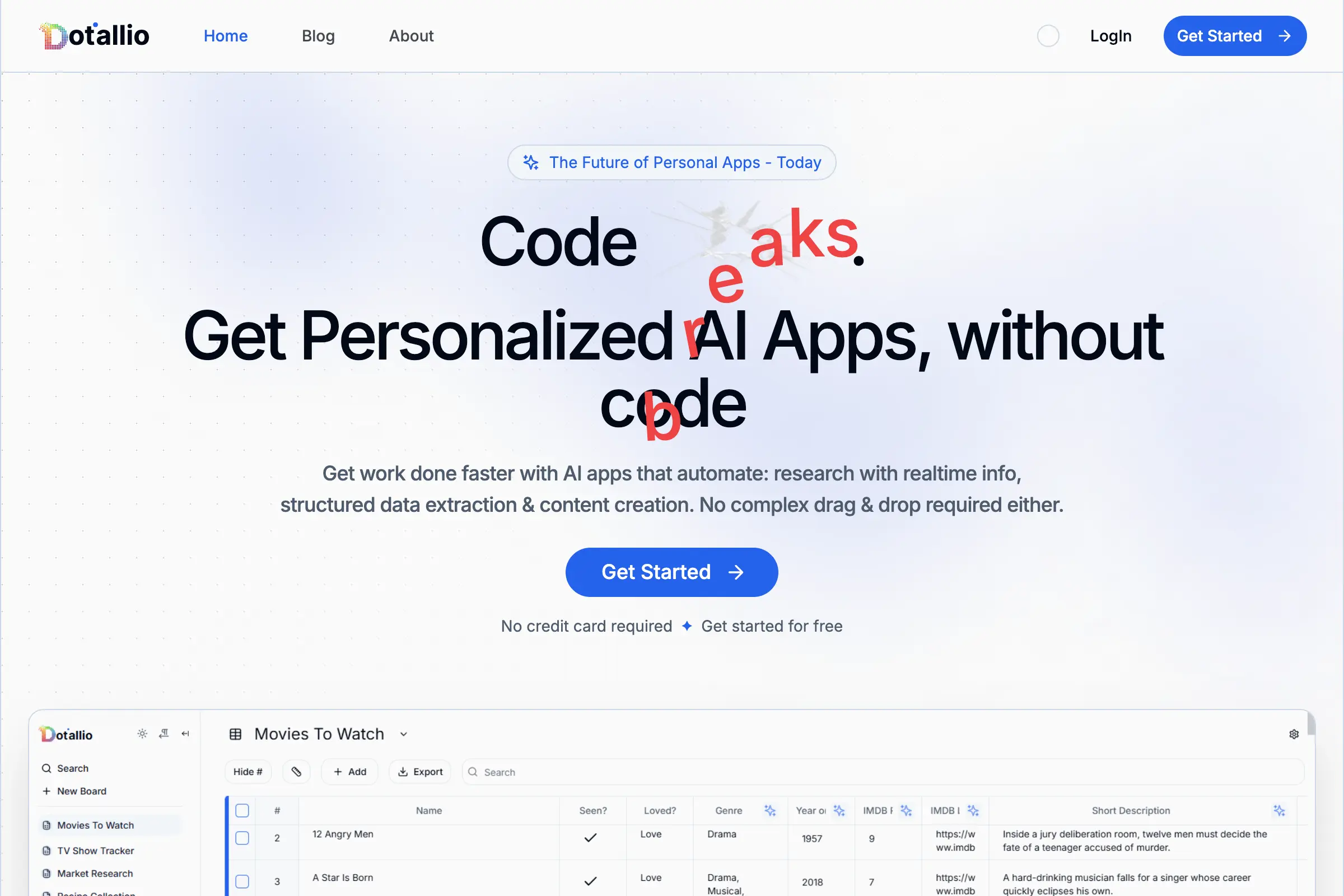
Dotallio
Personalized AI apps that automate research, data extraction, and content creation without code 🤖

Talk to Santa
Enjoy a magical live video chat or receive a unique AI-generated video greeting from Santa Claus 🎅

pozywka.pl
Scalable blog for food journalist, focused on performance and user experience 🌭
zagrodzki.me
Personal blog and portfolio of Bart Zagrodzki, where he shares his knowledge and work 💼
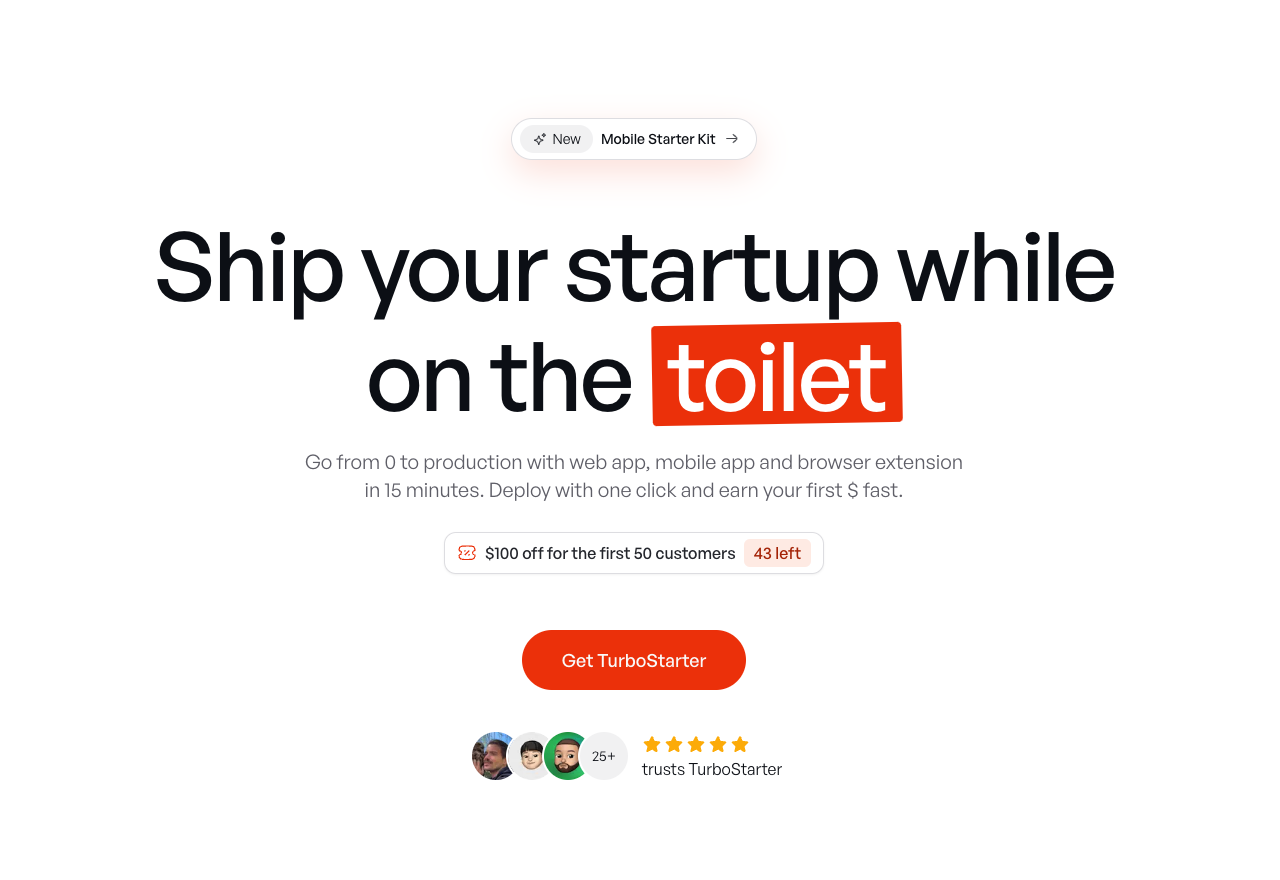
TurboStarter
Ship your startup everywhere. In minutes.
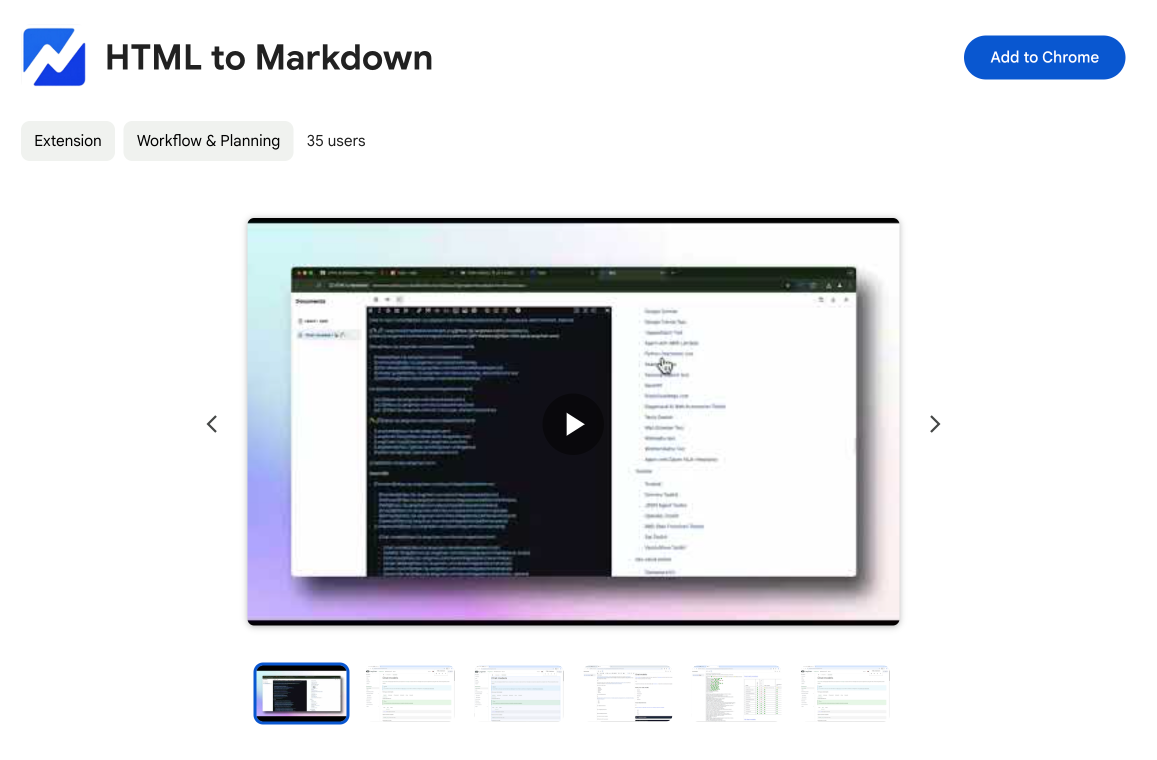
HTML to Markdown
Convert HTML to Markdown with ease, directly in your browser 📄
Dotallio
Personalized AI apps that automate research, data extraction, and content creation without code 🤖
Talk to Santa
Enjoy a magical live video chat or receive a unique AI-generated video greeting from Santa Claus 🎅
pozywka.pl
Scalable blog for food journalist, focused on performance and user experience 🌭
zagrodzki.me
Personal blog and portfolio of Bart Zagrodzki, where he shares his knowledge and work 💼
TurboStarter
Ship your startup everywhere. In minutes.
HTML to Markdown
Convert HTML to Markdown with ease, directly in your browser 📄
Dotallio
Personalized AI apps that automate research, data extraction, and content creation without code 🤖
Talk to Santa
Enjoy a magical live video chat or receive a unique AI-generated video greeting from Santa Claus 🎅
pozywka.pl
Scalable blog for food journalist, focused on performance and user experience 🌭
zagrodzki.me
Personal blog and portfolio of Bart Zagrodzki, where he shares his knowledge and work 💼
TurboStarter
Ship your startup everywhere. In minutes.
HTML to Markdown
Convert HTML to Markdown with ease, directly in your browser 📄
Dotallio
Personalized AI apps that automate research, data extraction, and content creation without code 🤖
Talk to Santa
Enjoy a magical live video chat or receive a unique AI-generated video greeting from Santa Claus 🎅
pozywka.pl
Scalable blog for food journalist, focused on performance and user experience 🌭
zagrodzki.me
Personal blog and portfolio of Bart Zagrodzki, where he shares his knowledge and work 💼
TurboStarter
Ship your startup everywhere. In minutes.
HTML to Markdown
Convert HTML to Markdown with ease, directly in your browser 📄
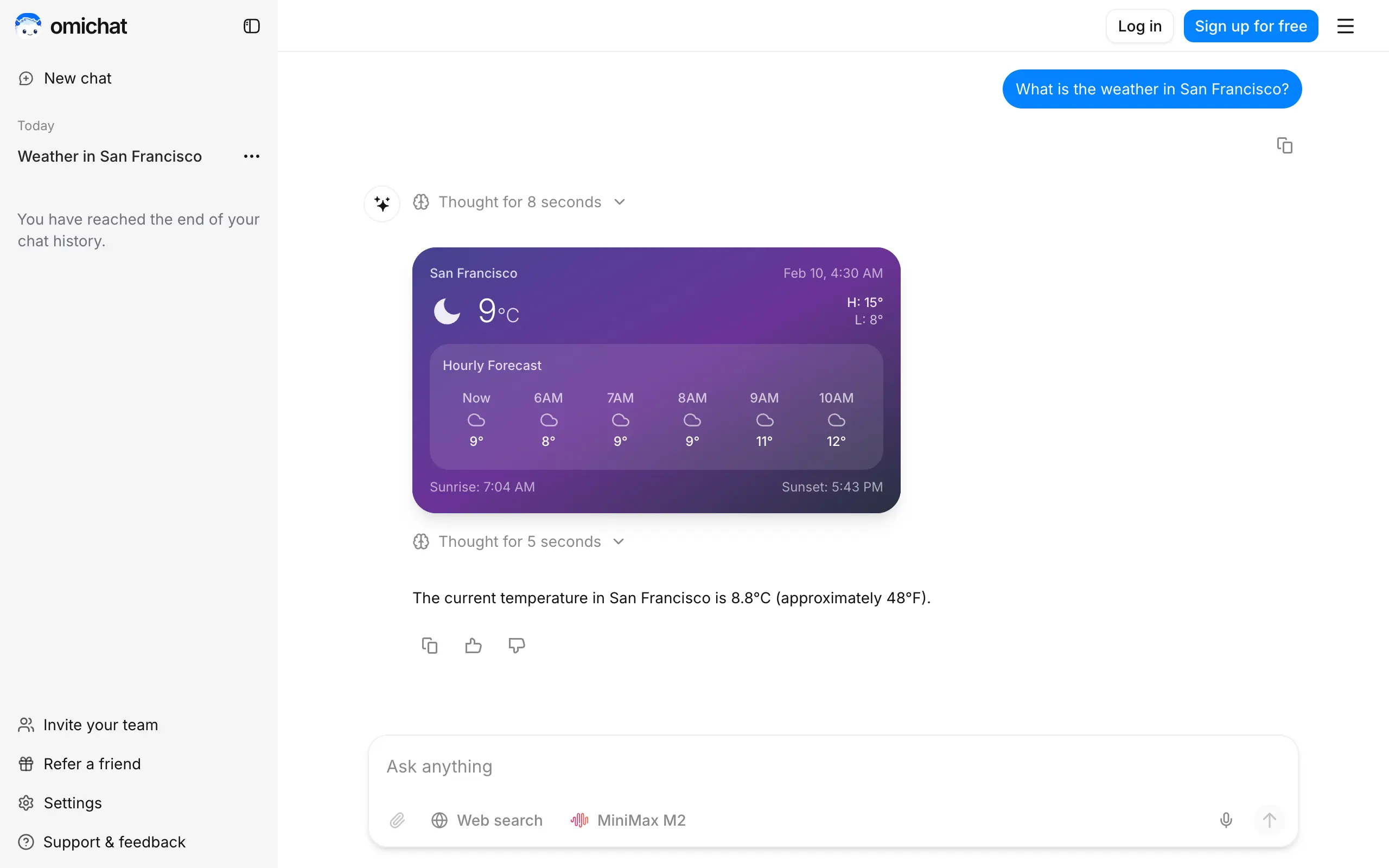
Omichat
Chat with 50+ AI models, including ChatGPT and Claude, in one place - switch models anytime without losing context 🤖
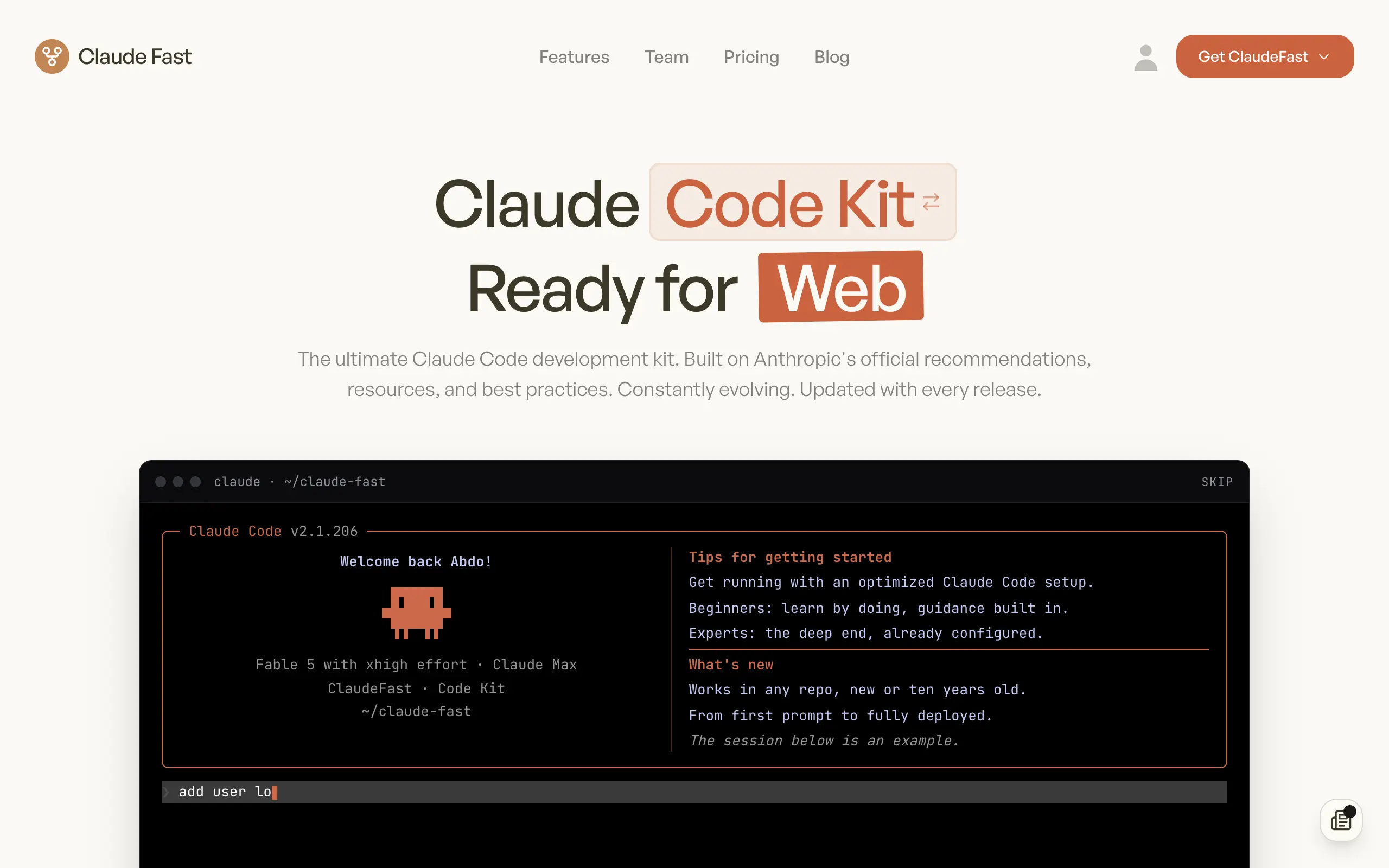
Claude Fast
Supercharge your Claude Code with 6x effective context window and specialized AI agents 🤖
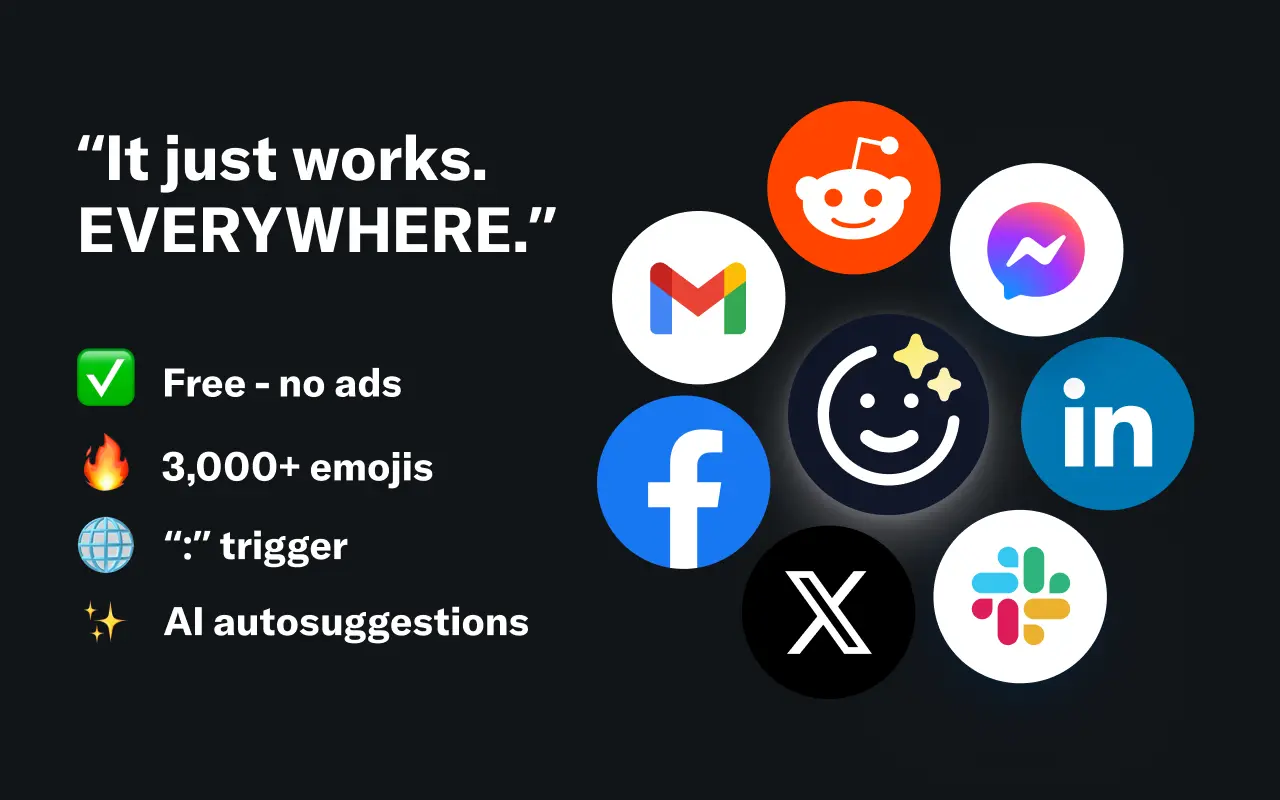
EmojAI
AI-powered emoji picker with smart, context-aware suggestions 🤖
Solohacker
Autonomous company launcher - AI agents work 24/7, escalate what matters, and you stay in control 🤖
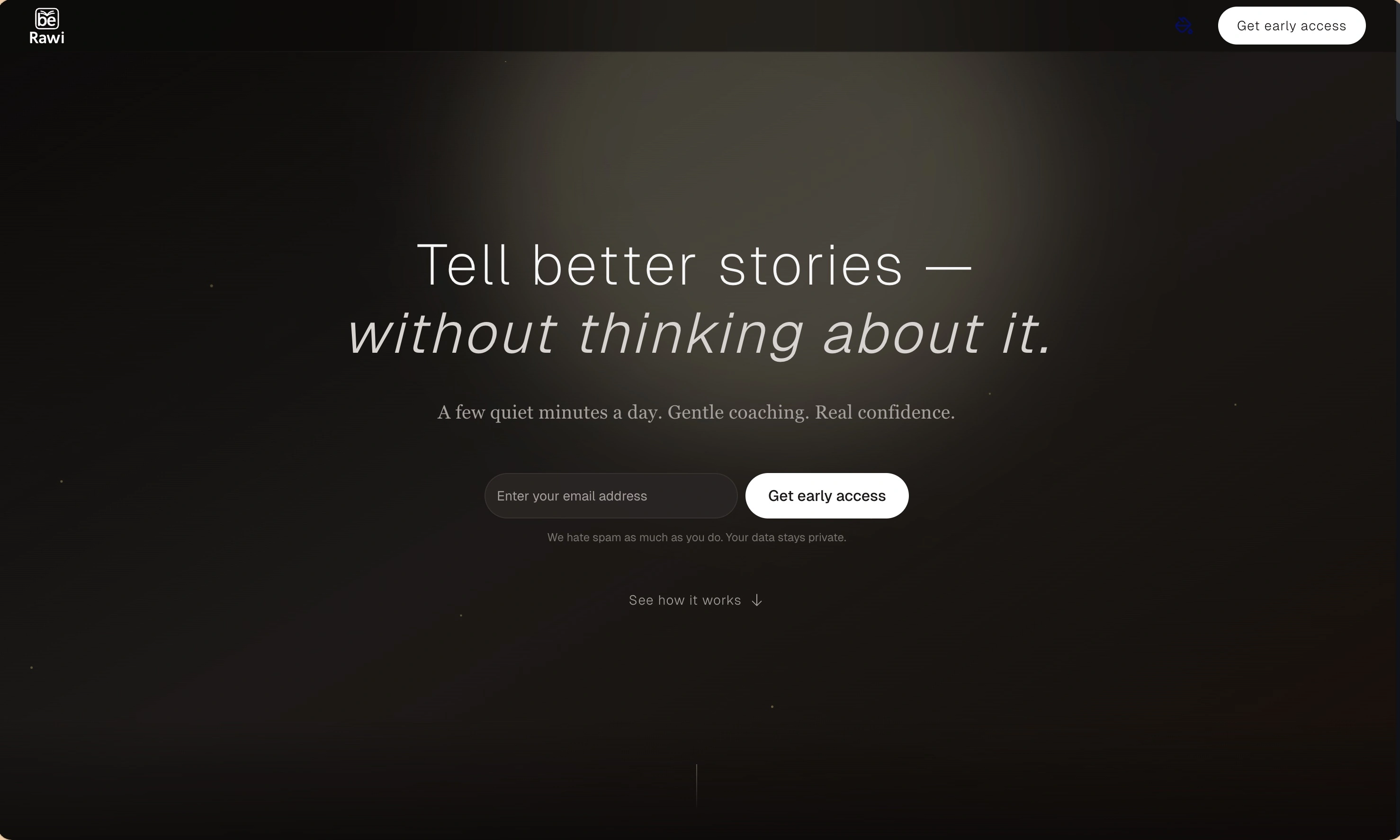
BeRawi: Storytelling Coach
Practice storytelling daily with instant feedback to sound clearer, more engaging, and confident 🎤
Omichat
Chat with 50+ AI models, including ChatGPT and Claude, in one place - switch models anytime without losing context 🤖
Claude Fast
Supercharge your Claude Code with 6x effective context window and specialized AI agents 🤖
EmojAI
AI-powered emoji picker with smart, context-aware suggestions 🤖
Solohacker
Autonomous company launcher - AI agents work 24/7, escalate what matters, and you stay in control 🤖
BeRawi: Storytelling Coach
Practice storytelling daily with instant feedback to sound clearer, more engaging, and confident 🎤
Omichat
Chat with 50+ AI models, including ChatGPT and Claude, in one place - switch models anytime without losing context 🤖
Claude Fast
Supercharge your Claude Code with 6x effective context window and specialized AI agents 🤖
EmojAI
AI-powered emoji picker with smart, context-aware suggestions 🤖
Solohacker
Autonomous company launcher - AI agents work 24/7, escalate what matters, and you stay in control 🤖
BeRawi: Storytelling Coach
Practice storytelling daily with instant feedback to sound clearer, more engaging, and confident 🎤
Omichat
Chat with 50+ AI models, including ChatGPT and Claude, in one place - switch models anytime without losing context 🤖
Claude Fast
Supercharge your Claude Code with 6x effective context window and specialized AI agents 🤖
EmojAI
AI-powered emoji picker with smart, context-aware suggestions 🤖
Solohacker
Autonomous company launcher - AI agents work 24/7, escalate what matters, and you stay in control 🤖
BeRawi: Storytelling Coach
Practice storytelling daily with instant feedback to sound clearer, more engaging, and confident 🎤

Connect with like-minded people
Join our community to get feedback, support, and grow together with 1,000+ builders on board, let's ship it!
Join usShip your startup everywhere. In minutes.
Don't burn tokens on setup and start building features on day one.