FlemishFlow Translate
Smart AI translator tuned for Belgian Dutch, French, and legal nuances, helping businesses localize contracts and communications instantly.
Understanding the opportunity behind an AI translator for Belgian business contexts
The demand for accurate, culturally aware translation in Belgium is uniquely complex. Unlike many markets where a single dominant language exists, Belgium operates across Dutch (Flemish), French, and German, with subtle but critical regional and legal nuances. This creates a high-friction environment for businesses trying to communicate clearly, especially in contracts, compliance documents, and formal communication.
A specialized solution like FlemishFlow Translate—an AI translator tailored specifically for Belgian Dutch, French, and legal language—addresses a gap that generic tools like Google Translate or DeepL only partially solve.
This article breaks down the full SaaS opportunity, from market validation to implementation, helping you understand how to build and scale a product in this niche.
Why generic translation tools fail in Belgium
Most translation tools optimize for global scale, not regional precision. That’s where problems begin—especially in legal and business communication.
Linguistic nuance matters more than you think
Belgian Dutch (Flemish) differs from Netherlands Dutch in tone, vocabulary, and formality. Similarly, Belgian French includes regional expressions and legal phrasing that diverge from standard French used in France.
Small translation errors can lead to:
- Misinterpretation in contracts
- Legal non-compliance
- Brand tone inconsistency
- Reduced trust in B2B communications
Legal language adds another layer of complexity
Legal translation is not just about language—it’s about jurisdictional accuracy.
- Belgian legal terminology differs from EU-wide or French law terminology
- Literal translations often break legal meaning
- Compliance frameworks require precise wording
Critical insight
A mistranslated clause in a contract can invalidate agreements or create liability exposure. Businesses are willing to pay a premium to avoid this risk.
Target audience analysis: who needs this most?
To build a successful SaaS product like FlemishFlow Translate, you need to focus on high-value users with urgent pain points.
Primary customer segments
- "SMEs in Belgium": Companies operating across Flemish and Walloon regions
- "Legal professionals": Law firms, notaries, and in-house counsel
- "HR teams": Multilingual contracts, employee documentation
- "Enterprise procurement teams": Vendor agreements across regions
- "Consulting firms": Client-facing reports and proposals
Secondary segments
- "International companies entering Belgium": Need localization quickly
- "Government contractors": Require precise compliance language
- "Startups scaling across regions": Need cost-effective translation
User intent breakdown
Most users searching for solutions like this fall into three categories:
- "Accuracy-driven": They want legally correct translations
- "Speed-driven": They need fast turnaround for documents
- "Cost-conscious": They want to reduce reliance on human translators
Market gap and opportunity validation
Existing solutions and their limitations
| Tool | Legal accuracy | Belgian nuance | Speed | Customization |
|---|---|---|---|---|
| Google Translate | ❌ | ❌ | ✅ | ❌ |
| DeepL | ⚠️ | ⚠️ | ✅ | ❌ |
| Human translators | ✅ | ✅ | ❌ | ✅ |
| FlemishFlow Translate | ✅ | ✅ | ✅ | ✅ |
Key market insight
There’s a clear gap between speed and accuracy:
- AI tools are fast but lack precision
- Human translators are accurate but slow and expensive
FlemishFlow Translate positions itself directly in the middle—AI-powered speed with domain-specific accuracy.
Core features that define FlemishFlow Translate
To win in this niche, the product must go beyond simple translation.
1. Legal-aware translation engine
- Fine-tuned models trained on Belgian legal texts
- Context-aware clause translation
- Terminology consistency across documents
2. Region-specific language tuning
- Flemish vs Netherlands Dutch differentiation
- Belgian French vs standard French
- Tone adjustments based on document type
3. Contract intelligence layer
- Clause detection and classification
- Risk flagging for ambiguous translations
- Suggested alternatives for sensitive phrasing
4. Multilingual document workflows
- Upload full contracts (PDF, DOCX)
- Translate entire documents while preserving structure
- Side-by-side comparison view
5. Team collaboration features
- Shared translation memory
- Approval workflows
- Version control
6. API for integration
- Plug into CRM, ERP, or document management systems
- Automate translation pipelines
Product experience design: what makes it sticky
A strong UX will differentiate this product from technical competitors.
Instant clarity
Show side-by-side translations with highlighted legal differences.
Confidence scoring
Indicate how reliable each translation is, especially in legal contexts.
Smart suggestions
Offer alternative phrasing based on compliance best practices.
Recommended tech stack (with trade-offs)
Frontend
Why:
- Fast UI development
- Component-based scalability
Trade-off:
- Requires careful state management for large documents
Backend
- Node.js (NestJS or Express)
- Python microservices for NLP tasks
Why:
- Node for API orchestration
- Python for AI/ML processing
Trade-off:
- Increased complexity with multi-language architecture
AI/ML layer
- Fine-tuned transformer models (e.g., open-source LLMs or API-based models)
- Custom embeddings for legal terminology
Why:
- Domain-specific accuracy
- Control over outputs
Trade-off:
- Training and maintenance costs
Storage
- PostgreSQL for structured data
- Object storage for documents
Infrastructure
- Docker + Kubernetes (optional for scaling)
- Cloud providers like AWS or GCP
Monetization strategy that aligns with value
Pricing models
- Monthly plans based on document volume
- Ideal for SMEs
- Pay per translation or per word
- Flexible for occasional users
- Custom pricing
- Includes SLA, compliance guarantees, and onboarding
Upsell opportunities
- Legal compliance add-ons
- Dedicated translation models per company
- API access tiers
- Human review hybrid service
Pricing insight
Businesses are less price-sensitive when legal risk is involved. Position the product as a risk-reduction tool, not just a translator.
Competitive advantage: why FlemishFlow Translate stands out
1. Hyper-local specialization
Most competitors optimize globally. This product wins by going deep, not wide.
2. Legal-first architecture
Instead of adapting a general AI model, this product is built specifically for legal and compliance use cases.
3. Workflow integration
It’s not just a tool—it becomes part of business processes.
4. Trust and reliability
Accuracy + explainability = user trust
Risks and mitigation strategies
Risk: AI hallucinations in legal text
Mitigation:
- Confidence scoring
- Human review option
- Audit logs
Risk: Competition from large AI players
Mitigation:
- Focus on niche specialization
- Build proprietary datasets
- Offer compliance guarantees
Risk: Data privacy concerns
Mitigation:
- End-to-end encryption
- GDPR compliance
- On-premise deployment options
Implementation roadmap: from idea to MVP
MVP feature checklist
- Document upload
- Basic translation
- Side-by-side view
- Export functionality
Go-to-market strategy that works
Early traction channels
- LinkedIn outreach to legal professionals
- Partnerships with law firms
- Content marketing targeting compliance topics
SEO strategy
Target keywords like:
- Belgian Dutch translation tool
- legal translation Belgium
- AI contract translation
- Flemish translation software
Create content around:
- “How to translate contracts in Belgium”
- “Common legal translation mistakes”
- “Flemish vs Dutch differences in business”
Content and authority building
To establish E-E-A-T:
- Publish case studies
- Share legal translation insights
- Collaborate with legal experts
Suggest referencing:
- EU legal frameworks
- Belgian government language guidelines
- Industry translation standards
Scaling beyond Belgium
Once validated, expansion opportunities include:
- Switzerland (German/French/Italian legal nuance)
- Canada (English/French legal translation)
- Luxembourg (multilingual legal environment)
Final thoughts: building a defensible SaaS in a niche market
FlemishFlow Translate isn’t just another AI tool—it’s a precision instrument for a high-stakes environment.
By focusing on:
- Deep specialization
- Legal accuracy
- Workflow integration
…it creates a strong moat that generic AI tools will struggle to replicate.
Actionable next steps
If you're ready to build this:
- Interview 10–15 target users
- Validate willingness to pay
- Launch a no-code prototype
- Iterate based on feedback
When you're ready to move faster with a production-ready foundation, tools like TurboStarter can significantly reduce development time and help you focus on building your core differentiator.
Frequently asked questions
Yes. Niche tools often outperform general solutions because they solve high-value, specific problems. In legal and compliance contexts, accuracy is critical, and users are willing to pay for it.
With proper fine-tuning and safeguards, AI can handle a large portion of legal translation tasks. However, hybrid models (AI + human review) are often the most effective.
By focusing on Belgian-specific language nuances, legal terminology, and workflow integration, rather than general-purpose translation.
More 🤖 AI Startup SaaS ideas
Discover more innovative ai startup SaaS ideas that are trending in 2026. Each idea is AI-generated with market validation and growth potential to help you find your next profitable venture faster than competitors.
Your competitors are building with TurboStarter
Below are some of the SaaS ideas that have been generated and built with our starter kit.
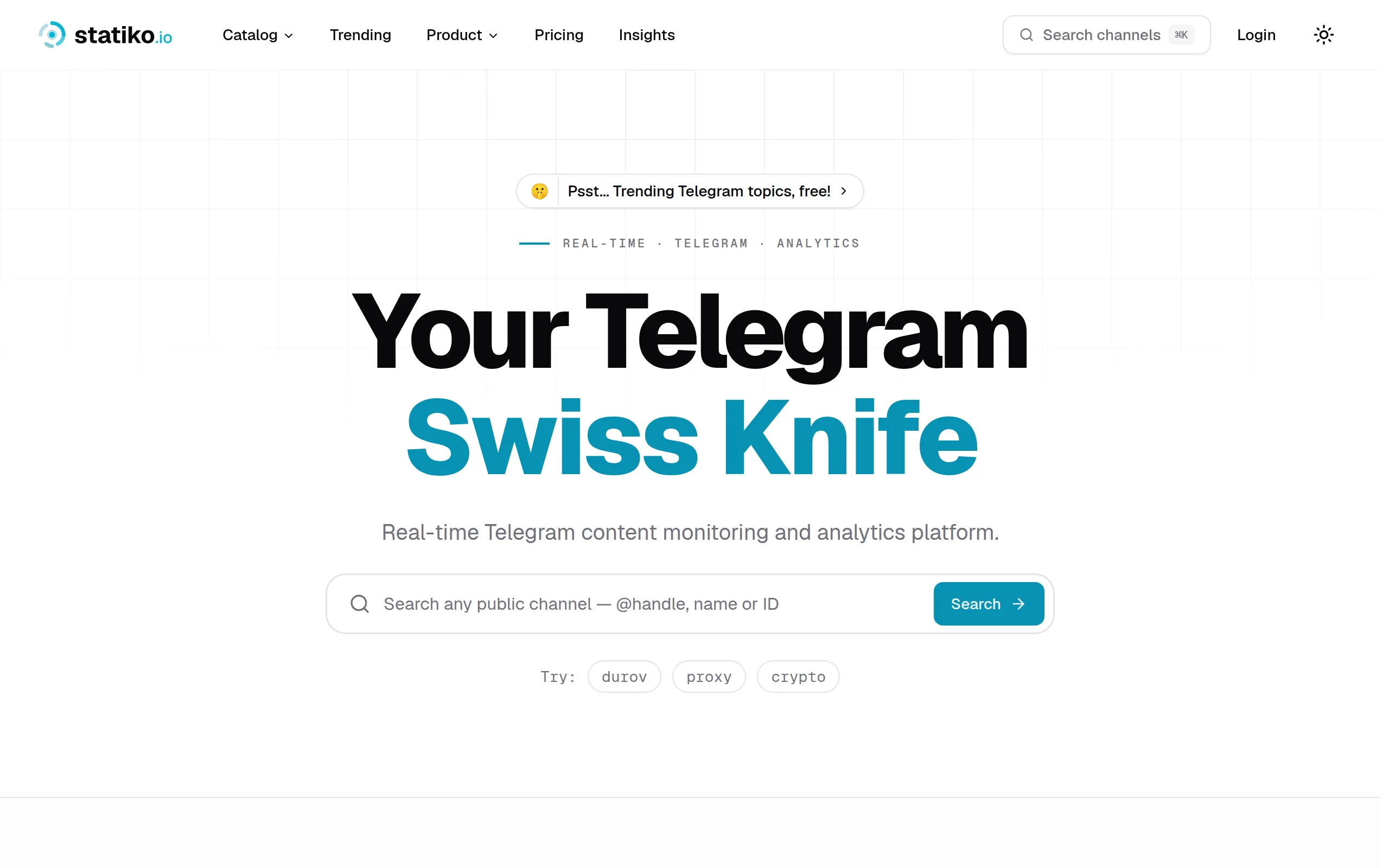
Statiko
Monitor any Telegram channel in real time - track posts, edits, deletions, and growth with AI recaps 📡

Shibui
AI website builder - describe your business, pick a niche template, edit by chatting, and publish instantly ✨

Pro Service
Find verified home service professionals, compare quotes, and pay securely through escrow - built for Brazilians across the US 🏠
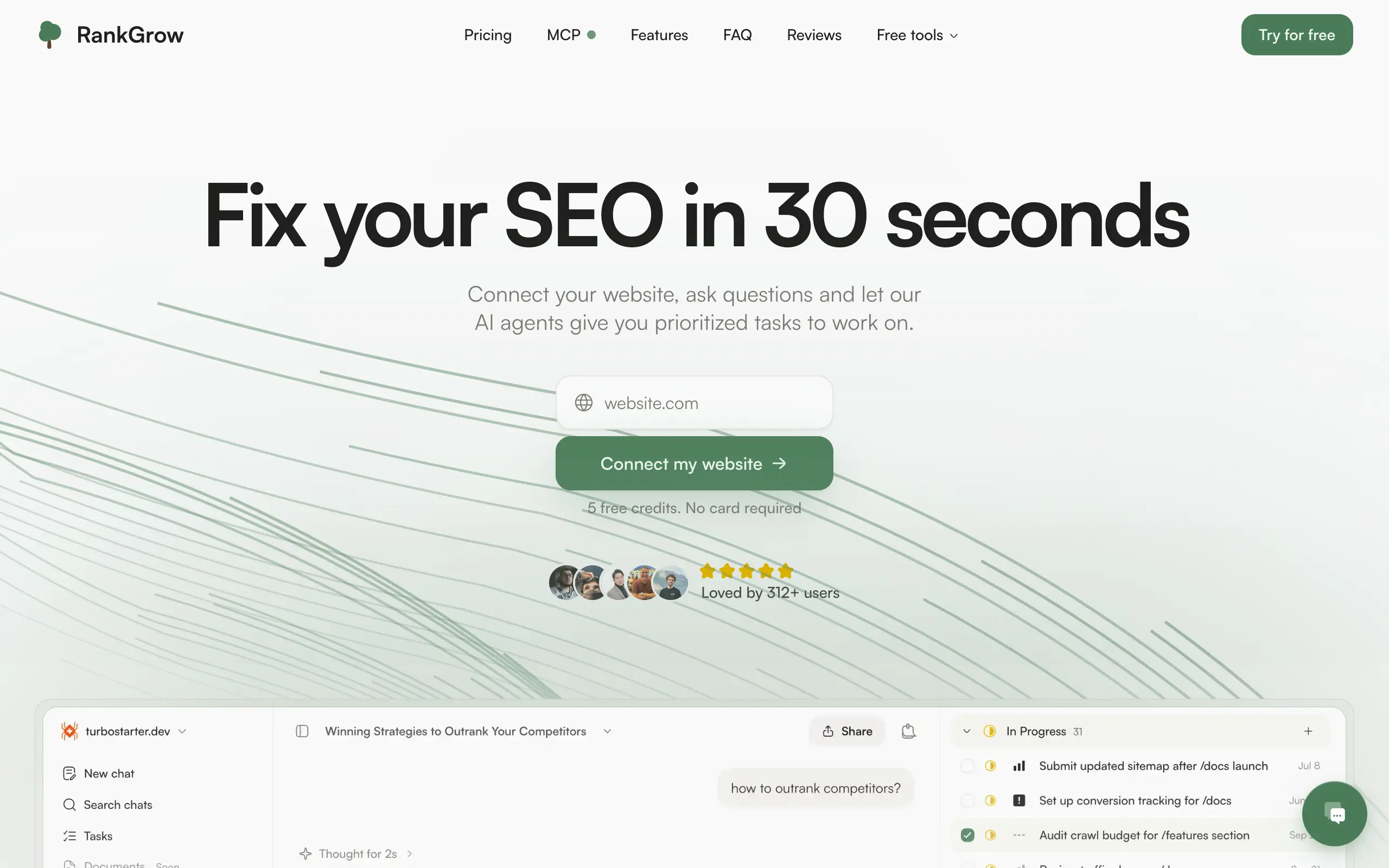
RankGrow
Fix your SEO with AI agents - connect Search Console, get prioritized tasks, and grow organic traffic 📈
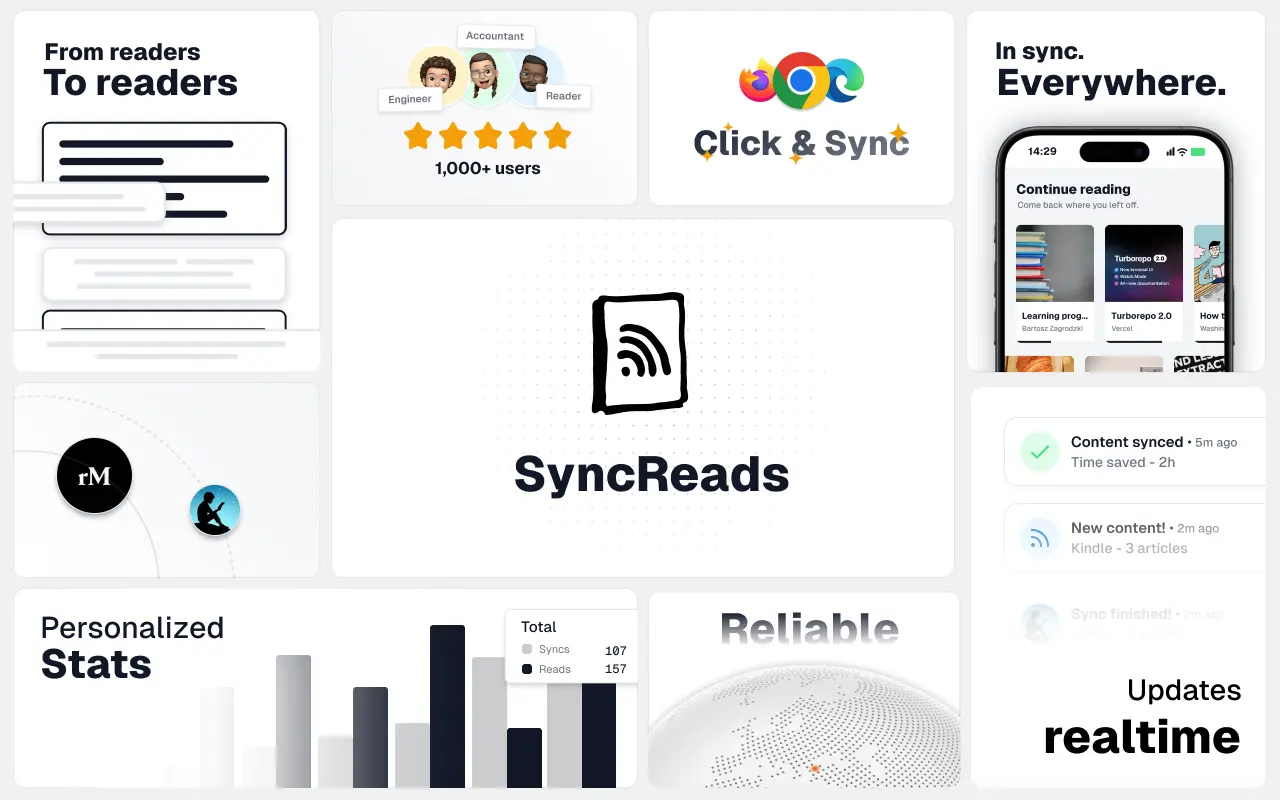
SyncReads
Sync your favorite content for distraction-free reading, save time and replace multiple apps. Anytime, anywhere 🔄
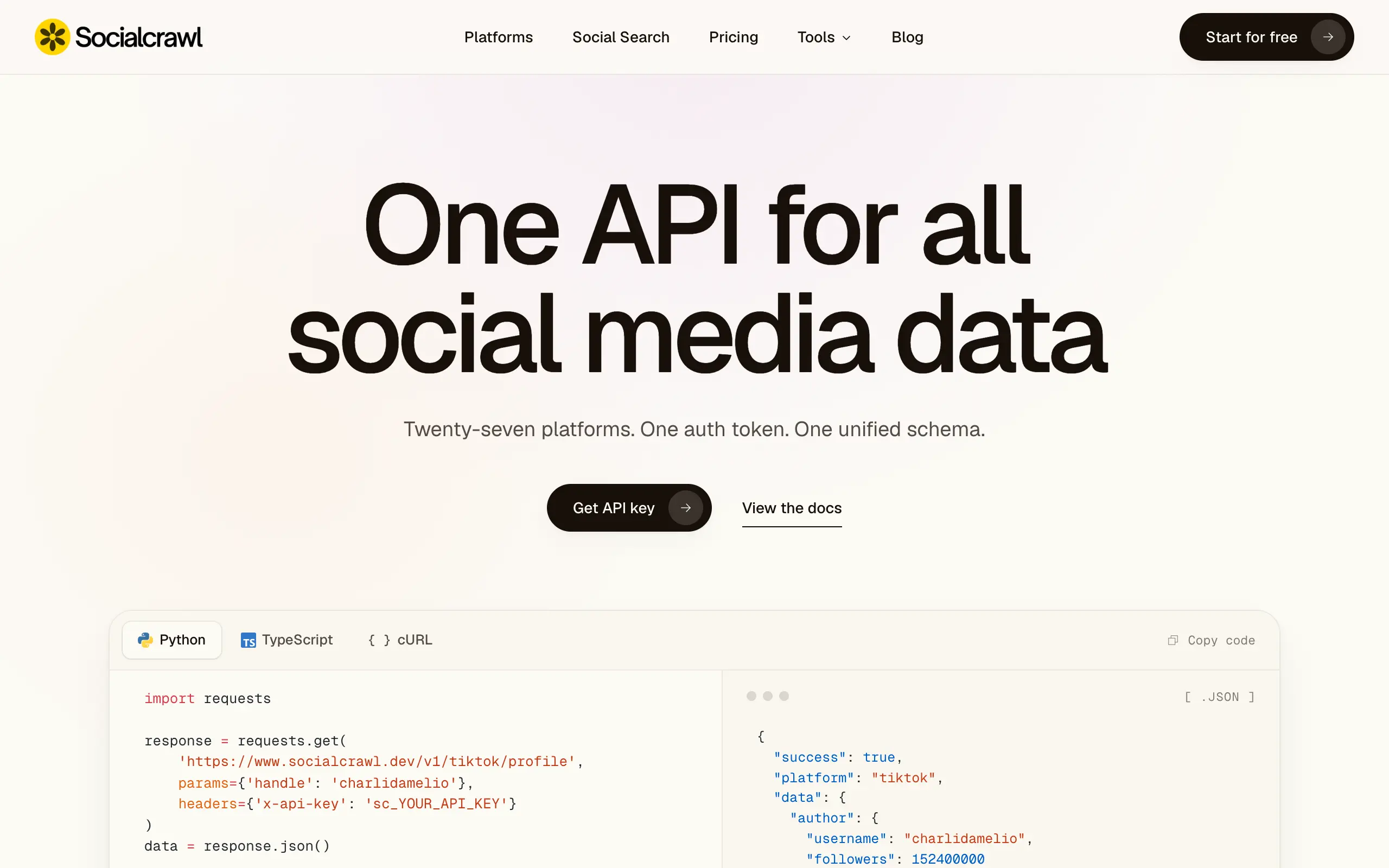
Socialcrawl
Get clean, structured data from 21 platforms like TikTok, Instagram, and YouTube with a single request 📊
Statiko
Monitor any Telegram channel in real time - track posts, edits, deletions, and growth with AI recaps 📡
Shibui
AI website builder - describe your business, pick a niche template, edit by chatting, and publish instantly ✨
Pro Service
Find verified home service professionals, compare quotes, and pay securely through escrow - built for Brazilians across the US 🏠
RankGrow
Fix your SEO with AI agents - connect Search Console, get prioritized tasks, and grow organic traffic 📈
SyncReads
Sync your favorite content for distraction-free reading, save time and replace multiple apps. Anytime, anywhere 🔄
Socialcrawl
Get clean, structured data from 21 platforms like TikTok, Instagram, and YouTube with a single request 📊
Statiko
Monitor any Telegram channel in real time - track posts, edits, deletions, and growth with AI recaps 📡
Shibui
AI website builder - describe your business, pick a niche template, edit by chatting, and publish instantly ✨
Pro Service
Find verified home service professionals, compare quotes, and pay securely through escrow - built for Brazilians across the US 🏠
RankGrow
Fix your SEO with AI agents - connect Search Console, get prioritized tasks, and grow organic traffic 📈
SyncReads
Sync your favorite content for distraction-free reading, save time and replace multiple apps. Anytime, anywhere 🔄
Socialcrawl
Get clean, structured data from 21 platforms like TikTok, Instagram, and YouTube with a single request 📊
Statiko
Monitor any Telegram channel in real time - track posts, edits, deletions, and growth with AI recaps 📡
Shibui
AI website builder - describe your business, pick a niche template, edit by chatting, and publish instantly ✨
Pro Service
Find verified home service professionals, compare quotes, and pay securely through escrow - built for Brazilians across the US 🏠
RankGrow
Fix your SEO with AI agents - connect Search Console, get prioritized tasks, and grow organic traffic 📈
SyncReads
Sync your favorite content for distraction-free reading, save time and replace multiple apps. Anytime, anywhere 🔄
Socialcrawl
Get clean, structured data from 21 platforms like TikTok, Instagram, and YouTube with a single request 📊
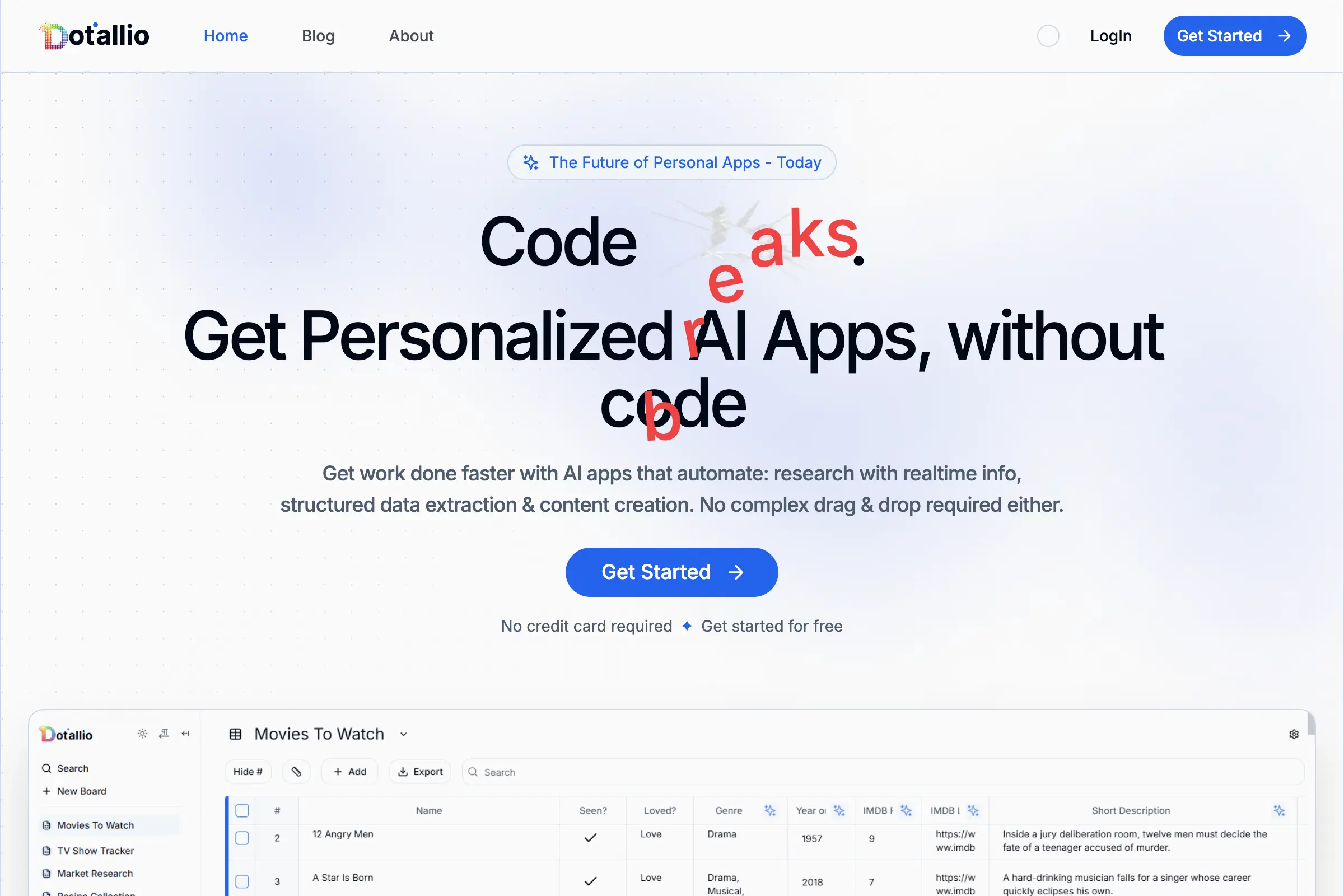
Dotallio
Personalized AI apps that automate research, data extraction, and content creation without code 🤖
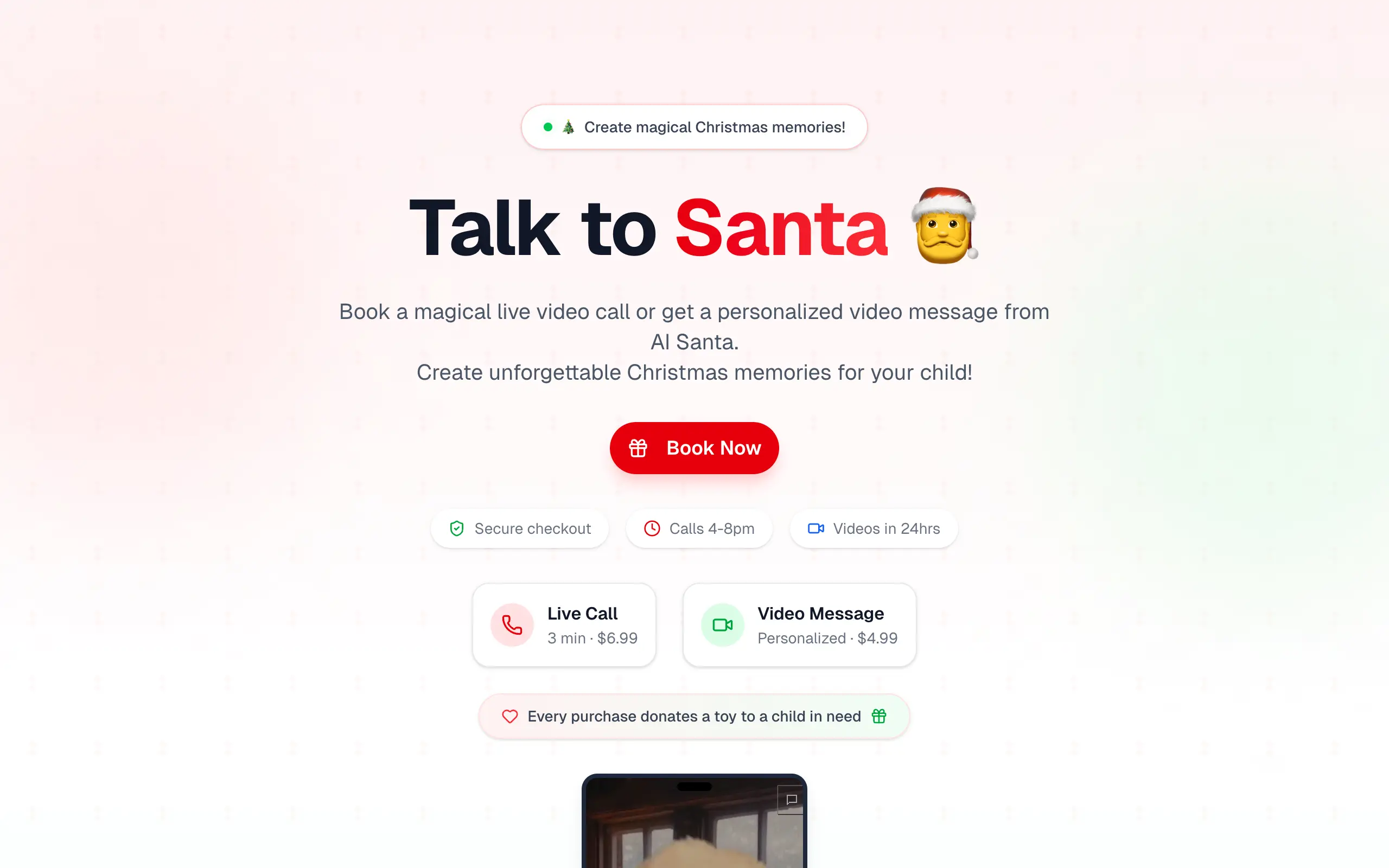
Talk to Santa
Enjoy a magical live video chat or receive a unique AI-generated video greeting from Santa Claus 🎅
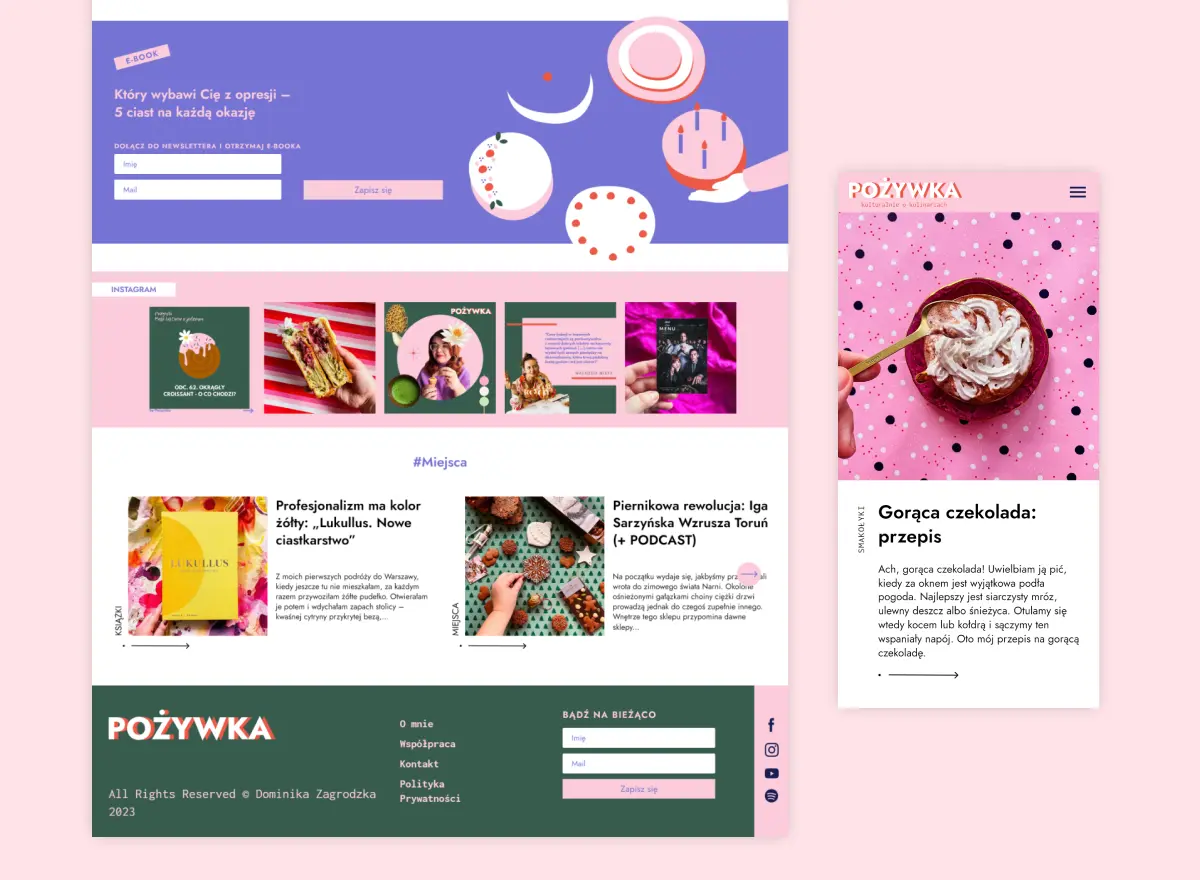
pozywka.pl
Scalable blog for food journalist, focused on performance and user experience 🌭
zagrodzki.me
Personal blog and portfolio of Bart Zagrodzki, where he shares his knowledge and work 💼
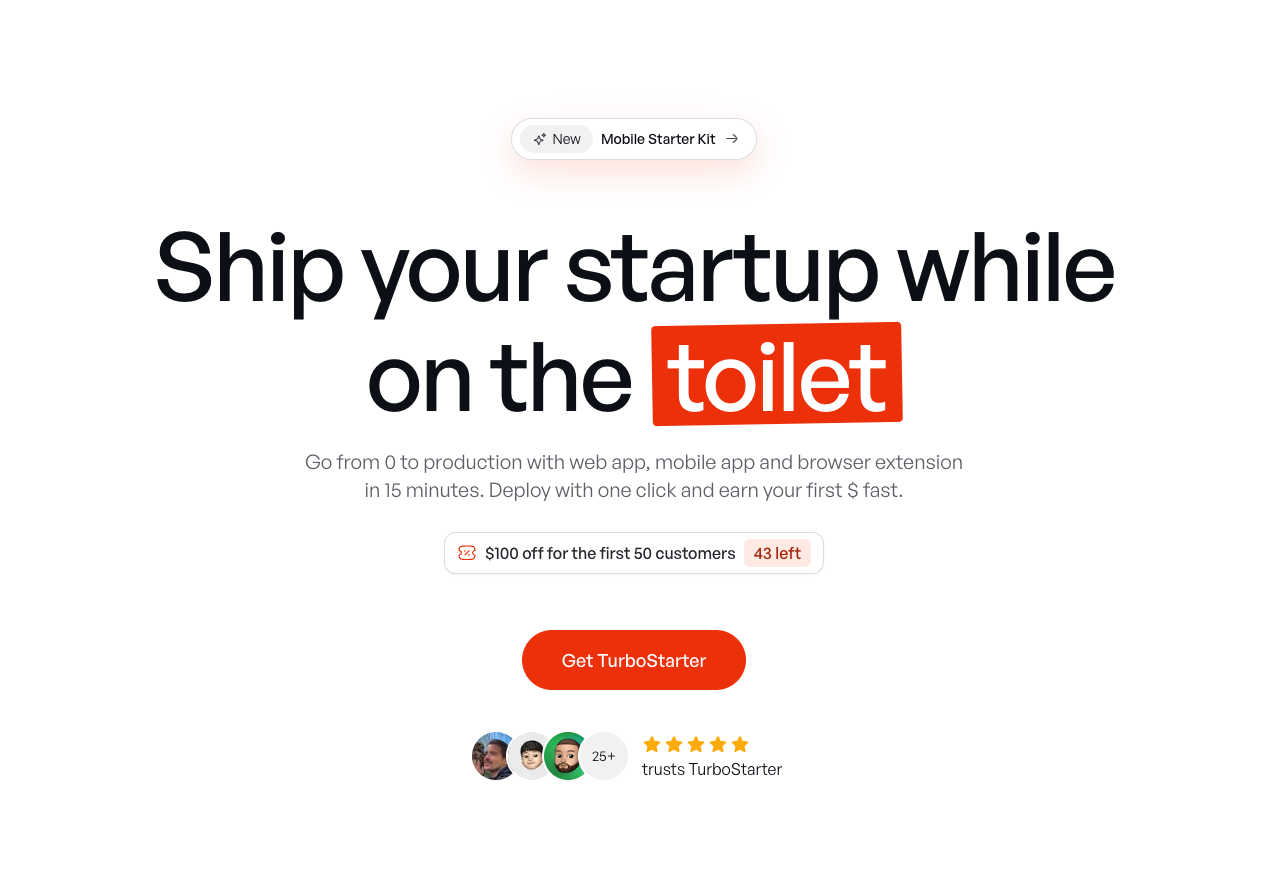
TurboStarter
Ship your startup everywhere. In minutes.
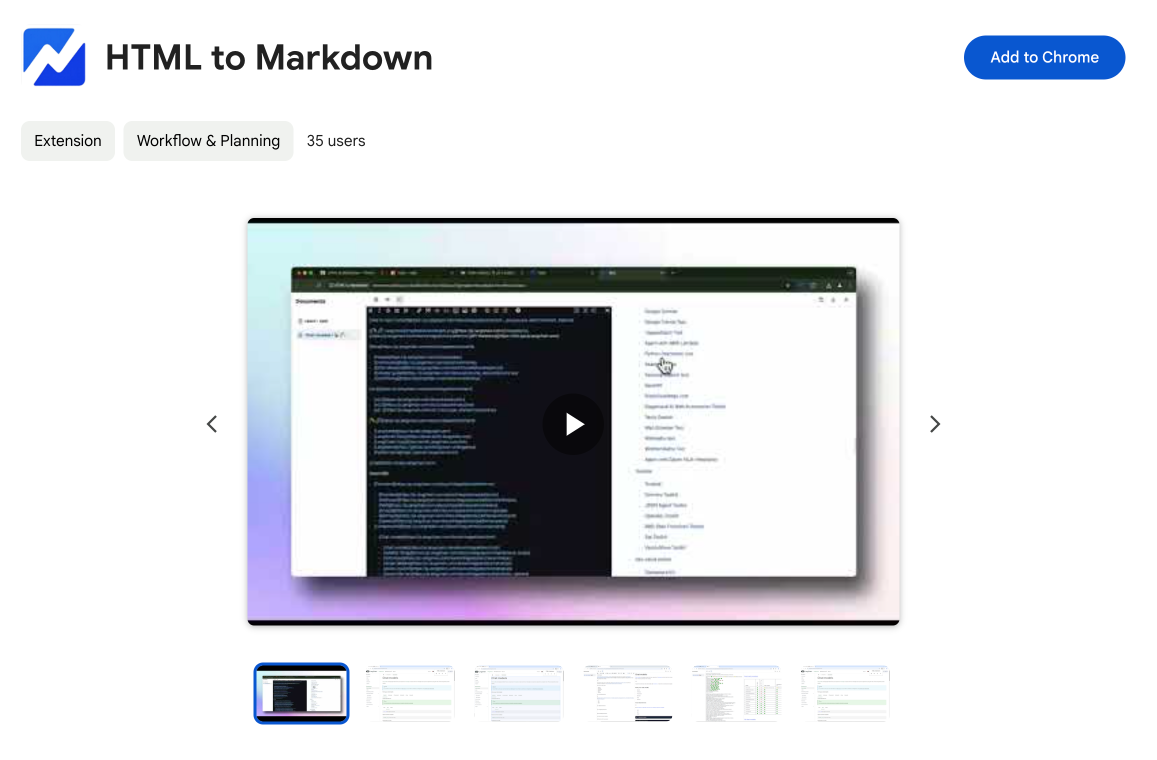
HTML to Markdown
Convert HTML to Markdown with ease, directly in your browser 📄
Dotallio
Personalized AI apps that automate research, data extraction, and content creation without code 🤖
Talk to Santa
Enjoy a magical live video chat or receive a unique AI-generated video greeting from Santa Claus 🎅
pozywka.pl
Scalable blog for food journalist, focused on performance and user experience 🌭
zagrodzki.me
Personal blog and portfolio of Bart Zagrodzki, where he shares his knowledge and work 💼
TurboStarter
Ship your startup everywhere. In minutes.
HTML to Markdown
Convert HTML to Markdown with ease, directly in your browser 📄
Dotallio
Personalized AI apps that automate research, data extraction, and content creation without code 🤖
Talk to Santa
Enjoy a magical live video chat or receive a unique AI-generated video greeting from Santa Claus 🎅
pozywka.pl
Scalable blog for food journalist, focused on performance and user experience 🌭
zagrodzki.me
Personal blog and portfolio of Bart Zagrodzki, where he shares his knowledge and work 💼
TurboStarter
Ship your startup everywhere. In minutes.
HTML to Markdown
Convert HTML to Markdown with ease, directly in your browser 📄
Dotallio
Personalized AI apps that automate research, data extraction, and content creation without code 🤖
Talk to Santa
Enjoy a magical live video chat or receive a unique AI-generated video greeting from Santa Claus 🎅
pozywka.pl
Scalable blog for food journalist, focused on performance and user experience 🌭
zagrodzki.me
Personal blog and portfolio of Bart Zagrodzki, where he shares his knowledge and work 💼
TurboStarter
Ship your startup everywhere. In minutes.
HTML to Markdown
Convert HTML to Markdown with ease, directly in your browser 📄
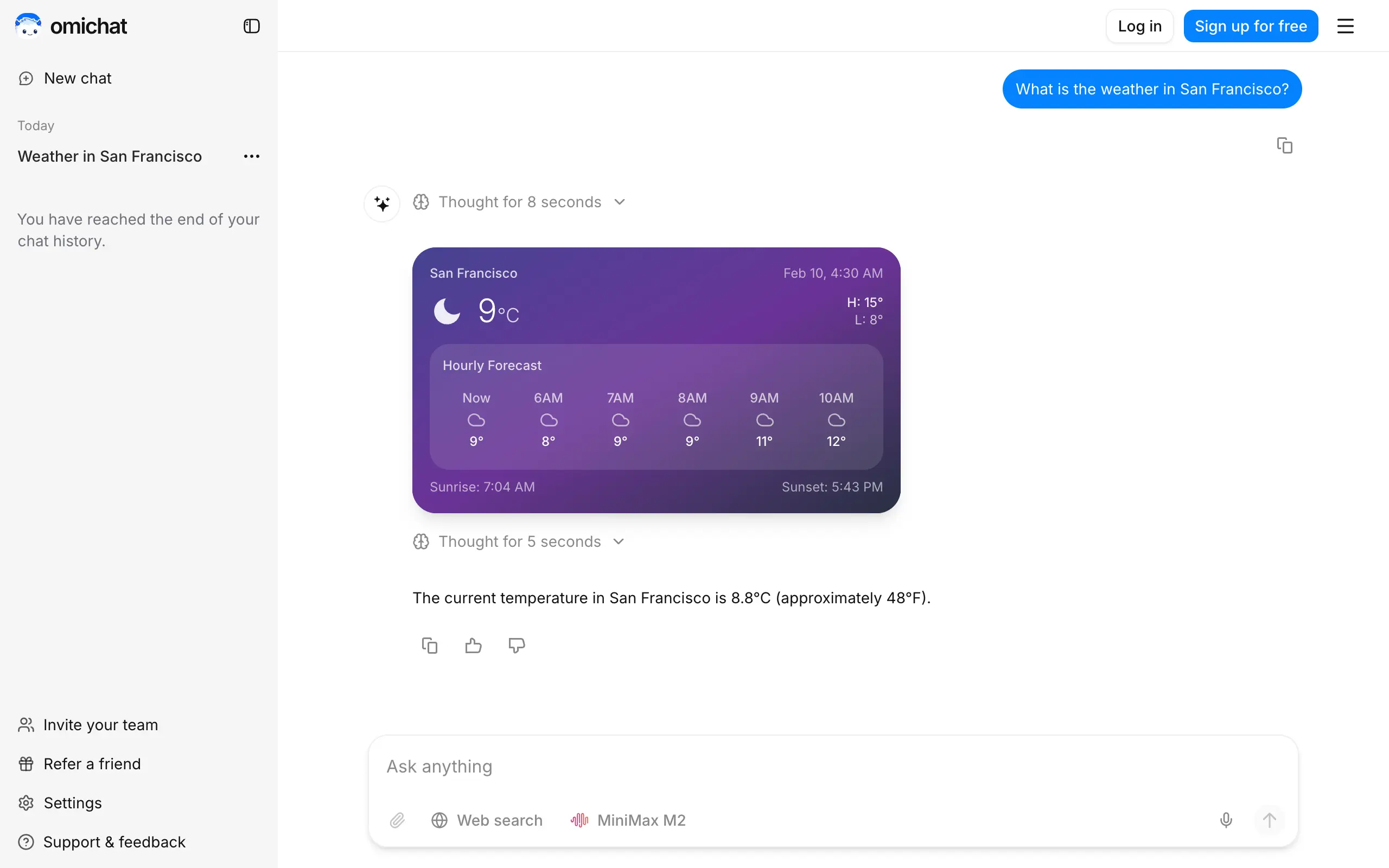
Omichat
Chat with 50+ AI models, including ChatGPT and Claude, in one place - switch models anytime without losing context 🤖
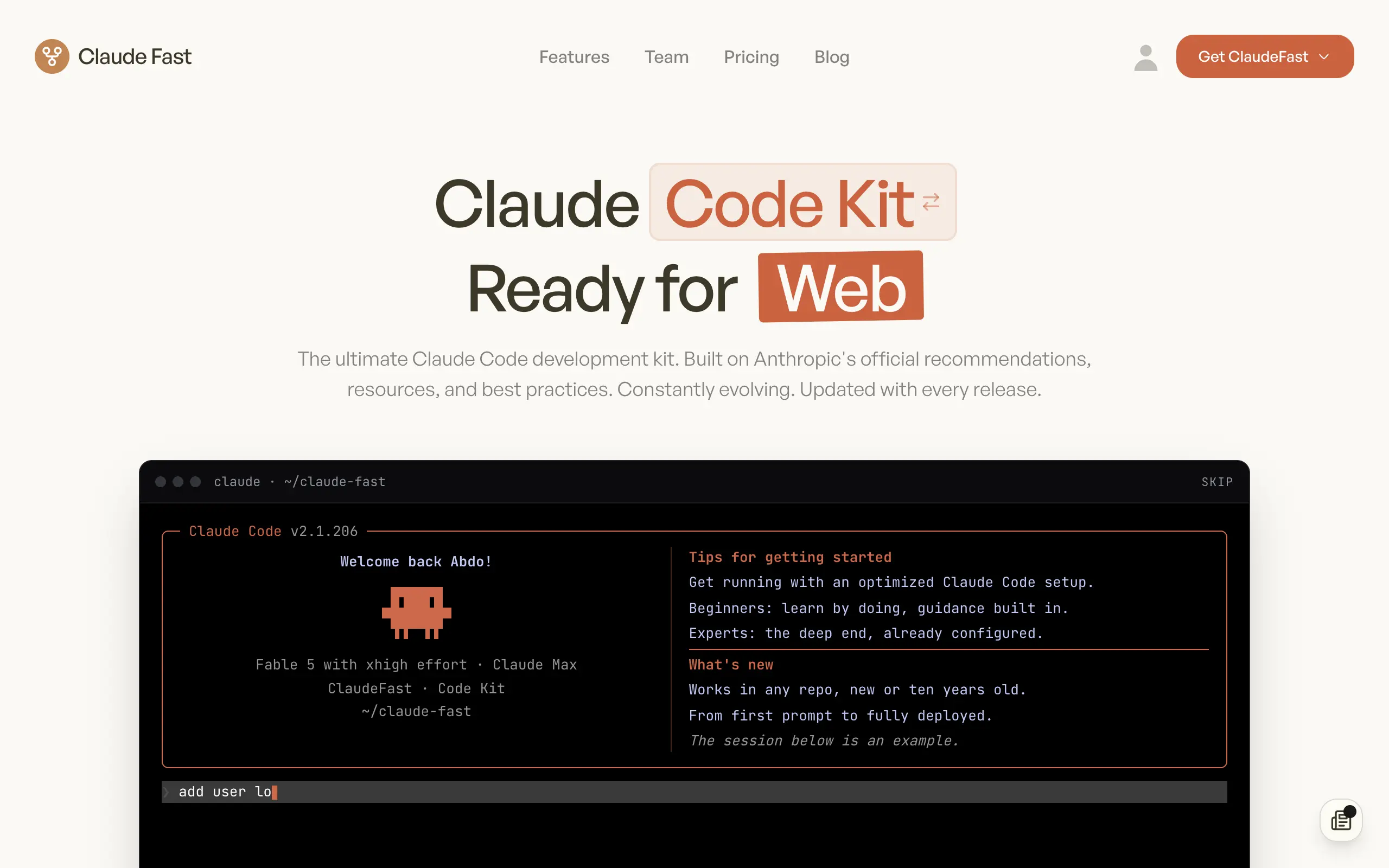
Claude Fast
Supercharge your Claude Code with 6x effective context window and specialized AI agents 🤖
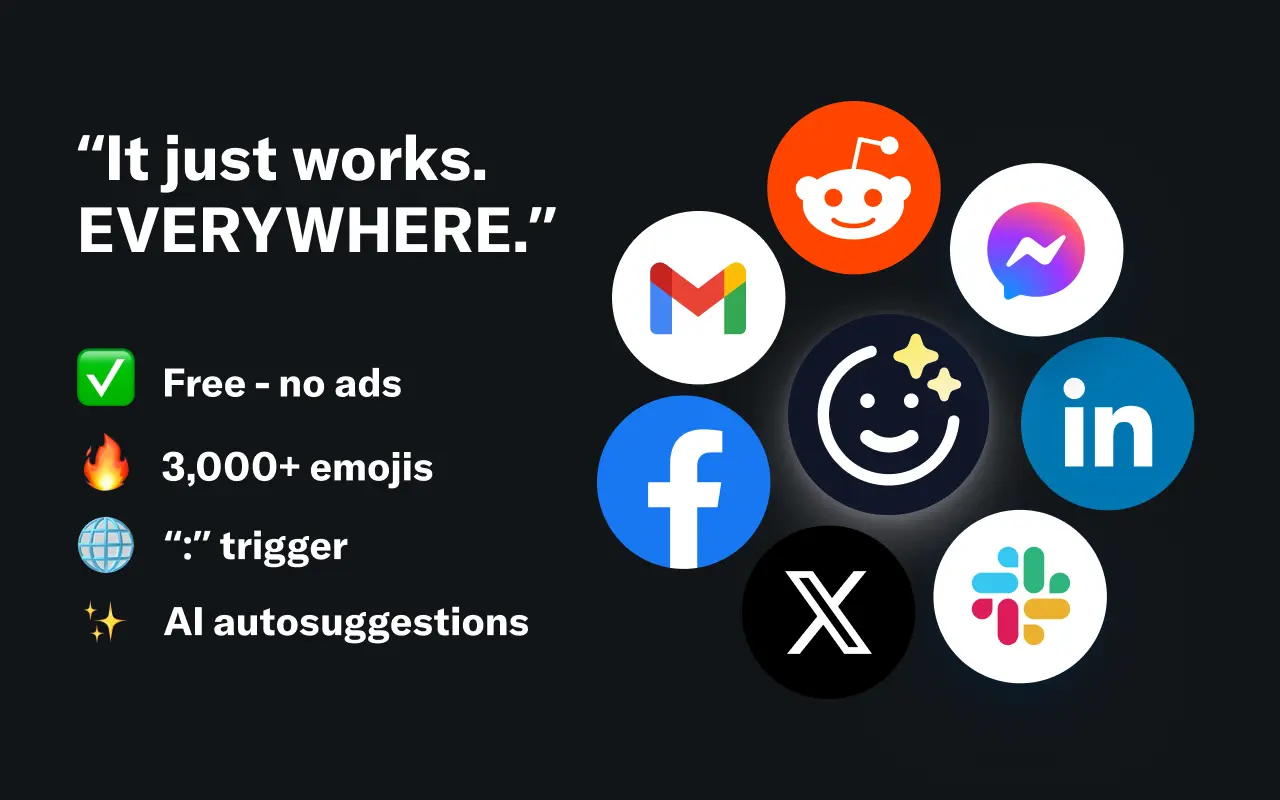
EmojAI
AI-powered emoji picker with smart, context-aware suggestions 🤖
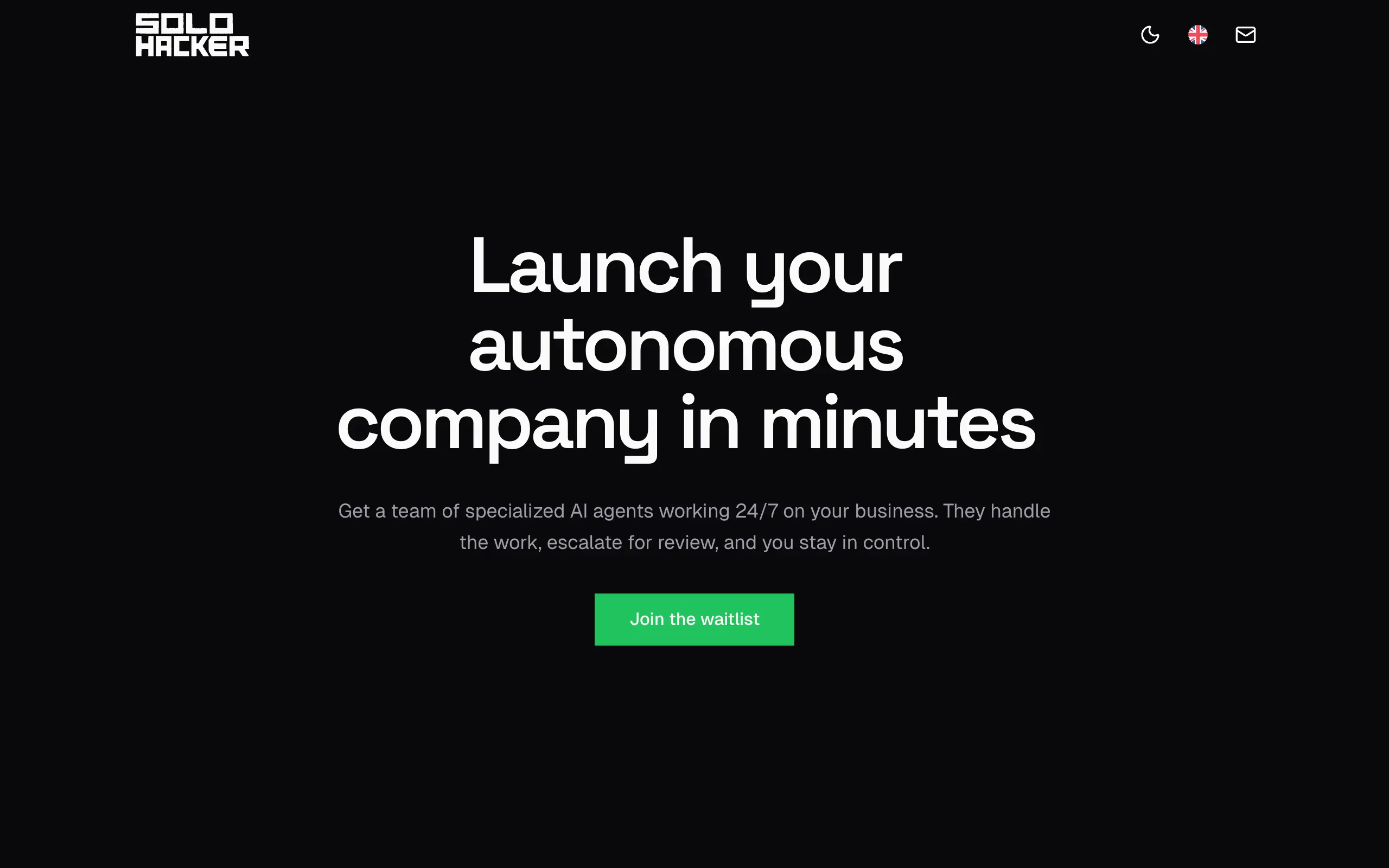
Solohacker
Autonomous company launcher - AI agents work 24/7, escalate what matters, and you stay in control 🤖
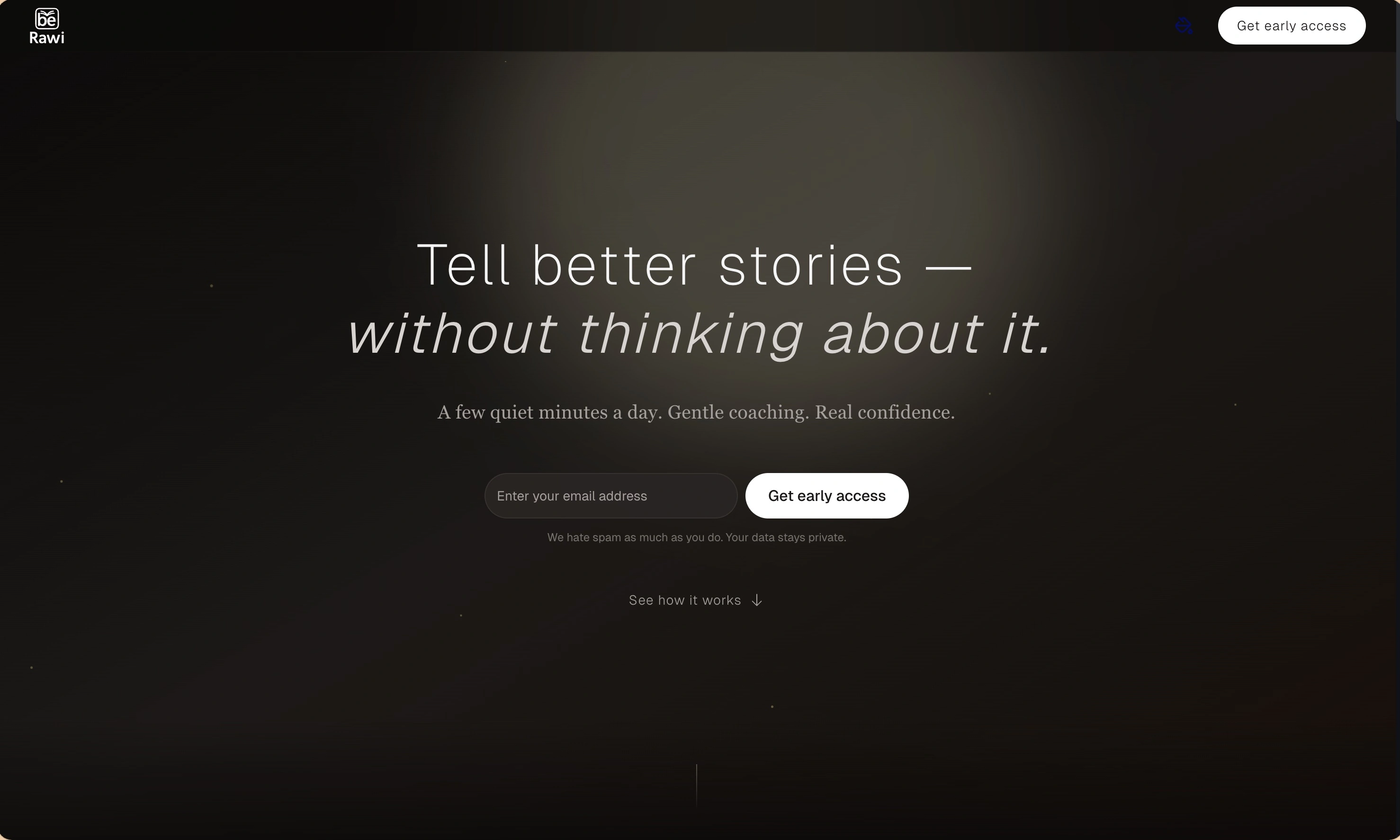
BeRawi: Storytelling Coach
Practice storytelling daily with instant feedback to sound clearer, more engaging, and confident 🎤
Omichat
Chat with 50+ AI models, including ChatGPT and Claude, in one place - switch models anytime without losing context 🤖
Claude Fast
Supercharge your Claude Code with 6x effective context window and specialized AI agents 🤖
EmojAI
AI-powered emoji picker with smart, context-aware suggestions 🤖
Solohacker
Autonomous company launcher - AI agents work 24/7, escalate what matters, and you stay in control 🤖
BeRawi: Storytelling Coach
Practice storytelling daily with instant feedback to sound clearer, more engaging, and confident 🎤
Omichat
Chat with 50+ AI models, including ChatGPT and Claude, in one place - switch models anytime without losing context 🤖
Claude Fast
Supercharge your Claude Code with 6x effective context window and specialized AI agents 🤖
EmojAI
AI-powered emoji picker with smart, context-aware suggestions 🤖
Solohacker
Autonomous company launcher - AI agents work 24/7, escalate what matters, and you stay in control 🤖
BeRawi: Storytelling Coach
Practice storytelling daily with instant feedback to sound clearer, more engaging, and confident 🎤
Omichat
Chat with 50+ AI models, including ChatGPT and Claude, in one place - switch models anytime without losing context 🤖
Claude Fast
Supercharge your Claude Code with 6x effective context window and specialized AI agents 🤖
EmojAI
AI-powered emoji picker with smart, context-aware suggestions 🤖
Solohacker
Autonomous company launcher - AI agents work 24/7, escalate what matters, and you stay in control 🤖
BeRawi: Storytelling Coach
Practice storytelling daily with instant feedback to sound clearer, more engaging, and confident 🎤

Connect with like-minded people
Join our community to get feedback, support, and grow together with 1,000+ builders on board, let's ship it!
Join usShip your startup everywhere. In minutes.
Don't burn tokens on setup and start building features on day one.