FlowBench
Compare open-source AI automation workflows on cost, speed, and reliability using repeatable tests. Help indie founders choose the right tools before they build.
Open-source AI automation workflows are becoming easier to build, but choosing the right framework is still difficult. A promising demo does not reveal what a workflow will cost at scale, how it behaves when an API fails, or whether another team can reproduce its results.
FlowBench is a SaaS concept designed to answer those questions. It would let indie founders and engineering teams compare AI automation workflows using repeatable tests for cost, speed, and reliability. Instead of picking a tool based on a polished example or a feature checklist, teams could run the same workload across multiple tools and inspect the results.
This article explores how to build FlowBench as an open-source AI workflow benchmark platform: who it should serve, where the market gap lies, which features matter most, how to approach its technical architecture, and what risks to address before launch.
What FlowBench would do
At its core, FlowBench would help users evaluate an AI automation workflow before they commit to building a product around it. A user defines a workload, selects the tools or workflow implementations to compare, runs a controlled test, and reviews the results.
A useful comparison would go beyond “Workflow A finished faster than Workflow B.” It would make the testing conditions visible and help users understand why a result occurred. For example, FlowBench might report:
- Cost per successful run, including model and infrastructure costs where those can be measured reliably.
- Latency, including total run time and, where available, the time spent at each step.
- Reliability, such as completion rate, timeout rate, and behavior after a controlled failure.
- Output quality, measured with a user-defined rubric, deterministic checks, or human review.
- Reproducibility, showing the workflow version, test dataset, configuration, and runtime environment behind a result.
That combination gives FlowBench a more useful purpose than a generic AI leaderboard. It is not simply asking which tool is “best.” It is helping a team find the best fit for a particular workflow, budget, and reliability requirement.
Why AI workflow benchmarking is difficult
AI automation combines components that can change independently: workflow frameworks, model providers, APIs, prompts, deployment environments, and input data. A benchmark that ignores these variables can be misleading.
A workflow may appear inexpensive because it was tested with a small input set. It may seem fast because a downstream service returned a cached response. It may appear reliable because the test never included a rate limit, malformed output, or temporary outage. Even a valid comparison can become outdated after a model or framework changes.
FlowBench therefore needs to treat benchmark quality as a product feature. Every result should carry enough context to be interpreted, including:
- The workflow and framework versions.
- The model provider and model identifier, where applicable.
- The test dataset or a fingerprint of it.
- Relevant prompts, settings, and retry policies.
- The date and execution environment.
- Whether the run was repeated and how results were aggregated.
- Known limitations, missing measurements, or unverified cost estimates.
This approach supports trust. A transparent result is more useful than a neat ranking that hides the conditions behind it.
Target audience for an open-source AI workflow benchmark
FlowBench should initially focus on users who need to make a concrete tool decision. A narrow, high-intent audience will be easier to reach and serve than “everyone interested in AI.”
Indie founders and small product teams
An indie founder may need to choose between building an automation with a visual workflow tool, writing custom code, or adopting an agent framework. Each choice can affect the time to launch, operating cost, and maintenance burden.
FlowBench could help this audience test a small but representative workflow before making that commitment. A founder might compare tools on document extraction, lead qualification, customer support triage, or a multi-step research task.
AI engineers and technical evaluators
Engineers often need to investigate practical behavior that marketing pages do not cover. They may care about concurrency, retries, observability, model switching, or how an orchestration layer handles a failed step.
For this group, the value is not only the final score. It is also the ability to inspect run traces, reproduce a test, and understand the measurement method.
Consultants and implementation partners
Consultants who build AI automation for clients need to justify tool recommendations. FlowBench could provide a repeatable evaluation process and a client-friendly report that shows why a particular workflow fits the requirements.
This use case may support paid features such as branded reports, shared workspaces, comparison history, and reusable evaluation templates.
Open-source maintainers
Maintainers may want to understand where their tools perform well and where users encounter friction. They could use a public, transparent benchmark to identify regressions, improve documentation, or demonstrate how their project performs under clearly stated conditions.
This audience can improve adoption and credibility, but FlowBench should avoid presenting itself as an unquestionable judge. Benchmark results need to be inspectable, and tool authors should have a reasonable way to review test definitions and report errors.
Teams buying AI infrastructure
Larger teams may want to compare workflow options before adopting one across multiple internal products. Their needs can include access controls, private test data, audit logs, and the ability to run tests inside their own infrastructure.
These buyers may be a later-stage opportunity. Serving them too early could divert effort from validating the core comparison experience.
Market opportunity and the product gap
AI workflow tools are often compared through feature pages, tutorials, community discussions, and one-off demonstrations. Those sources can be helpful, but they do not necessarily answer the operational question a team faces: How will these options behave on our workload under comparable conditions?
That is the opportunity for FlowBench. It can sit between workflow development and tool selection as a neutral evaluation layer.
The gap is not simply a lack of more benchmarks. The deeper problem is that existing comparisons can be difficult to reproduce or apply to a specific use case. A general ranking might not reflect the user’s preferred model provider, data shape, latency target, budget, or failure conditions.
FlowBench can differentiate by emphasizing four qualities:
- Repeatable tests rather than isolated demonstrations.
- Transparent methodology rather than unexplained rankings.
- Use-case relevance rather than a single universal score.
- Actionable diagnostics rather than a leaderboard alone.
The initial market should be approached as a validation opportunity, not as a guaranteed large category. Before investing in a broad platform, the team should interview prospective users, observe how they currently choose tools, and test whether they will run benchmarks repeatedly or only once during an initial evaluation.
Core FlowBench features
The first release should make it easy to define a fair comparison and understand its limits. It does not need to support every framework, provider, and workflow format on day one.
1. A benchmark definition
Users need a clear way to describe what they are comparing. A benchmark definition could include:
- A task description and success criteria.
- Input examples or a test dataset.
- One or more workflow implementations.
- Required output format and validation rules.
- Cost, latency, and reliability targets.
- Optional failure scenarios, such as a timeout or malformed response.
The benchmark should distinguish between an evaluation’s test definition and a particular run. This distinction lets a user repeat a test later without losing the context of earlier results.
2. Workflow adapters
FlowBench will need integrations, or adapters, for the workflows it supports. An adapter should specify how FlowBench provides input, starts a run, captures output, collects timing data, and handles errors.
Adapters are a strategic decision. Supporting many tools can attract a broader audience, but each integration adds maintenance work. A good early approach is to select a small number of workflow types that represent different user preferences—for example, a visual automation tool, a code-oriented orchestration library, and a custom HTTP endpoint.
Each adapter should document its limitations. If a framework does not expose per-step traces, FlowBench should say so rather than implying that it has complete visibility.
3. Controlled execution
Fair comparisons require consistent test conditions. FlowBench should standardize what it can, including input sets, timeouts, retry policies, concurrency, and run counts.
The product should also help users distinguish between:
- A workflow failure.
- A provider or network failure.
- A benchmark runner failure.
- A valid response that fails the user’s quality checks.
These categories have different implications. A single “failed” status may be too vague for an engineer trying to diagnose a result.
4. Cost measurement with clear assumptions
Cost can be one of FlowBench’s most valuable measurements, but it is also easy to misrepresent. Model pricing can vary by provider, model, token type, region, plan, or date. Workflow infrastructure may add separate costs. Some tools may not expose all usage details.
FlowBench should label cost data by source and confidence. For example, it could distinguish provider-reported usage from an estimate calculated using a published rate. It should record the pricing assumptions and timestamp used for an estimate, and allow users to add their own cost inputs for infrastructure or services outside the benchmark’s visibility.
A trustworthy cost dashboard should never imply precision that the underlying data cannot support.
5. Latency and throughput reporting
A single average duration can hide important differences. FlowBench should report useful distribution measures, such as median and high-percentile latency, when the number of runs supports them. It should also show the number of samples and make clear when a result is based on too few runs for a strong conclusion.
For teams testing batch jobs or concurrent workflows, throughput and behavior under load may matter more than the time for one run. That can become an advanced feature once the basic benchmark process is reliable.
6. Reliability tests and failure injection
Reliability is not just whether a workflow completed once. FlowBench can test how the system responds to conditions such as:
- A temporary service error.
- A slow response or timeout.
- A rate-limit response.
- Invalid or incomplete model output.
- A step that returns data in an unexpected format.
Failure injection should be controlled and opt-in. It should never target third-party services in a way that creates harmful traffic or violates service terms. For early versions, simulated failures at the adapter or test harness level may be safer than stressing live providers.
7. Output quality evaluation
Some tasks have objective outcomes. A structured extraction workflow, for example, can be checked against expected fields. Other tasks—such as summarization—need a rubric or human review.
FlowBench should support multiple evaluation approaches instead of presenting one automated score as definitive:
- Deterministic assertions for structured outputs.
- Golden datasets with known expected results.
- Human review for subjective quality.
- Optional model-assisted grading with the grader, rubric, and limitations disclosed.
Quality, cost, and speed often trade off. The product should let users see those dimensions together rather than collapsing them into a single “winner” score.
8. Comparison reports and collaboration
A useful report should make a decision easier. It could include the test definition, run count, environment, results, failure details, and a concise summary of trade-offs.
For teams, FlowBench may also offer saved comparisons, shared workspaces, comments, and exportable reports. Public sharing could help maintainers and consultants communicate results, but private benchmarks must remain private by default.
How FlowBench could create a defensible competitive advantage
A dashboard alone is not a durable advantage. FlowBench’s differentiation should come from the quality of its evaluation system and the trust it earns.
Benchmark transparency
If users can inspect test definitions, assumptions, and run conditions, they can decide whether a result applies to them. This makes the product more credible than a closed score with unclear methodology.
Use-case-specific comparisons
A general leaderboard is easy to browse but may be too broad to inform a purchase or architecture decision. FlowBench should help users compare tools against their own workload and constraints.
Reproducibility over ranking
A reproducible benchmark can be rerun after a model, prompt, or workflow changes. That makes FlowBench useful throughout development, rather than only during initial tool selection.
A growing library of evaluations
Over time, FlowBench could support reusable benchmark templates for common tasks. These templates can reduce setup time and help users establish a baseline, while still allowing customization. A template should be treated as a starting point, not a universal measure of performance.
A trusted adapter ecosystem
Adapters can become an important product asset if they are reliable, well-documented, and maintained alongside changes in the supported tools. An open adapter specification could encourage community contributions. FlowBench would still need review processes and compatibility checks to prevent broken or misleading integrations.
Recommended technology stack for FlowBench
The right stack depends on the execution model and the team’s experience. A practical architecture separates the user-facing application, benchmark orchestration, isolated runners, and result storage.
Web application
A TypeScript web application built with React can support comparison dashboards, configuration forms, run histories, and shared reports. The frontend should make test conditions as visible as the final scores.
For the backend, a conventional API service is a reasonable starting point. The team should select a framework it can maintain confidently rather than introducing multiple services before usage requires them.
Database and object storage
PostgreSQL is a suitable system of record for users, organizations, benchmark definitions, workflow metadata, and run summaries. Structured results can be stored relationally, while larger traces, logs, and artifacts may be better suited to object storage.
A useful data model should preserve versioned benchmark definitions. If a user edits a test later, the earlier result should still point to the exact configuration that produced it.
Job orchestration and execution
Benchmark runs are asynchronous jobs. They may take seconds or minutes, and some will fail or need to be retried. A durable job queue or workflow orchestration layer can help manage execution, retries, cancellation, and status tracking.
The execution environment deserves special attention. Workflows may contain untrusted code, credentials, or dependencies. Running arbitrary user code directly in the main application process is not a safe default. Start with a constrained set of supported execution methods and isolate workloads before broadening access.
Containerization and isolation
Docker can help package runners consistently, but containers alone should not be treated as a complete security boundary for arbitrary hostile code. FlowBench should apply least privilege, resource limits, network controls, secrets management, and an explicit threat model. Higher-risk execution may require stronger isolation than a standard container.
A practical early product can avoid executing arbitrary user code. It could begin with managed connectors, signed workflow packages, or user-hosted runners, then expand based on validated demand.
Observability and test automation
OpenTelemetry can provide a vendor-neutral foundation for traces, metrics, and logs. Observability is especially important when a benchmark spans FlowBench, a workflow tool, and external model or API providers.
Playwright can support end-to-end tests for critical user flows, such as creating a benchmark and reviewing a completed run. Backend tests should also cover measurement logic, adapters, permissions, and failure handling.
Example run model
A run record should preserve both the outcome and the context needed to interpret it. A simplified TypeScript type might look like this:
type BenchmarkRun = {
  id: string;
  benchmarkVersion: string;
  workflowAdapter: string;
  workflowVersion?: string;
  startedAt: string;
  completedAt?: string;
  status: "queued" | "running" | "completed" | "failed" | "cancelled";
  sampleCount: number;
  successCount?: number;
  latencyMs?: {
    median?: number;
    p95?: number;
  };
  costEstimate?: {
    amount: number;
    currency: string;
    source: "provider-reported" | "estimated" | "user-entered";
    pricingTimestamp?: string;
  };
  notes?: string[];
};
The example is intentionally conservative. A production model should also consider access control, retention policies, data sensitivity, and how to represent partial or incomparable results.
Monetization strategy options
FlowBench should charge for value that users can recognize without compromising the credibility of its results.
Freemium for individual builders
A free plan could let users create a limited number of benchmarks, run a small number of tests, and view basic reports. Paid plans might add larger run limits, longer history, private benchmarks, and collaboration.
This model can support product-led discovery, but free usage needs cost controls because benchmark runs may incur compute and provider expenses.
Team subscriptions
A team plan could include shared workspaces, role-based access, reusable templates, private reports, and integrations with a team’s development process. This is a natural direction if users rerun benchmarks as workflows evolve.
Usage-based execution
Charging by run, execution time, or a transparent credit system can align revenue with infrastructure use. The pricing model should clearly separate FlowBench’s fees from third-party model and service costs. Surprise bills would damage trust quickly.
Enterprise and self-hosted options
Larger organizations may need self-hosted runners, private networking, custom retention settings, audit logs, and access controls. These features should be built in response to real buyer requirements, not simply because they appear in enterprise software checklists.
Paid evaluation services
For customers who want a recommendation but lack time to configure tests, FlowBench could offer a guided evaluation service. This may generate early revenue and reveal recurring customer needs. It should remain clearly distinct from automated product results so users understand what was measured and what was expert judgment.
Open-core or ecosystem strategy
An open adapter specification or open-source runner could encourage adoption and community contributions. The hosted service could monetize collaboration, history, managed execution, and governance features. The trade-off is that open-source components require maintenance and a clear boundary between community support and paid service commitments.
Risks and how to mitigate them
Misleading benchmarks
Risk: Results appear objective but rely on small samples, inconsistent settings, or opaque scoring.
Mitigation: Publish the methodology, show sample counts, preserve test versions, explain uncertainty, and avoid declaring a universal winner. Allow users to inspect raw or per-run results where privacy permits.
Provider and framework changes
Risk: An API, model, or workflow framework changes and breaks an adapter or alters results.
Mitigation: Version adapters, run compatibility tests, surface integration health, and record the versions involved in each test. Treat a changed integration as a new measurement context rather than silently combining it with old results.
Security and privacy
Risk: Benchmark inputs may contain proprietary data, and workflow execution may expose secrets or run unsafe code.
Mitigation: Minimize data collection, document retention, encrypt sensitive data in transit and at rest, apply strict access controls, and isolate execution. Offer synthetic or redacted test data for initial evaluations. Have qualified security professionals review the threat model before allowing arbitrary code execution.
Uncontrolled third-party costs
Risk: A user launches a large benchmark and incurs unexpected provider or infrastructure charges.
Mitigation: Provide estimated run costs before execution when possible, set configurable spending limits, support cancellation, and distinguish FlowBench charges from external charges. Estimates should carry caveats when pricing or usage data is incomplete.
Low trust from tool vendors
Risk: A workflow vendor disputes a result or believes the benchmark is biased.
Mitigation: Make the methodology public, allow vendors to review the test harness, disclose sponsorships or affiliations, and provide a process for reporting technical inaccuracies. Do not sell favorable scores.
Too many integrations too soon
Risk: The team spends its time maintaining adapters instead of improving the core product.
Mitigation: Begin with a focused set of integrations chosen through customer interviews. Track adapter maintenance cost and usage. Expand when users demonstrate a real need and the integration can be tested reliably.
How to validate FlowBench before building the full platform
Before writing a large integration layer, validate the workflow and the willingness to pay.
- Interview target users. Ask founders and engineers how they currently compare automation tools, what decisions they need to make, and what evidence would change their choice.
- Identify a narrow benchmark. Pick one common task with measurable outcomes, such as structured extraction or support-ticket classification.
- Run a concierge test. Manually configure a small comparison and deliver a report. This reveals which measurements users actually care about.
- Test repeat usage. Ask whether users would rerun the benchmark after changing a prompt, model, or workflow—not just during initial evaluation.
- Test commercial intent. Offer a paid pilot or a clear pricing proposal. Positive feedback is useful, but payment or a committed pilot is stronger evidence.
- Document limitations. Record what the test did not measure and which results are estimates.
- Decide what to automate. Build product features around repeated manual work, not assumptions about what a benchmark platform “should” include.
Actionable implementation plan
A focused implementation can reduce technical and market risk at the same time.
Phase 1: Define the first use case
Choose a single customer and workflow category. For example, target indie founders comparing tools for a small customer-support automation. Define what counts as success, which measurements are essential, and what a user should be able to conclude from the results.
Do not begin with a goal of benchmarking every AI framework. A narrow comparison can still validate the essential product loop.
Phase 2: Create a transparent manual benchmark
Run a small set of workflows under controlled conditions. Record test inputs, versions, configuration, timestamps, failures, and cost assumptions. Share the results with prospective users and ask whether the format helps them make a decision.
Phase 3: Build the smallest repeatable runner
Automate the benchmark definition, execution, result capture, and report. Add safeguards such as timeouts, run limits, and cancellation before adding advanced customization.
Phase 4: Add the next adapter based on demand
Choose an integration because users request it and because it can be measured consistently. Define adapter acceptance tests before building the integration so that future maintenance has an objective standard.
Phase 5: Add collaboration and paid controls
Once users return to compare updated workflows, add saved history, shared workspaces, and usage controls. Price around recurring value and execution costs, not around an arbitrary feature count.
Phase 6: Publish methodology and improve trust
Explain how FlowBench handles sampling, scoring, cost estimates, missing data, and failures. Invite technical review. Trust should be part of the product’s operating model from the start, not a marketing page added after launch.
When FlowBench is a strong SaaS opportunity
FlowBench has a credible product opportunity if users repeatedly face consequential choices between AI automation tools and cannot get trustworthy evidence from their current process. Its strongest positioning is not “the definitive ranking of every AI workflow platform.” It is a transparent way to compare AI automation workflows on the tasks and constraints that matter to your team.
The product will succeed or fail on methodological trust. Cost estimates need context. Reliability needs repeated tests. Quality scores need clear rubrics. Integrations need maintenance. And users need to understand when two results are not directly comparable.
If FlowBench can make those constraints visible while keeping benchmark setup approachable, it can become a practical decision tool for founders, engineers, consultants, and teams evaluating open-source AI automation. The best next step is to validate one benchmark with a small group of target users, then build only the workflow that proves valuable in practice.
For founders building the product, TurboStarter can help accelerate the SaaS foundation so more time can go toward benchmark design, integrations, and user validation.
More 🤖 AI Startup SaaS ideas
Discover more innovative ai startup SaaS ideas that are trending in 2026. Each idea is AI-generated with market validation and growth potential to help you find your next profitable venture faster than competitors.
Your competitors are building with TurboStarter
Below are some of the SaaS ideas that have been generated and built with our starter kit.

Statiko
Monitor any Telegram channel in real time - track posts, edits, deletions, and growth with AI recaps 📡

Shibui
AI website builder - describe your business, pick a niche template, edit by chatting, and publish instantly ✨

Pro Service
Find verified home service professionals, compare quotes, and pay securely through escrow - built for Brazilians across the US 🏠
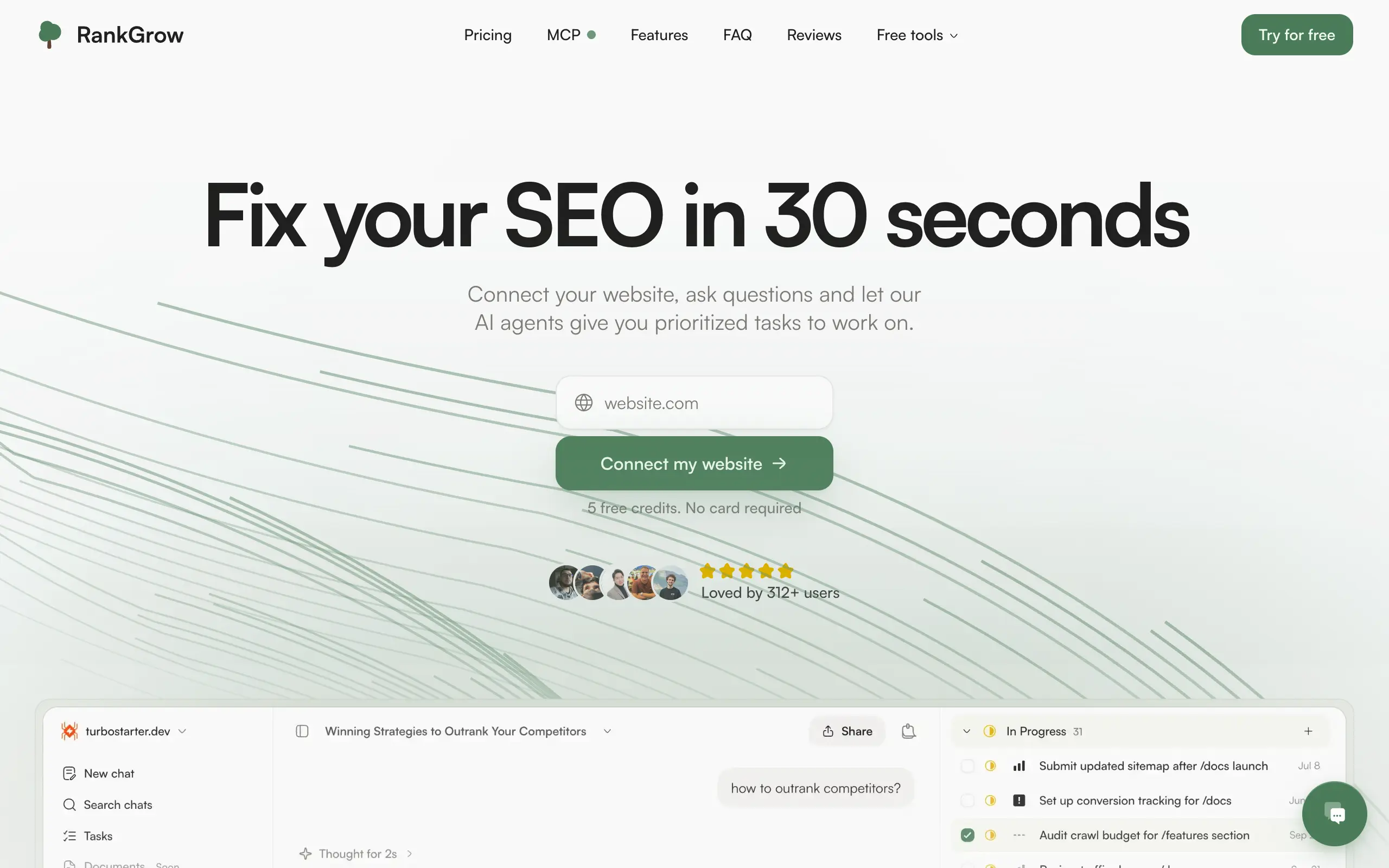
RankGrow
Fix your SEO with AI agents - connect Search Console, get prioritized tasks, and grow organic traffic 📈
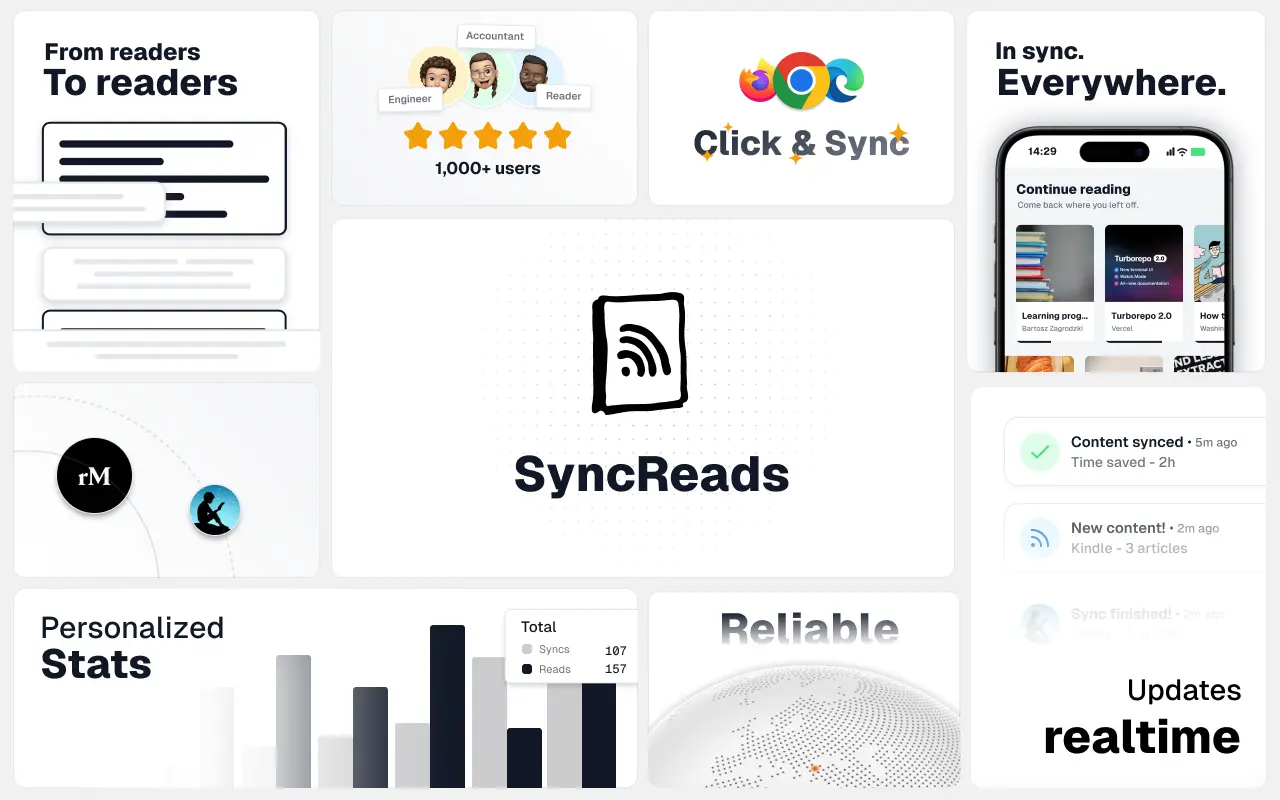
SyncReads
Sync your favorite content for distraction-free reading, save time and replace multiple apps. Anytime, anywhere 🔄
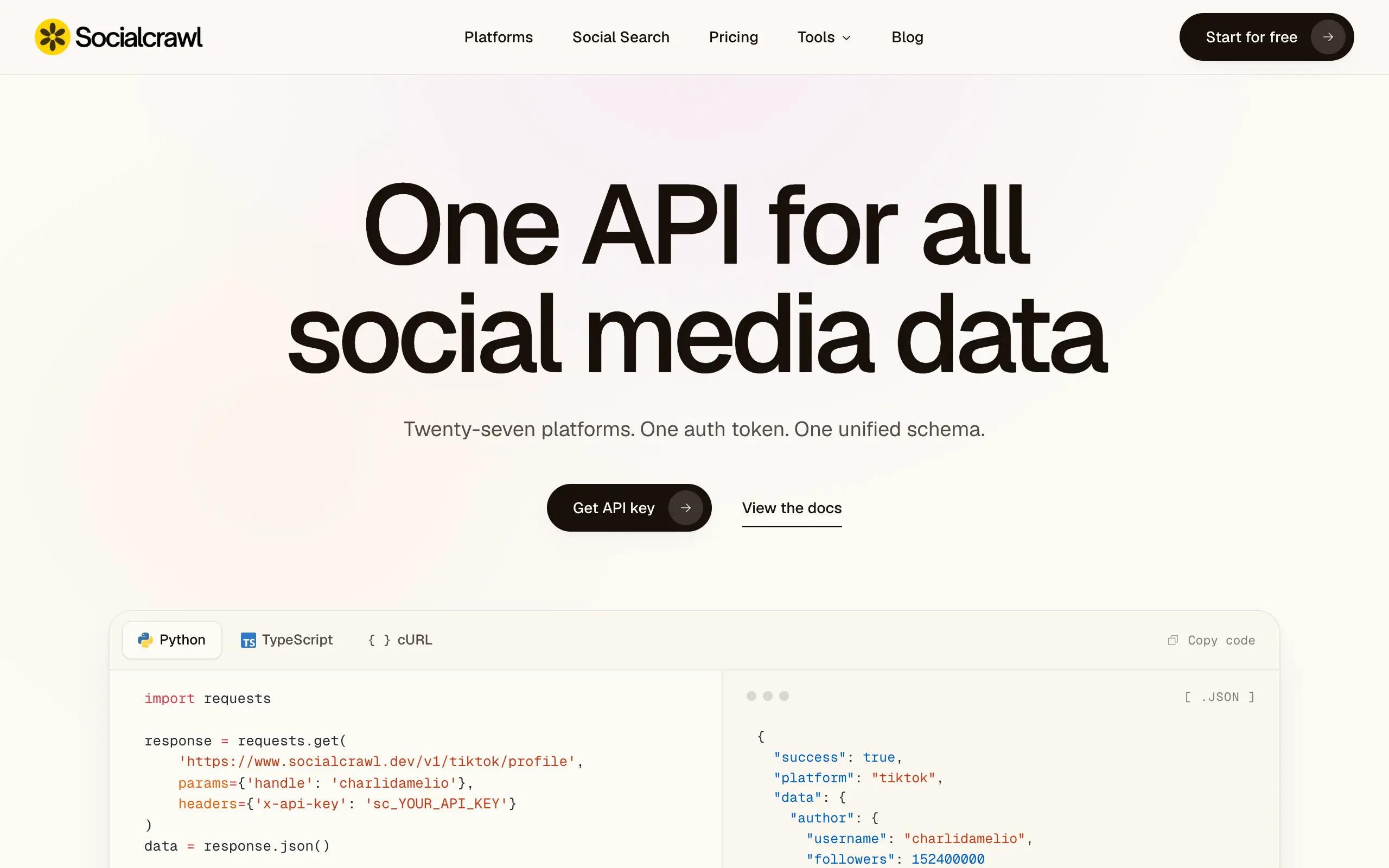
Socialcrawl
Get clean, structured data from 21 platforms like TikTok, Instagram, and YouTube with a single request 📊
Statiko
Monitor any Telegram channel in real time - track posts, edits, deletions, and growth with AI recaps 📡
Shibui
AI website builder - describe your business, pick a niche template, edit by chatting, and publish instantly ✨
Pro Service
Find verified home service professionals, compare quotes, and pay securely through escrow - built for Brazilians across the US 🏠
RankGrow
Fix your SEO with AI agents - connect Search Console, get prioritized tasks, and grow organic traffic 📈
SyncReads
Sync your favorite content for distraction-free reading, save time and replace multiple apps. Anytime, anywhere 🔄
Socialcrawl
Get clean, structured data from 21 platforms like TikTok, Instagram, and YouTube with a single request 📊
Statiko
Monitor any Telegram channel in real time - track posts, edits, deletions, and growth with AI recaps 📡
Shibui
AI website builder - describe your business, pick a niche template, edit by chatting, and publish instantly ✨
Pro Service
Find verified home service professionals, compare quotes, and pay securely through escrow - built for Brazilians across the US 🏠
RankGrow
Fix your SEO with AI agents - connect Search Console, get prioritized tasks, and grow organic traffic 📈
SyncReads
Sync your favorite content for distraction-free reading, save time and replace multiple apps. Anytime, anywhere 🔄
Socialcrawl
Get clean, structured data from 21 platforms like TikTok, Instagram, and YouTube with a single request 📊
Statiko
Monitor any Telegram channel in real time - track posts, edits, deletions, and growth with AI recaps 📡
Shibui
AI website builder - describe your business, pick a niche template, edit by chatting, and publish instantly ✨
Pro Service
Find verified home service professionals, compare quotes, and pay securely through escrow - built for Brazilians across the US 🏠
RankGrow
Fix your SEO with AI agents - connect Search Console, get prioritized tasks, and grow organic traffic 📈
SyncReads
Sync your favorite content for distraction-free reading, save time and replace multiple apps. Anytime, anywhere 🔄
Socialcrawl
Get clean, structured data from 21 platforms like TikTok, Instagram, and YouTube with a single request 📊
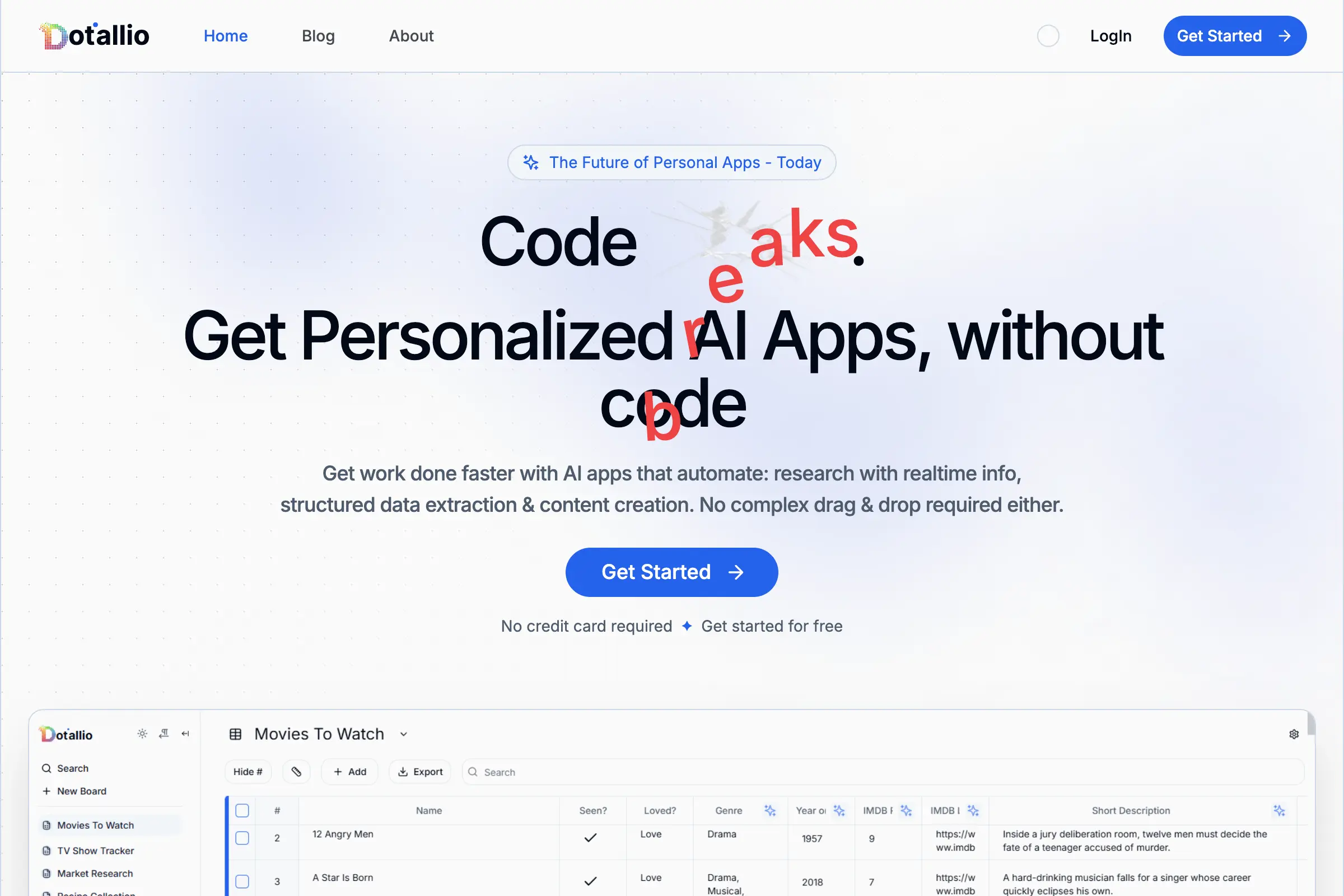
Dotallio
Personalized AI apps that automate research, data extraction, and content creation without code 🤖

Talk to Santa
Enjoy a magical live video chat or receive a unique AI-generated video greeting from Santa Claus 🎅

pozywka.pl
Scalable blog for food journalist, focused on performance and user experience 🌭
zagrodzki.me
Personal blog and portfolio of Bart Zagrodzki, where he shares his knowledge and work 💼
TurboStarter
Ship your startup everywhere. In minutes.
HTML to Markdown
Convert HTML to Markdown with ease, directly in your browser 📄
Dotallio
Personalized AI apps that automate research, data extraction, and content creation without code 🤖
Talk to Santa
Enjoy a magical live video chat or receive a unique AI-generated video greeting from Santa Claus 🎅
pozywka.pl
Scalable blog for food journalist, focused on performance and user experience 🌭
zagrodzki.me
Personal blog and portfolio of Bart Zagrodzki, where he shares his knowledge and work 💼
TurboStarter
Ship your startup everywhere. In minutes.
HTML to Markdown
Convert HTML to Markdown with ease, directly in your browser 📄
Dotallio
Personalized AI apps that automate research, data extraction, and content creation without code 🤖
Talk to Santa
Enjoy a magical live video chat or receive a unique AI-generated video greeting from Santa Claus 🎅
pozywka.pl
Scalable blog for food journalist, focused on performance and user experience 🌭
zagrodzki.me
Personal blog and portfolio of Bart Zagrodzki, where he shares his knowledge and work 💼
TurboStarter
Ship your startup everywhere. In minutes.
HTML to Markdown
Convert HTML to Markdown with ease, directly in your browser 📄
Dotallio
Personalized AI apps that automate research, data extraction, and content creation without code 🤖
Talk to Santa
Enjoy a magical live video chat or receive a unique AI-generated video greeting from Santa Claus 🎅
pozywka.pl
Scalable blog for food journalist, focused on performance and user experience 🌭
zagrodzki.me
Personal blog and portfolio of Bart Zagrodzki, where he shares his knowledge and work 💼
TurboStarter
Ship your startup everywhere. In minutes.
HTML to Markdown
Convert HTML to Markdown with ease, directly in your browser 📄
Omichat
Chat with 50+ AI models, including ChatGPT and Claude, in one place - switch models anytime without losing context 🤖
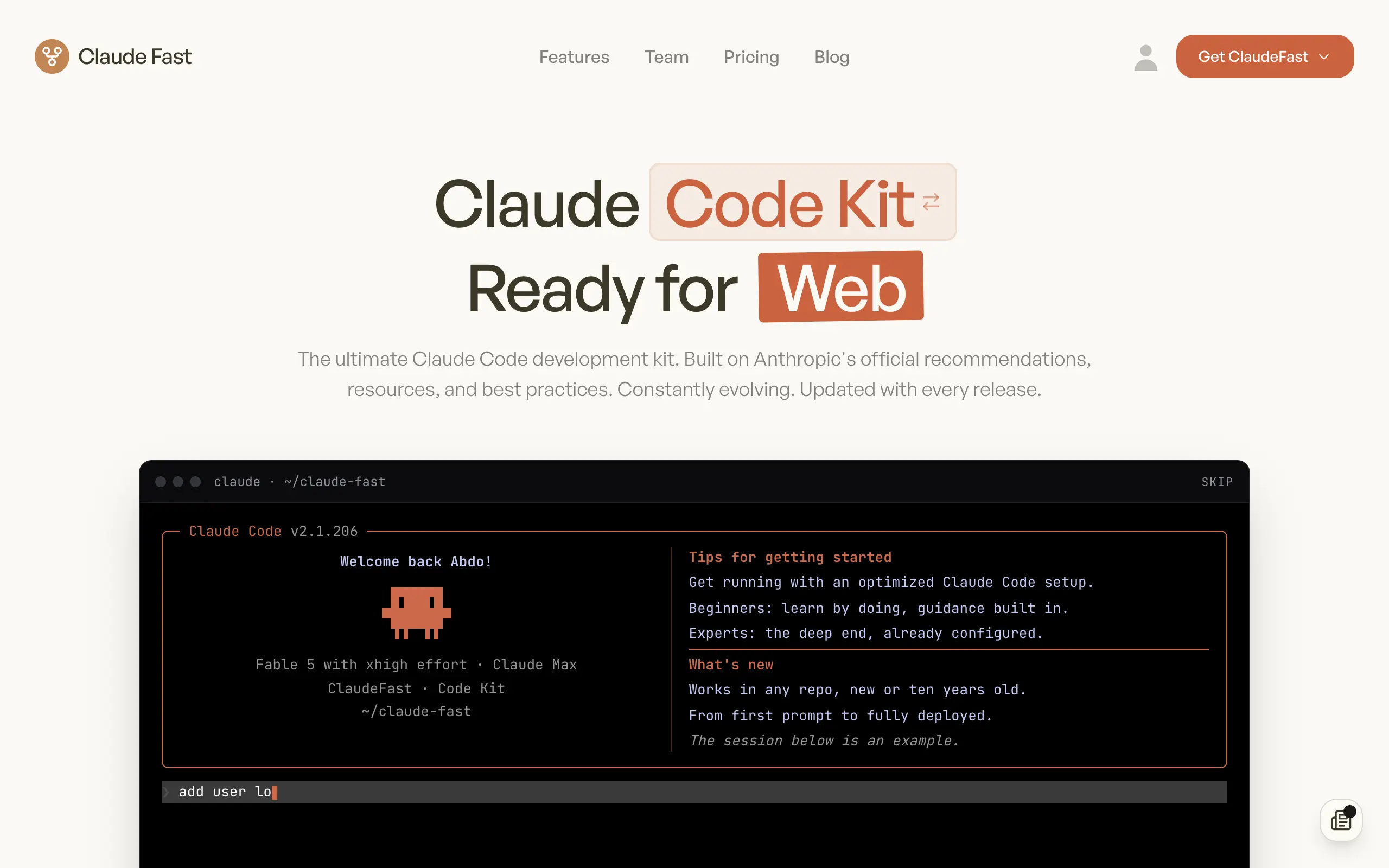
Claude Fast
Supercharge your Claude Code with 6x effective context window and specialized AI agents 🤖
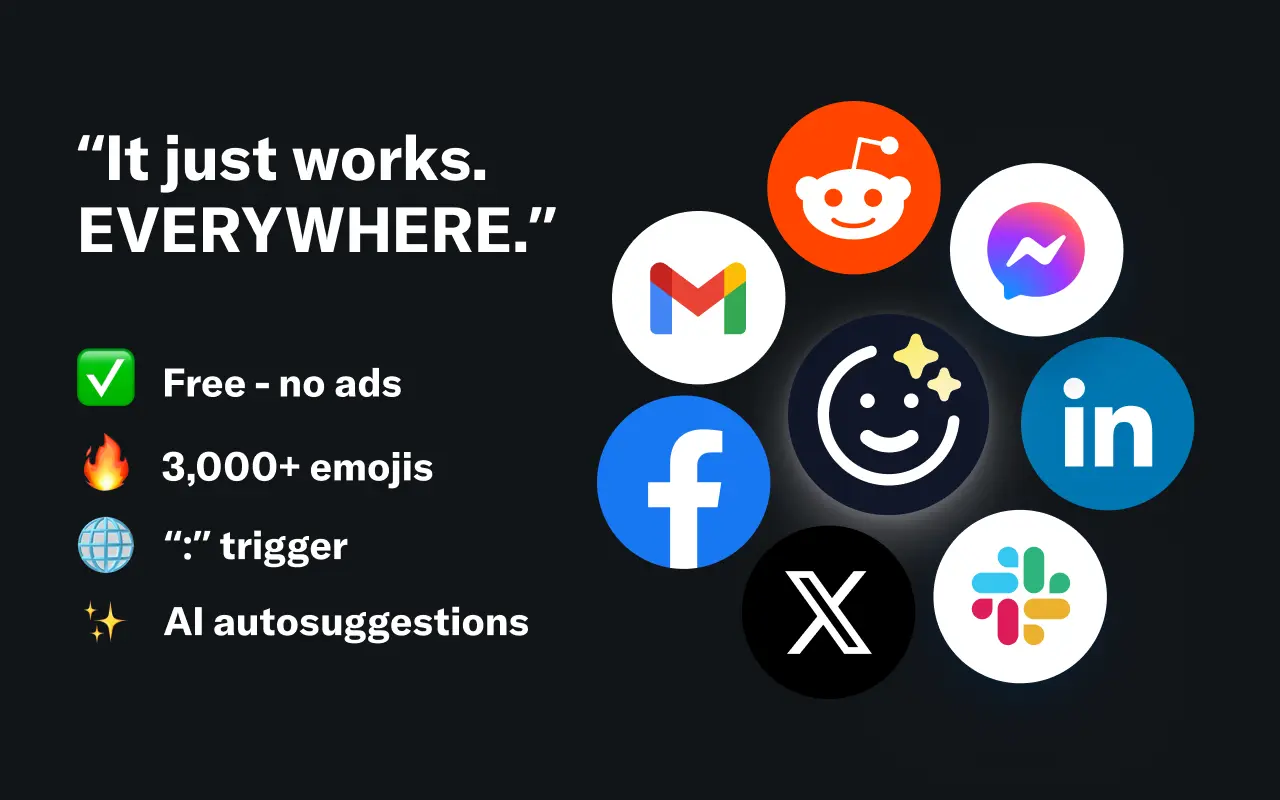
EmojAI
AI-powered emoji picker with smart, context-aware suggestions 🤖
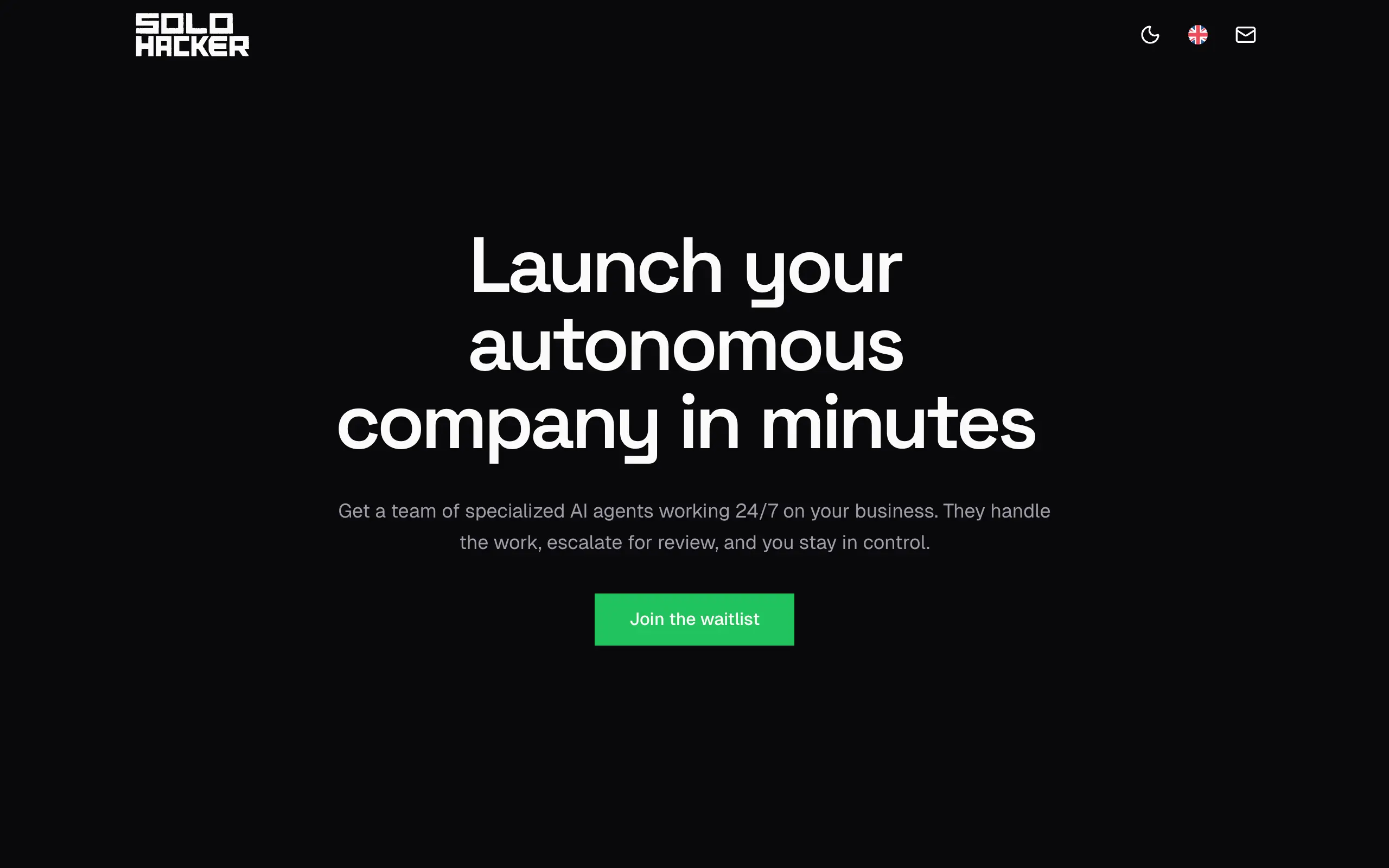
Solohacker
Autonomous company launcher - AI agents work 24/7, escalate what matters, and you stay in control 🤖

BeRawi: Storytelling Coach
Practice storytelling daily with instant feedback to sound clearer, more engaging, and confident 🎤
Omichat
Chat with 50+ AI models, including ChatGPT and Claude, in one place - switch models anytime without losing context 🤖
Claude Fast
Supercharge your Claude Code with 6x effective context window and specialized AI agents 🤖
EmojAI
AI-powered emoji picker with smart, context-aware suggestions 🤖
Solohacker
Autonomous company launcher - AI agents work 24/7, escalate what matters, and you stay in control 🤖
BeRawi: Storytelling Coach
Practice storytelling daily with instant feedback to sound clearer, more engaging, and confident 🎤
Omichat
Chat with 50+ AI models, including ChatGPT and Claude, in one place - switch models anytime without losing context 🤖
Claude Fast
Supercharge your Claude Code with 6x effective context window and specialized AI agents 🤖
EmojAI
AI-powered emoji picker with smart, context-aware suggestions 🤖
Solohacker
Autonomous company launcher - AI agents work 24/7, escalate what matters, and you stay in control 🤖
BeRawi: Storytelling Coach
Practice storytelling daily with instant feedback to sound clearer, more engaging, and confident 🎤
Omichat
Chat with 50+ AI models, including ChatGPT and Claude, in one place - switch models anytime without losing context 🤖
Claude Fast
Supercharge your Claude Code with 6x effective context window and specialized AI agents 🤖
EmojAI
AI-powered emoji picker with smart, context-aware suggestions 🤖
Solohacker
Autonomous company launcher - AI agents work 24/7, escalate what matters, and you stay in control 🤖
BeRawi: Storytelling Coach
Practice storytelling daily with instant feedback to sound clearer, more engaging, and confident 🎤

Connect with like-minded people
Join our community to get feedback, support, and grow together with 1,000+ builders on board, let's ship it!
Join usShip your startup everywhere. In minutes.
Don't burn tokens on setup and start building features on day one.