FlowLink AI
AI-powered internal linking assistant for Webflow that suggests, inserts, and audits links to boost SEO and crawlability in minutes.
what is an AI internal linking assistant for Webflow and why it matters
Internal linking is one of the most underrated yet high-impact SEO strategies. It directly influences how search engines crawl your site, distribute authority, and understand content relationships. Despite its importance, most Webflow users still rely on manual linking—time-consuming, inconsistent, and often ineffective.
An AI-powered internal linking assistant for Webflow like FlowLink AI changes that dynamic entirely. Instead of guessing where to place links or auditing them manually, AI analyzes your entire site structure, identifies opportunities, and automatically suggests or inserts relevant links.
This isn’t just about convenience. It’s about:
- Improving crawlability and indexation
- Strengthening topical authority
- Increasing average session duration
- Reducing orphan pages
- Boosting rankings through better link equity distribution
With the rapid evolution of AI in SEO workflows, tools like FlowLink AI sit at the intersection of automation, technical SEO, and content optimization.
understanding the target audience
To build and position a product like FlowLink AI effectively, it’s critical to understand who needs it most—and why.
primary users
1. Webflow developers and agencies
- Build and manage multiple client sites
- Need scalable SEO solutions
- Want automation without sacrificing control
2. SEO professionals working with Webflow
- Care deeply about crawl structure and link distribution
- Often frustrated by Webflow’s limitations compared to WordPress plugins
3. Content marketers and growth teams
- Publish blogs regularly
- Need consistent internal linking without manual effort
4. Startup founders using Webflow
- Want fast SEO wins without hiring large teams
- Prefer tools that integrate directly into their stack
key pain points
- Manual linking is slow and inconsistent
- Lack of visibility into internal link structure
- Orphan pages harming SEO performance
- Difficulty scaling SEO efforts across large sites
- No native intelligent linking tools in Webflow
User intent insight
Most users searching for "Webflow internal linking SEO" or "AI internal linking tool" are looking for automation, efficiency, and measurable SEO gains—not just theoretical advice.
market opportunity and gap analysis
The SEO tooling market is saturated—but not evenly.
existing solutions
There are strong tools for internal linking, but they fall into two categories:
- WordPress plugins (like Link Whisper)
- Enterprise SEO platforms (like Ahrefs, Semrush)
The gap? Webflow-specific automation tools.
why Webflow is underserved
- Webflow lacks a plugin ecosystem like WordPress
- SEO tooling is mostly external
- Internal linking remains largely manual
Yet Webflow adoption is growing rapidly among startups and agencies.
opportunity snapshot
- Webflow powers hundreds of thousands of sites
- Increasing demand for no-code SEO tools
- AI adoption in marketing workflows is accelerating
competitive comparison
| Feature | FlowLink AI | WordPress Plugins | Ahrefs/Semrush | Manual Linking |
|---|---|---|---|---|
| AI suggestions | ✅ | ✅ | ❌ | ❌ |
| Webflow native | ✅ | ❌ | ❌ | ✅ |
| Automation | ✅ | ✅ | ❌ | ❌ |
| Real-time auditing | ✅ | ✅ | ✅ | ❌ |
This clearly shows a strong positioning opportunity for FlowLink AI.
core features that define FlowLink AI
To stand out, FlowLink AI must go beyond basic suggestions. It should become a complete internal linking engine for Webflow.
AI-powered link suggestions
- Context-aware linking using NLP
- Anchor text optimization
- Semantic relevance matching
- Keyword clustering
automatic link insertion
- One-click or bulk insertion
- Smart placement within content
- Avoids over-linking or spam patterns
internal link audit dashboard
- Identify orphan pages
- Analyze link depth
- Detect broken internal links
- Visualize site structure
content relationship mapping
- Topic clustering visualization
- Pillar and cluster recommendations
- Link equity flow insights
real-time SEO scoring
- Internal linking health score
- Recommendations prioritized by impact
- Continuous monitoring
- Simple suggestions
- One-click fixes
- Visual prompts
- Link graph analysis
- Anchor optimization insights
- Crawl depth reports
how the AI actually works (behind the scenes)
FlowLink AI’s differentiation depends heavily on how smart its linking engine is.
key AI components
- Natural Language Processing (NLP) to understand content context
- Embedding models to measure semantic similarity
- Graph-based algorithms for link distribution
- Reinforcement learning based on user behavior
simplified workflow
// Pseudo logic for internal linking AI
const pages = getAllPages();
const embeddings = generateEmbeddings(pages);

for (let page of pages) {
  const relatedPages = findSimilarContent(page, embeddings);
  const suggestions = optimizeAnchorText(page, relatedPages);
  displaySuggestions(page, suggestions);
}
data signals used
- Page content
- Headings structure
- Keywords
- Existing links
- User engagement metrics (optional future feature)
recommended tech stack for building FlowLink AI
Choosing the right stack determines scalability, performance, and speed to market.
frontend
- React for UI
- TailwindCSS for styling
- Webflow API integration for seamless UX
backend
- Node.js or Python (FastAPI)
- Graph database (Neo4j) for link relationships
- PostgreSQL for structured data
AI layer
- OpenAI or open-source LLMs
- Embedding models for semantic search
- Vector database (Pinecone, Weaviate)
infrastructure
- Vercel or AWS for deployment
- Serverless functions for scalability
trade-offs
- OpenAI APIs: fast to build, ongoing cost
- Self-hosted models: more control, higher complexity
- Graph DB vs relational DB: better insights vs simpler setup
Important consideration
Real-time processing can become expensive at scale. Efficient caching and incremental updates are critical.
monetization strategy
FlowLink AI can adopt multiple SaaS pricing models depending on positioning.
subscription tiers
- Free plan: limited scans, basic suggestions
- Pro plan: full automation, audits, analytics
- Agency plan: multi-site management
usage-based pricing
- Pay per page analyzed
- Pay per AI suggestion batch
add-ons
- Advanced SEO reports
- API access
- White-label solutions
pricing psychology
- Entry point must be low to attract Webflow users
- Value should scale with site size
competitive advantage and unique positioning
FlowLink AI’s strength lies in specialization + automation + AI intelligence.
core differentiators
Webflow-native experience
Built specifically for Webflow users, not retrofitted like generic SEO tools.
True automation
Not just suggestions—actual link insertion and optimization.
AI-first architecture
Uses semantic understanding, not keyword matching.
defensibility
- Data moat from user linking patterns
- Continuous model improvement
- Deep integration with Webflow workflows
potential risks and mitigation strategies
No SaaS idea is without challenges. FlowLink AI must address these early.
risk 1: Webflow API limitations
- Mitigation: Build hybrid solutions (manual export/import + API)
risk 2: AI inaccuracies
- Mitigation: Human-in-the-loop review system
risk 3: over-automation harming SEO
- Mitigation:
- Limit link density
- Follow Google guidelines
- Provide manual override options
risk 4: competition entering market
- Mitigation:
- Move fast
- Build strong brand in Webflow ecosystem
- Focus on UX
SEO benefits of AI internal linking (why users will buy)
FlowLink AI should clearly communicate tangible outcomes.
measurable improvements
- Increased crawl frequency
- Better indexation of deep pages
- Higher keyword rankings
- Reduced bounce rate
- Improved session duration
aligning with Google’s expectations
Google emphasizes:
- Clear site structure
- Contextual linking
- User-focused navigation
FlowLink AI directly supports all three.
go-to-market strategy
phase 1: niche domination
- Target Webflow agencies
- Launch on Webflow forums and communities
- Offer early adopter pricing
phase 2: content-led growth
- SEO blog targeting:
- "Webflow SEO optimization"
- "internal linking strategy"
- "AI SEO tools"
phase 3: partnerships
- Collaborate with Webflow experts
- Integrate with SEO tools
phase 4: product-led growth
- Free tier with strong value
- Viral loops through reporting
step-by-step implementation plan
MVP scope
- Page scanning
- Basic link suggestions
- Simple dashboard
post-MVP enhancements
- Auto-insert links
- Link graph visualization
- Advanced SEO scoring
example user workflow
- Connect Webflow site
- Run scan
- Review AI suggestions
- Approve or edit links
- Apply changes automatically
- Monitor SEO improvements
future expansion opportunities
FlowLink AI doesn’t have to stop at internal linking.
potential features
- external linking suggestions
- content gap analysis
- AI content briefs
- automated topic clustering
long-term vision
Become a full AI SEO assistant for Webflow users
building faster with the right foundation
Instead of starting from scratch, using a SaaS starter kit can significantly reduce development time.
Tools like TurboStarter provide:
- authentication systems
- billing integration
- scalable architecture
- production-ready UI
This allows you to focus on the core differentiator: AI and SEO intelligence.
final thoughts
FlowLink AI sits at a powerful intersection:
- AI-driven automation
- SEO performance optimization
- Webflow ecosystem growth
The timing is right. AI adoption is accelerating, and Webflow users are actively looking for better SEO tooling.
If executed well, this idea has the potential to become a category-defining product within the no-code and SEO space.
The key is to focus on:
- delivering real, measurable SEO impact
- maintaining accuracy and trust
- creating a seamless user experience
Start small, validate quickly, and iterate relentlessly.
More 🤖 AI Startup SaaS ideas
Discover more innovative ai startup SaaS ideas that are trending in 2026. Each idea is AI-generated with market validation and growth potential to help you find your next profitable venture faster than competitors.
Your competitors are building with TurboStarter
Below are some of the SaaS ideas that have been generated and built with our starter kit.

Statiko
Monitor any Telegram channel in real time - track posts, edits, deletions, and growth with AI recaps 📡

Shibui
AI website builder - describe your business, pick a niche template, edit by chatting, and publish instantly ✨

Pro Service
Find verified home service professionals, compare quotes, and pay securely through escrow - built for Brazilians across the US 🏠
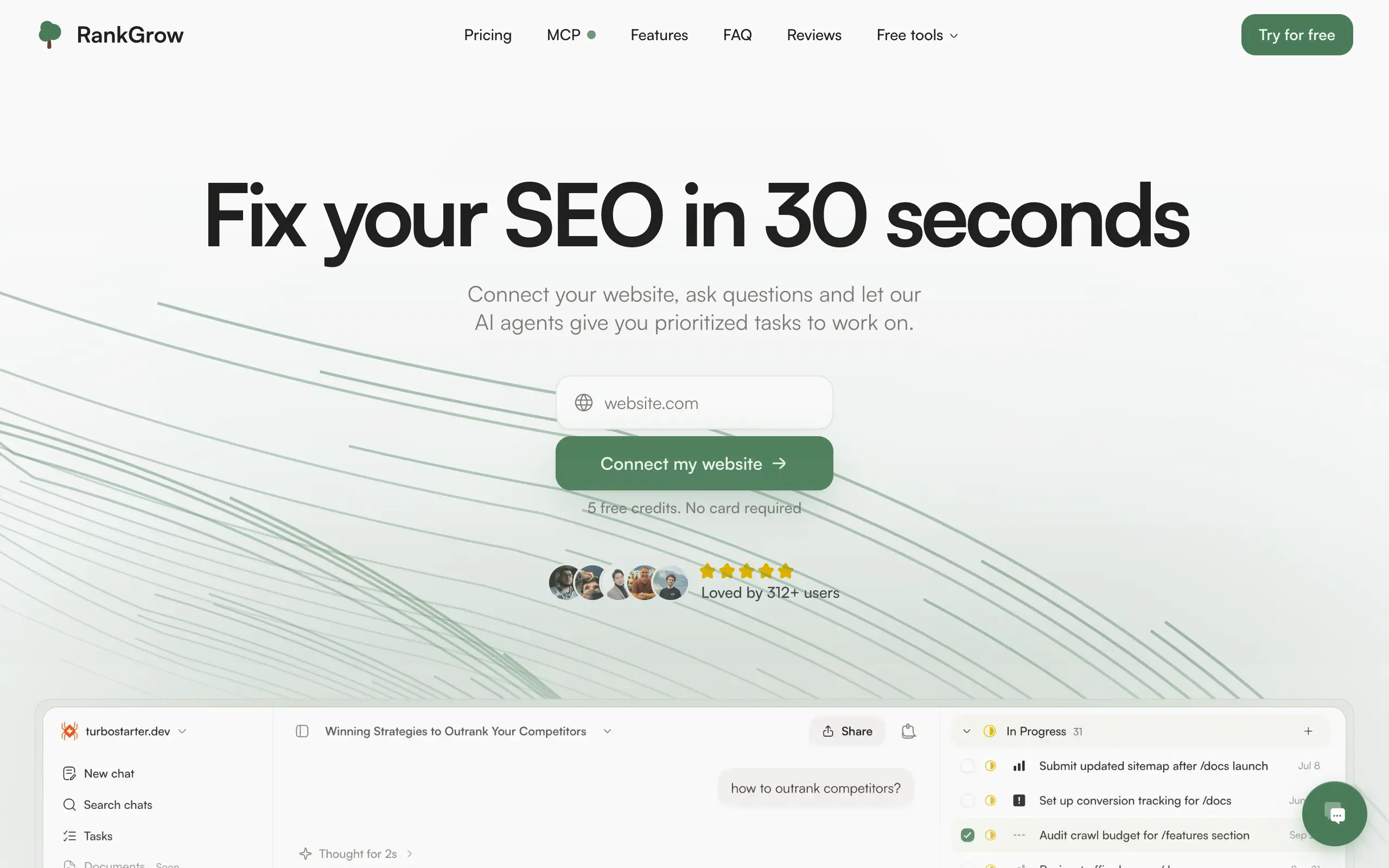
RankGrow
Fix your SEO with AI agents - connect Search Console, get prioritized tasks, and grow organic traffic 📈
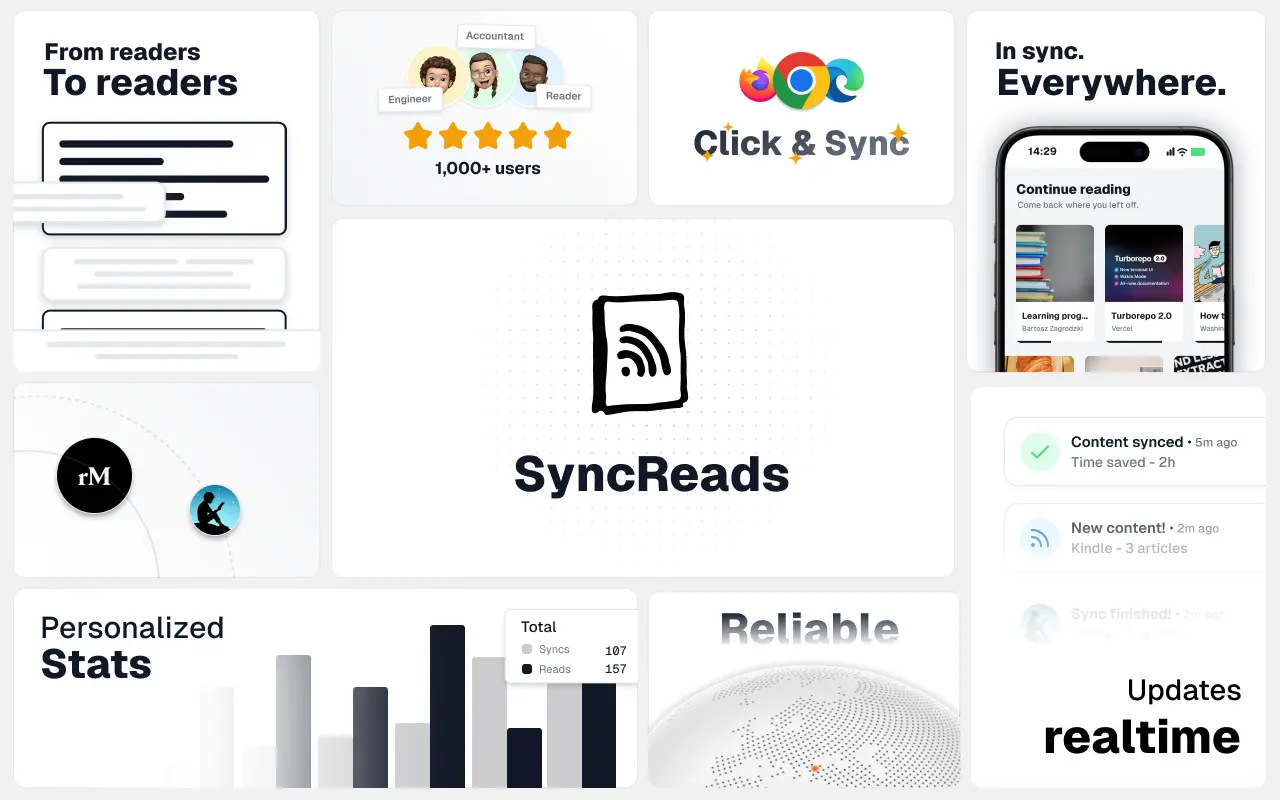
SyncReads
Sync your favorite content for distraction-free reading, save time and replace multiple apps. Anytime, anywhere 🔄
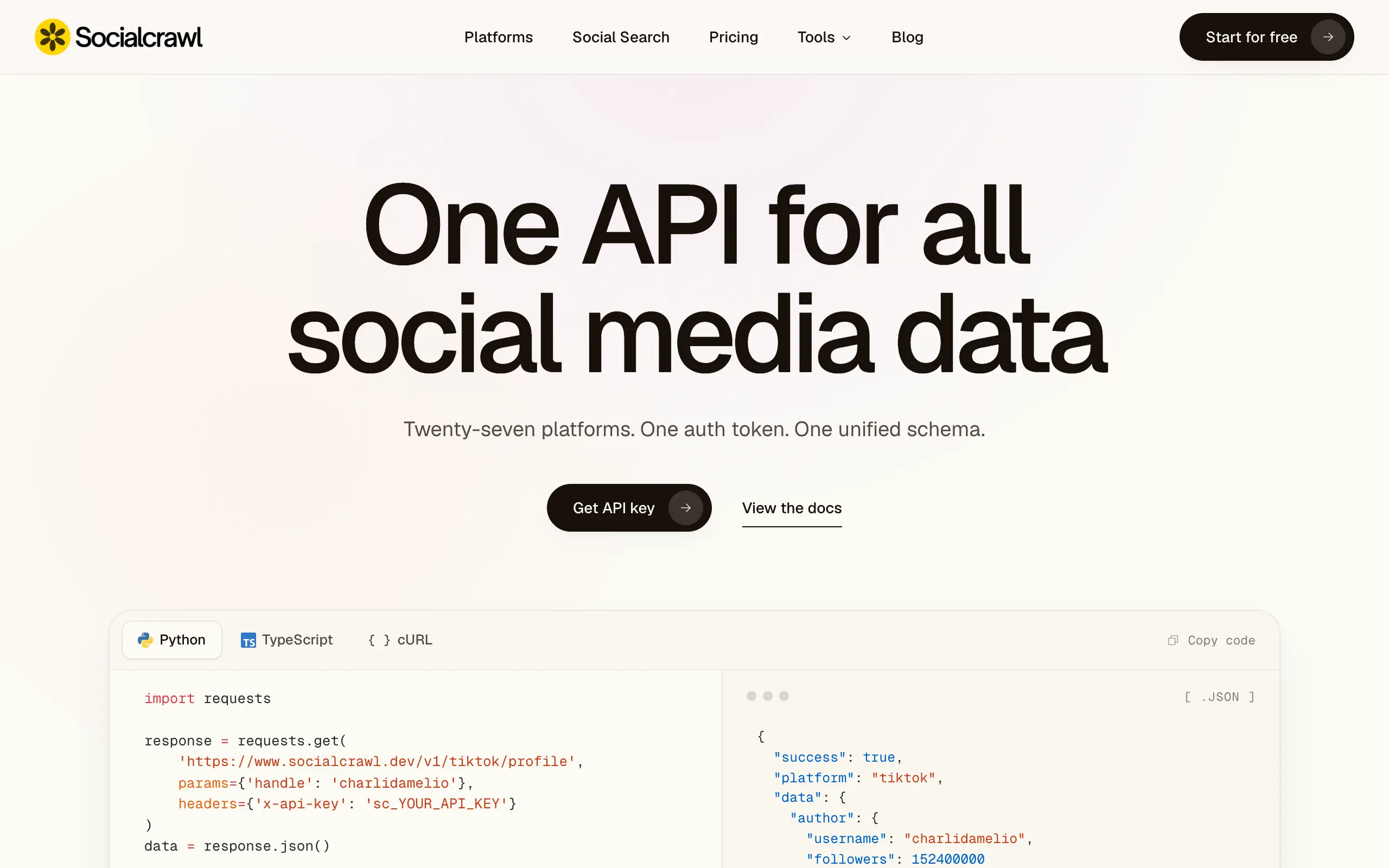
Socialcrawl
Get clean, structured data from 21 platforms like TikTok, Instagram, and YouTube with a single request 📊
Statiko
Monitor any Telegram channel in real time - track posts, edits, deletions, and growth with AI recaps 📡
Shibui
AI website builder - describe your business, pick a niche template, edit by chatting, and publish instantly ✨
Pro Service
Find verified home service professionals, compare quotes, and pay securely through escrow - built for Brazilians across the US 🏠
RankGrow
Fix your SEO with AI agents - connect Search Console, get prioritized tasks, and grow organic traffic 📈
SyncReads
Sync your favorite content for distraction-free reading, save time and replace multiple apps. Anytime, anywhere 🔄
Socialcrawl
Get clean, structured data from 21 platforms like TikTok, Instagram, and YouTube with a single request 📊
Statiko
Monitor any Telegram channel in real time - track posts, edits, deletions, and growth with AI recaps 📡
Shibui
AI website builder - describe your business, pick a niche template, edit by chatting, and publish instantly ✨
Pro Service
Find verified home service professionals, compare quotes, and pay securely through escrow - built for Brazilians across the US 🏠
RankGrow
Fix your SEO with AI agents - connect Search Console, get prioritized tasks, and grow organic traffic 📈
SyncReads
Sync your favorite content for distraction-free reading, save time and replace multiple apps. Anytime, anywhere 🔄
Socialcrawl
Get clean, structured data from 21 platforms like TikTok, Instagram, and YouTube with a single request 📊
Statiko
Monitor any Telegram channel in real time - track posts, edits, deletions, and growth with AI recaps 📡
Shibui
AI website builder - describe your business, pick a niche template, edit by chatting, and publish instantly ✨
Pro Service
Find verified home service professionals, compare quotes, and pay securely through escrow - built for Brazilians across the US 🏠
RankGrow
Fix your SEO with AI agents - connect Search Console, get prioritized tasks, and grow organic traffic 📈
SyncReads
Sync your favorite content for distraction-free reading, save time and replace multiple apps. Anytime, anywhere 🔄
Socialcrawl
Get clean, structured data from 21 platforms like TikTok, Instagram, and YouTube with a single request 📊
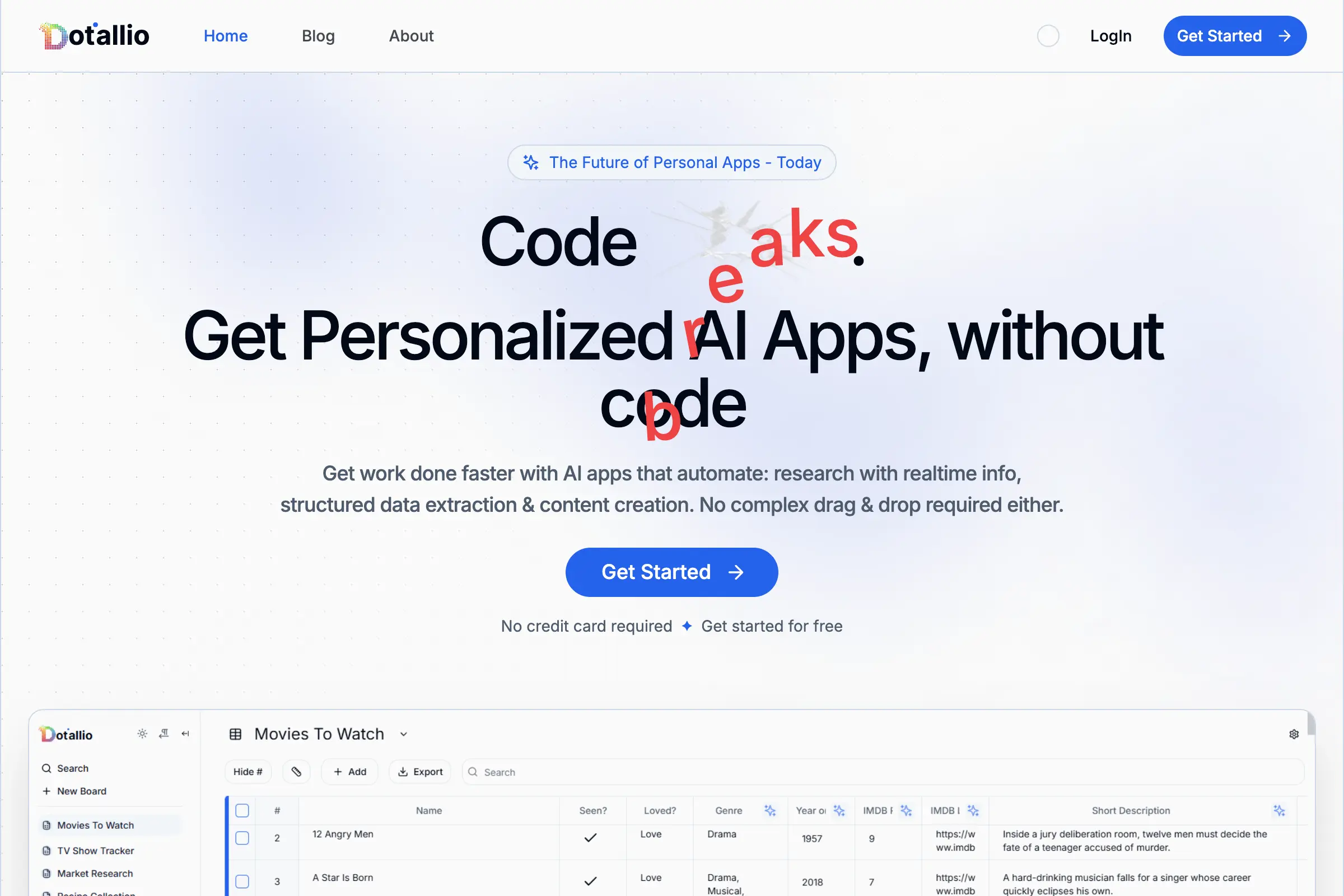
Dotallio
Personalized AI apps that automate research, data extraction, and content creation without code 🤖

Talk to Santa
Enjoy a magical live video chat or receive a unique AI-generated video greeting from Santa Claus 🎅
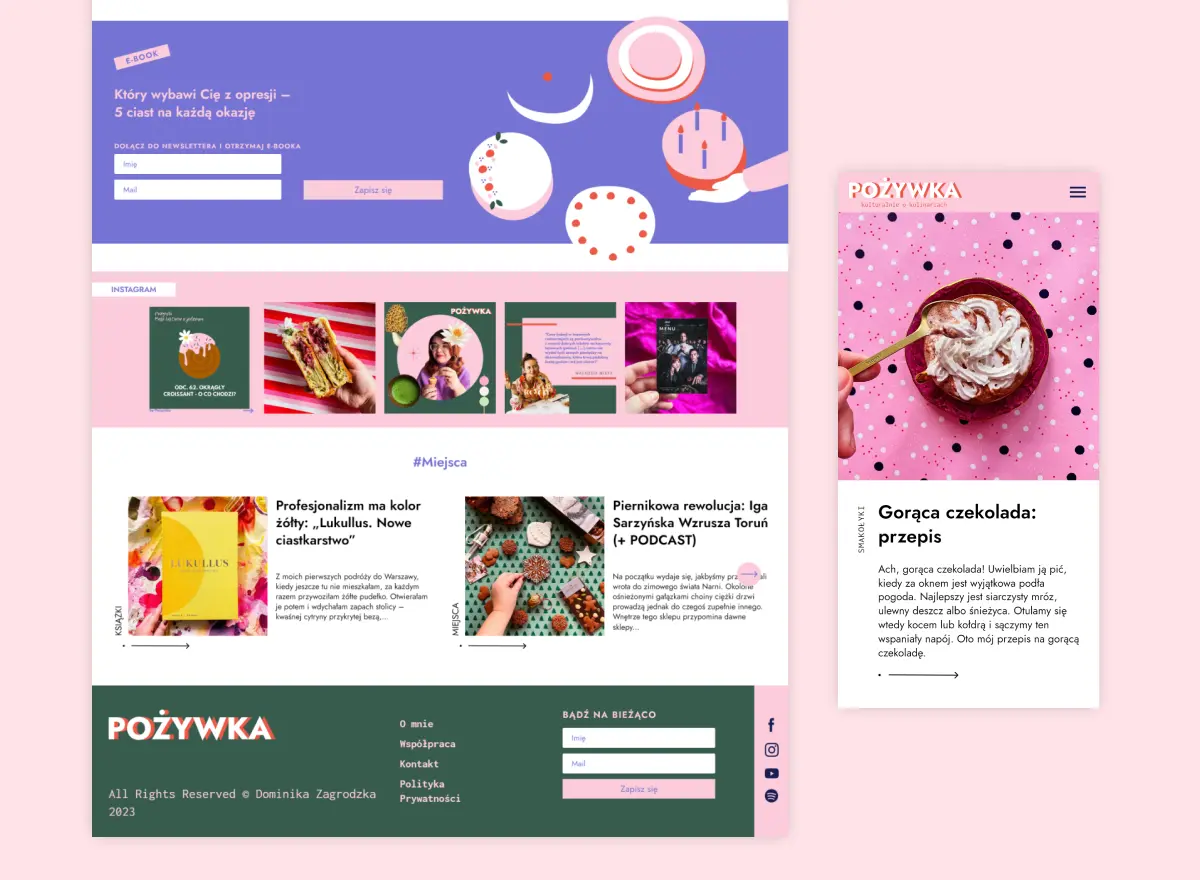
pozywka.pl
Scalable blog for food journalist, focused on performance and user experience 🌭
zagrodzki.me
Personal blog and portfolio of Bart Zagrodzki, where he shares his knowledge and work 💼
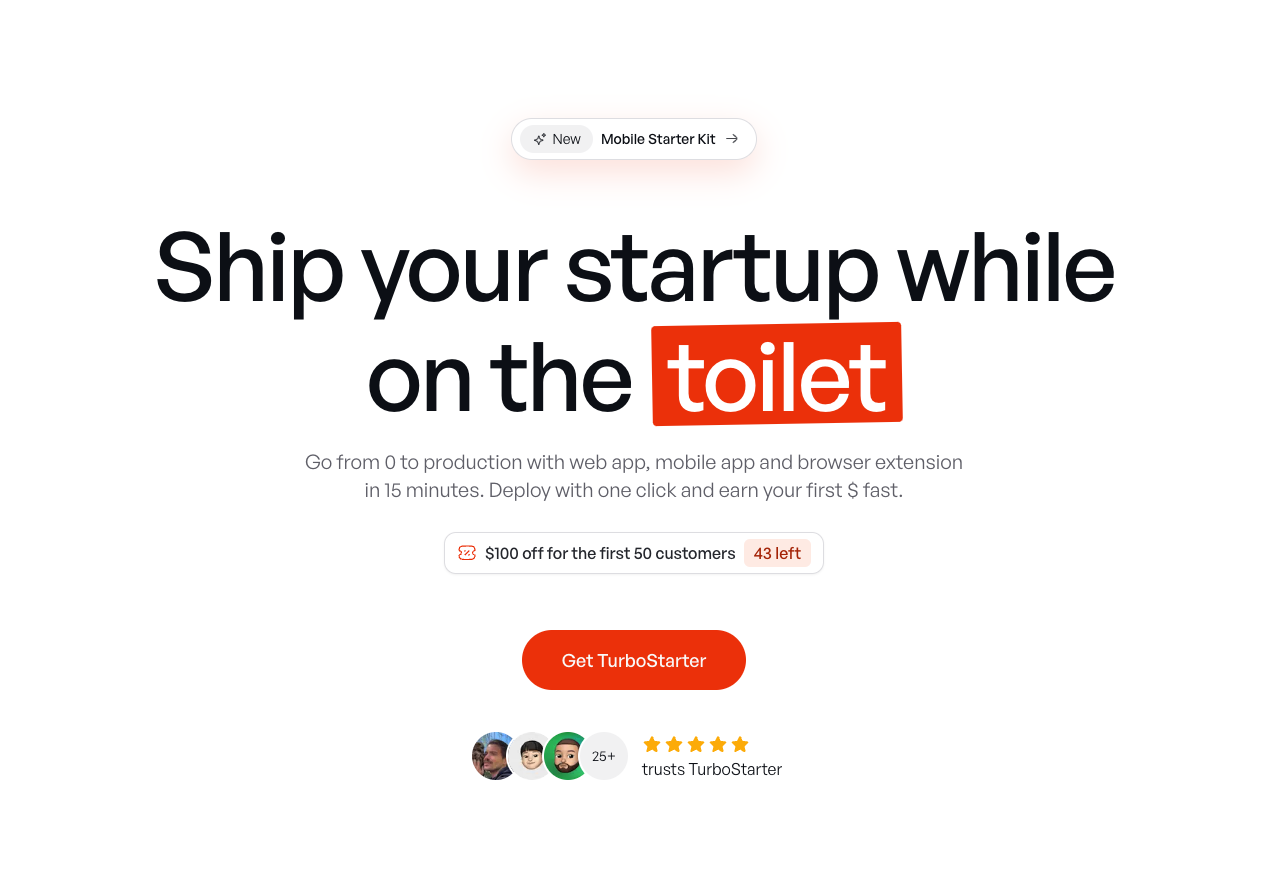
TurboStarter
Ship your startup everywhere. In minutes.
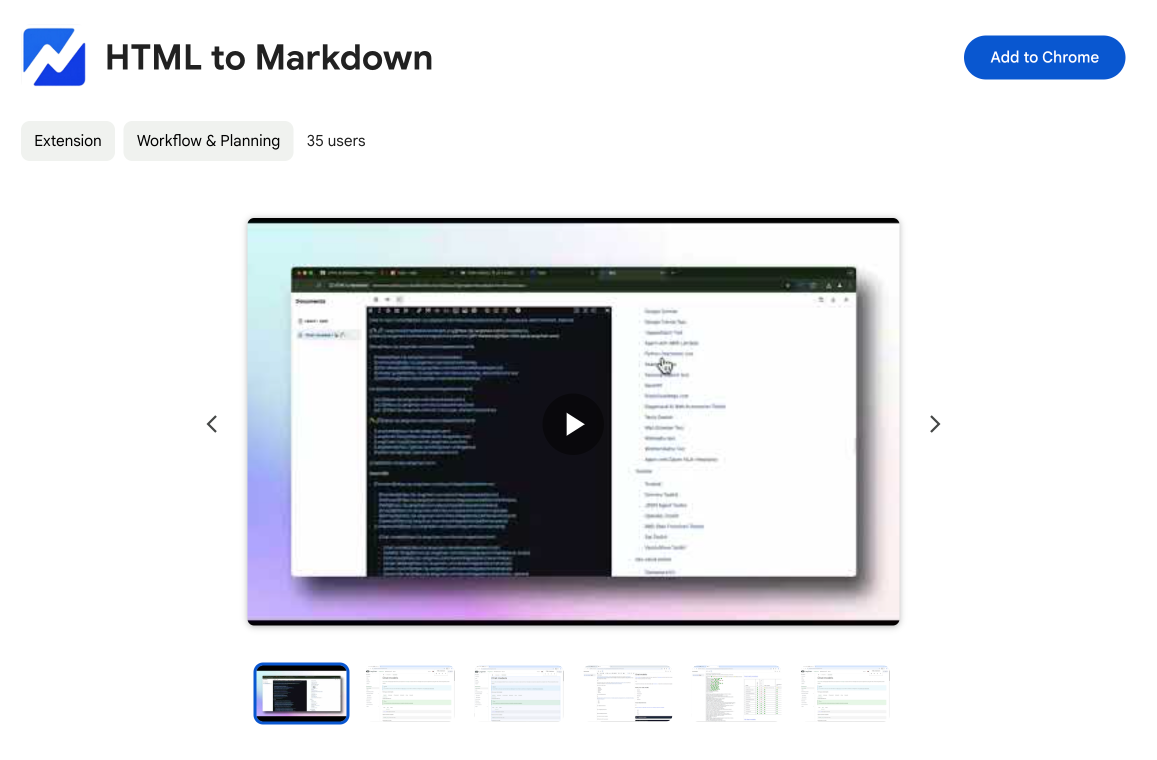
HTML to Markdown
Convert HTML to Markdown with ease, directly in your browser 📄
Dotallio
Personalized AI apps that automate research, data extraction, and content creation without code 🤖
Talk to Santa
Enjoy a magical live video chat or receive a unique AI-generated video greeting from Santa Claus 🎅
pozywka.pl
Scalable blog for food journalist, focused on performance and user experience 🌭
zagrodzki.me
Personal blog and portfolio of Bart Zagrodzki, where he shares his knowledge and work 💼
TurboStarter
Ship your startup everywhere. In minutes.
HTML to Markdown
Convert HTML to Markdown with ease, directly in your browser 📄
Dotallio
Personalized AI apps that automate research, data extraction, and content creation without code 🤖
Talk to Santa
Enjoy a magical live video chat or receive a unique AI-generated video greeting from Santa Claus 🎅
pozywka.pl
Scalable blog for food journalist, focused on performance and user experience 🌭
zagrodzki.me
Personal blog and portfolio of Bart Zagrodzki, where he shares his knowledge and work 💼
TurboStarter
Ship your startup everywhere. In minutes.
HTML to Markdown
Convert HTML to Markdown with ease, directly in your browser 📄
Dotallio
Personalized AI apps that automate research, data extraction, and content creation without code 🤖
Talk to Santa
Enjoy a magical live video chat or receive a unique AI-generated video greeting from Santa Claus 🎅
pozywka.pl
Scalable blog for food journalist, focused on performance and user experience 🌭
zagrodzki.me
Personal blog and portfolio of Bart Zagrodzki, where he shares his knowledge and work 💼
TurboStarter
Ship your startup everywhere. In minutes.
HTML to Markdown
Convert HTML to Markdown with ease, directly in your browser 📄
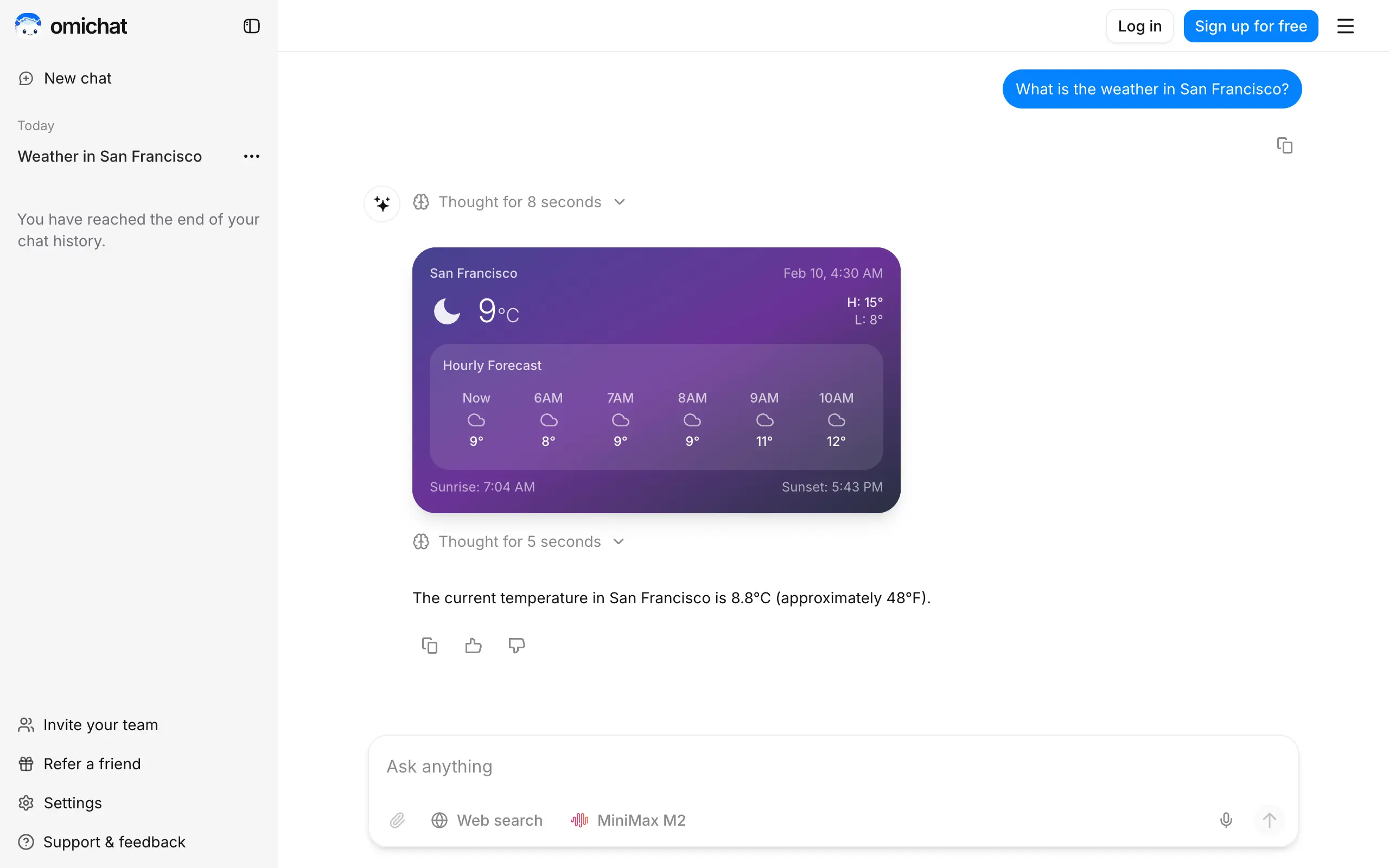
Omichat
Chat with 50+ AI models, including ChatGPT and Claude, in one place - switch models anytime without losing context 🤖
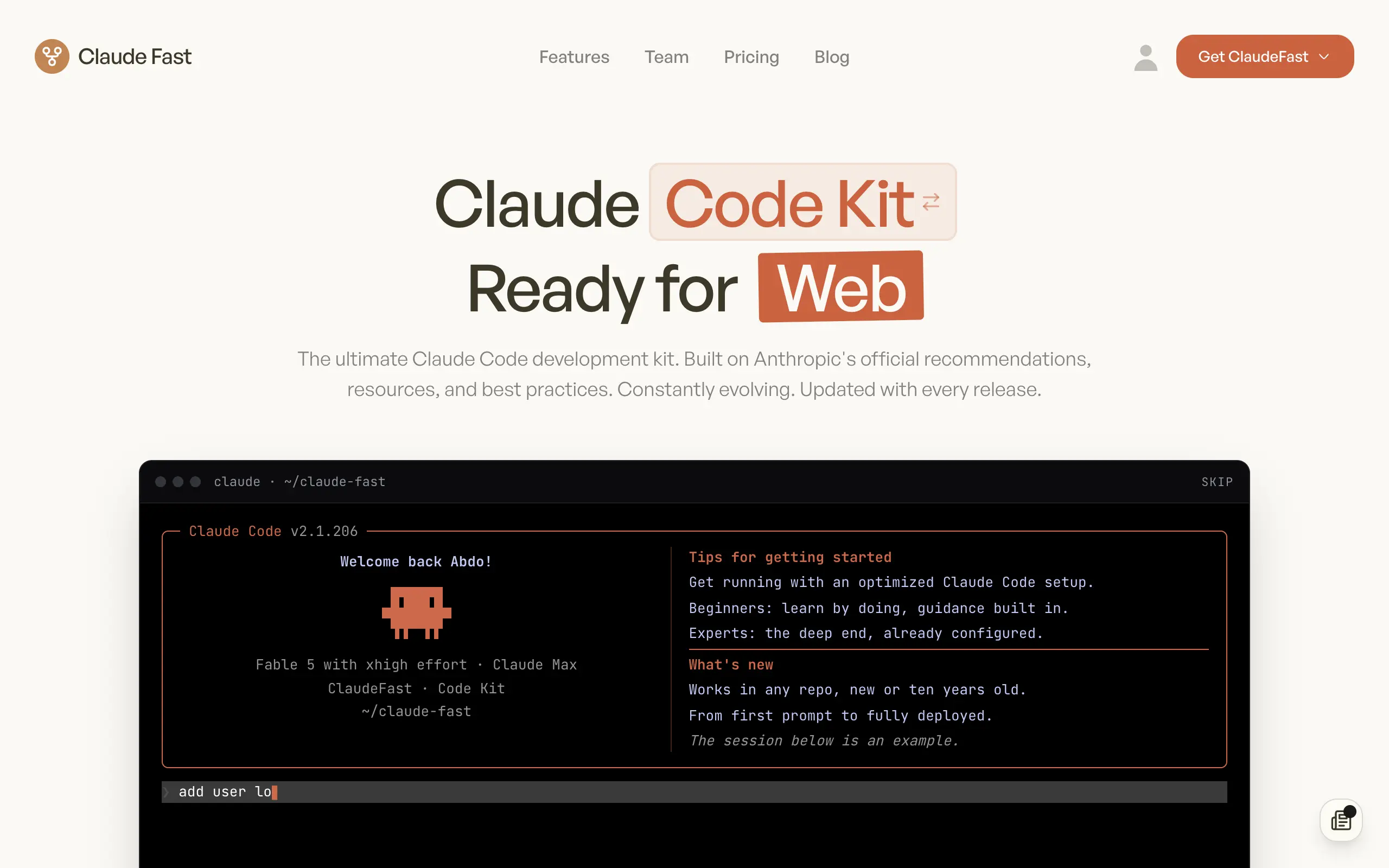
Claude Fast
Supercharge your Claude Code with 6x effective context window and specialized AI agents 🤖
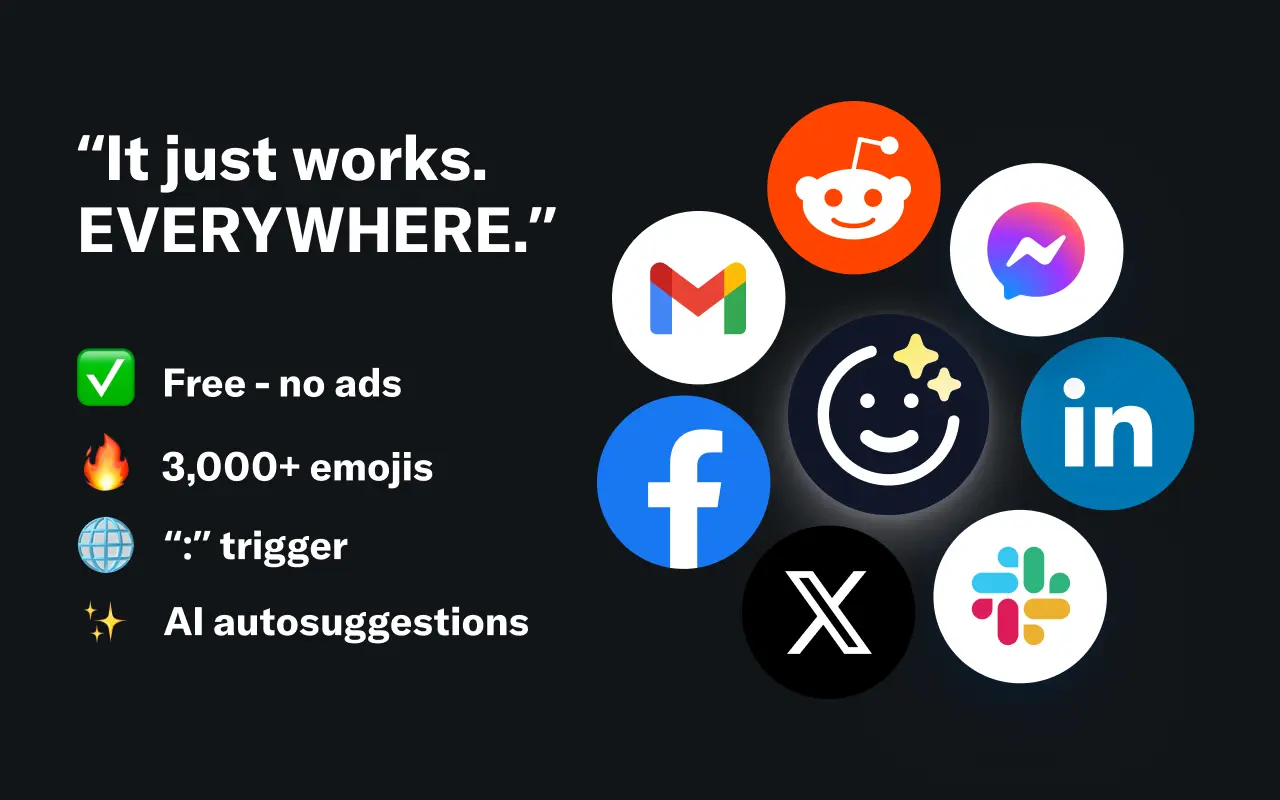
EmojAI
AI-powered emoji picker with smart, context-aware suggestions 🤖
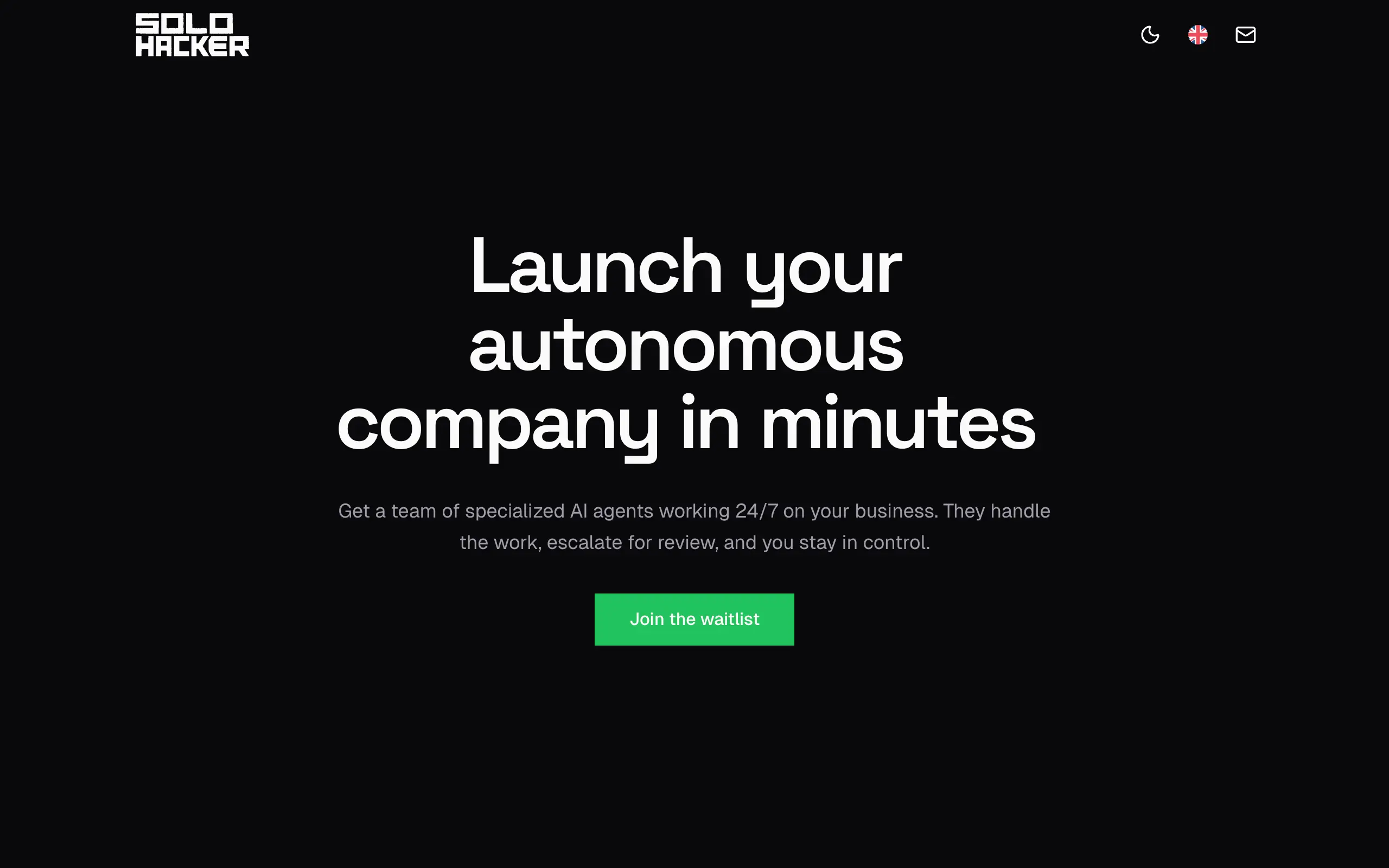
Solohacker
Autonomous company launcher - AI agents work 24/7, escalate what matters, and you stay in control 🤖

BeRawi: Storytelling Coach
Practice storytelling daily with instant feedback to sound clearer, more engaging, and confident 🎤
Omichat
Chat with 50+ AI models, including ChatGPT and Claude, in one place - switch models anytime without losing context 🤖
Claude Fast
Supercharge your Claude Code with 6x effective context window and specialized AI agents 🤖
EmojAI
AI-powered emoji picker with smart, context-aware suggestions 🤖
Solohacker
Autonomous company launcher - AI agents work 24/7, escalate what matters, and you stay in control 🤖
BeRawi: Storytelling Coach
Practice storytelling daily with instant feedback to sound clearer, more engaging, and confident 🎤
Omichat
Chat with 50+ AI models, including ChatGPT and Claude, in one place - switch models anytime without losing context 🤖
Claude Fast
Supercharge your Claude Code with 6x effective context window and specialized AI agents 🤖
EmojAI
AI-powered emoji picker with smart, context-aware suggestions 🤖
Solohacker
Autonomous company launcher - AI agents work 24/7, escalate what matters, and you stay in control 🤖
BeRawi: Storytelling Coach
Practice storytelling daily with instant feedback to sound clearer, more engaging, and confident 🎤
Omichat
Chat with 50+ AI models, including ChatGPT and Claude, in one place - switch models anytime without losing context 🤖
Claude Fast
Supercharge your Claude Code with 6x effective context window and specialized AI agents 🤖
EmojAI
AI-powered emoji picker with smart, context-aware suggestions 🤖
Solohacker
Autonomous company launcher - AI agents work 24/7, escalate what matters, and you stay in control 🤖
BeRawi: Storytelling Coach
Practice storytelling daily with instant feedback to sound clearer, more engaging, and confident 🎤

Connect with like-minded people
Join our community to get feedback, support, and grow together with 1,000+ builders on board, let's ship it!
Join usShip your startup everywhere. In minutes.
Don't burn tokens on setup and start building features on day one.