FlowPilot
Convert UI flows into secure APIs, database schemas, and serverless jobs, then generate contract tests and CI checks before replacing mock data.
What FlowPilot is and why it matters
FlowPilot is an AI-assisted developer platform that turns user interface flows into the backend building blocks needed to make an application work. Given a product flow, it can propose API endpoints, database schemas, and serverless jobs, then generate contract tests and continuous integration checks before a team replaces mock data with real services.
The idea addresses a familiar gap in software development: front-end teams can build convincing screens before the backend exists, but connecting those screens to secure, maintainable production services still takes significant engineering effort. The challenge is not simply generating code. It is understanding what the interface is asking the system to do, translating that behavior into dependable contracts, and helping developers verify the result.
That makes FlowPilot more than an AI code generator. Its strongest positioning is as a workflow-to-backend engineering tool: a product that helps teams move from a UI prototype to a tested, reviewable API without treating generated code as production-ready by default.
For developers exploring an AI UI flow to API generator, this distinction is important. A tool that produces a plausible endpoint can save a few minutes. A tool that captures intent, connects it to a data model, surfaces security decisions, and adds tests to CI can improve an entire development workflow.
The core product promise
FlowPilot should help developers move from “this screen needs data” to “this behavior has a documented API contract, an intentional data model, and tests that catch breaking changes.”
The problem FlowPilot can solve
Most application interfaces imply backend behavior. A sign-up form implies validation, account creation, and possibly email verification. A searchable dashboard implies query parameters, filtering rules, authorization, and pagination. A checkout flow implies pricing, inventory, payment state, and recovery from partial failure.
When that behavior is represented only in components, mock objects, design files, or developer assumptions, important details can be missed.
Mock data creates a misleading sense of progress
Mock data is useful. It helps teams explore layouts, test interactions, and show a prototype before backend work begins. The problem is that mock data can make incomplete assumptions look settled.
A screen may expect a user object with fields that the future database will not contain. A button may assume an operation completes instantly, even though the real process runs asynchronously. A filter may appear simple in the interface while requiring a carefully designed query and authorization rule behind the scenes.
Replacing a mock with a live service often reveals these gaps late, when they are more expensive to resolve.
Frontend and backend contracts drift
If frontend developers and backend developers work from separate assumptions, the client may expect one response shape while the service returns another. Teams can catch some mismatches through code review, but that depends on people noticing the difference across repositories, tickets, and conversations.
A clear API contract reduces this ambiguity. It gives the client and server a shared description of operations, inputs, outputs, errors, and compatibility expectations.
Backend implementation involves more than endpoints
Generating a route is only one part of a useful backend implementation. Developers also need to consider:
- Which users are allowed to perform the operation
- How input is validated
- What data must be stored
- Whether the operation needs a background job
- How failures are represented
- How client and server versions remain compatible
- How sensitive information is protected
- How the implementation is tested and deployed
FlowPilot can create value by keeping these decisions visible as part of the same workflow instead of presenting code generation as the finish line.
Who FlowPilot should serve first
FlowPilot could eventually support a wide range of teams, but a focused initial audience will make the product easier to build, sell, and validate.
Small product teams building SaaS applications
Small teams often need to move quickly without having a dedicated platform engineering group. They may have one or two full-stack developers, a product designer, and a growing list of features that need real backend support.
For these teams, FlowPilot can help turn a defined user journey into a first implementation plan: operations, data entities, validation requirements, and tests. It should accelerate developers, not remove their ability to inspect and modify the result.
Frontend engineers working with mock data
Frontend developers are a particularly strong early audience because the product connects directly to a workflow they already understand. They can start with screens, interaction states, or existing components and use FlowPilot to identify the services those screens need.
This audience may value:
- A visual map from UI action to API operation
- Generated request and response types
- Mock-to-real migration guidance
- Local contract testing
- Clear handoff artifacts for backend teammates
Agencies and product studios
Agencies repeatedly move from client prototypes to working applications. Their projects may share patterns, but each client still has unique workflows, data models, and security requirements.
FlowPilot could help an agency produce a consistent discovery and implementation process. It may also make it easier to show clients what is still assumed, what is generated, and what requires approval before a production build begins.
Technical founders validating an MVP
Technical founders often need to decide how much backend infrastructure an early product actually requires. FlowPilot can help them define a minimum viable backend without confusing a generated draft with a complete architecture.
The value here is not “build a production system without engineers.” It is “help a small engineering team make better use of limited time and reduce avoidable contract and integration mistakes.”
A practical first customer profile
An effective initial customer profile might be:
- A team of two to fifteen developers
- Building a web-based SaaS product
- Using a modern component-based frontend
- Currently relying on mock data or loosely documented APIs
- Shipping features frequently
- Comfortable reviewing generated code
- Willing to provide feedback on its existing development workflow
Starting with one framework and one API style can make the first experience much more reliable than attempting to support every frontend, database, and serverless provider at launch.
Market opportunity and the product gap
Interest in AI developer tools has made code generation more familiar, but FlowPilot should avoid competing on the broad promise of “AI writes code.” That space is difficult to differentiate, and generated code is only useful when it fits the application’s architecture and is safe to maintain.
The more specific opportunity is at the boundary between frontend intent and backend implementation.
Where common approaches fall short
Teams can already connect frontend and backend work through several approaches:
- Write an API specification by hand
- Create a backend-first service and adapt the UI to it
- Generate a client from an existing API schema
- Ask a general-purpose coding assistant to create routes or data models
- Keep mock data in the frontend until a developer replaces it
- Use a low-code platform to create application behavior
Each approach can work well in the right setting. The gap FlowPilot can target is the workflow that begins with an existing UI or user journey and ends with a reviewable, testable backend contract.
API schema generators, for example, usually become most valuable after someone has already defined the schema. General coding assistants can produce code, but they may not maintain a durable relationship between a user action, an API operation, its data requirements, and the tests that protect it. Low-code tools may speed up implementation but can be less suitable for teams that need ownership of their code and infrastructure.
The best wedge is traceability
A strong product opportunity is not merely to generate artifacts. It is to maintain traceability across them.
For every important user action, FlowPilot could show:
- The UI event or flow step
- The API operation that supports it
- The data entities and permissions involved
- The generated or linked implementation
- The contract tests that verify the behavior
- The CI check that detects a mismatch
This traceability is a clearer product advantage than a claim that FlowPilot can write backend code faster. It helps developers understand what the generated code is supposed to do and what could break when the interface changes.
Why timing is favorable, with appropriate caution
AI-assisted development is expanding the amount of code teams can draft quickly. That increases the importance of review, verification, and integration discipline. The more code a team can generate, the more valuable it becomes to understand its contracts and test its behavior.
This is a reasoned product thesis, not a claim that AI automatically improves software quality. FlowPilot should validate it through customer interviews and product usage. If users only want code snippets, the product may need to narrow its scope. If they repeatedly use it to keep UI flows, APIs, and tests aligned, the broader workflow platform becomes more defensible.
For market research, founders should cite current, reputable sources rather than rely on unsourced market-size figures. Useful references could include recent developer surveys, cloud-provider reports, and published research on AI-assisted software development. Statistics should include the report title, publication year, methodology, and the population surveyed.
Core FlowPilot features
A compelling first version should focus on a complete, narrow workflow instead of a large menu of partially supported generators.
1. UI flow and action extraction
FlowPilot needs a way to understand what the interface does. Inputs could include a route, a selected set of components, a user story, a design artifact, or a manually described flow.
The system should identify meaningful actions such as:
- Creating an account
- Updating a profile
- Searching a record list
- Submitting a payment request
- Approving an item
- Uploading a document
It should also ask for clarification when the flow is ambiguous. A screen alone may not reveal whether a user can edit another user’s records, whether a search is public, or whether a submission requires human approval.
A practical product should make the source of each interpretation visible. Developers should be able to inspect the relevant UI elements or written requirements that led FlowPilot to propose an operation.
2. API contract generation
For each action, FlowPilot could propose:
- An HTTP method and route
- Request parameters and body
- Response shape
- Error cases
- Authentication requirements
- Pagination and filtering behavior
- An API schema that can be reviewed and versioned
An OpenAPI document can provide a standard, inspectable representation of HTTP APIs. Developers can read the OpenAPI Specification and decide whether that format fits their stack and integration needs.
The generated contract should be treated as a draft. FlowPilot should flag unresolved choices instead of silently inventing them. For example, it might ask whether a list endpoint should return all matching records or use cursor-based pagination.
3. Database schema proposals
FlowPilot can map the data needs of a flow into proposed entities, fields, relationships, and constraints. For instance, a project-management screen might require projects, memberships, tasks, and activity records.
A useful schema generator should explain why it created a field or relationship. It should also help developers identify:
- Required versus optional values
- Unique constraints
- Referential integrity
- Data retention requirements
- Sensitive fields
- Indexing needs
- Migration implications
The key product decision is whether FlowPilot should generate a specific database schema directly or first create a database-neutral model. A database-neutral model can support more backends but may leave developers with extra implementation work. Direct generation can be more useful but narrows the supported stack and raises the cost of maintaining compatibility.
4. Serverless job recommendations
Some user actions should not complete inside a synchronous request. Sending a notification, processing an uploaded file, generating a report, or synchronizing external data may require background execution.
FlowPilot can detect possible asynchronous work and suggest a job, queue, or event-based design. It should explain why a job is appropriate, how retries work, and what status the UI needs to display.
This feature can help FlowPilot stand apart from tools that generate only CRUD endpoints. But the first version should avoid building a general-purpose distributed workflow platform. A narrow set of clearly supported job patterns is more realistic.
5. Contract tests and CI checks
Contract tests are central to the product’s promise. FlowPilot should generate tests that verify the API behavior described by the contract and help teams detect breaking changes before deployment.
Useful checks may cover:
- Request validation
- Response shape
- Required authentication
- Expected error responses
- Compatibility between generated client and server types
- Changes that remove or rename contract fields
CI checks should report actionable differences, not merely fail with a generic error. A developer needs to know what changed, which UI flow depends on it, and what options are available to resolve the mismatch.
6. Safe mock-data replacement
FlowPilot’s defining workflow is to help developers replace mock data with real services. It can make this transition less disruptive by identifying the frontend’s current data assumptions and comparing them with the proposed contract.
A migration view might show:
- Which mock objects map to backend entities
- Which fields have no equivalent in the API
- Which UI states need loading and error handling
- Which components need updated types
- Which behaviors remain unsupported
This should be a guided migration, not a one-click promise that every mock can become a production API.
7. Human review and change management
Generated artifacts should be editable, diffable, and easy to review. FlowPilot should fit into established version control practices rather than create a separate, opaque source of truth.
Good implementation patterns include:
- Generating ordinary code and schema files
- Showing diffs before writing changes
- Recording assumptions and unresolved questions
- Supporting code review through pull requests
- Keeping generated files understandable
- Allowing teams to accept, reject, or modify individual suggestions
A recommended first-version workflow
FlowPilot’s MVP should demonstrate one complete path from UI behavior to verification.
- Select a page or describe a user flow.
- Identify the actions and data shown by the interface.
- Review the proposed API operations and unresolved questions.
- Approve a small database model and authentication assumptions.
- Generate a contract and implementation scaffolding for one supported stack.
- Create contract tests that run locally and in CI.
- Compare the generated response shape with the frontend’s mock data.
- Apply the changes through a reviewable diff.
The product should measure whether users complete this workflow, how often they edit the generated output, where they abandon the process, and whether tests catch real mismatches. Those signals are more useful in early product validation than raw counts of generated files.
Recommended technology stack
FlowPilot itself must handle user projects safely while generating code for a defined set of target environments. Its own architecture should support reliable job processing, clear audit trails, and extensible provider integrations.
Frontend and application layer
A web application built with React and TypeScript would be a reasonable choice for a developer-facing product. TypeScript can help keep the FlowPilot interface and internal data structures explicit, especially when representing generated schemas, API operations, and validation results.
For routing and server-rendered application features, Next.js is one option. The trade-off is that a framework with more conventions can simplify common application work while also requiring the team to understand its routing, rendering, and deployment model. A simpler React application may be preferable if FlowPilot’s product is primarily a dashboard and its backend is already separate.
API description and validation
An OpenAPI-based workflow provides a common format for HTTP API definitions. FlowPilot can generate an OpenAPI document, validate it, and use it to create client types or contract tests.
The product should avoid treating OpenAPI as a universal representation of every possible backend. It is most appropriate when the target is an HTTP API. If FlowPilot later supports event-driven services or non-HTTP interfaces, it may need additional contract formats.
Database and persistence
A relational database such as PostgreSQL is a strong starting point for FlowPilot’s own application data, including workspaces, projects, generated artifacts, and audit events. The trade-off is that the team must design migrations and access patterns carefully as the product grows.
For customer-facing generated schemas, avoid forcing one database choice into every project. Instead, begin with one well-supported target and make the limits explicit. Supporting several databases too early can multiply the testing burden across schema syntax, migrations, type generation, and deployment behavior.
AI orchestration
Treat model output as untrusted input. FlowPilot should validate it against strict schemas before using it to write files, generate commands, or create application changes.
A robust orchestration flow could:
- Provide only the project context needed for a task
- Separate extraction, planning, and code-generation stages
- Require structured output
- Validate proposed artifacts programmatically
- Run static checks and tests in an isolated environment
- Require developer approval before applying consequential changes
The selected model should be evaluated on task-specific benchmarks, including consistency, schema accuracy, clarification behavior, and cost. Model capability alone is not a substitute for deterministic validation.
Sandboxed execution and integrations
If FlowPilot runs customer code or tests, it should use isolated execution environments with limited permissions and resource controls. Do not run arbitrary generated commands directly on the main application server.
Repository integrations should follow the principle of least privilege. A user should understand what access FlowPilot requests, what files it can read or change, and how to revoke access. This is especially important if the product can create branches or open pull requests.
Example generated contract
A generated API definition should be readable and reviewable. A simplified example might look like this:
openapi: 3.1.0
info:
  title: Project API
  version: 1.0.0
paths:
  /projects:
    get:
      operationId: listProjects
      summary: List projects visible to the current user
      responses:
        "200":
          description: Projects returned successfully
    post:
      operationId: createProject
      summary: Create a project for the current user
      responses:
        "201":
          description: Project created successfully
A real implementation would need request and response schemas, security definitions, error responses, and pagination details. The example illustrates the artifact FlowPilot might produce; it is not a complete production contract.
Competitive advantage and positioning
FlowPilot will be compared with code assistants, API design tools, backend frameworks, and low-code platforms. Its positioning should be specific enough that potential users understand when to choose it.
| Product category | Typical strength | Common limitation FlowPilot can address |
|---|---|---|
| General AI coding assistants | Flexible code generation across many tasks | Generated work may not preserve traceability from UI behavior to contract tests |
| API design and schema tools | Clear API definition and collaboration | Often assume the API contract is already known |
| Backend frameworks and scaffolding | Reliable conventions and implementation patterns | Usually require developers to translate the UI flow into backend requirements |
| Mock-data libraries | Fast frontend prototyping | Do not inherently guide the transition to real APIs and CI validation |
| Low-code platforms | Rapid application assembly | May not fit teams that want full code ownership and custom architecture |
FlowPilot’s potential USP
A strong unique selling proposition could be:
FlowPilot turns UI behavior into reviewable backend contracts and tests, helping teams replace mock data without losing track of the assumptions behind the implementation.
This combines four benefits:
- UI-aware generation rather than code generation from a blank prompt
- Connected artifacts linking flows, APIs, schemas, and tests
- Verification before adoption through contract checks and CI integration
- Developer ownership through editable, reviewable output
These advantages only matter if they are delivered consistently. FlowPilot should not claim that generated services are secure by default or that contract tests prove an application is correct. Its advantage is helping teams discover, document, and validate important integration decisions earlier.
Monetization strategy
FlowPilot can use a pricing model that reflects the value of shared workflows and team collaboration, rather than charging solely for the number of code completions.
Freemium for individual developers
A free tier can help developers test the flow on a small project. It might include limited generated workflows, local exports, and basic contract tests.
This works best if the free experience demonstrates a real outcome. If users can only generate a small snippet but cannot see the mock-to-real workflow, they may not understand the product’s differentiation.
Per-seat subscriptions for teams
A team plan can charge per developer or workspace and include:
- Shared project context
- Collaborative review
- Repository integrations
- Team templates
- CI checks
- Access controls and audit history
- Higher usage limits
Per-seat pricing is familiar to SaaS buyers, but it should not penalize teams for inviting reviewers who only need occasional access. A workspace-based plan with role-based access may be easier for some customer segments.
Usage-based AI credits
Usage-based pricing can help align model costs with consumption. However, a pure credit model may be difficult for customers to predict.
If FlowPilot uses credits, explain what consumes them and show estimated costs before a large generation task. Consider including a predictable baseline in paid plans, with additional usage billed separately.
Enterprise pricing
Larger organizations may pay for deployment controls, SSO, audit logs, private model options, advanced access policies, and support commitments. Enterprise features should be built in response to actual security and procurement needs, not as a substitute for product-market fit.
Agency and platform partnerships
Agencies may value reusable project templates and multiple client workspaces. Platform vendors may also be useful integration partners if FlowPilot complements their developer workflows. Partnerships should follow evidence that users want the integration rather than driving the roadmap too early.
Risks and mitigation
Generated code may be incorrect
AI-generated code can contain flawed assumptions, incomplete validation, or implementation errors.
Mitigation: Generate constrained artifacts, validate outputs against schemas, run tests and static checks, and clearly label proposed code as review-required. Track correction rates and common failure patterns by artifact type.
Security decisions may be oversimplified
A generated route can look complete while lacking authorization checks or exposing data to the wrong users. Security cannot be inferred reliably from a UI alone.
Mitigation: Make authentication and authorization explicit review steps. Include security-focused tests where possible. Use established security guidance such as the OWASP API Security Top 10 as a reference for threat modeling, while avoiding claims that a checklist guarantees security.
Integrations may become too broad
Supporting many frameworks, databases, model providers, CI systems, and repository hosts increases maintenance costs.
Mitigation: Start with a narrow, well-tested stack. Expand based on repeated customer demand and the team’s ability to maintain integration quality.
Users may resist generated changes
Developers are unlikely to trust a tool that makes large, opaque edits to an existing repository.
Mitigation: Provide previews, small diffs, explanations, rollback paths, and pull-request-based workflows. Let users choose which files FlowPilot can modify.
Generated tests may create false confidence
Passing contract tests does not prove that the product is secure, performant, accessible, or correct for every user journey.
Mitigation: Explain what each test covers and what it does not. Encourage integration, security, and end-to-end testing as complementary practices.
Customer code is sensitive
Repositories may include proprietary code, personal data, credentials, or internal architecture details.
Mitigation: Minimize data collection, avoid storing secrets, encrypt sensitive data in transit and at rest, define retention policies, and communicate clearly how model providers process customer content. Offer appropriate controls for enterprise customers and document subprocessors and data handling practices transparently.
AI costs can erode margins
Long code-generation sessions and repeated context processing can become expensive.
Mitigation: Use smaller, task-specific model calls where appropriate, cache stable context safely, limit unnecessary repository ingestion, and monitor cost per successfully completed workflow rather than cost per request alone.
Actionable implementation steps
Phase 1: Validate the workflow
Interview frontend developers, full-stack developers, agency teams, and technical founders. Ask them to show how they currently move from mock data to production APIs. Focus on recent projects, specific delays, integration bugs, and tools they already use.
Avoid asking only whether they “like the idea.” Look for evidence such as a recurring workflow, an existing budget, or a problem that has caused schedule changes.
Phase 2: Choose a narrow customer and stack
Select one initial customer profile and one supported development setup. For example, FlowPilot might focus on web SaaS teams using TypeScript, a React-based frontend, and HTTP APIs.
Write down what the MVP will not support. Clear limits reduce implementation risk and make product claims easier to trust.
Phase 3: Build the smallest end-to-end prototype
The first prototype should accept a simple UI flow or route description, produce a proposed API contract, identify data entities, and generate a test. It should not attempt to generate every part of a complete production backend.
Use a small number of representative workflows, such as creating a record, listing records with filtering, and updating an owned record. These expose important questions around validation, authorization, and response shape.
Phase 4: Add review and validation before automation
Before enabling repository writes, build the preview and validation experience. Show assumptions, schema errors, test results, and file diffs. Developers should be able to reject an individual generated artifact without discarding the entire workflow.
Phase 5: Pilot with design partners
Work with a small group of teams on real projects. Observe where they edit or ignore the output. Record completion rates, time to first successful contract test, and the number of integration mismatches caught before deployment.
Ask participants whether they would continue using FlowPilot after the pilot and what would need to be true for them to pay. Separate enthusiasm for AI from evidence that the workflow solves a persistent problem.
Phase 6: Strengthen reliability and security
Add structured output validation, safe execution, permission controls, auditability, and documented data handling. Review the system for prompt injection risks if it reads untrusted repository content, and avoid allowing repository text to override tool permissions or safety boundaries.
Phase 7: Expand only when the core loop works
Once customers reliably complete the initial workflow, consider adding more framework adapters, database targets, serverless providers, and collaboration features. Prioritize additions that improve the end-to-end journey rather than increasing the number of generator options.
The bottom line
FlowPilot has a credible opportunity if it focuses on the gap between user interface behavior and dependable backend contracts. The product should not promise that AI can build a secure production backend from a screen. Instead, it should help development teams make backend requirements explicit, generate useful starting artifacts, and verify important assumptions before replacing mock data.
Its most defensible advantage is traceability: connecting each meaningful UI action to an API operation, data model, implementation, and test. A focused MVP that proves this loop for one common stack is more likely to earn developer trust than a broad platform that generates many kinds of code without dependable validation.
For teams planning a SaaS product around this workflow, TurboStarter can be a useful starting point for accelerating the surrounding product foundation, while FlowPilot concentrates on its specialized UI-to-backend experience.
More 🤖 AI Startup SaaS ideas
Discover more innovative ai startup SaaS ideas that are trending in 2026. Each idea is AI-generated with market validation and growth potential to help you find your next profitable venture faster than competitors.
Your competitors are building with TurboStarter
Below are some of the SaaS ideas that have been generated and built with our starter kit.
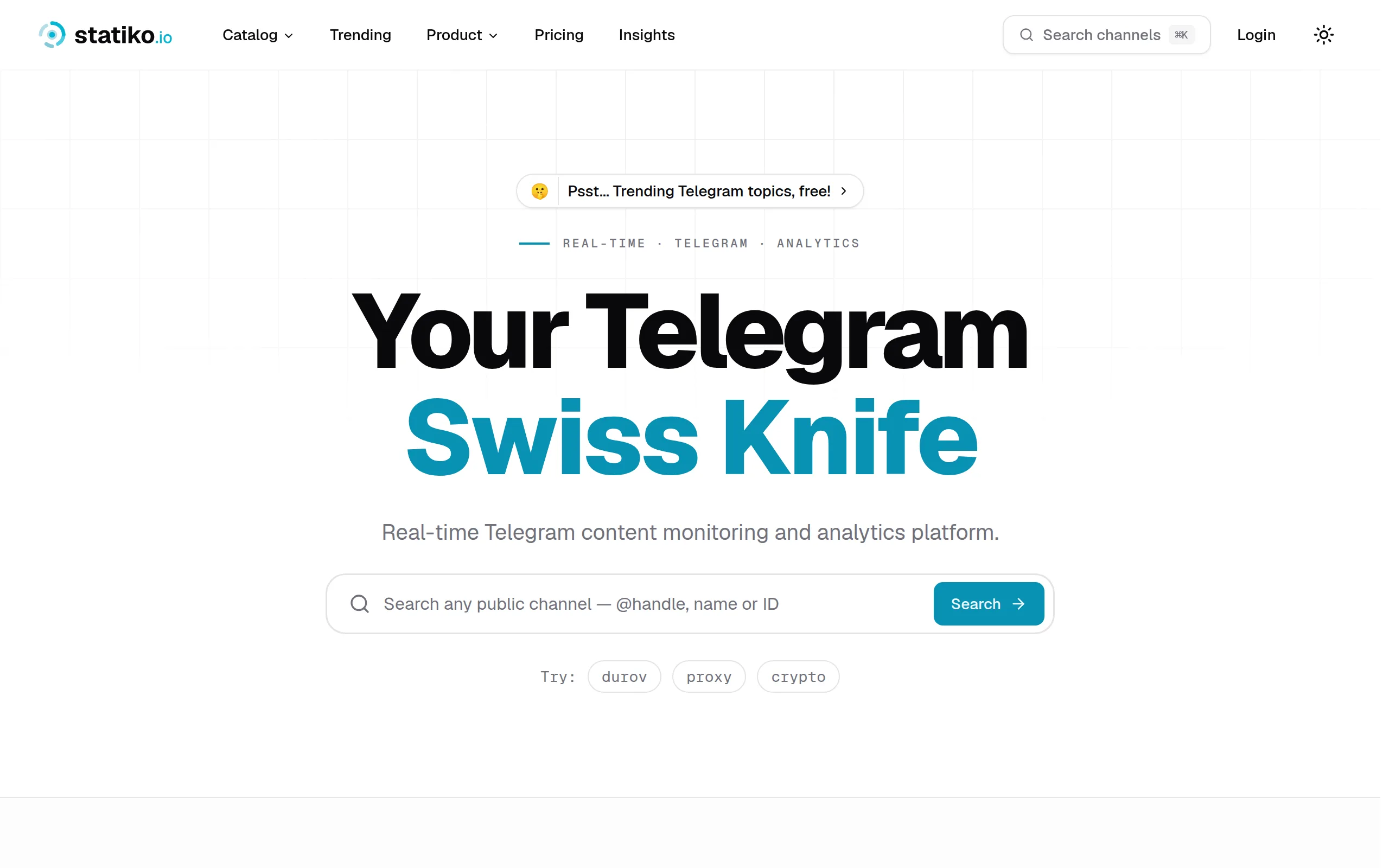
Statiko
Monitor any Telegram channel in real time - track posts, edits, deletions, and growth with AI recaps 📡

Shibui
AI website builder - describe your business, pick a niche template, edit by chatting, and publish instantly ✨

Pro Service
Find verified home service professionals, compare quotes, and pay securely through escrow - built for Brazilians across the US 🏠
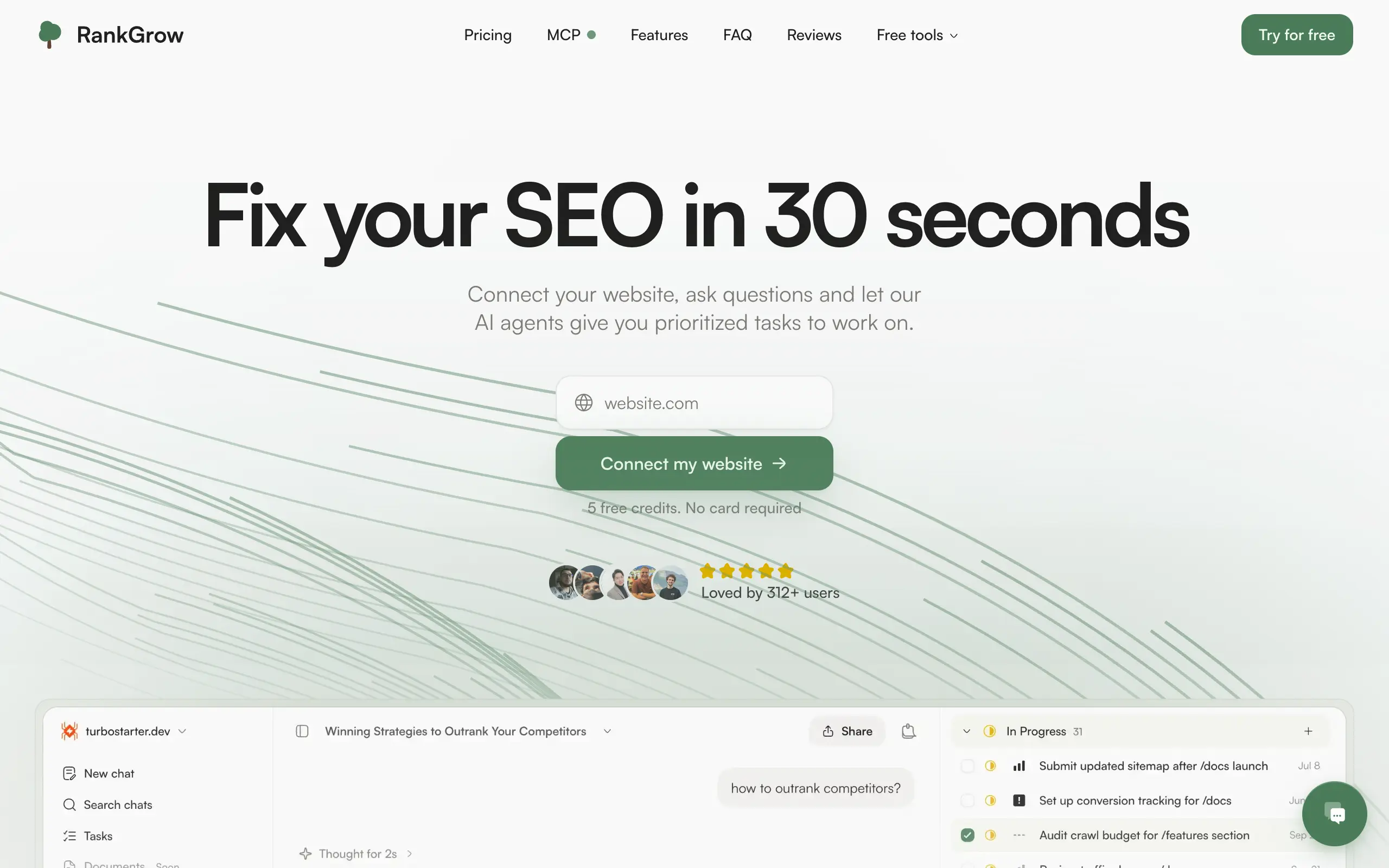
RankGrow
Fix your SEO with AI agents - connect Search Console, get prioritized tasks, and grow organic traffic 📈
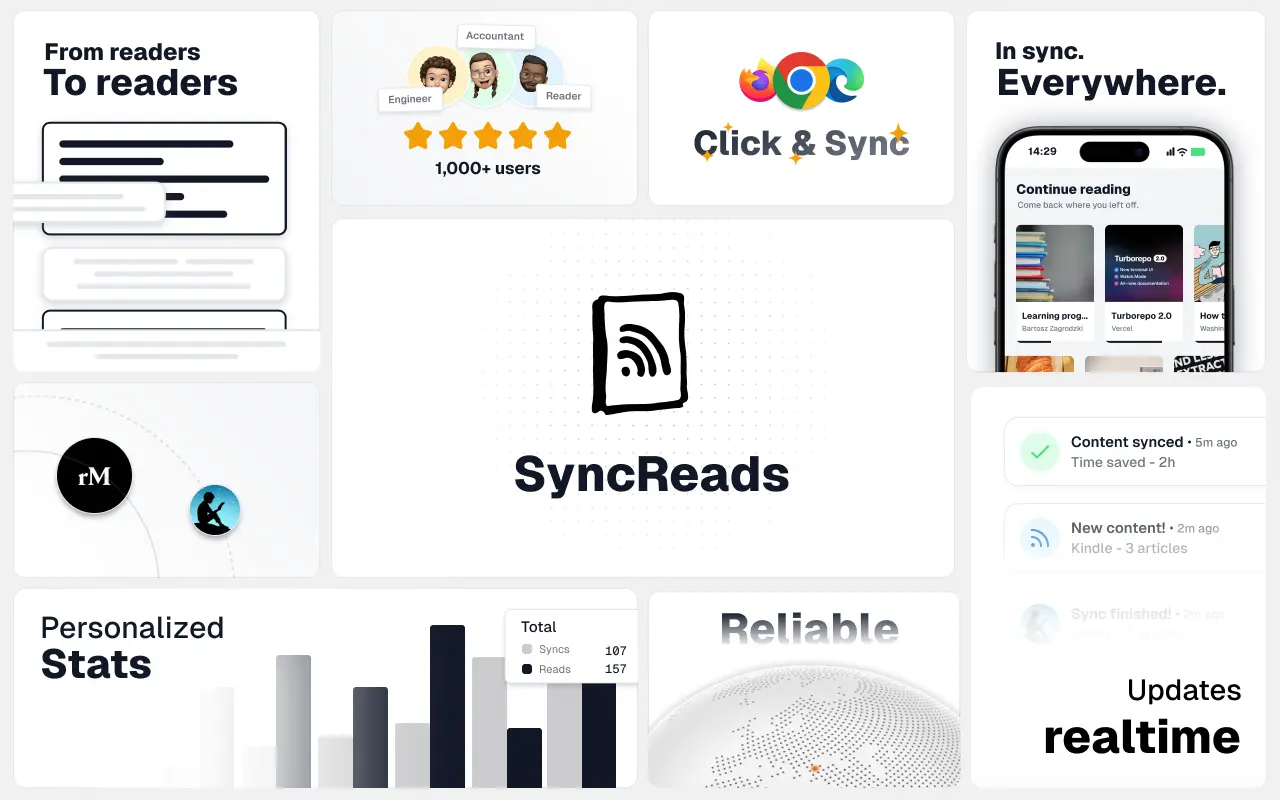
SyncReads
Sync your favorite content for distraction-free reading, save time and replace multiple apps. Anytime, anywhere 🔄
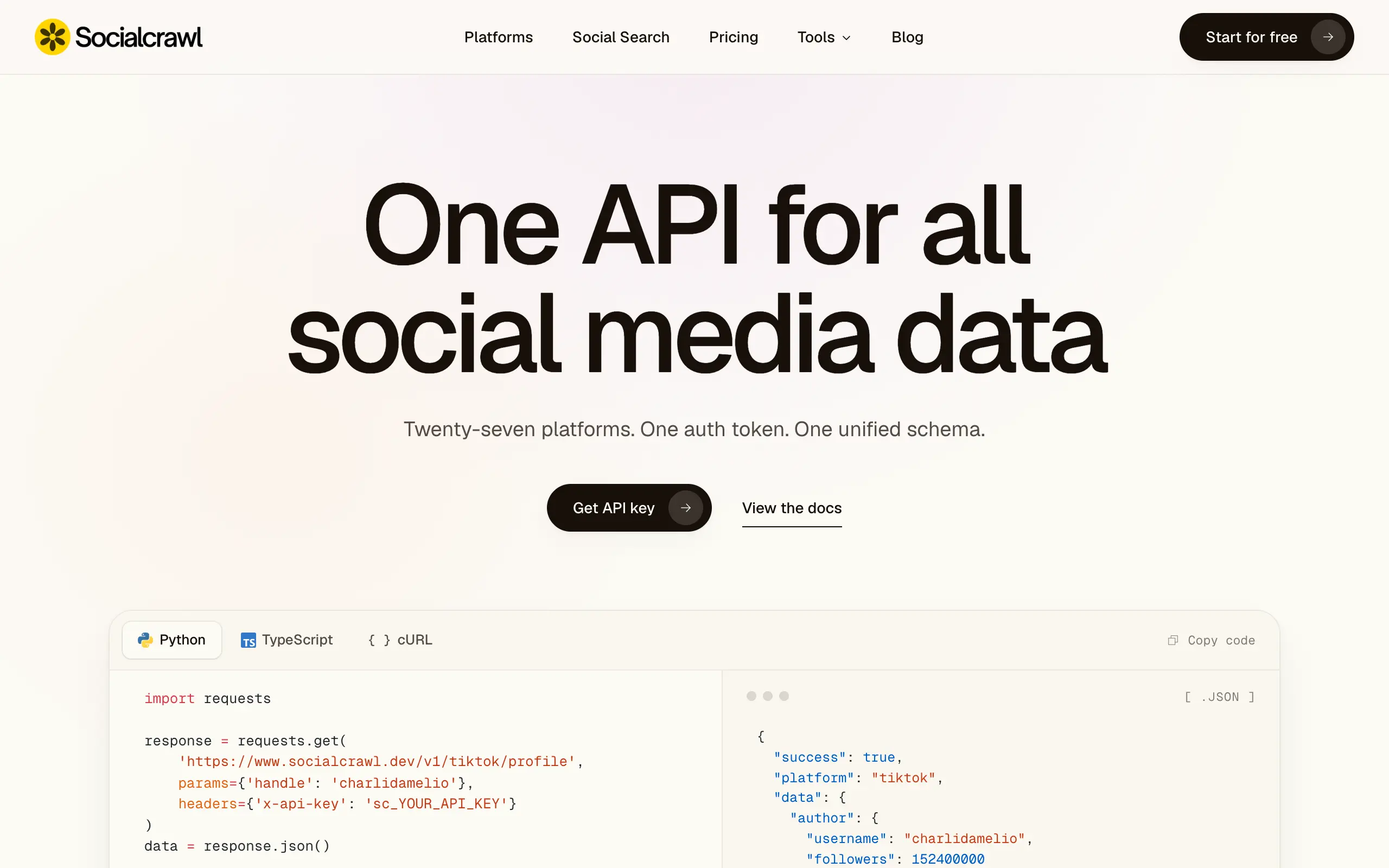
Socialcrawl
Get clean, structured data from 21 platforms like TikTok, Instagram, and YouTube with a single request 📊
Statiko
Monitor any Telegram channel in real time - track posts, edits, deletions, and growth with AI recaps 📡
Shibui
AI website builder - describe your business, pick a niche template, edit by chatting, and publish instantly ✨
Pro Service
Find verified home service professionals, compare quotes, and pay securely through escrow - built for Brazilians across the US 🏠
RankGrow
Fix your SEO with AI agents - connect Search Console, get prioritized tasks, and grow organic traffic 📈
SyncReads
Sync your favorite content for distraction-free reading, save time and replace multiple apps. Anytime, anywhere 🔄
Socialcrawl
Get clean, structured data from 21 platforms like TikTok, Instagram, and YouTube with a single request 📊
Statiko
Monitor any Telegram channel in real time - track posts, edits, deletions, and growth with AI recaps 📡
Shibui
AI website builder - describe your business, pick a niche template, edit by chatting, and publish instantly ✨
Pro Service
Find verified home service professionals, compare quotes, and pay securely through escrow - built for Brazilians across the US 🏠
RankGrow
Fix your SEO with AI agents - connect Search Console, get prioritized tasks, and grow organic traffic 📈
SyncReads
Sync your favorite content for distraction-free reading, save time and replace multiple apps. Anytime, anywhere 🔄
Socialcrawl
Get clean, structured data from 21 platforms like TikTok, Instagram, and YouTube with a single request 📊
Statiko
Monitor any Telegram channel in real time - track posts, edits, deletions, and growth with AI recaps 📡
Shibui
AI website builder - describe your business, pick a niche template, edit by chatting, and publish instantly ✨
Pro Service
Find verified home service professionals, compare quotes, and pay securely through escrow - built for Brazilians across the US 🏠
RankGrow
Fix your SEO with AI agents - connect Search Console, get prioritized tasks, and grow organic traffic 📈
SyncReads
Sync your favorite content for distraction-free reading, save time and replace multiple apps. Anytime, anywhere 🔄
Socialcrawl
Get clean, structured data from 21 platforms like TikTok, Instagram, and YouTube with a single request 📊
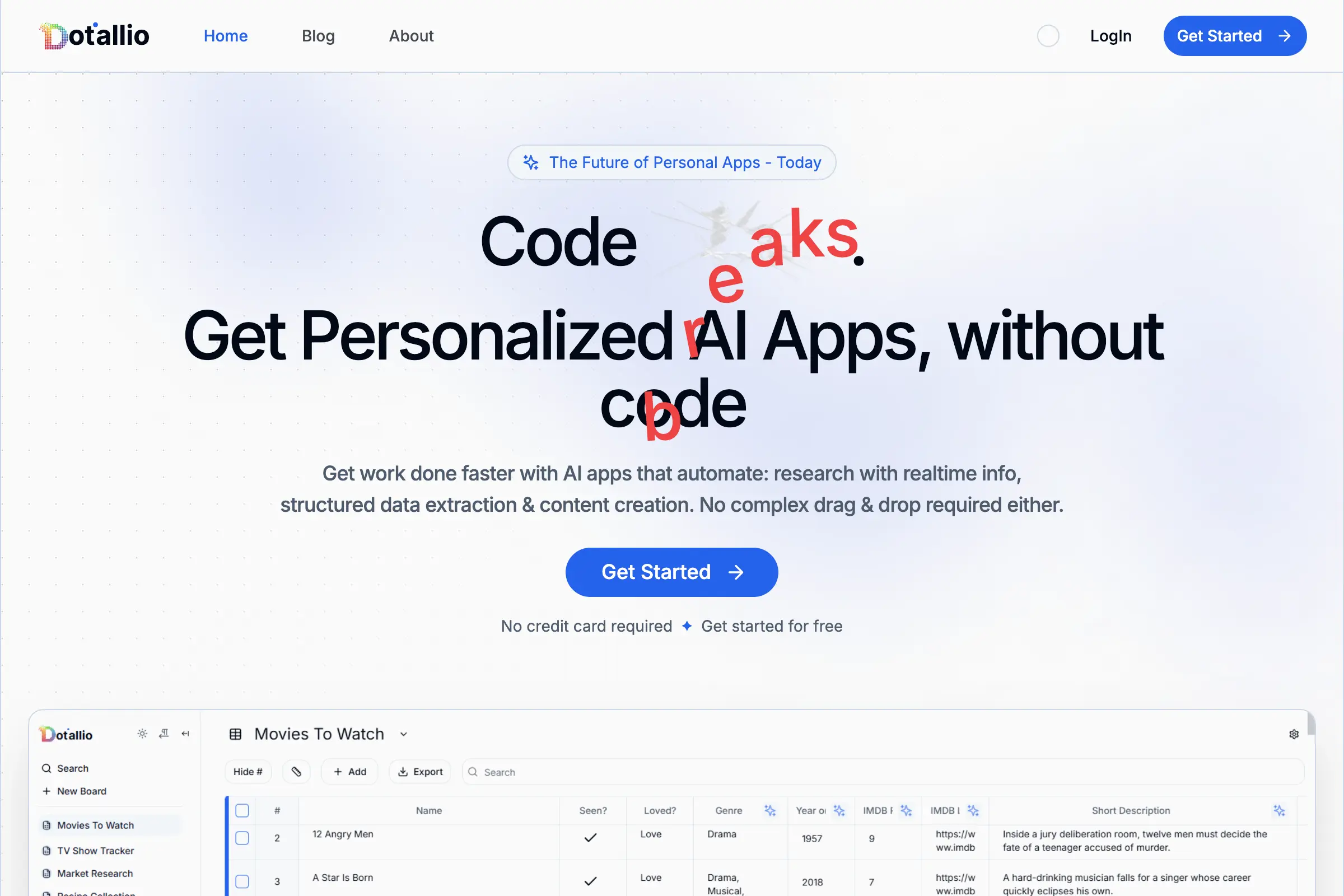
Dotallio
Personalized AI apps that automate research, data extraction, and content creation without code 🤖

Talk to Santa
Enjoy a magical live video chat or receive a unique AI-generated video greeting from Santa Claus 🎅
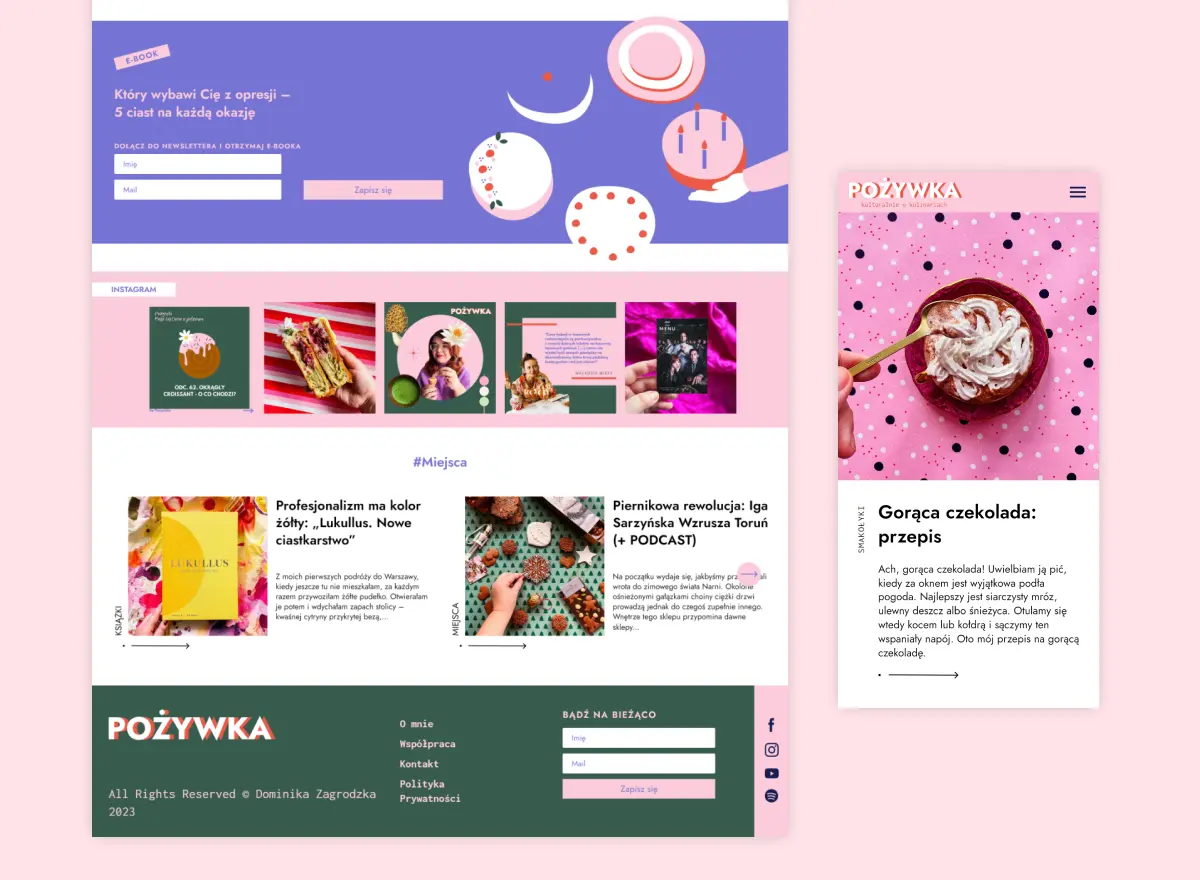
pozywka.pl
Scalable blog for food journalist, focused on performance and user experience 🌭
zagrodzki.me
Personal blog and portfolio of Bart Zagrodzki, where he shares his knowledge and work 💼
TurboStarter
Ship your startup everywhere. In minutes.
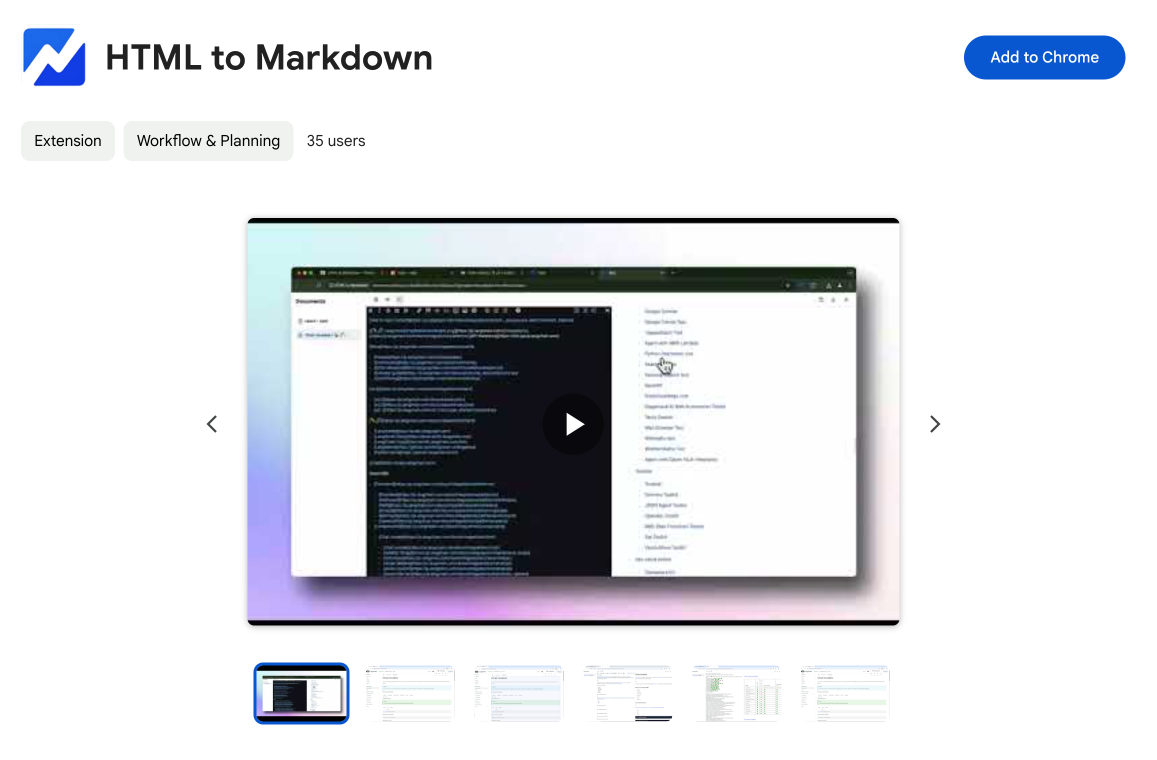
HTML to Markdown
Convert HTML to Markdown with ease, directly in your browser 📄
Dotallio
Personalized AI apps that automate research, data extraction, and content creation without code 🤖
Talk to Santa
Enjoy a magical live video chat or receive a unique AI-generated video greeting from Santa Claus 🎅
pozywka.pl
Scalable blog for food journalist, focused on performance and user experience 🌭
zagrodzki.me
Personal blog and portfolio of Bart Zagrodzki, where he shares his knowledge and work 💼
TurboStarter
Ship your startup everywhere. In minutes.
HTML to Markdown
Convert HTML to Markdown with ease, directly in your browser 📄
Dotallio
Personalized AI apps that automate research, data extraction, and content creation without code 🤖
Talk to Santa
Enjoy a magical live video chat or receive a unique AI-generated video greeting from Santa Claus 🎅
pozywka.pl
Scalable blog for food journalist, focused on performance and user experience 🌭
zagrodzki.me
Personal blog and portfolio of Bart Zagrodzki, where he shares his knowledge and work 💼
TurboStarter
Ship your startup everywhere. In minutes.
HTML to Markdown
Convert HTML to Markdown with ease, directly in your browser 📄
Dotallio
Personalized AI apps that automate research, data extraction, and content creation without code 🤖
Talk to Santa
Enjoy a magical live video chat or receive a unique AI-generated video greeting from Santa Claus 🎅
pozywka.pl
Scalable blog for food journalist, focused on performance and user experience 🌭
zagrodzki.me
Personal blog and portfolio of Bart Zagrodzki, where he shares his knowledge and work 💼
TurboStarter
Ship your startup everywhere. In minutes.
HTML to Markdown
Convert HTML to Markdown with ease, directly in your browser 📄
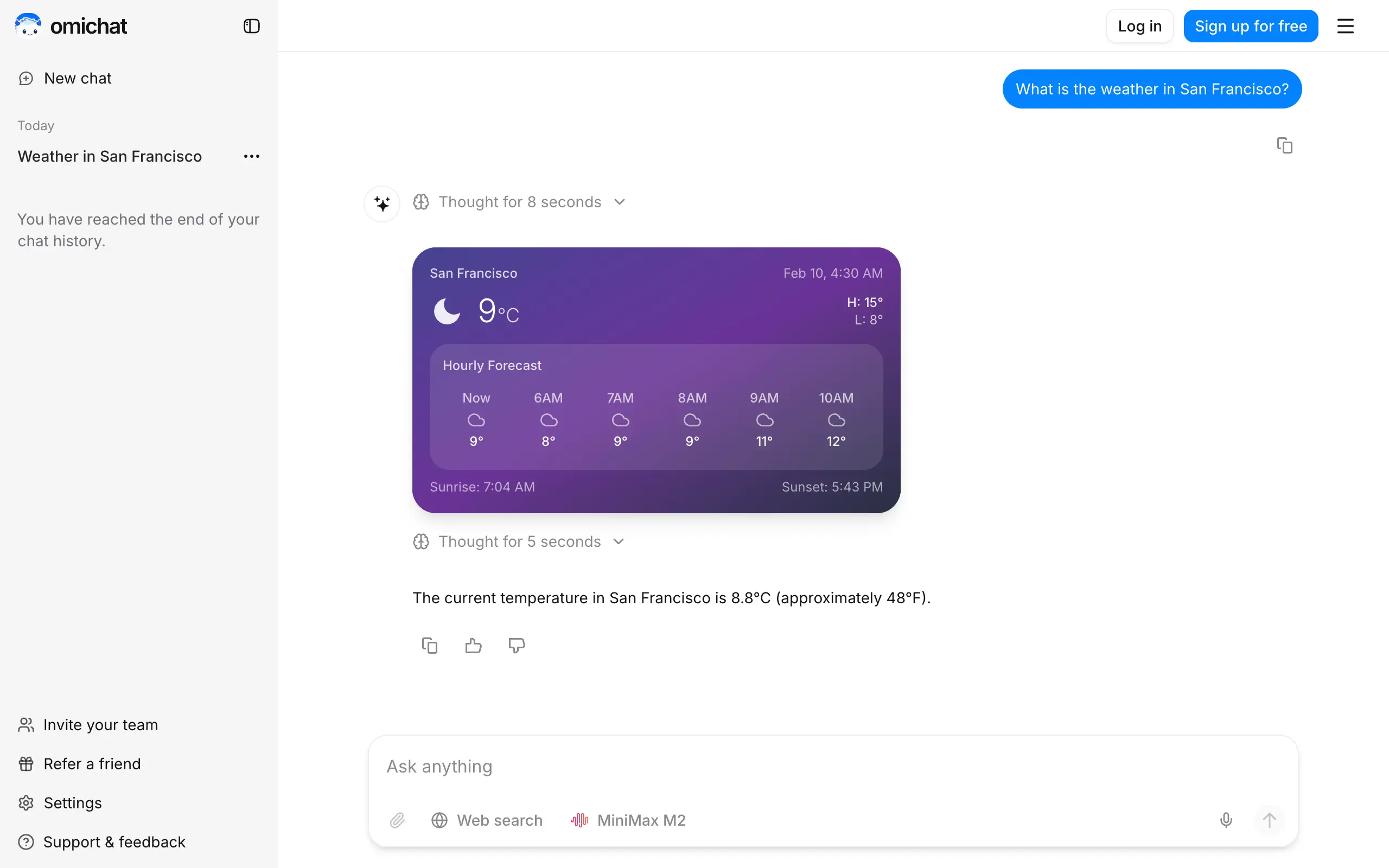
Omichat
Chat with 50+ AI models, including ChatGPT and Claude, in one place - switch models anytime without losing context 🤖
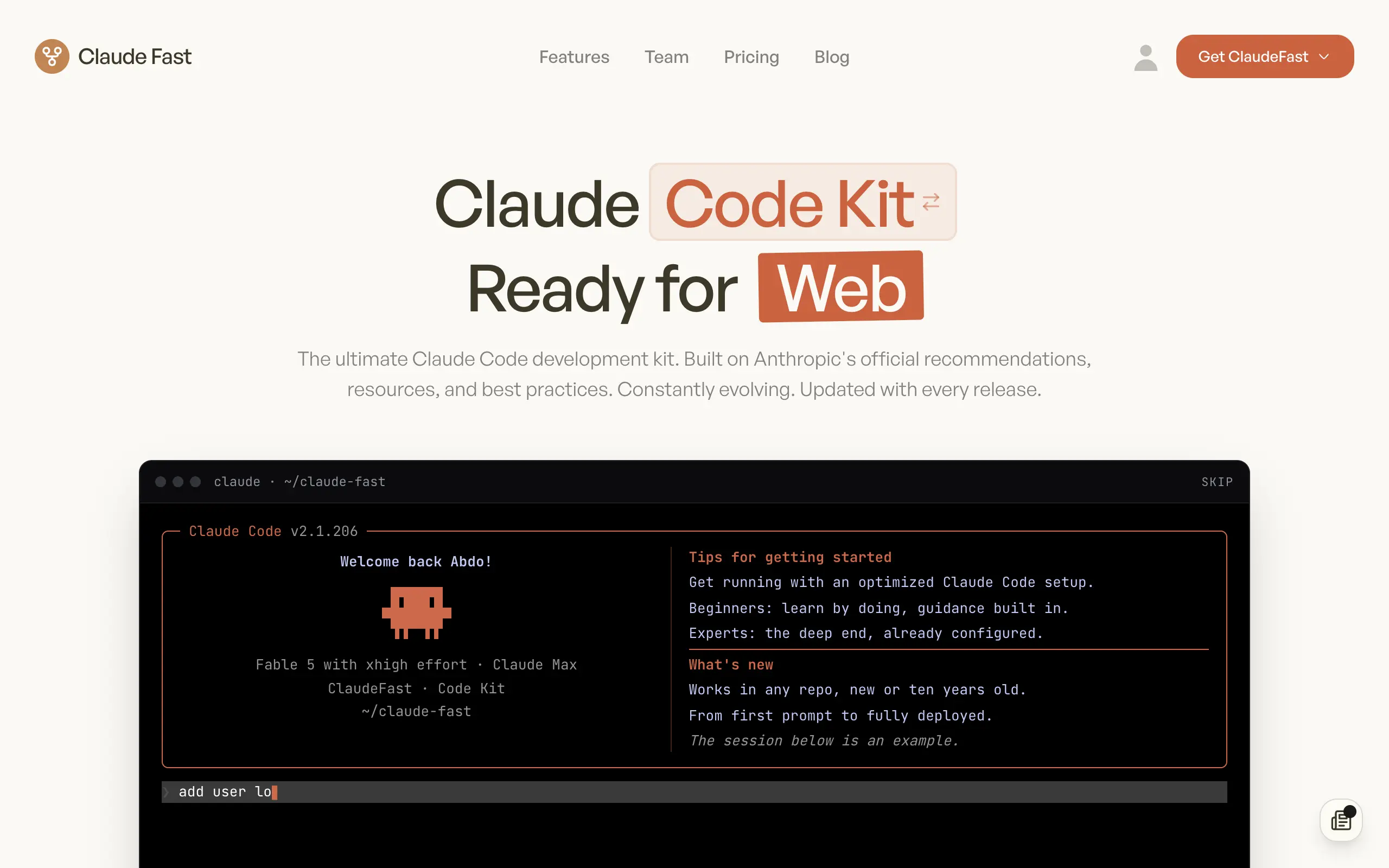
Claude Fast
Supercharge your Claude Code with 6x effective context window and specialized AI agents 🤖
EmojAI
AI-powered emoji picker with smart, context-aware suggestions 🤖
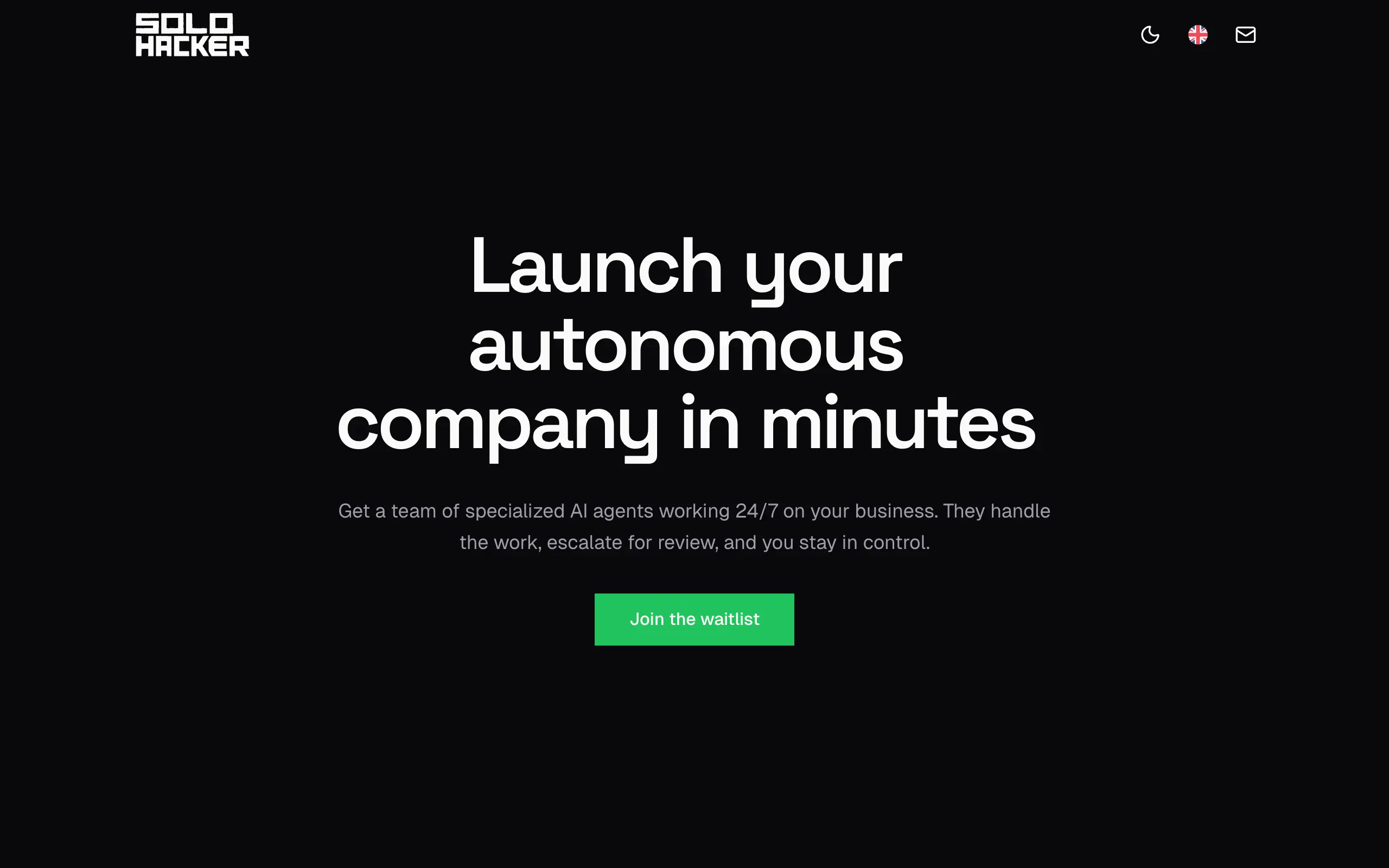
Solohacker
Autonomous company launcher - AI agents work 24/7, escalate what matters, and you stay in control 🤖
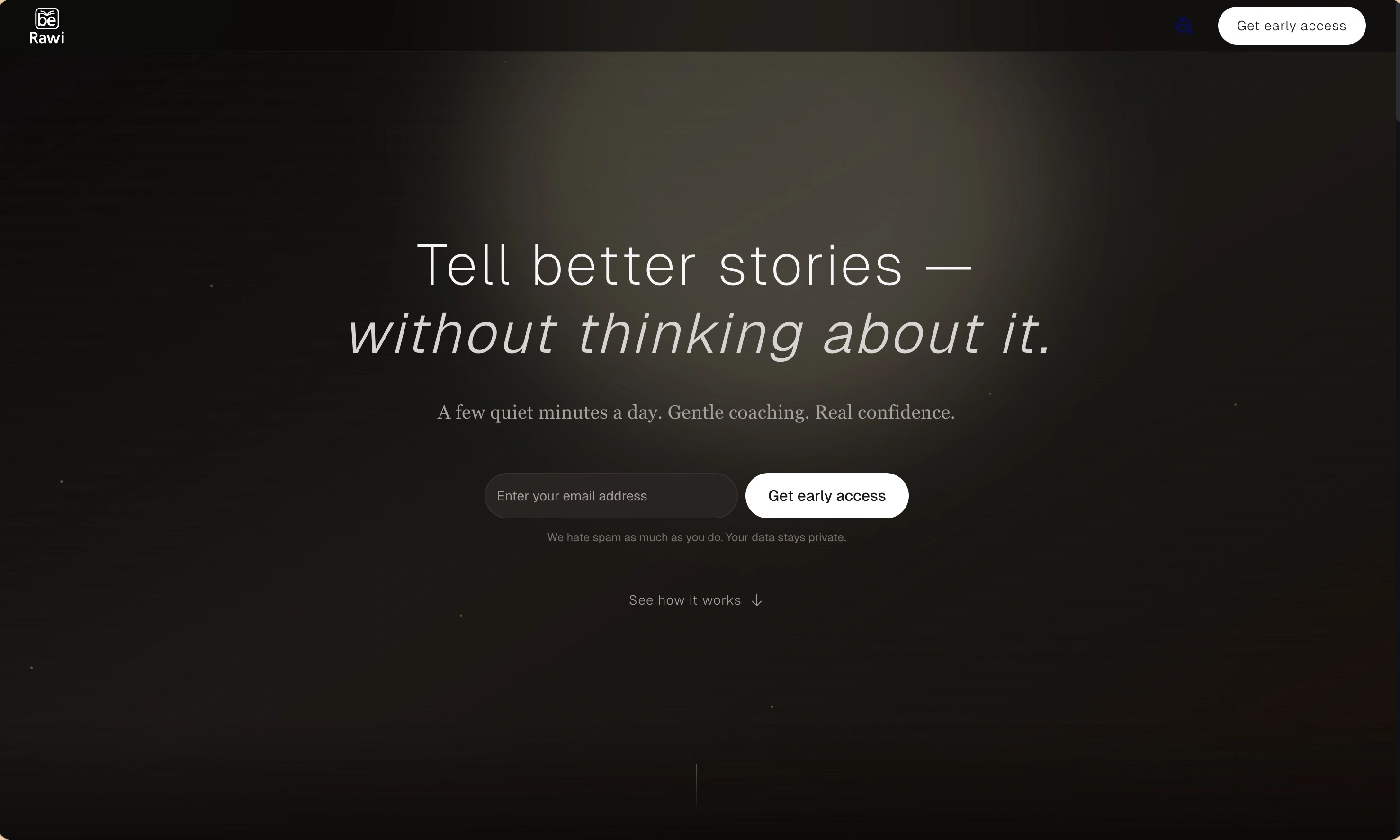
BeRawi: Storytelling Coach
Practice storytelling daily with instant feedback to sound clearer, more engaging, and confident 🎤
Omichat
Chat with 50+ AI models, including ChatGPT and Claude, in one place - switch models anytime without losing context 🤖
Claude Fast
Supercharge your Claude Code with 6x effective context window and specialized AI agents 🤖
EmojAI
AI-powered emoji picker with smart, context-aware suggestions 🤖
Solohacker
Autonomous company launcher - AI agents work 24/7, escalate what matters, and you stay in control 🤖
BeRawi: Storytelling Coach
Practice storytelling daily with instant feedback to sound clearer, more engaging, and confident 🎤
Omichat
Chat with 50+ AI models, including ChatGPT and Claude, in one place - switch models anytime without losing context 🤖
Claude Fast
Supercharge your Claude Code with 6x effective context window and specialized AI agents 🤖
EmojAI
AI-powered emoji picker with smart, context-aware suggestions 🤖
Solohacker
Autonomous company launcher - AI agents work 24/7, escalate what matters, and you stay in control 🤖
BeRawi: Storytelling Coach
Practice storytelling daily with instant feedback to sound clearer, more engaging, and confident 🎤
Omichat
Chat with 50+ AI models, including ChatGPT and Claude, in one place - switch models anytime without losing context 🤖
Claude Fast
Supercharge your Claude Code with 6x effective context window and specialized AI agents 🤖
EmojAI
AI-powered emoji picker with smart, context-aware suggestions 🤖
Solohacker
Autonomous company launcher - AI agents work 24/7, escalate what matters, and you stay in control 🤖
BeRawi: Storytelling Coach
Practice storytelling daily with instant feedback to sound clearer, more engaging, and confident 🎤

Connect with like-minded people
Join our community to get feedback, support, and grow together with 1,000+ builders on board, let's ship it!
Join usShip your startup everywhere. In minutes.
Don't burn tokens on setup and start building features on day one.