FlowPilot AI
Creează și optimizează automat workflow-uri între aplicații (Zapier-like) folosind limbaj natural. Reduce timpul de setup și erorile.
what is an AI workflow automation platform like FlowPilot AI?
AI workflow automation is rapidly redefining how businesses connect tools, move data, and eliminate repetitive work. Platforms like FlowPilot AI take this concept further by allowing users to create and optimize workflows between applications using natural language instead of manual configuration.
Instead of dragging nodes, mapping fields, and troubleshooting brittle integrations, users can simply describe what they want:
- “When a new lead comes from Webflow, enrich it with Clearbit and send it to HubSpot”
- “Notify Slack if Stripe payment fails and create a ticket in Zendesk”
- “Summarize new Notion pages and send daily digest emails”
FlowPilot AI translates these instructions into fully functioning workflows, reducing setup time and human error dramatically.
This shift represents a major leap from tools like Zapier, Make, or n8n, which—while powerful—still require technical understanding, logic structuring, and manual debugging.
why the market is ready for AI-powered workflow automation
The demand for workflow automation is exploding, driven by:
- SaaS proliferation (companies use 50–200+ tools on average)
- Increased need for operational efficiency
- Remote and async work environments
- Rise of no-code and low-code ecosystems
According to widely cited industry reports (e.g., Gartner and McKinsey), automation can reduce operational costs by up to 30% while significantly improving productivity.
However, current tools still have major friction points:
limitations of traditional automation tools
- Complex setup for non-technical users
- High maintenance (workflows break frequently)
- Poor error handling and debugging
- Limited intelligence (no context awareness)
- Time-consuming onboarding
This creates a clear gap: users want automation without needing to think like engineers.
FlowPilot AI: the core value proposition
FlowPilot AI introduces a natural language-first automation layer that eliminates complexity.
key differentiators
- Natural language workflow creation
- AI-powered optimization and error correction
- Context-aware automation suggestions
- Self-healing workflows
- Reduced setup time (minutes instead of hours)
Core insight
The real innovation is not automation itself—it’s removing the cognitive overhead required to build and maintain automation.
target audience analysis
FlowPilot AI serves multiple user segments, each with distinct needs and pain points.
1. non-technical founders and solopreneurs
Pain points:
- Limited technical knowledge
- Time constraints
- Need to connect tools quickly
What they want:
- Simple, fast automation
- Minimal learning curve
- Reliability
FlowPilot fit: Natural language workflows remove the need for technical setup entirely.
2. operations and growth teams
Pain points:
- Managing complex tool stacks
- Maintaining dozens of workflows
- Debugging failures
What they want:
- Scalability
- Visibility into workflows
- Reduced maintenance
FlowPilot fit: AI-driven optimization and monitoring significantly reduce manual work.
3. developers and technical teams
Pain points:
- Spending time on internal automation instead of core product
- Maintaining integration pipelines
What they want:
- Extensibility
- API access
- Custom logic support
FlowPilot fit: Hybrid model: natural language + code overrides.
4. agencies and consultants
Pain points:
- Managing workflows across multiple clients
- Time-intensive setup
- Repetitive tasks
What they want:
- Reusable templates
- Fast deployment
- White-label capabilities
core product features and capabilities
1. natural language workflow builder
Users describe workflows in plain English (or Romanian, Spanish, etc.), and the system:
- Identifies triggers and actions
- Maps data fields automatically
- Suggests integrations
- Builds logic flows
Example:
// User input:
"When a user signs up on Stripe, add them to Mailchimp and send a welcome email"

// AI output:
Trigger: Stripe → New Customer
Action 1: Add contact to Mailchimp
Action 2: Send email via Mailchimp
2. intelligent workflow optimization
FlowPilot AI continuously improves workflows by:
- Detecting inefficiencies
- Suggesting faster paths
- Removing redundant steps
- Recommending batching or caching
3. self-healing automation
One of the biggest pain points in automation is failure.
FlowPilot AI can:
- Detect broken APIs
- Retry failed steps intelligently
- Suggest fixes automatically
- Re-map fields if schemas change
Reality check
Most automation tools break silently. Self-healing workflows are a massive competitive advantage if executed correctly.
4. cross-platform integrations
Core integrations include:
- CRM: HubSpot, Salesforce
- Marketing: Mailchimp, Klaviyo
- Payments: Stripe
- Collaboration: Slack, Notion
- Dev tools: GitHub, Jira
5. workflow templates marketplace
A community-driven library:
- Prebuilt workflows
- Industry-specific templates
- Shared best practices
6. real-time monitoring dashboard
Features:
- Workflow execution logs
- Error tracking
- Performance analytics
- AI-generated insights
competitive landscape analysis
The automation space is crowded, but still evolving.
key competitors
- Zapier
- Make (Integromat)
- n8n
- Pabbly
- Microsoft Power Automate
| Feature | Zapier | Make | n8n | FlowPilot AI | Power Automate |
|---|---|---|---|---|---|
| Natural language workflows | ❌ | ❌ | ❌ | ✅ | ❌ |
| Self-healing automation | ❌ | ❌ | ❌ | ✅ | ❌ |
| Ease of use | ✅ | ❌ | ❌ | ✅ | ❌ |
unique selling proposition (USP)
FlowPilot AI stands out by combining:
- AI-native architecture
- Natural language interface
- Autonomous optimization
- Reduced human dependency
the real edge
Most competitors are automation tools with AI features.
FlowPilot AI is an AI system that happens to automate workflows.
That distinction matters.
recommended tech stack
Building FlowPilot AI requires a modern, scalable, AI-first architecture.
frontend
- React – UI framework
- TailwindCSS – styling
- Zustand or Redux – state management
backend
- Node.js (NestJS or Express)
- Python (for AI processing layer)
- GraphQL or REST API
AI layer
- LLM APIs (OpenAI or similar)
- Prompt orchestration layer
- Vector database (Pinecone, Weaviate)
workflow engine
- Temporal or custom orchestration engine
- Event-driven architecture (Kafka or RabbitMQ)
integrations layer
- Unified API abstraction
- OAuth handling
- Webhooks system
infrastructure
- AWS / GCP / Vercel
- Docker + Kubernetes (for scaling)
- Serverless where applicable
development accelerator
To significantly reduce build time, you can use:
This provides a production-ready SaaS foundation including authentication, billing, and architecture patterns.
monetization strategies
1. subscription tiers
- Free: limited workflows
- Starter: $19–$49/month
- Pro: $99–$299/month
- Enterprise: custom pricing
2. usage-based pricing
Charge based on:
- Number of workflows
- Execution volume
- API calls
3. add-ons
- Premium integrations
- Advanced AI features
- Priority support
4. marketplace revenue
Take a percentage from:
- Template sales
- Workflow packs
- Integration plugins
potential risks and mitigation strategies
risk 1: AI inaccuracies
Problem: incorrect workflows generated
Solution:
- Validation layers
- User confirmation before deployment
- Feedback loops
risk 2: integration fragility
Problem: APIs change frequently
Solution:
- Abstraction layer
- Continuous monitoring
- Auto-updates
risk 3: competition from incumbents
Problem: Zapier adds AI features
Solution:
- Move faster
- Focus on UX simplicity
- Build strong brand positioning
risk 4: user trust
Problem: automation errors can be costly
Solution:
- Transparent logs
- Rollback features
- Sandbox testing
go-to-market strategy
phase 1: niche targeting
Start with:
- Indie hackers
- SaaS founders
- No-code community
phase 2: content-driven growth
- SEO articles (like this one)
- Tutorials and use cases
- YouTube demos
phase 3: community building
- Discord or Slack group
- Template sharing ecosystem
phase 4: partnerships
- Integration partners
- SaaS platforms
- Agencies
implementation roadmap
example user journey
User types:
"Send me a Slack message when I get a new Stripe payment"
FlowPilot AI:
- Creates workflow instantly
- Connects accounts
- Activates automation
Time spent: under 2 minutes
User types:
"Segment users by plan, enrich with Clearbit, and send targeted emails"
FlowPilot AI:
- Builds multi-step workflow
- Suggests optimizations
- Provides analytics
Time spent: ~10 minutes vs hours traditionally
future opportunities and expansion
FlowPilot AI can evolve into:
- AI operations assistant
- Autonomous business process manager
- Predictive workflow system
emerging trends to leverage
- AI agents
- Autonomous decision-making
- Context-aware automation
- Multi-modal inputs (voice, video)
actionable steps to build FlowPilot AI
- Validate demand with a simple landing page
- Focus on one killer use case
- Build a strong AI workflow parser
- Start with limited integrations
- Prioritize UX simplicity
- Iterate based on real usage
- Scale gradually
final thoughts
FlowPilot AI sits at the intersection of two powerful trends:
- AI-driven interfaces
- Workflow automation
The opportunity isn’t just to compete with Zapier—it’s to redefine how automation is built entirely.
If executed well, this product can:
- Reduce operational friction
- Democratize automation
- Become a core layer in modern SaaS stacks
The key is simple: make automation feel effortless.
More 🤖 AI Startup SaaS ideas
Discover more innovative ai startup SaaS ideas that are trending in 2026. Each idea is AI-generated with market validation and growth potential to help you find your next profitable venture faster than competitors.
Your competitors are building with TurboStarter
Below are some of the SaaS ideas that have been generated and built with our starter kit.

Statiko
Monitor any Telegram channel in real time - track posts, edits, deletions, and growth with AI recaps 📡

Shibui
AI website builder - describe your business, pick a niche template, edit by chatting, and publish instantly ✨

Pro Service
Find verified home service professionals, compare quotes, and pay securely through escrow - built for Brazilians across the US 🏠
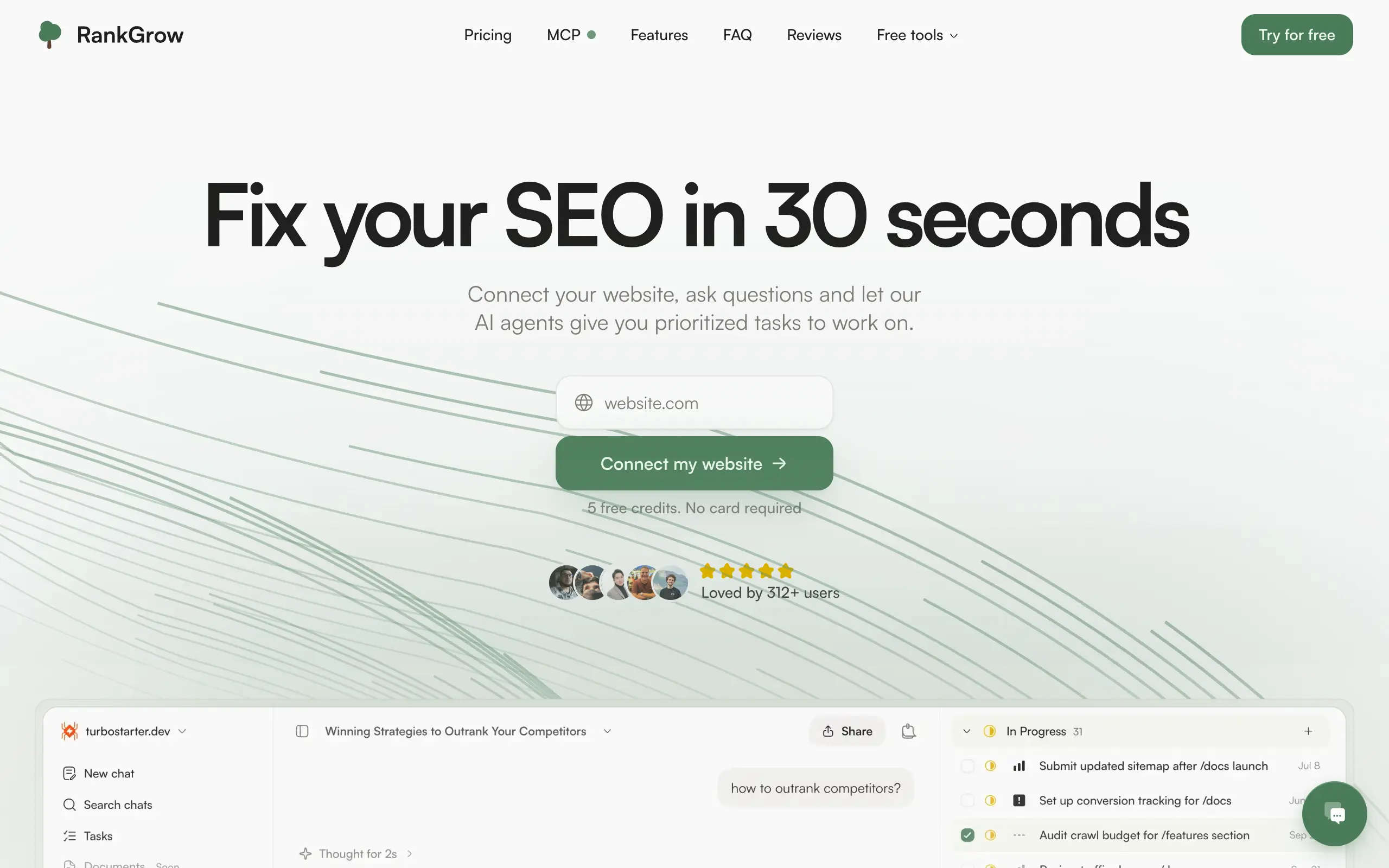
RankGrow
Fix your SEO with AI agents - connect Search Console, get prioritized tasks, and grow organic traffic 📈
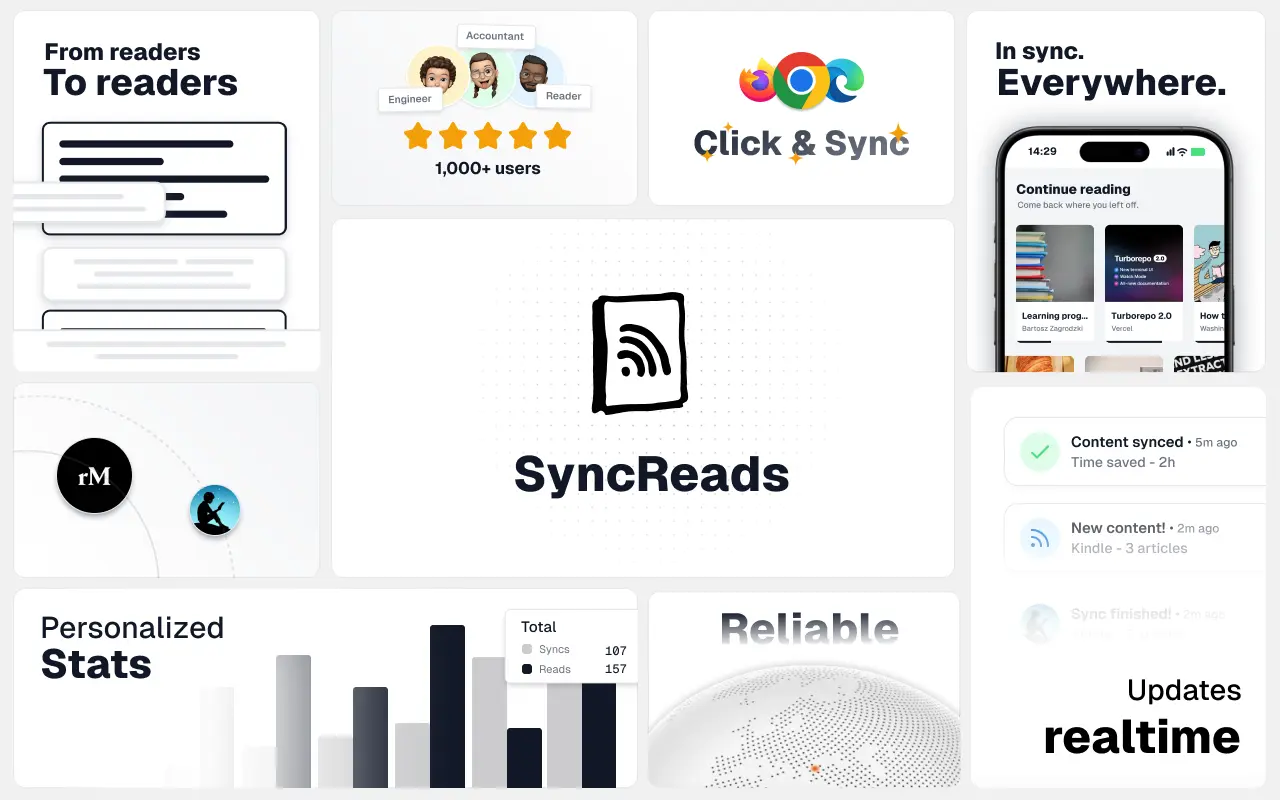
SyncReads
Sync your favorite content for distraction-free reading, save time and replace multiple apps. Anytime, anywhere 🔄
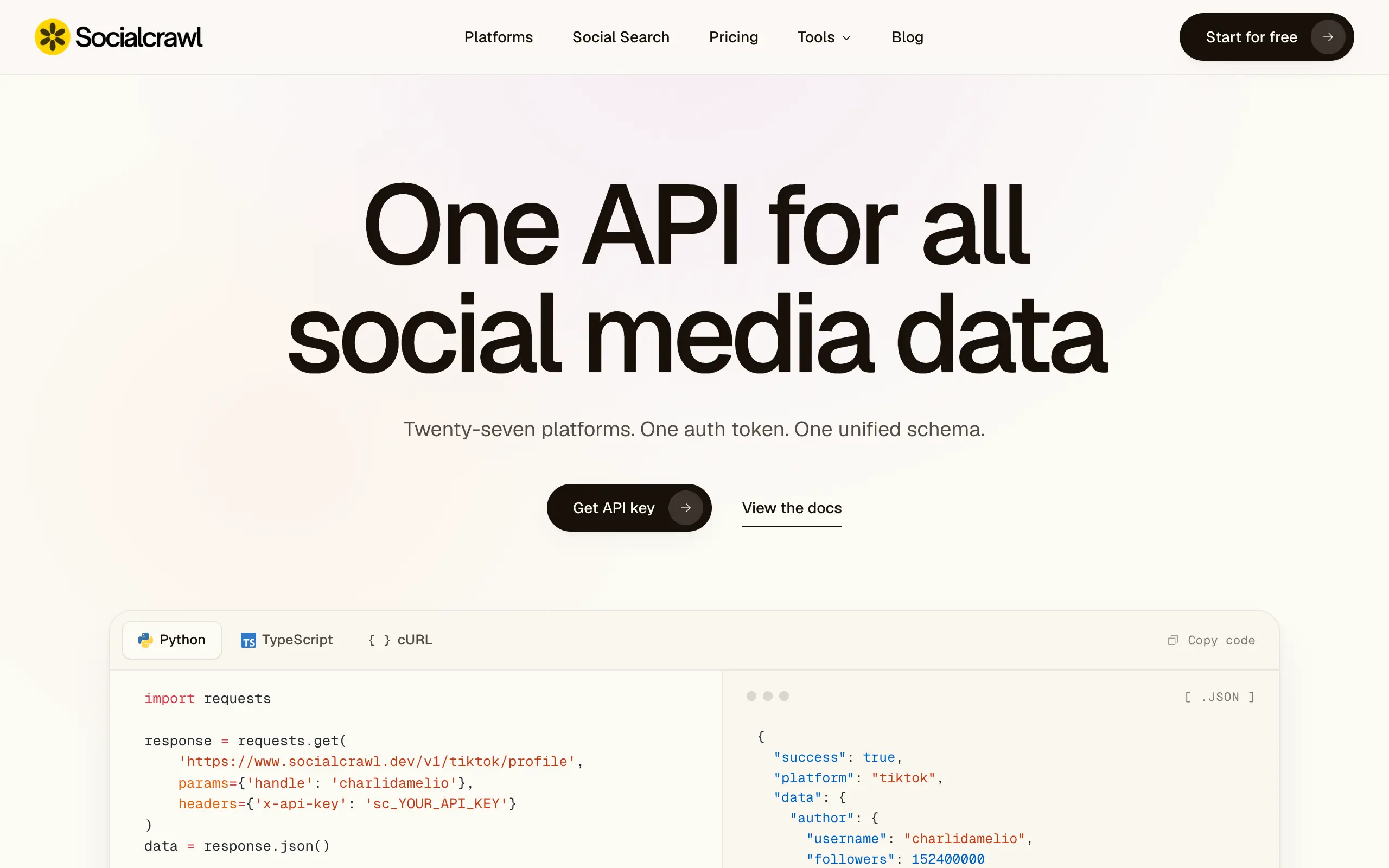
Socialcrawl
Get clean, structured data from 21 platforms like TikTok, Instagram, and YouTube with a single request 📊
Statiko
Monitor any Telegram channel in real time - track posts, edits, deletions, and growth with AI recaps 📡
Shibui
AI website builder - describe your business, pick a niche template, edit by chatting, and publish instantly ✨
Pro Service
Find verified home service professionals, compare quotes, and pay securely through escrow - built for Brazilians across the US 🏠
RankGrow
Fix your SEO with AI agents - connect Search Console, get prioritized tasks, and grow organic traffic 📈
SyncReads
Sync your favorite content for distraction-free reading, save time and replace multiple apps. Anytime, anywhere 🔄
Socialcrawl
Get clean, structured data from 21 platforms like TikTok, Instagram, and YouTube with a single request 📊
Statiko
Monitor any Telegram channel in real time - track posts, edits, deletions, and growth with AI recaps 📡
Shibui
AI website builder - describe your business, pick a niche template, edit by chatting, and publish instantly ✨
Pro Service
Find verified home service professionals, compare quotes, and pay securely through escrow - built for Brazilians across the US 🏠
RankGrow
Fix your SEO with AI agents - connect Search Console, get prioritized tasks, and grow organic traffic 📈
SyncReads
Sync your favorite content for distraction-free reading, save time and replace multiple apps. Anytime, anywhere 🔄
Socialcrawl
Get clean, structured data from 21 platforms like TikTok, Instagram, and YouTube with a single request 📊
Statiko
Monitor any Telegram channel in real time - track posts, edits, deletions, and growth with AI recaps 📡
Shibui
AI website builder - describe your business, pick a niche template, edit by chatting, and publish instantly ✨
Pro Service
Find verified home service professionals, compare quotes, and pay securely through escrow - built for Brazilians across the US 🏠
RankGrow
Fix your SEO with AI agents - connect Search Console, get prioritized tasks, and grow organic traffic 📈
SyncReads
Sync your favorite content for distraction-free reading, save time and replace multiple apps. Anytime, anywhere 🔄
Socialcrawl
Get clean, structured data from 21 platforms like TikTok, Instagram, and YouTube with a single request 📊
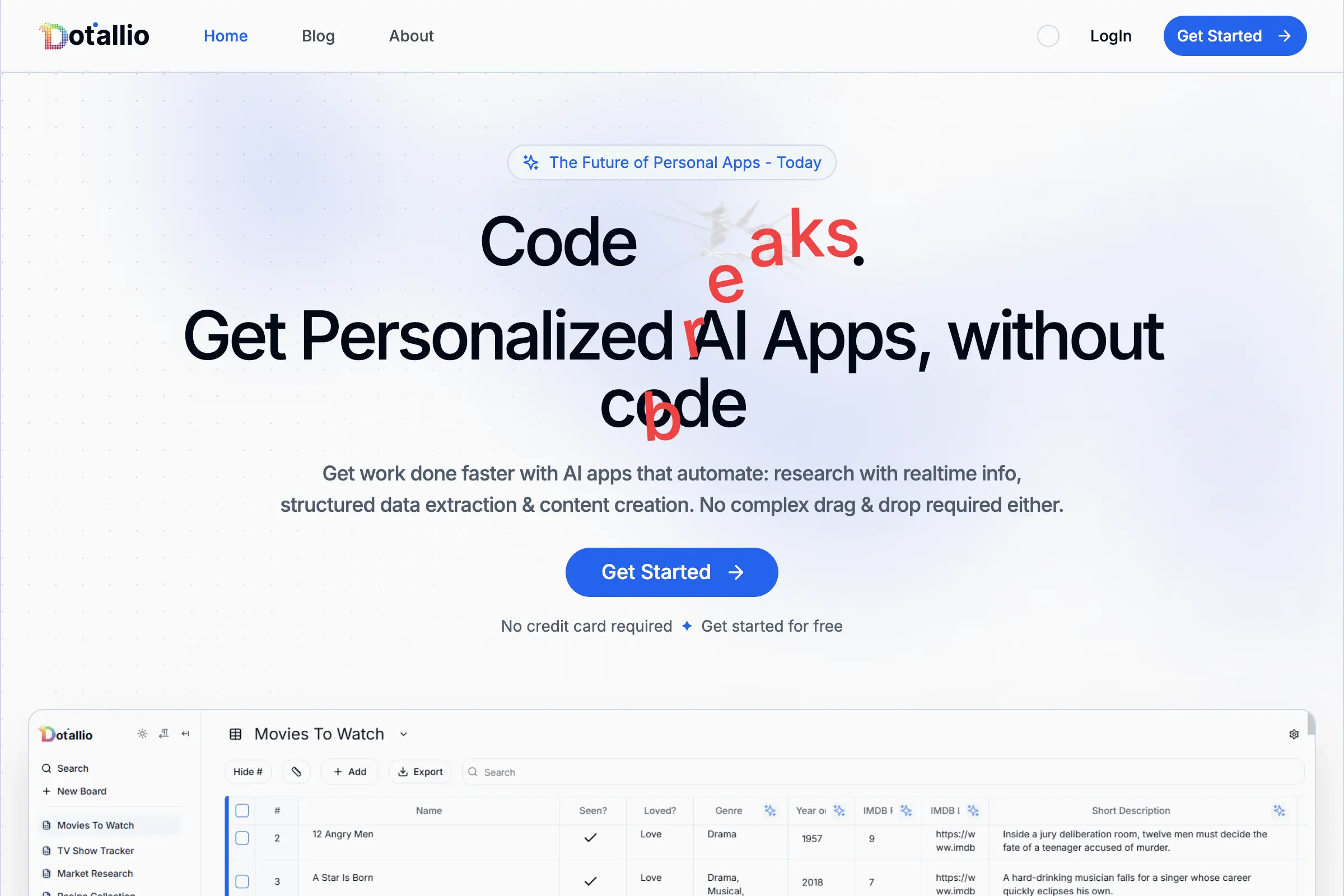
Dotallio
Personalized AI apps that automate research, data extraction, and content creation without code 🤖

Talk to Santa
Enjoy a magical live video chat or receive a unique AI-generated video greeting from Santa Claus 🎅
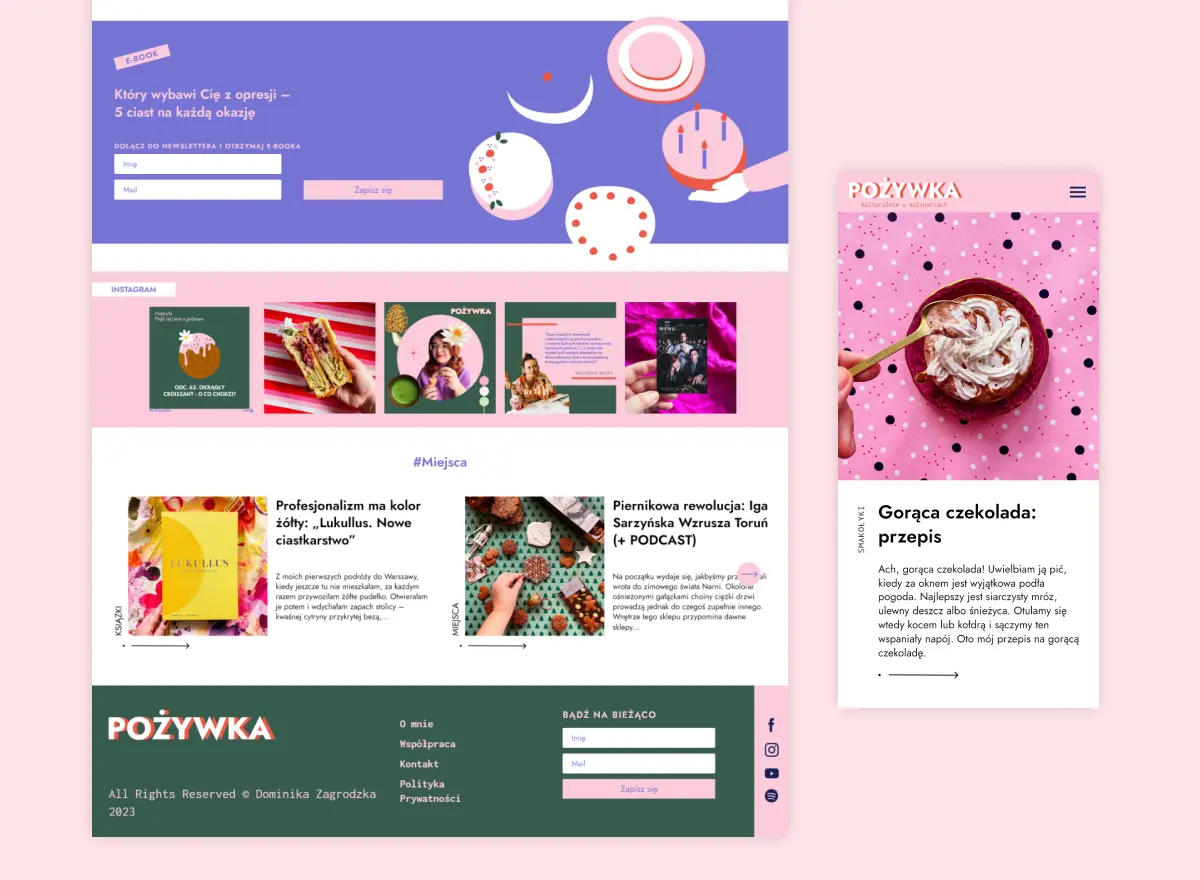
pozywka.pl
Scalable blog for food journalist, focused on performance and user experience 🌭
zagrodzki.me
Personal blog and portfolio of Bart Zagrodzki, where he shares his knowledge and work 💼
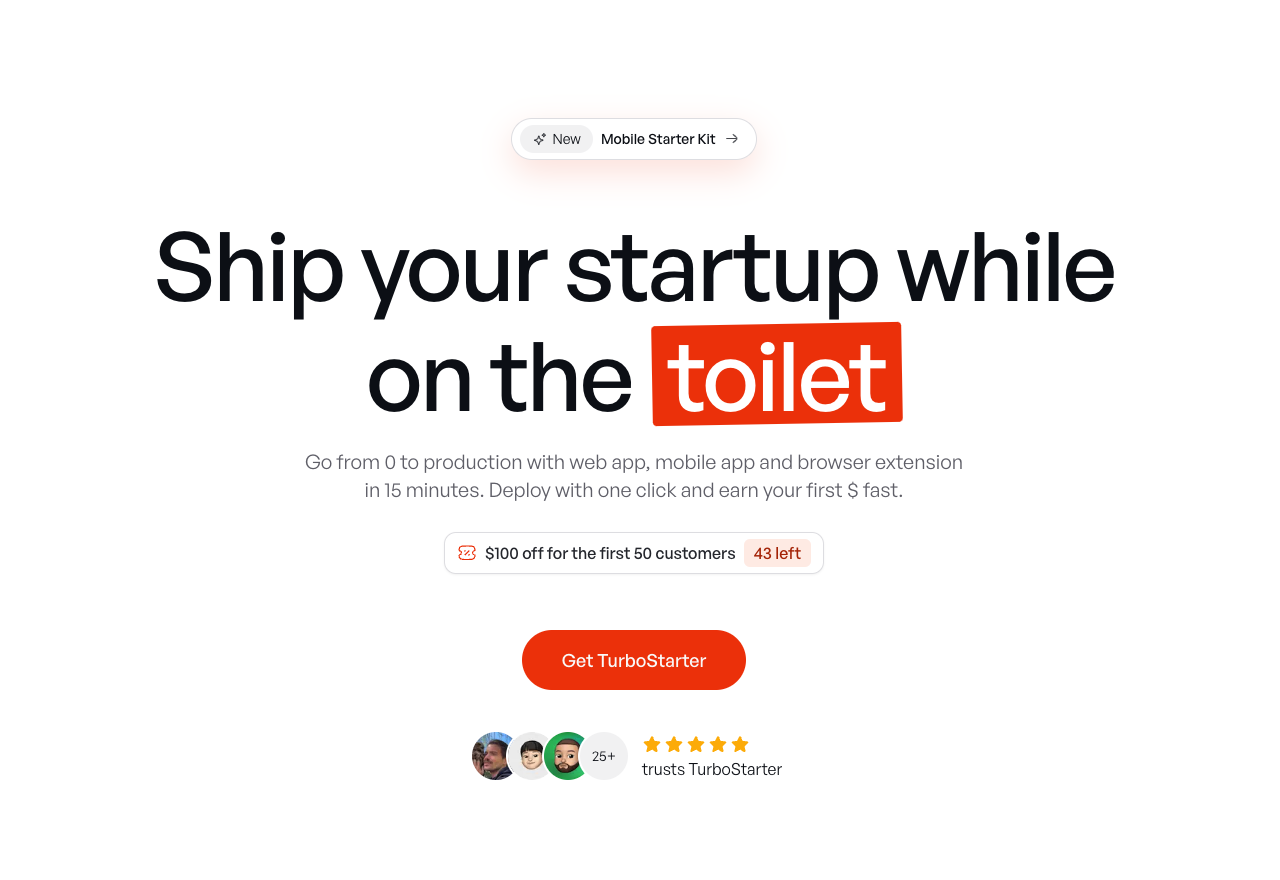
TurboStarter
Ship your startup everywhere. In minutes.
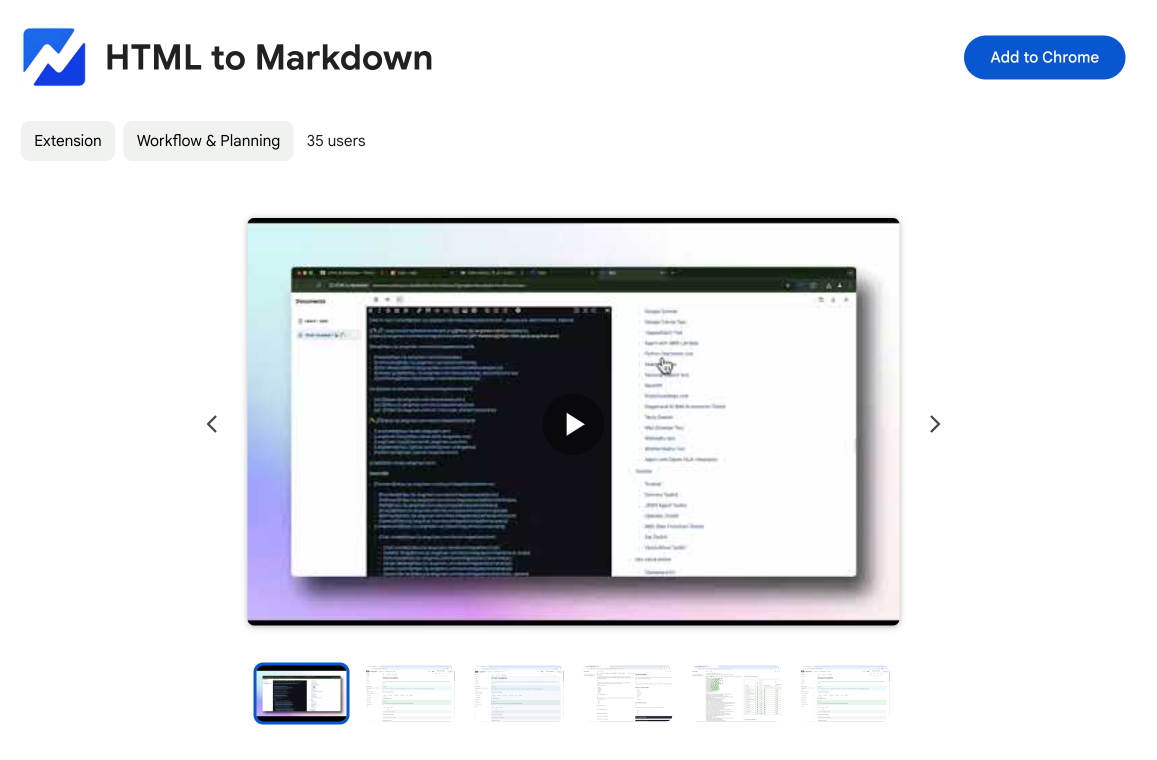
HTML to Markdown
Convert HTML to Markdown with ease, directly in your browser 📄
Dotallio
Personalized AI apps that automate research, data extraction, and content creation without code 🤖
Talk to Santa
Enjoy a magical live video chat or receive a unique AI-generated video greeting from Santa Claus 🎅
pozywka.pl
Scalable blog for food journalist, focused on performance and user experience 🌭
zagrodzki.me
Personal blog and portfolio of Bart Zagrodzki, where he shares his knowledge and work 💼
TurboStarter
Ship your startup everywhere. In minutes.
HTML to Markdown
Convert HTML to Markdown with ease, directly in your browser 📄
Dotallio
Personalized AI apps that automate research, data extraction, and content creation without code 🤖
Talk to Santa
Enjoy a magical live video chat or receive a unique AI-generated video greeting from Santa Claus 🎅
pozywka.pl
Scalable blog for food journalist, focused on performance and user experience 🌭
zagrodzki.me
Personal blog and portfolio of Bart Zagrodzki, where he shares his knowledge and work 💼
TurboStarter
Ship your startup everywhere. In minutes.
HTML to Markdown
Convert HTML to Markdown with ease, directly in your browser 📄
Dotallio
Personalized AI apps that automate research, data extraction, and content creation without code 🤖
Talk to Santa
Enjoy a magical live video chat or receive a unique AI-generated video greeting from Santa Claus 🎅
pozywka.pl
Scalable blog for food journalist, focused on performance and user experience 🌭
zagrodzki.me
Personal blog and portfolio of Bart Zagrodzki, where he shares his knowledge and work 💼
TurboStarter
Ship your startup everywhere. In minutes.
HTML to Markdown
Convert HTML to Markdown with ease, directly in your browser 📄
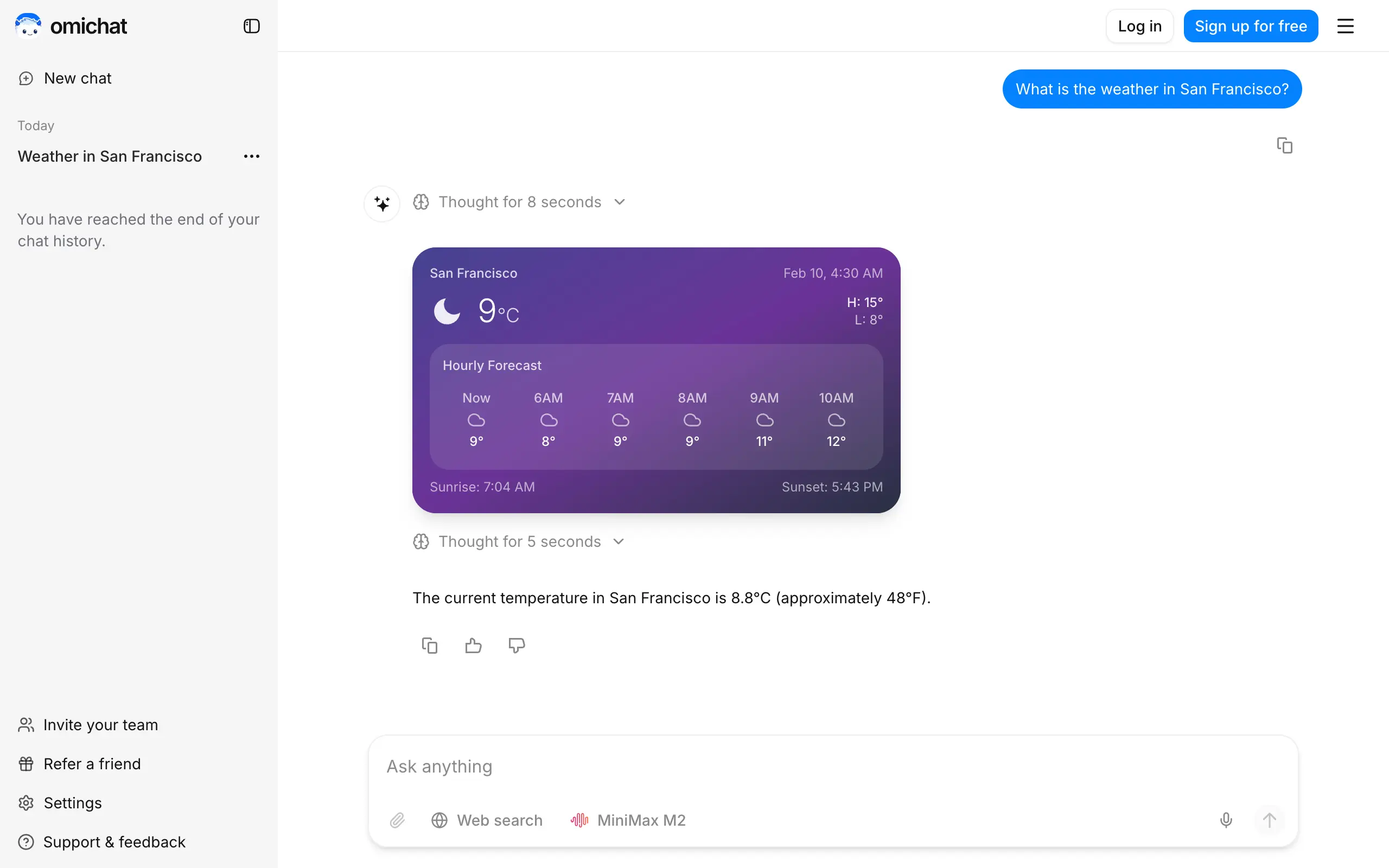
Omichat
Chat with 50+ AI models, including ChatGPT and Claude, in one place - switch models anytime without losing context 🤖
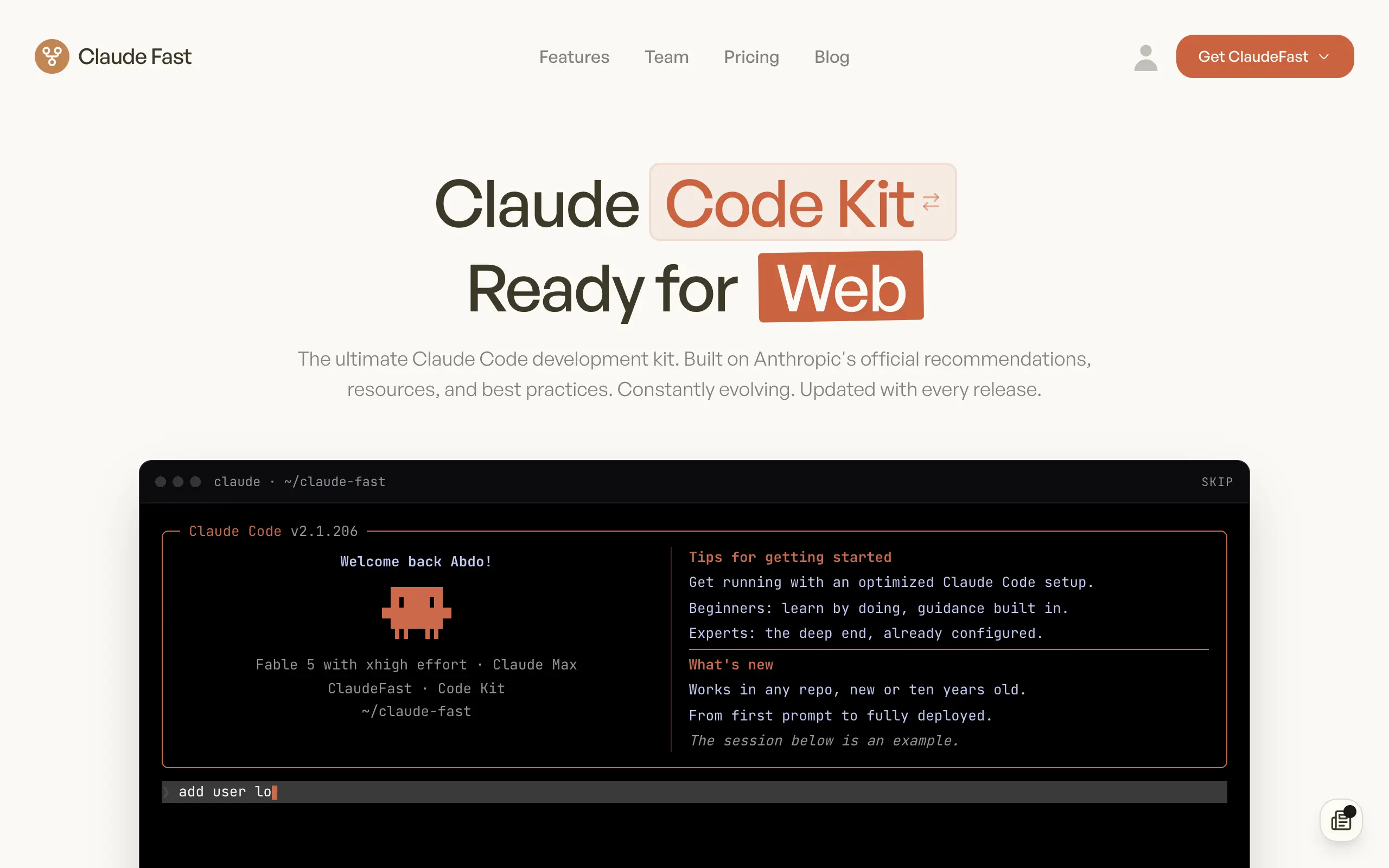
Claude Fast
Supercharge your Claude Code with 6x effective context window and specialized AI agents 🤖
EmojAI
AI-powered emoji picker with smart, context-aware suggestions 🤖
Solohacker
Autonomous company launcher - AI agents work 24/7, escalate what matters, and you stay in control 🤖

BeRawi: Storytelling Coach
Practice storytelling daily with instant feedback to sound clearer, more engaging, and confident 🎤
Omichat
Chat with 50+ AI models, including ChatGPT and Claude, in one place - switch models anytime without losing context 🤖
Claude Fast
Supercharge your Claude Code with 6x effective context window and specialized AI agents 🤖
EmojAI
AI-powered emoji picker with smart, context-aware suggestions 🤖
Solohacker
Autonomous company launcher - AI agents work 24/7, escalate what matters, and you stay in control 🤖
BeRawi: Storytelling Coach
Practice storytelling daily with instant feedback to sound clearer, more engaging, and confident 🎤
Omichat
Chat with 50+ AI models, including ChatGPT and Claude, in one place - switch models anytime without losing context 🤖
Claude Fast
Supercharge your Claude Code with 6x effective context window and specialized AI agents 🤖
EmojAI
AI-powered emoji picker with smart, context-aware suggestions 🤖
Solohacker
Autonomous company launcher - AI agents work 24/7, escalate what matters, and you stay in control 🤖
BeRawi: Storytelling Coach
Practice storytelling daily with instant feedback to sound clearer, more engaging, and confident 🎤
Omichat
Chat with 50+ AI models, including ChatGPT and Claude, in one place - switch models anytime without losing context 🤖
Claude Fast
Supercharge your Claude Code with 6x effective context window and specialized AI agents 🤖
EmojAI
AI-powered emoji picker with smart, context-aware suggestions 🤖
Solohacker
Autonomous company launcher - AI agents work 24/7, escalate what matters, and you stay in control 🤖
BeRawi: Storytelling Coach
Practice storytelling daily with instant feedback to sound clearer, more engaging, and confident 🎤

Connect with like-minded people
Join our community to get feedback, support, and grow together with 1,000+ builders on board, let's ship it!
Join usShip your startup everywhere. In minutes.
Don't burn tokens on setup and start building features on day one.