FluidMind Studio
A creative AI workspace that captures spoken thoughts, maps connections, and nudges you toward sharper reasoning and breakthrough ideas.
The opportunity behind an AI-powered creative workspace
The way we think has changed. We no longer sit quietly with a notepad and draft perfectly structured ideas from the start. We speak into voice notes while walking, brainstorm in Slack threads, jump between Notion docs, and scatter insights across Google Docs, emails, and chats.
This fragmented thinking process creates friction:
- Ideas get lost.
- Connections remain invisible.
- Reasoning stays shallow.
- Breakthroughs are delayed.
An AI creative workspace like FluidMind Studio addresses this gap directly. It captures spoken thoughts, maps connections between ideas, and actively nudges users toward sharper reasoning and deeper insights.
This article explores the full SaaS strategy behind FluidMind Studio—its target audience, market opportunity, core features, technical architecture, monetization model, risks, and competitive advantage—so you can validate, build, or scale it effectively.
Why the world needs an AI reasoning workspace now
The rise of voice-first productivity
Voice interfaces are no longer experimental. With the widespread adoption of AI transcription and large language models (LLMs), speaking is becoming a primary input method for:
- Founders brainstorming product ideas
- Researchers thinking through hypotheses
- Writers drafting content
- Consultants outlining strategies
- Students organizing study material
Speech is faster than typing. It’s more natural. It captures raw thought before it’s filtered.
But raw thought alone isn’t enough.
The real problem: unstructured thinking
Most existing tools fall into one of three buckets:
- Transcription tools – Capture voice but don’t analyze it deeply.
- Note-taking apps – Store content but don’t enhance reasoning.
- Mind-mapping tools – Visualize structure but require manual input.
What’s missing is a reasoning layer that:
- Detects logical gaps
- Identifies assumptions
- Connects related ideas across sessions
- Prompts critical reflection
- Suggests alternative perspectives
FluidMind Studio positions itself as a creative AI workspace for structured thinking and breakthrough insights, not just a note-taking tool.
Target audience analysis
Understanding user intent is critical for SEO and product-market fit. Users searching for terms like:
- “AI brainstorming tool”
- “AI mind mapping software”
- “voice note to structured ideas”
- “AI reasoning assistant”
- “creative AI workspace”
are looking for more than transcription—they want cognitive leverage.
Primary segments
Startup founders & solopreneurs
Need to clarify product ideas, strategy, and positioning quickly while thinking out loud.
Writers & content creators
Want to convert messy voice notes into structured outlines and stronger arguments.
Researchers & students
Need help mapping complex concepts and testing logical consistency.
Secondary segments
- Coaches and consultants
- Product managers
- Designers
- Knowledge workers in remote teams
Pain points by persona
| Persona | Core Pain | Desired Outcome |
|---|---|---|
| Founder | Scattered product ideas | Clear roadmap and validated reasoning |
| Writer | Weak argument structure | Cohesive, compelling narrative |
| Student | Information overload | Structured conceptual map |
| Consultant | Shallow analysis | Strategic depth and clarity |
FluidMind Studio must directly address these use cases in messaging, landing pages, and onboarding flows.
Market opportunity and competitive landscape
The expanding AI productivity market
The AI productivity software market is growing rapidly, driven by:
- Advancements in large language models
- Remote work trends
- Increased demand for cognitive augmentation tools
Tools like Notion AI, ChatGPT, and Otter.ai have proven that users are willing to pay for AI-enhanced workflows.
However, none of them fully own the niche of AI-assisted reasoning through voice-driven idea mapping.
Competitive analysis
Let’s compare categories:
| Feature | Otter.ai | Notion AI | Miro | FluidMind Studio |
|---|---|---|---|---|
| Voice capture | ✅ | ❌ | ❌ | ✅ |
| Automatic idea mapping | ❌ | ❌ | Manual | ✅ |
| Reasoning nudges | ❌ | Limited | ❌ | ✅ |
| Cross-session idea linking | ❌ | Partial | ❌ | ✅ |
The gap
Most tools optimize for capture or organization, not thinking quality.
FluidMind Studio’s opportunity lies in:
- Acting as a “cognitive co-pilot”
- Improving reasoning depth
- Surfacing hidden relationships
- Challenging weak assumptions
This positioning creates a defensible niche in the broader AI productivity market.
Core features of FluidMind Studio
1. Voice-to-structured-thought engine
At its core, FluidMind Studio must convert spoken input into:
- Clean transcripts
- Structured bullet points
- Hierarchical idea trees
- Concept clusters
This goes beyond transcription. It requires semantic analysis and clustering.
Example flow:
- User speaks for 5–10 minutes.
- AI extracts key ideas.
- AI groups related concepts.
- A visual map is generated.
2. Dynamic idea graph
Every idea becomes a node in a graph database:
- Connected to related ideas
- Tagged by themes
- Time-indexed
- Linked across sessions
This transforms the workspace into a living knowledge graph.
3. Reasoning nudges
This is the true differentiator.
AI prompts like:
- “What assumption are you making here?”
- “Is there evidence for this claim?”
- “What would invalidate this idea?”
- “Can you combine idea A and B?”
These nudges encourage metacognition.
Why this matters
Research in cognitive psychology suggests that structured reflection improves reasoning accuracy and decision-making quality. Embedding this into a product creates real intellectual leverage.
4. Breakthrough mode
A feature that:
- Detects conceptual clusters
- Suggests unexpected connections
- Proposes analogies
- Generates alternative frameworks
This moves the product from assistant to creative collaborator.
5. Session-to-project synthesis
After multiple sessions, the AI can generate:
- Executive summaries
- Strategy documents
- Book outlines
- Research briefs
- Product concept docs
This closes the loop from thought → structure → output.
Recommended tech stack
Choosing the right architecture ensures scalability and performance.
Frontend
- React for UI
- TailwindCSS for styling
- Web Speech API or server-based audio streaming
Why React?
- Component-based architecture
- Large ecosystem
- Strong AI app community support
Backend
- Node.js or Python (FastAPI)
- WebSocket support for live transcription
- REST + streaming endpoints
AI Layer
- LLM APIs (OpenAI or equivalent)
- Embeddings for idea similarity
- Vector database (e.g., Pinecone, Weaviate, or self-hosted alternatives)
Database
- PostgreSQL for structured data
- Graph DB (e.g., Neo4j) for idea connections
- Object storage for audio files
Sample architecture concept
// Simplified architecture example (pseudo-code)

const transcript = await transcribeAudio(audioFile);

const structuredIdeas = await llm.analyze({
  input: transcript,
  task: "extract_and_cluster_ideas"
});

const embeddings = await embed(structuredIdeas);

await vectorDB.store(embeddings);

await graphDB.createNodes(structuredIdeas);
Trade-offs
- Vector DB vs pure SQL: Vector DB enables semantic search but adds complexity.
- Real-time processing vs batch: Real-time is powerful but costlier.
- Graph DB vs relational links: Graph DB scales better for complex idea mapping.
Monetization strategy
An AI reasoning workspace has strong monetization potential.
Tiered pricing model
Free tier
- Limited voice minutes per month
- Basic idea mapping
- Limited history
Pro ($15–$29/month)
- Unlimited sessions
- Advanced reasoning nudges
- Cross-session synthesis
- Export features
Team plan ($49–$99/month per team)
- Shared idea spaces
- Collaborative maps
- Admin controls
- Knowledge base integration
Alternative revenue streams
- Enterprise licensing
- API access
- White-label for coaching programs
- Academic institutional packages
SEO strategy for growth
To rank for “AI creative workspace” and related queries:
Content clusters
Build authority around:
- AI brainstorming tools
- AI mind mapping software
- Voice productivity tools
- AI reasoning assistant
- Knowledge graph tools
Each article should internally link back to FluidMind Studio.
Comparison content
Examples:
- “FluidMind Studio vs Notion AI”
- “Best AI tools for deep thinking”
- “Top AI mind mapping software in 2026”
Comparison pages convert high-intent traffic.
Competitive advantage and defensibility
FluidMind Studio’s moat lies in three areas:
1. Knowledge graph depth
Over time, user graphs become highly personalized and hard to migrate.
2. Behavioral intelligence
The system learns:
- User thinking style
- Common blind spots
- Frequently revisited themes
This creates compounding value.
3. Reasoning-first positioning
Most competitors optimize for output speed.
FluidMind Studio optimizes for thinking quality.
That differentiation is powerful and defensible.
Risks and mitigation
Risk 1: AI hallucinations
Mitigation:
- Source tagging
- Confidence scoring
- Transparent reasoning logs
Risk 2: High API costs
Mitigation:
- Caching embeddings
- Batch processing
- Hybrid small-model architecture
Risk 3: Privacy concerns
Mitigation:
- End-to-end encryption
- Clear data retention policy
- Optional on-device transcription
Critical trust factor
Voice data is sensitive. Without strong privacy guarantees, adoption will stall—especially among professionals.
Step-by-step implementation roadmap
For faster development, consider using a modern SaaS starter kit like TurboStarter to accelerate authentication, billing, and infrastructure setup.
Metrics that matter
Track:
- Average session length
- Sessions per week per user
- Idea revisit rate
- Conversion from free to paid
- Time-to-first-breakthrough (qualitative feedback)
Retention will be the primary growth lever.
The long-term vision
FluidMind Studio can evolve into:
- A personal cognitive operating system
- A lifelong knowledge graph
- A thinking coach
- A strategic partner for founders and creators
The ultimate value proposition is not productivity—it’s clarity.
And clarity compounds.
Final thoughts: building an AI workspace that sharpens minds
The opportunity behind an AI creative workspace like FluidMind Studio is massive—but only if it focuses on improving reasoning, not just generating content.
By combining:
- Voice-first capture
- Dynamic idea mapping
- Intelligent reasoning nudges
- Long-term knowledge graph memory
you create a product that enhances human cognition rather than replacing it.
The future of productivity isn’t faster typing.
It’s better thinking.
More 🤖 AI Startup SaaS ideas
Discover more innovative ai startup SaaS ideas that are trending in 2026. Each idea is AI-generated with market validation and growth potential to help you find your next profitable venture faster than competitors.
Your competitors are building with TurboStarter
Below are some of the SaaS ideas that have been generated and built with our starter kit.
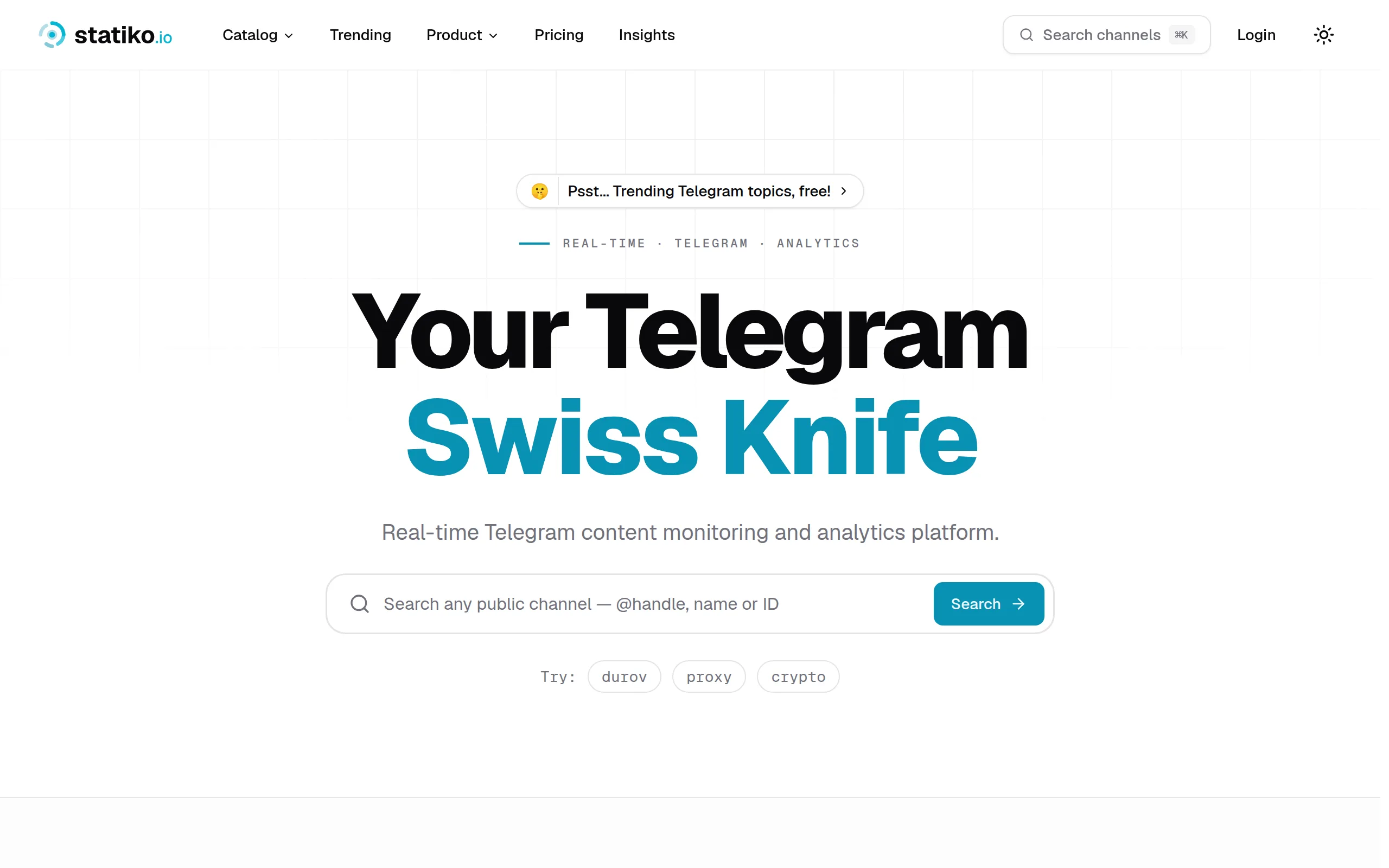
Statiko
Monitor any Telegram channel in real time - track posts, edits, deletions, and growth with AI recaps 📡

Shibui
AI website builder - describe your business, pick a niche template, edit by chatting, and publish instantly ✨

Pro Service
Find verified home service professionals, compare quotes, and pay securely through escrow - built for Brazilians across the US 🏠
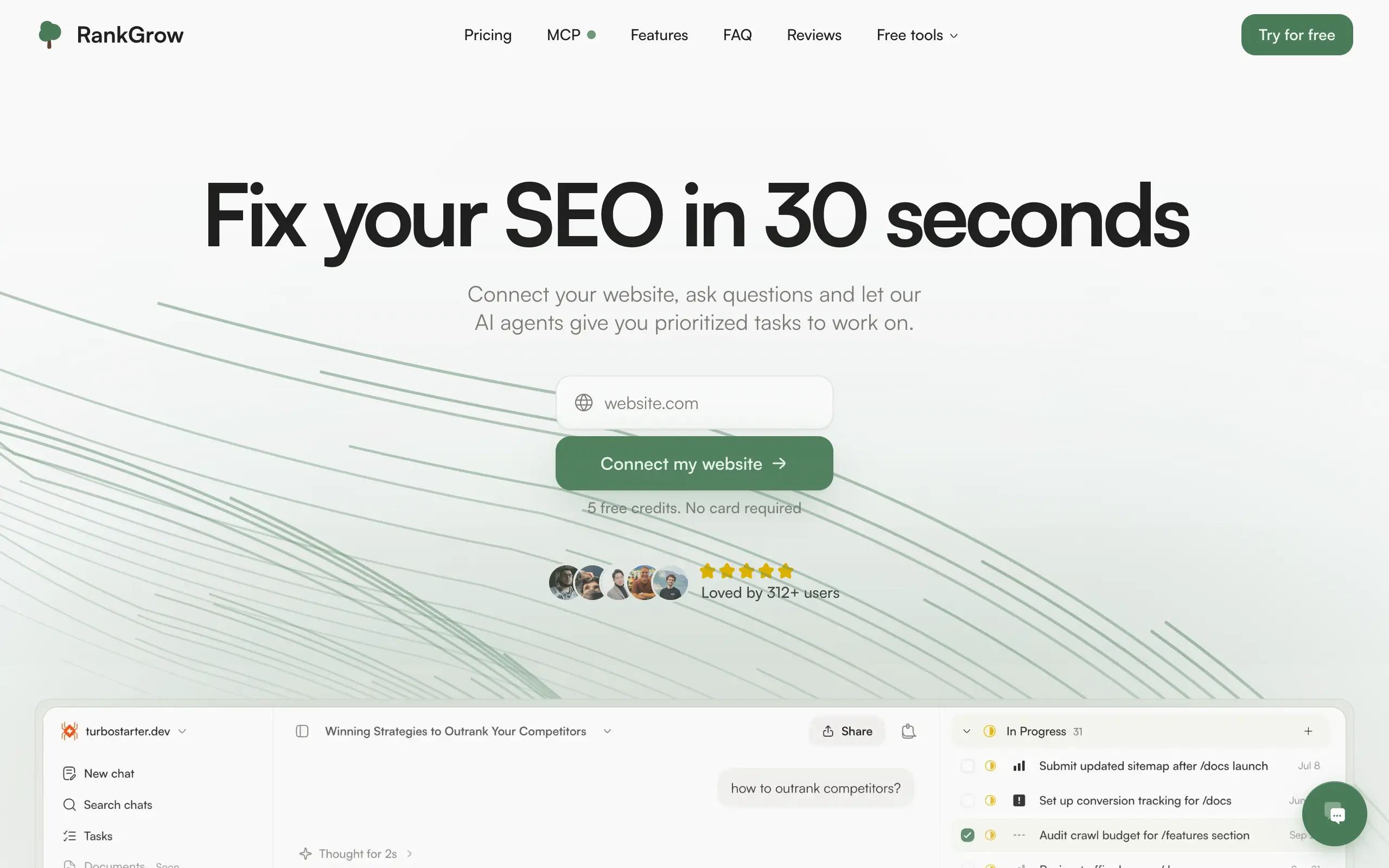
RankGrow
Fix your SEO with AI agents - connect Search Console, get prioritized tasks, and grow organic traffic 📈
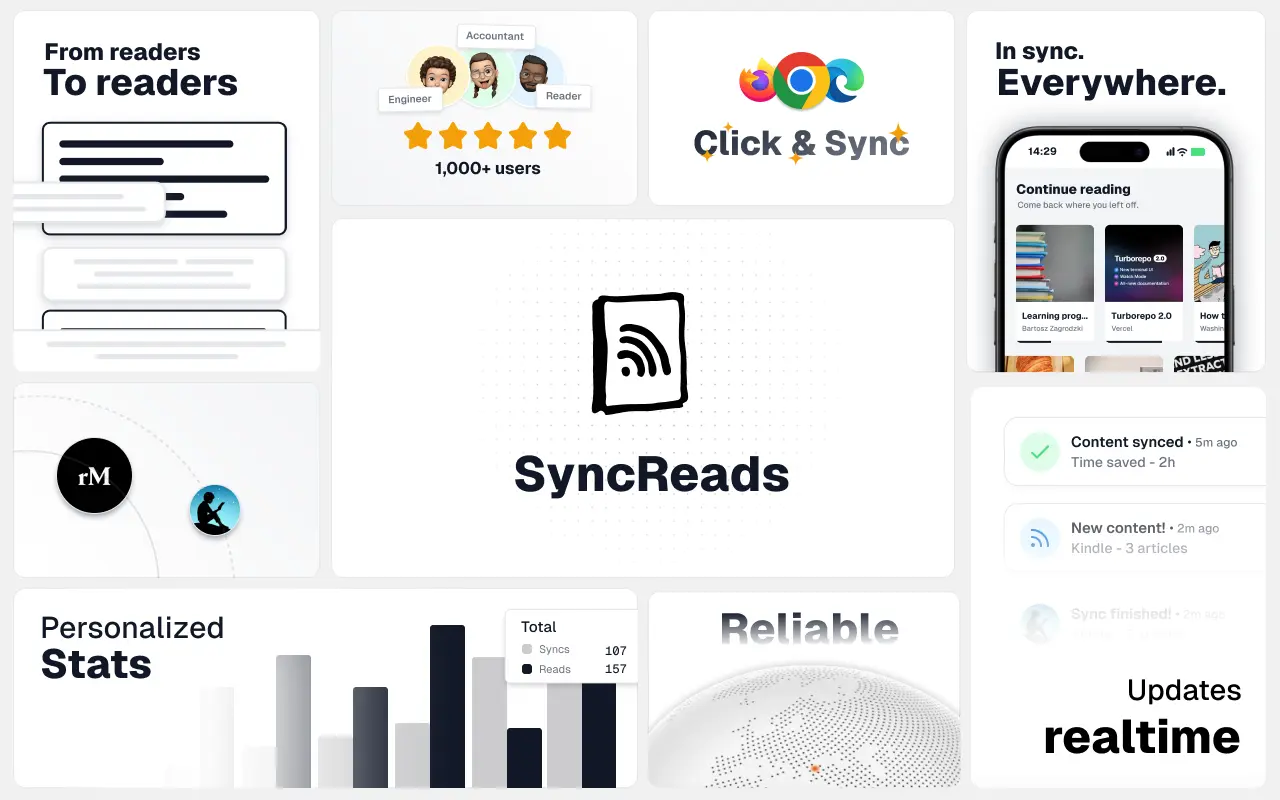
SyncReads
Sync your favorite content for distraction-free reading, save time and replace multiple apps. Anytime, anywhere 🔄
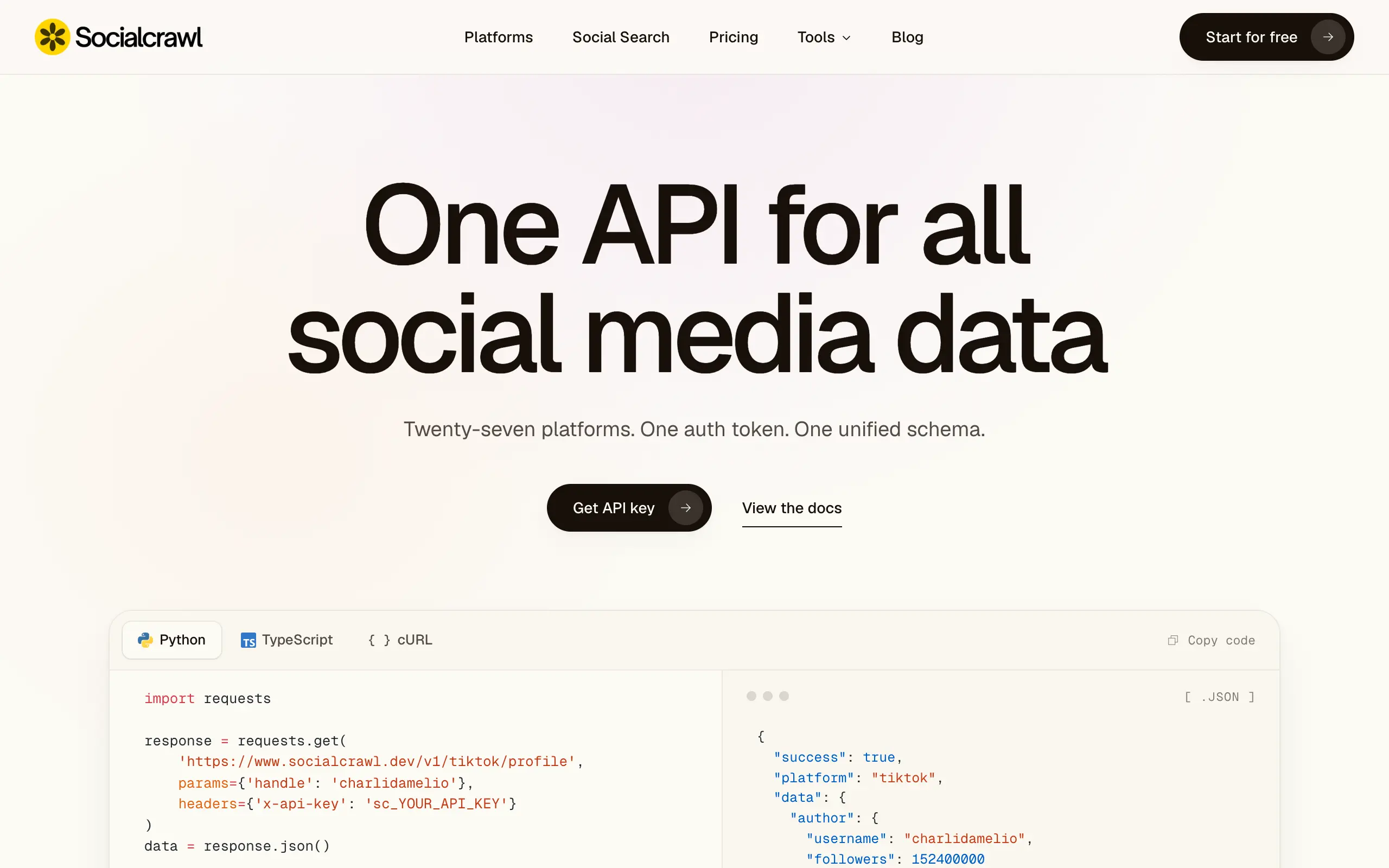
Socialcrawl
Get clean, structured data from 21 platforms like TikTok, Instagram, and YouTube with a single request 📊
Statiko
Monitor any Telegram channel in real time - track posts, edits, deletions, and growth with AI recaps 📡
Shibui
AI website builder - describe your business, pick a niche template, edit by chatting, and publish instantly ✨
Pro Service
Find verified home service professionals, compare quotes, and pay securely through escrow - built for Brazilians across the US 🏠
RankGrow
Fix your SEO with AI agents - connect Search Console, get prioritized tasks, and grow organic traffic 📈
SyncReads
Sync your favorite content for distraction-free reading, save time and replace multiple apps. Anytime, anywhere 🔄
Socialcrawl
Get clean, structured data from 21 platforms like TikTok, Instagram, and YouTube with a single request 📊
Statiko
Monitor any Telegram channel in real time - track posts, edits, deletions, and growth with AI recaps 📡
Shibui
AI website builder - describe your business, pick a niche template, edit by chatting, and publish instantly ✨
Pro Service
Find verified home service professionals, compare quotes, and pay securely through escrow - built for Brazilians across the US 🏠
RankGrow
Fix your SEO with AI agents - connect Search Console, get prioritized tasks, and grow organic traffic 📈
SyncReads
Sync your favorite content for distraction-free reading, save time and replace multiple apps. Anytime, anywhere 🔄
Socialcrawl
Get clean, structured data from 21 platforms like TikTok, Instagram, and YouTube with a single request 📊
Statiko
Monitor any Telegram channel in real time - track posts, edits, deletions, and growth with AI recaps 📡
Shibui
AI website builder - describe your business, pick a niche template, edit by chatting, and publish instantly ✨
Pro Service
Find verified home service professionals, compare quotes, and pay securely through escrow - built for Brazilians across the US 🏠
RankGrow
Fix your SEO with AI agents - connect Search Console, get prioritized tasks, and grow organic traffic 📈
SyncReads
Sync your favorite content for distraction-free reading, save time and replace multiple apps. Anytime, anywhere 🔄
Socialcrawl
Get clean, structured data from 21 platforms like TikTok, Instagram, and YouTube with a single request 📊
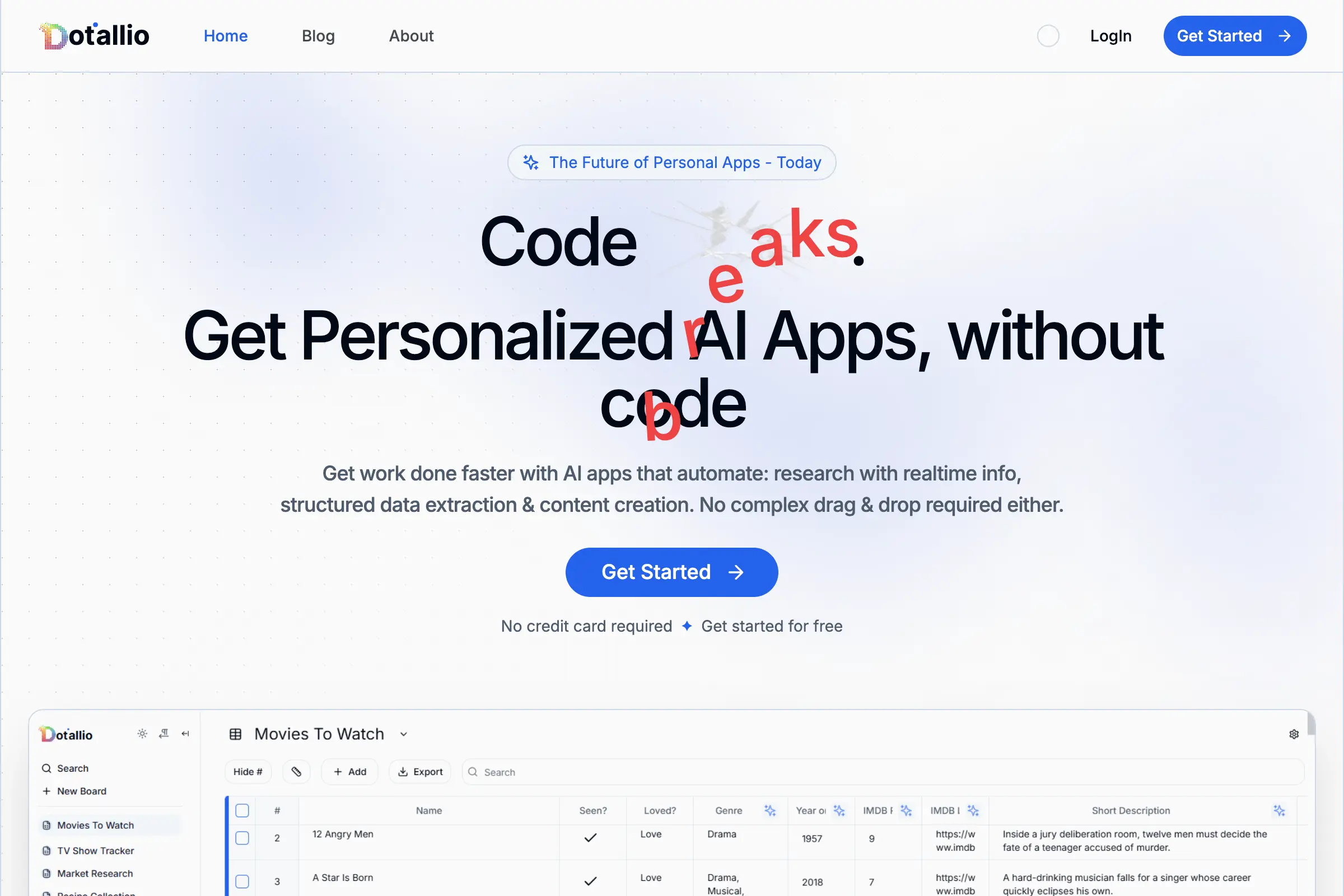
Dotallio
Personalized AI apps that automate research, data extraction, and content creation without code 🤖

Talk to Santa
Enjoy a magical live video chat or receive a unique AI-generated video greeting from Santa Claus 🎅
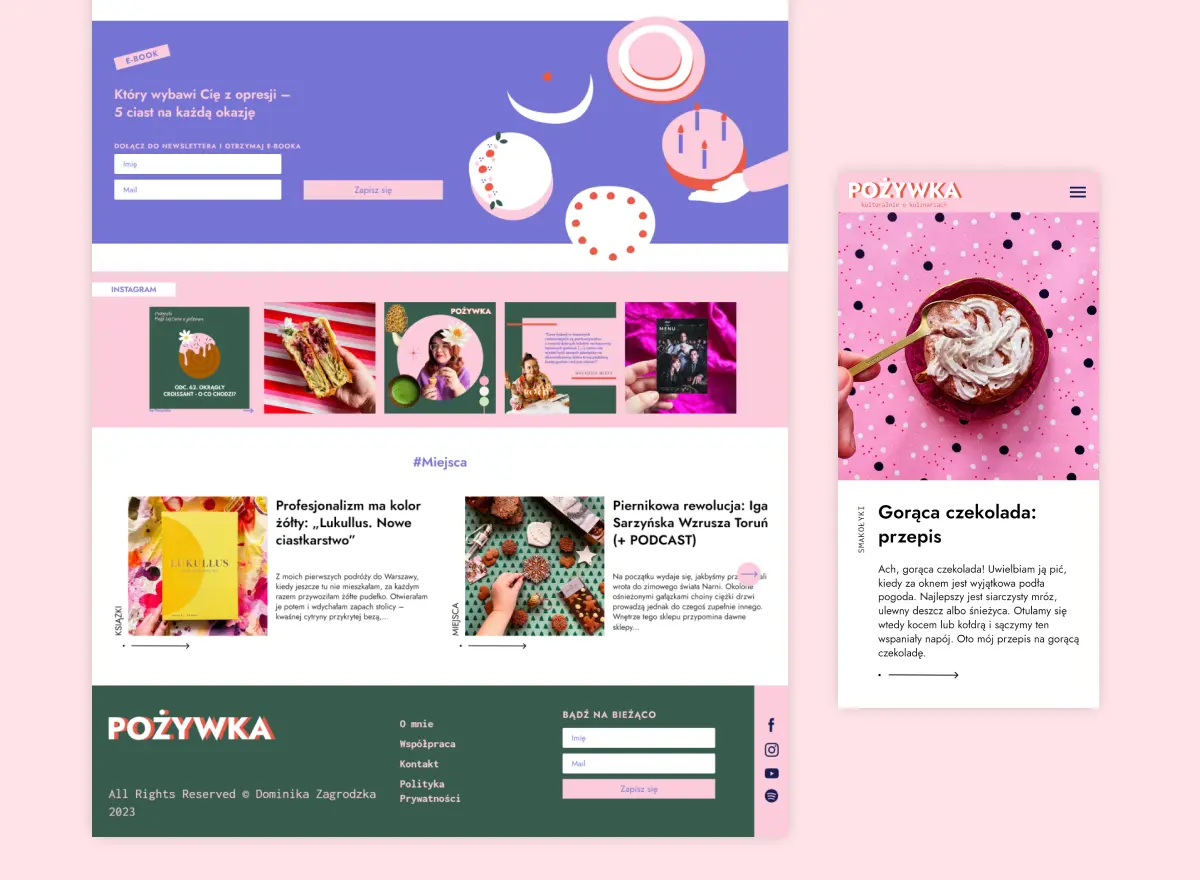
pozywka.pl
Scalable blog for food journalist, focused on performance and user experience 🌭
zagrodzki.me
Personal blog and portfolio of Bart Zagrodzki, where he shares his knowledge and work 💼
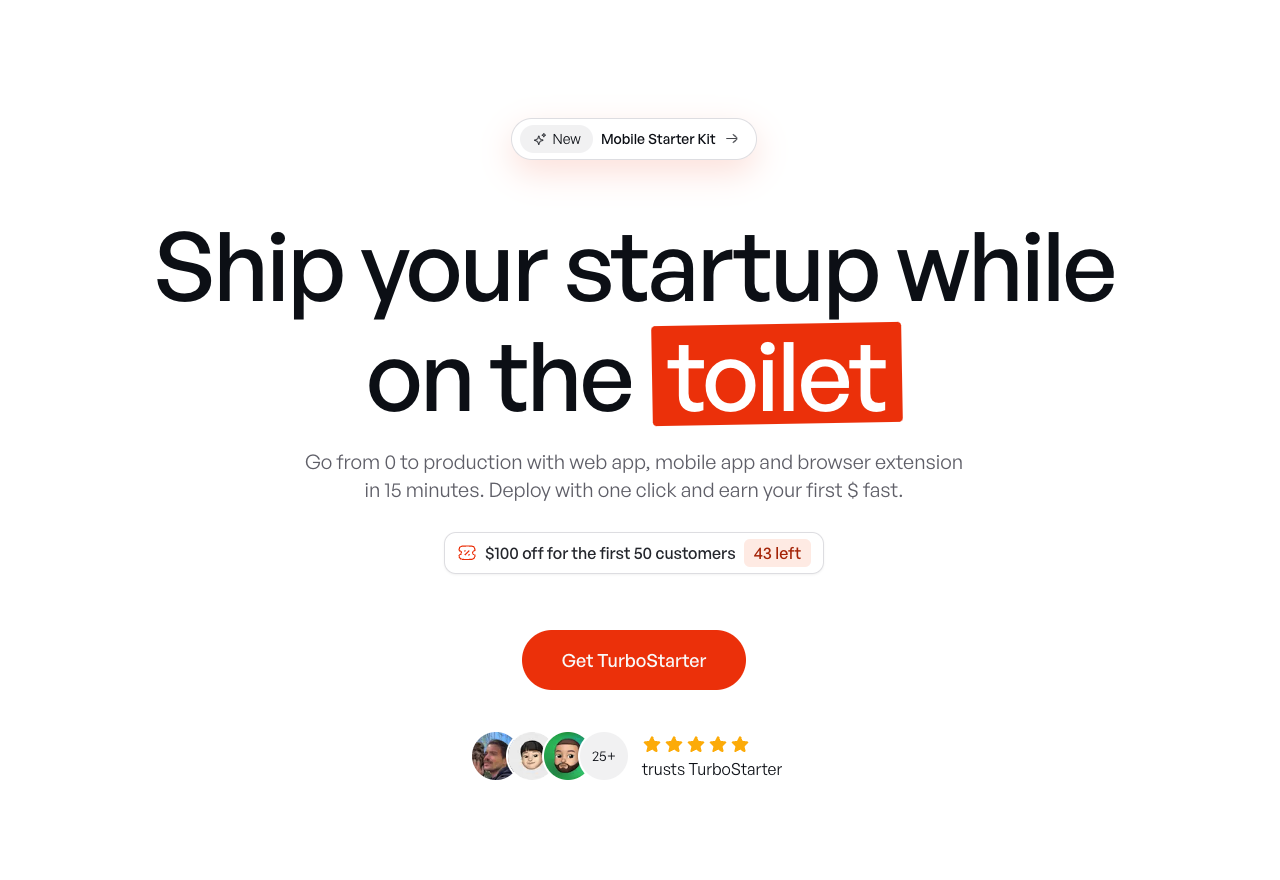
TurboStarter
Ship your startup everywhere. In minutes.
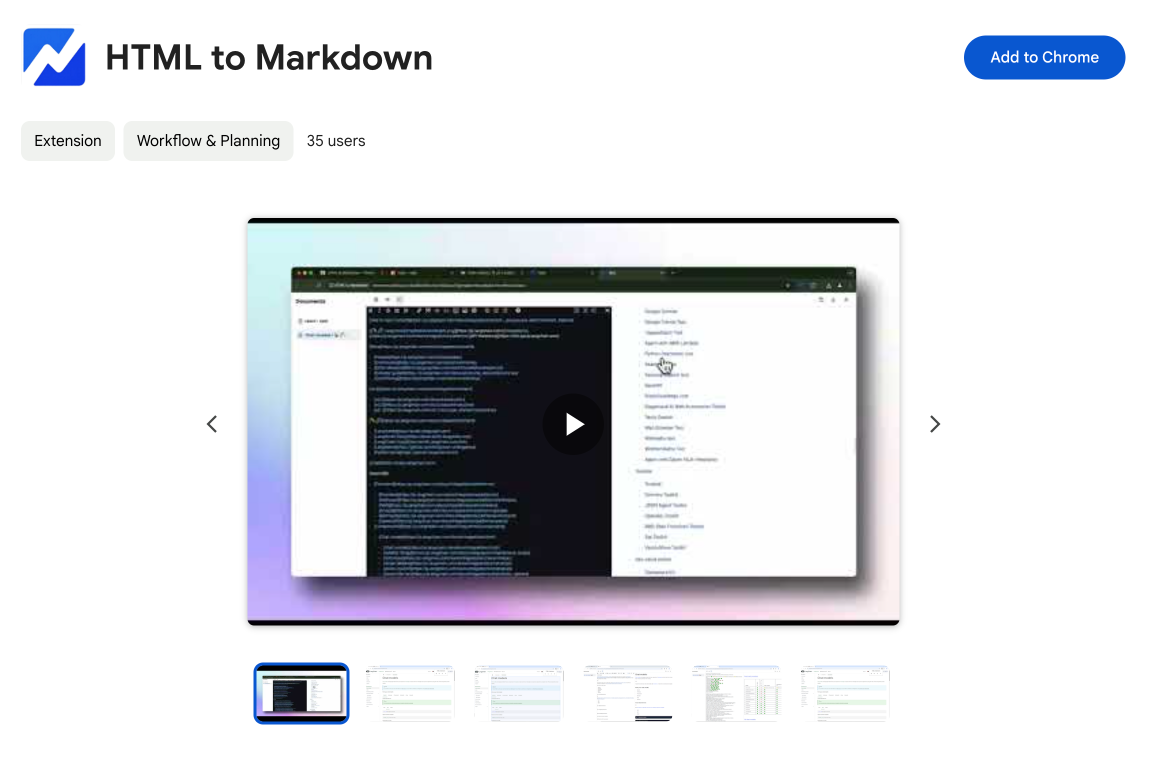
HTML to Markdown
Convert HTML to Markdown with ease, directly in your browser 📄
Dotallio
Personalized AI apps that automate research, data extraction, and content creation without code 🤖
Talk to Santa
Enjoy a magical live video chat or receive a unique AI-generated video greeting from Santa Claus 🎅
pozywka.pl
Scalable blog for food journalist, focused on performance and user experience 🌭
zagrodzki.me
Personal blog and portfolio of Bart Zagrodzki, where he shares his knowledge and work 💼
TurboStarter
Ship your startup everywhere. In minutes.
HTML to Markdown
Convert HTML to Markdown with ease, directly in your browser 📄
Dotallio
Personalized AI apps that automate research, data extraction, and content creation without code 🤖
Talk to Santa
Enjoy a magical live video chat or receive a unique AI-generated video greeting from Santa Claus 🎅
pozywka.pl
Scalable blog for food journalist, focused on performance and user experience 🌭
zagrodzki.me
Personal blog and portfolio of Bart Zagrodzki, where he shares his knowledge and work 💼
TurboStarter
Ship your startup everywhere. In minutes.
HTML to Markdown
Convert HTML to Markdown with ease, directly in your browser 📄
Dotallio
Personalized AI apps that automate research, data extraction, and content creation without code 🤖
Talk to Santa
Enjoy a magical live video chat or receive a unique AI-generated video greeting from Santa Claus 🎅
pozywka.pl
Scalable blog for food journalist, focused on performance and user experience 🌭
zagrodzki.me
Personal blog and portfolio of Bart Zagrodzki, where he shares his knowledge and work 💼
TurboStarter
Ship your startup everywhere. In minutes.
HTML to Markdown
Convert HTML to Markdown with ease, directly in your browser 📄
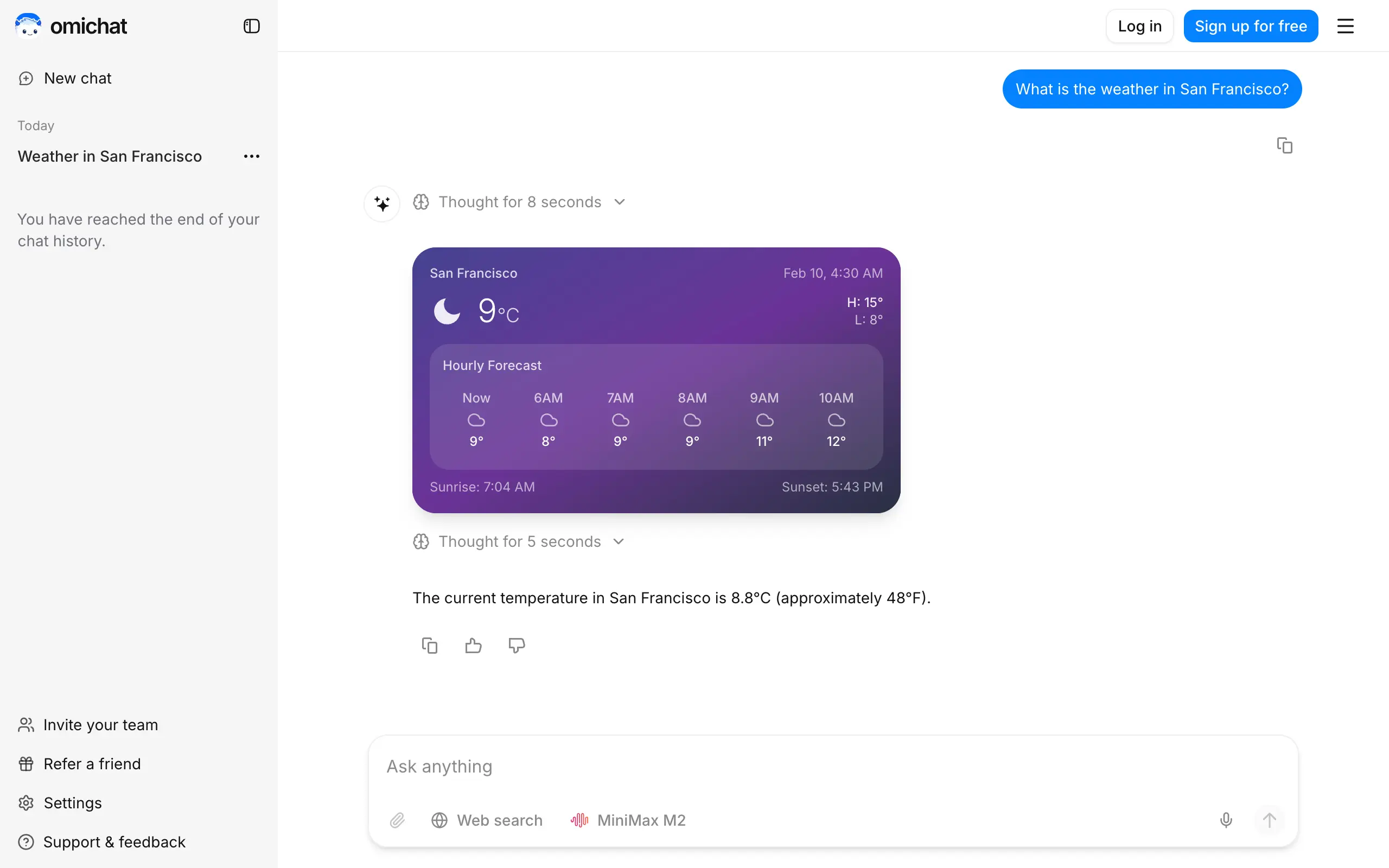
Omichat
Chat with 50+ AI models, including ChatGPT and Claude, in one place - switch models anytime without losing context 🤖
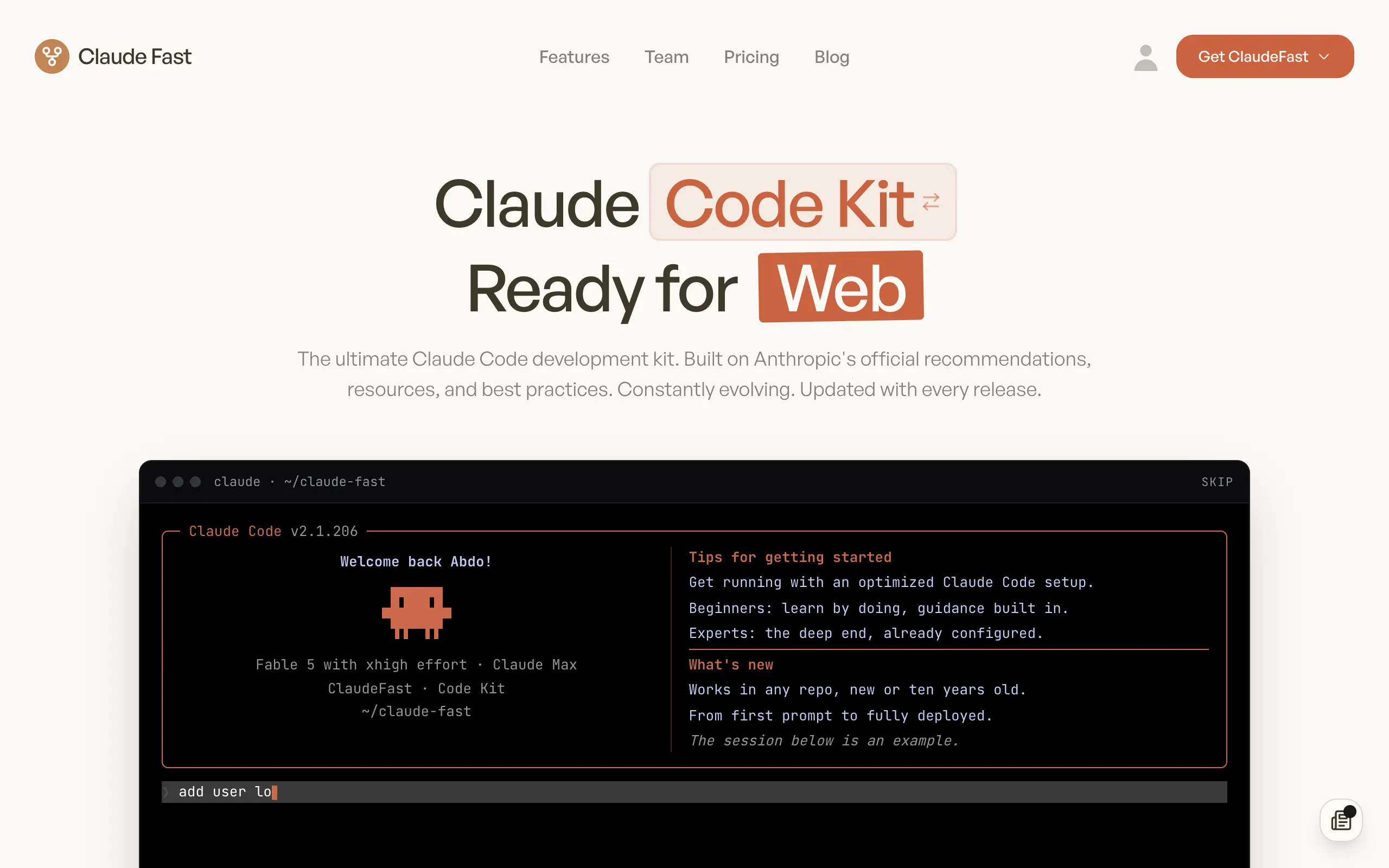
Claude Fast
Supercharge your Claude Code with 6x effective context window and specialized AI agents 🤖
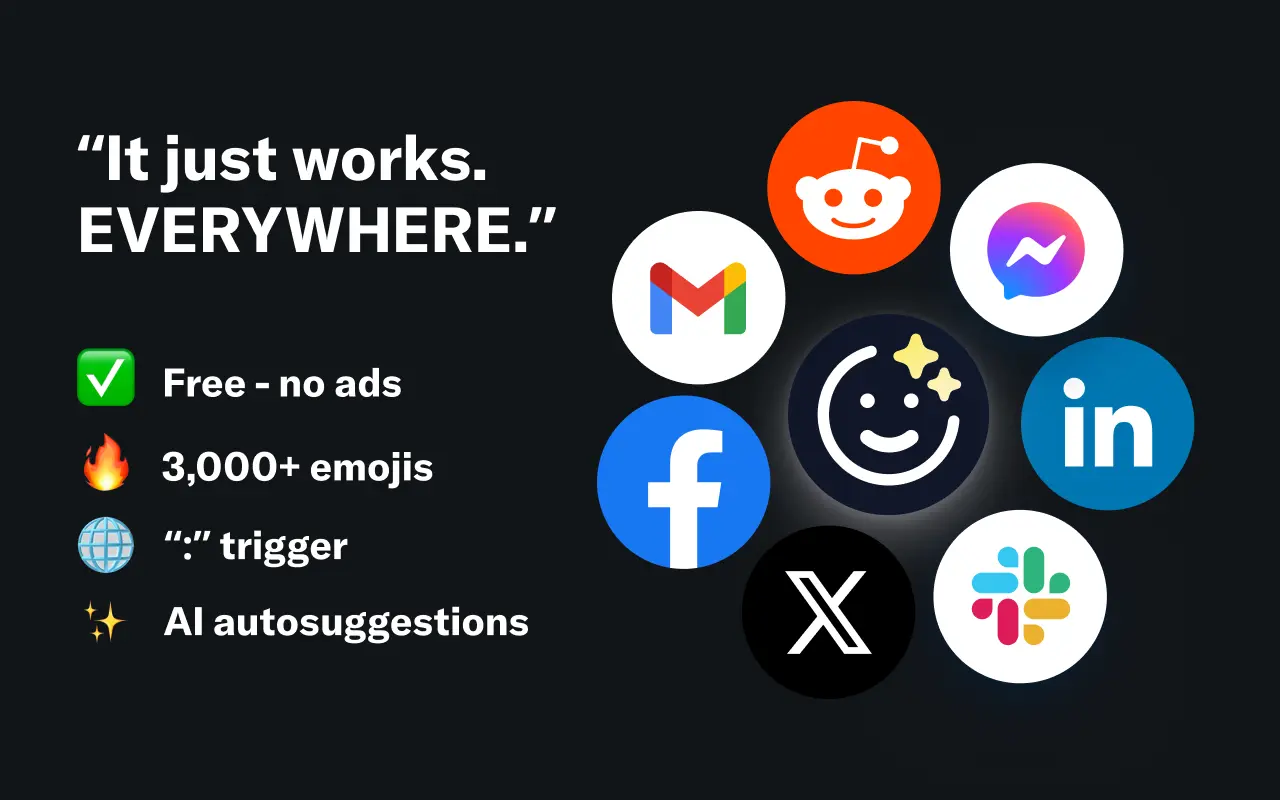
EmojAI
AI-powered emoji picker with smart, context-aware suggestions 🤖
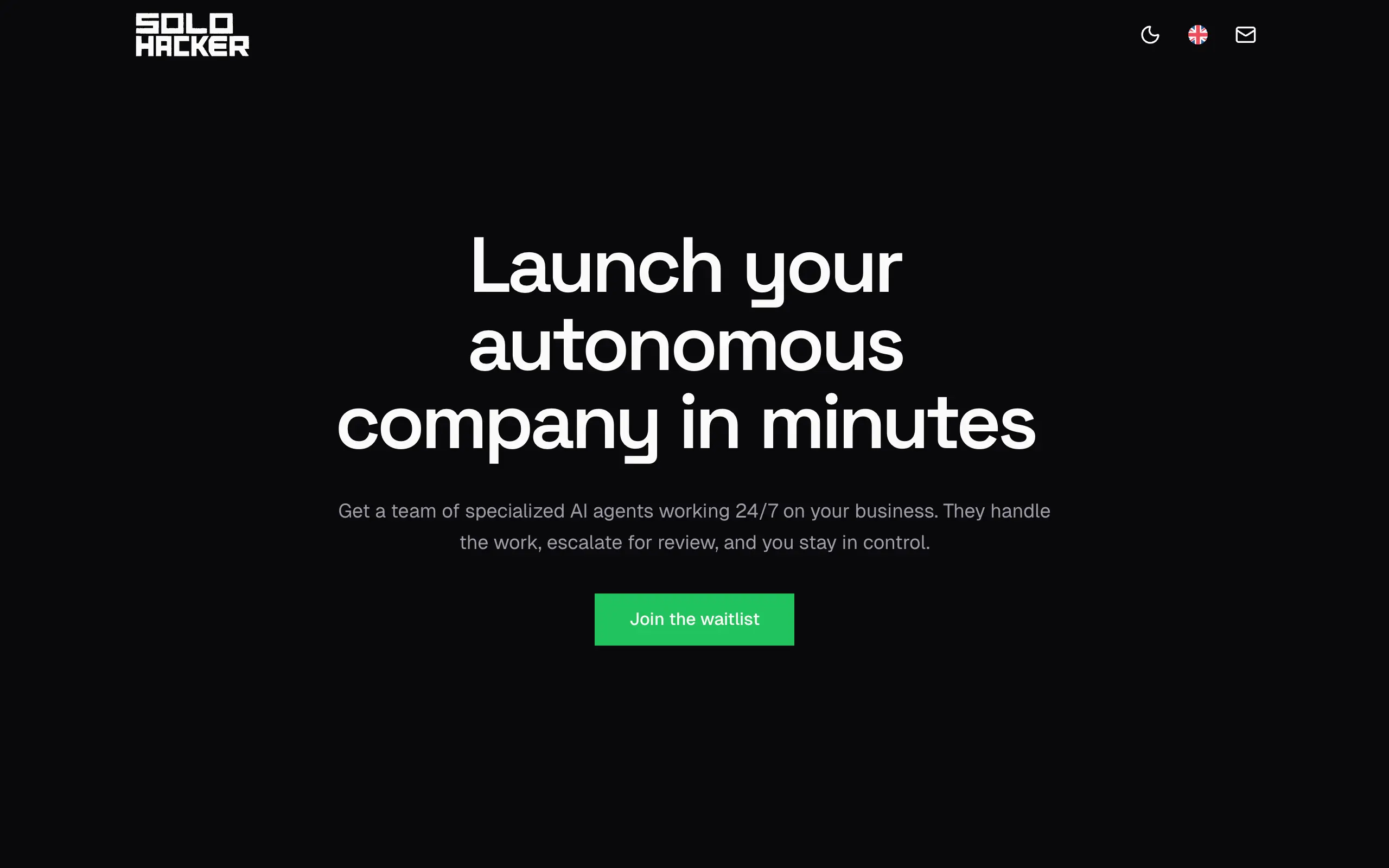
Solohacker
Autonomous company launcher - AI agents work 24/7, escalate what matters, and you stay in control 🤖
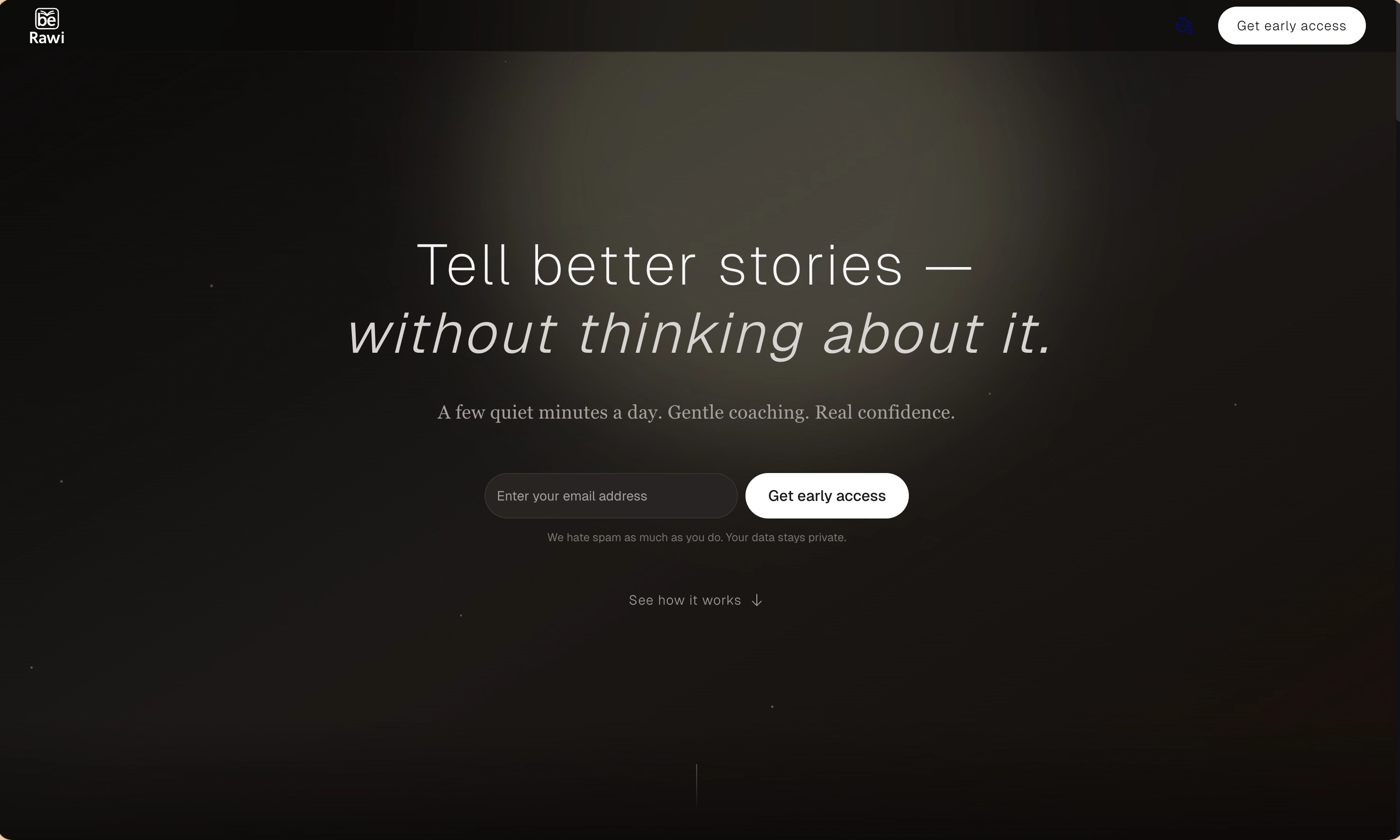
BeRawi: Storytelling Coach
Practice storytelling daily with instant feedback to sound clearer, more engaging, and confident 🎤
Omichat
Chat with 50+ AI models, including ChatGPT and Claude, in one place - switch models anytime without losing context 🤖
Claude Fast
Supercharge your Claude Code with 6x effective context window and specialized AI agents 🤖
EmojAI
AI-powered emoji picker with smart, context-aware suggestions 🤖
Solohacker
Autonomous company launcher - AI agents work 24/7, escalate what matters, and you stay in control 🤖
BeRawi: Storytelling Coach
Practice storytelling daily with instant feedback to sound clearer, more engaging, and confident 🎤
Omichat
Chat with 50+ AI models, including ChatGPT and Claude, in one place - switch models anytime without losing context 🤖
Claude Fast
Supercharge your Claude Code with 6x effective context window and specialized AI agents 🤖
EmojAI
AI-powered emoji picker with smart, context-aware suggestions 🤖
Solohacker
Autonomous company launcher - AI agents work 24/7, escalate what matters, and you stay in control 🤖
BeRawi: Storytelling Coach
Practice storytelling daily with instant feedback to sound clearer, more engaging, and confident 🎤
Omichat
Chat with 50+ AI models, including ChatGPT and Claude, in one place - switch models anytime without losing context 🤖
Claude Fast
Supercharge your Claude Code with 6x effective context window and specialized AI agents 🤖
EmojAI
AI-powered emoji picker with smart, context-aware suggestions 🤖
Solohacker
Autonomous company launcher - AI agents work 24/7, escalate what matters, and you stay in control 🤖
BeRawi: Storytelling Coach
Practice storytelling daily with instant feedback to sound clearer, more engaging, and confident 🎤

Connect with like-minded people
Join our community to get feedback, support, and grow together with 1,000+ builders on board, let's ship it!
Join usShip your startup everywhere. In minutes.
Don't burn tokens on setup and start building features on day one.