FormFixer
AI that reviews and optimizes online forms for clarity, accessibility, and completion rates, providing actionable suggestions to reduce user drop-off.
Understanding the need for smarter online forms
Online forms are the backbone of digital interaction—whether it's signing up for a newsletter, completing a purchase, or submitting feedback. Yet, form abandonment rates remain stubbornly high, with studies often citing averages between 60% and 80% (see reference: Baymard Institute). The reasons are clear: confusing layouts, unclear instructions, poor accessibility, and unnecessary friction all contribute to user frustration and drop-off.
FormFixer is an AI-powered SaaS solution designed to tackle these challenges head-on. By reviewing and optimizing online forms for clarity, accessibility, and completion rates, FormFixer provides actionable suggestions that help businesses reduce user drop-off and maximize conversions.
In this comprehensive guide, we'll explore the market need, target audience, core features, technology stack, monetization strategies, risks, and implementation steps for FormFixer. Our goal is to provide expert-level insight for founders, product managers, and technical teams considering building or adopting such a solution.
Who needs FormFixer? Target audience analysis
Understanding the target audience is crucial for any SaaS product, especially one as specialized as FormFixer. The primary users and beneficiaries include:
- E-commerce businesses: Online retailers rely on forms for checkout, account creation, and customer feedback. Even minor improvements in form completion rates can translate to significant revenue gains.
- SaaS companies: User onboarding, demo requests, and support tickets all depend on effective forms.
- Marketing teams and agencies: Lead generation forms are a critical touchpoint. Marketers are always seeking ways to boost conversion rates.
- UX/UI designers: Professionals tasked with optimizing user journeys need data-driven insights to refine forms.
- Accessibility advocates: Organizations committed to digital inclusivity must ensure forms are usable by everyone, including people with disabilities.
- Developers and product managers: Teams responsible for building and maintaining web applications want to minimize friction and maximize user satisfaction.
Key pain points addressed:
- High form abandonment rates
- Poor accessibility compliance (e.g., WCAG, ADA)
- Low conversion rates due to unclear or lengthy forms
- Lack of actionable insights for form improvement
Identifying the market opportunity and gaps
Despite the ubiquity of online forms, most businesses still rely on manual reviews or basic analytics to optimize them. Existing solutions often fall short in several areas:
- Limited automation: Most tools provide only surface-level analytics (e.g., drop-off rates) without actionable, AI-driven suggestions.
- Accessibility blind spots: Many form builders and analytics platforms overlook accessibility, leaving businesses exposed to legal and reputational risks.
- Generic recommendations: Current solutions rarely tailor suggestions to the specific context or user base of a form.
- Integration challenges: Embedding optimization tools into existing workflows can be cumbersome.
FormFixer addresses these gaps by leveraging AI to deliver:
- Deep, context-aware analysis of form structure, language, and accessibility
- Actionable, prioritized recommendations for improvement
- Seamless integration with popular form builders and CMS platforms
Industry trend
AI-driven UX optimization is a rapidly growing field, with businesses increasingly seeking automated solutions to improve digital experiences and comply with accessibility standards.
Core features and solution details
FormFixer stands out by offering a comprehensive suite of features designed to maximize form performance and inclusivity.
1. AI-powered form analysis
- Semantic review: The AI engine parses form fields, labels, and instructions to identify ambiguity, jargon, or unclear language.
- Completion rate prediction: Using historical data and machine learning, FormFixer estimates the likelihood of form completion and highlights high-risk fields.
- Accessibility audit: Automated checks for WCAG and ADA compliance, including color contrast, keyboard navigation, and screen reader compatibility.
2. Actionable optimization suggestions
- Field-level recommendations: Suggestions to reword, reorder, or remove fields that cause friction.
- Clarity enhancements: Tips for simplifying instructions, reducing cognitive load, and improving microcopy.
- Accessibility fixes: Concrete steps to address missing labels, ARIA attributes, or insufficient contrast.
3. Integration and workflow support
- Browser extension and API: Analyze forms directly in the browser or via API for CI/CD integration.
- CMS and form builder plugins: One-click integration with platforms like WordPress, Shopify, and Webflow.
- Collaboration tools: Share reports and recommendations with team members or clients.
4. Reporting and benchmarking
- Customizable reports: Export insights in PDF, CSV, or shareable links.
- Industry benchmarks: Compare your form's performance against anonymized data from similar businesses.
- A/B testing support: Track the impact of implemented changes on completion rates.
AI-driven clarity analysis
Detects confusing language and suggests improvements for better user understanding.
Accessibility compliance
Automated checks and fixes for WCAG/ADA standards, ensuring inclusivity.
Seamless integrations
Works with popular form builders and CMS platforms for easy adoption.
Actionable reports
Delivers prioritized, field-level recommendations to boost completion rates.
Recommended tech stack for FormFixer
Choosing the right technology stack is essential for scalability, maintainability, and performance. Here’s a recommended stack for building FormFixer, along with trade-offs to consider:
Frontend
- React: For building a responsive, component-based UI.
- TailwindCSS: Utility-first CSS framework for rapid styling.
- TypeScript: Adds type safety and improves code maintainability.
Trade-off: React offers flexibility and a large ecosystem, but may require additional configuration for SSR or SEO optimization.
Backend
- Node.js: Scalable, event-driven backend for handling API requests.
- Express: Lightweight framework for building RESTful APIs.
- Python (for AI/ML): Leverage libraries like scikit-learn, spaCy, or TensorFlow for natural language processing and machine learning.
Trade-off: Combining Node.js and Python requires inter-process communication (e.g., via REST or gRPC), which adds complexity but allows leveraging the best tools for each task.
Database
- PostgreSQL: Robust, open-source relational database for storing user data, form metadata, and analysis results.
Integrations
- Browser extension: Built with Chrome Extensions API.
- API: RESTful or GraphQL endpoints for integration with third-party tools.
Hosting and DevOps
- Vercel or Netlify: For frontend hosting and serverless functions.
- AWS or GCP: For scalable backend and AI workloads.
- CI/CD: GitHub Actions for automated testing and deployment.
Monetization strategy options
A successful SaaS must balance value delivery with sustainable revenue. Here are proven monetization models for FormFixer:
1. Subscription-based pricing
- Tiered plans: Offer basic analysis for free or at a low cost, with premium features (e.g., advanced AI, integrations, benchmarking) behind paywalls.
- Usage-based pricing: Charge based on the number of forms analyzed or monthly active users.
2. Enterprise licensing
- Custom contracts: For large organizations needing advanced features, dedicated support, or on-premise deployment.
3. Pay-per-report
- One-off purchases: Allow users to buy individual form analysis reports without a subscription.
4. Affiliate and partnership programs
- Integration partners: Collaborate with form builders, CMS platforms, or agencies for revenue sharing.
A freemium approach can drive user acquisition by offering basic analysis for free, then upselling advanced features. However, it requires careful balancing to avoid cannibalizing paid plans.
Consider offering agency plans with bulk analysis credits, white-labeling, and team collaboration features.
Potential risks and mitigation strategies
Launching an AI-powered SaaS like FormFixer comes with unique challenges. Here’s how to anticipate and address them:
1. Data privacy and security
- Risk: Handling sensitive form data may raise privacy concerns.
- Mitigation: Implement strong encryption, anonymize data, and comply with regulations like GDPR and CCPA.
2. AI accuracy and bias
- Risk: Inaccurate or biased recommendations could harm user experience or accessibility.
- Mitigation: Continuously train models on diverse datasets, incorporate human-in-the-loop review, and allow users to provide feedback on suggestions.
3. Integration complexity
- Risk: Users may struggle to integrate FormFixer with their existing workflows.
- Mitigation: Provide robust documentation, plugins, and customer support.
4. Accessibility compliance
- Risk: Failing to keep up with evolving accessibility standards.
- Mitigation: Regularly update audit algorithms and consult with accessibility experts.
5. Market competition
- Risk: Competing with established analytics or form builder platforms.
- Mitigation: Focus on unique AI-driven insights, accessibility leadership, and seamless integrations.
Competitive advantage analysis
To stand out in a crowded market, FormFixer must deliver clear, differentiated value. Here’s how it compares to typical alternatives:
| FormFixer | Basic analytics tools | Manual UX review | Form builder plugins | Generic AI tools |
|---|---|---|---|---|
| ✅ | ❌ | ❌ | ✅ | ❌ |
| ✅ | ❌ | ✅ | ✅ | ❌ |
Unique selling points (USPs):
- AI-driven, context-aware recommendations (not just analytics)
- Automated accessibility audits with actionable fixes
- Seamless integration with popular platforms and workflows
- Continuous learning from anonymized industry data
- Collaboration and reporting tools for teams and agencies
Actionable steps to implement FormFixer
Building and launching FormFixer requires a structured approach. Here’s a step-by-step roadmap:
Conclusion: Why FormFixer is the future of form optimization
FormFixer represents a new era in online form optimization—one where AI, accessibility, and actionable insights converge to deliver measurable improvements in user experience and business outcomes. By addressing the root causes of form abandonment and making digital interactions more inclusive, FormFixer empowers organizations to unlock higher conversion rates, reduce legal risk, and build trust with their users.
Whether you're a product manager seeking to boost sign-ups, a marketer aiming to capture more leads, or a developer striving for accessibility compliance, FormFixer offers a powerful, easy-to-integrate solution.
Ready to transform your forms and drive better results? Explore how TurboStarter can help you launch your own AI-powered SaaS like FormFixer.
Frequently asked questions
Unlike basic analytics tools that only show where users drop off, FormFixer uses AI to analyze why users abandon forms and provides specific, actionable recommendations to fix those issues.
Absolutely. FormFixer’s tiered pricing and easy integrations make it accessible for businesses of all sizes, from solo entrepreneurs to large enterprises.
The platform runs automated audits against WCAG and ADA standards, highlighting issues and suggesting concrete fixes to ensure your forms are usable by everyone.
Yes. FormFixer offers browser extensions, APIs, and plugins for popular CMS and form builder platforms, making integration seamless.
Further reading and resources
- Web Content Accessibility Guidelines (WCAG)
- Baymard Institute: Form Abandonment Statistics
- React documentation
- TailwindCSS documentation
- TurboStarter
By leveraging the power of AI and a relentless focus on user experience, FormFixer is poised to become an indispensable tool for anyone serious about optimizing online forms for clarity, accessibility, and conversion.
More 🤖 AI Startup SaaS ideas
Discover more innovative ai startup SaaS ideas that are trending in 2026. Each idea is AI-generated with market validation and growth potential to help you find your next profitable venture faster than competitors.
Your competitors are building with TurboStarter
Below are some of the SaaS ideas that have been generated and built with our starter kit.

Statiko
Monitor any Telegram channel in real time - track posts, edits, deletions, and growth with AI recaps 📡

Shibui
AI website builder - describe your business, pick a niche template, edit by chatting, and publish instantly ✨

Pro Service
Find verified home service professionals, compare quotes, and pay securely through escrow - built for Brazilians across the US 🏠
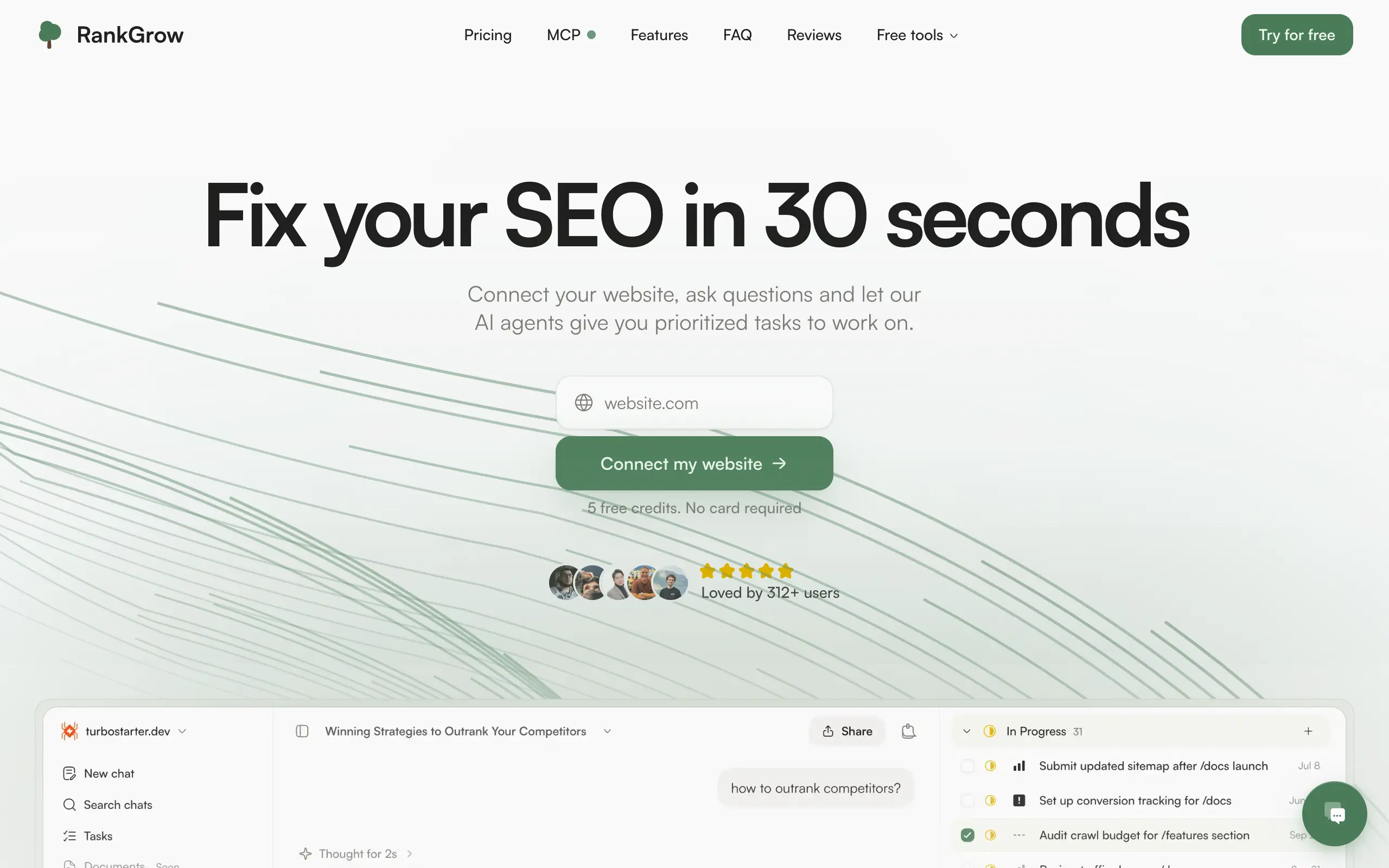
RankGrow
Fix your SEO with AI agents - connect Search Console, get prioritized tasks, and grow organic traffic 📈
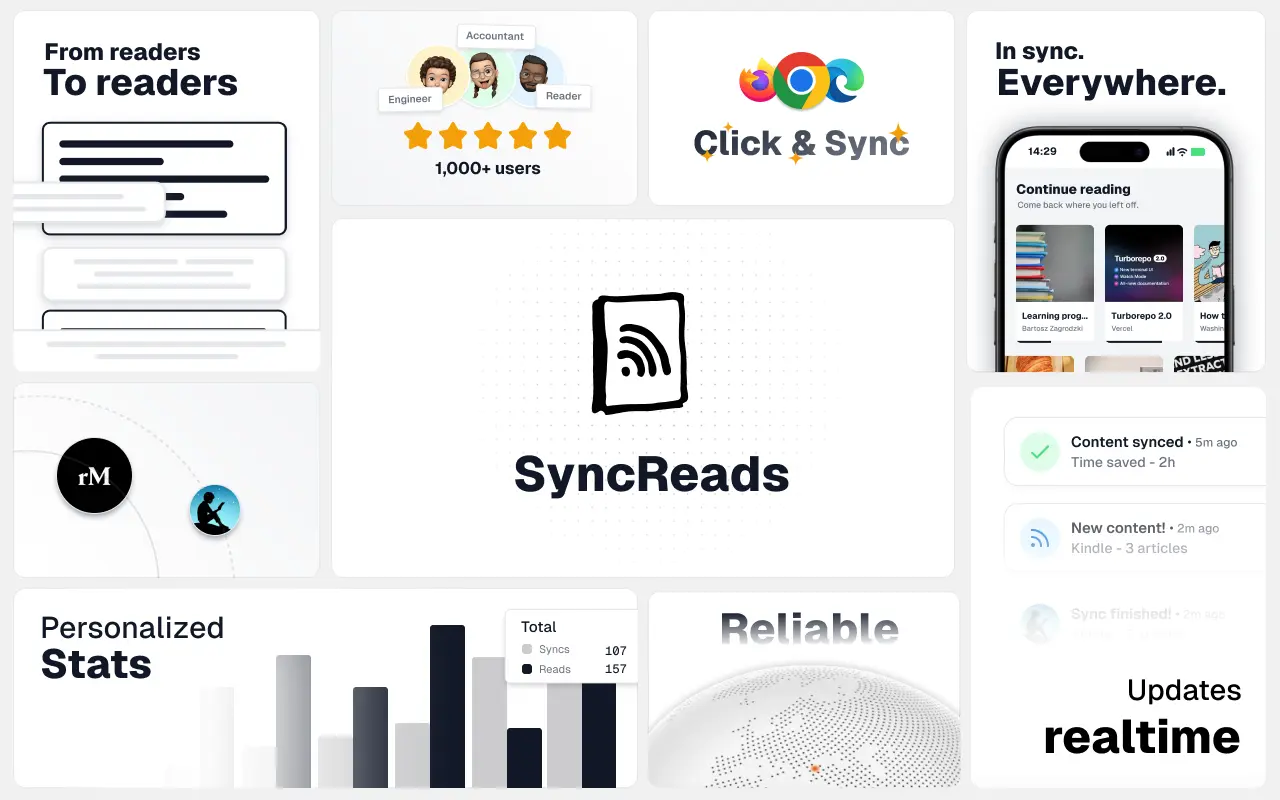
SyncReads
Sync your favorite content for distraction-free reading, save time and replace multiple apps. Anytime, anywhere 🔄
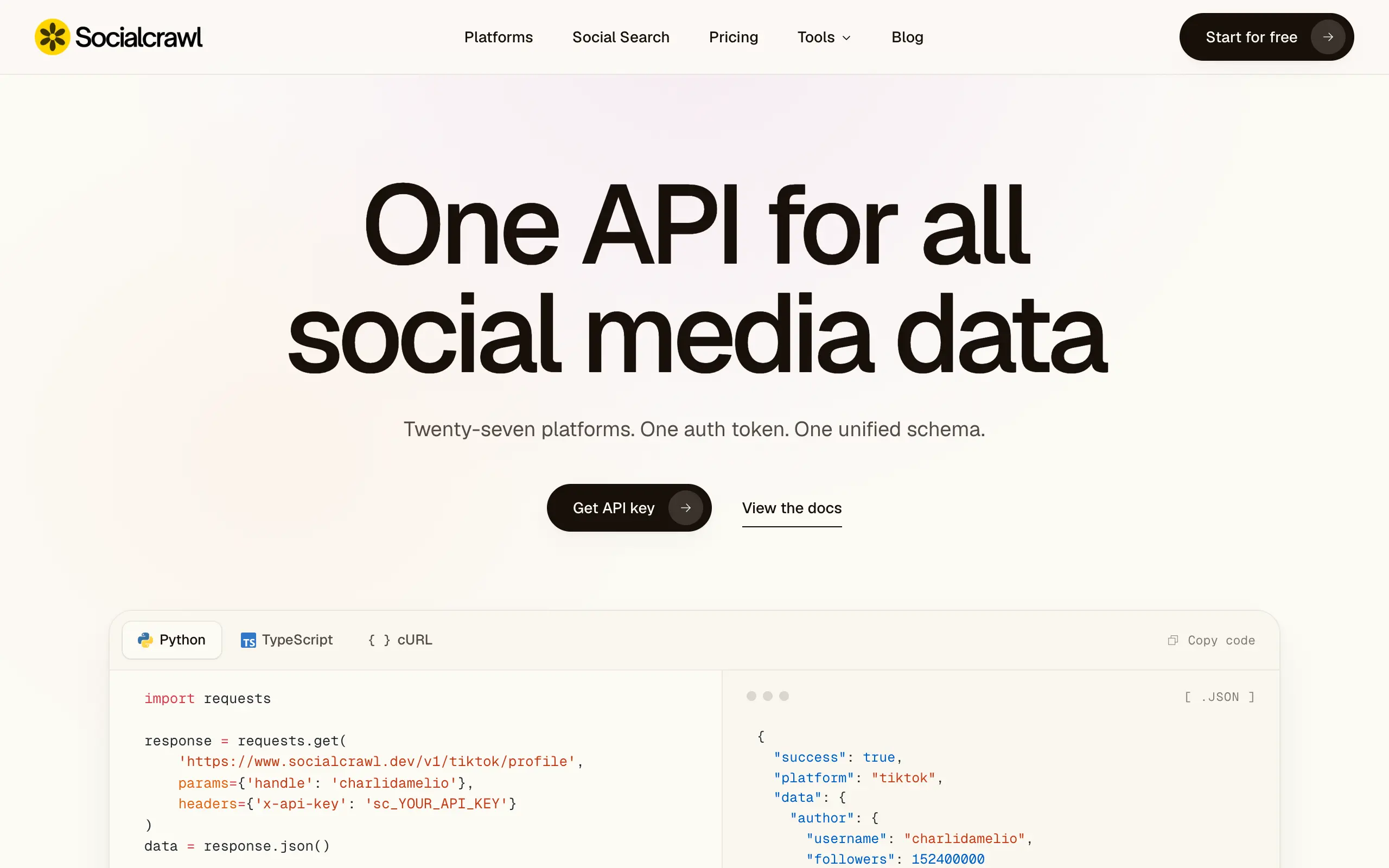
Socialcrawl
Get clean, structured data from 21 platforms like TikTok, Instagram, and YouTube with a single request 📊
Statiko
Monitor any Telegram channel in real time - track posts, edits, deletions, and growth with AI recaps 📡
Shibui
AI website builder - describe your business, pick a niche template, edit by chatting, and publish instantly ✨
Pro Service
Find verified home service professionals, compare quotes, and pay securely through escrow - built for Brazilians across the US 🏠
RankGrow
Fix your SEO with AI agents - connect Search Console, get prioritized tasks, and grow organic traffic 📈
SyncReads
Sync your favorite content for distraction-free reading, save time and replace multiple apps. Anytime, anywhere 🔄
Socialcrawl
Get clean, structured data from 21 platforms like TikTok, Instagram, and YouTube with a single request 📊
Statiko
Monitor any Telegram channel in real time - track posts, edits, deletions, and growth with AI recaps 📡
Shibui
AI website builder - describe your business, pick a niche template, edit by chatting, and publish instantly ✨
Pro Service
Find verified home service professionals, compare quotes, and pay securely through escrow - built for Brazilians across the US 🏠
RankGrow
Fix your SEO with AI agents - connect Search Console, get prioritized tasks, and grow organic traffic 📈
SyncReads
Sync your favorite content for distraction-free reading, save time and replace multiple apps. Anytime, anywhere 🔄
Socialcrawl
Get clean, structured data from 21 platforms like TikTok, Instagram, and YouTube with a single request 📊
Statiko
Monitor any Telegram channel in real time - track posts, edits, deletions, and growth with AI recaps 📡
Shibui
AI website builder - describe your business, pick a niche template, edit by chatting, and publish instantly ✨
Pro Service
Find verified home service professionals, compare quotes, and pay securely through escrow - built for Brazilians across the US 🏠
RankGrow
Fix your SEO with AI agents - connect Search Console, get prioritized tasks, and grow organic traffic 📈
SyncReads
Sync your favorite content for distraction-free reading, save time and replace multiple apps. Anytime, anywhere 🔄
Socialcrawl
Get clean, structured data from 21 platforms like TikTok, Instagram, and YouTube with a single request 📊
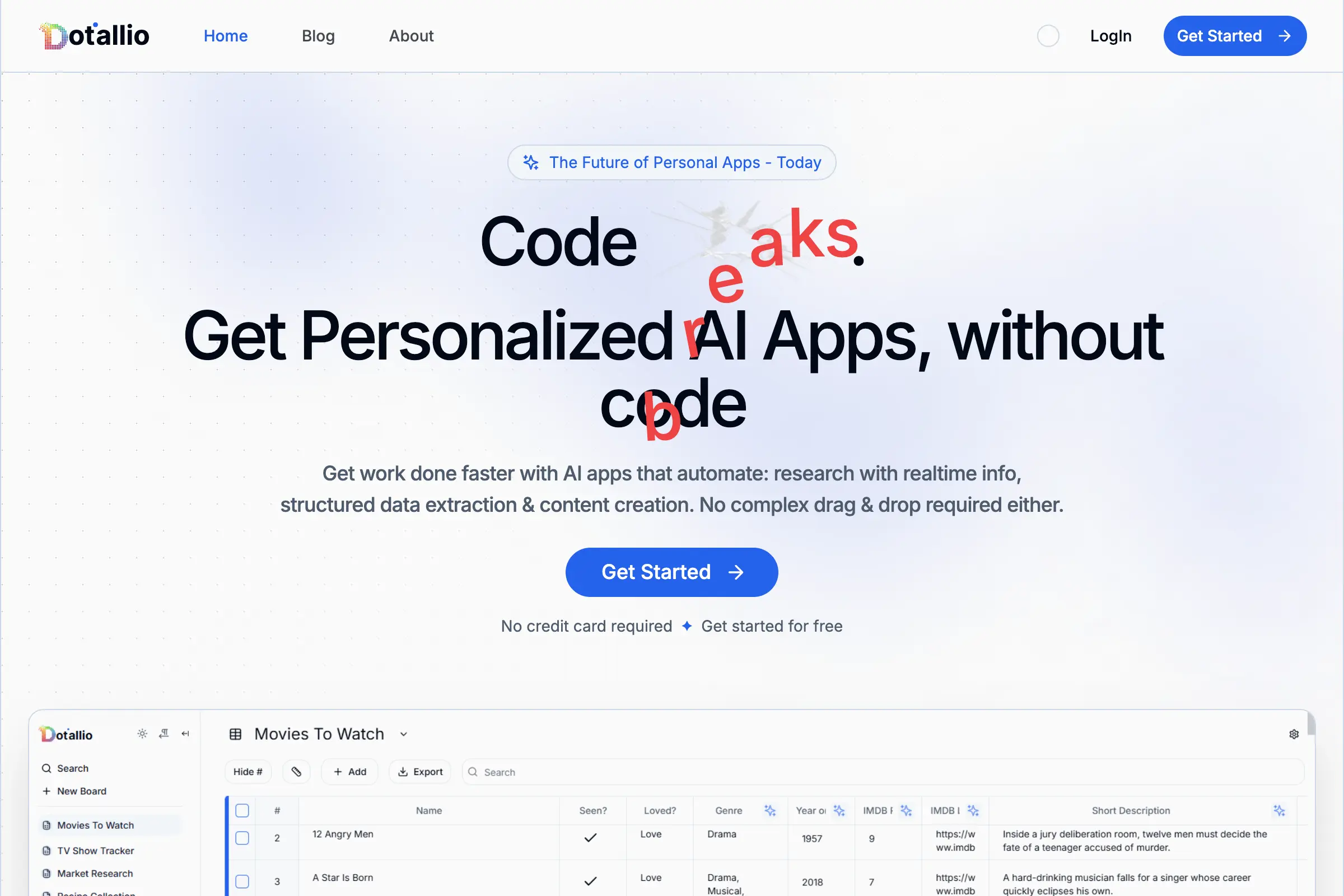
Dotallio
Personalized AI apps that automate research, data extraction, and content creation without code 🤖

Talk to Santa
Enjoy a magical live video chat or receive a unique AI-generated video greeting from Santa Claus 🎅
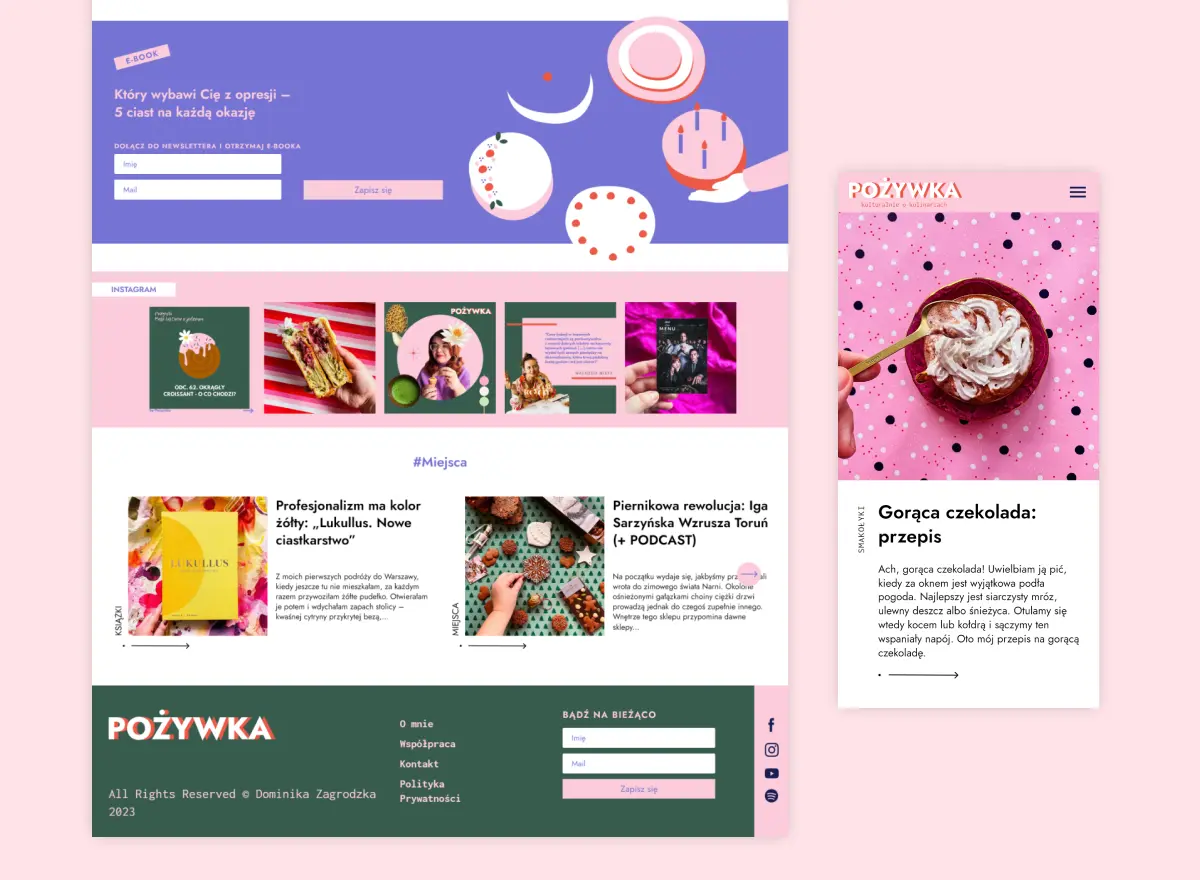
pozywka.pl
Scalable blog for food journalist, focused on performance and user experience 🌭
zagrodzki.me
Personal blog and portfolio of Bart Zagrodzki, where he shares his knowledge and work 💼
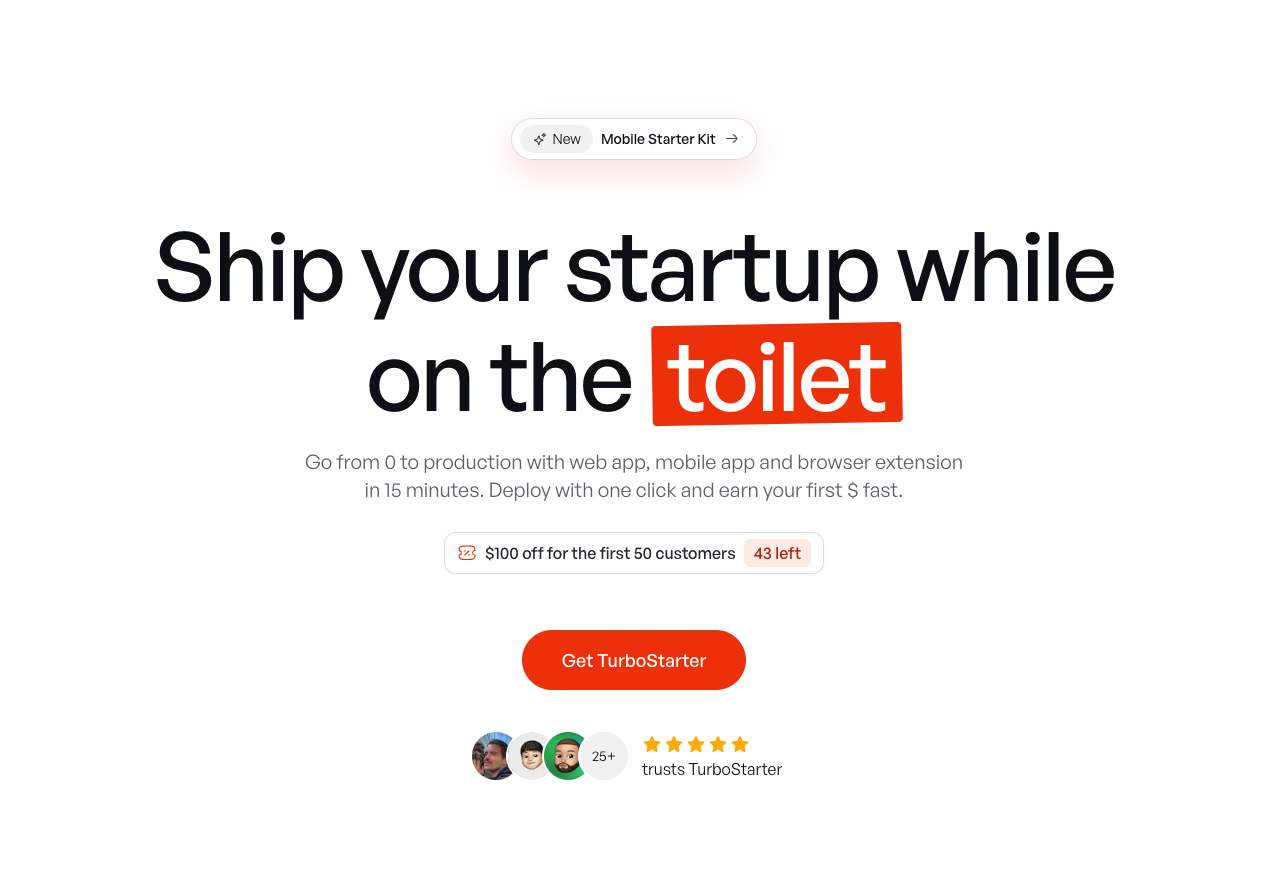
TurboStarter
Ship your startup everywhere. In minutes.
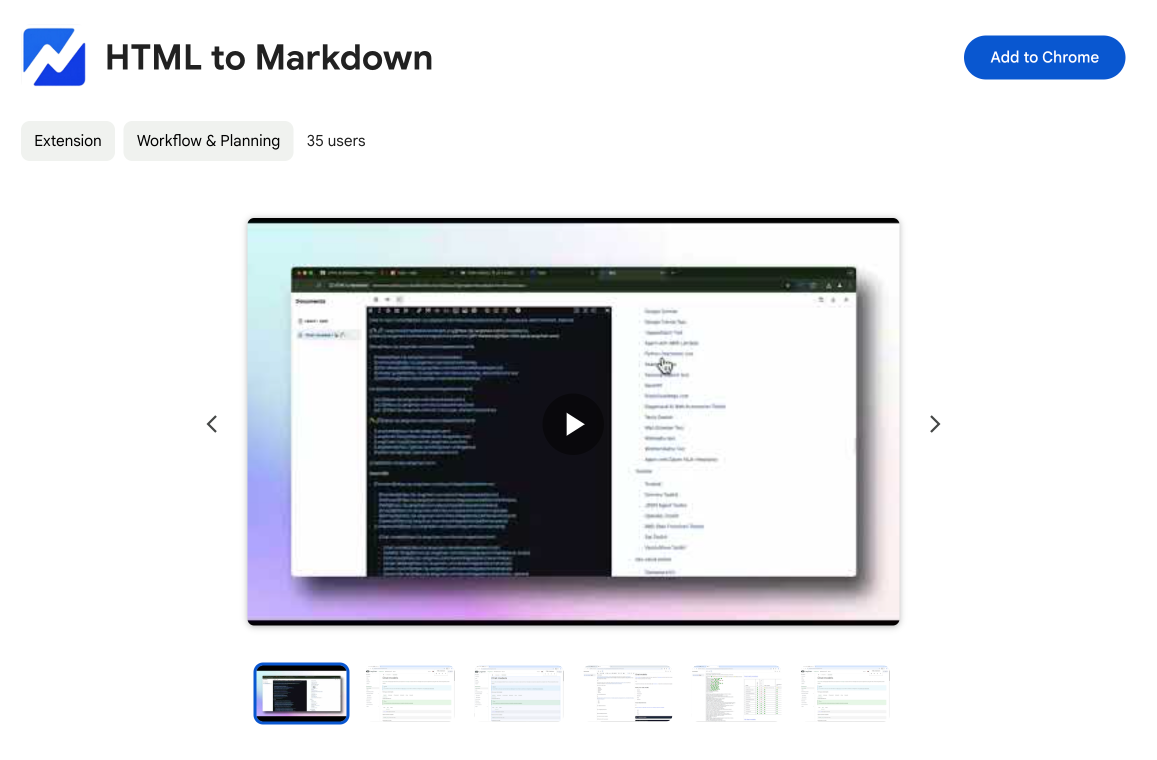
HTML to Markdown
Convert HTML to Markdown with ease, directly in your browser 📄
Dotallio
Personalized AI apps that automate research, data extraction, and content creation without code 🤖
Talk to Santa
Enjoy a magical live video chat or receive a unique AI-generated video greeting from Santa Claus 🎅
pozywka.pl
Scalable blog for food journalist, focused on performance and user experience 🌭
zagrodzki.me
Personal blog and portfolio of Bart Zagrodzki, where he shares his knowledge and work 💼
TurboStarter
Ship your startup everywhere. In minutes.
HTML to Markdown
Convert HTML to Markdown with ease, directly in your browser 📄
Dotallio
Personalized AI apps that automate research, data extraction, and content creation without code 🤖
Talk to Santa
Enjoy a magical live video chat or receive a unique AI-generated video greeting from Santa Claus 🎅
pozywka.pl
Scalable blog for food journalist, focused on performance and user experience 🌭
zagrodzki.me
Personal blog and portfolio of Bart Zagrodzki, where he shares his knowledge and work 💼
TurboStarter
Ship your startup everywhere. In minutes.
HTML to Markdown
Convert HTML to Markdown with ease, directly in your browser 📄
Dotallio
Personalized AI apps that automate research, data extraction, and content creation without code 🤖
Talk to Santa
Enjoy a magical live video chat or receive a unique AI-generated video greeting from Santa Claus 🎅
pozywka.pl
Scalable blog for food journalist, focused on performance and user experience 🌭
zagrodzki.me
Personal blog and portfolio of Bart Zagrodzki, where he shares his knowledge and work 💼
TurboStarter
Ship your startup everywhere. In minutes.
HTML to Markdown
Convert HTML to Markdown with ease, directly in your browser 📄
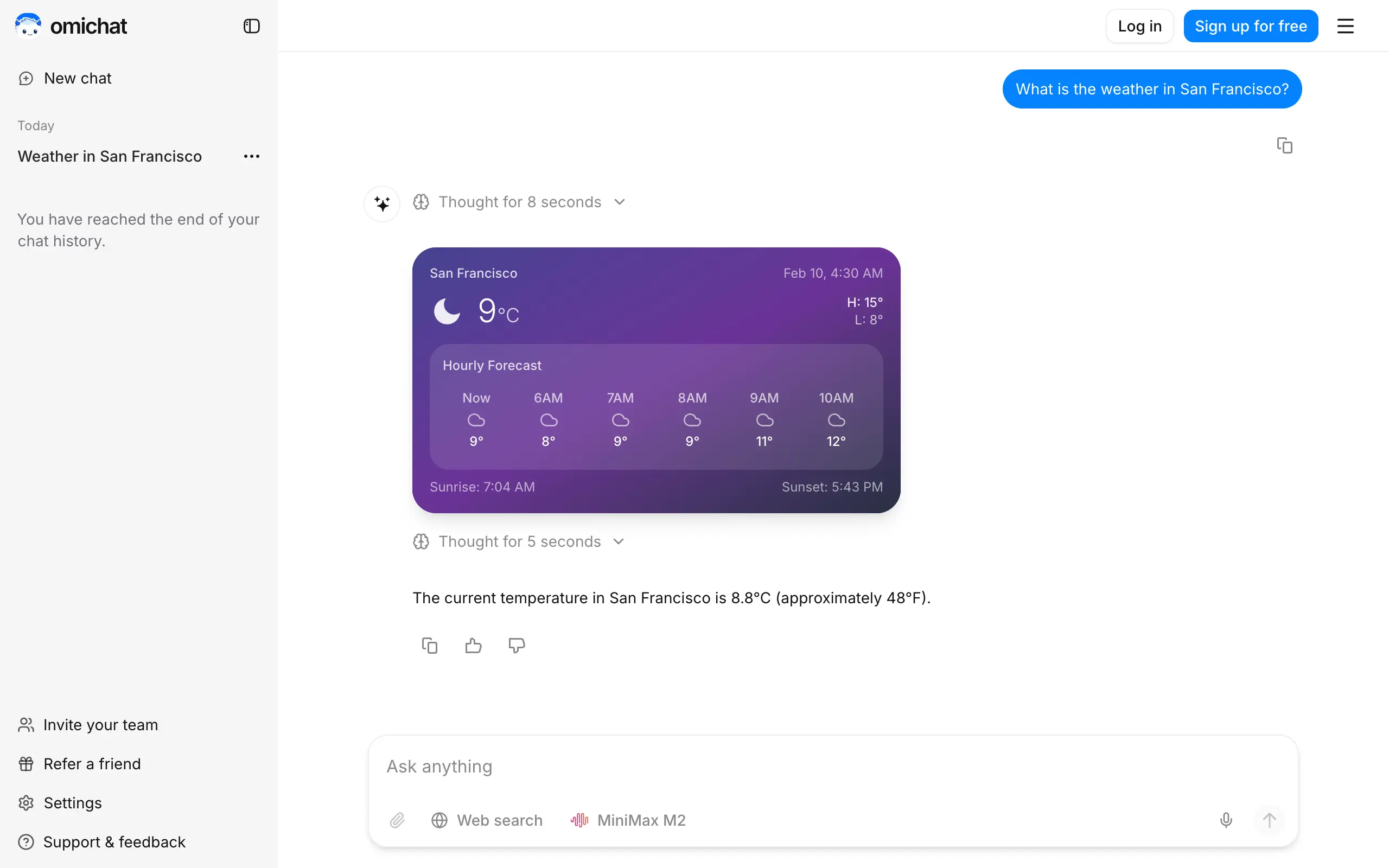
Omichat
Chat with 50+ AI models, including ChatGPT and Claude, in one place - switch models anytime without losing context 🤖
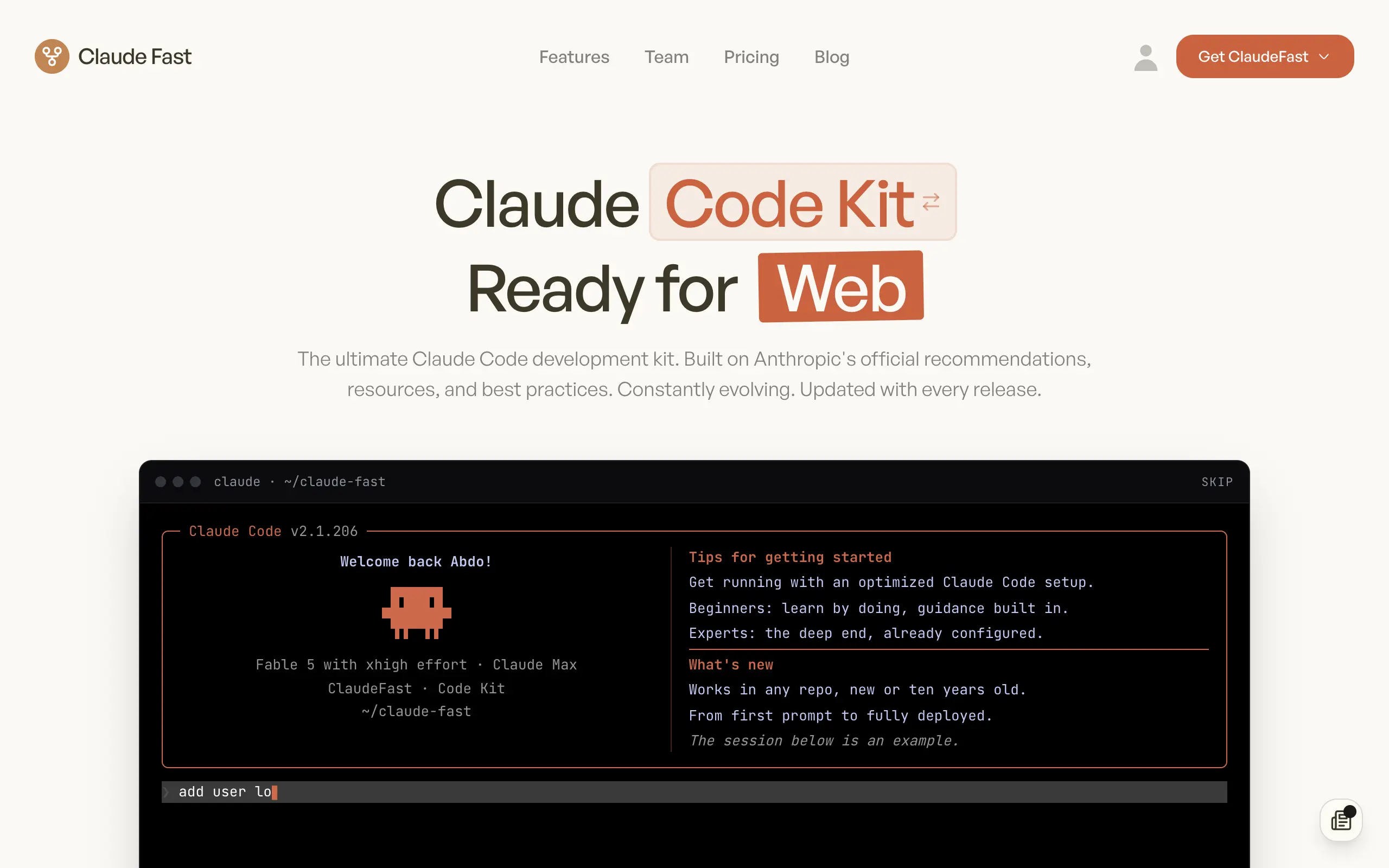
Claude Fast
Supercharge your Claude Code with 6x effective context window and specialized AI agents 🤖
EmojAI
AI-powered emoji picker with smart, context-aware suggestions 🤖
Solohacker
Autonomous company launcher - AI agents work 24/7, escalate what matters, and you stay in control 🤖

BeRawi: Storytelling Coach
Practice storytelling daily with instant feedback to sound clearer, more engaging, and confident 🎤
Omichat
Chat with 50+ AI models, including ChatGPT and Claude, in one place - switch models anytime without losing context 🤖
Claude Fast
Supercharge your Claude Code with 6x effective context window and specialized AI agents 🤖
EmojAI
AI-powered emoji picker with smart, context-aware suggestions 🤖
Solohacker
Autonomous company launcher - AI agents work 24/7, escalate what matters, and you stay in control 🤖
BeRawi: Storytelling Coach
Practice storytelling daily with instant feedback to sound clearer, more engaging, and confident 🎤
Omichat
Chat with 50+ AI models, including ChatGPT and Claude, in one place - switch models anytime without losing context 🤖
Claude Fast
Supercharge your Claude Code with 6x effective context window and specialized AI agents 🤖
EmojAI
AI-powered emoji picker with smart, context-aware suggestions 🤖
Solohacker
Autonomous company launcher - AI agents work 24/7, escalate what matters, and you stay in control 🤖
BeRawi: Storytelling Coach
Practice storytelling daily with instant feedback to sound clearer, more engaging, and confident 🎤
Omichat
Chat with 50+ AI models, including ChatGPT and Claude, in one place - switch models anytime without losing context 🤖
Claude Fast
Supercharge your Claude Code with 6x effective context window and specialized AI agents 🤖
EmojAI
AI-powered emoji picker with smart, context-aware suggestions 🤖
Solohacker
Autonomous company launcher - AI agents work 24/7, escalate what matters, and you stay in control 🤖
BeRawi: Storytelling Coach
Practice storytelling daily with instant feedback to sound clearer, more engaging, and confident 🎤

Connect with like-minded people
Join our community to get feedback, support, and grow together with 1,000+ builders on board, let's ship it!
Join usShip your startup everywhere. In minutes.
Don't burn tokens on setup and start building features on day one.