FormFixer AI
AI-powered app that analyzes workout form via smartphone camera, offering instant corrections and injury prevention tips for gym-goers and personal trainers.
Understanding the need for AI-powered workout form analysis
The fitness industry has seen a surge in digital transformation, with gym-goers and personal trainers increasingly relying on technology to optimize workouts and prevent injuries. However, one persistent challenge remains: ensuring correct exercise form. Poor form not only reduces workout effectiveness but also significantly increases the risk of injury. Traditional solutions—such as in-person coaching or static video tutorials—are often inaccessible, expensive, or lack real-time feedback.
FormFixer AI addresses this gap by leveraging artificial intelligence to analyze workout form through a smartphone camera, providing instant corrections and injury prevention tips. This article explores the market opportunity, target audience, core features, technology stack, monetization strategies, risks, and implementation steps for FormFixer AI, demonstrating why it stands out in the rapidly evolving fitness tech landscape.
Who is FormFixer AI for? Target audience analysis
Understanding the target audience is crucial for any SaaS product, especially in the competitive fitness technology sector. FormFixer AI is designed for:
- Gym-goers and fitness enthusiasts: Individuals seeking to improve their exercise technique, maximize results, and minimize injury risk.
- Personal trainers and fitness coaches: Professionals who want to offer clients remote, data-driven feedback and enhance their coaching services.
- Rehabilitation specialists: Physical therapists and sports medicine practitioners aiming to monitor patient form during prescribed exercises.
- Home workout users: People who exercise at home and lack access to in-person guidance.
- Fitness app developers: Companies looking to integrate advanced form analysis into their platforms via API or SDK.
User personas
Sarah, the motivated gym-goer
Wants to perfect her squat and deadlift form but can't afford a personal trainer for every session.
Mike, the personal trainer
Seeks to provide clients with real-time feedback, even during remote sessions.
Dr. Lee, the rehab specialist
Needs to ensure patients perform prescribed exercises correctly at home to avoid re-injury.
Identifying the market opportunity and gaps
The global fitness app market is projected to reach over $15 billion by 2028 (source: suggest referencing Statista or Grand View Research). Yet, most fitness apps focus on tracking workouts, offering routines, or providing generic video instructions. Few deliver real-time, personalized feedback on exercise form—a critical factor for both performance and safety.
Key market gaps
- Lack of real-time form correction: Most apps offer only pre-recorded videos or static images.
- Limited accessibility: In-person coaching is costly and not scalable.
- Injury prevention is under-addressed: Many users are unaware of form errors until pain or injury occurs.
- Remote coaching limitations: Trainers struggle to monitor clients' form during virtual sessions.
FormFixer AI fills these gaps by providing instant, AI-driven feedback accessible to anyone with a smartphone.
Core features and solution details
FormFixer AI’s value proposition lies in its advanced, user-friendly features that directly address the needs of its target audience.
AI-powered form analysis
- Real-time video analysis: Uses the smartphone camera to capture and analyze user movements.
- Pose estimation: Employs computer vision to detect key body points and joint angles.
- Exercise recognition: Automatically identifies the exercise being performed (e.g., squat, deadlift, push-up).
Instant feedback and corrections
- Visual overlays: Highlights correct and incorrect posture on the video feed.
- Audio and text cues: Provides actionable tips (“Keep your back straight,” “Knees over toes”).
- Progress tracking: Logs improvements and recurring issues for each user.
Injury prevention tips
- Risk detection: Flags potentially dangerous movements or compensations.
- Personalized recommendations: Suggests warm-ups, stretches, or modifications based on detected weaknesses.
Trainer and rehab tools
- Remote monitoring: Allows trainers to review client sessions asynchronously or in real time.
- Session reports: Generates detailed feedback summaries for each workout.
- Integration API: Enables third-party fitness apps to embed FormFixer AI’s analysis capabilities.
User experience highlights
- No wearables required: Only a smartphone camera is needed.
- Privacy-first: All video processing can be done on-device or securely in the cloud.
- Multi-language support: Expands accessibility for non-English speakers.
Recommended tech stack for FormFixer AI
Selecting the right technology stack is vital for performance, scalability, and user experience. Here’s a breakdown of recommended tools and frameworks:
Frontend
- React: For building a responsive, interactive web or mobile interface.
- React Native: To support cross-platform mobile apps (iOS and Android).
- TailwindCSS: For rapid, consistent UI styling.
Computer vision and AI
- TensorFlow.js or MediaPipe: For real-time pose estimation and video analysis in the browser or on-device.
- PyTorch: For training and refining custom AI models (server-side).
- OpenCV: For advanced image processing tasks.
Backend
- Node.js: For scalable API development.
- Python: For AI model serving and data processing.
- PostgreSQL: For secure, reliable data storage.
Cloud and infrastructure
- AWS or Google Cloud: For scalable compute, storage, and AI model hosting.
- Docker: For containerization and deployment.
Trade-offs and considerations
- On-device vs. cloud processing: On-device (using TensorFlow.js or MediaPipe) offers better privacy and lower latency but may be limited by device performance. Cloud processing enables more complex analysis but requires robust data security and fast internet.
- Cross-platform support: React Native accelerates development but may not match the performance of fully native apps for intensive video processing.
Pro tip
For rapid prototyping and deployment, consider using TurboStarter to scaffold your SaaS infrastructure and authentication.
Monetization strategy options
A sustainable SaaS business model is essential for long-term success. FormFixer AI can explore several monetization avenues:
1. Freemium model
- Free tier: Basic form analysis for a limited number of exercises.
- Premium subscription: Unlocks advanced features (injury prevention, detailed reports, unlimited analysis).
2. B2B licensing
- Trainer/coach plans: Bulk licenses for fitness professionals or gyms.
- API/SDK access: Charge fitness app developers for integration.
3. Pay-per-use
- Session-based pricing: Users pay per analyzed workout or per report.
4. White-label solutions
- Custom branding: Offer the technology to gyms or health organizations under their own brand.
5. Affiliate partnerships
- Equipment or supplement brands: Integrate with relevant partners for cross-promotions.
Potential risks and mitigation strategies
Launching an AI-powered fitness SaaS comes with unique challenges. Here’s how to address them:
1. Accuracy and reliability of AI analysis
- Risk: Incorrect feedback could lead to user frustration or injury.
- Mitigation: Continuously train models on diverse datasets; allow users to flag errors; include disclaimers and encourage professional consultation.
2. Privacy and data security
- Risk: Handling user video data raises privacy concerns.
- Mitigation: Offer on-device processing; encrypt all data; comply with GDPR and other regulations; provide transparent privacy policies.
3. Device compatibility
- Risk: Not all smartphones may support real-time video analysis.
- Mitigation: Optimize for a wide range of devices; offer cloud fallback; clearly communicate requirements.
4. User adoption and retention
- Risk: Users may not consistently use the app or may not trust AI feedback.
- Mitigation: Focus on intuitive UX, gamification, and clear value demonstration; gather testimonials and case studies.
5. Competition from established fitness apps
- Risk: Larger players may introduce similar features.
- Mitigation: Emphasize unique selling points, rapid innovation, and superior user experience.
Competitive advantage analysis
FormFixer AI stands out in the crowded fitness tech market through several key differentiators:
| Real-time AI feedback | Wearable required | Trainer integration | Injury prevention tips | API/SDK available |
|---|---|---|---|---|
| ✅ | ❌ | ❌ | ✅ | ❌ |
| ✅ | ❌ | ✅ | ✅ | ❌ |
Unique selling proposition (USP)
- No wearables or special equipment required: Just a smartphone camera.
- Instant, actionable feedback: Not just tracking, but real-time correction and injury prevention.
- Trainer and rehab integration: Supports both individual users and professionals.
- Privacy-first design: On-device processing options.
- Developer-friendly: API/SDK for easy integration into other platforms.
Recent trends and industry relevance
The intersection of AI and fitness is one of the fastest-growing segments in health tech. Key trends supporting FormFixer AI’s relevance include:
- Rise of remote and hybrid fitness: More users are working out at home or in hybrid settings, increasing demand for digital coaching tools.
- Advancements in computer vision: Technologies like MediaPipe and TensorFlow.js have made real-time pose estimation feasible on consumer devices.
- Focus on injury prevention: As awareness of exercise-related injuries grows, users and professionals seek proactive solutions.
- API economy: Fitness platforms increasingly look for plug-and-play AI features to enhance their offerings.
For up-to-date statistics on fitness app adoption and AI in health, reference industry reports from sources like Statista, Grand View Research, or the World Health Organization.
Actionable implementation steps
Ready to bring FormFixer AI to life? Here’s a step-by-step roadmap:
Conclusion: Why FormFixer AI is the future of smart fitness
FormFixer AI is uniquely positioned to transform how individuals and professionals approach exercise form, safety, and performance. By combining cutting-edge AI with a user-centric design, it bridges the gap between accessibility and expert guidance—empowering users to train smarter, safer, and more effectively.
Whether you’re a fitness enthusiast, a personal trainer, or a developer seeking to enhance your platform, FormFixer AI offers a scalable, privacy-conscious, and highly effective solution. The time is ripe to leverage AI for better health outcomes and a superior workout experience.
Frequently asked questions
FormFixer AI leverages state-of-the-art pose estimation and machine learning models trained on thousands of exercise videos. While it may not fully replace the nuanced feedback of an experienced trainer, it provides highly accurate, consistent, and objective analysis—especially for common exercises. Continuous model updates and user feedback loops further enhance accuracy.
Yes. FormFixer AI prioritizes user privacy by offering on-device processing and end-to-end encryption for any cloud-based analysis. All data handling complies with major privacy regulations (e.g., GDPR).
Absolutely. Trainers can monitor client sessions, review detailed reports, and even integrate FormFixer AI into their own apps via API or SDK.
FormFixer AI is designed for modern smartphones (iOS and Android) with a camera. For best results, devices should be from the last 3-4 years, but cloud processing options can extend compatibility.
Use rapid development tools like TurboStarter to scaffold your backend, authentication, and deployment. Focus on building a robust MVP, gathering user feedback, and iterating quickly.
By addressing a real, persistent pain point in the fitness industry with advanced AI and a user-first approach, FormFixer AI is set to become a leader in smart workout technology.
More 🤖 AI Startup SaaS ideas
Discover more innovative ai startup SaaS ideas that are trending in 2026. Each idea is AI-generated with market validation and growth potential to help you find your next profitable venture faster than competitors.
Your competitors are building with TurboStarter
Below are some of the SaaS ideas that have been generated and built with our starter kit.

Statiko
Monitor any Telegram channel in real time - track posts, edits, deletions, and growth with AI recaps 📡

Shibui
AI website builder - describe your business, pick a niche template, edit by chatting, and publish instantly ✨

Pro Service
Find verified home service professionals, compare quotes, and pay securely through escrow - built for Brazilians across the US 🏠

RankGrow
Fix your SEO with AI agents - connect Search Console, get prioritized tasks, and grow organic traffic 📈

SyncReads
Sync your favorite content for distraction-free reading, save time and replace multiple apps. Anytime, anywhere 🔄
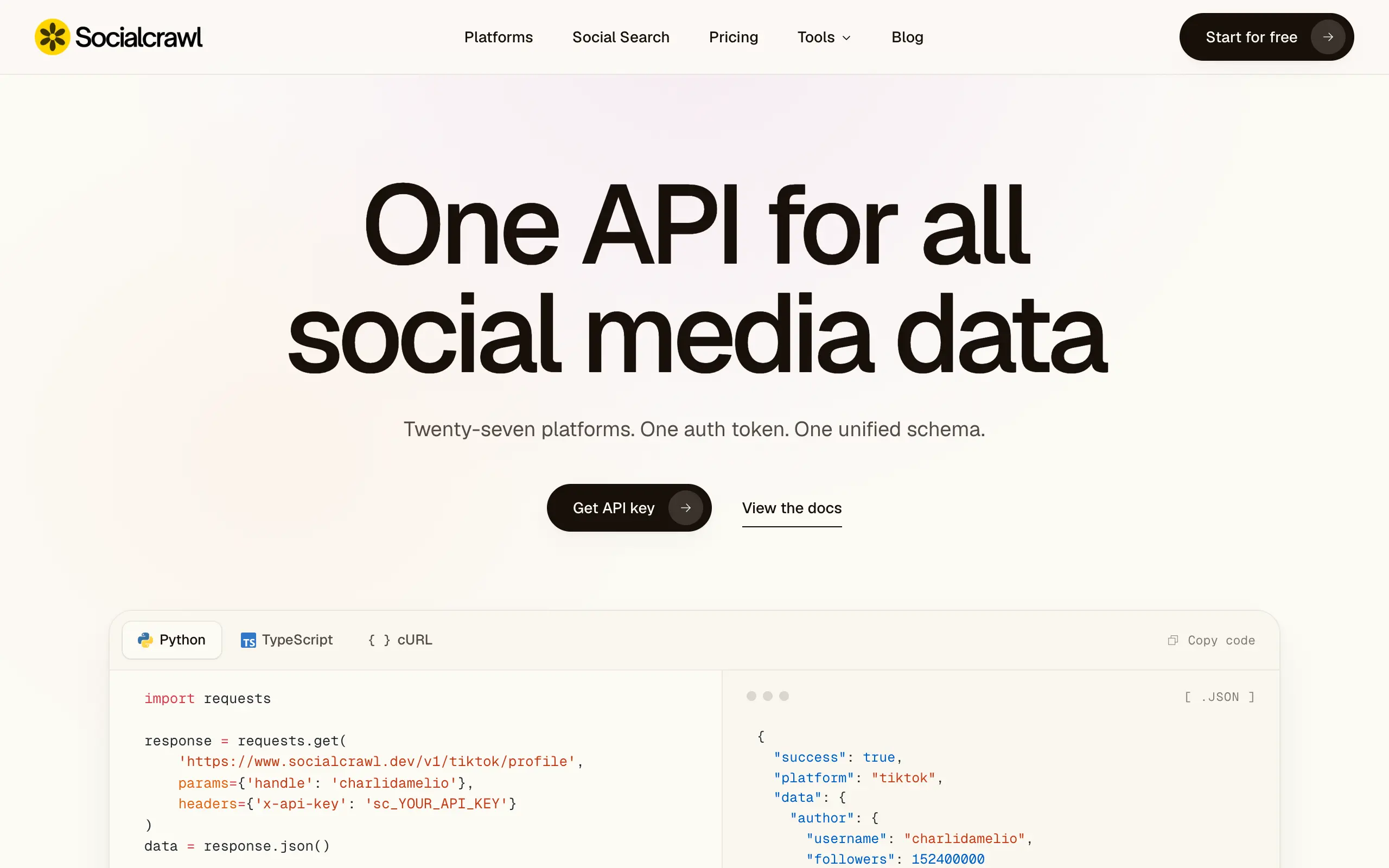
Socialcrawl
Get clean, structured data from 21 platforms like TikTok, Instagram, and YouTube with a single request 📊
Statiko
Monitor any Telegram channel in real time - track posts, edits, deletions, and growth with AI recaps 📡
Shibui
AI website builder - describe your business, pick a niche template, edit by chatting, and publish instantly ✨
Pro Service
Find verified home service professionals, compare quotes, and pay securely through escrow - built for Brazilians across the US 🏠
RankGrow
Fix your SEO with AI agents - connect Search Console, get prioritized tasks, and grow organic traffic 📈
SyncReads
Sync your favorite content for distraction-free reading, save time and replace multiple apps. Anytime, anywhere 🔄
Socialcrawl
Get clean, structured data from 21 platforms like TikTok, Instagram, and YouTube with a single request 📊
Statiko
Monitor any Telegram channel in real time - track posts, edits, deletions, and growth with AI recaps 📡
Shibui
AI website builder - describe your business, pick a niche template, edit by chatting, and publish instantly ✨
Pro Service
Find verified home service professionals, compare quotes, and pay securely through escrow - built for Brazilians across the US 🏠
RankGrow
Fix your SEO with AI agents - connect Search Console, get prioritized tasks, and grow organic traffic 📈
SyncReads
Sync your favorite content for distraction-free reading, save time and replace multiple apps. Anytime, anywhere 🔄
Socialcrawl
Get clean, structured data from 21 platforms like TikTok, Instagram, and YouTube with a single request 📊
Statiko
Monitor any Telegram channel in real time - track posts, edits, deletions, and growth with AI recaps 📡
Shibui
AI website builder - describe your business, pick a niche template, edit by chatting, and publish instantly ✨
Pro Service
Find verified home service professionals, compare quotes, and pay securely through escrow - built for Brazilians across the US 🏠
RankGrow
Fix your SEO with AI agents - connect Search Console, get prioritized tasks, and grow organic traffic 📈
SyncReads
Sync your favorite content for distraction-free reading, save time and replace multiple apps. Anytime, anywhere 🔄
Socialcrawl
Get clean, structured data from 21 platforms like TikTok, Instagram, and YouTube with a single request 📊
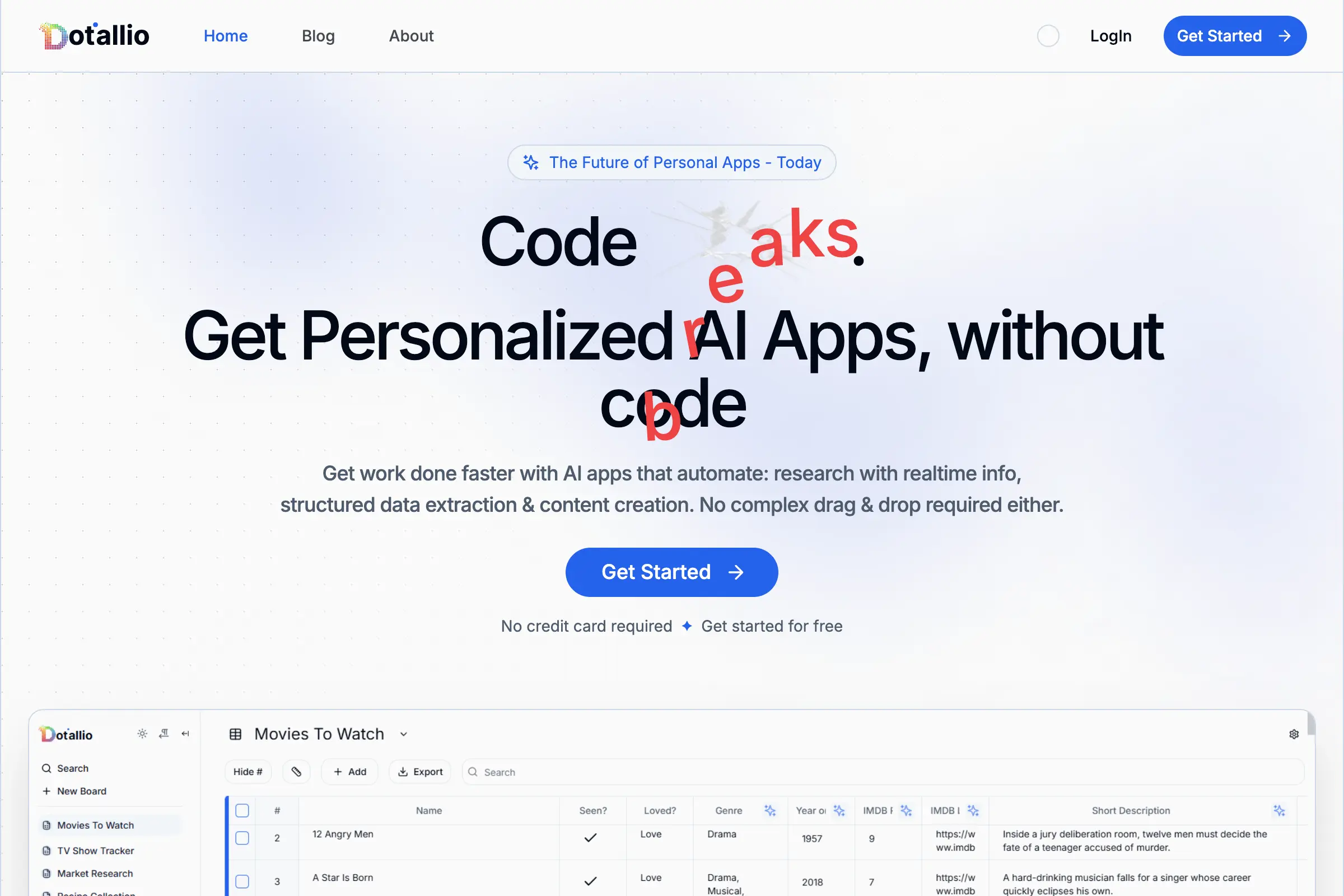
Dotallio
Personalized AI apps that automate research, data extraction, and content creation without code 🤖

Talk to Santa
Enjoy a magical live video chat or receive a unique AI-generated video greeting from Santa Claus 🎅

pozywka.pl
Scalable blog for food journalist, focused on performance and user experience 🌭
zagrodzki.me
Personal blog and portfolio of Bart Zagrodzki, where he shares his knowledge and work 💼
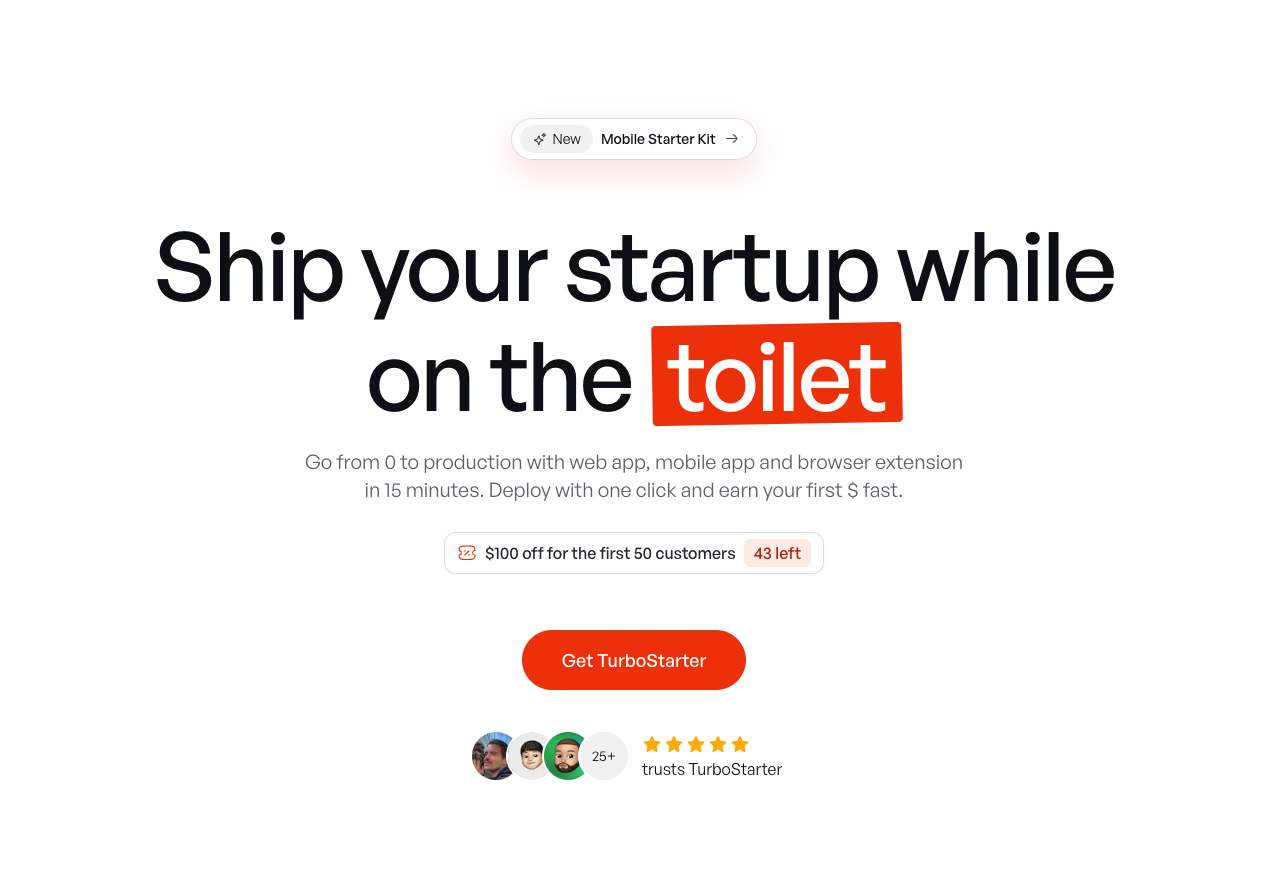
TurboStarter
Ship your startup everywhere. In minutes.
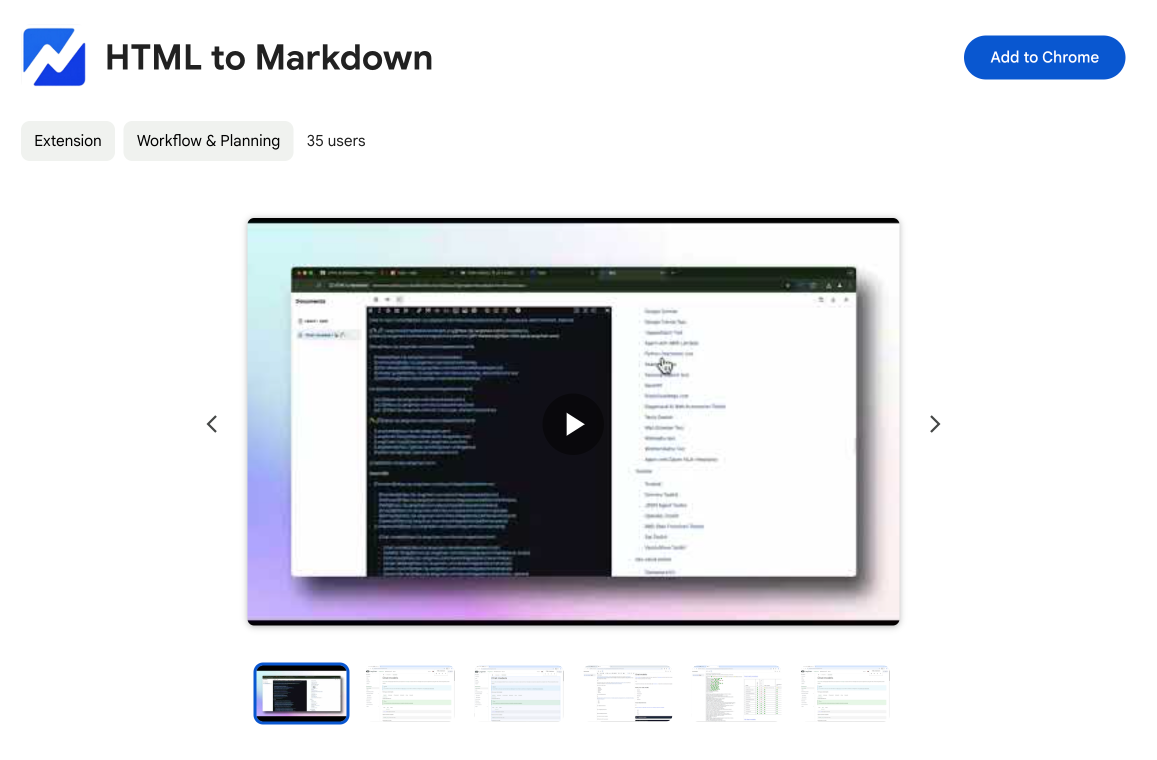
HTML to Markdown
Convert HTML to Markdown with ease, directly in your browser 📄
Dotallio
Personalized AI apps that automate research, data extraction, and content creation without code 🤖
Talk to Santa
Enjoy a magical live video chat or receive a unique AI-generated video greeting from Santa Claus 🎅
pozywka.pl
Scalable blog for food journalist, focused on performance and user experience 🌭
zagrodzki.me
Personal blog and portfolio of Bart Zagrodzki, where he shares his knowledge and work 💼
TurboStarter
Ship your startup everywhere. In minutes.
HTML to Markdown
Convert HTML to Markdown with ease, directly in your browser 📄
Dotallio
Personalized AI apps that automate research, data extraction, and content creation without code 🤖
Talk to Santa
Enjoy a magical live video chat or receive a unique AI-generated video greeting from Santa Claus 🎅
pozywka.pl
Scalable blog for food journalist, focused on performance and user experience 🌭
zagrodzki.me
Personal blog and portfolio of Bart Zagrodzki, where he shares his knowledge and work 💼
TurboStarter
Ship your startup everywhere. In minutes.
HTML to Markdown
Convert HTML to Markdown with ease, directly in your browser 📄
Dotallio
Personalized AI apps that automate research, data extraction, and content creation without code 🤖
Talk to Santa
Enjoy a magical live video chat or receive a unique AI-generated video greeting from Santa Claus 🎅
pozywka.pl
Scalable blog for food journalist, focused on performance and user experience 🌭
zagrodzki.me
Personal blog and portfolio of Bart Zagrodzki, where he shares his knowledge and work 💼
TurboStarter
Ship your startup everywhere. In minutes.
HTML to Markdown
Convert HTML to Markdown with ease, directly in your browser 📄
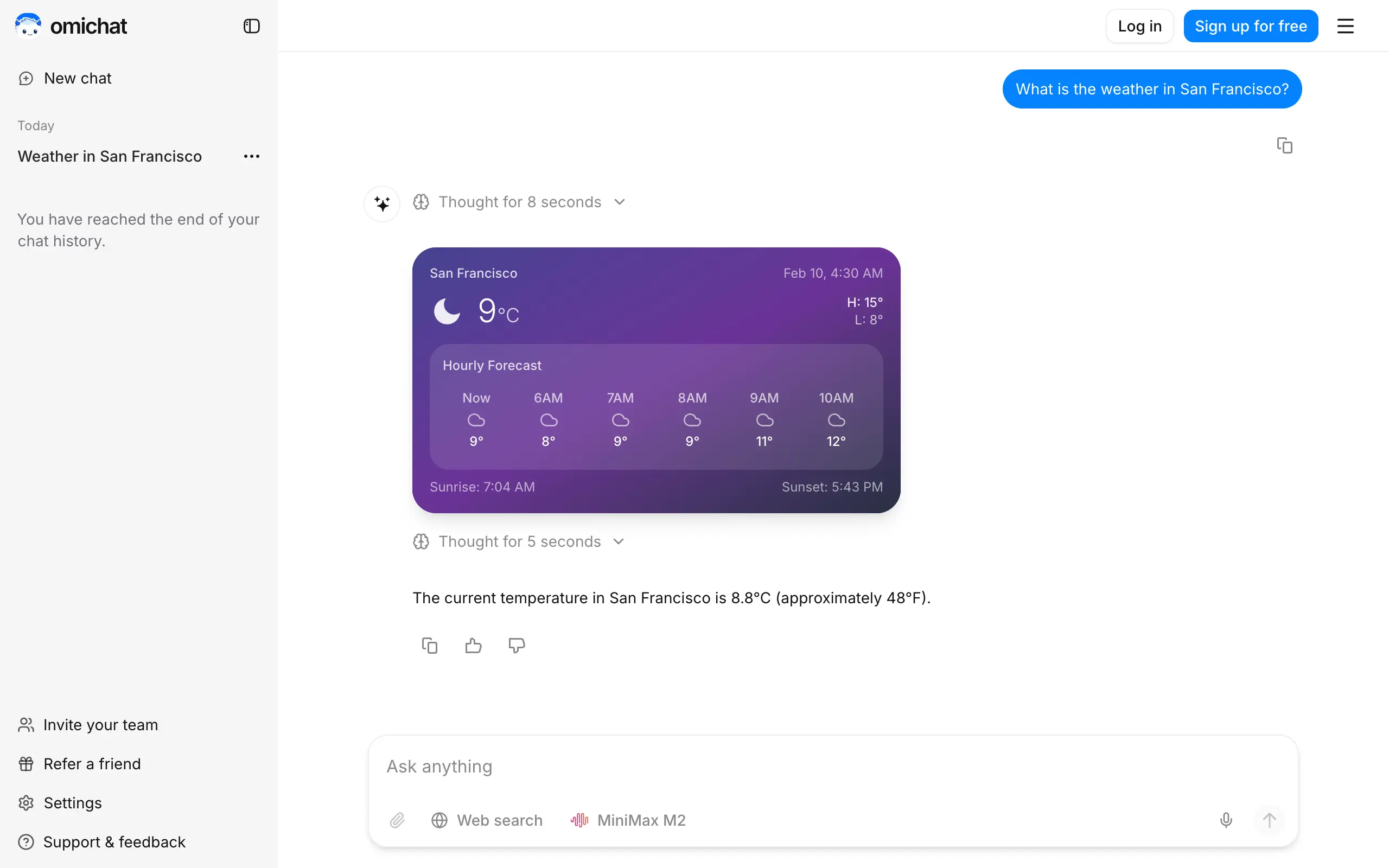
Omichat
Chat with 50+ AI models, including ChatGPT and Claude, in one place - switch models anytime without losing context 🤖
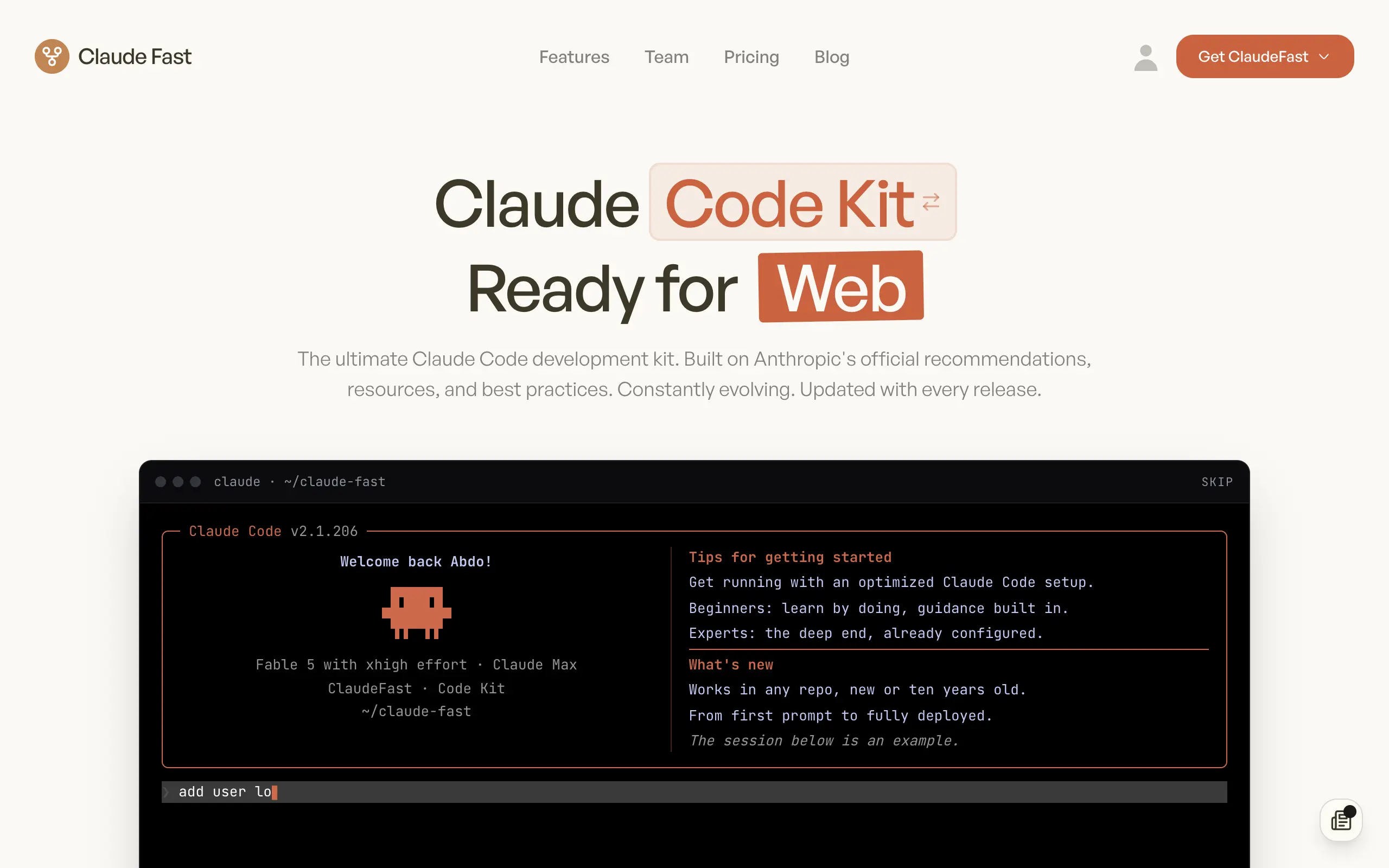
Claude Fast
Supercharge your Claude Code with 6x effective context window and specialized AI agents 🤖
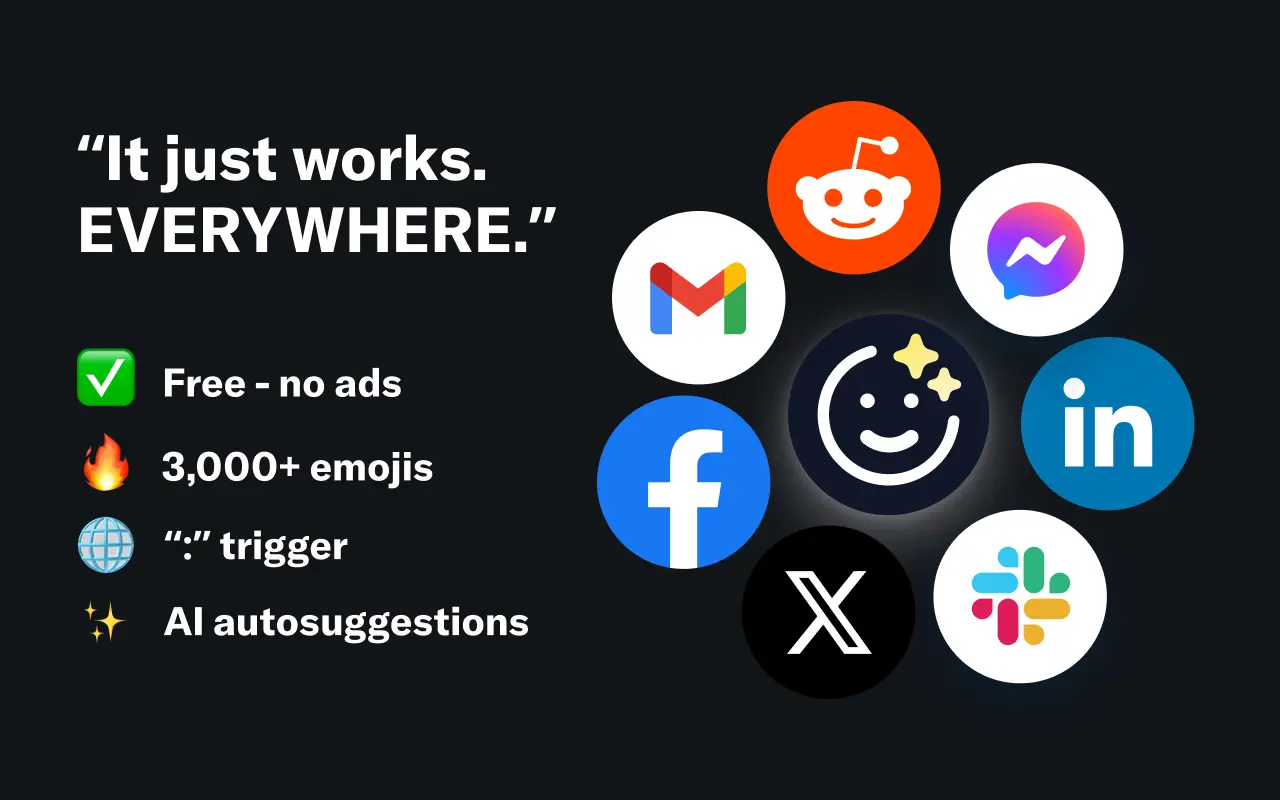
EmojAI
AI-powered emoji picker with smart, context-aware suggestions 🤖

Solohacker
Autonomous company launcher - AI agents work 24/7, escalate what matters, and you stay in control 🤖
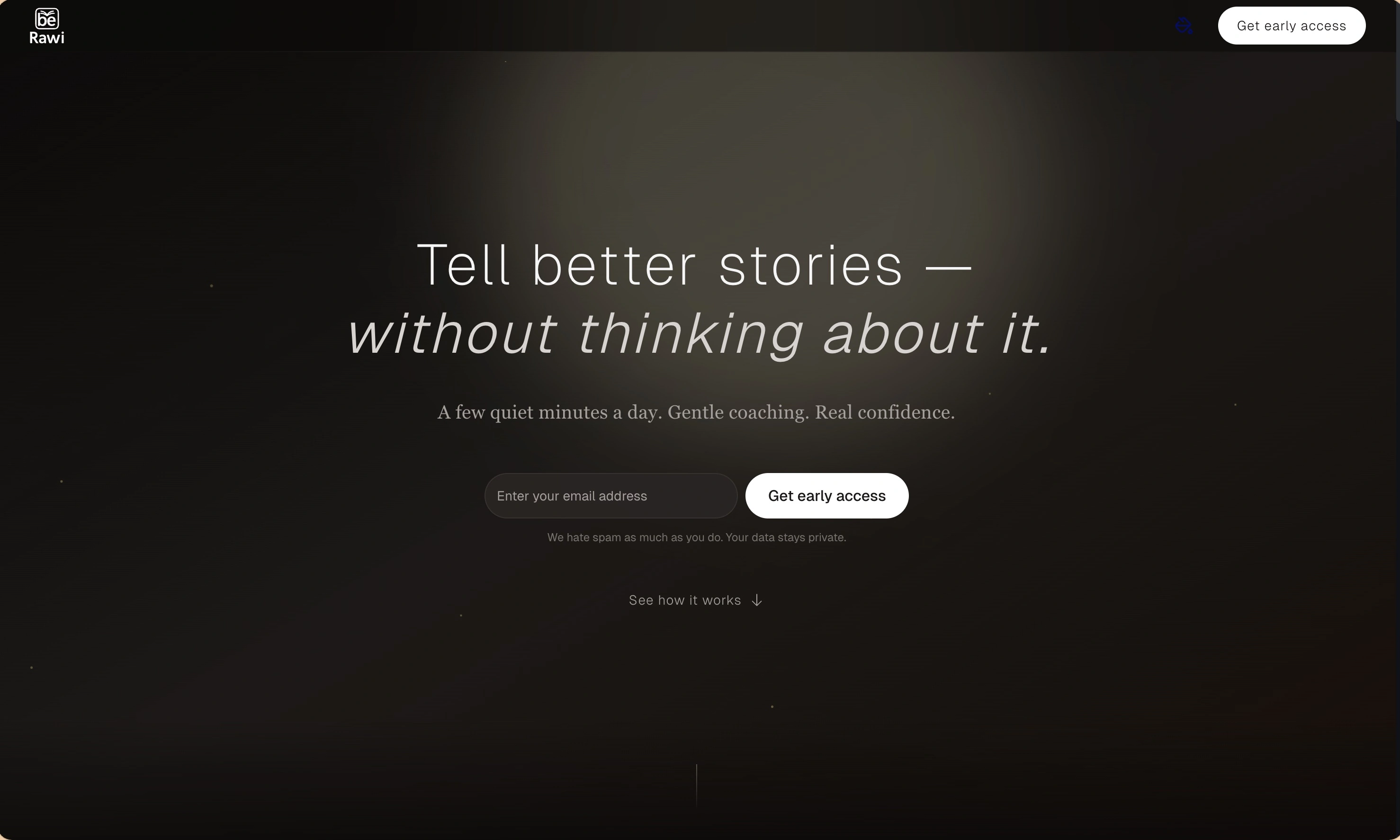
BeRawi: Storytelling Coach
Practice storytelling daily with instant feedback to sound clearer, more engaging, and confident 🎤
Omichat
Chat with 50+ AI models, including ChatGPT and Claude, in one place - switch models anytime without losing context 🤖
Claude Fast
Supercharge your Claude Code with 6x effective context window and specialized AI agents 🤖
EmojAI
AI-powered emoji picker with smart, context-aware suggestions 🤖
Solohacker
Autonomous company launcher - AI agents work 24/7, escalate what matters, and you stay in control 🤖
BeRawi: Storytelling Coach
Practice storytelling daily with instant feedback to sound clearer, more engaging, and confident 🎤
Omichat
Chat with 50+ AI models, including ChatGPT and Claude, in one place - switch models anytime without losing context 🤖
Claude Fast
Supercharge your Claude Code with 6x effective context window and specialized AI agents 🤖
EmojAI
AI-powered emoji picker with smart, context-aware suggestions 🤖
Solohacker
Autonomous company launcher - AI agents work 24/7, escalate what matters, and you stay in control 🤖
BeRawi: Storytelling Coach
Practice storytelling daily with instant feedback to sound clearer, more engaging, and confident 🎤
Omichat
Chat with 50+ AI models, including ChatGPT and Claude, in one place - switch models anytime without losing context 🤖
Claude Fast
Supercharge your Claude Code with 6x effective context window and specialized AI agents 🤖
EmojAI
AI-powered emoji picker with smart, context-aware suggestions 🤖
Solohacker
Autonomous company launcher - AI agents work 24/7, escalate what matters, and you stay in control 🤖
BeRawi: Storytelling Coach
Practice storytelling daily with instant feedback to sound clearer, more engaging, and confident 🎤

Connect with like-minded people
Join our community to get feedback, support, and grow together with 1,000+ builders on board, let's ship it!
Join usShip your startup everywhere. In minutes.
Don't burn tokens on setup and start building features on day one.