FormForge AI
Real-time AI workout coach that analyzes form via camera and gives instant corrections to prevent injury and improve gains.
the rise of AI workout coaching and why form matters more than ever
Fitness has always been a blend of science, discipline, and technique. But one factor consistently separates safe, effective training from injury-prone routines: proper form. Despite the explosion of fitness apps, wearables, and online coaching, most users still lack real-time feedback on their exercise technique.
This is where AI-powered form correction tools like FormForge AI step in.
FormForge AI is positioned as a real-time AI workout coach that uses camera-based analysis to detect exercise form and provide instant corrections. This addresses a critical gap in the fitness tech ecosystem: scalable, personalized, real-time coaching without requiring a human trainer.
In this article, we’ll break down the full opportunity behind FormForge AI, including:
- Target audience and user needs
- Market gap and validation
- Core features and product architecture
- Recommended tech stack
- Monetization strategies
- Risks and mitigation
- Competitive positioning
- Step-by-step implementation plan
understanding the target audience for AI form correction
To build a successful SaaS product, you must first deeply understand who needs it and why.
primary user segments
1. beginner gym-goers
- Often lack proper guidance
- High risk of injury due to poor technique
- Intimidated by personal trainers or gym culture
- Strong need for confidence and validation
2. home workout enthusiasts
- Use platforms like YouTube or fitness apps
- No real-time feedback
- Increasing post-pandemic trend toward home fitness
- Likely to adopt AI tools for convenience
3. intermediate lifters
- Plateauing due to suboptimal form
- Seeking marginal gains
- Already tracking workouts and performance
4. remote personal trainers
- Need scalable ways to monitor clients
- Want tools to enhance coaching offerings
- Opportunity for B2B SaaS expansion
5. physiotherapy and rehab patients
- Require precise movement execution
- Need safe exercise monitoring
- Clinics could adopt this as a tool
user pain points
Across these segments, key problems emerge:
- “I don’t know if I’m doing this exercise correctly”
- “I don’t want to get injured”
- “I can’t afford a personal trainer”
- “Videos don’t tell me what I’m doing wrong”
- “I need feedback while I’m exercising, not after”
Key insight
The biggest gap in fitness today isn’t content—it’s real-time feedback. FormForge AI directly targets this unmet need.
market opportunity and industry trends
growth of AI in fitness
The global fitness app market continues to grow rapidly, fueled by:
- Increased health awareness
- Remote-first lifestyles
- AI and computer vision advancements
- Wearable integration
Recent industry reports (suggest referencing sources like Statista or McKinsey) show:
- Fitness app market projected to exceed $30B+ globally
- AI-driven personalization is one of the fastest-growing segments
- Home fitness remains strong post-2020
why existing solutions fall short
Let’s analyze current categories:
| Solution Type | Real-Time Feedback | Personalization | Scalability | Cost Efficiency |
|---|---|---|---|---|
| Personal Trainers | ✅ | ✅ | ❌ | ❌ |
| YouTube / Apps | ❌ | ❌ | ✅ | ✅ |
| Wearables | ⚠️ Limited | ✅ | ✅ | ✅ |
| FormForge AI | ✅ | ✅ | ✅ | ✅ |
the gap FormForge AI fills
FormForge AI combines:
- Real-time feedback (like a trainer)
- Scalability (like an app)
- Affordability (like SaaS)
That combination is extremely powerful—and still relatively underdeveloped in the market.
core features of FormForge AI
To stand out, FormForge AI must go beyond basic pose detection. It needs to deliver actionable, contextual coaching.
1. real-time form analysis via camera
- Uses device camera (mobile or desktop)
- Tracks body joints using pose estimation
- Identifies incorrect posture instantly
Examples:
- “Your knees are caving inward”
- “Lower your hips more”
- “Keep your back straight”
2. AI-powered correction engine
Not just detection—but interpretation:
- Maps user movement against ideal biomechanics
- Adapts to body type and flexibility
- Provides simple, understandable feedback
3. exercise recognition
- Automatically detects exercise being performed
- Supports common movements:
- Squats
- Deadlifts
- Push-ups
- Lunges
- Shoulder press
4. rep counting and tempo tracking
- Tracks:
- Reps
- Sets
- Speed of movement
- Suggests improvements like:
- “Slow down your eccentric phase”
5. injury prevention alerts
- Flags risky movements:
- Rounded spine
- Knee misalignment
- Overextension
6. progress analytics dashboard
- Visual insights:
- Form improvement over time
- Consistency tracking
- Weakness identification
7. voice or audio coaching
- Real-time spoken feedback
- Hands-free experience
- Mimics personal trainer interaction
8. workout plan integration
- Suggests routines based on goals:
- Strength
- Fat loss
- Mobility
Differentiator #1
Real-time corrective feedback instead of post-workout analysis.
Differentiator #2
AI adapts to individual biomechanics, not generic templates.
Differentiator #3
Camera-only solution—no wearables required.
how the technology works
At its core, FormForge AI relies on computer vision + machine learning.
key components
-
pose estimation models
- Detect joints (hips, knees, shoulders, etc.)
- Example frameworks:
- TensorFlow MoveNet
- MediaPipe by Google
-
movement classification
- Identify exercise type
- Classify motion patterns
-
form evaluation engine
- Compare movement to ideal biomechanics
- Generate feedback rules
-
real-time inference pipeline
- Low-latency processing
- Edge or cloud-based inference
recommended tech stack (with trade-offs)
frontend
Why:
- Fast UI development
- Great for real-time dashboards
computer vision layer
Trade-offs:
- MediaPipe: faster, easier, less customizable
- TensorFlow: more powerful, but heavier
backend
- Node.js (API layer)
- Python (ML services)
real-time processing
Options:
- WebRTC (for live streaming)
- Edge inference (on-device processing)
Trade-off:
- Edge = faster, more private
- Cloud = more powerful models
database
- PostgreSQL (user data)
- Redis (real-time sessions)
infrastructure
- Vercel (frontend)
- AWS / GCP (ML workloads)
Latency matters
If feedback is delayed by even 1–2 seconds, the experience breaks. Prioritize real-time performance over model complexity in early versions.
monetization strategies
1. freemium model (recommended)
-
Free tier:
- Limited exercises
- Basic feedback
-
Premium tier ($10–$30/month):
- Full exercise library
- Advanced analytics
- Personalized coaching
2. B2B SaaS for trainers
- Offer dashboard for coaches
- Charge per client or subscription
3. enterprise / gym partnerships
- Integrate into gym mirrors or kiosks
- License software
4. add-ons
- Custom training plans
- Rehab programs
- Nutrition integration
competitive landscape and positioning
existing players
- Freeletics
- Fitbod
- Tempo (hardware-based)
- Tonal (hardware + AI)
- Nike Training Club
FormForge AI’s unique advantage
No hardware required.
This is critical.
Most advanced competitors rely on expensive equipment. FormForge AI:
- Works with existing devices
- Has lower barrier to entry
- Scales globally faster
positioning statement
“FormForge AI is the only real-time AI workout coach that delivers personal trainer-level form correction using just your camera—no hardware required.”
risks and mitigation strategies
1. accuracy challenges
Risk:
- Incorrect feedback damages trust
Mitigation:
- Start with limited exercises
- Validate with fitness experts
2. privacy concerns
Risk:
- Users hesitant to share camera data
Mitigation:
- On-device processing
- Clear privacy policy
3. technical complexity
Risk:
- Real-time AI is hard to build
Mitigation:
- Use existing frameworks (MediaPipe)
- Start with MVP
4. user retention
Risk:
- Novelty wears off
Mitigation:
- Gamification
- Progress tracking
- Community features
step-by-step implementation plan
MVP feature scope
Keep it simple:
- Camera tracking
- Basic pose detection
- 1–2 exercises
- Simple feedback messages
sample pseudo-logic
if (kneeAngle < threshold) {
  feedback = "Lower your hips more";
}

if (backAngle > safeRange) {
  feedback = "Keep your back straight";
}
go-to-market strategy
phase 1: early adopters
- Fitness enthusiasts on Reddit, TikTok, YouTube
- Launch demos showing real-time corrections
phase 2: influencer partnerships
- Partner with fitness creators
- Offer affiliate revenue
phase 3: SEO content
Target keywords:
- “AI workout coach”
- “form correction app”
- “exercise posture checker”
- “home workout AI trainer”
phase 4: app store optimization
- iOS and Android launch
- Optimize for fitness search terms
future expansion opportunities
1. wearable integration
- Combine with Apple Watch or Fitbit
2. AR/VR fitness
- Real-time overlays showing corrections
3. advanced biomechanics analysis
- Deep insights for athletes
4. social features
- Share progress
- Compete with friends
why FormForge AI can win
FormForge AI sits at the intersection of three powerful trends:
- AI-driven personalization
- Home fitness growth
- Camera-based interaction
Its biggest strength is accessibility.
No hardware. No trainer. No friction.
Just open your camera—and train smarter.
final thoughts and execution blueprint
Building FormForge AI is ambitious—but highly achievable with today’s tools.
The key is focus:
- Start small
- Prioritize accuracy
- Deliver real value quickly
Most founders fail by overbuilding too early. The real opportunity is to:
- Nail one exercise
- Solve one pain point
- Delight one user segment
Then expand.
ready to build FormForge AI?
If you’re serious about launching this idea, speed matters. The faster you validate and iterate, the better your chances of capturing this emerging market.
That’s where having the right foundation helps.
Using a modern SaaS starter like TurboStarter, you can skip weeks of setup and focus on what actually matters:
- Building your AI logic
- Shipping your MVP
- Getting real users
frequently asked questions
Yes—with the right constraints. Early versions should focus on a small set of exercises and refine accuracy over time. Combining rule-based logic with machine learning improves reliability.
No. That’s the key advantage. FormForge AI works with standard cameras on phones or laptops.
YouTube is passive. FormForge AI is interactive. It actively tells users what they’re doing wrong in real time.
Moderate to high complexity. However, using tools like MediaPipe significantly reduces development effort for pose detection.
If executed well, FormForge AI isn’t just another fitness app—it becomes a digital personal trainer for the masses, unlocking safer, smarter workouts for millions of users worldwide.
More 🤖 AI Startup SaaS ideas
Discover more innovative ai startup SaaS ideas that are trending in 2026. Each idea is AI-generated with market validation and growth potential to help you find your next profitable venture faster than competitors.
Your competitors are building with TurboStarter
Below are some of the SaaS ideas that have been generated and built with our starter kit.

Statiko
Monitor any Telegram channel in real time - track posts, edits, deletions, and growth with AI recaps 📡

Shibui
AI website builder - describe your business, pick a niche template, edit by chatting, and publish instantly ✨

Pro Service
Find verified home service professionals, compare quotes, and pay securely through escrow - built for Brazilians across the US 🏠
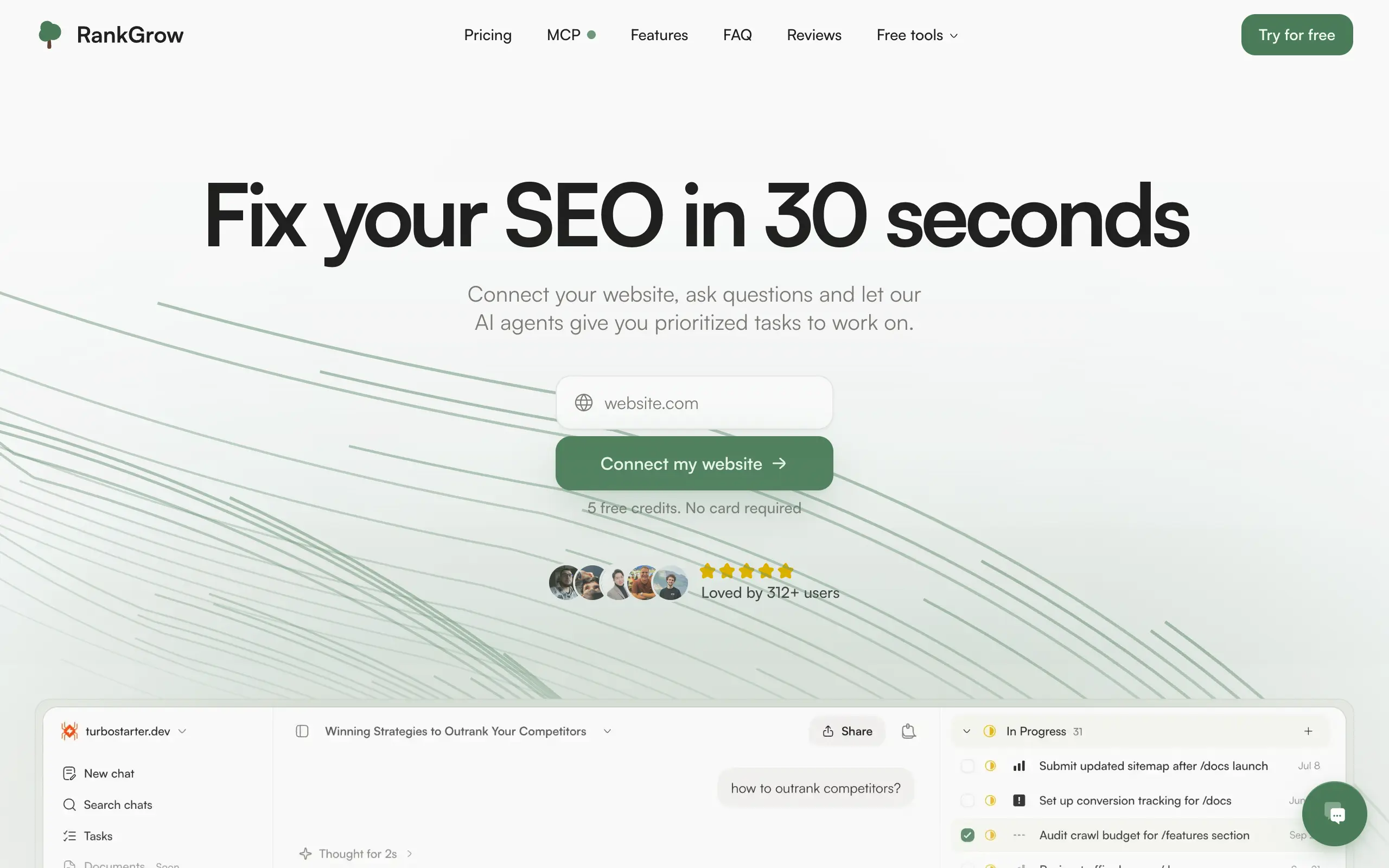
RankGrow
Fix your SEO with AI agents - connect Search Console, get prioritized tasks, and grow organic traffic 📈
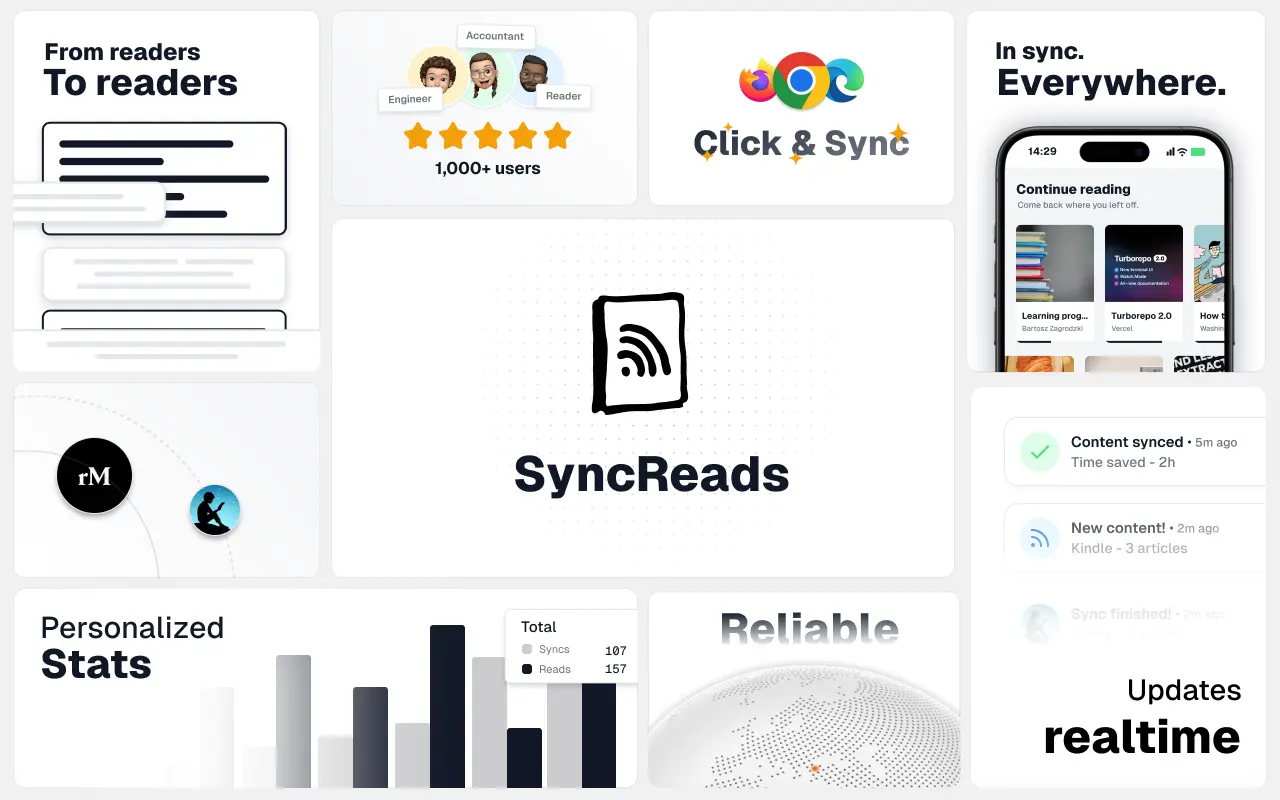
SyncReads
Sync your favorite content for distraction-free reading, save time and replace multiple apps. Anytime, anywhere 🔄
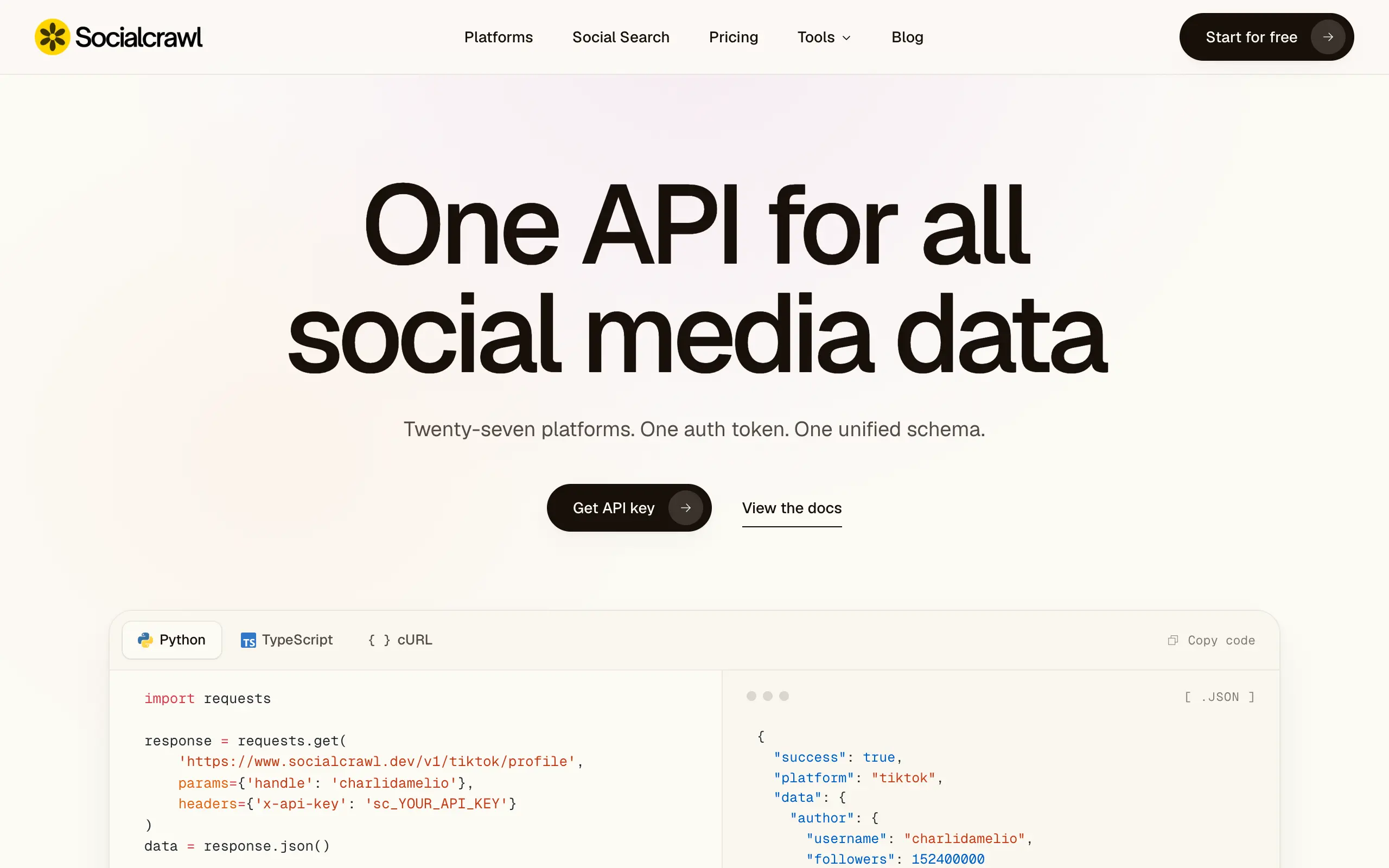
Socialcrawl
Get clean, structured data from 21 platforms like TikTok, Instagram, and YouTube with a single request 📊
Statiko
Monitor any Telegram channel in real time - track posts, edits, deletions, and growth with AI recaps 📡
Shibui
AI website builder - describe your business, pick a niche template, edit by chatting, and publish instantly ✨
Pro Service
Find verified home service professionals, compare quotes, and pay securely through escrow - built for Brazilians across the US 🏠
RankGrow
Fix your SEO with AI agents - connect Search Console, get prioritized tasks, and grow organic traffic 📈
SyncReads
Sync your favorite content for distraction-free reading, save time and replace multiple apps. Anytime, anywhere 🔄
Socialcrawl
Get clean, structured data from 21 platforms like TikTok, Instagram, and YouTube with a single request 📊
Statiko
Monitor any Telegram channel in real time - track posts, edits, deletions, and growth with AI recaps 📡
Shibui
AI website builder - describe your business, pick a niche template, edit by chatting, and publish instantly ✨
Pro Service
Find verified home service professionals, compare quotes, and pay securely through escrow - built for Brazilians across the US 🏠
RankGrow
Fix your SEO with AI agents - connect Search Console, get prioritized tasks, and grow organic traffic 📈
SyncReads
Sync your favorite content for distraction-free reading, save time and replace multiple apps. Anytime, anywhere 🔄
Socialcrawl
Get clean, structured data from 21 platforms like TikTok, Instagram, and YouTube with a single request 📊
Statiko
Monitor any Telegram channel in real time - track posts, edits, deletions, and growth with AI recaps 📡
Shibui
AI website builder - describe your business, pick a niche template, edit by chatting, and publish instantly ✨
Pro Service
Find verified home service professionals, compare quotes, and pay securely through escrow - built for Brazilians across the US 🏠
RankGrow
Fix your SEO with AI agents - connect Search Console, get prioritized tasks, and grow organic traffic 📈
SyncReads
Sync your favorite content for distraction-free reading, save time and replace multiple apps. Anytime, anywhere 🔄
Socialcrawl
Get clean, structured data from 21 platforms like TikTok, Instagram, and YouTube with a single request 📊
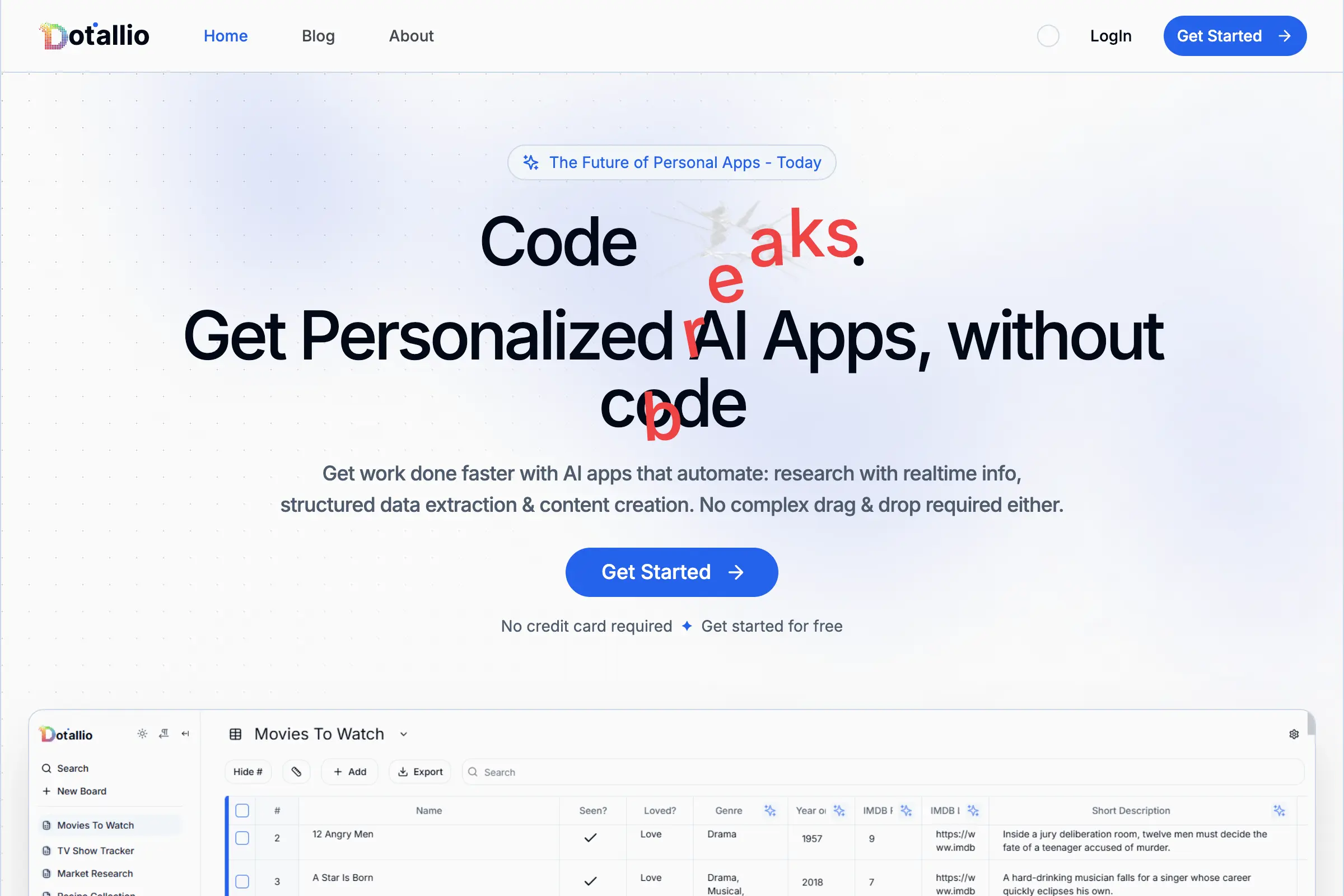
Dotallio
Personalized AI apps that automate research, data extraction, and content creation without code 🤖

Talk to Santa
Enjoy a magical live video chat or receive a unique AI-generated video greeting from Santa Claus 🎅

pozywka.pl
Scalable blog for food journalist, focused on performance and user experience 🌭
zagrodzki.me
Personal blog and portfolio of Bart Zagrodzki, where he shares his knowledge and work 💼
TurboStarter
Ship your startup everywhere. In minutes.
HTML to Markdown
Convert HTML to Markdown with ease, directly in your browser 📄
Dotallio
Personalized AI apps that automate research, data extraction, and content creation without code 🤖
Talk to Santa
Enjoy a magical live video chat or receive a unique AI-generated video greeting from Santa Claus 🎅
pozywka.pl
Scalable blog for food journalist, focused on performance and user experience 🌭
zagrodzki.me
Personal blog and portfolio of Bart Zagrodzki, where he shares his knowledge and work 💼
TurboStarter
Ship your startup everywhere. In minutes.
HTML to Markdown
Convert HTML to Markdown with ease, directly in your browser 📄
Dotallio
Personalized AI apps that automate research, data extraction, and content creation without code 🤖
Talk to Santa
Enjoy a magical live video chat or receive a unique AI-generated video greeting from Santa Claus 🎅
pozywka.pl
Scalable blog for food journalist, focused on performance and user experience 🌭
zagrodzki.me
Personal blog and portfolio of Bart Zagrodzki, where he shares his knowledge and work 💼
TurboStarter
Ship your startup everywhere. In minutes.
HTML to Markdown
Convert HTML to Markdown with ease, directly in your browser 📄
Dotallio
Personalized AI apps that automate research, data extraction, and content creation without code 🤖
Talk to Santa
Enjoy a magical live video chat or receive a unique AI-generated video greeting from Santa Claus 🎅
pozywka.pl
Scalable blog for food journalist, focused on performance and user experience 🌭
zagrodzki.me
Personal blog and portfolio of Bart Zagrodzki, where he shares his knowledge and work 💼
TurboStarter
Ship your startup everywhere. In minutes.
HTML to Markdown
Convert HTML to Markdown with ease, directly in your browser 📄
Omichat
Chat with 50+ AI models, including ChatGPT and Claude, in one place - switch models anytime without losing context 🤖
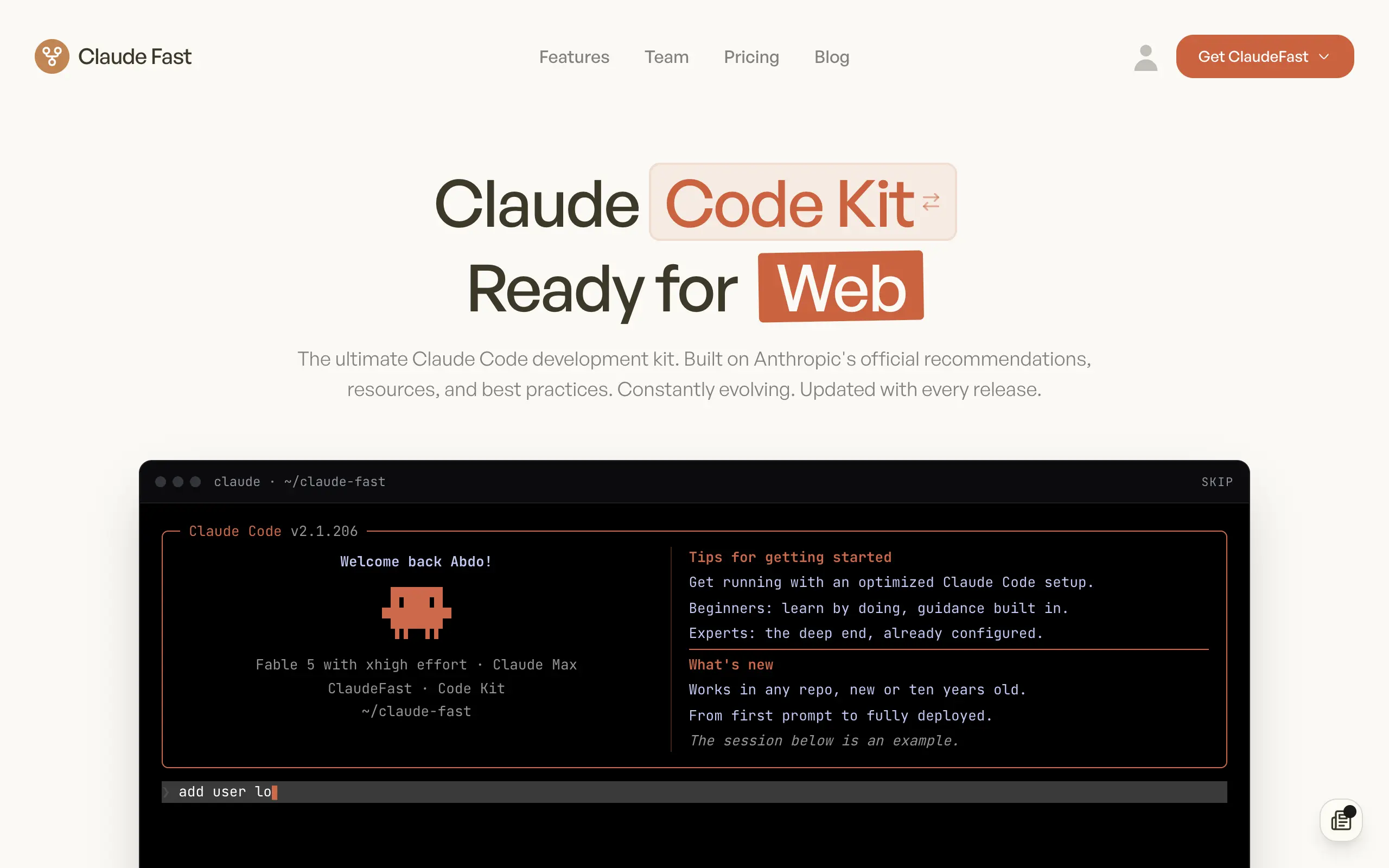
Claude Fast
Supercharge your Claude Code with 6x effective context window and specialized AI agents 🤖
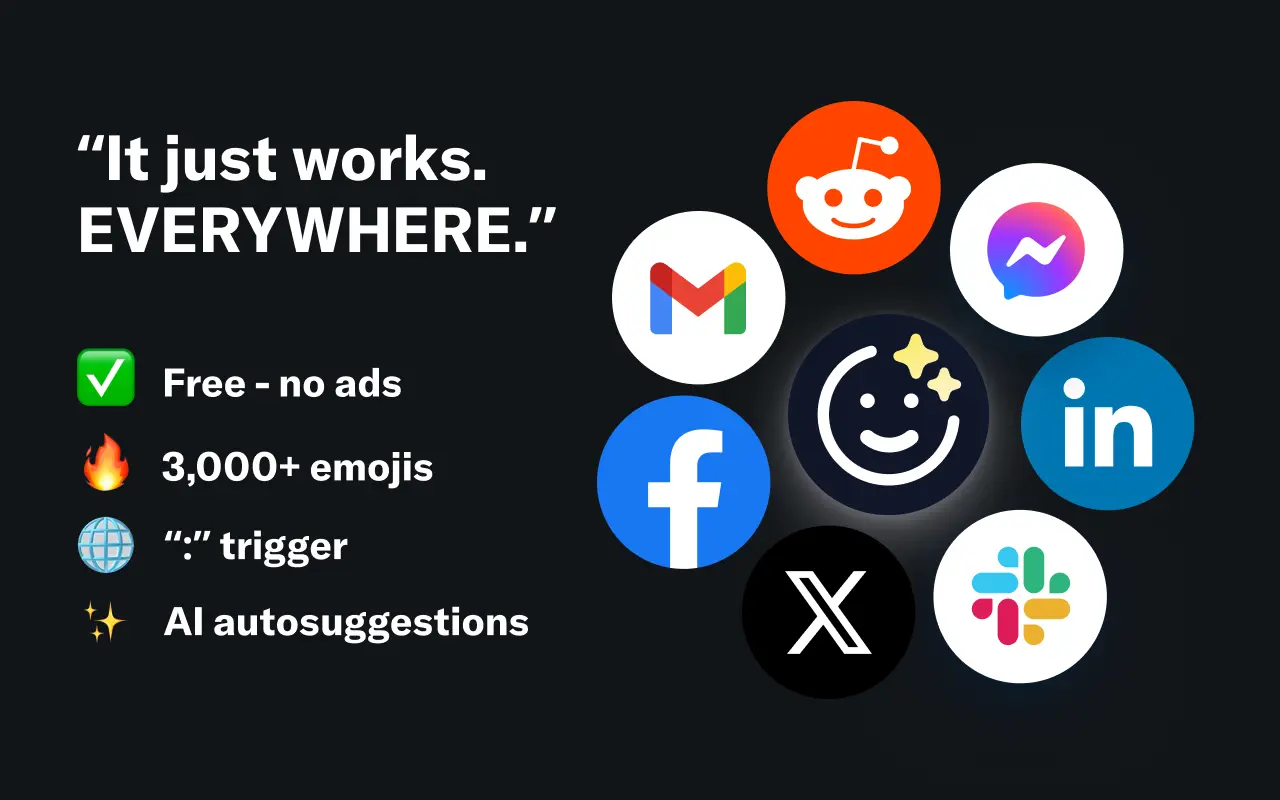
EmojAI
AI-powered emoji picker with smart, context-aware suggestions 🤖

Solohacker
Autonomous company launcher - AI agents work 24/7, escalate what matters, and you stay in control 🤖
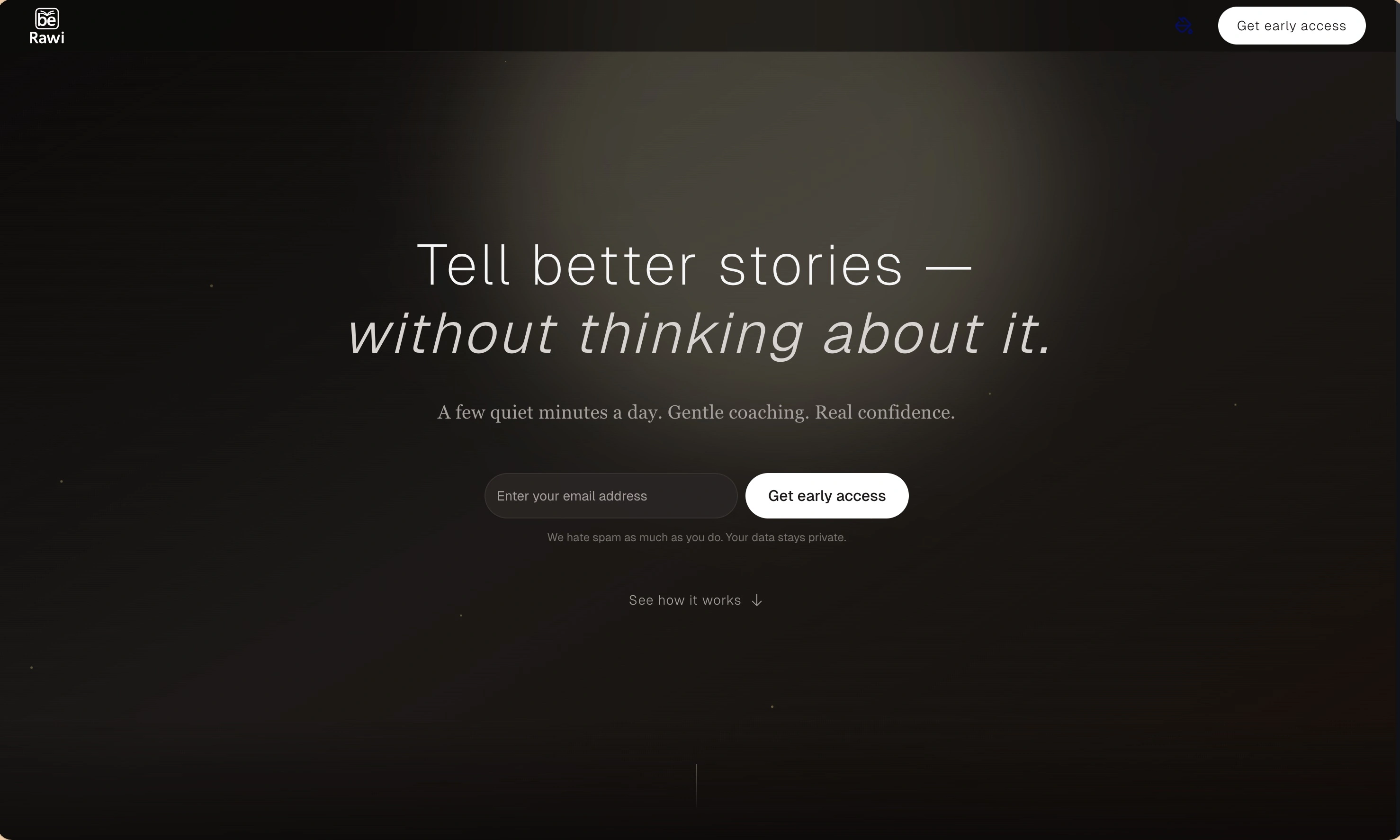
BeRawi: Storytelling Coach
Practice storytelling daily with instant feedback to sound clearer, more engaging, and confident 🎤
Omichat
Chat with 50+ AI models, including ChatGPT and Claude, in one place - switch models anytime without losing context 🤖
Claude Fast
Supercharge your Claude Code with 6x effective context window and specialized AI agents 🤖
EmojAI
AI-powered emoji picker with smart, context-aware suggestions 🤖
Solohacker
Autonomous company launcher - AI agents work 24/7, escalate what matters, and you stay in control 🤖
BeRawi: Storytelling Coach
Practice storytelling daily with instant feedback to sound clearer, more engaging, and confident 🎤
Omichat
Chat with 50+ AI models, including ChatGPT and Claude, in one place - switch models anytime without losing context 🤖
Claude Fast
Supercharge your Claude Code with 6x effective context window and specialized AI agents 🤖
EmojAI
AI-powered emoji picker with smart, context-aware suggestions 🤖
Solohacker
Autonomous company launcher - AI agents work 24/7, escalate what matters, and you stay in control 🤖
BeRawi: Storytelling Coach
Practice storytelling daily with instant feedback to sound clearer, more engaging, and confident 🎤
Omichat
Chat with 50+ AI models, including ChatGPT and Claude, in one place - switch models anytime without losing context 🤖
Claude Fast
Supercharge your Claude Code with 6x effective context window and specialized AI agents 🤖
EmojAI
AI-powered emoji picker with smart, context-aware suggestions 🤖
Solohacker
Autonomous company launcher - AI agents work 24/7, escalate what matters, and you stay in control 🤖
BeRawi: Storytelling Coach
Practice storytelling daily with instant feedback to sound clearer, more engaging, and confident 🎤

Connect with like-minded people
Join our community to get feedback, support, and grow together with 1,000+ builders on board, let's ship it!
Join usShip your startup everywhere. In minutes.
Don't burn tokens on setup and start building features on day one.