Forsa Tutor
An Egyptian-curriculum AI study coach that explains lessons in Arabic, creates Thanaweya Amma practice plans, and alerts parents to gaps.
Egyptian secondary students do not need another generic chatbot. They need a study experience that understands the terminology, exam pressure, subject sequencing, and Arabic-first learning patterns of the Egyptian curriculum. Forsa Tutor is an AI study coach concept built for that specific job: explain lessons in Arabic, turn syllabus requirements into realistic Thanaweya Amma practice plans, and give parents useful alerts when learning gaps need attention.
The opportunity is especially strong because the product solves three connected problems at once:
- Students often need fast, patient explanations outside class hours.
- Families need visibility into progress without manually checking every worksheet.
- Tutors and schools need scalable ways to personalize practice without creating a separate plan for every learner.
Unlike a broad AI assistant, an Egyptian-curriculum AI tutor can be designed around approved lesson maps, grade-specific vocabulary, exam-style questions, revision calendars, and parent-friendly progress reporting. That focus is the product’s defensible advantage.
Positioning principle
Forsa Tutor should be positioned as a structured learning companion, not as a tool that replaces teachers, schools, or professional tutoring. Its role is to help students understand, practise, reflect, and stay consistent between lessons.
Why an Egyptian-curriculum AI study coach has real demand
The core primary keyword for this concept is Egyptian curriculum AI tutor. Supporting search terms include:
- Arabic AI tutor
- Thanaweya Amma study planner
- AI study coach for Egyptian students
- Arabic homework helper
- Thanaweya Amma practice questions
- parent progress alerts for students
- personalized study plan in Arabic
- AI learning platform for Egypt
Search intent around these terms is practical. Students are not just researching artificial intelligence in education. They want help with a lesson tonight, a plan for an upcoming exam, or an explanation that makes sense in Arabic. Parents, meanwhile, want a clear answer to a different question: “Is my child actually improving, and where do they need support?”
Forsa Tutor sits at the intersection of these needs. It can turn fragmented educational support into a continuous workflow:
- A student selects their grade, subject, lesson, and study goal.
- The AI tutor explains the concept in appropriate Arabic.
- The student completes targeted practice, not random questions.
- The platform identifies knowledge gaps and confidence signals.
- The study plan adapts.
- Parents receive concise, consent-based updates that point to action.
This is valuable because academic difficulty is often cumulative. A student struggling with a complex physics chapter may not need more hours of unstructured revision; they may need to revisit prerequisite algebra, units, or terminology. A well-designed AI study coach identifies that dependency and helps the learner rebuild it.
Target audience for Forsa Tutor
A strong education SaaS product needs distinct user profiles, because the student, parent, tutor, and school each measure value differently.
Thanaweya Amma students
Students who need Arabic explanations, exam-aligned practice, a sustainable revision plan, and immediate feedback outside tutoring hours.
Parents and guardians
Families who want simple visibility into consistency, struggling subjects, and next steps without reading private student conversations.
Private tutors
Educators who want to assign practice plans, identify common weaknesses, and spend more live time on high-value teaching.
Schools and learning centers
Organizations that need cohort-level analytics, controlled content, and a consistent digital learning layer.
Primary users: students preparing for high-stakes exams
The primary audience should be Egyptian secondary students, with Thanaweya Amma as the initial wedge. This group is highly motivated because outcomes matter, schedules are demanding, and many students already combine school, tutoring, recorded lessons, and self-study.
Their requirements are concrete:
- Explanations that use familiar Arabic educational language.
- A choice between Modern Standard Arabic and accessible Egyptian Arabic where appropriate.
- Short answers for quick clarification and deeper walkthroughs for difficult concepts.
- Practice that resembles expected assessment patterns without falsely claiming access to confidential exam content.
- Daily tasks that fit around school, lessons, family obligations, and prayer times.
- Encouragement that is useful rather than overly generic.
A learner-facing experience must reduce friction. If students have to configure a complex dashboard before asking their first question, retention will suffer. The first session should immediately show value: choose a lesson, ask a question in Arabic, receive a safe explanation, and complete a short diagnostic.
Economic buyers: parents and guardians
Parents may be the paying customer even when students are the frequent users. Their dashboard should not feel like surveillance. Instead, it should provide understandable signals such as:
- Study consistency over the last seven and thirty days.
- Topics that are secure, developing, or at risk.
- Missed plan milestones.
- Recommended parent actions, such as asking the student about a specific chapter or arranging help from a teacher.
- Positive progress worth recognizing.
Avoid exposing every question, personal note, or AI conversation by default. Trust is central to adoption, particularly when the product handles minors’ learning data. Parent visibility should be explained transparently during onboarding, and privacy settings should be age-appropriate.
Influencers: tutors, teachers, and learning centers
Teachers and tutors influence whether students perceive Forsa Tutor as credible. Rather than positioning the platform against them, make it useful to them.
For example, a tutor dashboard can show that twelve students misunderstood a particular chemistry concept, while seven have not completed their assigned practice set. The tutor can then use the next session to address the group’s real needs. This changes the tutor’s role from manually chasing homework to delivering targeted instruction.
The market gap in Arabic-first AI learning
Generic AI tools can answer educational questions, but they have several limitations in an Egyptian learning context.
| Learning need | Generic AI chatbot | Video-only course | Forsa Tutor opportunity | Student outcome |
|---|---|---|---|---|
| Arabic lesson explanation | Variable terminology and depth | Fixed explanation | Curriculum-grounded, level-aware tutoring | Clearer understanding |
| Study planning | Usually manual prompting | Generic timetable | Adaptive daily plan based on mastery | More consistent revision |
| Parent visibility | Not designed for families | Limited engagement data | Consent-based actionable alerts | Earlier intervention |
| Exam practice | May create unverified questions | Often passive | Reviewed question bank plus adaptive delivery | Better exam readiness |
The key gap is not simply “Arabic language support.” It is instructional reliability. Students need the system to know where a lesson belongs in the curriculum, what must be understood first, what misconceptions commonly occur, and how to verify learning with practice.
An effective Egyptian curriculum AI tutor should treat the syllabus as structured data. Each learning objective needs metadata:
- Grade and academic year.
- Subject, unit, chapter, and lesson.
- Prerequisite concepts.
- Curriculum version and source status.
- Difficulty range.
- Question formats.
- Common misconceptions.
- Teacher-reviewed explanation assets.
- Parent-reporting relevance.
This curriculum graph becomes a strategic asset. It is harder to build than a simple chat interface, but it creates an experience that is more useful, safer, and more difficult to copy.
Why Arabic localization must go beyond translation
Literal translation is not enough for an Arabic AI tutor. Mathematical notation, scientific vocabulary, grammar explanations, and historical context must match the way the concepts are taught locally.
The product should support:
- Arabic-first navigation and right-to-left interface design.
- English scientific terms when they are standard in a specific learning context.
- Clear rendering for equations, chemical formulas, tables, and diagrams.
- Explanations at multiple levels of detail.
- Optional Egyptian Arabic tone for encouragement and clarification, while preserving formal Arabic for academic definitions.
- Keyboard and mobile experiences optimized for Arabic input.
The platform should also ask students how they want explanations framed. One student may need a step-by-step derivation. Another may need a real-world analogy, then a short question to confirm comprehension. Personalization is pedagogical, not merely cosmetic.
Core Forsa Tutor features and learning workflow
Forsa Tutor should launch with a narrow, reliable feature set before expanding into every subject and grade. The initial experience should prove one powerful promise: a student can identify a weakness, understand it, practise it, and know what to do next.
1. Arabic lesson explainer with source-aware answers
The AI tutor should begin each response from curriculum-approved materials, teacher-authored notes, and reviewed question explanations. Retrieval-augmented generation, often called RAG, can retrieve the most relevant content before an AI model writes an answer.
Instead of saying only “Here is the answer,” the product should teach:
- Restate the question in simple Arabic.
- Identify the concept being tested.
- Explain the method or rule.
- Work through a similar example.
- Ask the student to attempt the next step.
- Offer a concise recap.
This approach reduces passive answer copying. It also makes the tutoring conversation more transparent. If the system lacks enough grounded material, it should say so and encourage the student to check with a teacher rather than inventing certainty.
2. Diagnostic practice and mastery estimation
A useful study platform should distinguish between activity and learning. Watching three videos or opening ten lesson pages does not prove mastery.
Start each new unit with a brief diagnostic. The questions should cover prerequisite knowledge, core understanding, and common traps. As students answer, the platform estimates a mastery signal for each skill.
A simple early model can use weighted accuracy, recency, and confidence ratings. Over time, the system can introduce more sophisticated knowledge tracing methods. The product should never present the score as an unquestionable truth. Use language such as “developing,” “likely secure,” or “needs more practice,” and show the evidence behind the recommendation.
3. Thanaweya Amma study plans that adapt to reality
A Thanaweya Amma study planner is a major acquisition feature because students actively search for structure. However, static calendars quickly fail when a student misses a day, attends an extra lesson, or discovers a large gap in a core topic.
Forsa Tutor can create a dynamic plan based on:
- Exam date or target revision period.
- Selected subjects and current units.
- Available study hours on weekdays and weekends.
- Diagnostic performance.
- Missed tasks.
- Preferred session length.
- Tutor-assigned work.
- Planned rest days.
The plan should protect students from unrealistic workload. A product that assigns six hours of catch-up after one missed day creates guilt, not progress. A better system reschedules intelligently, prioritizes high-impact tasks, and provides a “minimum viable study session” for difficult days.
4. Exam-style question practice with explanations
Question quality determines credibility. Every question should be classified by subject, topic, difficulty, learning objective, and review status. AI-generated questions can expand coverage, but they need safeguards before being used in high-stakes practice.
A practical content workflow includes:
- AI-assisted drafting from approved lesson objectives.
- Automated checks for duplicates, answer consistency, and format.
- Human subject-matter review for representative items.
- Student feedback flags for ambiguity or suspected errors.
- Version history and retirement for flawed questions.
For initial launch, prioritize a smaller bank of excellent questions over a massive unreviewed library. Trust compounds when students repeatedly find that explanations are accurate and useful.
5. Parent alerts that encourage support, not panic
Parent alerts should be specific, sparse, and actionable. A message saying “Your child is falling behind” may cause stress without helping. A better alert says that practice consistency dropped over two weeks and recommends one small supportive action.
Examples of appropriate alerts include:
- The student has not opened their mathematics plan for seven days.
- Repeated errors suggest a gap in a prerequisite skill.
- The student completed a revision milestone.
- The student’s planned workload may exceed their typical available time.
- A teacher or tutor has assigned a focused practice set.
Give families notification controls. They should choose the channel, frequency, and types of alerts they receive. Weekly summaries may be more valuable than daily push notifications for many households.
A parent should see progress indicators, completed goals, missed commitments, and suggested supportive actions. They should not automatically see every private student question, reflection, or tutoring conversation. Clear consent and privacy boundaries protect the student relationship and improve long-term engagement.
They can be useful when they are grounded in a verified curriculum map and governed by quality controls. High-stakes question banks should include human review, answer validation, feedback reporting, and version history. AI should accelerate content operations, not remove educational accountability.
Use workload caps, adaptive rescheduling, rest days, and a clear priority system. When students fall behind, the plan should preserve the highest-value revision tasks instead of blindly stacking every missed activity.
A recommended tech stack for an AI tutoring SaaS
The right stack should optimize for fast product iteration, Arabic and right-to-left interface support, secure handling of student data, and reliable AI orchestration. For an early-stage team, a TypeScript-first architecture is usually efficient.
Product application and interface
Use Next.js with React and TypeScript for the web application. Next.js supports server rendering, route handlers, and a strong ecosystem for building SaaS applications. Pair it with Tailwind CSS for consistent responsive UI development, including right-to-left layout variants.
A mobile-first web app should be the first priority. Many students will access the platform from a phone, often with intermittent connectivity. Progressive web app behavior, careful asset optimization, and local draft storage can materially improve usability.
Backend, data, and authentication
Supabase is a practical early option because it combines PostgreSQL, authentication, storage, and row-level security. PostgreSQL is particularly suitable for curriculum data because the product needs strong relational modeling across subjects, skills, content sources, questions, attempts, plans, users, and organizations.
A suggested data model includes:
usersfor account identity and roles.student_profilesfor grade, subjects, preferences, and consent settings.curriculum_nodesfor lesson hierarchy and learning objectives.skillsfor granular assessable concepts.questionsandquestion_versionsfor reviewed practice content.attemptsfor answers, time spent, confidence, and feedback.study_plansandplan_tasksfor scheduled work.mastery_signalsfor interpretable proficiency estimates.parent_linksfor guardian permissions.alertsandnotification_preferencesfor communication control.audit_eventsfor sensitive administrative actions.
Row-level security is important. A parent must access only the data authorized for their linked student. A tutor must access only their assigned groups. Internal content reviewers should not gain broad access to student conversations merely because they work on the platform.
AI orchestration and retrieval
For model access, use a provider with a documented API, reliable Arabic capabilities, usage controls, and transparent data handling. OpenAI API documentation is one example of an official implementation reference.
The architecture should separate:
- The model provider.
- The prompt and policy layer.
- The curriculum retrieval layer.
- The assessment engine.
- The audit and evaluation pipeline.
This separation prevents the most common mistake in AI education products: putting all business logic into a prompt. Prompts are valuable, but curriculum rules, user permissions, answer checks, and reporting thresholds should live in testable application code.
A retrieval pipeline can store embeddings for approved explanations, textbook extracts where licensing permits, educator notes, and question rationales. For each query, retrieve relevant approved chunks, include curriculum metadata, and instruct the model to cite the lesson context internally. If the retrieved evidence is weak, the assistant should respond cautiously.
Trade-offs to consider
Use a managed database, hosted authentication, one AI provider, and a limited set of reviewed subjects. This reduces engineering time and helps validate demand quickly. The trade-off is less flexibility and potential vendor dependency.
Invest early in a curriculum graph, content review workflow, test suite for AI answers, and detailed mastery tracking. This creates stronger differentiation, but requires more subject-matter expertise and slower initial content expansion.
Add organization workspaces, granular permissions, audit logs, service-level monitoring, and integration capabilities for schools. This supports larger contracts, but may be unnecessary before product-market fit with individual families.
For most founders, the best sequence is a fast MVP with quality-first constraints. Launch with a limited subject set, but do not compromise on answer verification, privacy, or scope control.
Monetization strategy for Forsa Tutor
A hybrid business model can serve both direct-to-consumer and institutional demand.
Freemium plan for student acquisition
The free tier should offer enough value for a student to experience the product’s core promise:
- Limited daily AI explanations.
- One diagnostic per selected subject.
- A basic weekly study plan.
- A small number of practice sets.
- Progress snapshots.
The goal is not to make the free plan frustrating. It should generate trust and reveal the benefit of personalization.
Premium family subscription
A paid plan can include:
- Higher or unlimited fair-use AI tutoring.
- Full adaptive Thanaweya Amma study planner.
- Deeper practice recommendations.
- Parent dashboard and scheduled summaries.
- Revision mode before exams.
- Multiple subject plans.
- Priority access to newly released reviewed content.
Pricing should be tested locally. Egyptian purchasing power, payment preferences, and seasonality must shape the final strategy. Monthly pricing is familiar, but quarterly and exam-season packages may align better with actual study behavior.
Tutor and school plans
For tutors, charge per active student or per managed cohort. For schools and learning centers, offer annual contracts based on active learners, content needs, support level, and administrative controls.
Institutional plans can include:
- Tutor assignment tools.
- Cohort diagnostics.
- Branded workspaces.
- Managed content libraries.
- Administrative reporting.
- Training and onboarding.
- Optional integrations.
The risk with institutional sales is long buying cycles. Keep the direct student product strong so the company is not dependent on school procurement.
Competitive advantage and defensibility
Forsa Tutor’s unique selling proposition is straightforward:
An Arabic-first, Egyptian-curriculum AI study coach that connects lesson explanations, adaptive Thanaweya Amma practice plans, and respectful parent alerts in one guided learning system.
That positioning is more defensible than “an AI chatbot for students.” General tools can imitate conversational answers, but they cannot easily replicate a trusted local curriculum graph, reviewed educational content, behavior-informed study planning, and a privacy-aware family workflow.
The strongest competitive moats are:
- Curriculum depth through a versioned map of local learning objectives and prerequisites.
- Question quality through review operations, feedback loops, and performance evidence.
- Learning data through aggregated and privacy-preserving patterns of misconceptions and effective interventions.
- Trust through transparent AI behavior, student safeguards, and parent permission controls.
- Distribution through partnerships with respected tutors, learning centers, and student communities.
- Arabic UX quality through genuinely native right-to-left product design rather than translated screens.
Do not rely on model access as a moat. Foundation models evolve rapidly and competitors can access similar APIs. The durable value comes from educational workflow design and localized execution.
Risks and mitigation for an AI education platform
Education products involving young people carry meaningful responsibilities. Founders should address these early, before growth makes them harder to fix.
Hallucinated or misleading answers
AI models can produce confident but incorrect content. In a high-stakes exam context, this can quickly damage trust.
Mitigation should include:
- Retrieval from approved curriculum sources.
- Subject and grade constraints in every tutoring request.
- Automated checks for unsupported claims.
- Human review of high-traffic content and sample conversations.
- A visible “report an issue” action.
- A fallback response when evidence is insufficient.
- Routine benchmark tests built from teacher-reviewed questions.
Curriculum changes and content drift
Curricula, assessment formats, and textbooks can change. A stale content base is harmful even if the AI response is fluent.
Use versioned curriculum records with effective dates. Assign a content owner to each subject. Before a new academic cycle, run a formal content review and archive outdated material rather than silently mixing versions.
Student privacy and parental expectations
Collect the minimum personal data required to deliver the service. Give users clear explanations of what is collected, why it is used, and who can see it. For security practices, teams can use the OWASP Top 10 as a baseline reference during development.
Practical safeguards include encryption in transit and at rest, role-based access control, deletion workflows, audit logs, incident response procedures, and explicit retention policies. Legal review should cover applicable Egyptian requirements and any jurisdictions where the service operates. This is not a task to postpone until enterprise sales.
Overreliance and academic integrity
Students may try to use the platform to avoid thinking. The product should be designed to coach rather than complete work for them.
Useful interventions include asking students to attempt a step first, hiding final answers until an attempt is made, generating parallel practice problems, and explaining reasoning rather than only producing solutions. For essay-like tasks, provide feedback and outlines rather than submitting polished work as if it were the student’s own.
Uneven access and connectivity
Not every learner has a fast connection or a high-end device. Optimize for mobile browsers, compress assets, support low-bandwidth modes, and make key study tasks resilient to temporary disconnection. Accessibility should be part of the MVP, including readable typography, sufficient contrast, and straightforward keyboard navigation.
How to validate the Forsa Tutor idea before building everything
The fastest route to product-market fit is not building an enormous question bank. It is testing whether the core loop changes student behavior.
Start with one grade, one exam-focused segment, and two or three high-demand subjects. Interview students, parents, and tutors separately. Their language should shape product copy, alerts, and onboarding.
Ask students:
- Which topics repeatedly send you to YouTube or a tutor?
- When do revision plans usually break down?
- What makes an explanation feel trustworthy?
- Would you share your progress with a parent, and under what boundaries?
Ask parents:
- What information would genuinely help you support study?
- What notifications would feel excessive?
- What would make you trust or reject an AI education service?
Ask tutors:
- Which misconceptions consume live teaching time?
- What student data would change your next lesson?
- Which content and workflow controls do you need before recommending a platform?
Then run a concierge pilot. A small group can receive manually curated study plans, reviewed AI-assisted explanations, and weekly progress summaries. Measure whether students return, complete assigned practice, and improve on a follow-up diagnostic.
The most valuable early metrics are:
- Activation rate after the first diagnostic.
- Percentage of students completing their first plan task.
- Seven-day and thirty-day retention.
- Practice completion rate.
- Improvement between initial and follow-up diagnostics.
- Parent summary open rate.
- Reported answer-error rate.
- Tutor recommendation rate.
Vanity metrics such as total messages are less useful. A student sending many messages could signal engagement, confusion, or poor answer quality. Pair usage data with learning outcomes and qualitative feedback.
Actionable implementation roadmap
A disciplined roadmap keeps the Forsa Tutor team focused on the smallest product that can earn trust.
A reliable SaaS foundation can accelerate this work. TurboStarter can help founders avoid spending early product cycles rebuilding common SaaS infrastructure, allowing more attention to the curriculum engine, AI safeguards, and learning experience that make Forsa Tutor distinctive.
Final perspective
Forsa Tutor has the potential to become more than an Arabic homework helper. The strongest version is a trusted learning system that understands what an Egyptian student is studying, detects what they have not yet mastered, and translates that insight into manageable next actions.
The winning product will not be the one with the most AI features. It will be the one that consistently gives students accurate help, gives parents respectful clarity, and gives tutors better information at the moment it matters. By starting narrow, grounding every learning interaction in a maintained Egyptian curriculum model, and treating privacy and content quality as product features, Forsa Tutor can build durable credibility in a highly important education market.
More 🤖 AI Startup SaaS ideas
Discover more innovative ai startup SaaS ideas that are trending in 2026. Each idea is AI-generated with market validation and growth potential to help you find your next profitable venture faster than competitors.
Your competitors are building with TurboStarter
Below are some of the SaaS ideas that have been generated and built with our starter kit.
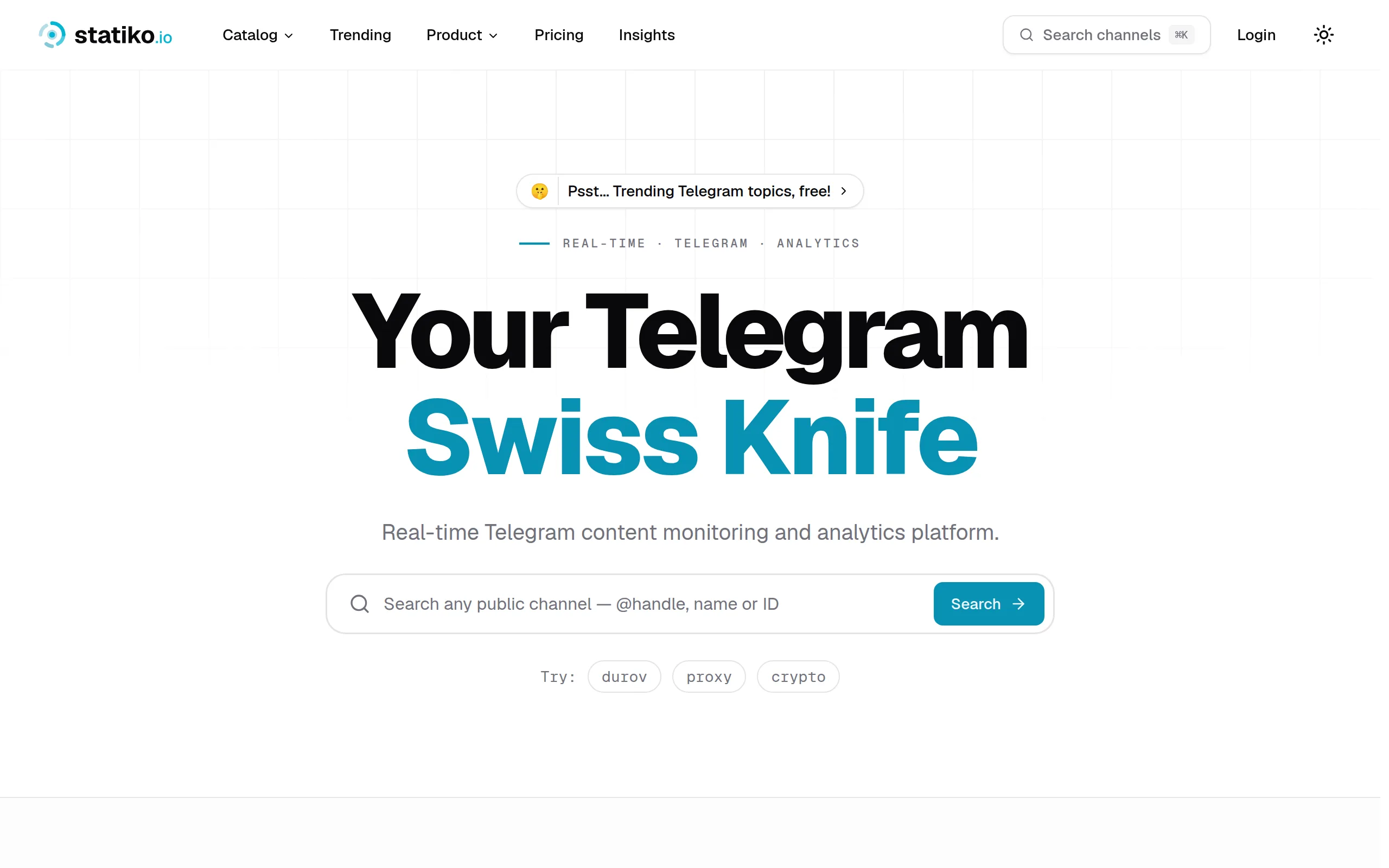
Statiko
Monitor any Telegram channel in real time - track posts, edits, deletions, and growth with AI recaps 📡

Shibui
AI website builder - describe your business, pick a niche template, edit by chatting, and publish instantly ✨

Pro Service
Find verified home service professionals, compare quotes, and pay securely through escrow - built for Brazilians across the US 🏠
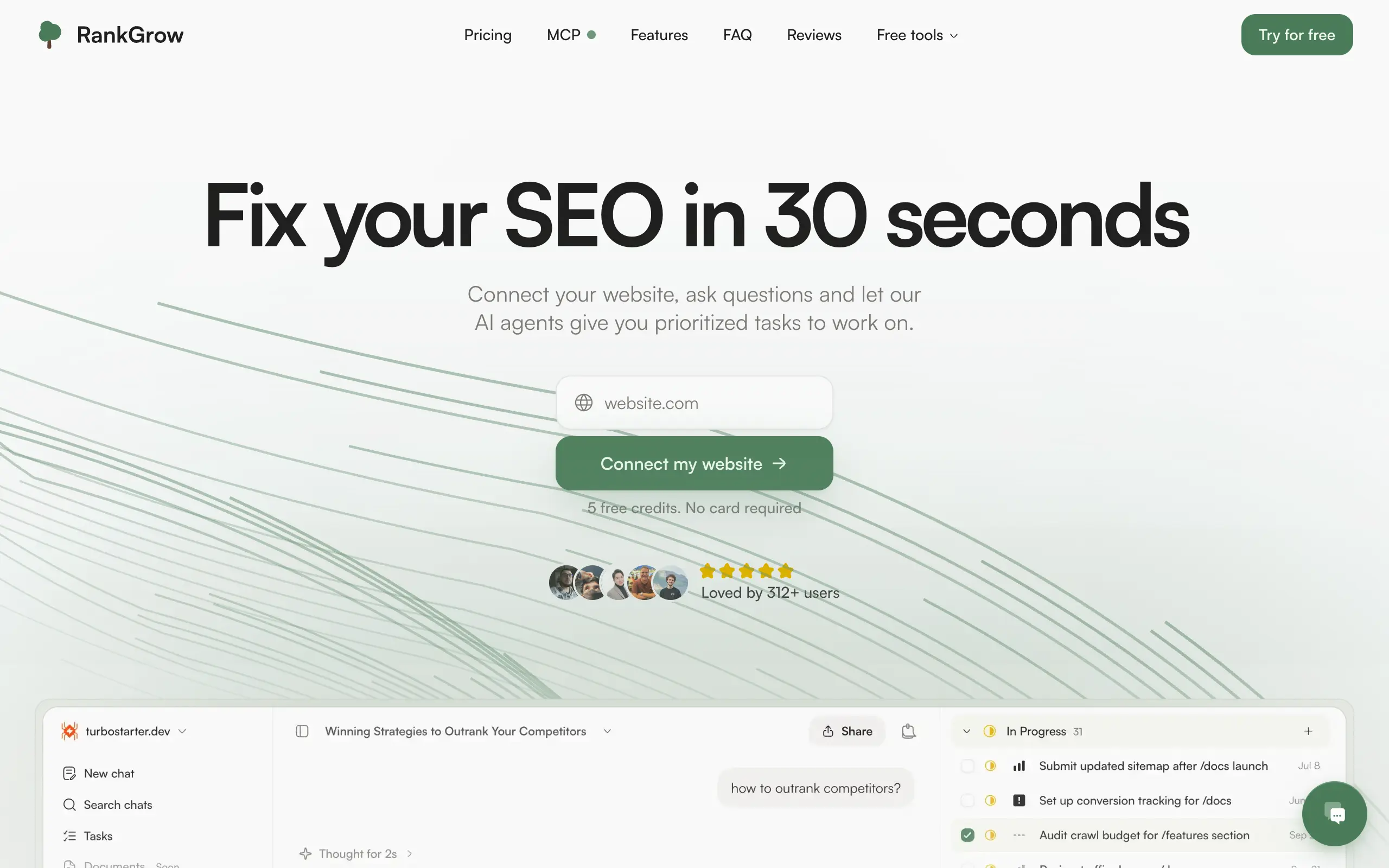
RankGrow
Fix your SEO with AI agents - connect Search Console, get prioritized tasks, and grow organic traffic 📈
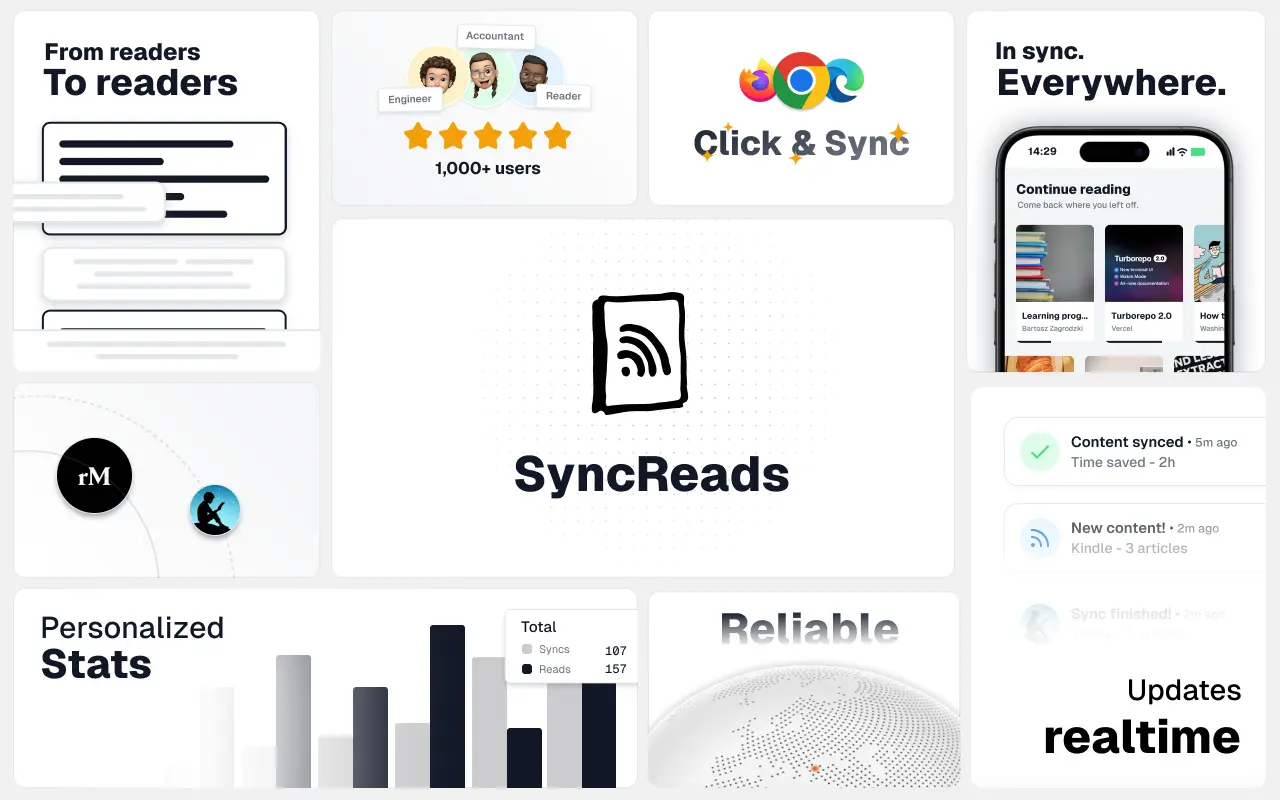
SyncReads
Sync your favorite content for distraction-free reading, save time and replace multiple apps. Anytime, anywhere 🔄
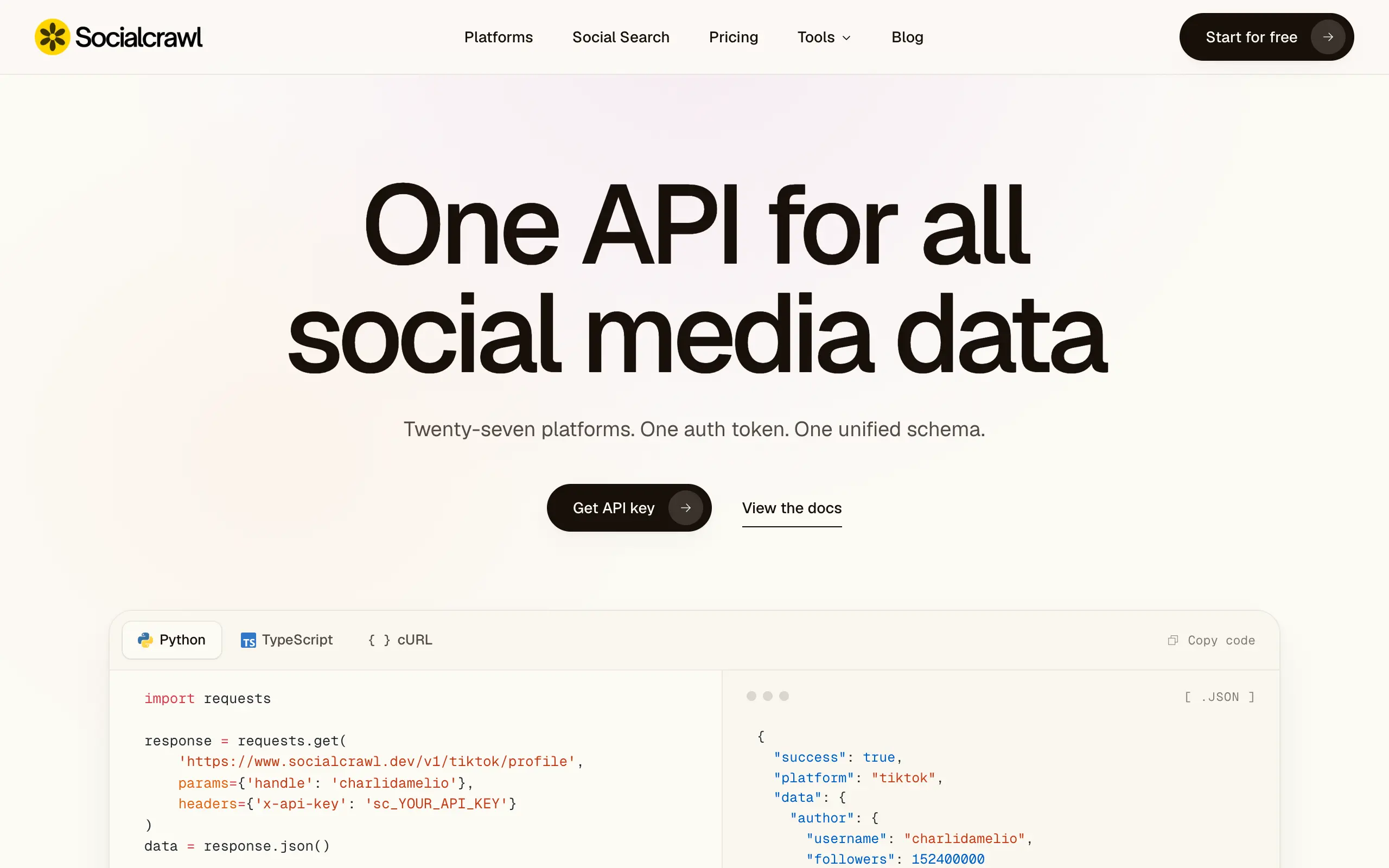
Socialcrawl
Get clean, structured data from 21 platforms like TikTok, Instagram, and YouTube with a single request 📊
Statiko
Monitor any Telegram channel in real time - track posts, edits, deletions, and growth with AI recaps 📡
Shibui
AI website builder - describe your business, pick a niche template, edit by chatting, and publish instantly ✨
Pro Service
Find verified home service professionals, compare quotes, and pay securely through escrow - built for Brazilians across the US 🏠
RankGrow
Fix your SEO with AI agents - connect Search Console, get prioritized tasks, and grow organic traffic 📈
SyncReads
Sync your favorite content for distraction-free reading, save time and replace multiple apps. Anytime, anywhere 🔄
Socialcrawl
Get clean, structured data from 21 platforms like TikTok, Instagram, and YouTube with a single request 📊
Statiko
Monitor any Telegram channel in real time - track posts, edits, deletions, and growth with AI recaps 📡
Shibui
AI website builder - describe your business, pick a niche template, edit by chatting, and publish instantly ✨
Pro Service
Find verified home service professionals, compare quotes, and pay securely through escrow - built for Brazilians across the US 🏠
RankGrow
Fix your SEO with AI agents - connect Search Console, get prioritized tasks, and grow organic traffic 📈
SyncReads
Sync your favorite content for distraction-free reading, save time and replace multiple apps. Anytime, anywhere 🔄
Socialcrawl
Get clean, structured data from 21 platforms like TikTok, Instagram, and YouTube with a single request 📊
Statiko
Monitor any Telegram channel in real time - track posts, edits, deletions, and growth with AI recaps 📡
Shibui
AI website builder - describe your business, pick a niche template, edit by chatting, and publish instantly ✨
Pro Service
Find verified home service professionals, compare quotes, and pay securely through escrow - built for Brazilians across the US 🏠
RankGrow
Fix your SEO with AI agents - connect Search Console, get prioritized tasks, and grow organic traffic 📈
SyncReads
Sync your favorite content for distraction-free reading, save time and replace multiple apps. Anytime, anywhere 🔄
Socialcrawl
Get clean, structured data from 21 platforms like TikTok, Instagram, and YouTube with a single request 📊
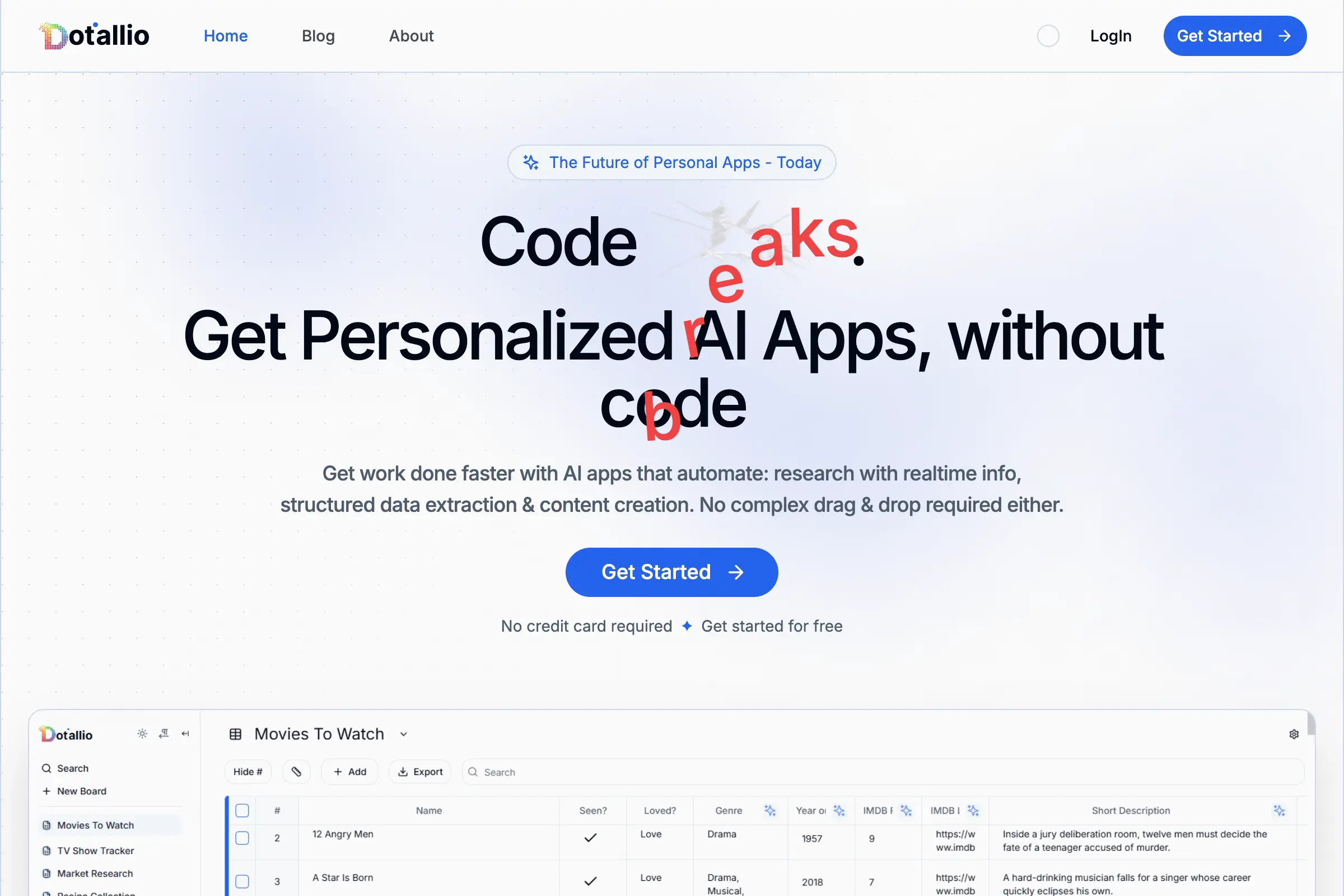
Dotallio
Personalized AI apps that automate research, data extraction, and content creation without code 🤖
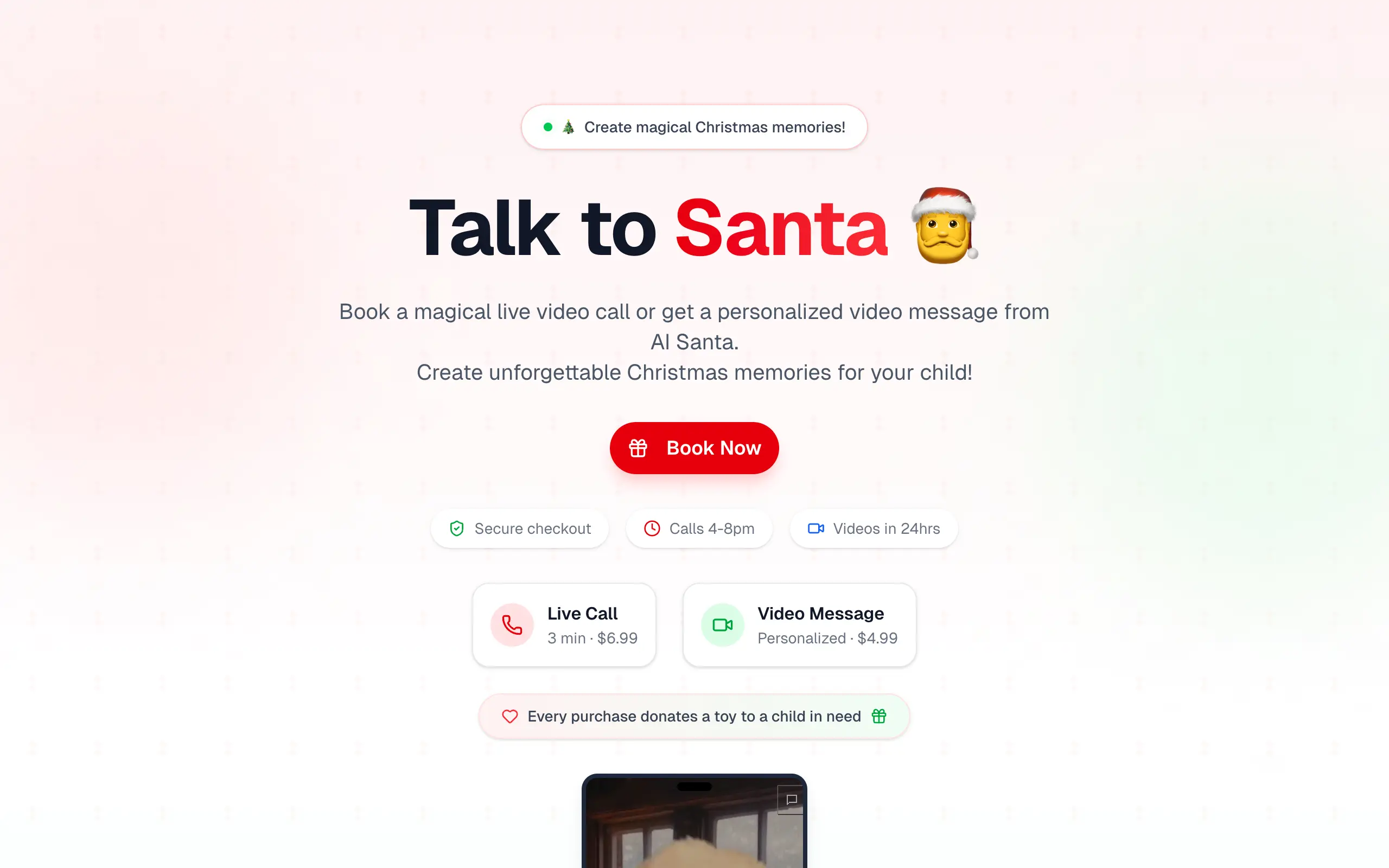
Talk to Santa
Enjoy a magical live video chat or receive a unique AI-generated video greeting from Santa Claus 🎅
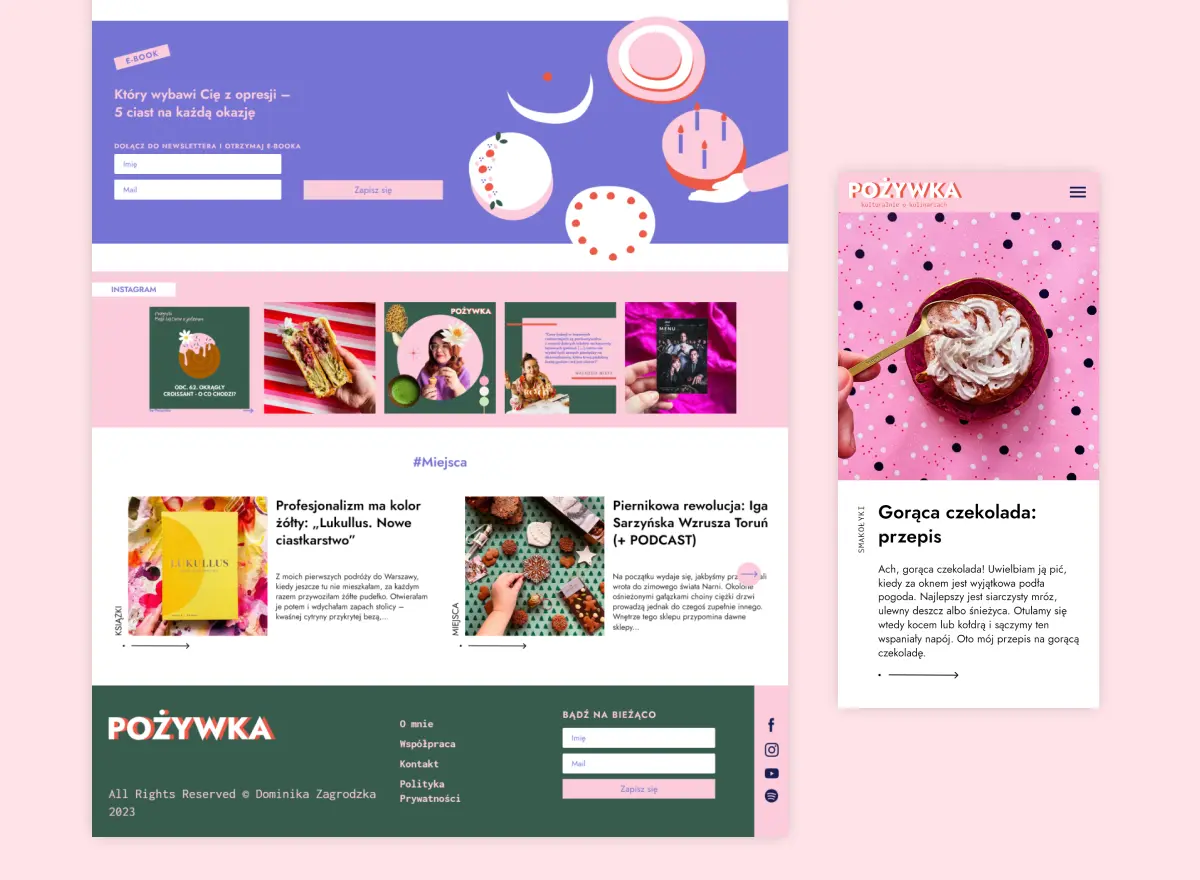
pozywka.pl
Scalable blog for food journalist, focused on performance and user experience 🌭
zagrodzki.me
Personal blog and portfolio of Bart Zagrodzki, where he shares his knowledge and work 💼
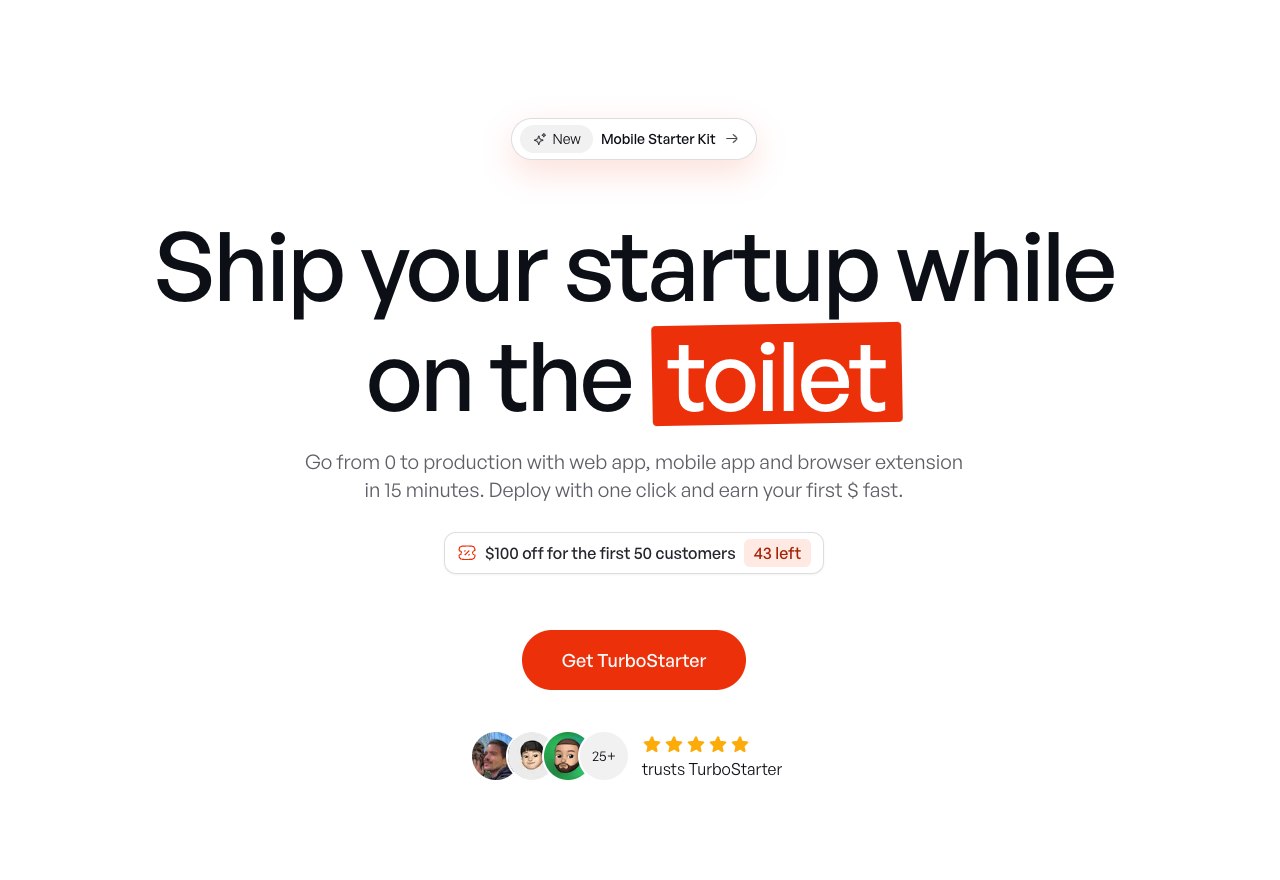
TurboStarter
Ship your startup everywhere. In minutes.
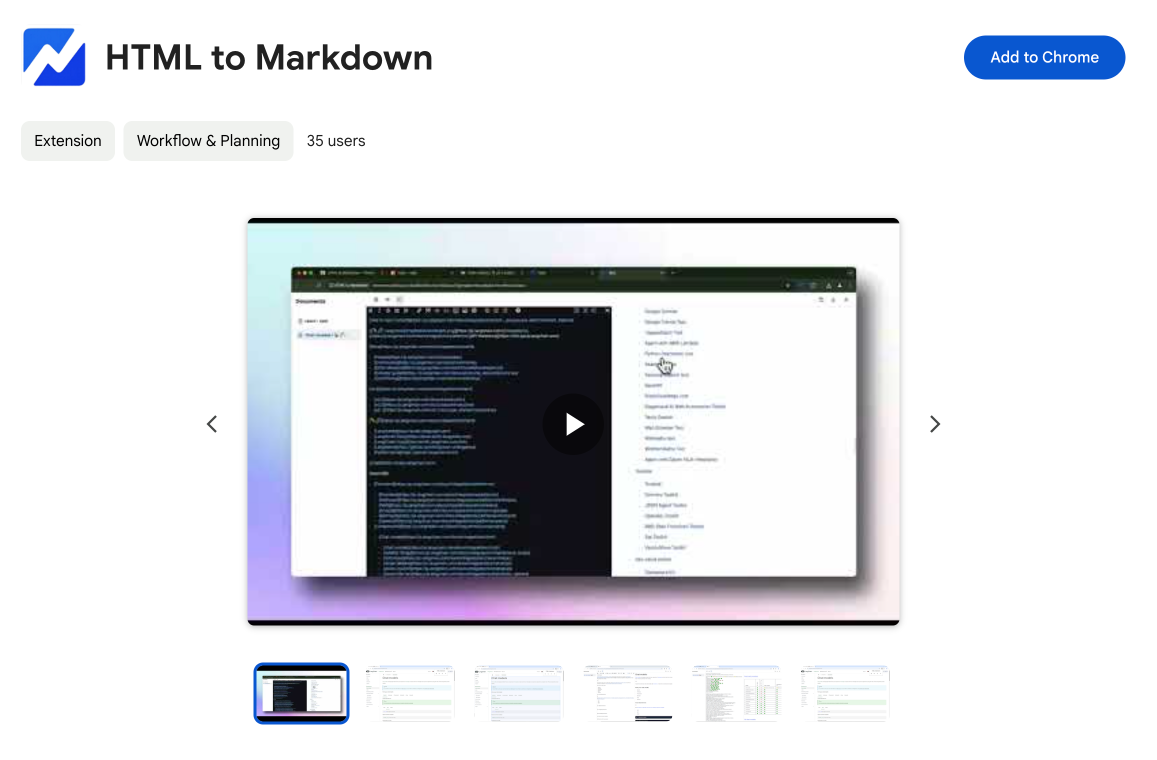
HTML to Markdown
Convert HTML to Markdown with ease, directly in your browser 📄
Dotallio
Personalized AI apps that automate research, data extraction, and content creation without code 🤖
Talk to Santa
Enjoy a magical live video chat or receive a unique AI-generated video greeting from Santa Claus 🎅
pozywka.pl
Scalable blog for food journalist, focused on performance and user experience 🌭
zagrodzki.me
Personal blog and portfolio of Bart Zagrodzki, where he shares his knowledge and work 💼
TurboStarter
Ship your startup everywhere. In minutes.
HTML to Markdown
Convert HTML to Markdown with ease, directly in your browser 📄
Dotallio
Personalized AI apps that automate research, data extraction, and content creation without code 🤖
Talk to Santa
Enjoy a magical live video chat or receive a unique AI-generated video greeting from Santa Claus 🎅
pozywka.pl
Scalable blog for food journalist, focused on performance and user experience 🌭
zagrodzki.me
Personal blog and portfolio of Bart Zagrodzki, where he shares his knowledge and work 💼
TurboStarter
Ship your startup everywhere. In minutes.
HTML to Markdown
Convert HTML to Markdown with ease, directly in your browser 📄
Dotallio
Personalized AI apps that automate research, data extraction, and content creation without code 🤖
Talk to Santa
Enjoy a magical live video chat or receive a unique AI-generated video greeting from Santa Claus 🎅
pozywka.pl
Scalable blog for food journalist, focused on performance and user experience 🌭
zagrodzki.me
Personal blog and portfolio of Bart Zagrodzki, where he shares his knowledge and work 💼
TurboStarter
Ship your startup everywhere. In minutes.
HTML to Markdown
Convert HTML to Markdown with ease, directly in your browser 📄
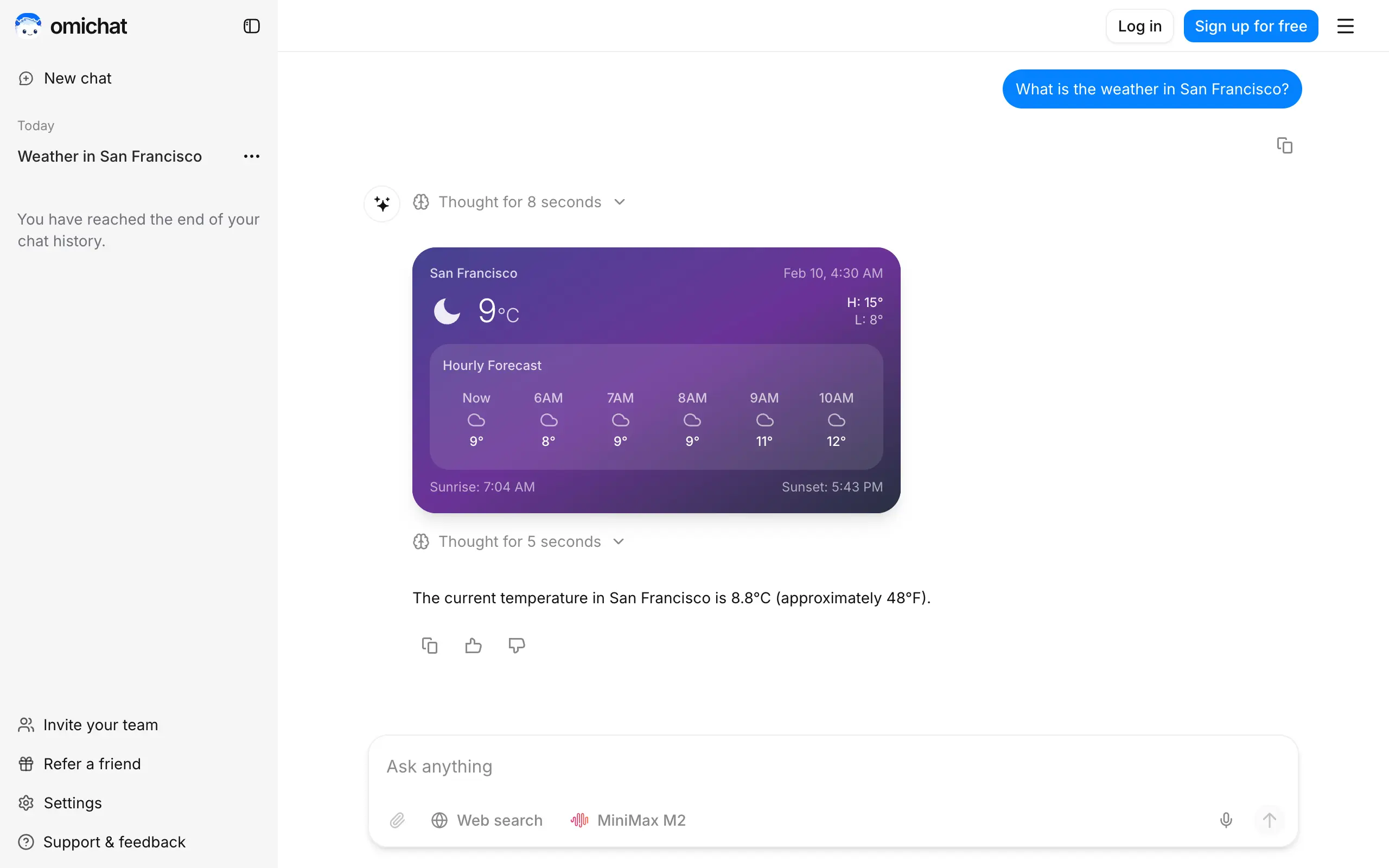
Omichat
Chat with 50+ AI models, including ChatGPT and Claude, in one place - switch models anytime without losing context 🤖
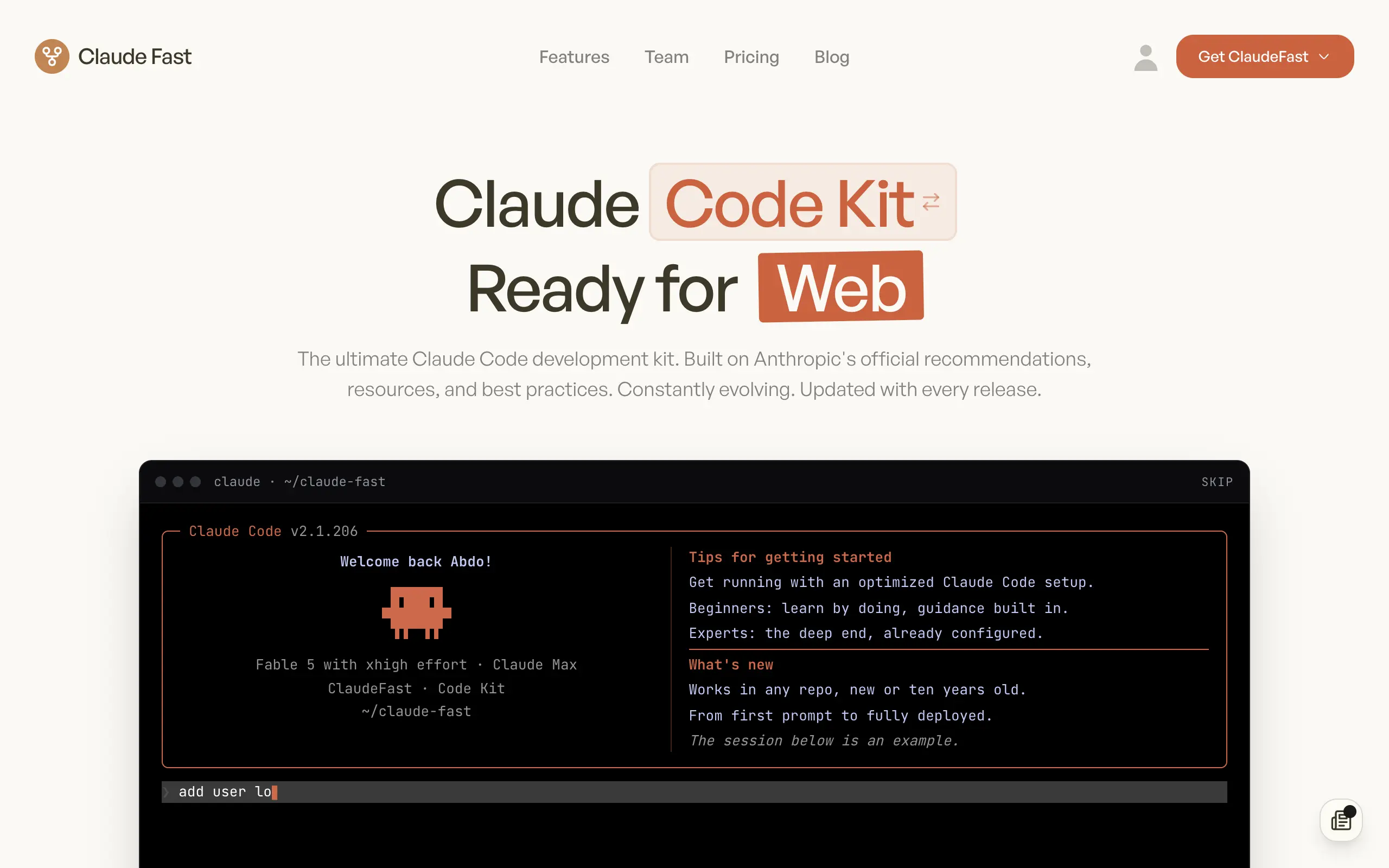
Claude Fast
Supercharge your Claude Code with 6x effective context window and specialized AI agents 🤖
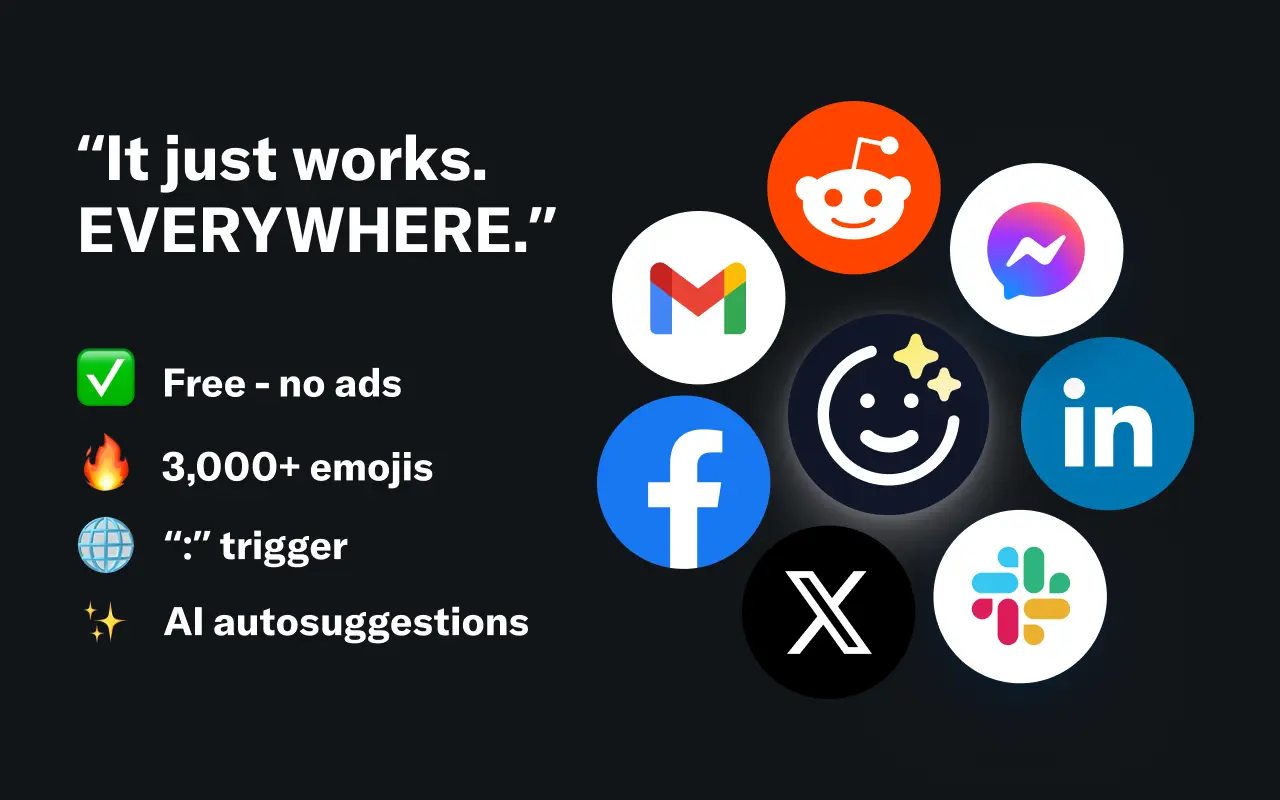
EmojAI
AI-powered emoji picker with smart, context-aware suggestions 🤖
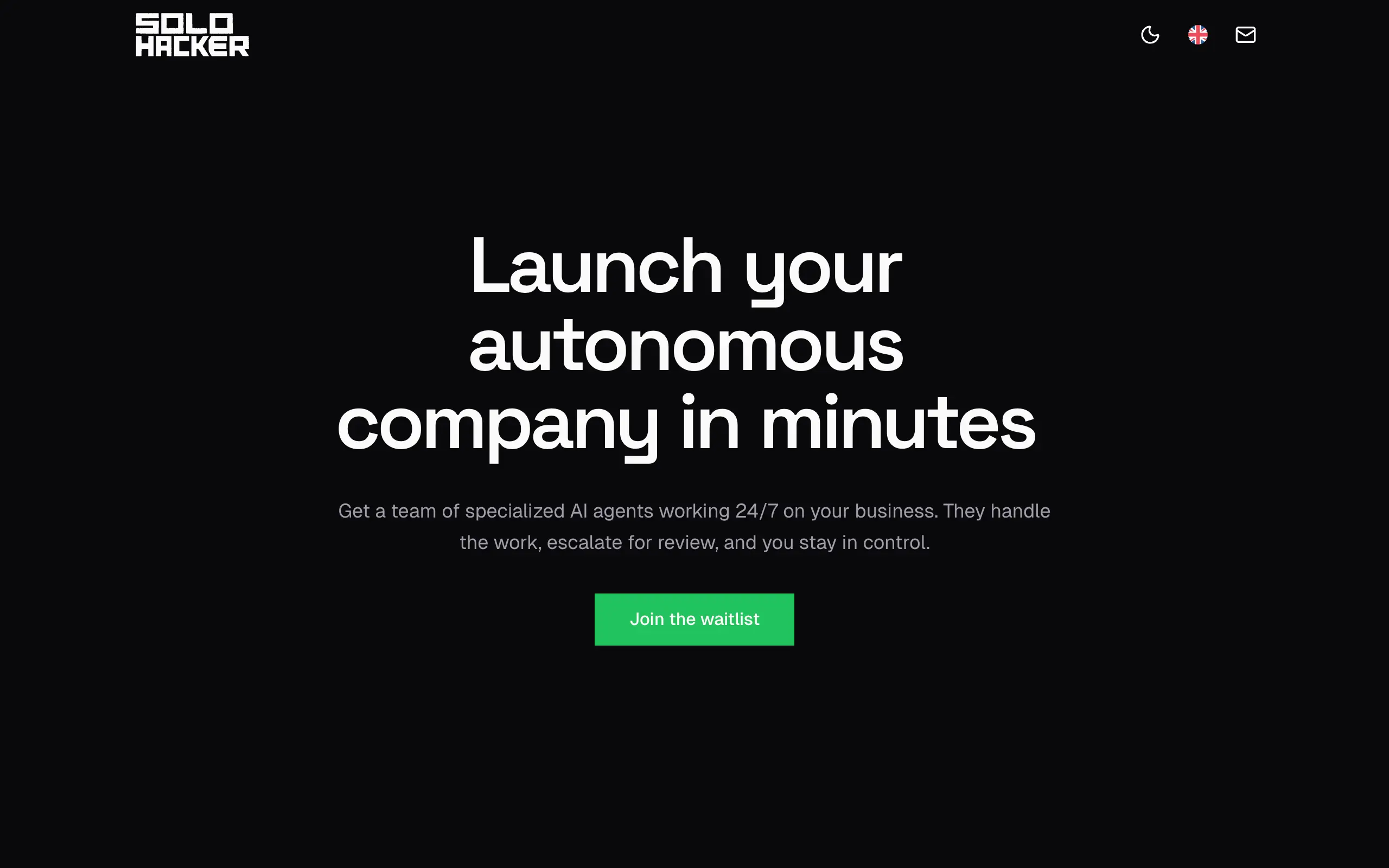
Solohacker
Autonomous company launcher - AI agents work 24/7, escalate what matters, and you stay in control 🤖
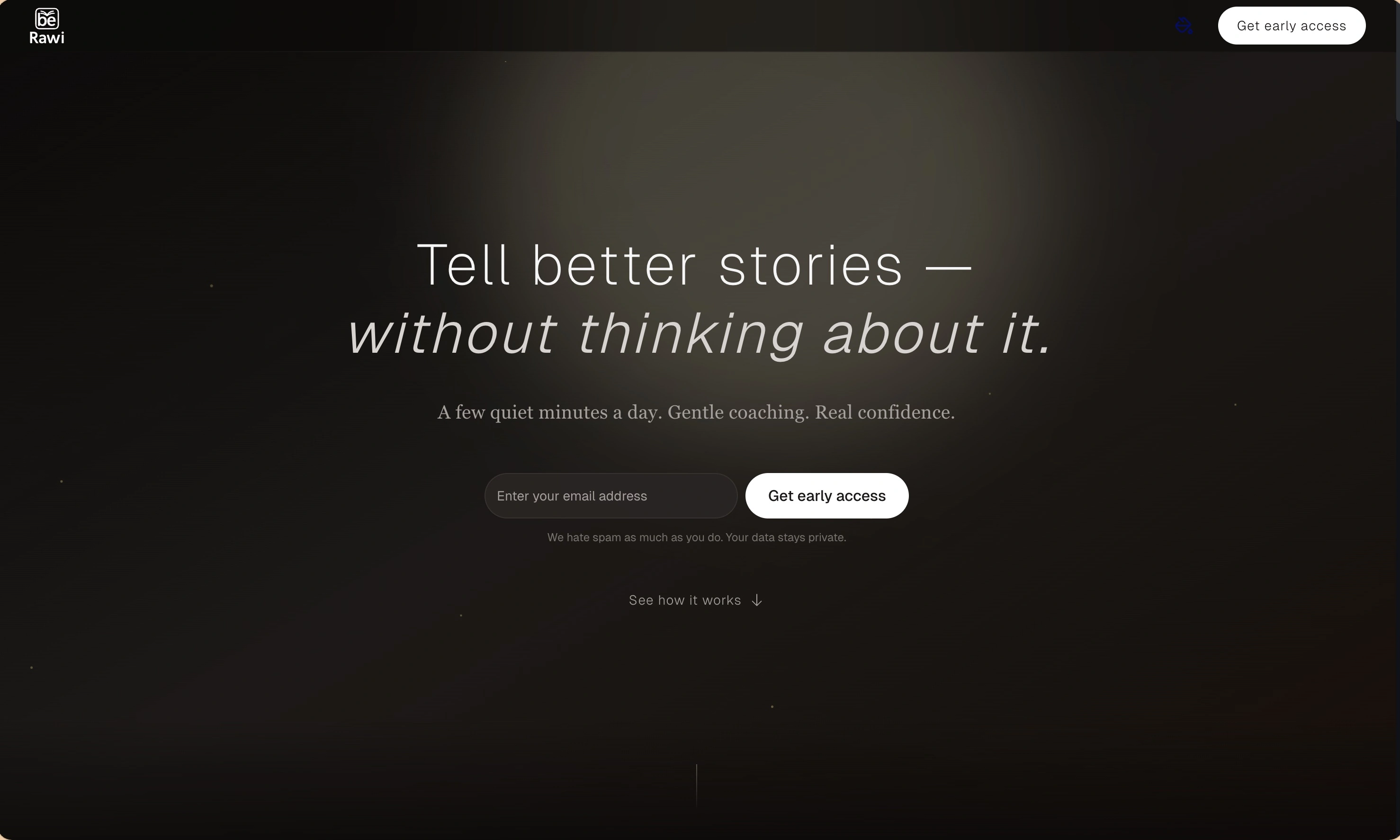
BeRawi: Storytelling Coach
Practice storytelling daily with instant feedback to sound clearer, more engaging, and confident 🎤
Omichat
Chat with 50+ AI models, including ChatGPT and Claude, in one place - switch models anytime without losing context 🤖
Claude Fast
Supercharge your Claude Code with 6x effective context window and specialized AI agents 🤖
EmojAI
AI-powered emoji picker with smart, context-aware suggestions 🤖
Solohacker
Autonomous company launcher - AI agents work 24/7, escalate what matters, and you stay in control 🤖
BeRawi: Storytelling Coach
Practice storytelling daily with instant feedback to sound clearer, more engaging, and confident 🎤
Omichat
Chat with 50+ AI models, including ChatGPT and Claude, in one place - switch models anytime without losing context 🤖
Claude Fast
Supercharge your Claude Code with 6x effective context window and specialized AI agents 🤖
EmojAI
AI-powered emoji picker with smart, context-aware suggestions 🤖
Solohacker
Autonomous company launcher - AI agents work 24/7, escalate what matters, and you stay in control 🤖
BeRawi: Storytelling Coach
Practice storytelling daily with instant feedback to sound clearer, more engaging, and confident 🎤
Omichat
Chat with 50+ AI models, including ChatGPT and Claude, in one place - switch models anytime without losing context 🤖
Claude Fast
Supercharge your Claude Code with 6x effective context window and specialized AI agents 🤖
EmojAI
AI-powered emoji picker with smart, context-aware suggestions 🤖
Solohacker
Autonomous company launcher - AI agents work 24/7, escalate what matters, and you stay in control 🤖
BeRawi: Storytelling Coach
Practice storytelling daily with instant feedback to sound clearer, more engaging, and confident 🎤

Connect with like-minded people
Join our community to get feedback, support, and grow together with 1,000+ builders on board, let's ship it!
Join usShip your startup everywhere. In minutes.
Don't burn tokens on setup and start building features on day one.