FrameQuest
Discover games that match a film’s atmosphere, themes, and pacing, or find movies inspired by your favorite games. AI explains every recommendation.
Why an AI movie and game recommendation platform has a real use case
People often finish a film or game wanting more than a list of titles in the same genre. They want another experience with a similar feeling: the slow-burn tension of a mystery, the lonely atmosphere of a science-fiction world, the emotional weight of a character-driven drama, or the momentum of a tightly paced action story.
That is the opportunity behind FrameQuest, an AI-powered platform for discovering games that match a film’s atmosphere, themes, and pacing—and movies that evoke the qualities of a favorite game. Instead of relying only on genre labels, FrameQuest can explain why two experiences feel related.
This is a useful distinction. A person who likes a science-fiction film may not want another science-fiction recommendation. They might want a game with the same isolation, visual mood, and gradual reveal. A person who enjoys a narrative game may be searching for a film with comparable character development, moral ambiguity, or world-building.
FrameQuest’s central promise is therefore not simply “more recommendations.” It is cross-medium discovery with understandable reasoning.
The product idea also presents a clear validation challenge. Users already have access to large catalogs, editorial lists, social recommendations, and recommendation features within entertainment services. FrameQuest must prove that its cross-media matching is more relevant, more understandable, or more enjoyable than those alternatives.
How FrameQuest could work
A visitor could start with a film, game, or a description of the experience they want.
For example, they might ask for:
- A game with the unsettling atmosphere and gradual escalation of a psychological thriller
- A film that captures the loneliness and environmental storytelling of a particular exploration game
- A story-driven game with morally complicated characters and a restrained pace
- Movies that feel like a specific game without copying its setting or plot
FrameQuest would return a curated set of recommendations and explain the connection in plain language. A useful explanation might point to shared qualities such as:
- Mood and atmosphere
- Narrative themes
- Pacing and tension
- Character relationships
- World-building style
- Visual or audio tone
- Player agency or narrative structure
- Emotional intensity
The platform should avoid claiming that a movie and a game are equivalent. Instead, it should tell users which dimensions are similar and where the experiences differ. That nuance can help build trust and make recommendations feel more thoughtful.
The product principle
FrameQuest should recommend on the basis of a specific experience, then show its reasoning. The explanation is part of the recommendation—not decorative AI text added after the result.
Target audience for FrameQuest
A strong first version should serve a focused group of people with a frequent discovery problem. It does not need to appeal to every movie watcher and every gamer at launch.
Cross-media fans
These users regularly move between film, television, and games. They may already make informal connections between a game’s story and a film’s mood, but they have no dedicated place to search for those connections.
Their core question is, “What should I watch or play next if I want this kind of experience?” They are likely to value curated results, explanations, and the ability to refine recommendations.
Players seeking narrative experiences
Some players choose games primarily for story, atmosphere, or character development. Traditional genre and gameplay filters can be too broad for them. “Role-playing game” or “adventure” may describe a category, but not the emotional experience they are seeking.
FrameQuest could help this audience distinguish between games that share a genre but feel very different. It could also recommend films that extend a game’s themes or mood.
Film fans curious about games
People who love a particular film may be interested in games but unsure where to start. A familiar cinematic reference can lower the barrier to discovery. Recommendations should include practical information such as platform availability, approximate playtime, content notes, and whether a game is strongly narrative or gameplay-led.
This audience may need a particularly accessible interface. Avoid assuming that users know game terminology, platform acronyms, or genre conventions.
Creators, critics, and community curators
Video essayists, streamers, newsletter writers, film clubs, and gaming communities often need cross-media recommendations for themes, watchlists, and editorial features. A credible discovery tool could support their research and give them a useful way to share themed collections.
This audience may also reveal what kinds of explanations are valuable. If creators regularly use FrameQuest to build lists, that is evidence of repeatable utility beyond one-off searches.
Who to target first
The best initial audience is likely story-focused players and cross-media entertainment fans who actively search for recommendations. They have a clear problem, understand both media formats, and can judge whether a proposed match is compelling.
Validate that assumption through interviews and usage testing rather than treating it as a proven market fact. Ask potential users to show how they currently find games or films, what they dislike about existing methods, and whether they would use cross-media recommendations more than once.
The market gap and opportunity
Entertainment discovery is abundant, but abundance can create decision fatigue. Large catalogs make it easy to find something that fits a broad category and harder to identify something that fits a precise mood or narrative preference.
Many discovery experiences are organized around:
- Popularity or trending titles
- Genre and subgenre
- Franchises and creators
- User ratings
- Similar titles within a single medium
- Editorial lists or social posts
These approaches are useful, but they may not answer a more expressive query such as, “I want the emotional atmosphere of this film, but in a game,” or “What should I watch if I liked this game’s slow, lonely world-building?”
FrameQuest can test a narrower product hypothesis: people will find cross-medium recommendations more useful when the system matches specific experiential qualities and explains the match.
That is a testable opportunity, not a guarantee of demand. The company should look for evidence in user behavior:
- Do people enter detailed searches rather than only popular titles?
- Do they click through from the explanation to a recommendation?
- Do they save or share results?
- Do they return to ask for another recommendation?
- Do users agree that the explanation reflects the experience?
- Can users find titles they had not already considered?
A useful market assessment should compare FrameQuest with several categories of alternatives rather than claiming there are no competitors.
| Alternative | What it does well | Potential limitation FrameQuest can test |
|---|---|---|
| Streaming and game storefront recommendations | Convenient access to a catalog | Often optimized around a single service or medium |
| General-purpose AI assistants | Flexible natural-language questions | Results and reasoning may be inconsistent without a curated catalog |
| Review and rating sites | Large communities and detailed opinions | Discovery may center on ratings, categories, or individual titles |
| Editorial lists and social recommendations | Human taste and cultural context | Lists may be hard to personalize or search by specific mood |
| FrameQuest | Cross-media matching with explanations | Must demonstrate reliable relevance and trustworthy data |
This table describes product categories, not a claim that every service in each category behaves the same way. The team should conduct current competitive research, test real products, and document what users value before finalizing positioning.
Core features and product experience
A successful AI movie and game recommendation platform needs more than a prompt box. It needs high-quality catalog data, a usable discovery flow, clear reasoning, and controls that let users express what matters to them.
Cross-media search
Users should be able to start with either a movie or a game and choose the medium they want to discover next. The interface should make the direction explicit:
- Film to game: Find games that evoke a selected film
- Game to film: Find movies that share qualities with a selected game
- Mood to either medium: Describe a desired experience and choose the result type
Natural-language input can make the product feel flexible, but it should not be the only way to search. A title autocomplete, popular prompts, and mood filters can help users who do not know how to phrase their request.
Explainable recommendations
Each result should include a concise explanation tied to identifiable attributes. For example:
Recommended because it shares a quiet, isolated setting and gradual tension. It differs in that the story is shaped by player exploration rather than a fixed cinematic perspective.
This structure is more useful than generic claims such as “fans of this will love that.” It gives users a basis for deciding whether the recommendation fits.
A good explanation should distinguish among:
- Shared qualities: Why the recommendation may appeal
- Important differences: What the user should not expect
- Confidence: How strong the match is, expressed carefully
- Evidence: Which catalog attributes, editorial tags, or user preferences informed it
Avoid presenting model-generated claims as verified facts. If the system does not have a reliable source for a detail, it should omit the detail or clearly label uncertainty.
Mood and experience filters
A practical early taxonomy could include filters for:
- Slow-burn or fast-paced
- Hopeful, bleak, playful, unsettling, or contemplative
- Character-led or world-led
- Linear or exploratory
- High or low action intensity
- Mystery, discovery, survival, or relationship focus
- Emotional intensity and content sensitivities
These filters should use understandable language. A user should not need to learn an internal taxonomy to get a good result.
Personalization and feedback
Personalization should be earned over time. In the first version, users can optionally select preferences, save titles, hide results, and rate whether a recommendation fits. Later, this feedback can improve ranking.
The platform should make personalization transparent. Offer a way to reset preferences, remove saved activity, and use the service without creating an account if feasible.
Collections and sharing
Users may want to save collections such as “quiet sci-fi worlds,” “games with noir energy,” or “films for fans of narrative exploration.” Shareable collections can support organic discovery, but they should not be a substitute for relevance.
A collection feature is most valuable when it helps users return to a discovery path or share a recommendation with context.
Practical decision details
A recommendation becomes actionable when it includes relevant details such as:
- Release year
- Available platforms or where to watch, when licensed data permits
- Approximate runtime or playtime, with a clear indication that estimates vary
- Content warnings or intensity indicators, where sourced responsibly
- Whether the title is a film, series, game, or another format
Availability data changes frequently. Do not imply a title is currently available on a service unless that information is maintained and verified.
How the recommendation engine should work
A reliable product should combine structured catalog data, semantic representations, user preferences, and editorial quality controls. A large language model can help interpret a query and write a concise explanation, but it should not be treated as the source of truth for every catalog fact.
Build a shared attribute model
Movies and games have different metadata, so FrameQuest needs a common layer that describes comparable experiences. A title record could include:
- Themes and recurring motifs
- Mood and atmosphere
- Pacing
- Narrative perspective
- Character focus
- Setting and world-building
- Emotional tone
- Genre and subgenre
- Gameplay style or cinematic form
- Content and accessibility notes
Not every attribute should be inferred automatically. Some qualities are subjective, and the product should establish how labels are created, reviewed, and corrected.
Combine semantic search with filters
Embeddings can help match natural-language descriptions to titles, but semantic similarity alone can produce surprising or overly broad results. A hybrid retrieval system can combine:
- Structured filters, such as target medium, content preferences, or release period
- Semantic retrieval, matching the user’s description to title attributes
- Ranking rules, prioritizing relevance, catalog coverage, and user feedback
- A language model, generating a grounded explanation from retrieved evidence
This architecture makes it easier to inspect why a result appeared. It can also reduce the risk that a model invents details about a title.
Keep explanations grounded
The explanation should use known data rather than unrestricted model knowledge. A simple internal representation might look like this:
type MatchReason = {
  sharedAttributes: string[];
  differences: string[];
  confidence: "high" | "medium" | "low";
};

type Recommendation = {
  titleId: string;
  score: number;
  reason: MatchReason;
};
The user-facing copy can be generated from these fields, but the underlying reasons should remain available for evaluation. If a user reports a poor match, the team can investigate whether the issue came from incorrect metadata, retrieval, ranking, or explanation.
Recommended tech stack for an MVP
The right stack depends on team experience, expected traffic, catalog requirements, and whether the first release is web-only. For a lean web MVP, a TypeScript-based stack can reduce context switching across frontend and backend work.
Frontend and application layer
Next.js with React is a practical choice for a responsive web application that needs landing pages, search experiences, and server-side features. It supports a familiar component model and a broad ecosystem.
A trade-off is that framework conventions and deployment choices can add complexity. A smaller team should keep the initial architecture simple and avoid adding separate services before there is a clear need.
Tailwind CSS can support rapid interface iteration, particularly when the product needs to test several discovery flows. If the team prefers design tokens and more conventional stylesheets, another styling approach may be easier to maintain. The goal is a consistent, accessible interface—not a particular CSS framework.
Database and search
PostgreSQL is a strong foundation for user accounts, title metadata, feedback, collections, and structured filters. It offers a clear relational model for catalog entities and can support a growing product without forcing the team to start with a specialized database.
For vector search, the team can evaluate a PostgreSQL extension or a dedicated vector database. Keeping vectors near the source data can simplify operations early on, while a specialized service may offer advantages at larger scale or for complex retrieval workloads. Measure latency, cost, filtering needs, and operational burden before switching.
AI and embeddings
Choose a language-model and embedding provider based on quality, data-handling requirements, cost, regional availability, and latency. Keep provider calls behind an application interface so the product can compare models or change vendors without rewriting its recommendation logic.
The AI layer should:
- Parse natural-language intent into searchable attributes
- Retrieve candidate titles from the catalog
- Rank candidates using an explicit scoring process
- Generate explanations from retrieved evidence
- Decline or clarify ambiguous requests when needed
Do not send unnecessary personal data to model providers. Review applicable provider terms and privacy requirements before launch.
Authentication, analytics, and operations
An MVP may support guest use first and introduce accounts when users want to save preferences or collections. If accounts are included, use a mature authentication solution and avoid building password security from scratch.
Track a small, privacy-conscious set of product events, such as search started, recommendation opened, result saved, and feedback submitted. Analytics should answer product questions, not collect data simply because it is available.
Accelerating the first build
Teams that want to move quickly can use a starter foundation rather than building every shared SaaS concern from zero. TurboStarter can be considered as a starting point for common application foundations, with the important caveat that the team should verify its current features and fit against the planned architecture.
A starter kit can save time on common infrastructure, but it does not replace product discovery, data licensing work, recommendation evaluation, or security review.
Monetization strategies
FrameQuest should first determine whether users return and what they value enough to pay for. Several monetization models are possible, but introducing too many at once can undermine trust.
Freemium subscription
A free tier could include a limited number of searches, basic explanations, and public collections. A paid plan might offer unlimited discovery, advanced filters, preference profiles, private collections, or personalized recommendation history.
The key risk is placing a paywall before users have experienced the product’s distinctive value. Test willingness to pay through interviews, pricing pages, and small experiments before committing to a subscription design.
Affiliate revenue
Where appropriate and permitted, FrameQuest could earn referral revenue when a user purchases or rents a recommended title. This model depends on eligible partners, clear disclosure, and reliable availability information.
Affiliate relationships must not silently distort ranking. If commercial relationships affect recommendations, disclose that fact and preserve a way to sort or filter results independently.
Curated experiences for organizations
A later product could support film clubs, gaming communities, educators, festivals, or publishers with themed discovery pages and curated collections. This may offer a business-to-business revenue path, but it should follow evidence that the consumer recommendation engine works.
Sponsorships
Sponsored collections or placements may be possible, but they pose a trust risk for a recommendation product. Any sponsorship should be clearly labeled and kept distinct from organic ranking.
Competitive advantage and USP
FrameQuest’s strongest potential differentiator is the combination of cross-media discovery, experience-level matching, and explainable recommendations.
A generic recommendation engine may identify titles that are statistically or semantically related. FrameQuest can make the match more useful by describing the specific qualities shared between a movie and a game, along with the meaningful differences.
Its potential advantages include:
- Cross-medium discovery rather than a single-catalog experience
- Mood and narrative attributes that go beyond broad genres
- Readable explanations that help users judge a recommendation
- Bidirectional search from film to game and from game to film
- A growing feedback loop that can improve ranking and editorial quality
These are potential advantages, not defensible moats on their own. A competitor could add similar features. Long-term differentiation will depend on execution: a thoughtfully maintained attribute system, strong retrieval quality, transparent reasoning, useful user feedback, trusted curation, and a recognizable community.
The data model may become especially valuable if FrameQuest develops consistent, carefully reviewed descriptors across both media. That advantage should come from quality and process, not from assuming that automated labels are inherently accurate.
Risks and how to reduce them
Inaccurate or shallow recommendations
A recommendation may share a superficial keyword while missing the tone users care about. Reduce this risk by evaluating results against human judgments, collecting structured feedback, and showing the reasoning behind each match.
Run quality reviews across different genres, release periods, regions, and levels of popularity. A system that only recommends well-known titles may feel repetitive and fail to surface worthwhile discoveries.
Hallucinated explanations
Language models can produce convincing but unsupported statements. Ground explanations in retrieved catalog attributes, constrain generation, and test outputs before release. Make it easy for users to report incorrect information.
Catalog and data rights
Movie and game metadata, artwork, descriptions, and availability information can have different licensing terms. Before importing data, review the source’s terms and permissions. Do not assume that publicly viewable information is automatically free to reuse commercially.
Use licensed or permitted sources, retain provenance where practical, and avoid reproducing lengthy copyrighted plot summaries or review excerpts without authorization.
Subjectivity and cultural bias
Mood labels are not universal. A descriptor that feels accurate to one group may feel inaccurate or culturally narrow to another. Use representative reviewers, allow user feedback, and avoid presenting subjective classifications as objective facts.
Privacy and sensitive preferences
Entertainment choices can reveal personal interests. Collect only information needed to provide the service, explain how preference data is used, and provide controls for deletion and reset. Avoid inferring sensitive traits from a user’s viewing or gaming history.
Model and infrastructure costs
Repeated model calls can make unit economics difficult. Use retrieval before generation, cache stable results where appropriate, set reasonable limits, and monitor cost per useful recommendation. Do not optimize for the lowest model cost if recommendation quality falls below an acceptable level.
Dependence on external platforms
Catalog providers, app stores, streaming services, and model vendors may change access terms or APIs. Keep data ingestion and model providers modular, document dependencies, and build a fallback experience for data that cannot be refreshed.
Overpromising personalization
A new product has little user history. Be transparent about whether recommendations are based on a title, a prompt, explicit preferences, or past interactions. Do not describe a result as personalized if the system has not used meaningful user-specific signals.
A practical launch and growth strategy
FrameQuest should avoid launching as a generic entertainment search engine. A focused launch can make the value proposition easier to understand and the product easier to evaluate.
Start with a defined segment—for example, players who prioritize narrative and atmosphere—and a limited but carefully curated catalog. The catalog does not need to cover every title if the system can deliver consistently useful results for a clear use case.
Potential acquisition channels include:
- Search-focused articles around specific cross-media discovery questions
- Creator partnerships with film and gaming commentators
- Shareable themed collections
- Communities that discuss narrative games and genre cinema
- Newsletter collaborations and curated recommendation features
Search content should answer real questions rather than create thin pages for every title combination. Useful editorial pages can explain how to find games with a particular cinematic quality, how narrative pacing differs across games and films, or how to evaluate a recommendation beyond genre.
A landing page should communicate the product in one sentence, show a realistic sample recommendation, and let visitors try a search quickly. Avoid presenting AI as the main benefit. Users care more about finding something they want to watch or play.
Metrics that show whether FrameQuest is working
Traffic alone cannot prove product-market fit. The team should evaluate whether users get relevant recommendations and return to the product.
Useful early metrics include:
- Search-to-result engagement
- Recommendation open and save rates
- Percentage of searches receiving positive feedback
- Repeat searches per active user
- Return visits within a reasonable period
- Share rate for collections or recommendations
- Coverage across catalog attributes and title popularity
- Cost per completed recommendation
- Percentage of results with grounded, verifiable explanations
Define these metrics before launch and review them by user segment and query type. For instance, an average positive-feedback rate can hide poor performance on game-to-film searches or on less popular titles.
Qualitative evidence matters as well. Ask users to explain why a result did or did not fit. Their language can reveal that the product’s taxonomy is missing an important concept or that an explanation is technically accurate but emotionally unconvincing.
Actionable implementation steps
Interview the target audience. Speak with story-focused players and cross-media fans. Observe how they currently search, what frustrates them, and which recommendation explanations they trust.
Choose one initial use case. Decide whether the first experience focuses on film-to-game discovery, game-to-film discovery, or a tightly scoped combination of both.
Define the attribute taxonomy. Create a small set of consistent mood, pacing, theme, and narrative descriptors. Test whether ordinary users understand the labels.
Audit data sources and rights. Identify permitted metadata sources, document licensing constraints, and determine which fields need editorial review.
Build a curated prototype. Start with a limited catalog and a simple search-to-recommendation flow. Focus on match quality and explanation clarity before adding many features.
Evaluate with real queries. Create a test set of user prompts, have reviewers score relevance, and investigate failures by retrieval, metadata, ranking, and generation.
Launch a narrow MVP. Include title search, cross-media results, grounded explanations, basic feedback, and essential privacy controls.
Measure retention and willingness to pay. Improve the product based on repeat use and user evidence before expanding into subscriptions, affiliate revenue, or organization features.
Final perspective
FrameQuest addresses a recognizable discovery problem: people often want the feeling of a film or game in a different medium, but conventional genre and similarity tools may not express that desire well. An AI movie and game recommendation platform can make those connections easier to explore when it combines structured catalog information, thoughtful matching, and explanations users can evaluate.
The idea’s success will depend less on whether it uses AI and more on whether it consistently understands what a user means by “similar.” A focused audience, trustworthy metadata, grounded recommendations, and careful measurement provide a practical path from concept to product. Start small, make every match explainable, and let real user behavior determine which features deserve to come next.
More 🤖 AI Startup SaaS ideas
Discover more innovative ai startup SaaS ideas that are trending in 2026. Each idea is AI-generated with market validation and growth potential to help you find your next profitable venture faster than competitors.
Your competitors are building with TurboStarter
Below are some of the SaaS ideas that have been generated and built with our starter kit.
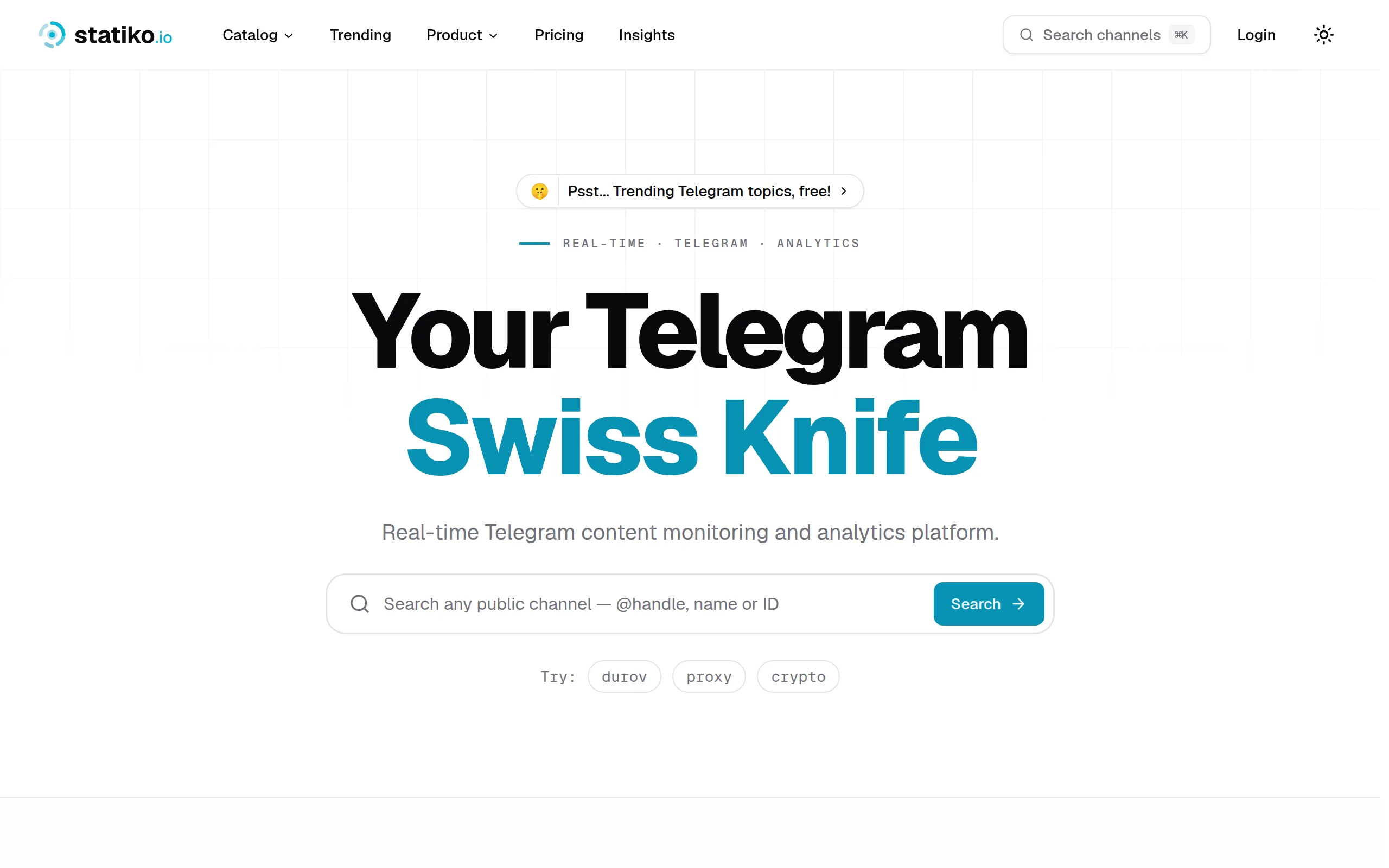
Statiko
Monitor any Telegram channel in real time - track posts, edits, deletions, and growth with AI recaps 📡

Shibui
AI website builder - describe your business, pick a niche template, edit by chatting, and publish instantly ✨

Pro Service
Find verified home service professionals, compare quotes, and pay securely through escrow - built for Brazilians across the US 🏠
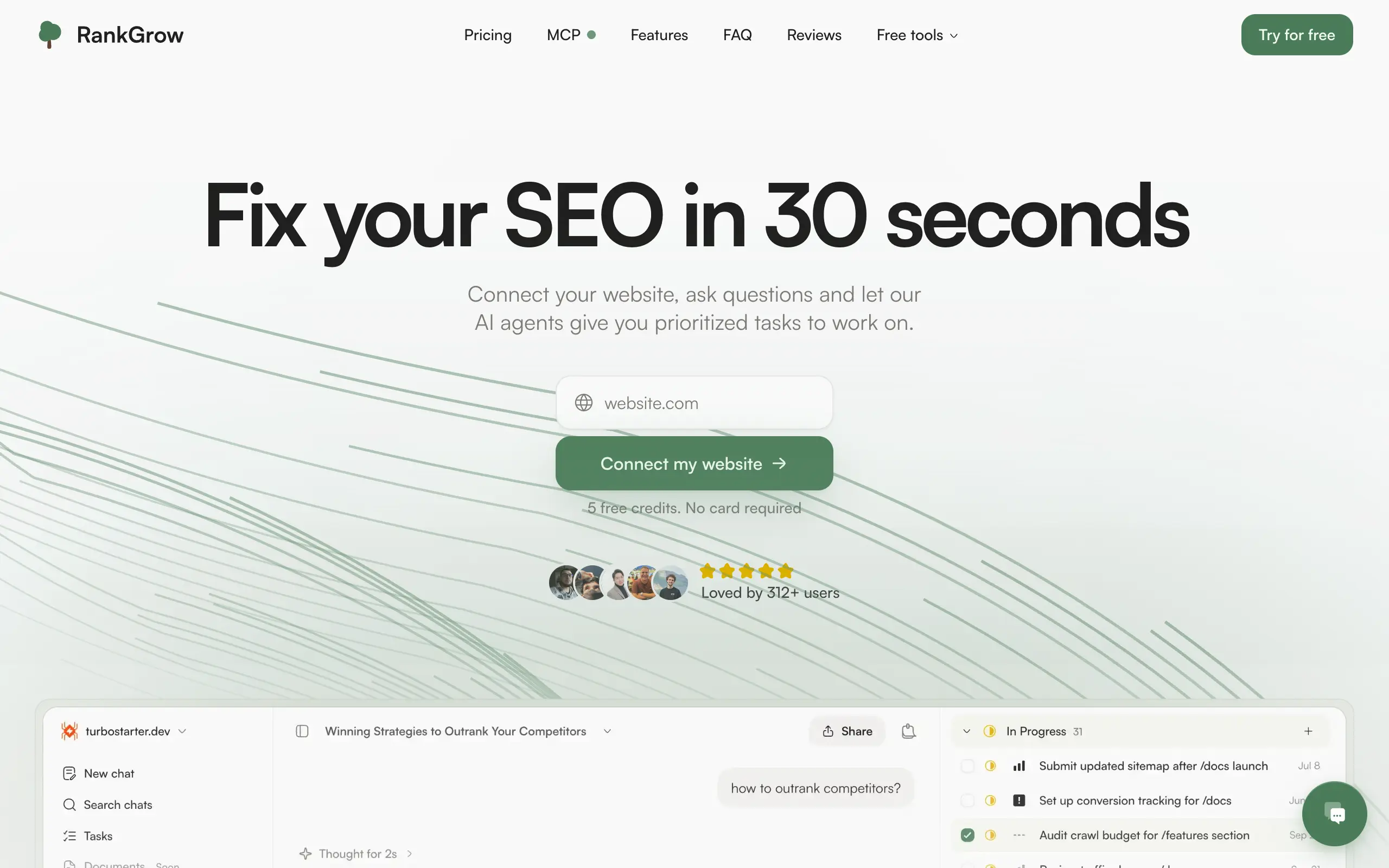
RankGrow
Fix your SEO with AI agents - connect Search Console, get prioritized tasks, and grow organic traffic 📈
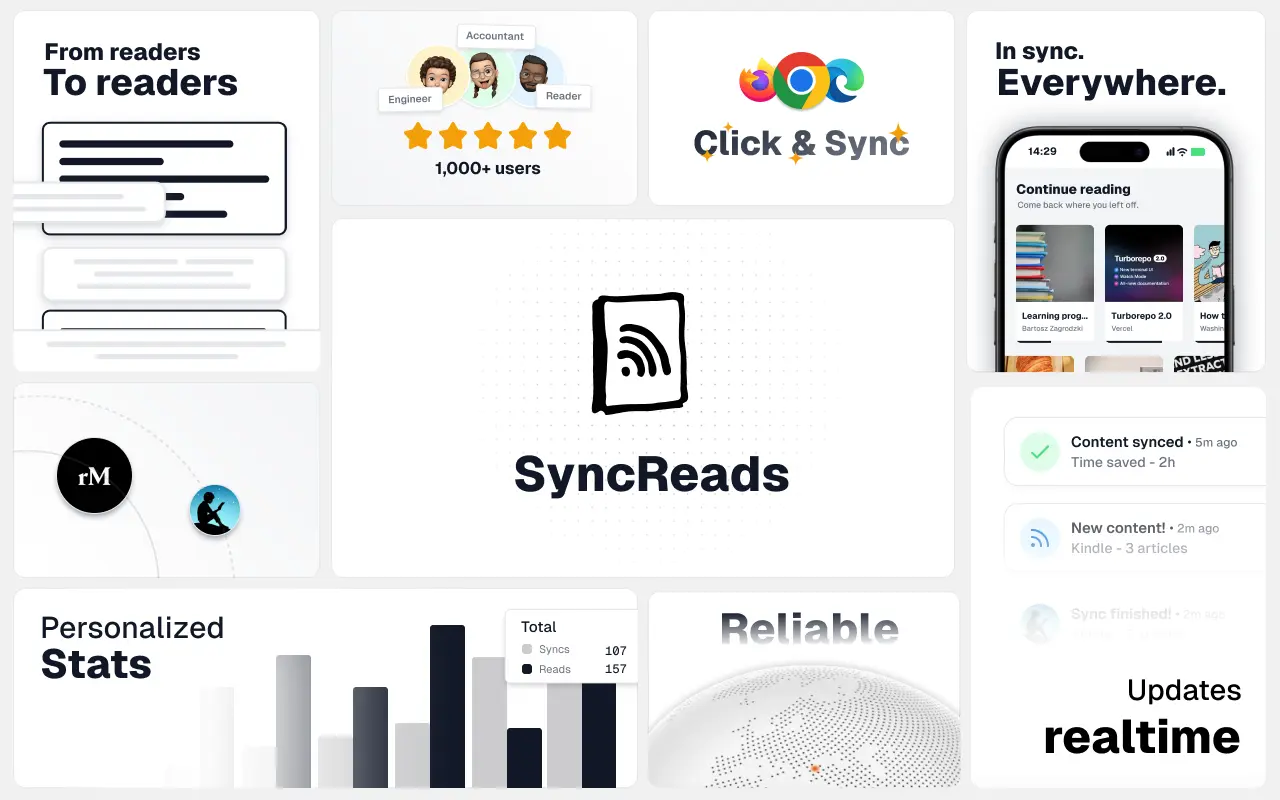
SyncReads
Sync your favorite content for distraction-free reading, save time and replace multiple apps. Anytime, anywhere 🔄
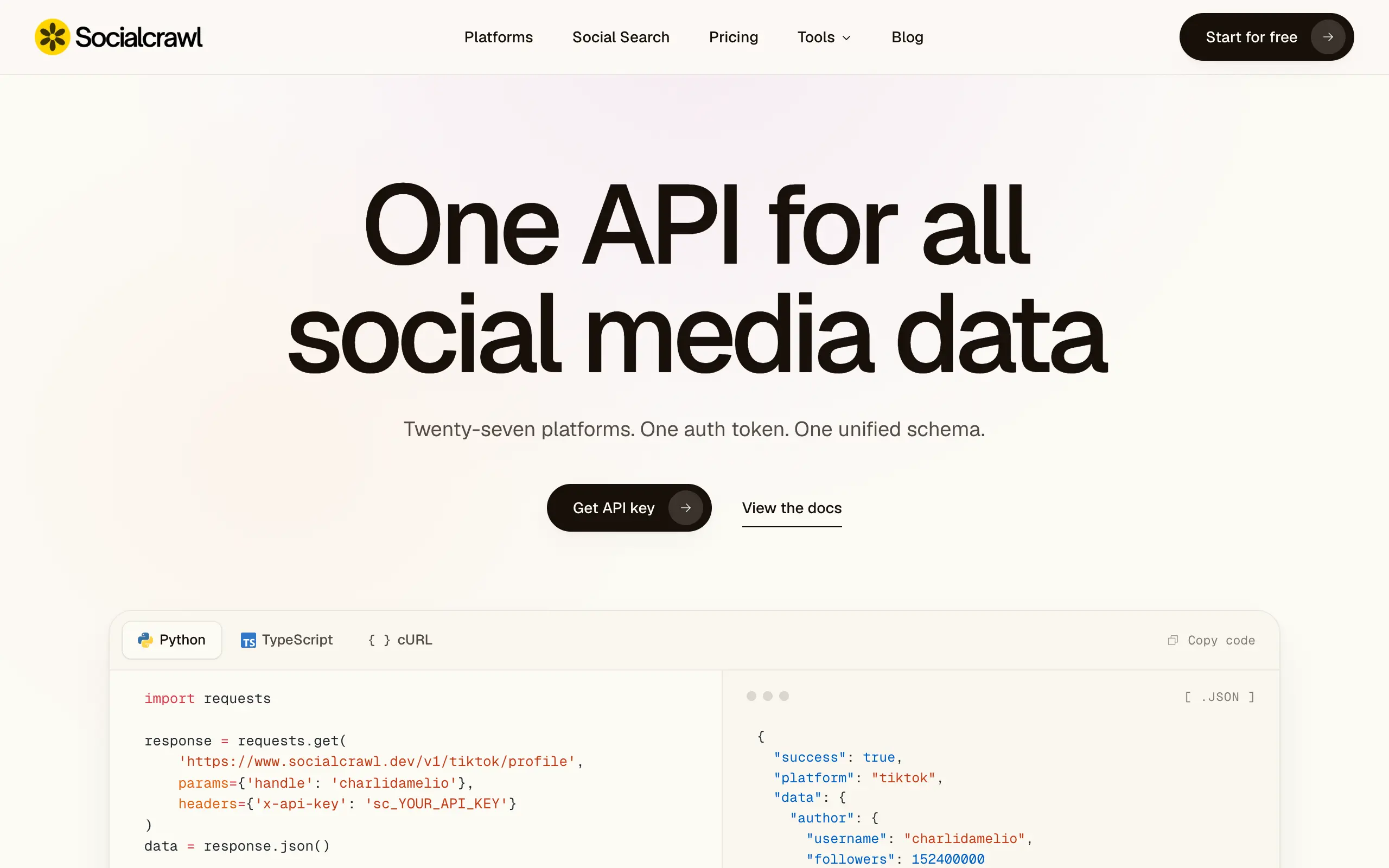
Socialcrawl
Get clean, structured data from 21 platforms like TikTok, Instagram, and YouTube with a single request 📊
Statiko
Monitor any Telegram channel in real time - track posts, edits, deletions, and growth with AI recaps 📡
Shibui
AI website builder - describe your business, pick a niche template, edit by chatting, and publish instantly ✨
Pro Service
Find verified home service professionals, compare quotes, and pay securely through escrow - built for Brazilians across the US 🏠
RankGrow
Fix your SEO with AI agents - connect Search Console, get prioritized tasks, and grow organic traffic 📈
SyncReads
Sync your favorite content for distraction-free reading, save time and replace multiple apps. Anytime, anywhere 🔄
Socialcrawl
Get clean, structured data from 21 platforms like TikTok, Instagram, and YouTube with a single request 📊
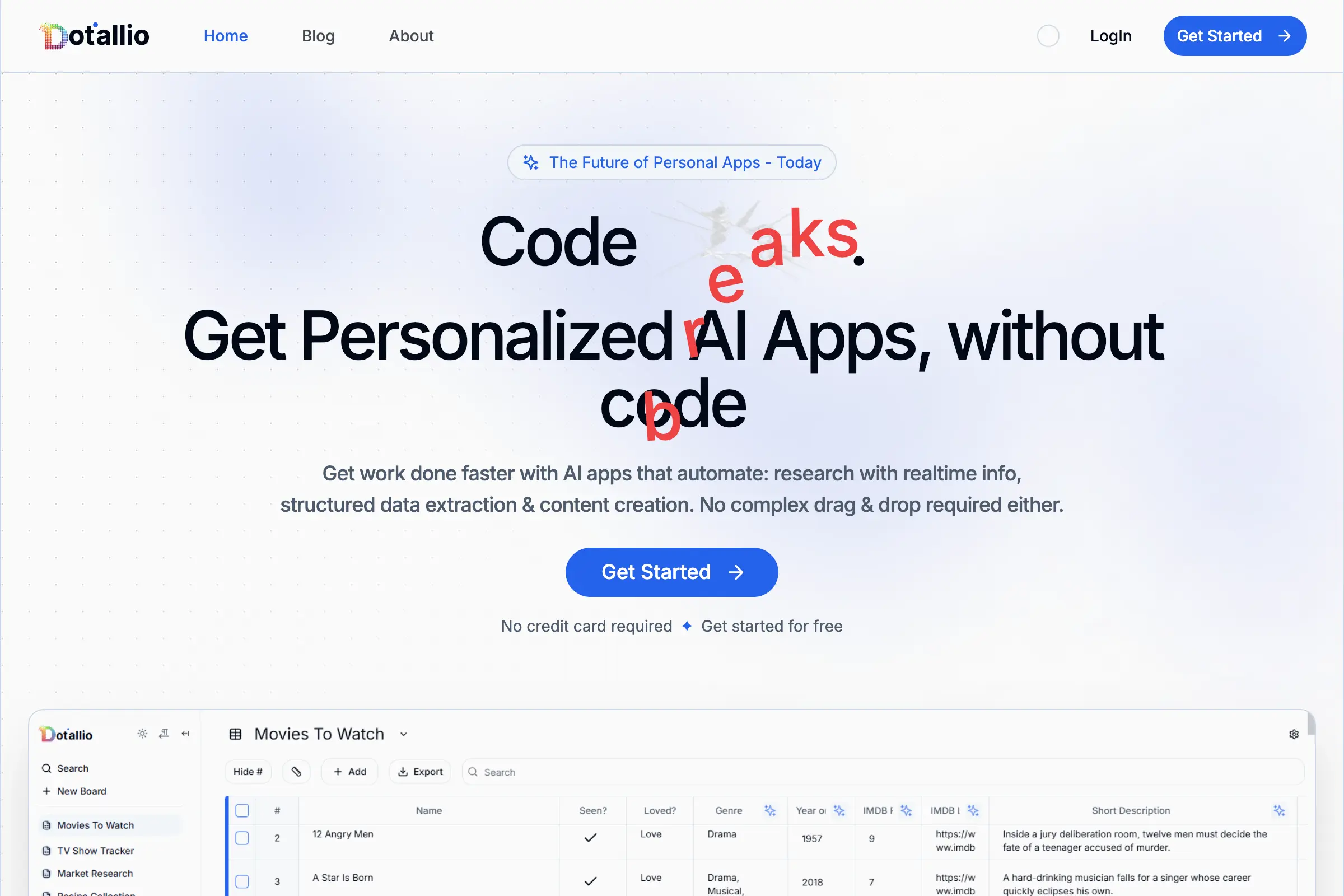
Dotallio
Personalized AI apps that automate research, data extraction, and content creation without code 🤖
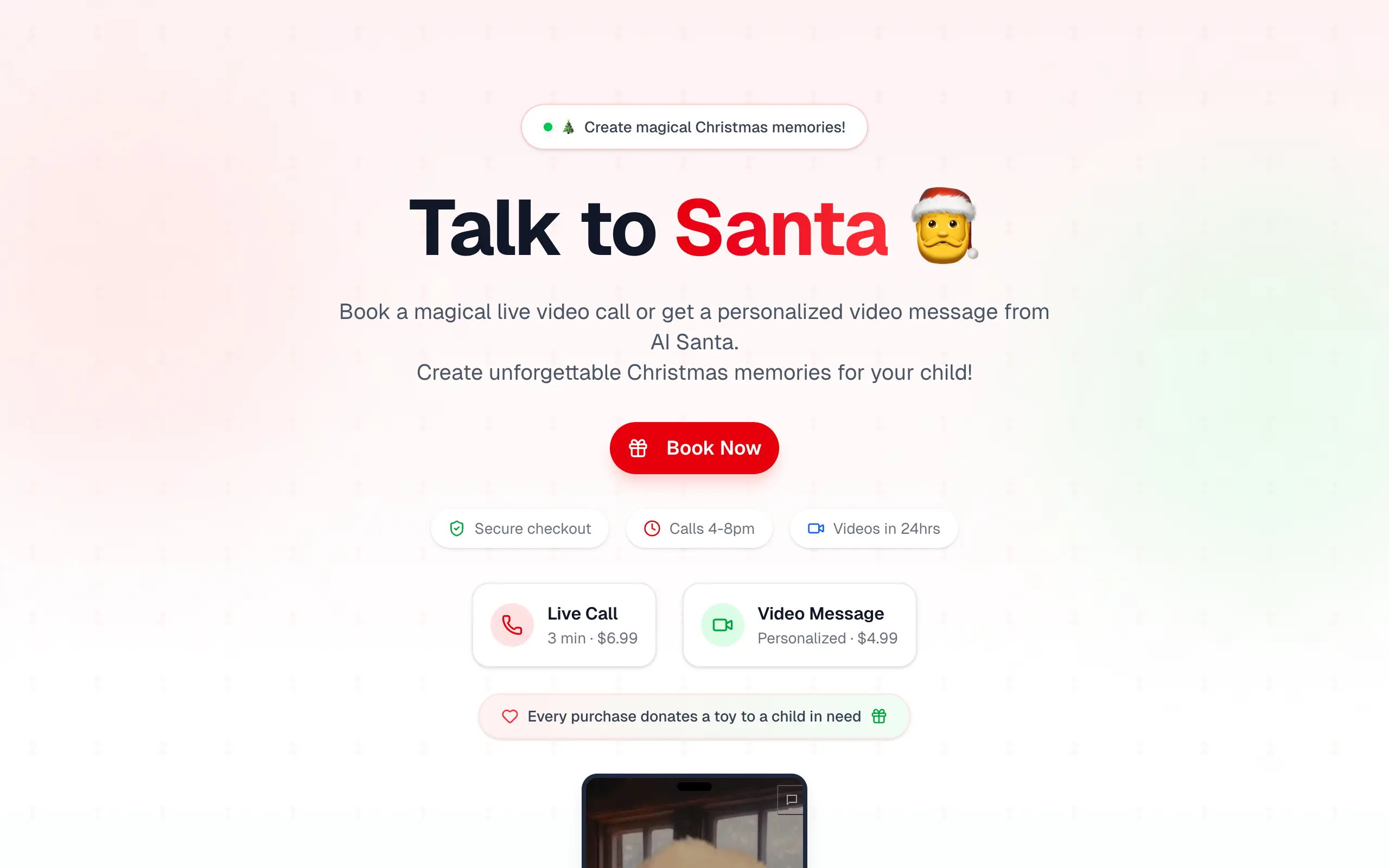
Talk to Santa
Enjoy a magical live video chat or receive a unique AI-generated video greeting from Santa Claus 🎅
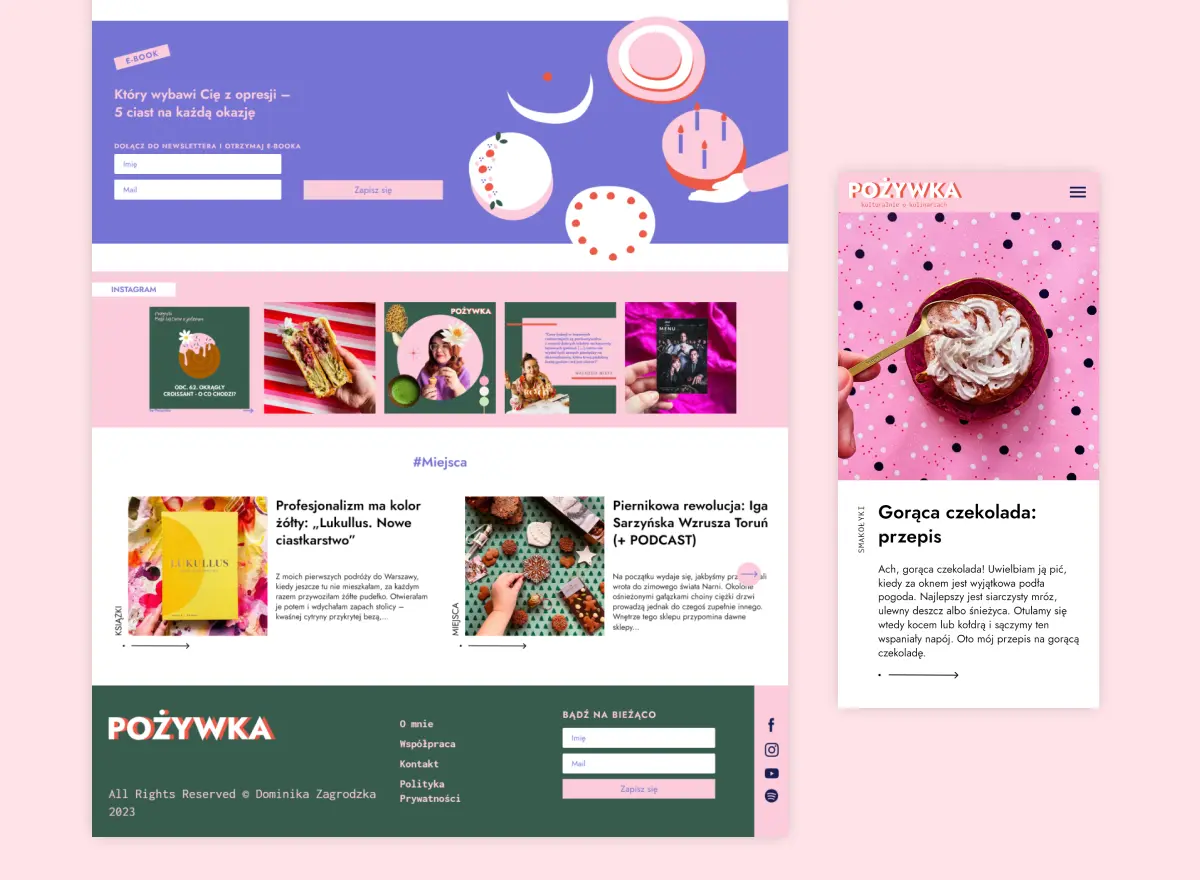
pozywka.pl
Scalable blog for food journalist, focused on performance and user experience 🌭
zagrodzki.me
Personal blog and portfolio of Bart Zagrodzki, where he shares his knowledge and work 💼
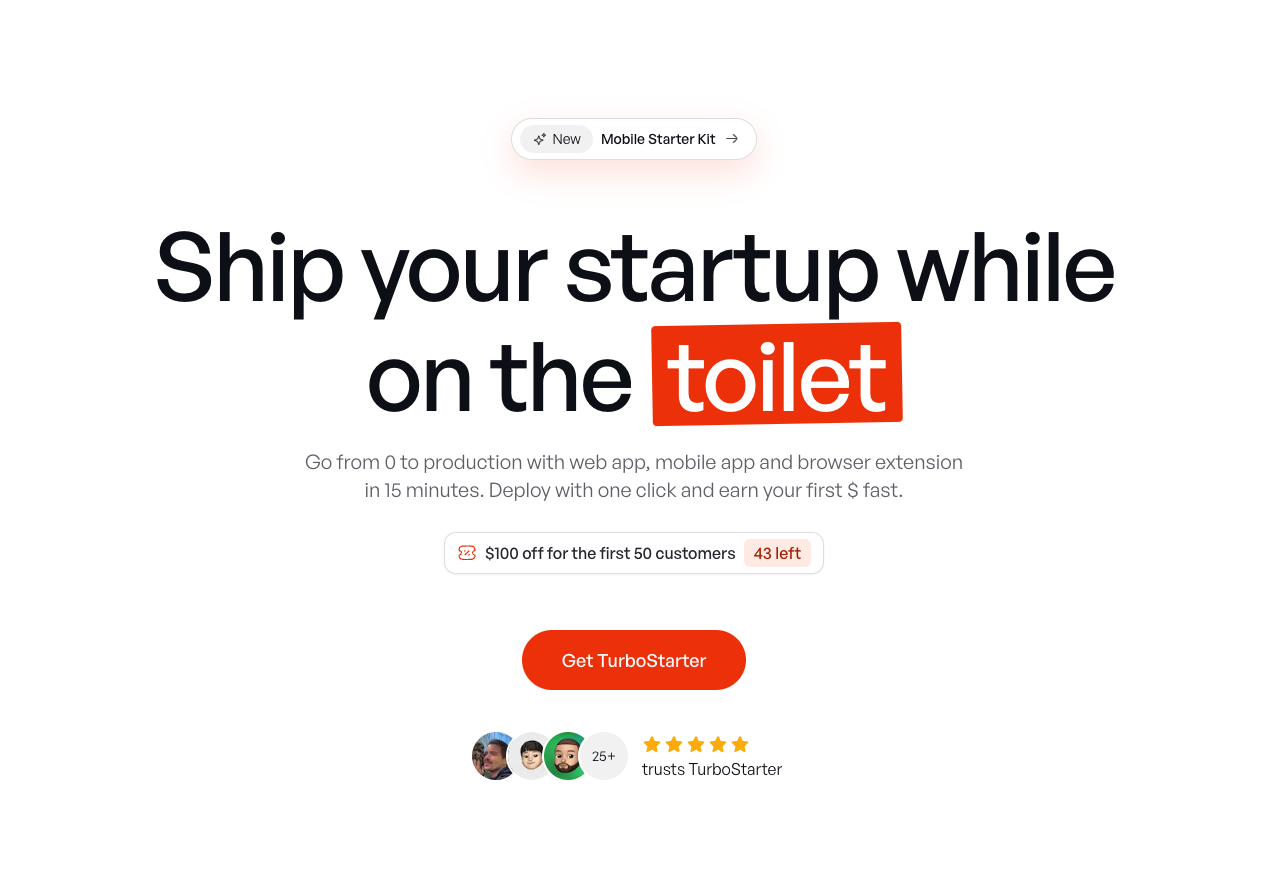
TurboStarter
Ship your startup everywhere. In minutes.
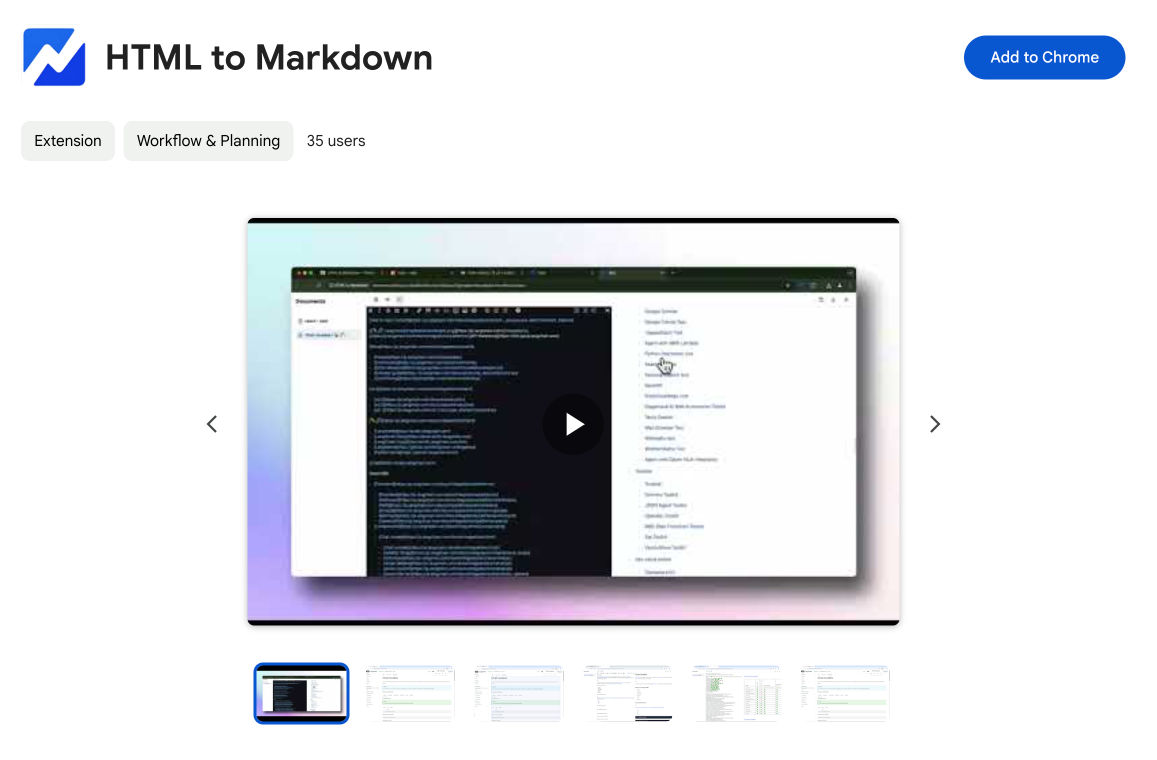
HTML to Markdown
Convert HTML to Markdown with ease, directly in your browser 📄
Dotallio
Personalized AI apps that automate research, data extraction, and content creation without code 🤖
Talk to Santa
Enjoy a magical live video chat or receive a unique AI-generated video greeting from Santa Claus 🎅
pozywka.pl
Scalable blog for food journalist, focused on performance and user experience 🌭
zagrodzki.me
Personal blog and portfolio of Bart Zagrodzki, where he shares his knowledge and work 💼
TurboStarter
Ship your startup everywhere. In minutes.
HTML to Markdown
Convert HTML to Markdown with ease, directly in your browser 📄
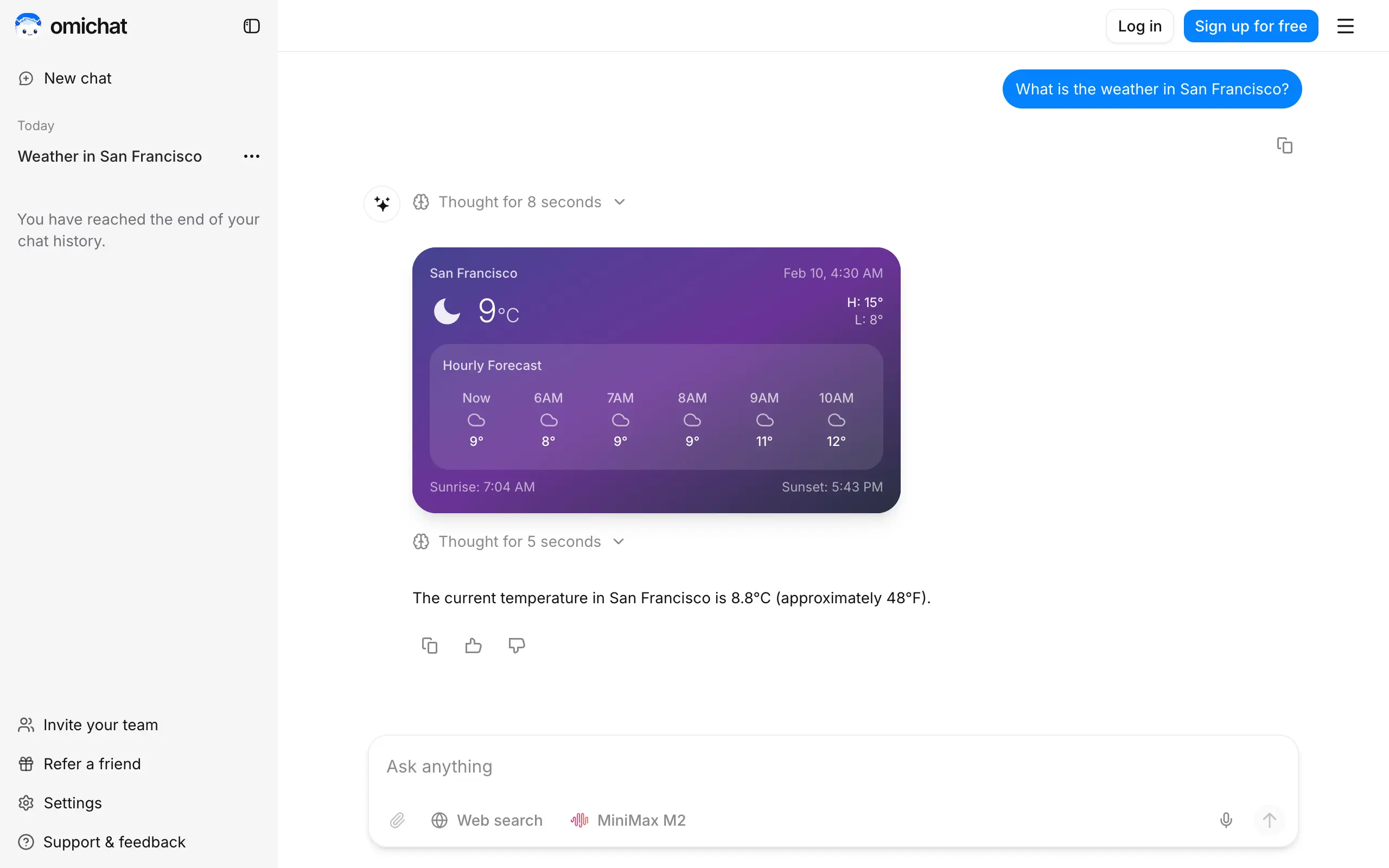
Omichat
Chat with 50+ AI models, including ChatGPT and Claude, in one place - switch models anytime without losing context 🤖
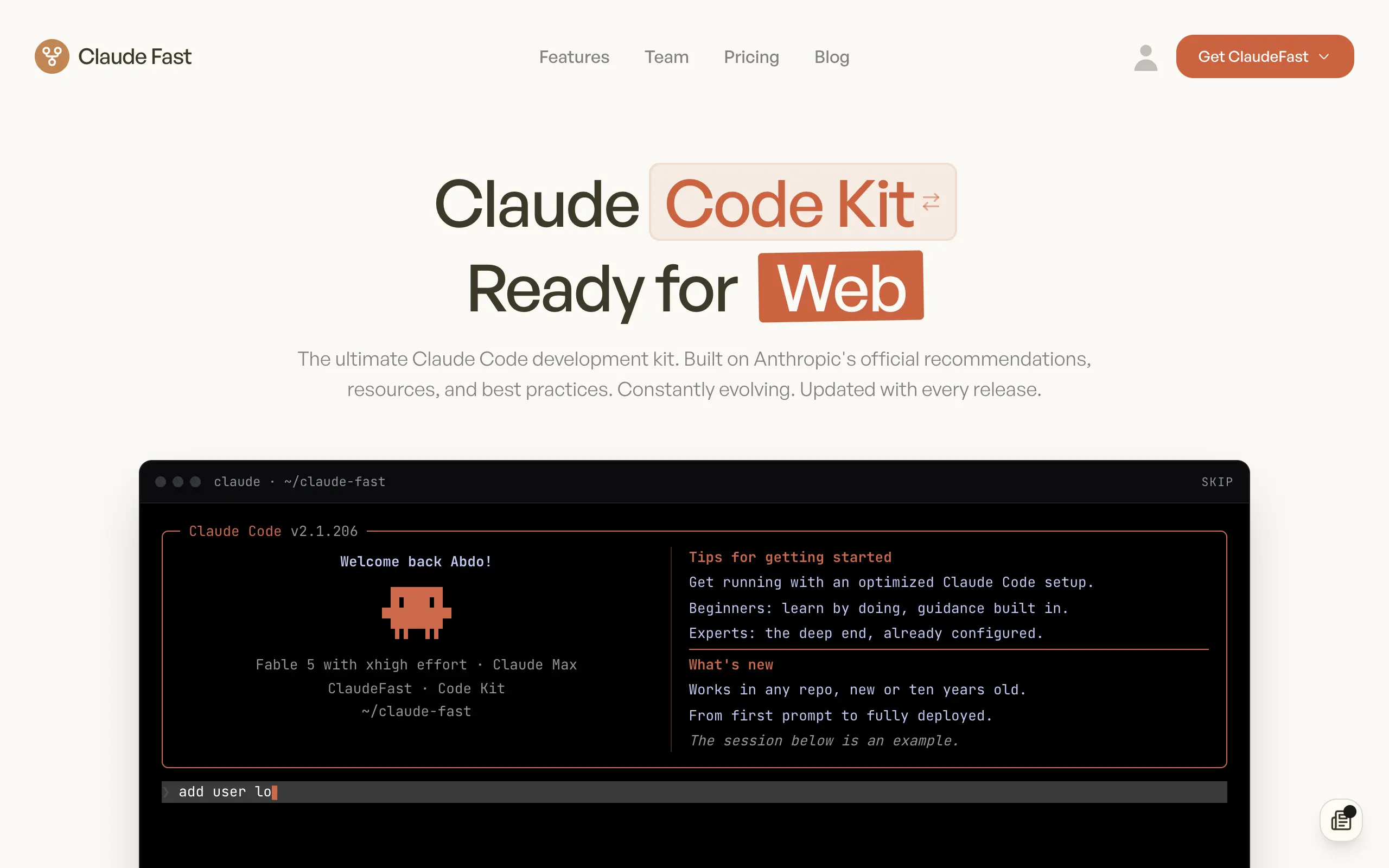
Claude Fast
Supercharge your Claude Code with 6x effective context window and specialized AI agents 🤖
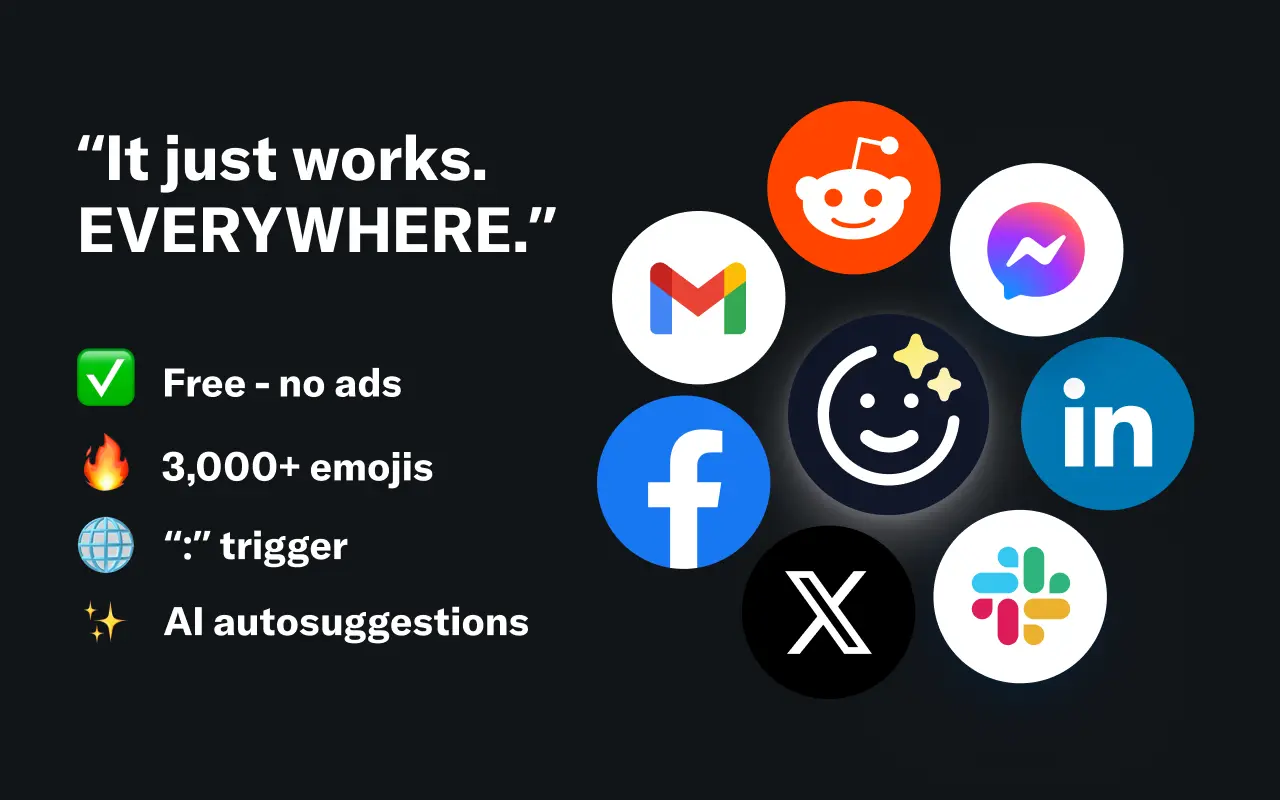
EmojAI
AI-powered emoji picker with smart, context-aware suggestions 🤖
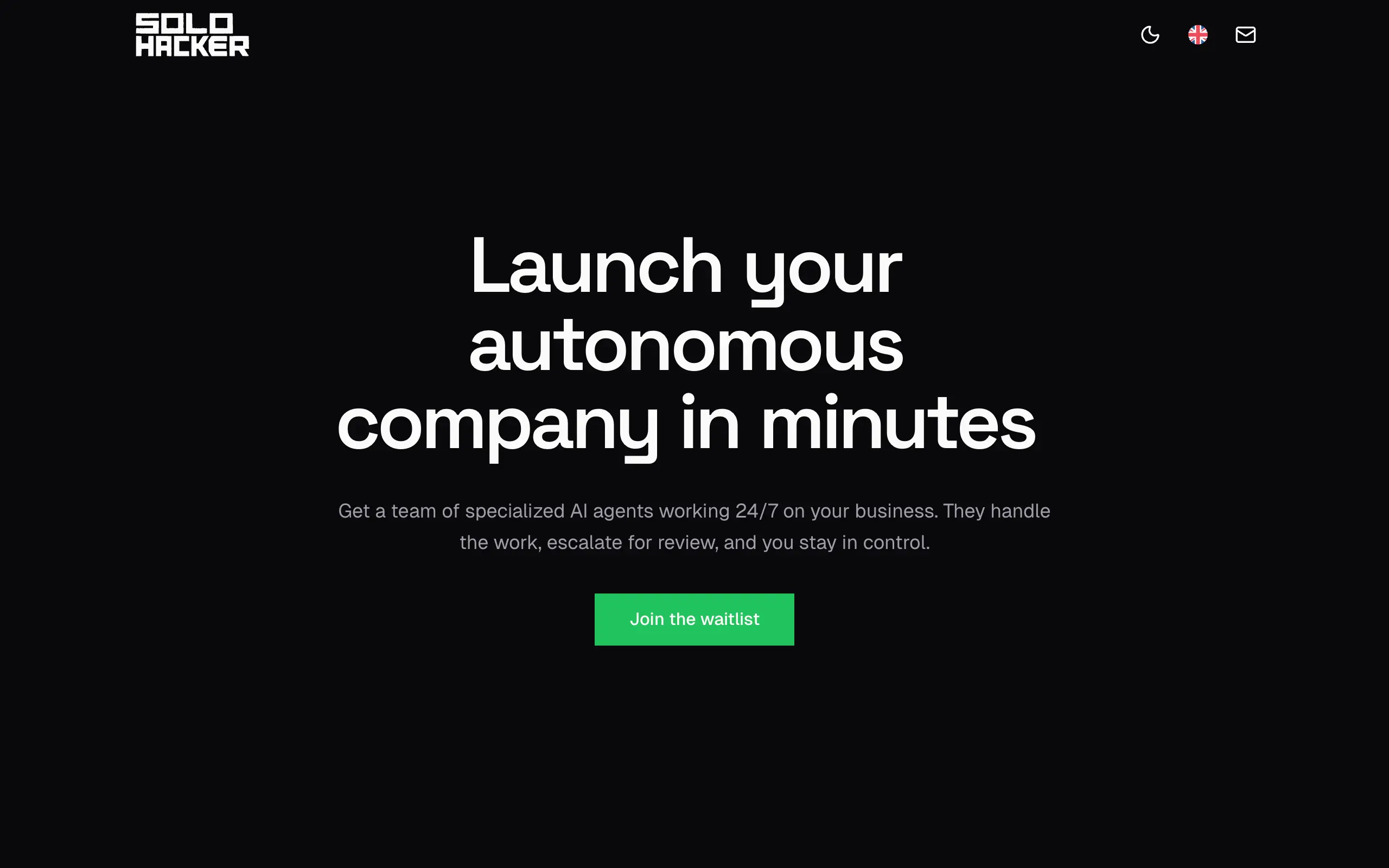
Solohacker
Autonomous company launcher - AI agents work 24/7, escalate what matters, and you stay in control 🤖
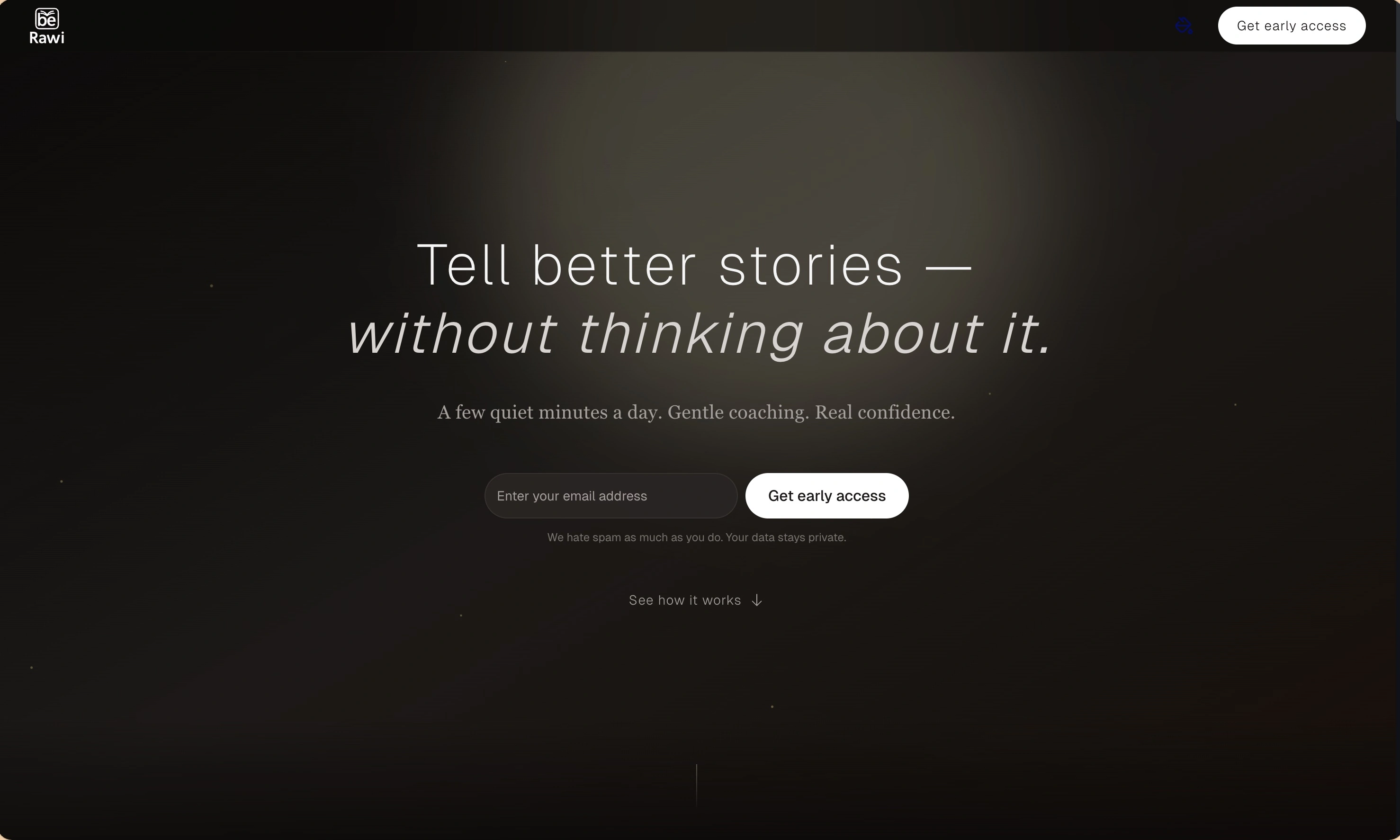
BeRawi: Storytelling Coach
Practice storytelling daily with instant feedback to sound clearer, more engaging, and confident 🎤
Omichat
Chat with 50+ AI models, including ChatGPT and Claude, in one place - switch models anytime without losing context 🤖
Claude Fast
Supercharge your Claude Code with 6x effective context window and specialized AI agents 🤖
EmojAI
AI-powered emoji picker with smart, context-aware suggestions 🤖
Solohacker
Autonomous company launcher - AI agents work 24/7, escalate what matters, and you stay in control 🤖
BeRawi: Storytelling Coach
Practice storytelling daily with instant feedback to sound clearer, more engaging, and confident 🎤

Connect with like-minded people
Join our community to get feedback, support, and grow together with 1,000+ builders on board, let's ship it!
Join usShip your startup everywhere. In minutes.
Don't burn tokens on setup and start building features on day one.