FreshRank Monitor
Detect decaying Google results in your niche and alert teams when freshness creates an opening. AI recommends timely updates and publish-ready outlines.
What FreshRank Monitor solves for SEO teams
FreshRank Monitor is an AI content freshness monitoring platform designed to identify Google search results that are becoming outdated, weak, or vulnerable to replacement. It helps SEO teams detect openings created by stale content, then turns those findings into recommended updates and publish-ready content outlines.
The core problem is simple. Search rankings are not static. A page can hold a strong position for months, then gradually lose clicks and rankings because its statistics are old, its examples no longer reflect buyer behavior, competing pages have been improved, or Google has started favoring newer information for the query.
For content-led businesses, this creates a costly gap between knowing that freshness matters and knowing exactly which page or keyword deserves attention this week.
FreshRank Monitor closes that gap by combining:
- Google result monitoring
- SERP volatility signals
- competitor content change detection
- freshness scoring
- AI-powered topic analysis
- suggested page updates
- ready-to-review content outlines
- team alerts and prioritization workflows
Instead of asking content marketers to manually audit hundreds or thousands of keywords, the platform identifies likely freshness opportunities and tells teams what to do next.
The core positioning
FreshRank Monitor should be positioned as an opportunity detection product, not merely a rank tracker. Traditional rank tracking tells teams where they stand. FreshRank Monitor helps them discover where timely action can create a ranking advantage.
The primary audience is not searching for generic SEO reporting. They are looking for a practical way to answer questions such as:
- Which competitor pages are outdated enough to beat?
- Which of our own pages need a refresh before rankings decline?
- Which keywords are becoming freshness-sensitive?
- What content should our team update or publish first?
- How can we convert SERP changes into a reliable editorial workflow?
That distinction gives FreshRank Monitor a clear and valuable product category.
Why content freshness is a growing SEO opportunity
Google’s search systems aim to surface useful results that satisfy the intent behind a query. For many searches, recency is not the most important factor. An evergreen guide on basic accounting principles, for example, may remain useful for years.
However, freshness becomes critical when the searcher expects current information, recent recommendations, updated prices, new regulations, product comparisons, or changing best practices.
Examples of freshness-sensitive search categories include:
- Software comparisons and alternative pages
- B2B technology buying guides
- AI tools and workflow recommendations
- E-commerce product recommendations
- Financial, legal, and compliance content
- Travel information and local guides
- Industry trends and market reports
- Product documentation and integration tutorials
- News-adjacent explainers
- Search queries containing years, dates, “latest,” “best,” or “new”
A content team may understand this principle in theory, yet still struggle to operationalize it across a large site. Manual content audits are slow, subjective, and often based on traffic losses that have already happened.
FreshRank Monitor can shift teams from reactive maintenance to proactive content intelligence.
The difference between content decay and freshness opportunity
Content decay describes the gradual reduction in a page’s organic visibility, traffic, conversions, or engagement. It is often caused by outdated information, changing search intent, stronger competitors, weaker technical performance, or loss of authority.
A freshness opportunity is different. It exists when a current ranking page appears vulnerable because it has not been updated, its information is incomplete, or Google is rewarding recently improved competitors.
This is an important distinction for product messaging.
A standard content decay tool tends to ask:
Which of our pages are declining?
FreshRank Monitor can ask a more commercially useful question:
Which search results are vulnerable right now, and what should we create or update to win?
That opens the product to both defensive and offensive SEO workflows.
Defensive workflow
Detect your own aging pages before they lose meaningful rankings, traffic, and pipeline contribution.
Offensive workflow
Find competitor results that are stale, under-maintained, or incomplete before other publishers notice.
Editorial workflow
Turn SERP-level freshness signals into prioritized briefs, content updates, and publishing assignments.
Why existing SEO platforms leave a gap
Leading SEO suites are excellent at keyword research, backlink analysis, technical audits, and historical rank tracking. However, they can be difficult to use for a focused freshness workflow.
The typical SEO stack may show:
- A keyword’s current rank
- Rank changes over time
- Search volume
- Competitor domains
- Backlink metrics
- On-page recommendations
But it may not clearly identify whether a ranking opportunity exists because the current SERP is stale. It also may not turn that insight into a tightly scoped editorial recommendation.
FreshRank Monitor’s market gap is the connection between SERP freshness intelligence and execution-ready content strategy.
A team does not simply need another dashboard. It needs a reliable recommendation that says:
- This keyword has a realistic freshness opening.
- These ranking results have likely not been maintained.
- These topics, facts, examples, and sections are missing.
- This is the recommended content format.
- This is the outline your writer or editor can use today.
Target audience for Google content freshness monitoring software
The strongest initial market is likely teams with meaningful organic content investments and enough keywords to make manual monitoring impractical.
In-house SaaS marketing teams
B2B SaaS businesses frequently rely on product-led content, comparison pages, integration pages, templates, and educational guides. These assets often compete in fast-moving categories where features, pricing, competitors, and buyer expectations change quickly.
A SaaS content lead may use FreshRank Monitor to identify:
- Old competitor comparison pages
- Outdated “best tools” roundups
- Decaying integration guides
- New AI-related query shifts
- Product pages that no longer match the SERP
- High-intent keywords where competing content has not been refreshed
This segment is especially attractive because freshness improvements can influence pipeline, trials, demos, and product signups rather than just pageviews.
SEO agencies and content agencies
Agencies need scalable ways to demonstrate proactive value to clients. A freshness monitoring platform creates a tangible recurring deliverable.
An agency can package FreshRank Monitor insights as:
- Monthly SEO opportunity reports
- Content refresh roadmaps
- Competitor vulnerability audits
- Quarterly editorial planning
- Priority keyword recommendations
- AI-assisted content briefs
For agencies, multi-client management, white-label reporting, exports, and collaborative workflows are likely high-value product capabilities.
Affiliate publishers and review sites
Affiliate sites live in categories where stale content can quickly lose rankings and revenue. Pricing, availability, product quality, and competitor offerings change often. A review from two years ago may no longer meet user expectations or Google’s quality standards.
FreshRank Monitor can help affiliate teams prioritize:
- Product reviews requiring updated testing
- “Best” listicles with outdated recommendations
- Comparison pages missing current alternatives
- Seasonal content needing a new edition
- Buyer guides affected by pricing changes
This audience values speed, prioritization, and measurable return on content investment.
Enterprise publishers and editorial teams
Large publishers often have thousands of evergreen or semi-evergreen articles. Their challenge is not finding content to improve. It is deciding what to improve first.
For this segment, FreshRank Monitor needs strong filtering and workflow controls, including:
- Topic clusters
- Site sections
- Author ownership
- Priority scores
- Publication dates
- Traffic and revenue integration
- Approval status
- Exportable editorial queues
Consultants and independent SEO specialists
SEO consultants can use freshness intelligence as a differentiated audit service. Rather than delivering a generic technical SEO checklist, they can identify specific ranking openings tied to real search results.
This segment may start on a lower-priced plan, but it can drive word-of-mouth adoption and introduce the product to larger client teams.
The market opportunity behind FreshRank Monitor
The opportunity is not simply “AI for SEO.” That phrase is broad, saturated, and increasingly vague. The more defensible opportunity is AI-assisted content freshness intelligence.
AI has made content production cheaper and faster. As more teams publish content at scale, maintaining quality and relevance becomes harder. The result is a growing volume of pages that are technically indexed but no longer competitive.
That creates several trends FreshRank Monitor can capitalize on.
More content means more maintenance pressure
Businesses have accumulated years of blog posts, landing pages, help articles, and comparison pages. A company with 500 articles cannot realistically audit each page with the same level of manual attention every quarter.
The platform’s value comes from narrowing a large content inventory into a focused queue of high-confidence actions.
Search results are changing faster in technology categories
AI, SaaS, cybersecurity, developer tools, e-commerce, and digital marketing all change quickly. New products emerge, older tools change pricing, product capabilities evolve, and user terminology shifts.
In these categories, content freshness is closely connected to usefulness. A platform that detects stale ranking pages can help teams act before a major traffic decline appears in analytics.
Search intent can change without a keyword changing
A keyword can keep the same wording while its ideal result changes. For example, a query that once rewarded broad informational guides may begin favoring current comparisons, templates, product-led pages, or recent case studies.
FreshRank Monitor should monitor not only ranking changes but also SERP composition changes. If the top results suddenly include newer pages, more videos, comparison content, forums, or product pages, that is a meaningful strategic signal.
AI creates a need for editorial judgment
Generative AI can accelerate drafting, but it cannot reliably decide which content initiative will produce the best SEO outcome without high-quality inputs. FreshRank Monitor provides the intelligence layer that makes AI output more useful.
The product should not promise that an outline automatically earns rankings. Instead, it should help experienced marketers make better editorial decisions using evidence from live search results, competitor analysis, and freshness signals.
Core features for an AI content freshness monitoring platform
FreshRank Monitor should focus its product roadmap on features that turn freshness detection into action.
SERP freshness scoring
The foundation is a keyword-level freshness score that estimates whether the current search results appear vulnerable to a more recent, more comprehensive, or better-maintained page.
The score can combine multiple inputs:
- Average age of ranking pages
- Time since visible page updates
- Recent changes among top-ranking URLs
- Ranking volatility
- Presence of dates in page titles or snippets
- Recency patterns among newly ranking competitors
- Content length and topical coverage gaps
- Freshness-related query modifiers
- Differences between older and newer ranking pages
- Search result feature changes
The interface should explain the score. A vague number is not enough. Users need to understand why an opportunity is being flagged.
For example:
Freshness opportunity score: 82 out of 100. Six of the top 10 pages have not shown meaningful updates in over 18 months. Three newer pages entered the top 20 recently, and the SERP now favors comparison-focused content.
That level of explanation makes the score actionable and trustworthy.
Competitor decay detection
Competitor decay detection should identify URLs that remain visible but may be losing relevance.
Signals could include:
- Old publication or modification dates
- Broken or outdated product references
- Discontinued tools in listicles
- Expired statistics and studies
- Outdated screenshots
- Missing new entities or concepts
- Weak coverage compared with recently improved pages
- Falling ranking trajectory
- Poor alignment with current SERP format
The goal is not to declare that every older article is bad. Some older pages remain highly authoritative and continue to satisfy search intent. The product should frame these as review opportunities with confidence levels, not absolute claims.
Avoid simplistic freshness scoring
A newer page is not automatically better. FreshRank Monitor should distinguish between truly time-sensitive queries and evergreen topics where age is less important than expertise, authority, and depth.
Monitoring of your own content decay
The product should support first-party content monitoring alongside competitor intelligence.
Users can connect their domain and track pages that show combinations of:
- Declining keyword positions
- Falling impressions or clicks
- Reduced conversion contribution
- Long periods without a meaningful update
- New competitor entries
- Reduced topical completeness
- Changed SERP intent
- Stale product claims or data points
Integrations with Google Search Console should be a priority because it provides trusted first-party performance signals. The platform can use connected data to identify pages where a refresh is likely to have commercial value.
AI update recommendations
FreshRank Monitor’s AI recommendations should be specific and evidence-based. Generic suggestions such as “add more keywords” or “make the article longer” will not differentiate the product.
Useful recommendations might include:
- Add a current pricing comparison section
- Replace tools that are no longer competitive
- Update screenshots to reflect the latest interface
- Add a 2025 workflow section based on newer ranking competitors
- Address an emerging subtopic found in recent SERP winners
- Add expert quotes, source citations, or first-hand examples
- Match the current preference for comparison tables
- Create a separate page because the existing URL targets mixed intent
Each recommendation should link back to the detected signal. This is critical for E-E-A-T and customer trust. Users should be able to see why the AI believes a change is needed.
Publish-ready content outlines
The outline generator is a key conversion feature. It transforms an opportunity into a task a writer can execute.
A quality outline can include:
- Recommended search intent
- Target keyword and related keywords
- Suggested title angles
- H2 and H3 structure
- Questions to answer
- Competitor coverage gaps
- Required current facts to verify
- Suggested internal links
- Suggested schema opportunities
- Content format recommendation
- Editorial warnings about claims that require human validation
The output should encourage original expertise rather than copied competitor structures. It should tell writers where to include hands-on experience, examples, source-backed claims, and product-specific insight.
Opportunity prioritization
A large keyword list can produce too many alerts. The product needs a prioritization engine that considers both likelihood and business value.
A practical prioritization formula could include:
type OpportunityScore = {
  freshnessSignal: number;
  rankingPotential: number;
  businessValue: number;
  contentEffort: number;
  confidence: number;
};

const priorityScore = ({
  freshnessSignal,
  rankingPotential,
  businessValue,
  contentEffort,
  confidence,
}: OpportunityScore) => {
  const upside = freshnessSignal * 0.3 + rankingPotential * 0.3 + businessValue * 0.25;
  const certainty = confidence * 0.15;

  return Math.round((upside + certainty) / Math.max(contentEffort, 1));
};
This is not a universal ranking model. It illustrates the product principle. High-value, high-confidence opportunities that require reasonable effort should rise to the top of the queue.
Team alerts and editorial workflows
FreshRank Monitor should fit into existing operations instead of creating another isolated dashboard.
Useful workflow features include:
- Email alerts for new high-priority openings
- Slack notifications for assigned teams
- Assignments and due dates
- Notes and approval states
- Export to CSV
- Task creation through project management integrations
- Content status tracking
- Before-and-after performance reporting
For an early version, email alerts, assignments, and CSV export may be sufficient. Integrations can follow once product-market fit is proven.
How FreshRank Monitor can build a defensible competitive advantage
The unique selling proposition should be clear:
FreshRank Monitor identifies freshness-driven SEO openings before they become obvious, then gives content teams an evidence-backed plan to capture them.
That is more specific than generic rank tracking and more actionable than a content audit.
| Capability | Rank tracker | Content optimizer | FreshRank Monitor | Manual audit |
|---|---|---|---|---|
| Tracks keyword positions | ✅ | Sometimes | ✅ | ✅ |
| Detects competitor staleness | Limited | Limited | ✅ | ✅ |
| Explains freshness opportunity | ❌ | Limited | ✅ | Depends on analyst |
| Creates execution-ready outline | ❌ | Sometimes | ✅ | Manual |
| Scales across large keyword sets | ✅ | ✅ | ✅ | ❌ |
The strongest moat will not be the language model itself. Competitors can access similar AI models. The durable advantage comes from proprietary data and workflow depth.
Potential defensibility includes:
- Historical SERP snapshots by keyword
- URL-level content change history
- Freshness scoring models refined through outcomes
- Feedback loops from customer refreshes
- A benchmark database of ranking page patterns
- Vertical-specific templates and scoring rules
- Integrations embedded into agency and editorial workflows
Over time, FreshRank Monitor can learn which signals most accurately predict a successful refresh in particular industries. That makes recommendations increasingly useful and difficult to replicate.
Recommended tech stack for FreshRank Monitor
The platform needs a stack that supports reliable data collection, scalable processing, AI workflows, and an intuitive SaaS experience.
Frontend and application layer
A strong starting stack is Next.js with React and TypeScript. This combination supports fast product development, server-side rendering where useful, and a mature ecosystem for SaaS application development.
For styling, Tailwind CSS is well suited to dashboards because it enables consistent design systems and rapid iteration.
Recommended frontend choices include:
- Next.js for the web application and API routes
- React for interactive dashboard components
- TypeScript for safer data models
- Tailwind CSS for UI development
- Recharts or a similar charting library for trend visualizations
The trade-off is that a rich, data-heavy SEO dashboard can create complex client-side state. Keep the first version focused on a few core views rather than overbuilding a customizable analytics workspace.
Database and search data storage
Use PostgreSQL as the primary relational database for users, projects, tracked keywords, domains, alerts, assignments, and billing records.
For a first version, PostgreSQL can also store structured SERP snapshots and scoring outputs. As volume increases, consider separating analytical workloads into a warehouse or columnar database.
A practical architecture could include:
- PostgreSQL for application data and transactional queries
- Object storage for raw HTML snapshots and crawl artifacts
- Redis for caching and job coordination
- A queue system for scheduled monitoring jobs
- A warehouse for large-scale historical analytics when needed
The critical trade-off is operational complexity. Do not introduce multiple data systems before the product has enough monitored keywords and history to justify them.
SERP data and crawling infrastructure
Search result collection is technically and commercially sensitive. Avoid relying on brittle scraping strategies that can lead to inconsistent data, blocked requests, or terms-of-service concerns.
Instead, evaluate reputable SERP data providers and clearly communicate data collection limitations to users. The product should separate:
- Search result snapshots
- Page metadata
- Content extraction
- Visible update signals
- AI analysis output
Page crawling must be rate-limited, respectful of website access rules, and engineered for reliability. Store timestamps for every observation so recommendations can be traced to a specific point in time.
AI and recommendation layer
The AI layer should use structured inputs rather than asking a model to infer strategy from a vague prompt.
Useful model inputs include:
- Keyword and locale
- Current top-ranking URLs
- Historical SERP movement
- Extracted headings and content summaries
- Publication and update date signals
- Search Console metrics when connected
- Customer business goals
- Existing page content
- Competitor coverage gaps
The system should produce structured outputs such as JSON for scores, reasons, recommended actions, and outline sections. This makes it easier to render recommendations consistently and audit model behavior.
Do not use AI to fabricate sources, product features, legal claims, or performance statements. The interface should prominently identify recommendations that need factual review.
Authentication, billing, and deployment
For rapid SaaS delivery, choose established providers for non-differentiating infrastructure.
Potential components include:
- Authentication through Clerk or Auth0
- Payments through Stripe
- Deployment through Vercel
- Error monitoring through Sentry
- Product analytics through PostHog
A production-ready starter kit can reduce setup time for authentication, billing, teams, and dashboard foundations. TurboStarter is particularly relevant for founders who want to ship a SaaS MVP without rebuilding standard application infrastructure.
Monetization options for FreshRank Monitor
A subscription model fits the recurring nature of keyword monitoring and content operations. Pricing should scale primarily by tracked keywords, monitored competitors, update frequency, users, and AI generation limits.
Suggested pricing structure
Designed for consultants, niche publishers, and small SaaS teams. Include a limited tracked keyword count, weekly scans, a small number of AI briefs, and email alerts.
Designed for growing content teams. Include more keywords, daily monitoring for priority terms, Search Console integration, collaboration features, and larger AI limits.
Designed for agencies. Include multiple workspaces, client reporting, expanded limits, white-label exports, role management, and team collaboration.
Designed for large organizations. Include custom data retention, security review support, single sign-on, custom integrations, onboarding, and service-level commitments.
Potential revenue expansion options include:
- Additional keyword monitoring packs
- Extra AI outline credits
- Competitor domain packs
- White-label reporting
- Premium vertical templates
- Content refresh forecasting
- Managed opportunity reports
- API access
- Enterprise onboarding and consulting
The best initial pricing metric is likely tracked keywords because customers understand it and it correlates with data costs. However, do not price so low that heavy monitoring users become unprofitable.
Risks and mitigation strategies
FreshRank Monitor has meaningful opportunities, but the business must manage data quality, customer expectations, and market competition carefully.
Risk of inaccurate freshness signals
A page may look old while still being highly useful. Dates can be missing, misleading, or changed without meaningful content updates. Search results can also vary by location, device, personalization, and time.
Mitigation approaches include:
- Use multiple signals instead of relying only on page dates
- Show confidence scores and supporting evidence
- Let users inspect the underlying SERP observations
- Calibrate scoring by query type and industry
- Allow users to mark recommendations as useful or irrelevant
- Present recommendations as opportunities, not guarantees
Risk of AI-generated inaccuracies
AI may suggest unsupported claims, irrelevant sections, or content patterns that do not fit the customer’s brand. This is especially risky in regulated industries.
Mitigation approaches include:
- Require human review before publishing
- Label generated recommendations clearly
- Include source-verification prompts in briefs
- Support brand guidelines and prohibited topic controls
- Offer lower-creativity, evidence-focused modes
- Maintain audit logs for generated outputs
Risk of competing against large SEO platforms
Large SEO platforms may eventually add freshness-related features. FreshRank Monitor needs to remain narrow, fast, and exceptionally useful.
Mitigation approaches include:
- Own the freshness opportunity category in messaging
- Build a better editorial workflow than general SEO suites
- Focus on explainability and actionable recommendations
- Develop historical freshness datasets early
- Serve agencies with multi-client workflows
- Build verticalized scoring for SaaS, affiliate, and regulated content
Risk of data costs and margins
SERP data, crawling, storage, and AI inference can become expensive as tracked keywords increase.
Mitigation approaches include:
- Limit scan frequency by plan
- Use priority monitoring for high-value keywords
- Cache shared SERP results where appropriate
- Batch AI analysis jobs
- Charge for higher-frequency monitoring
- Let users choose which keywords receive deep analysis
- Measure unit economics from the earliest beta customers
Risk of alert fatigue
If users receive too many low-quality alerts, they will stop trusting the platform.
Mitigation approaches include:
- Default to high-confidence alerts
- Add configurable thresholds
- Group related keyword opportunities
- Provide weekly digests alongside immediate alerts
- Rank recommendations by likely business impact
- Learn from dismissals and completed tasks
Building trust and E-E-A-T into the product experience
FreshRank Monitor should encourage higher-quality content, not just more content. This is essential for positioning the product as a strategic SEO tool rather than an AI content generator.
The platform can support E-E-A-T principles by prompting teams to add:
- First-hand experience and original testing
- Subject matter expert review
- Accurate author credentials
- Primary sources for important claims
- Current dates and context
- Transparent methodology in comparison content
- Updated screenshots and examples
- Clear differentiation from competitor pages
For example, when generating a brief for a “best project management software” query, the tool should not simply recommend a longer listicle. It should recommend evidence-rich improvements, such as test methodology, pricing verification dates, use-case segmentation, product screenshots, and expert commentary.
This improves the quality of the final content and reduces the risk that users treat AI output as publish-ready without editorial review.
A useful alert should name the keyword, identify the affected URL or competitor page, show the freshness opportunity score, explain the supporting signals, estimate potential impact, and recommend a next action.
No. The product should automate monitoring, prioritization, and briefing. Experienced SEO professionals are still needed to validate intent, evaluate brand fit, verify facts, and make strategic trade-offs.
B2B SaaS is a strong initial vertical because its search results change quickly, customers have recurring content needs, and the commercial value of a ranking improvement can be substantial.
A practical MVP roadmap for FreshRank Monitor
The MVP should prove one critical value proposition:
Can the platform identify credible freshness opportunities that customers would not have prioritized on their own?
Do not begin with every possible SEO feature. Start with a focused workflow that produces a clear weekly action list.
The first dashboard should answer three questions immediately:
- What should we update or create next?
- Why is this a freshness opportunity?
- What does a strong response look like?
If the product delivers those answers reliably, it can expand into deeper reporting, collaboration, integrations, and forecasting.
Go-to-market strategy for FreshRank Monitor
The best go-to-market motion is education-led and evidence-driven. Content teams need to understand that freshness is not just “changing the publish date” or adding a few paragraphs to an aging article.
High-intent acquisition content can target searches such as:
- Content freshness SEO
- Content decay monitoring
- How to find outdated competitor content
- SEO content refresh strategy
- Google freshness ranking factor
- Content audit software
- How to update old blog posts for SEO
- Competitor content gap analysis
- AI SEO content brief software
Create useful lead magnets and free tools around the core pain point:
- Content freshness audit checklist
- Free stale SERP analyzer
- Content decay calculator
- SEO content refresh template
- Competitor update tracker
- Quarterly content maintenance planner
A free analysis tool can be especially effective. Let users enter a keyword, inspect a limited freshness snapshot, and see a sample recommendation. This creates a direct product experience before asking for a subscription.
For trust, publish transparent methodology pages explaining how FreshRank Monitor identifies page age, SERP changes, ranking volatility, and confidence levels. Avoid overstating Google ranking factors or claiming guaranteed ranking gains.
Final recommendation
FreshRank Monitor has a compelling position in the SEO software market because it addresses a painful operational problem: content teams often discover freshness opportunities too late, after rankings have declined or competitors have already captured the opening.
Its strongest differentiator is the combination of:
- Freshness-sensitive SERP detection
- Competitor decay analysis
- First-party content monitoring
- Explainable priority scoring
- AI-assisted update recommendations
- Publish-ready editorial outlines
The winning version of this product will not market itself as a generic AI writer or another keyword tracker. It will become the system that tells SEO teams where time-sensitive ranking opportunities are emerging and how to respond with credible, useful, current content.
Start narrow, prioritize evidence over flashy automation, and validate the scoring model with real SEO practitioners. If FreshRank Monitor consistently helps teams discover valuable refresh opportunities before their competitors do, it can earn a durable place in modern content operations.
More 🤖 AI Startup SaaS ideas
Discover more innovative ai startup SaaS ideas that are trending in 2026. Each idea is AI-generated with market validation and growth potential to help you find your next profitable venture faster than competitors.
Your competitors are building with TurboStarter
Below are some of the SaaS ideas that have been generated and built with our starter kit.

Statiko
Monitor any Telegram channel in real time - track posts, edits, deletions, and growth with AI recaps 📡

Shibui
AI website builder - describe your business, pick a niche template, edit by chatting, and publish instantly ✨

Pro Service
Find verified home service professionals, compare quotes, and pay securely through escrow - built for Brazilians across the US 🏠
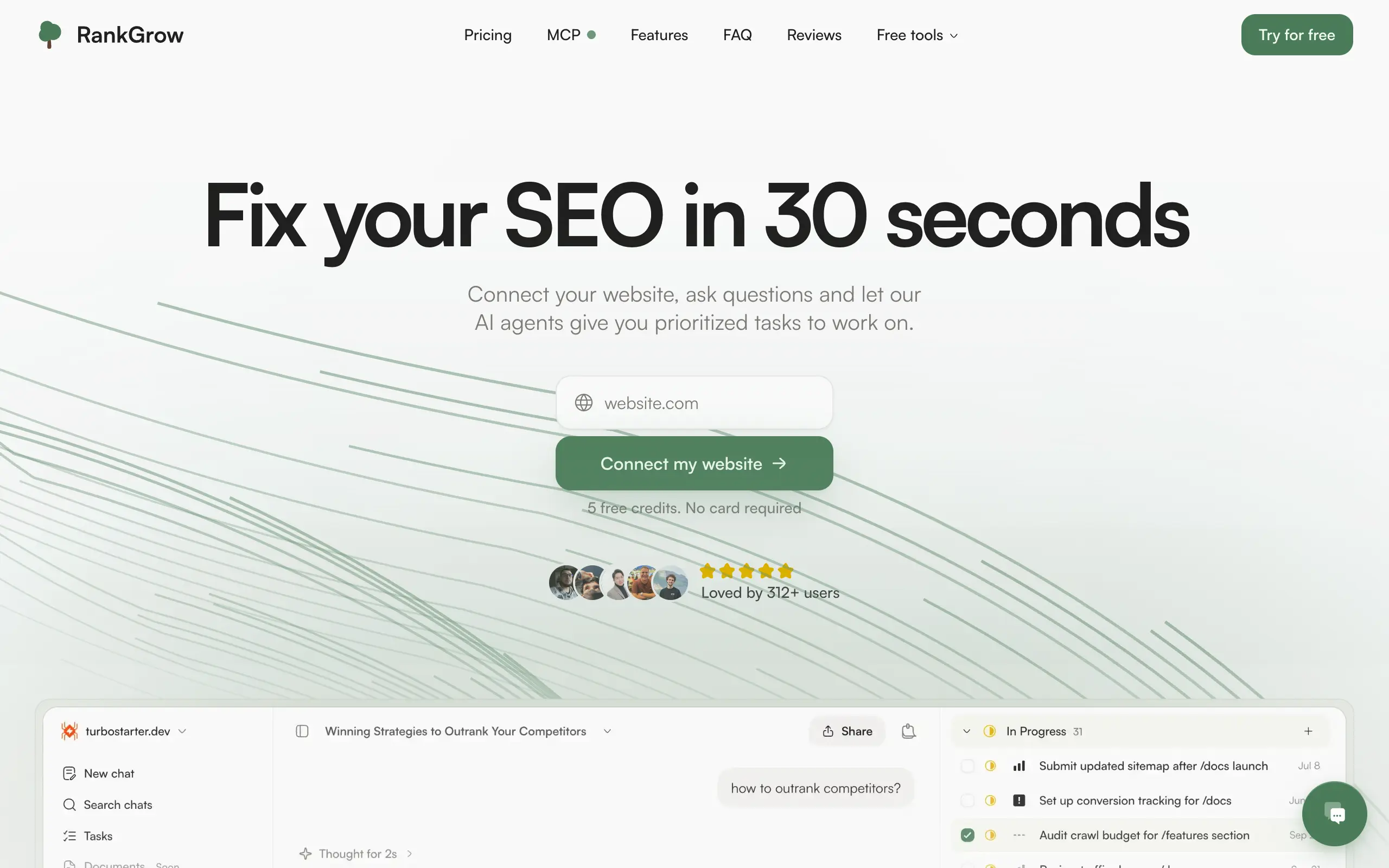
RankGrow
Fix your SEO with AI agents - connect Search Console, get prioritized tasks, and grow organic traffic 📈
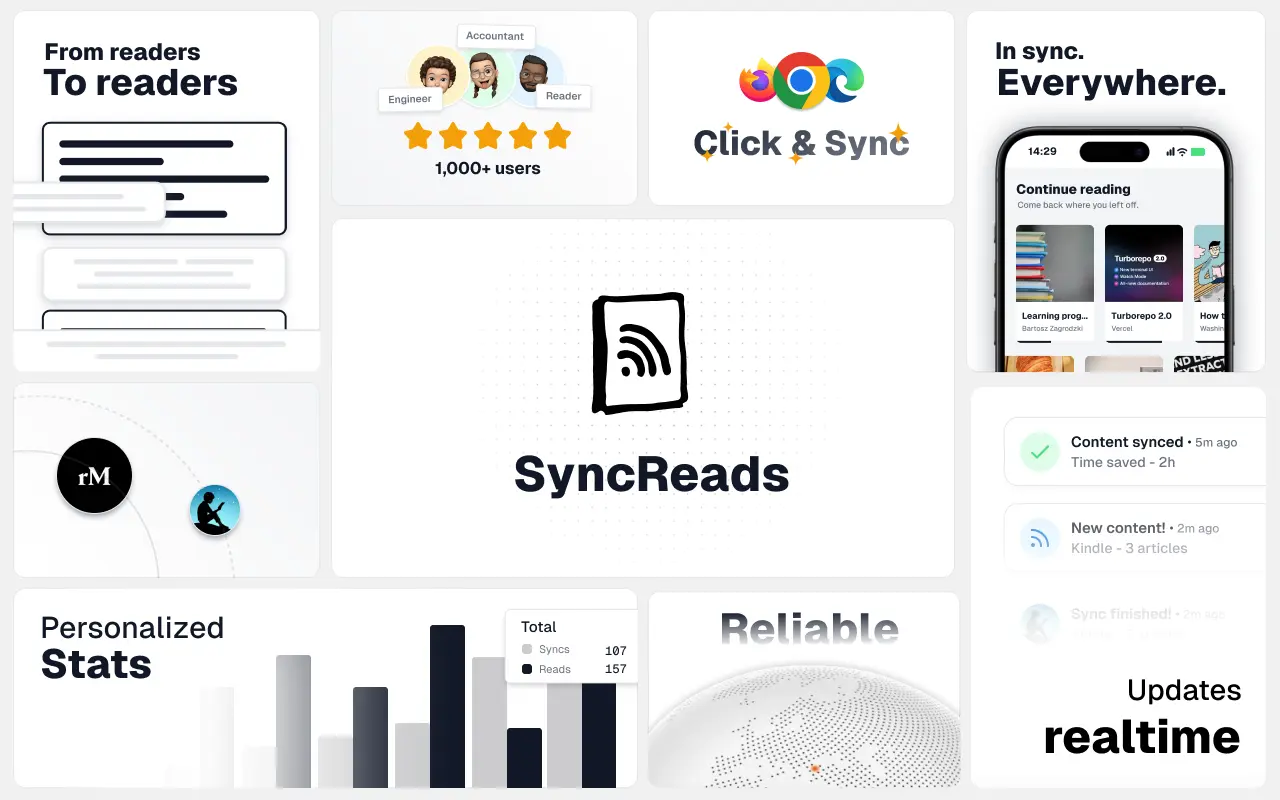
SyncReads
Sync your favorite content for distraction-free reading, save time and replace multiple apps. Anytime, anywhere 🔄
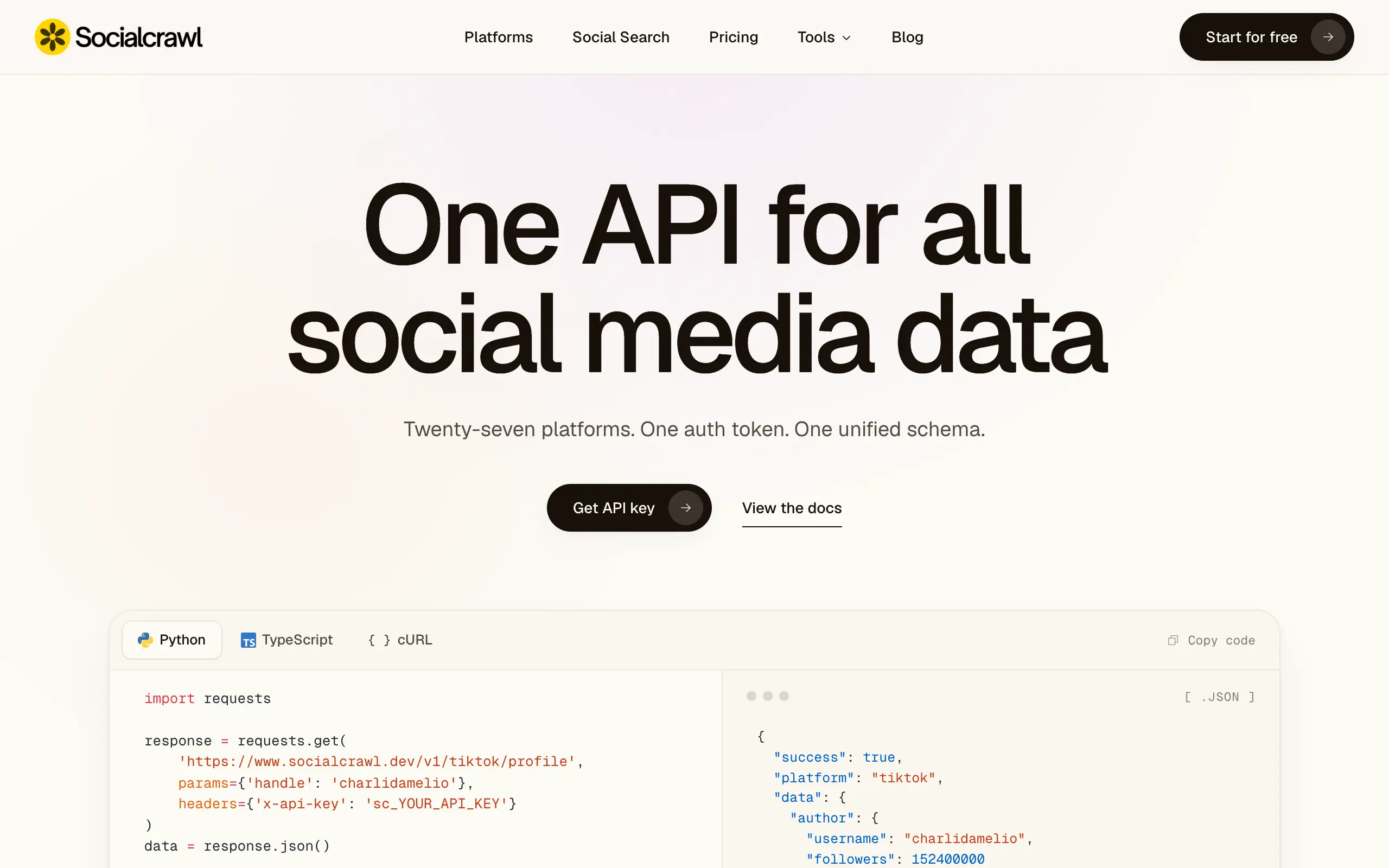
Socialcrawl
Get clean, structured data from 21 platforms like TikTok, Instagram, and YouTube with a single request 📊
Statiko
Monitor any Telegram channel in real time - track posts, edits, deletions, and growth with AI recaps 📡
Shibui
AI website builder - describe your business, pick a niche template, edit by chatting, and publish instantly ✨
Pro Service
Find verified home service professionals, compare quotes, and pay securely through escrow - built for Brazilians across the US 🏠
RankGrow
Fix your SEO with AI agents - connect Search Console, get prioritized tasks, and grow organic traffic 📈
SyncReads
Sync your favorite content for distraction-free reading, save time and replace multiple apps. Anytime, anywhere 🔄
Socialcrawl
Get clean, structured data from 21 platforms like TikTok, Instagram, and YouTube with a single request 📊
Statiko
Monitor any Telegram channel in real time - track posts, edits, deletions, and growth with AI recaps 📡
Shibui
AI website builder - describe your business, pick a niche template, edit by chatting, and publish instantly ✨
Pro Service
Find verified home service professionals, compare quotes, and pay securely through escrow - built for Brazilians across the US 🏠
RankGrow
Fix your SEO with AI agents - connect Search Console, get prioritized tasks, and grow organic traffic 📈
SyncReads
Sync your favorite content for distraction-free reading, save time and replace multiple apps. Anytime, anywhere 🔄
Socialcrawl
Get clean, structured data from 21 platforms like TikTok, Instagram, and YouTube with a single request 📊
Statiko
Monitor any Telegram channel in real time - track posts, edits, deletions, and growth with AI recaps 📡
Shibui
AI website builder - describe your business, pick a niche template, edit by chatting, and publish instantly ✨
Pro Service
Find verified home service professionals, compare quotes, and pay securely through escrow - built for Brazilians across the US 🏠
RankGrow
Fix your SEO with AI agents - connect Search Console, get prioritized tasks, and grow organic traffic 📈
SyncReads
Sync your favorite content for distraction-free reading, save time and replace multiple apps. Anytime, anywhere 🔄
Socialcrawl
Get clean, structured data from 21 platforms like TikTok, Instagram, and YouTube with a single request 📊
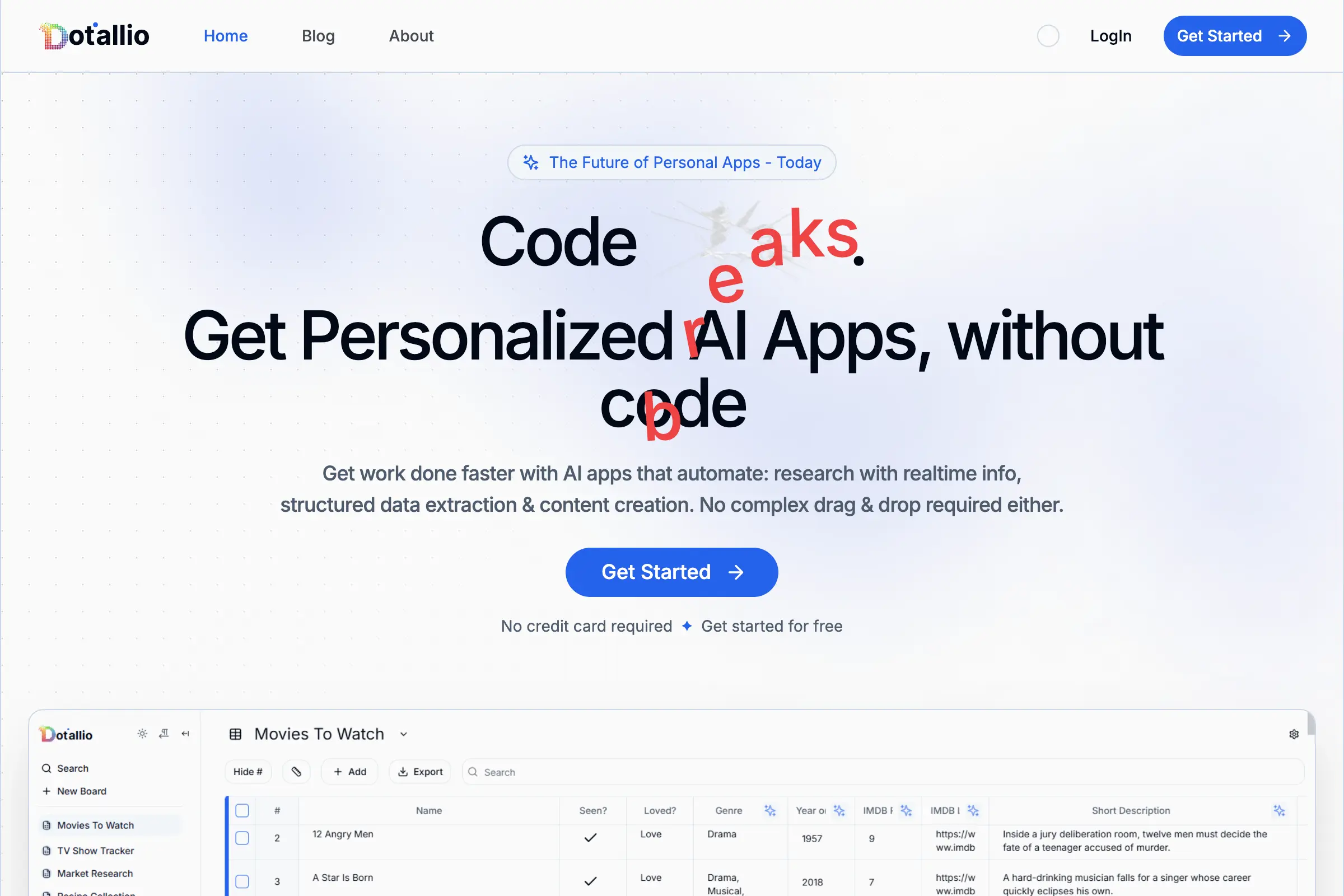
Dotallio
Personalized AI apps that automate research, data extraction, and content creation without code 🤖

Talk to Santa
Enjoy a magical live video chat or receive a unique AI-generated video greeting from Santa Claus 🎅

pozywka.pl
Scalable blog for food journalist, focused on performance and user experience 🌭
zagrodzki.me
Personal blog and portfolio of Bart Zagrodzki, where he shares his knowledge and work 💼
TurboStarter
Ship your startup everywhere. In minutes.
HTML to Markdown
Convert HTML to Markdown with ease, directly in your browser 📄
Dotallio
Personalized AI apps that automate research, data extraction, and content creation without code 🤖
Talk to Santa
Enjoy a magical live video chat or receive a unique AI-generated video greeting from Santa Claus 🎅
pozywka.pl
Scalable blog for food journalist, focused on performance and user experience 🌭
zagrodzki.me
Personal blog and portfolio of Bart Zagrodzki, where he shares his knowledge and work 💼
TurboStarter
Ship your startup everywhere. In minutes.
HTML to Markdown
Convert HTML to Markdown with ease, directly in your browser 📄
Dotallio
Personalized AI apps that automate research, data extraction, and content creation without code 🤖
Talk to Santa
Enjoy a magical live video chat or receive a unique AI-generated video greeting from Santa Claus 🎅
pozywka.pl
Scalable blog for food journalist, focused on performance and user experience 🌭
zagrodzki.me
Personal blog and portfolio of Bart Zagrodzki, where he shares his knowledge and work 💼
TurboStarter
Ship your startup everywhere. In minutes.
HTML to Markdown
Convert HTML to Markdown with ease, directly in your browser 📄
Dotallio
Personalized AI apps that automate research, data extraction, and content creation without code 🤖
Talk to Santa
Enjoy a magical live video chat or receive a unique AI-generated video greeting from Santa Claus 🎅
pozywka.pl
Scalable blog for food journalist, focused on performance and user experience 🌭
zagrodzki.me
Personal blog and portfolio of Bart Zagrodzki, where he shares his knowledge and work 💼
TurboStarter
Ship your startup everywhere. In minutes.
HTML to Markdown
Convert HTML to Markdown with ease, directly in your browser 📄
Omichat
Chat with 50+ AI models, including ChatGPT and Claude, in one place - switch models anytime without losing context 🤖
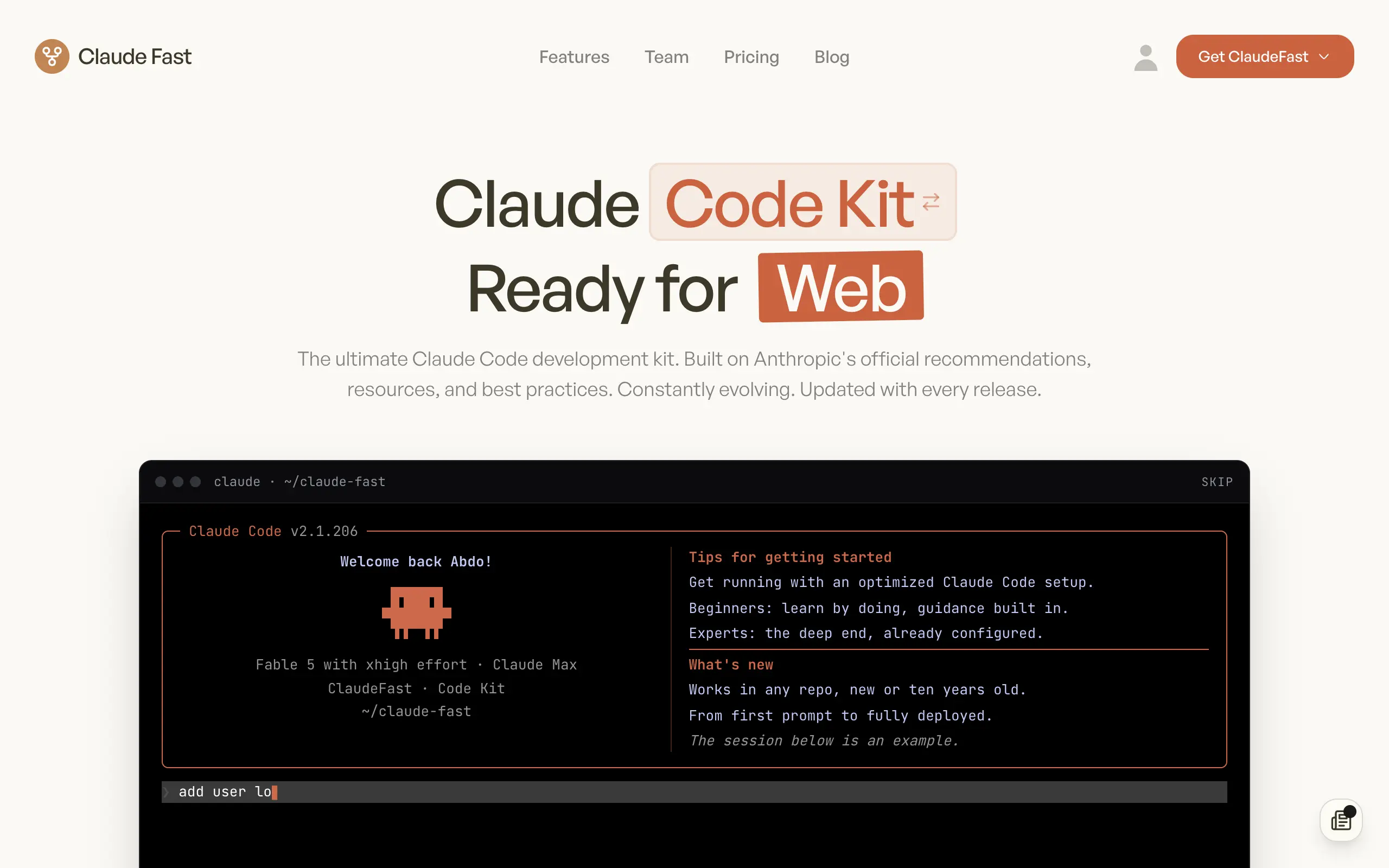
Claude Fast
Supercharge your Claude Code with 6x effective context window and specialized AI agents 🤖
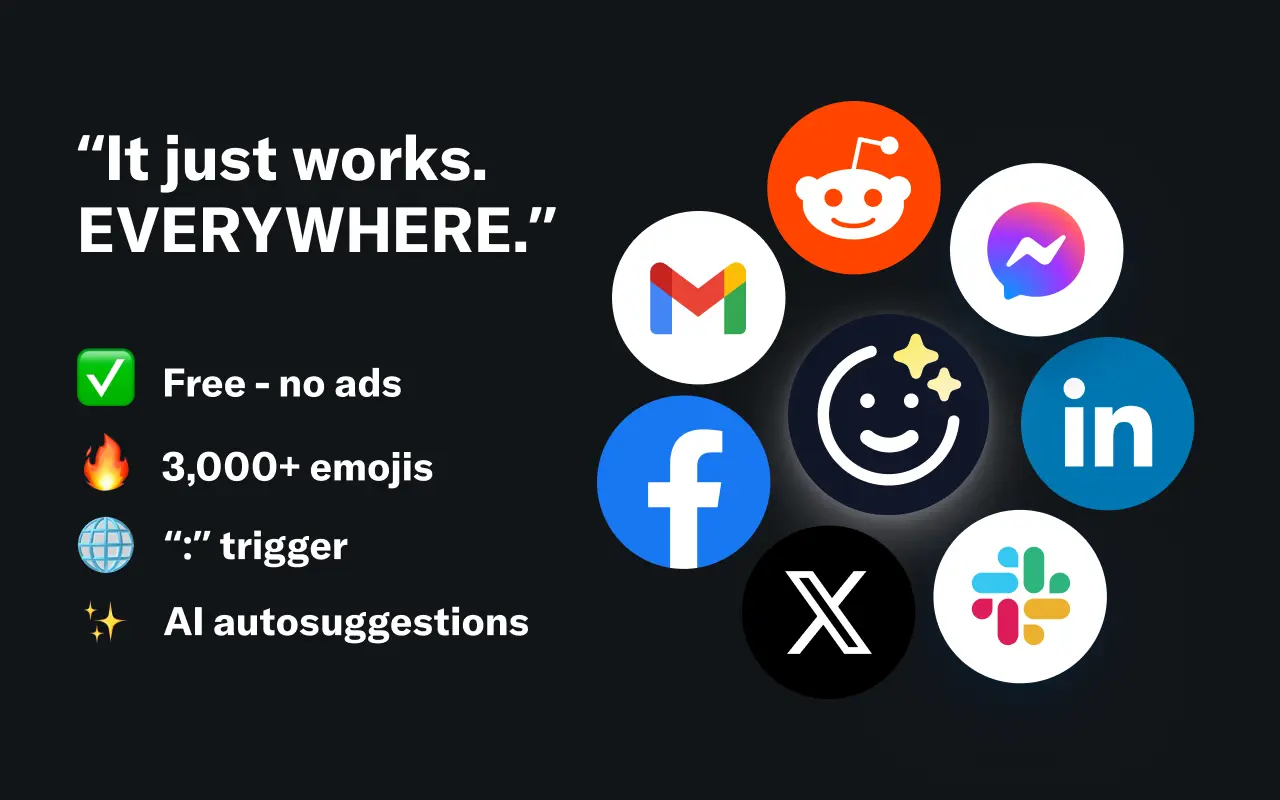
EmojAI
AI-powered emoji picker with smart, context-aware suggestions 🤖
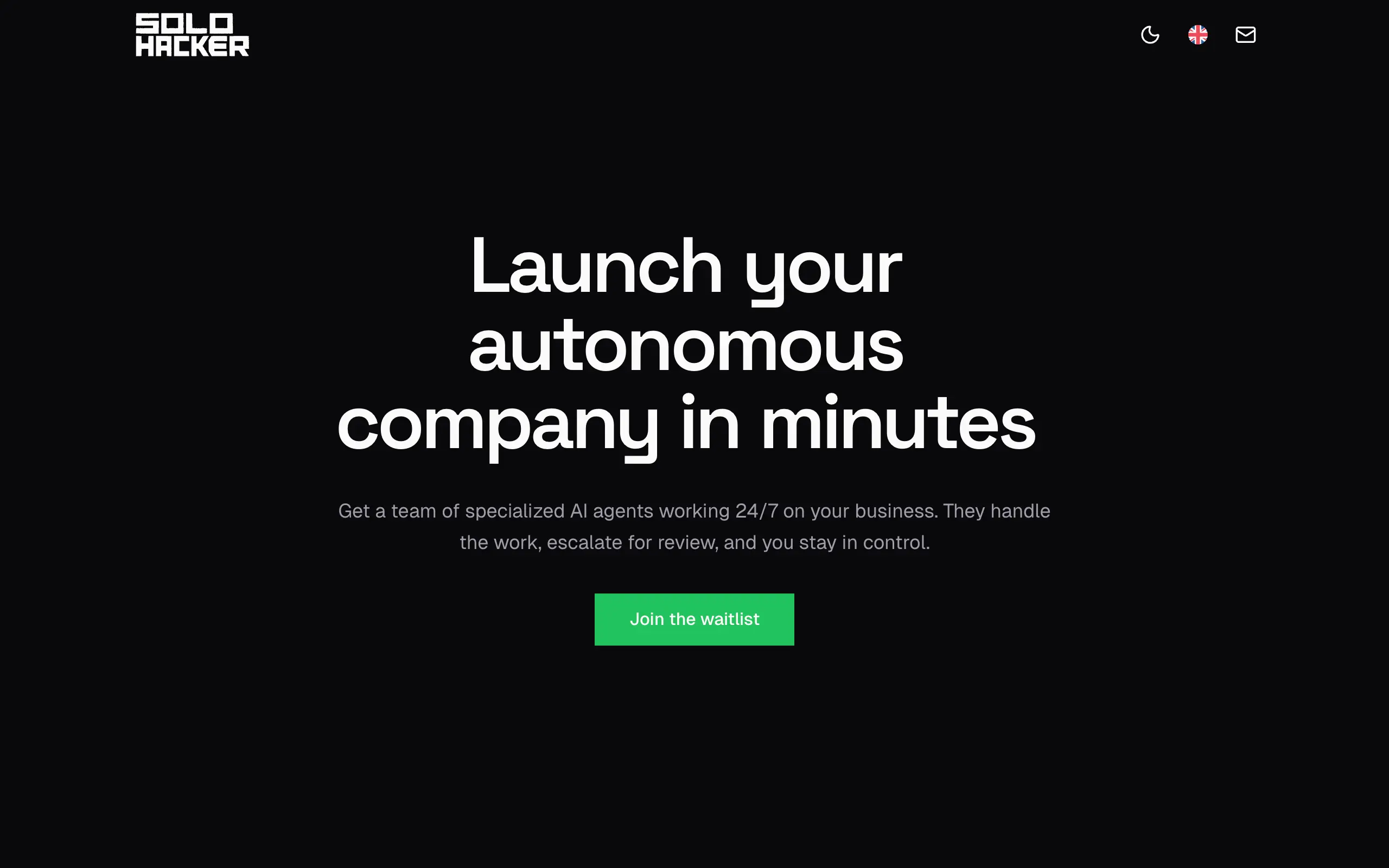
Solohacker
Autonomous company launcher - AI agents work 24/7, escalate what matters, and you stay in control 🤖

BeRawi: Storytelling Coach
Practice storytelling daily with instant feedback to sound clearer, more engaging, and confident 🎤
Omichat
Chat with 50+ AI models, including ChatGPT and Claude, in one place - switch models anytime without losing context 🤖
Claude Fast
Supercharge your Claude Code with 6x effective context window and specialized AI agents 🤖
EmojAI
AI-powered emoji picker with smart, context-aware suggestions 🤖
Solohacker
Autonomous company launcher - AI agents work 24/7, escalate what matters, and you stay in control 🤖
BeRawi: Storytelling Coach
Practice storytelling daily with instant feedback to sound clearer, more engaging, and confident 🎤
Omichat
Chat with 50+ AI models, including ChatGPT and Claude, in one place - switch models anytime without losing context 🤖
Claude Fast
Supercharge your Claude Code with 6x effective context window and specialized AI agents 🤖
EmojAI
AI-powered emoji picker with smart, context-aware suggestions 🤖
Solohacker
Autonomous company launcher - AI agents work 24/7, escalate what matters, and you stay in control 🤖
BeRawi: Storytelling Coach
Practice storytelling daily with instant feedback to sound clearer, more engaging, and confident 🎤
Omichat
Chat with 50+ AI models, including ChatGPT and Claude, in one place - switch models anytime without losing context 🤖
Claude Fast
Supercharge your Claude Code with 6x effective context window and specialized AI agents 🤖
EmojAI
AI-powered emoji picker with smart, context-aware suggestions 🤖
Solohacker
Autonomous company launcher - AI agents work 24/7, escalate what matters, and you stay in control 🤖
BeRawi: Storytelling Coach
Practice storytelling daily with instant feedback to sound clearer, more engaging, and confident 🎤

Connect with like-minded people
Join our community to get feedback, support, and grow together with 1,000+ builders on board, let's ship it!
Join usShip your startup everywhere. In minutes.
Don't burn tokens on setup and start building features on day one.