GameDev AI Assistant
An AI-powered tool that helps budding game developers by generating code snippets, game logic, and design suggestions based on user input. It targets students and indie developers looking to streamline their game development process.
Understanding the Target Audience
The tool is specifically designed for students, indie developers, and those new to game development who are exploring creative ways to build and innovate in the gaming industry. The target audience is diverse, including:
- Aspiring game developers who lack access to traditional, expensive development tools.
- Educational institutions incorporating interactive, practical coding exercises into their curriculum.
- Indie creators seeking to streamline tedious processes such as code generation and game logic development.
- Hobbyists intrigued by the fusion of artificial intelligence and game design.
This audience enjoys experimentation and exploration, making them ideal early adopters of innovative AI solutions. By leveraging intuitive user inputs and AI-powered outputs, users can concentrate on creativity while the tool handles routine tasks.
Did you know?
Many indie game developers rely on AI tools to reduce development time and focus on creative aspects.
Exploring the Market Opportunity
The potential for this AI-driven assistant in the game development space is significant. The market is evolving as the game development community increasingly values tools that allow rapid prototyping and iterative enhancements. Key market trends include:
- Increased adoption of AI tools: More developers are using AI for code generation and design insights to reduce repetitive tasks.
- Growing indie development scene: As game platforms become more accessible, independent developers are on the rise.
- Educational sector expansion: Universities and coding boot camps are recognizing the need for practical tools that ease the learning curve in game development.
- Community and collaborative environments: Platforms offering integrated feature sets boost creativity and facilitate teamwork on projects.
These trends indicate that this AI assistant can fill a critical gap by meeting the dual needs of innovation and educational support. Organizations and startups alike are seeking to integrate AI to cut down on development cycles while maintaining high-quality outputs.
Furthermore, the potential for subscription models, freemium offerings, and in-app purchases makes the tool a viable and attractive option for monetization, ensuring a steady revenue stream as it scales.
Delving into the Technical Stack
Leveraging the latest advancements in web and AI technology, the technical stack is designed to be both robust and flexible. The core components include:
- Frontend: Built with popular frameworks like React, ensuring a dynamic and responsive user experience.
- Backend: Utilizes Node.js or Python (Flask/Django) to offer high performance in handling code generation requests.
- AI Integration: Incorporates machine learning models to understand user inputs and generate code snippets, game logic, and design recommendations.
- Cloud Hosting: Deployed on platforms such as AWS or Google Cloud to ensure scalability and reliability.
- Rapid Development: Tools like TurboStarter provide a starter kit for web, mobile, and browser extensions, accelerating the development process without compromising on quality.
A quick example of leveraging the tech stack in code:
const generateSnippet = () => {
  console.log("Generating code snippet based on user input...");
};
Adopting open-source libraries and leveraging existing community resources helps accelerate development while providing robust support systems. Integration of these components enables the tool to be modular, maintainable, and optimized for rapid iterations.
Key Tech Feature
Seamlessly integrates AI-driven code generation with a cutting-edge web interface.
Crafting a Viable Monetization Strategy
To create a sustainable revenue model, it's essential to diversify income streams and provide value to multiple user segments. Here’s an outline of potential monetization strategies:
- Freemium Model: Provide basic functionalities for free while charging for premium features such as advanced code generation, personalized design recommendations, and higher usage limits.
- Subscription Plans: Monthly or yearly subscription tiers, tailored to different segments (students, indie developers, professional studios).
- In-App Purchases: Offer plug-ins, design assets, and additional modules as one-time purchases.
- Ad-Based Revenue: For educational platforms, consider non-intrusive advertising that supports free access to the tool.
- Partner Integrations: Collaborate with learning management systems and game development platforms for integrated solutions.
Each of these strategies is geared towards balancing accessibility with profitability. Using data-driven insights and user feedback, it’s possible to continuously refine the monetization approach to better suit market demand.
Furthermore, incorporating partnerships with educational institutions and developer communities can expand market reach and build credibility. This audience appreciates transparency in pricing models and values the ability to access premium content without a steep learning curve.
Weighing the Risks and Challenges
Despite the significant opportunities, there are several risks associated with launching an AI-powered tool in a competitive market. Addressing these risks proactively is crucial for long-term success. Some of the potential pitfalls include:
- Algorithmic Limitations: AI models can struggle with contextual nuance, leading to code snippets or design suggestions that may not fully align with a user’s expectations.
- Scalability Concerns: Rapid user adoption may lead to infrastructure challenges, especially if cloud resources are not optimized for fluctuating workloads.
- Security and Compliance: Handling user data requires rigorous security standards. Ensuring GDPR compliance and safeguarding intellectual property are top priorities.
- Market Saturation: The AI and game development tools market is growing, with several competitors already offering similar functionalities.
- User Adoption Barriers: Transitioning from traditional coding practices to AI-assisted development might present a steep learning curve for some users.
However, these risks can be mitigated with a combination of robust testing, continuous improvements to the AI models, and proactive user support. Establishing a secure, scalable back-end. Engaging with communities for beta testing ensures that issues are identified early and addressed promptly. This iterative approach not only minimizes risks but enhances overall product resilience.
Continuous monitoring, regular software updates, and an active user feedback loop form the cornerstone of risk management strategies.
Analyzing Competitive Advantages
In a market that increasingly embraces AI and automation, having distinct competitive advantages is vital to stand out. Some of the key differentiators include:
- Seamless Integration of Code, Logic, and Design: Unlike tools that focus solely on one aspect, this solution offers a holistic suite that caters to all game development needs.
- User-Friendly Interface: An intuitive interface that caters specifically to students and indie developers, making the transition to AI-assisted development smooth.
- Rapid Prototyping Capabilities: By automating routine tasks, developers can experiment more freely and focus on creativity.
- Education-Centric Features: Incorporation of learning modules and interactive tutorials makes it an ideal tool for educational contexts.
- Community-Driven Enhancements: Leveraging community feedback to drive product improvements ensures that the tool remains relevant and user-friendly.
- Cost-Effective Solution: With pricing models designed for accessibility, even users with limited budgets can access premium features.
A strategic advantage lies in how the tool is quickly deployable using platforms like TurboStarter. Rapid implementation enables a shorter time-to-market, giving it a competitive edge in capturing early adopters.
For educational environments, the integration of interactive learning modules and code generation capabilities can revolutionize coding classes and workshops.
Indie developers benefit from quick iterations, allowing them to focus on storylines, gameplay, and designs rather than wrestling with repetitive coding.
Incorporating a Robust Development Process
The success of any AI-powered tool relies on a reliable and efficient development process. Several practices can ensure that the product remains high-quality and competitive:
- Agile Methodology: Employing agile practices to iterate quickly based on user feedback helps in fine-tuning both the AI components and the user interface.
- Modular Architecture: Building the system in modular components makes it easier to update individual features without disrupting the entire product.
- Continuous Integration and Deployment (CI/CD): Utilizing CI/CD pipelines ensures that new features and bug fixes are rolled out in a controlled and efficient manner.
- User Testing and Beta Releases: Engaging with early users through beta releases and maintaining active communication channels supports continuous improvement.
The design and development team should regularly evaluate and refine algorithms, making sure that AI-generated outputs improve over time. This constant evolution is at the heart of the competitive advantages and ensures longevity in a rapidly progressing market.
Addressing the Integration of AI and Game Development
Integrating AI into game development is a challenging yet exciting frontier. By empowering users with AI-driven insights, the tool transforms how developers approach problem-solving within game logic, design, and narrative structure. Here are a few innovative approaches:
- Context-Aware Code Generation: The AI understands the context of user input and generates relevant code snippets that can be utilized as building blocks for more complex game logic.
- Dynamic Game Logic Suggestions: The tool can suggest modifications to game logic based on gameplay inputs and historical data, allowing developers to iterate on game mechanics effectively.
- Design and Aesthetic Recommendations: Beyond code, the AI offers suggestions to enhance visual elements, creating an immersive gaming experience with cohesive design elements.
Example usage in a development context:
const generateGameLogic = (input) => {
  // Process user input and generate tailored game logic
  return `// Logic based on ${input}`;
};
This multi-faceted approach not only enhances productivity but also drives innovation in the methods developers use to construct engaging games. The seamless integration of AI across different aspects of game development is one of the tool’s most distinctive features.
Monetizing Through Continuous Innovation
A forward-thinking monetization strategy should be as dynamic as the technology itself. Emphasizing continuous innovation and adaptation is essential. Consider the following ideas to keep revenue streams flowing while maintaining user satisfaction:
- Feature Upgrades: Periodically roll out new features based on user demand and advanced AI capabilities, offering these as part of premium subscriptions.
- Community Challenges and Competitions: Encourage users to submit their AI-generated projects and reward the most innovative solutions. This could incorporate sponsorships or targeted ad revenues.
- Collaboration Tools: Introduce collaborative features that allow multiple users to work on game development projects simultaneously—ideal for educational groups or studios.
- Custom Integrations: Offer businesses or educational institutions bespoke integrations that align with their curriculum or creative workflow, generating enterprise-level subscriptions.
A flexible pricing model that accommodates budget-conscious students and resourceful indie developers will be key to user retention and expansion.
Outlining a Competitive Landscape
The competitive landscape in the realm of AI and game development tools is rapidly evolving. To stay ahead, it is crucial to continuously analyze competitors while highlighting the unique benefits offered by this solution. Factors to consider include:
- Ease of Use: The simple, intuitive interface sets this tool apart from other, more complex systems.
- Versatility: With support for multiple development pipelines—from code snippets to full game logic—the tool can serve various stages of the development process.
- Integration Capability: Seamless integration with popular development platforms and frameworks enhances its utility.
- Innovative AI Applications: Constant refinement of AI models ensures that suggestions and outputs grow more accurate and context-aware over time.
- Educational Focus: By providing an environment conducive to learning and experimentation, the tool appeals to a niche market that values practical application and theoretical understanding.
This competitive advantage is backed by real user testimonials and community-driven enhancements, making it a standout solution in a crowded market.
Ensuring a Secure and Scalable Infrastructure
Security and scalability are cornerstones of modern software solutions. As the tool garners more users, ensuring that the infrastructure can handle increased demand becomes essential. Key practices include:
- Cloud-Native Solutions: Utilizing cloud platforms like AWS or Google Cloud ensures scalability while maintaining robust security protocols.
- Encryption and Data Protection: User data, especially any uploaded content or code, is protected using industry-standard encryption methods.
- Regular Security Audits: Implement automated and manual security checks to identify vulnerabilities before they can be exploited.
- Redundant Backups: Ensure regular backups and redundancy in data storage to prevent data loss in case of any system failures.
- Compliance Standards: Align with international standards such as GDPR and CCPA for handling personal data, building trust with users globally.
In building this secure and scalable system, comprehensive testing and a proactive approach to fraud detection and system vulnerabilities become key differentiators in a competitive market.
Fostering a Community of Innovation
The success of any technology solution is often driven by its community. Establishing a vibrant ecosystem around the tool can drive innovation and provide invaluable feedback for continuous improvement. Strategies include:
- User Forums and Support Channels: Create dedicated communities where users can share experiences, offer tips, and collaborate on ideas.
- Educational Webinars and Tutorials: Regularly scheduled sessions that showcase new features or provide step-by-step guides on integrating AI into game development.
- Beta Testing Programs: Engage early adopters in a structured beta testing program to catch issues early and gather tangible user feedback.
- Social Media Engagement: Use platforms like Twitter, LinkedIn, and Discord to build momentum and keep users updated on new developments.
- Hackathons and Developer Challenges: Organize competitions that encourage users to push the boundaries of what the tool can achieve.
Active community engagement ensures that the tool remains relevant while fostering a sense of ownership among users.
Implementation Steps and Conclusion
Building such a multifaceted solution requires careful planning and methodical execution. Here is a proposed roadmap to move from concept to launch:
As a final note, the integration of advanced AI into the game development process represents a significant leap forward in how creative projects are conceived and executed. The combination of a well-thought-out monetization strategy, a secure and scalable tech stack, and a passionate user community sets this solution apart in an increasingly competitive market landscape.
This detailed roadmap covers everything from target audience engagement to technical stack optimization and risk mitigation. Following these implementation steps will not only drive rapid adoption but also ensure that the tool evolves to meet the changing needs of game developers.
For those looking to get started quickly, consider leveraging TurboStarter as a foundational framework to accelerate the initial build. Its rich feature set can help reduce the time and overhead required to establish a production-ready environment without compromising on quality.
Embracing this methodology promises a paradigm shift in game development: an AI-driven assistant that not only reduces the burden of repetitive tasks but also empowers developers to focus on creativity and innovation. By integrating advanced algorithms that generate context-aware code snippets and design suggestions, users gain a powerful ally in their creative journey.
Investing in this approach harnesses both market trends and cutting-edge technological advancements, making it an exciting proposition for anyone passionate about game design and development. As the industry shifts towards more dynamic, AI-enhanced processes, staying ahead of the curve will require embracing the very tools that streamline development while fostering creativity.
Ultimately, this solution exemplifies the fusion of education, creativity, and technology—a harmonious blend designed for the modern game developer. By following the outlined steps and continuously engaging with the community, developers can ensure that the product remains at the forefront of innovation while achieving a competitive edge in a vibrant market.
More 🤖 AI Startup SaaS ideas
Discover more innovative ai startup SaaS ideas that are trending in 2026. Each idea is AI-generated with market validation and growth potential to help you find your next profitable venture faster than competitors.
Your competitors are building with TurboStarter
Below are some of the SaaS ideas that have been generated and built with our starter kit.
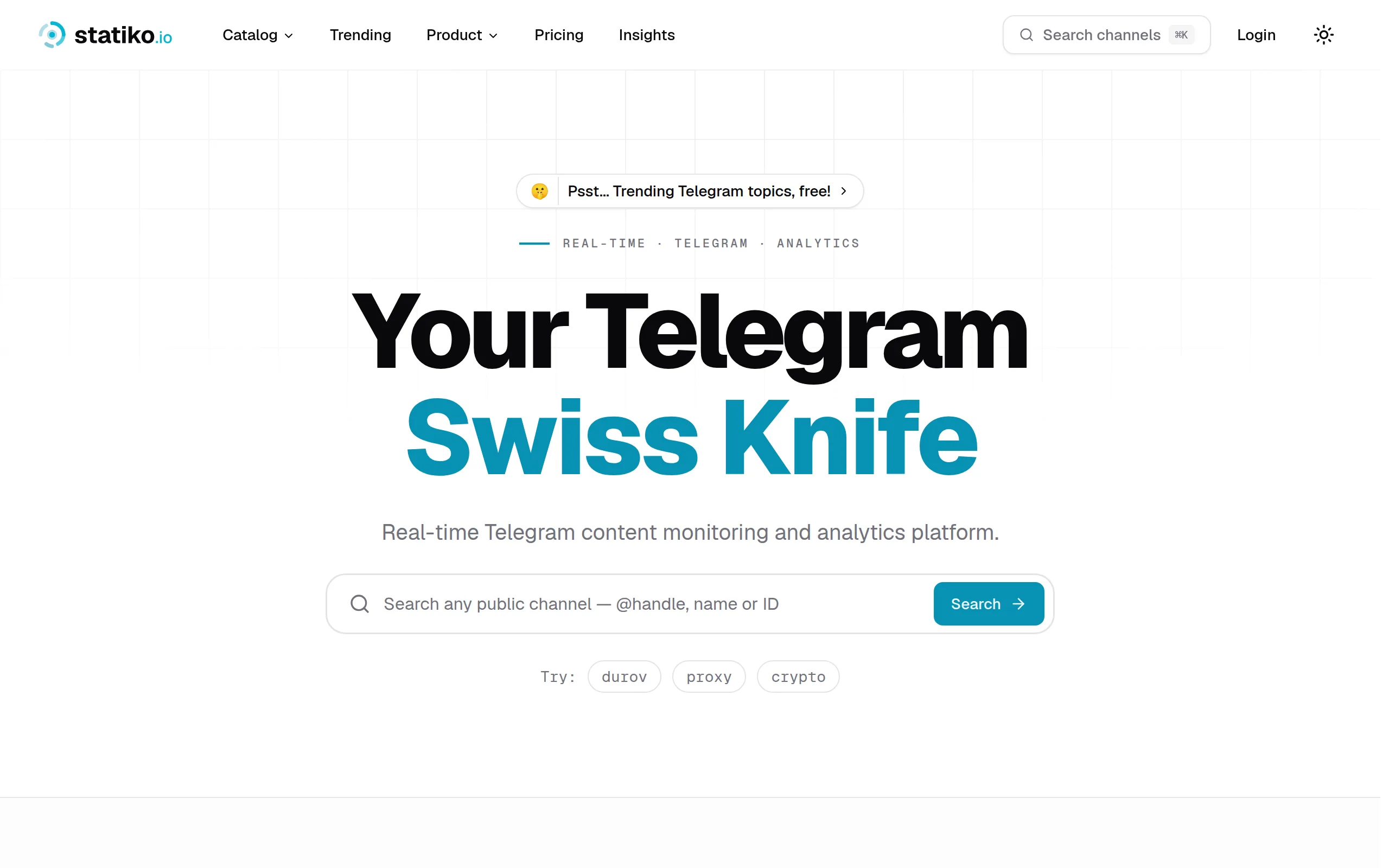
Statiko
Monitor any Telegram channel in real time - track posts, edits, deletions, and growth with AI recaps 📡

Shibui
AI website builder - describe your business, pick a niche template, edit by chatting, and publish instantly ✨

Pro Service
Find verified home service professionals, compare quotes, and pay securely through escrow - built for Brazilians across the US 🏠

RankGrow
Fix your SEO with AI agents - connect Search Console, get prioritized tasks, and grow organic traffic 📈
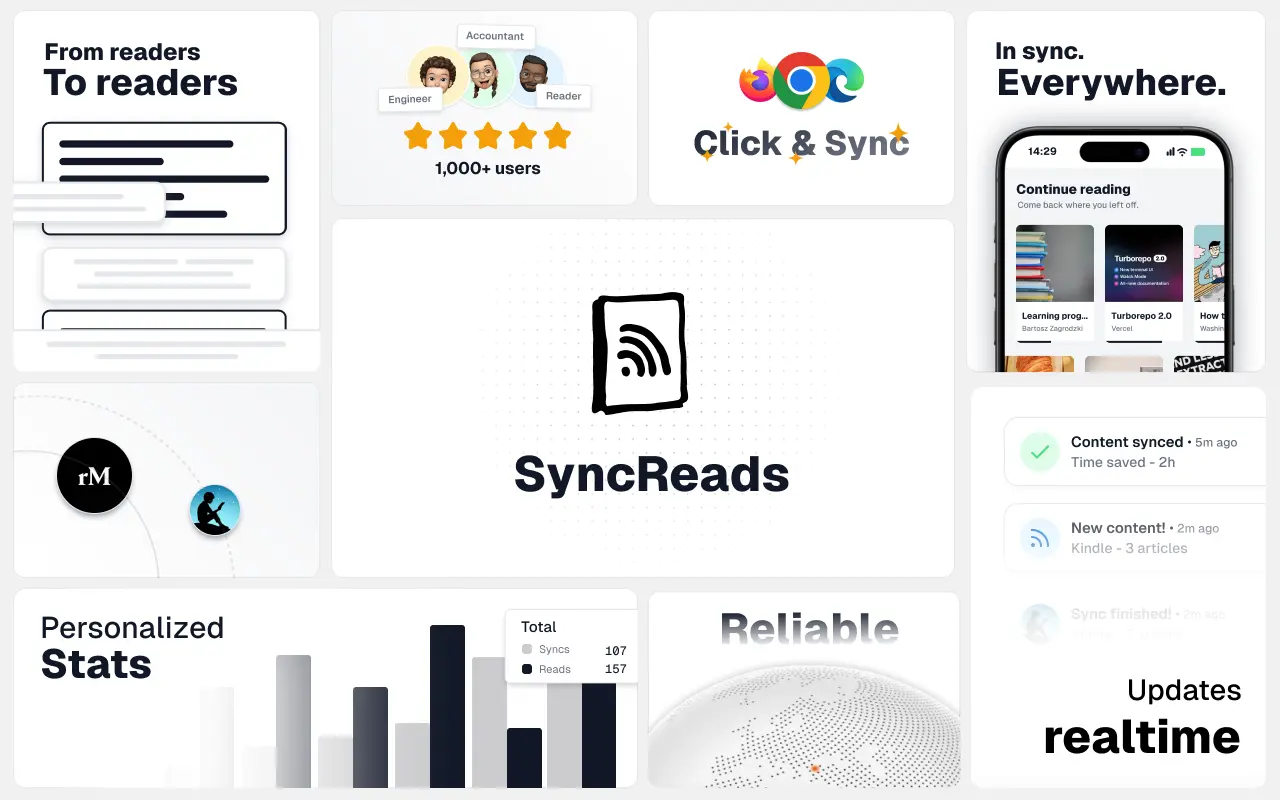
SyncReads
Sync your favorite content for distraction-free reading, save time and replace multiple apps. Anytime, anywhere 🔄
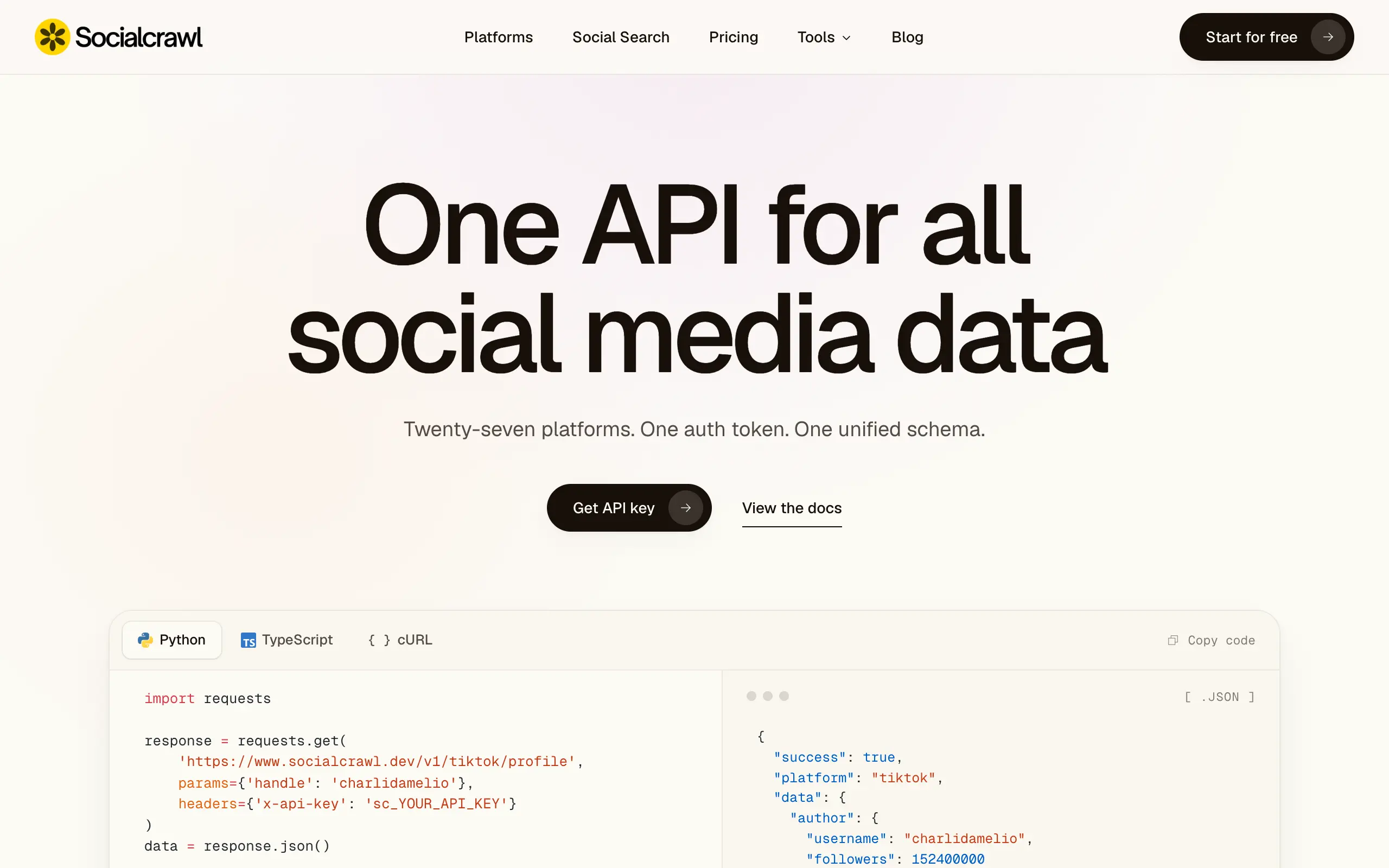
Socialcrawl
Get clean, structured data from 21 platforms like TikTok, Instagram, and YouTube with a single request 📊
Statiko
Monitor any Telegram channel in real time - track posts, edits, deletions, and growth with AI recaps 📡
Shibui
AI website builder - describe your business, pick a niche template, edit by chatting, and publish instantly ✨
Pro Service
Find verified home service professionals, compare quotes, and pay securely through escrow - built for Brazilians across the US 🏠
RankGrow
Fix your SEO with AI agents - connect Search Console, get prioritized tasks, and grow organic traffic 📈
SyncReads
Sync your favorite content for distraction-free reading, save time and replace multiple apps. Anytime, anywhere 🔄
Socialcrawl
Get clean, structured data from 21 platforms like TikTok, Instagram, and YouTube with a single request 📊
Statiko
Monitor any Telegram channel in real time - track posts, edits, deletions, and growth with AI recaps 📡
Shibui
AI website builder - describe your business, pick a niche template, edit by chatting, and publish instantly ✨
Pro Service
Find verified home service professionals, compare quotes, and pay securely through escrow - built for Brazilians across the US 🏠
RankGrow
Fix your SEO with AI agents - connect Search Console, get prioritized tasks, and grow organic traffic 📈
SyncReads
Sync your favorite content for distraction-free reading, save time and replace multiple apps. Anytime, anywhere 🔄
Socialcrawl
Get clean, structured data from 21 platforms like TikTok, Instagram, and YouTube with a single request 📊
Statiko
Monitor any Telegram channel in real time - track posts, edits, deletions, and growth with AI recaps 📡
Shibui
AI website builder - describe your business, pick a niche template, edit by chatting, and publish instantly ✨
Pro Service
Find verified home service professionals, compare quotes, and pay securely through escrow - built for Brazilians across the US 🏠
RankGrow
Fix your SEO with AI agents - connect Search Console, get prioritized tasks, and grow organic traffic 📈
SyncReads
Sync your favorite content for distraction-free reading, save time and replace multiple apps. Anytime, anywhere 🔄
Socialcrawl
Get clean, structured data from 21 platforms like TikTok, Instagram, and YouTube with a single request 📊
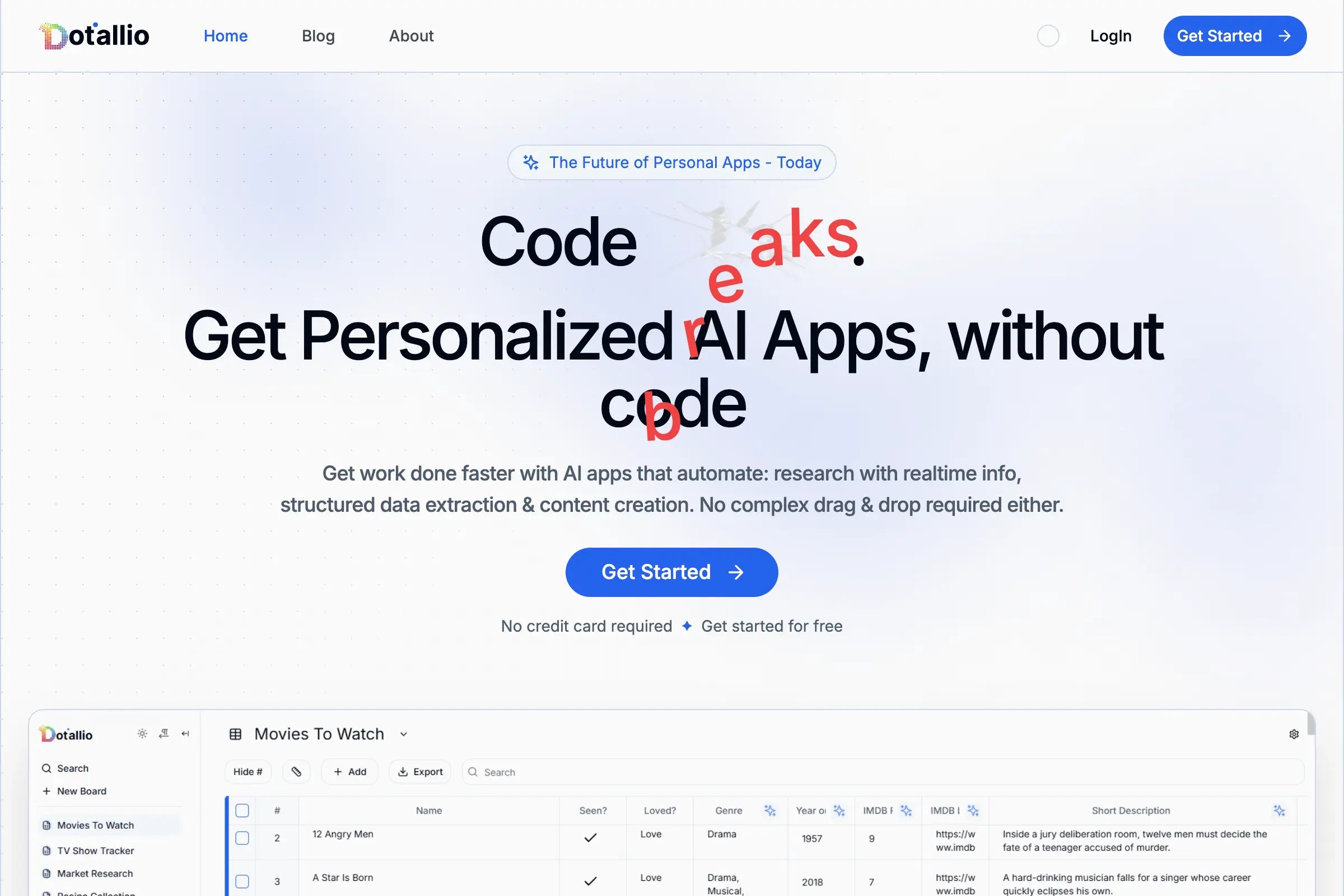
Dotallio
Personalized AI apps that automate research, data extraction, and content creation without code 🤖

Talk to Santa
Enjoy a magical live video chat or receive a unique AI-generated video greeting from Santa Claus 🎅

pozywka.pl
Scalable blog for food journalist, focused on performance and user experience 🌭
zagrodzki.me
Personal blog and portfolio of Bart Zagrodzki, where he shares his knowledge and work 💼
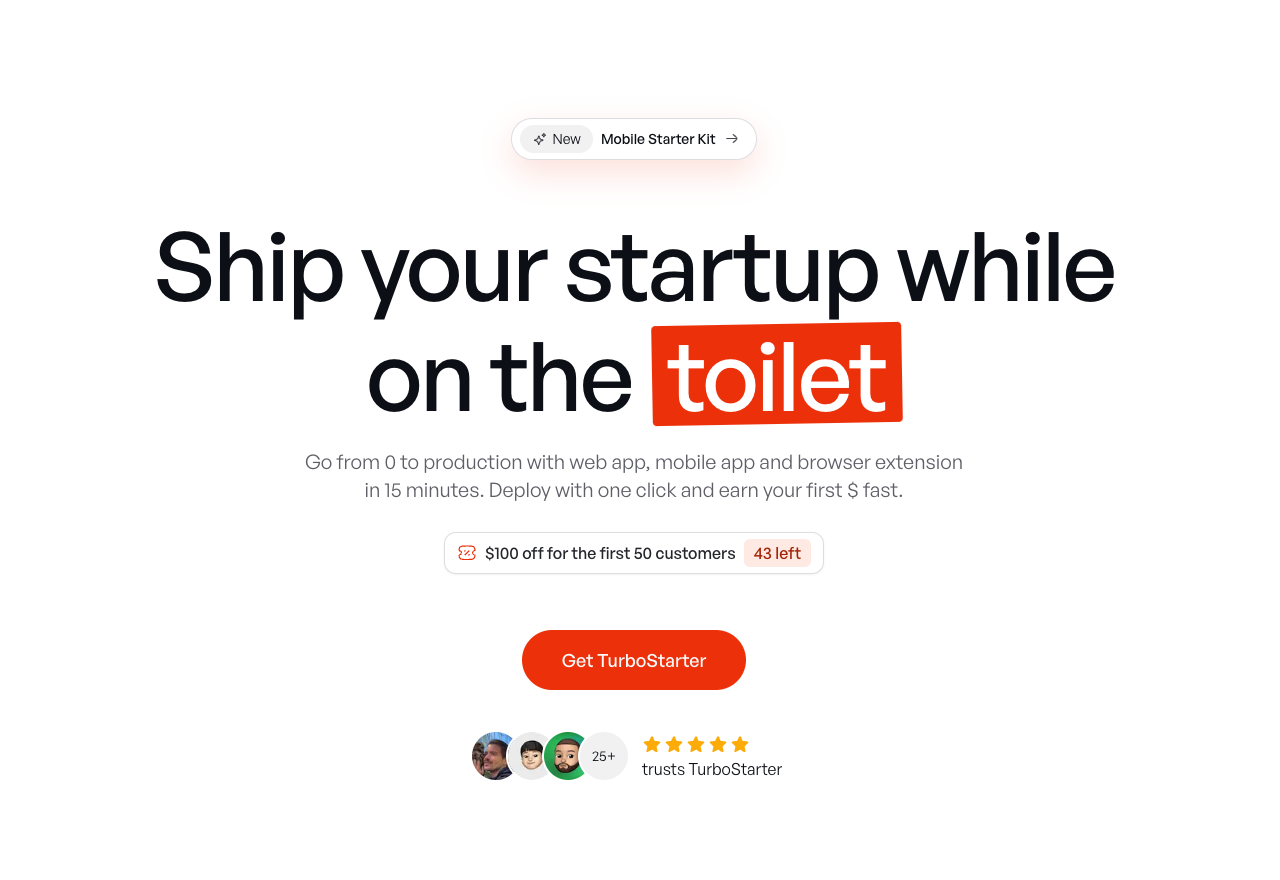
TurboStarter
Ship your startup everywhere. In minutes.
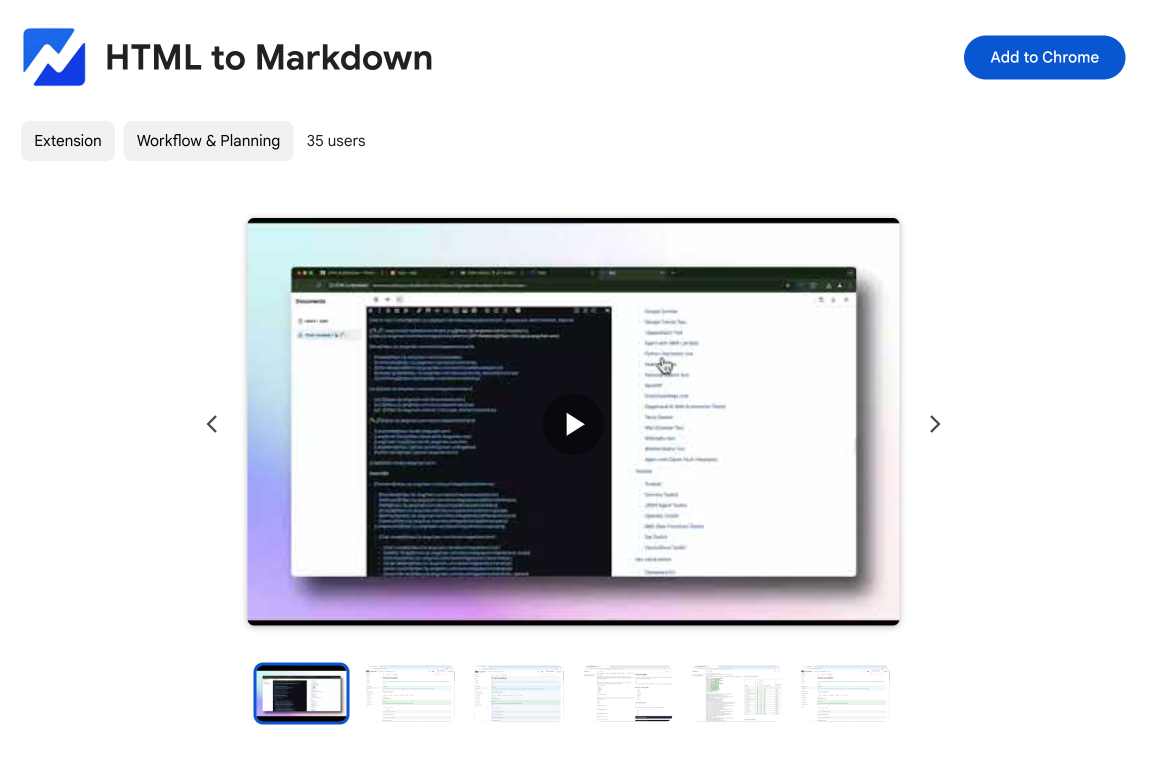
HTML to Markdown
Convert HTML to Markdown with ease, directly in your browser 📄
Dotallio
Personalized AI apps that automate research, data extraction, and content creation without code 🤖
Talk to Santa
Enjoy a magical live video chat or receive a unique AI-generated video greeting from Santa Claus 🎅
pozywka.pl
Scalable blog for food journalist, focused on performance and user experience 🌭
zagrodzki.me
Personal blog and portfolio of Bart Zagrodzki, where he shares his knowledge and work 💼
TurboStarter
Ship your startup everywhere. In minutes.
HTML to Markdown
Convert HTML to Markdown with ease, directly in your browser 📄
Dotallio
Personalized AI apps that automate research, data extraction, and content creation without code 🤖
Talk to Santa
Enjoy a magical live video chat or receive a unique AI-generated video greeting from Santa Claus 🎅
pozywka.pl
Scalable blog for food journalist, focused on performance and user experience 🌭
zagrodzki.me
Personal blog and portfolio of Bart Zagrodzki, where he shares his knowledge and work 💼
TurboStarter
Ship your startup everywhere. In minutes.
HTML to Markdown
Convert HTML to Markdown with ease, directly in your browser 📄
Dotallio
Personalized AI apps that automate research, data extraction, and content creation without code 🤖
Talk to Santa
Enjoy a magical live video chat or receive a unique AI-generated video greeting from Santa Claus 🎅
pozywka.pl
Scalable blog for food journalist, focused on performance and user experience 🌭
zagrodzki.me
Personal blog and portfolio of Bart Zagrodzki, where he shares his knowledge and work 💼
TurboStarter
Ship your startup everywhere. In minutes.
HTML to Markdown
Convert HTML to Markdown with ease, directly in your browser 📄
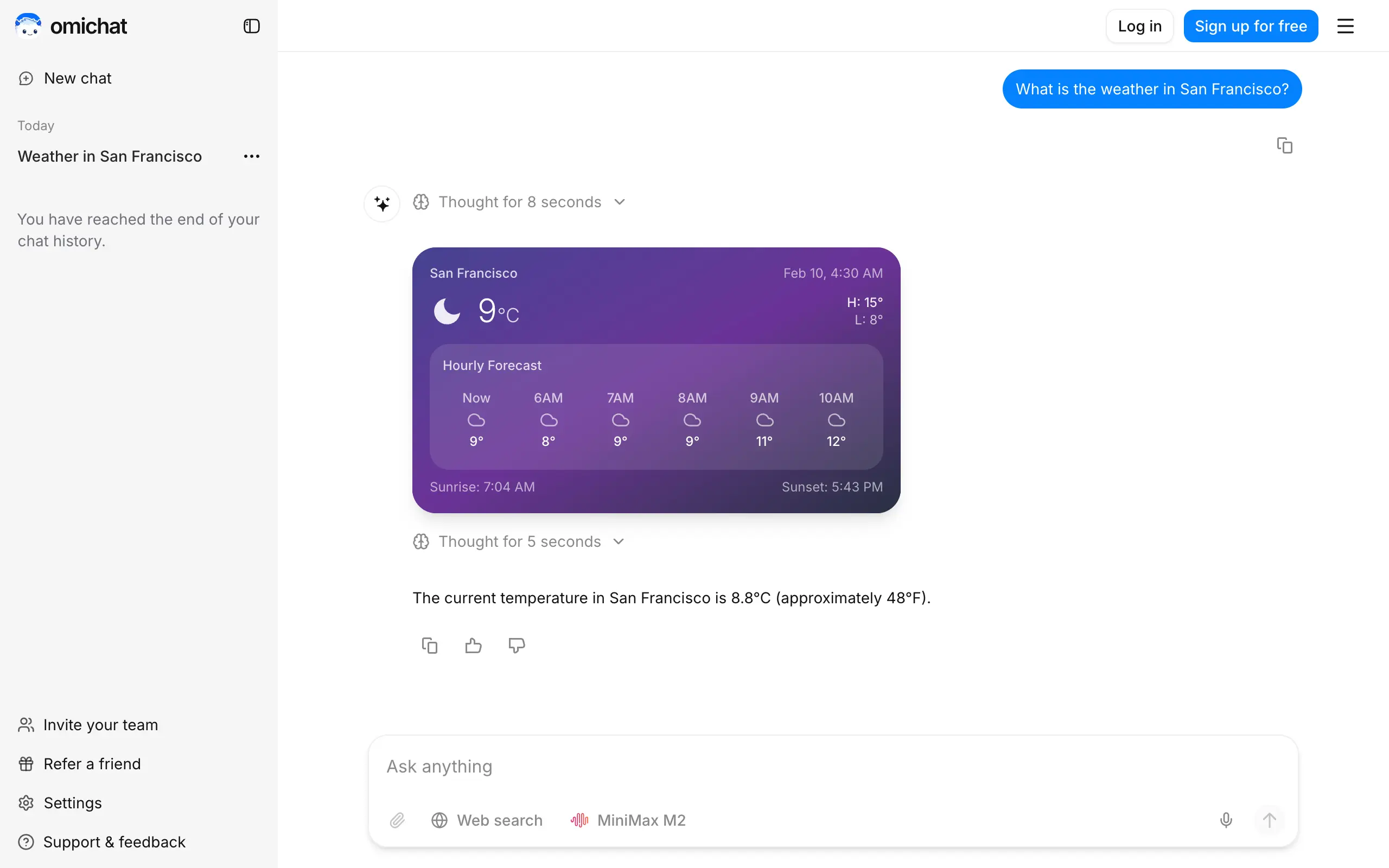
Omichat
Chat with 50+ AI models, including ChatGPT and Claude, in one place - switch models anytime without losing context 🤖
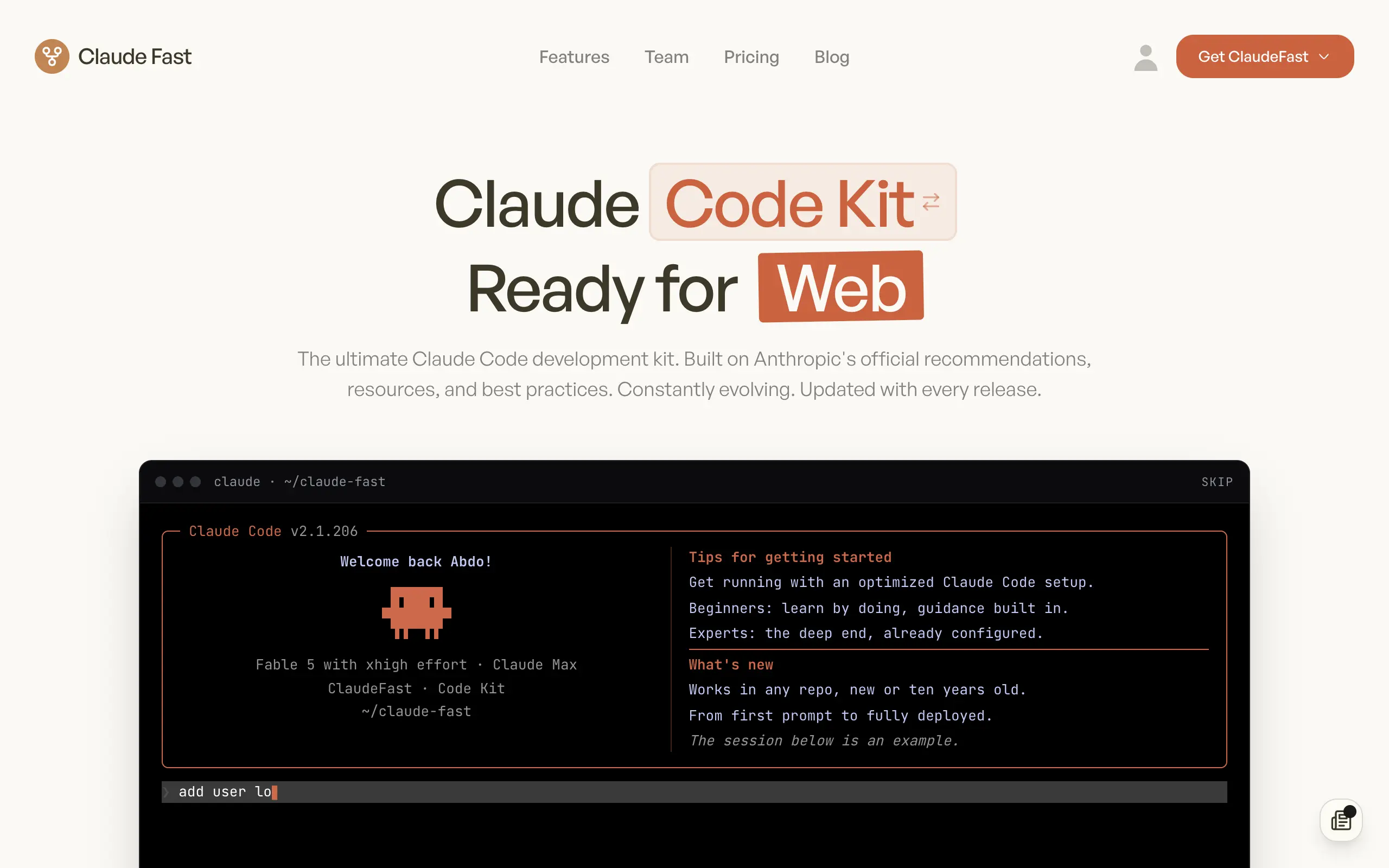
Claude Fast
Supercharge your Claude Code with 6x effective context window and specialized AI agents 🤖
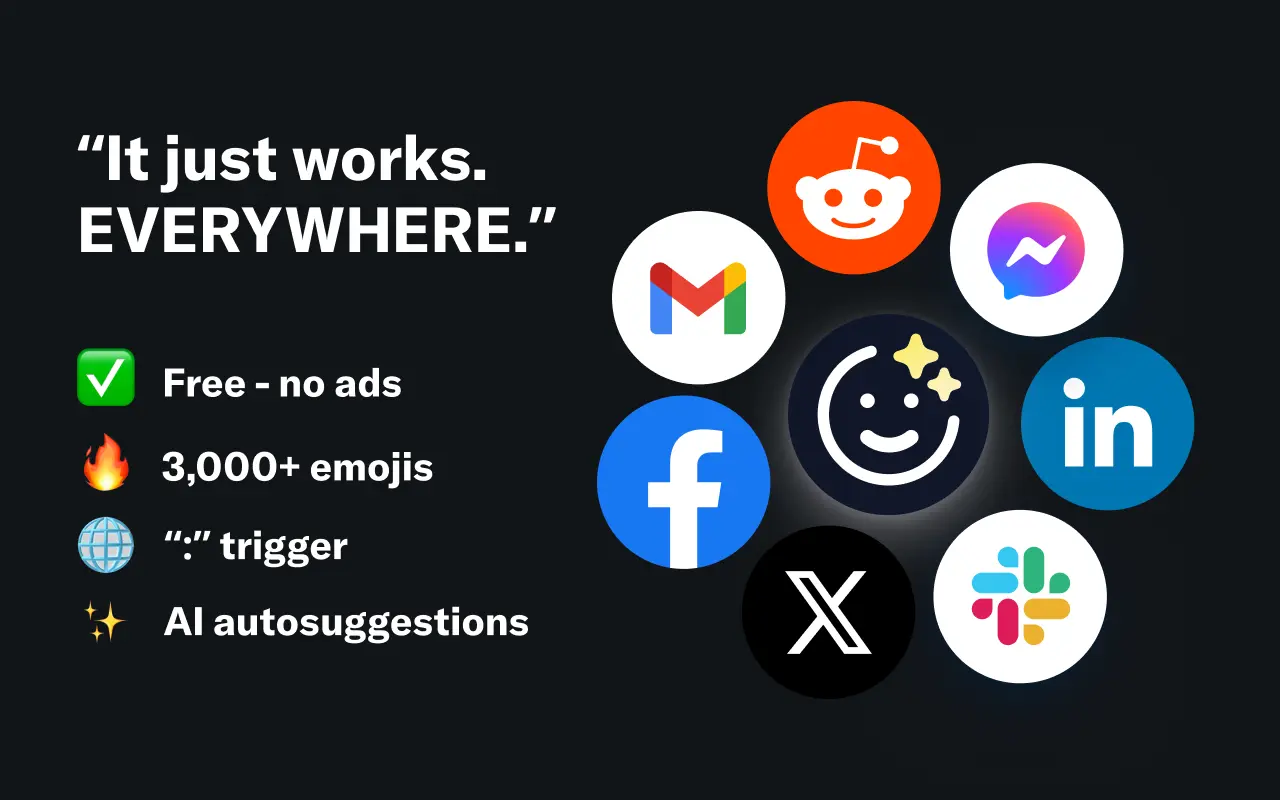
EmojAI
AI-powered emoji picker with smart, context-aware suggestions 🤖
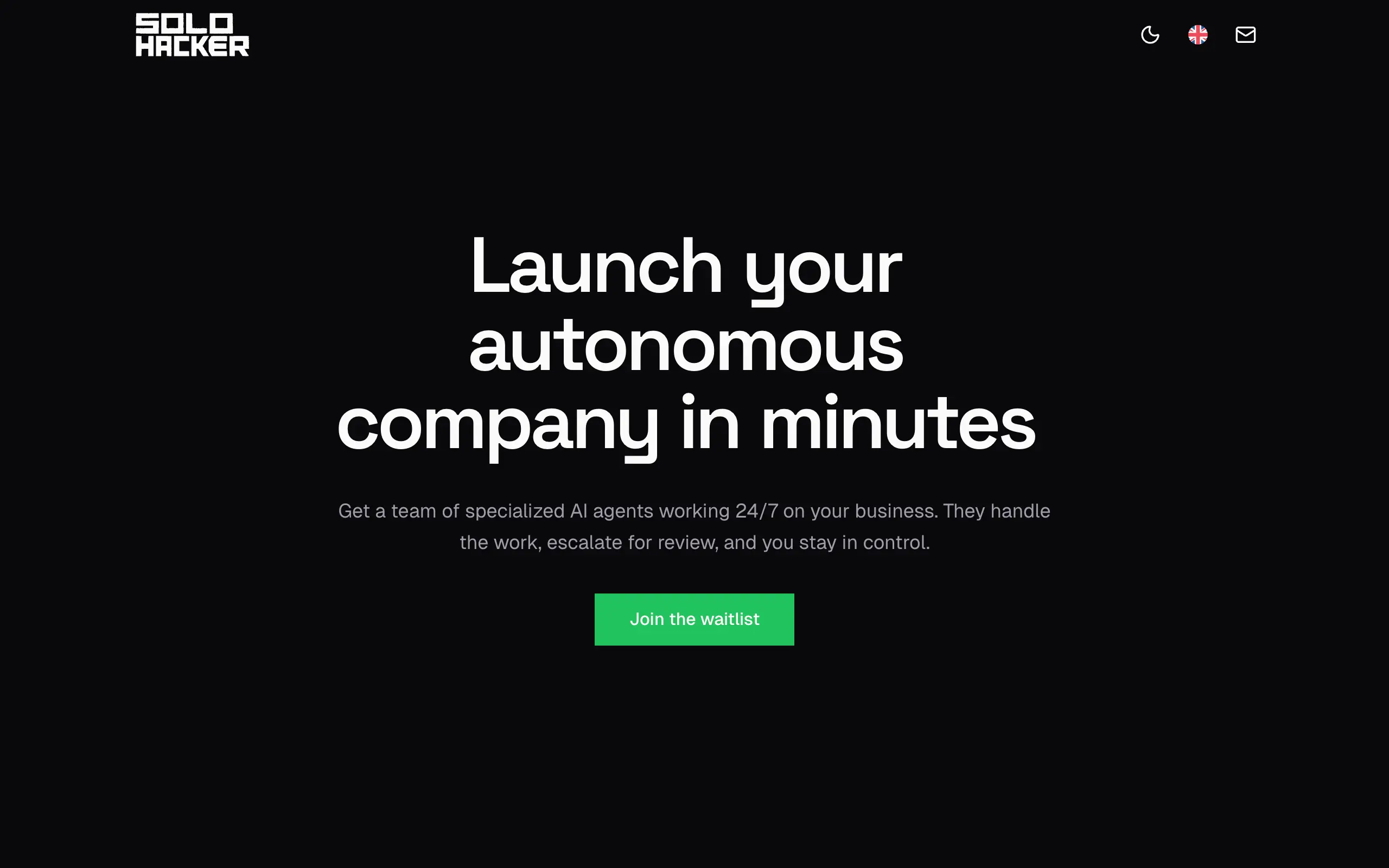
Solohacker
Autonomous company launcher - AI agents work 24/7, escalate what matters, and you stay in control 🤖

BeRawi: Storytelling Coach
Practice storytelling daily with instant feedback to sound clearer, more engaging, and confident 🎤
Omichat
Chat with 50+ AI models, including ChatGPT and Claude, in one place - switch models anytime without losing context 🤖
Claude Fast
Supercharge your Claude Code with 6x effective context window and specialized AI agents 🤖
EmojAI
AI-powered emoji picker with smart, context-aware suggestions 🤖
Solohacker
Autonomous company launcher - AI agents work 24/7, escalate what matters, and you stay in control 🤖
BeRawi: Storytelling Coach
Practice storytelling daily with instant feedback to sound clearer, more engaging, and confident 🎤
Omichat
Chat with 50+ AI models, including ChatGPT and Claude, in one place - switch models anytime without losing context 🤖
Claude Fast
Supercharge your Claude Code with 6x effective context window and specialized AI agents 🤖
EmojAI
AI-powered emoji picker with smart, context-aware suggestions 🤖
Solohacker
Autonomous company launcher - AI agents work 24/7, escalate what matters, and you stay in control 🤖
BeRawi: Storytelling Coach
Practice storytelling daily with instant feedback to sound clearer, more engaging, and confident 🎤
Omichat
Chat with 50+ AI models, including ChatGPT and Claude, in one place - switch models anytime without losing context 🤖
Claude Fast
Supercharge your Claude Code with 6x effective context window and specialized AI agents 🤖
EmojAI
AI-powered emoji picker with smart, context-aware suggestions 🤖
Solohacker
Autonomous company launcher - AI agents work 24/7, escalate what matters, and you stay in control 🤖
BeRawi: Storytelling Coach
Practice storytelling daily with instant feedback to sound clearer, more engaging, and confident 🎤

Connect with like-minded people
Join our community to get feedback, support, and grow together with 1,000+ builders on board, let's ship it!
Join usShip your startup everywhere. In minutes.
Don't burn tokens on setup and start building features on day one.