10+ AI SaaS templates for web & mobile
home
Explore other AI Startup SaaS ideas

GameDev Genie

An AI-powered tool that assists young game developers in creating their own games by providing code snippets, design suggestions, and debugging help. It makes game development accessible and fun for beginners.

Target Audience

This innovative solution is designed specifically for young and aspiring game developers who are beginning to explore the exciting world of game creation. These developers are often eager, creative, and looking for tools that make the learning curve less steep. They might be:

  • High school or college students trying their hand at game development projects.
  • Hobbyists who love gaming and are curious about creating their own games.
  • Independent developers who want a user-friendly AI tool to help them quickly prototype and debug their ideas.

By keeping the needs of these beginners at the forefront, the tool offers a unique blend of accessibility and technical capability. Its AI-powered suggestions simplify many of the classic challenges in game design—from coding architecture to visual styling—and therefore it resonates well with those who might otherwise feel overwhelmed by traditional development tools.

Market Opportunity

In today’s booming digital ecosystem, the market for accessible game development tools is expanding rapidly. There is a clear trend toward democratizing technology, and this AI-driven tool taps into that momentum by helping beginners overcome common hurdles in game creation. The market opportunity is evident when considering the following factors:

  • Increasing demand for interactive content: With mobile gaming and indie game development on the rise, the market is broadening to include non-traditional developers.
  • Need for learning resources: Many educational institutions and online communities are constantly on the lookout for engaging ways to teach programming, coding best practices, and game design principles.
  • Cost-effective development: As the tool offers integrated debugging help and code suggestions, it can reduce the trial and error associated with learning new languages or frameworks.

In addition, developers can leverage various platforms—from simple web-based applications to full-scale desktop programs—to distribute games created using this tool. The shift toward online learning and remote collaboration further enhances the adoption potential in educational sectors.

Market Insight

The current market demands innovative solutions that lower the barrier to entry in game development, making it more accessible to a diverse range of users.

Technology Stack and Architectural Insights

One of the core strengths of this project is its robust and adaptable technology stack. The tool is built using a combination of modern web technologies and AI frameworks that work seamlessly together to provide a smooth user experience.

  • Frontend: Utilizing modern JavaScript frameworks such as React.js helps to create engaging, fast, and responsive UIs. These frameworks support component-based design, which makes it easier to integrate interactive components such as accordions, tabs, and cards.

  • Backend: The server side relies on scalable Node.js infrastructures, ensuring that the tool can handle multiple user requests simultaneously. This flexibility is key when many users are concurrently accessing code suggestions, debugging tools, and testing capabilities.

  • AI Integration: By leveraging popular AI libraries like TensorFlow.js or PyTorch, the tool can process natural language queries and offer real-time code and design recommendations. The use of these libraries allows for the continuous learning and improvement of the assistant’s functionality.

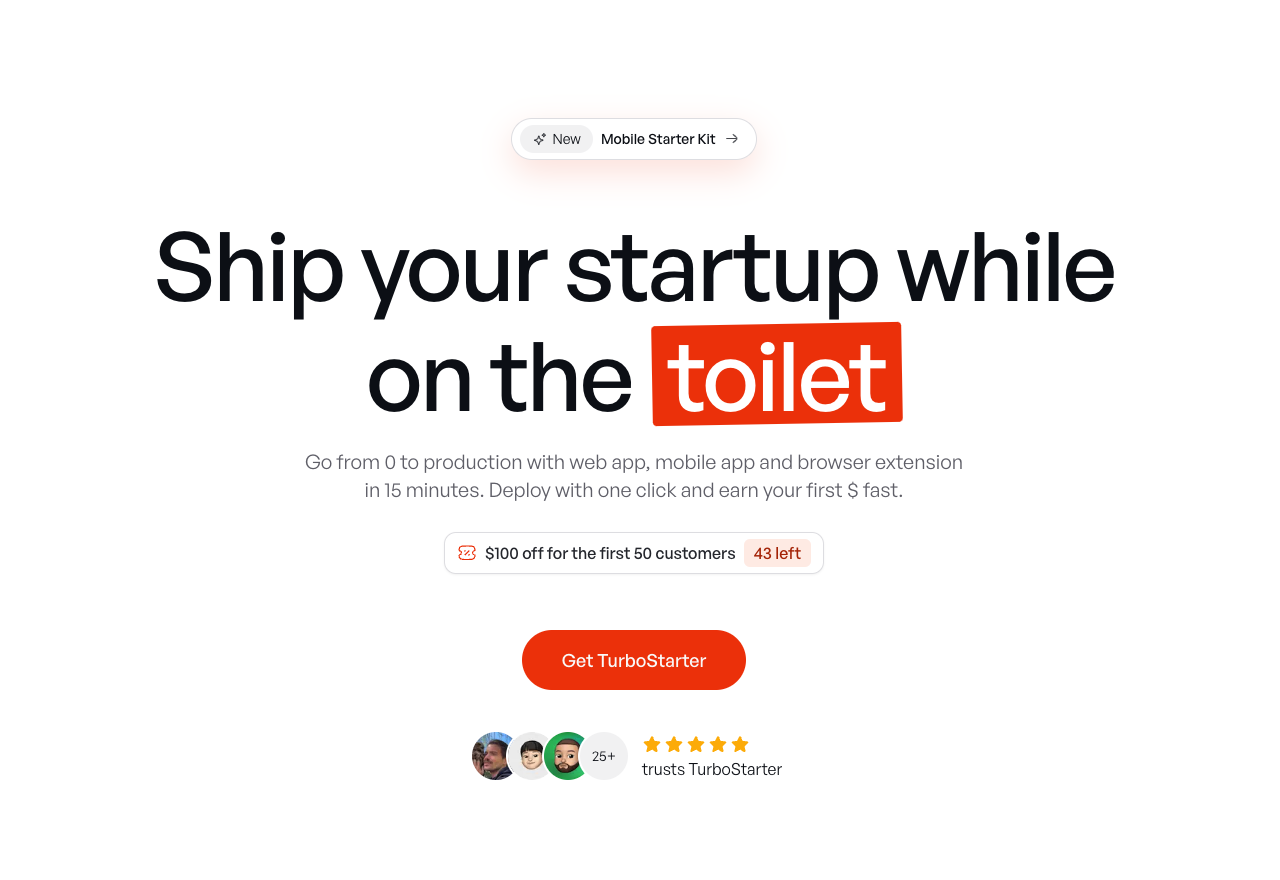
  • Rapid Implementation: For accelerated development, utilizing a starter kit such as TurboStarter can be a game-changer. This kit is designed for web, mobile, and browser extension applications, making it ideal for startups looking to speed up their project timelines without sacrificing quality.

Below is a basic example of an AI code suggestion snippet in TypeScript:

const generateCodeSnippet = () => {
  console.log("This snippet is generated to help you start coding!");
};

The use of such code snippets not only accelerates the learning process by providing immediate examples but also offers a foundation upon which more complex functionalities can be built.

Monetization Strategy

A sustainable monetization strategy is crucial to the long-term success of any innovative tool in the market. There are several potential revenue streams that could be considered for this AI-powered solution:

  • Freemium Model:

    • Free Tier: Provides basic functionalities and limited access to code snippets, design suggestions, and debugging tips.
    • Premium Tier: Offers advanced features such as deeper AI insights, priority customer support, access to exclusive content, and extended debugging sessions.
  • Subscription-Based Access:
    Implementing monthly or annual subscription plans that grant users continuous access to the latest features and updates. Special discounts can be offered to students or educational institutions.

  • In-App Purchases:
    Users can buy additional assets, like pre-built code blocks and design templates, which can further streamline their development process. These micro-transactions can provide a steady stream of revenue without creating a significant barrier to entry.

  • Partnerships and Sponsorships:
    Collaborations with educational platforms and game development communities can lead to bundled offerings or sponsored content, further enhancing revenue opportunities.

  • Advertising:
    Carefully integrated, non-intrusive ads geared towards allied industries (e.g., game design tools, graphic design software) can provide an additional revenue stream. However, it is important to balance advertising needs with a clean, distraction-free interface.

Risks and Mitigation Strategies

Every innovative tool comes with its own set of challenges and risks. Being proactive in identifying these risks and preparing mitigation strategies is vital for the tool's long-term viability.

  • User Adoption and Learning Curve:

    • Risk: Beginners might still feel overwhelmed despite the AI assistance.
    • Mitigation: Create engaging onboarding tutorials, interactive demos, and provide extensive documentation.
  • Data Privacy and Security:

    • Risk: Ensuring the safety of user data and proprietary game designs is critical.
    • Mitigation: Implement robust encryption protocols and adhere to data protection standards. Regular audits and compliance checks should be standard.
  • Technical Limitations and Scalability:

    • Risk: The tool may experience performance issues if not optimized for a large number of concurrent users.
    • Mitigation: Utilize cloud-based scaling solutions and ensure that the backend architecture is designed for load balancing and redundancy.
  • Competition:

    • Risk: Larger competitors may enter the market, leveraging extensive resources to outpace adoption.
    • Mitigation: Continuously innovate by integrating unique features and staying active within the community. Focus on iterative development and user feedback.
  • Monetization Challenges:

    • Risk: If the free features are too generous, premium upgrades may not sell well. Conversely, if the premium tier is too expensive, it could discourage users.
    • Mitigation: Implement A/B testing on pricing models, gather continuous user feedback, and adjust product tiers as needed.

Competitive Advantages

This tool’s competitive advantage lies in its precise focus on the needs of emerging game developers and its intelligent use of artificial intelligence. Here are some of the standout factors:

  • Tailored for Beginners:
    Unlike many traditional game development tools that are designed for professionals, this solution speaks directly to the needs of novices. Its guidance is accessible, yet it doesn’t shy away from introducing advanced topics in a digestible manner.

  • Integrated AI Functionality:
    The tool harnesses AI not only for code suggestions but also for offering design recommendations and debugging assistance. This holistic approach makes the development process less daunting and more enjoyable.

  • Rapid Prototyping:
    By providing readily usable code snippets, developers can swiftly move from idea to prototype. This acceleration is further enhanced when leveraging solutions like TurboStarter for rapid development iterations.

  • Educational Value:
    Many existing platforms serve as mere code generators. This tool, on the other hand, is designed to educate. It not only provides suggestions but also explains best practices and common pitfalls.

  • User-Centric Design:
    The intuitive layout and interactive components ensure that users remain engaged even when tackling challenging aspects of game development. Features like interactive tutorials, integrated debugging, and community support further set the tool apart.

Feature highlight

Learn as you build: Integrate code examples and AI insights to understand both the how and why behind every suggestion.

Deep Dive into the Technical Ecosystem

The way this tool is architected sets it apart from many other development assistants. Let’s break down some of the technical aspects in greater detail.

Frontend Excellence

Using React.js as the foundation enhances the overall user experience by offering:

  • Component-Based Architecture:
    This allows the tool to be modular and maintainable. For instance, interactive elements like Tabs and Accordions make navigation easier for users who are exploring different functionalities.

  • Rich Interactivity:
    The incorporation of components such as the following Tabs ensures that users can easily switch between various options without losing context:

Content for basic information and introductory tips.

Efficient Backend Support

The backend is powered by a Node.js server paired with a NoSQL database like MongoDB. This structure allows the following benefits:

  • Real-Time Data Processing:
    As users interact with the tool, their inputs are processed instantly, enabling real-time suggestions and debugging feedback.

  • Scalability:
    By designing the backend with scalability in mind—using microservices and load balancers—the system remains responsive even during peak usage periods.

  • Enhanced Security:
    With strong authentication mechanisms and regular data backups, the tool maintains a safe environment for its users, ensuring their intellectual property remains secure.

AI Integration and Continuous Learning

One of the most exciting facets of this tool is its AI core. By using libraries such as TensorFlow.js or PyTorch, the system can:

  • Analyze User Code:
    Providing context-aware suggestions that help users understand and improve their code.

  • Offer Debugging Help:
    Quickly identify common errors and provide advice on how to resolve them.

  • Adapt to Trends:
    As more users interact with the tool, the AI becomes smarter. It continuously learns from numerous code submissions, ensuring that it stays up-to-date with the latest trends and best practices.

This dynamic learning capability supports a variety of development styles and encourages experimentation, ensuring that even users with minimal coding experience can feel empowered to create compelling games.

Monetization Tactics Explored

Taking a closer look at revenue generation, it’s clear that the monetization strategy must balance accessibility with profitability. Here are a few in-depth tactics:

  • Freemium Access:
    Launching with a freemium model allows users to experiment with the tool immediately without significant financial investment. Over time, as they find value in the platform, they can upgrade to premium packages.

  • Educational Licenses:
    Offering discounted offers for schools, coding bootcamps, and non-profit organizations can help drive adoption in educational environments, ensuring that future developers are familiar with the tool from an early age.

  • Community-Driven Features:
    Engage users by periodically releasing community-requested features. This not only increases user satisfaction but can also drive premium subscriptions through targeted newsletters and feature announcements.

  • In-App Marketplaces:
    By integrating a marketplace where users can purchase extra assets, such as unique game assets or enhanced debugging modules, the tool creates a self-sustaining economic ecosystem. This marketplace can be a valuable addition that encourages community engagement.

Risk Factors and How to Navigate Them

Every technological innovation faces potential hurdles. Here, we further elaborate on the main risk areas and propose actionable steps to mitigate them:

  • User Experience Complexity:
    Challenge: Even with thoughtful design, beginners might be intimidated by too many features.
    Solution: Gradually introduce features with a tiered onboarding process. Simple tutorials should lead users through a progressive deepening of the tool’s functionalities.

  • Technical Hurdles:
    Challenge: Integrating AI effectively can be complex, especially when dealing with unpredictable inputs.
    Solution: Maintain rigorous testing routines, employ continuous integration pipelines, and prioritize quality assurance. A robust error logging and feedback mechanism is essential for identifying and resolving issues promptly.

  • Market Competition:
    Challenge: Emerging competitors might attempt to mimic key features of the tool.
    Solution: Stay ahead by investing in continuous research and development while fostering a vibrant, engaged community. Listening to user feedback and implementing regular updates can build strong brand loyalty.

  • Data Security:
    Challenge: Safeguarding sensitive creative content is critical.
    Solution: Implement end-to-end encryption, obtain necessary certifications, and conduct periodic security audits to ensure that the platform remains secure against potential threats.

Competitive Advantages and Differentiating Factors

This tool’s positioning in the market leverages several compelling competitive advantages:

  • User-Centric Design Philosophy:
    Every aspect of the tool is designed from the view of a beginner developer. Tutorials are clear, the interface is intuitive, and features are incrementally revealed. This approach nurtures an encouraging learning environment.

  • Unique Blend of AI and Education:
    The platform doesn’t merely spit out code snippets. Instead, it explains, offers design advice, and helps debug issues. Such educational integration adds immense value compared to more generic code assistance tools.

  • Innovation-Driven Development:
    By continuously integrating community feedback and embracing the latest AI research, the platform remains at the cutting edge of game development technology. This continuous improvement cycle helps maintain a competitive edge.

  • Broad Ecosystem Support:
    The tool is not limited to a single operating system or development environment. With capabilities spanning from web-based applications to mobile and even browser extensions, it captures a diverse user base. This diversification is economically advantageous as it opens multiple revenue channels and avenues for partnership.

Broad Ecosystem

Versatility is at the heart of the tool—accessible on web, mobile, and even as a browser extension.

Implementation Steps and Conclusion

Bringing this powerful AI-driven game development assistant to life requires a systematic, well-planned approach. Here’s an outline of key implementation steps to consider:

Conduct thorough market research and define the target audience with precision.
Design a user-centric interface using modern UI libraries and interactive elements.
Set up the foundational tech stack—including Node.js on the backend and React.js on the frontend.
Integrate AI capabilities using TensorFlow.js or PyTorch frameworks.
Implement a freemium monetization model, balancing free access with premium upgrades.
Establish rigorous security protocols and begin a continuous testing cycle.
Engage early adopters for feedback, iterate on the product, and prepare for scalability challenges.

During implementation, consider leveraging rapid development tools such as TurboStarter to accelerate the launch. This starter kit is designed for web, mobile, and browser extension projects alike, and can significantly reduce initial development time while maintaining high quality.

As you move forward with the development process, remember that user experience and continuous innovation are key to long-term success. By maintaining ongoing channel communication with your community, you can adapt to evolving needs and ensure that the tool remains both relevant and cutting-edge.

Next Steps

Begin your journey with a focus on rapid prototyping and iterative improvements. Testing, feedback, and targeted updates will help build a robust, user-friendly platform.

To summarize:

  • Recap the market opportunity and uniqueness of an AI-powered solution in game development.
  • Reinforce the importance of covering all essential aspects from user onboarding to robust security.
  • Prioritize rapid development and continuous community engagement to build a truly competitive product.
Sounds good?Now let's make it real. In minutes.
Try TurboStarter

This detailed roadmap and technical overview provide a comprehensive guide for creating a powerful, beginner-friendly game development tool. With careful planning, iterative development, and a clear focus on the target audience, you can transform the creative dreams of young game developers into fully functional, engaging, and profitable games.

More 🤖 AI Startup SaaS ideas

Discover more innovative ai startup SaaS ideas that are trending in 2026. Each idea is AI-generated with market validation and growth potential to help you find your next profitable venture faster than competitors.

See all ideas

Your competitors are building with TurboStarter

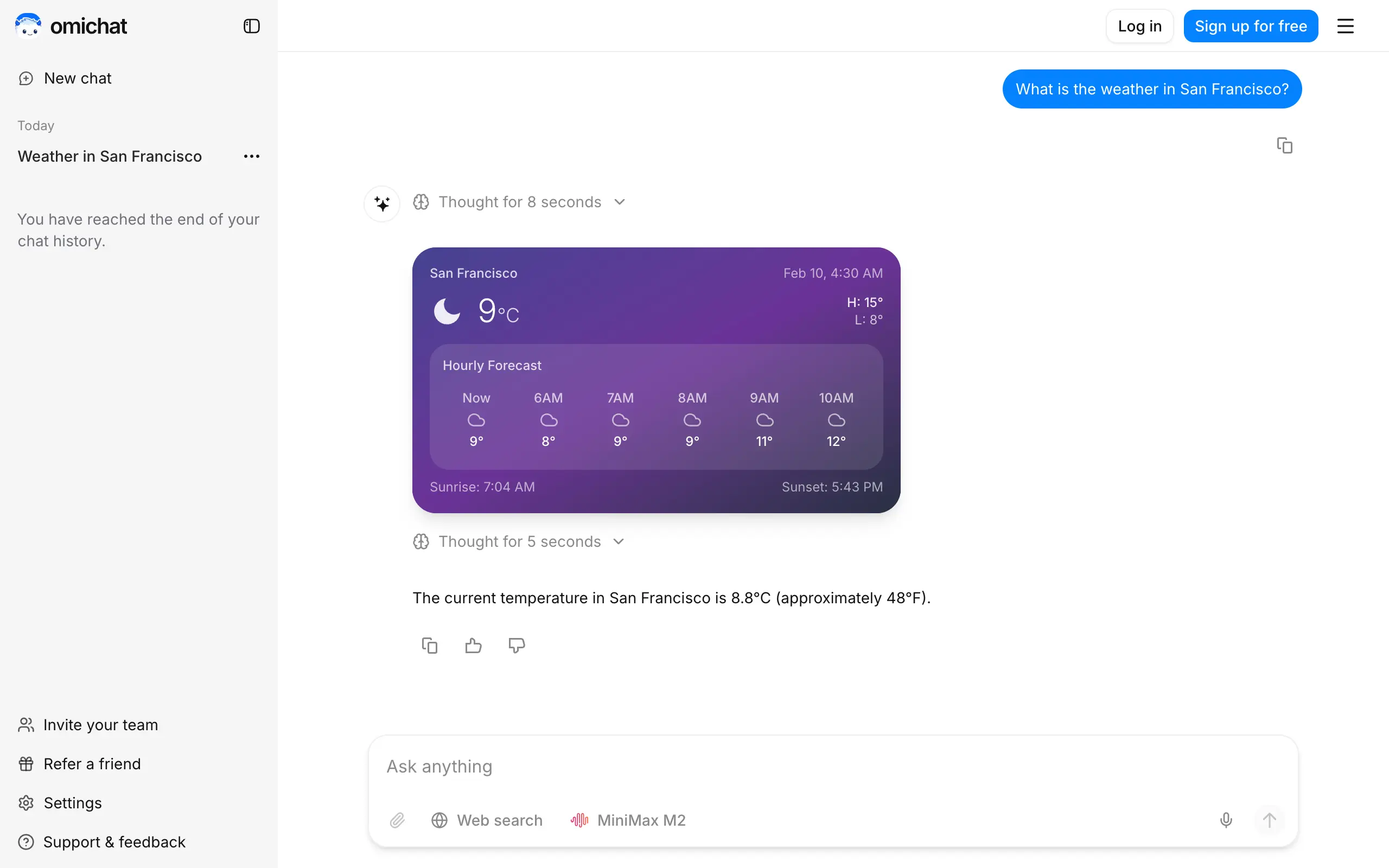
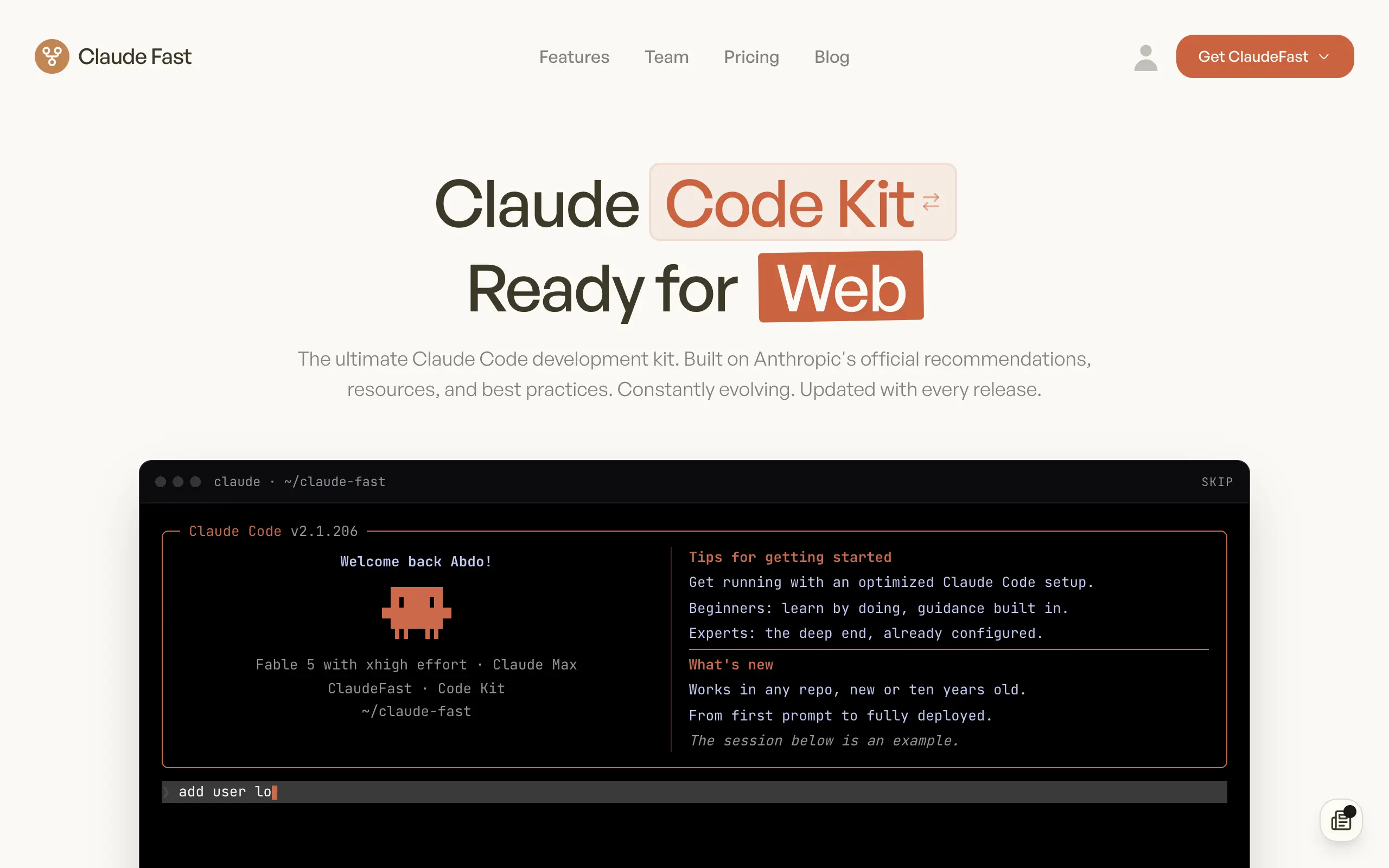
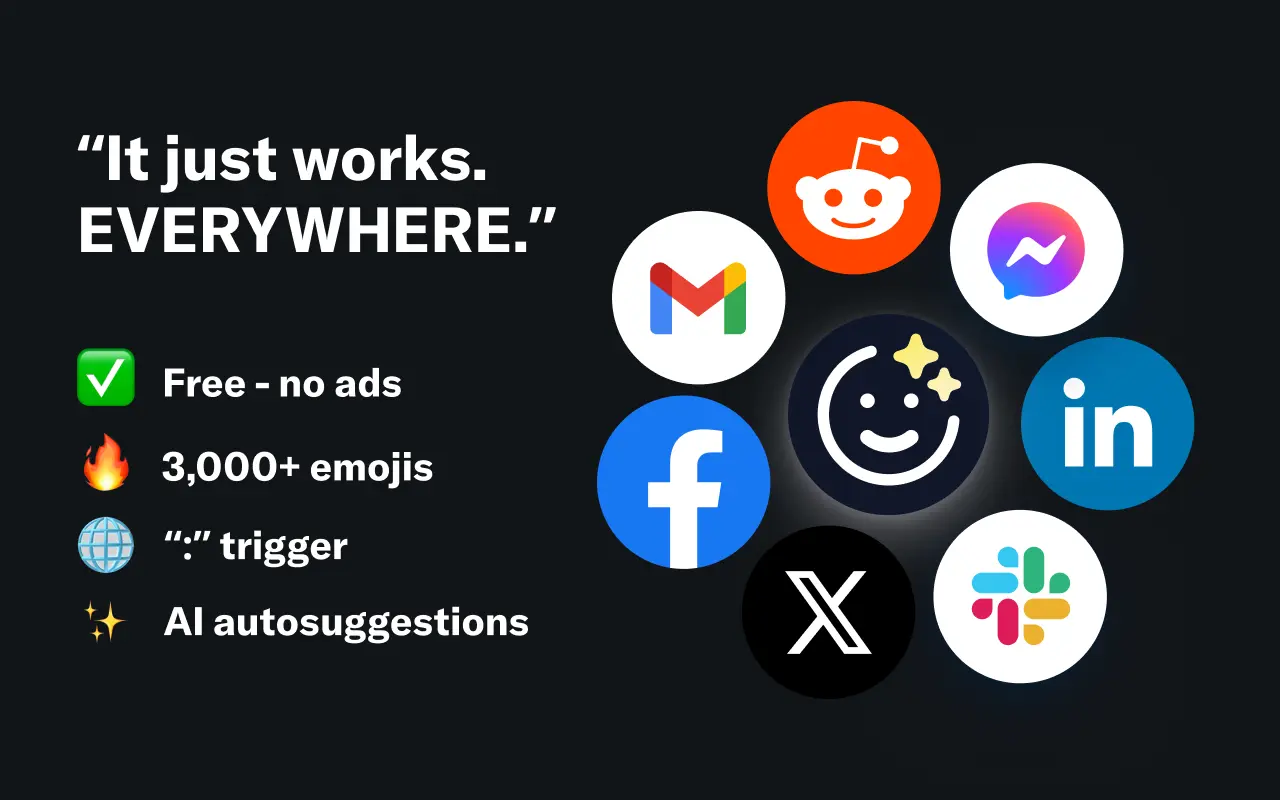
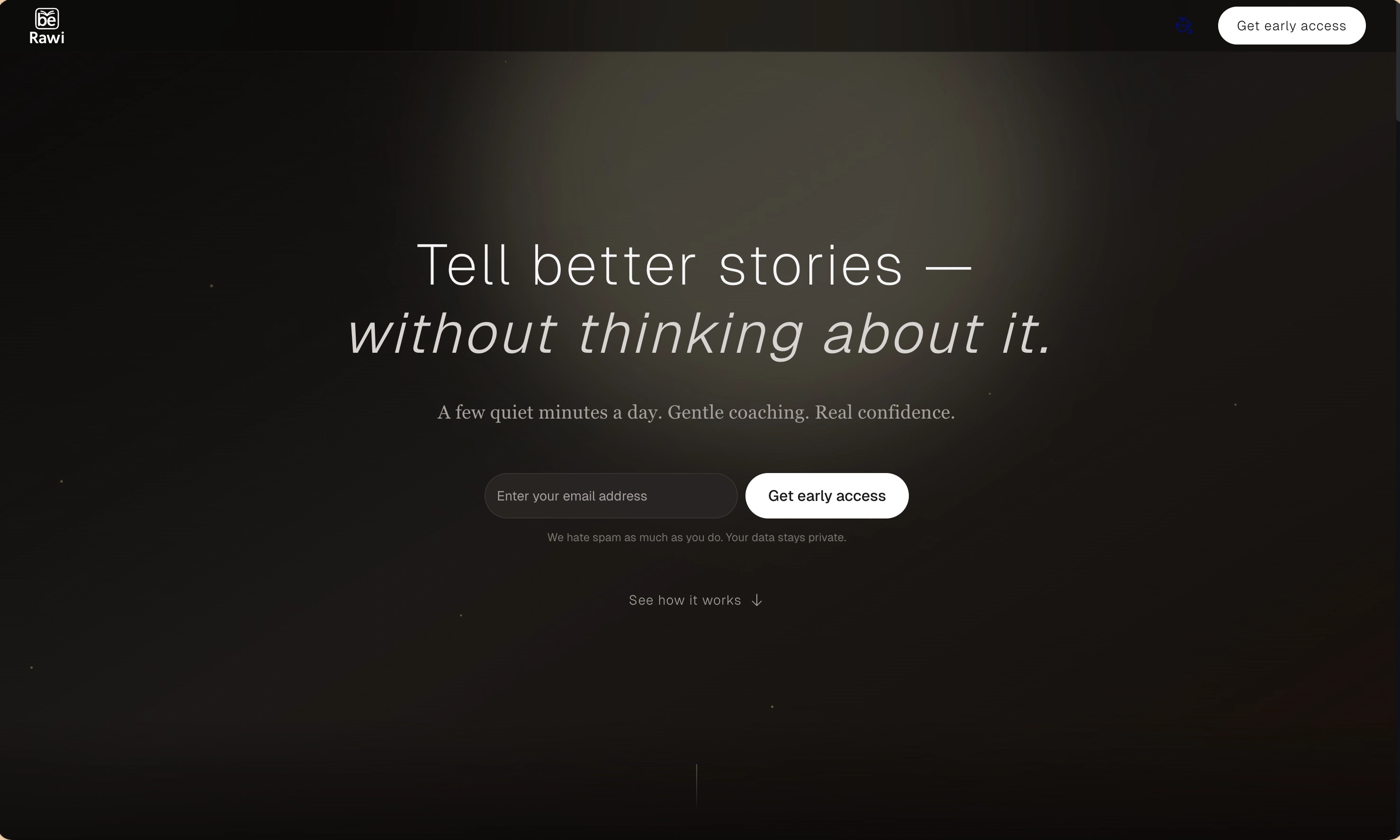
Below are some of the SaaS ideas that have been generated and built with our starter kit.
world map
Community

Connect with like-minded people

Join our community to get feedback, support, and grow together with 600+ builders on board, let's ship it!

Join us

Ship your startup everywhere. In minutes.
Skip the complex setups and start building features on day one.

Get TurboStarter